1969
A new series begins taking shape
Grant Tinker brings James L. Brooks and Allan Burns into the effort to create a new television vehicle for Mary Tyler Moore—one that cannot simply repeat Laura Petrie.
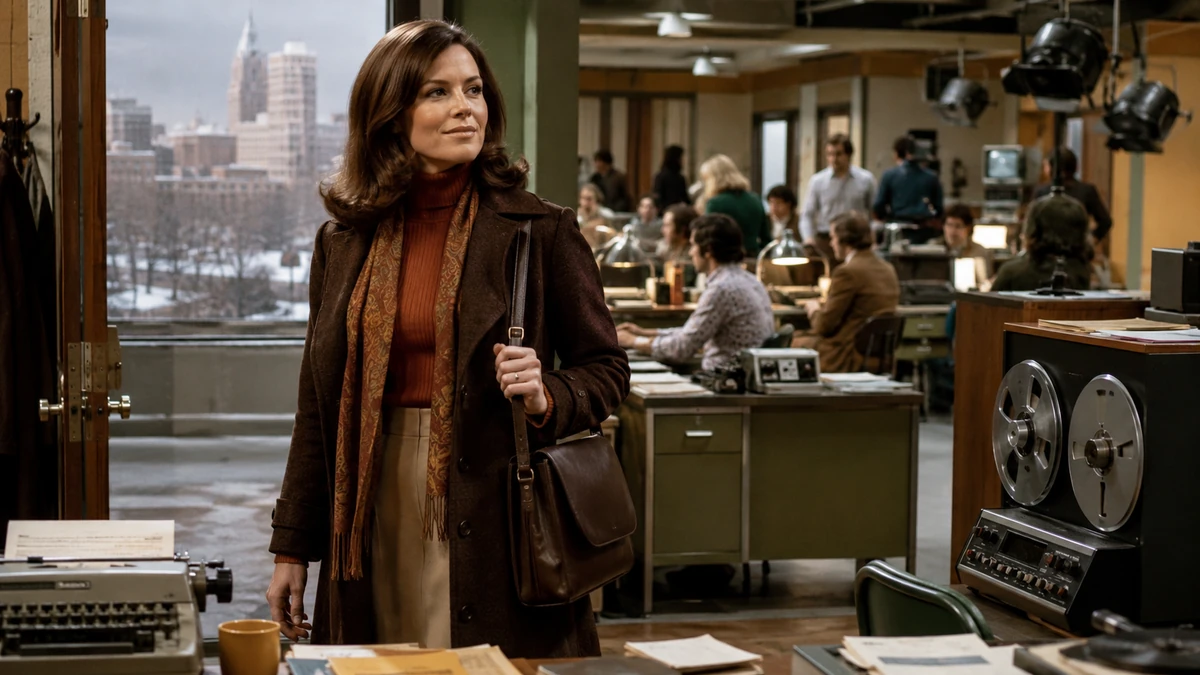
Mary Richards did not need television to rescue her. She needed an apartment, a paycheck, friends and enough nerve to keep building a life that did not require somebody else’s permission.
For Gen X viewers who met her in reruns, the revolution could look ordinary. That was the victory. Mary helped make an independent working woman feel like a person instead of a television argument.
The Mary Tyler Moore Show changed television by presenting a single working woman as a complete adult and by making the workplace ensemble a second family without pretending a job was home. Mary Richards had a career, an apartment, friendships, romantic disappointments, ethical decisions and ambitions—and none of those parts existed only to prove she was independent.
We met Mary after the revolution had already spread through television, which made her independence feel less like a breakthrough and more like the way adulthood was supposed to work.
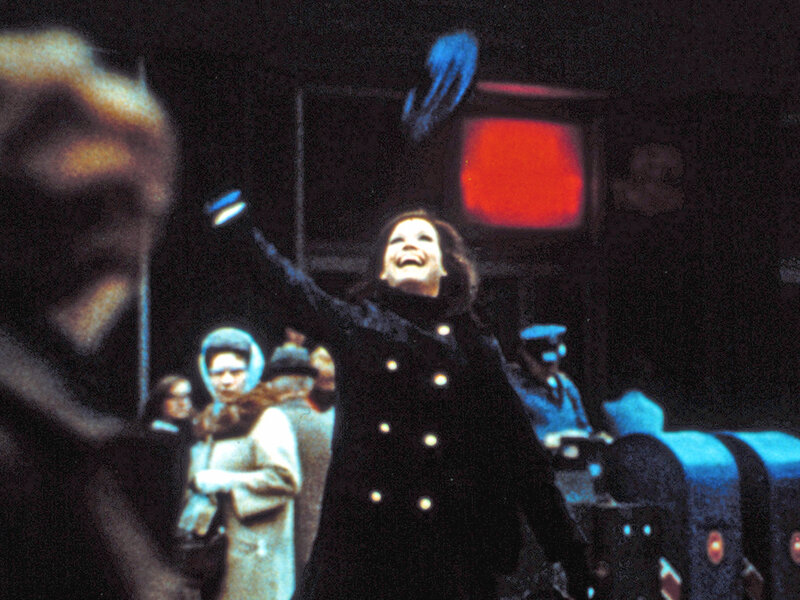
The music started, Mary drove through Minneapolis, bought groceries, washed the car and tossed the hat. There was no mansion, secret identity or magical transformation. The fantasy was an apartment, a job, friends and the nerve to begin again.
The errands, streets, apartment and newsroom were the life—and the theme told Gen X rerun viewers that beginning again could feel joyful without becoming a fairy tale.
Watch the opening on YouTubeFor a lot of Gen X viewers, The Mary Tyler Moore Show arrived after school, late at night or in the stretch between local news and whatever the adults considered prime time. We did not sit down for a history lesson about women in television. We watched Mary argue with Lou, let Rhoda into the apartment and try to produce a news show with Ted Baxter sitting at the anchor desk.
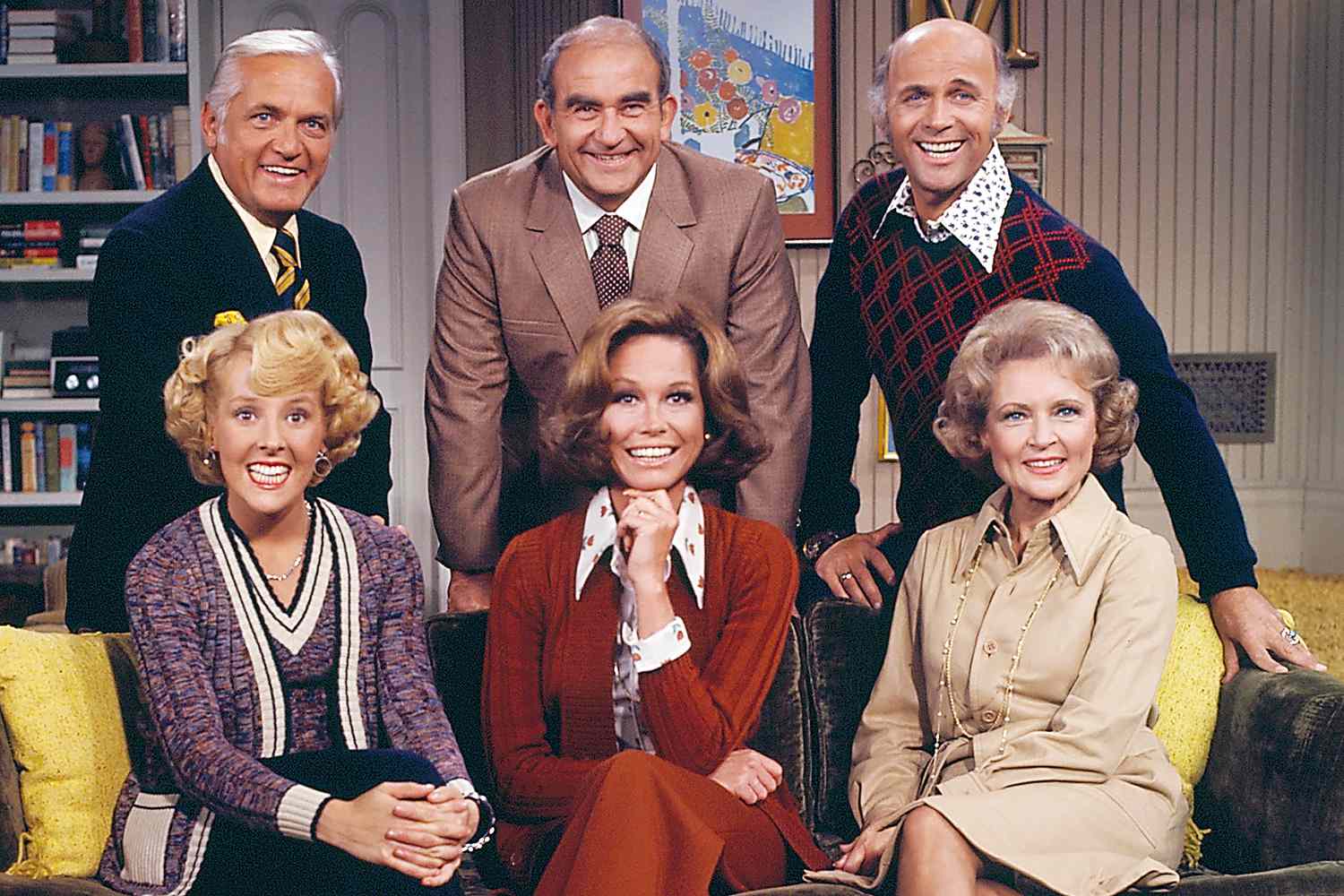
Syndication made the world feel permanent. Rhoda might live upstairs in one episode and already be gone to New York in the next. Phyllis could dominate Mary’s living room on Tuesday, while Sue Ann brought a tray and a threat on Wednesday. We learned the characters before we learned the timeline.
Mary’s adulthood looked attainable in a way many television lives did not. The apartment was stylish but not impossible. The job mattered but did not make her rich. Her friends could be exhausting. Her dates could be disappointing without turning the entire week into tragedy.
That ordinary scale was powerful. Plenty of us grew up expecting adulthood to look more like a Mary Richards episode than a fairy tale: a place of our own, coworkers who became friends, a boss we learned to understand and the occasional dinner party collapsing before the guests had removed their coats.
The older we get, the more we notice what the reruns hid in plain sight. Mary negotiates respect. Rhoda survives comparison. Lou discovers that command does not protect a marriage. Murray watches talent and reward travel on different tracks. The show was warm, but it was never naïve about work or loneliness.
It promised movement. Mary could start over, go to work, make a mistake, laugh at herself and try again next week without television declaring the life incomplete.
That was the future the opening sold us before most of us understood why it mattered.
The show became part of the Gen X household through the magazines, records and newspaper listings stacked around the television set.
A TV Guide cover could turn Mary and the WJM staff into the face of the week. A magazine profile made Mary Tyler Moore look glamorous and approachable—the rare star whose most famous character still seemed capable of carrying her own groceries.
The Love Is All Around record turned the opening theme into an object beside the stereo. Publicity posters and CBS newspaper advertisements sold the warmth, cast chemistry and cultural importance before viewers entered the apartment or newsroom.
Syndication completed the transformation. Local stations placed Mary after school, before dinner and late at night until Minneapolis felt like somewhere the television could reach whenever we needed it.

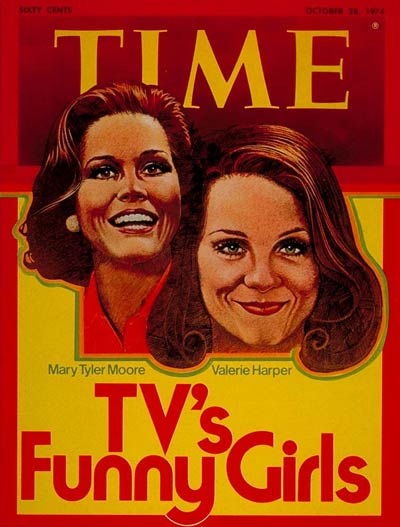

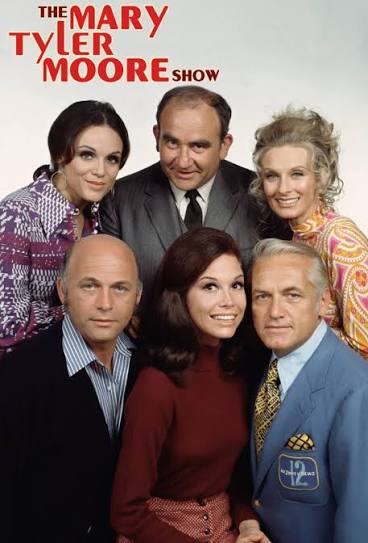
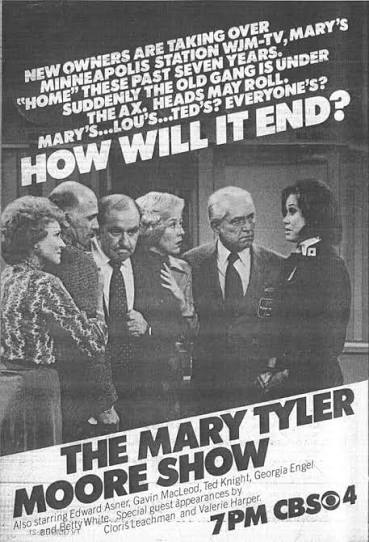
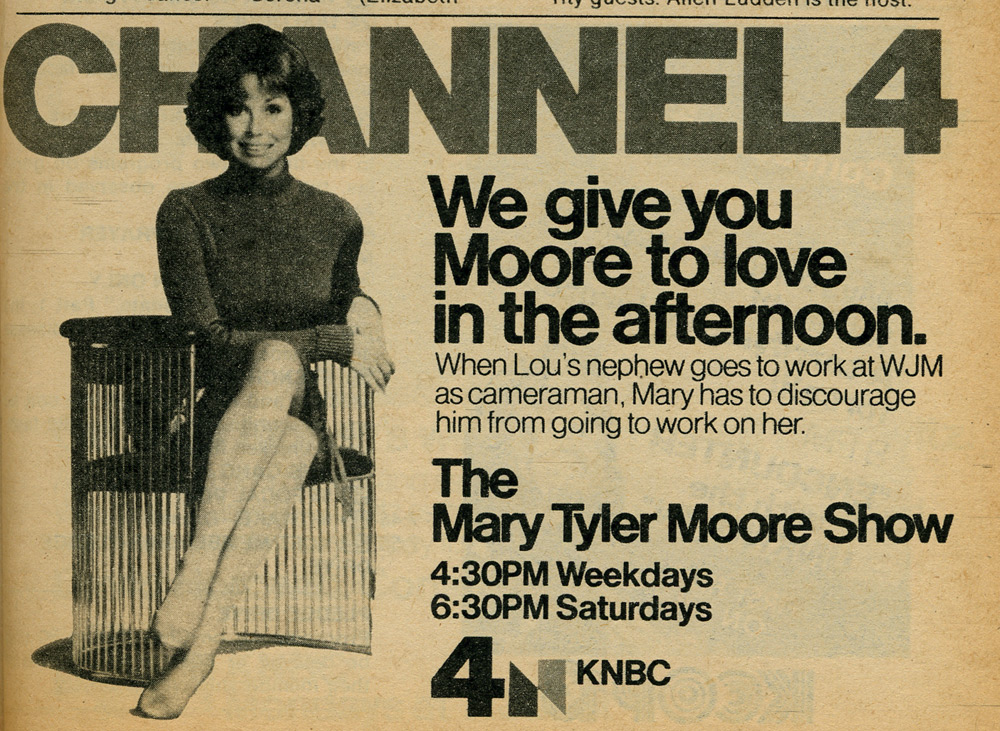
The program’s breakthrough was not simply that Mary was single. It was that singleness did not reduce her to waiting, failure or a weekly argument about marriage.
Mary Richards arrives in Minneapolis after leaving a long relationship. She rents an apartment, interviews for a job and begins constructing a life from practical decisions. The show does not rescue her because the point is that she is capable of beginning without rescue.
Television had shown unmarried women before, but the situation often carried an explanation: youth, widowhood, divorce, family obligation or the expectation that the right man would end the premise. Mary was thirty, self-supporting and open to romance without allowing romance to own the series.
That difference shaped every part of the show. A bad date could remain a bad date. A career problem did not disappear when a boyfriend arrived. Friendship with Rhoda carried emotional weight equal to romance. The apartment represented privacy, taste and the freedom to close the door.
The show also refused to turn independence into hardness. Mary wants people to like her. She can be nervous, accommodating and reluctant to confront somebody she loves. Those qualities do not disqualify her from strength; they define the terrain on which strength has to be practiced.
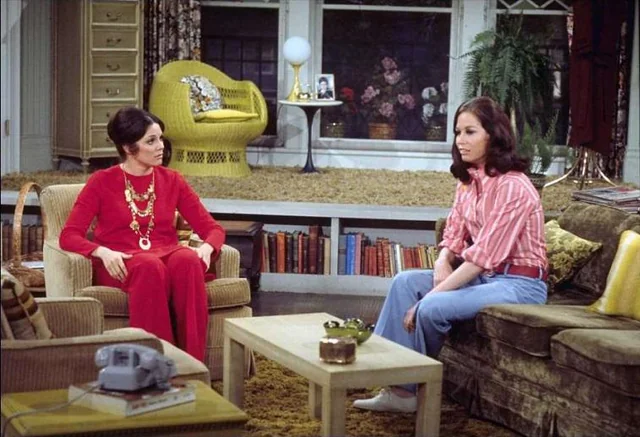
She could be competent without becoming a fantasy of flawless womanhood. She could want marriage without treating it as an emergency. She could be attractive without every scene evaluating the fact.
The writing allowed contradiction. Mary’s optimism could be generous or evasive. Her politeness could express decency or fear. Her need to be liked could hold a group together and keep her from saying what needed to be said.
Because the character was complete, the audience did not need to choose between admiring her independence and recognizing her vulnerabilities.
Mary Tyler Moore returned as one of television’s most recognizable performers, so the new character had to be unmistakably separate from the suburban wife audiences already loved.
Mary Tyler Moore had spent five seasons making Laura Petrie stylish, funny and essential on The Dick Van Dyke Show. A new series could not simply move the same woman to another living room. The role needed a different social structure, visual identity and reason to exist.
James L. Brooks and Allan Burns developed a premise around an adult woman beginning again after a relationship. The early concept considered making Mary divorced, but network resistance pushed the creators toward a long-term breakup instead.
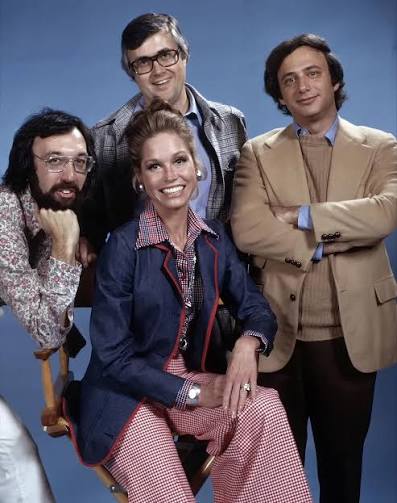
The compromise strengthened the character in an unexpected way. Mary was not defined by a former husband or legal status. She had supported a man through medical school, decided the relationship would not become the life she wanted and left. The pilot begins after that decision rather than spending the episode asking whether she will make it.
The newsroom emerged from Brooks’ experience around CBS News and gave the series a practical engine. A local television station could produce deadlines, ego, ethical questions, visual comedy and a steady stream of outsiders without forcing the plot to manufacture reasons for the ensemble to gather.
Minneapolis helped separate the show from familiar New York and Los Angeles television. Snow, apartments, local news and the city’s Midwestern identity made the setting specific enough to feel real and open enough to become aspirational.
MTM Enterprises completed the identity. The meowing kitten at the end of the credits signaled a company that would become associated with writer-centered, ensemble-driven television. The Mary Tyler Moore Show was not simply a star vehicle; it became the beginning of a production culture.
Seven seasons let the character move from newcomer to established professional while the ensemble expanded, contracted and produced three major spin-offs.
Grant Tinker brings James L. Brooks and Allan Burns into the effort to create a new television vehicle for Mary Tyler Moore—one that cannot simply repeat Laura Petrie.
The series premieres with Mary leaving a long relationship, renting an apartment and accepting work as associate producer at WJM-TV.
Mary’s apartment world and newsroom world become equally important, allowing friendship and work to carry stories without competing for ownership of the show.
Stories increasingly test what equality means when Mary is placed in charge, paid differently or expected to soften decisions for male coworkers.
Betty White joins as Sue Ann Nivens, while marriage, separation and workplace frustration receive more sustained emotional weight.
Valerie Harper leaves the regular ensemble for Rhoda, proving that Mary’s social world contains characters strong enough to continue beyond Minneapolis.
Chuckles Bites the Dust demonstrates the series’ control of performance, grief, embarrassment and laughter.
The series becomes less interested in proving that a single woman can survive and more interested in the ordinary choices of the adult she has become.
The Last Show ends the series honestly: the workplace family matters, the jobs disappear and the people must leave together without a fantasy rescue.
The city was not a generic background. Snow, streets, apartment architecture and local television gave the adult fantasy an address.
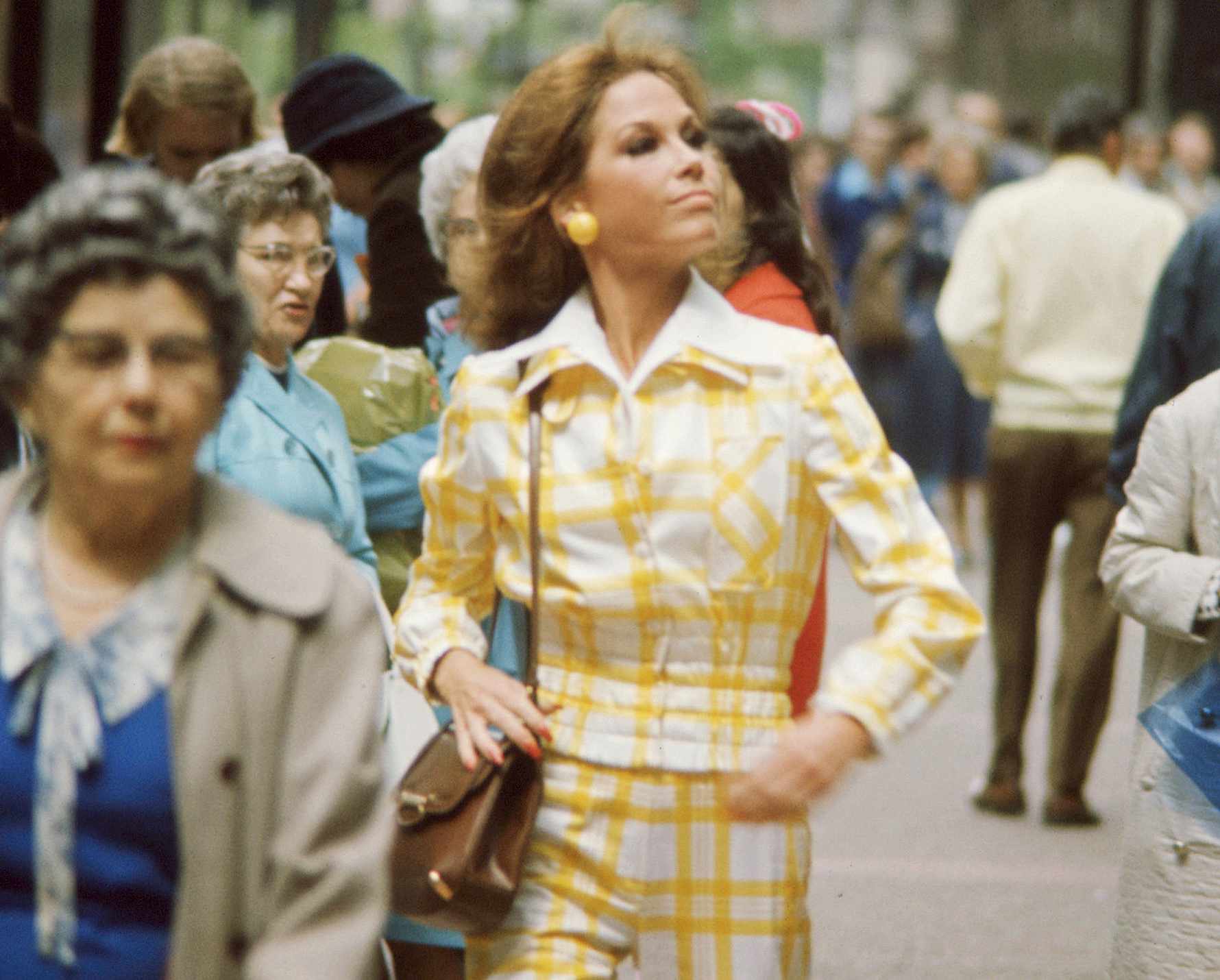
The opening sequence is one of television’s great pieces of character writing without dialogue. Mary drives, shops, washes the car, moves through crowds and occupies the city without requiring a man to explain why she belongs there.
The hat toss is triumphant because it is public and casual. Mary does not climb a corporate staircase or receive applause. She throws a hat into the air during an ordinary day and keeps moving. The city barely notices, which makes the moment feel like freedom rather than performance.
Her first apartment carries the same argument indoors. The giant M, sunken living area and warm textures make the space distinctive without turning it into a fantasy penthouse. Mary can afford a home with taste, but the show still needs her to work.
The apartment becomes a stage for friendship, romance and social panic. Rhoda enters without ceremony. Phyllis arrives with opinions. Lou sometimes seems too large for the furniture. Dinner parties reveal every insecurity the newsroom keeps organized beneath desks and deadlines.
When Mary eventually moves, the original apartment remains one of the show’s defining images because it represents the first life she chose. Gen X reruns kept that room permanently available even after the series had moved on.
Her warmth held the ensemble together, but the writing never treated warmth as proof that she was always correct.
Mary’s defining quality is not independence by itself. It is competence shaped by a genuine desire for connection.
At WJM, Mary learns how the work functions, anticipates problems and often recognizes the emotional issue before the men around her admit one exists. She becomes more authoritative because the authority is earned through repetition.
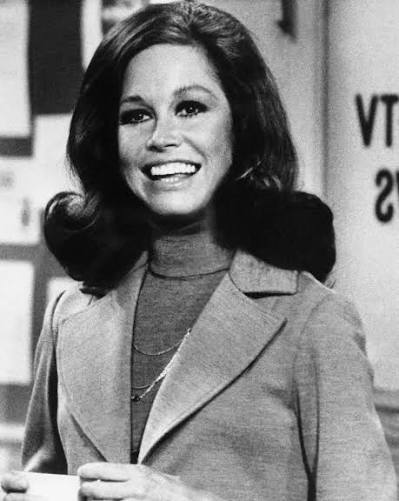
Yet Mary wants approval. Lou’s anger can rattle her even when she knows she is right. Rhoda can expose the fear beneath her politeness. A date can disappoint her because independence does not remove the desire to be chosen.
That vulnerability keeps the character from becoming a symbol placed above ordinary life. Mary can be jealous, proud, self-conscious, overly controlled and occasionally trapped by the image of being the reasonable one.
Her comedy often begins with restraint. Ted, Phyllis and Sue Ann make enormous entrances; Mary reacts. But reaction is not passivity. Mary Tyler Moore’s face shows the line the character has decided not to say, and the audience receives both versions.
When Mary finally confronts someone, the moment matters because we understand the cost. Strength is not the absence of fear or need. It is the decision to act while carrying both.
The cast worked because nobody existed only to admire Mary, teach her a lesson or lose an argument.
Mary is warm, disciplined, ambitious and more complicated than her sunny image suggests. Her desire to be liked can become a weakness, but it also keeps competence from turning into cold perfection.
Ed Asner makes Lou gruff, funny, lonely and capable of learning without sanding away the temper. His relationship with Mary becomes one of television’s great non-romantic partnerships.
Valerie Harper gives Rhoda the sentence Mary edits out. Her humor can protect or punish her, and the show gradually refuses to let self-deprecation be the complete character.
Cloris Leachman turns self-satisfaction into performance art. Phyllis can be unbearable, vulnerable, sharp and completely certain she has improved the room.
Gavin MacLeod makes Murray dry, observant and quietly frustrated. He sees Ted’s weaknesses clearly while carrying ambitions the station does not always reward.
Ted Knight begins with vanity and incompetence, then finds loneliness, affection and genuine need beneath the famous hair and voice.
Betty White weaponizes brightness. Sue Ann’s polished domestic language conceals competition, appetite and a refusal to apologize for either.
Georgia Engel gives Georgette softness without stupidity. Her kindness sees through Ted more clearly than his critics do, which lets the relationship become surprisingly durable.
The station gave the characters real responsibilities, unequal rewards and a reason to remain in the same room after affection stopped being convenient.
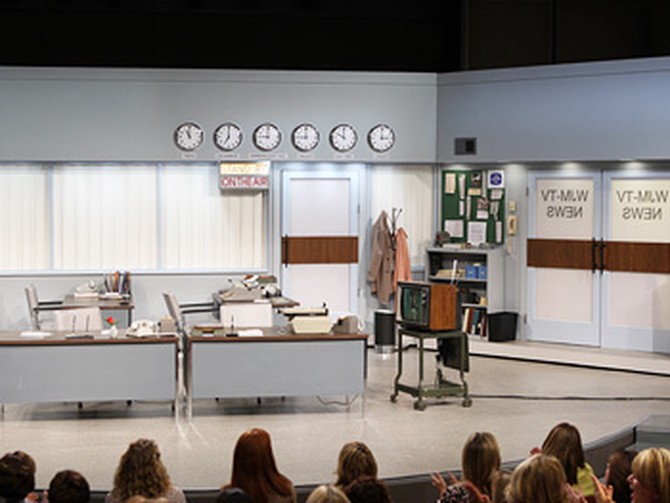
Mary works as an associate producer, and the title matters. She is responsible for the news broadcast, the people producing it and the decisions that determine what reaches the air.
The newsroom supplies a steady comic structure: deadlines arrive, stories collapse, equipment fails, guests become unpredictable and Ted treats every broadcast as evidence of his own importance. The work continues regardless of whether anyone has resolved the emotional problem.
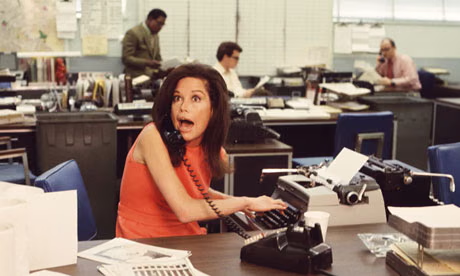
Lou’s office becomes disciplinary chamber, confessional booth and negotiation table. Mary enters prepared, Lou attempts intimidation and both discover that the conversation has changed them more than either intends to admit.
Murray represents the person whose intelligence is obvious to everyone except the people responsible for rewarding it. His jokes about Ted contain affection, frustration and the knowledge that image often outruns ability in television.
Ted makes the station worse and more recognizable. He is vain, inaccurate and convinced the camera has confirmed a greatness nobody else can find. Yet WJM would not be WJM without him, which is why the finale’s decision to keep Ted is funny before it becomes cruel.
The workplace-family model became one of television’s most durable forms. But this series never forgets the contract beneath the affection. These people can celebrate birthdays, protect one another and spend seven years together—and management can still fire them.
That boundary is why this page links outward rather than trying to own the entire subgenre. The broader comparison belongs in Best Workplace Sitcoms of the 1970s; this article owns the exact history and legacy of WJM.
The series trusted that a man and woman could become emotionally central to one another without turning every form of intimacy into a love story.
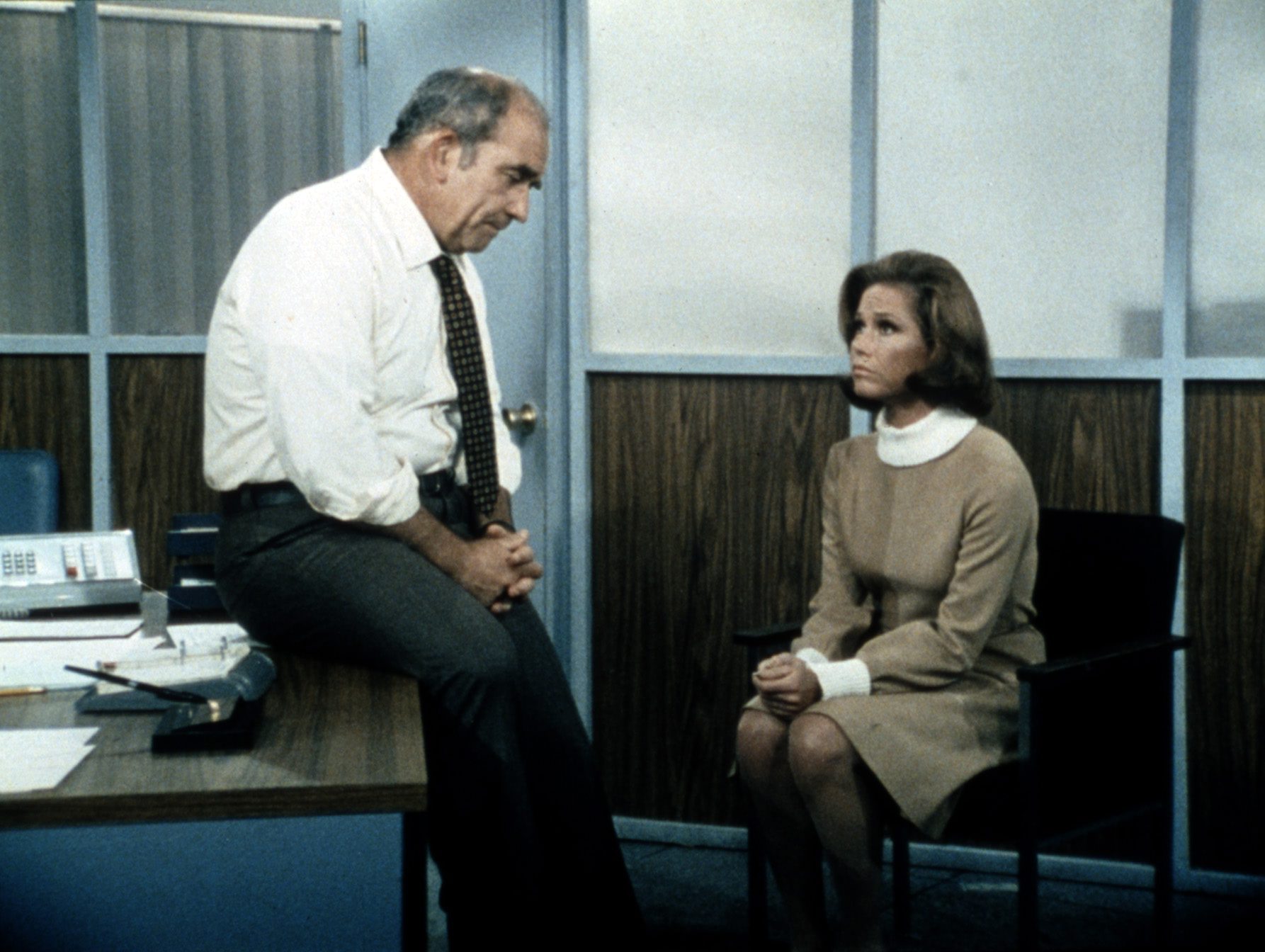
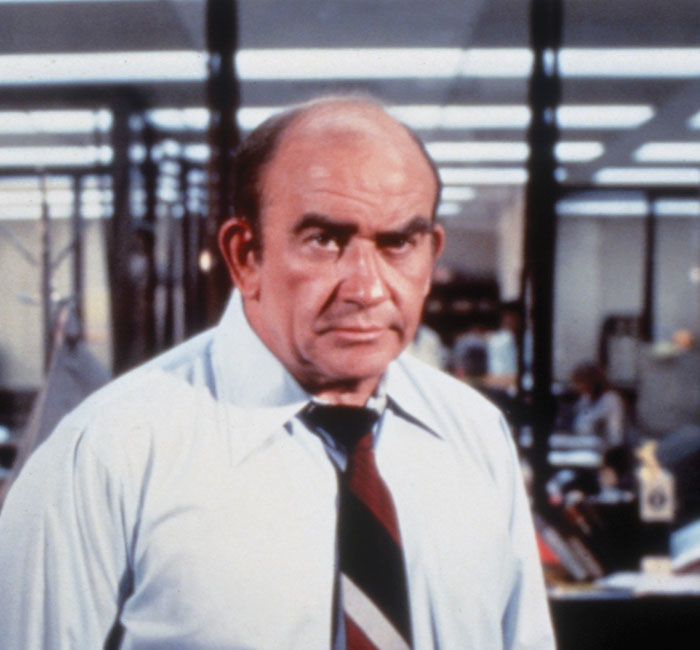
Lou begins by asking illegal interview questions, admiring Mary’s “spunk” and immediately declaring that he hates spunk. The scene establishes the relationship’s rhythm: Mary is nervous but unwilling to disappear, while Lou performs dominance and notices competence.
Respect grows through work. Mary proves that she can handle the newsroom, challenge decisions and understand when Lou’s anger is covering embarrassment or fear. Lou discovers that authority becomes stronger when he trusts somebody capable of disagreeing with him.
The affection is paternal at times, collegial at others and occasionally too complicated for either person to name. The show briefly tests romantic possibility, but the deeper achievement is the bond that existed before and after that question.
Lou’s separation and divorce reveal the relationship’s maturity. Mary wants to help, but she cannot solve the marriage or become a substitute for the life he has lost. She can sit in the office, listen and allow a powerful man to be uncertain.
Mary also learns to stop translating every confrontation into a threat to the relationship. She can demand salary, authority or ethical respect without assuming Lou’s anger means affection has ended.
By the finale, their goodbye carries seven years of conversations in that office. The relationship matters because the work mattered, and the work mattered because they learned how to trust each other inside it.
Friendship carried competition, irritation, family history and the kind of loyalty that survives moving to another city.
They do not bond because one needs a makeover or because they are hunting husbands as a team sport. They like one another, recognize one another’s defenses and survive annoyance.
Rhoda says the line Mary edits out. Mary sees the person beneath Rhoda’s self-deprecation and refuses to accept every cruel joke Rhoda makes about herself.
The friendship also frees Mary from being the reasonable center. Rhoda can expose vanity, fear and the moments when optimism becomes avoidance.
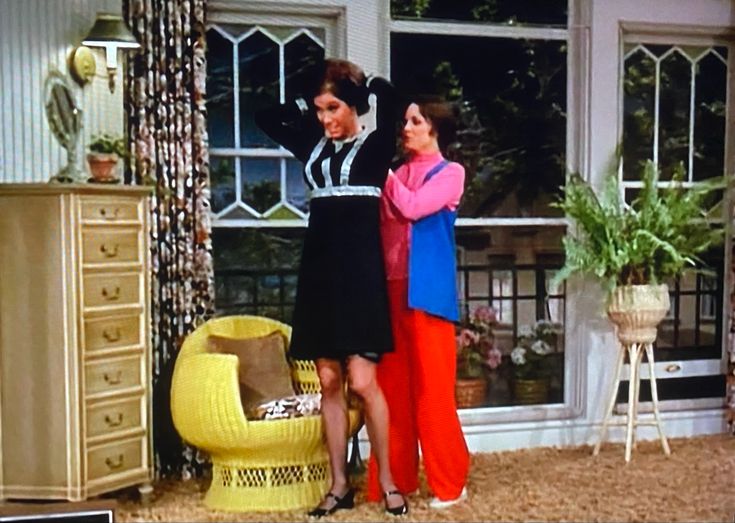
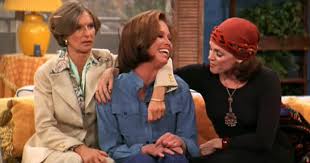
Rhoda’s departure for New York proves the friendship was strong enough to survive narrative separation. The spin-off does not erase Minneapolis; it gives Rhoda the life she had gradually become capable of carrying.
The master-plan page Rhoda and the Spin-Off That Found Its Own Voice owns that exact series history. Here, Rhoda remains essential because she helped Mary’s independence feel social rather than solitary.
Both characters understand presentation better than self-knowledge, which makes them ridiculous, durable and occasionally heartbreaking.
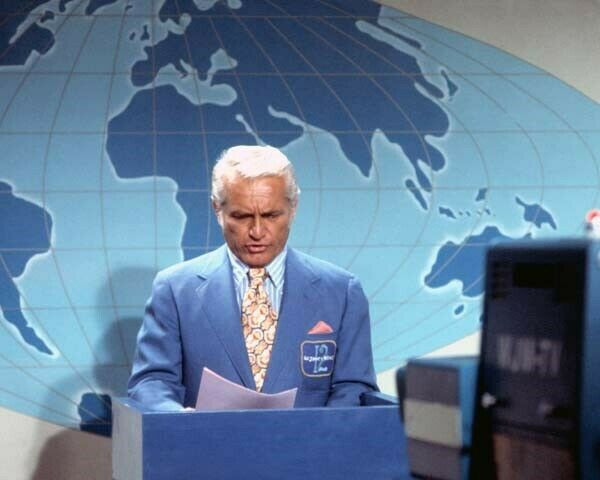
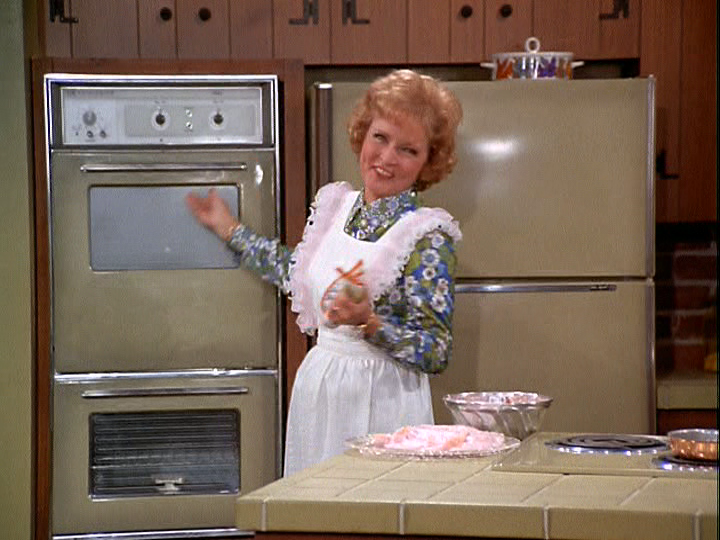
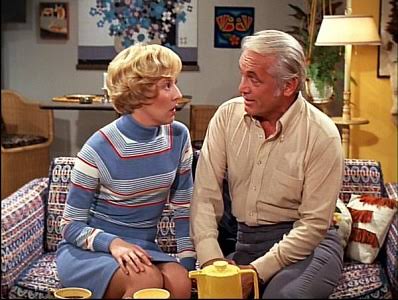
Ted Baxter believes the camera has already decided he is important. His hair, voice and posture perform authority while the newsroom repeatedly repairs the information underneath it.
Ted Knight’s achievement is finding the lonely person inside the performance without making the performance less funny. Ted wants status, respect and proof that people choose him when the red light is off.
Georgette sees him differently. Her kindness is not blindness; it is a refusal to treat his worst qualities as the complete person. The relationship lets Ted mature without requiring him to stop being Ted.
Sue Ann Nivens approaches image from the opposite direction. Her Happy Homemaker persona promises comfort, recipes and polished domestic order. Behind the smile is competition, appetite and an intelligence that knows exactly how the packaging works.
Betty White’s brightness makes every attack more effective. Sue Ann does not reject femininity to become powerful. She uses the approved television version of femininity as camouflage.
Together, Ted and Sue Ann expose local television as a factory of surfaces. The funniest people in the newsroom understand appearance least, while the people who understand it best are often the most dangerous.
Mary’s success exists inside assumptions about pay, age, appearance, authority and the expectation that she will manage everyone’s feelings.
Mary does not simply have a job. She wants to become better at it, receive more authority and be treated as somebody whose judgment affects the broadcast.
The distinction matters because earlier television often treated work as a temporary setting for an unmarried woman. Mary’s career does not disappear when romance appears. A date may change the evening, but the newsroom still needs a show the next day.
Inequality appears through people she likes. Lou can respect Mary and still carry assumptions. Murray can see himself as sensitive and still use humor that places women outside the club. The friction comes from habits, not a single villain assigned to represent sexism.
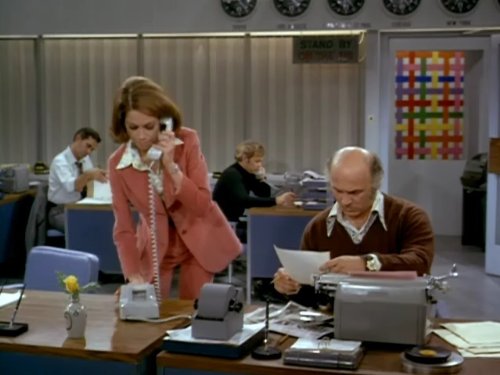
Mary’s victories are usually incremental: a better assignment, more responsibility, a refusal to accept a condition, a decision to protect a source. The scale makes the progress believable. Most careers change through repeated negotiations rather than one triumphant monologue.
The series also recognizes emotional labor. Mary is expected to smooth conflict, reassure Ted, translate Lou, support Rhoda and maintain the atmosphere. Her generosity becomes work even when nobody places it in the job description.
At the same time, the show does not treat ambition as emotional failure. Mary can want promotion, respect, romance and friendship without one desire cancelling another. Independence is integration, not isolation.
The series gave her hope, disappointment, desire and awkwardness without converting every relationship into a countdown toward the altar.
Mary dates throughout the series, and the stories can be funny, disappointing or serious. What changes television is not the absence of romance but the proportion. Romance does not consume every other part of the character.
A relationship can fail because two decent people do not fit. Mary can want commitment and still walk away from the wrong version. She can care what others think without allowing social pressure to become destiny.
The show also permits adult sexuality to exist more clearly than earlier network comedy often allowed, though the presentation remains shaped by the standards of its era. Mary is not framed as a girl preserving innocence until marriage; she is an adult making decisions the series does not always need to display or punish.
That normality was part of the reinvention. A single woman did not need to become cynical, promiscuous, desperate or secretly incomplete. Mary could be optimistic without being naïve and independent without pretending she had no emotional needs.
For Gen X viewers, later television had already absorbed the model. We saw versions of the single professional woman across sitcoms and dramas. Returning to Mary reveals how much of the template begins with her refusal to let one unsuccessful date rewrite the whole life.
Warmth came from recognition, not from forcing everyone to become admirable before the closing credits.
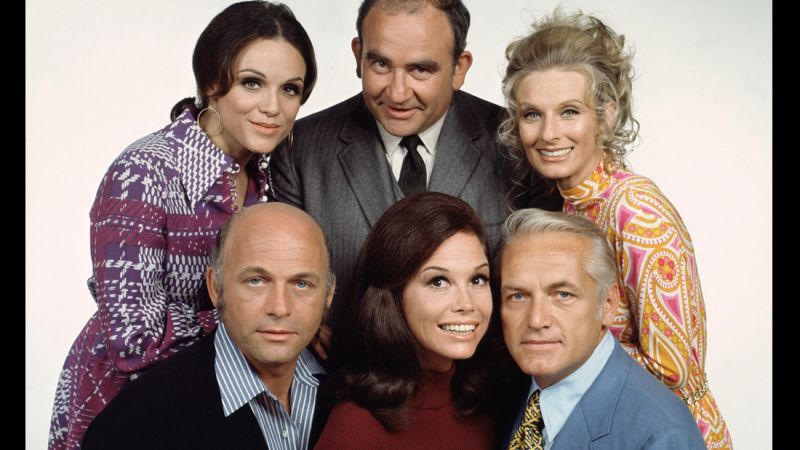
The scripts build jokes from character rather than attaching interchangeable punch lines to a premise. Lou’s bluntness, Rhoda’s sarcasm, Phyllis’ self-satisfaction, Murray’s dry observation, Ted’s confidence and Sue Ann’s sweetness each have separate mechanics.
That specificity allows scenes to continue after the laugh. Ted can be wounded without suddenly becoming wise. Lou can apologize without losing the temper. Rhoda can receive reassurance without abandoning the joke she uses to protect herself.
The show understands that affection and irritation often occupy the same relationship. Mary loves Rhoda and sometimes wants her to leave. Lou respects Mary and resents being challenged. Murray knows Ted is ridiculous and still recognizes the person behind the vanity.
Serious stories do not require a complete change in the program’s visual language. Divorce, death, job loss and loneliness happen inside the same rooms where the comedy lives because difficult events do not arrive with a new set.
Restraint is central. Mary Tyler Moore can react with a breath, a glance or the effort to keep a face composed. The audience sees both the approved social response and the emotion pressing behind it.
This precision helped the series age beyond many topical comedies. It reflects the 1970s, but the emotional subjects remain current: wanting respect, fearing change, missing a friend, discovering a boss is human and realizing a workplace can matter deeply without loving you back.
The performances were built to travel across the set, land in front of people and continue after the laugh exposed what the character wanted hidden.
The series belongs to the multi-camera tradition, but the form does not make it emotionally shallow. The audience response gives scenes pressure. A line lands, the character hears the room and the next reaction changes because the embarrassment is now public.
Mary Tyler Moore’s physical control becomes especially important. She can begin as the straight person receiving Ted’s vanity or Phyllis’ certainty, then let one shift in posture reveal that restraint is becoming the joke.
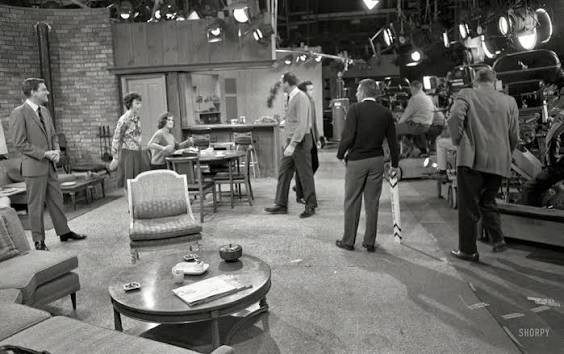
“Chuckles Bites the Dust” depends on this relationship between performer and audience. Viewers understand Mary’s effort not to laugh because laughter is already part of the room. When she loses control, the release belongs to character, actor and audience at once.
The live response also prevents warmth from becoming sentimentality. If a scene stops being funny, the production cannot hide the fact. James L. Brooks has described comedy as brutally honest in that way: the laugh arrives or it does not.
The strongest episodes use that honesty to earn quiet. A pause after Lou admits pain or the newsroom receives bad news feels different because the program has trained the room to respond.
This path follows the pilot, friendships, workplace authority, adult marriage, unforgettable guest characters, journalistic principle, the Chuckles funeral and the honest WJM farewell.
Mary arrives in Minneapolis after ending a long relationship, rents the apartment below Phyllis and interviews for work at WJM. Lou’s questions are invasive, the station is unimpressive and Mary has no grand plan beyond refusing to continue a life that no longer fits.
The pilot remains radical because it does not treat independence as a speech. Mary signs a lease, takes a job and begins meeting people. For Gen X viewers who discovered the series after its influence had spread everywhere, the episode explains why so many later television women were finally allowed to begin with a life rather than a wedding.
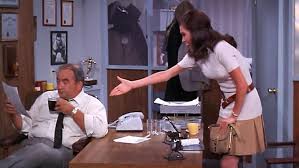
Ida Morgenstern arrives carrying love, criticism and the ability to make Rhoda feel twelve years old with one sentence. Mary becomes the buffer between them, only to discover that family history cannot be managed like a newsroom problem.
The episode proves that Rhoda is not merely the sarcastic friend in the upstairs apartment. Her insecurities have roots, and Nancy Walker’s Ida gives those roots comic force without making the relationship emotionally disposable.
A blizzard disrupts election-night coverage, trapping WJM inside the kind of long, badly planned broadcast where professionalism becomes endurance. The comedy grows from fatigue, limited information and the station’s certainty that it is more important than it actually is.
Mary’s competence matters because it is practical. She does not deliver an inspirational speech and save television news. She keeps people moving, fills gaps and stays at the desk while everyone becomes colder, crankier and less reliable.
Mary is placed in charge of a lighter news format and must manage the men who are accustomed to treating her as colleague, little sister and emotional translator. The promotion exposes how quickly support can become resistance when a woman receives actual control.
The episode belongs to the show’s central search intent: how The Mary Tyler Moore Show changed television. It makes workplace equality specific—assignments, authority, tone and the discomfort of people who believe they are fair until the hierarchy changes.
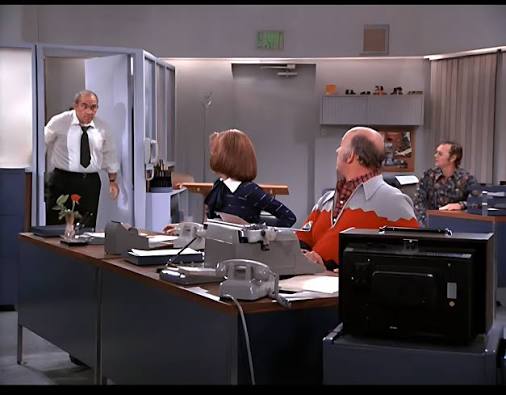
Lou’s marriage begins to come apart, and the series gives Edie a point of view rather than treating her as the unseen wife who has failed a beloved character. Lou’s pain is real, but pain does not automatically make his preferred outcome right.
The maturity lies in refusing the easy reset. Divorce changes Lou’s private life, his self-image and the emotional balance of the newsroom. The show can love him while admitting that affection does not preserve a marriage.
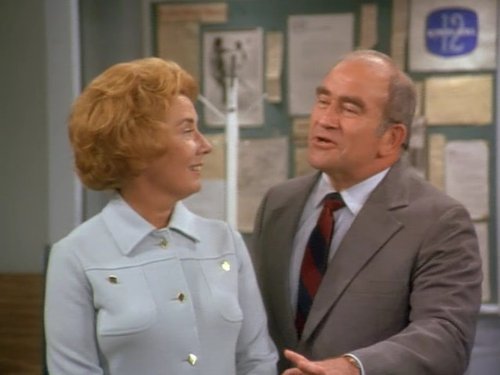
Sue Ann Nivens enters as the relentlessly cheerful Happy Homemaker and immediately reveals a private life built from appetite, competition and perfect presentation. Her affair with Lars gives Phyllis a story that is theatrical, humiliating and unexpectedly painful.
Sue Ann is one of the great character reversals in sitcom history because Betty White never abandons the smile. The domestic ideal remains visible even while the person inside it behaves with complete confidence and very little shame.
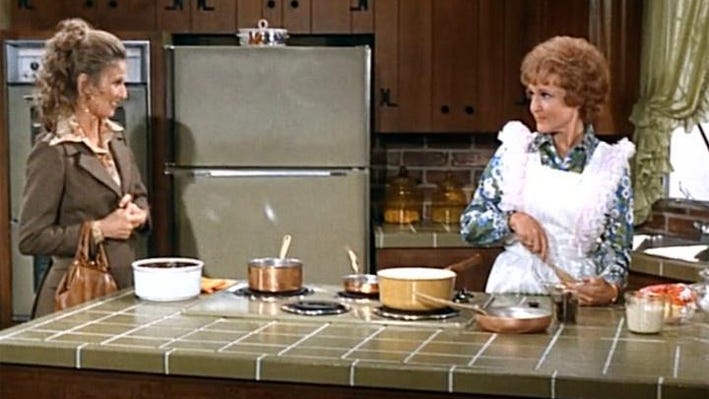
Ted becomes convinced that Walter Cronkite’s visit confirms the stature he has been assigning himself for years. The contrast is perfect: one man represents national credibility, while Ted believes the hair, voice and desk already make him a peer.
The episode works because Ted Knight protects Ted Baxter from becoming only an idiot. The vanity is enormous, but so is the hunger beneath it. Ted wants proof that the image he has built can finally become real.
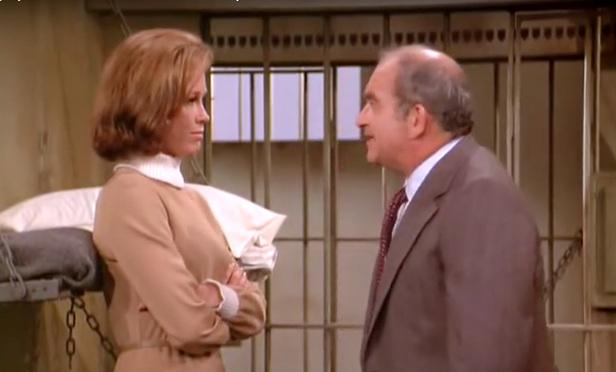
Mary refuses to reveal a confidential source and faces jail. The story gives her professional principles consequences beyond an argument with Lou or an awkward meeting. She must decide whether the ethical position still matters when the punishment becomes personal.
This is Mary’s workplace life at full strength. She is not a symbolic career woman whose job exists to decorate independence. She is responsible for choices that can cost freedom, reputation and comfort.
Chuckles the Clown dies in a bizarre parade accident, and Mary is appalled when the newsroom converts the details into jokes. At the funeral, the minister’s description of Chuckles’ life breaks through her discipline, and the person who demanded respect becomes the one unable to stop laughing.
The episode is celebrated because the reversal is not a trick. Grief, embarrassment and laughter occupy the same pew. Mary Tyler Moore plays the effort not to laugh, the failure and the shame afterward with a precision that turns physical comedy into emotional truth.
Mary believes she has fallen in love and wants the feeling returned with equal clarity. The episode lets her be hopeful, vulnerable and frustrated without suggesting that love will finally complete the life the series has spent years building.
The distinction is central to the show’s legacy. Romance is important because Mary is a complete adult, not because the story requires a husband to certify that completeness.
Johnny Carson is expected at Mary’s apartment, turning a social gathering into a performance of sophistication. The real comedy is not the absent celebrity. It is watching intelligent adults become frantic about how they will appear to someone they have not met.
Mary’s apartment was always the show’s second stage. At WJM, people performed competence. In her living room, they performed taste, confidence, romance and adulthood—and usually exposed more than they intended.
New management fires Mary, Lou, Murray and Sue Ann while keeping Ted. The decision is unfair, funny and exactly believable enough to hurt. The finale does not reward the staff with a last-minute reversal because WJM was always a workplace before it was a family.
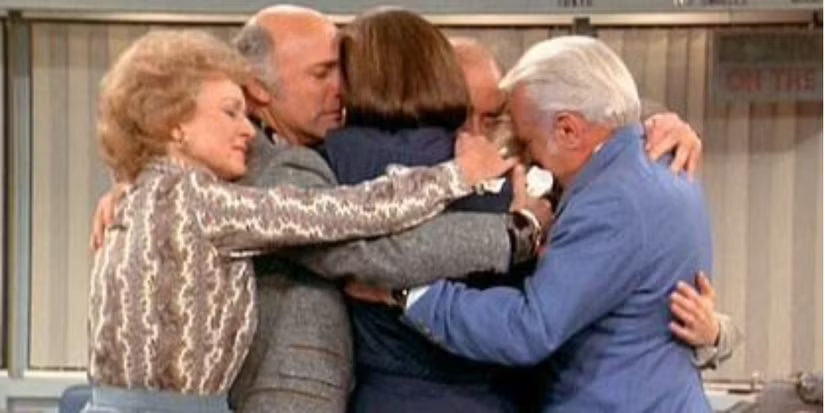
The group hug that shuffles toward the tissue box became one of television’s great farewell images because it is ridiculous and devastating at once. The people leave together, but the building does not love them back. That honesty completes the series.
The episode is remembered for Mary laughing at a funeral, but the greatness lies in everything the body has been asked to suppress before the laugh escapes.
Chuckles dies while dressed as Peter Peanut during a parade, and the details immediately become comic material in the newsroom. Murray, Lou and the others use jokes because the accident is bizarre and because death becomes easier to approach when somebody else has supplied the punch line.
Mary objects. Her position is decent, reasonable and emotionally controlled. Chuckles deserves respect, the situation is not funny and adults should understand the difference between private discomfort and public cruelty.
At the funeral, the minister describes Chuckles’ characters and philosophy with complete sincerity. The language that made the newsroom laugh now enters a ceremonial space where laughter is forbidden.
Mary’s face becomes the episode. She attempts to hold the response inside, redirects it, tightens control and finally loses. The laughter is not mockery. It is the collision of absurdity, fear, grief and the social demand to behave correctly.
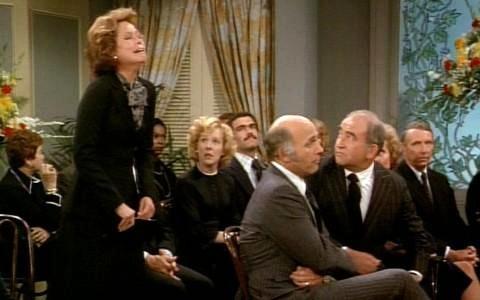
Then the minister tells her laughter is appropriate, and Mary begins to cry. The permission changes the emotion because the struggle was never only about Chuckles. It was about the impossible desire to control the body’s response to death.
The scene remains a master class because it trusts Mary Tyler Moore to perform the entire argument. No speech can improve the moment. The laugh, shame and tears already contain it.
WJM fires the people who made the newsroom a family and keeps Ted, because institutions do not automatically recognize the value viewers have spent seven years seeing.
The series ends by separating the family from the place that created it.
New management evaluates the newsroom and fires Mary, Lou, Murray and Sue Ann. Ted remains. The joke is immediate because Ted is the obvious person to remove, but the unfairness beneath the joke feels completely believable.
The decision protects the finale from fantasy. WJM does not reverse course after hearing a speech. Mary is not promoted into a perfect future. The work these people performed and the relationships they built do not guarantee employment.
The returning presence of Rhoda and Phyllis reconnects Mary’s apartment life to the newsroom farewell. The two worlds that formed the series are present as Mary prepares to leave one of them.
The group hug becomes a moving piece of physical comedy. The staff clings together and shuffles toward the tissue box because nobody wants to be the first person to break the shape. It is awkward, funny and devastating.
The spontaneity matters. The ensemble has spent seven seasons learning how to move around one another, and the final image before they separate lets the actors’ shared history become visible.
Mary returns to the newsroom, looks back and turns out the light. The gesture is ordinary, which is exactly right. She began by entering a new room and ends by leaving one.
The finale’s honesty is the final argument for how The Mary Tyler Moore Show changed television. Chosen family cannot prevent change. It gives people something to carry when change arrives.
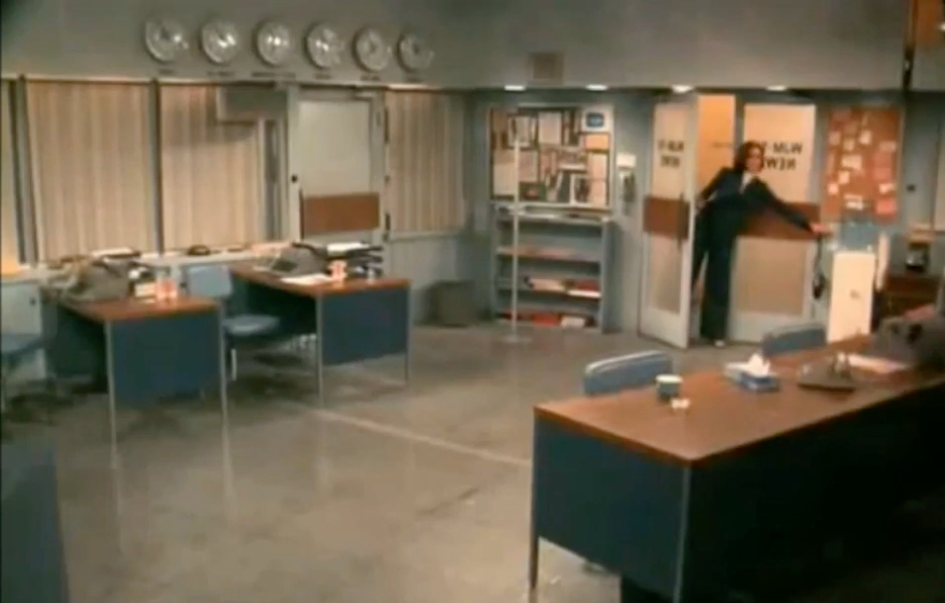
We knew everybody was sad and the hug was funny. As adults, we understand the deeper fear: the room where you became yourself can disappear while the relationships remain unfinished.
The show did not promise Mary would never lose. It proved she knew how to begin again.
The series earned 29 Emmys from 67 nominations and sent Rhoda, Phyllis and Lou Grant into shows built around different cities, lives and even genres.
The Television Academy lists 67 nominations and 29 wins for the series. The total reflects more than Mary Tyler Moore’s star performance. Ed Asner, Valerie Harper, Ted Knight and Betty White received acting recognition, while writing, directing and the series itself were repeatedly honored.
The show won Outstanding Comedy Series three consecutive times in its final seasons, a sign that creative authority increased rather than faded as the original apartment ensemble changed.
Rhoda follows Mary’s closest friend into New York and a different relationship with family, confidence and romance. The character’s ability to lead a series confirms how fully the original show developed people outside the title role.
Phyllis rebuilds its character after loss and relocation. The show had a more difficult path, but the premise still demonstrates that even the most intrusive neighbor possessed a life beyond Mary’s door.
Lou Grant performs the most remarkable transformation. Ed Asner carries the character from half-hour sitcom boss to hour-long newspaper editor inside a serious drama. The change works because Lou had always been more than the comic shape of his office.
| Measure | What it reveals |
|---|---|
| 1970–1977 | Seven seasons that follow Mary from newcomer to established professional. |
| 168 episodes | Enough time for friendships, authority and the workplace ensemble to evolve without exhausting the premise. |
| 67 Emmy nominations | Recognition across acting, writing, directing and the series itself. |
| 29 Emmy wins | One of television comedy’s most honored creative runs. |
| Rhoda, Phyllis and Lou Grant | Three spin-offs demonstrating that the supporting world had independent narrative lives. |
The company identity became associated with writer-centered shows, textured ensembles and the belief that comedy and drama could respect viewers without becoming solemn.
MTM Enterprises took Mary Tyler Moore’s initials and transformed them into a production signature. The meowing kitten parodying the MGM lion was funny, modest and instantly recognizable.
The company’s early success depended on the idea that a television series could be built around a complete ensemble rather than a star surrounded by delivery systems for jokes. Supporting characters needed enough interior life to generate stories, departures and spin-offs.

The Bob Newhart Show extended the model into another professional and domestic world. Later MTM programs moved through comedy and drama while maintaining an emphasis on workplace structure, character contradiction and strong writing rooms.
The phrase “quality television” can become vague, but MTM’s version was practical: write adults as adults, allow institutions to matter, build ensembles that can survive focus and trust audiences to recognize feeling without being ordered to feel it.
The Mary Tyler Moore Show remains the clearest origin because the values are visible in every room. Mary’s apartment supports friendship. WJM supports work. The writing allows both to matter without pretending either can solve the other.
The friendships, work and ensemble timing remain remarkably fresh. Some jokes about weight, sexuality and social identity require more context than nostalgia supplies.
The relationship is affectionate, competitive and ordinary. Neither woman exists only to make the other look superior.
Assignments, salaries, ethics, layoffs and authority matter because the job is part of identity rather than a fashionable set.
Performers listen, react and continue after the laugh. The characters remain distinct even when sharing the same comic situation.
Rhoda’s self-criticism and repeated weight jokes reflect a television culture that often treated women’s bodies as public comic property.
The show pushes one major boundary while the Minneapolis and newsroom worlds remain less diverse than the real city and television workforce.
Mary’s story concludes through work and friendship rather than a marriage designed to certify that seven seasons have succeeded.
A thoughtful rewatch can hold both truths. The series did not become the final word on women, work, sexuality or representation. It changed the sentence decisively enough that later television could continue writing it.
The influence extends from single-woman comedies to office ensembles, writer-centered production cultures and finales willing to admit that institutions are temporary.
Mary Richards helped normalize a television woman whose life could contain work, friendship, desire, disappointment and ambition without one category becoming the explanation for all the others.
Workplace comedies inherited WJM’s balance of responsibility and chaos. The job must produce real pressure or the relationships become a social club wearing office furniture. Mary’s authority, Lou’s decisions, Murray’s frustration and Ted’s failures keep the station functional enough to matter.
Female-centered ensembles inherited Mary, Rhoda, Phyllis, Sue Ann and Georgette as proof that women did not need to represent one approved personality. They could be warm, sarcastic, vain, predatory, gentle, ambitious and wrong.
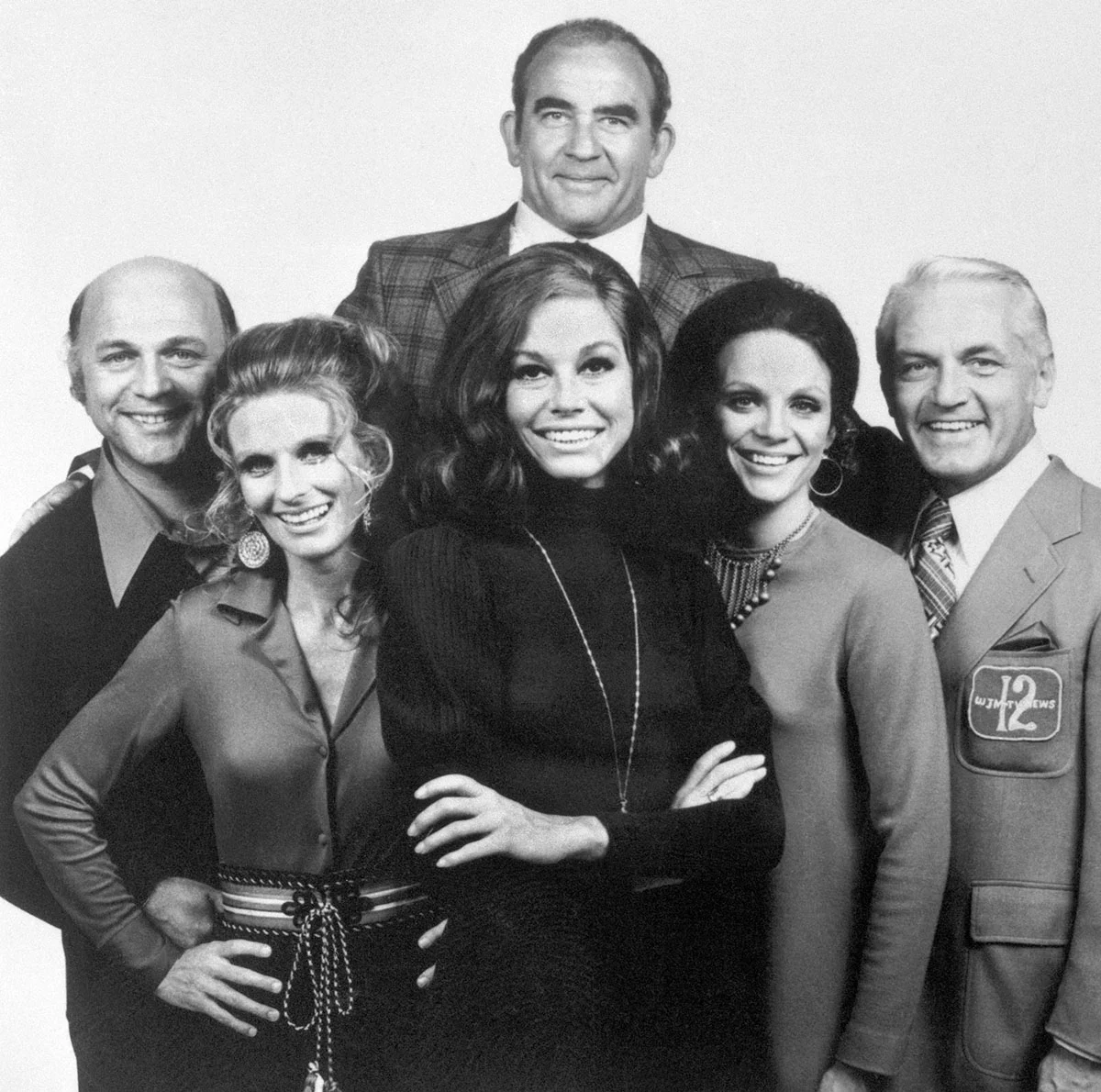
Chosen-family television inherited the idea that adults can build emotional homes in apartments and workplaces. The broader decade history belongs in How the Television Family Changed During the 1970s, while this show supplies one of the clearest examples.
The finale influenced endings that understand affection does not preserve a setting. The WJM family survives by leaving WJM, not by forcing the station to recognize a sentimental debt.
Most importantly, the show proved that social change becomes durable when television stops presenting it only as an issue. Mary’s independence matters because it becomes the foundation for hundreds of ordinary stories.
These annual guides place Mary and WJM beside the sitcoms, dramas, variety shows and news programs competing for the same shared living-room audience.
The essential facts about Mary Richards, the creators, 168 episodes, 29 Emmys, spin-offs, Chuckles Bites the Dust and where to begin watching.
The series premiered on CBS on September 19, 1970, and ended on March 19, 1977, after seven seasons and 168 episodes.
It presented Mary Richards as a single, self-supporting working woman whose career, friendships, apartment, mistakes and romantic life formed a complete adult identity. It also helped establish the modern workplace ensemble comedy.
Mary was not a widow, a wife or a young woman waiting for marriage to begin her life. She was thirty, working, dating, building friendships and making professional decisions without the series treating independence as a temporary problem.
James L. Brooks and Allan Burns created the series. It was the first major success from MTM Enterprises.
The Mary Tyler Moore Show produced 168 episodes across seven seasons.
The Television Academy lists 67 nominations and 29 Emmy wins for the series.
The major spin-offs were Rhoda, Phyllis and Lou Grant. Lou Grant was especially unusual because it carried the same character from a half-hour sitcom into an hour-long newspaper drama.
The episode combines death, workplace joking, social expectations and Mary’s uncontrollable laughter at a funeral. Its greatness comes from treating grief and comedy as physical reactions that do not follow proper etiquette.
The series did not present Mary as a weekly spokesperson, but her self-supporting life, professional ambition and refusal to treat marriage as the only successful ending made her central to television’s changing portrayal of women.
Rhoda’s character became strong enough to lead her own spin-off. Valerie Harper left the regular cast for Rhoda, which premiered in 1974.
Begin with Love Is All Around, then watch Support Your Local Mother, The Good-Time News, The Lou and Edie Story, The Lars Affair, Will Mary Richards Go to Jail?, Chuckles Bites the Dust and The Last Show.
The ensemble timing, Mary and Rhoda’s friendship, workplace writing and willingness to let women have different personalities remain remarkably fresh. Some jokes about weight, sexuality and social identity require more context today.
These Television Academy records and oral histories document the series run, awards, creative development, cast, title sequence, spin-offs and finale.