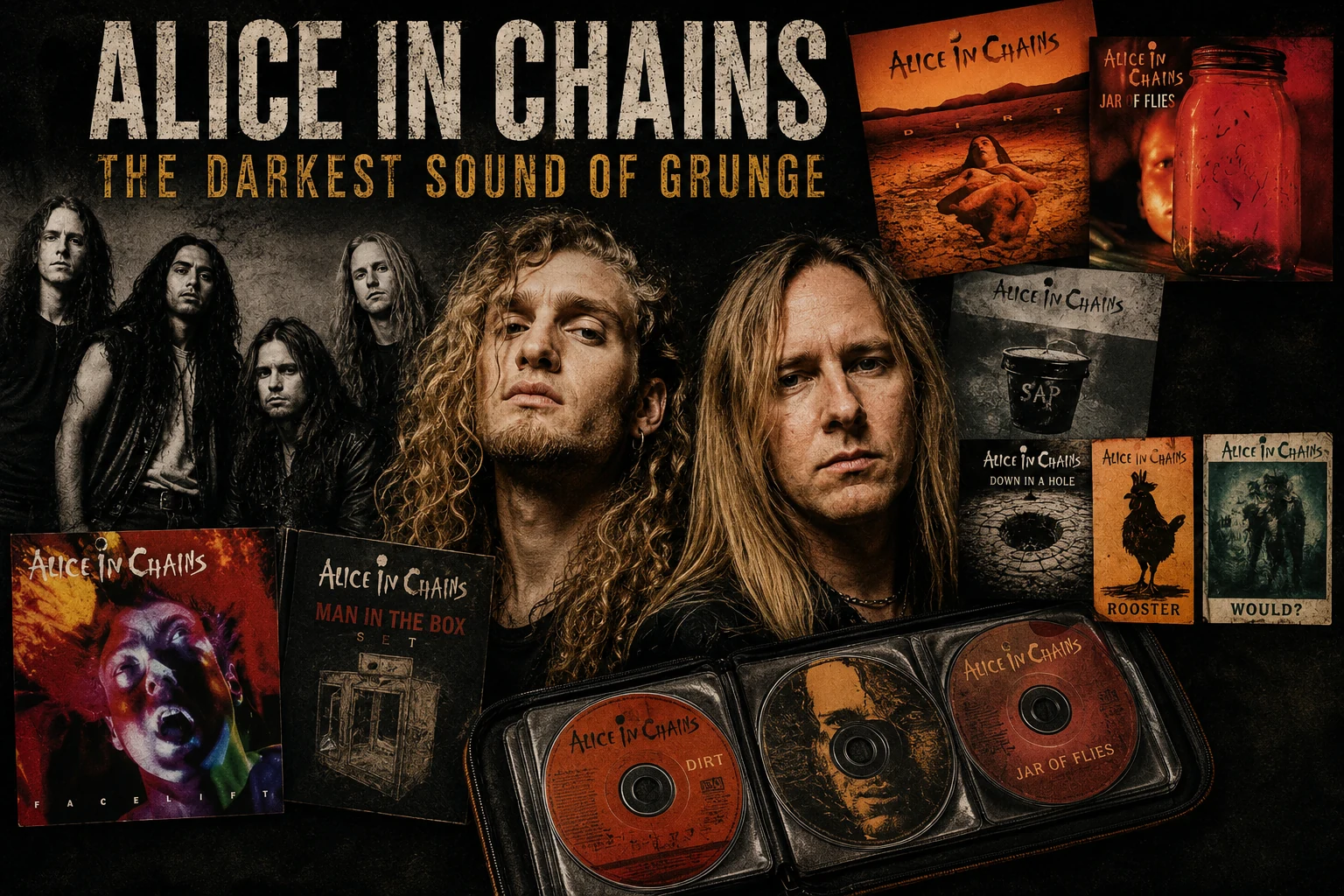
Alice in Chains: The Darkest Sound of Grunge
Alice in Chains were the grunge band that sounded like the basement had a basement. They had the heavy riffs, the Seattle roots, the flannel-era timing, and the MTV breakthrough, but their real power came from somewhere darker: Layne Staley and Jerry Cantrell’s haunted harmonies, doom-heavy guitars, bleak emotional detail, and songs that felt less like rebellion than survival reports from the bottom of the room.
If Nirvana were the cultural detonation, Pearl Jam were the cathartic arena confession, and Soundgarden were the heavy, weird art-metal machine, Alice in Chains were the shadow side of the Big 4 of Grunge: metallic, wounded, hypnotic, and almost too honest for casual nostalgia.

Why Were Alice in Chains the Darkest Sound of Grunge?
Alice in Chains were the darkest sound of grunge because they fused Seattle alternative rock with metal weight, doom atmosphere, bleak emotional honesty, and the eerie vocal blend of Layne Staley and Jerry Cantrell. They were not simply “the sad grunge band,” which would be a lazy label and frankly beneath everyone except maybe the guy at the mall kiosk selling bootleg posters. They were heavier, stranger, more melodic, and more disciplined than that.
Their music sounded dark because the darkness had structure. Cantrell’s riffs moved like machinery under fog. Staley’s voice cut through with pain, power, sarcasm, rage, and exhaustion. When the two voices locked together, Alice in Chains became something no other grunge band quite was: a harmony-driven doom machine that could make despair sound both terrifying and beautiful.
- Layne Staley gave Alice in Chains one of the most haunting voices in 90s rock, capable of sounding wounded, furious, ghostly, and larger than life.
- Jerry Cantrell shaped the band’s musical identity with heavy riffs, dark melodies, lead vocals, harmonies, and songwriting that balanced metal force with emotional detail.
- Facelift put the band on the map with “Man in the Box” and a sound heavier than much of what would later get called grunge.
- Dirt became one of the defining albums of the era because it stared into addiction, grief, shame, anger, and psychological collapse without turning away.
- Jar of Flies proved the band could go quieter without getting lighter.
- MTV Unplugged became one of the decade’s most emotionally devastating live documents because the songs sounded even more haunted when stripped down.
Alice in Chains Were Not Just Dark. They Were Heavy With Purpose.
Alice in Chains are sometimes reduced to darkness, which is understandable but incomplete. Yes, the band was dark. Congratulations, Detective Obvious, please collect your flannel badge at the door. But the reason that darkness still matters is because it was built into the songs, not just smeared on the walls for atmosphere.
The band’s darkness came from musical decisions: slow, grinding riffs; minor-key melodies; vocal harmonies that sounded less like comfort and more like a warning; drum parts that moved with grim patience; bass lines that seemed to hum from underneath the floorboards. Alice in Chains did not simply write gloomy lyrics and call it a day. They made the entire sound carry the weight.
That is what separates them from a lot of bands that later borrowed grunge’s surface signals. You can put on a sad face, tune down the guitar, and stand in front of a dirty wall. That does not make the song haunted. Alice in Chains knew how to make heaviness emotional and melody dangerous. Their songs had hooks, but the hooks did not feel like escape routes. They felt like the thing pulling you further down.
Inside the larger 90s Alternative & Grunge hub story, Alice in Chains occupy a specific emotional zone. They are not the sarcastic rupture of Nirvana, the communal catharsis of Pearl Jam, or the heavy weirdness of Soundgarden. They are the band that made the internal battle audible. They sounded like shame, addiction, grief, numbness, anger, and survival all singing in the same key.
Alice in Chains had far more metal DNA than casual grunge summaries usually admit. Their guitars did not jangle. They dragged chains through the hallway.
Staley and Cantrell did not use harmony to soften the songs. They used it to make the darkness feel wider.
The band wrote about addiction, isolation, war trauma, shame, powerlessness, and emotional collapse without turning pain into a cute aesthetic.
Even when they unplugged, Alice in Chains did not become soft. They became more exposed, which was somehow worse in the best possible way.
The Seattle Band With a Metal Spine
Alice in Chains came from Seattle, but they never sounded like a band trying to fit a single city-approved formula. That is one of the reasons they still feel so distinct. They were tied to the grunge movement by timing, geography, mood, and audience, but their musical skeleton leaned hard into metal. The riffs were thick. The tempos often trudged. The tones were nasty. The songs had a doom-heavy patience that made them feel less like alternative rock and more like a storm system wearing a denim jacket.
That metal spine matters because it explains why Alice in Chains could connect with listeners who might not have entered grunge through college rock or punk. Metal kids heard something familiar in the weight. Alternative kids heard something new in the mood. MTV kids heard “Man in the Box,” saw the video, and wondered why this song sounded like someone had chained a blues singer to a furnace.
The band’s heaviness also helped change what mainstream hard rock could be in the early 90s. By the late 80s, a lot of heavy music in the mainstream had become polished, theatrical, and image-heavy. Alice in Chains took heaviness back into the dark, removed the glam, and made the pain feel personal instead of performative. They helped make old hair-metal swagger look like a borrowed costume.
That is why Alice in Chains belongs in the conversation about how grunge killed hair metal. They did not kill heavy rock. They made heavy rock feel real again. They kept the volume and the darkness, then stripped out the cartoon mythology and replaced it with dread, grief, humor, and brutal self-awareness.
The band’s riffs and tempos gave them a heaviness that separated them from lighter alternative acts.
Alice in Chains still belonged to the Seattle explosion, but they brought a darker, more metallic vocabulary.
They became a bridge between metal audiences, grunge listeners, and MTV-era alternative rock fans.
Layne Staley and Jerry Cantrell: The Harmonies That Made the Darkness Sing
The defining Alice in Chains sound is not just Layne Staley’s voice, even though that voice could stop a room in the middle of a bad idea. It is not just Jerry Cantrell’s riffs, even though those riffs feel like they were carved out of bad weather. The real spell happens when the two voices meet.

Staley and Cantrell’s harmonies are one of the most recognizable sounds in 90s rock. They do not work like traditional rock harmonies, where one voice sweetens another and everybody feels vaguely uplifted. This was not Crosby, Stills, Nash & Please Somebody Open a Window. Alice in Chains harmonies often made songs feel more claustrophobic, not less. The voices stacked together like shadows doubling on the wall.
Layne’s voice had a serrated edge and a ghostly core. He could sound sarcastic, wounded, monstrous, vulnerable, and defiant in the same song. Cantrell’s voice added a darker, steadier, more resigned quality. Together, they created a sound that felt communal in the bleakest possible way. It was not one person drowning. It was two voices confirming the water was rising.
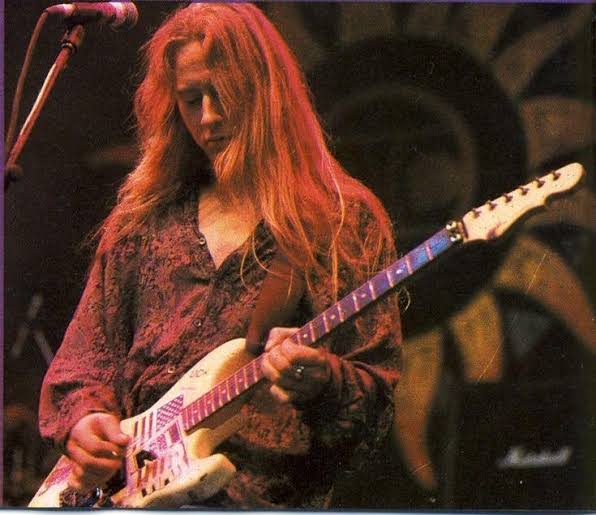
That is why songs like “Would?,” “Down in a Hole,” “Rooster,” “Nutshell,” “No Excuses,” “Heaven Beside You,” and the MTV Unplugged performances still hit so hard. The vocals do not just deliver lyrics. They create an atmosphere of recognition: pain echoed back, shame harmonized, loneliness given a second voice.
Staley’s voice could sound massive and fragile at the same time, which made Alice in Chains’ darkest songs feel disturbingly human.
Cantrell gave the band riffs, melodies, harmonies, and a songwriting center that balanced heaviness with emotional precision.
When the two voices locked together, Alice in Chains became instantly identifiable. Nobody else in grunge sounded quite like that.
The harmonies made isolation feel shared, which is one of the reasons the band connected so deeply with listeners.
Facelift: Before Grunge Took Over, Alice in Chains Were Already Heavy
Facelift arrived before the grunge explosion became a mainstream stampede. That matters. Alice in Chains were not waiting for 1991 to tell them how to sound miserable in a marketable way. They already had a sound: heavy, bluesy, metallic, shadowy, and strange enough to sit awkwardly beside both hair metal and alternative rock.
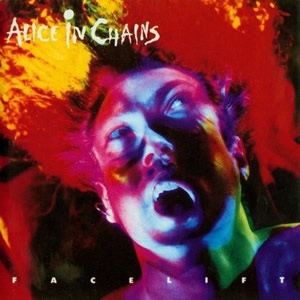
The album is not as emotionally devastating as Dirt, but it is crucial because it introduces the band’s vocabulary. You can hear the metal roots, the vocal power, the rhythmic punch, the creeping darkness, and the uneasy balance between arena-ready force and underground mood. Facelift is the record where Alice in Chains starts becoming Alice in Chains.
“Man in the Box” is the obvious gateway, and for good reason. The riff is heavy, the vocal hook is unforgettable, and the video gave the band one of its first major visual identities. But the album is not just one song. “We Die Young” hits with blunt force. “Bleed the Freak” stretches into a kind of wounded defiance. “Sea of Sorrow” shows how the band could make heavy rock feel melodic without losing grit. “Love, Hate, Love” is where Layne Staley starts sounding like he is trying to tear a hole in the ceiling with his voice.
In real 90s life, Facelift often became the album you found after Dirt had already done psychological damage. You heard “Man in the Box” on radio or MTV, then later realized the first album was heavier and more important than casual listeners gave it credit for. It was the pre-explosion warning flare.
The breakout track that made Alice in Chains impossible to ignore. It is heavy, strange, catchy, and built around a vocal performance that sounds like a warning siren discovering soul music.
A blunt, early statement of force. It showed that Alice in Chains could hit hard without needing the polish or party mythology of late-80s mainstream metal.
A slow-burn track that reveals the band’s ability to combine heaviness, melody, resentment, and vocal drama without tipping into cartoon seriousness.
One of Staley’s early vocal showcases. It is dramatic, heavy, and emotionally excessive in a way that somehow works because the performance feels frighteningly committed.
“Man in the Box” Made Alice in Chains Feel Like a Threat
“Man in the Box” is one of those early-90s songs that does not just sound like a hit. It sounds like a door opening into a room you maybe should not enter alone. The riff is slow, grinding, and instantly recognizable. The vocal effect gives it a strange mechanical edge. Layne Staley’s performance sounds enormous and trapped at the same time, which is basically the whole Alice in Chains emotional contract.
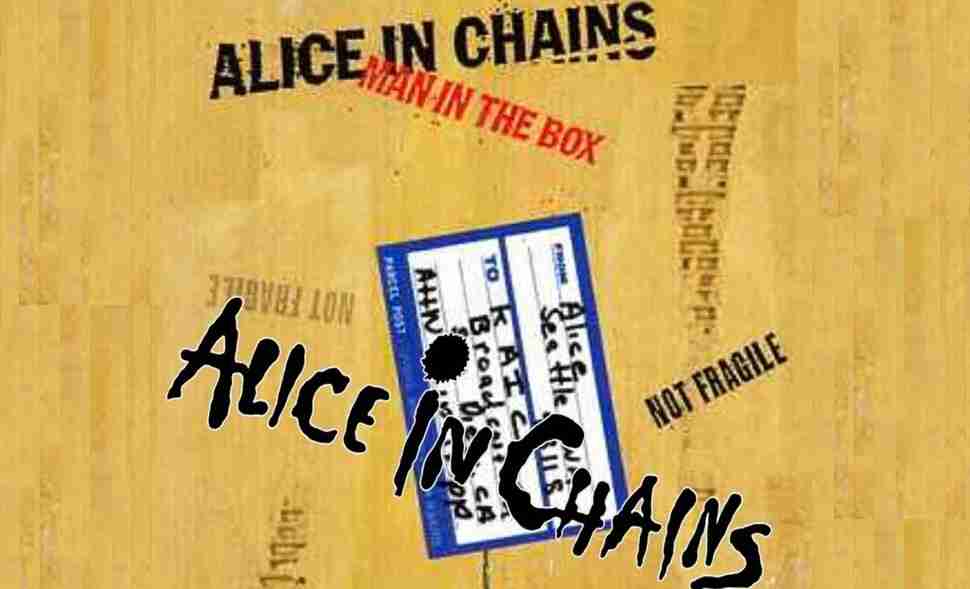
The song also helped bridge the world between metal and alternative. It had enough weight for heavy-rock fans, enough weirdness for alternative listeners, and enough visual punch for MTV. In the pre-Nevermind moment, that made Alice in Chains feel like something arriving from a darker lane than the glossy rock around them.
For a lot of Gen X listeners, “Man in the Box” was the first Alice in Chains song that cut through. It did not sound like regular radio rock. It sounded heavy but wounded, catchy but grim, dramatic but not glamorous. You could hear it from another room and know something had changed in the air.
That song is why Alice in Chains should never be treated as a band that simply followed the grunge explosion. They were already carving out their identity before the rest of the culture caught up. “Man in the Box” was not a reaction to grunge becoming huge. It was one of the signals that the old rock mood was already cracking.
Dirt: The Grunge Album That Stared Straight Down
Dirt is one of the defining albums of the 90s because it does not feel like a record about darkness from a safe distance. It feels like a record made from inside it. That is why it remains powerful and why it needs to be handled with respect. The album is heavy, addictive in sound, emotionally brutal, and full of songs that refuse to tidy up pain for easy consumption.
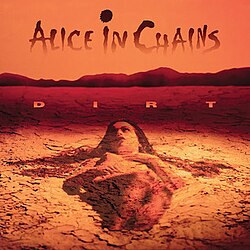
Released in 1992, Dirt arrived after grunge had already started to dominate the conversation. But it did not sound like anyone cashing in. It sounded like Alice in Chains descending further into their own world. The album is full of addiction imagery, shame, anger, numbness, war trauma, death, self-disgust, black humor, and moments of bleak recognition that hit harder because the songs are so well built.
That craft matters. Dirt is not just misery stacked on misery. It has structure, hooks, dynamics, riffs, harmonies, and a terrifying sense of momentum. “Them Bones” opens like a panic attack with a tuning fork. “Dam That River” punches forward with grim confidence. “Rain When I Die” stretches into a bluesy, sludgy crawl. “Down in a Hole” turns vulnerability into one of the band’s greatest songs. “Would?” closes with a question that never feels answered.
The album’s darkness also hit differently in real 90s life. This was not background music for a bright afternoon. This was the CD you played when the room already felt heavy. It belonged in cars at night, in bedrooms with bad lamps, in basements where nobody wanted to say out loud what was wrong, and in the private emotional spaces Gen X often pretended not to have because sarcasm was cheaper than therapy.
Dirt can be difficult to revisit because it is so tied to real suffering. But that is also why it has not become empty nostalgia. Plenty of 90s albums sound like a time capsule. Dirt still sounds like a warning, a confession, a document, and a bruise.
The album deals with addiction, shame, isolation, anger, and emotional collapse without glamorizing them.
The heaviness works because the songs are structured, memorable, and full of vocal and guitar hooks.
Dirt moves from aggression to grief, numbness, dread, bitterness, and strange beauty.
The album has not softened into cozy nostalgia because its emotional core remains raw.
How Dirt Felt in Real 90s Life
Dirt was not a casual album. Nobody put it on because they wanted the room to feel lighter. This was not “everybody grab snacks and enjoy a jaunty romp through emotional wellness.” Dirt made the room heavier. Sometimes that was exactly why people played it.
In the 90s, music had a physical presence. A CD was not just sound. It was an object: the cracked jewel case, the booklet, the artwork, the smell of the paper, the tiny scratches you prayed would not ruin your favorite track. Dirt felt like an object you should not leave in direct sunlight, emotionally or literally. It looked and sounded like something you had to be ready for.
Alice in Chains also occupied a different space in school and friend-group culture. Nirvana shirts were everywhere. Pearl Jam fans had that communal, concert-bound intensity. Soundgarden fans felt like they had gone deeper into the record store. Alice in Chains fans often seemed like the kids who were not trying to explain themselves at all. They just had Dirt in the CD binder, maybe Jar of Flies too, and that was enough information.
The band’s music fit late-night drives, basement hangouts, headphones, and the kind of suburban silence that did not feel peaceful. It was music for people who sensed that the clean version of the 90s — the sitcoms, the malls, the commercials, the “everything is fine” adult voice — was not telling the whole story. Alice in Chains filled in the missing shadow.
That is why Dirt still works as a Gen X record. It captured the part of the decade that was not cute, ironic, or marketable. It captured the feeling under the jokes.
Dirt sounded built for car speakers at night, when every streetlight felt a little too honest.
Having Alice in Chains in the binder said something different than having only the obvious hits. It meant you went darker.
The songs hit hardest when they felt private, even when millions of people knew them.
The Alice in Chains Songs That Defined the Darkness
Alice in Chains’ best songs do not all use the same kind of darkness. Some are aggressive. Some are hollowed out. Some are acoustic and devastating. Some are heavy enough to sound like they were carved into concrete. Together, they explain why the band belongs at the center of essential grunge songs and 90s grunge songs that still hit hard.
A short, brutal opener that sounds like panic, mortality, and a circular saw discovered harmony. It throws the listener directly into Dirt with no soft landing.
The breakout track from Facelift and the song that introduced many listeners to Alice in Chains’ grinding, metallic, vocal-heavy identity.
One of the great closing tracks of the grunge era, written in memory of Andrew Wood and loaded with guilt, grief, and unresolved questions.
A heavy, personal song connected to Jerry Cantrell’s father and Vietnam War experience. It is one of the band’s most powerful examples of trauma turned into slow-burning rock.
One of Alice in Chains’ most emotionally devastating songs, built around vulnerability, resignation, melody, and harmonies that sound like the floor disappearing.
A bleak, hypnotic song that captures the band’s ability to make repetition feel claustrophobic instead of lazy.
Slow, heavy, bluesy, and enormous. It is one of the band’s great examples of making despair groove without making it comfortable.
A quiet song that became one of the band’s most beloved because it feels brutally exposed without needing volume to prove it.
A rare Alice in Chains song that feels almost bright on the surface, while still carrying tension, regret, and complicated emotional weather underneath.
A mid-90s example of the band’s acoustic-electric blend, with Cantrell’s songwriting and vocals showing how Alice in Chains could evolve without losing their shadow.
“Would?” and the Grief Under the Seattle Myth
“Would?” is one of Alice in Chains’ most important songs because it connects the band’s darkness to the wider Seattle story. Written in memory of Andrew Wood of Mother Love Bone, the song is not just an album closer or a soundtrack moment. It is part of the grief network that ran underneath the Seattle scene before the mainstream turned grunge into a look, a label, and a marketing opportunity with tragic speed.

The song’s power comes from restraint. It does not explain too much. It does not package grief into a clean lesson. It moves with a low, circling tension, then opens into one of the band’s most unforgettable choruses. Staley’s voice feels accusatory, wounded, and exhausted. Cantrell’s riff gives the song its dark spine. The result is a song that feels like a question nobody can comfortably answer.
That unresolved quality is pure Alice in Chains. Some bands write songs that point toward healing. Alice in Chains often wrote songs that captured the moment before healing even seemed realistic. “Would?” sits in that space: guilt, memory, judgment, misunderstanding, and the awful feeling that tragedy always leaves behind more questions than people know what to do with.
In the larger Seattle grunge scene, “Would?” is essential because it reminds us that the story was never just about fame. Before the magazine covers and MTV buzz, there were people, bands, friendships, losses, and unfinished lives. Alice in Chains made that heaviness audible.
“Rooster”: War Trauma, Family Memory, and Alice in Chains at Full Weight
“Rooster” is one of Alice in Chains’ most powerful songs because it takes something personal and makes it massive without turning it into empty drama. The song is tied to Jerry Cantrell’s father and his experience in the Vietnam War, and that backstory gives the track a different kind of gravity than the band’s addiction-focused material.
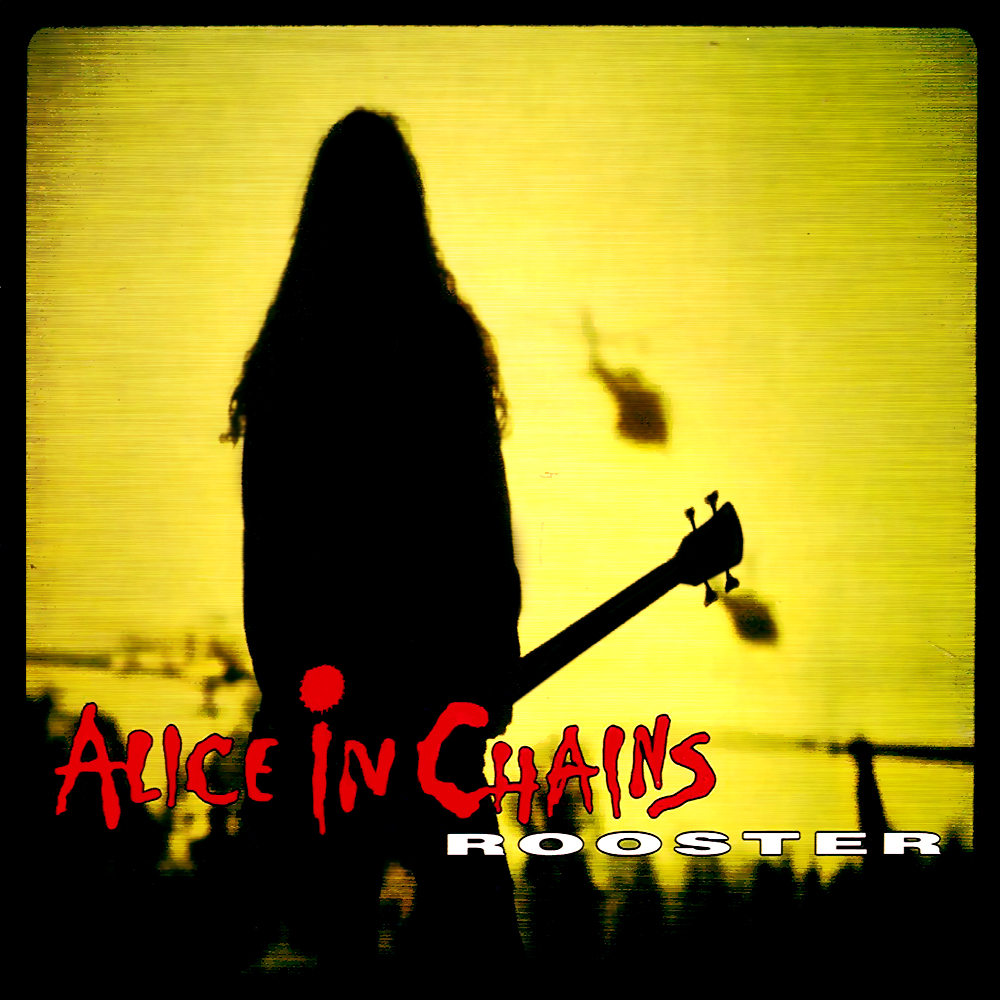
What makes “Rooster” work is the slow build. It does not rush to explode. It moves with patience, tension, and dread, like something marching across a field before the sky opens. When the chorus arrives, it is huge, but not triumphant in a simple way. It sounds defiant, wounded, and almost mythic.
The song also shows Alice in Chains’ ability to write about trauma beyond the self. A lot of their material feels interior, like a voice trapped inside its own head. “Rooster” widens the frame. It is about family, memory, war, survival, and the way violence echoes long after the original event ends.
In real 90s life, “Rooster” was one of the Alice in Chains songs that reached people who might not have followed every deep album track. It had the video, the chorus, the emotional hook, and the kind of slow-burning heaviness that made it unforgettable. It also proved that the band’s darkness was not one-dimensional. They could write about personal collapse, yes, but also inherited trauma and history.
“Down in a Hole”: The Ballad That Did Not Let You Breathe Easier
“Down in a Hole” is sometimes described as a ballad, which is technically fine but emotionally misleading. Calling it a ballad makes it sound like the song should be holding a lighter in an arena while everyone has a nice shared moment. This is Alice in Chains. The lighter is flickering in a room where the wallpaper is judging you.
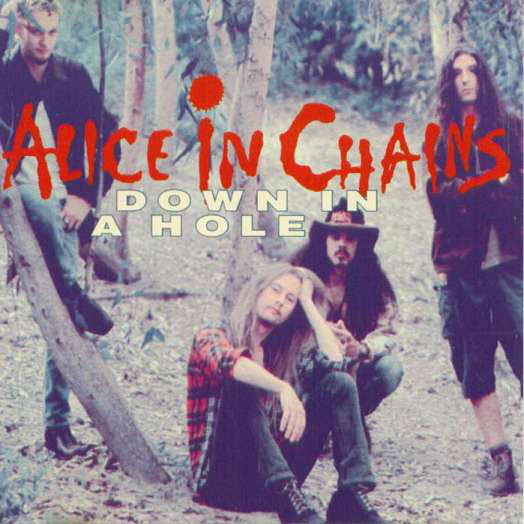
The song is quiet compared with the heavier parts of Dirt, but it is not lighter. It is one of the band’s best examples of how melody can deepen pain instead of relieving it. The vocal harmonies are gorgeous and devastating. The guitars are restrained but heavy with atmosphere. The lyrics feel exposed, vulnerable, and resigned.
For many listeners, “Down in a Hole” became one of the most emotionally direct songs in the Alice in Chains catalog. It is not aggressive like “Them Bones” or grinding like “Rain When I Die.” It is more fragile, which somehow makes it harder to take. Alice in Chains could make heavy music. They could also make quiet music that felt heavier than most bands’ loudest moments.
That dynamic is central to why the band has lasted. Their darkness was not just volume. It was atmosphere, harmony, and emotional truth. “Down in a Hole” is a perfect example of a song that sounds like surrender and beauty standing in the same doorway.
Writing About Addiction Without Turning It Into a Costume
Any serious Alice in Chains post has to talk about addiction, but it has to do it carefully. The band’s work is inseparable from that subject, especially on Dirt, but the point is not to romanticize suffering or turn real pain into spooky-rock decoration. Alice in Chains were powerful because they made addiction sound terrifying, repetitive, seductive, exhausting, isolating, and destructive. They did not make it sound cool.
That is one reason Dirt still feels so uncomfortable. It does not give listeners the safe distance that a lot of rock mythology does. There is no glamorous outlaw fantasy here. There is decay, shame, dependency, numbness, and the sense of someone seeing the trap clearly while still being inside it. That honesty is part of the album’s power, but it is also why it should not be treated like a mood-board accessory.
Layne Staley’s later life and death cast a long shadow over the band’s catalog, and it can be tempting for listeners to read every song only through that tragedy. But Alice in Chains were more than a tragedy. They were a great band: skilled, funny, heavy, melodic, disciplined, and capable of writing songs that reached millions because the craft matched the feeling.
The healthiest way to understand Alice in Chains is to respect both truths. The darkness was real. The talent was real too. Reducing the band to suffering misses the artistry. Ignoring the suffering misses the emotional weight. The music sits in the difficult space between those truths, which is exactly why it still matters.
Sap: The First Hint That Quiet Alice in Chains Was Still Dangerous
Before Jar of Flies became the acoustic Alice in Chains release everyone points to, there was Sap. It is shorter, stranger, and sometimes overshadowed, but it matters because it showed early that the band did not need full electric weight to sound heavy.
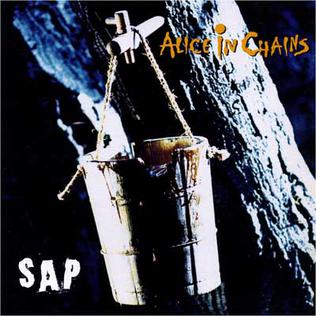
Sap is important because it loosened the band’s image. Alice in Chains were already known for heavy riffs and the force of Facelift, but this EP revealed a more acoustic, collaborative, and emotionally flexible side. It also pointed toward the acoustic darkness that would become one of the band’s defining features.
The trick was that acoustic Alice in Chains did not feel like a break from darkness. It felt like removing the armor. The songs were quieter, but the mood was still uneasy. That would become crucial later with Jar of Flies and MTV Unplugged, where the lack of volume made everything feel more exposed.
In the 90s, this mattered because “unplugged” and acoustic releases often risked sounding like a band’s soft, respectable side. Alice in Chains made acoustic music feel unsafe. The shadows did not leave when the amps turned down. They just got closer.
Jar of Flies: Quieter, Sadder, and Somehow Heavier
Jar of Flies is the Alice in Chains release that proves volume was never the only source of the band’s heaviness. It is mostly acoustic, more atmospheric, and less crushing in the obvious sense than Dirt. And yet, emotionally, it may be one of the heaviest things they ever made.
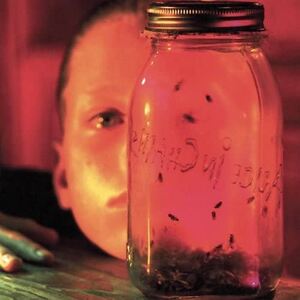
The EP arrived in 1994, when alternative rock was already deep inside the mainstream. By then, grunge had a fashion identity, a radio identity, an MTV identity, and enough magazine coverage to make any underground scene feel like it had been kidnapped by copywriters. Alice in Chains responded not by making a bigger rock record, but by releasing something moodier, stranger, more wounded, and less easy to categorize.
“Nutshell” became the emotional center for many fans. It is short, simple, and devastating. “No Excuses” offered one of the band’s most accessible songs without losing the complicated emotional undertow. “I Stay Away” brought strings and a warped sense of grandeur. “Don’t Follow” sounded like someone leaving a note and walking into the distance. The whole release feels like sunlight coming through dirty blinds.
Jar of Flies also changed how a lot of listeners understood Alice in Chains. It made clear that they were not simply a heavy grunge-metal band. They were a mood band, a harmony band, a songwriting band, and a band capable of making restraint feel devastating.
One of the band’s most beloved songs because it feels direct, quiet, and almost unbearably open.
A lighter-sounding song on the surface, but still full of tension, regret, and complicated friendship energy.
The strings and arrangement widened the band’s sound without making it polished or safe.
A song that feels like leaving, loss, and resignation folded into one quiet road out.
“Nutshell”: The Quiet Song That Became a Deep-Cut Ritual
“Nutshell” is not one of those songs that needs a long explanation to work. It is simple, exposed, and emotionally direct. That is exactly why it became so important to fans. Some songs impress you with architecture. “Nutshell” just sits down beside you and quietly ruins your afternoon.
The song’s power comes from its lack of armor. The guitars are gentle, the mood is resigned, and Staley’s vocal feels painfully close. It does not sound like a performance built to dominate a room. It sounds like a confession that barely wants to be heard but needs to exist anyway.
In the Alice in Chains catalog, “Nutshell” became a kind of emotional shorthand. It is the song people point to when they want to explain that the band’s heaviness was not only about riffs. Alice in Chains could be heavy through emptiness, through space, through a voice that sounded like it had run out of places to hide.
That is also why “Nutshell” has grown in reputation over time. It feels personal to listeners. It is not just admired. It is carried. That is a different kind of legacy than a hit single, and Alice in Chains have more than one song like that.
The Self-Titled Album: The Three-Legged Dog and the Sound of Late-Stage 90s Unease
Alice in Chains’ self-titled 1995 album, often called Tripod because of its three-legged dog cover, is not usually the entry point for new fans. It is too weird, too murky, too heavy in a different way, and too emotionally exhausted to function like a clean introduction. But it is essential to the band’s story.

By 1995, grunge itself had changed. Nirvana had ended. Pearl Jam were fighting fame and moving away from obvious commercial patterns. Soundgarden were heading toward Down on the Upside. The first wave of grunge was no longer new; it was already becoming history while still happening. Alice in Chains’ self-titled album sounds like that unstable moment.
The record is darker, stranger, and more claustrophobic than many casual listeners expected. “Grind” opens with a heavy, crawling sense of defiance. “Heaven Beside You” shows Cantrell’s songwriting in a more acoustic-electric frame. “Again” brings a mechanical punch. “Frogs” sinks into a long, murky atmosphere that feels less like a song ending than a room slowly filling with smoke.
It is not the most accessible Alice in Chains album, but accessibility is not the point. The self-titled record captures a band deep inside its own mythology, pushing through dysfunction, silence, heaviness, and exhaustion. It sounds like a warning light that has been blinking for so long everyone has started pretending it is part of the decor.
MTV Unplugged: When the Quiet Made Everything Heavier
Alice in Chains’ MTV Unplugged performance is one of the most powerful documents of the 90s because it proves that their songs did not need distortion to feel crushing. In fact, taking away the volume made many of them feel heavier. That is the awful magic of this band. Strip down the sound, and the shadows do not leave. They move closer to the camera.
The performance also carried a heavy emotional context. By the time it aired, Alice in Chains had not been a constant live presence in the way fans might have expected from a band of their size. Seeing them seated, restrained, and performing those songs with that much vulnerability gave the whole set an almost fragile intensity.
“Nutshell” became even more devastating in that setting. “Down in a Hole” sounded like a wound with harmonies. “Rooster” retained its slow-burn force. “Would?” still had the weight of an unanswered question. Even the newer material from the self-titled album felt more intimate and unsettling.
Compared with other grunge MTV Unplugged performances, Alice in Chains’ set is unique because it does not feel like a band revealing a softer side. It feels like a band revealing that the soft side was just as dark as the loud side. Pearl Jam’s Unplugged performance was explosive and cathartic. Nirvana’s was spectral and funereal. Alice in Chains’ was intimate, wounded, and almost unbearably tense.
That performance is one reason the band’s legacy has deepened over time. It turned songs already known for darkness into something even more human. It did not feel like nostalgia. It felt like evidence.
The performance made an already devastating song feel even more exposed.
The stripped arrangement made the vocal blend feel painfully close.
The song kept its force without needing full electric weight.
The question at the center of the song still felt unanswered, which is exactly why it worked.
MTV, Radio, and the Strange Mainstreaming of Alice in Chains
Alice in Chains becoming a mainstream band is still strange when you sit with it. This was not bright music. This was not easy comfort. This was not the kind of rock that politely asked to be included in a playlist between cheerful commercials. And yet Alice in Chains became a major 90s presence through MTV, radio, soundtracks, and the broader alternative takeover.
MTV helped because the band had a strong visual identity without looking manufactured. Their videos felt grim, symbolic, dirty, surreal, or emotionally loaded. “Man in the Box,” “Would?,” “Rooster,” and later the unplugged performance all gave viewers a way to connect the sound with an image. In a decade when music television could turn a song into a cultural memory, that mattered.
Modern rock and hard rock radio also gave Alice in Chains a wider reach because the band sat between formats. They were heavy enough for hard rock, alternative enough for the new 90s mood, and melodic enough that the songs stuck. That made them one of the few bands that could feel at home on rock radio without sounding like they belonged to the older glossy era.
That crossover is part of why Alice in Chains belong in the broader 90s Alternative & Grunge hub story. They helped prove that mainstream alternative could be heavy, bleak, slow, and emotionally uncomfortable. Not every radio hit had to pretend the room was okay.
Alice in Chains’ Place in the Big 4 of Grunge
Alice in Chains complete the Big 4 because they bring a kind of darkness the other three bands do not duplicate. That is why the category works. The Big 4 of Grunge are not four versions of the same band. They are four different answers to the same cultural rupture.
Nirvana made the mainstream crack open with punk-pop damage, sarcasm, and cultural detonation.
Pearl Jam made grunge communal, emotional, and arena-sized without losing its bruised humanity.
Soundgarden brought Sabbath riffs, odd time signatures, psychedelia, and art-metal intelligence.
Alice in Chains brought doom, addiction imagery, metallic heaviness, and ghostly harmonies.
What makes Alice in Chains essential is that they prevent grunge from being remembered as only irony, flannel, and loud guitars. They make the movement feel emotionally dangerous. They remind listeners that the 90s alternative explosion was not just a fashion shift or a radio format. It was also a place where pain, alienation, trauma, and addiction entered mainstream rock without being sanitized.
The Gen X Connection: Why Alice in Chains Hit So Hard
Alice in Chains connected with Gen X because they sounded like the part of the decade nobody wanted to put in the brochure. The official 90s nostalgia package loves neon windbreakers, sitcom couches, mall food courts, dial-up sounds, and maybe a lava lamp if somebody is feeling wild. Alice in Chains belonged to the other 90s: the late-night 90s, the basement 90s, the car-with-no-destination 90s, the bedroom-with-the-door-closed 90s.
This was a generation raised on mixed signals. Be independent, but follow the rules. Be cool, but do not care. Be emotional, but do not be embarrassing. Trust adults, but also notice they had no idea what they were doing. Alice in Chains cut through that by sounding like the mask had already failed. Their songs did not ask listeners to explain themselves. They just made the heaviness audible.
That is why the band became so personal to fans. Alice in Chains did not always feel like party music, road-trip music, or even group music. They often felt private. They were the band in the headphones, the CD in the case that said something about your interior weather, the songs you did not always play for everyone because not everyone deserved access to that room.
At the same time, they were not obscure. That tension is very 90s. Alice in Chains were deeply personal and widely known, mainstream and unsettling, heavy and melodic, popular and still somehow underground-feeling in the emotional sense. They were one of the rare bands whose biggest songs did not seem to lose their darkness just because millions of people heard them.
The CD Binder, the Used Bin, and the Alice in Chains Fan
Alice in Chains lived perfectly in the physical-media world of the 90s. Their albums felt like objects. Dirt in a CD binder was not just a disc. It was an emotional weather report. Jar of Flies was the one you played when you wanted quieter damage. Facelift was the one that proved they were heavy before everyone figured out grunge was going to eat the decade.

The used CD store mattered here. Alice in Chains were the kind of band people discovered in layers. Maybe you started with “Man in the Box.” Maybe “Would?” came through the Singles soundtrack. Maybe “No Excuses” got you through radio. Then you bought Dirt, then Jar of Flies, then suddenly you were reading liner notes like they might explain the entire decade.
The fan identity was different too. A Nirvana fan might be loud about it. A Pearl Jam fan might be loyal like it was a civic duty. A Soundgarden fan might want you to know they understood odd time signatures, whether or not you asked. Alice in Chains fans often had a quieter intensity. The music felt personal enough that explaining it too much almost cheapened it.
That is what made the band such a powerful part of 90s lifestyle culture. They were not just heard. They were kept. In binders, bedrooms, glove compartments, backpacks, tape decks, and memory. They were the sound of the decade’s darker corners, filed alphabetically somewhere between anger and exhaustion.
Why Alice in Chains Still Sound So Powerful
Alice in Chains still sound powerful because they were never built on novelty. Some 90s music is fun because it sounds like the 90s. Alice in Chains still hit because the emotions did not expire. Addiction, grief, shame, loneliness, trauma, numbness, survival, and the desire to be understood without having to explain yourself to death — none of that went out with CD longboxes.
Their music also aged well because the craft was serious. The riffs are memorable. The harmonies are distinct. The melodies stick. The arrangements have space. The acoustic material expanded the catalog instead of weakening it. The best Alice in Chains songs are not just historically important. They are built well enough to keep working outside their original moment.
The band’s legacy also grew because later rock often copied the wrong things from grunge. Many post-grunge acts borrowed the low vocals, the serious faces, the heavy guitars, and the general sense of someone being upset near a microphone. Far fewer captured the eerie harmonic language, the emotional precision, the metal architecture, or the tension between beauty and collapse that made Alice in Chains special.
That is why they stand apart in the post-grunge conversation. Their influence is everywhere, but their actual sound remains difficult to replicate. Plenty of bands can sound sad. Alice in Chains sounded haunted.
Best Alice in Chains Starter Albums and Songs
Starting with Alice in Chains depends on how much emotional weight you want dropped on your lap immediately. There is no completely safe entrance, because even the accessible songs have shadows. But there is a clean path, or at least as clean as a path can be when it leads into Dirt.
- Dirt — The essential Alice in Chains album and one of the defining grunge records.
- Jar of Flies — The acoustic EP that proves quieter does not mean lighter.
- Facelift — The heavy early breakthrough with “Man in the Box.”
- Alice in Chains — The self-titled late-90s record, murkier and stranger.
- MTV Unplugged — The live document that makes the catalog feel even more haunted.
- “Man in the Box”
- “Would?”
- “Them Bones”
- “Rooster”
- “Down in a Hole”
- “Angry Chair”
- “Nutshell”
- “No Excuses”
- “I Stay Away”
- “Heaven Beside You”
Alice in Chains and the 90s Grunge Timeline
Alice in Chains’ 90s story moves from heavy Seattle breakthrough to classic-album darkness, acoustic reinvention, MTV visibility, and one of the most emotionally loaded live documents of the decade.
Alice in Chains forms in Seattle, eventually building a sound that blends metal weight, grunge mood, and the unmistakable vocal blend of Layne Staley and Jerry Cantrell.
Facelift introduces the band’s heavy early identity and produces “Man in the Box,” one of the most important pre-grunge-explosion breakthroughs.
Dirt arrives and becomes the band’s defining album. Keep the broader year in view with 1992 Songs.
“Would?” appears on the Singles soundtrack, connecting Alice in Chains to the wider Seattle grunge film-and-music moment.
Jar of Flies proves the band can go acoustic and still sound emotionally devastating. Rewind the wider year with 1994 Songs.
The self-titled Alice in Chains album, often called Tripod, pushes the band into a murkier, stranger, late-stage 90s sound.
MTV Unplugged becomes one of the most haunting live documents of the grunge era. See the broader year with 1996 Songs.
Layne Staley’s death casts a long shadow over the band’s catalog and deepens the emotional weight of the first-era Alice in Chains legacy.
Keep Rewinding the 90s Alternative and Grunge Story
Alice in Chains are the dark center of the grunge map, but the full 90s alternative story needs the other bands, albums, songs, MTV moments, radio shifts, fashion fallout, and Seattle mythology around them.
FAQ: Alice in Chains and 90s Grunge
Why are Alice in Chains called the darkest sound of grunge?
Alice in Chains are called the darkest sound of grunge because they combined metal-heavy riffs, bleak lyrics, addiction themes, doom atmosphere, and the haunting vocal harmonies of Layne Staley and Jerry Cantrell.
Were Alice in Chains really grunge?
Yes. Alice in Chains were one of the key Seattle bands associated with grunge, even though their sound had more metal influence than many other bands in the movement.
How were Alice in Chains different from Nirvana?
Nirvana were more punk, sarcastic, and explosive, while Alice in Chains were heavier, more metallic, slower, darker, and built around eerie vocal harmonies.
How were Alice in Chains different from Pearl Jam?
Pearl Jam leaned toward emotional catharsis, arena energy, and live community. Alice in Chains were more claustrophobic, metallic, and haunted, with songs that often felt private and psychologically heavy.
How were Alice in Chains different from Soundgarden?
Soundgarden were heavier in a weird, psychedelic, odd-time art-metal way. Alice in Chains were darker in a doomier, harmony-heavy, emotionally direct way.
What is Alice in Chains’ best album?
Dirt is usually considered the essential Alice in Chains album because it captures their heavy sound, dark themes, vocal harmonies, and emotional power at full force.
Why is Dirt so important?
Dirt is important because it is one of the most honest, heavy, and emotionally brutal albums of the grunge era, with songs like “Them Bones,” “Rooster,” “Down in a Hole,” “Angry Chair,” and “Would?”
What made Layne Staley’s voice special?
Layne Staley’s voice was special because it combined power, pain, sarcasm, vulnerability, and a ghostly intensity that made Alice in Chains’ darkest songs feel human and unforgettable.
What made Jerry Cantrell important to Alice in Chains?
Jerry Cantrell was central to Alice in Chains as guitarist, songwriter, vocalist, and harmony partner. His riffs, melodies, lyrics, and vocal blend with Layne Staley shaped the band’s signature sound.
What are Alice in Chains’ most important songs?
Essential Alice in Chains songs include “Man in the Box,” “Would?,” “Them Bones,” “Rooster,” “Down in a Hole,” “Angry Chair,” “Nutshell,” “No Excuses,” “I Stay Away,” and “Heaven Beside You.”
Why is Jar of Flies important?
Jar of Flies is important because it proved Alice in Chains could make quieter, more acoustic music that still felt emotionally heavy and deeply connected to the band’s darker identity.
Why is Nutshell so loved?
“Nutshell” is loved because it is simple, exposed, and emotionally direct. It shows Alice in Chains’ ability to be devastating without relying on volume or heavy riffs.
Why is Alice in Chains MTV Unplugged so powerful?
Alice in Chains’ MTV Unplugged performance is powerful because stripping the songs down made them feel more exposed, intimate, and emotionally heavy instead of softer.
Did Alice in Chains influence post-grunge?
Yes. Alice in Chains influenced post-grunge through their dark vocal style, heavy riffs, acoustic-electric balance, and serious emotional tone, though many later bands copied the surface without matching the depth.
Why did Gen X connect with Alice in Chains?
Gen X connected with Alice in Chains because the band captured isolation, darkness, sarcasm, trauma, addiction, and emotional heaviness without pretending everything had an easy answer.
What Alice in Chains album should beginners start with?
Beginners should usually start with Dirt, then move to Jar of Flies, Facelift, and MTV Unplugged.
Was Alice in Chains more metal than grunge?
Alice in Chains had more metal influence than many grunge bands, but they were still part of the Seattle grunge movement because of their roots, timing, mood, audience, and role in 90s alternative rock.
What is Alice in Chains’ place in the Big 4 of Grunge?
Alice in Chains are the dark, metallic, harmony-heavy member of the Big 4, bringing a doomier and more haunted sound than Nirvana, Pearl Jam, or Soundgarden.
Keep the Dark Rewind Going
Get more 70s, 80s, and 90s nostalgia, music rabbit holes, TV memories, toy chaos, and Gen X cultural therapy from Smells Like Gen X.