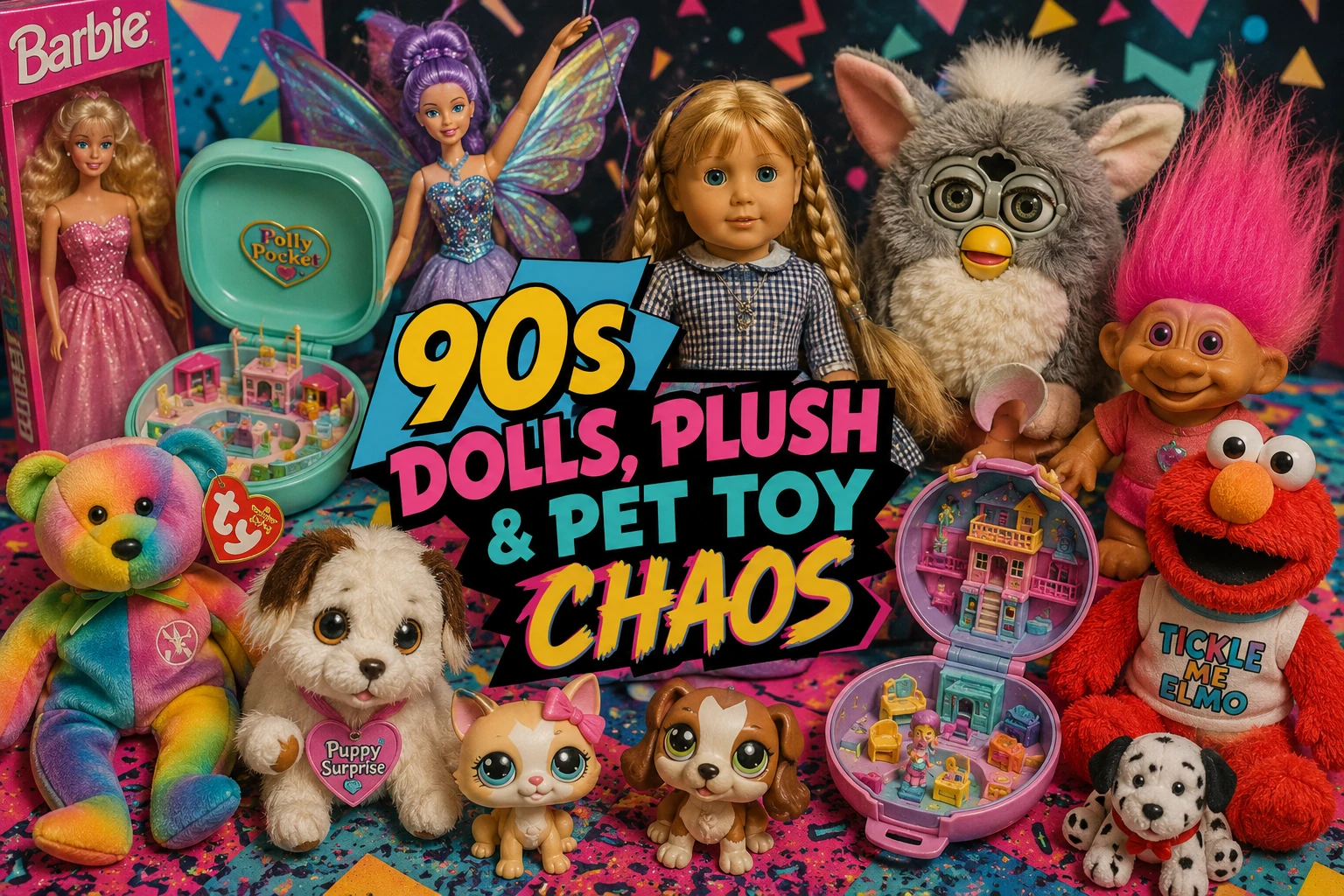
90s Dolls, Plush & Pet Toy Chaos: The Soft Side Got Weird
The 90s doll and plush aisle looked sweet from a distance. Pink boxes, tiny pets, smiling dolls, soft animals, fashion hair, miniature houses, collectible tags, and pretend babies. Then you got closer and realized it was complete chaos. Barbie hair took over bathrooms. Polly Pocket pieces vanished into carpet. Sky Dancers launched like lawsuits with wings. Beanie Babies became “investments.” Furby talked from the shelf like it knew things. Tickle Me Elmo turned Christmas shopping into combat.
So yeah, this is the rewind for 90s dolls, plush toys, and pet toy crazes: Barbie, Polly Pocket, Sky Dancers, American Girl, Littlest Pet Shop, Puppy Surprise, Kitty Surprise, Beanie Babies, Tickle Me Elmo, Furby, Troll dolls, pet miniatures, soft collectibles, and the era when every bedroom had at least one tiny brush, one missing shoe, and one plush toy everybody suddenly swore was rare.
90s Toys
Head back to the full 90s Toys hub for action figures, collectibles, electronic pets, handhelds, board games, backyard toys, commercials, and the rest of the decade’s plastic chaos.
Related RewindCollectible Toy Crazes
Beanie Babies, Pokémon cards, Pogs, Crazy Bones, trading cards, Happy Meal toys, sealed action figures, and the schoolyard economy of “rare.”
Battery-Powered CousinsElectronic Toys & Digital Pets
Tamagotchi, Giga Pets, Furby, Bop It, Talkboy, Yak Bak, Tiger handhelds, electronic diaries, and the beeping toy era right next door.
So What Were the Big 90s Dolls, Plush Toys, and Pet Crazes?
The big 90s dolls, plush toys, and pet toys were the ones that turned bedrooms into tiny pastel battlegrounds: Totally Hair Barbie, Barbie playsets, Polly Pocket, Sky Dancers, American Girl, Littlest Pet Shop, Puppy Surprise, Kitty Surprise, Beanie Babies, Tickle Me Elmo, Furby, Troll dolls, mini pet collectibles, and every soft animal that came with a name, tag, brush, outfit, bottle, crib, compact, or tiny accessory that immediately disappeared.
What made the 90s soft toy aisle different was the mix. There were traditional fashion dolls, tiny miniature worlds, collectible plush, interactive electronic creatures, realistic historical dolls, pretend-care pets, and toy lines designed to make kids feel like they owned an entire universe. A doll was not just a doll anymore. It had hair systems, houses, vehicles, pets, clothes, books, accessories, collector value, or some terrifying ability to laugh when touched.
The 90s soft aisle was also where “cute” started behaving like a business model. Tags mattered. Versions mattered. Shell colors mattered. Hair length mattered. Playsets mattered. Whether your Puppy Surprise had three, four, or five puppies mattered. And if somebody’s aunt said a Beanie Baby was going to pay for college, suddenly the stuffed animal shelf became Wall Street with whiskers.
Why the 90s Were Built for This Stuff
The 90s were perfect for dolls, plush toys, and pet crazes because the decade loved identity. Kids were not just buying toys; they were choosing little worlds. Barbie gave you fashion and fantasy. Polly Pocket gave you tiny secret universes. American Girl gave you history and serious doll ownership. Littlest Pet Shop gave you miniature animal setups. Beanie Babies gave you collecting. Furby gave you the sensation that something from the toy shelf might be judging you.
The soft aisle also hit right at the moment when toy marketing had learned how to make everything feel personal. A doll had a style. A plush had a name and birthday. A pet had babies hidden inside. A compact opened into a world. A figure came with tiny accessories. A toy line had commercials that made every bedroom look better than yours. The 90s were excellent at turning small details into big desire.
And unlike a lot of action toys, dolls and plush lived directly in bedrooms. They were not always played with for five minutes and tossed aside. They sat on shelves, beds, dressers, desks, and floors. They became room decor, comfort objects, collections, status symbols, and evidence that your parents had once again stepped on a tiny plastic shoe.
The 90s soft-toy formula
- Fashion and identity: Barbie, clothing, hair, accessories, and playsets made style part of play.
- Miniature worlds: Polly Pocket and Littlest Pet Shop made tiny scale feel magical and maddening.
- Pet care: Puppy Surprise, Kitty Surprise, and pet playsets tapped into nurturing without requiring actual vet bills.
- Collector fever: Beanie Babies taught families to treat plush animals like financial instruments. Bold choice.
- Interactive plush: Tickle Me Elmo and Furby made soft toys noisy, reactive, and sometimes extremely hard to find.
The result was a toy aisle that looked gentle but operated like a machine. It sold comfort, style, scarcity, tiny worlds, pretend care, and household panic with a pastel bow on top.
90s Dolls, Plush, and Pet Toy Timeline
A fast visual map of how the soft aisle lost its mind
The 90s soft-toy wave came in stages: Barbie hair mania, Polly Pocket mini-worlds, American Girl seriousness, Sky Dancers flying chaos, Puppy Surprise pet play, Beanie Baby collector panic, Tickle Me Elmo retail madness, Furby’s electronic plush weirdness, and late-decade pet toys that made every shelf look like a tiny animal shelter with accessories.
Polly Pocket shrinks the bedroom
Little compacts and tiny figures turn miniature play into a full-on carpet-loss crisis.
Totally Hair Barbie rules
Barbie hair becomes an event, a project, and a bathroom-counter situation.
American Girl becomes aspirational
Dolls, books, outfits, history, catalogs, and the feeling that this was not a toy you left face-down on the floor.
Puppy Surprise becomes a mystery
Kids squeeze a plush dog and wonder how many tiny puppies are hiding inside. Normal 90s behavior.
Sky Dancers launch upward
Beautiful fairy dolls meet pull-cord physics and suddenly the ceiling fan looks nervous.
Tickle Me Elmo melts retail
A laughing plush toy becomes a Christmas-season emergency and parents briefly lose all perspective.
Beanie Babies go nuclear
Plush animals with names, birthdays, tags, and perceived value become the strangest family investment plan ever.
Furby wakes up
A fuzzy creature talks, blinks, reacts, and makes adults wonder if the toy aisle has gone too far.
Tiny animals keep multiplying
Littlest Pet Shop, pet miniatures, plush families, and collectible animals keep the soft aisle packed.
The 90s Dolls, Plush Toys, and Pet Crazes We Actually Remember
Fashion hair, tiny pets, soft panic, and one very suspicious owl thing
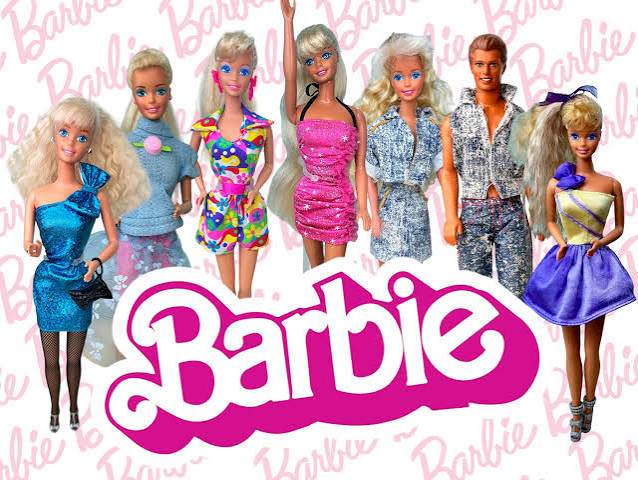
Barbie in the 90s: Hair, Fashion, Playsets, and Bathroom Sink Evidence
90s Barbie was not just one doll. She was a whole weather system. Totally Hair Barbie, career Barbies, beach Barbies, holiday Barbies, gymnast Barbies, dream houses, cars, closets, tiny shoes, tiny brushes, and enough accessories to make a vacuum cleaner live in fear. The doll aisle was Barbie’s kingdom, and the 90s kept finding new ways to make her bigger, brighter, and more impossible to store.
The hair era especially was peak 90s. Long hair, crimped hair, styled hair, hair products, tiny combs, and kids trying to recreate commercial-level glamour with water from the bathroom sink. The commercials made it look like a salon. Real life made it look like a doll had survived a wind tunnel.
Why Barbie stayed huge
Barbie survived the decade because she could become almost anything. Fashion fantasy, career fantasy, beach fantasy, wedding fantasy, sports fantasy, mansion fantasy — whatever the toy aisle needed, Barbie could wear it, drive it, live in it, or put a tiny plastic heel on it.
She also worked as both a toy and a collection. Some kids played hard with Barbie. Some families preserved special editions. Some dolls became bedtime regulars. Some ended up naked in a bin with one shoe and a haircut nobody would admit to. That range is why Barbie stayed everywhere.
- Core appeal: hair, fashion, fantasy, houses, cars, careers, and infinite outfit changes.
- Kid behavior: styling hair, swapping clothes, staging dramatic house scenes, and losing tiny shoes forever.
- Most 90s detail: believing you could make Barbie hair look like the commercial with tap water and confidence.
Barbie mattered because she kept fashion-doll play central to the 90s toy aisle even as electronics, collectibles, and video games got louder. She was old-school doll play with full 90s excess layered on top.
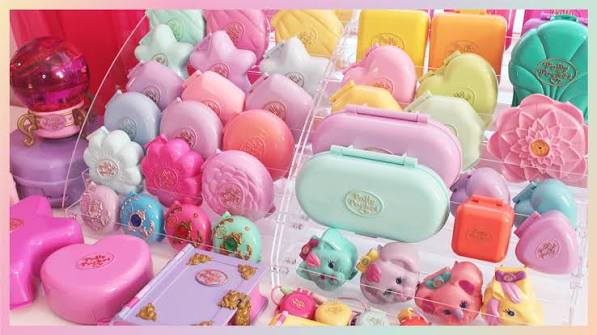
Polly Pocket: Tiny Worlds, Tiny Figures, Giant Carpet Problems
Polly Pocket was the toy line that looked at normal playsets and said, “What if we made everything small enough to vanish forever?” The compacts were irresistible. A little plastic case opened into a miniature world with rooms, stairs, pools, beds, gardens, castles, or whatever tiny dream environment had been engineered to test the limits of child eyesight.
Polly worked because the scale made everything feel secret. These were not big dollhouses sitting in a room. They were little worlds you could close, carry, hide, stack, trade, and reopen like you were revealing a private universe. The click of the case shutting was part of the charm.
The magic of tiny scale
Miniature toys have a weird power. They make kids lean in. Polly Pocket turned play into discovery because every little corner felt like something was happening. A pool, a bed, a balcony, a tiny chair — all of it mattered because it was so small.
Of course, the same scale also made Polly a household hazard. Figures disappeared. Accessories vanished. Parents found tiny plastic people in couch cushions, vents, car floors, and possibly alternate dimensions. If you had carpet, Polly was playing on hard mode.
- Core appeal: tiny worlds, portability, bright cases, mini figures, and collectible playsets.
- Kid behavior: opening and closing compacts, mixing figures, carrying sets around, and crawling on the floor to find lost pieces.
- Most 90s detail: owning a whole mansion that fit in a pocket but losing the main character in three minutes.
Polly Pocket mattered because it made miniature play feel mainstream. It was cute, clever, collectible, portable, and exactly the kind of toy that made every parent silently curse carpet.
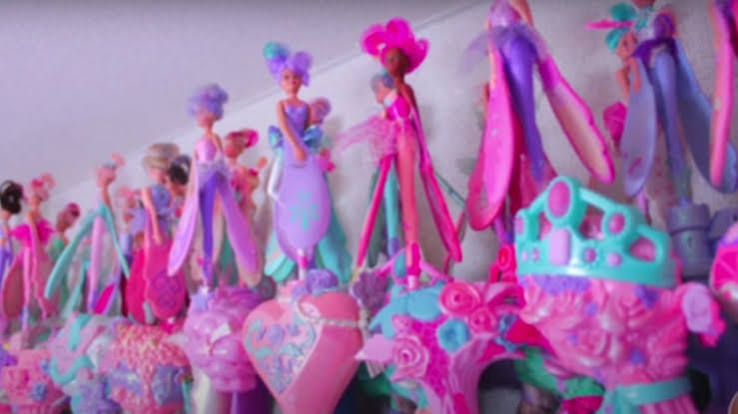
Sky Dancers: Beautiful Fairy Dolls With Launch-Weapon Energy
Sky Dancers were gorgeous in the commercial. A fairy doll rose gracefully into the air, spinning like magic while children looked delighted and nobody got hit in the face. Real life was a little more chaotic. You pulled the cord, the doll launched, and suddenly physics had entered the bedroom.
That is exactly why kids loved them. Sky Dancers made dolls active. They were not just dressed, posed, or placed in a house. They flew. They had motion, surprise, and spectacle. Every launch felt like a little event, even if the landing zone was questionable.
Why they felt different
Sky Dancers sat between fashion dolls, fantasy toys, and action toys. They had pretty styling, fairy energy, and collectible characters, but the play pattern was basically “pull cord and see what happens.” That made them more exciting than a normal doll and more dramatic than most plush or pet toys.
The toy also captured a very 90s confidence that anything could be made more exciting with a gimmick. A fairy doll was cute. A fairy doll that launched into the air was a household incident with wings. Sold.
- Core appeal: flying action, fantasy styling, spinning motion, and dramatic launches.
- Kid behavior: pulling the cord repeatedly, aiming badly, testing height, and pretending nothing almost broke.
- Most 90s detail: making a doll airborne and then acting shocked when gravity had notes.
Sky Dancers mattered because they made doll play kinetic. They were dreamy, strange, risky, memorable, and very 90s in the way they trusted children with flying plastic.
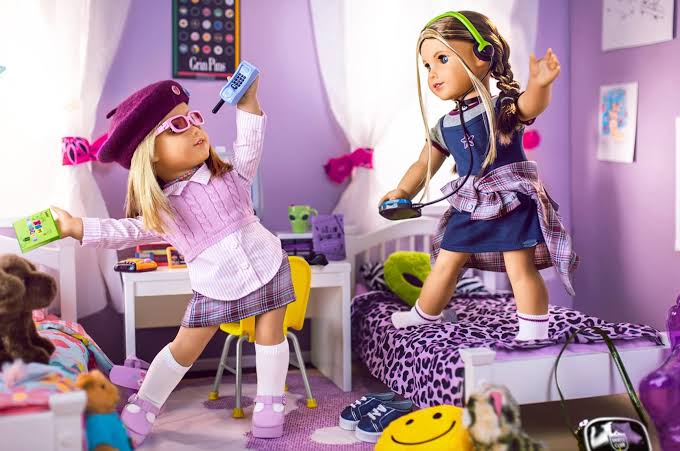
American Girl: The Catalog Doll That Felt Like a Life Decision
American Girl had a completely different energy from the rest of the doll aisle. This was not a doll you threw into a toy bin with a naked Barbie and a mystery horse. This was a doll with a name, history, books, outfits, furniture, accessories, and a catalog that could make a kid start negotiating like a tiny lawyer.
The catalog was half the experience. Kids circled things. They studied outfits. They imagined rooms, trunks, beds, desks, tea sets, school supplies, and accessories like they were planning a historical real-estate portfolio. It felt serious because the dolls were presented seriously.
Why American Girl felt different
American Girl connected dolls to stories. The books made each character feel like more than a toy. Kids could read about a girl, then own the doll, then dress her, then recreate or extend the world. That was powerful because it gave doll play a narrative backbone.
It also created a different kind of ownership. These dolls felt special. They were often gifts, milestones, or long-awaited purchases. You did not casually leave an American Girl doll in the yard. At least not if you wanted to survive the parental lecture.
- Core appeal: historical characters, books, outfits, accessories, furniture, and catalog dreaming.
- Kid behavior: reading the stories, choosing a favorite, circling catalog pages, and treating the doll like a major investment.
- Most 90s detail: learning consumer desire through a glossy catalog before the internet made everything worse.
American Girl mattered because it made doll ownership feel immersive and meaningful. It blended reading, collecting, history, identity, and aspirational play into one very powerful 90s bedroom object.
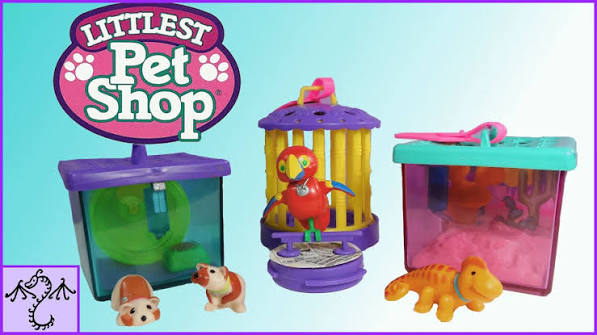
Littlest Pet Shop: Tiny Animals, Tiny Accessories, Big Carpet Casualties
Littlest Pet Shop was for kids who wanted all the joy of owning animals without the feeding schedule, smell, or parental paperwork. Tiny pets came with tiny habitats, tiny accessories, tiny food, tiny cages, tiny brushes, and tiny pieces that vanished like they had witness protection.
The appeal was simple: animals are cute, miniatures are magical, and collecting different pets made the world feel bigger. A cat, dog, bird, rabbit, turtle, or other little creature could have its own space. Kids built scenes, families, rescue centers, pet shops, and whatever kind of tiny animal drama the afternoon required.
Why tiny pet toys worked
Pet toys gave kids control over a nurturing world. You could care for the animal, arrange the space, move the accessories, create personalities, and build little routines. It was pretend care without the pressure of a Tamagotchi dying during class.
The size also made them collectible. One pet was cute. Several pets became a world. A pile of pets became a full-blown ecosystem with accessories, arguments, and one piece nobody could find.
- Core appeal: tiny animals, habitats, accessories, collecting, and pet-care fantasy.
- Kid behavior: setting up scenes, naming pets, mixing sets, losing pieces, and building elaborate animal soap operas.
- Most 90s detail: a plastic food bowl smaller than a fingernail becoming emotionally important.
Littlest Pet Shop mattered because it made pet play miniature and collectible. It was cute, quiet, flexible, and exactly the kind of toy line that expanded one tiny animal at a time.
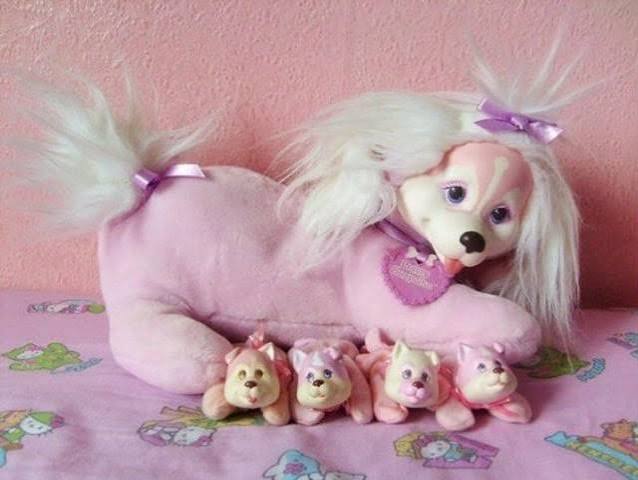
Puppy Surprise and Kitty Surprise: The Plush Pet Mystery Box Before Mystery Boxes
Puppy Surprise and Kitty Surprise were basically mystery toys before mystery toys took over the world. The premise was simple and strange: a plush mother pet came with a surprise number of babies hidden inside. You did not know exactly how many you were getting until you opened it up. This was thrilling to children and extremely weird if you describe it out loud now.
The toy worked because the reveal mattered. Three babies was nice. Four babies felt better. Five babies felt like winning the plush lottery. The number became part of the excitement, which made the toy feel more personal than a regular stuffed animal.
Why the surprise worked
The 90s loved a reveal. Puppy Surprise gave kids the drama of discovery and the comfort of plush at the same time. It also let kids create a little pet family right away. The mother, the babies, the names, the pretend care — it all clicked into place fast.
This was also one of those toys that worked well in commercials because the reveal was easy to show. Kids watching could instantly understand the hook: you might get more babies. That is not subtle marketing. That is toy-aisle hypnosis.
- Core appeal: plush pets, surprise babies, family play, and the possibility of getting more.
- Kid behavior: counting babies, naming everyone, comparing how many friends got, and treating five like a miracle.
- Most 90s detail: a stuffed animal having hidden babies and everyone acting like that was completely normal.
Puppy Surprise mattered because it blended pet play and surprise collecting before surprise-based toys became everywhere. It was soft, simple, weird, and extremely effective.
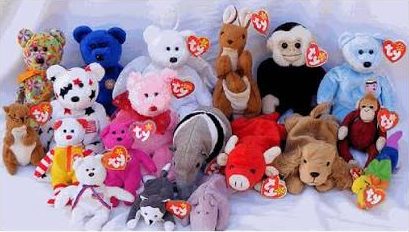
Beanie Babies: The Plush Animals Adults Turned Into a Stock Market
Beanie Babies started as cute little plush animals and somehow ended up in the same emotional category as stocks, retirement planning, and family arguments. Kids liked them because they were soft, small, named, and collectible. Adults liked them because someone convinced everyone that a stuffed crab might one day fund a kitchen renovation.
The tag was everything. Do not bend it. Do not remove it. Do not breathe near it. Tag protectors became a thing, which tells you everything about the level of collective madness. A plush animal could not simply be loved. It had to be preserved like a historical document.
Why Beanie Babies went nuclear
Beanie Babies hit the 90s scarcity button perfectly. New animals appeared. Old ones retired. Certain versions became rumored to be valuable. Collectors hunted stores. Families tracked names and values. Kids had favorites. Adults had spreadsheets, figuratively or literally. The whole thing became bigger than the toys themselves.
For kids, the collecting was simple and fun. For adults, it became speculative. That tension is why Beanie Babies are so unforgettable. They were both childhood plush toys and one of the weirdest mass collector moments of the decade.
- Core appeal: small plush animals, names, birthdays, tags, collecting, and perceived rarity.
- Kid behavior: choosing favorites, arranging shelves, protecting tags, and asking which ones were “rare.”
- Most 90s detail: a grown adult saying “don’t remove the tag” with the seriousness of a bank manager.
Beanie Babies mattered because they were the softest version of 90s collector mania. They made plush toys feel like currency, and somehow the whole country went along with it for a while.
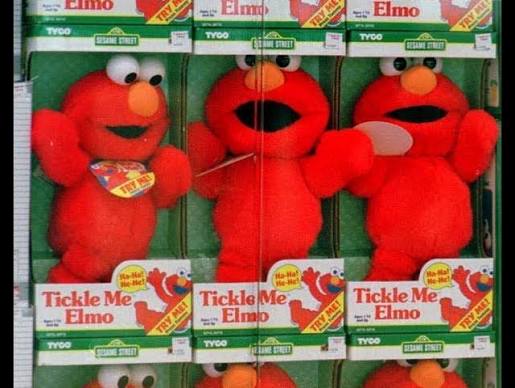
Tickle Me Elmo: The Laughing Plush That Broke Christmas
Tickle Me Elmo was the plush toy that made adults behave like they were in a disaster movie set inside a toy store. The toy itself was simple enough: squeeze or tickle Elmo, and he laughed, shook, and reacted. Cute. Harmless. Until the holiday season turned it into a full retail emergency.
Kids wanted the toy because Elmo was familiar, funny, and interactive. Adults wanted the toy because kids wanted it, and once supply got tight, the whole thing became a hunt. That is where the 90s really showed itself: a soft laughing character somehow became a shopping battlefield.
Why Elmo exploded
Tickle Me Elmo had the perfect demonstration hook. You could press it, watch it laugh, and immediately understand why a child would want one. It was visual, audible, and emotional. That made it perfect for TV segments, commercials, word of mouth, and holiday panic.
It also arrived at a time when “must-have Christmas toy” culture was extremely powerful. Parents watched news reports, heard rumors, called stores, and went on quests. The toy became bigger because it was hard to get. Scarcity poured gasoline on cuteness.
- Core appeal: familiar character, laughter, motion, interactivity, and holiday hype.
- Kid behavior: squeezing it, laughing with it, showing it off, and not understanding why adults looked haunted.
- Most 90s detail: local news treating a plush toy like a national supply-chain crisis.
Tickle Me Elmo mattered because it proved soft toys could become massive media events. It was a plush toy, an electronic toy, a Christmas craze, and a case study in what happens when demand outruns sanity.
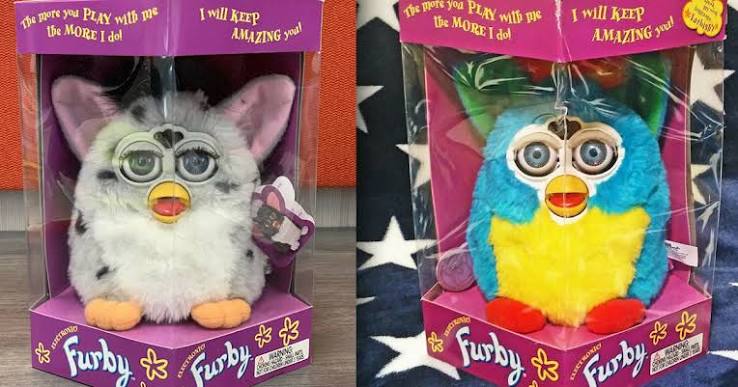
Furby: The Plush Creature That Made Everyone Nervous
Furby was technically soft, but it did not feel like a normal plush toy. It talked. It blinked. It moved. It reacted. It had its own strange little language. It seemed to learn. It also looked like something that might whisper from a closet after midnight. That is not a criticism. That is branding.
Furby worked because it sat right between plush comfort and electronic weirdness. Kids saw personality. Adults saw batteries and suspicion. The toy felt alive enough to become fascinating, but not alive enough to stop being unsettling.
Why Furby belongs in the soft-toy story
Furby was the moment plush toys started acting like gadgets. Earlier plush could be hugged, collected, or displayed. Furby demanded interaction. It talked back. It seemed to have moods. It became part pet, part toy, part tiny household roommate.
That made it a perfect late-90s object. The decade was already full of digital pets, electronic toys, and collector crazes. Furby fused all of that into a fuzzy creature that felt futuristic and haunted at the same time.
- Core appeal: talking, movement, personality, collectable colors, and interactive plush play.
- Kid behavior: talking to it, showing it off, comparing colors, and testing what it could “learn.”
- Most 90s detail: a toy that made adults ask, “Is that thing listening?”
Furby mattered because it showed where soft toys were headed: reactive, electronic, creature-like, and slightly too eager to participate in family life.
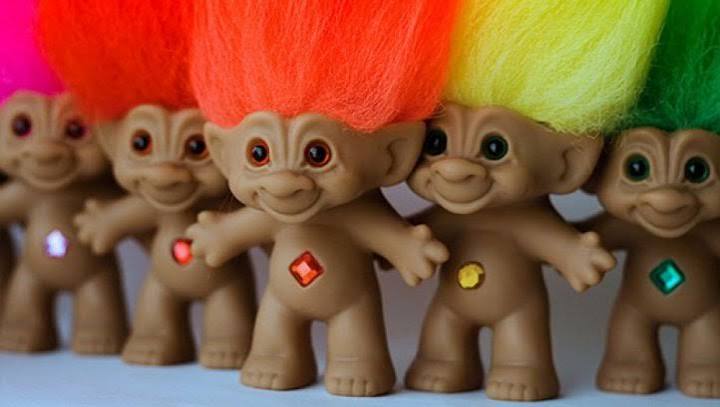
Troll Dolls and Weird Little Desk Creatures: The 90s Loved Ugly-Cute
Troll dolls were not new in the 90s, but the decade absolutely gave them a second life. They were small, colorful, ugly-cute, and perfect for shelves, desks, backpacks, lockers, and any place that needed a tiny plastic goblin with vertical hair. The 90s loved weird little objects, and Trolls fit right in.
Their appeal was simple: hair. Wild hair, neon hair, brushable hair, ridiculous hair. The jewel belly helped too, but the hair was the event. Trolls looked like lucky charms from a mall kiosk universe, and that was enough.
Why ugly-cute worked
The 90s had room for toys that were not traditionally pretty. Trolls were funny, strange, colorful, and slightly chaotic. They worked as collectibles because each one could look different, and they worked as little personality objects because they did not require a whole play pattern.
They also fit into school culture. A Troll could sit on a desk, pencil top, backpack, or shelf. It was small enough to travel and weird enough to start a conversation. That is basically the 90s collectible formula with hair gel.
- Core appeal: bright hair, small size, collectible variety, and quirky personality.
- Kid behavior: brushing hair, lining them up, attaching them to school stuff, and pretending they were lucky.
- Most 90s detail: a neon-haired troll somehow belonging next to Lisa Frank folders and gel pens.
Troll dolls mattered because they show the looser side of 90s collecting. Not every craze needed a huge story. Sometimes a toy just needed wild hair and the confidence to look ridiculous.
Collector Panic: When Plush Toys Got Price Guides
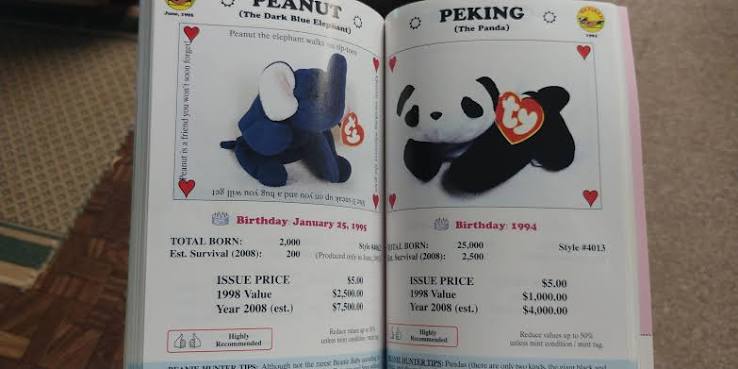
The 90s did something strange to plush toys: it made them feel financially important. Beanie Babies were the obvious example, but the collector mindset spread everywhere. Limited releases, special editions, holiday versions, retired designs, tag condition, packaging, display shelves, and rumors all made ordinary soft toys feel like they might secretly be valuable.
For kids, collecting was fun. You picked favorites. You arranged them on a bed or shelf. You traded. You memorized names. You wanted the one your friend had. For adults, the mood could get much stranger. Suddenly a plush animal was not for hugging. It was for preserving. The tag had to stay perfect. The toy had to stay clean. The future value had to be protected, because apparently the family’s financial plan had become “do not bend the bear.”
That collector panic is one of the reasons 90s plush still feels so specific. The toys were soft, but the culture around them could get intense. It was childhood comfort mixed with scarcity, rumor, and price-guide energy. Very normal decade. No notes.
How plush collecting worked in the 90s
- Names and birthdays: gave each plush a personality and made collecting feel personal.
- Tags: became weirdly sacred, especially once adults got involved.
- Retirements: created urgency and made ordinary purchases feel like treasure hunts.
- Display shelves: turned bedrooms into tiny plush museums.
- Rumors: did half the marketing for free, as 90s playgrounds and parents did their thing.
The lesson is simple: never underestimate a decade that could turn a stuffed animal into an asset class.
Bedroom Culture: The Real Home of 90s Dolls and Plush
These toys mattered because they lived in bedrooms. They were not just pulled out for one afternoon. They sat on beds, shelves, dressers, desks, toy chests, windowsills, and closet floors. Barbie outfits got mixed into bins. Polly Pocket compacts stacked like tiny treasure cases. Beanie Babies lined shelves. American Girl catalogs lived beside books. Littlest Pet Shop pieces hid under furniture. Furby waited quietly, which was somehow worse.
The bedroom made these toys personal. A console might live in the family room. A bike might stay in the garage. But dolls, plush toys, and pet playsets became part of a kid’s space. They were comfort, decoration, identity, and clutter all at once.
Why 90s Dolls, Plush, and Pet Toys Still Hit
The nostalgia is not just about the toys. It is about the stuff around them: the commercials, the catalogs, the tiny brushes, the missing shoes, the folded paper instructions, the plastic cases, the shelf displays, the tag protectors, the soft animals lined up on a bed, the one Polly Pocket figure you never found again, and the feeling that your room was somehow a whole toy universe.
These toys also hit because they were physical in a way modern toys and apps often are not. You brushed hair. You opened compacts. You squeezed plush. You arranged pets. You protected tags. You dressed dolls. You carried tiny pieces from room to room and then lost them under furniture like the 90s demanded.
And maybe the biggest reason they still hit is because they were personal. Dolls and plush toys did not just sit in the toy aisle. They became favorites, collections, comfort objects, room decor, and family stories. The 90s soft aisle looked cute, but it carried a lot of memory.
90s Dolls, Plush, and Pet Toys FAQ
What were the most popular 90s dolls?
Some of the most remembered 90s dolls include Barbie, Totally Hair Barbie, Polly Pocket, Sky Dancers, American Girl dolls, Troll dolls, and various fashion dolls, mini dolls, and character dolls tied to cartoons, movies, and toy lines.
What were the biggest 90s plush toy crazes?
The biggest 90s plush crazes included Beanie Babies, Tickle Me Elmo, Furby, Puppy Surprise, Kitty Surprise, Troll dolls, and a wide range of collectible animals, talking plush, and soft character toys.
Why were Beanie Babies such a big deal?
Beanie Babies became huge because they combined small plush animals, names, birthdays, limited availability, retirement rumors, tag condition, collector culture, and adult speculation into one of the strangest toy crazes of the decade.
Why was Polly Pocket so popular?
Polly Pocket was popular because it turned tiny compact cases into miniature worlds. The playsets were portable, collectible, colorful, and packed with tiny figures and details that made them feel like secret little universes.
Why do 90s dolls and plush toys feel so nostalgic?
They were deeply tied to bedrooms, catalogs, toy commercials, birthday gifts, holiday hunts, tiny accessories, favorite characters, and physical play. Many of them became part of how kids decorated their rooms and remembered their childhood spaces.