NBC Owned the Top Three
The network controlled the first three positions with two family comedies and the decade’s great adult hangout show.

According to the Nielsen rankings for the 1986–87 television season, The Cosby Show was America’s most-watched program with a 34.9 rating. Family Ties ranked second, followed by Cheers, Murder, She Wrote and The Golden Girls.
The ranking shows comfort television in complete control: family sitcoms, a Boston bar, a Miami household, a cozy mystery, a strange night court and one fast-talking dramedy filled the national schedule.
 Now Broadcasting
The Cosby Show ranked number one in the 1986–87 Nielsen season with a 34.9 rating. Family Ties ranked second at 32.7, Cheers ranked third at 27.2, Murder, She Wrote ranked fourth at 25.4 and The Golden Girls completed the top five at 24.5.
60 Minutes, Night Court, Growing Pains, Moonlighting and Who’s the Boss? completed a top ten dominated by NBC comedy and familiar weekly worlds.
NBC placed five programs in the top ten and controlled the first three positions. ABC supplied three sitcom and dramedy hits, while CBS held the leading mystery and the decade’s durable newsmagazine.
The biggest programs no longer needed giant spectacle. They needed recognizable rooms, strong ensembles, familiar routines and characters audiences actively wanted back in the house every week.
The network controlled the first three positions with two family comedies and the decade’s great adult hangout show.
Three distinct family sitcoms made the top ten without feeling like copies of one another.
Jessica Fletcher and 60 Minutes proved calm authority still commanded huge national audiences.
Night Court and Moonlighting brought surreal comedy and self-awareness into mainstream success.

Who’s the Boss? is one of those sitcoms that seems simple until you look at why it worked so well. On paper, the premise is easy to pitch: former baseball player Tony Micelli moves into the home of successful advertising executive Angela Bower as a live-in housekeeper, bringing his daughter Samantha into a household already shaped by Angela, her son Jonathan, and her mother Mona. That setup immediately creates comedy out of class, routine, parenting styles, attraction, gender expectations, and the question sitting right there in the title: who actually runs this house?
What made the series especially effective by 1987 is that it let those tensions feel natural instead of preachy. Tony was caring, domestic, and confident without being treated as less masculine for it. Angela was successful, decisive, and career-focused without the show turning her into some icy caricature of career womanhood. That gave Who’s the Boss? a quietly modern streak. It was still bright, accessible family TV, but it reflected a world where household roles were becoming more flexible and less tied to old sitcom assumptions.
The show also had the one thing a lot of successful sitcoms need but can’t fake: chemistry that people want to live inside. Tony and Angela had just enough tension to keep viewers leaning in, while Samantha and Jonathan brought a softer, more everyday family energy. Then Mona would wander in and detonate the scene in the best possible way. That made the series feel warm without being bland. In the 1987 lineup, it’s a good example of a hit that didn’t have to be flashy to be sticky.
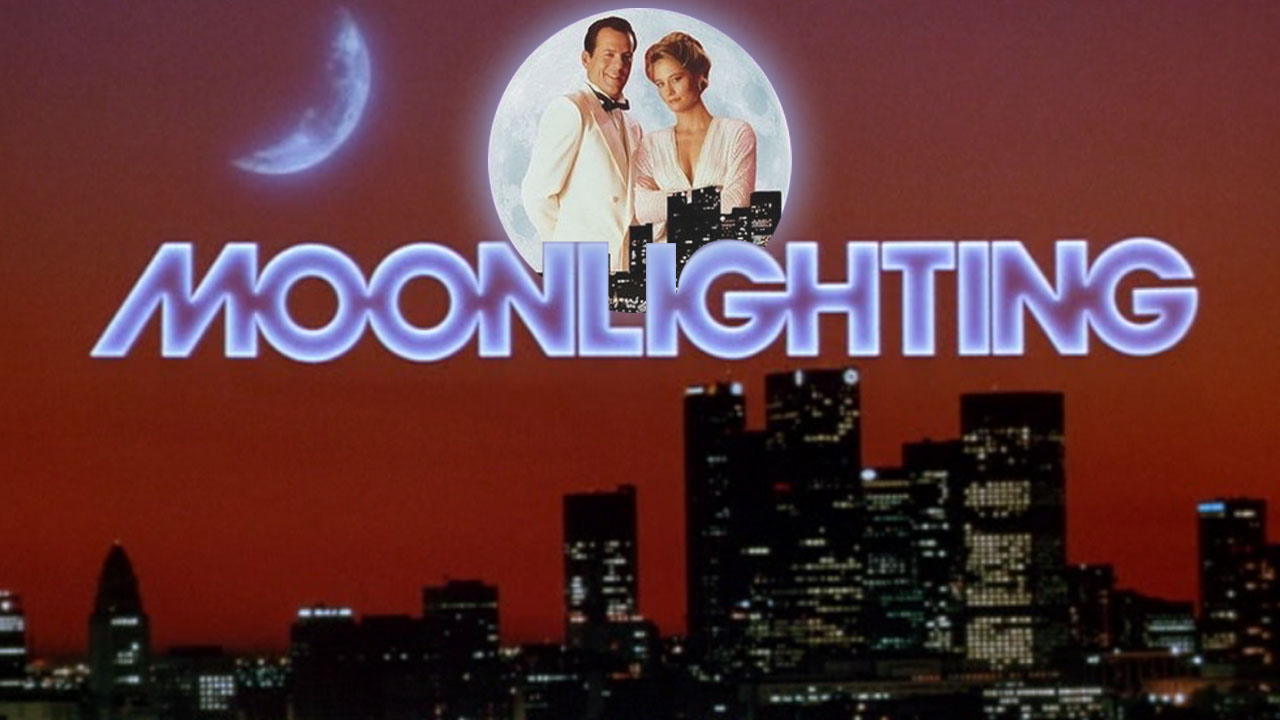
Moonlighting is one of the clearest signs that late-80s network TV was getting faster, stranger, and more self-aware. The show began with Maddie Hayes, a former model whose finances collapse after her accountant embezzles from her, leaving her with a detective agency she didn’t even realize she owned. There she collides with David Addison, the smart-mouthed, hyperverbal investigator who turns the whole thing into a romantic and comedic pressure cooker. The cases mattered, but they were rarely the whole point.
What made the show a standout in 1987 was tone. Moonlighting mixed romance, mystery, comedy, and drama so fluidly that it helped define what people would later call a dramedy. The dialogue moved fast, the banter had a screwball quality, and the entire series felt aware that television itself could be playful. It could wink at the audience, lean into style, and still ask viewers to care about the emotional push-and-pull between Maddie and David.
That romantic tension was the real engine. Maddie and David weren’t simply flirtatious; they were performing attraction through argument, pride, timing, and outright verbal warfare. That made the series feel very different from the family-sitcom dominance elsewhere in the 1987 top 10. It wasn’t built around comfort in the same way as the NBC sitcoms. It was built around spark — the same glossy, fast-moving, late-80s energy that also made 1987 radio and MTV culture feel so wired.

Growing Pains is one of the most revealing shows on the 1987 chart because it shows how deep the family-sitcom bench had become by the middle of the decade. The Seavers were an easier, more casual family than some of the other major sitcom households of the era. Jason Seaver, a psychiatrist who worked from home, and Maggie Seaver, a journalist, anchored the household, while their kids supplied the emotional weather: bad decisions, sibling irritation, teenage ego, adolescent embarrassment, and the general chaos of growing up where everybody can see it.
What made the show especially appealing was that it felt lived-in without being heavy. It didn’t lean on one giant ideological premise the way Family Ties did, and it didn’t have the aspirational sheen of The Cosby Show. Instead, it sold familiarity. Mike Seaver’s charm and irresponsibility gave the show a youth-driven comic center, while the parents kept everything from floating off into total teenager fantasy. That balance let the series hit multiple audiences at once: kids, teens, and adults could all find someone to latch onto.
Across the 1987 ranking, Growing Pains matters because it proves television didn’t need just one iconic family to dominate. It now had several successful versions of home life running at once, each with a slightly different mood. That’s a sign of maturity in the format. The family sitcom was no longer a narrow lane — it was becoming the mainstream center of prime time.

Night Court landing at #7 is one of the best arguments that NBC’s comedy rise was broader than people sometimes remember. This wasn’t a family sitcom and it wasn’t a cozy hangout in the usual sense. It was a workplace comedy set during the night shift of a Manhattan court, which meant the show had a built-in pipeline of bizarre defendants, sleep-deprived authority figures, and surreal legal nonsense. It took a bureaucratic setting and turned it into a carnival.
The genius of the show was that it embraced eccentricity without losing structure. Judge Harry Stone’s optimism kept the whole thing from turning cynical. Dan Fielding’s ego and appetites brought chaos. Bull’s sweetness made him more than a visual gag. Roz, Mac, and the rest of the ensemble gave the series a real internal ecosystem. The cases themselves were often glorified setups for weirdness, but the characters made the weirdness feel coherent rather than random.
In 1987, Night Court matters because NBC was proving it could dominate not just with warmth, but with variety. Night Court offered broad comedy, but not the same kind as The Cosby Show or Family Ties. It was stranger, more manic, and more openly cartoonish — yet still familiar enough to become appointment viewing.

The fact that 60 Minutes still ranked sixth in 1987 remains one of the most impressive constants in the entire decade. In a season full of sitcoms, relationship-driven comedy, and highly livable forms of entertainment, a serious newsmagazine still held a top-tier position. That doesn’t happen unless a show has managed to become not just respected, but habitual.
What made the show so durable is that it understood how to package seriousness without draining it of urgency. The interviews mattered. The investigations mattered. The correspondents mattered. But the format mattered just as much. 60 Minutes moved with confidence. It made public affairs and accountability feel like television rather than homework. The stories carried weight, but the pacing, editing, and sense of occasion kept viewers engaged.
In the 1987 lineup, the show acts almost like a corrective to nostalgia that remembers the 80s only as neon, sitcom sweaters, and designer drama. One of the six biggest shows in America was still a hard-news institution. That made the TV culture broader than many later decades would be. It also made 60 Minutes a kind of anchor point — proof that seriousness and mass popularity had not yet split into separate worlds.

The Golden Girls reaching #5 by 1987 confirms that its early success wasn’t novelty — it was staying power. Dorothy, Rose, Blanche, and Sophia had become one of the most efficient comic ensembles on television, and that happened because the show understood exactly how to use contrast. Dorothy’s exasperation, Rose’s sincerity, Blanche’s vanity, and Sophia’s attack-line precision gave every scene built-in rhythm before the plot even arrived.
What made the show exceptional, though, was that it had emotional depth without becoming “important television” in a stiff way. It could talk about sex, widowhood, aging, health, loneliness, friendship, family resentment, and reinvention while still being laugh-out-loud funny. That balance gave it unusual range. The series was warm, but it wasn’t soft. It was honest, but it wasn’t heavy-handed. It treated older women as fully alive, complicated, and desirable — which was not exactly standard network-TV practice.
In the wider 1987 lineup, The Golden Girls is one of the best examples of why NBC’s comedy supremacy mattered. The network wasn’t only winning with traditional family formats. It was broadening what counted as mainstream sitcom material and proving audiences would absolutely show up for intelligence, age, and female friendship if the writing was good enough.

Murder, She Wrote at #4 confirms that the cozy-mystery lane had become one of the safest and smartest bets on television. Jessica Fletcher had evolved into a national comfort figure: intelligent, observant, unflappable, and somehow always present when a dinner party, seaside town, or country inn experienced a murder problem severe enough to suggest major local governance issues.
The real brilliance of the series was its emotional control. The stories involved murder, but the show itself almost never felt grim. Every episode promised a puzzle, a setting, a cluster of suspicious personalities, and the quiet reassurance that someone competent would make sense of the mess. Angela Lansbury’s performance is central to that balance. Jessica is never flashy, never cruel, and never overplayed. She is simply smarter than most people in the room, and the show trusts that to be compelling.
In the context of 1987, this matters because television was increasingly rewarding reliability. Viewers didn’t only want edge or spectacle. They also wanted completion, order, and a world that felt satisfying rather than exhausting. Murder, She Wrote delivered exactly that, week after week, which is why it became not just a hit, but a habit.

Cheers reaching #3 in 1987 makes perfect sense because by then the bar had become one of the most fully realized social spaces in American television. The show wasn’t simply about Sam and Diane or a handful of Boston bar regulars. It was about routine turned into belonging. People came in, took the same seats, repeated the same jokes, carried the same grudges, and somehow made the whole room feel richer every week instead of more repetitive.
One reason the show hit so hard is that it never treated ensemble as filler. Every character mattered to the rhythm. Sam’s confidence, Diane’s overthinking, Carla’s hostility, Norm’s weary consistency, Cliff’s bizarre self-belief, and the rest of the bar gave the series a social texture that most sitcoms never achieve. The humor didn’t come only from punchlines; it came from accumulated relationship history. That made the bar feel less like a set and more like a place with memory.
In 1987, Cheers is especially important because it shows that NBC’s rise wasn’t just about family-friendly television. This was adult comfort TV — witty, romantic, slightly messy, and deeply inviting. It offered viewers not just jokes, but a social world they wanted to reenter. That’s one of the strongest forms of weekly television success there is.
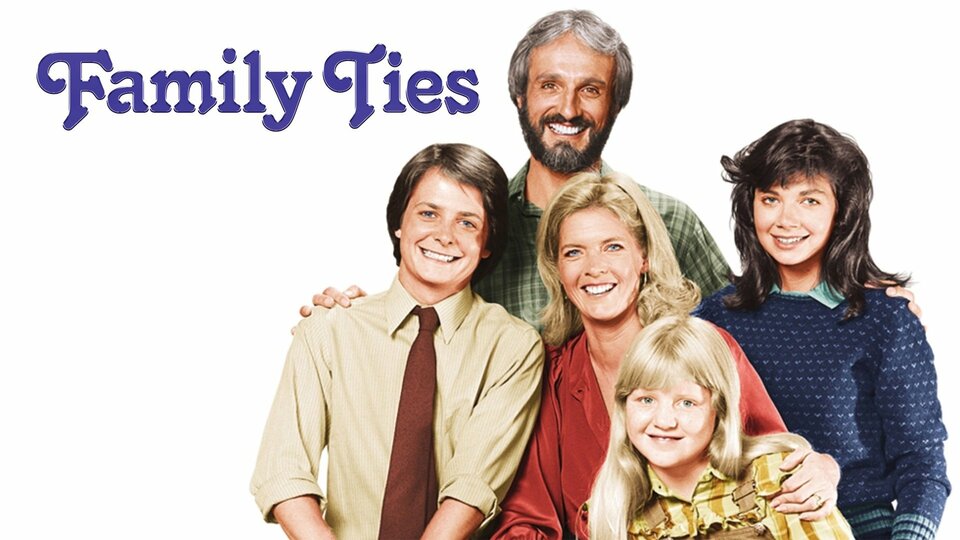
Family Ties staying at #2 in 1987 shows how perfectly the Keatons fit the new center of television taste. The family structure was broad enough for mainstream comfort, but the ideological clash built into the premise kept the show sharper than a lot of comparable sitcoms. Former 60s-liberal parents Steven and Elyse Keaton were raising children in a different American mood, and Alex P. Keaton stood right at the center of that generational shift.
But the show worked because it was never just an idea. It was a family. Alex was funny because he was both ridiculous and real. The parents were believable because they could be idealistic without becoming abstract symbols. The siblings helped the house feel emotionally crowded in the right way. That gave the series elasticity. It could do political friction, sentimental beats, teenage messiness, and straight-up sitcom business without feeling like it had changed its identity from week to week.
In 1987 television, Family Ties matters because it proves that “warmth” had become a ratings superpower — but only when paired with strong character design. The show wasn’t just nice. It was textured, rewatchable, and smart enough to hold adults while still being easy for younger viewers to love.
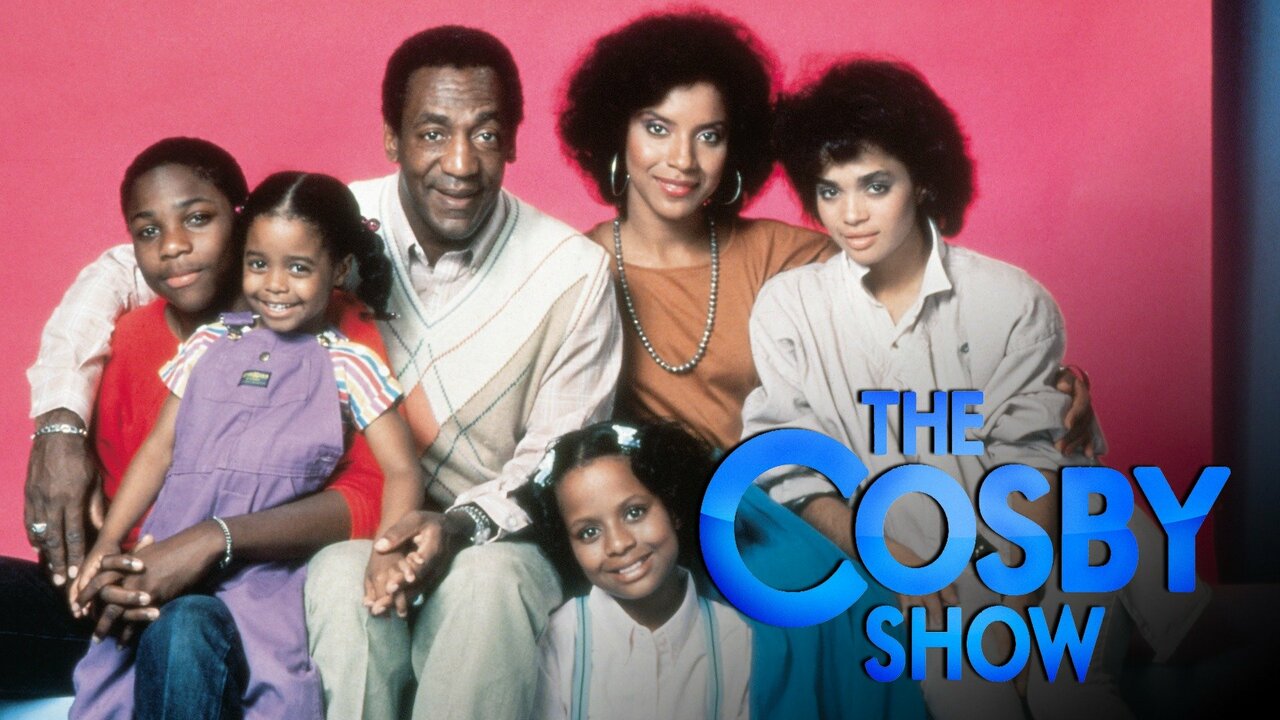
The Cosby Show at #1 in 1987 isn’t just another victory lap. It’s evidence that the new television center had real staying power. The Huxtables weren’t a one-season novelty, and they weren’t only the beneficiaries of a strong time slot. They were the gravitational center of a new idea of network success: smart, warm, family-centered, polished, and immensely repeatable.
What made the show so durable was its balance between aspiration and recognition. Cliff and Clair Huxtable were successful, stylish, and stable, but the comedy still came from familiar domestic friction — school problems, sibling competition, embarrassed parents, overconfident kids, bedtime battles, and the thousand little negotiations that make a household feel alive. The series offered viewers a home they wanted to spend time in, and that’s one of television’s most powerful forms of attachment.
The cultural importance of the show also matters here. It didn’t merely top the rankings — it helped organize an entire Thursday-night comedy culture around itself and proved that family-centered television could be sophisticated, aspirational, and massively popular all at once. In a decade that had started with rich-people warfare and glossy power games, the biggest show by 1987 was a family sitcom built on intelligence, warmth, and rhythm.
The top TV shows of 1987 no longer look like a battle between old and new television. The new order had already won. Sitcoms controlled the upper half of the chart, and even the mysteries and news programs succeeded by creating dependable emotional routines.
Prime time remained polished and recognizably late 80s, but the audience rewarded warmth, wit, rhythm and worlds that felt easy to reenter. The Huxtable home, the Keaton kitchen, the bar at Cheers and the Golden Girls’ Miami house became weekly destinations.
For Gen X, these were the shows that made television feel woven into the room—not merely something impressive on the screen, but something expected to be there.
Television shared the year with Michael Jackson’s Bad, U2’s The Joshua Tree, Nintendo, Lethal Weapon, mall bangs, Spuds MacKenzie and a rapidly escalating amount of late-80s confidence.
Music, movies, television, toys, fashion and the news that shaped one overloaded late-80s year.
Watch the Full Rewind → Music VideoThe complete Billboard number-one rewind from The Bangles and Bon Jovi to Whitney, Tiffany and George Michael.
Watch the Countdown → MusicThe Billboard year-end hits that owned radio, MTV, school dances and mall speakers.
Explore the Songs → MoviesAdult thrillers, buddy cops, romantic chaos, comedy hits and full late-80s multiplex energy.
Explore the Movies → ToysNintendo, Jenga, My Pet Monster, Koosh Ball, Popples and kid-culture marketing turned up another notch.
Explore the Toys → FadsDesigner labels, Bon Jovi mania, California Raisins, mall bangs and Spuds MacKenzie.
Explore the Fads →Move through the decade one Nielsen season at a time, from the network-heavy opening of 1980 to the changing television landscape at the end of 1989.
Clear answers about the 1986–87 Nielsen season, NBC’s dominance and the top five programs.
The Cosby Show ranked number one during the 1986–87 Nielsen season with a 34.9 rating.
The top five were The Cosby Show, Family Ties, Cheers, Murder, She Wrote and The Golden Girls.
Yes. Moonlighting ranked ninth during the 1986–87 Nielsen season with a 22.4 rating.
No. Dallas ranked eleventh during the season, just outside the top ten.
Network television popularity was measured by season rather than by January-through-December calendar year. The season ending in 1987 is therefore the standard reference.
NBC controlled the first three positions and placed five programs inside the top ten.
New articles, countdowns, videos and whatever other corner of the Gen X television schedule gets unlocked next.