Early Electronics Changed the Vibe: 70s Electronic Toys, Beeps & Atari Energy
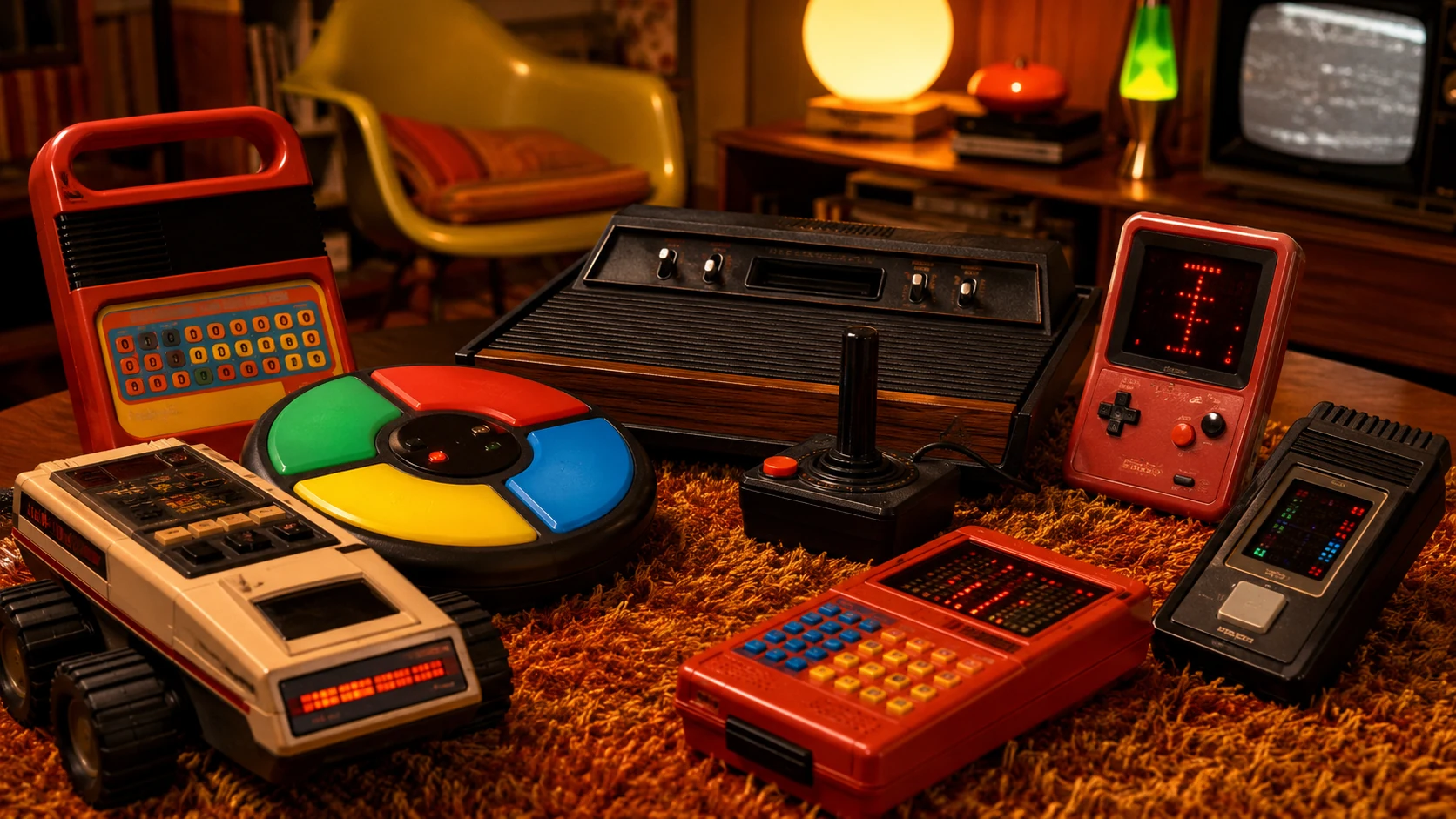
70s Electronic Toys Simon, Atari, Merlin and Handheld Games
Before every kid carried a screen, electronic toys arrived as small visitors from the future: red LED dots, plastic buttons, synthetic voices, harsh beeps, battery doors and machines that suddenly judged how well we played.
This deep dive revisits electric football, Mattel Auto Race, Electronic Football, Simon, Merlin, Speak & Spell, Atari VCS, Coleco Telstar, Stop Thief, Big Trak, Microvision and the moment the toy box began leaning toward the screen.
 The Screen-Shaped Future
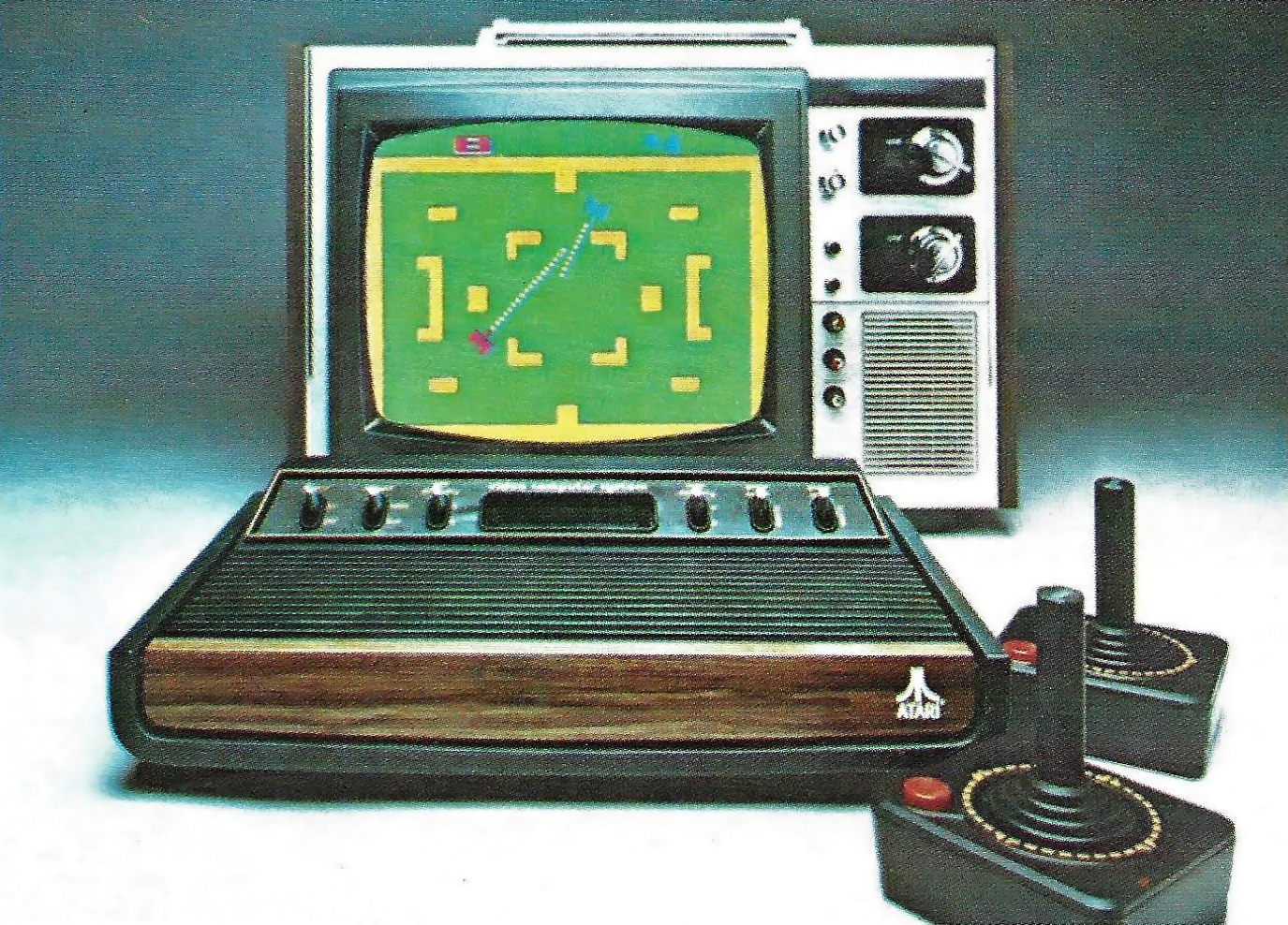
Atari VCS / 2600
The console that turned the family television into an expandable toy system powered by interchangeable cartridges.
The Screen-Shaped Future
Atari VCS / 2600
The console that turned the family television into an expandable toy system powered by interchangeable cartridges.
What Defined 70s Electronic Toys?
Seventies electronic toys introduced powered movement, LED displays, lights, sounds, synthetic speech, memory patterns, score keeping, programmable commands and television-based play. Major examples included electric football, Mattel Auto Race, Mattel Electronic Football, Simon, Merlin, Speak & Spell, Atari VCS, Coleco Telstar, Stop Thief, Big Trak, Microvision and Electronic Battleship. These toys did not replace analog play immediately, but they changed what kids expected a toy to do.
Essential 70s Electronic Toys and Handheld Games
The electronic toy aisle did not grow from one invention. It came from powered tabletop games, handheld sports, memory challenges, talking learning toys, programmable vehicles, electronic board games and television systems all arriving close together.
Why Early Electronics Changed the Feeling of Play
Traditional toys waited for the child to create the action. Electronic toys responded, timed, scored, corrected and challenged. The rules no longer lived only in a booklet or in somebody’s memory. Part of the game existed inside the machine.
That created a powerful retry loop. Miss the play, repeat the sequence, spell the word, enter the route, beat the score and try again. The toy became opponent, referee and scoreboard, which made solo play feel more complete.
Electronics also made toys feel like gadgets. Buttons, displays, voices and battery requirements connected play to calculators, digital watches, home stereos and the broader future-heavy culture surrounding the decade.
Motion and noise entered the family-room game before digital displays took over.
Portable score chasing created private repeatable play almost anywhere.
Memory and language made electronic toys feel responsive and almost intelligent.
Cartridges introduced the idea that one machine could become many games.
The Beep Was the Beginning
The 1970s toy box had already given kids plenty of action: cars launched down orange track, dolls lived in plastic houses, board games covered the kitchen table, backyard toys sent children flying across grass, and craft kits quietly ruined surfaces that were technically “not for paint.” But electronic toys changed the feeling in the room.
They did not just sit there. They responded. They lit up. They made noise. They kept score. They challenged you. They remembered patterns. They asked questions. They punished mistakes. They turned play into something that felt more like a machine was involved, because suddenly a machine was involved.
That sounds normal now, but for a 70s kid, it felt huge. A toy that beeped felt expensive. A toy with lights felt futuristic. A toy that used batteries felt like it came from the serious part of the catalog, the section you stared at for too long while your parents hoped you would circle something cheaper.
The vibe shifted from “make-believe” to “interactive.” Not in the modern app-store sense. More like: this plastic thing has a tiny electronic brain, and it is about to judge you with a tone that will haunt the family room.
To see that whole commercial-era pitch in action, jump into the 70s Toy Commercials & Forgotten Toy Videos archive, where Big Trak, Merlin, Quiz Wiz, SSP Racers, Micronauts, Shogun Warriors, Mego, Girder & Panel, Colorforms, Fashion Plates, and other 70s toy ads show exactly how the toy aisle sold the future.
Why Electronic Toys Felt Different
A 70s electronic toy carried a little prestige. It was not just another plastic thing from the shelf. It usually needed batteries, which meant parents were already suspicious. It often had a box that promised some combination of skill, learning, strategy, memory, or “computerized” magic. That word alone could make a toy feel like NASA had accidentally mailed it to your house.
The best part was the performance. Everyone wanted to try it. Everyone watched. The sounds pulled attention across the room. A Simon sequence, a Mattel Football run, a Merlin pattern, or a Speak & Spell voice could interrupt whatever else was happening. Electronic toys made themselves the center of attention.
That was new. Board games needed people to gather. Dollhouses needed a kid to animate the drama. Hot Wheels needed track, gravity, and imagination. But electronic toys announced themselves. They beeped like they had a reservation.
The Battery Problem Was Real
Electronic toys brought joy, but they also brought the 70s household battery crisis. C batteries. D batteries. 9-volts. A battery door held shut with a tiny screw. Contacts that got weird. Toys that faded into sad dying noises. Parents saying, “We just bought batteries,” as if children had personally drained the national power grid.
That battery dependence made the toys feel more precious and more annoying. A dead doll was still a doll. A dead board game was still a board game. A dead electronic toy was just plastic disappointment with buttons.
The battery hunt became part of the lifestyle: junk drawers, flashlights getting raided, smoke detectors side-eyed, and the sacred moment when a fresh battery made the toy spring back to life like a tiny machine resurrection.
Before Electronic Football, Electric Football Shook the Table
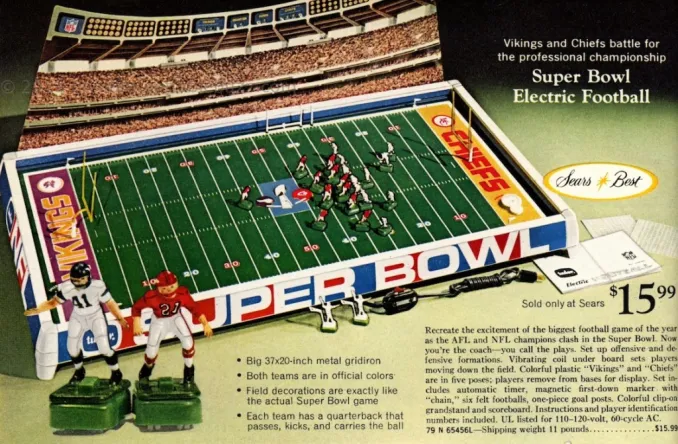
Before Mattel turned football into red LED dashes, electric football had already made the sport feel mechanical, noisy, and weirdly alive. Games like Sears Super Bowl Electric Football and the classic vibrating-grid football sets were not electronic in the computer-chip sense. They were electric. Plug them in, flip the switch, and the whole field buzzed like the coffee table was trying to escape.
That buzzing metal field was the magic. Tiny plastic football players stood on little bases, formations were arranged by hand, and then the vibration took over. Players jittered, drifted, spun, wandered in the wrong direction, missed obvious tackles, and occasionally did something that looked almost intentional. It was half football simulation, half tabletop chaos experiment.
The appeal was huge because the game looked like real football in a way early handheld electronics did not. There was a field. There were teams. There were uniforms. There were formations. There were little players. The game had presence. It took over the room the same way a board game did, but it added motion, noise, and a sense that the toy itself was alive.
The Sears Super Bowl Electric Football style of game also had peak 70s catalog energy. Big box. Big field. Professional-football fantasy. Tiny players. Plug-in power. A price that made parents pause. It looked like the kind of Christmas gift that could dominate the family room for an entire afternoon while kids argued over whether that player was tackled, out of bounds, or simply vibrating toward a better life.
Electric football matters because it sits directly between analog board-game culture and the later handheld electronic sports boom. It was not digital, but it was powered. It was not a video game, but it moved without your hand pushing every piece. It taught kids that sports toys could be more than static boards and plastic figures. They could buzz, shake, simulate, and create unpredictable action.
Then Mattel Electronic Football came along and shrank the whole idea into a handheld rectangle. The field disappeared. The players became red dashes. The crowd became beeps. But the fantasy was the same: football you could control, replay, carry, master, and obsess over.
The Handheld Electronic Games Took Over First
Before Atari completely colonized the TV room, the first electronic obsession for a lot of Gen X kids was smaller, louder, and easier to smuggle into the back seat: the handheld electronic game. These were not “screens” the way we think of screens now. They were little plastic slabs with red LED blips, harsh beeps, tiny buttons, and gameplay that required kids to pretend a glowing dash was a football player, race car, baseball runner, defender, goalie, spaceship, or whatever the box promised.
And somehow it worked. That is the magic. The graphics were barely graphics. The sound was barely sound. The “field” was a few glowing marks. But the toy reacted. It kept score. It punished mistakes. It made you want one more try. That was the hook. Board games needed other people. Cars needed floor space. Dolls needed imagination. Handheld electronics gave kids a private challenge loop they could hold in both hands.
This was one of the first times a toy could truly follow a kid around. It could go in the car. It could go to grandma’s house. It could sit on the couch during boring adult TV. It could hide under a blanket. It could annoy every parent within a thirty-foot radius. Handheld electronic games were not just toys — they were portable attention machines before anybody had the language to be worried about that.
Mattel Auto Race: The Red-Blip Starting Gun
Mattel Auto Race helped kick open the handheld electronic door. It gave kids a racing game that looked, to modern eyes, like a calculator having a nervous breakdown. But in the 70s, those red LED blips felt alive. A tiny light became your car. Other lights became traffic. The goal was simple: dodge, move, survive, and pretend this was basically Indianapolis.
The important part was not realism. Nobody looked at Auto Race and thought, “Finally, a photorealistic driving simulation.” The important part was control. You pressed buttons, the light moved, the game responded. That interaction made it feel more advanced than a wind-up toy or a plastic car rolling down a track. The machine had rules inside it.
Auto Race also changed the lifestyle of play. A kid no longer needed a big setup. No board. No dice. No track. No opponent. Just a handheld game, batteries, and the intense concentration of trying not to crash a dot into another dot. It was primitive, but it was also weirdly addictive. That combination would define a lot of electronic toys going forward.
Mattel Electronic Football: The Beeping Rectangle That Owned the Back Seat
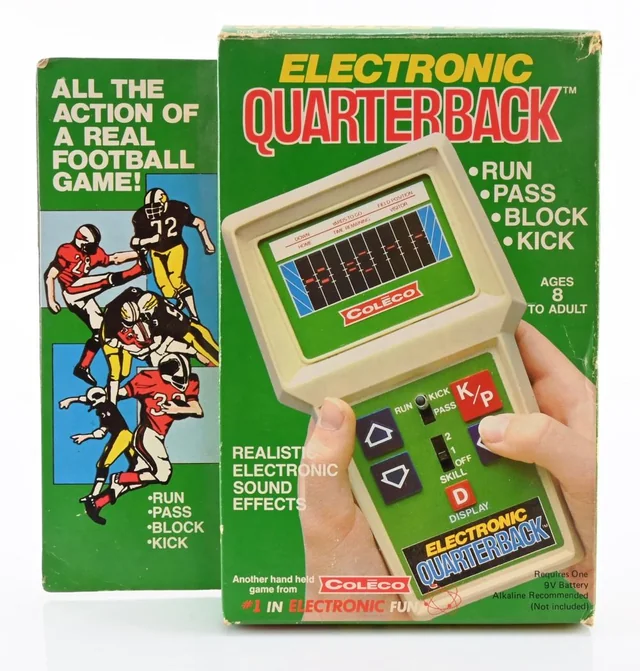
Mattel Electronic Football is the one that deserves its own parade of tiny red lights. For a lot of kids, this was the handheld electronic game. It was loud, abstract, frustrating, addictive, and almost impossible to explain to anyone who did not already understand the spell.
The “players” were red LED dashes. The “field” was a small grid. The “football action” was really a tense little escape puzzle where you tried to move your glowing runner past defenders. But kids filled in the rest. The crowd, the field, the tackle, the touchdown — all of that lived in the imagination. The toy gave just enough electronic feedback to make the fantasy feel real.
Electronic Football was perfect for late-70s kid life. It fit in your hands. It could go on road trips. It could be played alone. It made enough noise to become a household issue. Parents heard the beeps from the front seat while kids in the back were locked into a red-dot Super Bowl. This was not background play. This was a kid disappearing into a device while the rest of the family slowly regretted buying batteries.
It also created a new kind of toy bragging. High scores mattered. Skill mattered. Knowing how to juke the little LED defenders mattered. Kids passed it around and compared technique. The game looked simple, but once you were hooked, it had the same “one more try” pull that later video games would perfect.
Electronic Football II and the Sports Sequel Machine
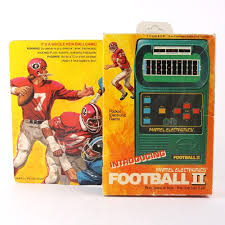
Once Electronic Football hit, the idea kept expanding. Sequels and variations gave kids more movement, more plays, more features, and more reasons to stare into a tiny grid. Electronic Football II and similar follow-ups made the handheld sports game feel like a real toy category, not just a novelty.
That mattered because it taught kids to think in upgrades. The first version was cool. The next one had more. More buttons. More options. More realism, or at least what passed for realism when the players were still glowing dashes. This was a major psychological shift in toy culture: electronics made kids expect improvement, features, versions, and next-year models.
That is a very modern toy habit, and it was already forming in the late 70s. The handheld game was no longer just a toy. It was a gadget line.
Mattel Electronic Baseball: The Ballpark Becomes a Blip
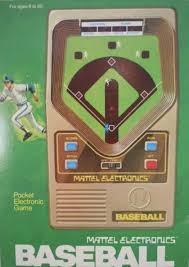
Mattel Electronic Baseball took the same basic magic and moved it from the football field to the diamond. Again, the graphics were wildly abstract. A baseball game became lights, buttons, runners, and imagination doing unpaid labor. But kids understood the rhythm: pitch, swing, run, score, repeat.
Baseball was a natural fit because the sport already had built-in pauses, turns, and scorekeeping. That translated well to handheld play. A kid could sit there working through innings in miniature while adults nearby completely failed to understand how any of this represented baseball.
The appeal was partly control and partly fantasy. You were not just watching baseball on TV or flipping cards. You were doing something. The toy gave you a little ballpark in your hands, even if that ballpark looked like red electricity trapped behind smoked plastic.
Electronic Basketball, Soccer, Hockey, and the Whole Sports Shelf
The handheld sports boom did not stop at football and baseball. Basketball, Soccer, Hockey, and other sports games followed the same basic formula: take a sport kids already knew from TV, playgrounds, driveways, or gym class, reduce it to blinking lights, add beeps, and let imagination fill in everything else.
These games were not equal in cultural impact, but together they made the toy aisle feel like it had discovered a new language. Suddenly every sport could be compressed into a handheld electronic challenge. It did not have to look like the real thing. It only had to feel competitive, responsive, and replayable.
That replay loop was the key. Lose? Try again. Miss? Try again. Blow the play? Try again. Beat your score? Try again anyway. Handheld electronics gave kids a private arcade rhythm before most kids had regular access to arcades or home consoles with deep libraries.
Coleco Electronic Quarterback and the Rival Brands
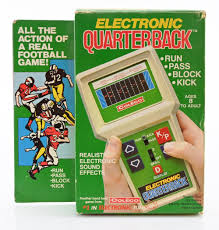
Mattel may be the name most people remember first, but the handheld electronic game aisle became crowded fast. Coleco Electronic Quarterback and other rival handheld sports games gave kids more options, more shapes, more button layouts, and more reasons to beg in the electronics section of the toy aisle.
Rival brands mattered because they made handheld electronic games feel like a full-blown category. This was not one company having one hit. It was a shift. Toy companies realized kids would accept incredibly abstract visuals if the toy felt responsive and competitive. A few lights, a little sound, and the promise of “electronic” action could move boxes.
The packaging helped too. The boxes made these games look more advanced than they really were. Action art, sports language, bold claims, and words like “electronic” did a lot of work. The actual game might be a handful of glowing marks, but the box made it feel like you were holding the future.
Head-to-Head Games Made Electronics Social Again
Some handheld electronic games pushed beyond solo play and leaned into competition. Head-to-head style games let two players face off on the same device or connected format, which brought back the social tension of board games while keeping the futuristic electronic glow.
That was important because early electronics could be solitary. A kid could vanish into a handheld game alone. But two-player electronic games made the device into a shared battlefield. Now the toy was not just challenging you — it was hosting a rivalry.
In a family room or on a bedroom floor, that mattered. Siblings could compete without setting up a board. Friends could pass the device back and forth. The electronic toy became a social object, not just a private obsession.
Space, Racing, and Action Handhelds
Sports were huge, but they were not the only handheld electronic lane. Racing games, space games, shooting-style games, maze games, and action games started showing up as companies tested what else could be reduced to lights, sounds, and reflexes.
This is where handheld electronics started pulling from arcade culture. Space themes, laser sounds, alien targets, speed challenges, and reflex-based gameplay all hinted at the arcade invasion that would define the early 80s. The toy aisle was borrowing arcade energy before every home had a serious console setup.
These games also felt more futuristic than sports games because they were not tied to a familiar field or court. A space game could be whatever the box said it was. Kids were already primed by Star Wars, sci-fi TV, space toys, robots, and late-70s future fever. A blinking light could be a spaceship if the box art had enough confidence.
The Handheld Game Became a Status Object
Part of the appeal was social. Having a handheld electronic game meant you had the cool new thing. It was the kind of toy other kids asked to try. It could come out during a visit, a car ride, a sleepover, a holiday, or a boring adult gathering and instantly become the center of kid attention.
The sound carried across the room. The glowing display made people lean in. The score gave everyone something to chase. These toys created little circles of spectators. Even when only one kid was playing, other kids watched, judged, waited, complained, and demanded a turn.
That is why the handheld games matter so much to the story of 70s electronic toys. They were not side notes. They were the bridge between old toy culture and digital obsession. They taught kids to stare into a device, chase scores, repeat attempts, drain batteries, and treat a tiny machine like a personal challenge.
The Memory Games Made Toys Feel Smart
Some electronic toys did not try to simulate sports or action. They tested you. They remembered things. They demanded patterns. They made the toy feel like it had a little mind inside, even if that mind was mostly lights, tones, and judgment.
Simon: The UFO on the Coffee Table
Simon did not look like a normal game. It looked like a spaceship coaster, a disco hubcap, or something that should have been sitting next to a hi-fi system. Four colored panels, four tones, one command: watch, listen, repeat, and try not to embarrass yourself.
The genius of Simon was that it turned memory into performance. The room got quiet. The sequence played. Everyone watched your hands. At first, it felt easy: red, blue, green. Then the pattern stretched, the tones stacked up, and suddenly your brain betrayed you in front of witnesses.
Simon also felt communal in a different way from board games. It could be passed around. One person played while everyone else judged. Kids competed for longer sequences. Adults tried it and pretended they were only losing because they were distracted. The toy made concentration visible.
It also brought electronic style into the house. Simon had a sleekness that felt more grown-up than many toys. It was simple, modern, colorful, and oddly hypnotic. In the late 70s, it felt like the future had landed on the coffee table and started bossing everyone around.
Merlin: The Red Plastic Wizard With Too Many Tricks
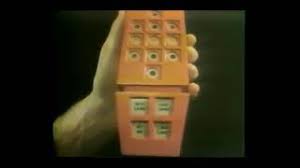
Merlin had one of the great late-70s electronic toy personalities. It was slim, red, button-filled, and packed with multiple games that felt like a lot of value because this thing did not just do one trick. It was a little handheld game console before kids had the language for that.
Merlin could play memory games, pattern games, tic-tac-toe-style challenges, music-like sequences, and other little electronic puzzles. The buttons and sounds made it feel interactive and mysterious. You had to learn it. You had to figure out what the modes meant. It rewarded the kind of kid who read the instructions and the kind of kid who just mashed buttons until something happened.
It was perfect for quiet indoor play. Rainy day? Merlin. Long car ride? Merlin. Bored at a relative’s house? Merlin. Adults talking too long after dinner? Merlin. It was portable enough to vanish into a kid’s hands and weird enough to make other kids ask for a turn.
Merlin also hinted at a new expectation: one toy could contain multiple games. That was a big psychological shift. The toy was no longer just one fixed object. It was a platform, even if nobody was calling it that yet.
Speak & Spell: Educational, Creepy, and Impossible to Forget
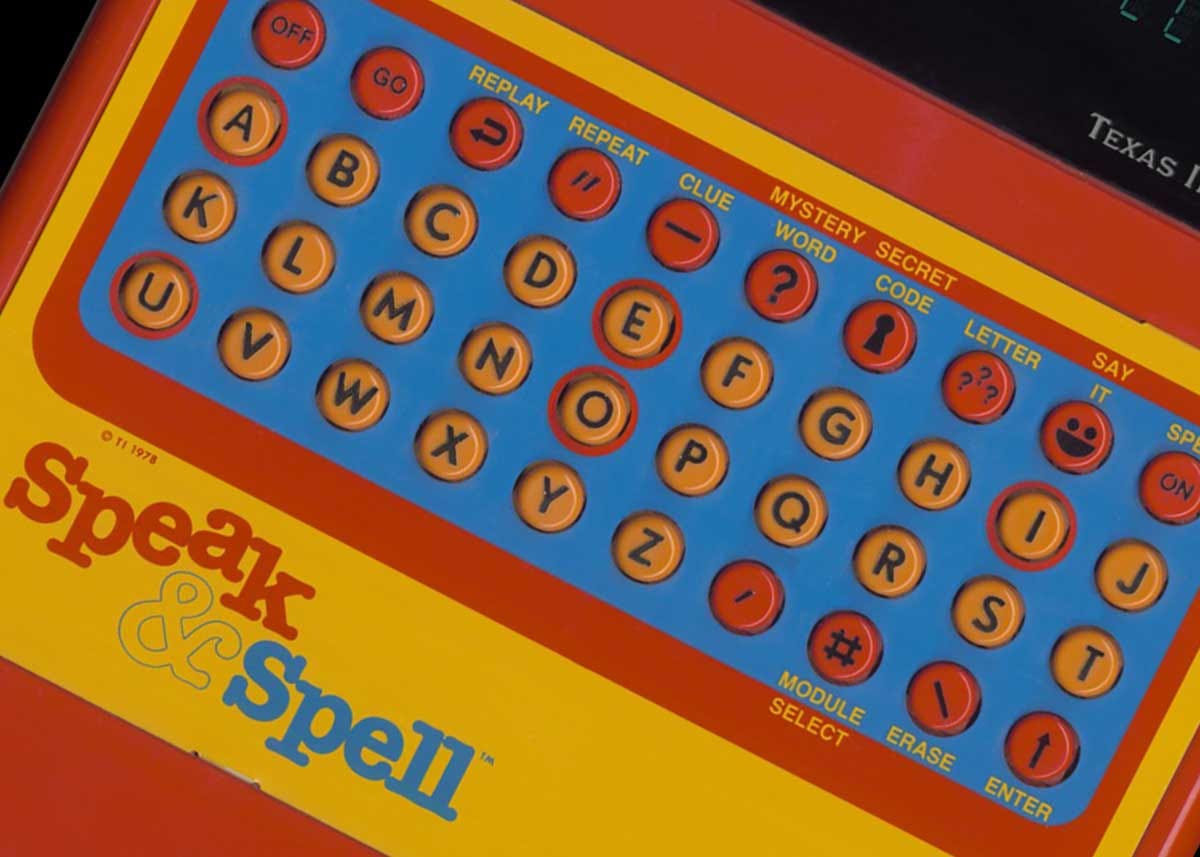
Speak & Spell was marketed as educational, which helped adults justify buying it, but kids knew it was also weirdly mesmerizing. It talked. A toy talked. Not like a pull-string doll. Not like a record player. It produced an electronic voice that sounded like the future had a sinus infection.
The orange case, alphabet buttons, display, and synthetic voice made it feel serious. It asked kids to spell words, corrected mistakes, and turned learning into a challenge loop. The voice was unforgettable because it was both impressive and slightly unsettling. It sounded less like a teacher and more like a small robot trapped in a lunchbox.
Lifestyle-wise, Speak & Spell sat in a strange place. It was a toy, a learning device, a gadget, and a parental approval machine all at once. Parents liked the educational angle. Kids liked pressing buttons and making it talk. Siblings liked forcing it to repeat things until someone yelled from another room.
It matters because it moved electronic play toward language and learning. The toy was not just testing reflexes or memory. It was interacting with words. It made the idea of a kid-friendly computer feel less abstract.
The Living Room Became the Arcade Before the Arcade Came Home
The late 70s did not just bring handheld electronics. It brought the TV into the toy story. Before home video games became completely normal, they felt strange and slightly magical. The television had been for shows, news, cartoons, sports, commercials, and parents adjusting the antenna like they were communicating with weather gods. Now the TV could be a game.
Coleco Telstar and TV Game Systems: Pong Energy at Home
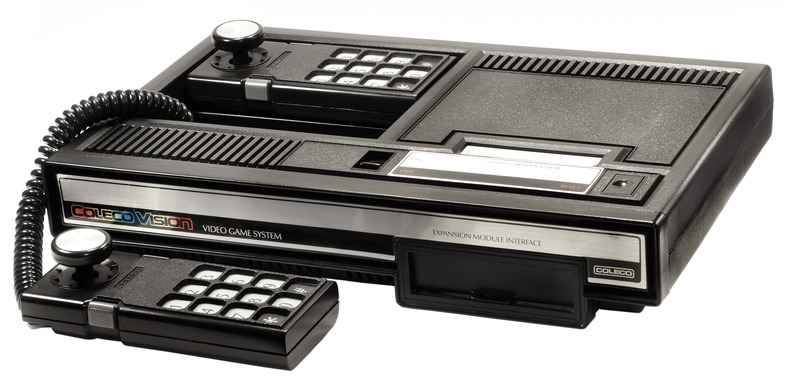
Coleco Telstar and other dedicated TV game systems brought simple video games into the home before cartridge systems fully took over. These machines often played variations on Pong-style action: paddles, dots, lines, bleeps, and the radical idea that the family TV could be controlled by something other than the channel knob.
To modern eyes, those games look impossibly basic. To a 70s kid, they were electric sorcery. A dot moved on the screen because you turned a controller. The TV responded to you. That changed everything.
These early systems also created a new family-room ritual. Someone had to hook it up. Someone had to tune the TV. Someone had to explain why the picture looked weird. Adults hovered suspiciously. Kids wanted turns. The TV was no longer passive. It had become a toy surface.
Atari VCS / Atari 2600: The Toy Aisle Found the Screen
Atari VCS, later known widely as the Atari 2600, became the great late-70s doorway into the 80s video-game explosion. It was not just one game. It used cartridges, which made the whole thing feel expandable. The console was not the experience by itself. It was the gateway.
That was a massive shift in toy logic. A board game was a complete box. A dollhouse could add furniture, sure, but the house was the world. Atari suggested something different: buy the machine, then keep buying worlds. Different games, different challenges, same TV. That idea would define an enormous part of 80s childhood.
In the home, Atari changed the social pattern. Kids gathered around the TV not only to watch, but to play. Scores mattered. Turns mattered. Controllers became status objects. The kid holding the joystick had the room’s attention. The old toy box was still there, but now the screen had gravity.
It also trained kids in the new emotional cycle: fail, restart, improve, chase the score, keep playing, beg for another cartridge. The arcade was still out there, but the living room had started absorbing its energy.
Microvision: The Cartridge Dream Goes Handheld
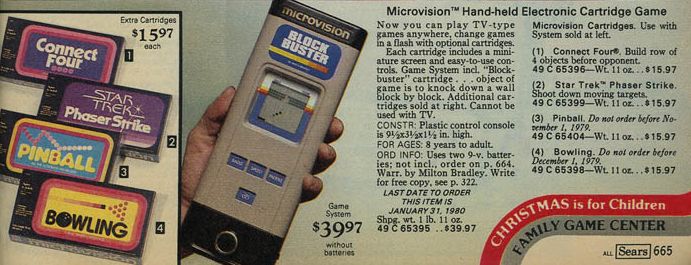
Microvision pushed the late-70s handheld idea even further by bringing interchangeable game cartridges to a portable unit. It was not as culturally massive as Atari, but as a concept, it was pointing straight at the future.
The idea that a handheld device could become different games by swapping pieces was wild for the time. It made portability and expandability live in the same object. That is the kind of thinking that would later feel obvious, but in the 70s it felt like the toy aisle was testing doors nobody had opened yet.
The experience was limited by modern standards, but the imagination around it was huge. A game could live in your hands. A different game could live in the same device. The future of handheld gaming was not fully formed, but the outline was already blinking.
Electronic Board Games Made Cardboard Feel Haunted
Not every electronic toy abandoned the board. Some of the most interesting late-70s games used electronics to add hidden information, sound effects, timers, or clues to otherwise physical play. That combination was perfect for the decade because it kept the familiar table setup but added a weird machine layer.
Stop Thief: A Mystery Game With an Invisible Criminal
Stop Thief looked like a board game, but the electronic crime scanner changed the entire mood. The thief was not represented by a normal pawn moving openly across the board. The player had to listen for sound clues and figure out where the criminal might be hiding.
That was a big deal. The game had invisible movement. It had deduction. It had a gadget. It made sound part of the board. Suddenly the cardboard map had a secret layer that only the electronic device could reveal.
Stop Thief worked because it made players feel like detectives using technology. Not high-tech by today’s standards, obviously. But in a late-70s family room, that scanner felt important. You listened. You inferred. You chased. You argued about where the thief must be. The game became part mystery, part gadget demonstration.
It also showed how electronics could deepen analog play instead of replacing it. The board still mattered. The pieces still mattered. The people still mattered. But the machine changed the vibe.
Electronic Battleship and the Sound of Overkill
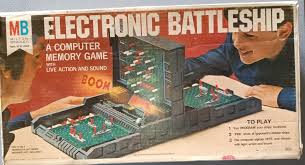
Classic Battleship already had hidden information, tension, and little pegs trying to vanish into the carpet. Electronic Battleship took that familiar formula and added sound, lights, and a more dramatic sense of command. It made the game feel more like a control panel.
That was the promise of late-70s and early-80s electronic upgrades: take something familiar and make it louder, flashier, and more official. A hit was no longer just a red peg. It could have a sound. A miss could feel mechanical. The toy started narrating the experience.
For kids, that made the game feel more expensive and more grown-up. For parents, it made the house louder. Both things can be true.
Robots, Programmable Toys, and the Future Fantasy
The 70s loved the idea of the future: space, computers, robots, digital watches, calculators, sci-fi, and the belief that technology was about to make everything sleeker, smarter, and possibly covered in chrome. Electronic toys fed that fantasy.
Big Trak: A Tank-Shaped Robot Promise
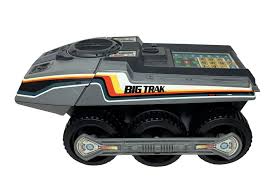
Big Trak felt like a toy from a future where kids would casually program vehicles to patrol the living room. It was part robot, part tank, part programmable gadget, and part carpet-floor spectacle.
The appeal was not just that it moved. Lots of toys moved. The magic was that kids could tell it what to do. Program steps. Send it forward. Turn it. Make it execute a little mission. That made the child feel less like a driver and more like a tiny engineer with dangerous confidence.
Big Trak also fit perfectly with late-70s sci-fi energy. After Star Wars, Battlestar Galactica, space toys, and robot dreams, a programmable vehicle felt right. It looked military, futuristic, and slightly serious. It was the kind of toy that made adults say, “That’s actually pretty neat,” which was rare and therefore suspicious.
In the house, Big Trak turned the floor into a test range. Kids planned routes, misjudged distances, hit furniture, annoyed pets, and discovered that programming requires precision, which is a rude lesson when you are trying to look brilliant in front of siblings.
For the full commercial blast of Big Trak, Merlin, Quiz Wiz, and other late-70s gadget toys, check out the 70s toy video archive.
Calculators, Digital Watches, and the Gadget Spillover
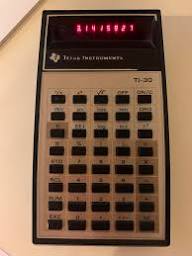
Not every electronic object was a toy, but kids treated plenty of them like toys anyway. Calculators, digital watches, radios, novelty clocks, and small gadgets all contributed to the feeling that technology was becoming personal. A kid with a calculator could spell rude words upside down and call it innovation. A digital watch felt like wearing the future on your wrist.
That gadget culture mattered because it softened kids up for electronic play. Buttons were fun. Displays were fun. Beeps were fun. Tiny screens and glowing numbers were fun. The line between toy, tool, and gadget started to blur.
A calculator might be for math, but to a kid, it was a button machine. A digital watch might be for time, but to a kid, it was secret-agent equipment. The 70s made electronics feel personal, portable, and desirable. Toys simply moved into that current.
The Lifestyle: Where the Beeping Happened
Early electronic toys changed where play could happen. You did not need a whole board set up. You did not need a giant racetrack. You did not need the backyard. A handheld game could go almost anywhere, which made electronic play feel sneaky and personal.
The Back Seat
Long car rides became handheld-game territory. The beeps filled the station wagon while adults in the front seat slowly lost the will to tolerate Mattel Football.
The Coffee Table
Simon, Merlin, Stop Thief, and early TV games pulled people toward the living room, turning the coffee table into a glowing command center.
The Bedroom
Electronic toys gave kids private repeatable challenges: beat the score, repeat the pattern, spell the word, run the play, drain the batteries.
The Christmas Tree
Electronics felt like premium gifts. If the box needed batteries and looked futuristic, it carried serious catalog-page energy.
The Kitchen Drawer
Batteries, tiny screwdrivers, loose instructions, and old 9-volts became part of the ecosystem. Electronic toys created household infrastructure.
The TV Room
Atari and dedicated TV games changed the television from a thing kids watched into a thing kids played. That was the big shift.
Electronic Toys Made Play More Solitary
A lot of classic 70s toys were social by default. Board games needed players. Backyard toys needed other kids. Dollhouses could be solo, but they still often became shared dramas. Cars and tracks became whole-room collaborations.
Electronic toys changed that balance. A kid could disappear into a handheld game alone. The machine provided the challenge. The toy became the opponent, coach, referee, scoreboard, and heckler all at once.
That did not make play worse. It made it different. Early electronics gave kids a private loop: try, fail, retry, improve. That loop would become a huge part of video-game culture.
But They Also Made the Room Gather Around
The funny thing is that electronic toys were also social magnets. A new electronic toy pulled the whole room in. Everyone wanted to see what it did. Everyone wanted a turn. Everyone wanted to hear the weird voice, watch the lights, or figure out why the little red dot kept getting tackled.
That shared curiosity was part of the magic. The toy felt new enough that even adults watched for a minute. Not too long. They had limits. But long enough to confirm that the future had arrived and was currently making a very irritating noise.
Early electronics sat between two worlds: private screen-like obsession and old-school family-room spectacle. That is exactly why they matter.
How the 70s Electronic-Toy Loop Worked
The technology was primitive, but the behavior feels familiar: power on, learn the controls, fail quickly, chase improvement and keep going until the batteries or an adult ended the session.
Find the Batteries
Open the junk drawer, test several suspicious cells and locate the tiny screwdriver for the battery door.
Decode the Controls
Read the instructions, study the buttons or begin pressing everything until the toy explains itself.
Accept the Abstraction
A red dash becomes a runner, a dot becomes a car and a tone becomes an instruction because imagination still has work to do.
Fail in Public
Miss the sequence, crash the dot, misspell the word or send Big Trak directly into the furniture.
Try Again
The device resets instantly, creating the score-chasing retry loop later video games would perfect.
Hear the Warning
Someone in another room announces that the beeping has continued long enough for one household.
How Early Electronics Fit the 70s Toy Timeline
Early in the decade, most toys were still physical, analog, and open-ended. Cars rolled. Dolls lived. Boards unfolded. Balls bounced. Kids built the world themselves. But electric football sets brought plug-in motion and vibrating-grid chaos to the family room, proving that tabletop sports could move, buzz, and feel powered.
In 1976, dedicated TV games and early handhelds started making the screen and the LED display feel like toy spaces. In 1977, Atari and electronic sports games helped push digital play into the mainstream toy conversation.
By 1978, Simon, Merlin, and Speak & Spell made electronic toys feel smarter, louder, and more interactive. By 1979, Big Trak, Stop Thief, Microvision, and late-70s electronic game energy made it clear that the 80s were about to turn the volume way up.
1976 Toys
Auto Race, early TV games, handheld electronics, gadget energy, and the toy aisle beginning to glow.
1977 Toys
Atari, Mattel Electronic Football, handheld sports games, Star Wars heat, and the franchise-screen future starting to form.
1978 Toys
Simon, Merlin, Speak & Spell, memory games, electronic learning, and full-on beep culture.
1979 Toys
Big Trak, Stop Thief, Microvision, late-70s electronics, and the bridge into the 80s screen era.
70s Toy Videos
Watch the commercials and forgotten toy videos for Big Trak, Merlin, Quiz Wiz, SSP Racers, Micronauts, Mego, and more.
80s Toys
Where the electronics, screens, brands, cartoons, and plastic universes fully took over.
1970 Toys
The decade begins mostly analog, but electric football and powered tabletop motion already hint at a different future.
1971 Toys
Family games, mechanical toys and battery novelties make powered play feel increasingly desirable.
1972 Toys
Calculators, digital gadgets and television technology help buttons and glowing displays enter everyday life.
1973 Toys
Electronic novelty grows beside tactile toys, timer games and feature-driven play.
1974 Toys
Connect Four and repeat-play systems remain analog while gadget culture keeps gathering momentum.
1975 Toys
Handheld concepts, sound-making toys and electronic experiments begin looking less like isolated novelties.
1976 Toys
Mattel Auto Race and Coleco Telstar make handheld LEDs and television games feel commercially real.
1977 Toys
Atari VCS and Mattel Electronic Football push screens, cartridges and private score chasing into the mainstream.
1978 Toys
Simon, Merlin and Speak & Spell make electronic toys smarter, louder and central to the holiday toy conversation.
1979 Toys
Big Trak, Stop Thief and Microvision make the coming 80s screen-and-gadget explosion impossible to miss.
Why This Still Hits
Early electronic toys still hit because they captured the exact moment childhood started leaning toward the screen without completely leaving the old toy box behind. They were physical objects, but they behaved differently. They had buttons, sounds, displays, lights, memory, and rules baked into the machine.
They also had a specific household feeling: the fresh-battery excitement, the warning that it was too loud, the tiny screwdriver hunt, the Christmas morning test run, the back-seat beeping, the sibling turn negotiations, the dying-battery sound, and the weird pride of getting farther than anyone else on a toy that looked like a calculator with ambition.
These toys were not sleek. They were clunky, loud, limited, and sometimes barely understandable. That is what makes them great. You still had to use imagination. You still had to fill in the world around the dots and tones. But the machine had entered the game.
The 70s did not invent modern digital childhood all at once. It just handed Gen X a beeping plastic rectangle and said, “Here. Stare at this for a while.”
The nostalgia comes from the transition itself. These toys still required imagination, but the machine had begun carrying part of the experience. The dots and tones were incomplete enough that the child still had to see the football field, race car, criminal or spaceship behind them.
They also made the future feel personal. A computer was no longer only a distant adult machine. It could be a red handheld game, an orange spelling toy or a console plugged into the family television.
70s Electronic Toys FAQ
What electronic toys were popular in the 1970s?
Popular 70s electronic toys included Mattel Auto Race, Mattel Electronic Football, Simon, Merlin, Speak & Spell, Atari VCS, Coleco Telstar, Stop Thief, Big Trak, Microvision, Electronic Battleship and several handheld sports games.
What was the first popular handheld electronic game?
Mattel Auto Race is widely remembered as one of the earliest commercially successful handheld electronic games. It was followed by the much larger cultural hit Mattel Electronic Football.
Why was Mattel Electronic Football so important?
Mattel Electronic Football made score chasing, quick retries and private handheld play feel addictive. Its red LED dashes were primitive, but the challenge loop pointed directly toward later portable gaming.
How did Simon change family game night?
Simon replaced cards, dice and a board with machine-controlled lights, tones and memory sequences. One player performed while everyone else watched, judged and waited for a turn.
Was Speak & Spell a toy or a learning device?
Speak & Spell was both. It used synthetic speech and electronic spelling challenges, giving parents an educational reason to buy a gadget kids enjoyed pressing, testing and making repeat words.
Why was Atari VCS so different from earlier toys?
Atari VCS used interchangeable cartridges, so the console was an expandable system rather than one fixed game. It turned the television into a reusable toy platform.
How did 70s electronic toys lead into the 80s?
They established handheld score chasing, home video games, talking learning toys, programmable vehicles and electronic board games. The 80s toy world expanded those ideas into larger libraries, stronger brands and screen-centered childhood.
Where can I explore more 70s toys?
Start with the 70s Toys hub, then visit the 50 most iconic toys, the hottest Christmas toys, the toy catalog guide and the 70s toy commercial archive.