Hart to Hart in the 80s: Glamour, Murder and Married Detectives
Jonathan and Jennifer Hart could afford a quiet life. Luckily for television, they kept choosing a more interesting evening.
Robert Wagner, Stefanie Powers and Lionel Stander made murder feel like an interruption to very good company.
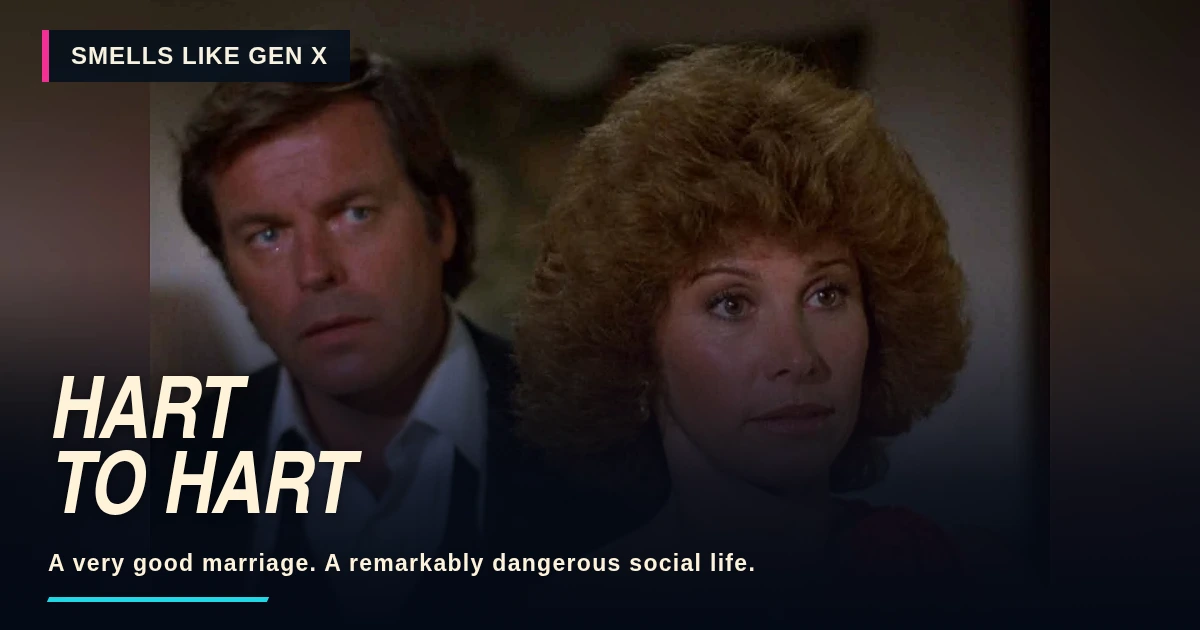
Jonathan and Jennifer Hart had a lovely home, plenty of money, an excellent marriage and a social life that should have required its own coroner. They could leave the house for almost any pleasant reason and find a mystery waiting in the good china. Somehow, that was reassuring television.
I never needed Hart to Hart to persuade me that wealthy married couples routinely handled this much criminal activity. The bargain was more enjoyable than that. Robert Wagner and Stefanie Powers would be charming, Lionel Stander would make the household feel properly occupied, and the evening would offer a little danger without forgetting that the people at its center liked being together.
That last part matters. A great deal of television romance runs on delay: will they admit it, will they act on it, will one inconvenient misunderstanding keep them apart until sweeps? Jonathan and Jennifer had already made the decision. Hart to Hart got its romantic pleasure from the marriage itself. They enjoyed the company. So did we.
The original ABC series began in 1979 and continued through 1984. It belongs to the eighties without needing its late-seventies beginning erased. Created by Sidney Sheldon and developed for the screen with Tom Mankiewicz, it came from the Spelling-Goldberg television world of recognizable stars, attractive surroundings and a very clear invitation to spend an hour somewhere more glamorous than your own living room.
It is an especially comfortable address in our eighties TV collection. The mysteries supplied movement, but the real attraction was the combination: Jonathan’s confidence, Jennifer’s curiosity, Max’s voice and a home that felt worth returning to. Freeway helped, too. A dog is always a useful reminder that even a mansion has somebody waiting for dinner.
Inside This Article
- A detective show with the courtship already settled
- Robert Wagner makes Jonathan’s confidence feel portable
- Stefanie Powers gives Jennifer her own momentum
- Lionel Stander gives the house its gravelly center
- Freeway keeps the fantasy domesticated
- The 1979 beginning belongs in the picture
- The opening tells you what kind of evening this will be
- Their money opens doors and changes the stakes
- Jennifer’s journalism is a useful source of curiosity
- Max is allowed to have a life beyond the couple
- What Murder? asks what Jonathan can actually prove
- This Lady Is Murder uses a dangerous resemblance
- Murder Is Man’s Best Friend is exactly the sort of title this show would have
- The workplace can put the Harts in disguise
- A hospital story makes Jennifer’s voice the issue
- Home is not automatically safe
- Travel gives the show a different kind of air
- Social ease is useful detective equipment
- A happy couple can still have comic friction
- The show’s danger needs the warmth behind it
- The clothes and rooms are part of the invitation
- The mysteries vary, and a rewatch makes that clear
- The television week outside the Hart household
- The Murder of Jonathan Hart makes the title itself a provocation
- The original run and the reunion years are separate visits
- Hart to Hart beside Remington Steele
- Hart to Hart beside Scarecrow and Mrs. King
- Where the Harts fit among eighties private eyes
- A good route back to the house
- Why the marriage is the part I remember best
- Questions people still ask about Hart to Hart
A detective show with the courtship already settled
The marriage changes the kind of suspense Hart to Hart can offer. We are not waiting to discover whether these two enjoy each other. We can see that they do. The question is how the shared confidence will operate when a social visit, a business matter or an apparently harmless favor turns into something dangerous.
That gives the show a useful emotional base. The leads can disagree without every disagreement threatening the relationship. They can work separately while the audience remains aware of the partnership. Affection is not a rare reward saved for the end of a long argument; it is part of the way they move through a room.
I like that kind of adult pleasure. A television marriage does not need to become dull once the wedding is out of the way. Shared humor, attraction and practical loyalty can keep generating entertainment if the writers give the pair something interesting to encounter. The Harts have an entire outside world available to complicate an otherwise agreeable evening.
There is a particular comfort in watching people who know how the other person thinks. A glance can carry information. Concern can be immediate without requiring an explanation of why the missing spouse matters. The viewer gets to borrow the ease of an established relationship while the mystery supplies uncertainty somewhere else. That is a strong arrangement for a weekly adventure, and Wagner and Powers make it look much less laborious than it must have been to sustain.
Robert Wagner makes Jonathan’s confidence feel portable
Jonathan Hart can enter a hotel, a formal gathering or a suspicious business conversation as though the room is unlikely to reject him. Wagner supplies that confidence without needing every scene to announce Jonathan’s fortune. The character’s comfort is visible in the way he occupies the situation. Money has removed a great many ordinary obstacles before the episode begins.
That can be useful to a mystery. Jonathan has access, mobility and the expectation that a request will at least receive an answer. He can pursue a question without immediately worrying about an hourly fee. The show uses those advantages as part of its fantasy, opening doors that a different detective series might spend half an episode trying to get through.
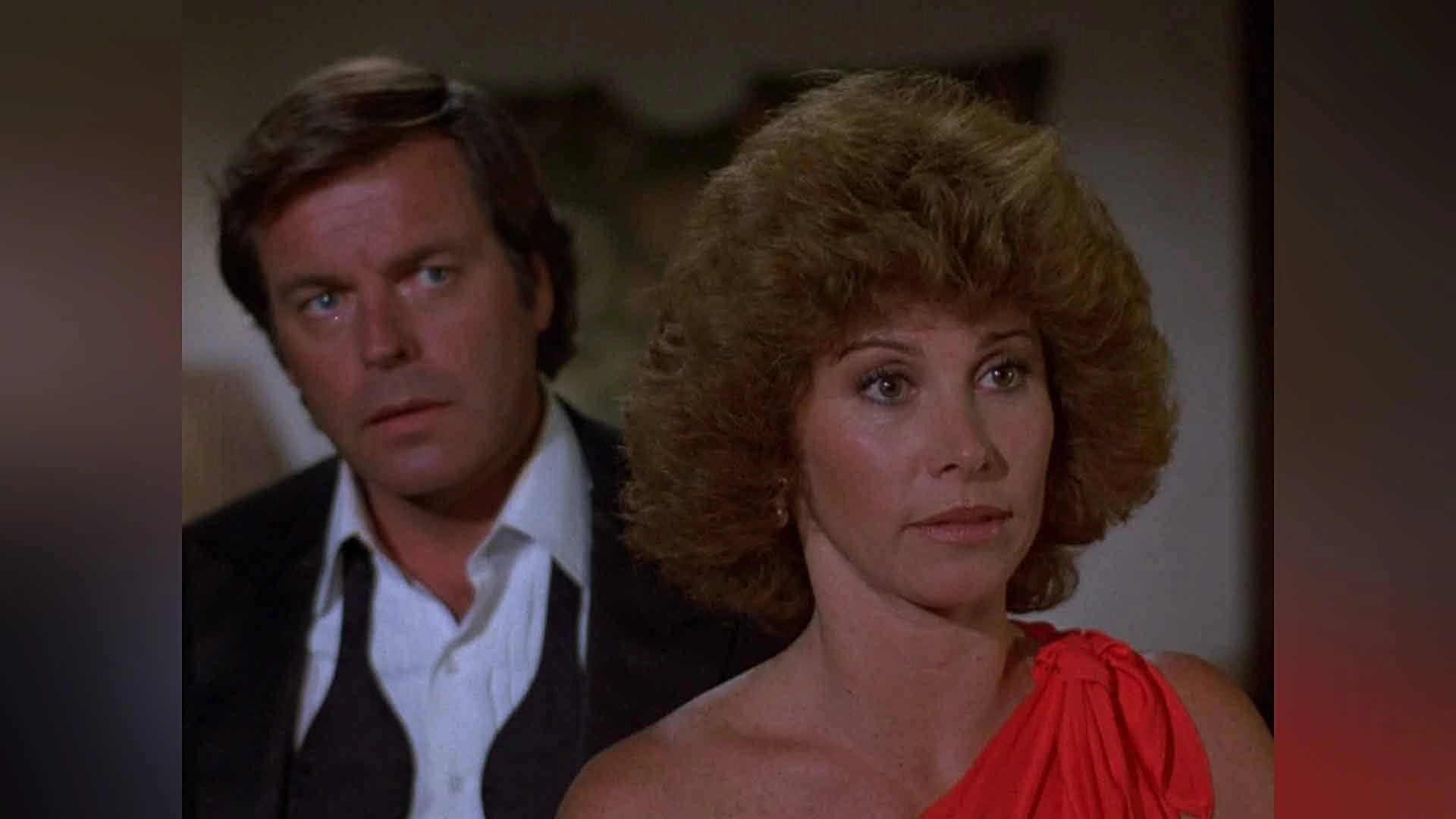
The danger is that confidence can become automatic superiority. Jonathan is more enjoyable when the situation requires attention rather than merely rewarding his status. A suspicious explanation should still be suspicious because of the evidence, not because the wealthy hero has decided he dislikes the speaker. The mystery needs something beyond a successful man being correct on principle.
Wagner’s ease helps keep the light tone afloat. He can suggest that Jonathan enjoys the adventure without making the marriage or the household feel like an inconvenient place he is desperate to escape. That is important. The case is an interruption, but the interruption can also become an activity the couple shares. The pleasure is not watching him flee a dull life. His life already looks rather good.
Stefanie Powers gives Jennifer her own momentum
Jennifer Hart is a journalist, and Powers makes curiosity feel like part of her nature rather than something supplied whenever Jonathan needs assistance. She notices, asks and follows a concern because the matter interests her. That gives the series a second source of movement. The husband does not have to carry every question into the room.
Powers also gives Jennifer a social ease that is different from passivity. Being comfortable with people can help someone hear what is being avoided or recognize when a story has become too polished. The character does not need to abandon elegance in order to demonstrate intelligence. The show is more entertaining when those qualities work together.
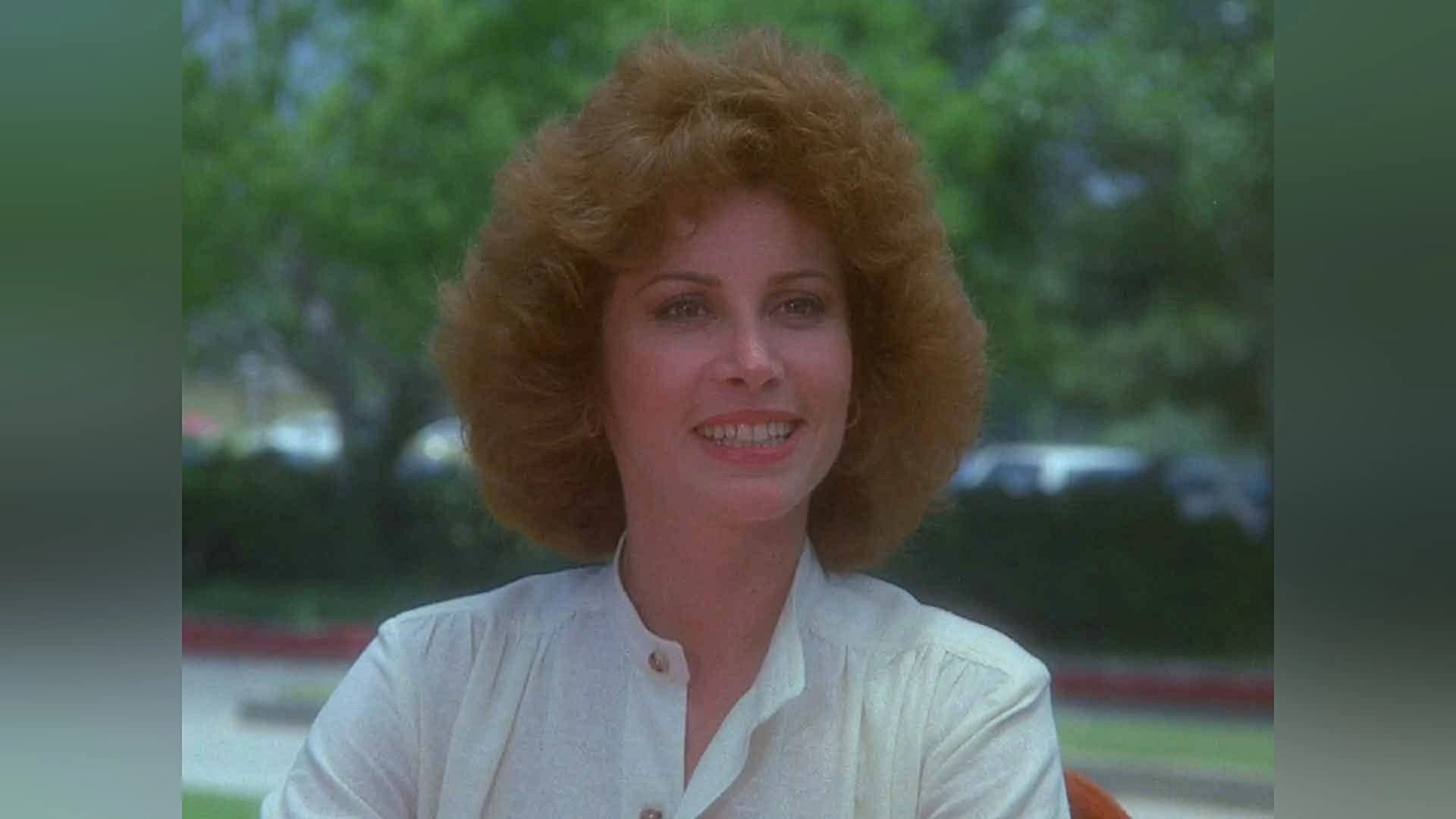
I particularly like the possibility that Jennifer can initiate the problem. A marriage-based adventure would become lopsided if one person always found the case and the other merely agreed to come along. Her professional identity and personal relationships give her reasons to become involved that do not depend on being the wife of the title’s other half.
The performance keeps that initiative compatible with warmth. Jennifer can be determined without spending the entire hour scolding everyone who falls behind. Powers and Wagner make the attraction feel mutual enough that competence does not have to be negotiated as a threat. You believe Jonathan likes having a wife who is interesting in her own right. That makes the partnership more pleasurable than a hero being repeatedly surprised that the person he married can contribute.
Lionel Stander gives the house its gravelly center
Max is a household mainstay, practical helper and the voice that introduces the Harts’ world. Lionel Stander makes him memorable before a mystery has properly started. The sound alone has enough character to turn an opening explanation into part of the audience’s weekly pleasure.
The useful thing about Max is that he belongs to the household without simply blending into the furniture. He has a point of view. The Harts’ resources may make many things possible, but someone still has to understand the home as a working place. Stander gives that practical presence weight, humor and a familiarity the polished surroundings need.
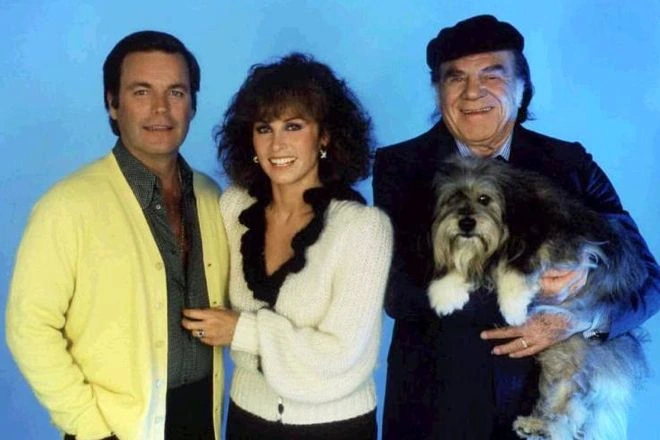
I enjoy the contrast between the couple’s ease and Max’s rougher texture. A mansion full of people delivering the same kind of elegance could become airless. He gives the show a different sound and a different history in the room. You do not have to invent an elaborate explanation for every mannerism to feel that this person existed before the current guest arrived.
Max also helps make the return home feel like an actual return. The series is not only about two attractive people visiting expensive locations. There is somebody at the other end of the day who knows them and can react to what they have managed to get involved in this time. That continuing connection is part of the comfort. The house has a personality because the people in it are not all copies of one another.

Freeway keeps the fantasy domesticated
A dog changes the scale of a glamorous household. However impressive the address, someone still has to pay attention to a small creature with ordinary needs. Freeway gives Hart to Hart another way to make the house feel lived in rather than simply photographed. A home can contain expensive objects and still have an affectionate interruption moving through it.
That matters because the series asks viewers to enjoy wealth without spending the whole hour admiring possessions. The dog is part of a life, not merely another item in the inventory. A familiar animal can make the household feel approachable even when almost nothing about its financial arrangements resembles the viewer’s.
The show can also use that affection as a route into a case. Murder Is Man’s Best Friend places Freeway in the world of a commercial and a questionable pet-food scheme. It is a wonderfully television-shaped invitation: the family’s dog gets an exciting opportunity, and somehow the opportunity is going to require an investigation.
I am happy to enjoy the absurdity. The key is that the dog belongs emotionally before the plot makes him useful. If an animal appeared only when a writer needed a clue, the device would feel thinner. Freeway is already part of the recognizable household. A story that lets trouble reach him is taking advantage of an established attachment, not demanding that the audience produce one from scratch just because the script has acquired a leash.
The 1979 beginning belongs in the picture
It is easy to call Hart to Hart an eighties show and accidentally move its beginning into the wrong decade. The pilot aired on ABC in August 1979. The Paley Center’s original pilot record preserves that date and the principal cast. The years that followed made the series part of the eighties television landscape, but the first invitation arrived just before the calendar changed.
The distinction is useful because the program carries some late-seventies television confidence into the new decade. Recognizable stars, attractive settings and an immediately legible premise do a great deal of work. The show is not embarrassed about offering escape. It presents its pleasures clearly and expects viewers to decide whether they want to spend time in that company.
The pilot’s credits connect Sidney Sheldon, Tom Mankiewicz, Aaron Spelling and Leonard Goldberg to the production. That background helps place the series without requiring an industry lecture. What arrives on screen is the more important test: can the couple make an extravagant premise feel agreeable enough to revisit?
I think the answer sits in the ease between Wagner and Powers. The concept could have produced a chilly display of money interrupted by a crime. Instead, the actors make the wealth feel like the setting for a relationship people enjoy watching. You may not believe the frequency of the murders. You can believe the pleasure the Harts take in facing a problem together, which is the more useful belief for this particular show.
The opening tells you what kind of evening this will be
Max’s introduction is one of those television elements that can live in memory longer than an individual plot. The voice, the names and the promise of danger establish the program’s flavor quickly. You are entering a world where elegance and murder will occupy the same social calendar, and the series expects you to enjoy the collision.
A good opening does more than identify the stars. It gives a returning audience a ritual. The viewer settles in, recognizes the sound and knows the kind of company about to arrive. That mattered in a schedule built around specific programs at specific times. Familiarity was part of the attraction before the current mystery had offered a single clue.
I like that Max makes the invitation. A different voice might have turned the premise into a self-congratulatory statement from the wealthy hero. Coming through a household character, the explanation feels more like being introduced to people somebody already knows well. It adds a little fond observation to the polished image.
The opening also gives the show permission to remain light. It has declared the mix. A viewer looking for a bleak account of crime is unlikely to mistake the invitation. That clarity is useful: the series can threaten the leads, create a puzzle and return to warmth without appearing to have changed its mind about what it wanted to be. We have been told from the start that the Harts’ agreeable life is going to have a dangerous complication.
Their money opens doors and changes the stakes
The Harts’ wealth is not incidental to the format. It makes travel possible, provides access to different social worlds and removes the need to explain why the leads can spend time investigating something that will never produce a fee. They are not operating a struggling agency that must take a bad client because the rent is due.
That freedom gives the writers a large map. A case can begin through business, friendship, leisure or simple proximity. The program does not need to funnel every stranger through the same office. Jonathan and Jennifer can enter the guest world directly, which helps the show change its scenery while preserving its central relationship.
The tradeoff is that money can make a problem look too easily manageable. If every obstacle can be solved by paying for access or arranging a trip, the investigation loses resistance. The most satisfying threats are the ones wealth cannot settle on its own: a mistaken identity, an uncertain witness, a concealed motive or the danger facing someone the couple cares about.
I enjoy the luxury as part of the show, but I do not need it to become proof of virtue. Jonathan and Jennifer are appealing because of how they behave, not because the house is large. The best episodes use the resources to get the story moving and then require curiosity, judgment and loyalty to carry it forward. The expensive surroundings are the invitation; the people have to justify staying.
Jennifer’s journalism is a useful source of curiosity
Giving Jennifer a professional identity helps the show avoid making her interest in a case seem like a hobby borrowed from her husband. A journalist has reasons to ask questions, recognize an incomplete explanation and stay with a story after a polite person might prefer to move on. Those are useful traits in a mystery series.
The character does not have to be visibly writing in every episode for that identity to matter. It informs the way the audience understands her involvement. A source, a social connection or a suspicious incident can draw her attention without requiring Jonathan to make the first move. The marriage becomes a partnership between two active people.
I also appreciate the way curiosity can complicate comfort. Jennifer has access to an agreeable life, but she is not obliged to respond to every disturbing detail by protecting that comfort. Asking one more question may make the evening less pleasant. The show needs the possibility that she will ask anyway, because otherwise the mansion could become an elaborate excuse never to engage with anyone outside it.
That is a better foundation for the couple’s adventures than generalized nosiness. They can become involved because something is wrong and someone has noticed. The audience may know a mystery is coming from the title, but the characters still need a believable reason to care. Jennifer’s interest supplies one, and Powers gives that interest enough purpose to keep it from being merely a convenient habit.
Max is allowed to have a life beyond the couple
A household regular becomes more interesting when the story occasionally remembers that he knows people the leads do not know. Max’s relationships can bring different history into the house. He is close to Jonathan and Jennifer, but he should not seem to have been assembled exclusively for the purpose of supporting their adventures.
Ex-Wives Can Be Murder uses a figure from Max’s past to open another route into trouble. The premise changes the household’s balance. The person who often helps manage the couple’s complications now has a complication of his own, and their loyalty has somewhere specific to go.
I like that reversal. Supporting characters earn affection through steady presence, then a personal story can spend some of that affection on a different kind of concern. The Harts’ response tells us something about the relationship at home. If Max matters only when he is useful to them, the warmth would feel conditional. Making room for his problem helps demonstrate that the attachment runs both ways.
It also broadens the program’s social texture. A story arriving through Max need not feel exactly like one arriving through Jonathan’s business or Jennifer’s professional world. Different histories create different kinds of embarrassment, obligation and misplaced trust. That variety keeps the continuing home from becoming a sealed container. The household has doors, and the people inside it have reasons to answer them that are not always the same.
What Murder? asks what Jonathan can actually prove
An accident leaves Jonathan with an uncertain memory of witnessing a murder. What Murder? takes a straightforward question and makes the hero’s own certainty part of the problem. A confident person can be accustomed to having his account taken seriously; a disrupted memory gives everyone a reason to ask what the account can support.
That is useful pressure for Jonathan. Money and social assurance cannot simply restore the missing information. He has to work with an experience that does not present itself neatly. The mystery acquires a personal vulnerability without needing to change the marriage into the source of the trouble.
I enjoy witness problems because they make perception active. Seeing something is only the beginning. Remembering it, describing it and persuading someone else that it matters are separate tasks. An episode can create suspense from the space between those tasks, especially when the witness is one of the people we already trust.
The device is familiar television territory, of course. The difference is in the cast and the continuing relationships around it. Jennifer’s involvement matters because she knows the person struggling with the uncertainty. The audience is not simply waiting for an anonymous witness to recover a useful detail. It is watching a familiar partnership deal with a problem that cannot be handled by looking confident and making another call.
This Lady Is Murder uses a dangerous resemblance
Mistaken identity is a reliable way to make an ordinary setting turn hostile. This Lady Is Murder places Jennifer in danger because someone has decided she is somebody else. Her own knowledge of who she is does not help if the people controlling the situation prefer their mistaken explanation.
That is a strong threat for a series whose leads usually move comfortably through social situations. Recognition normally opens doors in the Harts’ world. Here, a false recognition creates the trap. A polished appearance cannot protect Jennifer from a story that has already been assigned to her by strangers.
The premise also changes what Jonathan must do. Knowing his wife is not the person the captors imagine is not enough to solve the practical problem. The investigation has to recover the path by which she became entangled. That gives the marriage an immediate stake without turning Jennifer into an abstract symbol of the hero’s distress.
I find the character’s response more interesting than the bare fact of the kidnapping. A threatened person can still observe, judge and look for an opening. Powers gives Jennifer the presence to remain a participant in the scene. That is essential to enjoying this kind of episode now. Concern for her should not require the program to erase the intelligence that made her worth following before the danger arrived.
Murder Is Man’s Best Friend is exactly the sort of title this show would have
Freeway’s commercial opportunity leading toward a sinister pet-food business is a gloriously extravagant piece of weekly television. The dog gets a role, the household gets interested and the agreeable prospect acquires a criminal underside. You can practically hear the invitation to settle down and see how the Harts get out of this one.
The appeal is partly the scale of the contrast. A commercial with a family pet sounds harmless. An investigation sounds less so. Moving between them lets the show make trouble emerge from a pleasant part of life rather than requiring the leads to seek out a threatening environment on purpose.
I do not need the premise to resemble the sort of thing that happened to a neighbor’s dog. It belongs to the program’s chosen world, where a social opportunity can become a mystery before anyone has finished enjoying the invitation. The test is whether the cast makes the transition entertaining and keeps the affection underneath it visible.
There is also a useful reminder in the silliness: Hart to Hart was not trying to maintain the same emotional temperature every week. A lighter, more improbable doorway could sit beside a threat to the marriage or a more suspenseful witness problem. The leads and the home provided enough continuity to accommodate that range. The dog did not have to be the most plausible investigator on television. He only had to make a very plausible member of this household.
The workplace can put the Harts in disguise
‘Tis the Season to Be Murdered sends the couple undercover in their own company’s orbit. That gives the show a different use for Jonathan’s resources. Ownership does not automatically mean knowing what is happening on the floor, and a security problem can require a perspective that the normal public role would make difficult to obtain.
An undercover assignment is enjoyable partly because status becomes unstable. The person used to being recognized as important has to behave as though the recognition is unavailable. A question can no longer be supported by the name or the title. That creates practical restrictions as well as opportunities for humor.
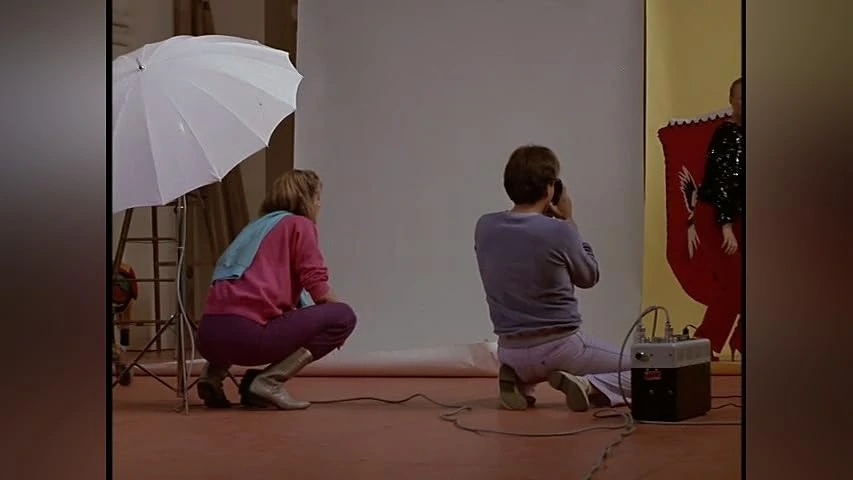
For Jennifer, the disguise can become another shared performance inside the marriage. The couple know one another well enough to read the difference between a role and a reaction. The audience gets to enjoy that private understanding while the people around them are responding to the public version.
I like the way a working environment changes the visual scale of the show. The mansion and the social gatherings are part of its signature, but the mystery becomes more varied when the couple have to move among people doing a job. Money is still in the background, yet the immediate scene can depend on observation and behavior. A title may explain why Jonathan cares. It should not provide every answer before he has looked at the problem.
A hospital story makes Jennifer’s voice the issue
Operation Murder gives Jennifer the problem of having seen something she cannot persuade others to accept. That is a different kind of confinement from a kidnapping. The obstacle is not simply reaching the right person. It is making an account survive the assumptions surrounding the person giving it.
A hospital setting adds pressure because it is a place where an individual may have less control over the immediate routine. Other people have recognized roles and explanations for what is happening. A patient who says something is wrong can encounter a reassuring answer that also functions as a dismissal. The mystery can grow out of that gap without requiring a chase in every scene.
For Jennifer, the premise makes persistence active. She has to continue treating her own observation as significant when the surrounding world would prefer that she let it go. The audience’s investment comes from knowing the character’s judgment, not merely from waiting for the script to produce a convenient witness.
I appreciate stories that give Powers something more particular than looking worried while Jonathan investigates elsewhere. Jennifer can carry the central uncertainty herself. The marriage then provides a relationship through which that uncertainty is tested and shared. A husband believing his wife is a meaningful choice inside the story, but the episode still needs to respect that the observation began with her.
Home is not automatically safe
Homemade Murder brings the danger inside the Hart mansion through a man posing as Jonathan. That is a particularly useful kind of intrusion for a series with such a recognizable domestic center. The place normally associated with relief becomes part of the problem, and familiarity has to be re-examined.
An impostor plot is strongest when it exploits what people expect to see. A name, a manner or an appearance can persuade someone to accept a situation long enough for the intruder to gain access. The audience knows the house has meaning to the regular characters, so the violation feels different from a threat in an unfamiliar hotel.
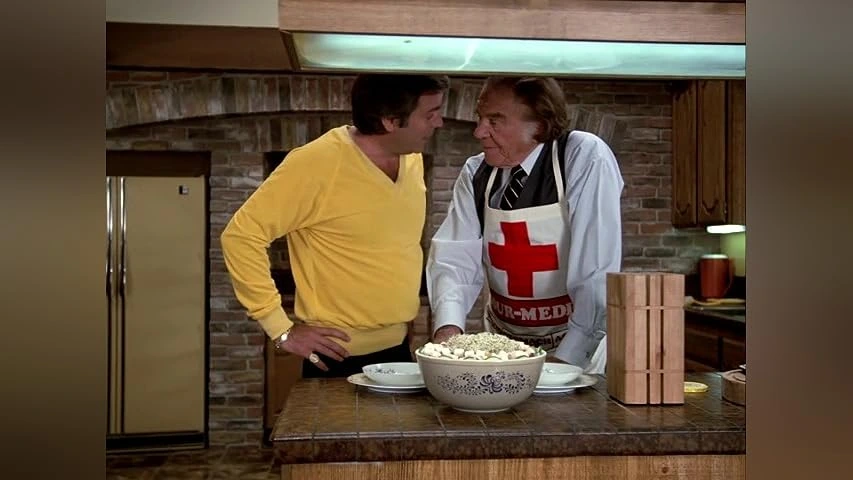
I like the change in scale. A glamorous travel story can promise distance and novelty. A home invasion of trust uses rooms we recognize and habits we have come to take for granted. The same doorway can feel reassuring one week and troubling the next, depending on who has come through it and what everyone believes about that person.
The episode also underlines why Max matters to the series. The household is not an empty property waiting for the leads to return. People manage it, recognize patterns and have reasons to notice an inconsistency. The show’s comfort works because the home feels occupied. That makes it a richer setting for a mystery than a large room chosen only because the furniture looks expensive.
Travel gives the show a different kind of air
The Harts can go places. That sounds obvious, but it is a practical advantage for a weekly adventure built around a wealthy couple rather than a city detective’s assigned territory. A trip can change the light, the social setting and the rules the leads are expected to follow before a crime has entered the picture.
I enjoy that variety as part of the escape. A waterfront, a hotel or an unfamiliar leisure setting makes the evening feel less enclosed. The viewer gets the pleasure of the surroundings and the anticipation that something in them will require closer attention. A good mystery uses the setting, rather than treating it as a photograph placed behind an interchangeable conversation.

Murder in Paradise puts a leisure event beside espionage. The basic collision is enough to explain why the episode belongs to this show: Jonathan and Jennifer have arrived for one kind of activity, and another is already being conducted around them. The pleasant itinerary becomes a cover for somebody else’s business.
That is also why the return home matters. Travel is more enjoyable when the series has a recognizable center to contrast with it. Max and Freeway make the house feel like a place the couple actually leaves and returns to, rather than a display that appears between locations. The show can offer novelty without asking the audience to rebuild its attachment from the beginning every week.
A happy couple can still have comic friction
The Harts do not need to dislike each other to generate humor. An established relationship has its own possibilities: the reaction someone can anticipate, the familiar habit that needs no introduction, the private amusement two people share while maintaining a public appearance. Wagner and Powers make that ease part of the program’s rhythm.
I find it especially enjoyable when the affection remains visible during a disagreement. The audience can understand that the current objection concerns the current decision, not whether the entire marriage has been a mistake. That leaves the show free to be playful. A difference in judgment can create a scene without requiring a relationship crisis to justify the screen time.
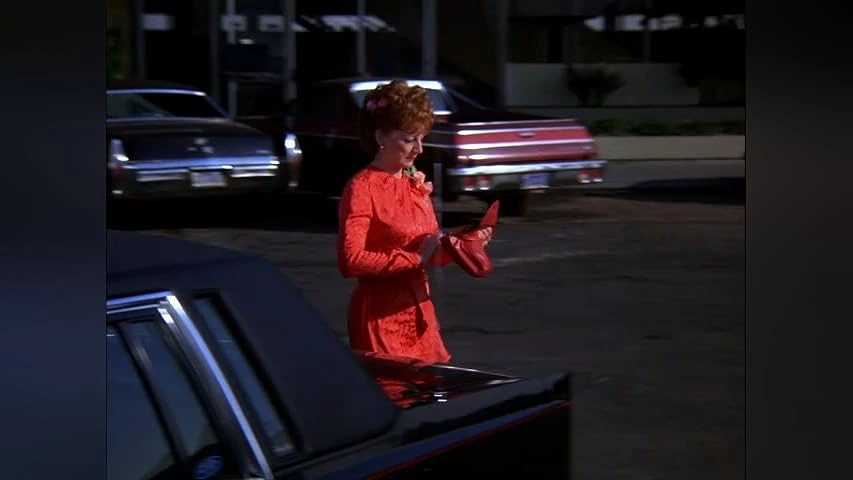
The mystery supplies practical things to disagree about. How far should they follow a suspicion? How much can a new acquaintance be trusted? Is the explanation convincing, or simply convenient? Those questions let the personalities work against each other while the partnership remains intact. Each person can contribute a different instinct.
That is a more durable form of chemistry than two attractive people being photographed near one another. The actors need to make us believe there is pleasure in the shared thinking. The best Hart to Hart scenes suggest that Jonathan and Jennifer would still enjoy a conversation if no criminal interrupted it. The crime gives us a reason to watch this particular hour; the relationship makes the company worth choosing.
The show’s danger needs the warmth behind it
Hart to Hart can threaten the leads because it has made their ordinary life attractive. A viewer does not have to believe every peril is equally plausible to understand why the outcome matters. The program has given us a marriage and a household we would like to see continue.
That is different from relying entirely on a complicated puzzle. A mystery can be neatly constructed and still leave the audience indifferent to the people solving it. Here, concern travels through the continuing cast. A risk to Jennifer, Jonathan or Max touches an attachment already in place before the guest plot begins.
The light tone also creates a boundary. The series wants enough danger to give the adventure movement, but not so much that the warmth becomes impossible to recover. It is a balance, and some episodes manage it more gracefully than others. A last-minute return to affection can feel earned or hurried depending on what the story has asked the audience to absorb.
I do not mind a show choosing reassurance as part of its purpose. Reassurance can be well made. The question is whether the program respects the threat while it is present and gives the people enough agency inside it. The Harts are best when they help create the way out, rather than merely waiting for the format to remind the villain that the hour is almost over.
The clothes and rooms are part of the invitation
The visual pleasure is obvious: attractive clothes, comfortable interiors and settings that promise an evening with a better view. Hart to Hart does not hide that invitation. Its world is meant to look enjoyable before the case makes it hazardous, and the contrast is part of the series’ identity.
I like the wardrobe most when it belongs to what the characters are doing. Formal clothes can make sense at a gathering, practical clothes at a different kind of assignment, and a disguise can alter how the couple are treated. The image should support a scene, even when the scene also pauses long enough for the audience to appreciate the image.

The house provides continuity through those changes. You can return from a travel episode and recognize the domestic world immediately. That familiarity is not just a matter of furniture. Max’s presence and the couple’s ease make the rooms feel used, however extravagant they remain compared with the average household watching.
Some details inevitably date, and that is part of the pleasure now. I would rather see the period clearly than imagine the show floating outside time. The eighties left an impression on television glamour that does not need updating to become legible. The important thing is that the people remain more interesting than the upholstery. A beautiful room can get you to look. Wagner, Powers and Stander have to make you want to stay.
The mysteries vary, and a rewatch makes that clear
A long-running weekly series is rarely as consistent as a fond memory makes it seem. We remember the opening, the chemistry and a handful of plots that stuck. Watching whole episodes restores the connective scenes, the routine assignments and the occasions when an ingenious setup receives a less ingenious solution.
I think Hart to Hart benefits from being approached with that knowledge. The program was offering a continuing kind of entertainment, not promising that every hour would become a classic mystery. The regular cast supplied value even when the guest story was more familiar. That was part of the network bargain, and it remains a legitimate reason to watch.
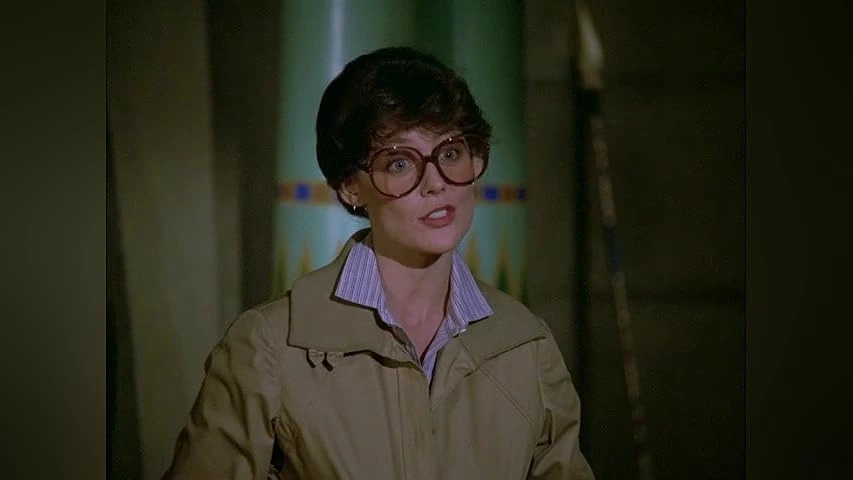
The better episodes use the Harts’ particular life. Their marriage, their resources, Jennifer’s curiosity or Max’s history should matter to why the case unfolds as it does. A plot that could be moved unchanged into any detective show has less flavor. The setting may look expensive, but specificity is what makes the series feel like itself.
On a return visit, I am willing to enjoy a little unevenness if the company remains good. I am less interested in excusing every shortcut. Affection does not require abandoning judgment. Sometimes the right response is to appreciate a delightful exchange, raise an eyebrow at the solution and choose a different kind of case next time. The household can survive a mystery that was not its finest evening.

The television week outside the Hart household
An individual series can become so familiar that memory separates it from the week around it. The Harts did not arrive in an empty television landscape. Viewers were choosing among comedies, dramas, movies and other mysteries, often with a printed listing and a fairly firm understanding that two desirable programs could be on at the same time.
Our look at the television hits of 1980 provides some of that broader setting. It is a way to remember the company surrounding the early-eighties seasons, rather than a reason to assign Hart to Hart a ranking without checking the relevant year. A show’s place in a household could be vivid even when the national list belonged to other programs.
By the time the original run reached its end, the schedule was changing around it. The 1984 television overview offers another point of comparison. Looking across the years makes the Harts’ particular style clearer: comfortable adult glamour, a stable romantic center and an adventure that could usually leave the viewer in a good mood.
I like putting the show back into that ordinary viewing routine. Its familiarity was built one week at a time, not delivered all at once as a completed archive. The opening, Max’s voice and the couple’s ease acquired meaning through return visits. You could recognize the pleasure before knowing the current plot. That was a substantial skill for a television program, even if it rarely appears on a list of dramatic innovations.
The Murder of Jonathan Hart makes the title itself a provocation
An episode called The Murder of Jonathan Hart is unlikely to pass unnoticed by someone who has spent several seasons enjoying the marriage. The story uses Jonathan faking his death to investigate a threat. Even without revealing the eventual solution, the premise tells you how effectively the series can turn attachment to a regular into an immediate invitation to watch.
The interesting question is how the deception affects the familiar social world. People react to what they believe has happened, and those reactions may expose something ordinary questioning would not. A mystery can gain information by changing the situation around the suspects instead of simply asking the hero to notice a more obscure clue.
For a married-couple series, though, a false death carries a different emotional charge from a routine undercover name. The program has made Jonathan and Jennifer’s shared life the reassuring center. Borrowing the possibility of losing that life asks the audience to imagine the household with a gap in it, even while the adventure format encourages us to expect that the familiar arrangement will survive.
I find that useful to understanding the show’s appeal. Reassurance does not prevent suspense; it gives suspense something to disturb. The audience’s hope that the Harts will be together again is part of the story’s energy. The episode does not need to persuade us to care about a new victim before it can begin. It is working with affection the series has already earned, and that affection is why the title can do so much work before the first scene.
The original run and the reunion years are separate visits
The original Hart to Hart series ended in 1984. The later television movies belong to the 1990s. That separation matters because a photograph, a recollection and an episode title can all become blended into one general memory of the couple being on television for a very long time.
The reunion productions are evidence that the central relationship retained an audience, but they should not be quietly folded into an account of the early-eighties series. The actors, the characters and the circumstances were being revisited after time had passed. That is a different kind of viewing experience from following a weekly program while its original routine was still being established.
I understand the appeal of a return. Some television couples leave an impression less like a finished story than an address you would be happy to visit again. The Harts are well suited to that feeling because the marriage itself supplies pleasure. You do not need an unresolved courtship to justify wondering what they might be doing now.
For this visit, though, the focus is the original run: the household, the ABC adventures and the early-eighties glamour around them. Keeping the dates attached makes the memories clearer. It also gives the original episodes their own room instead of treating everything before the reunions as a lengthy introduction to a later production.
Hart to Hart beside Remington Steele
Remington Steele gets much of its energy from a professional fiction and an unsettled attraction. Laura Holt has built an agency; a stranger has occupied the male identity she invented. Their working arrangement keeps generating questions about credit, honesty and how far the attraction should be trusted.
Jonathan and Jennifer begin from a different place. The central commitment is established, and neither person’s presence needs a continuing deception to explain why the other stays. The mystery can put strain on the partnership, but the pleasure is usually watching the partnership operate rather than wondering whether it should exist.
That changes the comedy. Steele can make a scene crackle through a disputed claim to authority. Hart to Hart can use the private understanding of two people who already know one another well. Both approaches benefit from attractive leads with distinct personalities, but they are not interchangeable versions of the same romantic delay.
I enjoy moving between them because the contrast refreshes the format. A detective show does not need one approved arrangement for a man and a woman. It needs an arrangement that generates specific behavior. Laura and Steele negotiate the terms. Jonathan and Jennifer take the shared life into another peculiar evening. The cases give each pair something to do, but the relationship determines the kind of company they offer.
Hart to Hart beside Scarecrow and Mrs. King
Scarecrow and Mrs. King puts an ordinary household beside a secret professional world. Amanda’s commitments can conflict with Lee’s assignments, and her everyday resourcefulness becomes part of her value. The fun comes from the two lives colliding and the partnership developing inside that collision.
The Harts do not have the same division between home and adventure. Jonathan and Jennifer can leave the house as a recognized pair, with resources that make the trip possible and a relationship that does not need to be hidden from Max. Their home is a shared center rather than a place where one partner must constantly explain the unexplained absence of another.
That gives the programs different kinds of warmth. Amanda’s house keeps asserting ordinary obligations. The Hart household makes a glamorous life feel inhabited. Both need supporting characters who have more personality than the furnishings. Dotty and Max serve different dramatic purposes, but each helps make the home a place the audience can recognize emotionally.
The comparison is useful if you are choosing an evening’s viewing. For an unlikely partnership negotiating two incompatible routines, visit Amanda and Lee. For the pleasure of an established couple encountering an increasingly suspicious social calendar, visit Jonathan and Jennifer. The decade made room for both, and neither needs to be converted into the other to justify being enjoyable.
Where the Harts fit among eighties private eyes
The detective and private-eye shows of the eighties offered more than one kind of hero. A badge, a private office, an expensive lifestyle or an improvised working arrangement could all provide a route into a case. The common pleasure was watching a recognizable personality ask questions a stranger would rather avoid.
The Harts occupy the amateur side of that world. They have freedom and access without being defined by a weekly client fee. Their involvement often grows from the life they are already living. That makes the social setting especially important: the mystery arrives through the network of places and people their resources have made available.
It is a different fantasy from the investigator who needs a job to pay the bills. The show does not ask the audience to share the Harts’ financial position. It asks us to enjoy what that position permits while caring about how they behave. The continuing marriage keeps the wealth from being the only source of interest.
I would not choose Hart to Hart for the most abrasive view of policing or the grittiest urban atmosphere. Its pleasures are more companionable. There is room in a television week for a dangerous city and room for a handsome couple whose weekend has become suspicious. Remembering that variety makes the decade more interesting than reducing all its mysteries to a single formula with different cars parked outside.
A good route back to the house
Start with the pilot if you want the original introduction, then move into the early-eighties episodes with the household already in view. The show’s cast and central arrangement are easy to grasp, but the opening helps establish the tone rather than leaving a modern viewer to guess how seriously every extravagant development should be taken.
For variety, choose one home-centered mystery, one travel setting and one episode that puts Jennifer’s observation at the center. The contrast will show you more than watching several similar social-event plots in a row. The series has a stable relationship, but the route into trouble can change considerably.

Robert Wagner’s official Hart to Hart episode guide is useful for matching remembered titles to the original run. A title can sound familiar while the details have wandered into another episode. I would rather check than build a confident recollection around the wrong kidnapping, disguise or body in an inconvenient place.
And give the program permission to be what it was. An hour with Jonathan, Jennifer and Max does not have to prove that it invented modern television. It can simply provide an agreeable mystery, a warm relationship and a place to return after an unreasonably hazardous outing. Sometimes that is exactly the kind of evening the couch requires.
Why the marriage is the part I remember best
When I think of Hart to Hart, I do not begin with a particularly elaborate solution. I begin with the ease between Wagner and Powers. The sense that Jonathan and Jennifer enjoyed sharing a life made the rest of the program feel more welcoming. A threat mattered because it interrupted something attractive, not because the show kept insisting the threat was enormous.
That is a useful distinction. Scale is not the same as involvement. A mystery can contain a small number of people and still hold your attention if the relationships make their choices consequential. The Harts’ affection gives the viewer a continuing reason to care beyond the identity of this week’s culprit.
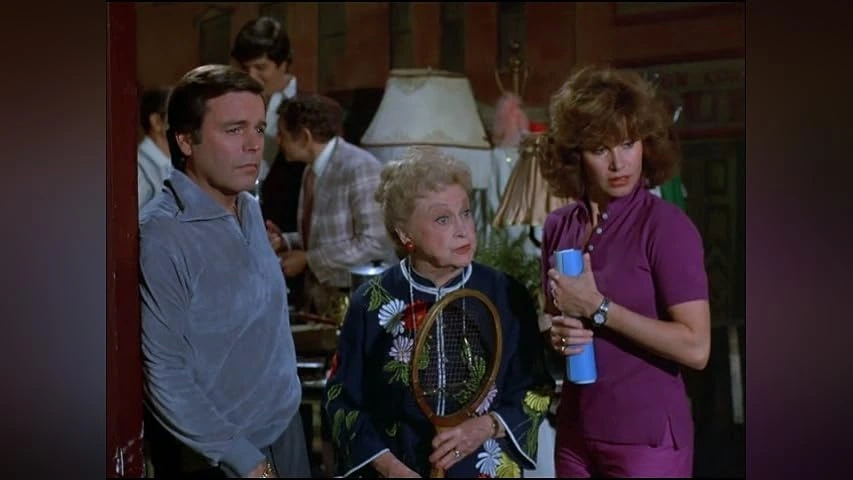
Max deepens that feeling. The household has a familiar voice, a practical center and a dog whose concerns are probably more reasonable than most of the guests’. The home can be glamorous without seeming emotionally empty. That is harder to accomplish than simply showing a large room and waiting for the audience to envy it.
So yes, the murders arrive with extraordinary regularity. I would have been cautious about accepting a Hart invitation without asking what happened to the last guests. But as television company, they remain easy to understand: two adults who like each other, one very memorable household and a series that knew a happy marriage could be the beginning of the entertainment instead of the point where it ended.
Questions people still ask about Hart to Hart
Did Hart to Hart begin in the eighties?
The original series began on ABC in 1979 and ran through 1984. Its early-eighties seasons made it part of the decade’s familiar television landscape. The later reunion movies arrived in the 1990s, so they should be kept separate when discussing the original run and its cast photographs.
Who played Jonathan, Jennifer and Max?
Robert Wagner played Jonathan Hart, Stefanie Powers played Jennifer Hart and Lionel Stander played Max. Those three personalities give the household its balance: the confident businessman, the curious journalist and the practical mainstay with the unmistakable voice. Their recurring relationships are as important to the series’ appeal as the individual mystery.
Were Jonathan and Jennifer professional detectives?
They were a wealthy married couple who became involved in investigations, rather than partners running a private-detective agency for weekly clients. Jonathan’s business connections, Jennifer’s journalism, their friendships and their travels provided ways into the cases. The pleasure came from seeing an established partnership respond to the trouble around it.
Why do people remember Freeway?
Freeway was the Harts’ dog and part of the household’s familiar life. The animal helped make the glamorous home feel occupied and affectionate. Some stories also used that attachment directly, including the commercial-related premise of Murder Is Man’s Best Friend. The dog mattered before the current mystery made him useful.
Social ease is useful detective equipment
Jonathan and Jennifer are good at moving among people. That is one of the resources the series uses most often, and it is different from carrying an official badge. An invitation, a conversation or an apparently casual question can put them close to information someone would not volunteer under a more formal inquiry.
The advantage is also a risk. Social ease can encourage people to trust an impression too quickly. A pleasant guest may be concealing something, and a comfortable room may contain a conflict the hosts would prefer to keep out of sight. The Harts’ confidence should help them enter the setting without guaranteeing that they have understood it.
I like that tension because it keeps glamour from becoming an answer in itself. The audience is invited to enjoy the polished surface and wonder what is happening underneath. A party becomes interesting when people want different things from it. The mystery gains energy from those competing intentions, not just from the number of evening gowns in the frame.
Jennifer’s curiosity and Jonathan’s assurance make a useful combination in that environment. They can open different conversations and compare what the room has shown each of them. The marriage gives those separate observations somewhere to meet. When the show uses the partnership that way, the investigation feels shared rather than merely divided into a hero’s work and a spouse’s waiting time.