Forgotten 80s Cartoons You Haven’t Thought About in Decades
Eight strange worlds, a few missing titles, and that satisfying moment when a half-remembered cartoon comes back into focus.
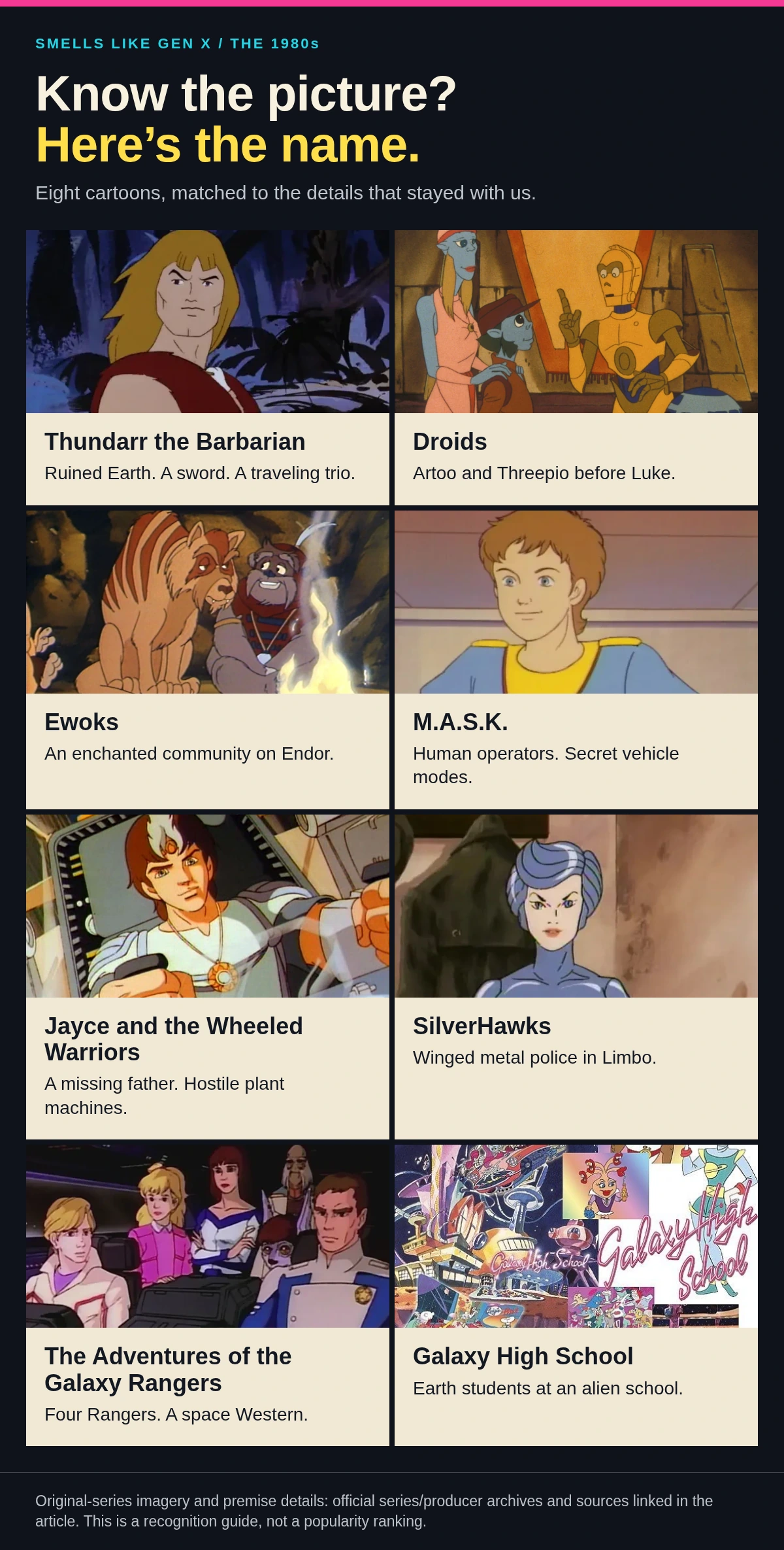
A sword, a vehicle, a metallic face. The picture survived; the title needed a little help.
Somewhere in your head is a cartoon you can almost name. There was a vehicle, or a sword, or a school full of creatures whose parents had presumably completed some very unusual enrollment forms. You remember a color. You remember a theme. You may even remember which side of the room the television occupied. The title, meanwhile, has apparently gone out for cigarettes.
Forgotten eighties cartoons live in that gap between recognition and recollection. They weren’t necessarily bad, and they weren’t invisible to everyone. Some have fiercely devoted fans who will quite reasonably object to the word forgotten while producing an alphabetized episode list. But they don’t all receive the automatic recognition given to He-Man, Transformers, or the Smurfs. Their worlds need a little more reintroduction.
The eight programs here offer different kinds of return trips: ruined Earth, space lawmen, enchanted forests, transforming vehicles, a botanical nightmare, and the realization that high school remains socially hazardous even after you leave the planet. They belong beside the giants in the larger 1980s cartoon story, without pretending they all shared the same audience, schedule, or fate.
Think of this as help for the cartoon stuck on the tip of your tongue. Start with the pictures and the quick list below, then spend some time with whichever name causes that little jolt of recognition. There’s no test of how obscure your childhood was. Remembering a metallic face thirty years later is enough to get in.
The Eight Cartoons at a Glance
Look for the detail you remember. Follow a title for the full return trip.
- Thundarr the Barbarian — a Sunsword, a broken Earth and Ookla
- Droids — Artoo and Threepio between employers
- Ewoks — Wicket and friends in an enchanted Endor
- M.A.S.K. — ordinary vehicles with extraordinary second jobs
- Jayce and the Wheeled Warriors — a search for Dad and some very hostile plants
- SilverHawks — winged metal lawmen in the Limbo Galaxy
- Adventures of the Galaxy Rangers — space cowboys with individual specialties
- Galaxy High School — Earth kids becoming the alien students
Inside This Article
- Forgotten Depends on Where You Were Sitting
- Thundarr the Barbarian: The Future Had Terrible Property Values
- Droids: Two Familiar Robots, a Different Set of Employers
- Ewoks: Endor Had a Life Before the Empire Arrived
- M.A.S.K.: The Vehicle Had Another Job
- Jayce and the Wheeled Warriors: Gardening Had Gone Far Enough
- SilverHawks: Space Law Enforcement, With Excellent Silhouettes
- Adventures of the Galaxy Rangers: The Frontier Had Acquired a Hyperdrive
- Galaxy High School: Being From Earth Was Not a Social Advantage
- Why Some Worlds Remain in Fragments
- A Return Trip That Leaves Room for Surprise
- Questions From the Almost-Remembered Afternoon
Forgotten Depends on Where You Were Sitting
A program didn’t have to be obscure everywhere to be missing from your experience. A local schedule, a competing favorite, an inconvenient time, or simply being the wrong age kept plenty of cartoons out of individual living rooms. Two children growing up in the same decade could acquire noticeably different maps of television.
Later exposure complicates the picture. A series introduced in the eighties might become familiar through reruns, a borrowed tape, or a home-video release years afterward. Another might have been a daily appointment that ended when a station moved it. Remembering the first encounter doesn’t automatically establish the original broadcast arrangement, and losing track of a title doesn’t prove that nobody watched it.
The choices here favor distinctive premises that repay more than a one-line reminder. They also leave the marquee franchises to their own histories. A forgotten-cartoons list that spends most of its time introducing Optimus Prime has probably taken a wrong turn. The robots with the largest continuing public-relations departments are doing all right without this particular rescue mission.
There is a difference, too, between a short original run and a documented explanation for its end. Ratings, distribution, financing, merchandise, and programming decisions aren’t interchangeable causes. Where a creator has described a problem, that testimony helps. Where the evidence doesn’t establish a cause, the sensible response is to enjoy the rediscovery without inventing a cancellation story.
That leaves us free to enjoy how peculiar these programs were. A destroyed Earth, flying metal lawmen, an alien school and vehicles with botanical problems all made it onto children’s television. Nobody needed another list that turned every unusual cartoon into a failed version of a more famous one. Some of these shows were doing their own very odd thing, and that is exactly why they’re worth another look.
Thundarr the Barbarian: The Future Had Terrible Property Values
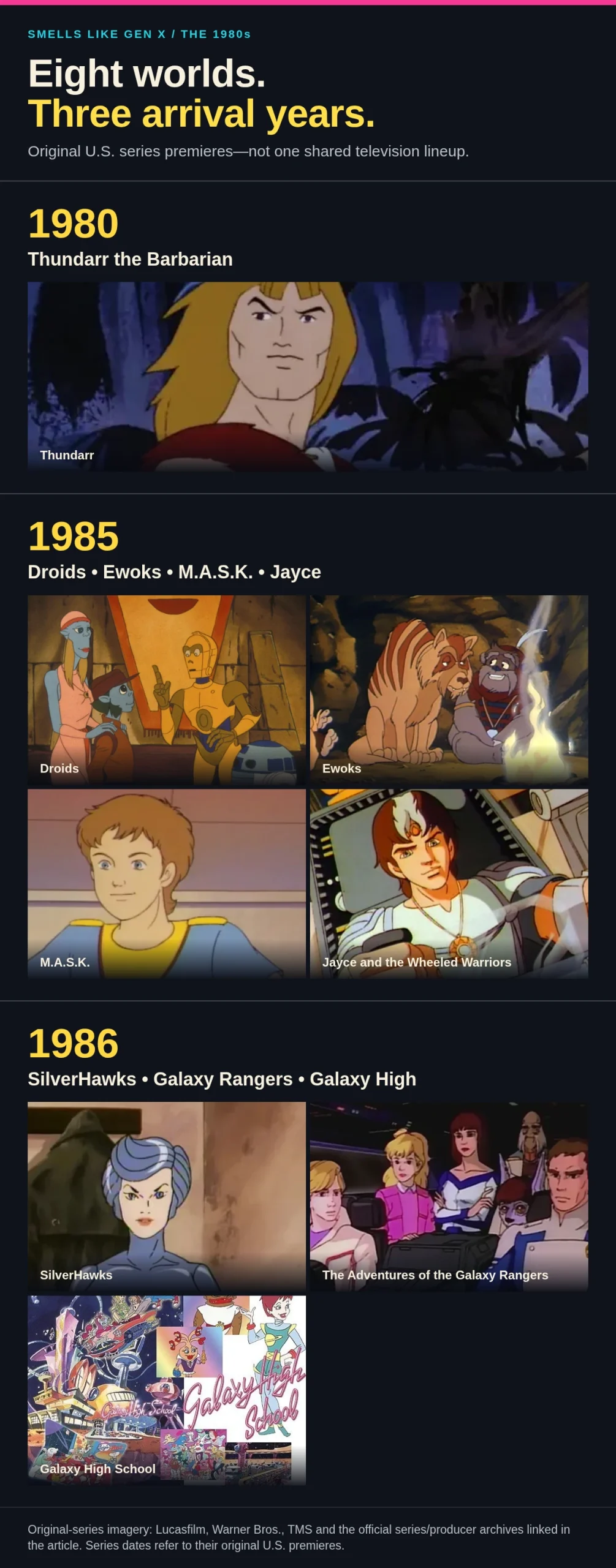
Thundarr the Barbarian made a strong opening proposal: take the world people recognize, break it, let a very long time pass, and put a warrior with an extraordinary sword in the wreckage. Beginning on ABC in 1980, the series offered a science-fantasy landscape where old technology and sorcery belonged to the same dangerous present. It was a startling place to visit while eating breakfast.
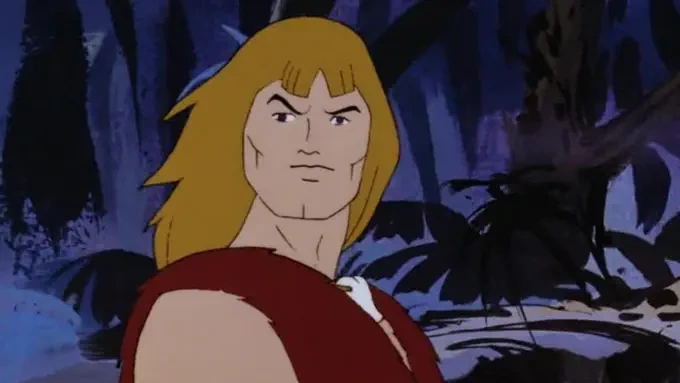
The ruined familiar world is the crucial ingredient. A fantasy castle in an invented kingdom invites one sort of curiosity. A remnant of somewhere you recognize invites another: what happened here, and what do the people living around it think it used to be? The old world becomes a mystery inside the new one. A background can tell a story before the characters have spoken.
Thundarr travels with Princess Ariel and Ookla the Mok, a trio that gives the adventures contrasting kinds of energy. His directness is useful when something needs confronting. Ariel brings knowledge and magical ability. Ookla supplies imposing physical presence without being reducible to a threatening shape. Together, they make the journey more interesting than one man shouting at every obstacle until it agrees to move.
The series’ first adventure, “Secret of the Black Pearl,” takes the group toward Manhat, a transformed Manhattan, in a conflict involving the wizard Gemini. That premise makes the show’s mixture tangible. The past hasn’t vanished; it has been misunderstood, repurposed, and incorporated into a new landscape of power. The ordinary city has become an adventure location, which is a remarkably economical way to make a viewer look harder at a background.
The villains also fit the world rather than merely visiting it. Powerful figures exploit a landscape in which technology and magic give them advantages over other people. Thundarr’s resistance supplies the series with a clear moral direction. The stories don’t need a complete lecture on the collapse of civilization to make oppression recognizable. Someone is abusing power; the travelers arrive with good reasons to interfere.
What stays with many viewers is the collision of images: the barbarian silhouette, Ariel’s composure, Ookla’s face, strange machines, and a world whose familiar outlines have become unsettling. The visual premise does a great deal of work. Even a memory that has misplaced every episode plot may retain the feeling that the whole planet had been turned into somewhere adults no longer knew how to manage.
There is a useful tension between the group’s small size and the scale of the surroundings. Three travelers can’t administer the whole ruined planet. They can respond to the people and dangers in front of them. That turns a huge speculative setting into manageable adventures without requiring it to become small. The horizon remains available for another strange place after the immediate conflict has ended.
Thundarr was usually ready to hit the problem with his Sunsword. Fair enough; plenty of the problems deserved it. Ariel could recognize the magic involved, and Ookla could make a threatening entrance without losing the warmth that kept him part of the group. Put the three together and the ruined world became somewhere to explore. Send only the loud man with the sword and we’d spend a lot more time shouting at unfamiliar machinery.
It is tempting to describe Thundarr as a missing chapter of He-Man. The dates and setting make that too simple. Its television beginning predates Filmation’s 1983 He-Man series, and its ruined-Earth idea gives it a different identity from Eternia. The He-Man feature follows that later fantasy world on its own terms. Thundarr deserves the same courtesy rather than being introduced as somebody else’s rough draft.
Returning to it, look beyond the sword. Notice how much of the appeal comes from the places, the imbalance of power, and the complementary travelers. Its cult following makes forgotten an arguable label, but its place outside the most automatically repeated eighties roll call makes rediscovery worthwhile. A cartoon doesn’t have to be unknown to deserve being looked at again.
Droids: Two Familiar Robots, a Different Set of Employers
Droids is an excellent example of something hidden in plain sight. R2-D2 and C-3PO are hardly obscure characters, yet their original animated series occupies a much smaller place in general Star Wars conversation than the films that made them famous. In 1985, ABC paired their adventures with Ewoks for a Saturday hour produced by Lucasfilm with Nelvana. A vast movie universe had acquired a morning address.
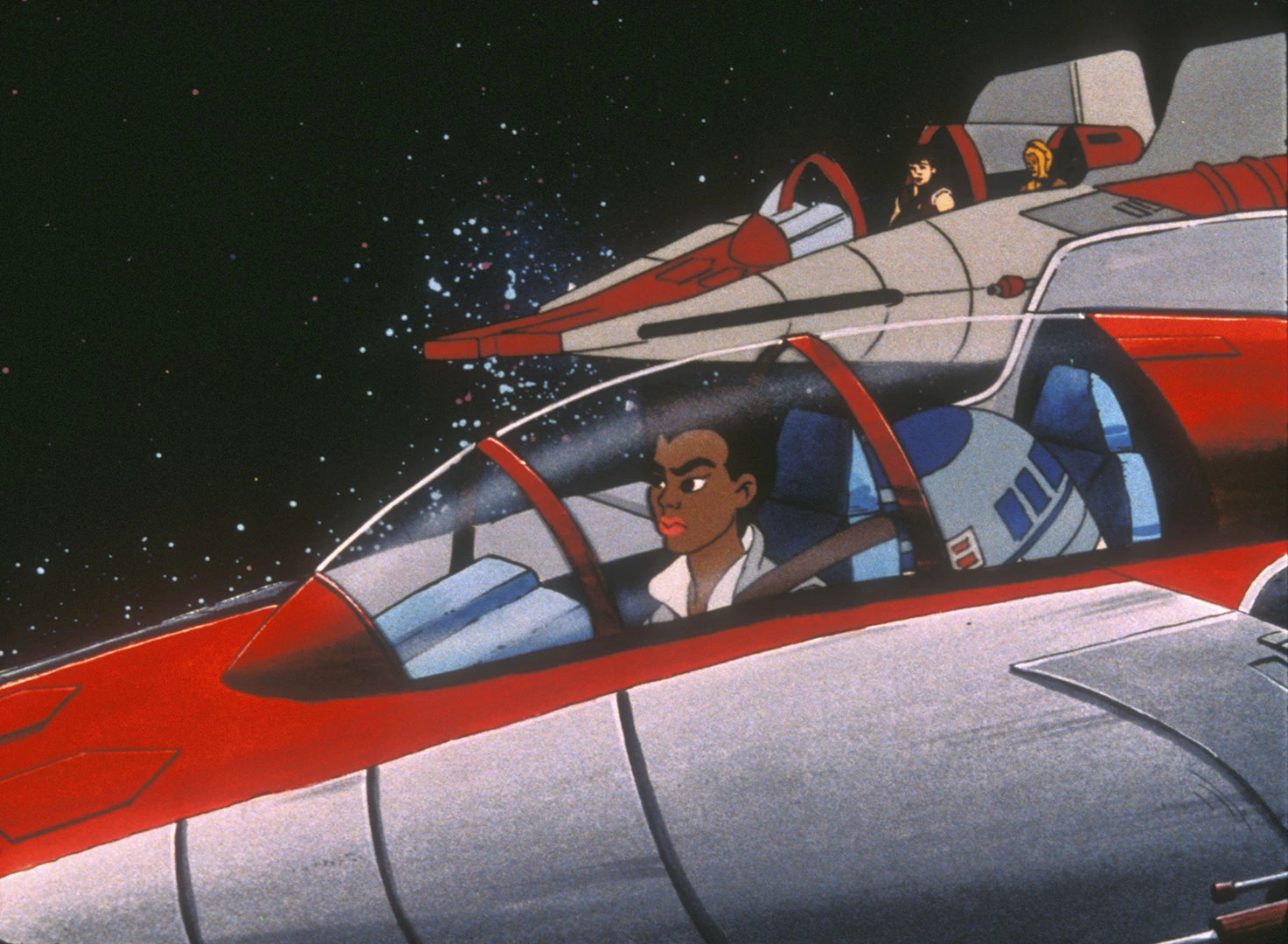
The series follows the robots before their association with Luke Skywalker, placing them around people and situations specific to this television incarnation. That choice changes the perspective. Instead of constantly orbiting the films’ central heroes, the droids become the thread that leads viewers through new trouble. Their familiarity supplies the entrance; the new company supplies reasons to continue.
C-3PO’s anxiety and R2-D2’s practical determination are already a useful comic partnership. One can explain why something is alarming at considerable length. The other is more likely to get on with the immediate problem. Their differences create motion even before a villain contributes anything. The relationship gives a child people to follow through a setting that otherwise has an intimidating amount of machinery.
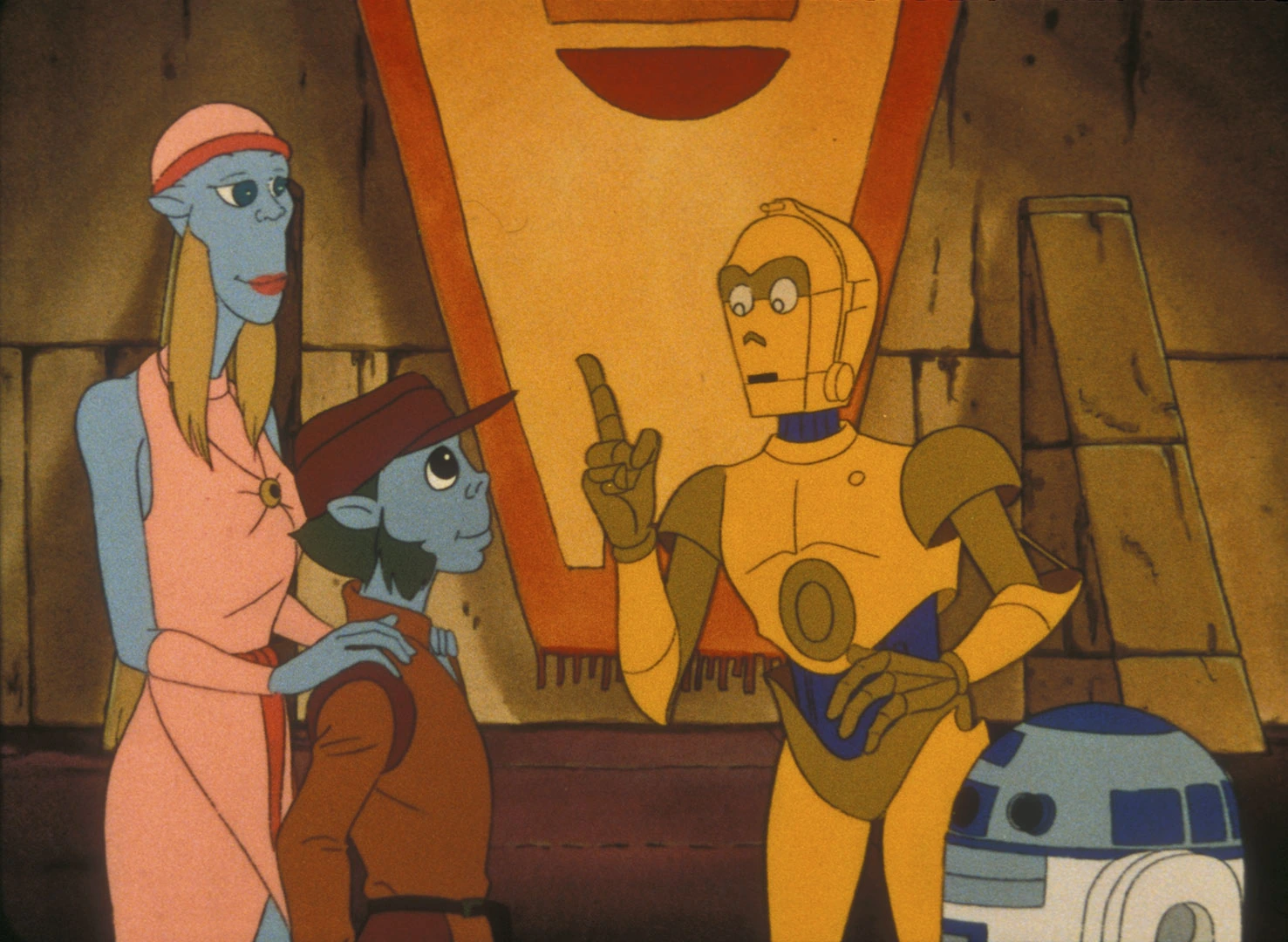
It also gives the adventures a slightly unusual social position. The droids aren’t always the people deciding where everyone should go. They become involved in other characters’ ambitions and problems, and their own loyalty has to operate within those circumstances. A program about working companions has different possibilities from a program about a hero born to rule a kingdom. Not every important character gets to make the itinerary.
The animation is worth considering as its own interpretation. Familiar bodies have to work through drawn movement, expressions, compositions, and television timing. The designs remain recognizable without simply reproducing the look of photographed models and performers. That distinction is part of the pleasure. The cartoon is allowed to find its own visual approach to characters whose live-action forms viewers already know extremely well.
The new human company also prevents recognition from doing all the work. A familiar robot beside an unfamiliar person gives a viewer two different reasons to pay attention: affection for the returning character and curiosity about the stranger. The series doesn’t have to make the new people more important than the movie heroes. It needs to make their immediate predicament interesting enough that the droids’ involvement matters.
The official gallery’s cockpit and group images capture that arrangement nicely. Artoo fits naturally into machinery and travel; Threepio remains a conspicuous upright personality among people who appear more comfortable with the next risky development. Their physical differences continue the joke even in a still. One belongs to the practical business of the scene, while the other seems likely to have concerns about its proper procedure. Their friendship survives precisely because neither becomes a copy of the other.
Its era matters when looking at continuity. These stories were imagined before the later prequel films supplied their version of the robots’ earlier lives. Watching the series as if it had been designed to illustrate every later development asks it to solve a problem it wasn’t given. It makes more sense as an eighties television exploration of a space that then remained open.
Lucasfilm identifies a thirteen-episode season and the additional television production “The Great Heep.” That compact original television history helps explain why knowing the characters doesn’t guarantee knowing the series. The droids continued to appear in a much larger franchise, while this particular set of adventures occupied a smaller corner. The famous faces survived without keeping every version of their working life equally visible.
For a return visit, attend to the partnership before the mythology. The bickering, loyalty, and contrasting responses to danger give the show an accessible center. The dedicated Saturday-morning history places the ABC pairing in its broadcast setting. Here, the reason to remember Droids is the pleasure of watching two familiar supporting characters discover that being promoted to the center of a series has not made their lives appreciably less complicated.
Ewoks: Endor Had a Life Before the Empire Arrived
The Ewoks cartoon begins with an idea easy to miss when thinking only about Return of the Jedi: a community has a life before a major movie plot reaches it. Endor isn’t simply a location waiting for Imperial machinery to arrive. It contains families, friendships, rivalries, dangers, and ordinary concerns that matter to the people already living there.
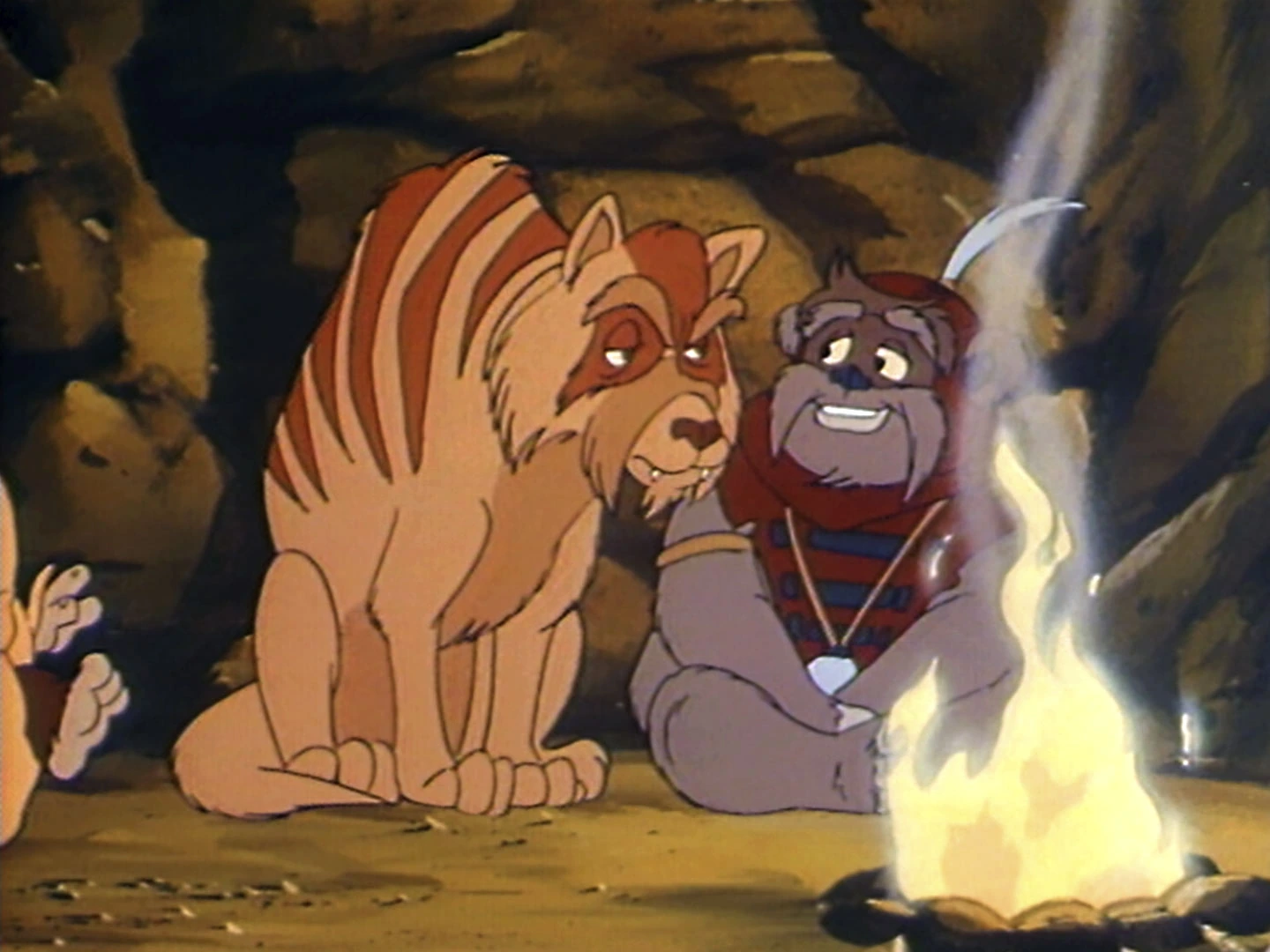
The original series debuted on ABC in 1985 alongside Droids, then continued into a second season in 1986. Lucasfilm describes its setting as the period before the Empire came to Endor. That distinction keeps it separate from the live-action Ewok television movies as well as the film. Familiar creatures belong to several productions, but the productions are not interchangeable.
Wicket shares the animated world with characters including Princess Kneesaa, Latara, Paploo, and Teebo. A group of young personalities gives the forest a social life. Someone has an idea, someone reacts badly, and friendship complicates an adventure that might otherwise be only a trip from one danger to the next. The stakes can begin locally without feeling unimportant to the people involved.
The forest setting supplies an especially flexible stage. A tree, a clearing, a hidden place, or an unfamiliar creature becomes part of the episode’s possibilities. Magic and everyday community life can sit close together. The world doesn’t need a starship in every story to belong to Star Wars, which is useful for viewers whose favorite part of the universe might actually be the place with the trees.
The Duloks provide recurring opposition, but the wider appeal comes from the sense of a place containing more than one kind of trouble. Rival groups, dark forces, and the complications generated by the protagonists themselves keep the forest from becoming a decorative background. The setting has inhabitants with interests rather than merely a supply of things for a hero to pass.
The series looks and behaves differently from Droids, despite their original shared hour. One draws its motion from travel through a technological galaxy; the other can find an adventure close to a familiar community. Their pairing is a useful reminder that a franchise can generate contrasting kinds of children’s television. A common brand doesn’t require every story to use the same engine.
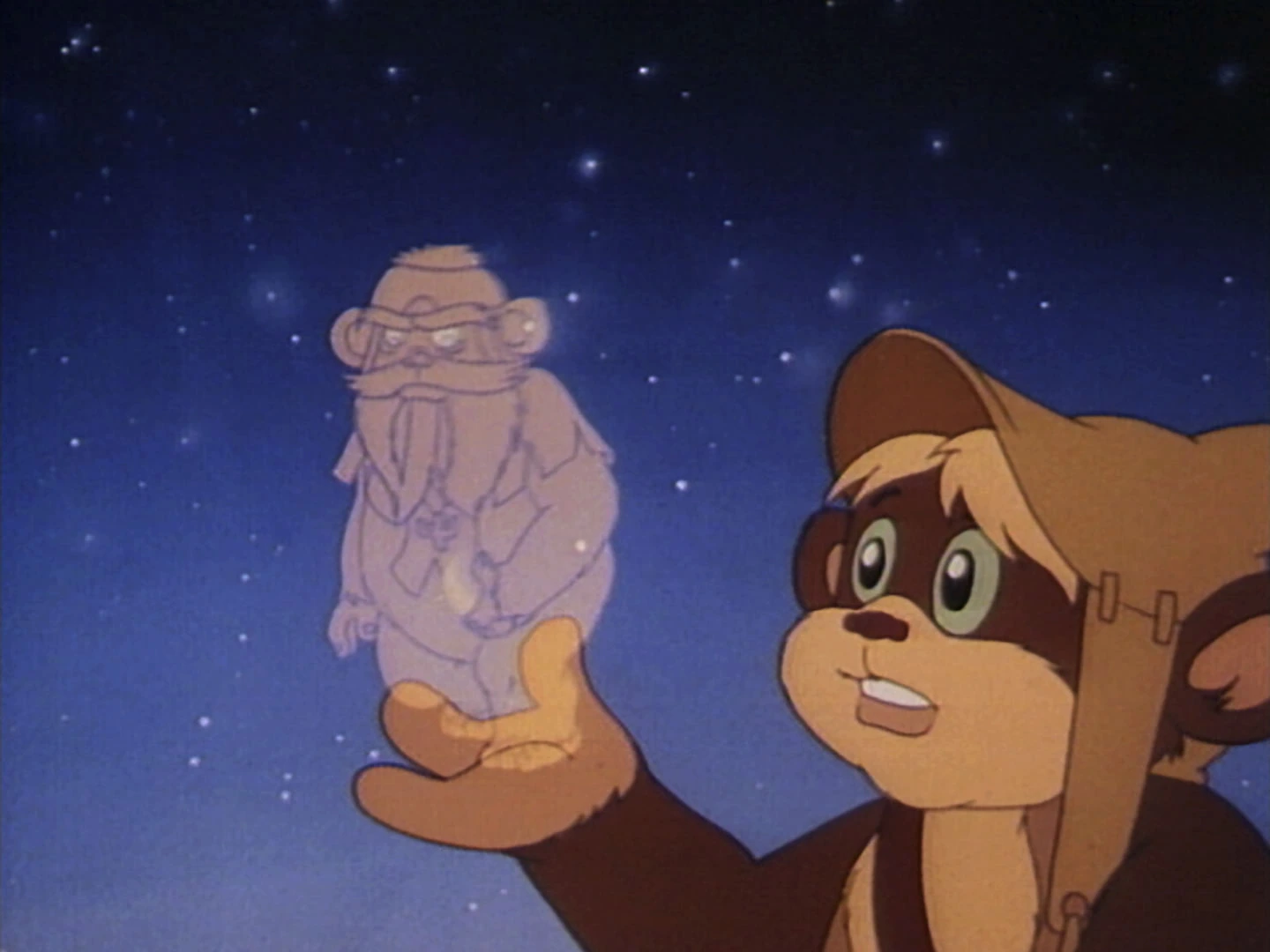
An image of Wicket beside a small, ghostly-looking figure conveys another part of the invitation. The forest can make room for wonder at a scale close to its inhabitants. A mystery doesn’t always have to arrive as an enormous mechanical threat. Something small and inexplicable is enough to make a familiar place feel newly uncertain, particularly to an audience accustomed to discovering that an ordinary corner looks different after dark.
The young group also gives the adventure somewhere to return emotionally. Discovering something frightening is one event; deciding whom to tell, whom to trust, or how to deal with a friend’s response makes it part of a relationship. That is useful territory for children’s storytelling. The fantasy enlarges a recognizably small social world rather than replacing it with a succession of spectacular objects. The trees matter, but so do the people standing between them.
That difference may also shape what comes back in memory. Someone who has lost the title might retain a face, a costume, or a particular forest atmosphere rather than a clear connection to a network slot. The recognition is still meaningful. A cartoon world can survive in fragments long after a viewer has forgotten the practical arrangement through which it arrived.
The most useful adult revisit lets the program be a community fantasy rather than a test of whether it resembles a favorite movie closely enough. Watch how the characters want different things and how the forest turns those differences into stories. Endor didn’t have to spend every afternoon preparing for the same future event. It was entitled to have a local life, including problems no stormtrooper would have considered important.
M.A.S.K.: The Vehicle Had Another Job
M.A.S.K. offered a particularly satisfying answer to the question of what your car might do if ordinary traffic regulations ceased to matter. Its vehicles concealed other capabilities, and its human operators wore masks with special powers. The 1985 animated series combined a secret team, an opposing criminal organization, and machinery that made everyday transport look as if it had been wasting everybody’s time.
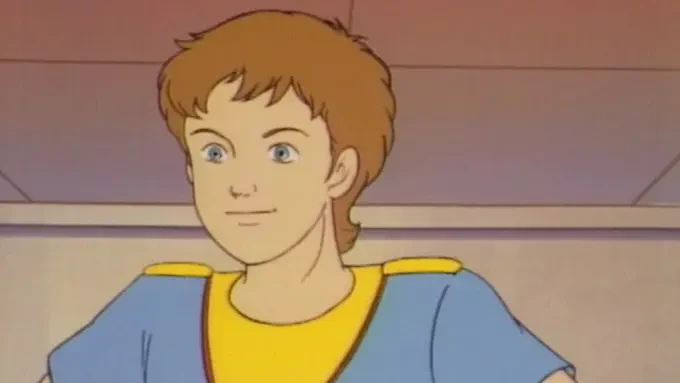
Matt Trakker leads the Mobile Armored Strike Kommand against Miles Mayhem’s V.E.N.O.M. The acronyms are part of the atmosphere: serious people undertaking spectacularly named operations with equipment that will not be arriving at a normal service station for routine maintenance. The premise has immediate visual clarity. A familiar-looking machine is about to reveal a less familiar purpose.
Here was the important difference from Transformers: somebody got to drive. The vehicle had a secret second job, but the person inside it was still making the decisions. For a kid imagining the whole thing afterward, that was an inviting promotion. You weren’t waiting to become an enormous robot. You were waiting for an ordinary-looking vehicle to reveal that the adults had dramatically underestimated it.
The team includes varied skills and temperaments, while Scott Trakker brings a younger presence into Matt’s world. The program has room for gadgets and group loyalty as well as a villain’s next scheme. Its pleasures depend on the combination. A clever mechanism gives the action an entrance; recognizable people give it somewhere to go after the surprise has been demonstrated.
The transformation is also an unusually efficient memory device. Even when the surrounding plot fades, the hidden function remains easy to recall. You remember what an object becomes and begin reconstructing the rest of the show from there. Some programs are remembered by a line of dialogue. This one can be remembered by an entirely unreasonable set of expectations for a road vehicle.
“The Deathstone” gives the premise a suitably extravagant early problem: a radioactive meteor reaches Earth, and V.E.N.O.M. uses the appearance of a UFO as part of stealing it. The scenario combines mystery, criminal theater, and specialized machinery. An ordinary theft apparently wasn’t going to occupy the equipment convincingly enough. It also gives viewers a reason to watch both what the villains possess and how they try to conceal what they’re doing.
The masks meant the people got a secret mode too. Changing the vehicle wasn’t enough; now the driver had special equipment of their own. It was an outrageous amount of capability to pack into one team, and exactly the sort of arrangement that could occupy an afternoon’s make-believe. Normal cars began to look as if their manufacturers had stopped halfway through the interesting part.
Its toy connection was central to the wider property, but looking only at the products leaves out the television’s work. Animation establishes scale, speed, sound, and the fantasy of control. It puts the machines into situations where their second jobs matter. The ordinary toy-sized object becomes part of a story about choosing the right response to a threat, even when the threat is being managed by someone named Mayhem.
Be careful with later packaging when revisiting it. A collection labeled complete can refer to a particular original package rather than every later episode or incarnation. The 2011 Shout release promoted sixty-five episodes as the original series; that marketing label shouldn’t erase the subsequent racing-season material from the broader television history. A neat box is a useful possession, not automatically a complete chronology.
The comparison with the original Transformers cartoon is most interesting when it preserves those differences. Both enjoy transformation, but they put different kinds of characters on either side of it. M.A.S.K. belongs to the corner of eighties fantasy where a person has an ordinary-looking object and a secret capability. It remains an appealing proposition, especially after an adult has spent enough time in traffic to develop several ideas for improvements.
Jayce and the Wheeled Warriors: Gardening Had Gone Far Enough
Jayce and the Wheeled Warriors takes the vehicle adventure somewhere decidedly botanical. Its Monster Minds are mutated plant life, led by Saw Boss, and their threat grows out of the experiments of Jayce’s father, Audric. The young hero’s journey is therefore more personal than simply being assigned another mission: he is searching for his father while trying to undo the disaster connected with him.
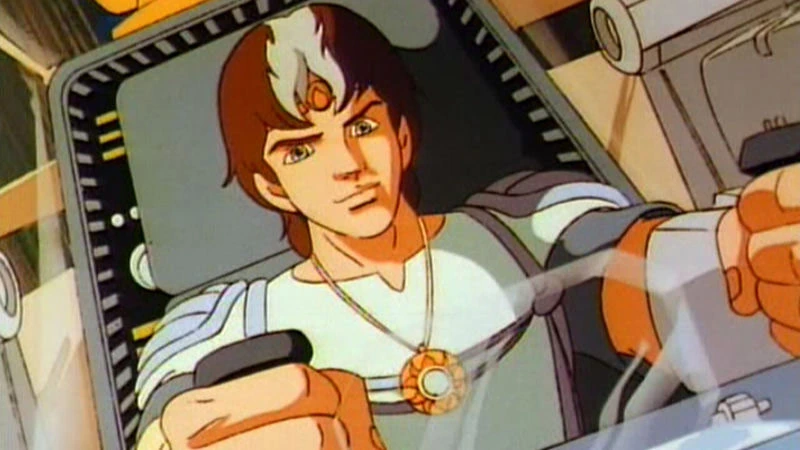
The mid-eighties series sends the Lightning League across a universe where magic, machinery, and vegetation have developed a relationship no sensible gardener would recommend. The two halves of a special root supply the larger quest with a concrete object. Finding Audric matters emotionally, while reuniting what has been separated offers a possible answer to the broader danger.
The supporting company keeps that quest from becoming one boy staring earnestly at the horizon for an entire run. Flora, Herc Stormsailor, and Oon contribute different visual and personal energies. A small animated suit of armor belongs to a different imaginative tradition from a battle vehicle, yet the program is happy to put them in the same traveling party. The mixture is part of its identity.
The plant antagonists are the most distinctive piece of that identity. Vehicle cartoons often make technology itself the spectacle. Here, the opposition’s organic nature changes the texture of the threat. Growth becomes invasive; the mechanical world is being challenged by something that behaves like life while looking anything but reassuring. The landscape doesn’t have to be neutral ground between battles.
The family search gives all that strangeness a straightforward emotional direction. A viewer doesn’t have to understand every magical rule to understand wanting to find someone. The quest supplies a question that continues beyond the episode’s local danger. A new place can offer an immediate adventure and still feel like one stop along a longer journey rather than a wholly separate assignment.
That structure has risks as well as advantages. Delaying the larger answer can make a series feel expansive, but it can also make a viewer impatient for movement. A returning adult may notice the balance more sharply than a child watching separate broadcasts did. The useful test is whether the travelers and places remain interesting during the delay. A continuing objective is a reason to begin; it isn’t a substitute for making each visit worth the time. The series’ peculiar mixture gives it more resources for doing that than the generic phrase toy cartoon suggests.
That gives a half-remembered image a strong route back to its title. If you recall machinery with a hostile botanical personality, you are at least looking in a more specific direction than somewhere among the robots. The series’ strange combination is more useful as a memory clue than a generic promise that good people fought bad people in space.
The licensed distributor’s complete-series description identifies sixty-five episodes and the underlying Mattel toy connection. The quantity matters in one modest way: this wasn’t merely a premise glimpsed once in a short special. It had a substantial package of television adventures through which viewers could become familiar with the travelers and their continuing objective. Whether a particular child encountered that package depended on where and when it was available to them.
Its story also illustrates why a toy origin doesn’t determine every detail of a program’s personality. A group of objects needs relationships, motives, and a reason to travel when translated into a series. The search for Audric provides that connective purpose. The vehicles help make the adventures happen, but the family connection gives Jayce a reason to keep going beyond the immediate battle.
On a return visit, look at the uneasy combination rather than trying to make it tidier. A cosmic quest, a personal search, magical ingredients, and mechanical action are all sharing the same road. The program’s oddness is the thing worth recovering. Plenty of eighties cartoons had hardware. Fewer managed to make the hardware seem like it might need a determined pruning.
SilverHawks: Space Law Enforcement, With Excellent Silhouettes
SilverHawks begins with a design idea strong enough to survive the loss of almost every plot: metallic, winged heroes moving through space. The original 1986 series sends its team against Mon*Star and his criminal allies in the Limbo Galaxy. The look is immediate. You might forget the jurisdiction, but you are unlikely to mistake the officers for people assigned to ordinary parking enforcement.
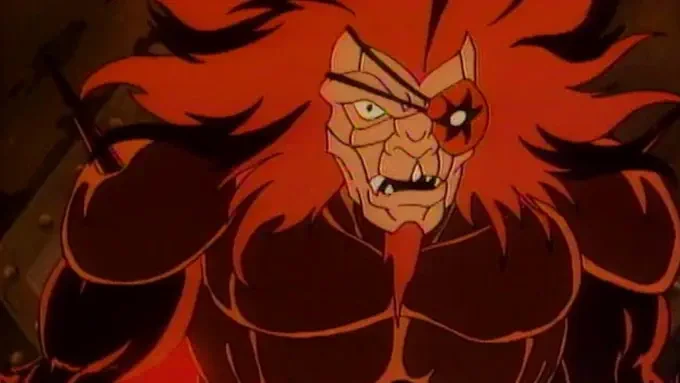
Those wings did a lot of the remembering for us. Give somebody a metallic face and that particular silhouette and the title can come rushing back before the plot does. SilverHawks looked different enough to survive in the mental junk drawer with very little labeling. Plenty of cartoons had heroes flying through space. These were the ones who looked as though they’d been issued an especially ambitious uniform.
Quicksilver, Bluegrass, Steelheart, Steelwill, the Copper Kid, and Commander Stargazer create a team with different names, appearances, and positions. Tally-Hawk adds another memorable shape to the visual arrangement. The group is easy to recognize as a collection without making every member interchangeable. That was valuable television design: children needed to identify somebody quickly in a crowded adventure.
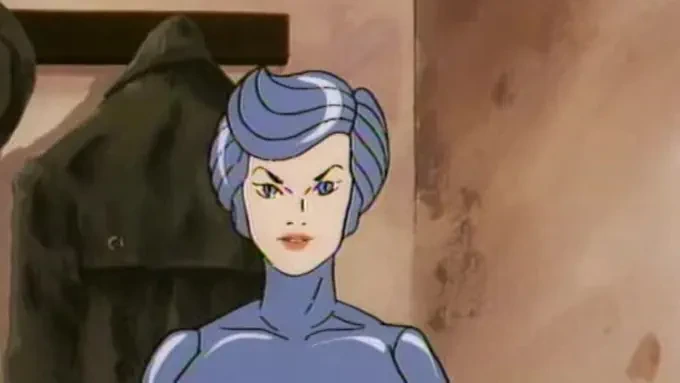
Mon*Star’s own transformation makes the opposition theatrical as well. The show enjoys characters whose appearance announces that the ordinary version of a situation is no longer sufficient. The environment supports that scale of exaggeration. This is a galaxy with an artificial sun and threats such as a ship capable of swallowing other ships. Subtlety has not been appointed to the emergency response committee.
The early episode premises show how the series uses those ingredients. An origin establishes the confrontation, an exploration leads the heroes into Limbo, and a machine that eats vessels turns an abstract criminal threat into a spectacular physical problem. The stories make room for spectacle without demanding that a child master an elaborate explanation before recognizing what needs to be stopped.
“Save the Sun” is another wonderfully direct example: the criminal group takes control of Limbo’s artificial sun. The objective is easy to understand, while the setting makes it sufficiently strange to belong to this show. The galaxy contains infrastructure, and the villains have found a particularly consequential piece of it. An ordinary utility dispute would presumably have been settled with much less flight.
The design contrast between a metallic hero and Mon*Star’s extravagant threatening appearance does similar storytelling work. The viewer identifies the sides through shapes, faces, movement, and attitude before the immediate plan has been explained. Strong visual distinctions are especially useful in a series that asks children to follow action through unfamiliar space. The program gives its audience a readable set of things, then enjoys arranging those things into increasingly unreasonable emergencies. A believable everyday galaxy isn’t the point; a recognizable adventurous one is.
The association with ThunderCats often helps viewers place it, but it is worth resisting the urge to treat the two as identical programs in different finishes. Their visual worlds, motifs, and imaginative premises differ. ThunderCats’ original television story has its own displaced community and fantasy landscape. SilverHawks directs its energy toward a more explicitly space-policing identity.
Its place on this list is also a reminder that a devoted fan base and broad automatic recognition are different things. A person who watched it regularly may consider it an essential eighties title. Someone in another market may recognize only a metallic face from a later image. Both responses are compatible with a show that remains vivid to its audience without occupying the same cultural space as the largest continuing franchises.
For an adult revisit, begin with how the designs work together: heroes, opponents, creatures, vehicles, and the surrounding galaxy. The story’s machinery is easier to appreciate once the visual vocabulary is back in place. You needn’t declare every episode a lost masterpiece to recover the appeal of a world that looked unmistakably like itself.
Adventures of the Galaxy Rangers: The Frontier Had Acquired a Hyperdrive
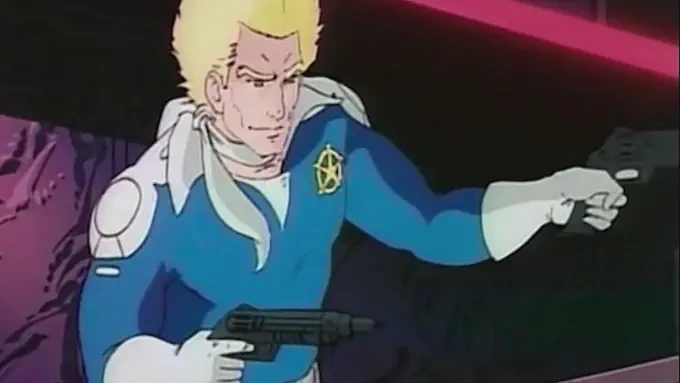
Adventures of the Galaxy Rangers combines the space adventure with the Western, and the combination is more than a decorative hat. Its 1986 series follows Zachary Foxx, Shane Gooseman, Walter “Doc” Hartford, and Niko as law officers on a larger frontier. The promise is clear: distance, danger, settlements, outlaws, and people trying to uphold something resembling order where the map is still opening up.
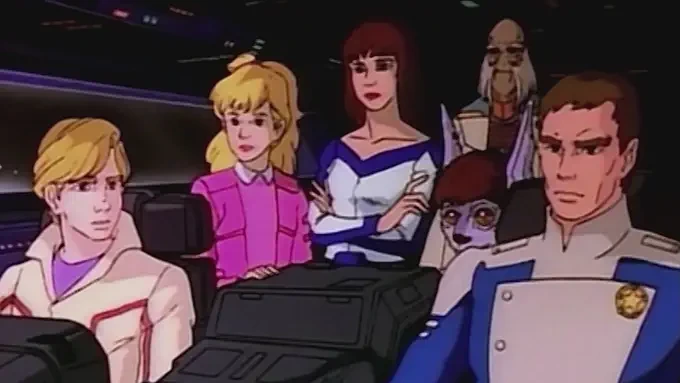
The team provides distinct temperaments rather than four versions of the same central hero. Foxx brings authority and personal tragedy. Gooseman has the maverick energy of a more complicated kind of cowboy. Doc’s relationship with computers gives intelligence its own form of action, while Niko’s psychic abilities and background widen the program’s sense of what this universe contains.
The four Rangers gave you different reasons to stick around. A Doc problem didn’t have to be a Gooseman problem, and Niko could bring something to an adventure that a blaster wouldn’t settle. A team gets dull fast when everybody is the same hero in a different shirt. This group had enough individual baggage to make the next assignment feel like it might belong to somebody in particular.
Creator Robert Mandell described the Western-and-space mixture in a 2004 interview, connecting it to his own enthusiasm for film and popular culture. His account makes the combination feel deliberate rather than accidental. The program was trying to put recognizable genre pleasures into an animated form, with enough range for humor and character conflict as well as action.
Mandell also supplied a concrete explanation for difficulties in reaching viewers. He recalled launching without toy-company support, relying on a small distributor, and seeing stations move the program into less favorable slots after a weak start. That is his retrospective testimony about this production. It is much more useful than assigning every less-remembered cartoon the same imaginary cancellation cause.
The first-episode and early-adventure premises make the frontier idea tangible: an assignment on another planet, information gathered from Captain Kidd, a journey to retrieve a Memory Bird, and a dangerous prisoner transport. The range matters. The galaxy isn’t only a backdrop for one recurring fight; it is a set of places with information, institutions, and people who create different problems.
The badge didn’t mean help was coming quickly. That’s where the Western part mattered: distant settlements, dangerous transport jobs, outlaws with an advantage, and people deciding what they were willing to do about it. Move that situation into space and the horse becomes more complicated, but the problem is still recognizable. A Ranger had to bring some judgment along with the equipment.
The group’s differing skills make that framework flexible. A problem involving information isn’t the same as a problem requiring physical confrontation; an apparently simple assignment may touch a character’s history. The possibilities keep the quartet from becoming only four matching figures in an action composition. When the people remain distinct, the viewer has reasons to care which one is leading a scene. That is part of what gives a team its staying power after the broad premise has ceased to be a novelty.
If your memory has filed every space cowboy under the same heading, start with the four faces. Foxx, Gooseman, Doc and Niko are a more useful way back into this show than the broad idea of heroes with badges. Their differences come back quickly. So does the sense that a supposedly ordinary assignment could turn into something considerably messier before anybody got home.
This is one of the most rewarding kinds of rediscovery: a program that may have seemed like another action appointment reveals a clearer creative intention when you return. Mandell’s production account adds context without replacing the pleasure of the episodes. The best reason to watch isn’t to complete a historical checklist. It is to see whether those people on that strange frontier still make you want to follow the next assignment.
Galaxy High School: Being From Earth Was Not a Social Advantage
Galaxy High School makes a familiar problem unfamiliar in exactly the right way. Doyle and Aimee are students from Earth at a school attended by young beings from across the galaxy. The original 1986 series turns the classroom into a science-fiction setting without removing the awkwardness that makes a school recognizable. New planet, same alarming possibility that nobody will sit with you.
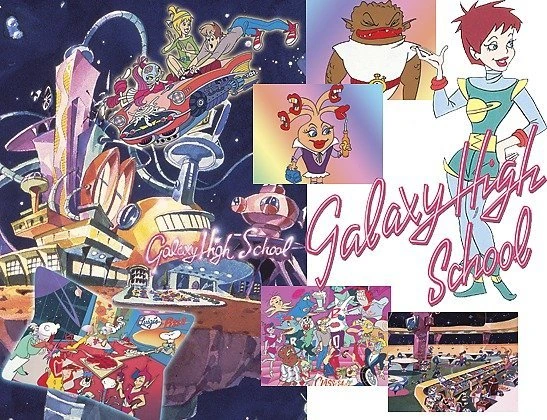
The shift in context gives the human students a different place in the social order. Being confident in one environment doesn’t guarantee being comfortable in another. A characteristic that passes unnoticed at home becomes conspicuous somewhere else. The premise gives the show room to explore belonging through comedy, rather than simply adding antennae to a completely unchanged set of familiar school jokes.
At Galaxy High, the Earth kid wasn’t automatically the normal one. The hallway was full of students with perfectly good reasons to think the newcomer looked strange. That was a funny reversal to hand a young audience. You could arrive with the confidence of somebody who knew how school worked and discover that none of the local rules had asked for your opinion.
Chris Columbus developed this American-Japanese production, and TMS records a run of thirteen episodes. Thirteen: enough to leave you with a school full of faces, but hardly the endless supply of afternoons that the big syndicated packages could provide. It’s easy to see how somebody might remember the alien classroom for years while losing the name. The place made an impression even when there wasn’t much of it to revisit.
The episode “Brain Blaster” also received a Humanitas Award nomination. An award mention doesn’t make every scene successful, but it complicates the assumption that a small, short-lived cartoon had nothing on its mind beyond its own odd designs. A limited original run can contain an attempt to do something that doesn’t fit a later memory of the whole genre. That is a useful reason to approach the episodes individually rather than deciding their value from the size of the franchise surrounding them.
The Columbus connection offers another unexpected route back to the title. People who know his later live-action work may not associate him with this alien classroom. Television history contains plenty of those smaller early credits. They are interesting as creative connections, while leaving the cartoon responsible for entertaining viewers who have no reason to care what its developer would make afterward.
The episode descriptions preserve the mix of ordinary concerns and impossible surroundings: a school dance, a wealthy visitor, competition, and a time machine capable of turning school history into a more immediate problem. The situations stay connected to student life even when the available technology makes the consequences considerably more elaborate than a missed assignment.
A wealthy visitor pursuing Aimee, for example, turns a familiar social complication into something the wider galaxy can deliver to the school. Status still matters, even when it arrives wearing a different body. A time-machine accident performs a different trick: an institution’s past becomes somewhere the students can get into trouble rather than a story presented at an assembly. The extraordinary device is useful because it changes an ordinary relationship to school life.
The alien setting also lets visual humor carry ideas that would require more explanation in a conventional teen comedy. Differences in shape and behavior remain visible while the characters navigate familiar wants. The viewer doesn’t have to be told repeatedly that this is a mixed community; the picture keeps demonstrating it. That makes the human newcomers’ adjustment a continuing part of the experience rather than a premise to discard once the first episode has finished. They have arrived at school, but their old assumptions haven’t necessarily made it through orientation.
After all those armed organizations and intergalactic emergencies, it’s refreshing to find a cartoon worried about whether anyone likes you. A dance, a friendship, a social pecking order: the stakes were already familiar to kids. The alien setting made the hallway stranger without making embarrassment difficult to understand. Travelling across the galaxy apparently didn’t get anybody out of being a teenager.
That is where the series’ distinctiveness lies. The school isn’t merely a convenient building in which to store alien designs between adventures. It generates the conflicts. Students have to live with one another’s differences, respond to hierarchies, and discover whether the role they once occupied is still available. Those are useful questions for an audience regularly being moved into new classes with very little say in the arrangement.
On a return visit, give the premise time to establish its social logic. The designs and title may trigger recognition first, but the pleasure is in watching what the new context does to familiar behavior. A galaxy’s worth of variety doesn’t eliminate the difficulty of being young. It does make the hallway a considerably more interesting place to get lost.
Why Some Worlds Remain in Fragments
These shows don’t share a single reason for becoming less visible. Some had compact original runs. Some depended on local syndication. Some belonged to properties whose other incarnations remained more prominent. A later viewer’s access also depended on what was repeated, collected, preserved, or discussed. No one cause explains every half-remembered opening.
The distinction matters because forgotten is a description of an encounter, not a measured status assigned by a central nostalgia office. A show can be nearly absent from one person’s memory while remaining a favorite in another household or country. Its original footprint, later circulation, and personal importance are separate things.
A winged metal hero or a car with another form was easier to keep than a station number. That’s part of the eighties television experience: shows arrived inside local routines, and we remembered the ones that caught us. The way we watched TV then helps explain why a picture can survive long after the practical details of finding it have gone.
Remembering fragments doesn’t mean the programs failed to connect. It may mean they connected in the way television often does: through an image, an atmosphere, or a character encountered at a particular age. Rediscovery supplies the missing names and contexts. It doesn’t have to exaggerate a program’s achievement to make that reconnection worthwhile.
A Return Trip That Leaves Room for Surprise
Start with an actual episode when one is lawfully available, rather than relying entirely on a collection of openings. An opening concentrates a program’s promise. The episode shows how it spends time: who talks, what the characters want, where the jokes arrive, and whether the world holds your interest between the famous visual moments.
Check the incarnation and the source. A familiar property may lead to a modern remake, later compilation art, a film, or a toy advertisement instead of the original television series. Newer pictures don’t become period publicity because a search result places them beside an old title. A little care preserves the very thing you are trying to revisit.
You don’t have to defend every shortcut. Animation reuse, uneven stories, and a premise stretched too far can coexist with a memorable performance or an ingenious background. Watching again is more enjoyable when the program is permitted to be a piece of work with strengths and limits, rather than an examination of whether your younger self had impeccable critical taste.
The toy connections are worth noticing without turning the return into a shopping guide. The wider eighties toy culture helps explain some of the objects and images, but the cartoons supplied their own movement, voices, and relationships. You may find that the thing you remember most clearly is something a plastic figure could never do on its own.
Sometimes the return gives you a better program than you expected. Sometimes it gives you one good scene and the satisfying recovery of a name. Both are reasonable outcomes. That nearly remembered cartoon has finally come back into focus, and the part of your brain that kept its theme on standby can at last stop conducting an unscheduled search.
Questions From the Almost-Remembered Afternoon
Does forgotten mean these cartoons had no fans?
No. Several have active cult followings. The selection concerns programs outside the most automatically repeated mainstream roll call, not a statistical claim that everyone forgot them. Local carriage, age, later reruns, and personal taste make familiarity vary widely.
Were all these programs Saturday morning cartoons?
No. Droids, Ewoks, Thundarr, and Galaxy High have network Saturday histories, while the selection also includes syndicated animation. A particular local time slot requires local evidence. Don’t merge all eight programs into an invented national Saturday schedule.
Why not fill the list with He-Man, Transformers, and ThunderCats?
He-Man, Transformers and ThunderCats are still among the first names people bring up. This list makes room for the titles that usually need another nudge: a ruined city, winged space police, a car with a secret mode. The bigger franchises belong in the conversation when a comparison helps, but they don’t need to take over every reunion.
Can I assume a short run means poor ratings caused cancellation?
No. A run length doesn’t establish its cause. Financing, distribution, scheduling, production decisions, and audience performance need their own evidence. A creator’s production account can help with one program without becoming a universal explanation for all the others.
Sources & Further Reading
- Lucasfilm: the original Droids production, premise, cast and television run
- Lucasfilm: Ewoks’ original animated world and 1985–1986 television history
- Warner Bros. original Thundarr program and episode catalog distributed through Apple TV
- The Encyclopedia of Science Fiction: Thundarr’s ruined-Earth setting and television history
- Shout! Factory’s 2011 M.A.S.K. release announcement, reproduced by ComicBookBin; original-package terminology noted
- Mill Creek: licensed Jayce series synopsis, characters and episode list
- Warner Bros. original SilverHawks program and episode catalog
- Tara O’Shea’s 2004 interview with Galaxy Rangers creator Robert Mandell, preserved with permission
- Original Galaxy Rangers cast and episode catalog
- TMS Entertainment: Galaxy High School, development, episode count and Humanitas nomination
- TMS-credited Galaxy High School original-series episode descriptions