ThunderCats in the 80s: Why the Intro Still Hits
The opening came through the wall. Behind it waited a lost home, an unfinished leader and a team worth following.
Lion-O had the sword. Panthro had the tools. The whole team had a new home to build.
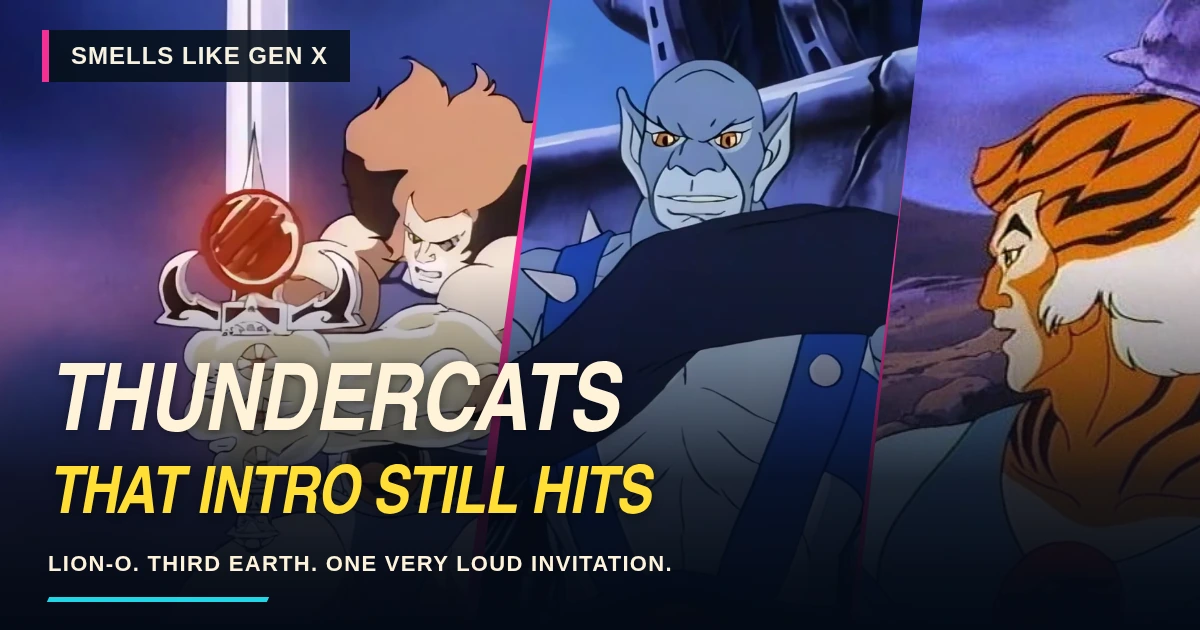
There are television openings that politely tell you a show is about to begin. ThunderCats came through the wall. The music accelerated, the bodies moved like they meant it and a sword announced that the afternoon had developed much larger ambitions.
I can enjoy a quiet introduction. I have nothing against a tasteful establishing shot. But there is something deeply satisfying about an opening that has decided you are already late for an adventure and should probably catch up. ThunderCats understood that feeling. Before a villain had explained his plan, the program had given us speed, danger, a striking emblem and a team we wanted to follow.
The original series began in 1985 and continued through 1989. Its world was stranger than the opening alone could explain: survivors of a lost planet, a young lord in a grown body, an ancient mummy in a black pyramid and neighbors who ranged from robot bears to an interplanetary officer trying to keep people from making her workday worse.
That is the version we are returning to here. The later reimaginings are separate productions with their own choices. The eighties ThunderCats had its own look, voices, anxieties and peculiar mix of magic and machinery. The intro still hits because it makes those ingredients feel magnificent. The better episodes give us reasons to stay after the magnificent part has finished.
Inside This Article
- Why the Opening Still Grabs You
- Find the 1985 Series Before Following the Roar
- The Story Begins With a Home That Cannot Be Recovered
- Lion-O Had the Title Before He Had the Experience
- The Sword of Omens Was More Than a Blade
- Panthro Made the Adventure Work
- Cheetara and Tygra Offered Different Ways to Be Strong
- Snarf Was Doing More Work Than His Reputation Suggests
- WilyKit and WilyKat Brought Curiosity, Along With Consequences
- Mumm-Ra Made Evil Look Older Than the Adventure
- The Mutants Kept the Threat Noisy and Personal
- Third Earth Was a Place, Not Just a Background
- Three Adventures That Make the World Feel Bigger
- The Anointment Trials Asked Lion-O to Earn His Place
- Safari Joe Turned the Heroes Into Somebody Else’s Collection
- The Voices Made the Team Sound Like a Household
- A Production Built Around Images, Voices and Stories
- The Toys Let the Team Leave the Screen
- The Moral Code Worked Best When It Cost Something
- The Ordinary Episode Had to Live Up to an Extraordinary Introduction
- A Good Route Back to Third Earth
- Questions About the Original ThunderCats
Why the Opening Still Grabs You
Start with the movement. The original opening presents the characters as bodies with weight, direction and purpose. A leap has a destination. A weapon travels through a space. The heroes do not merely appear in a row while the music asks us to be impressed. They perform a series of actions that imply speed and strength before the episode has established a specific problem.
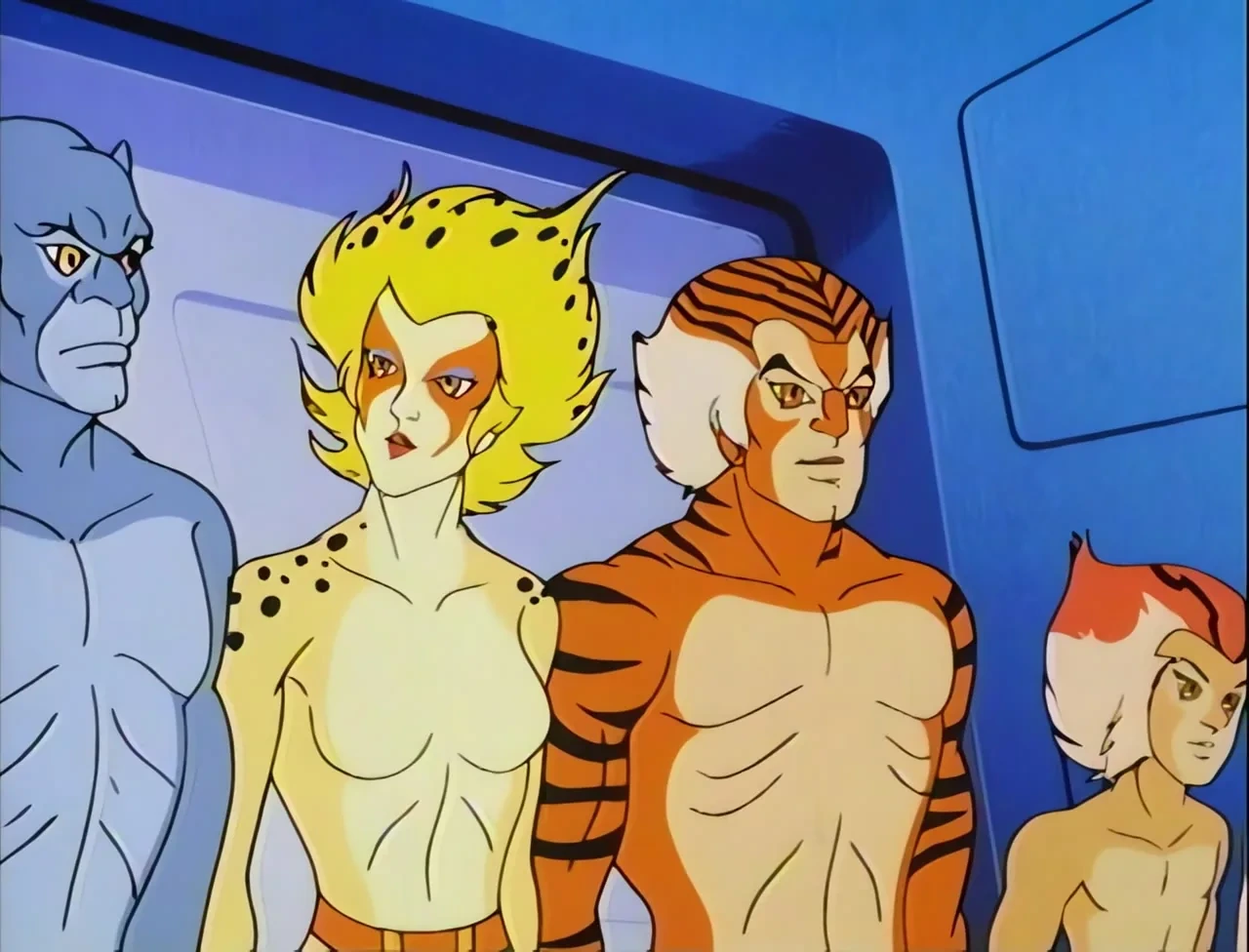
The designs are built to register in motion. Lion-O’s mane and sword, Cheetara’s coloring and staff, Panthro’s heavier frame and Tygra’s stripes provide immediate distinctions. A viewer can recognize someone before remembering a name. That is especially useful in an ensemble fantasy, where the opening has only a short time to turn unfamiliar beings into a team we can identify.
Then there is the music. Composer Bernard Hoffer gave ThunderCats a forceful musical identity, and the title sequence makes rhythm feel like propulsion. The repeated name is part announcement, part rallying cry. I do not need to print the lyrics to reproduce the effect; for many of us, the beat has already started somewhere in the back of the head.
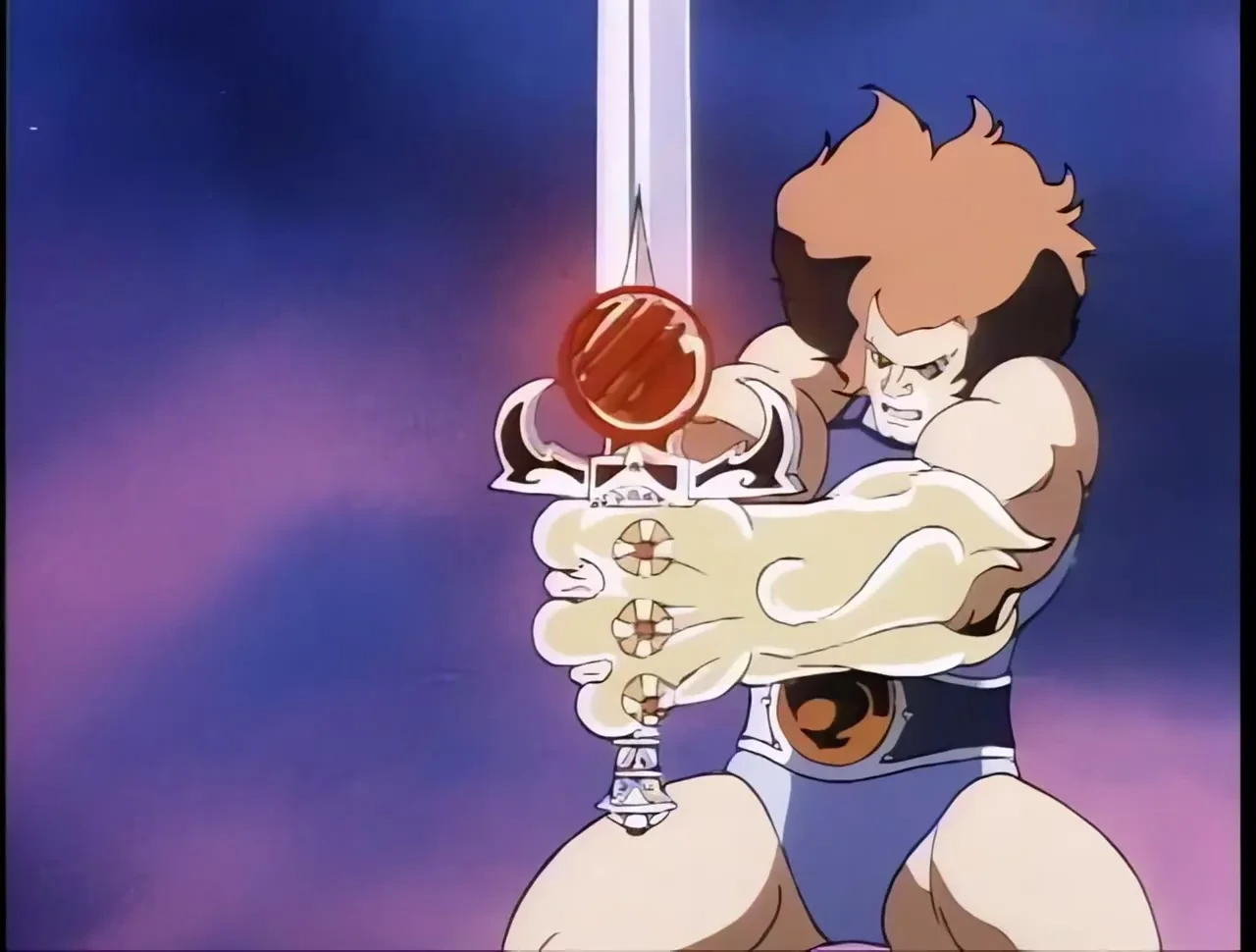
The editing knows how to release that energy in stages. We get individual abilities, danger, larger shapes and the emblem that gathers the characters into one idea. The sequence gives us variety without allowing the feeling to disperse. It is an introduction that behaves like a miniature action scene, with a clear understanding that the audience wants the promise delivered immediately.
The most useful comparison is with the original Transformers opening. That program makes ordinary machines reveal extraordinary bodies. ThunderCats presents the extraordinary bodies first and lets the world assemble around them. Both are excellent invitations, but they create anticipation in different ways. Here, we are joining a heroic sprint already in progress.
Memory can exaggerate the difference between an opening and the episode that follows. A title sequence has the advantage of concentrating its most persuasive moments. It does not need to carry twenty minutes of dialogue, setup and resolution. ThunderCats sometimes moves less extravagantly once the story begins. That does not make the intro dishonest. It makes it a particularly effective piece of television showmanship.
Find the 1985 Series Before Following the Roar
The original ThunderCats is the Rankin/Bass animated series that began in 1985. The complete original run contains 130 episodes. Those episodes are divided differently by some modern catalogs, so a platform’s current season grouping should not be treated as a precise account of how every original production or broadcast stage was organized.
The central premise is that the ThunderCats escape the destruction of Thundera and establish themselves on Third Earth. Lion-O carries the inherited title of lord and the Sword of Omens. Around him is a surviving group with different skills, temperaments and relationships to responsibility. Their new home contains allies, communities, dangers and a resident ancient evil who takes their arrival personally.
That is enough to enter the first episodes. You do not need to know every later character, purchase a continuity guide or explain how one remake handles a relationship. The original series introduces its own rules. Some are magical, some mechanical and some flexible enough to make an adult reach for a follow-up question. A child could usually proceed by understanding who needed help.
The 2011 version is a separate reinterpretation. ThunderCats Roar is another distinct production with a very different comic approach. Their existence does not change what happened in the eighties program, and a cast list or review that mixes those versions can create unnecessary confusion. Larry Kenney is the original Lion-O we are discussing here.
The original show was syndicated. Its local placement varied, and its importance to an afternoon lineup should not be translated into a universal national timetable. Some viewers encountered it in other slots or through reruns. The shared memory is the program; the exact station clock belongs to a particular place and household within the larger eighties television week.
That makes it a natural companion to the rest of our eighties cartoons. The decade had network Saturday blocks and local syndicated schedules, often feeding the same toy-store conversations. ThunderCats belongs in that landscape while retaining the specific production, cast and story that made its own corner recognizable.
The Story Begins With a Home That Cannot Be Recovered
The opening adventure, “Exodus,” gives the heroes a loss before it gives them a new headquarters. Thundera is doomed, and escape means taking what can be carried while leaving a whole world behind. That is a surprisingly substantial foundation for an action cartoon. The team’s task is not merely to defeat this week’s intruder. It is to make a life after an irreversible departure.
The journey changes Lion-O physically while leaving him with much to learn. He arrives with a body that suggests maturity and a position that demands it, but the experience required for leadership does not arrive as conveniently. His appearance can promise more readiness than he possesses. That gap supplies the series with a continuing source of mistakes and growth.
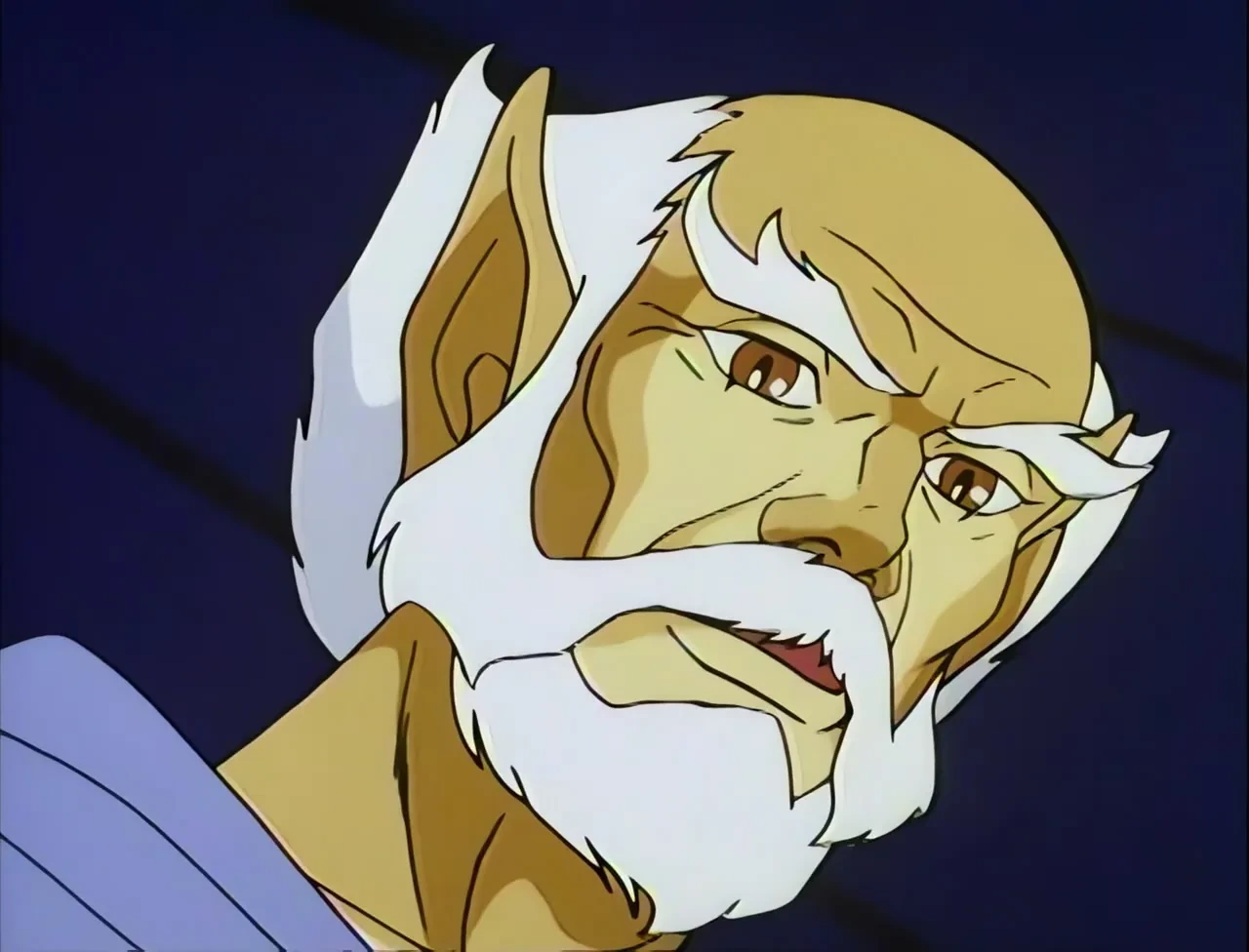
Jaga’s role gives the departure another emotional weight. His guidance does not simply vanish when the voyage ends, but his relationship with the young lord changes. A teacher who could once be consulted in an ordinary way becomes a presence Lion-O has to remember, interpret and learn to carry within himself. The fantasy device supports a recognizable experience of losing daily access to someone who helped you feel secure.
The other ThunderCats are displaced too. Panthro, Tygra and Cheetara are not merely employees transferred to a new office. The group has survived a catastrophe together. Their cooperation is therefore practical and emotional: they need shelter, equipment and defenses, but they also need one another to make the new place feel possible.
I think that gives Third Earth a stronger starting point than a generic arena built for fights. A headquarters matters differently when it is replacing something that cannot simply be repaired. The heroes are building a home, not decorating a vacation property. Even the comfortable scenes inherit a little pressure from that fact.
The program does not dwell on grief with the sustained attention an adult drama might give it. It has adventures to deliver and an audience expecting movement. Still, the loss remains part of the premise. When the series works well, the moral code feels like something the survivors are trying to preserve along with themselves.
Lion-O Had the Title Before He Had the Experience
Lion-O is a useful central hero because his authority and his readiness are not identical. He has the sword and the inherited position. He still has to learn patience, judgment and the difference between confidence and certainty. The series can therefore let him make a mistake without destroying the premise that he belongs at its center.
Larry Kenney’s performance helps maintain that balance. Lion-O needs enough force to carry the heroic declaration and enough vulnerability to remain a person learning how to use it. A permanently booming commander would have narrowed the character. A permanently helpless youngster would have made the team’s confidence in him difficult to accept. The original voice leaves room for both ambition and uncertainty.
In his account of the role, Kenney emphasized Lion-O’s mistakes and the learning he did through his teammates. That is a useful guide to watching the character. The story is not always asking us to admire an accomplished leader. Sometimes it is asking us to notice whether he can listen, admit a problem or act differently after an embarrassing lesson.
The others’ abilities keep that learning honest. Lion-O does not possess Cheetara’s speed simply because he carries a title. He cannot replace Panthro’s practical expertise by making an inspiring speech. His job requires understanding a group whose members can exceed him in particular ways. That is a healthier leadership idea than treating the supporting cast as people waiting to applaud the sword.
Of course, the writing does not always make him equally persuasive. His impatience can repeat, and a lesson learned in one adventure may need refreshing when the next story requires a new mistake. That is a familiar pressure in episodic children’s television. The strongest episodes give the error a specific cause and let the correction involve more than receiving a scolding.
I find Lion-O more interesting when he earns trust through a choice. An inherited title gives a story a starting arrangement. It does not finish the argument about whether its holder deserves to lead. ThunderCats returns to that question often enough that the sword becomes a responsibility as well as a very desirable object.
The Sword of Omens Was More Than a Blade
The Sword of Omens is an unusually efficient piece of fantasy design. It is a weapon, a recognizable symbol, a means of seeing beyond the immediate surroundings and a way of summoning the team. The Eye of Thundera gives the blade a visual center, so it remains identifiable even when an image isolates it from its owner.
Those functions let the sword participate in different kinds of scenes. It can extend the action through a fight, reveal a distant problem or turn a private discovery into a collective response. A prop that only cuts things has a narrower range of dramatic uses. This one can change what Lion-O knows before it changes what he does.
The seeing function is particularly important. Looking beyond what is immediately visible ought to improve judgment, but information does not guarantee wisdom. Lion-O still has to interpret a danger and choose a response. The magical view is a tool, rather than a complete substitute for experience. The story becomes more interesting whenever the distinction is allowed to matter.
The summons gives the ensemble its own ceremony. A scattered group can be gathered through one recognizable action, turning the emblem into a shared destination. For the viewer, that moment promises that the separate parts of the team are about to become a team again. It offers the same satisfying sense of arrival that a familiar hero’s vehicle approaching can provide in another kind of show.
The Claw Shield adds a rougher, tactile partner to the sword’s elegance. Together, the equipment gives Lion-O a recognizable fighting arrangement without making him look like every other swordsman on the cartoon schedule. The silhouettes are part of why the character translates so readily into a toy, a drawing or a quick attempt at playground imitation.
But the best use of the equipment is to expose its limits. If the sword automatically solved every problem, Lion-O would have little reason to mature. Episodes that remove, challenge or complicate his access to it can ask whether there is a capable person underneath the famous hardware. That is a question the Anointment Trials will put directly on the table.
Panthro Made the Adventure Work
Panthro brings physical strength, engineering and a welcome measure of practical irritation. He is the team member who makes the machinery feel as though somebody has actually built and maintained it. A fantasy world can introduce a vehicle as a miracle and move on. Panthro lets the audience imagine a workshop, tools and a person who would prefer that everyone stop damaging the equipment.
The ThunderTank makes that contribution visible. It is a powerful vehicle with a low, muscular shape that fits the character’s practical presence. The machine gives the group mobility and force, but it also represents competence that does not come from inherited status. Somebody has to understand how things fit together before anybody can charge into an adventure inside them.
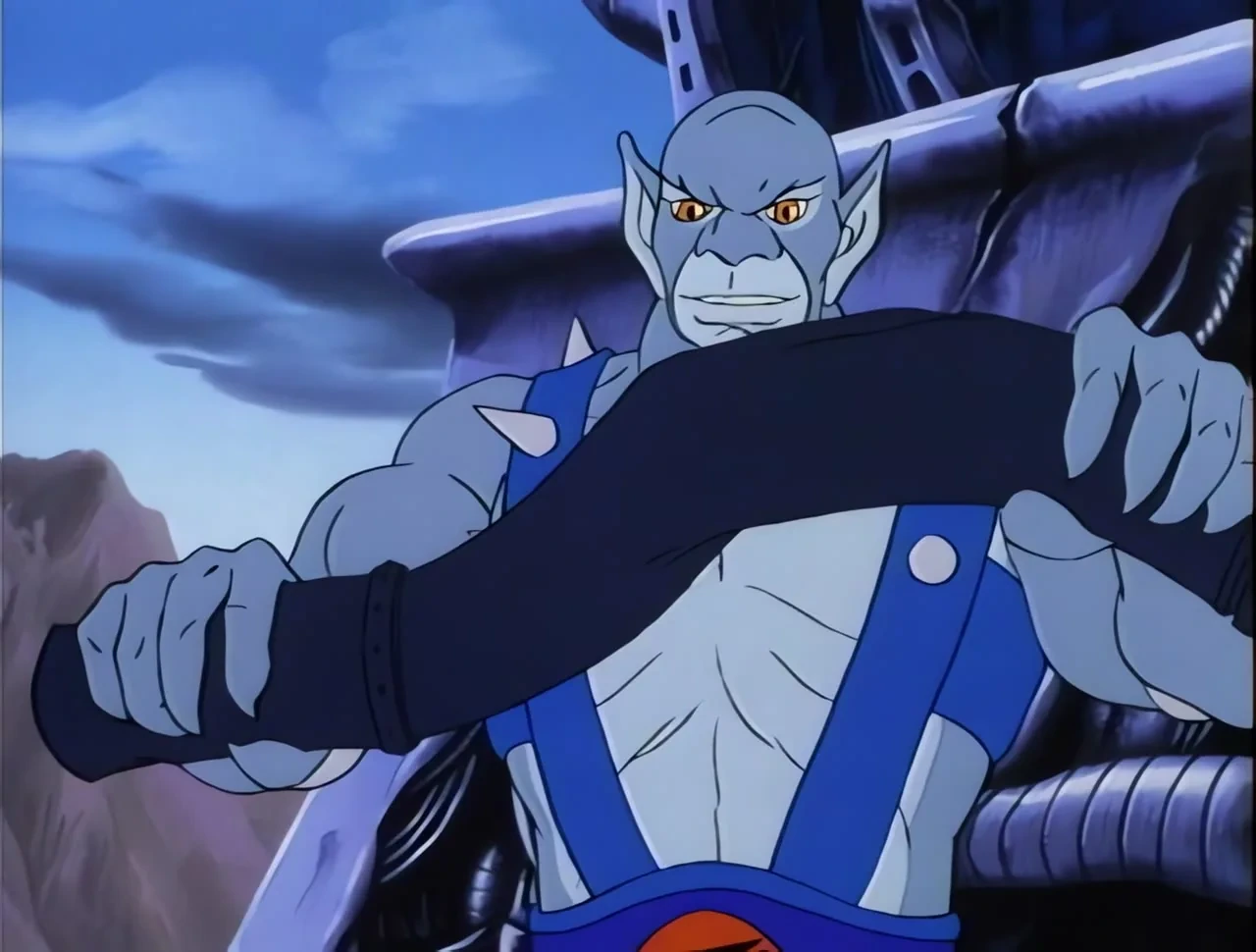
His nunchaku supply a different rhythm in action scenes. They are not simply a smaller version of Lion-O’s sword. Their linked motion gives Panthro a distinct physical vocabulary, allowing the opening and the episodes to show different kinds of strength within the same team. The character is not interchangeable with the leader even when both are fighting the same enemy.
Earl Hyman’s voice gives him weight without removing his humor. Panthro can sound authoritative, annoyed or amused in ways that make the group’s conversations feel lived in. A capable older colleague who has heard enough optimistic plans for one afternoon is a recognizable presence, even when that colleague is a blue-gray cat person holding weapons.
I like the fact that his contribution remains necessary after the sword has been raised. Heroic symbolism does not repair a vehicle. Courage does not replace technical knowledge. Panthro helps keep the team’s survival connected with work, which gives the world some useful resistance to its own magic.
That is also a strong answer to the question of why a child might choose him as a favorite. The title character gets the central declaration. Panthro gets to make the group functional. There is a durable satisfaction in watching the person who can fix the problem become the person everybody needs.
Cheetara and Tygra Offered Different Ways to Be Strong
Cheetara’s speed is one of the opening’s most direct visual pleasures. Her movement cuts across the screen with a clear sense of acceleration, and her staff gives the action a shape distinct from Lion-O’s blade or Panthro’s linked weapons. She is immediately recognizable as someone whose advantage comes from how she moves through a space.
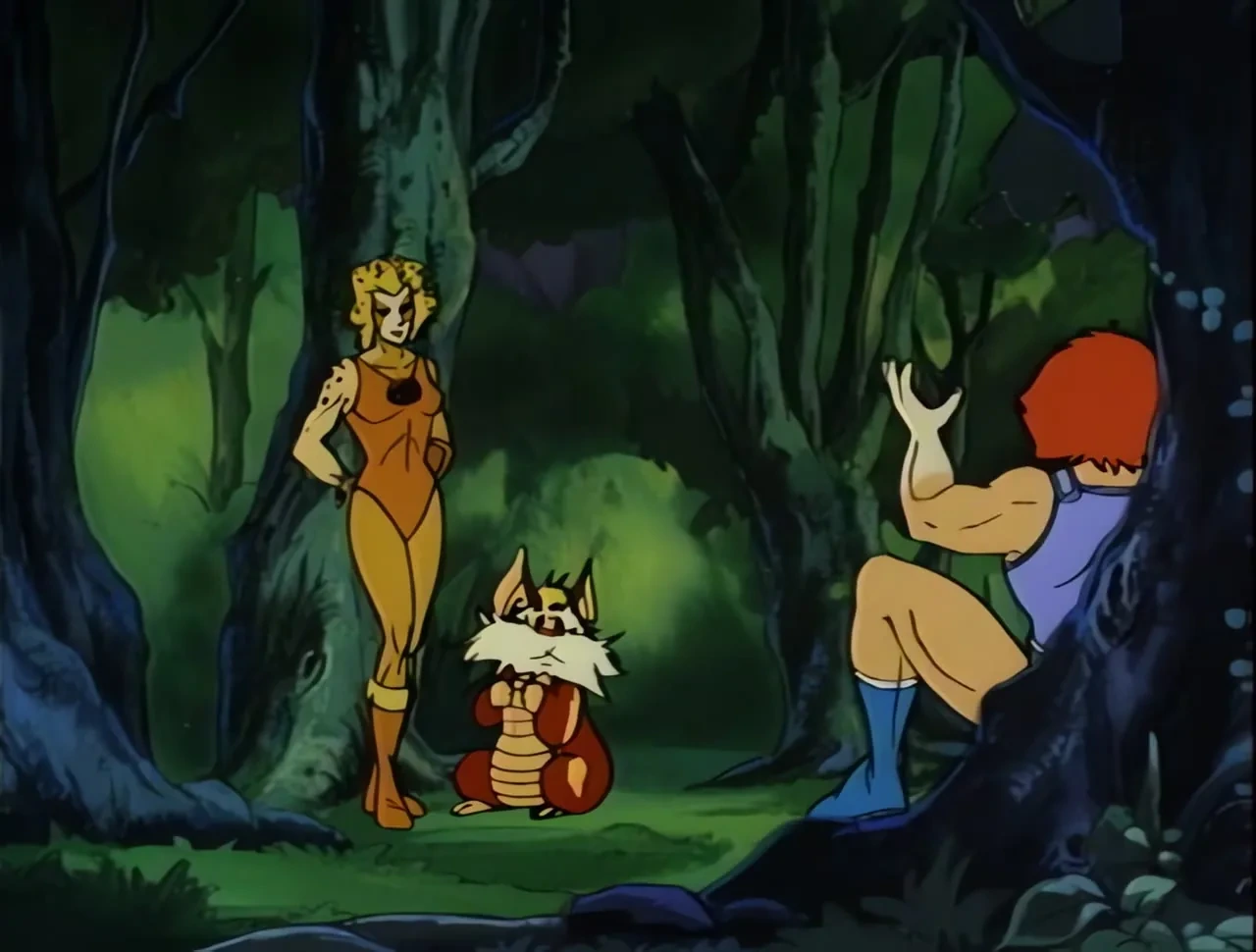
The series also lets her be observant, capable and involved in the group’s decisions. That matters more than simply giving one woman a spectacular introductory shot. A character earns a place in an ensemble by contributing when the theme music has stopped. Cheetara’s usefulness should not have to be renegotiated every time the episode reaches a conversation.
Her extra-sensory abilities complicate the idea that she is only the fast member. Like other magical abilities in the show, they can come with effort and limits. The interesting dramatic question is how a person uses an unusual capacity within a team, rather than whether the capacity makes every ordinary difficulty disappear.
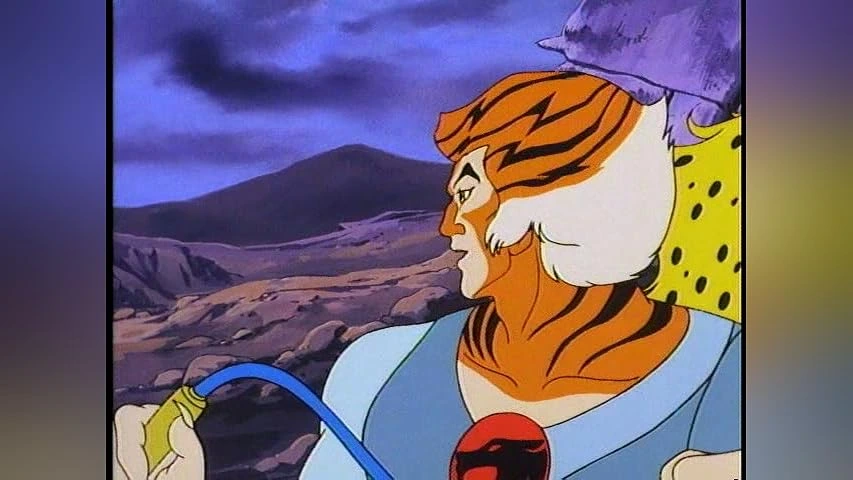
Tygra supplies another balance of intellect, restraint and specialized ability. His whip and capacity for invisibility offer possibilities that do not depend on meeting an enemy head-on. The story can use concealment, perception and deception as well as strength. The team becomes more versatile because its members are not all competing to solve the same problem in the same way.
His steadier manner does not make him immune to manipulation. “The Garden of Delights” is an especially useful reminder that a thoughtful person can be misled when an experience feels persuasive. The series has room to test the supposedly composed member, rather than reserving every lapse in judgment for the young leader.
Together, Cheetara and Tygra help the ensemble avoid becoming a stack of identical action figures in different colors. Speed, insight, technical knowledge, physical force and developing leadership all have places in the group. That is a more enjoyable arrangement to watch and a more generous one to imagine yourself joining.
Snarf Was Doing More Work Than His Reputation Suggests
Snarf is an easy target for a grown-up joke. He worries, fusses, complains and makes sounds that are difficult to confuse with anyone else. Beside a heroic sword declaration, that can seem like an invitation to impatience. But dismissing him entirely misses what his presence does for Lion-O and for the household the team is trying to build.
He brings care into a program full of demonstrations of power. Someone notices whether Lion-O is safe, whether a situation is sensible and whether the young lord is rushing toward another experience that will require retrieval. Care is often inconvenient in an adventure story because it slows the hero down. That does not make it valueless.
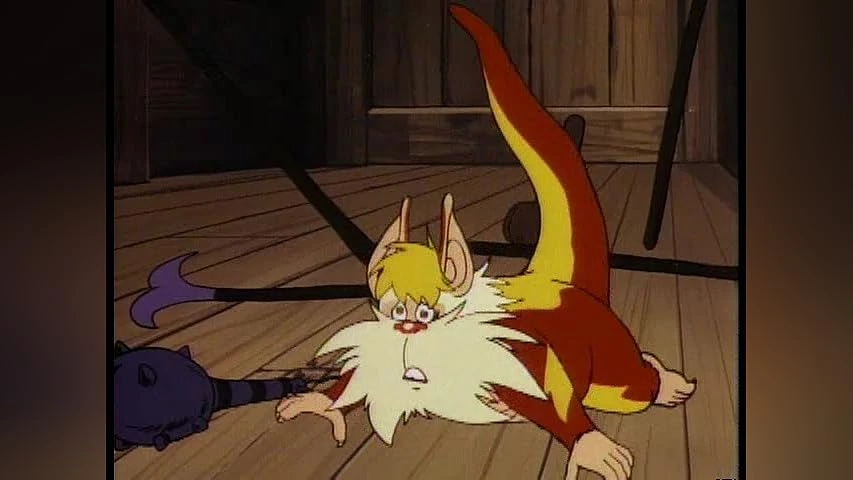
Snarf also makes Lion-O’s unusual maturity problem easier to see. The body has changed, the title is serious and the equipment is impressive. The history of being looked after has not simply evaporated. Their relationship carries the awkwardness of someone wanting independence while still benefiting from the attention he finds embarrassing.
The voice and the comic timing can be a matter of taste. I do not need to claim that every anxious interruption improves an episode. Sometimes the program leans hard on a familiar reaction. Yet the underlying relationship gives Lion-O something more personal than a council of advisers. Snarf’s concern is not merely professional.
The show can also find value in a character who is underestimated. A smaller, less imposing member may notice an opening or keep trying after a larger hero has dismissed a possibility. That is a useful counterweight to a world whose opening understandably celebrates impressive bodies. Importance does not have to arrive with the largest weapon.
On a return visit, I am more willing to let Snarf represent the unglamorous side of keeping somebody alive. The adventure needs people who take risks. A home also needs someone who notices that the risk-takers have not come back yet. He may not make the calmest announcement about it, but he is paying attention.
WilyKit and WilyKat Brought Curiosity, Along With Consequences
The ThunderKittens have the recognizable energy of younger people who see an unfamiliar object and immediately want to find out what it does. WilyKit and WilyKat can be clever, useful and exasperating, often within the same adventure. Their presence gives the group a younger pair whose mistakes come from exploration rather than a claim to command.
They are distinct characters, and their names deserve the same care as those of the larger heroes. WilyKit is the girl; WilyKat is the boy. Their tricks and equipment let them contribute without simply becoming miniature copies of Lion-O. Cunning can matter when strength is unavailable, which is an inviting idea for a younger audience.
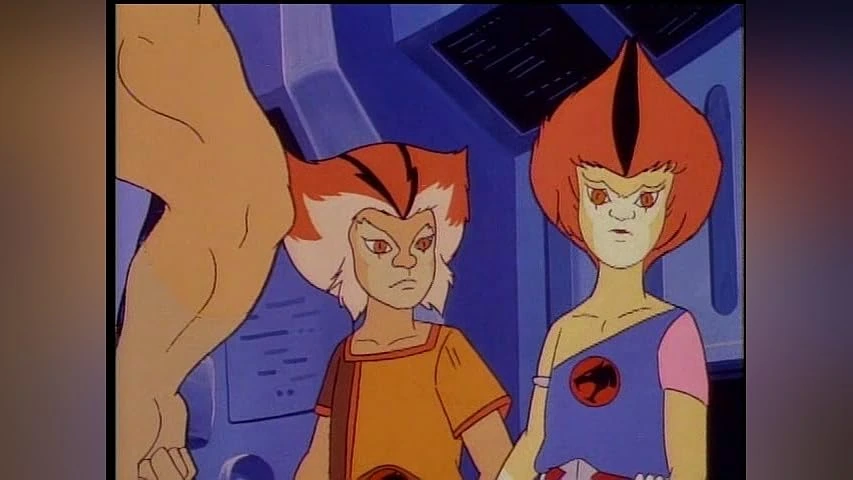
“Mongor” is a good example of curiosity producing consequences. Their investigation helps release a being associated with fear, turning a tempting discovery into a problem that cannot be handled by acting as though nothing happened. The adventure gives the younger characters responsibility for responding to what their exploration has set in motion.
That is a familiar childhood feeling in an extravagant costume. You touch the forbidden thing, something goes wrong and the first temptation is to hope the problem can remain small and private. The fantasy enlarges the result, but the emotional route into it is accessible. A monster is less ordinary than a broken household object; the wish not to announce your involvement can be very ordinary indeed.
The pair also create room for the adults to show how they handle error. A group that claims to be a community has to decide what to do with members who are still learning. Protection, correction and a chance to contribute can coexist. The stronger stories understand that responsibility is not the same as permanent exclusion after one mistake.
Their energy matters to the texture of Third Earth as well. A place with only solemn warriors can become airless. The ThunderKittens remind us that the team is building a life with different ages and dispositions in it. Not everybody should sound as though they are opening an emergency meeting.
Mumm-Ra Made Evil Look Older Than the Adventure
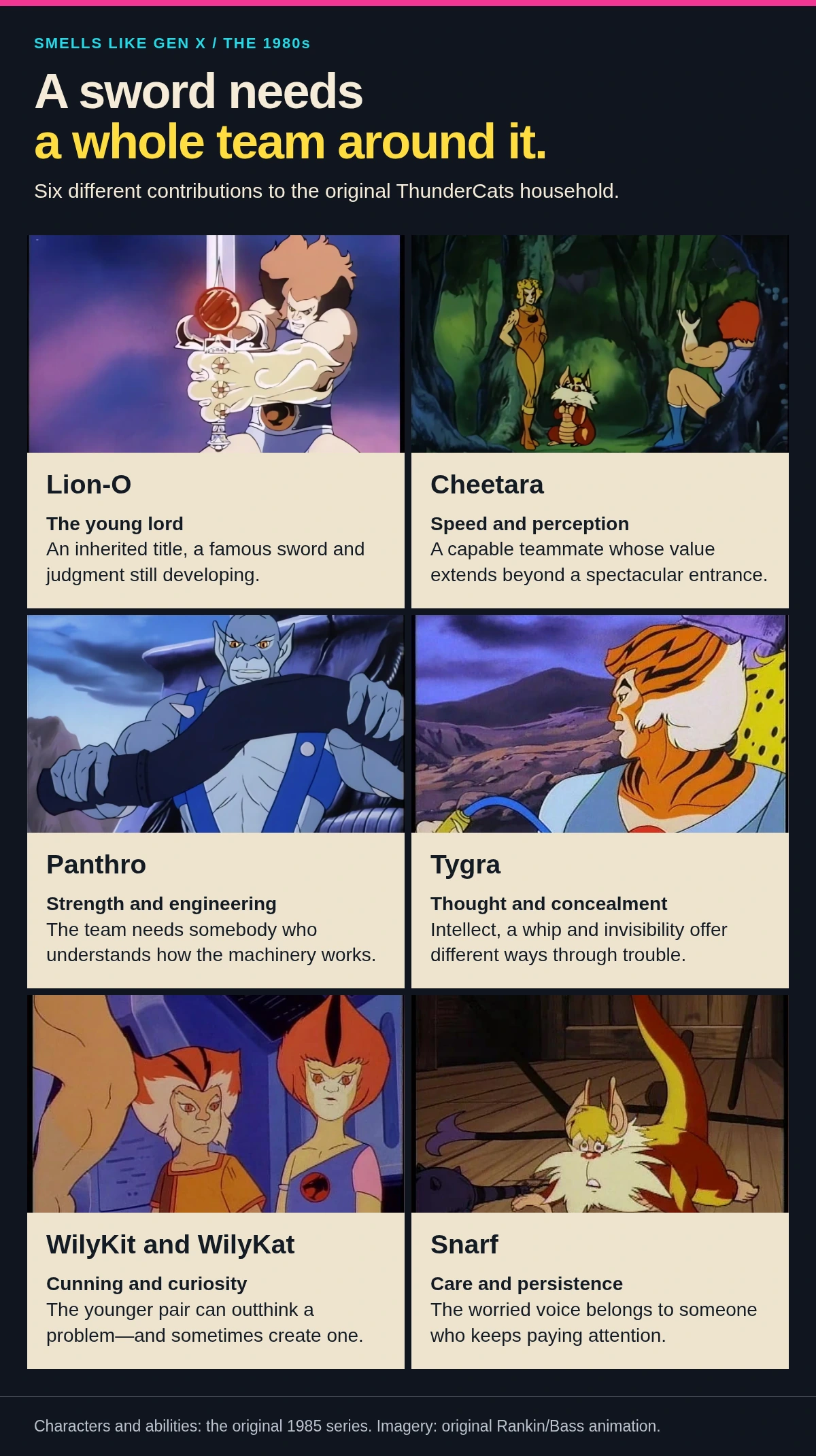
Mumm-Ra benefits from arriving with the impression that he was here long before the heroes and has no intention of making room. His pyramid, sarcophagus and invocations connect him with a different kind of time from Lion-O’s unfinished growing-up. The young lord is trying to become ready. The mummy behaves as though he has been waiting centuries for another opportunity to be unpleasant.
The contrast between his forms is central to the performance. The smaller, decayed figure suggests secrecy, age and frustrated appetite. The transformed Mumm-Ra turns that appetite into physical spectacle. Earl Hammond’s voice can carry the menace through both, so the change feels like a revelation of power rather than the arrival of an entirely unrelated villain.
His connection with the Ancient Spirits of Evil gives him a ritual of his own. The heroes raise a sword and summon allies; Mumm-Ra calls on a darker source and remakes himself. The parallel helps the series arrange its magical world. Power is available on both sides. The moral distinction lies in the purpose and the relationships built around it.
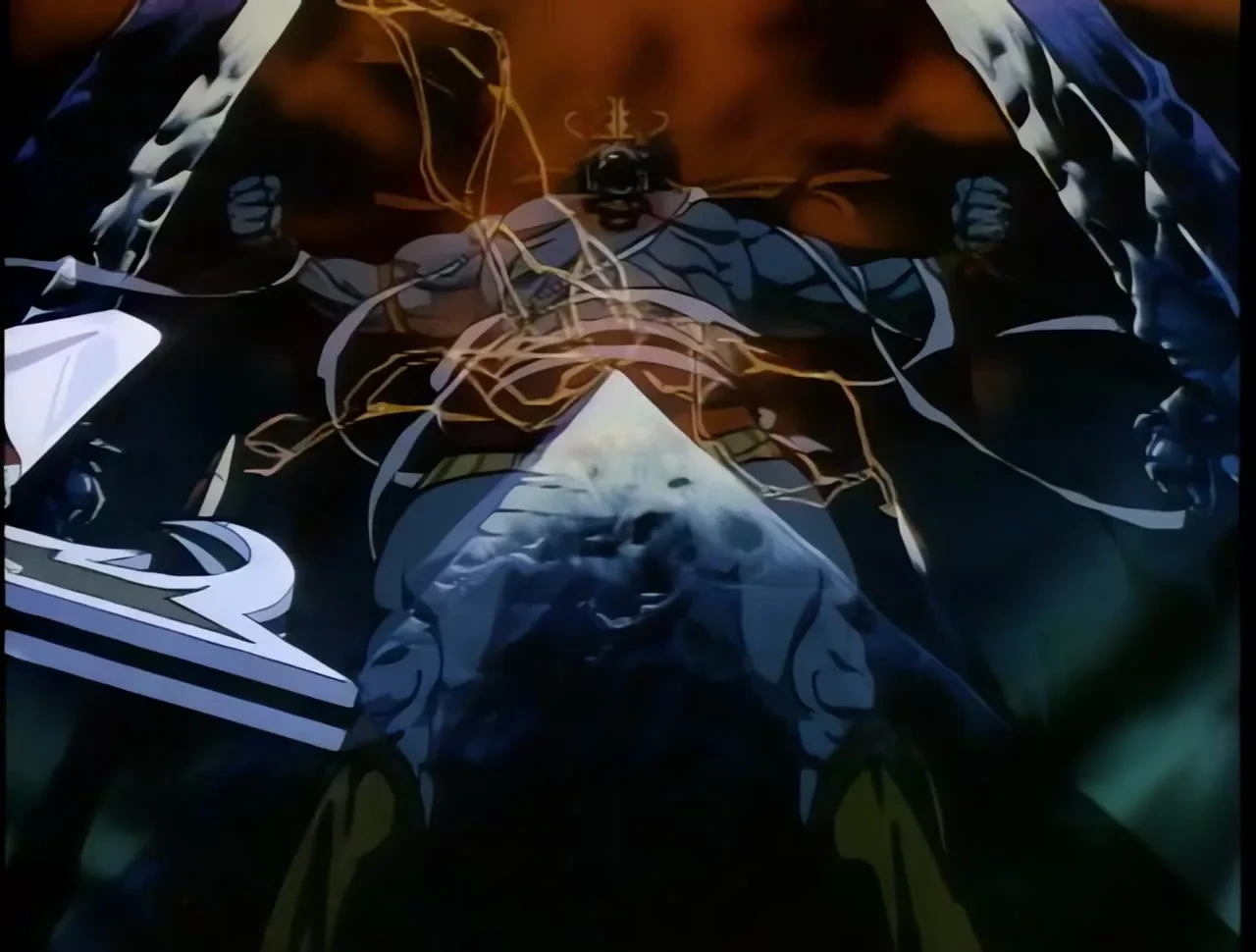
“The Unholy Alliance” establishes the practical danger of cooperation between Mumm-Ra and the Mutants. They do not have to like one another to recognize a useful enemy. That arrangement gives the heroes a threat from two directions: the pursuit that followed them and the ancient power already established in their new home.
The early vulnerability involving Mumm-Ra’s reflection is a memorable piece of fairy-tale logic. A being with enormous power can be undone by confronting an image of himself. It is not a rule to apply without qualification to every later episode, because the series develops his circumstances. In the early stories, however, it gives a frightening figure a weakness that feels appropriately strange.
What I like most is that he does not need to be plausible in everyday terms. The character belongs to the story’s nightmare register. The pyramid can make the surrounding landscape feel less safe before he emerges from it. A good fantasy villain changes the atmosphere of a place, and Mumm-Ra can do that while still technically remaining at home.
The Mutants Kept the Threat Noisy and Personal
The Mutants offer a different texture of opposition. Slithe, Jackalman and Monkian are not simply smaller Mumm-Ras. Their arguments, impatience and competing temperaments make the enemy side busy in a more immediate way. Later additions expand that company, but the basic advantage is established early: the heroes have opponents who can scheme, complain and interfere with one another.
That matters to the rhythm of an episode. A completely remote supernatural enemy can make every conflict feel ceremonial. The Mutants can turn a plan into a messy operation involving vehicles, suspicion and somebody failing to do what somebody else expected. Their presence brings physical comedy and irritability into a world that also contains ancient incantations.
The arrangement with Mumm-Ra is therefore useful without making the group harmonious. An alliance can increase the available danger while also giving the story an argument inside that danger. They may share an objective and still disagree about methods, credit or who has been assigned the most miserable part of the job.
There is a recognizable contrast with the rivalries inside Cobra. An evil organization can be entertaining because its members do not cooperate as gracefully as the logo implies. ThunderCats uses the same broad opportunity in a different fantasy setting. The villains’ personalities provide action even when nobody is currently striking a hero.
The Mutants also remind us that the ThunderCats’ past has followed them. Third Earth is a new beginning, but escape has not removed every old danger. That keeps the displacement premise active. Building a home requires responding both to unfamiliar conditions and to conflicts the survivors were unable to leave behind.
The comedy should not erase their threat entirely. If opponents become incapable of doing harm, the heroes’ effort loses weight. The stronger stories allow the Mutants to create a real problem, then let their flaws affect how that problem unfolds. A villain can be ridiculous in conversation and still be somebody you do not want driving toward the front door.
Third Earth Was a Place, Not Just a Background
Third Earth contains enough different communities and landscapes to keep the show from feeling like a weekly trip between one headquarters and one evil building. Forests, ruins, strange settlements and unfamiliar beings suggest that the heroes have arrived in a world with its own activity. They are newcomers, rather than the only people whose lives matter.
The Cats’ Lair gives them a recognizable home base. Its enormous feline design is hardly an attempt at concealment, but it makes a powerful statement of identity. The building says that the survivors intend to stay and that their new home will carry something of their old one. In an image, it can communicate belonging and defense at the same time.
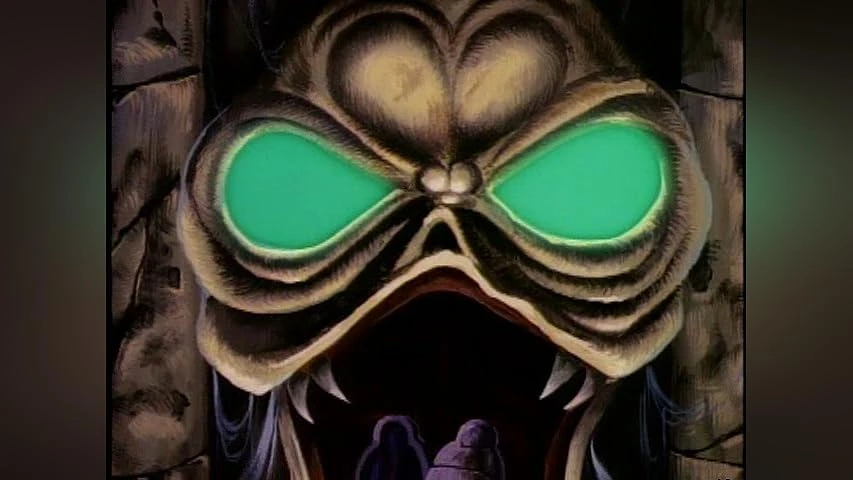
The Black Pyramid offers the opposing statement. Its skull-like entrance and heavy shape make the building seem hostile before anyone explains its contents. The contrast with the Lair is simple and effective. You can read the moral geography quickly, which is useful in a program that also wants to introduce a new creature before the first commercial interruption.
Yet the world is more interesting between those large symbols. The Berbils, small robot bear-like beings, bring cooperation and a very different visual scale. Their presence makes it possible for assistance to come from somewhere other than a muscular hero’s circle. A community can have useful knowledge without looking impressive in a fight.
Mandora expands the setting in another direction. An interplanetary officer suggests institutions and responsibilities beyond the immediate feud. When Lion-O’s actions complicate her work, the story can treat him as somebody who has caused a practical problem rather than automatically accepting him as the most important person in every room.
That is one of the pleasures of the better Third Earth adventures. The hero may be lord of the ThunderCats, but the world around him has not signed an agreement to make everything easy. The setting has enough resistance to teach him something, which makes it more than a collection of attractive places to swing a sword.
Three Adventures That Make the World Feel Bigger
The original series rewards a return visit beyond the most famous opening and transformation. These stories show different pressures inside the setting: deception, temptation and the inconvenient consequences of interfering before you understand a situation. Some episode details follow, while the endings are left for the actual viewing.
Pumm-Ra: A Familiar Shape Is Not a Guarantee
“Pumm-Ra” lets Mumm-Ra approach the heroes through disguise. He adopts a feline identity and stages an apparent act of assistance, hoping to gain the group’s trust. The attraction of the plan is straightforward: survivors from a lost home have a particular reason to welcome somebody who appears to share their origin.
The story therefore turns belonging into a vulnerability. The ThunderCats want evidence that more of their world has survived. A villain can exploit that desire by presenting the appearance of kinship before establishing any trustworthy behavior. The danger is not simply that a stranger looks convincing; it is that the heroes have an emotional reason to want him to be convincing.
That gives the episode more interest than a generic false moustache plot. It asks the group to distinguish a comforting resemblance from a reliable relationship. For a story about people carrying a lost home with them, that is an appropriate kind of deception to test.
The Garden of Delights: Tygra Can Be Fooled Too
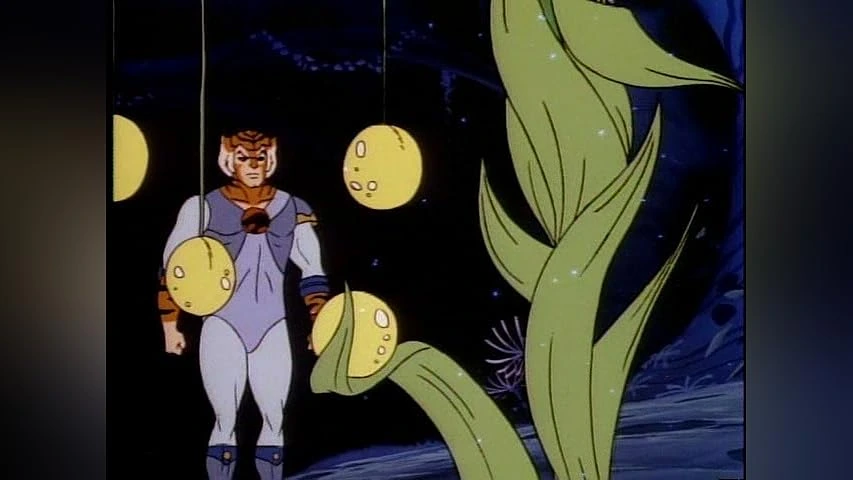
“The Garden of Delights” places Tygra in a strange experience that draws him away from his usual steadiness. The setting’s beauty and the effects of what he encounters become part of the danger. An inviting environment can be a problem precisely because it does not initially look like one.
That is a good use of a composed character. If every mistake belonged to Lion-O, the supporting adults would become a row of finished lessons waiting to be consulted. Tygra’s susceptibility reminds us that judgment can fail for different reasons. Intelligence is useful; it does not make someone immune to an experience that alters what seems desirable or true.
The episode also lets the fantasy landscape do more than decorate a chase. Plants, colors and unfamiliar spaces can influence behavior. Third Earth becomes active in the story, rather than remaining a backdrop through which the same fight happens to pass.
Mandora: The Evil Chaser: Good Intentions Can Make Work
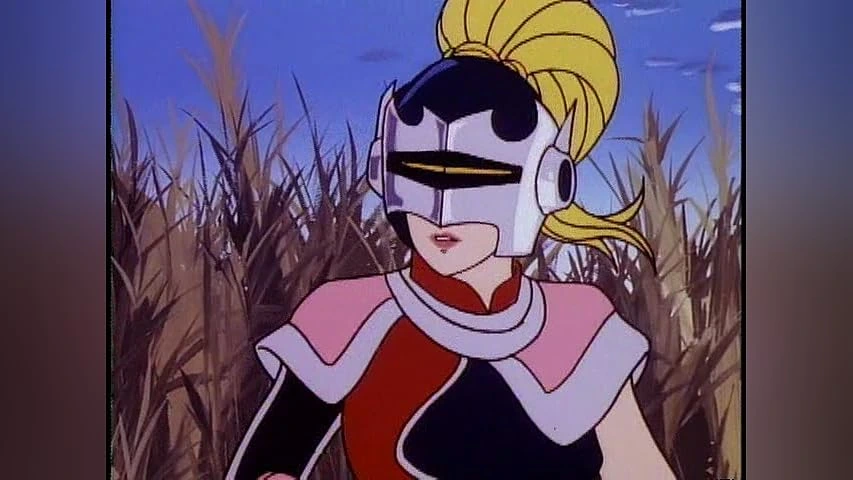
“Mandora: The Evil Chaser” gives Lion-O and Snarf a problem involving prisoners they have unwittingly released. Mandora’s pursuit puts their interference in a broader context. The situation they thought they understood was already part of somebody else’s responsibility.
I like that arrangement because it punctures the assumption that a hero’s first impression must be correct. Acting quickly can be admirable when somebody is genuinely in danger. It can also create danger if you have misunderstood who is being restrained and why. The sword does not confer automatic knowledge of an unfamiliar system.
Mandora’s presence makes the response practical. There is a problem to correct, and the people who helped create it need to assist. That is more useful than merely announcing a lesson about caution. The adventure requires the hero to participate in the repair of his own mistake.
Together, these episodes show why the world supports more than a simple march toward the pyramid. It has identities to question, experiences to interpret and rules that exist independently of the newcomers. The group’s power helps them survive; their judgment determines how much extra trouble they create along the way.
The Anointment Trials Asked Lion-O to Earn His Place
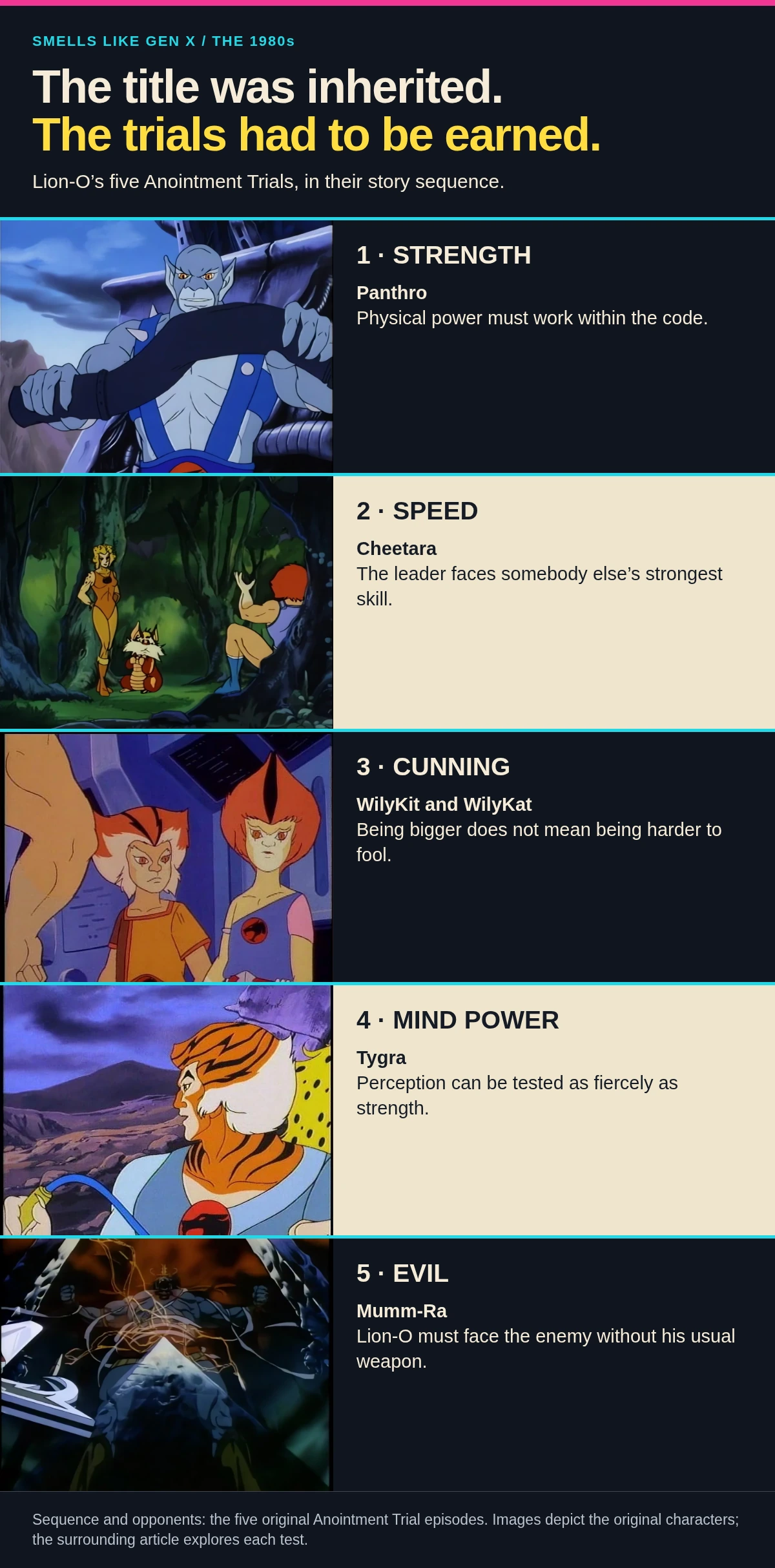
The Anointment Trials are among the original series’ clearest expressions of what leadership is supposed to require. Lion-O must demonstrate his worthiness through tests associated with strength, speed, cunning, mind power and evil. The sequence takes the question that has followed him from the beginning and turns it into a formal challenge: can the person live up to the inherited title?
The tests are especially useful because the Sword of Omens cannot serve as his usual shortcut. Lion-O has to rely on abilities and decisions that belong to him. The famous object remains part of his identity, but it cannot be the entire explanation for his authority. A young viewer can understand that distinction without needing a political theory of succession.
The trials are separate episodes spread through the first season’s sequence in many familiar arrangements. Their titles identify the particular stage more reliably than assuming all five will sit together in every catalog. Watching them as a focused group can be rewarding, while remembering that the original series also placed other adventures around them.
The structure gives the supporting characters additional importance. They are not merely judging Lion-O from a safe distance. Their own strengths become standards against which he has to work. The story acknowledges that leadership does not mean being naturally superior to every member of the team in every skill.
Strength With Panthro
The first test puts Lion-O against Panthro, making the challenge concrete. This is not an abstract claim that the young lord has become strong enough. He has to respond to a person whose strength and capability the audience already respects. The comparison has weight because Panthro has earned it in earlier adventures.
The friendship complicates the contest in a useful way. A trial can require opposition without turning an ally into an enemy. The two characters still belong to a moral community, and the test should reveal whether Lion-O can act within that community under pressure. Winning by abandoning its values would miss the larger purpose.
Speed With Cheetara
A speed trial against Cheetara immediately looks unfair in the most interesting way. She is the member whose movement has already become part of the program’s identity. Lion-O cannot simply announce that his title makes him faster. He has to find a way through a challenge defined by somebody else’s outstanding ability.
That makes the test about resourcefulness as well as motion. A leader needs to understand a situation’s conditions, use what is available and remain attentive to consequences. The series can therefore give the audience an athletic contest while continuing its larger argument about judgment.
Cunning With WilyKit and WilyKat
The ThunderKittens’ trial changes the balance again. Size and authority become less useful when the problem is trickery. The younger pair can challenge Lion-O on terms that favor their own experience and inventiveness. The team’s hierarchy does not erase what they know how to do.
It is an especially welcome idea in a children’s program. Younger people are not valuable only because they will eventually become larger. Their present ways of thinking can expose a blind spot in the person supposedly in charge. Lion-O has to take them seriously, which is part of taking the team seriously.
Mind Power With Tygra
The mind-power test moves the challenge inward. Perception and illusion can make an apparently simple choice difficult. Lion-O needs more than strength because the problem concerns what he believes he is seeing and how he responds to it. A confident mistake can be as dangerous as physical weakness.
Tygra is a suitable figure for that stage because his abilities already complicate the relationship between appearance and reality. The test does not simply add another obstacle to a race. It asks the young lord to manage his own interpretation, which brings the leadership question closer to everyday experience.
Evil With Mumm-Ra
The final trial confronts Lion-O with Mumm-Ra while denying him the comfort of his usual weapon. By this point, the audience knows the enemy’s presence and power. The challenge is not a stranger invented for a final examination; it is the established threat that has helped define the team’s new life.
That brings the sequence back to its central issue. The title, the emblem and the sword are meaningful, but they cannot substitute for the person who carries them. Lion-O has to act. Whether you watch for the adventure or the underlying idea, the trials offer a more substantial answer to the question of leadership than simply giving the hero another impressive transformation.
Safari Joe Turned the Heroes Into Somebody Else’s Collection
“Safari Joe” changes the direction of the gaze. Instead of following the ThunderCats as they investigate Third Earth, the story makes them the targets of an intergalactic hunter. Their individual traits become information somebody else can use against them. Being unusual and impressive is no longer an uncomplicated advantage.
The premise is unsettling because it treats persons as specimens. The hunter’s interest does not begin with who the heroes are to one another. It begins with the prospect of capturing them. That strips the heroic body of its usual authority and asks the audience to imagine it through a collector’s appetite.
For a series associated with a toy line, the idea has an interesting extra echo. A character can become an object somebody wants to possess inside the fiction, while remaining a person whose freedom the story asks us to defend. You do not have to claim the episode is secretly criticizing every item of merchandise to notice that tension.
The practical adventure also benefits from the ensemble’s distinctions. A hunter who studies individual abilities creates different difficulties for different members. The cast’s variety becomes part of the danger, rather than merely a sequence of demonstrations for our enjoyment. Something the opening taught us to admire can become something an opponent has learned to anticipate.
That is one reason the episode is a useful recommendation for returning viewers. It takes familiar ingredients and changes their arrangement. We still have the team, the abilities and the setting, but the question is no longer simply whether a powerful enemy can be hit hard enough. The group has to respond to being understood in the wrong way.
It also leaves a strong thematic impression without requiring a sermon afterward. A person is more than the feature that makes a collector interested. ThunderCats can make that point through pursuit, confinement and resistance, keeping the thought inside an actual adventure.
The Voices Made the Team Sound Like a Household
The original voice cast gives the series much of its continuity. Larry Kenney’s Lion-O, Earl Hammond’s Mumm-Ra, Earl Hyman’s Panthro, Peter Newman’s Tygra, Lynne Lipton’s Cheetara and Bob McFadden’s Snarf occupy distinct places in the sound of the program. You can recognize many of them before the camera gives a clear view.
That recognition matters when animation becomes less elaborate or the plot moves through a familiar situation. A steady performance can maintain a character’s identity across changing drawings and repeated story functions. A complaint still sounds like it belongs to the person making it, rather than becoming a line any member could have been assigned.
The group’s sound is also warmer than a roster of formal titles suggests. People interrupt, worry, disagree and explain. The program’s central household can therefore feel familiar between the declarations. A fantasy team becomes easier to care about when it contains a recognizable mixture of confidence, impatience and affection.
Kenney’s account of recording describes actors working from drawings and personality descriptions, then giving those figures life through performance. That is a useful reminder that the voice was a creative contribution. The image did not already contain an inevitable sound. Someone had to find the combination that would make us accept this particular creature as a person.
The result is most persuasive when the moral lesson comes through the relationship. Panthro can correct Lion-O without ceasing to care about him. Snarf can be irritating because he is worried. Cheetara can contribute an observation without the scene stopping to announce that she has been granted permission to be useful. The voices help those interactions flow.
On a return visit, I would listen to an ordinary conversation as closely as the famous invocation. The opening announces who deserves our attention. The cast’s daily work explains why being around those people might be enjoyable after the emergency has ended.
A Production Built Around Images, Voices and Stories
Rankin/Bass is the production name associated with the original series, while Leonard Starr served as its story editor and head writer. That combination matters because ThunderCats needed more than a striking concept. The designs had to support repeatable stories, and the stories needed enough character difference to keep a large group from becoming a row of people taking turns with a lesson.
Starr’s background in comic strips makes an interesting companion to the series’ clear visual storytelling. It would be too simple to assign every successful image or story choice to one person. Animation is collaborative work. But the presence of a writer and artist accustomed to recurring characters helps place the show in a tradition of building an ongoing world through small, legible encounters.
The original cast’s performances and Hoffer’s music add two more layers. A drawing can suggest authority, fear or warmth; the voice has to make that suggestion audible over time. Music can carry a threat across a quiet background or give a vehicle’s arrival a feeling larger than the available seconds of animation. The finished effect comes from those contributions meeting.
That is useful to remember when the program is discussed only as a vehicle for merchandise. Its commercial life is part of the history, but the screen result still required choices about rhythm, emphasis and character. The fact that an image could sell a figure does not mean it drew itself, found its own voice or wrote the episode around it.
The Toys Let the Team Leave the Screen
ThunderCats translated naturally into figures because the characters were already so distinct. Lion-O’s hair and equipment, Panthro’s shape and Cheetara’s coloring offered immediate recognition. A toy could carry an identity before a child had reproduced the correct voice or arranged a proper setting. That is valuable design for an object expected to become part of many different imaginary adventures.
The television relationships supplied possibilities beyond combat. A group could build a headquarters, rescue a companion, argue about a plan or explore something that should probably have been left alone. The broadcast gave the figures a shared history. Play could keep that company together after the station moved on to a different program.
That connection sits comfortably within the larger story of eighties toys. Television could introduce a personality; an object could make it available for a new story on the floor. The attraction was not only possession. It was the chance to decide what happened next, including letting a favorite win an argument the episode had settled differently.
The distinction between the toy and the animated body remained. A figure could not reproduce all the opening’s speed, and a plastic weapon did not come with the music. Imagination did the work between those limits. That gap is part of the remembered pleasure: the cartoon offered the scale of the adventure, and the room supplied whatever scenery was available.
The Moral Code Worked Best When It Cost Something
ThunderCats is not shy about having a moral code. Honesty, loyalty, justice and care for others belong to the world’s stated ideals. That can sound stiff when reduced to a list. A list is easy. An adventure becomes interesting when following the ideal complicates what a character wants to do next.
A hero who stops to help someone may lose an advantage. A young lord who admits uncertainty may have to surrender the appearance of perfect command. A group that values trust can become vulnerable to someone willing to imitate it. Those are useful pressures because they make goodness an action with consequences, rather than an identifying color on a uniform.
The weaker moments can make the lesson too explicit or arrive at an answer too neatly. That is part of the program’s period and audience, but it remains fair to notice. Nostalgia does not require pretending that every closing explanation has the subtlety of a whispered confession. Sometimes the episode wants to make absolutely certain that nobody missed the point.
Still, I prefer the show’s earnestness to the idea that caring is automatically embarrassing. It is possible to smile at an overexplained lesson and appreciate the values underneath it. The team is trying to become a community after losing its original home. A code gives that effort a direction beyond merely surviving longer than the villains.
The comparison with He-Man’s original television morals is useful. Both programs place a powerful hero inside a framework of responsibility. ThunderCats often makes the framework part of Lion-O’s developing fitness for leadership. The lesson is not only what the audience should learn; it is what the lord still needs to understand.
The strongest episodes therefore give his growth some resistance. He cannot improve simply by declaring himself improved. Other people, unfamiliar situations and his own impatience keep providing evidence. That is a worthwhile idea to hide inside an afternoon full of swords, tanks and a mummy with a very dramatic home routine.
The Ordinary Episode Had to Live Up to an Extraordinary Introduction
The title sequence is so concentrated that it can distort a return visit. If you arrive expecting every minute to move with the same density, some episodes will feel slower. They contain explanations, travel, comic exchanges and repeated arrangements that the opening has no obligation to accommodate. That difference belongs to how television is made, not just to the unreliability of memory.
The fair question is what fills the quieter space. A strong conversation, a distinctive setting or a difficult choice can reward attention without matching the intro’s movement. A weak stretch may simply feel like waiting for the action to return. The original series contains both experiences. Its most celebrated few seconds should not have to defend every later minute.
It is also worth watching the designs when they are still. The backgrounds can give Third Earth atmosphere through color, ruins and unusual shapes. The character faces and body types establish a visual language that does not depend entirely on speed. The show has an appearance beyond the sword being raised, and a careful rewatch can recover it.
The music helps hold that appearance together. Hoffer’s score can give a scene urgency or mystery even when the animation is restrained. That is not a flaw to expose; it is part of the collaboration that makes a television cartoon function. Sound, drawing, timing and performance do different jobs within the same limited space.
The local-station experience added its own interruptions. An adventure could be broken by advertising and station announcements before returning to a threatened world. That rhythm differs from both a modern continuous stream and a curated clip compilation. Our memory often retains the peaks and compresses the waiting between them.
I think the best return leaves room for the actual program. Enjoy the intro as the terrific invitation it is, then let an episode make a separate case. A show can have an outstanding opening and an uneven run while still containing characters, stories and images worth keeping.
A Good Route Back to Third Earth
Start with “Exodus” and “The Unholy Alliance.” They establish the loss of Thundera, the new home and the opposing forces. The emotional and practical arrangements make more sense when they are allowed to arrive in order. A sword montage cannot explain why the group needs to build a life together.
Then try “Berbils,” “Pumm-Ra” or “Mandora: The Evil Chaser” to see the setting become more than a battle route. Each offers a different kind of encounter: cooperation with neighbors, deceptive familiarity or the consequences of acting before understanding. Those stories make the world resist an easy division into heroic headquarters and villainous pyramid.
For character pressure, the Anointment Trials are the obvious next stop. Their separate tests let the supporting cast matter as more than an audience for Lion-O. “Safari Joe” offers another useful change of perspective, making the team’s famous abilities part of the problem someone has prepared to exploit.
The later original run expands the cast and revisits Thundera in new ways. Those developments belong to the same original series, but they should not be blended into the first episodes as though the whole world arrived at once. A return can follow that expansion gradually. Nobody needs to master 130 episodes before enjoying one well-chosen evening with them.
If rebuilding the larger cartoon routine interests you, the Saturday-morning story provides a useful contrast with local syndicated scheduling. Keep the distinction in view: ThunderCats did not acquire one universal national Saturday slot simply because it shared an audience with those programs. The eighties television week contained several different kinds of cartoon appointment.
And if you mainly want the opening again, that is an entirely reasonable starting point. Let the music wind up, watch the team move and notice how quickly a few strong choices can restore a whole fictional world. Then stay for an episode. The roar gets us through the door; the people trying to make a home on the other side give the visit some substance.
Questions About the Original ThunderCats
When did the original ThunderCats series air?
The original animated series began in 1985 and continued through 1989, producing 130 episodes. Modern services can group those episodes differently, so their season counts are not always a straightforward guide to original production stages. The original program is separate from the 2011 reimagining and ThunderCats Roar.
Was ThunderCats an after-school show or a Saturday-morning show?
The original was syndicated, with local stations choosing their schedules. Many viewers remember it as an after-school appointment. Others encountered it at different times or in reruns. A specific local listing is the right evidence for reconstructing one market’s schedule; there was no single national network slot shared by every original viewer.
Why does Lion-O need so much guidance if he is already the leader?
The journey from Thundera leaves him with a mature body before he has acquired matching experience. His title and the Sword of Omens give him authority, but he still needs judgment. The team’s guidance and the Anointment Trials make that gap part of the story rather than treating him as a fully accomplished commander from the first episode.
Who voiced Lion-O and composed the original music?
Larry Kenney voiced Lion-O in the original series. Bernard Hoffer composed its distinctive music. Both contributions are central to the program’s identity: the voice balances heroic force with inexperience, while the music helps make the opening and the adventures feel urgent. Later productions use their own casts and musical arrangements.
Which episodes are a good way to return?
Begin with “Exodus” and “The Unholy Alliance” for the premise and main threat. “Pumm-Ra,” “Mandora: The Evil Chaser” and “Safari Joe” show different sides of the setting. The five Anointment Trials focus on Lion-O’s fitness to lead. Titles are more useful than assuming every modern catalog uses the same numbering and grouping.
Sources & Further Reading
- The Television Academy’s Leonard Starr biography and original-series history
- Original ThunderCats episode descriptions and period animation imagery
- Hulu’s original-series catalog and episode descriptions
- Larry Kenney’s interview about creating Lion-O and recording the original series
- Composer Bernard Hoffer’s biography from Albany Records
- Original Exodus animation-frame archive
- Original The Unholy Alliance animation-frame archive