Oscar Madison
A sportswriter, poker host and domestic disaster whose emotional instincts were much cleaner than his apartment.
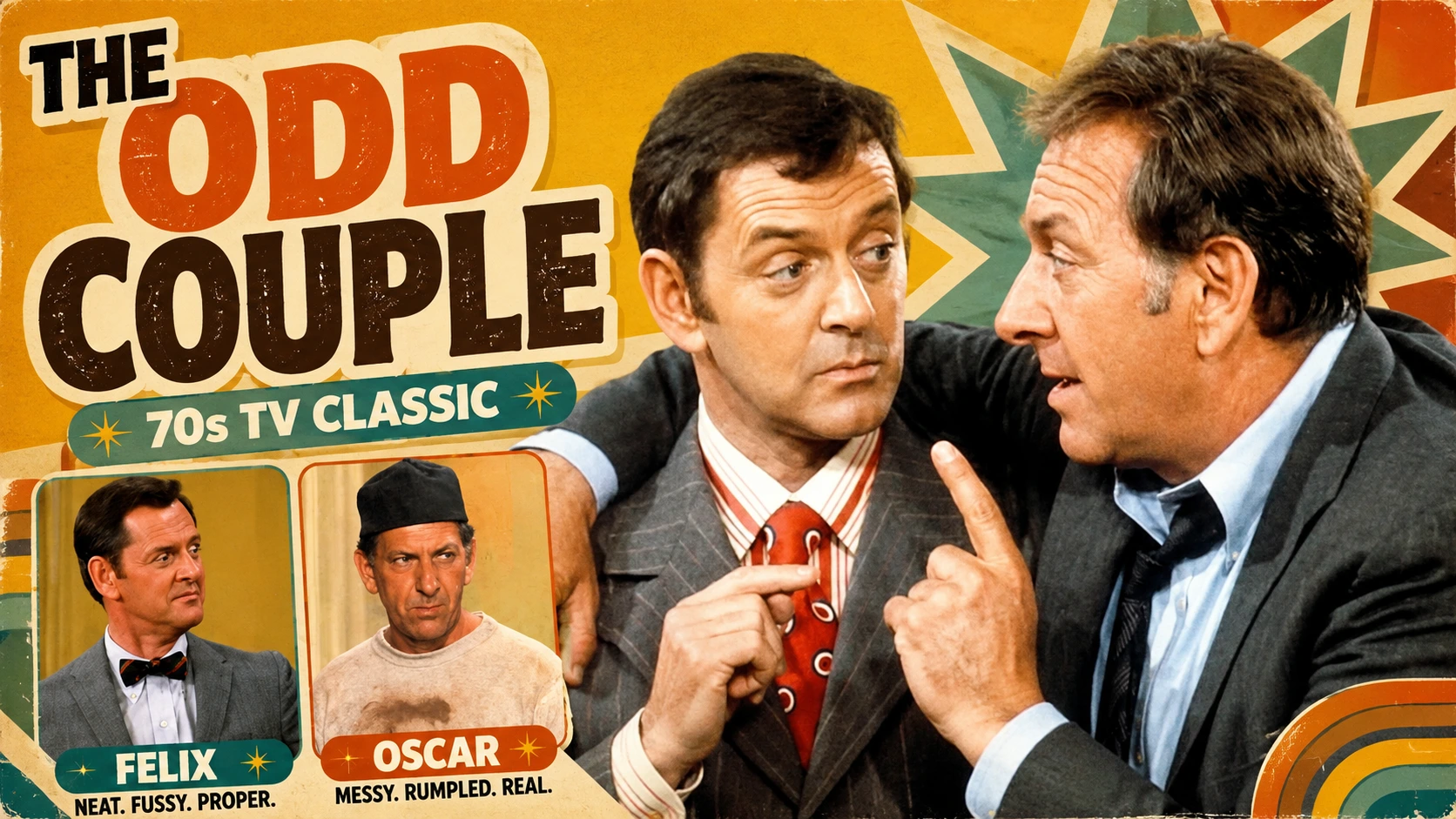
Before sitcom apartments became giant fantasy lofts nobody could afford, there was Oscar Madison’s place: newspapers everywhere, ashtrays that looked like they had seen combat, a poker table with permanent residency and one fastidious roommate trying to keep civilization from sliding under the couch. The Odd Couple did not need a complicated engine. Put Oscar and Felix in the same room, give them opposite instincts and wait.
For Gen X kids who found the show in syndication, Jack Klugman and Tony Randall felt less like actors than a law of nature. Oscar was going to leave the towel on the floor. Felix was going to notice it from three rooms away. The joke kept repeating because the conflict was never really about towels. It was about the impossible bargain of loving somebody whose habits make you want to move to another state.
The Odd Couple was an ABC sitcom that aired from September 24, 1970 through March 7, 1975, running five seasons and 114 episodes. Adapted from Neil Simon’s Broadway play and the 1968 film, the television version paired Jack Klugman as sloppy sportswriter Oscar Madison with Tony Randall as meticulous photographer Felix Unger. Garry Marshall and Jerry Belson developed the series for television, and its shift from first-season single-camera filming to a live-audience, multi-camera format helped turn the central mismatch into something closer to live theater.
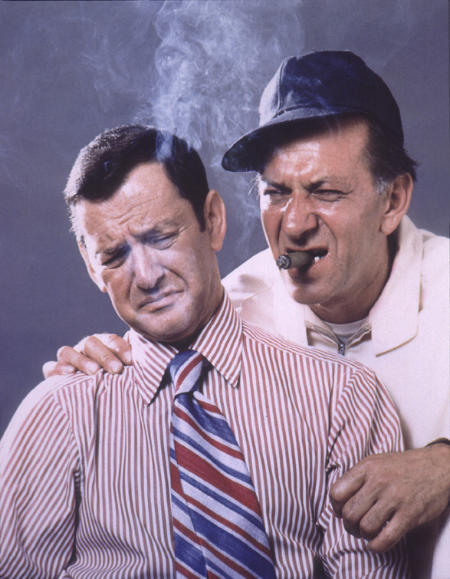
Two divorced men move in together to save money and immediately recreate the arguments they thought they had left behind.
The Odd Couple was a 1970s sitcom about two divorced New York men who shared an apartment because it made practical sense and then spent five seasons proving practicality has limits. Jack Klugman’s Oscar Madison was a sportswriter, poker player and world-class slob. Tony Randall’s Felix Unger was a photographer, cook and perfectionist who could spot a crooked picture frame from another borough.
The premise came from Neil Simon’s stage play, but television made the mismatch weekly. Every episode could begin with something tiny—dinner, a date, a poker game, a cold, a piece of furniture—and let Oscar and Felix’s opposite instincts turn it into a constitutional crisis.
Oscar was not simply “the slob.” Jack Klugman made him warm, impulsive, sentimental, stubborn and capable of real tenderness when the noise died down. Felix was not simply “the neat freak.” Tony Randall gave him vanity, anxiety, culture, precision, insecurity and a sincere belief that everybody would be happier if they just followed his system.
That is why the setup could survive 114 episodes. The apartment never needed a new gimmick. The characters carried the renewable energy source inside them.
The show premiered in 1970, which puts it right at the hinge between old-network comfort and the more character-driven comedies taking over the decade. Our 1970 television rewind captures the prime-time world it entered; The Odd Couple was already pointing toward something smaller, sharper and more adult.
In our best sitcoms of the 1970s, Oscar and Felix land in the top ten for the simplest reason possible: television rarely found two actors whose differences created this much music.
Broadway built the argument, the movie made it famous, and television discovered it could run forever.
The Odd Couple began as Neil Simon’s Broadway play, which opened in 1965. The premise grew from real domestic friction around Simon’s brother Danny and asked a beautifully simple question: what happens when two separated men solve one problem by becoming roommates and accidentally rebuild the same tensions they had in marriage?
The play became a major hit, with Walter Matthau creating Oscar Madison on Broadway. Jack Klugman later took over the stage role, which mattered when television came calling because Klugman already knew where Oscar lived from the inside.
Paramount turned the play into the successful 1968 movie starring Matthau and Jack Lemmon. The film gave the premise a definitive visual identity: New York, cramped domestic warfare, poker smoke and a friendship that kept surviving everybody’s better judgment.
Paramount then wanted a television version. Garry Marshall and Jerry Belson were brought in to develop the property for ABC. The job looked easy only if you ignored the part where a two-hour story suddenly needed to last five years.
Neil Simon created the original play. Garry Marshall and Jerry Belson developed the weekly television adaptation for Paramount and ABC, taking a premise that had already worked onstage and on film and finding enough new pressure points to keep Oscar and Felix arguing for 114 episodes.
A play can live on one central conflict for an evening. A movie can sharpen the same conflict for two hours. A weekly sitcom has to find a hundred different reasons for the same two men to annoy each other without making either one unbearable.
Marshall and Belson widened the world without diluting the center. Poker friends, ex-wives, girlfriends, secretaries, neighbors, sports figures and New York itself could enter the apartment, but the show always came back to the same question: how are these two still living together?
That question is what separates the television version from imitation. The mismatch was not a gimmick pasted onto plots. It was the plot-generating machine.
Oscar could lose a sandwich in his own apartment and still be the guy you called when life went sideways.
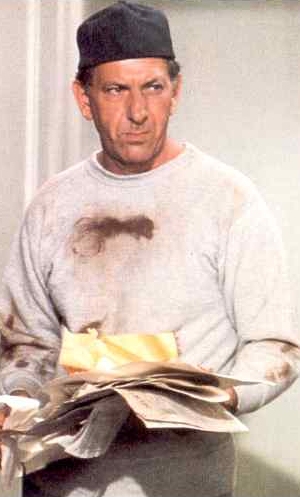
Jack Klugman had already played Oscar on Broadway, replacing Walter Matthau, before the television series was cast. That stage history gave him something a sitcom pilot cannot manufacture: muscle memory for the character.
Oscar was a sportswriter, a poker player, a gambler, a guy who ate over the sink and believed furniture had no natural relationship to order. But Klugman never played the mess as stupidity. Oscar understood people better than he understood laundry.
He could be selfish, impatient and spectacularly lazy, then turn around and become Felix’s defender when somebody outside the apartment pushed too hard. That emotional reflex kept Oscar lovable.
Who played Oscar Madison on The Odd Couple? Jack Klugman played him for all five seasons. The Television Academy’s career history notes that Klugman had already taken over Oscar from Matthau in the Broadway production before reprising the role on television.
Klugman also brought an everyman quality that mattered. Oscar looked like a man who had actually argued with an editor, missed a deadline, taken the subway in a bad mood and bought dinner from someplace that did not offer cloth napkins.
The apartment’s mess became an extension of his worldview. Oscar did not believe chaos meant failure. If he knew where the important things were, the room was organized enough.
That is why Felix could never win. He thought order created peace. Oscar thought peace meant nobody telling him where to put his socks.
Felix did not enter a room. He inspected it.
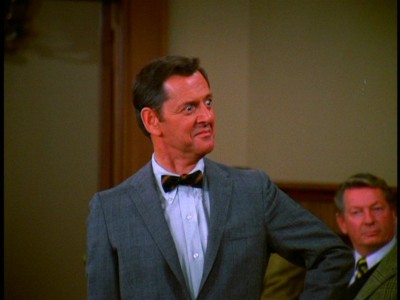
Tony Randall made Felix Unger precise enough to become a type without letting him collapse into one. Yes, Felix cleaned, cooked, worried, corrected, reorganized and occasionally behaved as if Oscar’s shirt collar were a public emergency. Underneath the fussiness was a man trying desperately to control a life that had stopped cooperating.
Who played Felix Unger on The Odd Couple? Tony Randall played Felix throughout the ABC run. In Television Academy interviews, Randall remembered playing Felix opposite multiple Oscars before the series and described how he and Klugman gradually folded pieces of their own personalities into the television characters.
That personal crossover became one of the show’s secret weapons. Randall’s real interests in opera, ballet and culture found their way into Felix, giving the character passions that went beyond cleaning products.
Felix could be pompous because he cared deeply about things Oscar barely noticed. He could also be wounded because his marriage to Gloria remained emotionally unfinished for most of the series.
The fussiness was funny because it had stakes for him. A badly set table was not merely ugly. It was evidence that the universe was getting away.
Randall understood how to make that anxiety theatrical without making Felix fragile. He could explode, sulk, lecture, cook a perfect meal and then come back for another round with Oscar five minutes later.
By the final season, Randall’s Felix felt less like a collection of habits than a complete adult man who had somehow turned ritual into body armor.
They argued like people who had learned exactly where the other guy’s nerves were kept.
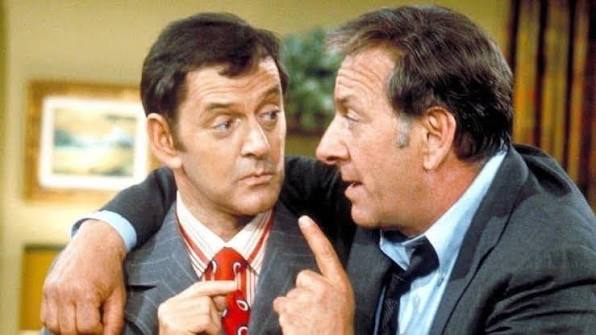
The Television Academy’s oral histories make the chemistry sound less accidental than it looked. Garry Marshall remembered that Randall and Klugman’s professionalism raised the level of the writing, while both actors described how much of themselves gradually seeped into Felix and Oscar.
Klugman and Randall were different performers. Klugman could make a line feel tossed away until you realized it had landed perfectly. Randall was crisp, technical and exact. Put them together and the rhythm had built-in counterpoint.
The trick was that neither man permanently owned the high ground. Oscar could be obviously disgusting and still be right. Felix could be obviously impossible and still be the only adult in the room.
That balance is where lesser mismatch comedies usually fail. If one character is always the fool, the relationship gets boring. If one character is always the victim, the relationship gets mean.
The Odd Couple kept moving the line. Oscar needed Felix more than he admitted. Felix needed Oscar more than he could organize into a sentence.
Their real-life friendship deepened the effect. Klugman and Randall remained close long after the series ended, and that affection retroactively makes the old arguments feel warmer. The irritation was real enough to be funny; the loyalty underneath it was stronger.
You can see a similar principle in Laverne & Shirley: friendship is not the calm between plots. Friendship is the reason the plots can survive the fights.
One half of the room said poker night. The other half said Felix had been fighting back.
The apartment was the show’s laboratory. Oscar’s side of the argument was visible before he spoke: newspapers, food, poker debris, clothes and the sense that every horizontal surface had been drafted into emergency storage.
Felix treated the same space as a rescue project. He cooked there, cleaned there, entertained there and tried to impose enough order to prove that two divorced men had not simply given up on domestic civilization.
The room also made the show intimate. Many of the decade’s biggest comedies spread across workplaces or family houses. The Odd Couple could trap two men in a living room and trust conversation to do the work.
That confidence makes it a useful cousin to The Bob Newhart Show, another comedy that understood how much mileage grown adults could generate by simply sitting in a room and refusing to process emotion the same way.
New York mattered around the edges. Oscar’s sports job, Felix’s photography, restaurants, theaters, subways and celebrity guests gave the apartment a city outside its walls.
But the apartment remained home base because it forced the central question every week: who gets to define normal when both people pay rent?
The show belonged to Oscar and Felix, but poker friends, ex-wives, girlfriends and one memorable secretary kept the apartment from becoming a two-man stage forever.
A sportswriter, poker host and domestic disaster whose emotional instincts were much cleaner than his apartment.
A photographer, cook, organizer and perfectionist who could turn one crooked picture frame into a moral emergency.
Oscar and Felix’s policeman friend, poker regular and reliable witness to whatever argument had taken over the apartment.
Oscar’s secretary, delivered with the same dry New York edge that would later become impossible to separate from Penny Marshall herself.
Oscar’s ex-wife, proof that the divorce premise still had history and consequences outside the apartment.
Felix’s estranged wife, whose relationship with him kept the possibility of reconciliation alive through the series.
Felix’s recurring girlfriend, patient enough to navigate the habits that had already exhausted Oscar.
One of Oscar’s poker friends and part of the male social world that made Felix’s domestic rules seem even more impossible.
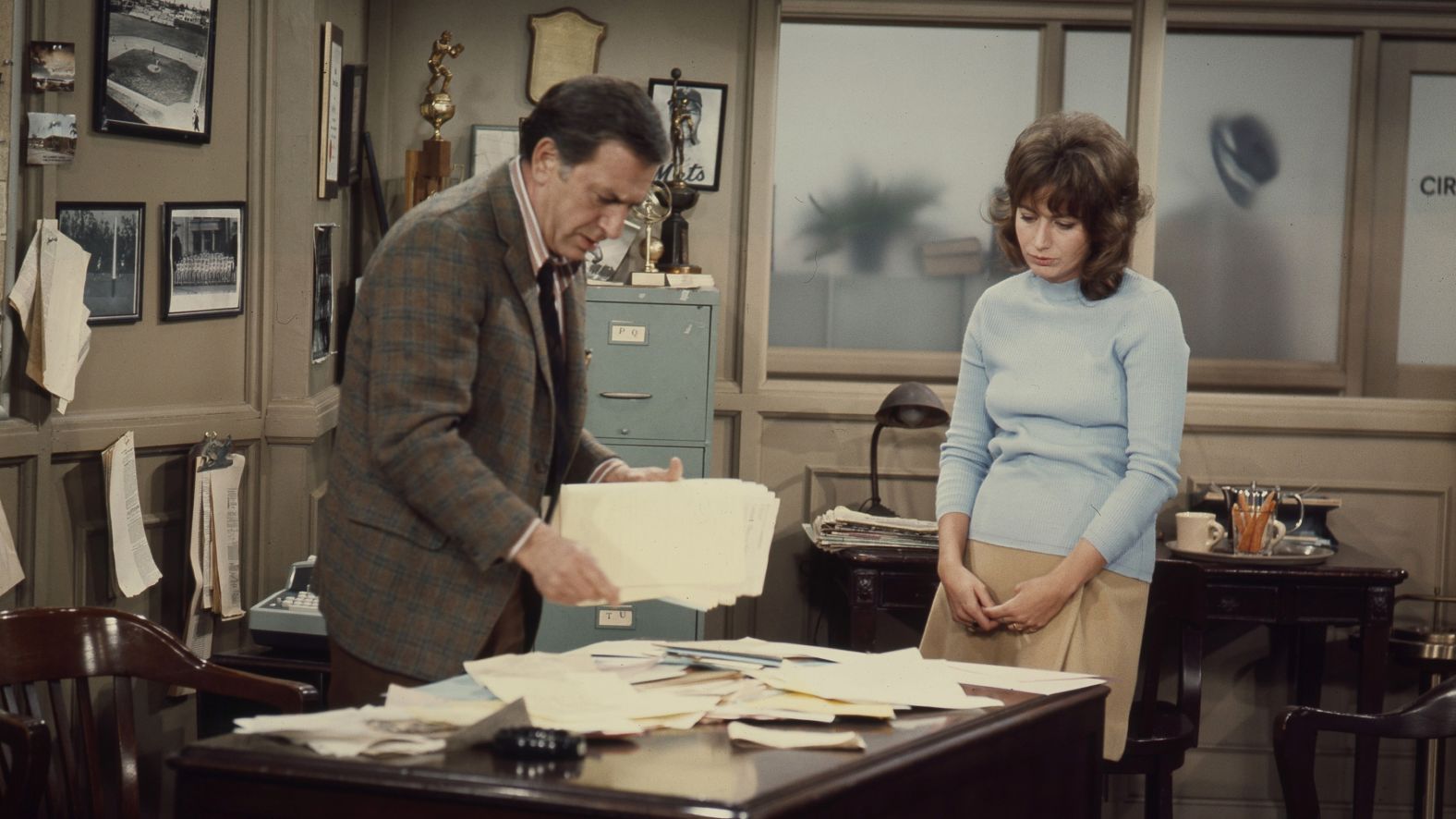
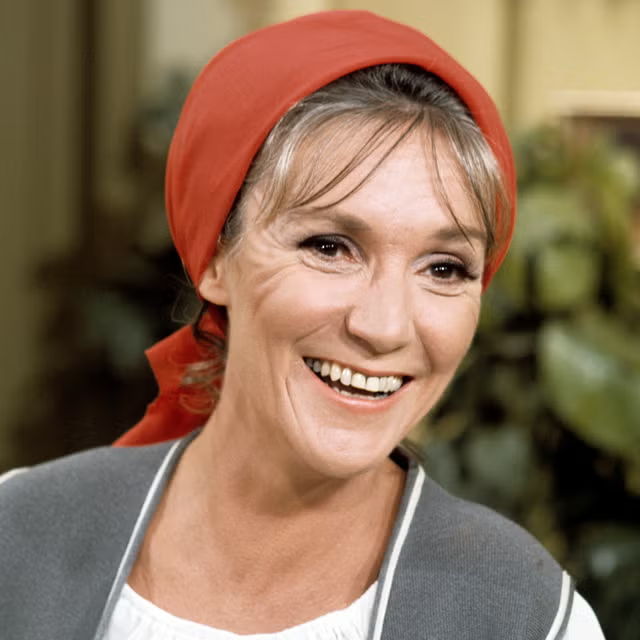
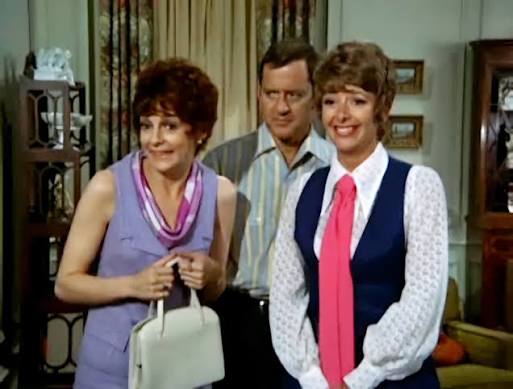
The supporting cast widened the show without stealing its center. Murray could arrive in uniform and somehow become the least authoritative person in the room. Speed and the poker gang gave Oscar reinforcements. Gloria and Blanche reminded both men that their marriages had histories more complicated than opening narration could explain.
Penny Marshall’s Myrna became especially memorable because she sounded like nobody else. Garry Marshall’s sister was still finding her footing as an actor, but the character’s accent, timing and exhausted relationship with Oscar’s office habits made Myrna feel fully formed.
The Pigeon sisters—Cecily and Gwendolyn—were important in the first season as a carryover from the stage and film world, while later recurring characters helped the television version grow away from its source.
The cast also gave Felix and Oscar somebody else to be wrong around. Two-character conflict is funny. A third person walking in and taking sides is how the argument becomes television.
Season one looked like a movie. Season two started breathing like a play.
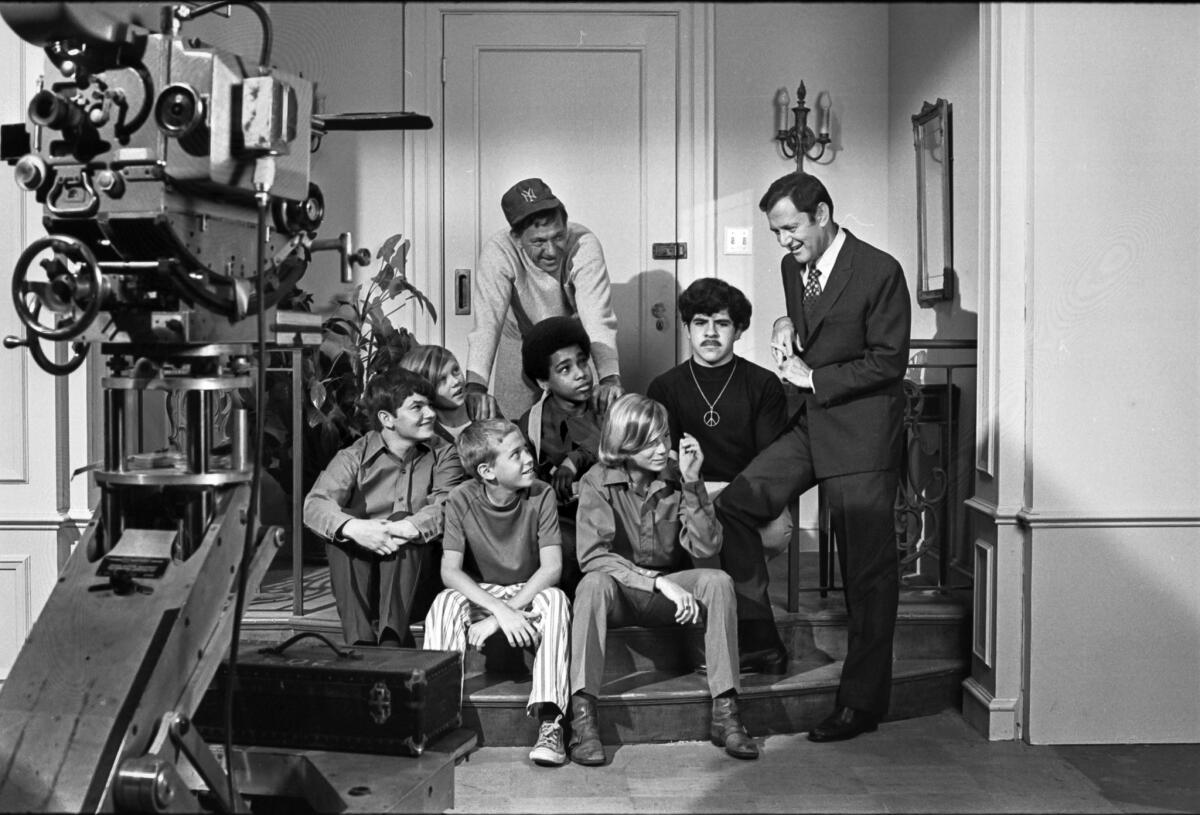
The first season was filmed in a single-camera style and used recorded laughter. That approach should have been safe; the material had already worked on Broadway and in a movie. Instead, it kept one of the show’s best qualities at arm’s length.
Randall and Klugman were theater actors. Their timing depended on another human being in the room—especially when the other human being was laughing.
Television Academy interviews with Tony Randall and director Hal Cooper preserve the story of the production shifting to a multi-camera format performed before a live audience. Garry Marshall also remembered Randall publicly pushing back against the artificial laugh track.
What changed in season two? The show was reconfigured for multi-camera production in front of a studio audience, and the apartment set changed with it.
That technical change became an artistic one. Klugman and Randall could hear where the laughs actually were, ride the response, step on it when necessary and discover timing that cannot be drawn onto a soundtrack later.
The series started feeling closer to its stage roots. Long exchanges could build without constant cutting, and the camera could let two actors work a scene instead of rescuing every joke with coverage.
This is one reason later seasons feel so alive in reruns. You are not merely watching lines that were funny on paper. You are watching two performers discover the room.
The apartment was the joke. Staying was the emotional story.
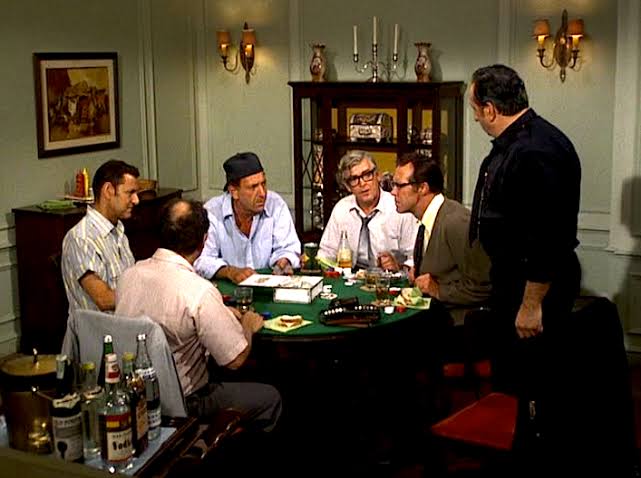
The series arrived when television was getting more comfortable with adult lives that did not fit the old husband-wife-kids template. Oscar and Felix were divorced men, and the show did not treat divorce as a one-episode scandal. It was the condition that put them in the apartment.
From there, the series built a friendship comedy disguised as domestic warfare. Oscar and Felix did not talk about male vulnerability in the language television would use decades later. They yelled about dinner.
Poker night helped because it placed the roommates inside a larger male world. Oscar’s friends could see the changes Felix brought to the apartment and could mock both men from the outside.
Felix was both intruder and caretaker. Oscar complained about rules while benefiting from meals, order and somebody who noticed when he was sick. Felix complained about filth while benefiting from Oscar’s loyalty and refusal to let him spiral too far into himself.
The emotional bargain was never equal on paper, which made it recognizable. Real friendship rarely balances every invoice.
That adult, character-first approach is part of the same early-1970s shift that made The Mary Tyler Moore Show feel so modern: the people did not need a family-tree excuse to matter to each other.
Neal Hefti gave Oscar and Felix a tune that sounded like a New York argument wearing a sport coat.
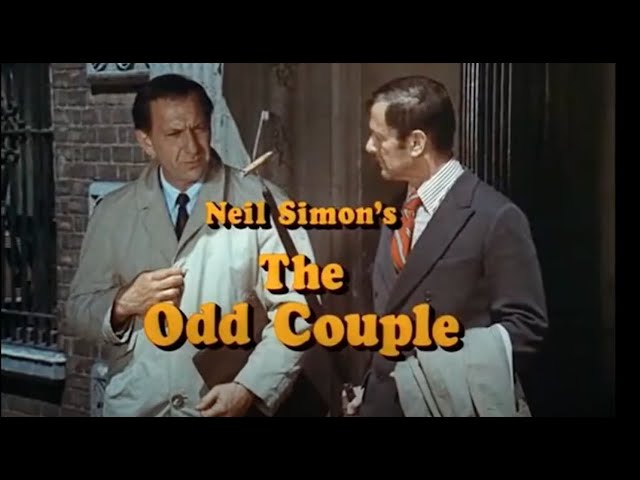
The music came from Neal Hefti, the composer and arranger whose television résumé already included the instantly recognizable Batman theme.
Hefti’s official catalog lists his work on The Odd Couple and notes that he wrote theme and background music for the television series from 1970 through 1975.
The main title works because it does not choose sides. It is tidy enough for Felix and loose enough for Oscar.
The show also used a narrated opening that quickly explained the roommate situation for anybody wandering in from the kitchen. The narration became one of those 1970s television rituals where a few seconds of setup could reset the entire premise every week.
Hear the theme now and you do not picture a generic sitcom. You picture two doors, one apartment and a man somewhere inside complaining that the other man moved something.
It belongs naturally beside the decade’s other instantly transportive 1970s television theme songs.
Game shows, sports, opera and television personalities could walk into Oscar and Felix’s apartment without breaking the show.
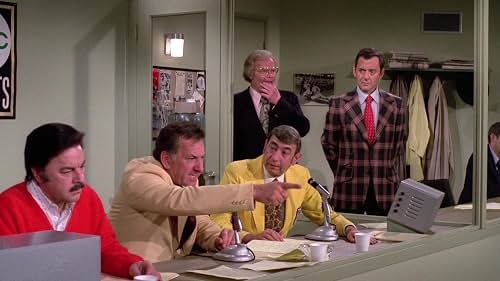
The Odd Couple was unusually comfortable with celebrity guests because Oscar and Felix had professions and interests that naturally opened the door to famous people. Oscar covered sports. Felix loved culture. New York supplied the rest.
That meant the show could bring in Howard Cosell without pretending he was somebody else, then swing toward opera or game-show personalities in another episode.
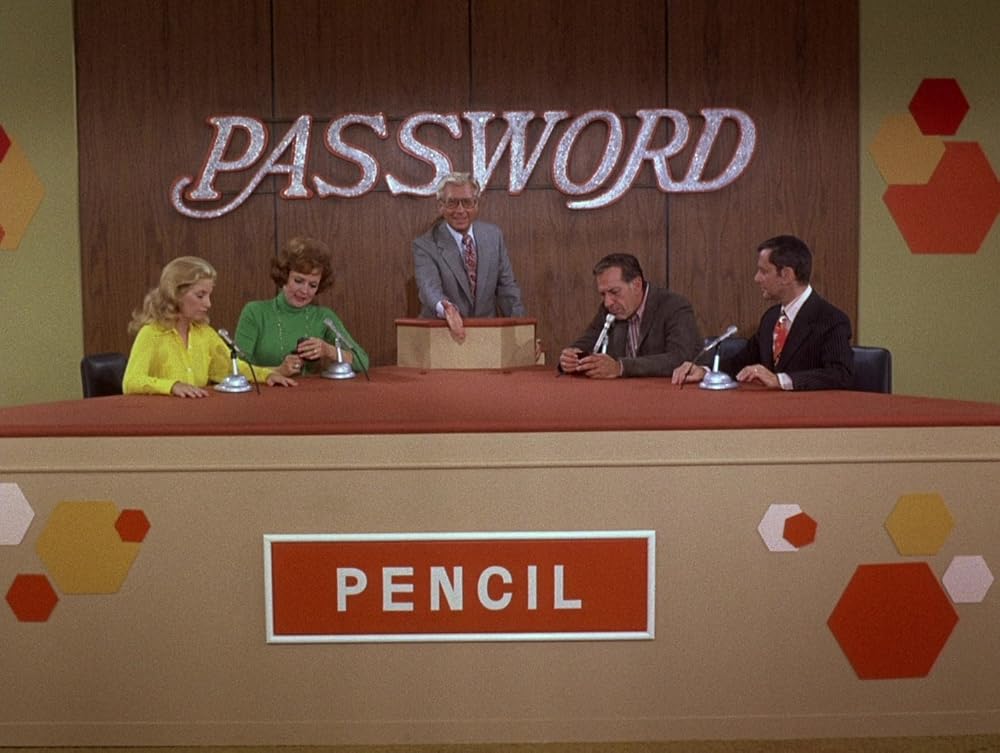
“Password” became one of the best-known examples. Jack Klugman later identified it as a personal favorite, and the episode used the game-show format to expose exactly how badly Felix and Oscar understand each other under pressure.
Garry Marshall’s Television Academy interview also highlights episodes involving Howard Cosell and other guest-driven stories, which shows how much the writers enjoyed letting the apartment collide with the larger television culture of the era.
The guest stars were rarely the whole point. They were accelerants. Put Felix near opera, Oscar near sports or both men in front of a game-show buzzer and the mismatch became public.
Start with the premiere, watch the format change, hit Password, and finish with Felix finally heading home.
The premiere introduces television’s Oscar and Felix and proves the stage premise can survive the move to a weekly apartment.
A key first-season episode in the show’s transition away from artificial laughter and toward the live-audience format the actors preferred.
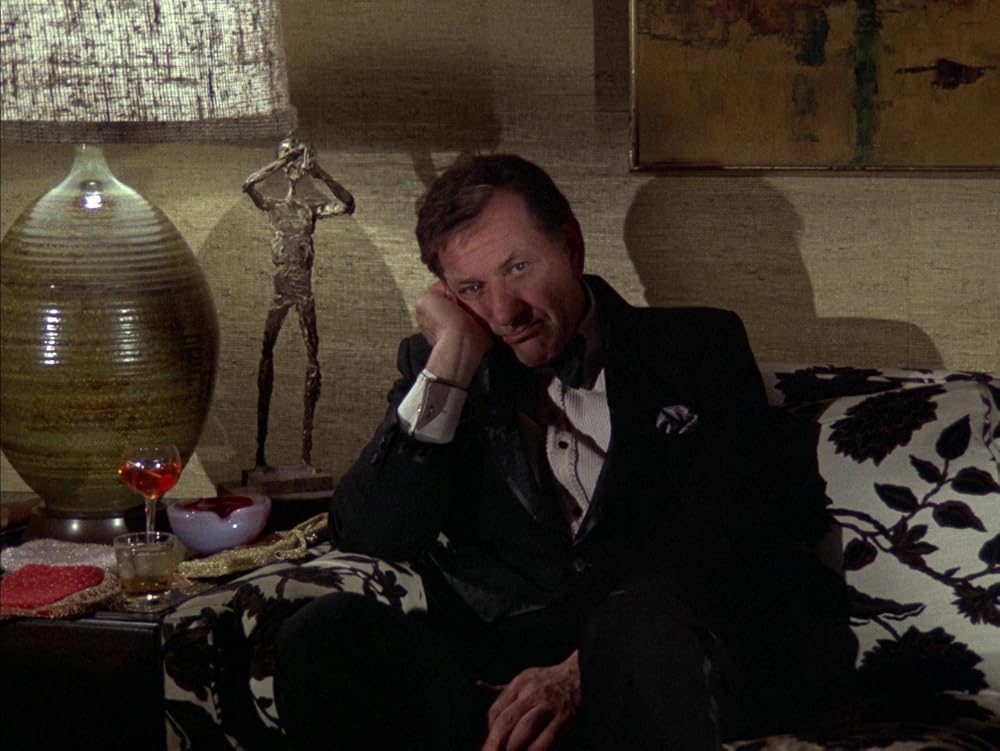
A game-show setup turns Oscar and Felix’s inability to think alike into the entire joke; Jack Klugman later named it a favorite.
One of Garry Marshall’s remembered favorites, sending the roommates far outside their normal apartment battlefield without changing who they are.
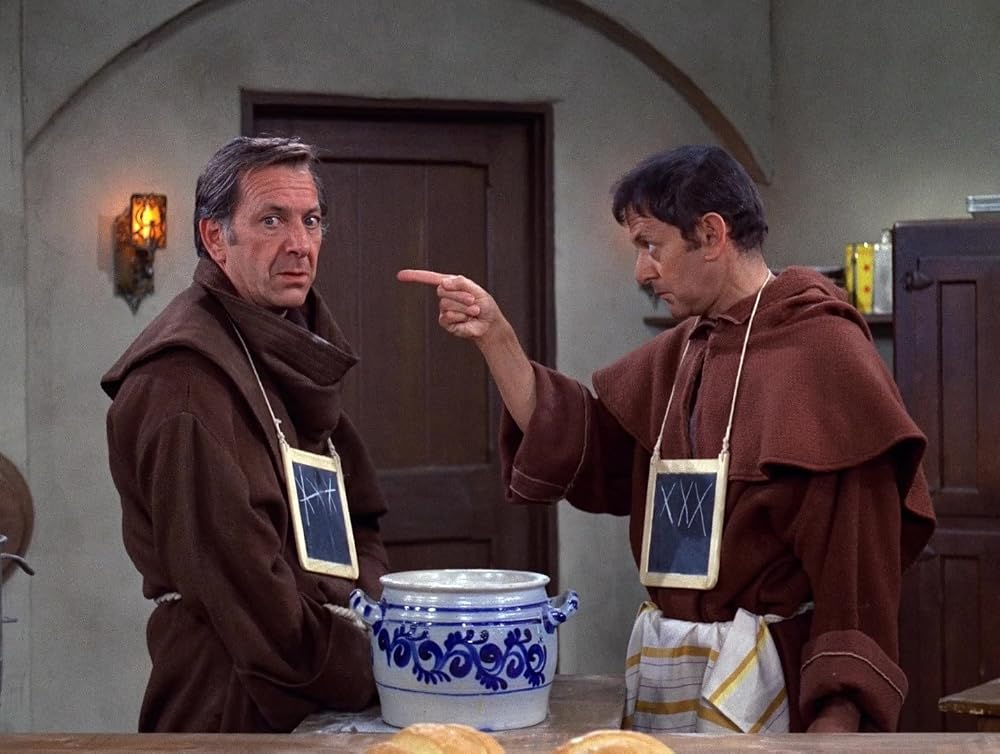
A classic example of the show taking a practical object and converting it into fresh Oscar-and-Felix warfare.
A story that digs into Oscar’s past and widens the character beyond the apartment mess.
Howard Cosell and opera star Martina Arroyo enter the show’s orbit in a late-run example of its celebrity-friendly world.
The series finale finally moves Felix toward reconciliation with Gloria and gives the roommate premise a real ending.
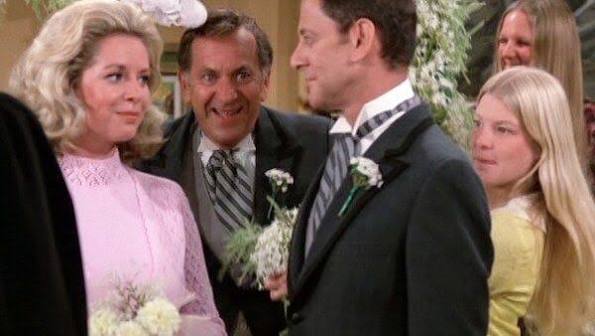
This is a viewing route, not a tablets-from-the-mountain ranking. With 114 episodes, the show has too many small pleasures to pretend eight titles settle the matter.
These episodes explain the series quickly: the original premise, the production shift, the game-show chaos, the guest-star world, Oscar’s history and the finale.
Once those click, almost any episode becomes rewatchable because the central question is never “what happens?” It is “how will Oscar and Felix make this harder than it needs to be?”
The source was ironclad. The job was making the same argument feel new for five seasons.
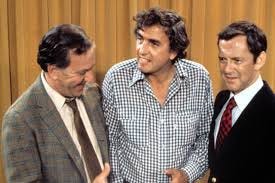
Garry Marshall and Jerry Belson came to the series with the right kind of experience: character comedy, fast dialogue and an understanding that weekly television could not simply photocopy Neil Simon’s play.
The Television Academy’s show history identifies Marshall and Belson as the team Paramount enlisted to shape the concept for television, with later producers and writers helping keep the format moving.
The writing challenge was structural. Oscar and Felix could not actually become compatible, because compatibility would end the show. But they also could not remain frozen, because frozen characters stop feeling human.
So the writers let the men reveal new interests, histories and vulnerabilities while keeping the basic habits intact. Felix could grow emotionally and still hate crumbs. Oscar could become more openly loyal and still refuse to find a hamper.
Lowell Ganz and Mark Rothman were among the younger writers whose later careers would become major parts of American comedy. Television Academy interviews with Ganz preserve how demanding the room could be and how closely Randall and Klugman engaged with scripts.
That engagement mattered. The stars knew the characters at a molecular level. They could tell when a line sounded like “a Felix joke” instead of Felix, or when Oscar had been made sloppy in a way that erased his intelligence.
The result is one reason the show sits comfortably beside later character comedies like Taxi. The premise gets you in the door. The people are why you stay.
Not really—and that is one of the strangest things about how famous the show became.
The Odd Couple was critically respected but never a giant ratings success during its original ABC run. Television Academy histories and interviews with Randall, Klugman and writer Lowell Ganz all remember the ratings as weak.
ABC nevertheless kept the show for five seasons. The network was in third place, which gave it a different tolerance for a smart comedy that was not winning the weekly horse race.
That patience mattered because many of the episodes people remember best came after the first year. The live-audience format had time to settle. The supporting cast grew. The writing staff learned exactly how far Oscar and Felix could bend without breaking.
Then syndication rewrote the reputation.
This is one of television’s great reminders that first-run ratings and cultural memory are not the same thing. A show can be marginal on Friday night and enormous at 5:30 in the afternoon ten years later.
Gen X grew up surrounded by those second lives. We inherited sitcoms out of sequence, after school, in local-station blocks. By the time many of us met Oscar and Felix, nobody told us the show had once struggled. It looked like a classic because television had already decided to keep showing it.
The show collected three Emmys, and both men at the center eventually won for playing the roommate nobody else could survive.
The Television Academy currently lists 14 nominations and 3 Emmy wins for The Odd Couple.
Jack Klugman won the comedy lead-actor Emmy for Oscar Madison in 1971 and again in 1973. Tony Randall won the same category for Felix Unger in 1975.
That final Randall win feels especially appropriate because the series had already ended by the time the award confirmed what viewers had known for years: Felix could be unbearable only because Randall made him irresistible.
The show itself also received comedy-series nominations, including in 1971, 1972 and 1974.
Awards do not explain chemistry, but those wins document how much the industry understood the performances. Klugman and Randall were not merely executing Neil Simon’s types. They had made the television versions their own.
The series did the one thing a roommate comedy usually refuses to do: it finally let the roommate move out.
The Odd Couple had never become a major ratings hit, and ABC ended the series after five seasons. The writers at least got something many sitcoms never receive: enough warning to give the roommate story a real finish. The final episode, “Felix Remarries,” aired March 7, 1975 as episode 114.
The title tells you where the story goes. Felix and Gloria move toward reconciliation, which means the apartment arrangement that powered the series can finally end.
That is a satisfying choice because it gives Felix an emotional destination without pretending Oscar has suddenly become a man who alphabetizes spices.
Television Academy interviews with writer Lowell Ganz and others remember the cancellation and finale as the end of a show that had never become a ratings monster despite its reputation.
What was the final episode? “Felix Remarries” was the 114th and final episode of the original series, airing March 7, 1975.
The ending is unusually clean for a 1970s sitcom. Felix leaves for a reason tied directly to the show’s original premise: the marriage that broke apart at the beginning has another chance.
Oscar, meanwhile, remains Oscar. The friendship survives even when the living arrangement does not.
The network run built the episodes. Reruns built the legend.
Television Academy’s history of the series is explicit about the strange trajectory: the show did not become a major popular success until syndication.
That makes sense when you think about the format. The Odd Couple is almost perfectly syndication-proof. You do not need to know what happened last week. You need to know that Oscar is messy, Felix is neat and neither man is moving out before dinner.
The apartment resets. The friendship resets. The argument starts again.
That repeatability made the show ideal local-station material, and local television turned five seasons into decades of familiarity.
For Gen X, this is where the show belongs emotionally. Not necessarily Thursday or Friday prime time in the early 1970s. More likely a weekday afternoon, a rerun block, a channel you landed on because nothing else had started yet.
Repetition gave the characters the status of archetypes. “Oscar” became shorthand for a slob. “Felix” became shorthand for somebody who would clean the motel room before checking out.
That same local-station afterlife is why a show like What’s Happening!! could feel just as permanent to Gen X. We did not inherit television in premiere order. We inherited whatever the station manager could stack between cartoons, the local news and dinner.
That is television immortality of a very specific kind: people remember the characters even when they cannot tell you what network aired them.
A premise this simple was never going to stay retired.
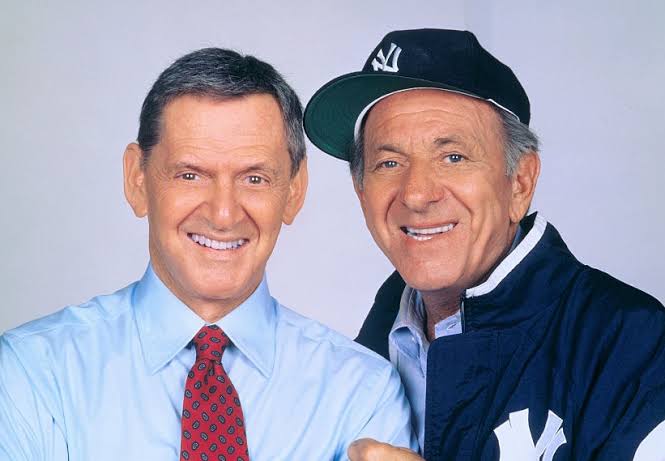
The concept kept coming back because it is almost impossible to wear out. In 1975, an animated variation called The Oddball Couple turned the mismatch into a neat cat and sloppy dog.
In 1982, The New Odd Couple revived the sitcom with Ron Glass as Felix and Demond Wilson as Oscar, reworking material from the earlier series for a new cast.
Klugman and Randall reunited for The Odd Couple: Together Again, a television movie broadcast in the 1990s. The reunion carried extra emotional weight because their real-life friendship had lasted far beyond the apartment set.
The property would be revived again in later decades with new casts, which proves the durability of the original mechanism.
But for people who grew up with the 1970s reruns, Oscar and Felix still mean Klugman and Randall first.
The reason is not nostalgia alone. Those two actors discovered a comic rhythm that later versions had to compete with before they could even start telling their own stories.
Because incompatibility never went out of style—and neither did needing the person who drives you crazy.
The Odd Couple feels modern because its basic relationship is not built on innocence. Oscar and Felix already know adults can fail at marriage, money, work, communication and housekeeping. They are not discovering adulthood. They are trying to survive the version they got.
The comedy comes from habits, not plot machinery. Modern sitcoms still build entire series around mismatched temperaments because Oscar and Felix proved the engine could be inexhaustible when the characters were deep enough.
The series also helped make room for adult friendship as a central sitcom relationship. Romance and family remained around the edges, but the weekly emotional investment belonged to two men who were not related and did not particularly want to admit how much they cared.
Character-first comedies that followed—Barney Miller, The Bob Newhart Show and later Taxi—all lived in a television world increasingly willing to trust personality over giant premises.
The show’s greatest trick is that the mismatch stopped feeling like a mismatch. After enough reruns, Oscar without Felix seems wrong. Felix without Oscar seems lonely.
That is the part no format document can manufacture. The men make sense together precisely because they do not make sense together.
Keep going through the decade in our 1970s television archive, where the sitcom was becoming stranger, sharper, more adult and much more willing to let personality carry the whole half-hour.
That durability is why Oscar and Felix still belong near the top of our best sitcoms of the 1970s. Plenty of shows had louder premises. Very few could make a sandwich, a towel or a poker game feel like a fresh reason for two people to reveal exactly who they were.
A stage hit, a movie, five television seasons, three Emmys and a syndication life that never really ended.
The Broadway version establishes Oscar Madison, Felix Unger and the roommate conflict that will survive every later adaptation.
Walter Matthau and Jack Lemmon bring the play to film, giving Paramount a successful property ready for television.
Jack Klugman and Tony Randall debut as Oscar and Felix on September 24, 1970.
Jack Klugman wins the comedy lead-actor Emmy, while the production begins moving toward the live-audience format that will define the later seasons.
The series has grown beyond the first-season film style and into the faster theatrical chemistry most viewers remember.
A second comedy lead-actor Emmy confirms how fully Klugman has made television’s Oscar Madison his own.
“Felix Remarries” airs March 7; Tony Randall wins the comedy lead-actor Emmy later that year.
The show becomes more culturally familiar in reruns than it ever was during its original ratings run.
That was the entire magic trick. Oscar could make a room unlivable. Felix could make living in it exhausting. Jack Klugman and Tony Randall turned both conditions into affection. We kept coming back because the argument was funny, but we remembered the show because neither man ever really abandoned the other. Somewhere between the poker chips and the vacuum cleaner, television found one of its best definitions of friendship.
Oscar, Felix, the live audience, Neal Hefti, the Emmys, the ratings and the final episode.
The ABC sitcom aired from September 24, 1970 through March 7, 1975.
The original Jack Klugman and Tony Randall series ran five seasons.
The original series produced 114 episodes.
Jack Klugman played Oscar Madison. He had previously taken over the role from Walter Matthau in the Broadway production.
Tony Randall played Felix Unger throughout the five-season television run.
Yes. The sitcom was adapted from Neil Simon’s Broadway play, which also became the successful 1968 movie starring Walter Matthau and Jack Lemmon.
Garry Marshall and Jerry Belson developed the series for Paramount Television and ABC.
The first season used single-camera filming and recorded laughter. Randall and Klugman preferred performing for a real audience, and the series shifted to a multi-camera live-audience format beginning with season two.
Neal Hefti wrote the theme and background music associated with the television series.
No. The show was respected but never a major ratings success during its original ABC run. Its reputation grew dramatically in syndication.
The Television Academy lists 14 nominations and three Emmy wins for the series. Jack Klugman won twice for Oscar Madison, and Tony Randall won once for Felix Unger.
“Felix Remarries” was the 114th and final episode, airing March 7, 1975.
Television Academy oral histories and awards records, Neal Hefti’s official catalog and a complete episode chronology.
From Oscar and Felix into the decade’s character comedies, adult friendships and sitcoms that trusted people more than premises.