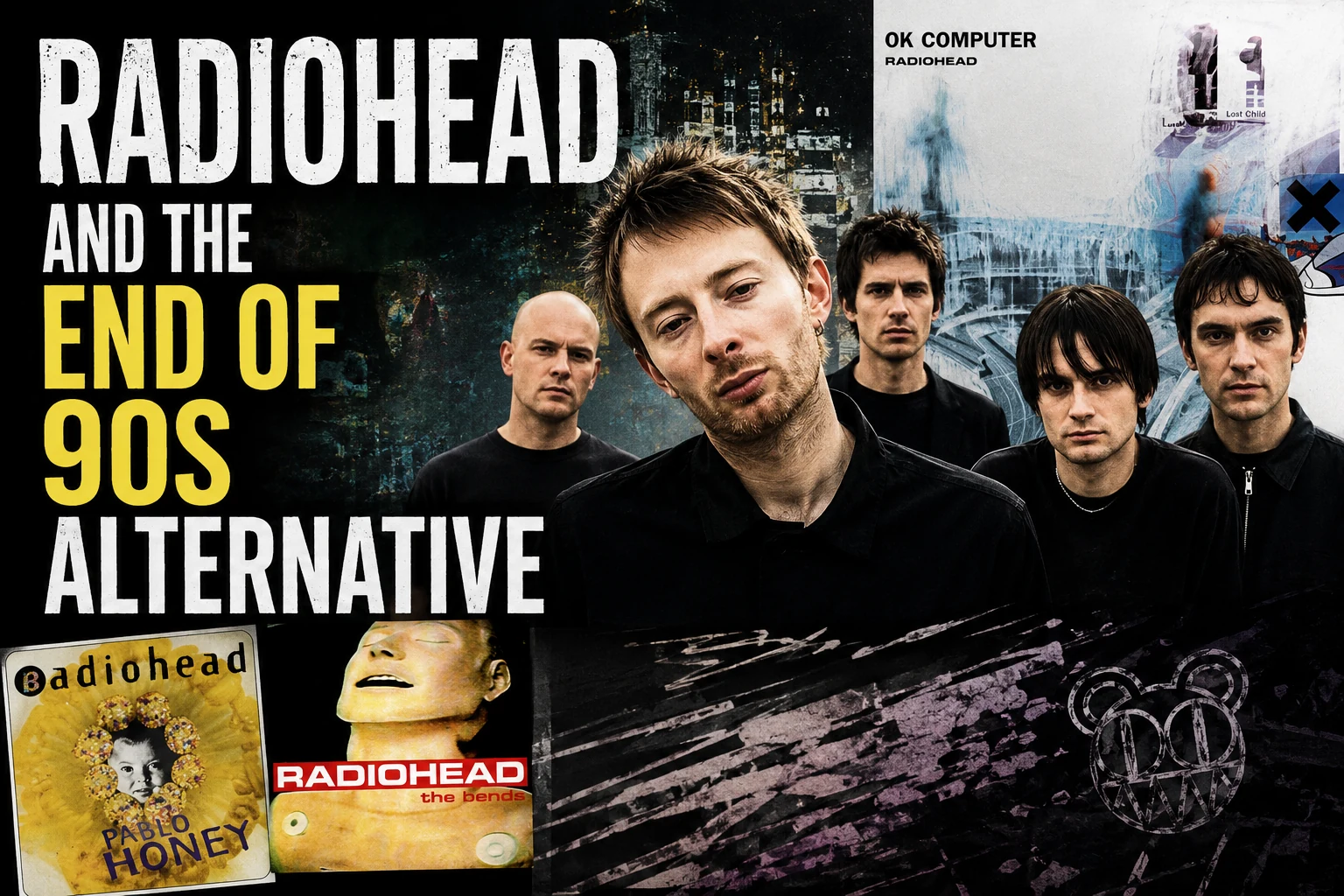
Radiohead and the End of 90s Alternative
By the end of the 90s, alternative rock had been through the machine. Grunge had exploded. Post-grunge had sanded down the splinters for radio. Ska-punk had thrown horns at the wall. Slacker alternative had turned awkwardness into a personality. And then Radiohead walked in, looked at the whole thing, and made it sound like the future had a migraine.
This is the story of Radiohead 90s alternative: from “Creep” and the one-hit-wonder trap they almost got shoved into, through The Bends, and into OK Computer, the album that made guitar rock feel like it had been plugged into a nervous system made of airline announcements, bad dreams and dial-up dread.
Alternative rock stopped staring at its shoes and started staring into the machine.
Radiohead did not end 90s alternative by killing it. They ended it by making the original version feel too small. After OK Computer, the old formula — guitars, angst, video, radio single, repeat — suddenly looked like a VCR blinking 12:00 in a room full of incoming computers.
Quick Answer: How Did Radiohead End 90s Alternative?
Radiohead helped end the original 90s alternative era by pushing guitar rock beyond grunge, Britpop, post-grunge and modern rock radio expectations. “Creep” made them famous, The Bends proved they were not a novelty, and OK Computer turned alternative rock into something colder, stranger, more ambitious and more anxious about the future.
Radiohead still belonged to 90s Alternative & Grunge Hub culture, but they did not stay trapped inside it. They took the guitar language of the decade and stretched it into art rock, electronic anxiety, isolation, anti-consumer dread and the kind of late-90s unease that made everyone look at their new computer and think, “This is probably fine,” which of course it was not.
If Weezer, Beck and slacker alternative captured the awkward, ironic side of the decade, Radiohead captured the moment when the jokes started curdling into something bigger. Less couch. More fluorescent airport terminal at 3 a.m. with your soul buffering.
Why Radiohead Felt Different From the Rest of 90s Alternative
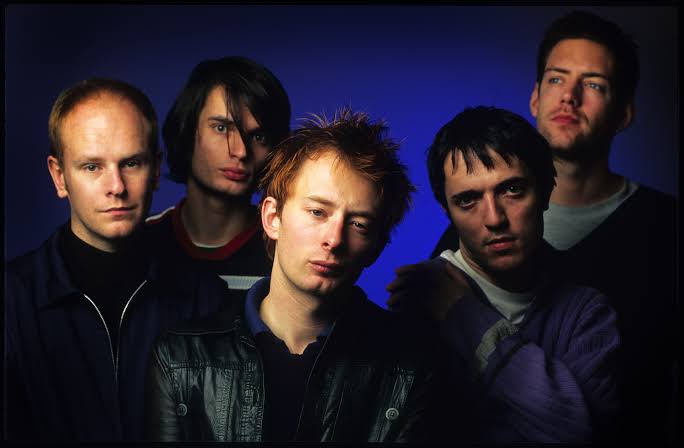
Radiohead did not look like the band that would redraw the map. They were five guys from Oxfordshire: Thom Yorke, Jonny Greenwood, Colin Greenwood, Ed O’Brien and Philip Selway. No Seattle mythology. No Britpop swagger war. No leather-pants nonsense. No “we are here to save rock” posture. Early on, they looked like they might just be another moody guitar band with one massive song and a lot of feelings. The 90s had plenty of those. Some of them are still wandering modern rock playlists like escaped mall ghosts.
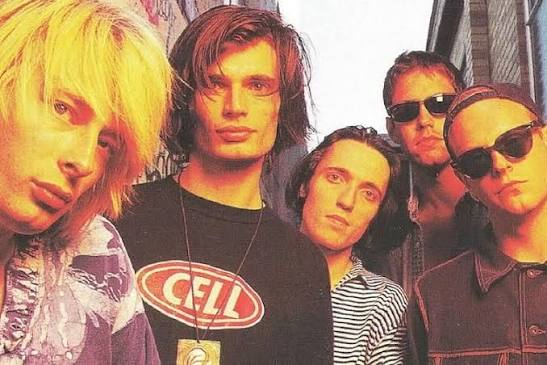
But Radiohead had a different temperature. The feelings were there, obviously. Thom Yorke did not exactly sound like a man who had just discovered emotional moderation. But the band’s anxiety was not only romantic or personal. It was environmental. Technological. Political. Social. Existential. They made alienation feel like the room itself was malfunctioning.
That made them perfect for the late 90s. The decade was changing under everyone’s feet. The early-90s alternative explosion had started with guitars, flannel, college radio, MTV weirdness and a general suspicion of the old rock machine. By 1997, everything was bigger, cleaner, more commercial and more unstable. The internet was creeping into the house. Corporate branding was getting louder. Airport culture, office culture, credit cards, computers, surveillance, traffic and information overload were starting to feel less like background noise and more like the weather.
Radiohead caught that mood before a lot of people could explain it. The band did not simply write songs about being sad. They wrote songs about feeling human inside systems that did not care whether you were human at all. That is why OK Computer still hits differently from a lot of 90s records. It does not sound trapped in the 90s. It sounds like the decade accidentally opened the door to the next one and immediately regretted it.
“Creep” was so massive that it could have swallowed them whole. Instead, Radiohead spent the rest of the decade proving they were much stranger than their biggest early hit.
Their best 90s songs did not just sound like heartbreak. They sounded like office lights, airport delays, bad screens, traffic, loneliness and the terrible suspicion that progress had a trapdoor.
Jonny Greenwood, Ed O’Brien and the rhythm section made guitar music feel unstable, atmospheric, beautiful and hostile instead of just loud.
By the time OK Computer landed, alternative rock sounded less like a scene and more like a warning from the next century.
“Creep”: The Hit Radiohead Could Not Escape Fast Enough
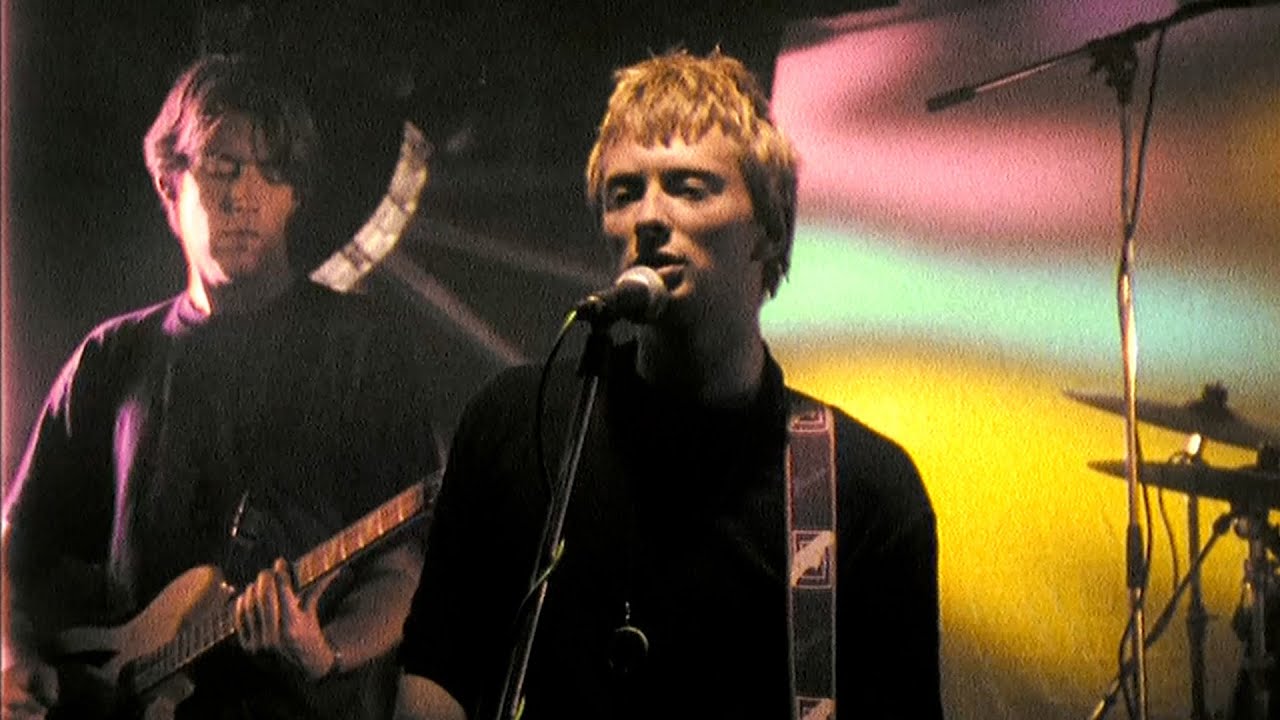
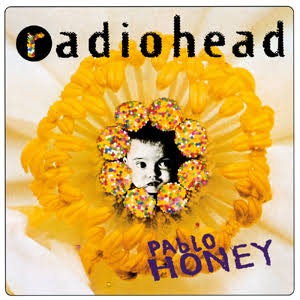
“Creep” is one of the strangest origin stories in 90s alternative because it was both a perfect breakthrough and a giant problem. It gave Radiohead an identity before the band had a chance to build one. It announced them to the world as wounded outsiders with a quiet-loud guitar anthem and a chorus that every alienated teenager could weaponize during a bad week. Great for the audience. Extremely inconvenient if you are the band and would prefer not to spend the next several years being introduced as “the ‘Creep’ guys.”
The song first appeared as an early single before Pablo Honey, then became the song that made Radiohead unavoidable. It had the grunge-era dynamic everyone recognized: quiet verse, explosive chorus, emotional self-loathing, big guitars, and the kind of lyric that sounded like it had been written directly onto the inside of a locker by someone having the worst lunch period of their life.
But the magic is in the details. Thom Yorke’s vocal is fragile without being soft. He sounds exposed, annoyed, embarrassed and furious at himself, sometimes all inside the same line. Then Jonny Greenwood’s guitar slashes before the chorus like an alarm nobody asked for. Those blasts are not pretty. They interrupt the song like the band is trying to sabotage its own prettiness. Which, honestly, tracks.
“Creep” connected because the 90s were full of songs about not belonging, but this one was brutally direct. It did not hide behind poetry. It just said the thing: I do not belong here. That is why it became huge. It is also why it became unbearable for the band. A song that simple can become a cage when everyone keeps asking you to decorate it.
Radiohead’s complicated relationship with “Creep” became part of their legend. They did not hate that people connected to it. They hated getting reduced to it. There is a difference. Gen X knows this feeling. You make one awkward emotional gesture in public and then people act like that is your whole personality for the rest of your life. Fantastic. Very sustainable.
Pablo Honey had more than “Creep,” but history was not very patient with the rest of it. Songs like “Anyone Can Play Guitar” and “Stop Whispering” showed a band still figuring out how to stand inside the early-90s guitar boom. The record has flashes of what would come later, but it mostly sounds like Radiohead before Radiohead realized how far they could push the walls.
That is the important part. “Creep” did not end Radiohead’s story. It gave them something to fight against. Plenty of bands would have chased that song forever. Radiohead ran away from it so hard they eventually made Kid A. That is not a career arc. That is a witness protection program with synthesizers.
The Bends: Radiohead Become More Than “Creep”
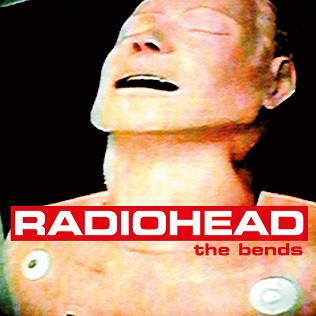
The Bends is where Radiohead became Radiohead. Not fully futuristic yet. Not the cold, glitchy art-rock prophecy they would become. But this is the record where they stop sounding like a band trying to survive the early-90s alternative boom and start sounding like a band that might outgrow the decade completely.
Released in 1995, The Bends arrived right in the middle of a messy British rock moment. Britpop was exploding, Oasis and Blur were eating up headlines, and guitar bands in the UK were suddenly wrapped in flags, swagger, class tension and tabloid nonsense. Radiohead were technically part of that British guitar-band wave, but they were spiritually standing in a different room with worse lighting.
That is why Radiohead never really fit cleanly next to Oasis, Blur, Pulp and the 90s Britpop moment. Britpop often looked backward: Beatles, Kinks, glam, mod, pub swagger, clever class commentary, big choruses, lager confidence. Radiohead sounded like they had looked forward and seen a customer service phone tree where your soul used to be.
The Bends still has big guitars. It still belongs to 90s alternative rock. But the emotional range is wider, and the sound is more spacious. “Fake Plastic Trees” is devastating because it is not just sad; it is exhausted by artificiality. The song feels like fluorescent light, fake surfaces, fake smiles and that weird 90s feeling that everything was becoming more convenient and somehow less real.
“High and Dry” gave the album one of its most accessible moments, but even that song feels suspicious of easy comfort. “Just” is all angles and guitar spite, with Jonny Greenwood and Ed O’Brien building a track that feels like it is grinning while it bites. “My Iron Lung” directly wrestles with the “Creep” problem, using the idea of the hit song as both life support and trap. That is a very Radiohead thing to do: get a career-saving song, then write another song about how the career-saving song is suffocating you. Efficient misery. Respect.
“Street Spirit (Fade Out)” closes the album like someone turning off the lights in a room you were not finished being afraid of. It is one of Radiohead’s clearest bridges between their guitar-rock years and the darker, more atmospheric future. It does not explode. It drains. That is worse, honestly.
The Bends mattered because it proved Radiohead were not a one-song band. It also proved that 90s alternative could still be serious, ambitious and emotionally strange without simply repeating grunge moves. The band took guitar rock and made it more cinematic, more brittle and more haunted by modern life.
OK Computer: The Album That Changed the Temperature of Alternative Rock
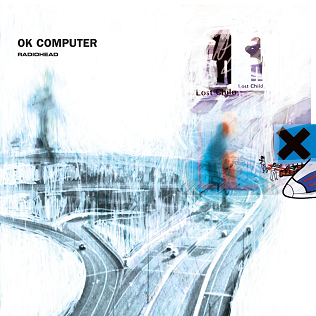
OK Computer arrived in 1997 and made a lot of other alternative rock suddenly sound like it was still hanging out at the mall. That is not a knock on the mall. We love the mall. The mall raised half of us. But OK Computer felt like it came from somewhere else: airports, motorways, corporate buildings, bad screens, anonymous rooms, exhausted cities and a world getting faster in ways nobody had agreed to.
This is why OK Computer belongs in any serious conversation about the best 90s alternative albums. It did not just collect great songs. It changed what a 90s alternative album could feel like. It was not a simple rejection of guitars. There are guitars everywhere. But they are not always doing normal guitar-band jobs. They shimmer, scrape, swarm, vanish, panic, float and sometimes sound like machines practicing grief.
“Paranoid Android” is the obvious monster: multi-part, strange, funny, furious, beautiful and completely unreasonable as a single in the best possible way. In a decade where radio liked hooks it could digest quickly, Radiohead dropped a song that moved like a nervous breakdown with sections. And somehow it worked. Because by 1997, alternative audiences had been trained by years of weird MTV and modern rock radio to accept the impossible if it was good enough.
“Karma Police” gave the record one of its most haunting singalong moments. It sounds simple at first, almost like a bitter little piano-rock chant, but the ending dissolves into something more unsettling. That slow collapse is pure late-90s Radiohead: the song does not simply finish; it malfunctions beautifully.
“No Surprises” is even scarier because it is pretty. The glockenspiel-like sweetness, the soft vocal, the lullaby pacing — it all makes the song’s exhaustion hit harder. It is the sound of someone being crushed politely. If the 90s had a customer-service hold music version of despair, this was it.
“Exit Music (For a Film)” is slow, dark and enormous by the end, while “Let Down” remains one of the band’s great songs about being emotionally stranded in modern life. “Subterranean Homesick Alien” turns alien abduction into a fantasy of escape, which is bleak when you think about it for more than three seconds. “Airbag” opens the album with survival and dread tangled together, like the car crash is over but the anxiety has moved in permanently.
And then there is “Fitter Happier,” the little computer-voice nightmare tucked in the middle. People love to joke about it, but it is the album’s cold little thesis statement: optimized life as emotional death. More productive. Comfortable. Not drinking too much. Regular exercise. A better version of you, apparently. Congratulations, you have become a brochure with a pulse.
OK Computer changed alternative rock because it caught the late-90s mood better than almost anything else. The album is anxious about technology without being a simple “computers bad” rant. It is anxious about corporations without sounding like a protest pamphlet. It is anxious about travel, speed, success, alienation, bodies, screens and progress. Basically, it looked at the modern world coming over the hill and said, “Yeah, this seems emotionally unsafe.”
OK Computer was the sound of the 90s turning into tomorrow.
Grunge sounded like the basement. Britpop sounded like the pub. Ska-punk sounded like the parking lot. Slacker alternative sounded like the couch. OK Computer sounded like the airport, the office, the highway, the screen and the voice in your head saying none of this was going to calm down.
The Band: Why Radiohead Worked
Radiohead’s 90s leap worked because the band was never just Thom Yorke and four guys looking worried near equipment. Yorke was the visible nerve ending, sure. That voice is hard to ignore. But the reason Radiohead became Radiohead is that every member gave the music a different kind of pressure.
Jonny Greenwood was the obvious wildcard, the guitarist who seemed allergic to normal guitar-hero behavior. His playing could be violent, delicate, ugly, orchestral, textural or just plain rude to the song in a way that made the song better. He gave Radiohead’s guitar music its instability. When the band needed beauty, he could do that. When the band needed the sound of a machine coughing up sparks, also covered.
Ed O’Brien’s guitar work mattered just as much, even if it was less likely to get mythology dumped on it. He gave Radiohead space, atmosphere and those wide, glowing textures that kept the songs from collapsing into pure panic. If Jonny was the knife in the circuit board, Ed was the fog rolling through the wires.
Colin Greenwood’s bass playing held the songs together without acting like it needed applause for doing adult work. Listen to the way Radiohead songs move underneath the obvious drama. That bass is often the thing making the weirdness feel grounded enough to hurt. Philip Selway’s drumming did the same: controlled, precise, patient and willing to let tension build instead of constantly announcing itself.
That is the difference between a band with ideas and a band that can survive them. Plenty of 90s groups had ambition. Radiohead had chemistry. They could make songs feel huge without making them bloated, strange without making them random, emotional without turning everything into a diary page thrown at a wall.
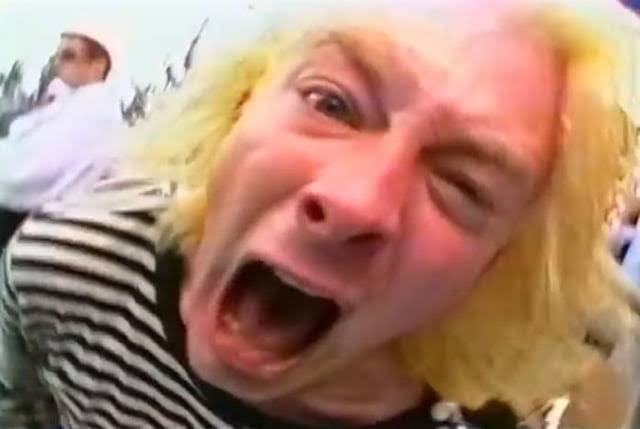
Yorke gave Radiohead the emotional center: fragile, bitter, frightened, furious and often singing like he could see the disaster coming before anyone else had checked the weather.
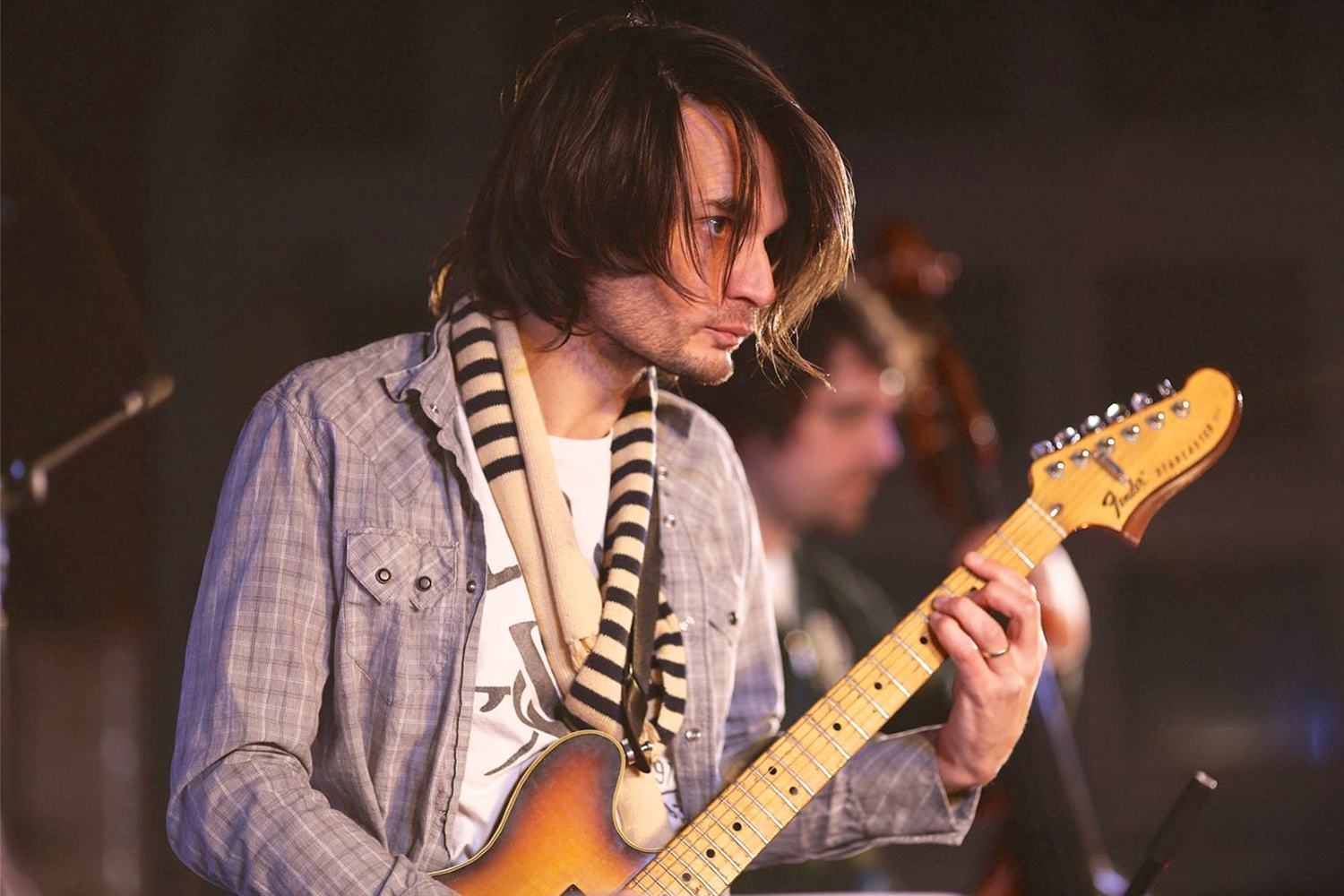
His guitar work helped Radiohead escape standard alt-rock shapes. He could make a song bloom, rupture or sound like technology having a religious crisis.
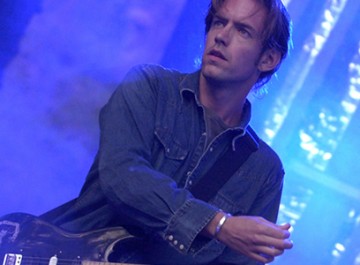
O’Brien gave the band depth and space, building textures that made Radiohead’s songs feel bigger than the riff-chord-riff routine.
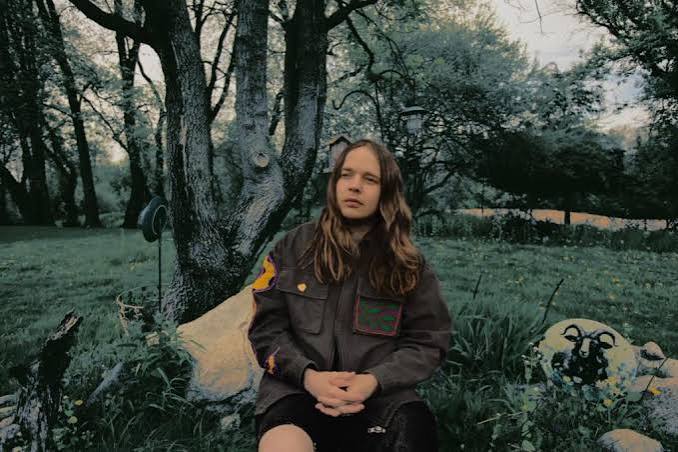
The rhythm section kept the band’s strangest ideas grounded. Without them, half this stuff might have floated into space wearing headphones.
Radiohead, Modern Rock Radio and MTV Weirdness
One reason Radiohead could happen in the 90s is that MTV alternative rock takeover was weirdly flexible for a while. Not always brave. Let’s not get carried away. Radio still loved patterns, formats and songs it could sell between car dealership ads. But the 90s alternative boom opened the door wide enough that unusual bands could sneak through before someone in a meeting decided to tighten the playlist.
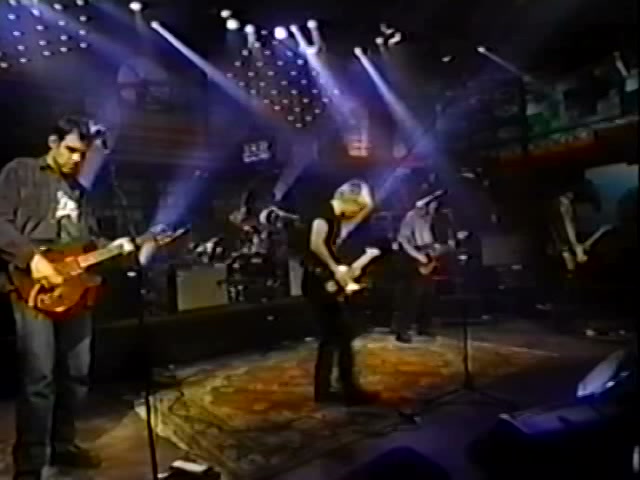
That mattered for Radiohead. “Creep” fit the early-90s guitar boom. The Bends fit modern rock’s appetite for serious British guitar songs. OK Computer was stranger, but by then Radiohead had enough credibility that listeners followed them into the cold room. MTV also helped. A song like “Paranoid Android” came with a disturbing animated video that felt less like promotion and more like your television had eaten something expired.
That is the thing about 90s MTV: it could make weirdness visible. It could turn “Buddy Holly” into a retro sitcom miracle, Beck into junk-culture cool, Björk into art-pop possibility, and Radiohead into the house band for end-of-century unease. The channel was commercial as hell, obviously. But for a while, the commercial machine had enough holes in it for strange things to leak through.
Radiohead used that space differently from a lot of bands. They were not trying to become lovable weirdos or sarcastic couch philosophers. They were building dread with a budget. The visuals, songs and album art all pointed in the same direction: modern life was glossy, fast, connected and deeply unwell. Enjoy your complimentary beverage.
Radiohead’s 90s Timeline
Radiohead’s 90s story moves fast: awkward early guitar band, giant outsider anthem, near-typecast disaster, reinvention, masterpiece, and then the first hints that the next decade was going to get much colder and stranger. That is a lot to pack into one decade, but the 90s were not exactly known for pacing themselves.
Early 90s: On a Friday Becomes Radiohead
The band comes out of the Oxford area after playing under the name On a Friday. They become Radiohead and enter a British guitar scene that is about to get extremely crowded, extremely loud and occasionally extremely smug.
Pablo Honey and the “Creep” Problem
“Creep” breaks through and gives Radiohead a massive early identity. The catch is that the identity is too narrow. The band suddenly has to prove it is more than one perfect alienation grenade.
The Bends Proves They Are Not a Fluke
The Bends turns Radiohead into a serious 90s guitar band with depth, atmosphere and staying power. The songs are still radio-friendly enough to travel, but the mood is already getting stranger.
OK Computer Changes the Room
OK Computer lands during a chaotic year for pop culture and becomes one of the defining records of 1997. Alternative rock suddenly sounds less like rebellion and more like a warning light.
The Next Door Opens
The full break comes just after the 90s, when Radiohead moves even further from guitar-band expectations. The seeds were already planted in OK Computer. The old alternative era did not end with a bang. It ended with a modem noise in the distance and Thom Yorke looking deeply unconvinced.
Why Radiohead Marked the End of the Original 90s Alternative Era
Saying Radiohead “ended” 90s alternative does not mean everyone else packed up their guitars and went home. Plenty of alternative rock continued. Post-grunge kept filling radio. Pop-punk was about to get even bigger. Nu metal was already stomping toward the front of the cafeteria. Indie rock kept evolving. The machine did not stop. The machine never stops. That is kind of the problem.
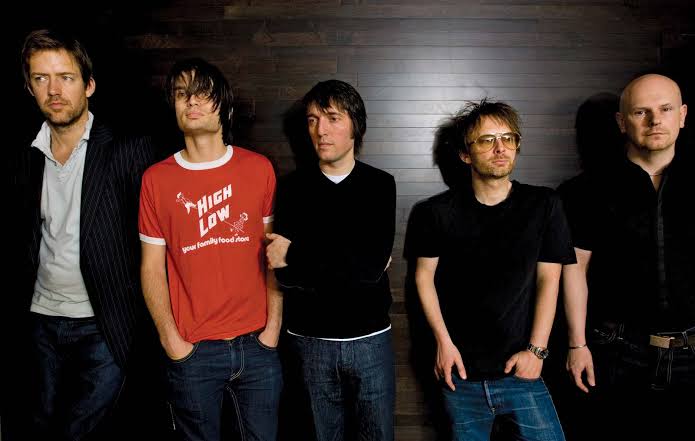
But Radiohead changed what the most ambitious version of alternative rock could be. The early-90s idea of alternative had been built on rejecting the old mainstream: hair metal, corporate rock, glossy pop, empty spectacle. By the late 90s, alternative itself had become mainstream enough to need rejecting. Radiohead did not reject it with jokes or nostalgia. They rejected it by making something too large and too strange for the old box.
That is why OK Computer sits so naturally beside 90s alternative songs that defined the decade. It does not feel like a period piece. It still sounds nervous about the world we actually got. That is either impressive or horrifying. Probably both.
The album also changed the emotional vocabulary. 90s alternative had plenty of angst, but Radiohead’s angst was less “I am lonely in my room” and more “I am lonely inside a civilization that keeps congratulating itself for getting faster.” That shift mattered. It opened the door for art-rock ambition, electronic textures, fractured song structures and a new kind of beautiful discomfort.
In that sense, Radiohead did not betray alternative rock. They fulfilled its original promise. Alternative was supposed to mean other possibilities. By 1997, the word had started becoming a radio format. Radiohead reminded everyone it could still mean a door you were not sure you wanted to open.
Radiohead pushed past the idea that alternative had to be just another guitar-radio category with thriftier clothes.
The band heard the emotional static in computers, corporations, transit, screens and speed before everyone had the language for it.
Instead of just riffing louder, Radiohead made guitars shimmer, screech, collapse and hover like something was wrong with the wiring.
After OK Computer, the future of alternative no longer sounded like the early 90s. It sounded colder, stranger and less sure of itself.
The Essential 90s Radiohead Songs
Radiohead’s 90s run is not just three album titles and some critical reputation collecting dust on a shelf. The songs still matter because they track the transformation in real time: outsider anthem, serious guitar band, then end-of-the-century art-rock dread. If you want the quick emotional whiplash tour, start here.
The song that made them famous and almost trapped them forever. Still devastating, still overplayed, still impossible to deny.
One of the great 90s songs about emotional burnout inside fake surfaces. Pretty, sad and absolutely not interested in cheering you up.
Sharp, jagged and mean in the best way. The video’s unexplained ending only makes it more 90s.
One of the darkest bridges between The Bends and the more haunted future Radiohead was about to build.
Multi-part, angry, funny, beautiful and completely unreasonable. A masterpiece pretending to be a nervous breakdown.
A deceptively simple song that slowly collapses into one of the decade’s most haunting endings.
Pretty enough to sneak past your defenses, bleak enough to ruin your afternoon if you pay attention.
A perfect song about being emotionally stranded in a world that keeps moving like it has somewhere better to be.
These songs belong in the wider conversation around essential 90s alternative songs because Radiohead did not just add a few big tracks to the decade. They changed what people expected from the sound after them.
The Legacy: Radiohead Made the Future Sound Nervous
Radiohead’s legacy is not just that critics love them, although yes, critics have spent decades treating OK Computer like it descended from the ceiling in a beam of tasteful dread. The real legacy is that Radiohead made ambition safe for alternative rock again after the genre had started becoming another commercial style rack.
They influenced bands that wanted more atmosphere, more experimentation, more emotional distance, more technology, more complexity and fewer obvious singalong answers. You can hear their shadow in later art-rock, indie rock, electronic-leaning alternative, post-Britpop bands, moody arena bands and basically every group that decided guitars could be part of the future without sounding like they were still auditioning for 1994.
But Radiohead’s 90s work still matters most because it captured a specific Gen X turning point. The early decade had been about rejecting old rock nonsense. The end of the decade was about realizing the new world might be worse in cleaner, quieter, more efficient ways. Congratulations, everyone. We beat hair metal and got performance reviews, browser tabs and airport security. Great trade.
That is why Radiohead feels like the perfect closing chapter for the first big 90s alternative story. They started with a song about not belonging and ended the decade with an album about not belonging anywhere, including inside the future everyone kept selling as progress.
Keep Rewinding the Late-90s Alternative Collapse
Radiohead did not float in from another planet, even if the airport lighting and emotional weather said otherwise. Keep moving sideways through the posts that explain the rest of the 90s alternative machine.
FAQ: Radiohead and 90s Alternative
Was Radiohead a 90s alternative band?
Yes. Radiohead broke through during the 90s alternative era with “Creep,” Pablo Honey, The Bends and OK Computer. They started as a guitar-based alternative band, then pushed the sound toward art rock, electronic textures and modern anxiety.
Why is “Creep” so important to Radiohead’s story?
“Creep” made Radiohead famous, but it also nearly trapped them as a one-song outsider-anthem band. Their later 90s work, especially The Bends and OK Computer, proved they were far more ambitious than that early hit suggested.
Why is The Bends important?
The Bends proved Radiohead could survive beyond “Creep.” It gave the band deeper songwriting, bigger atmosphere and key 90s songs like “Fake Plastic Trees,” “Just,” “High and Dry,” “My Iron Lung” and “Street Spirit (Fade Out).”
Why did OK Computer change alternative rock?
OK Computer changed alternative rock by turning guitar music toward art-rock ambition, technological anxiety, alienation and more experimental song structures. It made the future of alternative sound stranger, colder and more ambitious.
How did Radiohead compare to Britpop bands?
Radiohead came from the same British guitar-band era as Britpop, but they did not share Britpop’s swagger, nostalgia or tabloid-friendly confidence. While Oasis, Blur and Pulp often looked backward through British pop history, Radiohead looked forward into modern anxiety.
Did Radiohead end 90s alternative?
Radiohead did not literally end alternative rock, but they helped end the original 90s version of it. OK Computer made alternative feel bigger than guitar radio, pointing toward art rock, electronic influence and the more anxious sound of the 2000s.
What are the essential 90s Radiohead songs?
Essential 90s Radiohead songs include “Creep,” “Fake Plastic Trees,” “High and Dry,” “Just,” “Street Spirit (Fade Out),” “Paranoid Android,” “Karma Police,” “No Surprises,” “Let Down” and “Exit Music (For a Film).”
Keep the Rewind Going
Radiohead makes more sense when you hear them against the whole messy 90s soundtrack: grunge, Britpop, modern rock radio, post-grunge, slacker weirdness, essential albums and the songs that still sound like they escaped the decade before anyone could file them correctly.