Board Games Took Over the Room: 70s Family Games, Chaos & Missing Pieces
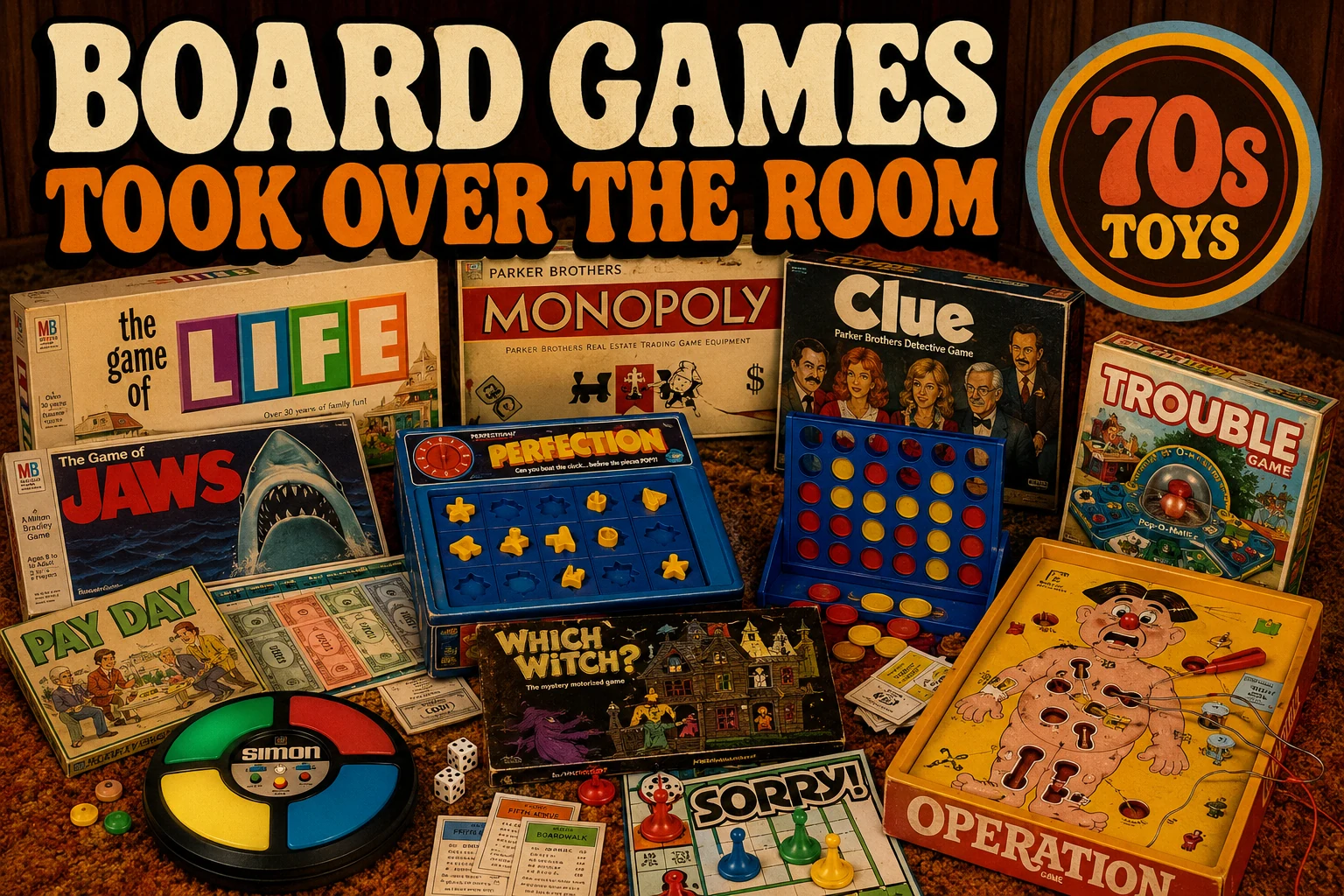
70s Board Games Monopoly, Clue, Connect Four and Family Game Night
Before multiplayer meant headsets and lobbies, family game night meant a cardboard box, a folding board, plastic pieces, suspicious dice rolls and one person reading the rules like they were conducting a hostage negotiation.
This deep dive revisits Monopoly, Clue, Life, Trouble, Operation, Which Witch?, Perfection, Connect Four, Pay Day, Othello, Stop Thief, Simon and the family-room rituals that made 70s board games impossible to forget.
 The Family-Room Marathon
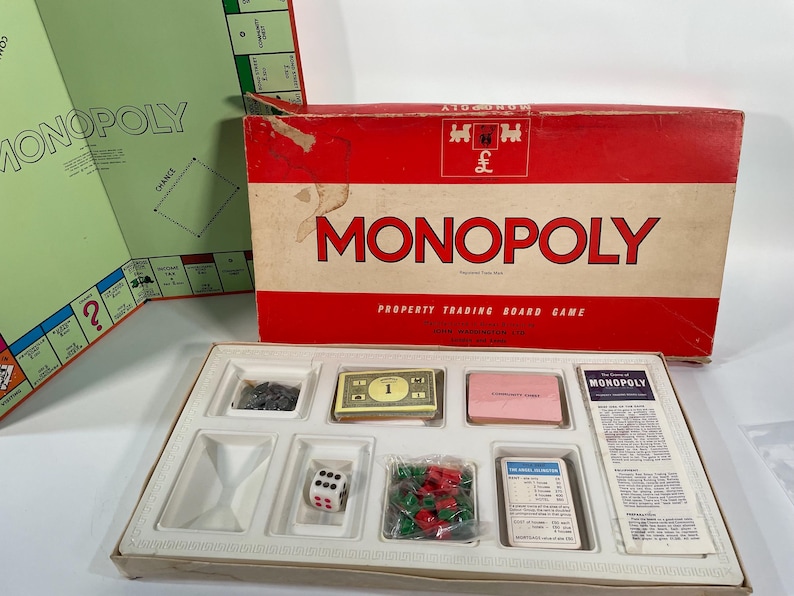
Monopoly
Paper money, property cards, house rules and the game that could outlast dinner, bedtime and several relationships.
The Family-Room Marathon
Monopoly
Paper money, property cards, house rules and the game that could outlast dinner, bedtime and several relationships.
What Defined 70s Board Games?
Seventies board games combined older family classics with a new wave of louder, more physical and more culturally specific titles. The game closet included Monopoly, Clue, The Game of Life, Trouble, Operation and Risk alongside Which Witch?, Perfection, Connect Four, Pay Day, Othello, licensed TV games and early electronic crossovers such as Stop Thief and Simon. The defining experience was not only the rules—it was gathering everyone around one table.
Essential 70s Board Games and Family-Game-Night Favorites
The strongest 70s game closet mixed long family battles, fast revenge games, skill tests, haunted houses, financial anxiety, abstract strategy and the first electronic signs that cardboard would not rule forever.
Why Board Games Owned the 1970s Family Room
Board games were unusually efficient entertainment. One box could hold a board, rules, money, cards, pawns, dice, spinners, timers and enough conflict to occupy an entire evening. They did not need a television schedule, batteries or good weather. They only needed a table and people willing to remain in the same room.
They also crossed generations easily. Parents knew Monopoly and Clue. Younger kids could handle Trouble or Sorry!. Older kids could move toward Risk, Masterpiece or Othello. The same closet supported different ages, moods and attention spans.
Most importantly, board games turned social behavior into the play mechanic. Players had to wait, negotiate, bluff, accuse, cooperate, compete and lose in public. The board supplied the system; the family supplied the unpredictable part.
Longer games, familiar rules and years of family history already built into the box.
Popping dice, buzzers and exploding trays made the object itself part of the show.
Simple rules, short rounds and enough depth to make immediate rematches feel necessary.
Sound clues, lights and machine-controlled pacing pointed directly toward the 80s.
The Board Game Box Was a Whole Event
A 70s board game did not just come out of the closet. It arrived. Someone dragged the box down from a shelf, cleared a table, pushed aside magazines, snacks, ashtrays, mail, toys, and whatever else had colonized the family room, and suddenly the whole room had a job.
The box lid came off. The board unfolded. Cards had to be separated. Money had to be stacked. Dice had to be found. Pawns had to be counted. The spinner had to be flicked twenty times before the game even started because apparently everyone needed to test physics. Somebody asked where the instructions were. Somebody else claimed they already knew the rules. That person was usually lying.
That was part of the appeal. Board games turned ordinary rooms into temporary systems. The coffee table became a casino. The kitchen table became a courtroom. The shag carpet became the penalty zone for dropped pieces. A game box could turn a slow Saturday night into capitalism, murder investigation, haunted-house survival, oil drilling, art auctions, deduction, panic, or a full family feud in under ten minutes.
They also had a smell and texture that sticks in memory: cardboard, ink, plastic trays, paper money, old score pads, and boxes softened by years of being shoved back into closets sideways. A 70s game closet was not organized. It was a sediment layer of childhood. Monopoly under Clue, Trouble wedged beside Operation, a deck of Uno cards loose somewhere it did not belong, and a baggie full of mystery pieces that nobody dared throw away because they were probably important.
The Classics Never Left the Room
A lot of the board games Gen X kids played in the 70s were not brand-new. That is important. The decade was full of hand-me-down games, older family staples, thrift-store boxes, cousin games, and battered editions with missing corners and taped lids. A game did not need to be new to dominate a room.
Monopoly, Clue, The Game of Life, Sorry!, Trouble, Risk, Battleship, Operation, Scrabble, Yahtzee, and Candy Land all carried older game-night energy into 70s childhood. They were the games kids played with parents, siblings, neighbors, cousins, babysitters, and grandparents. They were also the games that taught children several disturbing lessons about adults.
Monopoly: Capitalism With Tiny Metal Pieces
Monopoly was already ancient by 70s kid standards, but it remained one of the great room-takers. It was not just a game. It was an afternoon commitment, a relationship test, and a slow descent into landlord behavior. Kids learned about rent, mortgages, debt, bankruptcy, negotiation, and the emotional violence of landing on Boardwalk with a hotel.
The setup itself felt important. Someone had to be the banker, which immediately gave one kid too much authority. Property cards had to be sorted. The money had to be stacked by denomination, usually in a plastic tray that made everyone feel like they were running a very small and corrupt financial institution. The houses and hotels sat there like candy-colored threats.
The pieces mattered. The car, dog, thimble, battleship, top hat, iron, shoe, and cannon were not just markers. They were identity choices. Someone always wanted the car. Someone always got stuck with the thimble and acted like life had personally betrayed them. The piece you chose became your whole personality for the next three hours.
Monopoly also created the signature board-game problem: it lasted too long. Games could stretch across dinner, bedtime, weather events, and family moods. The board stayed out overnight with a warning not to touch anything, which guaranteed someone would touch something. House rules made it even worse: Free Parking jackpots, immunity deals, trades that should have been illegal, and one parent saying, “Just finish the game,” like that was something humans could do.
Clue: Murder, But Make It Family-Friendly
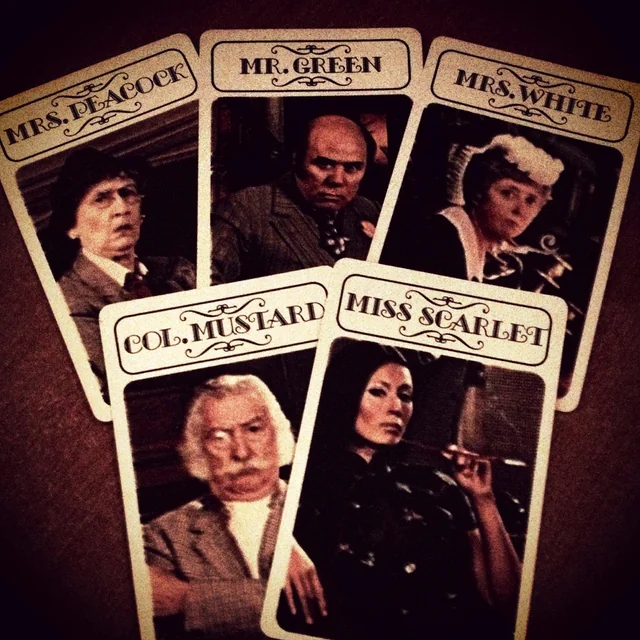
Clue gave the living room a different flavor: deduction, secrets, suspicion, little weapon pieces, and the thrill of accusing Colonel Mustard of doing something absolutely unforgivable in the conservatory. It was classy murder for kids who still had to be reminded not to lose the tiny candlestick.
What made Clue work was atmosphere. The mansion rooms, character names, weapon tokens, confidential case file, and accusation envelope made the game feel theatrical. It was one of those games where the board itself did half the storytelling. The rooms were not just spaces. They were scenes. The library felt smarter. The ballroom felt suspicious. The kitchen felt like someone was definitely lying.
The detective pad was a whole experience. Kids crossed off suspects with the seriousness of a police procedural, even if their handwriting looked like a ransom note. You watched what cards people asked for. You watched who showed what to whom. You pretended you did not notice patterns. You absolutely noticed patterns. Then you made a confident accusation and sometimes immediately realized you had ruined your own case.
Clue also trained kids in family deception. You watched faces. You acted casual. You asked misleading questions. You learned that siblings were capable of psychological warfare before they were old enough to do long division properly. For a “family game,” it was basically a starter course in interrogation.
The Game of Life: Adulting as a Spinner-Based Disaster
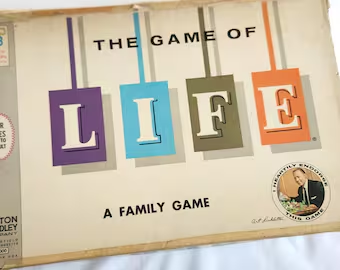
The Game of Life was the great 70s household simulator: school, jobs, marriage, kids, bills, money, status, retirement, and a plastic car slowly filling with tiny peg children like a warning from the future.
The board looked like a whole journey, which made it feel bigger than most games. You did not just circle a track. You moved through a version of adulthood designed by people who believed plastic pegs were a reasonable way to represent family expansion. The car mattered. The spinner mattered. The road curved through milestones that felt both cheerful and suspiciously stressful.
For kids, Life made adulthood look both exciting and horrifying. You got a career. You got paid. You bought things. You also accumulated responsibilities at alarming speed. The spinner gave everything a game-show quality, but underneath that cheerful plastic was the basic message: adulthood is mostly random events and financial panic.
It also reflected the way kids understood grown-up life in the 70s: jobs, houses, cars, babies, bills, insurance, and retirement. It turned the adult world into something you could hold in your hand and move around a board. Naturally, kids loved it. The game made the future seem like a toy, which is a dirty trick adulthood has been pulling for generations.
Trouble: The Pop-O-Matic Was the Whole Point
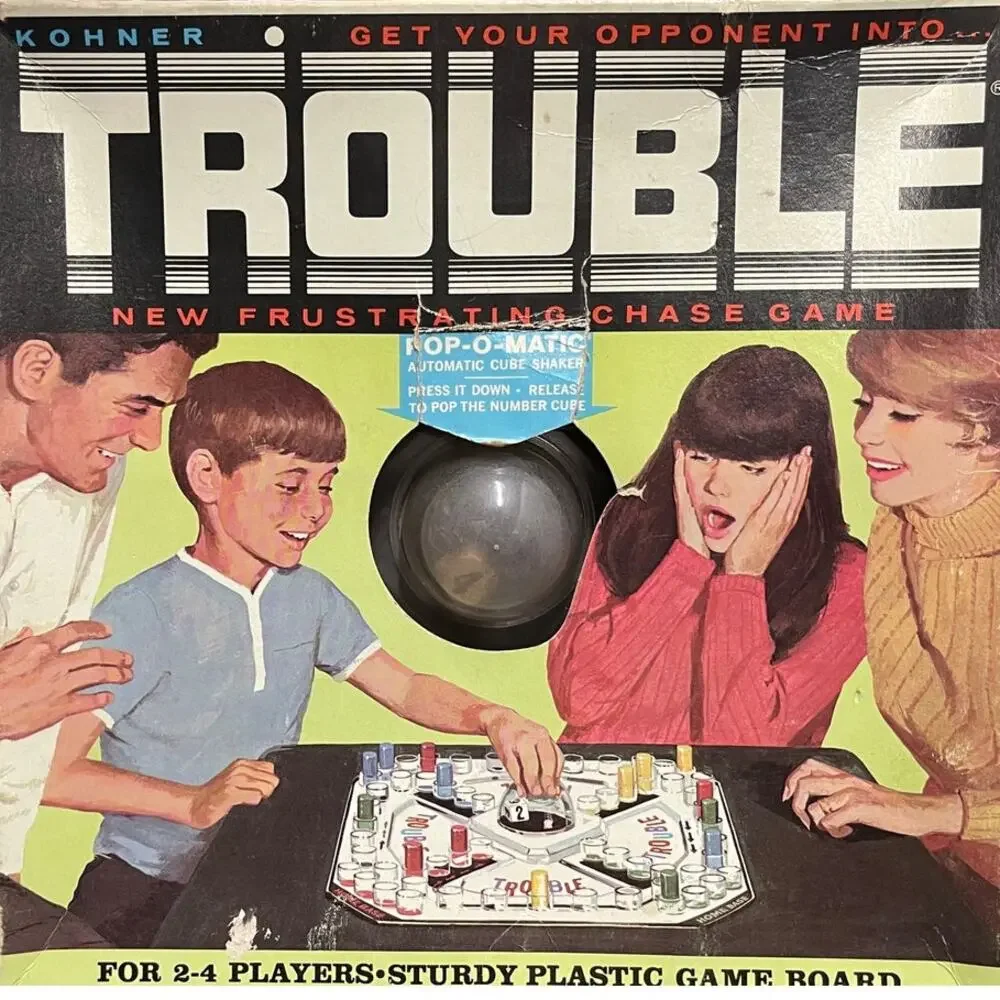
Trouble was technically a race-around-the-board game, but everyone knows the real star was the Pop-O-Matic die bubble. That plastic dome was irresistible. You did not roll the die. You assaulted the dome until it popped loud enough to annoy anyone trying to watch television nearby.
The game itself was simple: move pieces around the track, try to get them home, and send opponents back when you landed on them. But Trouble turned simple movement into a physical ritual. Pressing the bubble was a turn. It was action. It was sound. It was tension. It gave little kids something satisfying to do even before strategy entered the picture.
Trouble was also a perfect sibling game because it looked harmless and became personal immediately. Sending someone back to start was not just a move. It was betrayal with sound effects. The board was bright, the pieces were simple, and somehow someone still got mad.
Sorry!: Revenge in Polite Packaging
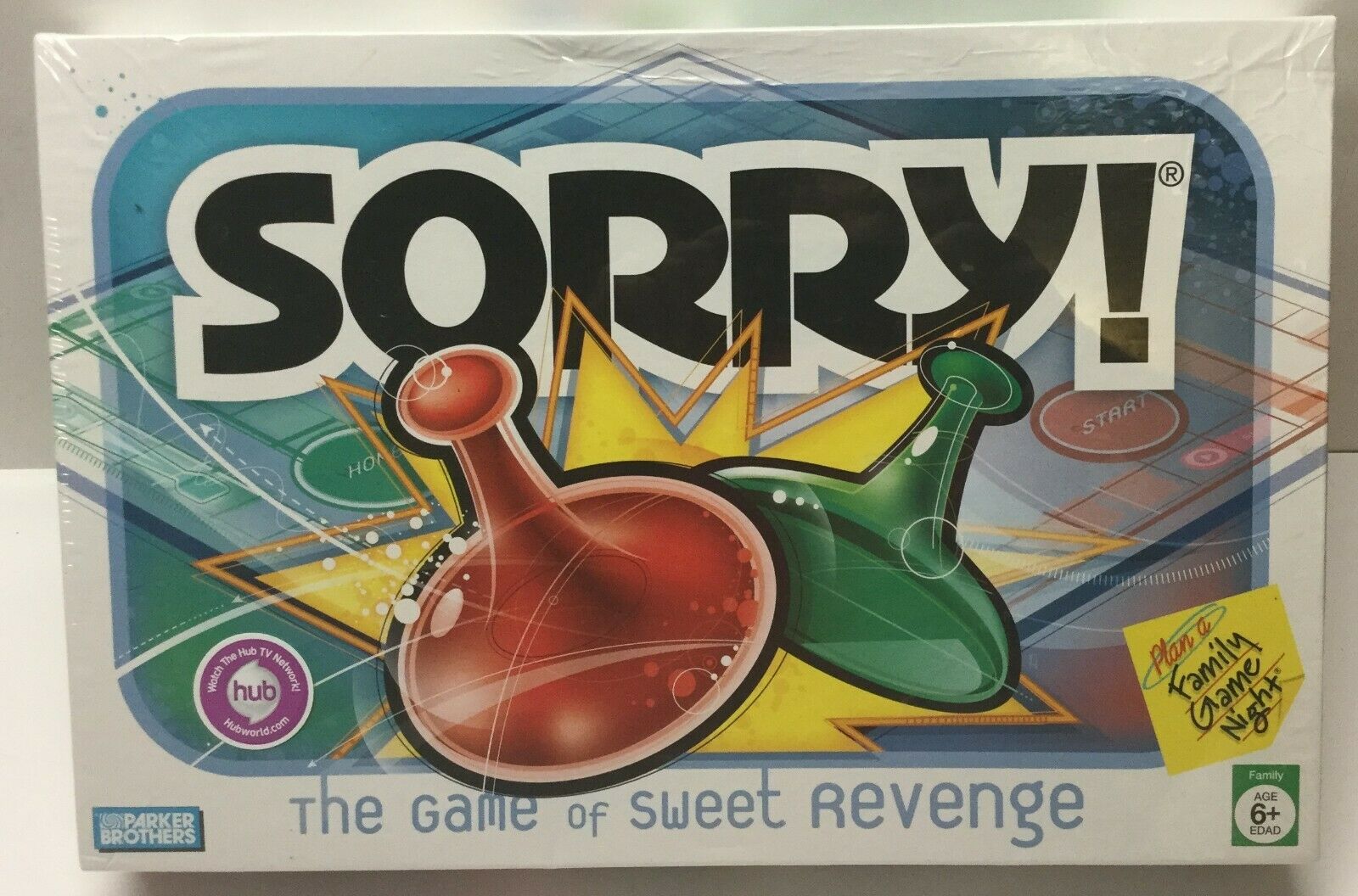
Sorry! had one of the greatest lies in board-game history right on the box: “Sorry.” Nobody was sorry. That was the whole point. The game allowed children and adults to wreck each other while pretending it was part of the rules, which is technically true and emotionally false.
The cards controlled movement, so the game felt less like dice luck and more like destiny dealing out insults. You could be almost home and then get sent back because someone drew the right card and had the audacity to smile. The word “Sorry!” became a tiny act of violence.
In a 70s family room, Sorry! was perfect because it was easy to teach, colorful, fast enough to replay, and mean enough to matter. It taught kids that sometimes the board is fair, the rules are clear, and people still choose chaos.
Operation: Fine Motor Skills and Public Shame
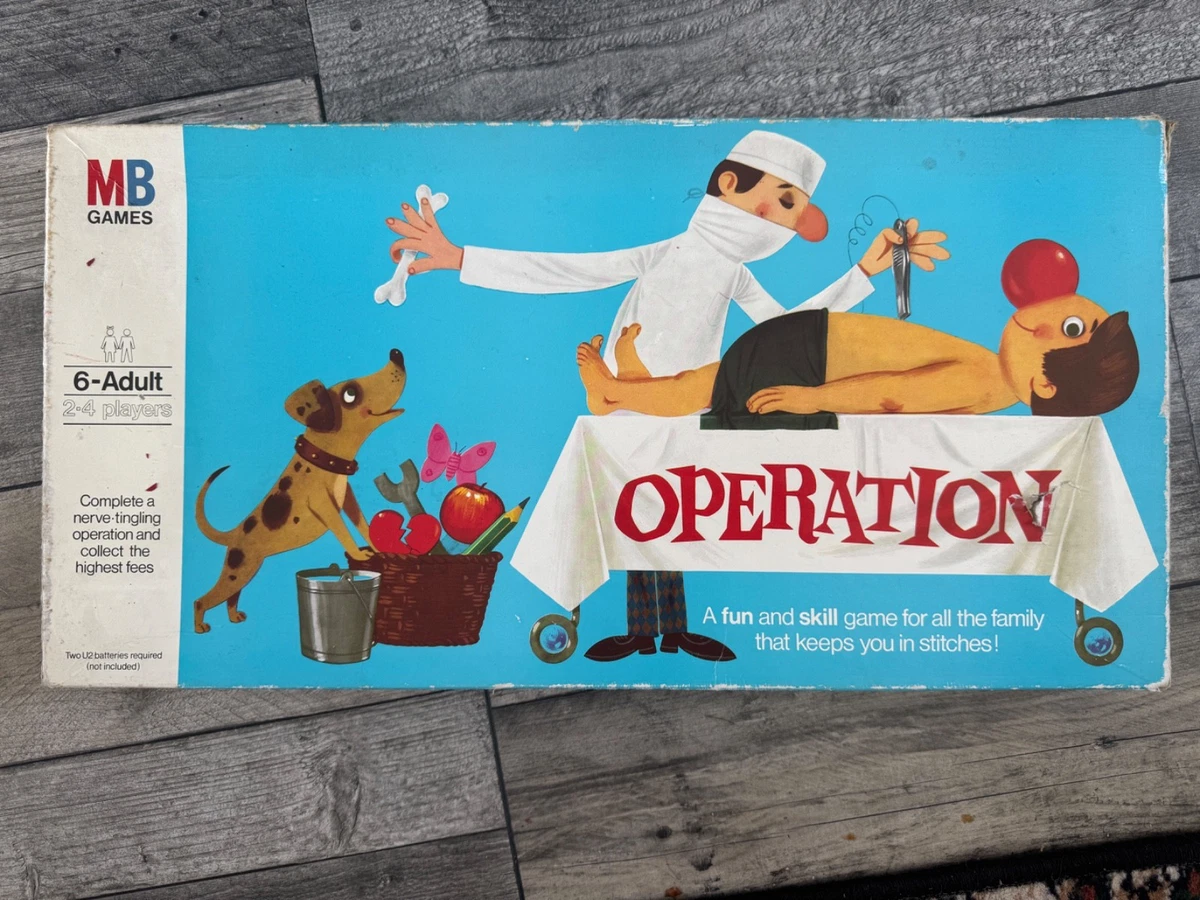
Operation turned a board game into a nerve test. Cavity Sam lay there with his red nose and weirdly specific ailments while players used tweezers to remove plastic pieces without touching the metal sides. Touch the edge and the buzzer went off. Simple. Cruel. Perfect.
The genius of Operation was that everyone could see failure coming. The hand trembled. The room got quiet. Someone said, “Don’t laugh.” Someone laughed. The tweezers touched the side, the buzzer blasted, the nose lit up, and the entire table reacted like a surgical scandal had just occurred.
It was a very 70s kind of toy-game hybrid: part board game, part battery-powered gag, part skill challenge, part humiliation machine. It was also one of those games that made adults think, “This is good for coordination,” while kids thought, “How do I make my brother jump?”
Battleship: Quiet Strategy, Loud Peg Problems
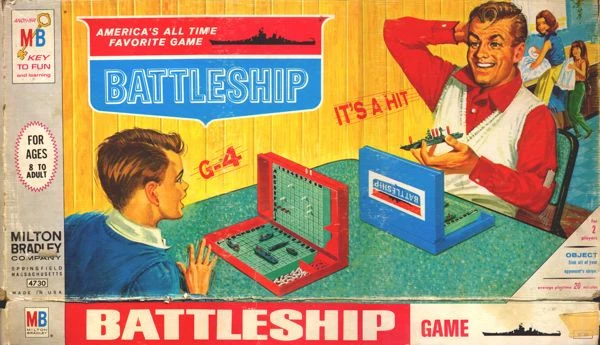
Battleship was a different kind of game-night mood. It did not need a giant board spread across the table. It gave each player a little private command center. You hid your ships, called coordinates, missed repeatedly, and tried to act like you had a brilliant strategy when you were mostly guessing like a tiny naval lunatic.
The vertical plastic cases made the game feel almost futuristic compared with flat board games. You had grids, pegs, hidden information, and a satisfying little click every time you marked a hit or miss. The red and white pegs were essential, which meant they were doomed to vanish into carpet.
Battleship also created a calmer kind of competition. It was suspenseful without being frantic. The drama came from calling out “B-7” and watching someone’s face to see if they reacted. Naturally, everyone tried to read body language like they were interrogating spies.
Risk: The Game That Made the Table Feel Like a War Room
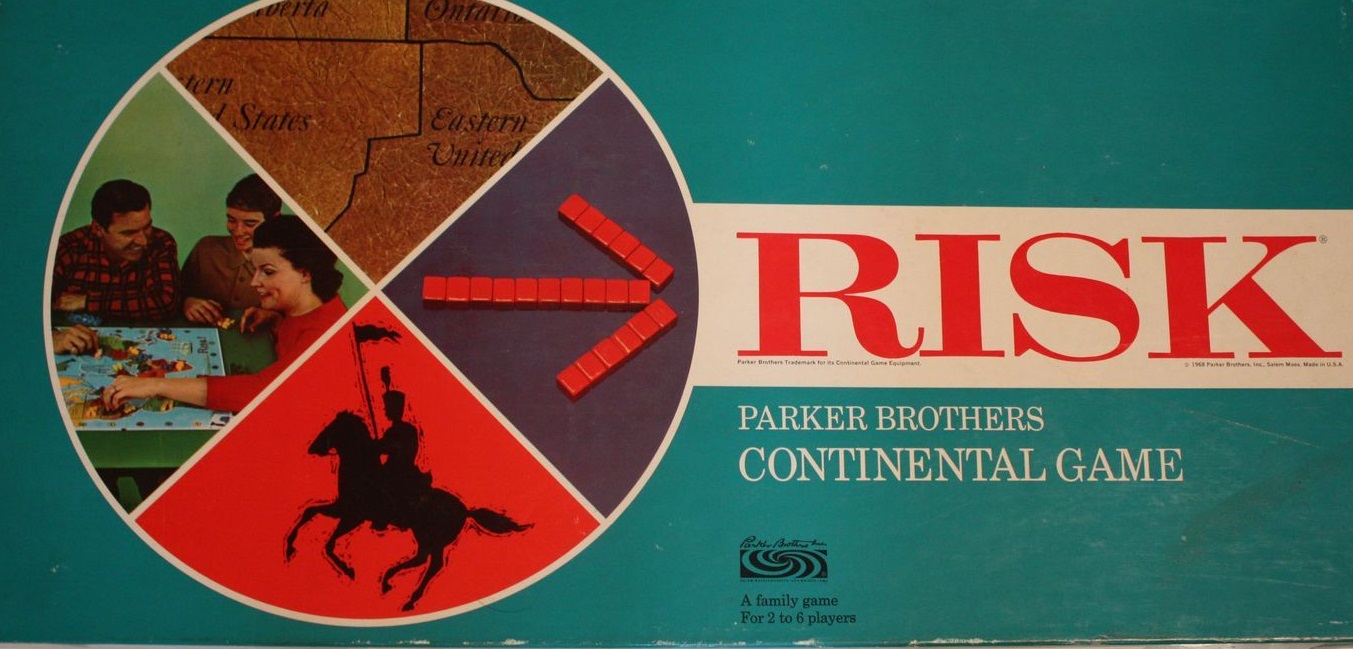
Risk was for the kid, parent, or older sibling who thought Monopoly was not long or hostile enough. It turned the table into a global strategy map, gave everyone armies, and then invited the family to spend the evening making alliances they absolutely planned to betray.
The game felt bigger than most family games because the board looked like the world. The little armies made control visible. Continents mattered. Borders mattered. Dice rolls became battles. A kid could stare at the board and feel like a general, even if their entire strategy was “attack Australia again.”
Risk was not always an everyday 70s kid game, but it lived in the game closet as the serious one. The one that took time. The one older kids pulled out when they wanted something deeper, longer, and more dramatic. It was cardboard geopolitics with family grudges.
The 70s Games That Felt Like the Decade
The 70s did not just inherit board games. It also added its own weird, gimmicky, colorful, feature-heavy titles. These were the games that felt like the decade: chunky plastic pieces, pop-art boxes, haunted houses, timers, vertical grids, stock markets, bills, auctions, oil wells, and just enough chaos to make the table feel alive.
Which Witch?: A Haunted House on the Table
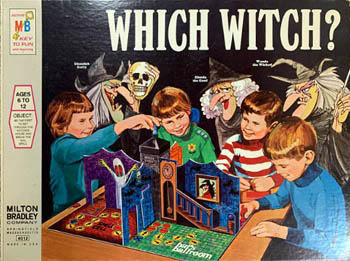
Which Witch? was pure early-70s tabletop theater. The game built upward into a haunted house with rooms, walls, a chimney, traps, and a sense that the board itself was part toy, part set design, and part troublemaker.
The first appeal was visual. This was not just another flat board. It looked like something. You built a spooky house on the table and moved through it like a miniature Halloween episode. That mattered because 70s kids loved toys that became environments: garages, villages, dollhouses, racetracks, forts, and haunted houses. Which Witch? belonged in that same room-taking category.
The gameplay had a toy-like quality because the house could interfere with you. The walls, rooms, and trap elements made the board feel active. Kids were not only counting spaces. They were waiting for the house to do something awful. That gave the game a physical suspense that a plain board could not match.
It also had that slightly spooky-but-safe 70s vibe. Not horror-horror. More like Halloween decorations, monster cereal, Scooby-Doo energy, and basement shadows. The kind of scary that made kids feel brave without actually requiring bravery. The room became a haunted house, but the snacks were still within reach.
Masterpiece: Art Auctions for Kids Who Owned Zero Art
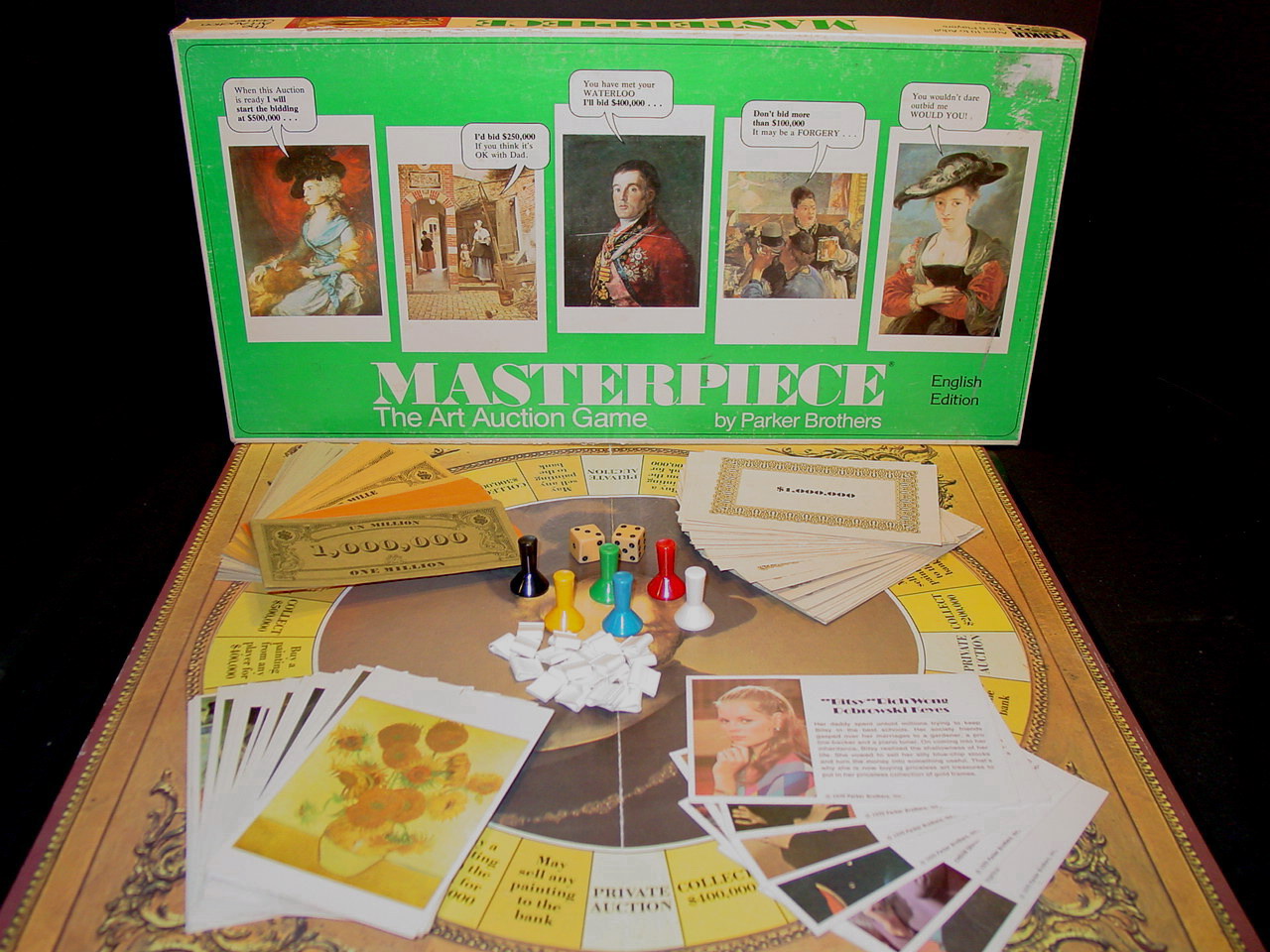
Masterpiece turned the board game table into an art auction, which is a very 70s idea in the best possible way. It was stylish, strange, and slightly adult. Kids who knew absolutely nothing about art could suddenly bid, bluff, negotiate, and act like they were running a gallery.
The game stood out because it did not feel like a typical kid game. There were paintings. There was bidding. There was bluffing. There was the possibility that a beautiful-looking artwork was secretly worth less than you hoped. It introduced kids to the idea that value could be hidden, unstable, and deeply unfair — basically a perfect training course for adulthood.
Masterpiece also had a lifestyle quality. It made the table feel upscale for a minute. Instead of racing pawns around a candy-colored board, players were pretending to be collectors, dealers, and rich people making questionable choices. The artwork cards made the game feel like something from a grown-up room, not just the toy aisle.
That is why it stuck out on the 70s game shelf. It was not loud like Perfection or spooky like Which Witch?. It was quiet, clever, and weirdly elegant. A kid could sit there with fake money and pretend to be sophisticated while absolutely trying to bankrupt their cousin.
Perfection: Panic in a Plastic Tray
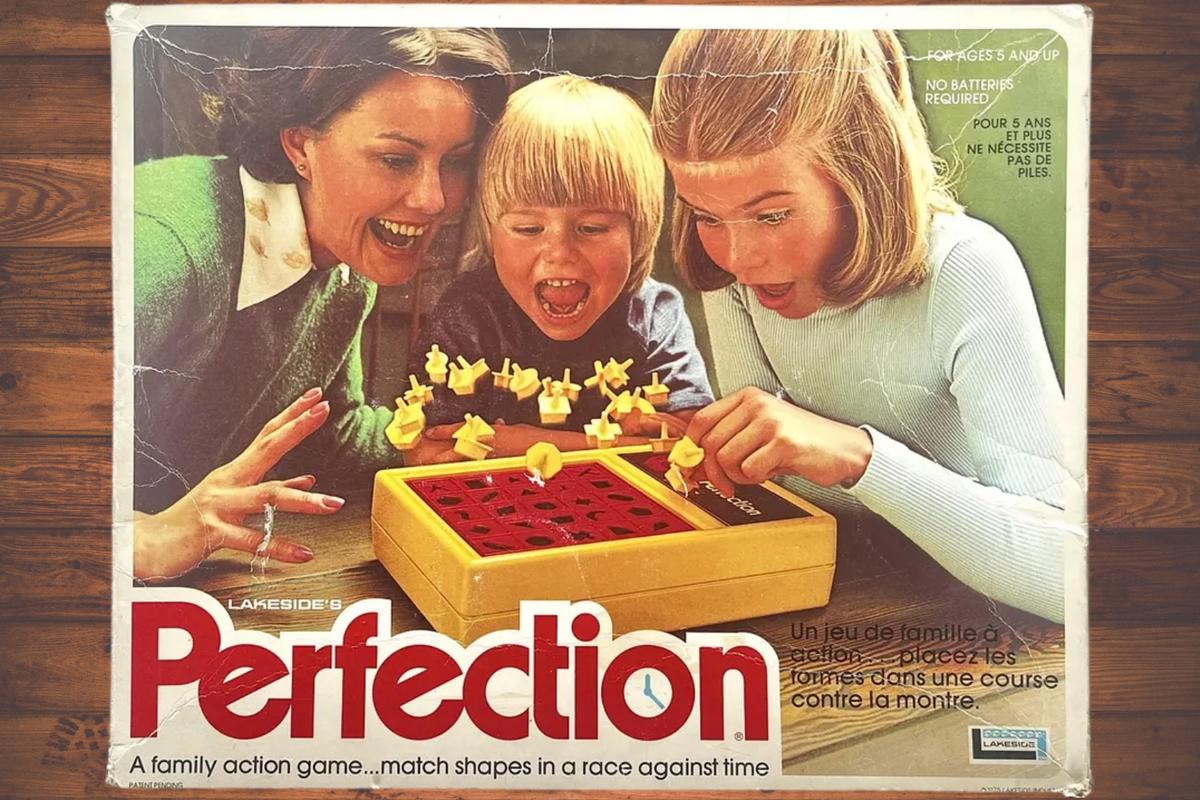
Perfection was not a long strategic battle. It was a countdown to humiliation. You had shapes, holes, a timer, and the knowledge that the entire board was going to explode upward if you failed.
The game was genius because it converted a simple matching activity into stress. Without the timer, it was just shapes. With the timer, it became a public breakdown. The pieces suddenly all looked wrong. The easy shapes hid. The board felt smaller. The ticking got louder. Your hand forgot how geometry worked.
Perfection was also one of those 70s games that adults could justify as “educational” because it involved shapes, coordination, and quick thinking. Kids knew the truth. The point was the pop. Everyone waited for the moment when the tray snapped up and scattered the pieces like a tiny plastic insult.
It fit perfectly into the family room because it was fast, loud, replayable, and spectator-friendly. Even people who were not playing could watch someone panic. That made it less of a quiet puzzle and more of a table performance. The timer was the villain, and the whole family was the audience.
Connect Four: Gravity, Strategy, and the Drop That Ruined Everything
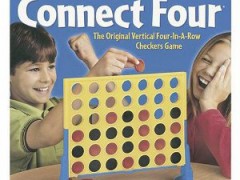
Connect Four was one of those games that looked simple enough for anyone and then quietly taught you that you were bad at planning. Drop a checker. Watch it fall. Try to make four in a row. Miss the obvious trap. Lose. Pretend you meant to do that.
The vertical grid was the magic. It made the game feel like a toy object, not just a board. The checkers dropped with that satisfying click-stack sound, and gravity became part of the strategy. You could not just place a piece anywhere. You had to build upward, which meant every move helped you and maybe accidentally helped the person you were trying to destroy.
Connect Four became a perfect kitchen-table and coffee-table game because it was quick. It did not require a major setup. It did not need reading. It did not require adults to explain 400 rules. Two kids could pull it out, play five rounds, argue about blocking, dump the checkers, and start again.
It also created one of the great childhood feelings: seeing the trap one second too late. Your opponent dropped a checker, grinned, and suddenly you realized the diagonal had been forming for four turns while you were busy feeling smart. That kind of betrayal builds character. Or resentment. Usually both.
King Oil: Drilling, Money, and 70s Energy Crisis Vibes
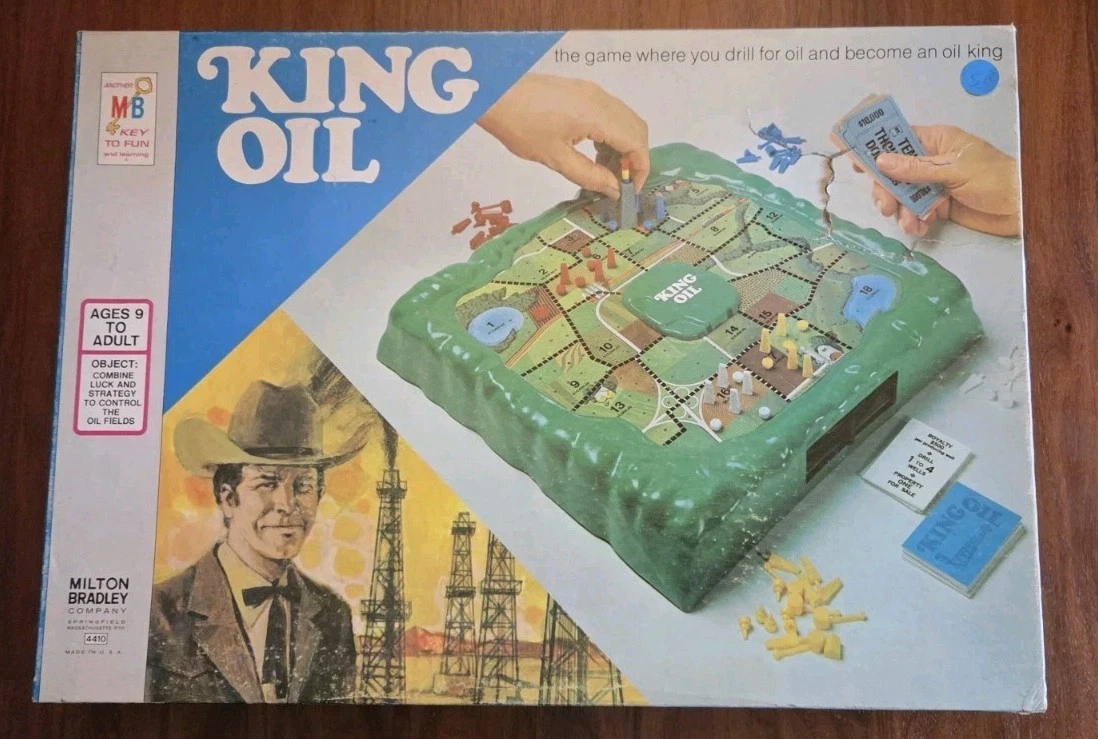
King Oil was deeply 70s because it turned drilling, property, wells, and wealth into a family game. The oil theme could not have felt more decade-specific if it came with a gas line and a station wagon.
The game gave kids a version of business play that was more physical than just counting money. You bought land, drilled for oil, chased profits, and tried to strike it rich before everyone else figured out what you were doing. The board had a real-world flavor because oil, energy, prices, and gas-station anxiety were already part of the 70s background noise.
King Oil had that wonderful board-game trick where luck and greed sat at the same table. You could make a plan, but the drilling uncertainty kept things tense. The fantasy was not just “be rich.” It was “discover something hidden.” That made every move feel like a little gamble.
It also made the room feel like a miniature business battlefield. Kids who barely understood household bills could suddenly act like oil barons. Someone was buying property. Someone was drilling badly. Someone was winning with way too much confidence. It was Monopoly’s weirder, more petroleum-soaked cousin.
Pay Day: Bills, Deals, and Childhood Adulting
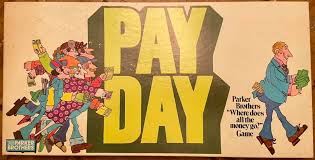
Pay Day took the grown-up month and turned it into a board. Bills arrived. Deals appeared. Money came in. Money went out. The calendar moved forward. Suddenly children were learning that adulthood was basically opening mail and hoping nothing terrible was inside.
The calendar-board design made Pay Day easy to understand. You were not wandering through a fantasy land. You were moving through a month. That was brilliant because kids already understood the rhythm of adults talking about payday, bills, shopping, banks, and money being “tight.” The game turned all of that background adult noise into a system.
The mail cards were the soul of the game. Sometimes they were helpful. Sometimes they were annoying. Sometimes they were bills, because apparently even children pretending to be adults could not escape the mail. Deal cards added another layer: take a chance, invest, buy something, maybe profit, maybe regret everything.
Pay Day hit because it made ordinary adult stress playable. It was not glamorous like Masterpiece or scary like Which Witch?. It was suburban financial anxiety with a board and fake cash. Viewed from adulthood, it feels less like a game and more like foreshadowing with dice.
Othello: Quiet, Clean, and Surprisingly Ruthless
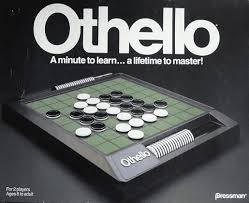
Othello had the opposite energy of Perfection or Which Witch?. It was clean, abstract, quiet, and strategic. No haunted house. No exploding tray. No piles of money. Just black and white discs, a grid, and the slow horror of realizing your opponent had flipped half the board.
The rules were simple enough to learn quickly: place a disc, trap the opponent’s color, flip the line. But the results could change fast. A kid could feel safe, then suddenly the board turned against them. That visual transformation made the game satisfying. You could literally see control shifting.
Othello also had a more mature vibe than a lot of loud family games. It felt calm. It looked elegant. It did not need batteries, timers, or gimmicks. It was two people staring at a board and quietly trying to ruin each other. Very classy. Very dangerous.
The tactile part mattered too. Flipping discs felt good. The board visibly changed. Corners became valuable. Edges mattered. Kids learned that the obvious move was not always the smart move, which was rude but useful.
The Game of Jaws: Movie Panic as a Tabletop Gimmick
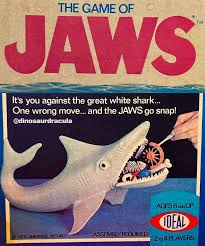
The Game of Jaws is exactly the kind of thing the 70s did well: take a huge pop-culture moment and turn it into a physical toy-game with a big central gimmick. The movie made everyone afraid of the water. The game made kids poke around inside a shark.
The appeal was not subtle. There was a shark. There were pieces. There was danger. Kids were not analyzing elegant design systems; they wanted to mess with the shark and see what happened. It turned a blockbuster movie fear into something safe, weird, and playable on the floor or table.
That kind of game shows how the 70s were already moving toward the toy-media connection that would explode in the 80s. A familiar movie title could sell the box before anyone knew whether the game was good. The brand created excitement. The physical gimmick closed the deal.
It also fit the decade’s appetite for disaster, monsters, stunts, and danger play. Jaws was not a cozy family brand. That was the point. Kids could bring movie danger into the house and reduce it to plastic pieces and tabletop suspense.
Stop Thief: The Board Game Started Beeping
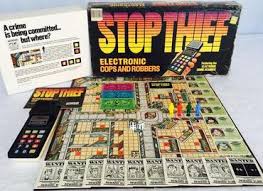
Stop Thief pointed toward the future. It was still a board game, but it brought in an electronic device, sound clues, hidden movement, and detective work that felt more advanced than a normal roll-and-move game.
The electronic crime scanner was the hook. It gave players sound clues and made the invisible thief feel like something moving through the board. That changed the mood. Instead of everyone seeing the same pieces and making obvious moves, players had to listen, infer, track, and guess. The game felt like a little mystery machine.
Stop Thief also captured the late-70s transition perfectly. It was not a video game, but it understood that electronic sounds could make play feel new. The beeps and clues gave the board an invisible layer. Suddenly cardboard had audio. That was a big deal in a toy aisle where Simon, handheld electronics, and early video-game culture were starting to pull attention.
That is why Stop Thief belongs at the edge of the 70s toy story. It shows the bridge between analog family-room play and the coming decade of screens, electronics, handheld games, and toys that beeped for attention.
Simon: Not a Board Game, But Absolutely Part of Game Night
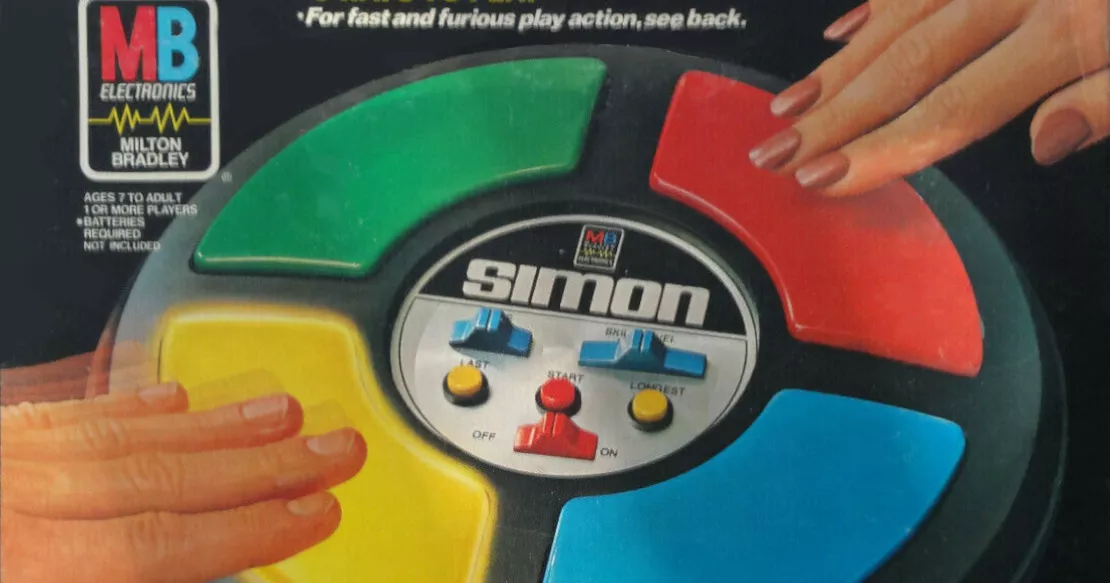
Simon was not a traditional board game, but it belongs in this conversation because it changed what “game night” could feel like. It was electronic, musical, visual, and hypnotic: watch the lights, hear the tones, repeat the pattern, fail publicly.
Simon felt modern in a way cardboard games did not. The object controlled the pace. The lights told you what to do. The sounds made it feel alive. It did not need a board, dice, cards, or a banker. It sat on the table like a UFO from the next decade and demanded everyone’s attention.
In a 70s living room, Simon was a warning shot. Games were no longer only about boards and pieces. They could be electronic experiences. They could remember sequences. They could make sounds. They could turn concentration into performance.
It also created the same room behavior as board games: spectators, pressure, laughter, and the humiliating moment when someone blew the pattern after acting like they had it mastered. The future had arrived, and it was blinking at you.
TV, Movie, and Licensed Games Were Everywhere
The 70s toy aisle was not yet the fully weaponized cartoon-toy system of the 80s, but licensed board games were already doing business. TV shows, movies, characters, superheroes, sitcoms, sci-fi, disaster stories, and pop-culture hits all found their way onto game boxes.
These games were not always masterpieces. Let’s be honest: some were a logo, a board, a spinner, and a dream. But for a kid, the box art mattered. If the game had Jaws, The Six Million Dollar Man, Happy Days, Charlie’s Angels, Welcome Back, Kotter, Mork & Mindy, Planet of the Apes, Star Trek, or a superhero on it, the game already felt more exciting before anyone opened it.
The Box Art Did Half the Work
Licensed games often lived or died by the box. The photo, logo, character art, or dramatic title made the game feel like a piece of the show or movie. A kid might not know whether the gameplay was any good, but they knew the face on the box. That was enough to get attention in the toy aisle.
In a pre-internet childhood, owning a licensed game was a way to keep a favorite show or movie in the house. You could not stream it. You could not pull up clips. You waited for reruns, watched the TV Guide, or grabbed whatever merchandise existed. A board game became a physical souvenir from a pop-culture world you wanted more of.
The Game of Jaws: The Movie Event Becomes a Tabletop Gimmick
The Game of Jaws is exactly the kind of thing the 70s did well: take a huge pop-culture moment and turn it into a physical toy/game with a big central gimmick. The movie made everyone afraid of the water. The game made kids poke around inside a shark.
That is not “elegant game design.” That is 70s toy logic, and it worked because it was tangible. Kids did not just want a poster. They wanted the shark. They wanted the pieces. They wanted the weirdness. The game was a way to bring blockbuster danger into the family room without requiring anyone to actually go near the ocean.
Licensed games like this were part of the slow shift toward the 80s. The game box was becoming a billboard for the thing kids already loved.
TV Games: Half Game, Half Souvenir
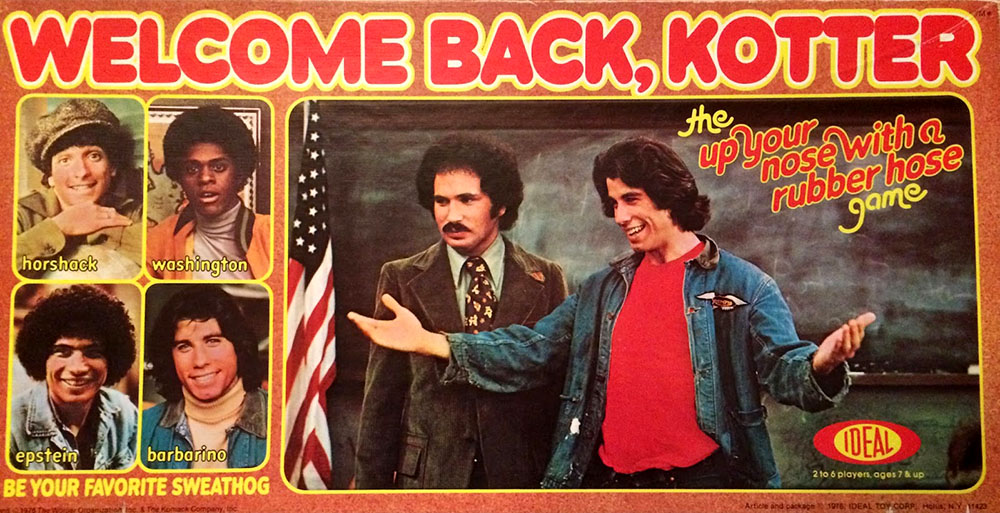
TV tie-in games were often purchased because of the show, not because anyone had researched the mechanics like a board-game scholar with a basement channel. A familiar face on the box could do a lot of work. The game became a souvenir from a show kids watched in the family room.
That made them emotionally powerful even when the gameplay was basic. A child did not always need a brilliant system. Sometimes they needed to feel like The Six Million Dollar Man, The Bionic Woman, Happy Days, Charlie’s Angels, Welcome Back, Kotter, or Mork had entered the house through cardboard.
This is where 70s toys start showing their future. The board game was not always just a game anymore. Sometimes it was merchandise with dice. The 80s would take that idea and put it on a rocket.
The Components Were Half the Fun
Board games dominated rooms because they came with stuff. Not just a board — stuff. Plastic houses. Cards. Spinners. Dice. Timers. Discs. Chips. Pegs. Pawns. Money. Trays. Little weapons. Game pieces shaped like things. Fake documents. Score pads. Tiny parts that looked important and immediately vanished.
The components created the ceremony. You did not just play. You set up. You organized. You counted. You sorted. You made little piles. You accused someone of hoarding money. You flattened warped boards. You discovered a card from another game in the box and accepted it as part of the ecosystem.
Play Money
Monopoly, Pay Day, Masterpiece, and business games turned kids into tiny accountants with terrible ethics and suspicious banking habits.
Spinners
Life and other spinner games made every turn feel dramatic, especially when the spinner barely moved and everyone argued whether that counted.
Cards
Chance cards, clue cards, mail cards, deal cards, event cards, and mystery cards created the illusion that destiny was mostly printed on cardboard.
Plastic Gimmicks
Perfection trays, Trouble bubbles, vertical Connect Four grids, and haunted-house setups made the object itself part of the entertainment.
Tiny Pieces
Weapons, pegs, pawns, chips, discs, dice, and tokens were essential, which is exactly why one always disappeared under the couch.
Instructions
The most important piece in the box and somehow the first thing to vanish, leaving families to reconstruct law from memory and vibes.
The Play Loops: What Actually Happened in the Room
Board games lasted because they created repeatable social loops. Every game had the rules printed in the box, and every family had their own version of those rules that probably violated international standards.
Pick the Piece
The first fight happened before the game started. Someone wanted the car, the dog, the blue pawn, the red checker, or “the good one,” whatever that meant.
Read the Rules
One person read the instructions. Two people interrupted. One person said, “That’s not how we play.” The game was already damaged.
Argue the Move
Every spinner, die roll, card draw, and pawn movement had the potential to become a legal hearing with snacks.
Get Too Competitive
Family game night was supposed to be wholesome. Then someone bought all the railroads, blocked a Connect Four column, or buzzed the Operation board.
Lose a Piece
Dice went under the couch. Cards slipped into cushions. Money vanished. A pawn disappeared forever and was replaced by a button.
Quit Weirdly
Someone got tired. Someone got mad. Someone “had to go.” The board stayed out until morning, and nobody remembered whose turn it was.
Family Game Night Was Not Always Peaceful
Board games were marketed as family fun, which is technically true if your definition of fun includes resentment, accusations, fake banking, rules disputes, and one person quietly becoming a tyrant because they own Boardwalk.
That tension was part of the appeal. Games gave families a safe excuse to compete. Parents, kids, siblings, cousins, neighbors, and grandparents all sat around the same board with the same rules and wildly different emotional maturity levels.
For Gen X kids, this was social training. You learned how adults handled losing. You learned who cheated. You learned who was generous, who was ruthless, who got bored, who flipped the board mentally even if they never did it physically, and who could not be trusted with the bank.
The Missing Piece Was Inevitable
Every 70s game closet had damaged inventory. Monopoly money mixed with Life money. Sorry! pawns living in a Clue box. A Battleship peg hiding in Trouble. A die from Yahtzee replacing something important. Instructions folded into a different game for reasons no one could explain.
Missing pieces did not always stop the game. They created adaptation. A penny became a pawn. A LEGO brick became a hotel. A button became a player token. A scrap of paper became a card. Kids learned that games were systems, and systems could be patched with household junk.
That is one reason 70s board games feel so physical in memory. The boxes were not pristine. They were lived-in. Taped corners, bent boards, worn cards, split money, broken inserts, and handwritten score sheets were part of the nostalgia.
What a Real 70s Family Game Night Needed
The box supplied the official components. The household supplied the rest: snacks, house rules, replacement pieces, grudges and one adult pretending the game would end at a reasonable hour.
A Clear Table
Mail, magazines, ashtrays, homework and dinner evidence had to move before the board could claim the room.
The Full Box
Board, pieces, cards, money, dice and instructions were ideal. A button and one die from Yahtzee also worked.
House Rules
Every family had unofficial laws that made games faster, longer, richer, meaner or mathematically impossible.
Something to Eat
Bowls of chips and drinks sat dangerously close to cardboard systems nobody could afford to replace.
Public Losing
There was no anonymous exit. Everyone watched the bad move, bad roll or catastrophic accusation happen in real time.
An Unclear Ending
The game ended through victory, bedtime, boredom, argument or an adult announcing that the table was needed.
How Board Games Fit the 70s Toy Timeline
Board games run through the entire 1970s toy story because they sat at the intersection of old family habits and new toy marketing. In the early 70s, classic family games and big gimmick games still felt connected to the older toy closet: cards, dice, spinners, money, pawns, and boards that asked kids to bring the energy.
By the middle of the decade, the games got more visual, more physical, and more connected to the culture around them. Connect Four gave strategy a vertical plastic hook. Pay Day turned bills into play. Othello brought cleaner abstract strategy to family tables. Licensed games fed off TV and movie culture.
By the late 70s, the edge of the future showed up. Simon was not a board game, but it showed how game night could become electronic and sound-driven. Stop Thief brought electronic clues into a board-game format. The table was still analog, but the beeps were getting louder.
1970 Toys
Which Witch?, Masterpiece, classic game-room staples, haunted-house boards, auctions, and early-70s tabletop weirdness.
1973 Toys
Perfection panic, timers, pop-up trays, physical gimmicks, and the tabletop becoming a stress machine.
1974 Toys
Connect Four, King Oil, vertical grids, oil drilling, strategy, money, and very 70s living-room economics.
1975 Toys
Pay Day, Othello, Jaws, bills, strategy discs, movie tie-ins, and mid-70s game night turning sharper.
1979 Toys
Stop Thief, electronic clues, detective play, and the bridge from cardboard game night to beeping toy culture.
1970 Toys
Which Witch? and Masterpiece add haunted-house theater, auctions and early-decade tabletop weirdness.
1971 Toys
Family classics stay strong while toy rooms begin mixing games with larger play systems.
1972 Toys
UNO and quick social card play strengthen the table as a repeatable family gathering place.
1973 Toys
Perfection turns matching shapes into timer-driven panic and public failure.
1974 Toys
Connect Four and King Oil combine fast strategy, plastic spectacle and deeply 70s economics.
1975 Toys
Pay Day, Othello and Jaws bring bills, abstract strategy and movie merchandising to game night.
1976 Toys
Demonstration toys get louder, but fast family games remain dependable room-filling entertainment.
1977 Toys
Star Wars changes the toy aisle while licensed games keep turning pop culture into cardboard souvenirs.
1978 Toys
Simon proves game night can be electronic, musical and controlled by the object itself.
1979 Toys
Stop Thief and electronic toys bridge the analog game table with the screen-shaped 80s.
Why This Still Hits
Board games still hit because they were never just about the game. They were about the room. The table. The family. The arguments. The snack bowls. The missing pieces. The weird house rules. The box that smelled like cardboard, dust, and old paper money.
They forced everyone into the same physical space. You had to look at people. You had to wait your turn. You had to accept defeat or pretend the rules were unfair. You had to trust that nobody stole from the bank, which was adorable because someone absolutely did.
The 70s board-game room was analog chaos at its finest: Monopoly lasting forever, Clue turning kids into detectives, Life making adulthood look suspicious, Which Witch? turning the table into a haunted house, Perfection causing hand tremors, Connect Four creating revenge loops, Pay Day making bills fun for exactly one decade, and Stop Thief hinting that the future was going to beep at us.
Honestly, the missing die is probably still under the couch.
The nostalgia is not only about individual titles. It is about the shared physical space. Everybody saw the same board, heard the same buzzer and knew exactly who had made the terrible move. The room remembered the game with you.
That is why worn boxes and missing pieces feel authentic rather than damaged. These games were not display objects. They were household equipment used until money tore, cards bent and the instructions became family folklore.
70s Board Games FAQ
What board games were popular in the 1970s?
Popular 70s game-room staples included Monopoly, Clue, The Game of Life, Trouble, Sorry!, Operation, Battleship, Risk, Which Witch?, Perfection, Connect Four, Masterpiece, King Oil, Pay Day, Othello, Stop Thief and many licensed television and movie games.
Were Monopoly, Clue and Life actually 1970s games?
They were older games, but they remained enormously popular throughout the 1970s. Gen X childhood was full of hand-me-down boxes, family staples and worn editions that stayed active long after their original release.
What new board games defined the 1970s?
The decade’s strongest examples included Which Witch?, Perfection, Connect Four, King Oil, Pay Day, Othello, The Game of Jaws and Stop Thief.
Why were 70s board games so physical?
Many games used distinctive components—Pop-O-Matic bubbles, timers, vertical grids, buzzers, three-dimensional houses, play money, pegs and plastic pieces. The object itself was often part of the entertainment.
Why did board games matter before video games took over?
They gave families and kids a shared physical activity built around turn-taking, strategy, luck, conversation, competition and argument. Everyone occupied the same room and reacted to the same board.
Was Simon a board game?
No. Simon was an electronic memory game, but it belonged to the same family-room game-night culture and showed how play was beginning to move beyond cardboard, dice and cards.
How were 70s board games different from 80s games and toys?
Seventies game night remained heavily analog and family-centered. The 80s toy world pushed harder into electronic games, home video games, handheld devices and tightly branded character universes.
Where can I explore more 70s toys?
Start with the 70s Toys hub, then visit the 50 most iconic toys of the 70s, the hottest Christmas toys of the 70s, the toy catalog guide and the 70s toy commercial archive.