Smells Like Gen X • Top Toys of 1978
Top Toys of 1978: Star Wars, Simon, Speak & Spell and the Electronic Toy Takeover
The top 10 toys of 1978 feel like the year the toy aisle finally admits it has changed. The warm analog soul of the 70s is still here — still tactile, still physical, still built around toys that stretch, race, stack, launch, and demand space on the carpet — but now something else is taking over. This is the year electronics and franchises stop politely standing in the corner and start eating the whole room.
That is what makes 1978 so different from 1977. Last year was the breakthrough: the moment one giant movie property made it obvious that kids now wanted toys tied to worlds they already loved. In 1978, that shift becomes undeniable. Star Wars is no longer just anticipation. The figures are here. Simon turns electronic memory play into a cultural flex. Speak & Spell makes the future sound like a toy. The old guard is still standing, but the aisle is now moving in a very different direction.
Like the rest of this series, this is a best-supported editorial countdown rather than a fake official chart. There is no single clean year-end toy ranking for 1978, so this list is built around cultural impact, shelf presence, longevity, era fit, and the toys that best capture what the year actually felt like: a pivotal moment when classic 70s play collided head-on with the coming age of electronics, licensing, and full-blown pop-culture obsession.
Gen X Note:
1978 is the year the toy aisle starts sounding different. Lights, beeps, voices, and movie worlds suddenly matter as much as plastic, wheels, and pure imagination.
What Were the Top Toys of 1978?
The top toys of 1978 were Star Wars Action Figures, Simon, Speak & Spell, Stretch Armstrong, The Six Million Dollar Man, The Bionic Woman, Hot Wheels, Baby Alive, Connect Four, and Barbie. For this Smells Like Gen X countdown, Star Wars action figures rank as the #1 toy of 1978 because the promise became plastic reality: the franchise toy era was no longer coming soon. It was on the shelf.
1978 Toy Ranking at a Glance
Here is the 1978 toy countdown in quick-scan form, with each toy’s main lane and why it mattered to the year when electronics, franchise worlds, and old-school analog survivors all fought for carpet space.
#1
Star Wars Action Figures
Movie-world action figures
Turned a blockbuster universe into an actual toy ecosystem kids could keep expanding.
#2
Simon
Electronic memory game
Made lights, sound, memory, public failure, and electronic cool feel like one perfect loop.
#3
Speak & Spell
Electronic learning toy
Made educational play feel futuristic instead of like homework wearing a fake smile.
#4
Stretch Armstrong
Feature-first action figure
Kept one bizarre physical gimmick powerful in a year where the future started beeping.
#5
The Six Million Dollar Man
TV-driven feature toy
Still showed how recognizable heroes, story, and physical toy features could work together.
#6
The Bionic Woman
TV-connected action doll
Kept character-driven feature play alive while the toy market shifted toward new forces.
#7
Hot Wheels
Die-cast speed system
Held the kinetic, physical, track-based side of 70s play against electronics and licensing.
#8
Baby Alive
Interactive caregiving doll
Kept routine, realism, props, and tiny household responsibility surprisingly durable.
#9
Connect Four
Fast tabletop strategy
Survived on quick rounds, instant rematches, and family-room grudges.
#10
Barbie
Fashion world-building
Stayed evergreen because a renewable fantasy platform is tougher than most fads.
Keep Rewinding 1978
The toy aisle was only one part of 1978’s bigger pop-culture shift. Music was rolling through disco domination, soft rock, soul, funk, arena rock, and late-70s radio chaos. Movies were balancing blockbuster momentum with gritty leftovers from the decade’s stranger side. Television was still the shared living-room ritual, even as toys were already starting to behave like the next great pop-culture delivery system.
If you want the full 1978 rewind, keep the year together, jump back to the 70s Toys Hub for the full decade toy aisle, or watch the ad-break version of the decade in the 70s toy commercials and forgotten toy videos archive. The toys show how electronics and franchise obsession started taking over the shelf. The commercials show how those beeps, lights, movie worlds, and plastic obsessions got sold between cartoons and sitcoms. The songs show what was coming out of radios. The movies show where late-70s pop culture was heading. The TV rankings show what families were still watching together before the next decade blew the whole thing into neon pieces.
70s Nostalgia Hub
The main decade hub for 70s toys, music, movies, TV shows, fads, commercials, and Gen X nostalgia.
70s Toys Hub
The full 1970s toy aisle by year, from analog classics and bionic heroes to Simon, Speak & Spell, Star Wars figures, Atari, and late-decade franchise chaos.
70s Toy Commercials & Forgotten Toy Videos
Vintage 70s toy commercials, forgotten toy videos, ad-break hype, and the commercials that sold Simon, Speak & Spell, Star Wars figures, and late-decade plastic chaos.
Toys Hub
The full toy hub for Gen X Christmas lists, decade-by-decade toy countdowns, and nostalgic toy aisle chaos.
Top Toys of 1977
The previous 70s toy year, where Star Wars demand, Stretch Armstrong, Evel Knievel, and bionic heroes changed the room.
Top Toys of 1979
The next 70s toy year, as electronics, handheld games, Star Wars, and late-decade toy heat push the aisle toward the 80s.
Top 10 Songs of 1978
The radio side of 1978: disco domination, soft rock, soul, funk, arena rock, and late-70s radio chaos.
Top 10 Movies of 1978
The movie year where blockbuster momentum, sequels, comedy, grit, and late-70s pop culture kept fighting for the screen.
Top TV Shows of 1978
The living-room TV culture that kept character-driven toys, bionic heroes, and shared household viewing in heavy rotation.
Early Electronics Changed the Vibe
The Simon, Speak & Spell, Atari, Merlin, handheld LED, Big Trak, Electronic Football, and battery-powered shift that made the toy box sound different.
1978 Movies
The movie side of late-70s franchise energy, where blockbuster momentum kept making toys feel like extensions of the screen.
Forgotten 70s Toys That Deserve a Comeback
The oddball, overlooked, and half-remembered side of the decade’s toy box — the stuff that still deserves another turn under the Christmas tree.
Board Games Took Over the Room
The Connect Four, Simon, UNO, Trouble, Operation, Perfection, Stop Thief, and table-based rivalry lane of the decade.
Watch the 1978 Toy Commercial Energy
The 1978 toy aisle was made for ad-break whiplash: Star Wars figures turned movie obsession into plastic urgency, Simon made lights and sound feel cool, Speak & Spell made learning sound like the future, and the older 70s icons had to keep fighting for attention while everything around them started beeping.
The 70s Toy Commercials & Forgotten Toy Videos archive is the best next stop for the ad-break side of this page. If the countdown explains why the toys mattered, the commercials show how the decade sold them: electronic demos, franchise heat, TV character tie-ins, flashing lights, and the deep parental dread of “batteries not included.”
Countdown: The Top 10 Toys of 1978
1978
#10 — Barbie
The Empire That Refused to Leave
Toy TypeFashion doll line
Brand LaneLifestyle world-building
1978 Rank#10
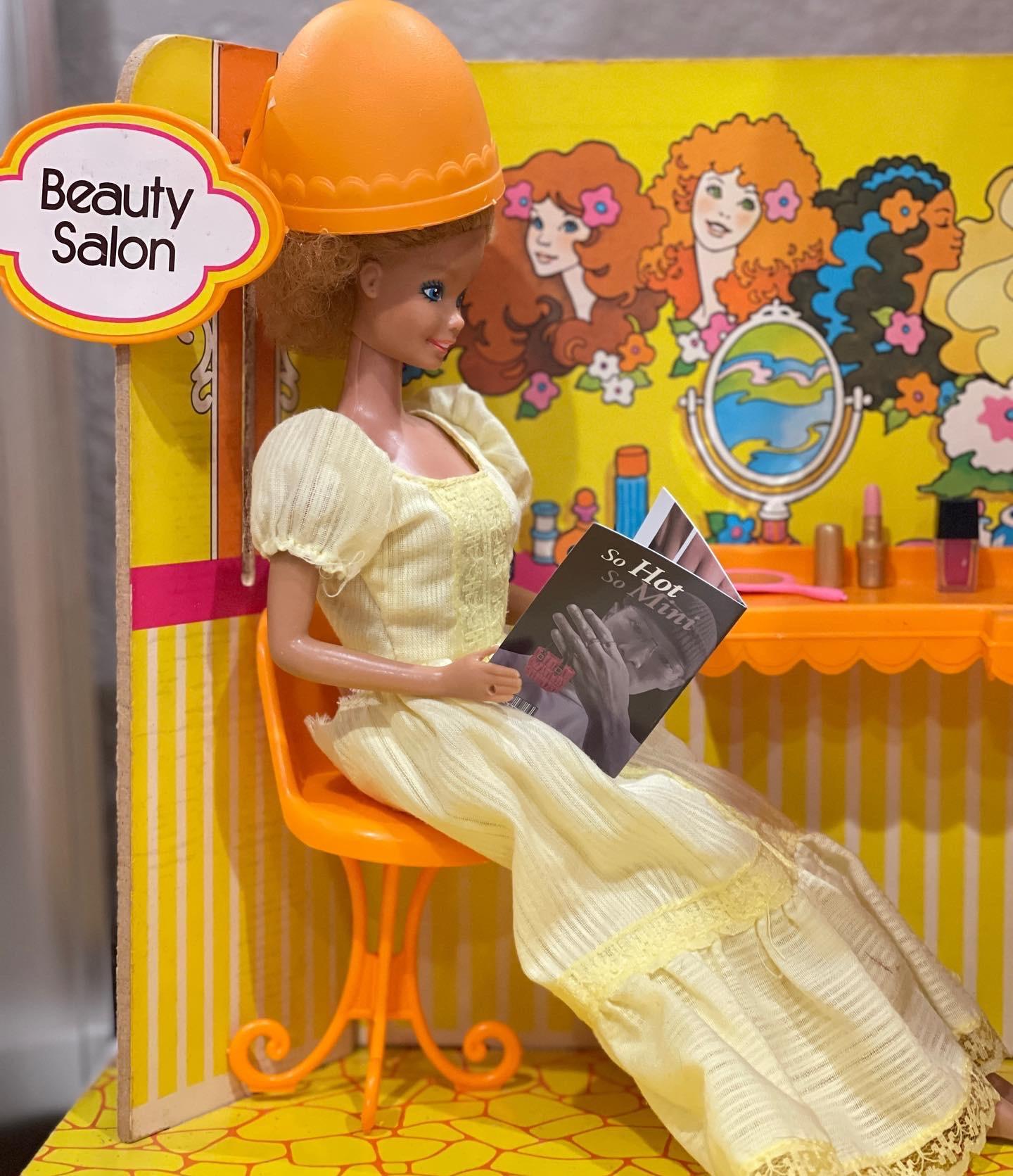
Barbie still makes the list because by 1978 she is not just a doll. She is an institution. The genius of Barbie has always been that she is expandable: outfits, careers, accessories, spaces, moods, projections, and tiny domestic drama all keep the line alive long after a simpler toy would have faded.
But 1978 is not especially easy on legacy brands. This is a year where electronics and franchises are suddenly grabbing attention in a much louder way. That makes Barbie’s continued presence more impressive, not less. She is holding ground in an aisle that is being aggressively reorganized around novelty, sound, and recognizable media worlds.
What keeps her in the top 10 is the same thing that has kept her there for years: she gives kids an ongoing social universe instead of one singular gimmick. In a rapidly changing toy culture, that kind of expandable play still has real power.
Barbie also belongs in the larger Dolls, Houses & Domestic Drama lane, where fashion play, dollhouses, tiny rooms, homemade accessories, and miniature soap-opera nonsense all live together on the carpet.
Fun Fact / Why It Still Matters
Barbie stayed relevant because she functioned like a
renewable story platform, not a one-season craze.
1978
#9 — Connect Four
Fast Strategy in an Overstimulated Year
Toy TypeStrategy game
Brand LaneQuick tabletop competition
1978 Rank#9
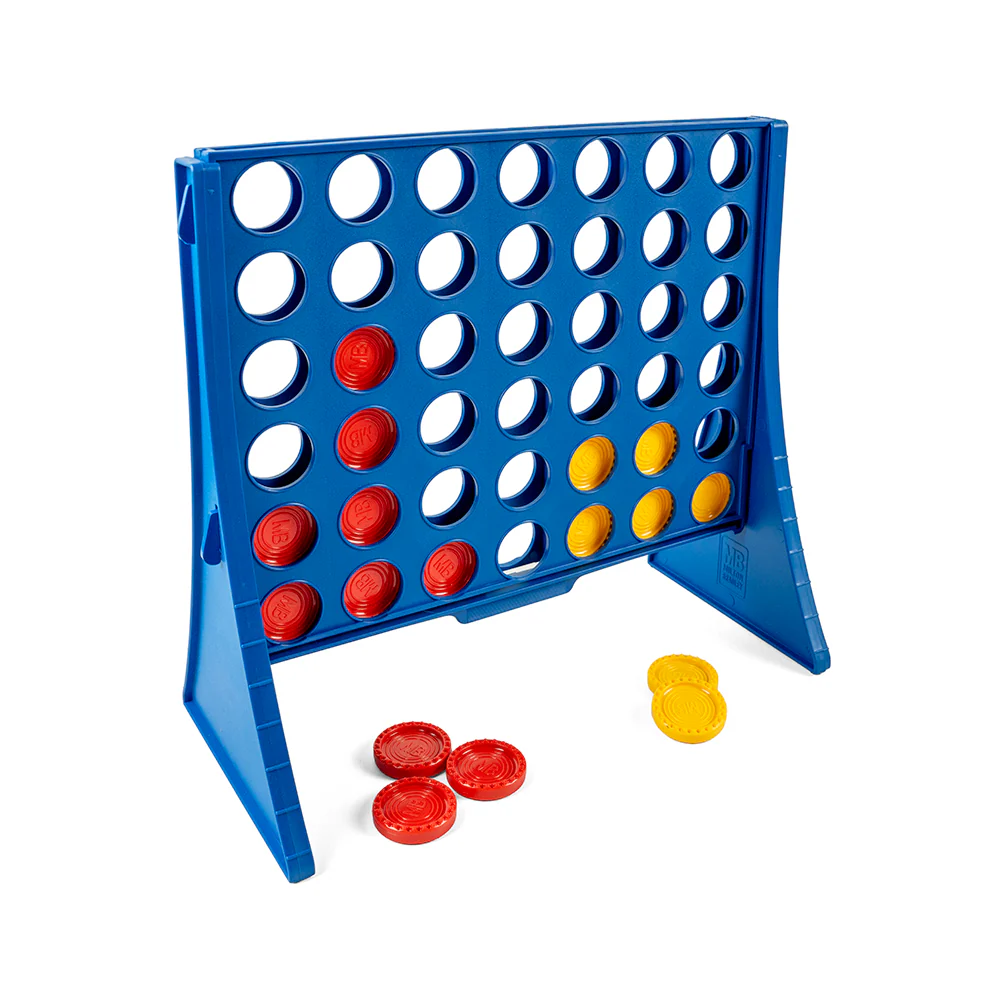
Connect Four remains on the list because it still does something beautifully simple: it gets to the point. The rules are easy, the rounds are short, and the rematch almost schedules itself. That efficiency matters even more in 1978, when the rest of the toy market is getting louder, flashier, and more attention-hungry.
In another kind of year, a game like this might feel ordinary. In 1978, it feels almost refreshing. While electronics and franchise toys are asking for awe, Connect Four is asking for two people, five minutes, and a willingness to get slightly annoyed at losing in public.
That is why it still ranks. It represents the kind of household toy that actually gets used, not just admired. In an era suddenly full of beep-driven novelty and character mania, a fast smart game still earns its spot by being reliably good.
Connect Four also belongs in Board Games Took Over the Room, where quick rematches, family-table strategy, and plastic click-clack grudges all get the respect they deserve.
Fun Fact / Why It Still Matters
Connect Four endures because it made
strategy feel fast instead of formal.
1978
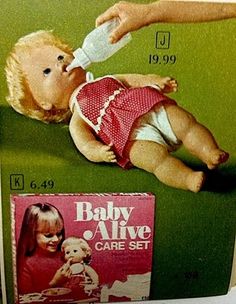
#8 — Baby Alive
Still Making Pretend Feel Alarmingly Real
Toy TypeInteractive doll
Brand LaneRealistic caregiving play
1978 Rank#8
Baby Alive stays relevant because the late 70s still love toys that ask the child to participate in a process rather than just stare at an object. This is not generic doll play. This is routine, care, cause-and-effect, and the sort of realistic maintenance that makes adults realize the toy has unexpectedly brought logistics into the house.
What makes Baby Alive especially interesting in 1978 is that it survives even as the market leans harder into electronics and media properties. That tells you something important: realism still sells. Kids still want toys that mimic life closely enough to feel immersive, not just impressive.
It also marks another side of the decade’s evolution. While boys’ lines are increasingly driven by characters, tech, and adventure worlds, Baby Alive continues to prove that interactive realism can be just as compelling as pure spectacle.
Baby Alive belongs squarely in Dolls, Houses & Domestic Drama, because it turned doll play into a full caregiving routine with props, mess, and tiny household responsibility nobody asked to be this realistic.
Fun Fact / Why It Still Matters
Baby Alive stood out because it turned
doll play into routine and responsibility instead of just mood.
1978
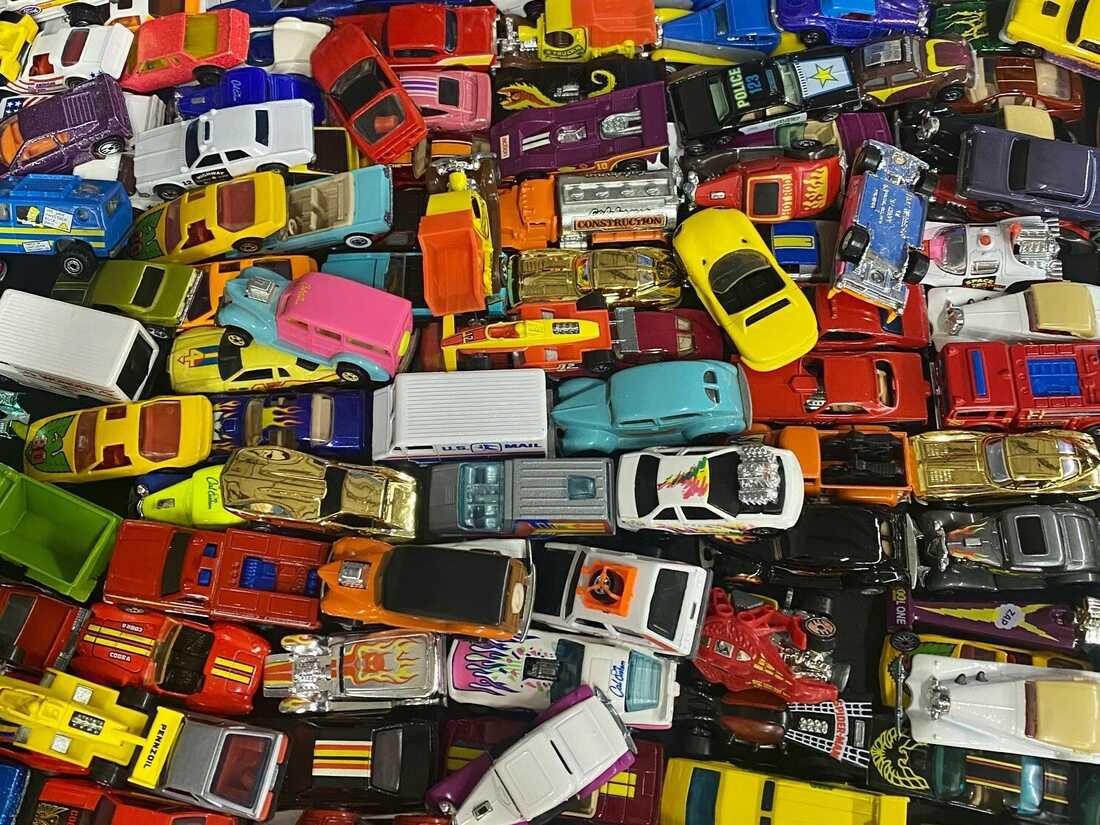
#7 — Hot Wheels
Speed Systems Still Refusing to Fade
Toy TypeDie-cast cars and track system
Brand LaneCollect-and-race play
1978 Rank#7
Hot Wheels remain strong because they still combine two kinds of appeal that most toy lines never fully manage at the same time: collectibility and actual use. The cars look cool on their own, but the real fun begins when the track comes out and the house suddenly becomes an unreasonable transportation grid.
In 1978, though, their role changes a little. They are no longer the most futuristic thing in the room. Electronics and science-fiction franchises are now claiming that territory more aggressively. Hot Wheels still own speed, but they are doing it in a toy culture that is becoming less about generic motion and more about world-specific obsession.
That is exactly why they still matter. They preserve the older part of the decade’s toy DNA — kinetic, physical, repeatable play — at the exact moment the market is starting to drift toward buttons, sounds, and licensed mythologies.
For the full die-cast, orange-track, Matchbox, Tonka, garage, ramp, and living-room road-system story, take the tiny cars into Carpet Cities & Tiny Roads.
Fun Fact / Why It Still Matters
Hot Wheels kept winning because kids could both admire them and crash them repeatedly, which is a
solid business model.
1978
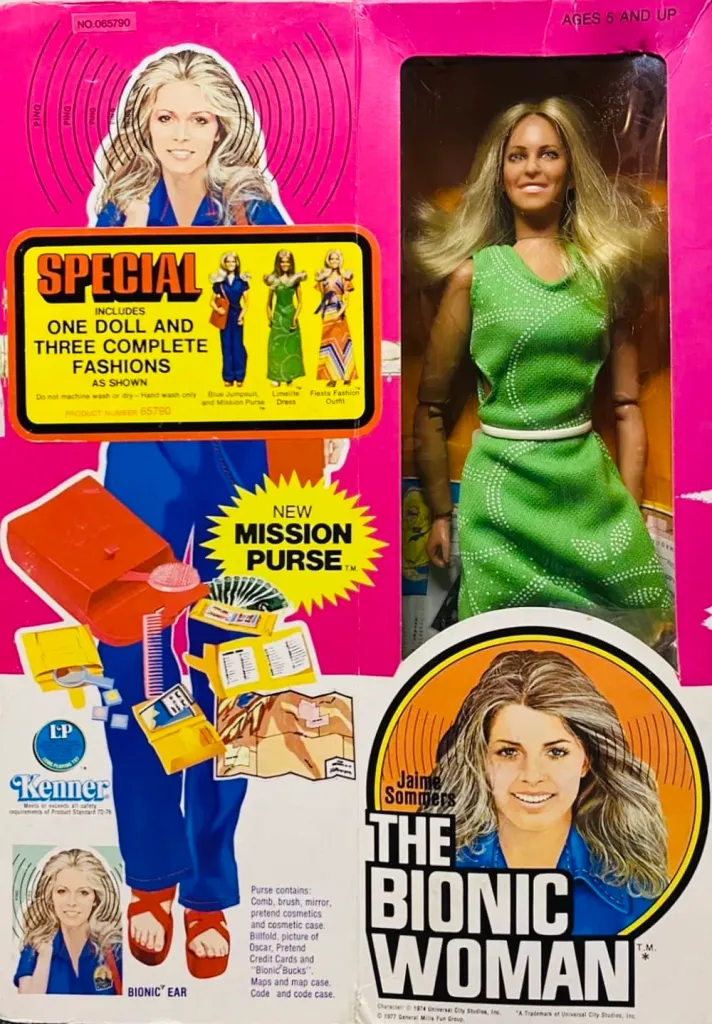
#6 — The Bionic Woman
Feature-Heavy Character Play, Still Standing
Toy TypeAction doll
Brand LaneTV-driven character play
1978 Rank#6
The Bionic Woman stays in the ranking because she still feels incredibly of the moment: recognizable, feature-driven, and easy for kids to explain to one another in seconds. That matters in 1978, a year when toys tied to known characters and worlds are becoming even more valuable.
The line also represents something bigger than itself. It shows that toy makers are getting better at turning recognizable media identity into actual play value. This is not just a doll with a familiar face attached. It is a toy built to capitalize on story, technology, and character-specific intrigue all at once.
In the context of 1978, Bionic Woman sits in an interesting middle lane. She belongs to the pre-Star Wars wave of TV-connected feature toys, but she is also part of the bridge into the fully branded, franchise-first future.
The Bionic Woman also connects directly to the shared living-room TV culture of 1978 television, where a hit character could move from screen obsession to toy-aisle demand fast enough to make parents sweat.
1978
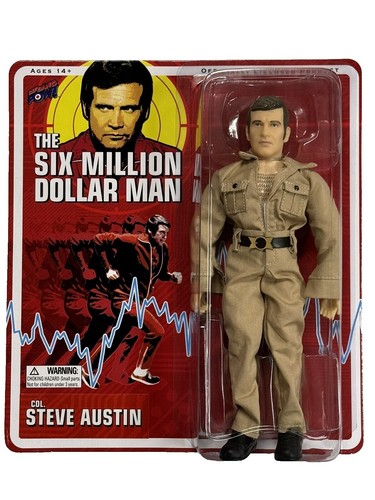
#5 — The Six Million Dollar Man
The Blueprint Still Visible in the Aisle
Toy TypeAction figure
Brand LaneTV-driven feature play
1978 Rank#5
The Six Million Dollar Man remains crucial because even by 1978 he still feels like one of the clearest prototypes for the direction toy culture is taking. Recognizable hero. Built-in narrative. Demonstrable features. Strong media identity. That is not just one successful line. That is the template a lot of the aisle is now following.
What changes in 1978 is that he is no longer the uncontested future. He is now one of the older kings sharing a room with a newer, even bigger franchise machine. That does not reduce his importance. It just changes his position in the story.
He stays high in the ranking because he still captures a major part of the era: the moment toy makers realized that kids did not just want action. They wanted action tied to a hero they already believed in.
The Six Million Dollar Man also connects directly to 1978 TV, where familiar living-room heroes could become toy-store arguments almost overnight.
Fun Fact / Why It Still Matters
Six Million Dollar Man remained important because he helped teach the toy industry how powerful
identity plus features could be.
1978
#4 — Stretch Armstrong
The Great 70s Gimmick Still Holding On
Toy TypeStretch action figure
Brand LaneFeature-driven action play
1978 Rank#4
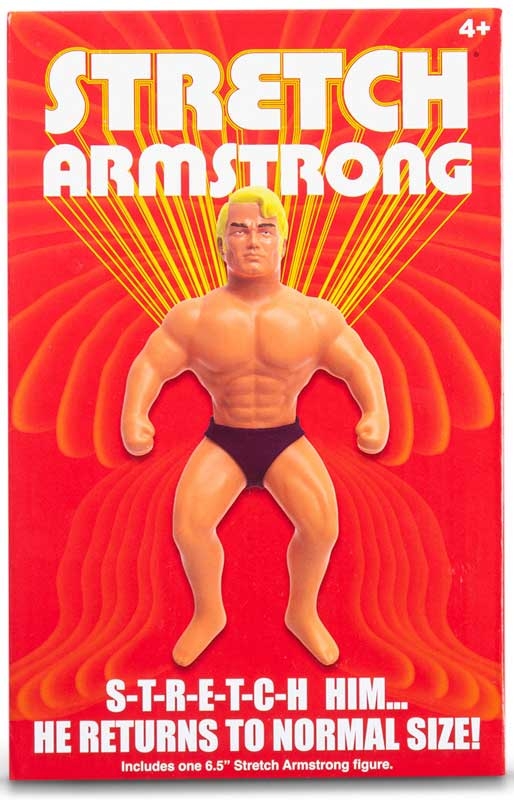
Stretch Armstrong stays near the top because the gimmick still rules. You do not need to explain him. You show him. That directness gives the toy unusual staying power even as the market around it becomes more electronic and more franchise-loaded.
By 1978, Stretch almost feels like the last great champion of a very specific kind of mid-70s toy logic: one unforgettable physical behavior can carry the whole product. No giant backstory needed. No screen. No cartridge. No movie universe. Just one bizarre thing a toy can do, and the certainty that kids will keep doing it until something goes wrong.
That is why he still ranks so high. Stretch Armstrong is not the future in 1978, but he is absolutely one of the last huge monuments of the era that came right before it.
Stretch Armstrong also belongs in the larger 70s Toys Hub story as one of the decade’s purest “show everybody what this does” toys.
Fun Fact / Why It Still Matters
Stretch Armstrong remained huge because
sensory weirdness can be just as powerful as narrative when the gimmick is that memorable.
1978
#3 — Speak & Spell
The Future Starts Talking
Toy TypeElectronic educational toy
Brand LaneLearning-tech play
1978 Rank#3
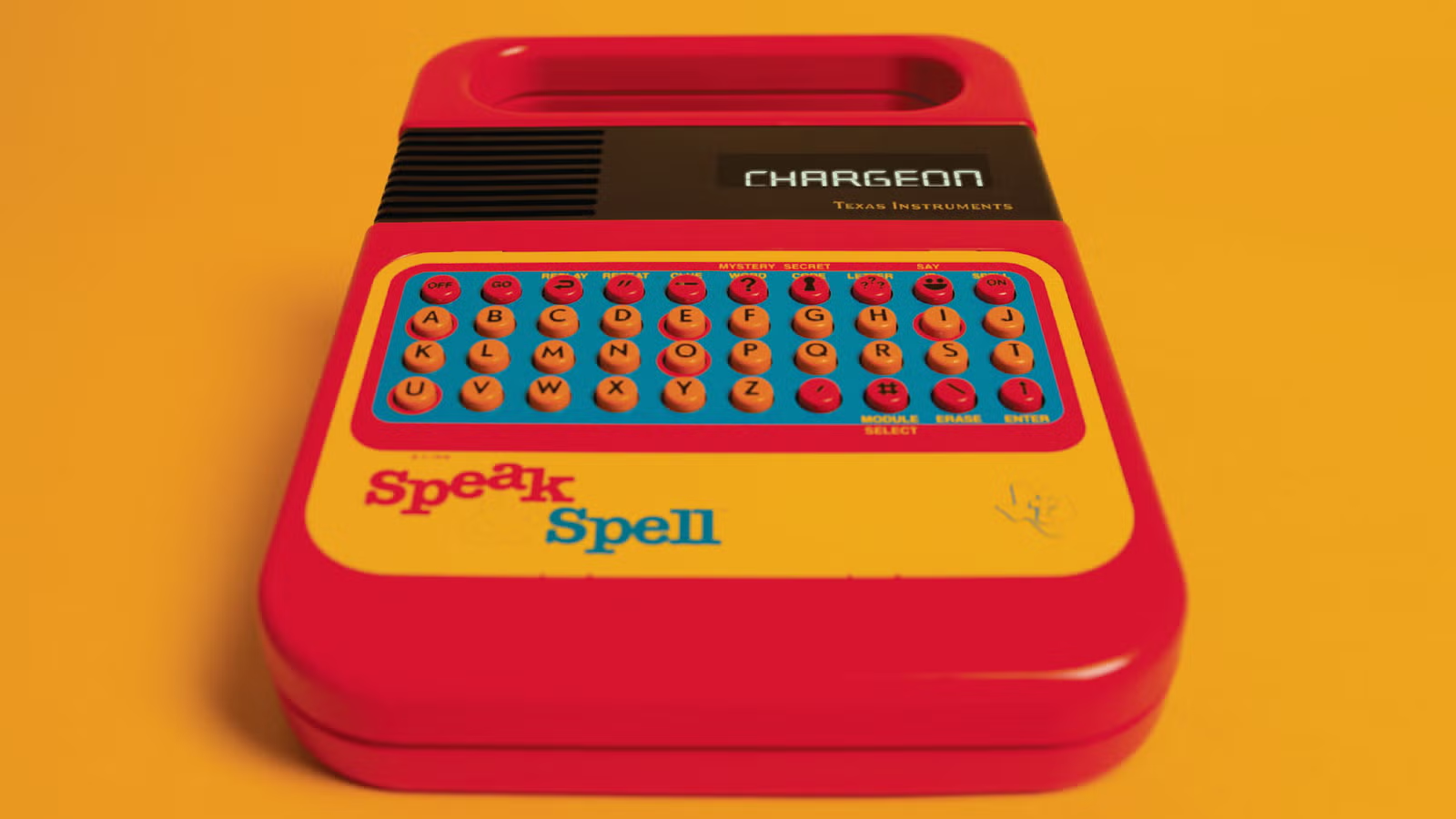
Speak & Spell ranks this high because 1978 is one of those rare years where a toy does not just feel popular — it feels like a preview. The device turns spelling and sound into something that suddenly seems futuristic, portable, and impressively machine-driven in a way kids and adults both noticed immediately.
What makes it so important is not only the educational angle. It is the presentation. Speak & Spell makes learning feel electronic. That matters in 1978, when technology is starting to become part of the toy’s emotional appeal rather than just an invisible mechanism under the hood.
It also says a lot about toy trends at the time. The aisle is beginning to realize that parents can be sold on usefulness while kids are sold on the thrill of owning something that feels like tomorrow. Speak & Spell nails both. It is smart, but it is also cool in a distinctly late-70s way.
Speak & Spell is a headline act in Early Electronics Changed the Vibe, because it made the toy box sound like the future had learned to spell at you from across the room.
Fun Fact / Why It Still Matters
Speak & Spell mattered because it made educational play feel like
high-tech possession instead of dutiful homework.
1978
#2 — Simon
Electronic Cool With Pure 1978 Swagger
Toy TypeElectronic memory game
Brand LaneSound-and-light challenge play
1978 Rank#2
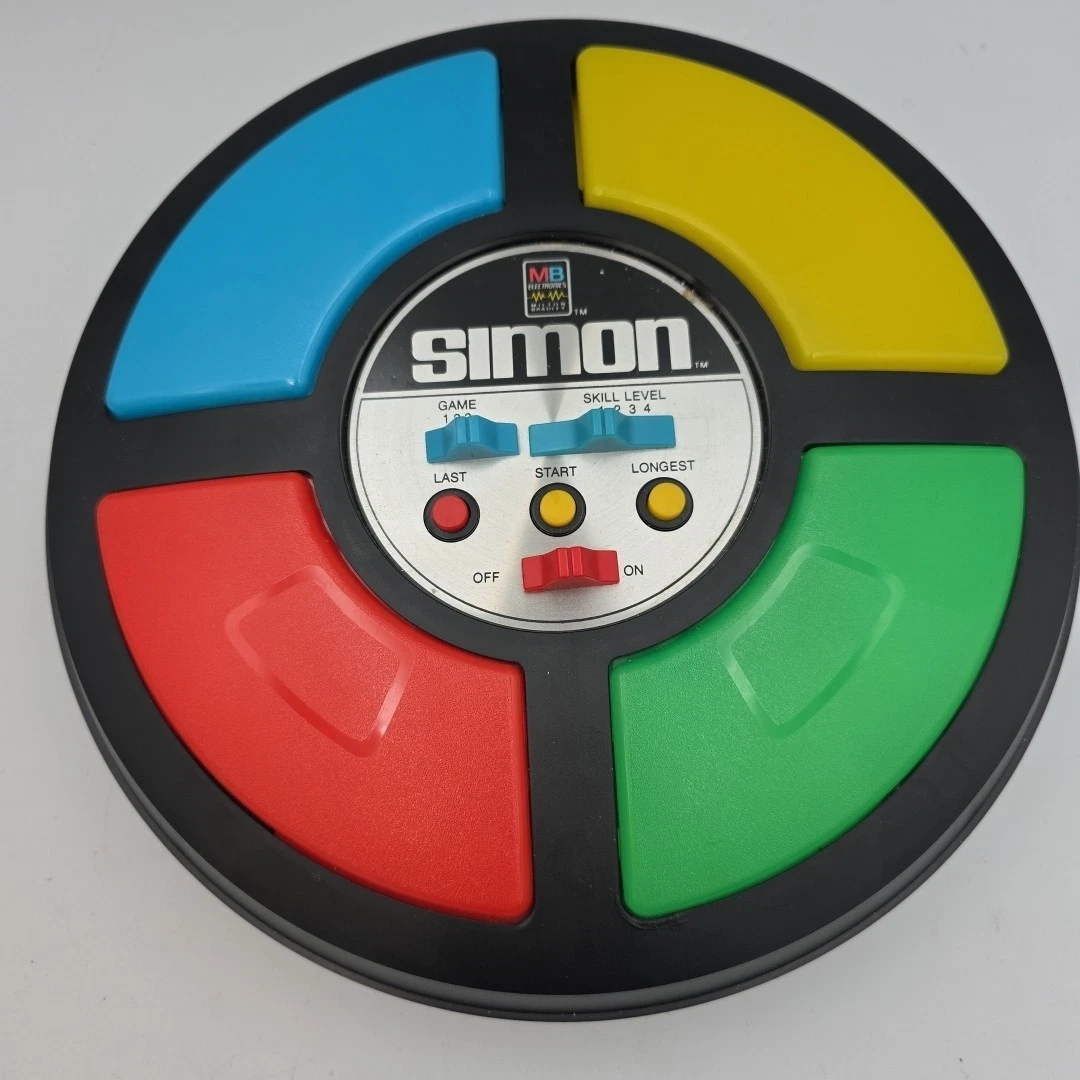
Simon lands at #2 because it feels like one of the purest distillations of 1978 toy culture. It is sleek, electronic, visually distinctive, and built around a challenge kids can understand instantly. Repeat the pattern. Fail publicly. Try again. Become obsessed. That is a brutally efficient play loop.
But Simon is bigger than just a good game. It makes electronics feel stylish. The sounds, the lights, the circular layout, the almost impossibly self-contained cool of the whole thing — it does not feel like the old toy aisle at all. It feels like the new one showing up uninvited and immediately taking the best chair.
That is why it ranks so high. Simon does not just represent a hot toy. It represents a new mood. The late 70s are starting to enjoy toys that feel less handmade, less improvised, and more machine-perfect. Simon turns that shift into something kids can literally hold in their hands.
Simon belongs in both Early Electronics Changed the Vibe and Board Games Took Over the Room, because it somehow made lights, sound, memory, competition, and public failure feel like one perfect late-70s package.
1978
#1 — Star Wars Action Figures
The Franchise Era Fully Arrives
Toy TypeLicensed action figure line
Brand LaneMovie-driven world play
1978 Rank#1
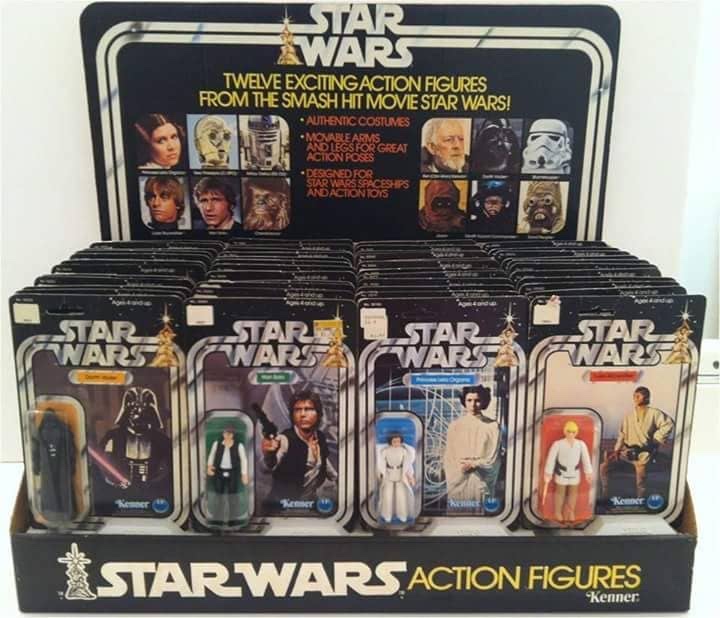
Star Wars action figures take the top spot because 1978 is the year the promise turns into physical reality. In 1977, the fever was already there. In 1978, the figures hit, the line expands, and the toy aisle has to fully deal with the fact that kids are no longer just buying objects. They are buying entry into a universe.
That shift is enormous. Star Wars does not just sell a hero, a gimmick, or a clever piece of design. It sells a whole mythology. Kids are not only playing with one figure; they are assembling a world they already know, already care about, and already want to keep extending past the movie screen.
What makes the line so powerful in 1978 is that it changes expectations. Suddenly a toy line can be judged by how well it lets a child continue a story they are emotionally invested in. That is not a minor upgrade to the old system. That is the beginning of a different business model, a different play model, and frankly a different toy childhood.
That is why Star Wars sits at #1. It is not only the biggest toy line of the year. It is the clearest sign that the center of gravity has moved. 1978 is the year the franchise toy era stops looking like a possibility and starts looking like the new normal. For the movie side of that shift, jump to Top 10 Movies of 1978.
Fun Fact / Why It Still Matters
Star Wars hits #1 because 1978 is when movie-world obsession becomes a full-scale toy reality, not just a preorder dream.
Rewind Verdict
The top 10 toys of 1978 show the decade tipping decisively into its next phase. Compared with 1977, the franchise wave is no longer theoretical and electronics are no longer just a novelty on the edge of the aisle. They are here, they are loud, and they are changing what “must-have” means.
That is why Star Wars action figures land so cleanly at #1. They turn a movie world into a toy ecosystem. Simon and Speak & Spell show electronics becoming emotionally desirable in their own right, not just clever add-ons. Meanwhile, Stretch Armstrong, Six Million Dollar Man, and Bionic Woman keep the older feature-driven 70s energy alive just long enough to prove the transition was not instant.
At the same time, the list still leaves room for the durable analog survivors. Barbie, Hot Wheels, Connect Four, and Baby Alive all hold their lanes because strong play systems do not just vanish when new technology arrives. They adapt, they coexist, and then eventually they get shoved over a little by a beeping plastic circle and a galaxy far, far away.
For Gen X memory, 1978 feels like the year the toy box starts sounding different. More voices. More lights. More lore. Less innocence about marketing. A lot more obsession. The commercial side of that memory lives in the 70s toy commercials and forgotten toy videos archive, where electronic games, learning toys, Star Wars figures, bionic heroes, and late-70s plastic madness get the ad-break treatment. It also plugs directly into the bigger 70s toy lanes: early electronics, board games, dolls and houses, toy cars and carpet cities, craft kits, backyard chaos, 1978 movies, and the 1978 TV culture that kept character toys hot.
FAQ: Top Toys of 1978
What was the biggest toy of 1978?
Star Wars action figures are the strongest editorial choice for #1 because they best capture the year’s biggest shift: franchise toys becoming the dominant force in the aisle.
Was there an official annual toy chart for 1978?
No. Like the other posts in this series, this is a best-supported editorial ranking based on cultural impact, shelf presence, longevity, and how strongly each toy represents the feel of the year.
Why rank Star Wars above Simon and Speak & Spell?
Because this ranking is about which toys most defined the year’s toy culture, not just which ones were ingenious. Simon and Speak & Spell represent the electronic future beautifully, but Star Wars action figures changed the whole center of gravity of the market.
How was 1978 different from 1977 in toys?
1977 was the breakthrough year for franchise obsession. 1978 is the year that obsession fully lands on shelves, while electronics also begin claiming serious space in the toy box.
What 70s toy deep dives connect to the 1978 list?
The strongest related reads are Early Electronics Changed the Vibe, 1978 Movies, 1978 TV, 70s Toys Hub, Board Games Took Over the Room, Dolls, Houses & Domestic Drama, Carpet Cities & Tiny Roads, Craft Kits Made a Mess, Backyard Toys Had No Chill, Forgotten 70s Toys That Deserve a Comeback, and 70s Toy Commercials & Forgotten Toy Videos.