What Were the 6 Biggest Fads of 1982?
1982 was the year the future moved into the living room and immediately started asking for batteries, cartridges, blank tapes and a dedicated corner near the television. Home computers looked educational, Atari looked essential, aerobics looked responsible, and E.T. looked like he belonged on every product in the store.
The commercial machine was fully awake. Movies became merchandise, music became an event, exercise became home video and jackets became membership badges. Even soda taste tests started acting like national elections.
Basically, 1982 sold Gen X the future, the workout, the cartridge and the alien—usually before dinner.
The biggest fads arrived through the television.
The screen sold movies, workouts, games, computers, music and brand wars. The living room became a showroom for whatever the future was supposed to look like.
What Were the Six Biggest Fads of 1982?
The six biggest fads of 1982 were E.T. mania, the Commodore 64 and home-computer boom, Thriller fever, Jane Fonda and home aerobics, the Atari 2600 craze and Members Only jackets. Together they capture a year when blockbuster movies, home technology, pop music, fitness, video games and status fashion all moved into everyday Gen X life.
Why 1982 Felt Like a Living-Room Takeover
The strongest 1982 fads entered through the same room. The television carried E.T. commercials, Atari games, exercise tapes, music performances and ads explaining why a family needed a computer. The living room was entertainment center, gym, arcade, classroom and showroom at once.
That made the year feel bigger than a list of products. The fads changed family routines. Somebody wanted the television for a workout. Somebody wanted it for Atari. Somebody was trying to load a program or cassette. Everybody believed their use was the urgent one.
The future became a consumer category
Home computers and video games promised more than entertainment. They promised preparation. Parents could call the purchase educational, kids could play games, and advertisers could sell the same machine as both responsibility and fun.
Movies and music became complete commercial worlds
E.T. was not only a film, and Thriller was not only an album. Both created images, merchandise, conversation and anticipation that escaped the original product.
How Fads Spread in 1982 Before Social Media
Trends moved through overlapping screens and stores. A movie created affection, commercials supplied merchandise, malls displayed the evidence and school handled the comparison.
The year’s brand-war energy also mattered. Our deep dive into the Pepsi Challenge and the 1982 Cola Wars shows how a simple blind taste test became one of the decade’s most memorable advertising battles.
How These 1982 Fads Were Ranked
The countdown weighs visibility, everyday participation, commercial reach, cultural spillover and long-term Gen X memory. A fad ranks higher when it changed family routines, buying behavior, conversation or the way people imagined the future.
E.T. takes the top spot because the movie created affection, merchandise and all-ages conversation. Home computers rank second because the category sold a new idea of family life and the future. Thriller and Jane Fonda made home media feel event-sized, while Atari and Members Only defined play and status.
The Rest of 1982: Music, Movies, TV, Toys and Commercials
The fad list was only one part of the year. Olivia Newton-John led the Billboard year-end chart, E.T. dominated the box office, network television still controlled the living room, and the toy aisle filled with Rubik’s Cube, Atari, Strawberry Shortcake, Smurfs and movie merchandise.
Why These Six Belong on the 1982 List
A real fad has to escape advertising and move into ordinary routines. It must change what people buy, how they spend time, what they discuss or the way they present themselves.
Every item here crossed that line. Members Only jackets carried status. Atari changed downtime. Jane Fonda changed the living room. Thriller changed the scale of a pop release. Home computers changed what families believed they needed. E.T. changed the emotional temperature of the year.
The six trends also cover several parts of 1982 at once—fashion, gaming, fitness, music, technology and blockbuster movie culture—without reducing the year to one category.
What 1982 Looked and Sounded Like From Inside the Living Room
An Atari cartridge clicked into place. Somebody adjusted the television. A workout tape waited by the VCR. A computer sat nearby looking important, even when its main achievement that day was displaying a blinking prompt.
E.T. merchandise appeared on shelves. Thriller played from a cassette or record. A Members Only jacket stayed on indoors because the whole point was being seen in it. The room felt less like a room and more like a demonstration area for the decade.
The 1982 Fad Countdown
- #6 Members Only JacketsA branded jacket turns teen fashion into a visible membership badge.
- #5 Atari 2600 CrazeCartridges and joysticks make the living room the new arcade battleground.
- #4 Jane Fonda and Home AerobicsExercise tapes turn carpet, television and leg warmers into a workout studio.
- #3 Thriller FeverMichael Jackson’s album arrives with the scale and anticipation of a cultural event.
- #2 Home ComputersCommodore, Atari, TI and VIC machines sell games, education and the future at once.
- #1 E.T. ManiaThe blockbuster alien becomes emotion, merchandise, catchphrases and national affection.
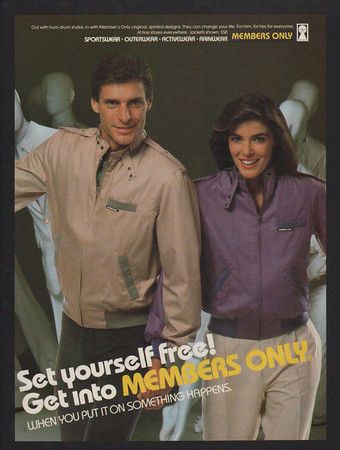
Members Only Jackets
Some clothes kept people warm. Members Only jackets also handled reputation. The name sounded exclusive, the short design looked current and the small shoulder strap gave the jacket enough visual identity to be recognized quickly.
For teenagers navigating mall culture and school hallways, that recognition mattered. The jacket announced brand awareness before anybody had spoken.
The brand name did remarkable psychological work. “Members Only” suggested access, belonging and a small social upgrade. The wearer did not need to explain membership requirements because the jacket had already approved the application.
The fad fit a period when labels were becoming stronger identity signals. Generic clothing could look fine, but a recognizable brand gave other people something immediate to read.
That is why the jacket belongs on the list even beside larger entertainment crazes. It captures the social-status side of early-80s fashion with unusual clarity.
The Name Was the Pitch
The jacket sounded exclusive before anybody checked the fabric, price or actual existence of a club.
The School-Hallway Read
One glance communicated brand awareness, currentness and the possibility that somebody else wanted the same jacket.
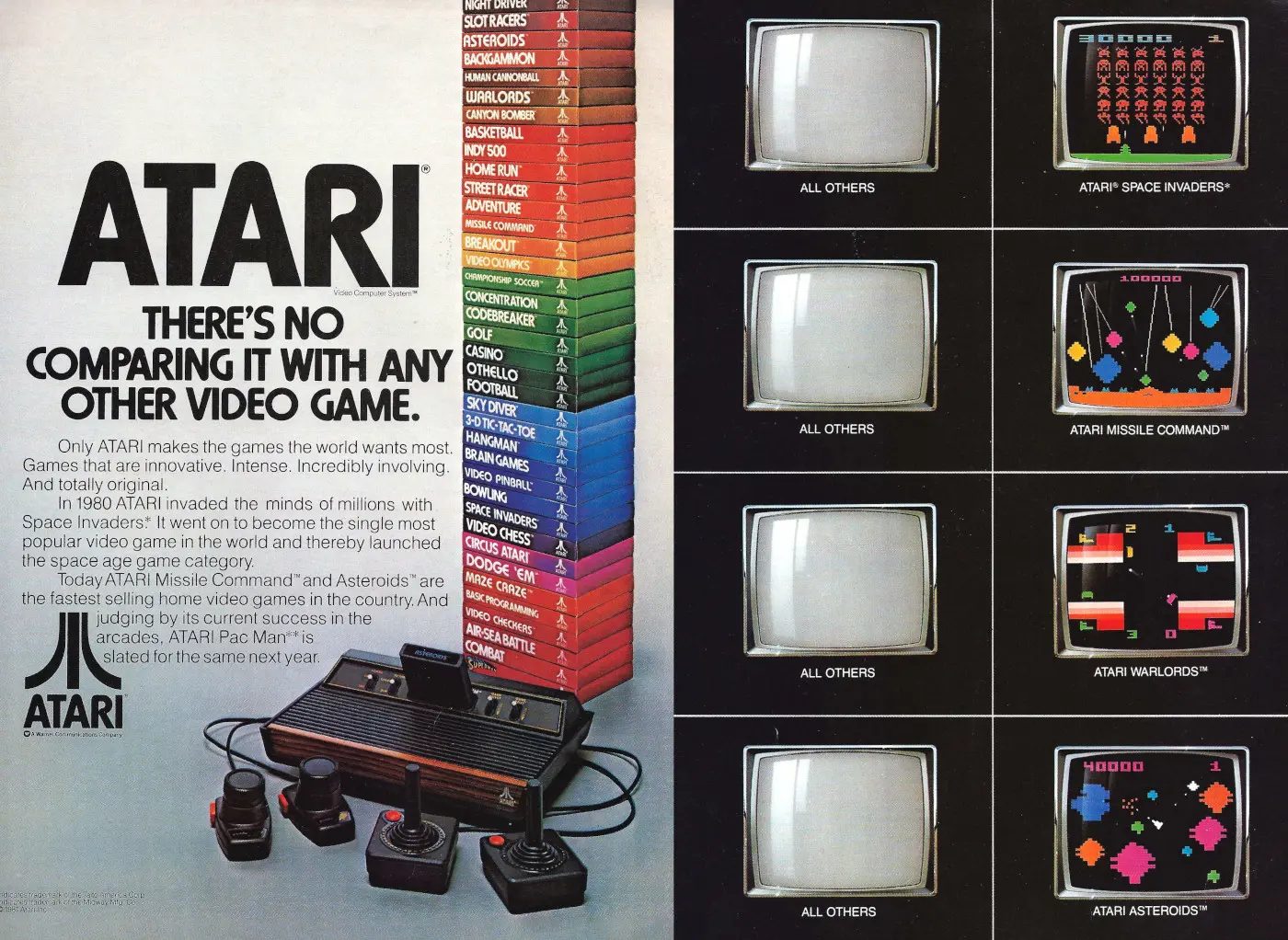
Atari 2600 and the Home Video-Game Craze
By 1982, Atari was not simply one game system among several. For many families, Atari was the word for home video games. The woodgrain console, joystick and cartridge stack became part of the living-room architecture.
The system changed downtime because the arcade no longer required a ride or a pocket full of quarters. Competition could begin immediately and continue until somebody questioned the fairness of the controller.
Cartridges gave the console an expandable identity. The library mattered, and owning a popular game created social value when friends came over. The stack beside the television quietly advertised taste, luck and parental cooperation.
The joystick’s simplicity made the system approachable. One stick, one red button and a surprising number of ways for siblings to argue about turns, scores and whether the equipment had suddenly stopped responding.
Atari also changed expectations. Once games lived at home, electronic entertainment became part of ordinary family space rather than a special trip.
The Cartridge Stack
Each new game extended the system’s life and gave visitors a reason to inspect the collection before sitting down.
The Turn Dispute
“One more game” became a flexible legal theory used by whoever currently held the joystick.
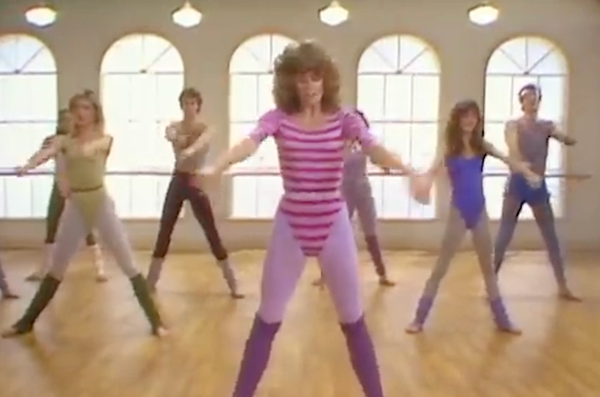
Jane Fonda and the Home-Aerobics Boom
Jane Fonda’s workout success changed where exercise could happen. The television became an instructor, the carpet became a studio floor and the furniture became an obstacle to be moved.
The tape combined self-improvement, celebrity authority, repetition and a complete visual style. Exercise now came with leg warmers, leotards and a rewind button.
Home video made the routine repeatable. Viewers could pause, replay and return to the same workout without joining a club or following a schedule set by somebody outside the house.
The fad also fit early-80s aspiration. Fitness was presented as discipline, appearance and personal improvement at once. The workout promised a more energetic body and a more organized version of life.
Families remember the practical side: furniture moved, carpet used as equipment and the television temporarily controlled by the person most committed to finishing the tape.
The Coffee-Table Relocation
Every home studio began with a small interior-design emergency and a warning not to kick the lamp.
Why Home Video Changed Fitness
The tape created a repeatable ritual that could be used privately, regularly and without a gym membership.
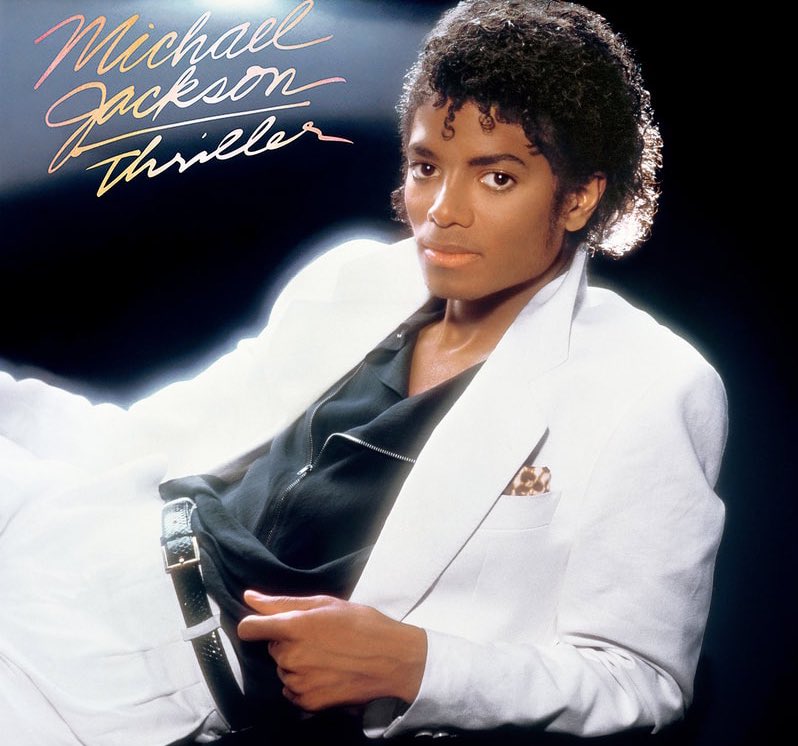
Thriller Fever
Thriller arrived late in 1982, but it did not feel like an ordinary album quietly entering the market. Michael Jackson’s voice, image, production and momentum already suggested something larger had begun.
The full takeover would continue, but the ignition belongs to 1982. The album’s arrival changed the scale people expected from a pop event.
The album combined polish and mystery. It felt accessible enough for mass appeal and ambitious enough to seem important. Each single added momentum instead of exhausting it.
The visual side mattered too. Michael Jackson’s look, movement and presentation made the music easier to identify in public. The album did not remain inside speakers; it carried an image.
Remembering the first phase matters because cultural takeovers have an ignition moment. In 1982, people could already feel the difference before the phenomenon reached its final size.
The Ignition Point
The album had not yet completed its historic run, but the shift in attention and expectation was already visible.
Why It Felt Event-Sized
Production, voice, image and star power arrived together, making the release feel larger than one record purchase.
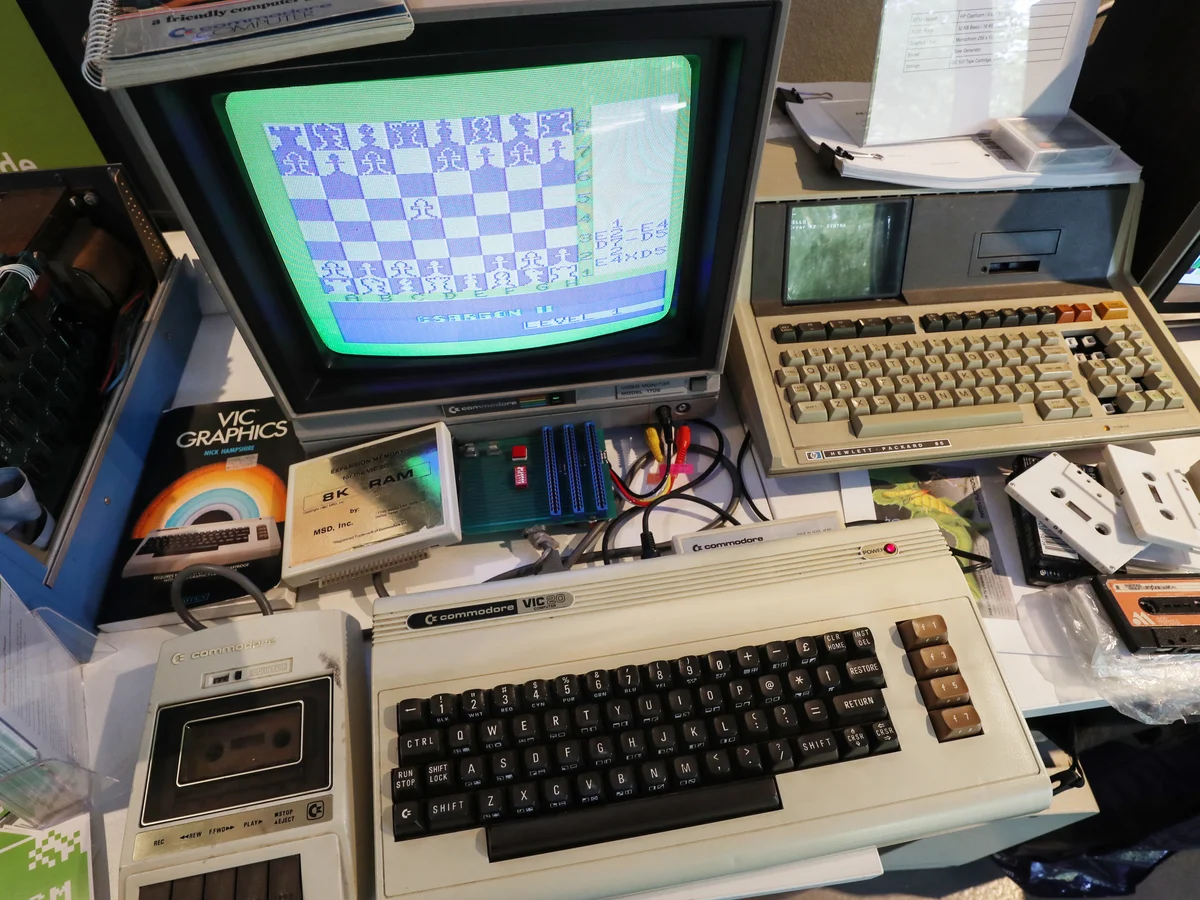
The Commodore 64 and the Home-Computer Boom
In 1982, home computers shifted from specialized curiosity toward family expectation. Commodore, Atari, Texas Instruments and other companies sold machines as entertainment, education and preparation for the future.
The pitch worked because every family member could imagine a different use. Kids saw games. Parents saw school. Advertisers saw a category large enough to promise tomorrow.
Buyers did not need to understand programming, memory or peripherals to feel urgency. The machine looked important. Owning one suggested the household had decided not to be left behind.
That emotional promise was stronger than the practical reality. Some families used computers extensively. Others loaded games, typed a few lines and continued describing the purchase as educational whenever necessary.
The boom changed the image of the family den. A keyboard and monitor could now sit beside the television as visible proof that the future had been plugged in.
The Education Justification
“It will help with school” became the bridge between a major purchase and the games everyone expected to load first.
The Blinking-Cursor Future
Even an empty screen prompt looked advanced enough to make the household feel one step closer to tomorrow.
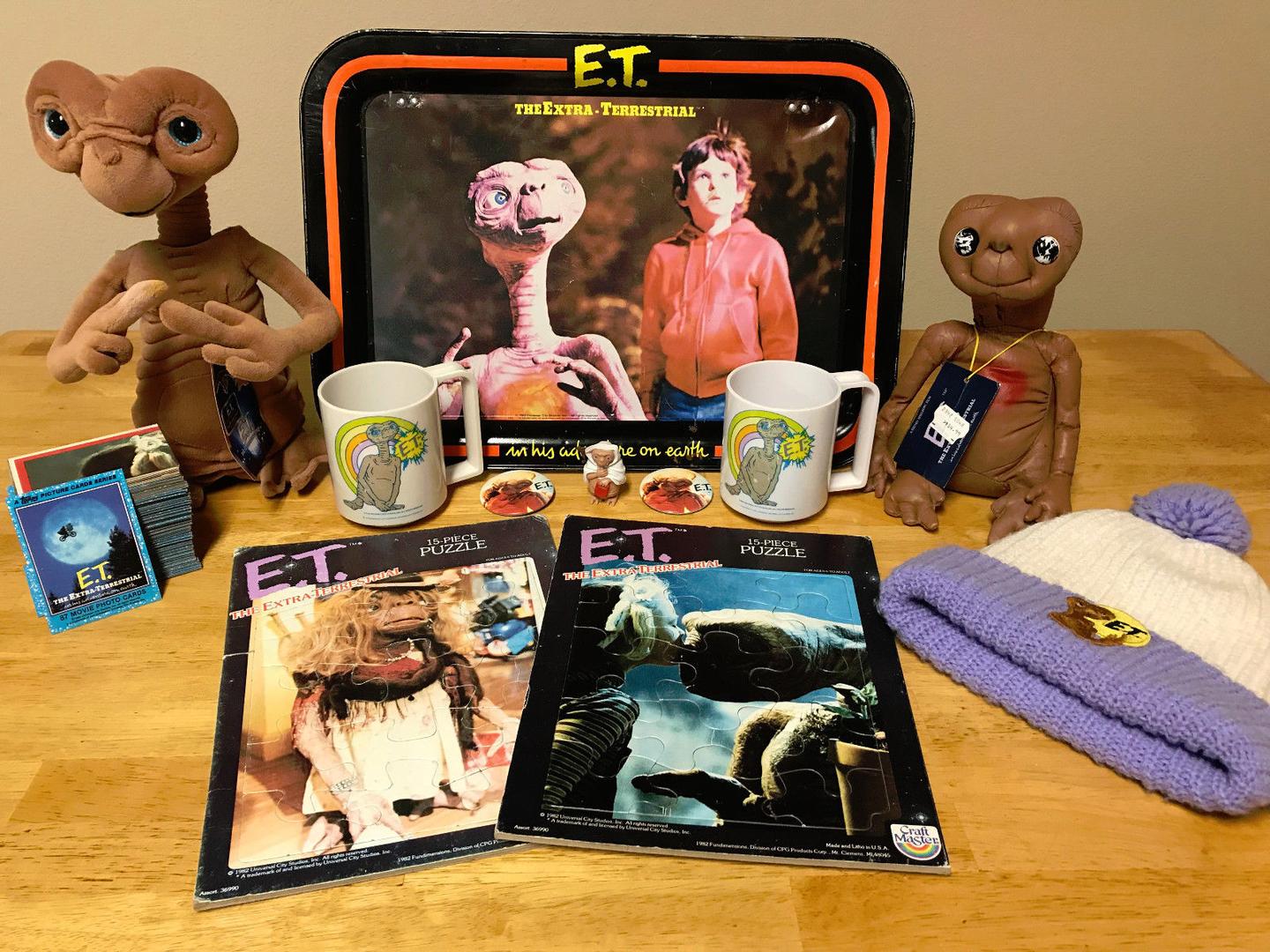
E.T. Mania
Nothing in 1982 felt larger than E.T. The movie reached kids and adults at the same time, creating wonder, sadness, humor and affection without asking families to split into separate audiences.
Once that connection formed, the character escaped the theater. E.T. appeared in toy aisles, department-store displays, lunchboxes, posters and bedrooms.
The merchandising worked because people genuinely cared about the character. This was not a logo pasted onto products after a successful opening weekend. The emotional attachment made owning something feel like carrying a piece of the story home.
The imagery was instantly recognizable: the face, glowing finger, bicycle silhouette and “phone home.” Those elements gave the craze a visual and verbal language that could travel far beyond the movie.
E.T. also crossed generations better than most fads. Kids wanted the toys and character. Adults responded to the emotion and filmmaking. Stores could sell to both groups without changing the campaign.
The Emotional Advantage
People were not only impressed by the movie. They cared about the character, which gave the merchandise unusual power.
The All-Ages Takeover
One cultural event reached children, teenagers and adults without needing separate versions of the story.
What Happened to the Biggest Fads of 1982?
Several items on this list outgrew the fad category. Home computers became basic household technology. Home workout media became an industry. Atari became history. Thriller became a monument.
That does not make their 1982 fad phase less real. The early obsession was the moment ordinary people decided these things mattered before anyone knew how large their afterlives would become.
The Final Verdict on the Biggest Fads of 1982
1982 was a living-room revolution disguised as a shopping year. The trends arrived through screens, cartridges, tapes, records and products that promised a different version of home life.
E.T. wins because it united emotion, entertainment and merchandise. Home computers follow because they sold the future. Thriller and Jane Fonda made home media feel transformational, while Atari and Members Only captured play and social status.
Put an E.T. doll beside an Atari joystick, a workout tape, a home computer and one zipped Members Only jacket, and 1982 identifies itself before the television warms up.
Keep Exploring 1982
Rebuild the rest of the year through the music, movies, television, toys and commercial deep dive surrounding these trends.
Questions About the Biggest Fads of 1982
What were the biggest fads of 1982?
The six biggest fads were E.T. mania, the Commodore 64 and home-computer boom, Thriller fever, Jane Fonda and home aerobics, the Atari 2600 craze and Members Only jackets.
What was the number-one fad of 1982?
E.T. mania ranks first because the movie created all-ages emotional attachment, huge visibility, catchphrases and a nationwide merchandising takeover.
Why is E.T. ranked above the home-computer boom?
Home computers were hugely important, but E.T. reached more age groups at once and became the year’s strongest shared emotional and commercial event.
Why count Thriller as a 1982 fad?
Thriller was released in 1982, and the album’s arrival immediately changed the scale and anticipation surrounding Michael Jackson even though its full domination continued afterward.
Why was the Commodore 64 important in 1982?
The Commodore 64 gave the home-computer boom a major 1982 anchor and helped make personal computing feel like a realistic family purchase rather than a specialist hobby.
Why was Jane Fonda’s workout a fad?
The workout tape combined celebrity, fitness, self-improvement and repeatable home video, turning the living room into a personal aerobics studio.
Was Atari still a major fad in 1982?
Yes. Atari remained a defining home-gaming brand, with cartridges, joysticks and living-room competition becoming part of everyday childhood.
Why were Members Only jackets popular?
The jackets combined recognizable branding, mall fashion and a name that implied exclusivity, turning outerwear into a visible social-status signal.
How did fads spread in 1982?
They spread through television, commercials, home video, malls, movies, arcades, school hallways and direct word of mouth.
Which 1982 fad had the longest legacy?
Home computers had the deepest practical legacy because the category grew from a consumer craze into ordinary household infrastructure.
What did the Pepsi Challenge have to do with 1982?
The blind taste-test campaign helped turn the Cola Wars into mainstream entertainment and showed how aggressively brands could build public participation around advertising.
What else defined pop culture in 1982?
E.T., Thriller, Olivia Newton-John, Rocky III, network television, Atari, Rubik’s Cube and the home-computer race all helped define the year.