Why Veronica’s Closet and Jesse Were Top-Five TV Shows in 1999
Why Veronica’s Closet and Jesse Were Top-Five TV Shows in 1999
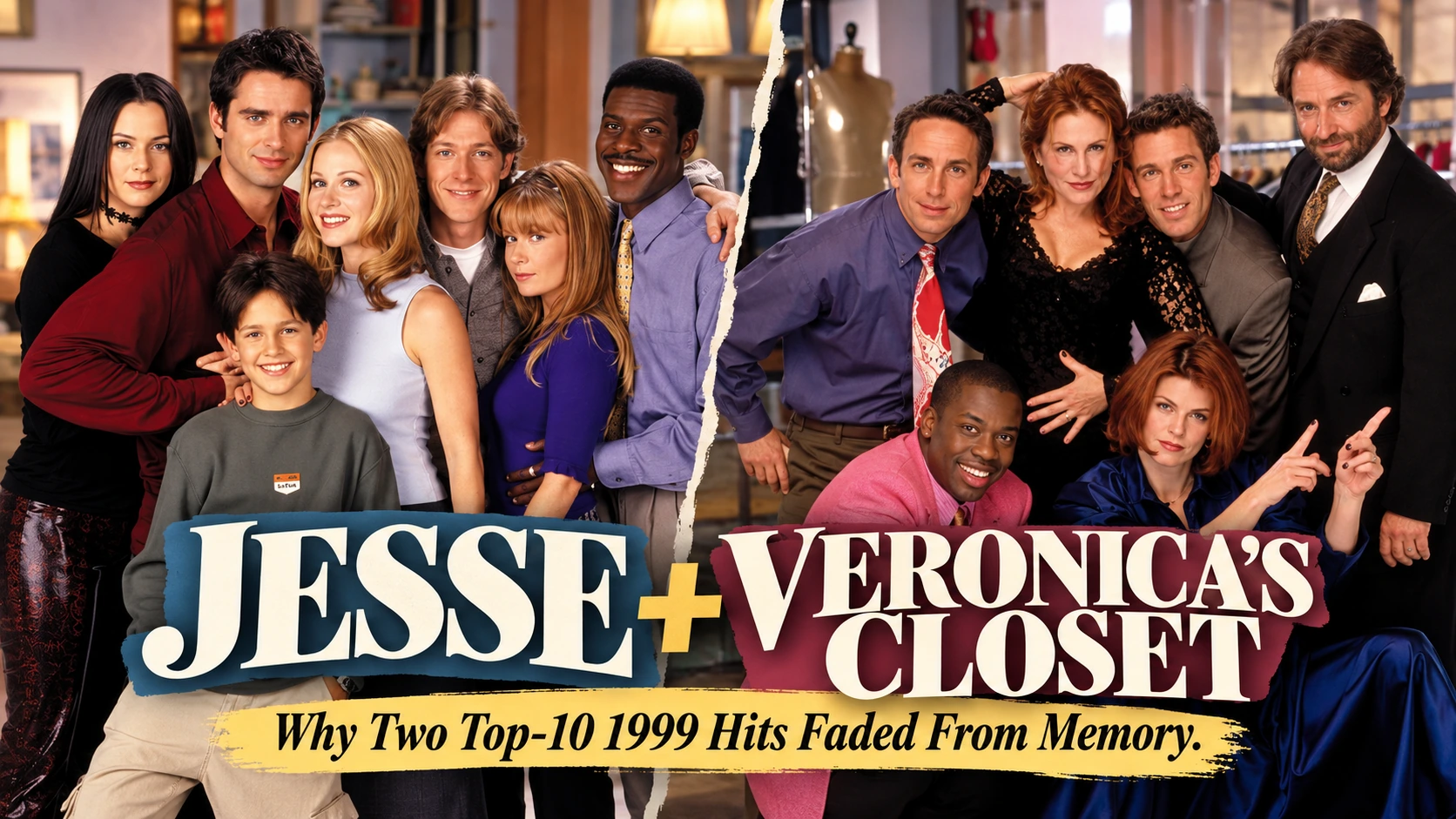
Jesse and Veronica’s Closet pulled enormous late-90s audiences—and then largely vanished from the cultural conversation. The ratings explain NBC’s remaining power.
Were Jesse and Veronica’s Closet really top-five shows in 1999?
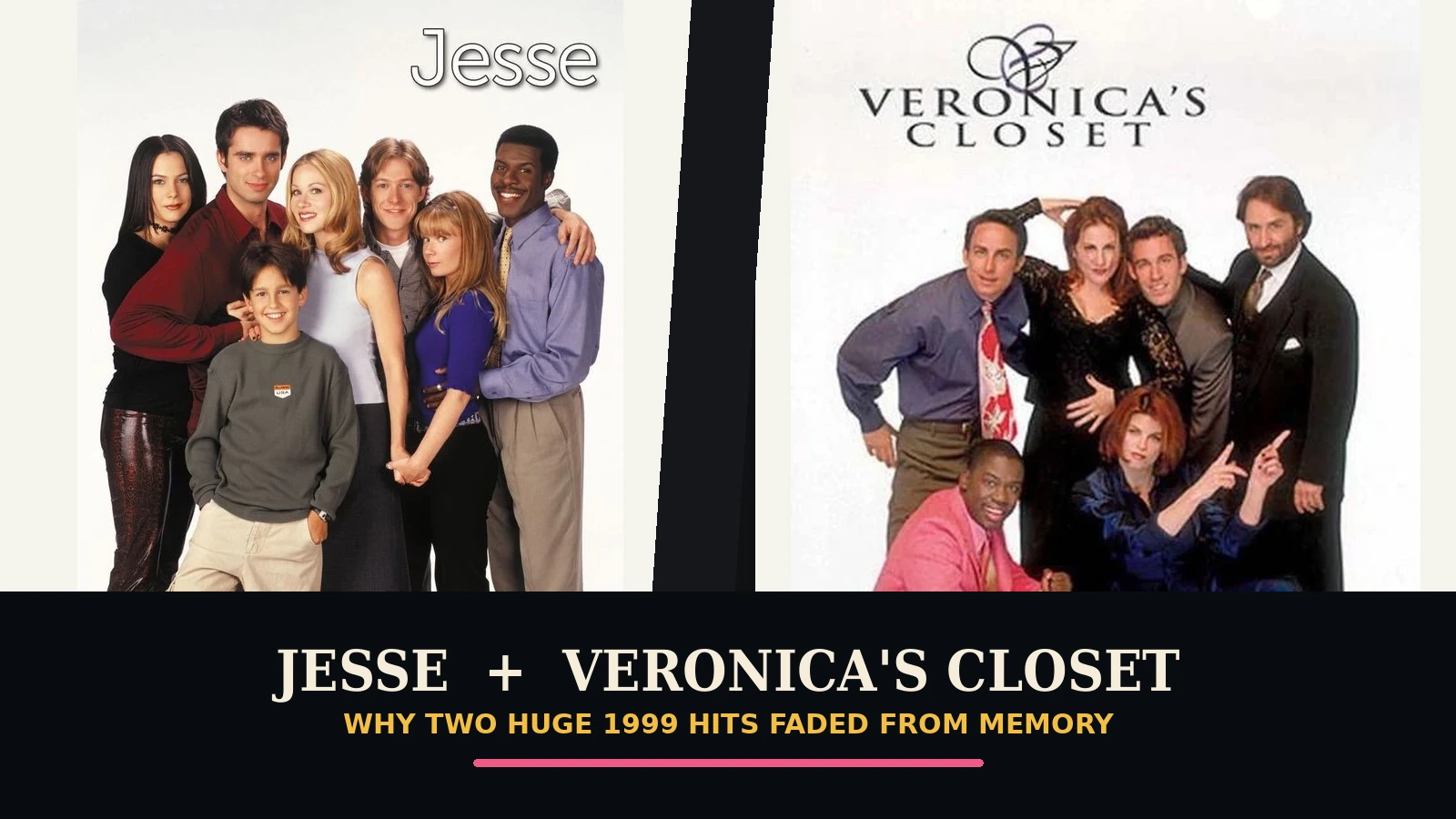
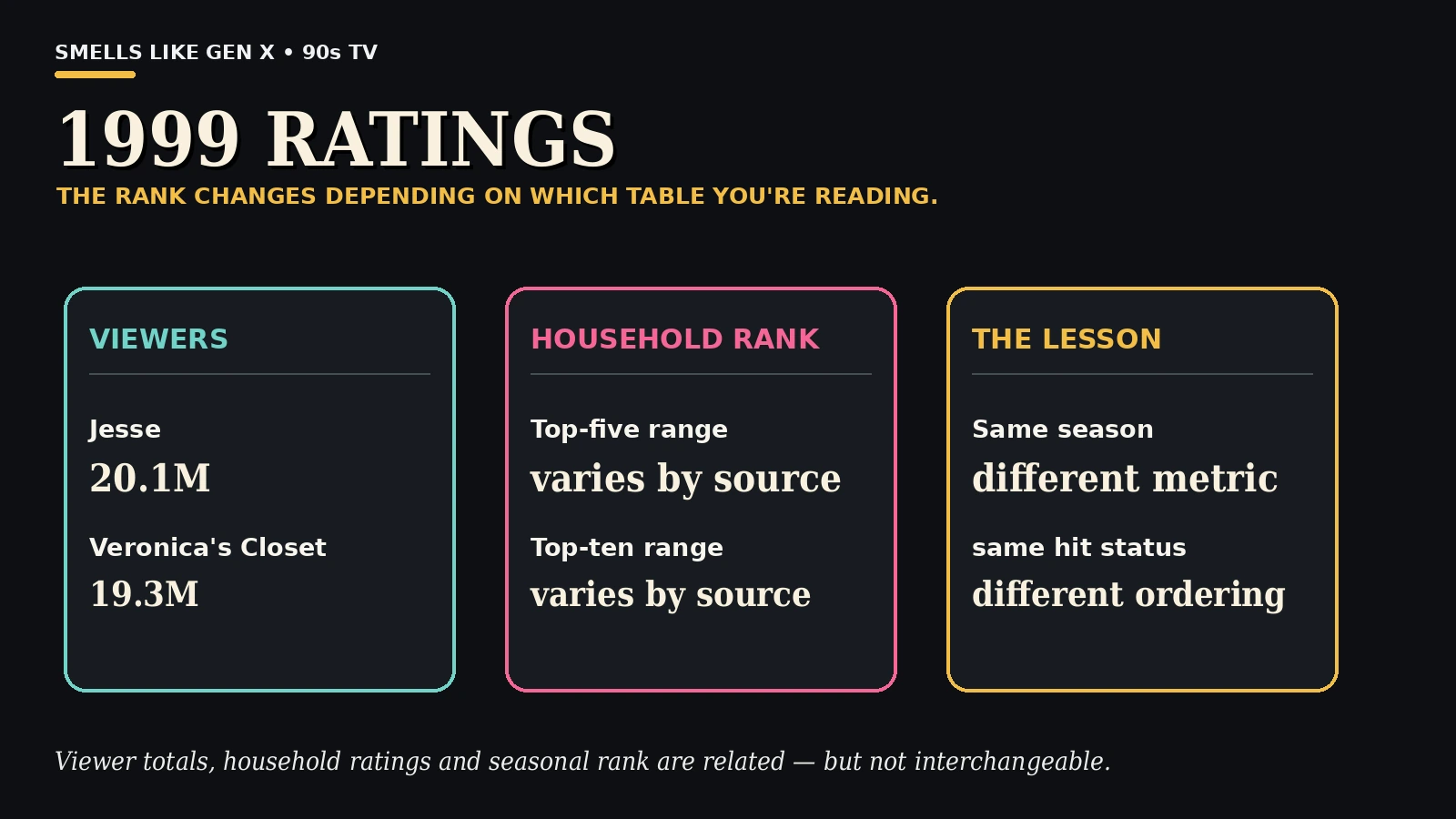
They were unquestionably major hits, though the exact rank depends on which 1998–99 Nielsen table you use. Contemporary Los Angeles Times viewer totals put Jesse at #4 with 20.1 million viewers and Veronica’s Closet at #7 with 19.3 million. Household-rating tables can produce different placements. The larger point is unchanged: NBC could still launch or sustain sitcoms to enormous audiences at the end of the decade.
Two Huge Shows Can Feel Almost Invisible Twenty-Five Years Later
The most interesting thing about Jesse and Veronica’s Closet is not that they existed. Plenty of 90s sitcoms existed. It is the mismatch between their contemporary audience and their current cultural footprint. In the Los Angeles Times’ 1998–99 viewer table, Jesse averaged 20.1 million viewers and Veronica’s Closet 19.3 million. Those are not curiosity numbers. Those are mass-audience hits.
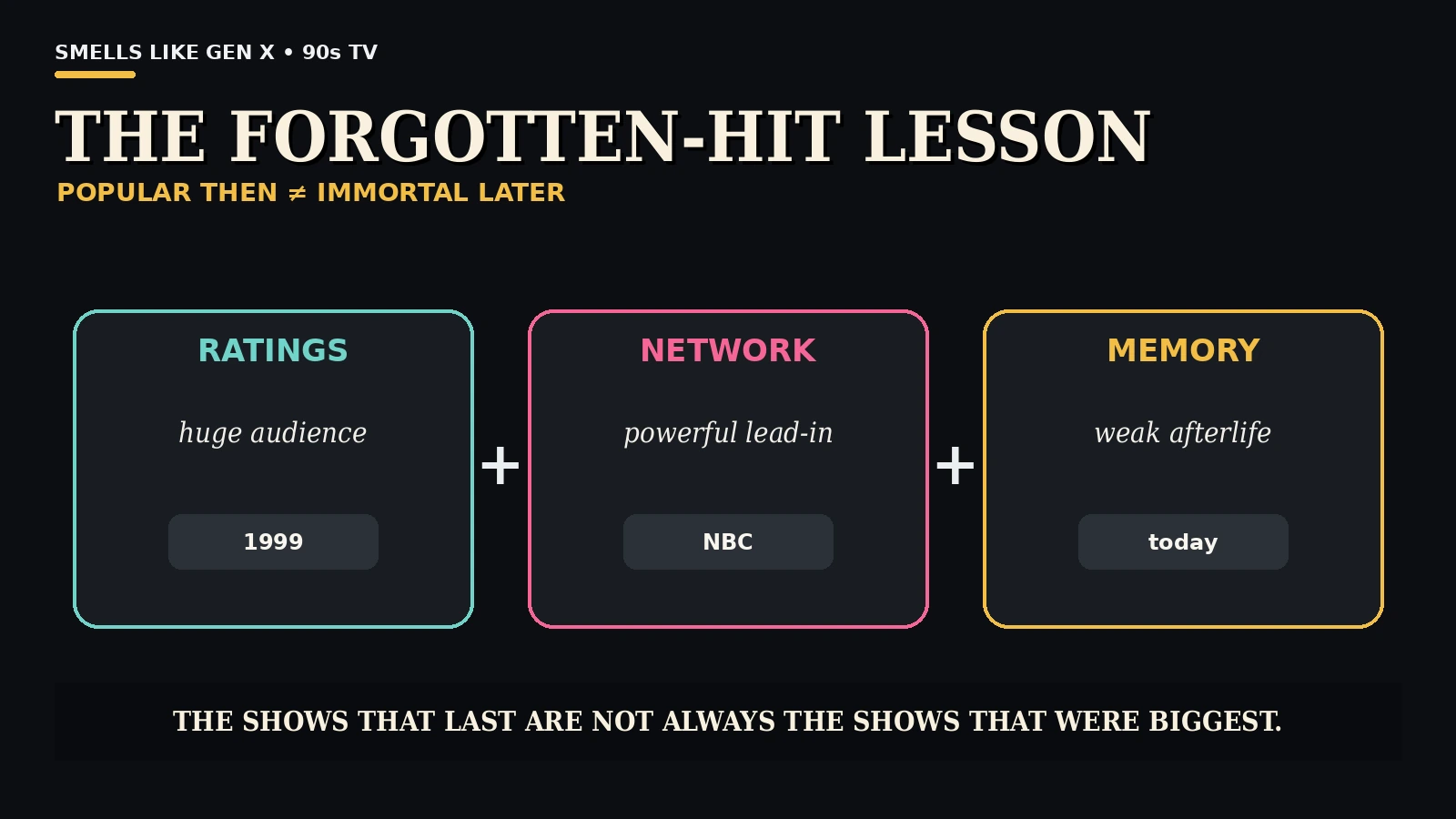
Yet ask somebody to name the defining comedies of the decade and the list will usually run through Friends, Seinfeld, Frasier, Roseanne and a handful of others before either title appears. That gap is exactly why these shows belong inside our 1990s TV project. Ratings tell us what people watched then; memory tells us what survived later. The two are not the same measurement.
The discrepancy is useful because it reminds us how much television history gets rewritten by reruns, streaming availability and nostalgia. A show can dominate a season and still lose the long afterlife.
Different Nielsen Tables Can Rank the Same Season Differently
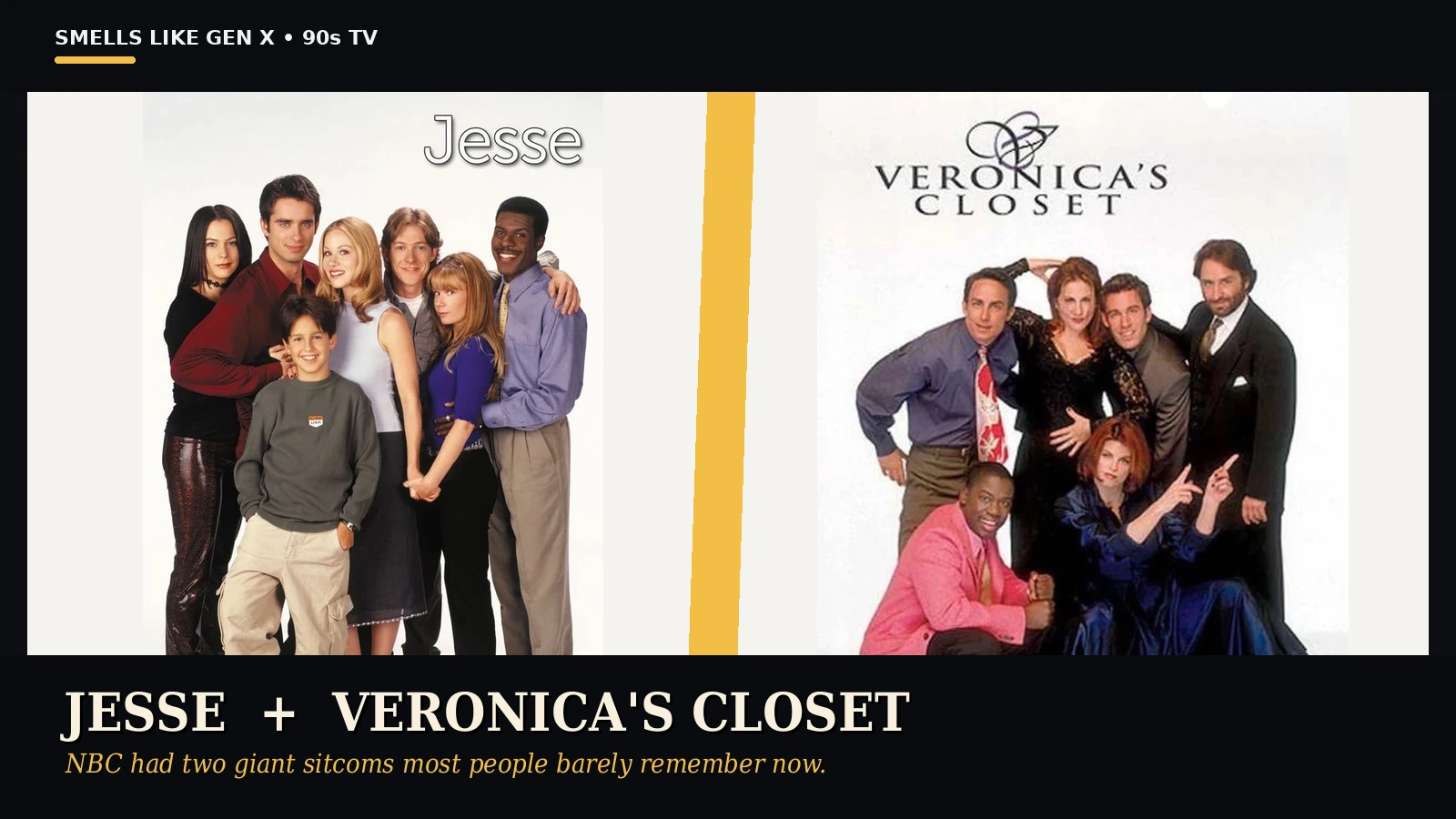
Historical TV rankings are messy because contemporary reports did not always use the same metric. Viewer totals, household ratings and seasonal averages can produce slightly different orderings. The Los Angeles Times’ May 1999 viewer table ranks Jesse #4 and Veronica’s Closet #7. Other household-rating tables for the season place them differently and can produce a tied-#5 framing.
That is not a reason to throw out the story. It is a reason to label the metric. Both shows were undeniably near the top of the national prime-time hierarchy. The defensible takeaway is not one magic ordinal number; it is that NBC had enough audience power to make two sitcoms that now feel half-forgotten into some of the most-watched programs in America.
That is why both the headline and the measurement context matter: the headline captures the larger story, while the contemporary viewer table shows the exact numbers.
Christina Applegate Was Already a Known TV Face
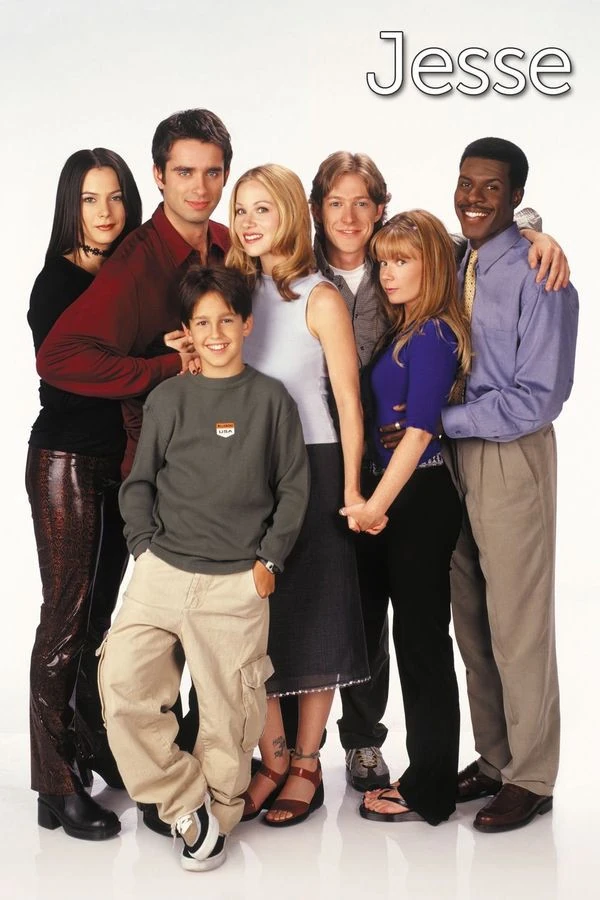
Jesse premiered in 1998 with Christina Applegate in the title role, giving NBC a star viewers already knew from Married… with Children. The series put her in a Buffalo working-life setup with family, romance and a blue-collar environment—a different flavor from the Manhattan apartment comedies surrounding so much NBC branding.
The launch worked in raw audience terms. That first-season scale is important because it reminds us how much promotional force a network could apply when a recognizable star, favorable time slot and dominant schedule lined up. A new comedy did not begin from zero. It began inside a river of existing audience.
The show also arrived at the exact moment when NBC could still make familiarity feel like an event. Applegate’s return to weekly network comedy was a hook by itself, and the schedule amplified it before viewers had decided whether Jesse would become a permanent favorite.
Kirstie Alley Was Coming Back to NBC With Cheers Still in the Rearview Mirror
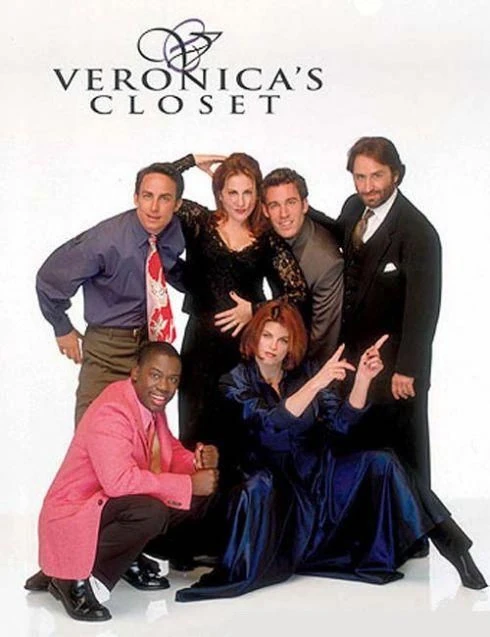
Veronica’s Closet had a similarly obvious hook: Kirstie Alley returning to NBC comedy after Cheers. The character ran a lingerie company and gave the network another workplace-and-romance sitcom built around a proven performer. For audiences who had spent years with Rebecca Howe, the casting itself was marketing.
The show’s first season had already been huge, and the second remained strong enough to land near the top of the 1998–99 season. That scale helps explain why the forgotten Must See TV hits are such a useful category. These were not obscure programs rescued from a cable graveyard. They were major network products with national audiences.
The disconnect came later. A recognizable star can get viewers through the door, but long-term memory depends on the world around that star becoming equally recognizable. Veronica’s Closet never quite built the permanent iconography of the shows it followed.
NBC Could Deliver Sampling on a Scale That Changed Careers
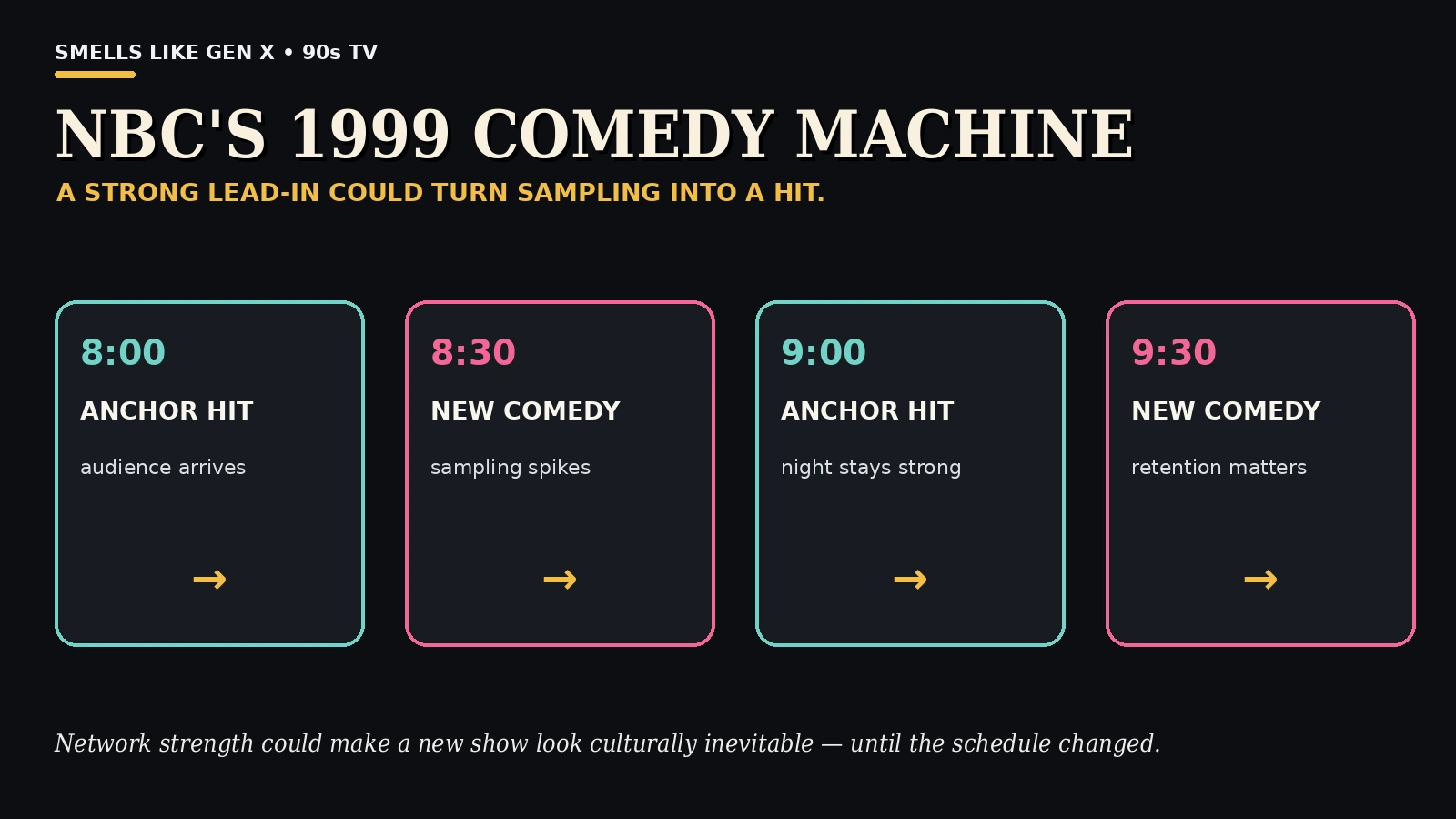
The broader explanation sits inside the Must See TV machine. NBC had spent years training audiences to arrive on certain nights for comedy and stay through blocks. A new show placed near a proven hit could inherit millions of viewers before it had earned anything on its own. That did not guarantee survival, but it created an enormous launchpad.
This is why schedule context matters as much as premise. A show in 1999 was not simply competing title against title. It lived inside network architecture: lead-ins, promos, time slots, affiliate reach and viewer habit. NBC’s architecture was still powerful enough to create big numbers even as the broader system was beginning to fragment.
The same architecture could also hide weakness for a while. If a show depended heavily on the audience delivered by the program before it, a time-slot change or fading network block could expose how much loyalty belonged to the show itself.
A Large Audience Is Not the Same Thing as a Durable Identity
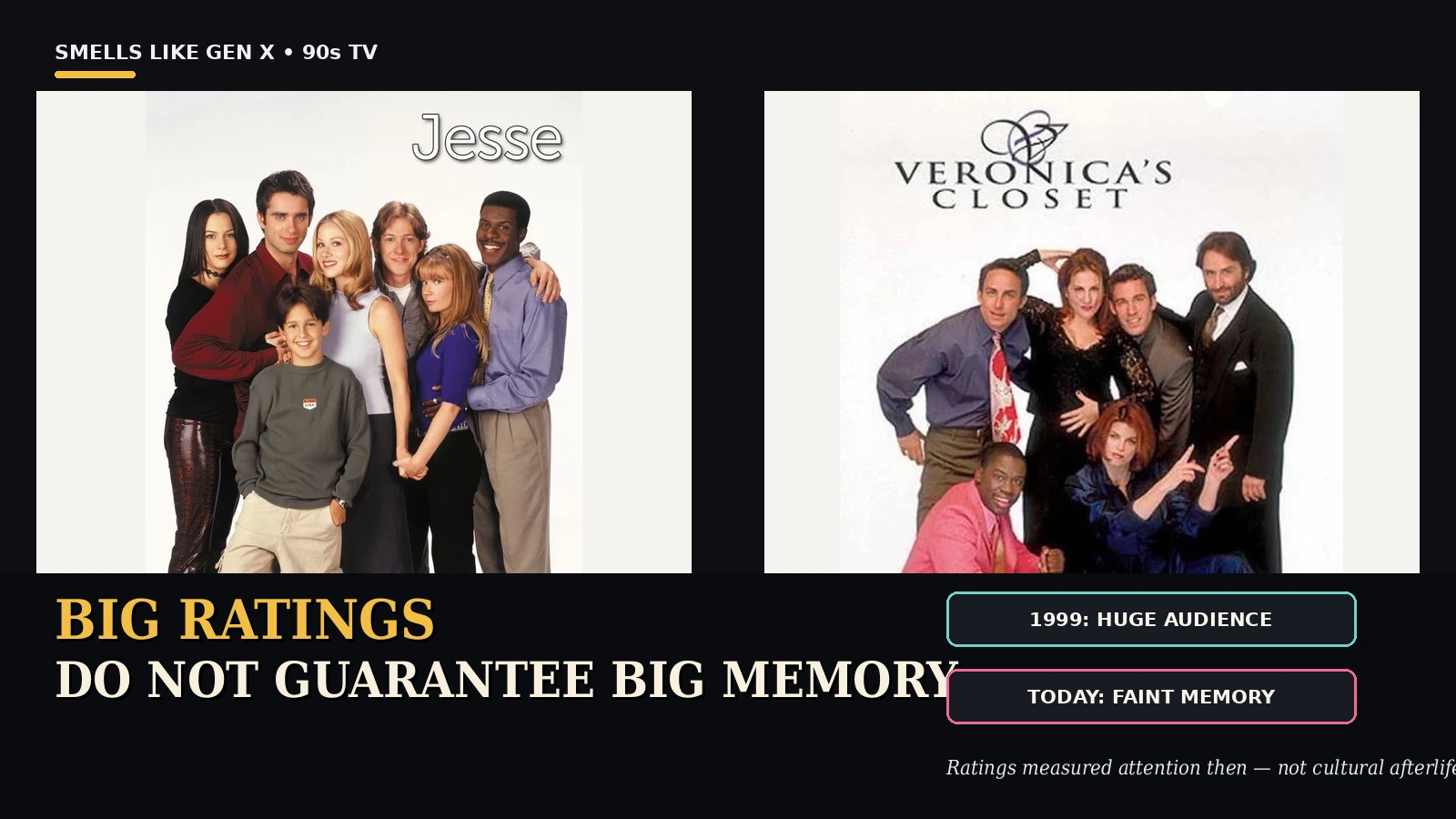
Ratings measure attention, not attachment. A show can be watched by twenty million people because it sits in a strong slot, stars somebody familiar and is perfectly acceptable television. Cultural longevity asks for something else: distinctive characters, quotable language, episodes people seek out again, syndication strength, later availability and a clear identity that separates the show from the era around it.
Jesse and Veronica’s Closet had pieces of that equation but not enough to compete with the strongest brands of the decade. Their stories became evidence of NBC’s power more than independent cultural institutions. That is not an insult. It is a reminder that “hit” and “classic” are two different words.
Reruns matter too. A show that cycles constantly through syndication keeps teaching new viewers how to remember it. A show that becomes harder to encounter loses cultural oxygen, even if the original run was enormous.
The Network System Was Still Powerful While Its Monopoly on Attention Was Cracking
The 1999 ratings chart still looks like a world of giant network television: ER, Friends, Frasier, Jesse, Monday Night Football, Touched by an Angel, Veronica’s Closet, 60 Minutes and the CBS Sunday Movie. That is a lot of shared attention.
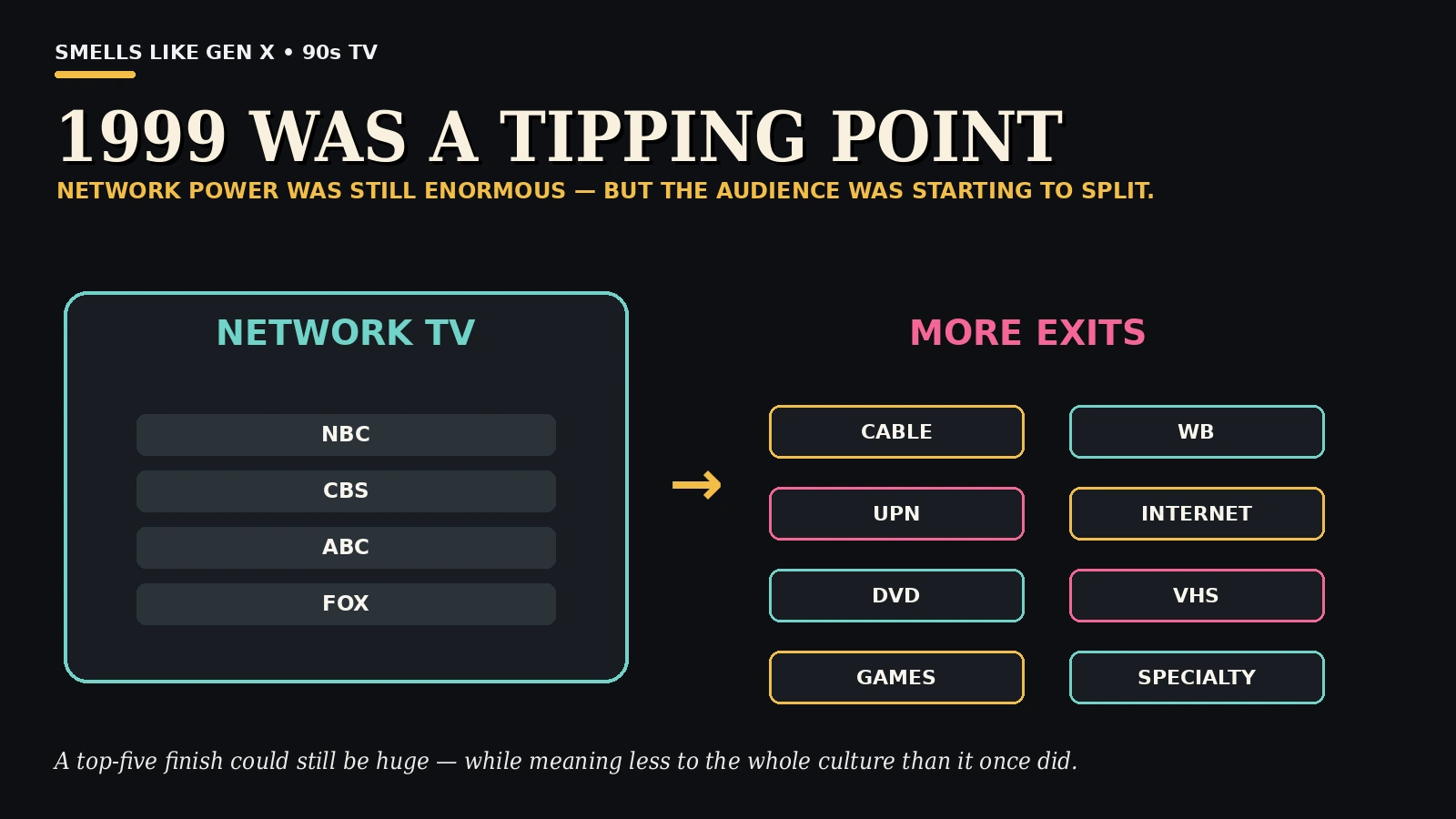
At the same time, cable choice was expanding, Fox was fully established, the WB and UPN existed, home video was normal and the internet was beginning to compete for leisure time. The contradiction is the subject of our 1999 monoculture article: the old machine could still create enormous hits, but it was losing the ability to make every hit feel permanent.
That is what makes these two sitcoms so useful historically. They are evidence that the network system did not become weak all at once. It remained powerful enough to manufacture huge audiences even as the cultural environment around those audiences was splintering.
Television History Needs Ratings and Memory at the Same Time
If we only use nostalgia, we overvalue the shows that survived in reruns and undercount programs people actually watched. If we only use ratings, we mistake exposure for importance. The useful history keeps both. Jesse and Veronica’s Closet are fascinating precisely because the two measures disagree.
They remind us that millions of viewers once made weekly choices that left surprisingly little cultural residue. That is not failure; it is ordinary mass television doing what mass television does. Most hits eventually become old shows. A handful become language. The distance between those outcomes is where the interesting history lives.
For Smells Like Gen X, that is exactly the territory worth digging into. The forgotten hit often tells us more about the machinery of an era than the universally remembered classic, because it shows what the system could do even when memory later moved on.
Forgotten Hits Reveal the Strength of the System Around Them
It is easy to laugh at a forgotten hit because hindsight makes the outcome look obvious. If a show is barely discussed now, we assume people must not have cared then. Jesse and Veronica’s Closet are useful correctives because the contemporary audience was enormous by any modern standard. Millions of households did not accidentally leave the television on for two full seasons. Viewers sampled, returned and made these shows commercially meaningful. The fact that memory later downgraded them tells us something about how culture filters television after the ratings have stopped mattering.
The pair also shows how star power worked in the broadcast era. Christina Applegate and Kirstie Alley arrived with recognition built in, and NBC could turn that recognition into immediate national sampling. Today a familiar performer can still drive interest, but audiences are scattered across platforms and recommendation systems. In 1999, a major network could put a known star in a good slot, promote the premiere during giant hits and reach a huge percentage of the available television audience in one evening. The distribution system magnified celebrity.
What the network could not guarantee was cultural permanence. That required more than exposure. It required a show to become distinct enough that viewers sought it out after the schedule stopped delivering it automatically. Syndication, reruns, DVD releases and later streaming all helped decide which 90s comedies stayed visible. A program that slipped out of circulation could lose cultural ground quickly, no matter how strong the original numbers had been. Availability became a second ratings system, only slower and less measurable.
That makes the 1998–99 season a particularly revealing place to watch the network era begin to change. The chart still demonstrates the awesome power of broadcast television, while the fate of these two shows demonstrates the limits of that power. NBC could make a program huge for a season. It could not force future generations to remember it. The gap between those two achievements is the whole story of a television system that was still mighty just before the media world fractured for good.
That is why these two shows are not footnotes. They are evidence. They show that the late-90s network system could still create national-scale viewing through scheduling, promotion and star recognition even when the programs themselves did not become permanent cultural landmarks. In other words, the machine was stronger than the memory. That tension is exactly what makes 1999 such a revealing year.
The contrast with today is useful. A comedy averaging around twenty million viewers now would be treated as a once-in-a-generation broadcast phenomenon, yet in 1999 those numbers could belong to shows that were not even the decade’s most culturally dominant comedies. That tells us how concentrated the audience still was. It also explains why memory alone is a poor guide to scale: the late network era routinely produced audiences that modern television can barely imagine even for programs that later slipped out of circulation.
There is a practical archival problem here too. Shows that do not remain in heavy syndication or prominent streaming catalogs become harder to revisit, which affects criticism, nostalgia and even search behavior. The better-known series keep generating clips, essays and anniversary coverage; the less-available series quietly lose evidence of their former size. Jesse and Veronica’s Closet therefore sit at the intersection of ratings history and preservation. Their original success is documented even when their present-day visibility is not.
Frequently asked questions
How many viewers did Jesse average in 1998–99?
The Los Angeles Times season table lists Jesse at about 20.1 million viewers.
How many viewers did Veronica’s Closet average in 1998–99?
The same contemporary table lists Veronica’s Closet at about 19.3 million viewers.
Were they literally tied at #5?
That depends on the historical Nielsen metric and table being used. Viewer-total and household-rating rankings can differ, so this article labels the metric rather than pretending one table is universal.
Why were both shows so highly rated?
Star power, NBC promotion, strong lead-ins and the still-formidable Must See TV scheduling machine gave them enormous exposure.
Why are they less remembered than Friends or Seinfeld?
Ratings capture how many watched. Cultural memory depends on distinctiveness, reruns, availability, quotability and long-term attachment.
Where can I read more about forgotten NBC sitcoms?
For the broader group of overlooked Must See TV-era comedies, see our Forgotten Must See TV sitcoms story.