Fantasy Island in the Early 80s: Wishes, White Suits and Saturday Night
Tattoo saw the plane, Roarke knew what the guests wanted, and Saturday night had one more stop.
Mr. Roarke has a white suit and a pretty good idea how the evening will go.
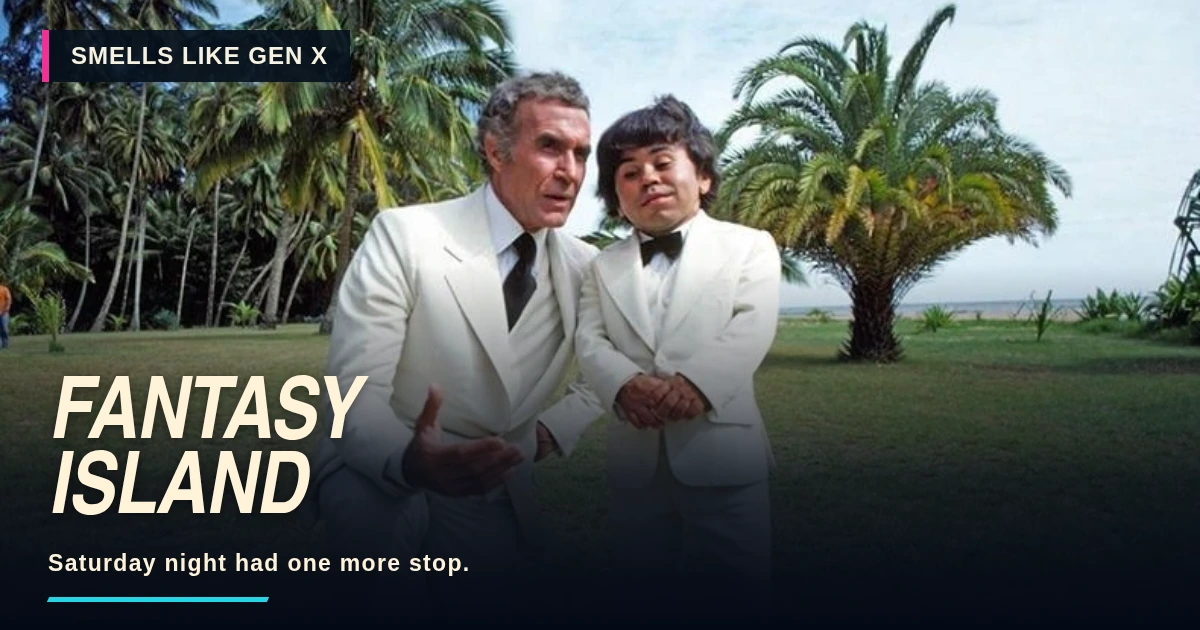
The second you heard that bell, it was worth looking up. Tattoo had spotted the plane, Mr. Roarke was ready in his white suit, and there was just enough time to guess which guest was going to wish they’d asked for something simpler. You might still have been sitting in the spot where you’d watched The Love Boat. The night had gone from a cruise to an island while somebody in your house was deciding whether it was too late for more popcorn.
That was Saturday on ABC. The Love Boat in the early ’80s had Isaac behind the bar and passengers trying to sort themselves out before the ship got back. On Fantasy Island, the guests came down the steps of the plane and walked straight into something they’d asked for. I liked hearing Roarke explain why they’d come. I’d be busy thinking up my own answer while he was already giving somebody on the screen a reason to reconsider theirs.
The island started in the seventies. There were two TV movies, beginning in 1977, and the regular series arrived in January 1978. That first version already had Roarke, Tattoo, and the plane. The other half of that Saturday night comes back just as quickly if you play The Love Boat’s theme from our ’70s TV guide. By 1980 you could recognize the island before a single guest said a word. The fun was seeing what the show could get away with after everybody had been welcomed.
Inside This Article
- Tattoo spotted the plane and the night got going
- I always waited for the warning in Roarke’s voice
- The night the devil came to the island
- The guest who got exactly what they asked for
- Saturday was a two-show habit
- The year somebody else stood beside Roarke
- Three reasons I’d go back
- Before the next plane lands
Tattoo spotted the plane and the night got going
Hervé Villechaize gave Tattoo the job of getting us there. A bell, a look up at the sky, and suddenly even the person who’d spent the last hour telling everybody they were about to go to bed had a reason to wait. There’s a particular pleasure in knowing exactly what happens at the start of a show and wanting to see it again anyway. You’re settling in. The people getting off the plane have more to be nervous about.
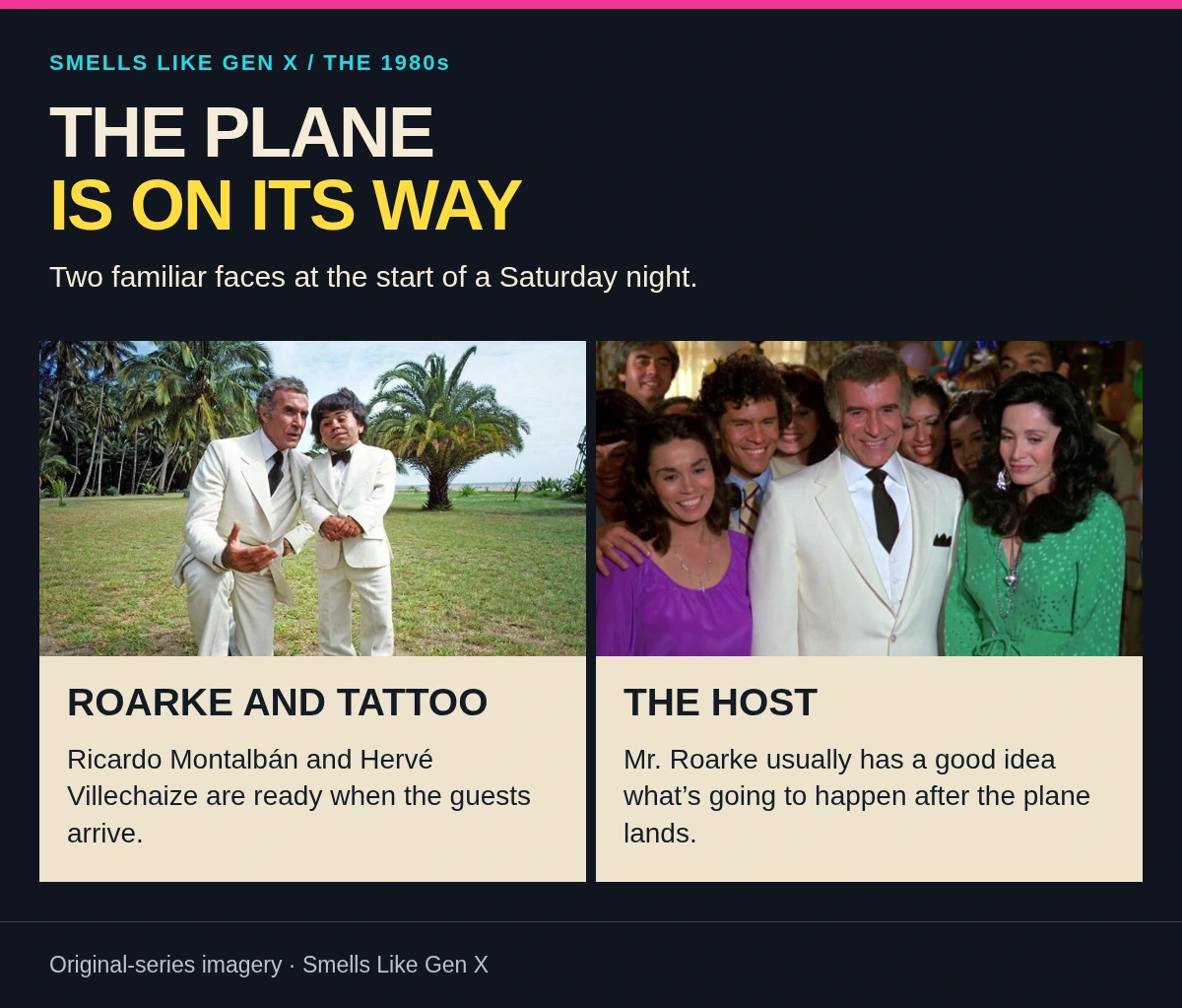
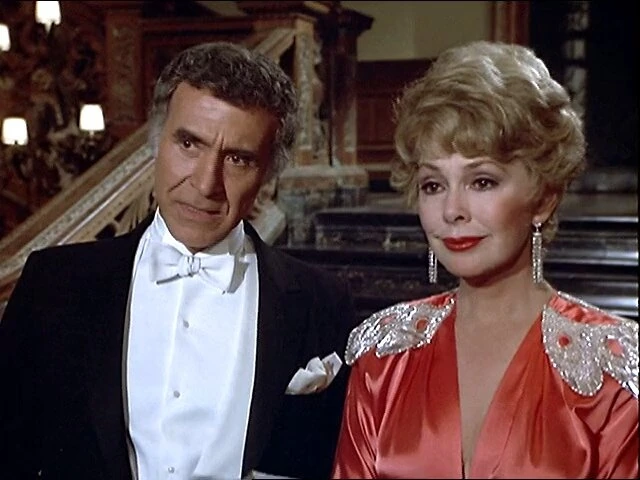
Roarke usually knew enough about the arrivals to tell Tattoo why they were there. His explanations made the wishes sound reasonable for a minute. Somebody wanted another chance at a relationship. Somebody wanted to do a thing they’d never had the nerve to try. Somebody wanted more money than they’d ever seen. Give each one a minute in a white suit with Ricardo Montalbán, and you might start thinking it sounded reasonable yourself.
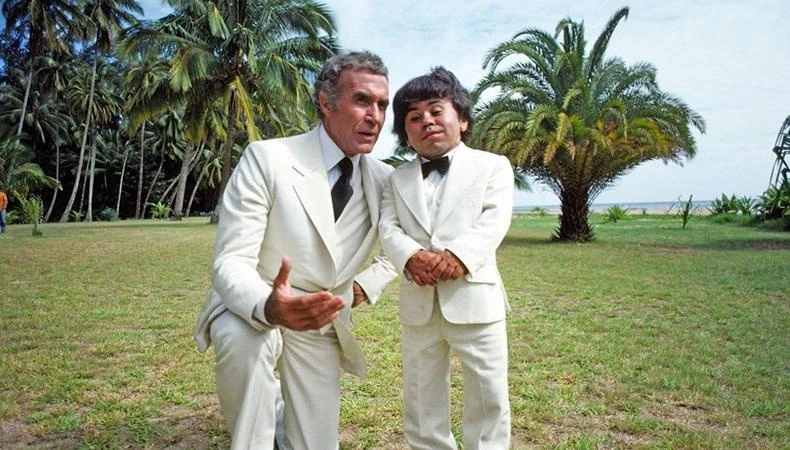
Tattoo had his own way of sizing up a situation. Roarke could give an answer in the patient voice you expected from him and Tattoo could still have a look that said he had questions. Watching them together, I get why so many people remember the island as a pair of voices. The planes and palm trees tell you where you are. Those voices tell you what sort of company you’re in for the next hour.
I’d forgotten how effectively Villechaize could carry a story away from the arrival routine. In the 1980 season opener, Tattoo takes on a man’s wish to be a millionaire while Roarke has a much stranger problem to attend to. It gives Tattoo room to do more than spot the next plane. By the time a fantasy is putting somebody in danger, you’re watching to see how he gets them through it.
I always waited for the warning in Roarke’s voice
Montalbán could make a welcome sound like he meant it. He could also make you hear a warning without raising his voice. It’s in the little pauses. A guest says what they want, Roarke waits a beat, and you can practically hear somebody in your living room asking how long it’ll take for the guest to realize what they’re getting into.
I like remembering him there when I think of the 1980 television lineup. Plenty of shows had a personality you could recognize from a station promo. Roarke needed very little. Give him the white suit, a chance to greet people, and a question he answers with another question. There were nights when that was enough to make the island feel like it had an opinion about everybody who landed on it.
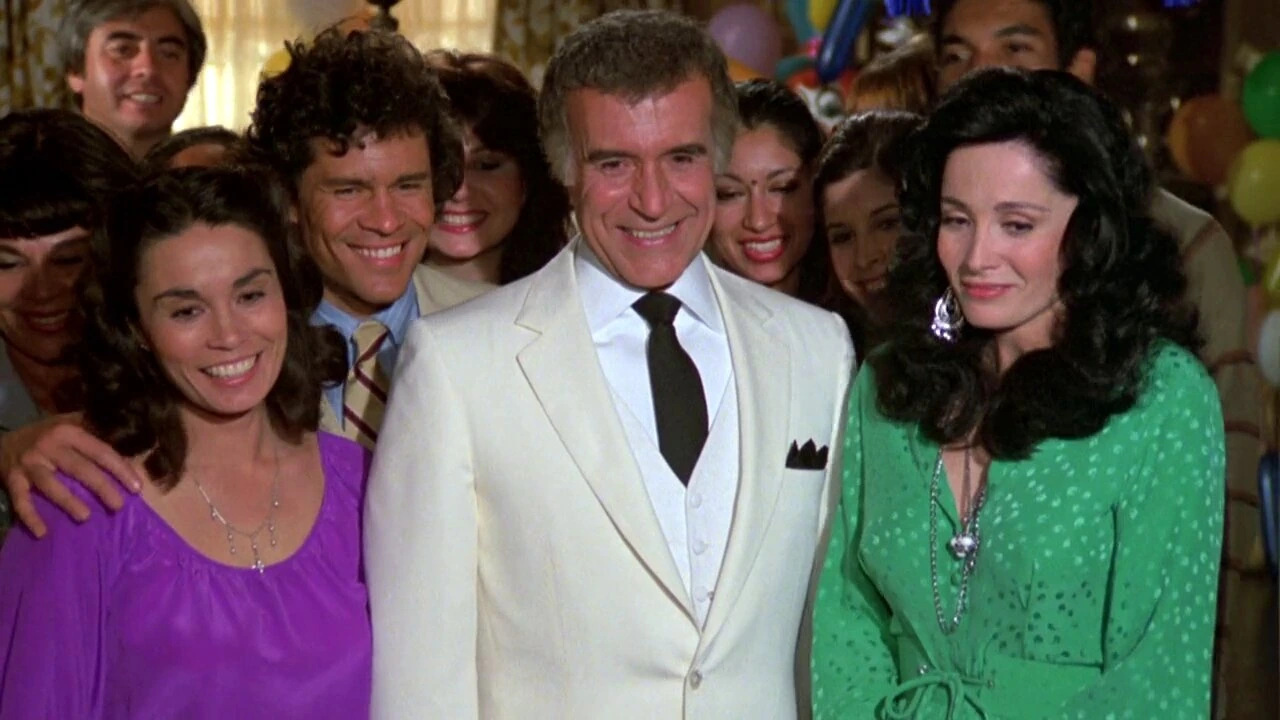
A lot of TV hosts from that era make you feel like they’d be willing to sit down and have a drink with you. Roarke makes me feel like he’d get me one and know the exact moment I’d be ready to say what I really wanted. Montalbán was good at giving you the sense that the island had rules without handing you a list. The longer he stood there looking unruffled, the more interested I got in whatever had managed to worry him.
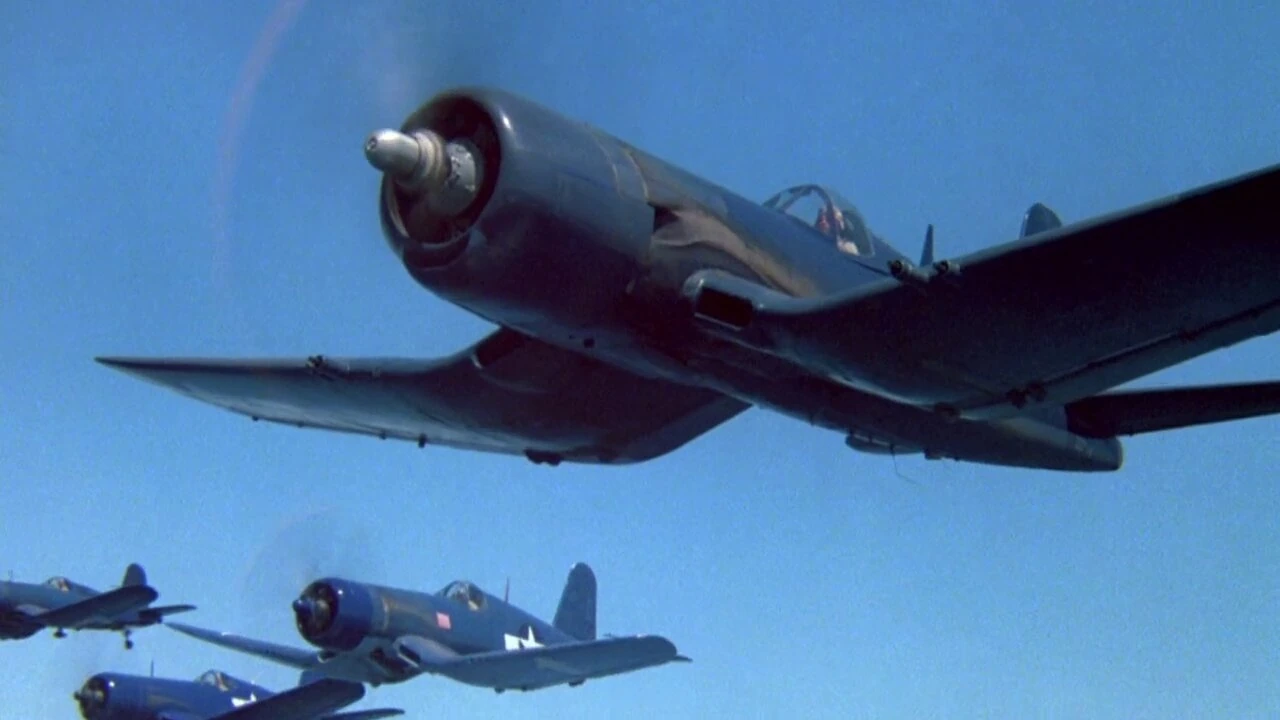
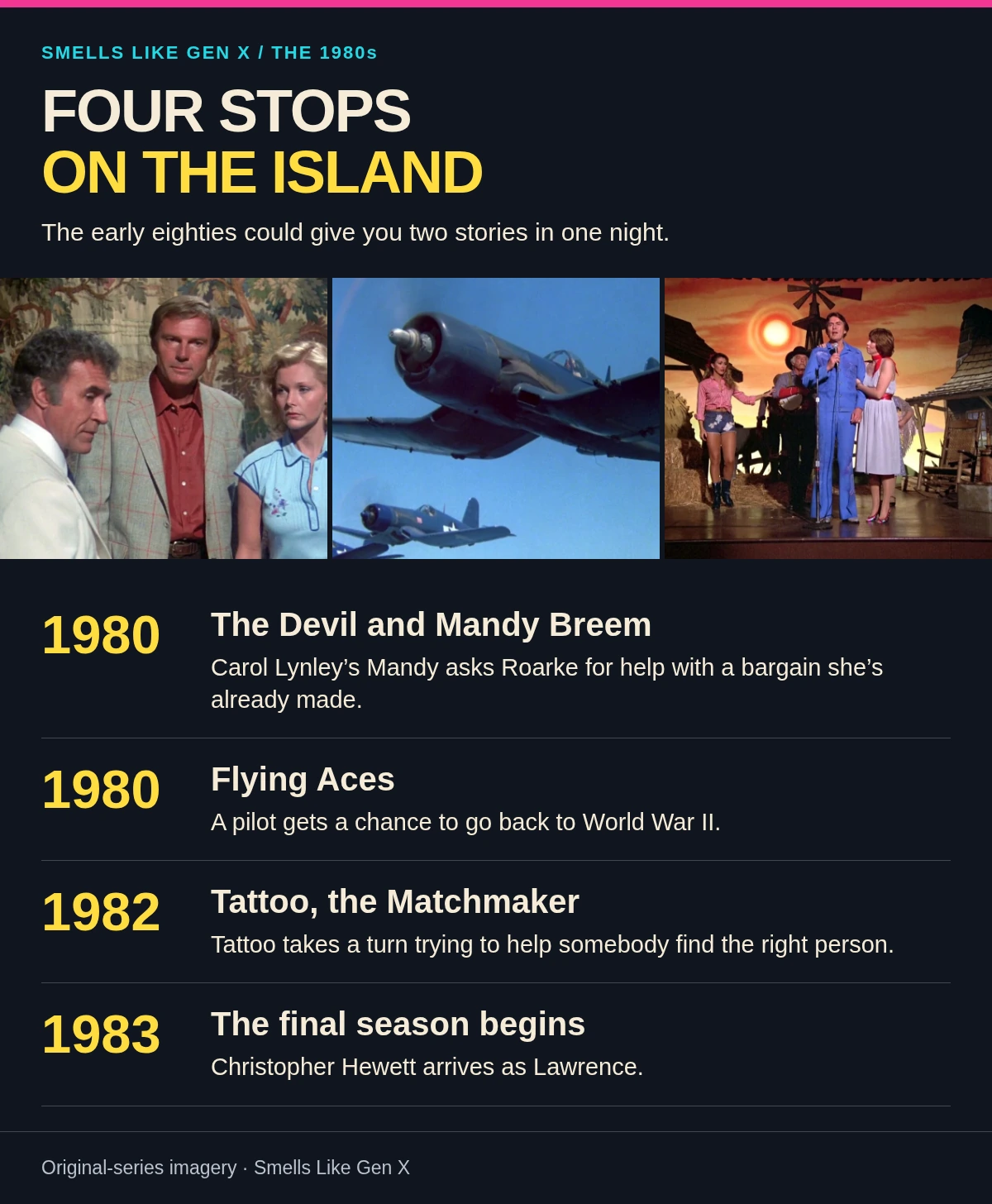
Sometimes the wish took the visitor to an entirely different time. In “Flying Aces,” a pilot gets to experience aerial combat in World War II and has a reason to meet somebody there. That story shares a 1980 episode with the return of a mermaid. It still makes me smile that ABC could ask me to believe in both before the local news. Montalbán gave each person the same welcome.
The night the devil came to the island
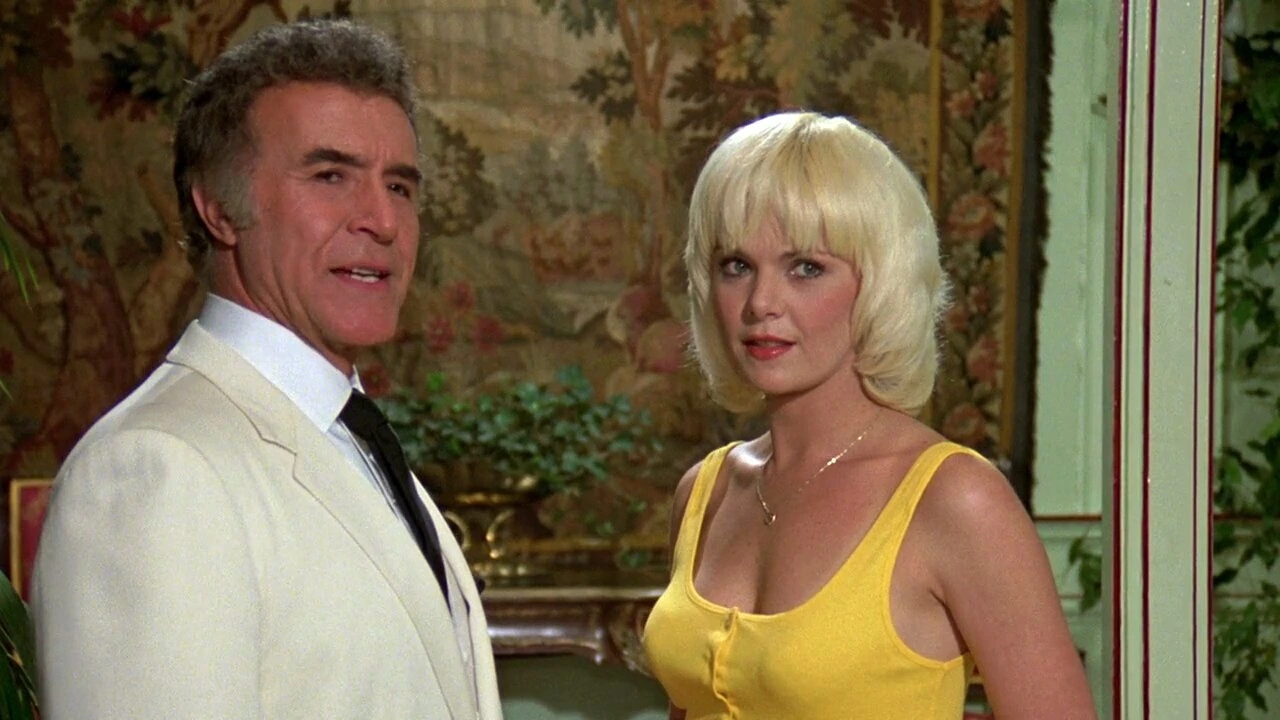
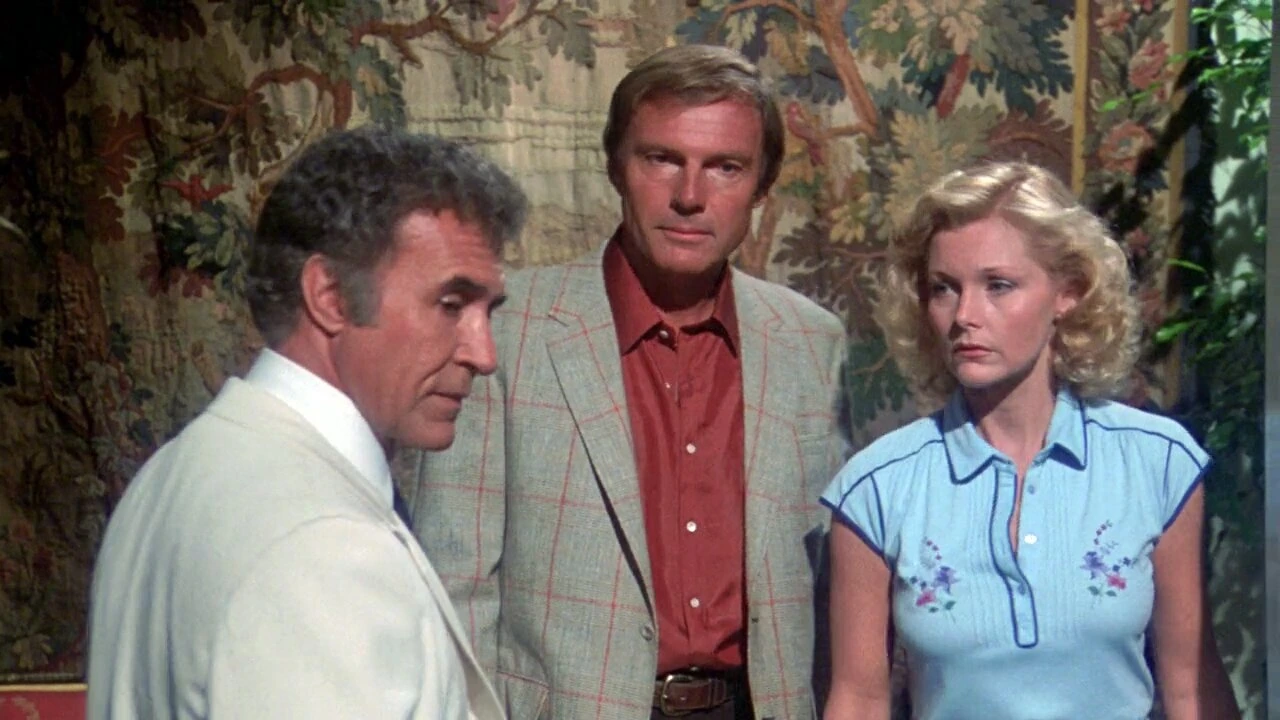
“The Devil and Mandy Breem” aired in October 1980. Carol Lynley plays Mandy, who’s already made a bargain to save her husband and wants Roarke’s help getting out of it. Roddy McDowall plays the devil. Adam West plays the husband. You could recognize the names in the credits and still have no idea what kind of story you were in for.
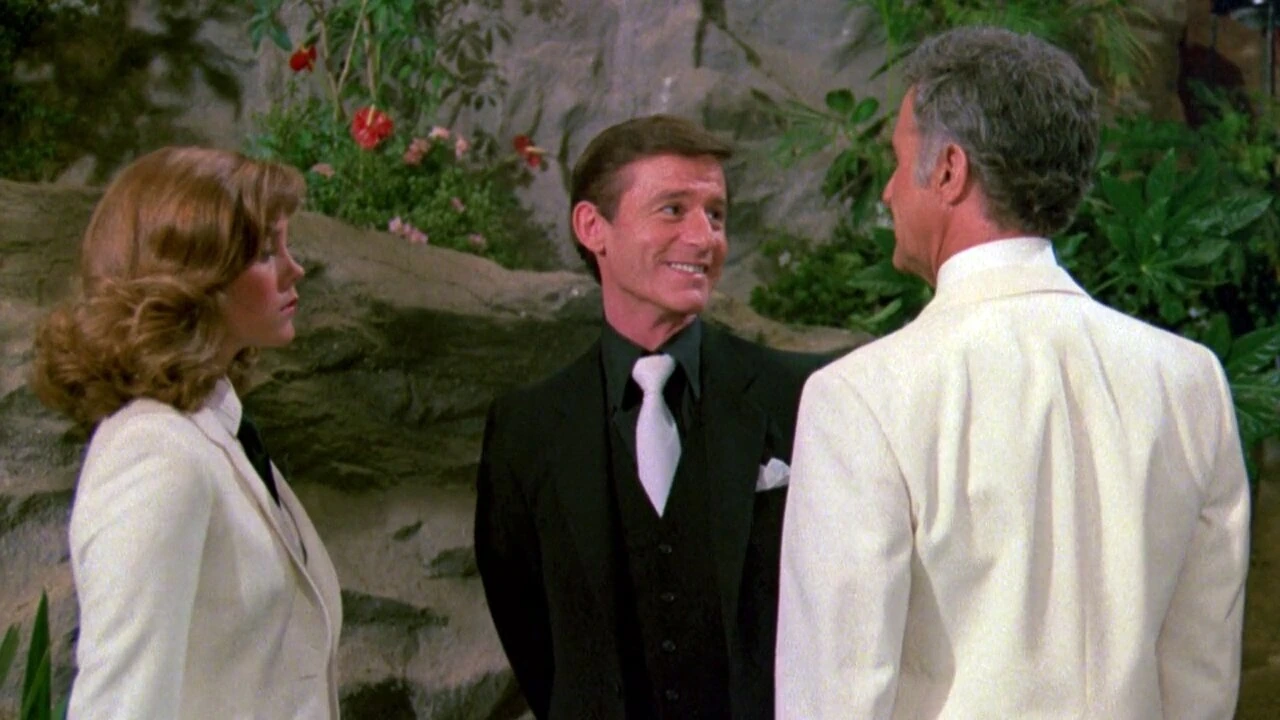
The memory that sticks with me is the difference between McDowall’s way of making himself welcome and Montalbán’s. This is Roarke’s island. Here’s a visitor who can stand in front of him and be every bit as sure he belongs there. Watching the two men have a conversation can make the guest’s wish seem like the least of Roarke’s problems.
The other story that night is “The Millionaire,” also listed as “Instant Millionaire.” Tattoo is trying to give a guest the experience of having money. A single episode gives you a wish you might have made yourself and an appointment with the devil. Anybody who came in halfway through could have asked what was going on and got a completely different answer depending on which fantasy was on the screen.
It’s a useful episode to pull out if your memory of the show stops at the plane. For an hour that started out with cocktails and white suits, it could make the island feel genuinely unsettling. There was something appealing about watching on a night when you knew you could stay up a little later. Even if you kept the lights on, the same set and the same house looked different after a story like that.
The guest who got exactly what they asked for
Some stories stayed closer to the kind of wish you’d hear a person make while they were waiting for a bus. On “Funny Man,” a man wants to try being a comedian. The same February 1982 episode gives Tattoo a turn at matchmaking. Put those together and you’ve got two reasons to keep an eye on a character who’s sure he knows how to make people happy.
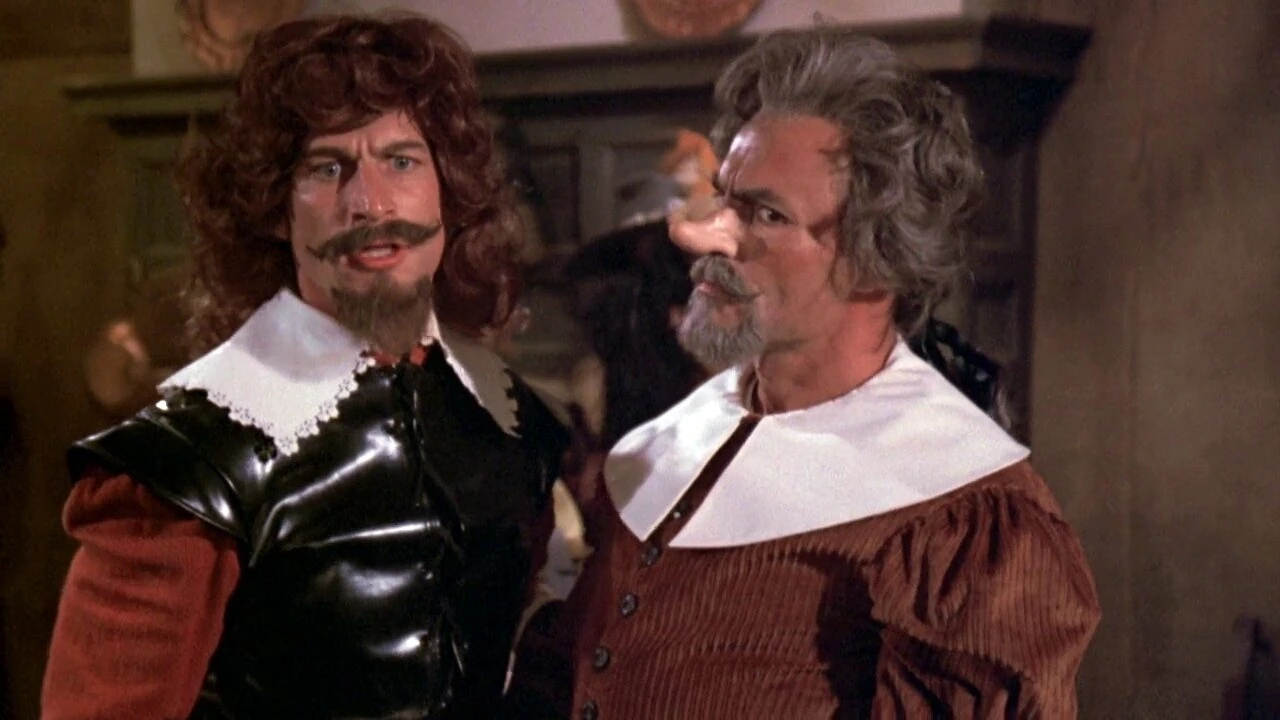
There’s also “Cyrano,” paired with “The Magician” in 1981. Even seeing the two titles together puts me back in the middle of the credits. The episode guide would tell you what each visitor wanted. The show would let you find out what they’d left out of the request. There was usually a difference between wanting the experience and wanting to live with it after the plane left.
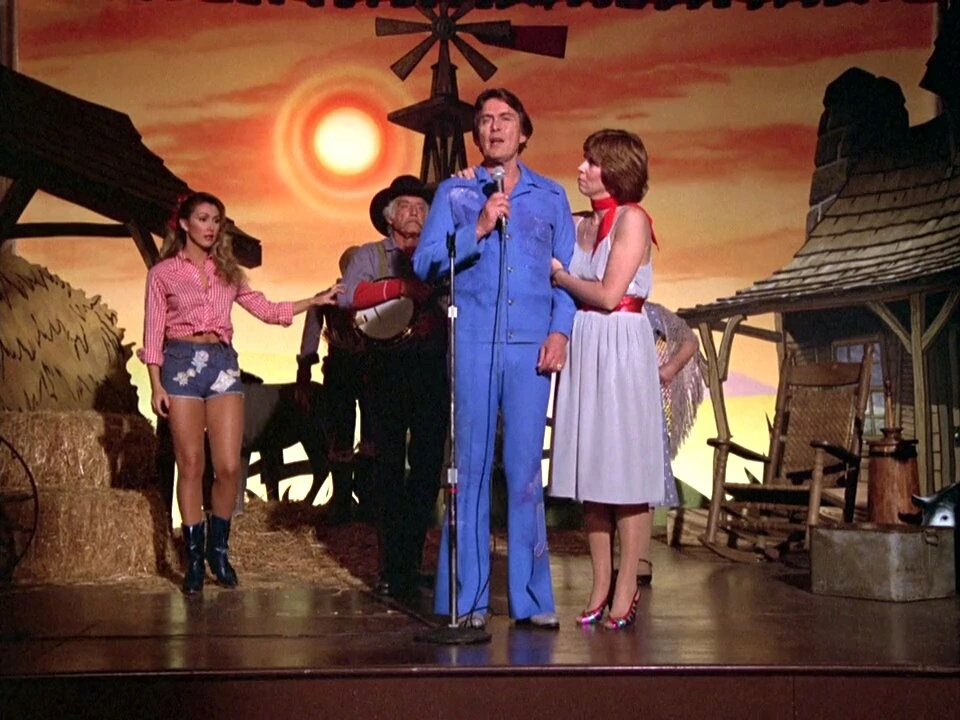
It helps that the guests showed up with very recognizable problems. Who hasn’t thought a second chance would go better if they could have it on their own terms? You can spend the first ten minutes siding with somebody and then catch yourself wondering how they got through life without a friend willing to stop them at the airport. Roarke had all night to let them work it out.
The different stories made the show an easy thing to talk about afterward. One person would remember the actor. Somebody else remembered the wish. I remember wondering what I would have asked for and changing my mind every time an episode made a good case for asking a follow-up question first.
Saturday was a two-show habit
The cruise and the island both promised new visitors without making you learn a whole new cast. That mattered on a Saturday when people were coming and going around the television. You could sit down halfway through, recognize who was working, and figure out pretty quickly who was in trouble. ABC had built a whole evening that could stand a trip to the kitchen.
The hours did feel different once you’d sat through both. On the ship, the crew could see somebody making a mistake and help untangle it. Roarke would sometimes know how far a guest was going to have to go before they figured things out. There was a more nervous edge to waiting for that second hour to turn. For all the bright colors outside, the island left plenty of room for things to happen in the dark.
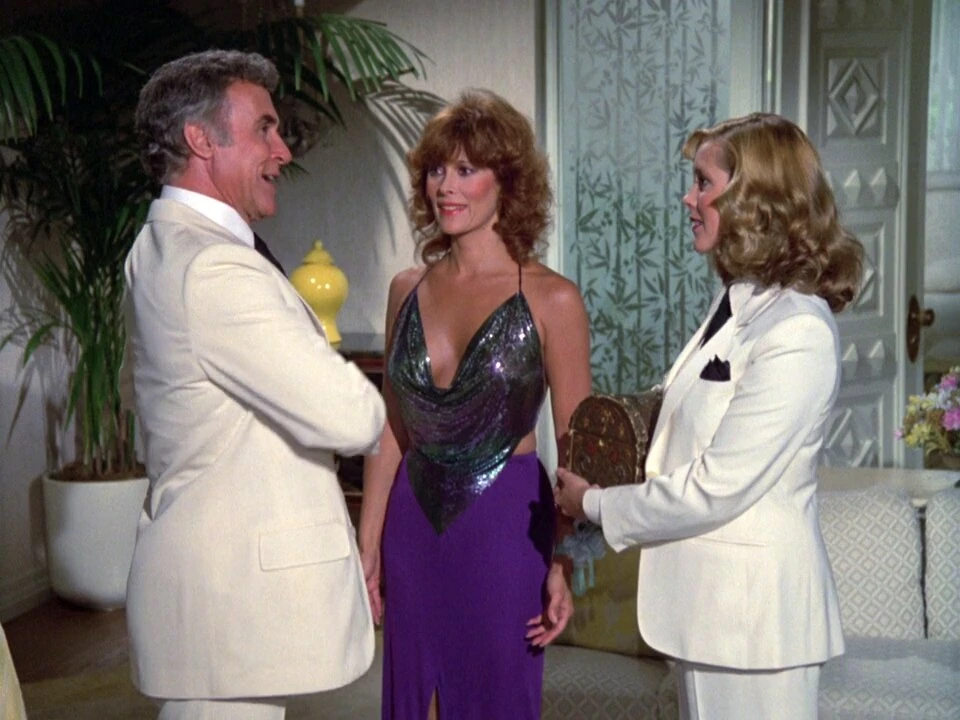
I miss the feeling of knowing what was on after the thing you were watching. You could let the credits run, hear the next announcer, and plan the rest of your evening without opening another screen. The Saturday pairing was a good example. You already had a place to be after the ship got back. All the guests needed to do was get off the plane.
In the fifth season, “The Devil and Mr. Roarke” brought Roddy McDowall back. The title tells you who has to deal with him this time. A guest could leave the island at the end of a story. Roarke had to be there the next week, looking composed in the same place where you’d just seen him meet somebody who could get under his skin. I like that the show let the familiarity work both ways. It made the ordinary arrival relaxing and gave the occasional return visit more to play with.
One of the reasons those episodes can feel different years later is how much we bring to the guest stars. Adam West might have been the face you knew from Batman, McDowall from Planet of the Apes, and Montalbán from any number of parts. At the island you get to start again. They have the time it takes to get from a welcome to a wish to show you what kind of trouble they’re in.
The year somebody else stood beside Roarke
Wendy Schaal appeared as Julie during the original run, and Christopher Hewett arrived as Lawrence in the final season. By then Villechaize had departed. The 1983–84 episodes can come as a surprise in a rerun. Roarke looks right. The visitors still want something they can’t get at home. The person he’s talking to as they arrive changes the feel of a place you thought you knew by heart.
I understand why memories of the last season tend to run straight back to Tattoo. The routine was part of what you came for. That’s also why I like keeping the dates straight. If the episode you turn on has Lawrence, you’re in the last original season, with Montalbán still welcoming guests. If you came for Tattoo, go back a little earlier. Hewett would be familiar to a lot of us soon enough as Mr. Belvedere, with another very particular house to look after.
Even after the change, it’s easy to see how much work Montalbán had been doing all along. Roarke had to be believable to a woman who was frightened, a man with a plan, and a visitor who thought the whole place was going to be a joke. He could stand in the same spot for all three and give you three different reasons to stay.
Three reasons I’d go back
Start with “The Devil and Mandy Breem” to see what a Saturday could become after the people off the plane were shown to their rooms. Then try “Flying Aces” and “The Mermaid Returns,” the next episode in the 1980 fall run. Let the hour take those two turns without trying to decide which one sums up the show. It was good at making room for both.
For Tattoo, I’d go to “Funny Man” and “Tattoo, the Matchmaker.” There’s a difference between having a favorite bit of the opening and watching the guy who did it get to run part of the evening. Start there if the bell is the first thing you hear when somebody mentions the series.
And if you’ve got a whole Saturday night to spend, put on a Love Boat episode first. You’ll remember the feeling I’m after as soon as the ship is gone and Tattoo is looking up. There are worse ways to spend an evening than being promised two trips from the same spot on the couch.
Before the next plane lands
When did the original Fantasy Island air?
The first ABC TV movie aired in January 1977. A second TV movie and the weekly series followed in January 1978. The original show ended in 1984.
Who played Mr. Roarke and Tattoo?
Ricardo Montalbán played Mr. Roarke, the island’s host. Hervé Villechaize played Tattoo through the sixth season. Christopher Hewett joined as Lawrence for the seventh.
Did it really follow The Love Boat?
Yes. ABC paired the shows on Saturday nights during their overlapping run. The cruise came first, followed by the island.
Which episode featured Roddy McDowall as the devil?
“The Devil and Mandy Breem,” paired with “The Millionaire,” opened the 1980–81 season on October 25, 1980. McDowall played the devil opposite Ricardo Montalbán’s Roarke.