The Dukes of Hazzard in the 80s: The General Lee Years
Waylon on the opening, Rosco in the mirror, and one orange Charger already headed for the next commercial.
Bo, Luke and the Friday nights that sent an orange Dodge into the toy box.
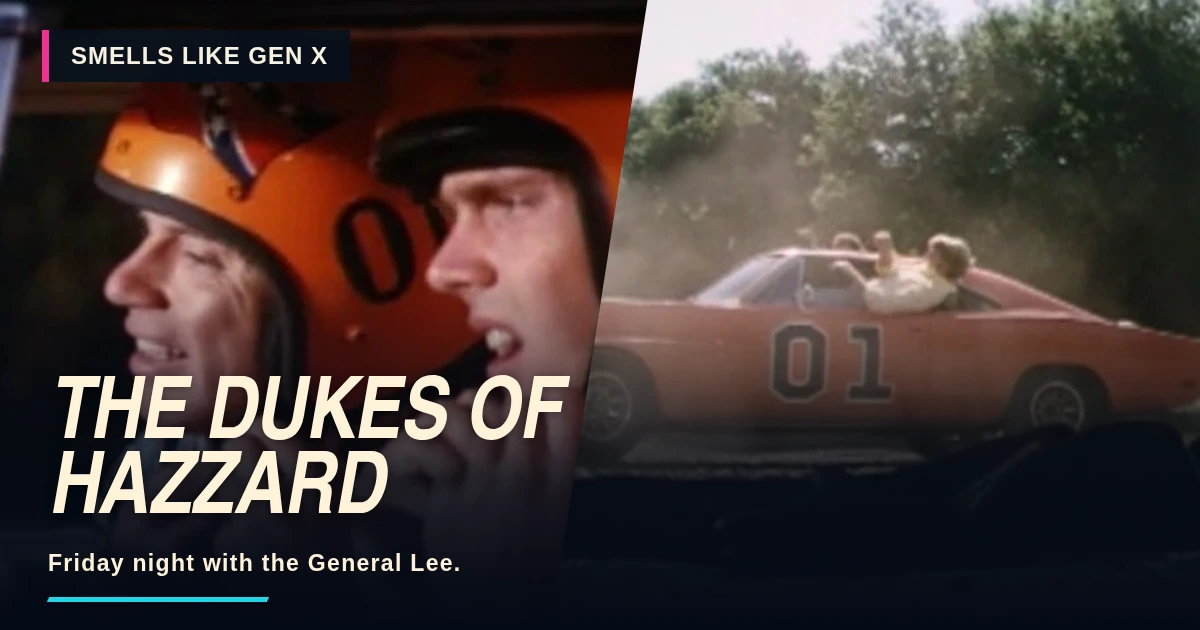
A guitar starts up, Waylon Jennings sounds like he’s letting you in on something, and an orange car is already moving a lot faster than the road looks ready for. You could come in halfway through the opening and know exactly where Friday night had taken you.
I remember watching The Dukes of Hazzard with a very simple concern. How were they getting the car out of this one? There might be a whole explanation about Boss Hogg and a crooked deal and whose name was on a piece of paper. Once the Charger got moving, I could catch up with the paperwork later. If the picture froze with the car in the air, somebody at CBS had picked an excellent time to sell me cereal.
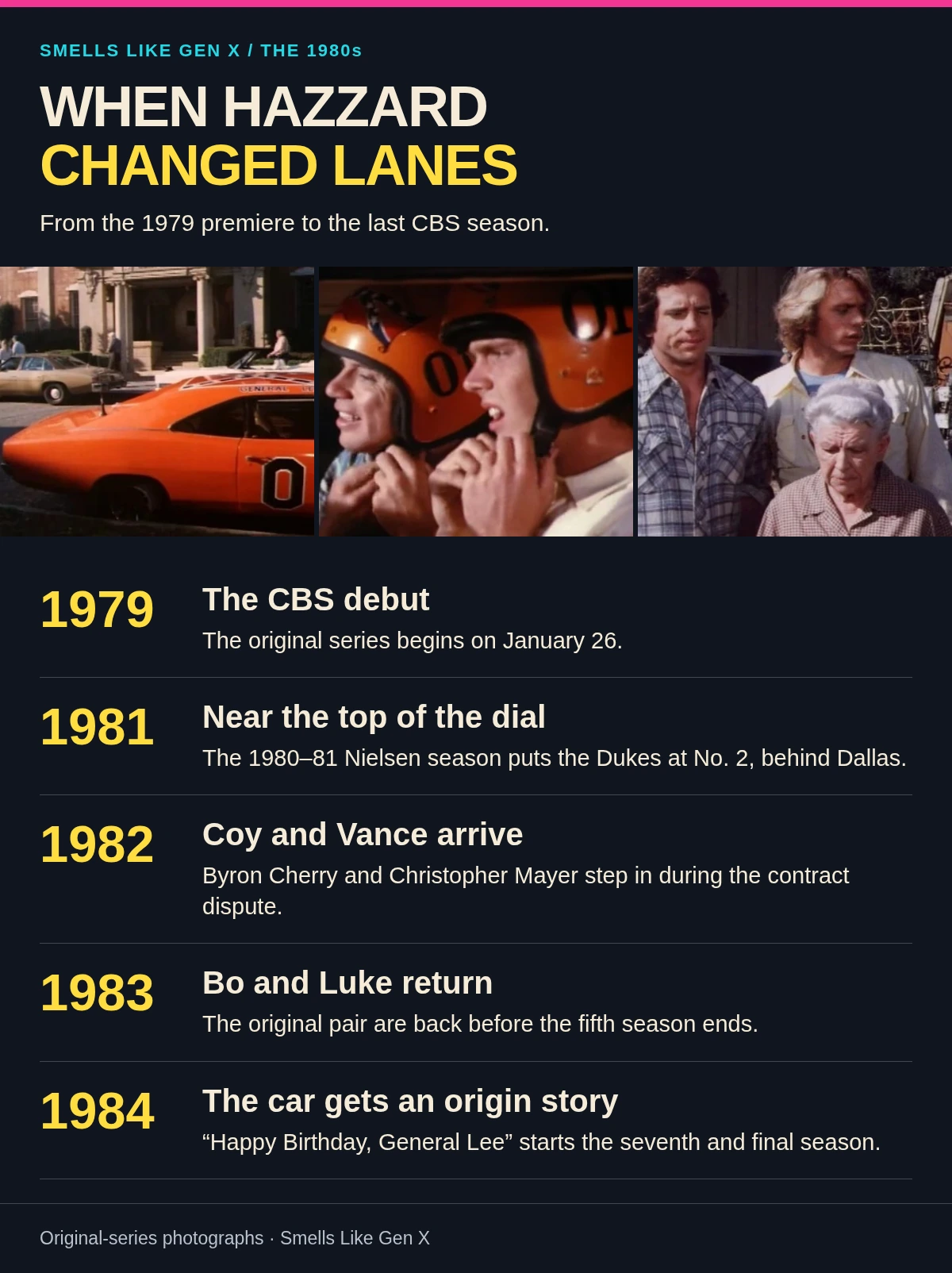
The show got to CBS in January 1979, just as the late-’70s TV lineup was giving way to a new decade. Hazzard felt like an ’80s place to me because that’s when so much of the show’s life happened. The orange Charger got its own place in the toy box. Bo and Luke disappeared for a while. Other cousins turned up. Rosco could take a wrong turn in broad daylight and we’d sit there hoping to see how he’d manage it.
Inside This Article
- The car could get a reaction before the people did
- Bo wanted to go. Luke wanted to know what the plan was.
- Daisy had to get everybody out of a jam, too
- Friday night had room for Boss and Rosco
- Uncle Jesse was the person you wanted coming through the door
- The Friday lineup sounds right when you put it back together
- The Friday when the cousins changed
- Waylon finally showed up in person
- What I’d put on for another Friday
- Hazzard County questions
The car could get a reaction before the people did
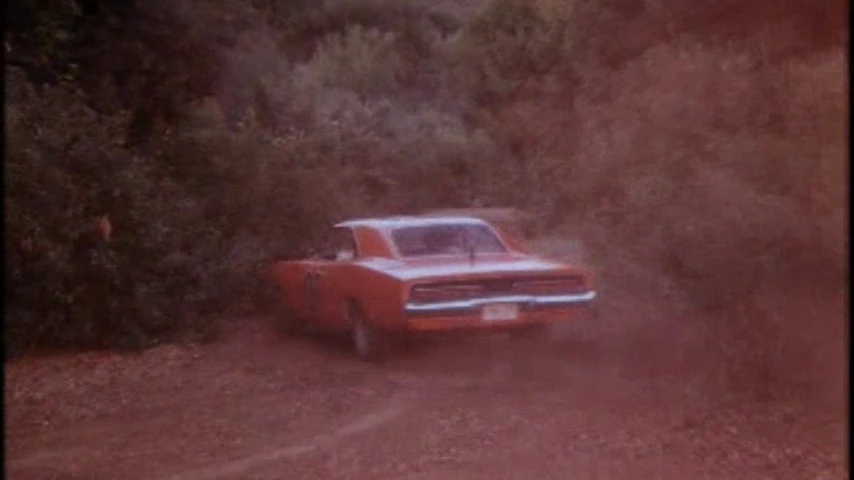
It was a Dodge Charger with an orange body, a big 01 on the doors and a horn you could hear in your head years after the last time you saw a full episode. If you were drawing it on the back of a notebook, you knew the details you needed. You also knew that anybody who’d watched the show would recognize your effort long before you managed to get the wheels round.
I loved how easy it was to follow a chase. The county had dirt roads, room for a slide and just enough of a rise ahead to make the person in the passenger seat look concerned. A sheriff’s car could be close enough to feel like trouble and far enough back to give you time to enjoy the thought of what would happen when it tried the same route. Everybody in the room could pick up the story at that point. You could even explain it to a person walking through in the time it took the car to land.
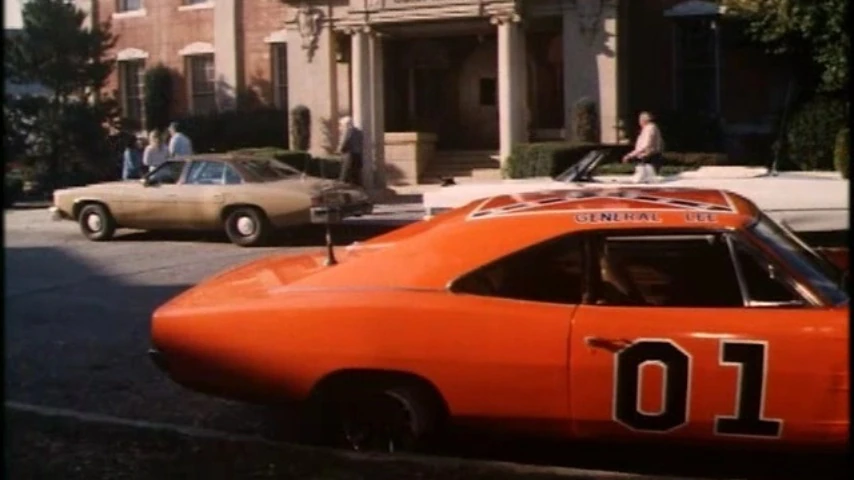
The doors being welded shut on the show gave the cousins a good excuse to go through the windows. That looked effortless in a way that most kid logic was happy to leave unexamined. A grown-up who had actually tried getting out of a car with a stuck door probably had another opinion. I only knew the Charger seemed to be ready to leave the instant somebody reached it.
The roof carried the Confederate battle flag, and the horn played the opening notes of “Dixie.” Those details were part of how the series sold its version of the rural South. They also carry the history of slavery and segregation, and plenty of viewers see that history first when they look at the car. Both belong in a plain account of the show. The memory that brings me back is of waiting to see a Charger take a jump. The flag was a visible part of what CBS put on our sets.
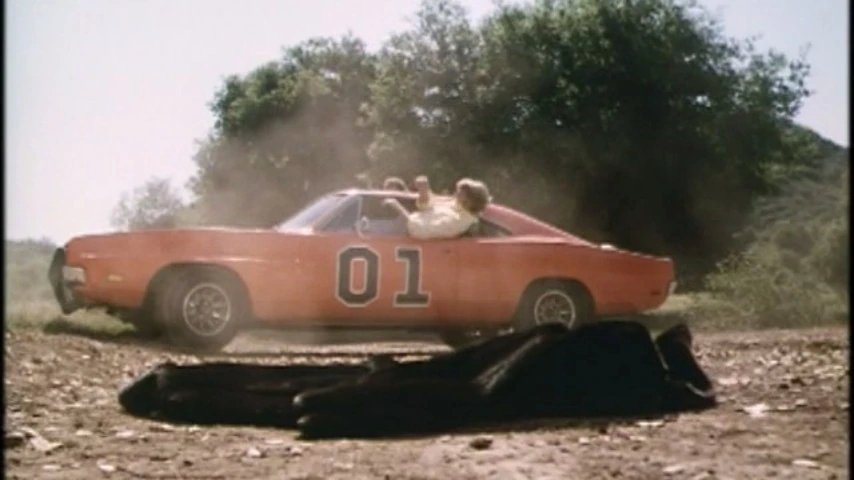
Bo wanted to go. Luke wanted to know what the plan was.
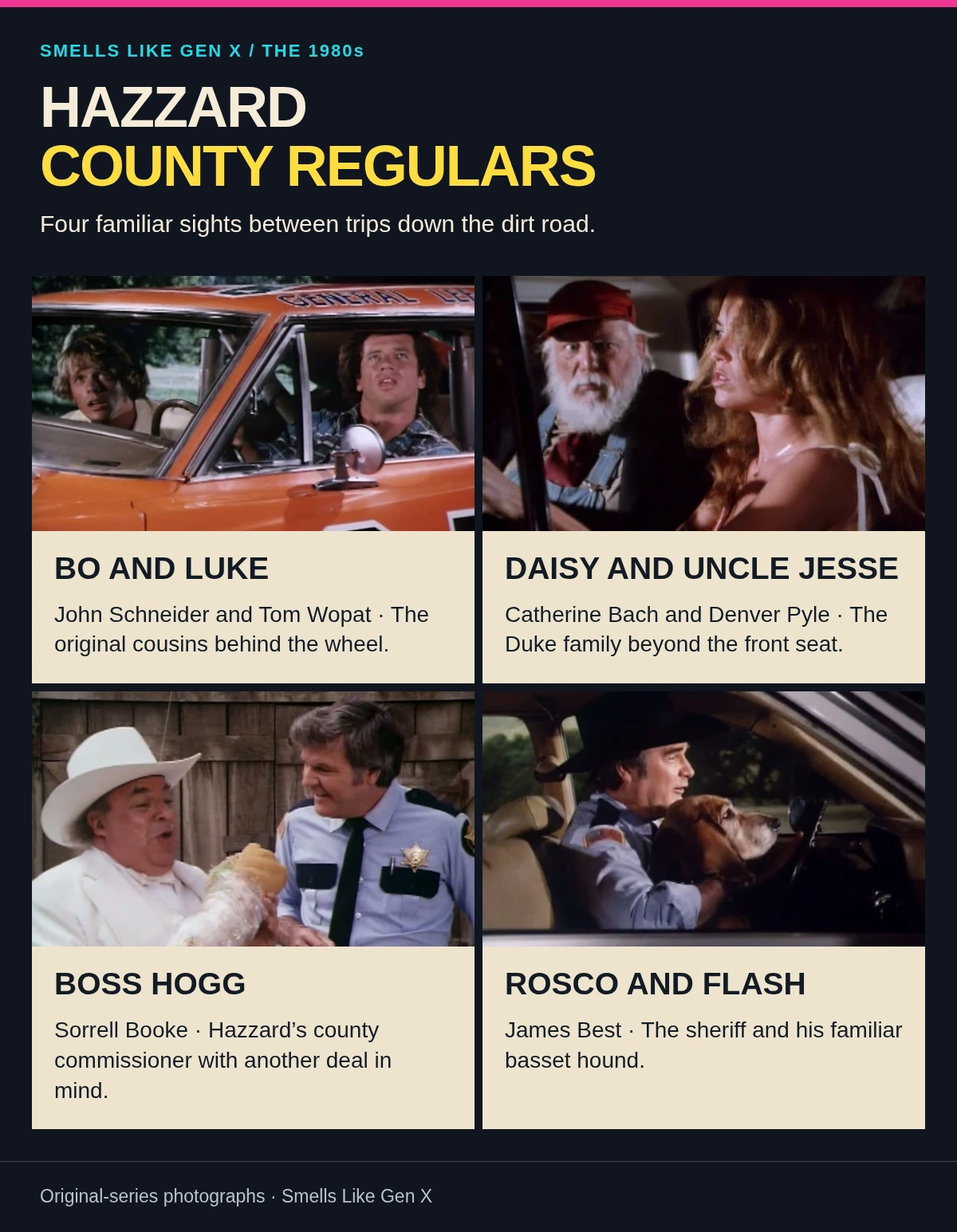
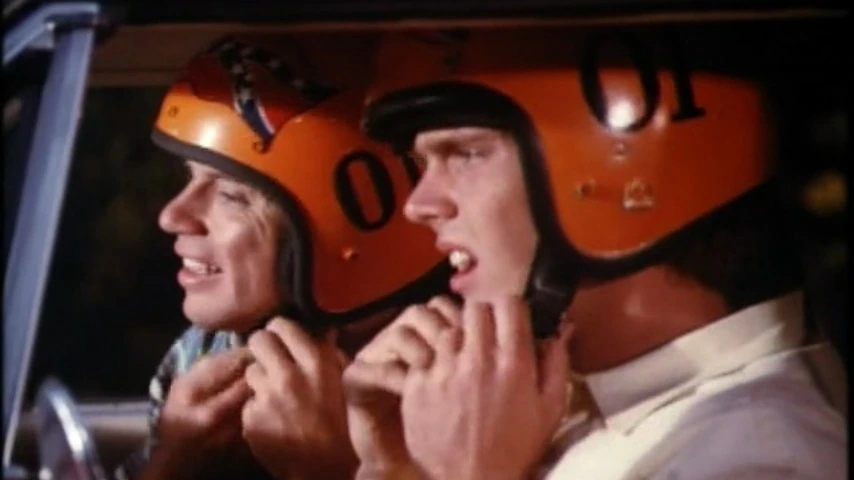
John Schneider’s Bo had the energy of a guy who was already halfway to the car while you were explaining why the plan might take an extra minute. Tom Wopat’s Luke could look like he’d considered enough outcomes to give it a go. It was a comfortable arrangement to watch. There was a good chance the sensible idea would end with them needing to go faster anyway.
The two were cousins, which gives them the kind of familiarity you can hear in an argument. A friend might want to tell you why he thinks he knows what you’ll do. A cousin can get straight to telling you which part of it is going to go badly. Then he gets in the car anyway because he has a pretty good idea what will happen if he lets you take it on by yourself.
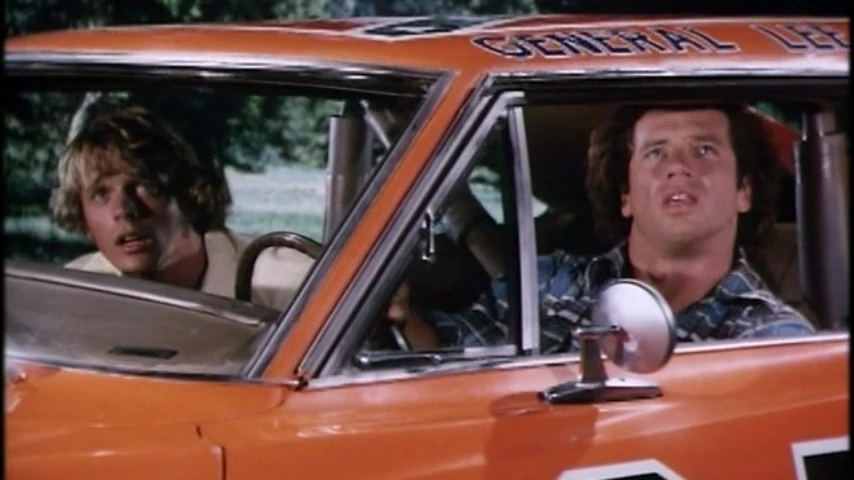
“Carnival of Thrills” is fun to go back to for that difference. Bo gets pulled toward stunt driving and Luke has good reason to be worried about it. Think about how long we’d already watched these two drive in ways that would make anybody’s insurance agent sit down. Now one of them has to tell the other where he thinks the line is. The argument is easy to understand even if you’ve forgotten most of the story around the stunt.
For an evening spent with the original pair, I’d pick a chase episode and then one that puts them at odds. That gives you the little pleasure of seeing which traits stay the same once the person Bo has to get past is the guy he usually wants in the passenger seat.
Daisy had to get everybody out of a jam, too
Catherine Bach’s Daisy is often the easiest character to recognize from a still photograph. Go back for a couple of full episodes and watch how much of the family’s business she can move along while Bo and Luke are drawing attention someplace else. I like her in the moments when a person thinks he’s giving her a little harmless information. You can almost see her decide how fast she needs to get it to somebody who can use it.
Daisy can have her own trouble. “Mrs. Daisy Hogg” starts the fourth season with a romance involving Boss’s nephew, Jamie Lee Hogg. That brings family business and personal affection close together in a county where people already expect a Hogg to be up to something. Bach gives Daisy room to want the situation to work out while giving the rest of us room to see why the people around her might worry.
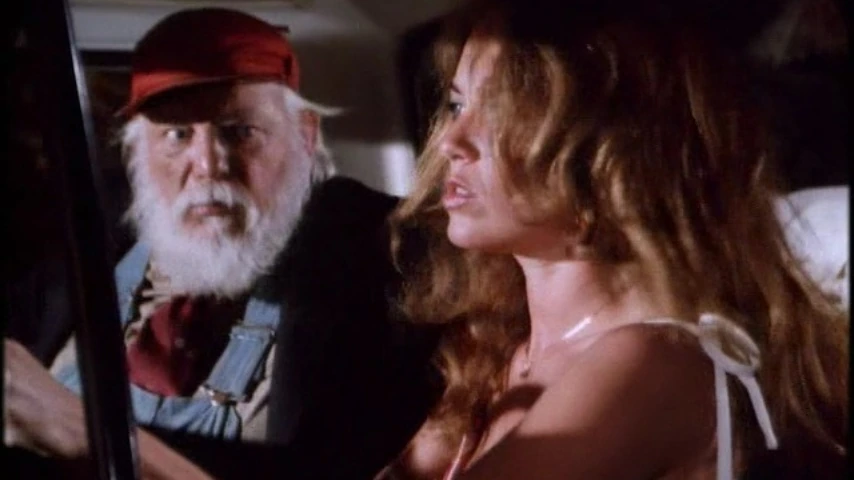
There’s another pleasure in remembering the rest of the character beyond the outfit that took her name. Think of the jobs that happen while the boys are off getting chased. Somebody has to hear what’s going on in town. Somebody has to get the message to the right person. Somebody has to handle the guy who thinks he’s in control because he’s standing between everybody and the door. Daisy could give any of those jobs some life.
And she had wheels of her own. The Jeep is an easy detail to lose when a single orange car has claimed so much space in the memory. Catch it going by in a rerun and it’s like finding another familiar toy at the bottom of the box.
Friday night had room for Boss and Rosco
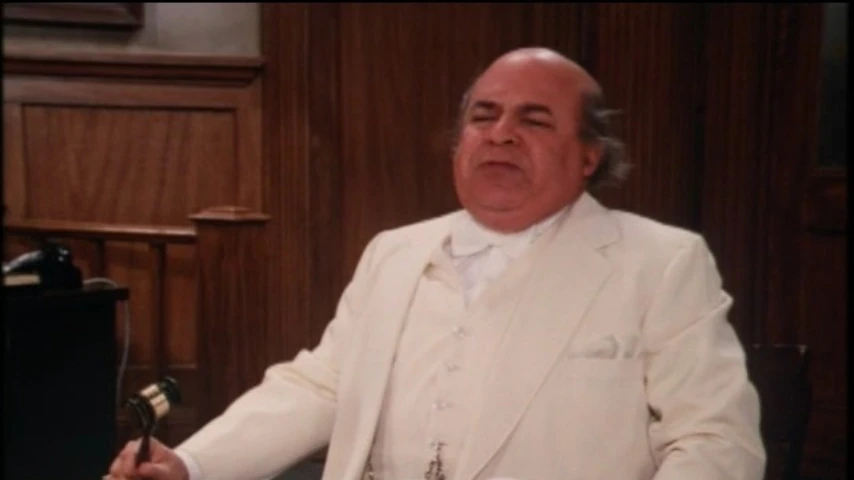
Sorrell Booke could make Boss Hogg look as if he expected even the furniture to owe him money. Put him behind a desk in that white suit and you got the sense he was already thinking of something he could charge somebody for. I liked how much attention he gave a plan that would be in pieces by the end of the hour.
Rosco had an entirely different way of taking up a room. James Best could make him proud of an arrest before he’d managed to make it. The laugh, the little bursts of confidence and the way he’d talk to Flash gave you somebody to enjoy when he was trying his hardest to cause problems. I can picture the basset hound looking as though she’d heard it all before. There are worse judges of character.
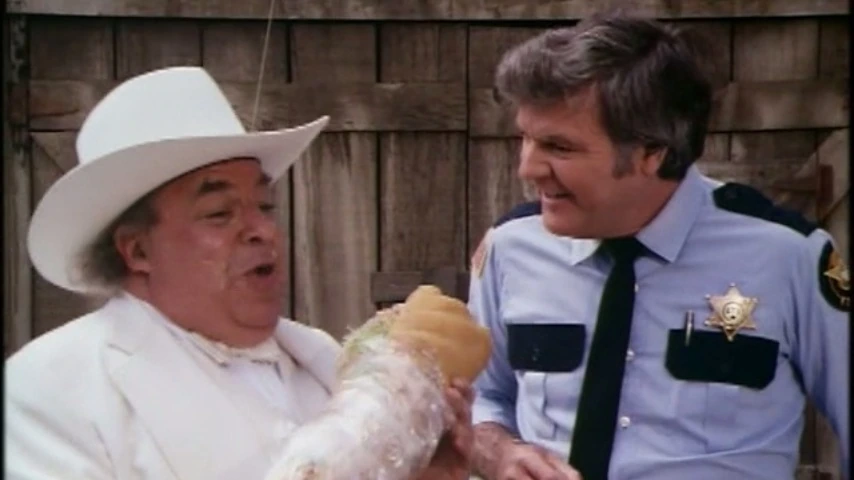
Watch an episode when Boss has a plan he’s sure will work. Rosco’s enthusiasm may be the first thing to make you wonder about it. Then wait until he has to report what’s happened. There’s a kind of dread in those scenes that belongs to anybody who’s had to go back to the boss and explain how a very simple instruction turned into a much longer day.
I also liked the brief periods when the whole town could find itself with the same problem. Booke and Best had spent enough time giving the Dukes grief that it was fun to watch everybody figure out how to work together for a few minutes. You knew the cooperation probably had a short shelf life. The next Friday would take care of that.
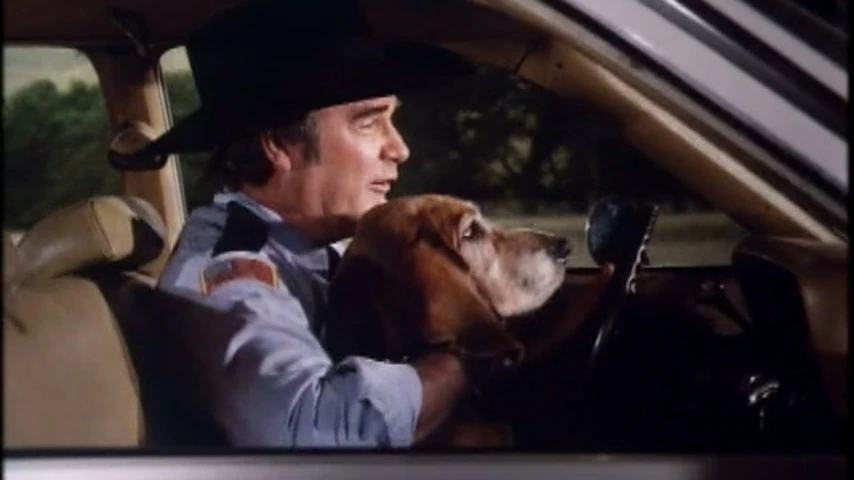
Booke could carry Boss into somebody else’s show and get the same reaction. In 1983 he walked into Mel’s Diner on Alice and talked Mel into a deal that made perfect sense to exactly one of them. You could recognize the white suit from the doorway and feel sorry for the people who had to go back to work after he’d gone.
Uncle Jesse was the person you wanted coming through the door
Denver Pyle could stand in the doorway with that cap on and change what it felt like to be in the room. If the cousins were about to launch something questionable, it was good to have someone who’d ask them how far they’d actually thought it through. If somebody was coming after them, it was good to have a person who understood why they could use the help.
I’ve always liked the farmhouse scenes for the space they give the show between trips down the road. The county can be a loud place. At home there’s time for a person to get a piece of information, think about it and say what he wants the rest of the family to do. Jesse makes the problem feel like it belongs to a household that’s going to be there after the credits.
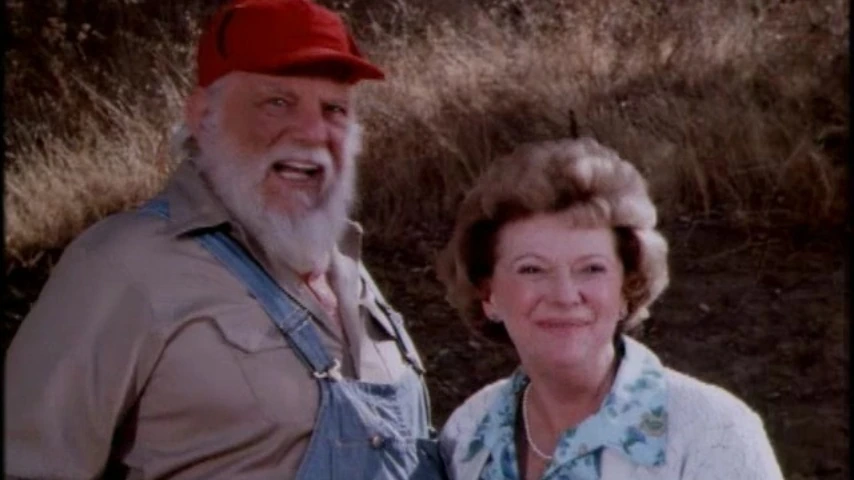
Cooter, played by Ben Jones, gives the county another person you’re happy to see when the car or the plan needs attention. I remember the garage as the kind of place where a person already knows why you’ve turned up before you get around to saying it. He might still give you a minute to make the explanation entertaining.
That’s part of why the show is easy to return to. You can spend an hour with a strange new person who’s come through town, and you have a pretty good idea whose door you’d knock on if the new person makes trouble. Hazzard had a small number of places you’d want to go. I was usually glad to see all of them.
The Friday lineup sounds right when you put it back together
The 1979–80 TV rankings put the Dukes in the top ten. The following season’s 1981 guide has them at number two, behind Dallas. A year later they were still in the 1982 top ten. That stretch is a pretty good explanation for how a car from a particular television show could turn up in every conversation about toy cars.
I enjoy remembering Dukes and Dallas as a Friday-night combination. One gave you the joy of seeing a sheriff’s car find a ditch. The other could make a few words over a drink sound as though everybody in the family was about to spend a season fighting. You could recognize the change in what the evening expected of you without getting out of the chair.
And there was the way the show could follow you after the set went off. A car with a similar shape could get a second look from the back seat. Anybody with a toy ramp had a use for another piece of cardboard. The ’80s toy commercials bring back how fast a piece of television could become something you’d think about the next time you walked past a toy aisle.
My favorite thing about an old listing is that it lets you put the show back in an evening with other choices. The Dukes were easy company at the end of a week. The kids could follow the chase. The adults already knew the fun of watching a pompous person lose a little of the control he thought he had. There was something for everybody while the car was in the air.
The Friday when the cousins changed
John Schneider and Tom Wopat sat out much of the 1982–83 season during a contract dispute that involved merchandising. Byron Cherry and Christopher Mayer came in as Coy and Vance Duke. On screen the old cousins went stock-car racing and the new cousins took their turn in Hazzard. “The New Dukes” is the episode to look for if your memory has ever made you wonder whether you imagined the change.
I can understand the double take. The county was where you left it. The car was there. The names suddenly took more concentration. With a show you knew partly from the way two people sounded together, you could recognize the set and spend a whole scene waiting for a rhythm you were used to.
I have some sympathy for Cherry and Mayer. Imagine being handed the keys to a car millions of people already associate with somebody else. They had to meet the regulars and get the chase going while the audience decided how it felt about the handoff. You can watch a Coy and Vance hour now and see what it asks of two performers walking into a room full of established habits.
Bo and Luke came back before the season ended. The episode title “Welcome Back, Bo ’n’ Luke” made the occasion easy to spot. Try it after “The New Dukes” if you want the quick version of what a Friday-night viewer experienced over several months. I remember the shape of the change as much as any one case. Familiar television had a way of making a little shake-up at the start feel like a much bigger event in the living room.
Waylon finally showed up in person
Part of what makes an early episode feel like Dukes so quickly is that Waylon Jennings can give you a feel for the county before you’ve seen much of it. He sings the theme and does the narration. There’s a dry little smile in the way he can tell you somebody’s headed for trouble. He sounds like he has all afternoon to see how it comes out.
“Welcome, Waylon Jennings” puts him on screen in the last season. It’s fun to watch the voice that has been giving you a running account of this place turn up as somebody the people in the place can talk to. If the theme is what comes back first for you, that’s a good episode to pair with a more typical chase. You get to spend an hour with the person who made so many of the other hours sound like a story somebody was happy to tell.
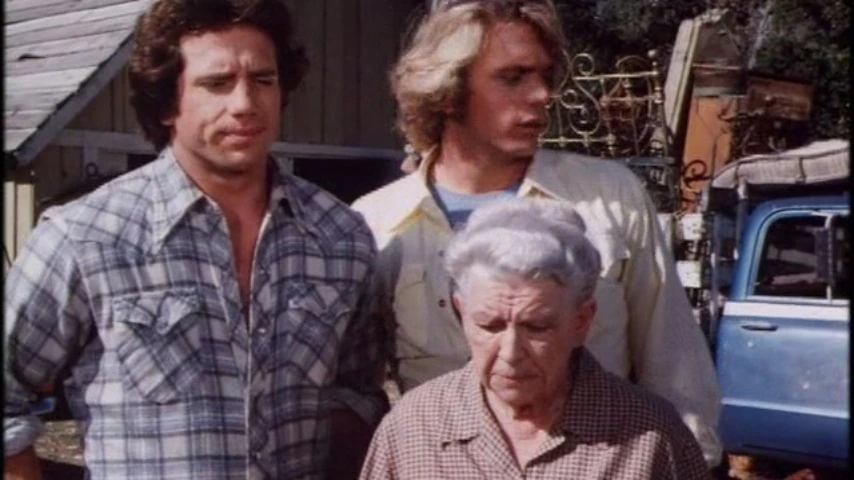
For a different kind of late episode, there’s “Happy Birthday, General Lee.” It looks back at how the car came to the family. I like seeing an object that had already become familiar enough to identify the show get its own origin story. A kid could have drawn the car for years by then. Here was one more thing to put on the page beside it.
What I’d put on for another Friday
Start with “Carnival of Thrills” if you want a little family friction along with the stunts. “Mrs. Daisy Hogg” gives Daisy more of the evening and puts you back among the people who can make a quiet conversation into family business. Save “Happy Birthday, General Lee” for the night you’re in the mood to see the car through the eyes of people who remember finding it.
There are plenty of newer shows with better ways to keep the action moving. I still get a particular pleasure out of watching Rosco get himself lined up for the same turn the Dukes just took, with every reason to believe it’s going to work for him. Somewhere in there, I’m back on the couch trying to guess if we’ll see the landing before the commercial.
Hazzard County questions
Did The Dukes of Hazzard begin in the ’70s?
Yes. It debuted on CBS on January 26, 1979, and the original series continued until 1985.
What kind of car was the General Lee?
The TV car represented a 1969 Dodge Charger. The orange paint, door number 01 and distinctive horn made it easy to identify.
Who played Coy and Vance?
Byron Cherry played Coy Duke and Christopher Mayer played Vance Duke. They joined at the start of the 1982–83 season during Schneider and Wopat’s contract dispute.
Who sang and narrated the show?
Waylon Jennings sang the opening theme and narrated as the Balladeer. He also appeared on camera in “Welcome, Waylon Jennings.”