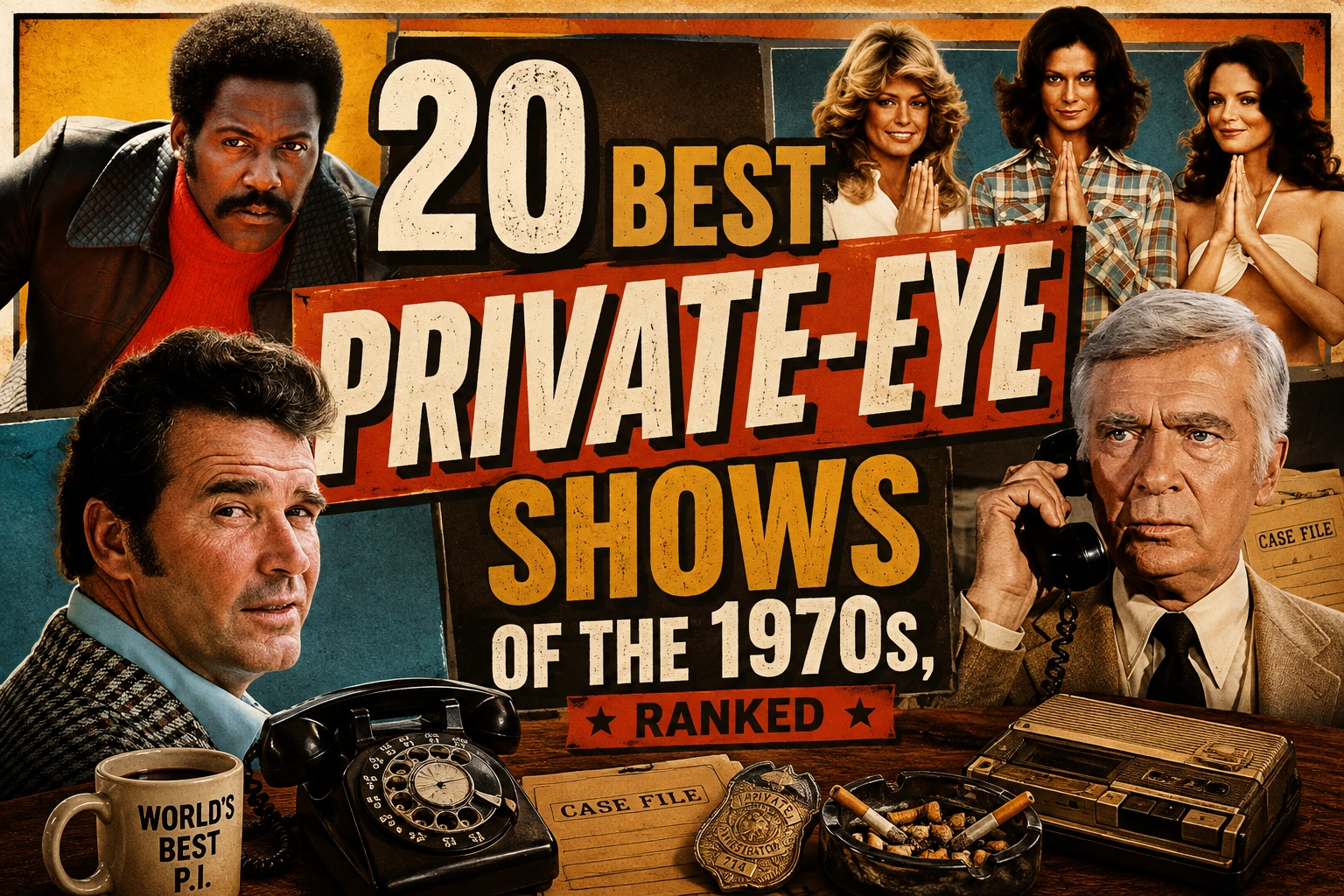
20 Best Private-Eye Shows of the 1970s, Ranked
CASE FILE
CHANNEL 70
PRIVATE EYES • OPEN FOR BUSINESS
CHANNEL 70
Trailers, cheap offices, impossible thefts, answering machines and clients who should have told the whole story the first time.
1970s TV • Private Eyes • Detectives • Ranked
20 Best Private-Eye Showsof the 1970s, Ranked
The best 1970s private-eye shows lived in a slightly different world from the cops. No badge, no squad-room backup and usually no guarantee the client was ever going to pay. They could work from trailers, agencies, insurance offices or whatever passed for a desk that week. For those of us who grew up with 1970s television spilling into afternoon and late-night reruns, the clues come back before the plots do: Rockford’s answering machine, Mannix getting hit again, Cannon arriving in a suit that meant business, and somebody always admitting they had left out one very important detail.
THE QUICK ANSWER
What are the best 1970s private-eye shows?
The Rockford Files is #1 because it reinvented the television private eye around character, humor and the reality that getting punched actually hurts. Harry O, Mannix, Cannon and Banacek round out the Top 5, followed by Barnaby Jones, Charlie’s Angels, Vega$, Switch and Longstreet.
- The Rockford Files
- Harry O
- Mannix
- Cannon
- Banacek
- Barnaby Jones
- Charlie’s Angels
- Vega$
- Switch
- Longstreet
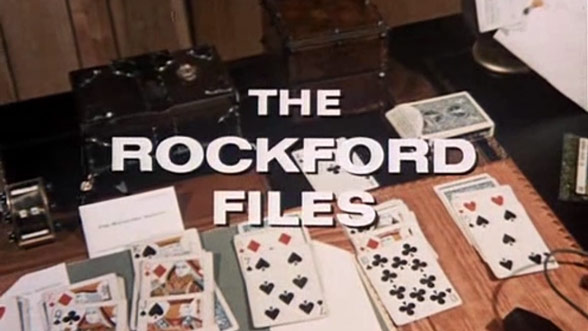
At the tone, leave your name and message.And please do not ask Jim for one little favor.
The badge was optional
Why private-eye shows were everywhere in 1970s television
Network television already had plenty of cops. The private eye gave the decade somebody who could investigate without pretending the system always worked.
The great thing about a private eye is that he begins the story with less authority than almost everybody else. No badge. No squad room full of backup. No government paycheck. Usually no pension. Sometimes no decent office. A client walks in, money changes hands—or is supposed to—and the investigator has to figure out what everybody else is hiding.
That made the form almost ridiculously well suited to the 1970s. This was a decade increasingly suspicious of institutions and fascinated by antiheroes. Police shows could explore that mood too, and they did, but the private investigator started outside the institution by definition. He could dislike the cops, depend on the cops, have friends among the cops and still hang up the phone knowing he had to solve the thing himself. That outsider streak is a big part of why crime became such a defining piece of the larger 70s TV landscape.
The decade also loved working adults who looked like they actually had to pay bills. Jim Rockford’s mobile home may be the most famous example, but the private-eye boom gave us every economic level imaginable. Harry Orwell looked like a man who had already spent the retainer. Banacek charged enough to make insurance executives visibly ill. Dan Tanna lived in a converted Las Vegas props warehouse and parked a red Thunderbird like the Strip had issued it to him.
Then there were the bodies. Not dead bodies—the detectives. Television finally started admitting that a hero did not have to be built like the same square-jawed mannequin. William Conrad made Cannon formidable without pretending he was somebody else. Buddy Ebsen turned age into an advantage on Barnaby Jones. James Franciscus played a blind investigator on Longstreet. James McEachin gave Tenafly a middle-class Black family man who would rather think than shoot.
The private-eye boom also made room for women in a way the old gumshoe image had not. Charlie’s Angels was marketed with all the obvious late-70s baggage, but its weekly engine was still women working as private investigators. The Townsend Agency took the case. The Angels did the job.
And the music mattered. The first few seconds of a detective theme could tell you what kind of investigator you were getting before the client opened the door. If that sound is half the memory for you, our 70s TV theme songs guide is basically a second evidence locker.
If you want the whole crime-TV board instead of just the independent investigators, our 40 Best Cop and Detective Shows of the 1970s ranks the broader field, while Why Cop Shows Ruled 1970s Television gets into why the dial was so packed with badges, sirens and case files in the first place. This page stays narrower on purpose. We are following the investigators who worked outside the department.
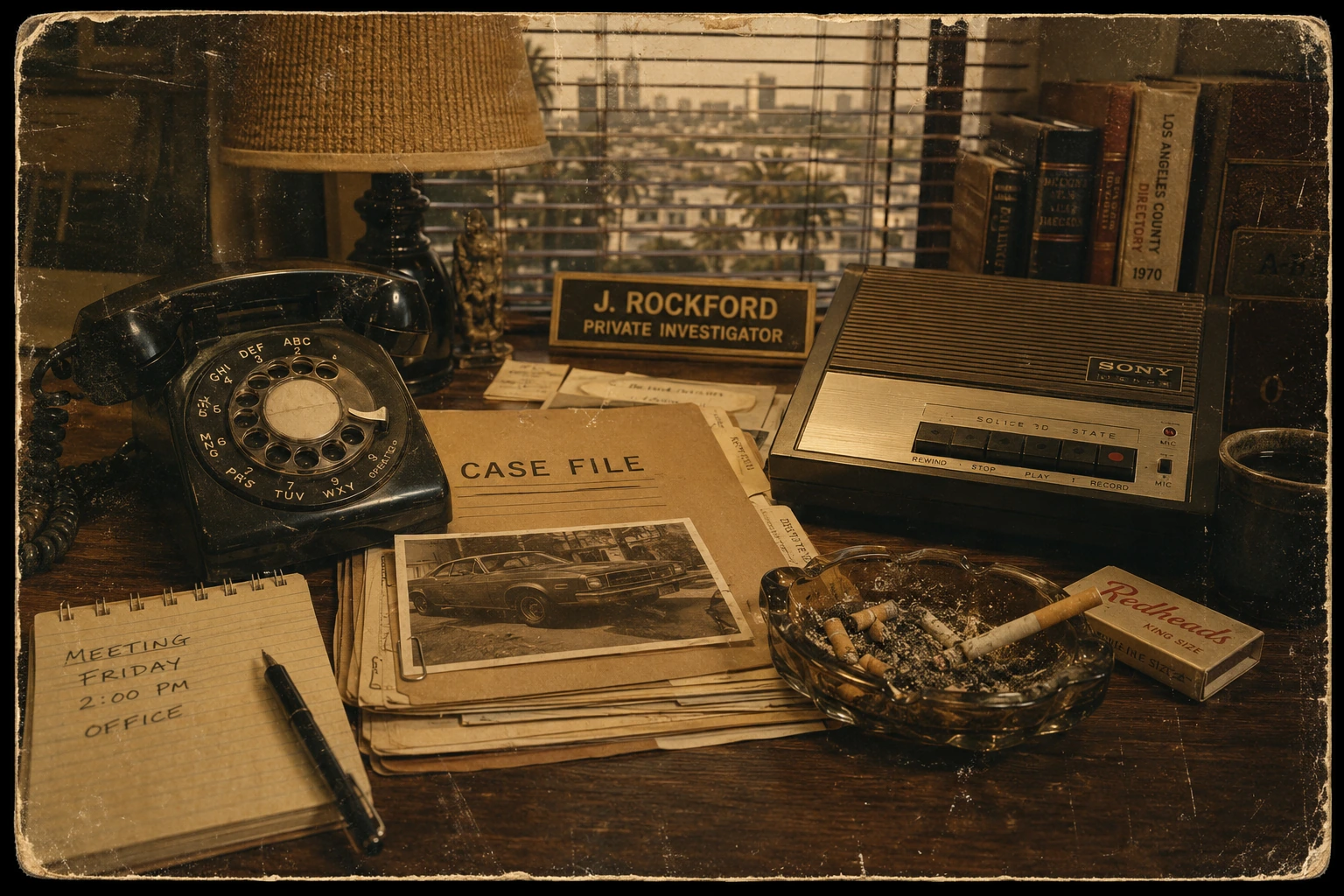
Open the case file
What counts as a 1970s private-eye show?
We are keeping the next police-procedural article clean, so the line matters.
Most of this ranking is easy: licensed private investigators, private detective agencies, ex-cops working privately and freelance investigators. We also include insurance investigators and private security specialists when the series functions like a private-eye show—client, case, independent investigation, no police chain of command.
At the very bottom, we allow a couple of independent-sleuth wildcards such as The Snoop Sisters and The Magician. They are here because their stories operate from the same outside-the-system mystery structure. They rank low specifically because they are not conventional professional private eyes.
What we are not doing is quietly stuffing police shows into the list to reach twenty. Columbo, McCloud, Kojak, Starsky and Hutch, Baretta, The Streets of San Francisco, Police Woman and Hawaii Five-O belong to the police side of the decade. They will stay there.
No badge required.If the hero reports to a police captain, this is probably the wrong list. If the client walks in, somebody lies, the investigator sighs and the bill is already becoming a problem, welcome aboard.
How the files were stacked
How we ranked the best 1970s private-eye shows
The coolest car does not automatically win. It helps, obviously. But it does not automatically win.
We ranked the shows on five things: the quality of the central investigator, the strength of the cases, how distinctive the show’s world feels, how well it holds up as television and the size of its cultural or genre footprint. Longevity matters, but it is not everything. A short-lived show with a great idea can outrank a long run that feels generic. A giant hit can rank below a smaller series if the private-eye character was more original.
We also gave extra weight to the thing reruns expose better than ratings ever could: would we actually stop and watch it again? Gen X spent years learning that the real test of television is what happens when you land on episode 63 with no context and somehow lose the next hour anyway.
01The InvestigatorPersonality, intelligence, flaws and whether we want to spend an hour following the guy.
02The CasesA detective show still has to give the detective something worth detecting.
03The WorldTrailer, office, city, agency, car, supporting cast—the stuff we remember before the plot.
04Still WatchableSome fashions age. A great mystery engine and a great lead travel better.
THE CASES START HERE
The 20 Best Private-Eye Shows of the 1970s
We are starting with the oddballs and forgotten files, then working our way toward Malibu, an answering machine and the private eye who never looked happy when somebody said, “I need a favor.”
TOP
20
20
20
AMATEUR SLEUTHS
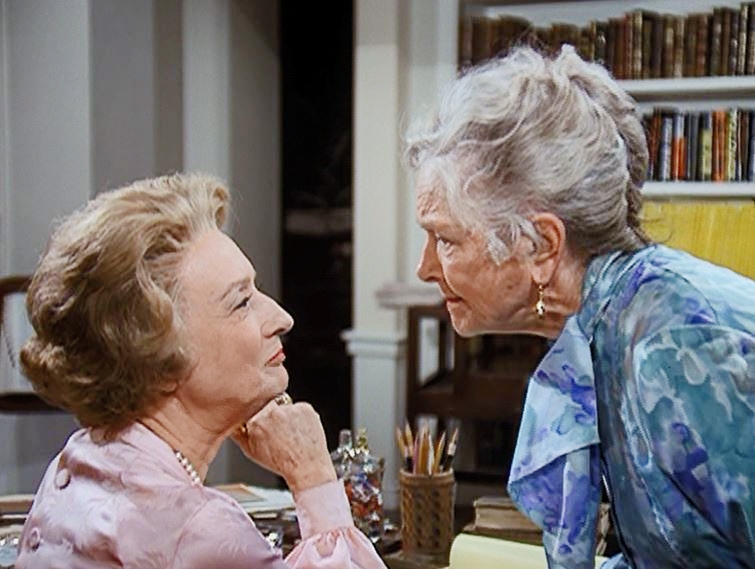
#20 The Snoop Sisters
Two mystery-writing sisters who kept finding real murders where a sensible person would have gone home.
We are starting with a technicality, and it is better to admit that right away. The Snoop Sisters did not center licensed private investigators. Helen Hayes and Mildred Natwick played Ernesta Snoop and Gwendolyn “G” Snoop Nicholson, successful mystery writers who had a habit of wandering into real cases and refusing to leave them alone. But if the point of this list is independent investigation outside a police department, they belong at the edge of the file cabinet.
The show was part of NBC’s rotating Mystery Movie machinery, which meant each case had room to breathe. The sisters were older, wealthy, curious and utterly unafraid of looking ridiculous while following a clue. That combination made them different from the hard-boiled men dominating the detective boom. They were not carrying guns, living in trailers or taking bruising jobs for fifty bucks a day plus expenses. They were using observation, persistence and the social invisibility people often grant older women.
For a Gen X kid catching one of these mystery movies in reruns or on a weekend station, the pleasure was less about danger than about the familiar 70s promise that somebody strange could still be the smartest person in the room. We keep them at #20 because they are the least “private eye” entry here—but they belong to the same decade-long fascination with people who solved crimes because they simply could not let a mystery sit there unanswered.
19
INDEPENDENT SLEUTH
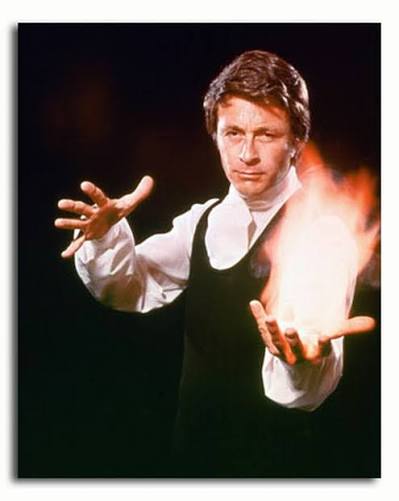
#19 The Magician
Bill Bixby solved crimes with lock picks, illusions, escape tricks and the confidence of a man who owned his own jet.
Tony Blake was not a licensed private eye either. He was a famous stage magician with money, mobility and a personal reason to help people trapped by bad systems. That makes The Magician one of the decade’s most wonderfully odd independent-detective shows: a mystery series where the hero could get into a locked room without pretending the door had been left open.
Bill Bixby gave Blake the right balance of charm and seriousness. The character had survived false imprisonment and escape, which gave his glamorous life a little scar tissue. The cases let him use sleight of hand, disguise, escapology and misdirection as investigative tools. It was a detective-show gimmick, absolutely, but the 1970s loved a detective with a gimmick. One was blind. One was heavyset. One was old. One lived in a trailer. Tony Blake could make handcuffs look like a scheduling inconvenience.
The series lasted only one season, but it has exactly the kind of half-remembered Gen X energy that can trigger a full evening on YouTube: “Wait—Bill Bixby had a crime show where he did magic?” Yes. He did. And the fact that Bixby was genuinely interested in magic gave the tricks a physical credibility that kept the show from feeling like a superhero cartoon with a sports coat.
It ranks low only because the detective work is part of a broader adventure premise. As a piece of 70s television DNA, though, it is almost too perfect: celebrity hero, strange technology, a cool car, travel, mystery and a weekly excuse to watch an adult escape something impossible.
18
SECURITY SPECIALIST
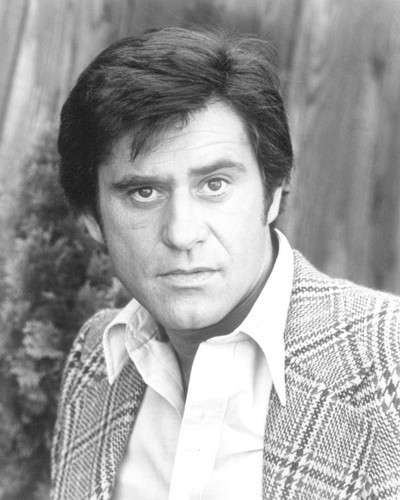
#18 Cool Million
James Farentino as a million-dollar investigator who charged rich clients exactly what the title promised.
Jefferson Keyes was what happened when the private eye stopped worrying about rent. In Cool Million, James Farentino played an investigator and security specialist whose fee was one million dollars—an absurdly large number in 1972 and therefore exactly the kind of hook network television knew how to sell in one sentence.
The premise turned the traditional gumshoe upside down. Jim Rockford would later haggle over expenses and dodge creditors. Keyes operated in a world of private jets, executives, international clients and high-end danger. He was less alleyway detective than corporate troubleshooter, which made the show feel closer to a glossy spy series than to Chandler. But he was still a private operator hired to solve problems that institutions could not or would not handle.
That distinction matters because the 70s private-eye boom was wider than one visual style. The decade could give you a broke ex-con in Malibu, an old-school investigator in a suit, a Black family man working for an agency, and a millionaire security expert whose office seemed to include the entire planet.
Cool Million did not last, and it never became a rerun staple. That is why it lands here instead of higher. But as an example of the genre stretching itself in every possible direction, it earns the file.
17
PRIVATE INVESTIGATION / SCI-FI
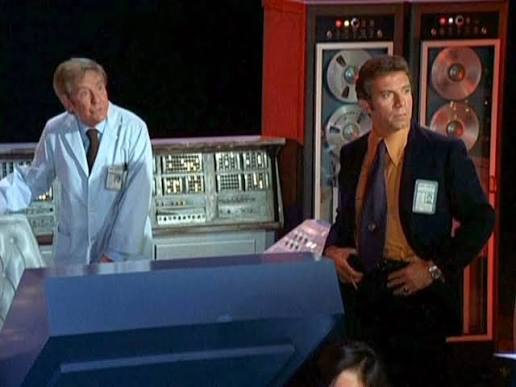
#17 Search
A private investigation company with implanted audio, tiny cameras and a control room that looked twenty years ahead of us.
Search is another border case, but a fascinating one. World Securities Corporation was explicitly a private investigation company. Its field operatives—called probes—worked cases with the help of miniature cameras, implanted audio receivers, telemetry and a control room run by Burgess Meredith. In 1972, that looked like impossible spy hardware. Now half of it looks like things hiding in your phone.
Hugh O’Brian, Tony Franciosa and Doug McClure rotated as field agents, which gave the series an anthology flavor without losing the central setup. The investigator in the field was never alone; a room full of specialists could see, hear and advise him. If Rockford represented the private eye stripped down to an answering machine and stubbornness, Search represented the private eye wired into a future network.
The science-fiction angle pushes it away from the center of the list, but the cases still function like private investigations: locate something, expose someone, recover what is missing, get into places you are not supposed to be. The technology was the gimmick. Curiosity and danger were still the engine.
Looking back from the Gen X side of the couch, this is exactly the sort of show that feels more familiar now than it did then. We grew up into walkie-talkies, home computers, scanners, pagers and eventually phones that made the Probe Control room look less like fantasy. The series did not predict everything. It did predict that investigators would eventually be drowning in information.
16
FATHER-SON PRIVATE EYES
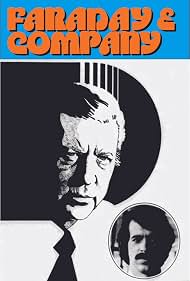
#16 Faraday & Company
A private eye returns after 28 years in a South American prison and discovers his son is already in the family business.
There are easier ways to restart a career than escaping from a South American prison after twenty-eight years and discovering you have a grown son. Faraday & Company decided that was merely the pilot setup. Dan Dailey played Frank Faraday, a private investigator framed for murder long ago; James Naughton played Steve, the son he never knew, who had become a private investigator himself.
The generational clash was the hook. Frank came from an older detective tradition—instinct, force, street sense, a willingness to lean on somebody until the truth fell out. Steve belonged to a newer world of procedure, modern equipment and changed social rules. Put them in the same agency and every case became partly about how private-eye television itself was changing.
The show ran only four Mystery Movie installments after its pilot, so we are dealing with a fascinating fragment rather than a fully developed classic. Sharon Gless appeared as secretary Holly Barrett years before Cagney & Lacey, another little connection that makes old television feel like one enormous neighborhood if you stare at it long enough.
We rank it here because the concept is stronger than the body of work. But if you love the 70s detective boom, Faraday & Company is the kind of obscure stop that explains how crowded the field had become. NBC could rotate private eyes through a single night because America apparently never got tired of somebody knocking on a door and asking one question too many.
15
EX-SPY TURNED PRIVATE EYE
#15 Matt Helm
Anthony Franciosa took a character known for spy novels and Dean Martin movies and dropped him into a straight private-eye series.
The television version of Matt Helm barely resembles the Dean Martin movie version, and that is probably the first thing worth knowing. Anthony Franciosa played Helm as a former intelligence operative who had left the spy business and opened a private detective agency. In other words, ABC took a familiar name, removed most of the camp and put him to work on weekly cases.
That makes the show a curious mid-70s artifact. Helm still had the polish of a man who knew secret agencies and dangerous people, but the stories moved through missing persons, murder, smuggling, theft and the other bread-and-butter problems of network detective television. He had an assistant, Claire Kronski, and enough connections to remind viewers that his past life could always come knocking.
The problem is that the decade already had stronger private eyes doing more distinctive work. Franciosa had been excellent elsewhere, and he brought authority to Helm, but the series never developed the instantly recognizable world that separates a remembered detective show from one that becomes a trivia answer.
Still, the premise is pure 1970s: the spy boom cools off, the detective boom heats up, and a famous fictional secret agent quietly hangs out a private-eye shingle. You can almost hear the network meeting.
14
AGENCY PRIVATE EYE
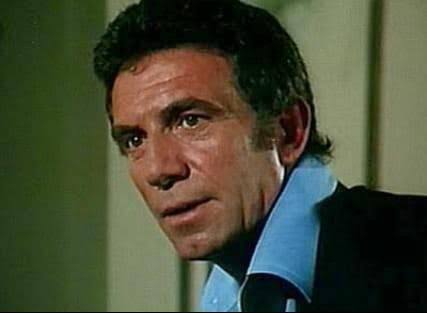
#14 Tenafly
James McEachin played a Black private investigator who was happily married, suburban and more interested in brains than gunfire.
Harry Tenafly is one of the private eyes I wish more people remembered. James McEachin played a former police officer who left the department for a better-paying job with a large private investigation agency. That alone made him different from the era’s parade of damaged ex-cops who had been forced out, shot out or disgusted out of public service.
Tenafly was also a family man. He had a wife, children and a suburban life he genuinely wanted to come home to. He preferred thinking to shooting and tried to avoid the danger that private-eye television usually treated as mandatory. Of course trouble found him anyway. Television still had an hour to fill.
The show mattered for representation without being built entirely around announcing representation. McEachin was a Black leading man in a private-eye series during the same season CBS put Richard Roundtree’s Shaft on television. But Tenafly’s identity on screen was strikingly ordinary: professional, middle-class, married, thoughtful. He did not have to become a superman to justify being the lead.
Only a handful of installments were produced for NBC’s Mystery Movie rotation, so the show never accumulated the mythology of Rockford or Barnaby Jones. But the idea remains fresh. A private eye who would rather outthink a problem and get home for dinner is a pretty good antidote to a decade full of men who acted like every parking lot was an invitation to get hit with a tire iron.
13
YOUNG PRIVATE EYE
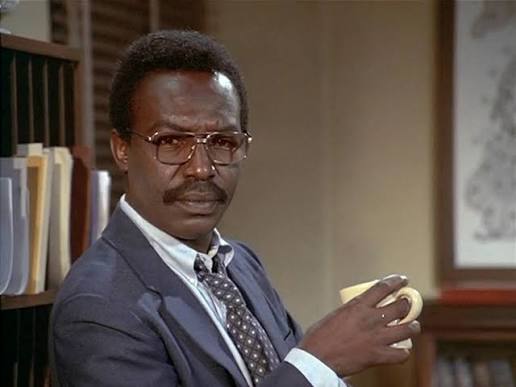
#13 Richie Brockelman, Private Eye
He looked too young to be taken seriously, which became the exact thing that made him useful.
Richie Brockelman entered the world of The Rockford Files before he got his own short run, and you can feel the Cannell/Bochco DNA immediately. Dennis Dugan played Richie as a young, college-educated private investigator whose clean-cut, almost boyish appearance made clients, suspects and older detectives underestimate him.
That was the gimmick, but it was also a smart character engine. Richie did not overpower people. He talked his way into rooms, let others assume he was harmless and used politeness as camouflage. In a decade full of private eyes whose main qualification seemed to be the ability to survive a punch, Brockelman was funny because he looked like the guy who had arrived to fix the copier.
The series itself was brief, but the character’s connection to Rockford gives it extra weight. Stephen J. Cannell and Steven Bochco were already learning how to make detective television looser, more conversational and more interested in personality than in pretending the hero was invincible.
Gen X viewers who discovered Richie through Rockford reruns may remember him better than the standalone series. That almost feels appropriate. He was the younger detective entering an established world, borrowing the genre’s rules and proving you could bend them without breaking the case.
12
PERIOD PRIVATE EYE
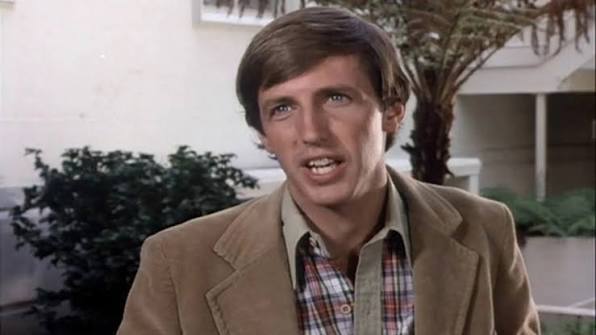
#12 City of Angels
Wayne Rogers traded the 4077th for a 1930s Los Angeles private eye who distrusted nearly everybody.
If most 70s private-eye shows modernized the gumshoe, City of Angels did the opposite. It went backward. Wayne Rogers played Jake Axminster, a Depression-era Los Angeles private detective working in a city of crooked cops, political rot, movie-industry shadows and people who smiled like they already knew which drawer the money was in.
The period setting let the series embrace old hard-boiled imagery without pretending the 1930s were clean or romantic. Axminster charged modest fees, drank too much coffee, stayed in debt and had an openly hostile relationship with corrupt police lieutenant Murray Quint. This was not nostalgia with a warm filter. It was old Hollywood with the wiring exposed.
The show came from Roy Huggins and Stephen J. Cannell, which helps explain why the private eye feels less like a superhero and more like a working man trying to remain one step ahead of everybody who wants to use him. Rogers had the right dry intelligence for it. You believed Jake could spot a lie because he was already expecting one.
It only lasted a short time, but the series remains one of the better attempts to put the classic private-eye tradition back into its original clothes during a decade busy reinventing it. If Rockford was the future of the TV private eye, Axminster was the genre looking in the rearview mirror and remembering where the bruises came from.
11
PRIVATE DETECTIVE
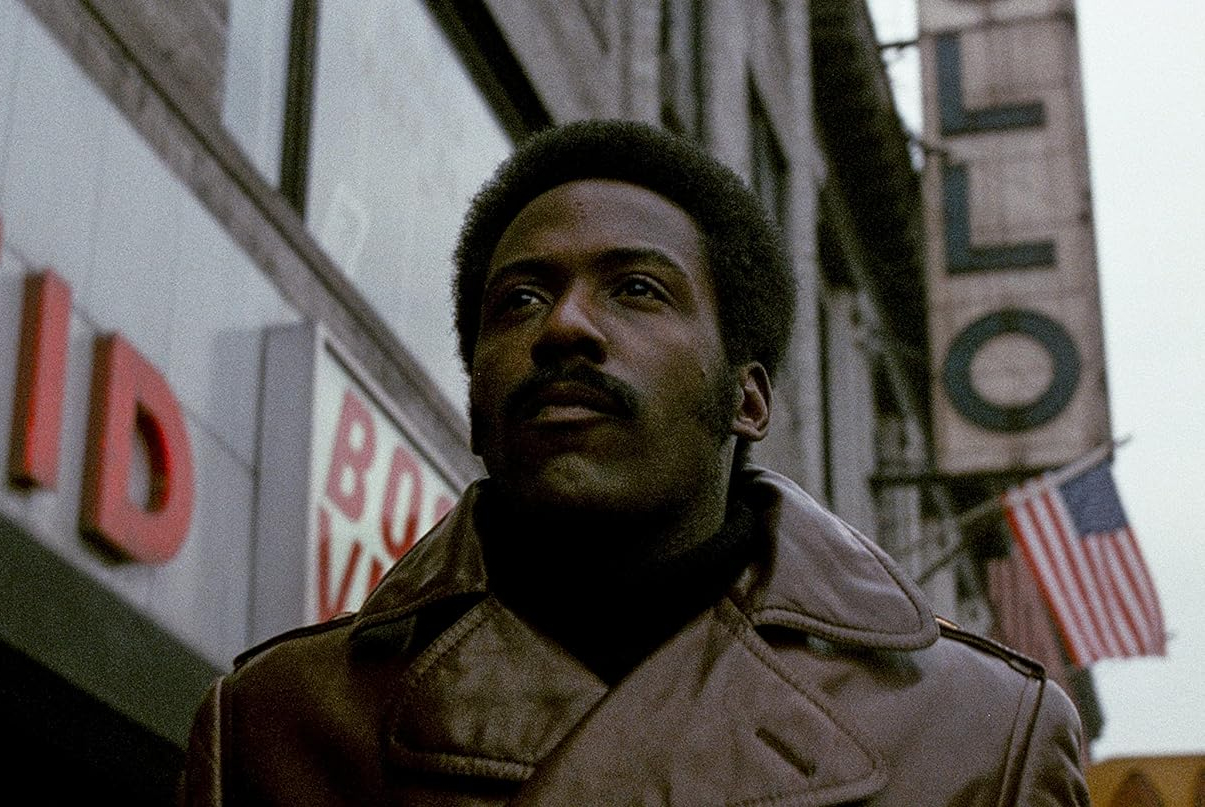
#11 Shaft
Richard Roundtree brought John Shaft to network television—though CBS sanded down some of the movie’s edge.
John Shaft was already larger than television by the time CBS brought him to the small screen. Richard Roundtree had made the character an icon in Gordon Parks’ 1971 film, and the movies had turned Shaft into a new kind of private detective: Black, stylish, independent, sexually confident and able to move between police, criminals, Harlem and white institutional power without asking anybody for permission.
The television version kept Roundtree and the private-eye identity but inevitably softened the material for broadcast standards. That is the central tension of the series. Network television wanted the cultural heat of Shaft without all the things that had made the movies feel dangerous. What remained was a strong lead, a great character and cases that fit more comfortably inside a CBS crime hour.
Even toned down, the importance is obvious. A Black private eye carrying a national network mystery series in 1973 was not background progress. Roundtree’s presence changed what the detective hero could look like and who got to walk into a room as the person everybody else had to deal with.
The series only produced a handful of television movies, so it cannot compete with the long-form character growth of the shows above it. But if we are ranking the decade’s private-eye television, leaving Shaft out would be ridiculous. The cool survived the network notes.
10
INSURANCE INVESTIGATOR
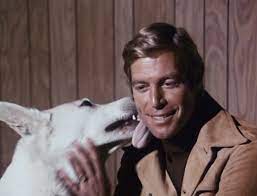
#10 Longstreet
A blind investigator who insisted the audience notice the brain before the disability.
Mike Longstreet was an insurance investigator blinded by the bombing that killed his wife, and the easiest version of the show would have made that the entire point. Longstreet was better when it treated blindness as one fact about a stubborn, intelligent investigator who refused to accept everybody else’s reduced expectations.
James Franciscus played Longstreet with enough confidence to keep the character from becoming inspirational furniture. He listened, questioned, remembered and built pictures from information other people ignored. The cases asked the audience to understand investigation as something more than seeing a clue on the floor. Attention itself became the weapon.
Bruce Lee’s guest appearances are what many people remember now, especially his scenes teaching Longstreet Jeet Kune Do ideas about adaptability. Those episodes gave the series a cultural afterlife bigger than its single season. But the detective format is what makes the show belong here. Longstreet is hired to investigate claims and wrongdoing. He is not a cop with department resources. He has to build the case from the outside.
I remember those early-70s reruns having a quieter look than the crime shows that came later—streets, offices and apartments with more air around them, as if television had not learned to fill every second yet. Longstreet trusts the investigator to be interesting without needing a weekly car jump.
At #10, Longstreet marks the point where this list moves from interesting variations into shows that genuinely added something distinctive to the private-eye tradition.
9
PRIVATE INVESTIGATORS / CON MEN
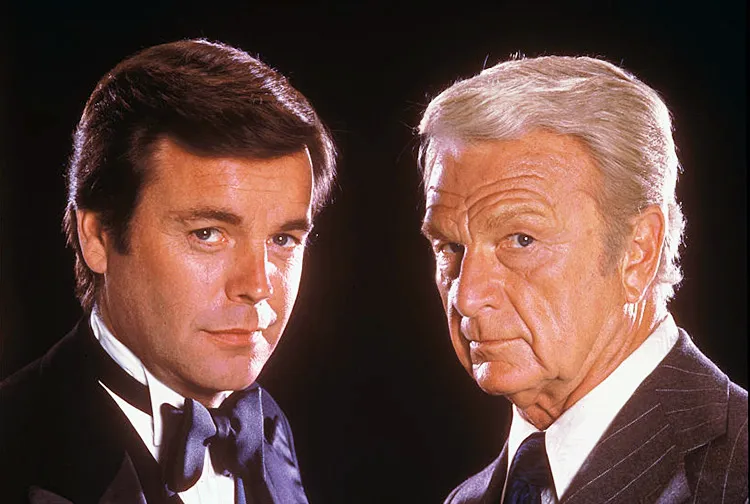
#9 Switch
Robert Wagner and Eddie Albert solved cases by conning the people who thought they were doing the conning.
Switch had one of the decade’s better built-in games. Robert Wagner played Pete Ryan, a former con man. Eddie Albert played Frank MacBride, the retired cop who once arrested him. Together they opened a private investigation business and used elaborate cons to trap criminals. It was detective television crossed with The Sting, and the setup gave every case permission to become a performance.
That made the show lighter than the bruised private-eye dramas around it. Pete and Frank were not waiting in a dim office for a desperate client to walk in. They were dressing up, setting bait, playing roles and enjoying the moment the target realized the whole room had been arranged against him.
The partnership mattered as much as the tricks. Albert brought older authority without stiffness; Wagner had the smoothness of a man who could lie to somebody and make them feel flattered by the attention. Their history—cop and criminal turned partners—gave the relationship a little bite underneath the charm.
Television Academy material notes that the series was inspired by The Sting and resembled The Rockford Files, which makes sense. Both shows wanted the private eye to feel less like a mythic loner and more like a guy surviving through personality, favors and improvisation.
Switch does not have the gritty afterlife of Rockford or Harry O, but it earns the Top 10 because it found its own lane. In a decade where every network had detectives, this one made the investigation itself feel like a hustle.
8
PRIVATE DETECTIVE
#8 Vega$
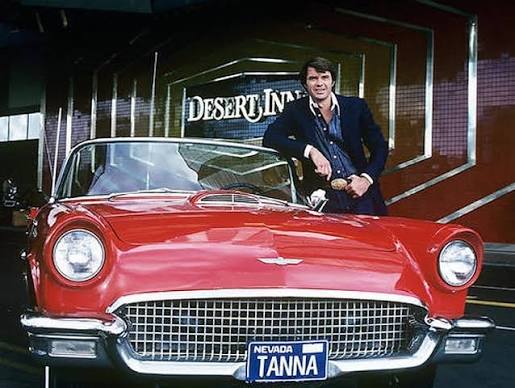
Dan Tanna had a red Thunderbird, a Strip full of clients and the rare private-eye office where neon was part of the lighting plan.
By 1978, the private eye had reached Las Vegas and acquired much better parking. Robert Urich played Dan Tanna, a private detective working cases around the Strip, often for casino owner A.J. “Slick” Roth. The city was not just a backdrop. It was the job market: scams, missing people, casino problems, celebrity trouble, tourists with money and professionals who knew exactly how to take it.
The visual identity did half the selling. Tanna’s red 1957 Thunderbird was a character before anybody used that phrase about television cars. He lived and worked in a converted theatrical-props warehouse where he could practically park the car in the living room. The whole series looked like late-70s America had decided private-eye work should come with marquee lights.
What keeps Vega$ from becoming pure gloss is Urich. He was likable without seeming soft and cool without the show needing to tell you every five minutes that he was cool. Tanna could move through casino owners, entertainers, hustlers and ordinary clients because Urich made him feel like a man people might actually trust.
The series began at the very end of the decade and continued into the 80s, so it has one foot across the line. But its origin is unmistakably late 70s: Aaron Spelling polish, location glamour, gadgets, a heroic car and a detective who looks like the network finally figured out how to put a private eye on a postcard.
It ranks #8 because the atmosphere is unforgettable. Plenty of detectives solved better mysteries. Very few owned a city this completely.
7
PRIVATE DETECTIVE AGENCY
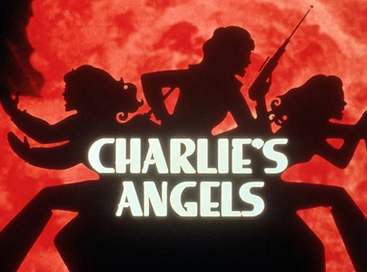
#7 Charlie’s Angels
The glamour got the headlines. The actual premise was three women doing private-investigation work for the Townsend Agency.
It is easy to forget the job because the phenomenon got so much bigger than the premise. Charlie’s Angels was a private-detective show. Sabrina, Kelly, Jill and the later Angels worked for the Townsend Agency. They interviewed clients, went undercover, followed suspects, set traps and solved cases. The posters and magazine covers did not erase the detective work; they simply became the part America could hang on a bedroom wall.
The undercover structure made the show flexible. One week the Angels could enter a fashion world, the next a racetrack, resort, prison, dance hall or criminal operation. Because they were private investigators rather than police officers, the series had an easy excuse to put them inside almost any environment without spending half the episode explaining jurisdiction.
The show was also a complicated landmark for women in crime television. ABC sold the stars’ beauty aggressively, and the “jiggle TV” label followed the series. At the same time, the actual weekly story repeatedly put women in the active position: interviewing, infiltrating, planning, fighting, driving and solving. Both truths can exist at once. The marketing was often reductive. The characters still occupied roles television had overwhelmingly given to men.
If you were a Gen X kid, Charlie’s Angels was everywhere whether you were old enough to follow the case or not. Farrah hair. The silhouette logo. Trading cards. Posters. Reruns. That opening voice coming out of the speakerphone. By the 1977 Nielsen season, Charlie’s Angels was already a Top 5 television hit, and it remained in the Top 10 in the 1978 season.
We rank it #7 because the cultural footprint is enormous and the private-agency structure genuinely worked. It is not the deepest detective show on the list. It may be the one whose detectives became the biggest pop-culture objects.
6
PRIVATE DETECTIVE
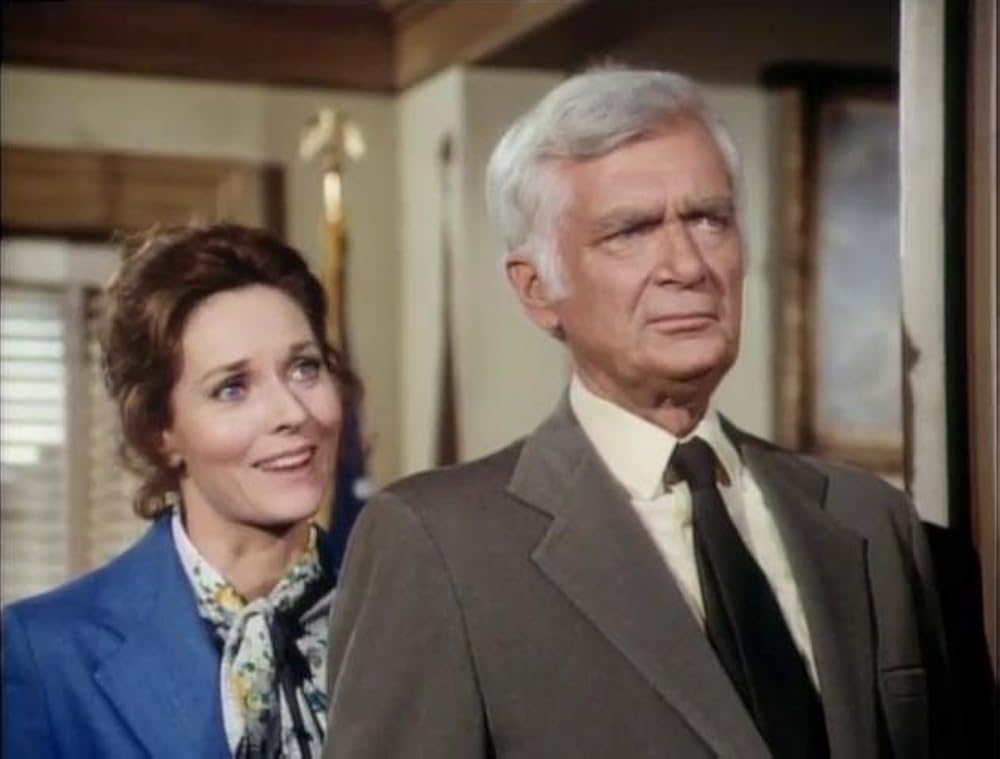
#6 Barnaby Jones
Buddy Ebsen made patience, age and a glass of milk look like perfectly reasonable tools of the trade.
Barnaby Jones was television’s reminder that the private eye did not have to be young, fast or remotely interested in impressing you. Buddy Ebsen played a retired private investigator who returned to the business after the murder of his son. His daughter-in-law Betty worked beside him, giving the show a family partnership underneath the weekly cases.
The character’s age was treated as both difference and advantage. Barnaby was not going to out-sprint every suspect. He watched. He listened. He let people talk past the point where they should have stopped. Ebsen’s easy manner could make the character seem harmless right up until the moment you realized he had already figured out which detail did not fit.
That calm separated the series from harder private-eye television. Cannon could enter a case with force. Mannix could take a beating. Rockford could talk and scramble. Barnaby often felt like he had all afternoon and knew the other person did not. There is something very satisfying about a detective who refuses to let the network clock make him nervous.
The show came out of the Quinn Martin crime-drama factory, and the production had that solid, serious, dependable feel. It lasted well into the end of the decade because viewers knew what they were getting: a mystery, a professional investigator and Buddy Ebsen making competence look almost casual.
In reruns, Barnaby could look like somebody’s grandfather had wandered into the wrong time slot and then quietly solved the murder before the younger guys stopped posing. That was the charm. The decade’s private-eye boom had room for a hero who carried experience instead of swagger.
5
FREELANCE INSURANCE INVESTIGATOR
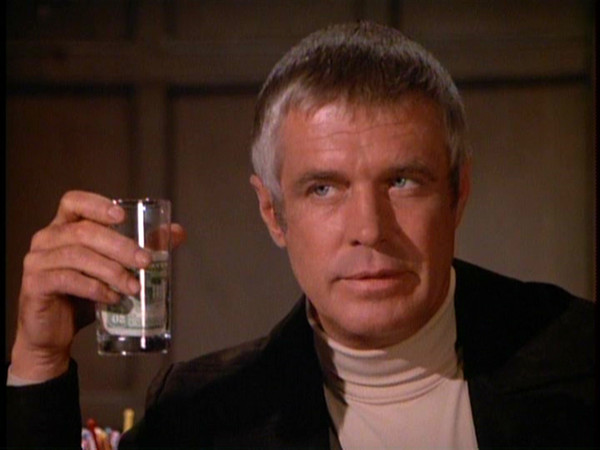
#5 Banacek
George Peppard solved impossible thefts and collected a percentage big enough to make the insurance companies hate seeing him smile.
Thomas Banacek did not take ordinary murder cases. He specialized in the impossible disappearance: a giant object, valuable cargo or heavily guarded property that vanished under circumstances designed to make an insurance company sweat. He worked freelance, collected a percentage of recovered value and enjoyed the fact that the executives needed him more than they liked him.
That structure gave Banacek a different kind of mystery. The question was often less “who killed him?” than “how in the world did they do that?” A truck, a train car, an armored shipment, something too big to simply disappear—those were the puzzles. The pleasure was watching Banacek walk around the edges until the impossible started looking mechanical.
George Peppard played him with a polished arrogance that would be unbearable if the character were not usually right. Banacek drove well, dressed well, lived well and clearly believed detective work should come with decent wine. He was the opposite of the broke gumshoe, and the show knew it.
The famous Polish proverbs—usually mangled, invented or both—gave the character an instantly recognizable ritual. Some of the ethnic humor has aged badly, but the series itself remains one of the stronger Mystery Movie variations because the case structure was so specific.
A lot of us met Banacek through late-night reruns, cable or one of those weekend television blocks where you suddenly realized George Peppard had an entire detective life before The A-Team. At #5, it earns its place because the mysteries felt like puzzles and the investigator acted like solving them was a luxury profession.
4
PRIVATE DETECTIVE
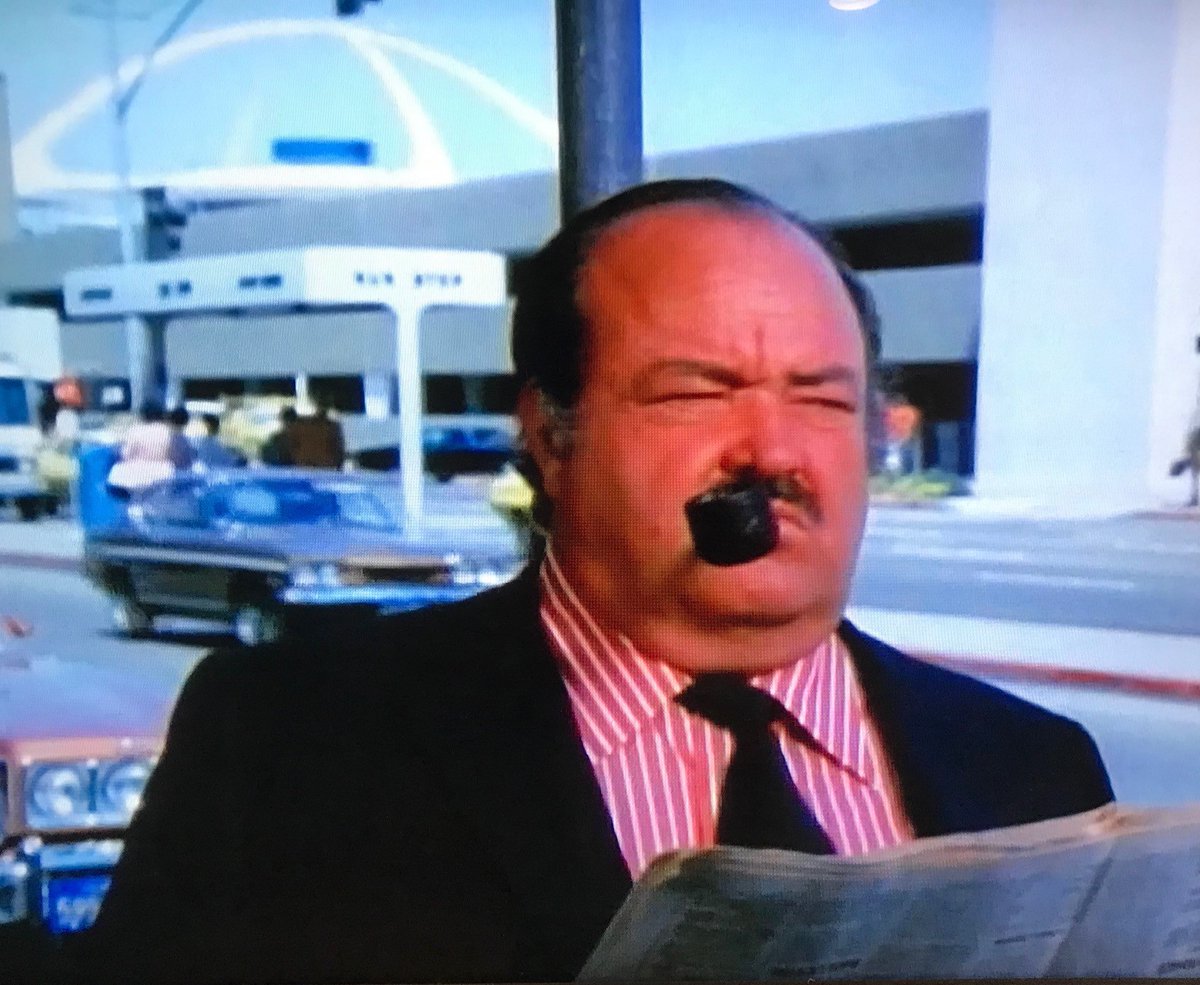
#4 Cannon
William Conrad proved a television detective did not need to look like a fashion ad to take over a scene.
Frank Cannon was a former police detective turned private investigator, and William Conrad made him one of the most distinctive crime heroes of the decade simply by refusing the standard physical template. Cannon was heavyset, middle-aged, well dressed, well armed, well fed and entirely comfortable being the smartest dangerous man in the room.
The show never treated his size as evidence that he was less capable. Cannon drove hard, carried a gun, got into physical trouble and traveled wherever the case required. But his strongest scenes were often verbal. Conrad had a voice that could make a simple question sound like it had already been entered into evidence.
The private-eye format gave Cannon wide range: corporate cases, missing people, murder, family secrets, clients who knew more than they admitted. Quinn Martin production values gave the series a dependable seriousness, and Cannon himself provided the unusual center. He was not trying to be hip. That was the point.
The show was also genuinely popular. Cannon tied for #9 in the 1974 Nielsen season, sitting in the same Top 10 as All in the Family, M*A*S*H and Hawaii Five-O. Detective television was not just filling schedules; it was living near the top of them.
Those reruns did something useful without making a speech about it. Before most of us had language for “representation” of different body types, there was Cannon moving through prime time as the lead without asking the audience to pretend he was somebody else. He solved the case. Everyone adjusted.
3
PRIVATE DETECTIVE
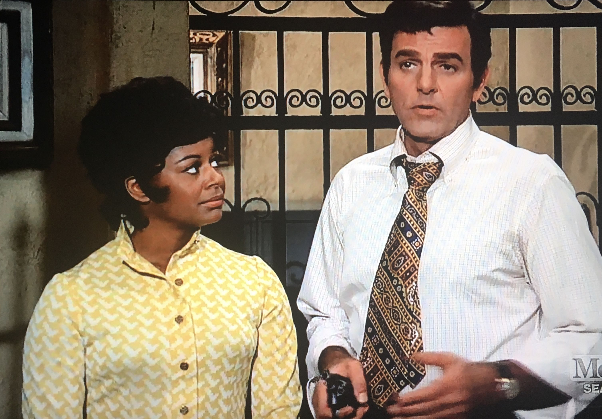
#3 Mannix
Mike Connors carried one of television’s toughest private eyes straight from the 60s into the bruised heart of the 70s.
Mannix began in 1967, so calling it a 1970s show requires the same common-sense rule we use for anything that spent a large, important portion of its life inside the decade. Joe Mannix did not merely survive into the 70s. He helped define what the television private eye looked like when the decade began.
Mike Connors played Mannix as a former big-agency investigator who went independent, worked from his own office and relied on secretary Peggy Fair. The shift from the series’ original corporate-computer setup into a more traditional private-eye format was one of the smartest course corrections in crime television. Suddenly the show had a hero, a client, a car and a city full of people willing to hit him.
And they hit him a lot. Mannix may be the patron saint of walking away from blunt-force trauma that should have ended the season. He was shot, punched, clubbed and run off roads with such frequency that a modern insurance company would refuse to cover the opening credits.
But reducing the show to action misses Connors’ warmth. Mannix cared. Peggy mattered. Clients mattered. The toughness worked because there was a human being underneath it, not simply a stuntman in a sport coat.
Television Academy material identifies Mannix as an Armenian-American private investigator played by Mike Connors, himself of Armenian heritage. That specificity was not loudly advertised in every episode, but it is another reminder that the era’s crime heroes were becoming more varied than the generic white-bread TV leads of earlier years.
By the time a lot of us discovered Mannix in reruns, Joe Mannix seemed like he had already been taking punches forever. That is part of why he ranks #3. He was the bridge: old-school hard-boiled toughness moving directly into the more character-driven private-eye television Rockford would soon reinvent.
2
PRIVATE DETECTIVE
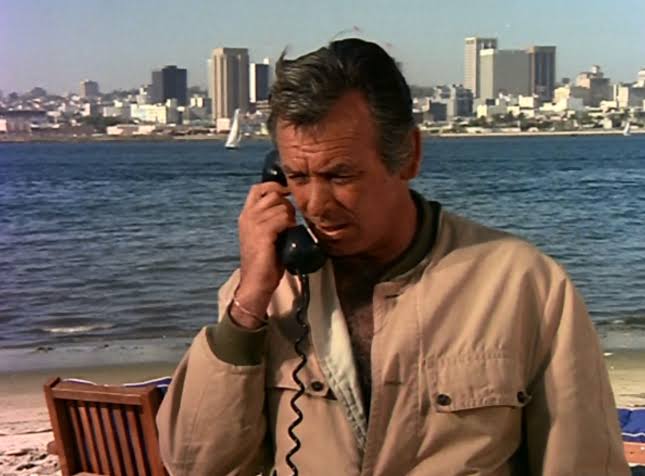
#2 Harry O
David Janssen made exhaustion, intelligence and not owning a working car feel like the coolest anti-gimmick on television.
If Jim Rockford is the private eye most people remember, Harry Orwell may be the one private-eye fans most often wish had lasted longer. David Janssen played a former San Diego police officer forced into retirement after being wounded. He became a private investigator, but the injury never turned into superhero backstory. Harry simply carried the damage with him.
The early version of the character was almost aggressively unglamorous. Harry lived near the beach, had a bad back, moved carefully and did not even have a reliable car. He took the bus. In a decade when television detectives were collecting signature vehicles like toys, that felt almost subversive. The message was simple: the interesting part was the man, not the hood ornament.
Janssen had already spent years carrying The Fugitive, and he brought that same worn intelligence to Harry Orwell. His face always looked like the case had arrived at an inconvenient time and he was going to take it anyway. He did not need to perform toughness. You assumed life had already tested it.
The series was retooled during its run, moving more of the action to Los Angeles and strengthening the supporting cast, including Anthony Zerbe as Lieutenant Trench. That police/private-eye relationship became one of the show’s pleasures: wary cooperation without the cartoon hostility crime television sometimes used to manufacture friction.
The Television Academy’s description of The Rockford Files specifically names Harry O alongside it as one of the finest private-eye series of the 1970s. That is not nostalgia inflation. The show had mood, adult writing and a lead who made restraint more compelling than another car chase.
Harry O was harder for a lot of us to catch in syndication than some of the giants around it, which may be why Harry Orwell never became as universal a Gen X memory. But once you find the show, it sticks. The private eye looks tired because private-eye work should be tiring.
1
PRIVATE DETECTIVE
#1 The Rockford Files
The answering machine. The trailer. The Firebird. The unpaid bills. The private eye who looked like he would rather not get punched today.
There really is no suspense at #1. The Rockford Files did not simply give the 1970s its best private eye. It took the entire television-gumshoe myth apart, checked which pieces were still useful and rebuilt the genre around James Garner’s ability to look amused, irritated and worried at the same time.
Jim Rockford was an ex-con who had been wrongly imprisoned, a former Korean War serviceman and a private investigator working out of a mobile home in Malibu. He charged two hundred dollars a day plus expenses. He disliked carrying a gun. He preferred talking to fighting because fighting hurt. He had clients who did not pay, police who did not entirely trust him, friends who created problems and a father who could remind him exactly how unimpressive the whole operation looked from outside.
That was the revolution. Rockford’s limitations were not a cute flaw attached to a super-detective. They were the show. He did not have unlimited money, unlimited authority or unlimited courage. He had experience, charm, street sense and the good judgment to know when a situation was getting dangerous—followed by the bad luck to be stuck in it anyway.
The answering-machine opening was genius because it told you before the theme music that this man had a life full of unfinished business. Creditors. Clients. Friends. Wrong numbers. Bureaucracy. The case had not even started and Rockford was already behind. For those of us who grew up hearing that machine beep in reruns, it is impossible to separate the sound from the show.
Then there was the Firebird. Rockford’s Pontiac became iconic without turning him into a fantasy hero. The famous driving moves worked because Garner and the production treated the car like something a working private eye actually used: transportation, escape route, office extension and occasionally one more thing somebody might damage before the bill was paid.
The supporting world made the series deeper. Rocky, Jim’s father, wanted his son to find safer work. Dennis Becker was the police contact caught between friendship and department politics. Beth Davenport was more than a convenient lawyer. And Angel Martin—Stuart Margolin’s glorious walking emergency—could turn a quiet day into legal exposure simply by entering the frame.
Stephen J. Cannell and Roy Huggins built mysteries with enough plot to satisfy crime viewers, but the cases were rarely the only thing we remembered. We remembered Rockford trying to get paid. Rockford realizing a favor had become a catastrophe. Rockford dealing with people who thought “private investigator” meant he had powers he absolutely did not have.
The Television Academy describes the show as a revisionist take on the hard-boiled detective genre, grounded more in character than crime and infused with humor and realistic relationships. That is exactly why it has aged so well. The show understood that toughness is more interesting when a person knows what getting hit costs.
And this is where the Gen X affection becomes impossible to separate from the ranking. The Rockford Files was one of those shows that could live anywhere in the schedule after its original run. Afternoon. Late night. Weekend. Summer. You might not understand every con or legal detail as a kid, but you understood Jim’s face when somebody said they had “one little favor.” We had seen adults make that face.
The best 70s private-eye show is the one that made being a private eye look least like a fantasy and somehow became more iconic because of it. Trailer by the beach. Cheap office sign. Answering machine. Bad client. Great car. James Garner. Case closed.
PLEASE STAND BY • SLGX CASE DESKThe car mattered. The office mattered more.By the late 70s, you could identify half these detectives from one prop: Rockford’s answering machine, Cannon’s Lincoln, Tanna’s Thunderbird, Banacek’s polished everything. The best shows turned workspaces and transportation into personality before “branding” became something anybody said in a writers’ room.
PI
70s
70s
The rerun detective agency
Why 1970s private-eye shows became Gen X rerun favorites
By the time many of us met these guys, the original case had been closed for years.
One of the weird things about being Gen X is that 1970s detective television often arrived without a date stamp. A show from 1971 and a show from 1978 could sit next to each other in afternoon syndication and both register as simply “old detective shows.” Sideburns were not a reliable calendar.
That meant we learned the private-eye genre through repeated objects and rituals before we knew the history. Somebody comes to the office. The detective asks a question. The client lies. The detective knows the client lied but takes the case because rent exists. The police contact says stay out of it. The investigator absolutely does not stay out of it.
Rockford’s answering machine may be the perfect Gen X memory object because so many of us later grew up with answering machines of our own. The technology moved from “cool television gadget” to “thing on the kitchen counter telling you Aunt Linda called” without us noticing the transition.
Mannix had the car and the bruises. Cannon had the voice. Barnaby had the patient stare. Banacek had the impossible object that somehow vanished. Charlie’s Angels had the opening speakerphone and the silhouette. Vega$ had enough neon to make the case look better before the first witness said anything.
And because syndication stripped away the original hype, the shows had to survive on what was actually there. A magazine cover could not save a bad episode in 1983. Neither could a ratings number. If the detective, mystery and supporting world worked, you stayed. If they did not, you changed the channel and maybe found another detective ten minutes later.
That is one reason The Rockford Files has only grown in stature. Reruns are brutal on formulas that depend entirely on surprise. Rockford’s cases still work, but the real reason you stay is Jim dealing with Rocky, Becker, Angel and whoever has ruined his afternoon. Character survives syndication better than a twist.
The private-eye shows also taught us something about adulthood that sitcoms taught in another language: most work is favors, obligations, money, people who do not tell you the whole truth and trying to get through the day without your car getting wrecked. Maybe we were absorbing career guidance after all.
The case never really closed
How 1970s private-eye shows changed TV detectives
Magnum, Moonlighting and the detectives that followed inherited a genre the 70s had already loosened up.
Before the 1970s, television already had famous private detectives. The decade did not invent the form. What it did was explode the number of ways the form could work.
The investigator could be physically atypical, older, blind, Black, female, wealthy, broke, ex-police, ex-spy, former con man or somebody with enough technology to make the NSA jealous. The job could happen in Malibu, Boston, New Orleans, New York, Los Angeles, a casino strip or an insurance company’s worst nightmare.
More importantly, the private eye no longer had to act like a perfect hard-boiled machine. Rockford could be scared. Harry Orwell could be tired. Barnaby could be gentle. Richie Brockelman could be polite. Charlie’s Angels could use social assumptions against suspects who underestimated them. The genre gained range when it stopped insisting toughness had only one face.
That opened the road to the 1980s. Magnum, P.I. would combine charm, trauma, friendship, location and a famous car. Simon & Simon would make sibling personality conflict part of the agency. Moonlighting would eventually turn a detective office into romantic-comedy warfare. All of them benefited from the permission the 70s had already established: a mystery show could be as much about the people solving the case as the case itself.
And that is the lasting difference between the best private-eye shows and the anonymous ones. We may forget who stole the painting. We do not forget where Jim Rockford lived.
Flaws became features
The investigator could be broke, injured, aging or deeply annoyed by the entire profession and still be the smartest person following the clue.
Character beats the twist
A mystery surprises you once. A great detective makes you watch the same episode again twenty years later.
Before we close the file
1970s private-eye shows FAQ
What was the best private-eye show of the 1970s?
The Rockford Files is our #1 choice. James Garner’s Jim Rockford combined strong mysteries with humor, vulnerability, realistic relationships and a working-man approach to private investigation that still feels modern.
Was Mannix a 1970s show?
Yes for purposes of decade television history. Mannix premiered in 1967 but continued through 1975, meaning a large and important part of its run aired during the 1970s.
Was Charlie’s Angels really a private-eye show?
Yes. The Angels worked as private investigators for the Townsend Agency. The series became a huge glamour and pop-culture phenomenon, but its weekly story structure was built around private-detective assignments and undercover work.
Was Cannon a private detective or a police detective?
Frank Cannon was a former police officer who worked as a private detective. That is why Cannon belongs here rather than in the police-procedural ranking.
What made Banacek different from other private-eye shows?
Banacek was a freelance insurance investigator who specialized in apparently impossible thefts and disappearances. The mysteries were often built around figuring out how a huge or well-protected object could vanish rather than simply identifying a murderer.
What is the difference between a private-eye show and a police procedural?
A private-eye show centers an investigator working independently or for a private agency, usually hired by clients. A police procedural centers officers working within a law-enforcement department, with the department’s rules, resources and chain of command shaping the story.
Which 1970s private-eye shows had female detectives?
Charlie’s Angels is the biggest example: its leads worked as private investigators for the Townsend Agency. The Snoop Sisters featured female amateur sleuths rather than licensed private detectives, which is why it appears only at the edge of this ranking.
Which 1970s private-eye shows are best for a Rockford Files fan?
Start with Harry O for another grounded, adult private eye, then try Switch for a lighter con-game approach, Richie Brockelman, Private Eye for a direct creative connection, and City of Angels for another Stephen J. Cannell/Roy Huggins detective world.
Keep investigating
More 1970s detective shows and crime TV
The private eyes were only one side of the decade’s enormous crime-TV obsession.
The case notes
Sources and television-history references
Series dates, premises and production history were checked against Television Academy Foundation material and established television-history references. The ranking and commentary are SLGX editorial judgment.
- Television Academy Foundation — The Rockford Files
- Television Academy Foundation — Mannix
- Television Academy Foundation — Banacek
- Television Academy Foundation — Switch
- Television Academy Foundation — Richie Brockelman, Private Eye
- Television Academy Foundation — James Garner
- Television Academy Foundation — Walter E. Grauman / Barnaby Jones
- Television Academy Foundation — Del Reisman / Cannon and Banacek
- Associated Press — Richard Roundtree and Shaft
- Television Obscurities — Search