Gabe Kotter
Former Sweathog turned teacher, armed with jokes, patience and the advantage of recognizing every scam before it reaches full speed.
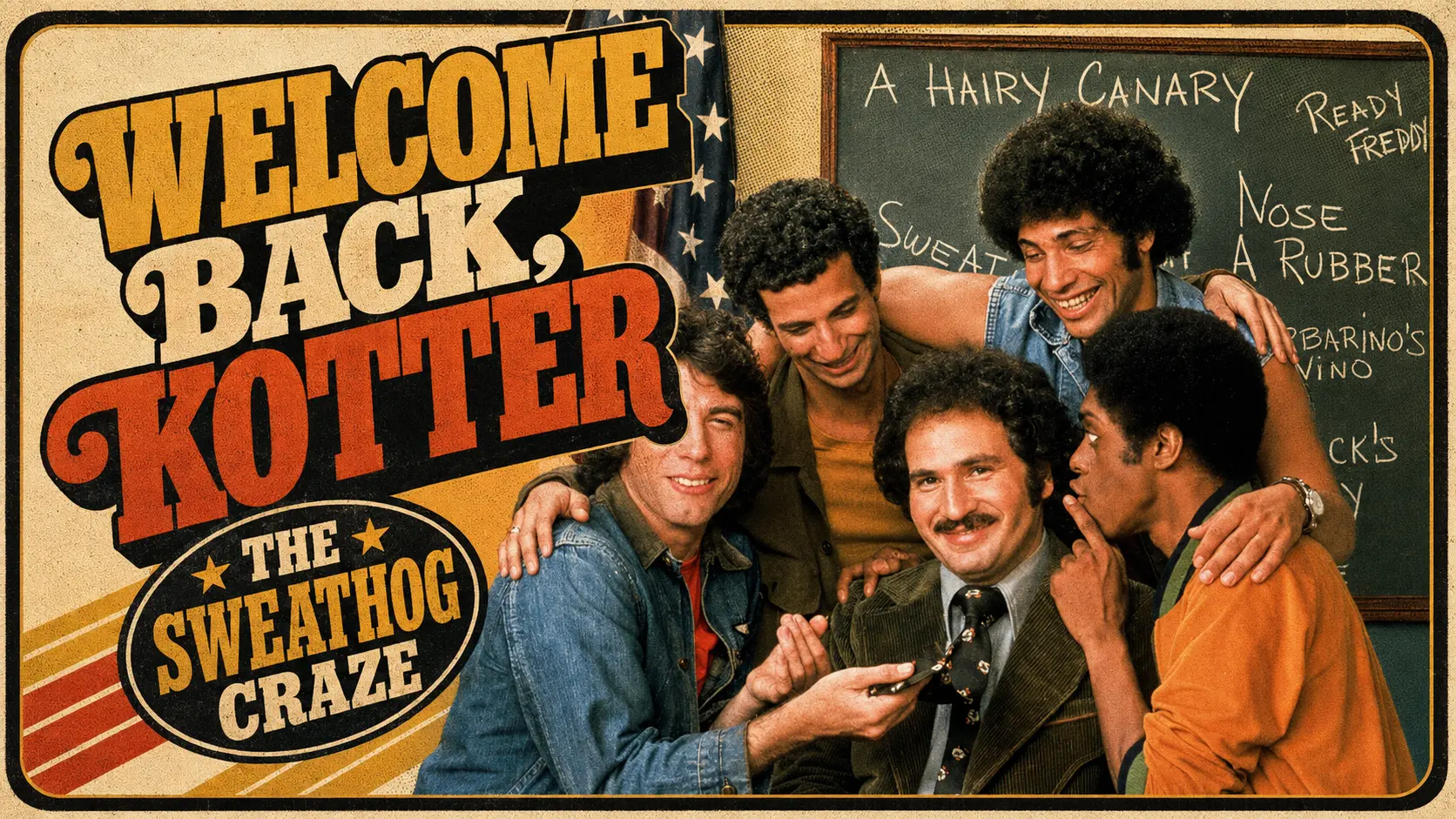
Before every teenager on television came preloaded with trauma, perfect hair and a streaming-series arc, there were four guys in a Brooklyn classroom who could turn attendance into a contact sport. They were loud, underachieving, endlessly quotable and absolutely convinced the room belonged to them.
For Gen X, Welcome Back, Kotter was one of those shows that escaped the television set. You heard the catchphrases at school. You saw the faces on lunchboxes and T-shirts. You could do Horshack’s hand raise badly and still get the point across. And before John Travolta became a movie star, he was Vinnie Barbarino—the guy who could walk into a remedial classroom like somebody had already told him the camera was his.
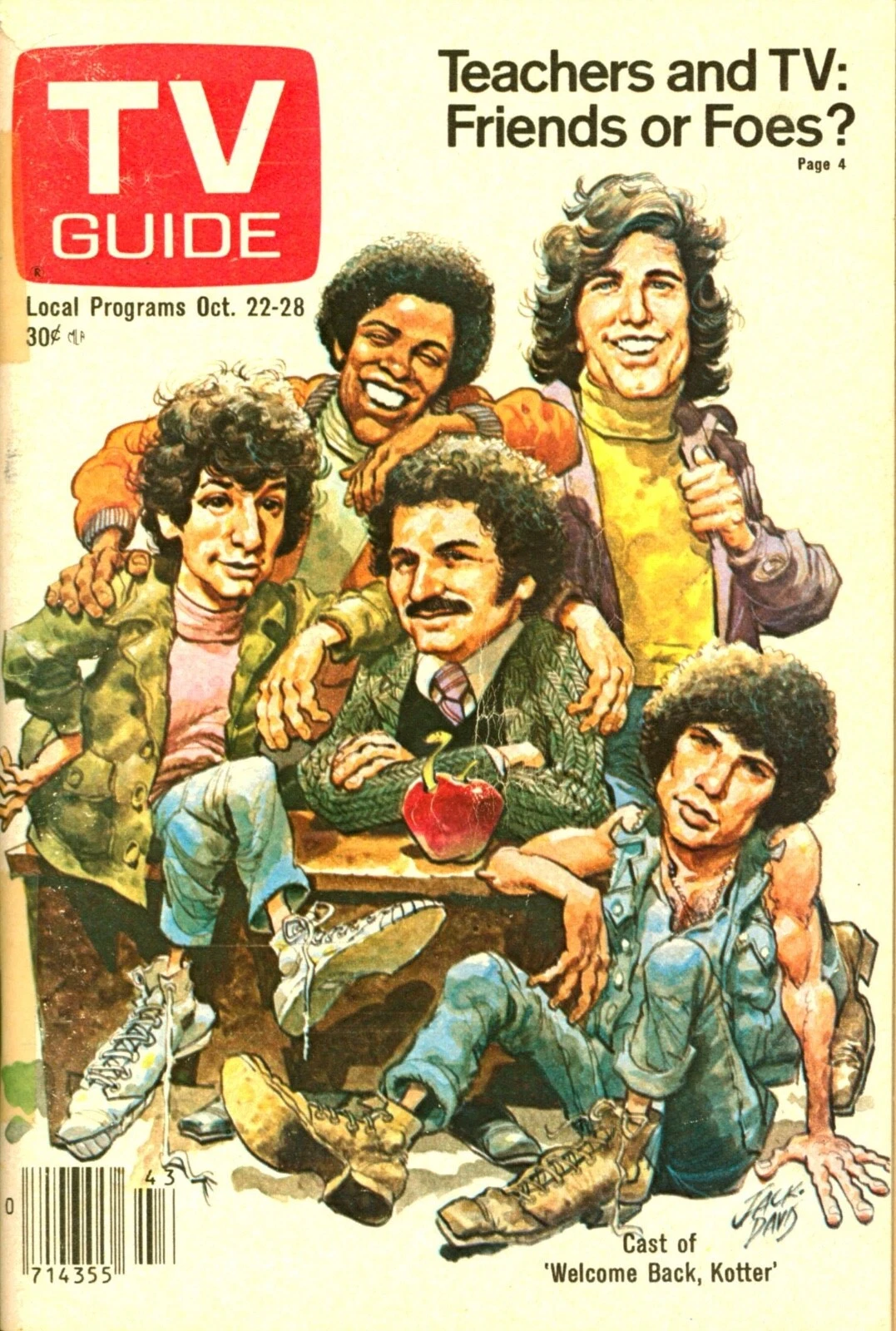
Welcome Back, Kotter was an ABC sitcom that ran from September 9, 1975 through June 8, 1979 for four seasons and 95 episodes. Gabe Kaplan played Gabe Kotter, a former underachieving student who returned to the fictional James Buchanan High School in Brooklyn to teach a new generation of remedial students known as the Sweathogs. The core group was Vinnie Barbarino (John Travolta), Freddie “Boom Boom” Washington (Lawrence Hilton-Jacobs), Juan Epstein (Robert Hegyes) and Arnold Horshack (Ron Palillo). Created by Kaplan and Alan Sacks from Kaplan’s autobiographical stand-up material, the series became a 1970s pop-culture phenomenon built on the unlikely combination of a teacher who respected the kids everyone else had written off, four instantly recognizable comic personalities and a John Sebastian theme song that became a hit all by itself.
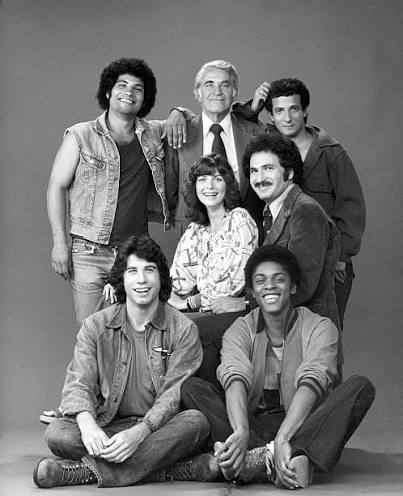
A former Sweathog came back as the teacher. That one reversal gave the whole show its heart.
Welcome Back, Kotter was a 1970s sitcom about Gabe Kotter, a teacher who returned to the same Brooklyn high school where he had once been one of the problem students everybody expected to fail.
The twist was simple and better than it had any right to be: Kotter knew every trick because he had already used most of them. Vice Principal Michael Woodman saw the Sweathogs as future dropouts. Kotter saw versions of the kid he had been.
That meant the show could make the Sweathogs ridiculous without making them disposable.
They were assigned to remedial classes at fictional James Buchanan High in Brooklyn. The “Sweathog” nickname came from the classes being held on the hot upper floor of the school. Kotter had belonged to the same group when he was a student.
The Sweathogs attended the fictional James Buchanan High School in Brooklyn. The school was invented for the series, but the underachiever friendships behind it came straight out of Kaplan’s Brooklyn memories.
This was not the inspiring-teacher drama where everybody suddenly discovers Shakespeare and gets into college by May. Kotter taught sideways. He joked with them, argued with them, tricked them into thinking and kept showing up after every other adult had already lowered expectations.
The series premiered on September 9, 1975, making it part of one of those television seasons that feels impossibly crowded in hindsight. Our Top TV Shows of 1975 catches the broader year, but this classroom had its own frequency.
It also belongs in our 50 Best Sitcoms of the 1970s, Ranked because few shows of the decade became recognizable so quickly from a laugh, a hand gesture or two words delivered the right way.
The Sweathogs did not begin in a writers’ room. They began in Kaplan’s act.
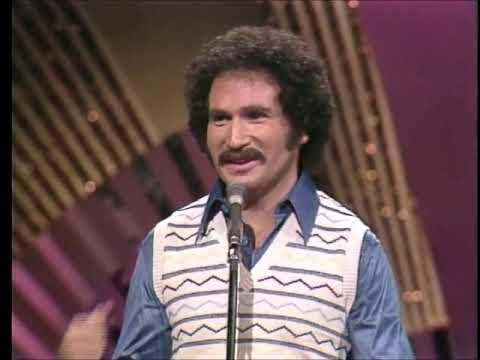

Welcome Back, Kotter came out of Gabe Kaplan’s stand-up material about the guys he knew growing up in Brooklyn.
Kaplan later described meeting producer Alan Sacks and talking through the idea over lunch. The first version had a group of old school friends who never grew up. Then Kaplan asked the question that made the series click: what if he was not their peer anymore?
Gabe Kaplan and Alan Sacks are the credited creators. Kaplan supplied the autobiographical school material; Sacks helped turn that material into the television premise that eventually put a former underachiever at the front of the classroom.
The guidance counselor became a teacher. The teacher became a former underachiever returning to his alma mater. Suddenly the old stories had a weekly engine.
Peter Meyerson, who developed and wrote the pilot for television, came up with the name “Sweathogs,” according to Kaplan’s later account. Gabe Kaplan and Alan Sacks remained the credited creators of the series.
Executive producer James Komack was initially skeptical of the idea, while ABC programming executive Michael Eisner responded strongly enough to order a pilot script. That push-and-pull is almost too perfect for the show that resulted: one guy thinking these kids were hopeless, another deciding they deserved a chance.
Kaplan’s material mattered because Kotter was not an outsider studying the students like specimens. His jokes carried the memory of having been one of them.
That also kept the series from becoming a generic school sitcom. James Buchanan High was fictional, but the rhythm of the friendships had been road-tested before anybody built the classroom set.
Kotter could control the room because the Sweathogs knew he had once been sitting in it.
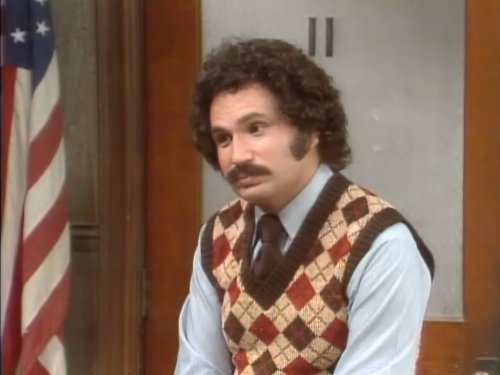
Gabe Kotter was not television’s cool young teacher in the conventional sense.
He had the mustache, the curls, the sweater vests and the confidence of a man who knew the class was going to derail before the first bell finished ringing.
Gabe Kaplan played Gabe Kotter, the teacher whose surname gave the series its title and whose real-life comedy material helped create the show.
The character worked because he was not competing with the Sweathogs for attention. He could let Barbarino take a lap around a joke, let Horshack launch out of his chair, let Freddie stretch one syllable into a performance, then bring the room back with a look that said he had seen this movie before.
Kotter also refused Woodman’s basic premise that the kids were not worth teaching.
That was the serious idea hiding under the rubber-hose insults. The Sweathogs were academically weak, undisciplined and spectacularly committed to wasting time, but the show kept returning to the idea that low expectations can become their own kind of trap.
Kaplan played Kotter as a guy who understood that respect was more useful than intimidation.
And when the class wandered into his Bensonhurst apartment—which happened often enough to make Julie Kotter wonder whether the school had accidentally transferred the lease—the teacher-student line became part of the comedy rather than disappearing completely.
The camera found him before the movie business did.
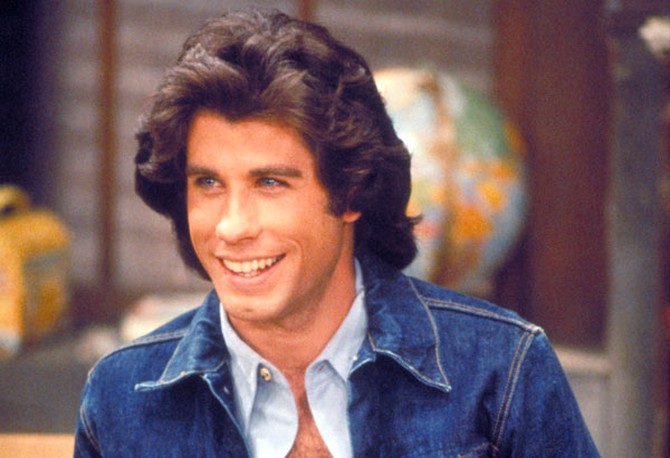
Vinnie Barbarino entered a scene like he had been delayed backstage signing autographs that did not exist yet.
He was vain, slow on the uptake, weirdly graceful and absolutely certain that whatever confusion was happening in the room had probably been caused by somebody else.
John Travolta played Vinnie, and he became the show’s breakout star.
It is difficult now to watch the first seasons without seeing the future arrive early. Travolta had comic timing, but he also had the thing television cannot manufacture: when he was standing in a group, your eyes kept finding him.
Casting director Lynn Stalmaster later discussed choosing Travolta for the pilot, and the decision became one of those small television moments that changed a much larger career.
Barbarino’s catchphrases did the rest. “What?” could become a routine simply through repetition and timing. “Up your nose with a rubber hose” became bigger than the scene that contained it.
But Vinnie was more than a catchphrase machine when the writing gave him room. “Barbarino’s Girl,” “Father Vinnie” and the two-part “Barbarino in Love” let Travolta pull the character away from pure peacock comedy.
Then Hollywood got louder.
By the time Saturday Night Fever and Grease turned Travolta into a movie phenomenon, keeping Vinnie Barbarino inside one classroom was never going to feel quite the same.
One greeting. Two words. An entire generation can still hear the delivery.
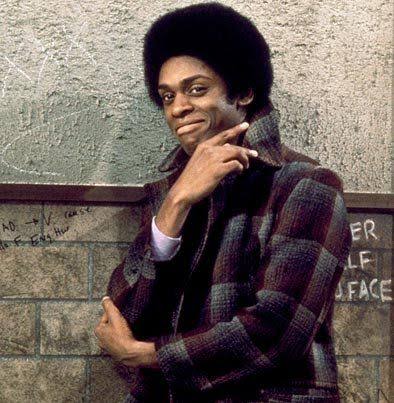
Freddie Washington was the coolest Sweathog because he rarely seemed to need anybody else to agree.
Lawrence Hilton-Jacobs gave Freddie a loose, amused confidence that balanced Barbarino’s vanity and Horshack’s desperate enthusiasm.
Lawrence Hilton-Jacobs played Freddie “Boom Boom” Washington, the athletic, deep-voiced member of the Sweathogs.
His “Hi there” became one of the show’s signatures because the line itself was almost nothing. It was the stretch, the pitch and the certainty behind it.
Freddie also gave the class a different kind of aspiration. “Basket Case” deals with his belief that basketball could excuse him from the academic work everybody else had to do.
That story is pure Kotter: let the character brag, let the comedy breathe, then make him confront the part he was trying not to see.
The show’s broader treatment of race was uneven and very much of its era. Kaplan later recalled early arguments over how much ethnic identity the series should acknowledge.
But Freddie’s importance is not reducible to being the Black Sweathog. He had his own rhythm, vanity, intelligence and comic authority inside the group.
Epstein could turn getting caught into the first act of a much larger explanation.
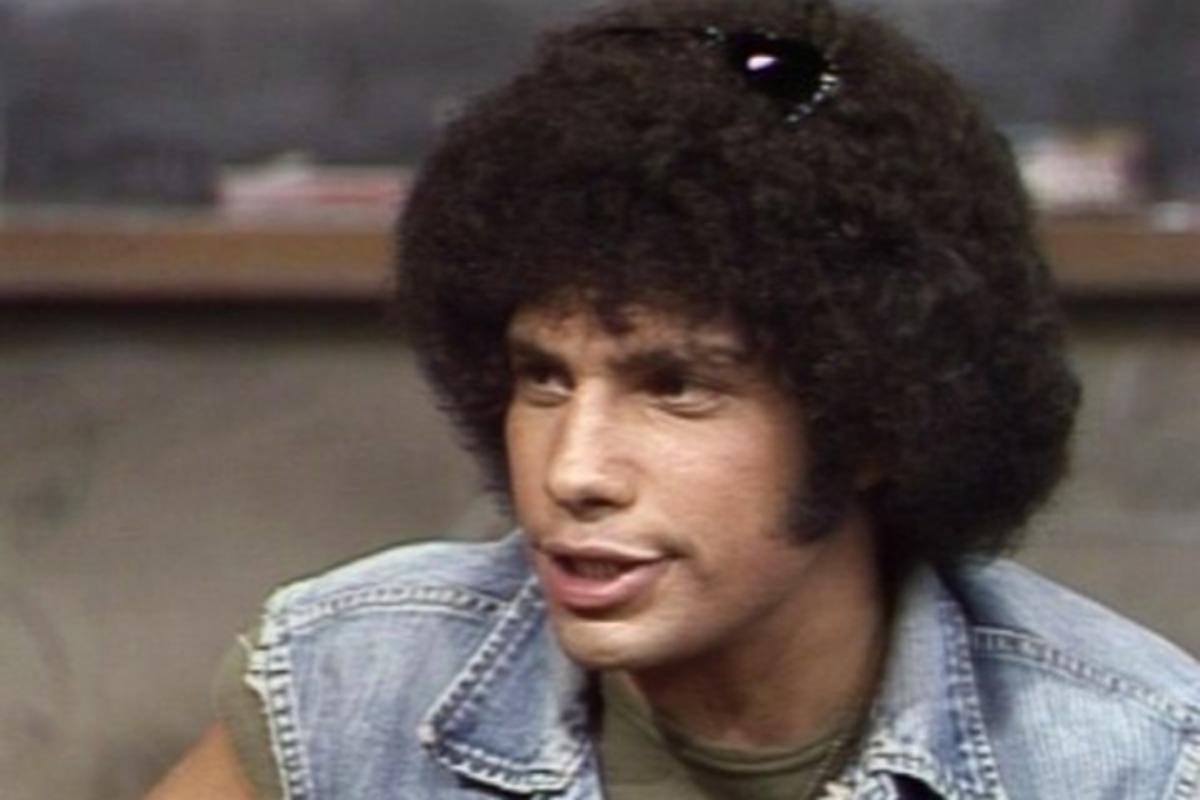
Juan Epstein had the energy of a guy who had already prepared three explanations for something he had not been accused of yet.
Robert Hegyes played him with fast-talking confidence and a smile that usually arrived before the evidence.
Robert Hegyes played Juan Luis Pedro Felipo de Huevos Epstein, the Puerto Rican-Jewish Sweathog whose very name reflected the show’s early attempt to build a deliberately mixed Brooklyn classroom.
The character was funny because he treated rules as paperwork problems.
Where Barbarino might refuse to understand the question, Epstein would understand it immediately and start building a defense nobody had asked him to give.
“One of Our Sweathogs Is Missing,” “Dr. Epstein, I Presume” and “Epstein’s Term Paper” gave Hegyes more room to show the insecurity underneath the hustle.
That was one of the show’s better recurring moves: turn a comic type around just far enough to remind you there was a teenager underneath the bit.
Horshack did not answer questions. He launched emergency flares.
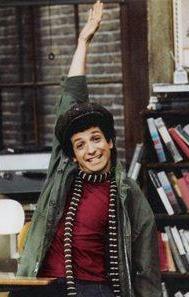
Arnold Horshack was impossible to ignore because Ron Palillo made enthusiasm look physically dangerous.
The hand went up. The body followed. Then came the nasal “Oooh, oooh, oooh,” as if being called on in remedial class were the final round of a game show.
Ron Palillo played Horshack. The character’s signature nasal laugh and hand-raising routine became such a large part of late-70s pop culture that Palillo sometimes struggled to escape the role afterward.
Horshack was the group’s oddball, but the affection around him mattered.
“Arrividerci, Arnold” briefly moves him out of the Sweathogs academically, only to show why belonging to the group meant more than the label suggested.
“Horshack vs. Carvelli” lets him try to prove himself physically, while later stories give him romance, marriage and the kind of adult steps nobody would have predicted from the kid waving both arms in the first season.
A lesser sitcom would have kept Horshack frozen as a noise. Kotter let the noise grow up a little.
Four Sweathogs, one teacher, one skeptical vice principal and one extremely patient wife.
Former Sweathog turned teacher, armed with jokes, patience and the advantage of recognizing every scam before it reaches full speed.
Gabe’s wife, whose Bensonhurst apartment keeps becoming the unofficial after-school annex of James Buchanan High.
The vain, confused, charismatic Sweathog who became the show’s breakout character and Travolta’s launchpad.
The smooth, athletic Sweathog whose deep-voiced “Hi there” could stop a scene before the joke even started.
The fast-talking excuse artist, class schemer and Puerto Rican-Jewish member of the Sweathogs.
The nasal-laughing, hand-waving overachiever trapped inside the remedial class.
The vice principal who expects the Sweathogs to fail and spends much of the series being proven at least partly wrong.
The confident new student added in the fourth season as the original classroom chemistry began to change.
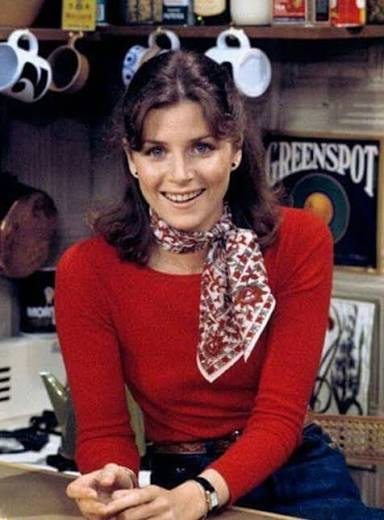
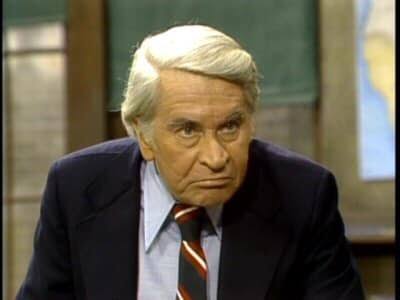
The cast was the craze.
Plenty of sitcoms have strong ensembles. Welcome Back, Kotter had four young characters who could be reduced to silhouettes, gestures and sounds without disappearing into one another.
Marcia Strassman’s Julie Kotter was essential because the apartment scenes gave Gabe somewhere to stop performing as the teacher. Julie also became the voice of every spouse whose home had somehow become a second workplace.
John Sylvester White’s Mr. Woodman supplied the institutional resistance. The series needed an adult who believed the Sweathogs were exactly what their grades said they were so Kotter had something meaningful to push against.
Later additions such as Angie Grabowski and Beau De LaBarre tried to refresh the classroom, but the original four Sweathogs remained the image most people carried away from the show.
They were not four versions of the same troublemaker. That was the trick.
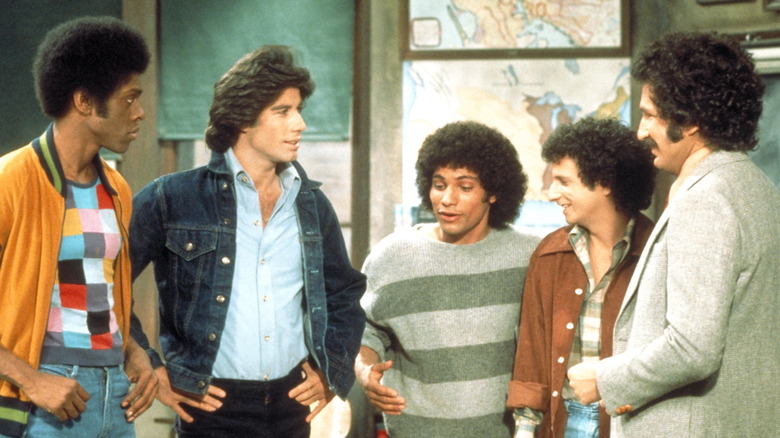
The Sweathogs worked because each guy occupied a different part of the comic spectrum.
Barbarino was vanity without information. Freddie was cool without urgency. Epstein was hustle without permission. Horshack was enthusiasm without a volume control.
Put all four in the same room and Kotter did not need a plot for the first five minutes. Personality was already colliding.
The group also had a hierarchy that could move. Vinnie thought he was the leader. Freddie could challenge him. Epstein could talk around everybody. Horshack could accidentally become the center just by standing up.
“Follow the Leader” makes that structure literal by letting the class challenge Vinnie’s position.
The result feels surprisingly close to how school friendships actually worked. Nobody held one permanent rank. The kid who owned lunch period on Tuesday could be demolished by Wednesday.
That is one reason the show belongs beside What’s Happening!!. Both series understood that teenage friendship becomes memorable when the characters tease one another hard enough to sound like people who genuinely expect to see each other tomorrow.
He did not rescue the Sweathogs. He refused to give up on them.
The inspirational-teacher story usually has a conversion scene.
A kid hates school. The teacher reaches him. Music swells. Everybody understands fractions.
Welcome Back, Kotter was too messy for that.
Kotter’s basic belief was not that the Sweathogs were secretly geniuses. It was that being behind did not make them worthless.
He treated the class as kids who might be running out of adults willing to expect anything from them.
He taught with humor because humor was the language the class respected.
He also understood humiliation as a bad educational strategy. Woodman could shame the Sweathogs all day and mostly reinforce the identity they had already accepted.
Kotter’s method was to get inside the identity and turn it around.
That makes the show a useful piece of the broader How the Television Family Changed During the 1970s. The classroom often functioned like a second family: imperfect, argumentative, chosen and held together by the adult who kept insisting the kids were more than the label on the file.
Half the craze fit into phrases short enough to yell across a cafeteria.
Catchphrases were the social media clips of three-network television.
Everybody saw the same episode, and the next morning the part that survived was usually the line you could repeat without explaining the plot.
“Up your nose with a rubber hose” became one of Barbarino’s signature lines. His repeated “What?” routine was just as useful in real life because it required no setup at all.
Freddie’s deep, stretched-out “Hi there” became recognizable through Lawrence Hilton-Jacobs’ delivery rather than the words.
Horshack’s “Oooh, oooh, oooh” came with the raised hand, the forward lean and the urgency of a kid who had been waiting his entire life for this exact question.
The lines were merchandise-ready because the characters were already logos.
That is the part younger viewers can miss. The Sweathog craze did not require a complicated fandom. It required a lunchbox, a T-shirt and one person in the room willing to do a terrible Horshack.
John Sebastian gave a rowdy classroom one of the warmest opening songs of the decade.
John Sebastian wrote and performed “Welcome Back,” the opening theme.
The song fit the premise better than the working title did. Instead of rhyming “Kotter,” Sebastian wrote about returning to the place you came from.
Yes. The song escaped the show completely and reached number one in the United States in May 1976.
The producers liked Sebastian’s song enough that “Welcome Back” became part of the series title.
That gave the show a strange and wonderful split personality. The opening credits were wistful. The classroom was chaos.
The song belongs near the front of any conversation about 70s TV Theme Songs because almost nobody needed the television attached to it. It worked as a record.
Vinnie Barbarino became famous first. Then John Travolta got much, much bigger.
Travolta was the show’s breakout star, which almost undersells what happened.
Kotter gave him a weekly platform at exactly the moment a young actor could still become nationally famous because the country had only a handful of major broadcast networks.
Kaplan later remembered that environment clearly: three major networks, no internet and the possibility of enormous Nielsen audiences when something caught.
Travolta caught.
Barbarino was already a poster-ready character, but the role also demonstrated Travolta’s physical comedy and presence. He could make confusion look flirtatious.
Then the career accelerated outside Buchanan High. Film work turned Travolta into a star on a scale the sitcom could not reasonably contain.
That success eventually became one of the show’s structural problems. A series built around four equal Sweathogs now had one cast member whose fame belonged to another level of show business.
In season one, he is the funny kid in the middle of the group. By the end of the decade, the group is standing next to one of the most recognizable movie stars in America.
Start with the premiere, meet the original classroom, then watch the Sweathogs become bigger than the setup.
The actual series premiere throws the Sweathogs into a debate and establishes the basic formula: underestimate them, then give Kotter room to turn the premise around.
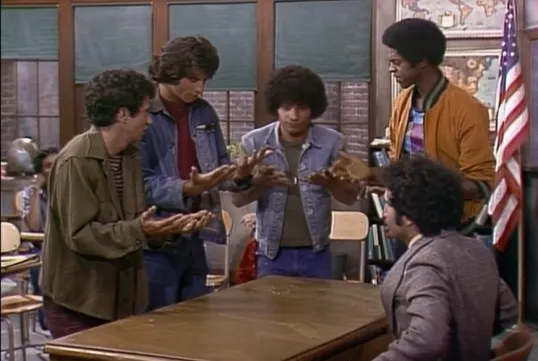
The pilot aired as the third broadcast episode and shows Gabe meeting the Sweathogs, quitting in frustration and discovering they have already decided he matters.
The class challenges Vinnie’s leadership and exposes how much of the group’s comedy depends on status constantly shifting.
Arnold tries to prove himself against Carvelli, giving Palillo a showcase beyond hand-raising and nasal laughs.
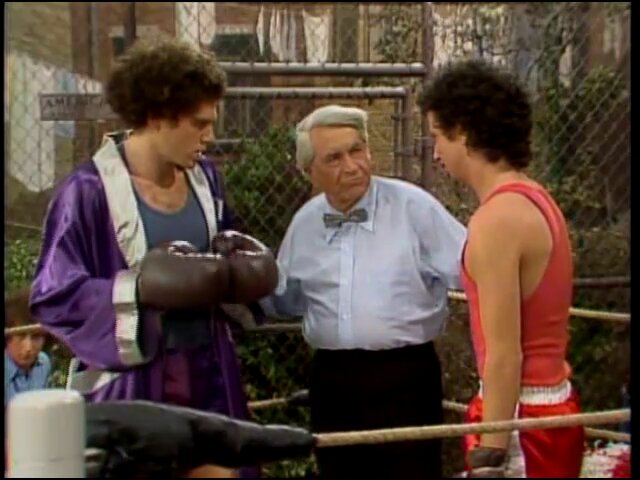
The class confronts adulthood through an unexpected pregnancy story, showing how quickly the series could pivot from school jokes into real anxiety.
The third-season opener turns the group itself into the event, a good snapshot of just how fully the Sweathogs had become the show’s brand.
A school-radio story that spoofs Network and proves the writers were willing to aim the classroom at whatever was in the culture that week.
The final original episode centers on a job dispute between Freddie and Epstein—an ordinary ending for a show that never staged a giant graduation farewell.
This is a viewing route, not a scientific ranking carved into a Brooklyn school desk.
The first season matters most if you want to understand the craze because that is when the group chemistry is still fresh and Travolta has not yet become larger than the show.
“The Great Debate” is especially useful because it was the actual series premiere. The pilot, titled “Welcome Back,” aired two weeks later as the third episode.
The later selections show the series trying to expand beyond the original catchphrase machine: Horshack growing, the Sweathogs confronting adult consequences, the show parodying contemporary media and, finally, the fourth season trying to keep moving after the original balance had changed.
School was performance. Home was where Gabe had to explain why four teenagers were eating the food again.
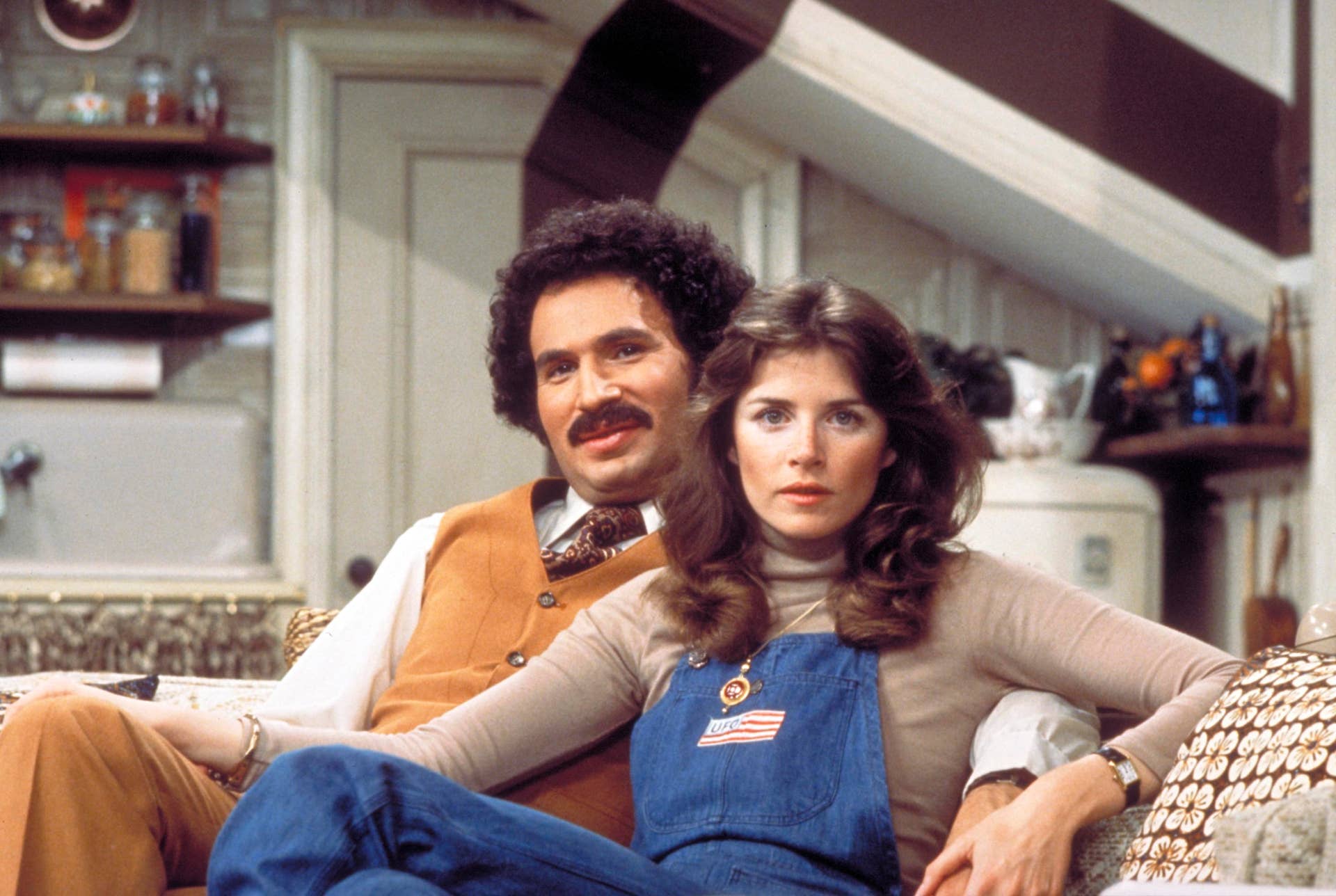
Julie Kotter could have been trapped in the old sitcom-wife position: stand in the apartment, hear about work and wait for the husband to bring home the plot.
Marcia Strassman gave her more resistance than that.
Marcia Strassman played Julie, Gabe’s wife and the person most likely to notice that his professional devotion had followed him through the front door.
The Sweathogs visited the Kotter apartment often enough that the boundary between teacher and family became one of the series’ running jokes.
Julie gave Gabe a place to stop being the smartest guy in the classroom.
She also made the show’s teacher premise cost something. Gabe’s belief in the kids was admirable, but admiration is easier when you are not the spouse watching dinner become another staff meeting.
That domestic layer connects the series to One Day at a Time. Both shows understood that the most interesting version of a family is often the one whose front door keeps letting the outside world in.
You did not need to know the episode title. You needed to know who Vinnie, Freddie, Epstein and Horshack were.
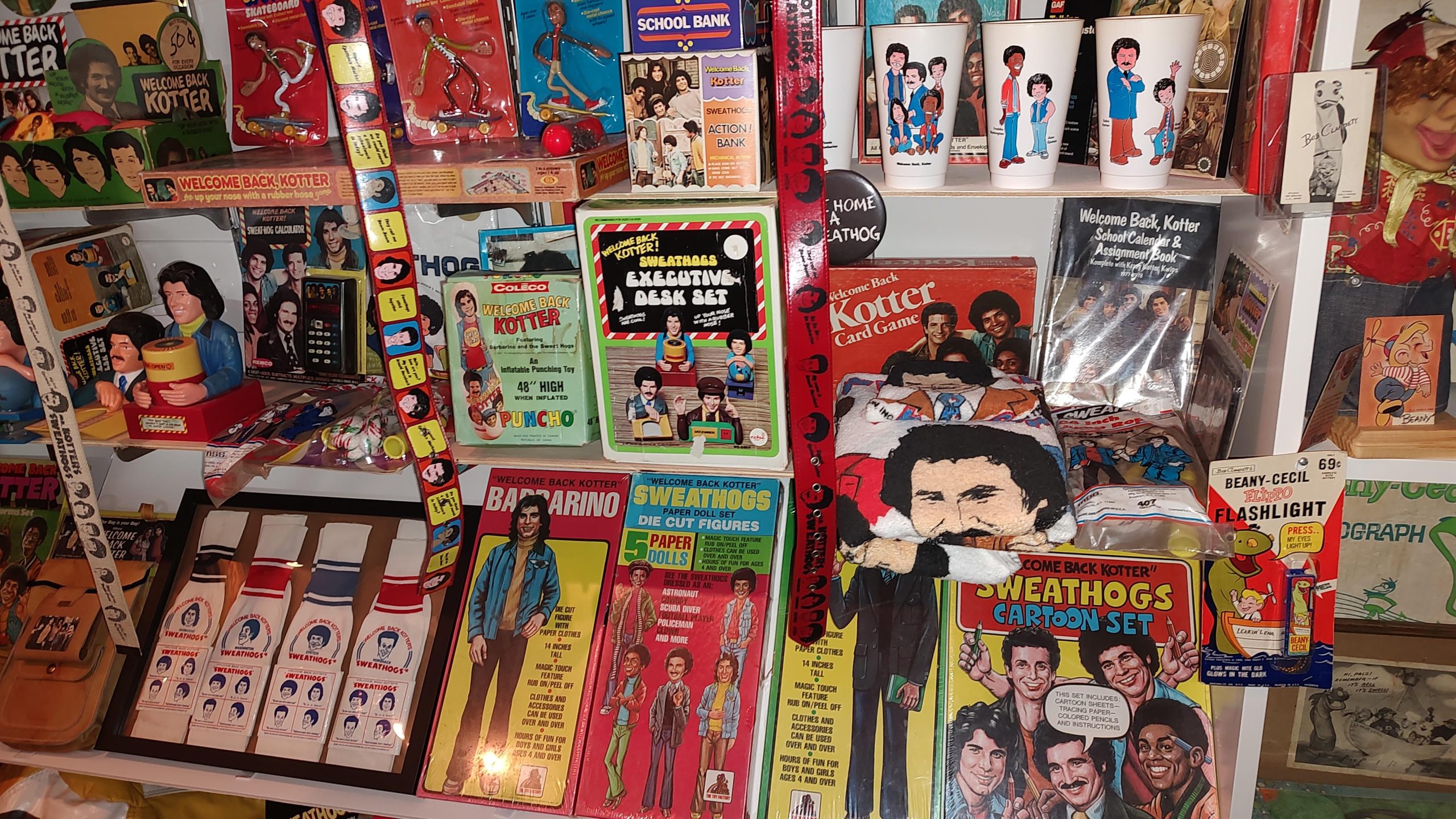
The word “craze” is not nostalgia doing extra work.
Fifty years later, Kaplan could still joke about strangers recognizing him as Mr. Kotter and about the Sweathogs lunchbox.
That is the scale the show reached.
The faces became products. The phrases became schoolyard language. Horshack’s hand raise became a gesture you could recognize in silhouette.
The series earned an Outstanding Comedy Series Emmy nomination in 1976 and four Primetime Emmy nominations overall, but awards were never the best measure of what happened.
The better measure was imitation.
Gen X kids did not need a fan forum to participate. We repeated the lines until the adults wanted the television unplugged.
There is a particular three-network intensity to that kind of popularity. When a show caught, enormous chunks of the country encountered it together.
ABC was especially good at turning sitcom characters into events during this stretch. Laverne & Shirley would ride that same mid-70s wave of instantly recognizable personalities, catchphrases and working-class rhythm. Different city, different setup, same strange ability to make a whole country feel like it knew the cast.
That is also how How Happy Days Became a 1970s Television Phenomenon could turn Fonzie into more than a sitcom character. The mid-70s could still manufacture a national catchphrase almost overnight.
The classroom looked more like a city school than many sitcoms did. The writing did not always know what to do with that fact.
The Sweathogs were deliberately mixed: Italian-American Vinnie, Black Freddie, Puerto Rican-Jewish Epstein and the ethnically ambiguous Horshack.
Kaplan’s own later account makes clear that this was not accidental. Ethnic diversity was part of the original conception, and he remembered disagreements over how directly the series should acknowledge racial tension.
That history matters because it explains both what feels fresh and what feels strangely muted when you watch now.
The classroom looked different from the white suburban schools television had spent years treating as universal.
But the series often wanted the diversity to function as texture rather than conflict.
That choice made the show broadly accessible in 1975, but it also limited how deeply the school setting could engage with race, class and institutional inequality.
The exact social history belongs in How 1970s Sitcoms Started Talking About Real Life. Kotter owns the classroom version: four kids visibly coming from different backgrounds, united by the fact that the school had placed them in the same low-expectation box.
The problem with creating a breakout star is that sometimes he breaks out.
The fourth season is where the original premise starts to feel like a band after somebody gets a solo record.
Travolta’s film career had exploded. Gabe Kaplan’s own relationship with the series had also changed, and the show had to make structural adjustments around reduced availability.
Not in one clean, dramatic exit. Vinnie simply became less consistent as Travolta’s movie career grew, and by season four the series was already changing around him. The bigger problem was chemistry: a show built on Kotter plus four specific Sweathogs no longer had all five pieces operating at full strength every week.
Gabe became vice principal, moving him away from the daily classroom. New student Beau De LaBarre arrived. Vinnie appeared less consistently.
Those are not tiny changes when the series had been built on one teacher and four specific students occupying the same room.
The fourth season still has pleasures, but the original machine is visibly being rebuilt while it is running.
That is why the first two seasons carry most of the cultural memory.
The craze depended on repetition: same classroom, same four guys, same teacher, slightly different disaster.
Once the pieces stopped arriving together, the repetition stopped feeling ritualistic and started feeling like substitution.
The show did not get the big sentimental goodbye the title seems to promise.
Welcome Back, Kotter ended its original ABC run on June 8, 1979 after four seasons and 95 episodes. The final original episode was “The Bread Winners,” a Freddie-and-Epstein story rather than the giant graduation farewell you might expect from a show whose title sounds like it was built for sentimental goodbyes.
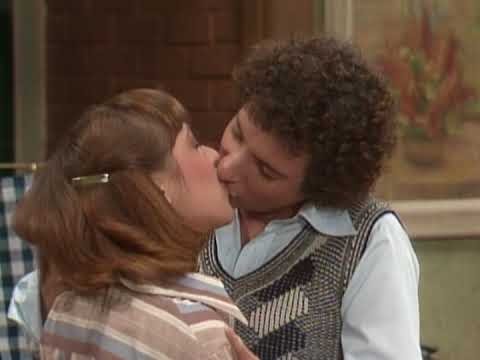
Instead of staging a grand graduation where everybody finally admits Kotter changed their lives, the episode centers on a conflict between Freddie and Epstein over an after-school job.
It is almost aggressively ordinary.
That feels strange for a show whose first-season fame was anything but ordinary, but it also fits the series better than a giant speech might have.
The Sweathogs were never presented as one semester away from becoming different people.
Their progress happened sideways.
Kotter gave them a place where somebody expected more, then the bell rang.
Some shows age through their plots. Kotter survives through sound, faces and the memory of everybody repeating it.
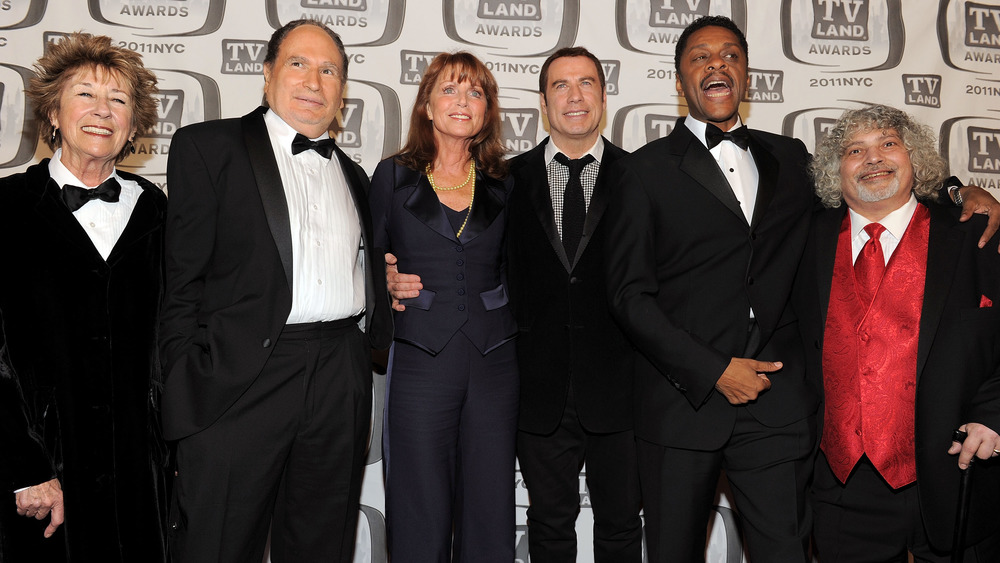
Welcome Back, Kotter is not a perfect sitcom preserved under glass.
The stereotypes can be broad. The catchphrases get repeated until they squeak. The school issues are often softer than the setting suggests they should be.
But the show has something harder to manufacture: instant identity.
Put Vinnie, Freddie, Epstein and Horshack in one frame and the decade arrives.
Play the first seconds of John Sebastian’s theme and the mood changes before anybody speaks.
Watch Kotter look at the class after one of them has destroyed a simple question and you understand the central affection.
The show also helped launch Travolta, gave television one of its most recognizable student ensembles and left behind a vocabulary of gestures and voices that survived long after the ratings cooled.
That puts it squarely inside 40 Best Family TV Shows of the 1970s, Ranked even though nobody at Buchanan High would have used the word “wholesome” without laughing.
Keep going through our 1970s television archive and you keep finding this same lesson: the shows we remember most are not always the technically best ones. Sometimes they are the ones that gave an entire school hallway something to imitate the next morning.
Four seasons were enough to turn a teacher, four underachievers and a theme song into permanent 1970s shorthand.
Gabe Kaplan’s stories about growing up and underachieving become a recurring part of his comedy act.
Kaplan and Alan Sacks shape the series; Peter Meyerson develops the pilot and coins the Sweathogs name.
ABC launches the series on September 9; the original pilot airs two weeks later as the third broadcast episode.
The Sweathogs become pop-culture shorthand, the series earns an Outstanding Comedy Series Emmy nomination and the theme song reaches number one.
Barbarino, Freddie, Epstein and Horshack become distinct enough that each can carry stories outside the group.
The show’s breakout performer is increasingly pulled toward a film career that will soon become much larger than Buchanan High.
Kotter moves into administration, Beau joins the classroom and the original teacher-plus-four-Sweathogs structure loosens.
The Bread Winners airs June 8 as episode 95, ending the four-season ABC run without a grand graduation finale.
The catchphrases are what escaped into the hallway. The theme song is what still gets stuck in your head. Travolta is the star everybody knows became something much bigger. But the thing holding all of it together was the simplest part of the premise: a former problem kid came back as the one adult who refused to believe the next batch was hopeless. That gave all the noise somewhere to land.
Kotter, the Sweathogs, Travolta, the theme song, episode count and how the original series ended.
The ABC sitcom ran from September 9, 1975 through June 8, 1979.
The original series ran four seasons.
The Television Academy lists 95 episodes.
Gabe Kaplan played teacher Gabe Kotter and also cocreated the series.
The core Sweathogs were Vinnie Barbarino, Freddie “Boom Boom” Washington, Juan Epstein and Arnold Horshack.
John Travolta played Vinnie Barbarino, the role that became his television breakthrough.
Lawrence Hilton-Jacobs played Freddie “Boom Boom” Washington.
Robert Hegyes played Juan Epstein.
Ron Palillo played Arnold Horshack.
Gabe Kaplan and Alan Sacks are credited as creators, with Peter Meyerson developing the pilot for television.
John Sebastian wrote and performed “Welcome Back.”
Yes. John Sebastian’s “Welcome Back” reached number one in the United States in May 1976.
The final original episode was “The Bread Winners,” broadcast June 8, 1979.
Television Academy histories and oral histories, Paley Center records, episode chronology and music-history sourcing.
From Buchanan High into the sitcoms that turned working families, teenage friendships and one perfect catchphrase into prime-time history.