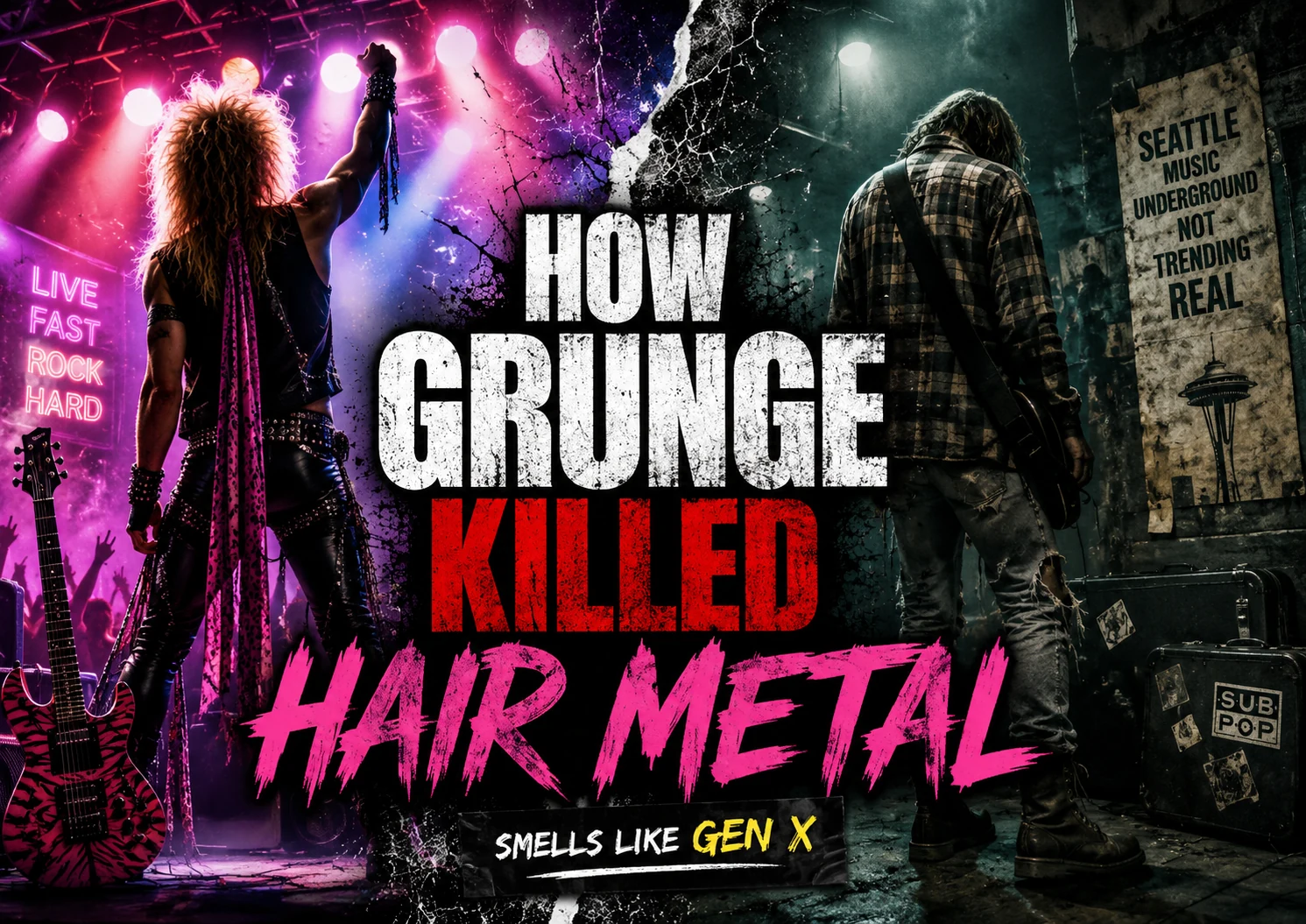
How Grunge Killed Hair Metal: The Early-90s Rock Shift
Grunge did not destroy hair metal with one song, one flannel shirt or one distorted guitar. By the start of the 90s, glam metal was already weakened by oversaturation, copycat bands, power-ballad fatigue and an MTV image that had become too familiar. Then Nirvana, Pearl Jam, Soundgarden and Alice in Chains gave rock fans a darker, rougher and more believable alternative.
The shift from 80s rock excess to 90s alternative and grunge changed more than the radio. MTV changed sides, fashion changed overnight, record labels chased a new idea of authenticity, and the old rock-star fantasy suddenly looked like it had missed the memo.
Did Grunge Really Kill Hair Metal?
Grunge did not single-handedly kill hair metal, but it accelerated a collapse already underway. Glam metal had become overcrowded, visually repetitive and increasingly dependent on the same radio and MTV formulas. Grunge gave listeners a different center of gravity: darker lyrics, rougher production, thrift-store style and bands that seemed uncomfortable with the old rock-star script.
Nirvana made the break impossible to ignore, but the Big 4 of grunge made the new era too broad to dismiss. The 90s alternative music guide maps the bands, songs and scenes, while the full alternative and grunge story follows the larger cultural takeover. This page focuses on the handoff itself: why hair metal faded and why grunge became the sound and image of early-90s rock.
Why Hair Metal Was Already Fading by the Late 80s
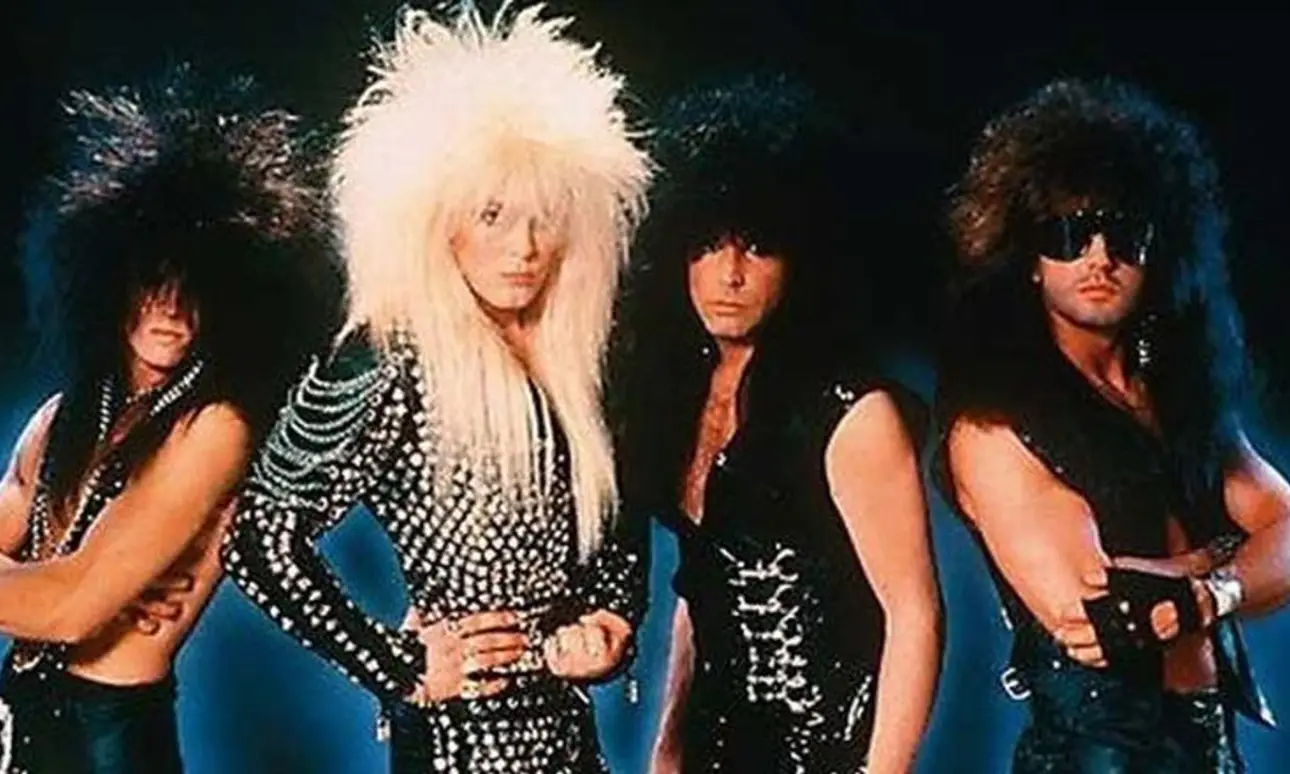
To understand why grunge hit so hard, you have to remember what mainstream rock looked like right before the shift. The late 80s were loud, glossy, expensive and extremely committed to the idea that every band needed enough hair volume to interfere with local weather patterns. Hair metal had started with real energy: big riffs, party hooks, wild stage shows, arena-sized choruses and a cartoonish sense of rock excess that could be genuinely fun.
The problem was that the machine did what the machine always does. It noticed something working, copied it until the copy had copies, then kept squeezing until every video looked like the same warehouse, the same motorcycles, the same slow-motion scarf, the same suspiciously damp alley and the same guy staring into the camera like he had just discovered emotions and eyeliner in the same afternoon.
Hair metal was not all bad. That matters. There were great songs, huge hooks, real musicianship and plenty of albums people still love for good reason. But by the end of the 80s, the mainstream version had become predictable. Too many bands were selling the same fantasy: backstage chaos, model girlfriends, arena posing, guitar solos with their own zip codes, and power ballads that sounded engineered to make lighters feel employed.
Late-80s Hair Metal
- Glossy videos and big-budget fantasy
- Teased hair, leather, scarves and arena swagger
- Power ballads as commercial weapons
- Virtuoso guitar solos and party-rock mythology
- Increasingly crowded with copycat bands
Early-90s Grunge
- Thrift-store clothes and anti-image image
- Darker lyrics, heavier moods and rougher production
- Distortion that felt ugly, not glossy
- Vulnerability without hair-spray theatrics
- A generation hearing itself more clearly
The late 80s rock world was built on escape. Grunge arrived as confrontation. Hair metal asked, “What if rock could make your life look like a party?” Grunge asked, “What if the party was fake and everyone knew it?” For a lot of Gen X listeners, that second question felt much closer to home.
Why Gen X Was Ready for Grunge
Gen X had a finely tuned fake detector. Maybe it came from latchkey afternoons, divorced-family logistics, recession anxiety, endless advertising, Cold War leftovers, and being raised by televisions that had exactly zero concern for emotional development. Whatever the cause, by the early 90s a lot of younger listeners were tired of rock that looked like a rented fantasy suite.
Hair metal was fun when it felt rebellious. It got tired when it started feeling like product. The videos looked expensive. The choruses sounded engineered. The image felt mandatory. Even the bad-boy rebellion started to look like a costume department with a credit card. Grunge did not arrive with a better costume. It arrived with the refusal to admit it had a costume, which of course became its own costume eventually, because capitalism is undefeated and deeply annoying.
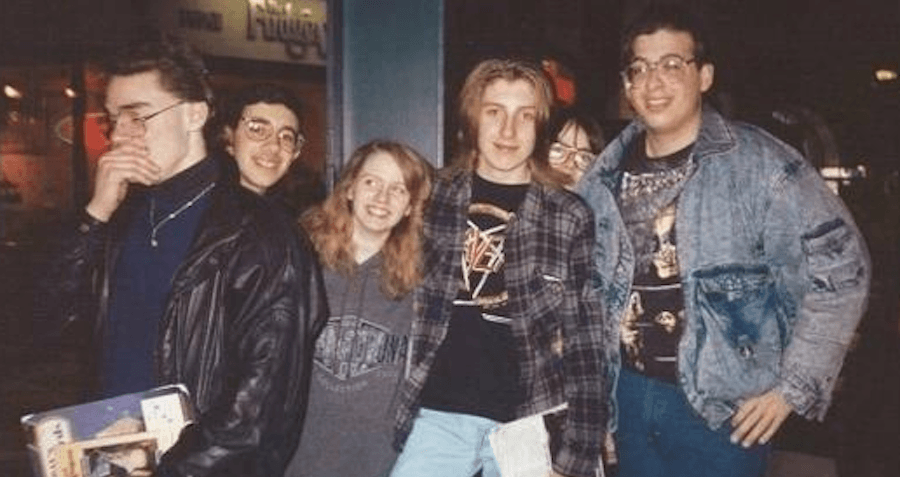
Still, the first shock felt real. The clothes looked worn because they were worn. The faces looked tired because people were tired. The songs were not about glamorous escape so much as alienation, addiction, depression, boredom, rage, confusion, family damage and that vague 90s feeling that the world was broken but at least the guitar tone understood.
That is why the shift was bigger than sound. It was a change in cool. For a while, rock stars stopped looking like untouchable fantasy figures and started looking like the person behind you at the record store judging your purchase. Which, in 1992, was somehow cooler.
The mainstream moved from “look how rich and wild we are” to “look how little we care.” Both became marketable, because the industry ruins everything eventually.
Grunge made emotional heaviness feel central instead of something saved for track eight power-ballad deployment.
Flannel, boots, thrift-store layers and ripped jeans replaced leather-and-hairspray armor almost overnight.
Grunge did not always celebrate becoming famous. A lot of it sounded like fame was the suspicious van parked outside.
How Nirvana Made the Rock Shift Impossible to Ignore
The turning point was Nirvana, obviously. Not because no one had ever made loud, weird, punk-influenced guitar music before. They had. Not because Seattle invented alienation. Please. Teenagers had been miserable since the invention of chores. Nirvana mattered because they crossed over at exactly the right moment with exactly the wrong attitude for the old rock system.
“Smells Like Teen Spirit” did not sound like hair metal. It did not look like hair metal. It did not sell the fantasy of being rich, hot, dangerous and backstage. It looked like a burned-out pep rally from a school everyone wanted to skip. It sounded massive but irritated by its own massiveness. It was catchy enough for radio, weird enough for outsiders and heavy enough to make older rock formulas feel suddenly overdressed.
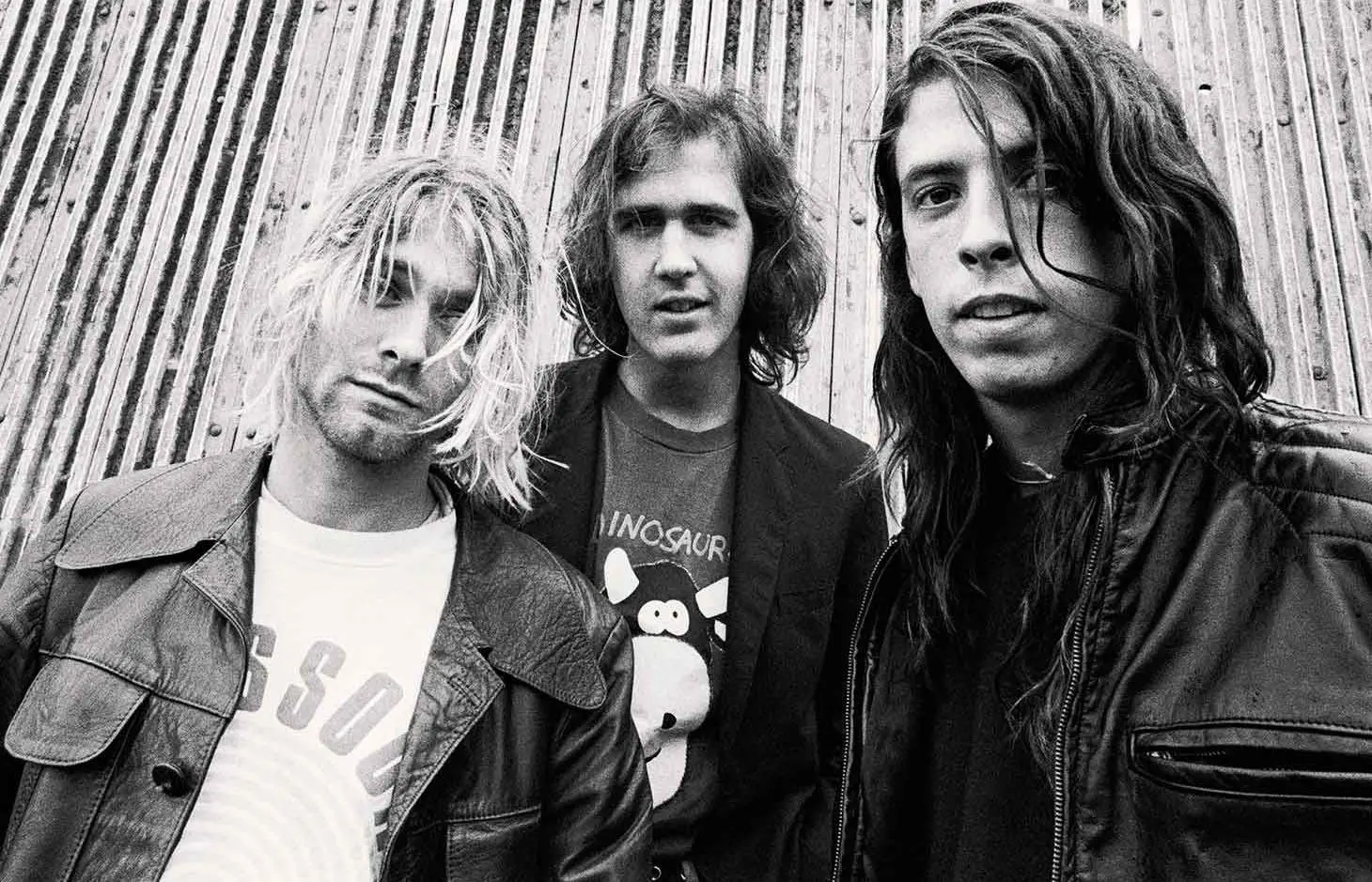
Then Nevermind happened. The album did not just sell. It shifted the cultural center. Suddenly alternative rock was not the side room. It was the room. Record labels started scrambling. MTV started rotating different kinds of bands. Radio programmers started making room for songs that sounded darker, less polished and more emotionally unstable than the glossy rock hits that had dominated the late 80s.
Nirvana also changed the visual language. Kurt Cobain did not look like a classic rock frontman. He looked like someone who had accidentally become the spokesperson for a generation while trying to avoid eye contact with the job description. That mattered. The anti-glam image made the old hair metal archetype look not just excessive, but outdated.
The thing that made Nirvana so dangerous to hair metal was not just the sound. It was the emotional posture. Hair metal often turned pain into spectacle. Nirvana turned pain into a shrug with teeth. That was much harder for the old system to absorb, at least at first. Once you have heard a song that sounds like alienation with hooks, the guy in the exploding leather vest suddenly has a tougher sales pitch.
The full story of how Nirvana changed 90s music is bigger than one song, but “Teen Spirit” was the moment the mainstream felt the floor move. Hair metal did not disappear the next morning, but the cultural weather had changed. The forecast called for distortion, thrift-store layers and very little patience for synchronized stage kicks.
How the Big 4 of Grunge Replaced One Formula With Four Different Sounds
Nirvana gets the headline because the explosion was impossible to miss, but grunge did not replace hair metal on Nirvana alone. The movement became unavoidable because the major Seattle bands gave rock several different ways out of the late-80s formula. That is where the Big 4 of grunge matter so much.
Pearl Jam gave grunge emotional scale. Ten made pain feel communal, huge and built for crowds without slipping back into hair metal fantasy. Eddie Vedder’s voice gave the decade a different kind of frontman: intense, wounded, physically present, but not selling the old peacock routine. Pearl Jam could fill arenas, but they made arena rock feel less like a victory lap and more like group therapy with better guitars.
Soundgarden gave grunge heaviness, weirdness and technical muscle. They were not the opposite of metal as much as a mutation of it: Sabbath-sized riffs, odd time signatures, Chris Cornell’s impossible voice, Kim Thayil’s thick guitar sound, and songs that refused to behave like simple pop-metal product. Their heavy, strange branch of the movement made the old glossy version of hard rock feel strangely thin.
Alice in Chains brought the darkest metallic edge. They did not reject heaviness; they dragged it into a colder room. Their harmonies, riffs and themes made darkness commercially visible in a way that hair metal power ballads rarely touched. If late-80s rock often treated sadness as a lighter-waving chorus, Alice in Chains made it sound like a locked basement.
That variety mattered. Grunge was not one sound replacing hair metal with another single sound. It was a cluster of attitudes, tones and emotional approaches that made the previous mainstream rock template feel too narrow. Nirvana was punk rupture. Pearl Jam was catharsis. Soundgarden was heavy weirdness. Alice in Chains was haunted metallic dread. Together, they made the old formula look like it had run out of moves.
The albums told the story even more clearly. The best 90s grunge albums were not just hit containers. They were mood documents. Nevermind, Ten, Dirt, Superunknown, Badmotorfinger and Jar of Flies offered deeper worlds than the average late-era hair metal release could compete with. Rock fans were not just switching songs. They were switching realities.
How MTV Helped Grunge Replace Hair Metal
MTV was one of the biggest reasons hair metal got huge, and one of the biggest reasons it suddenly looked uncool. That is not hypocrisy, exactly. It is television. MTV had spent the 80s turning image into rock currency. Hair metal understood the assignment perfectly: big hair, big hooks, big videos, big everything. The problem was that MTV also made overexposure lethal. Once everyone looked like a slightly different version of the same video, the format started eating itself.
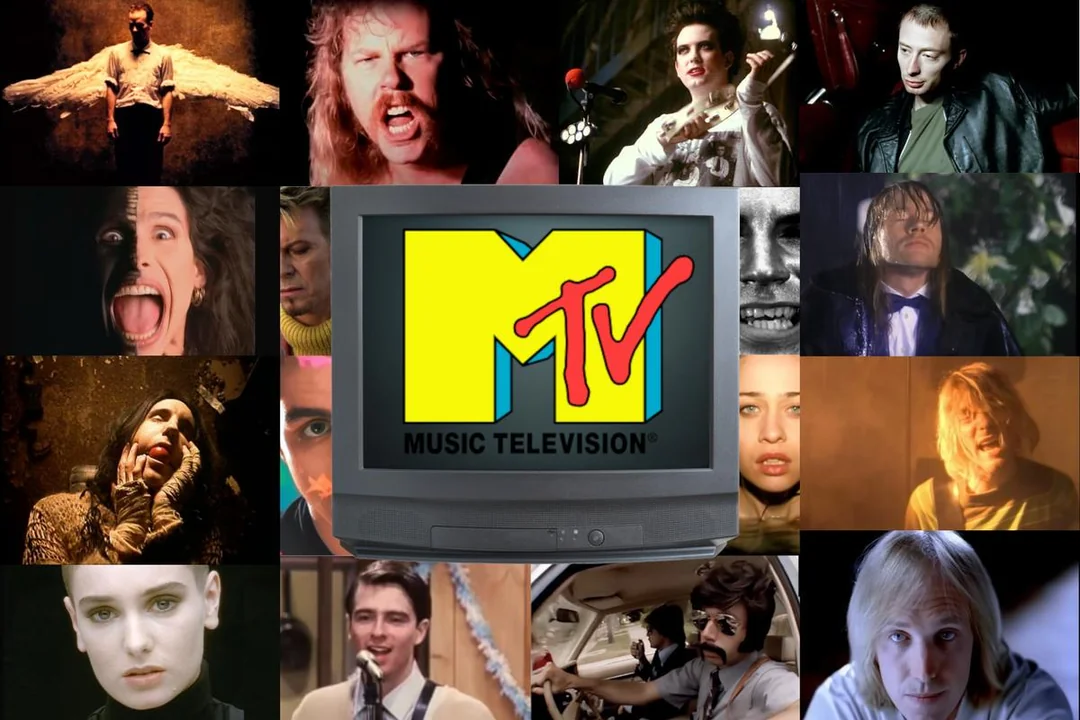
Then alternative videos started cutting through. Nirvana’s gym-from-hell clip. Pearl Jam’s intense live energy and socially heavy videos. Alice in Chains’ dark visuals. Soundgarden’s surreal nightmare suburbia. Suddenly MTV had a new visual language to sell: not glam escape, but alienation, distortion, thrift-store realism, weirdness and emotional grit.
That is the brutal irony. Hair metal had mastered MTV’s old rules. Grunge changed the rules. The camera moved from fantasy to discomfort. From choreographed excess to messy authenticity. From teased hair and glossy rebellion to bands that looked like they might actively resent being filmed. For a while, that resentment itself became the most marketable thing in rock. Because again, capitalism is undefeated and owns several flannels.
The MTV shift also changed how rock fans interpreted cool. In the 80s, cool often meant looking larger than life. In the early 90s, cool often meant looking suspicious of anyone who wanted you to look cool. That is a very Gen X loop, and MTV broadcast it until the loop became a national personality trait.
The network’s role in the larger MTV alternative rock takeover cannot be overstated. Videos did not just promote songs. They taught audiences how to read the new rock culture. Hair metal was suddenly the old movie. Grunge was the weird new channel you kept watching even when it made you uncomfortable.
From Hairspray to Flannel: How Rock Fashion Changed
The fashion shift was almost comically violent. One minute rock looked like a high-maintenance fireworks display. The next minute every mall had discovered flannel, boots, thermal shirts, ripped jeans and the revolutionary concept of looking tired. Hair metal had been built on effort. Grunge looked like anti-effort, which of course took effort once stores realized they could sell anti-effort at full price.
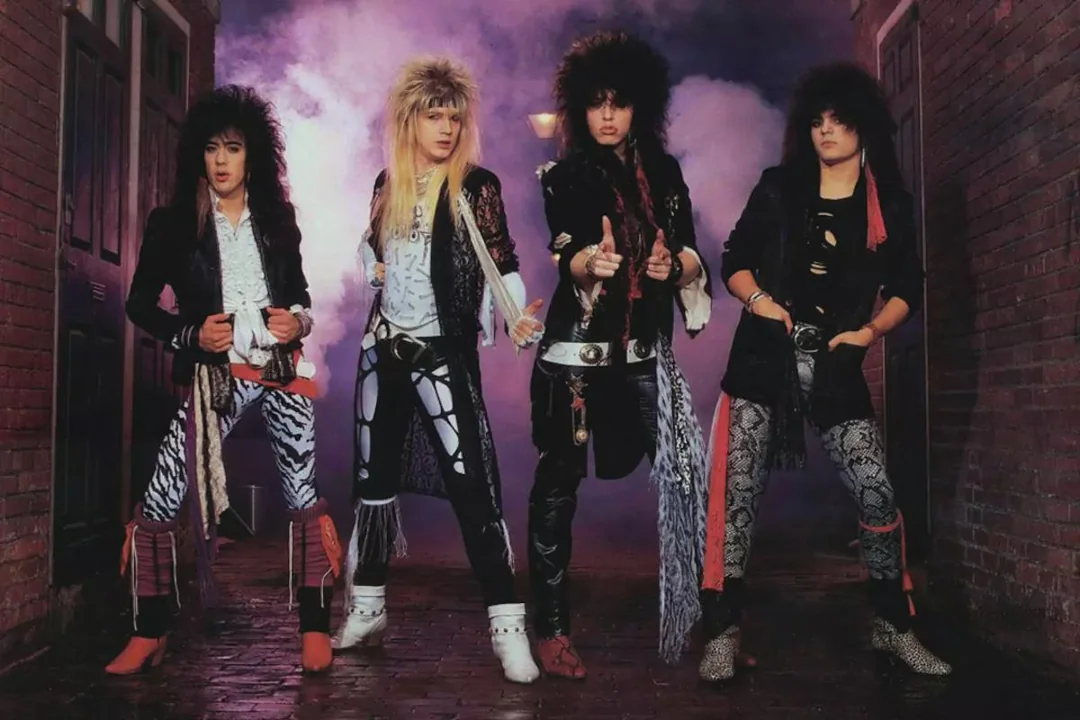
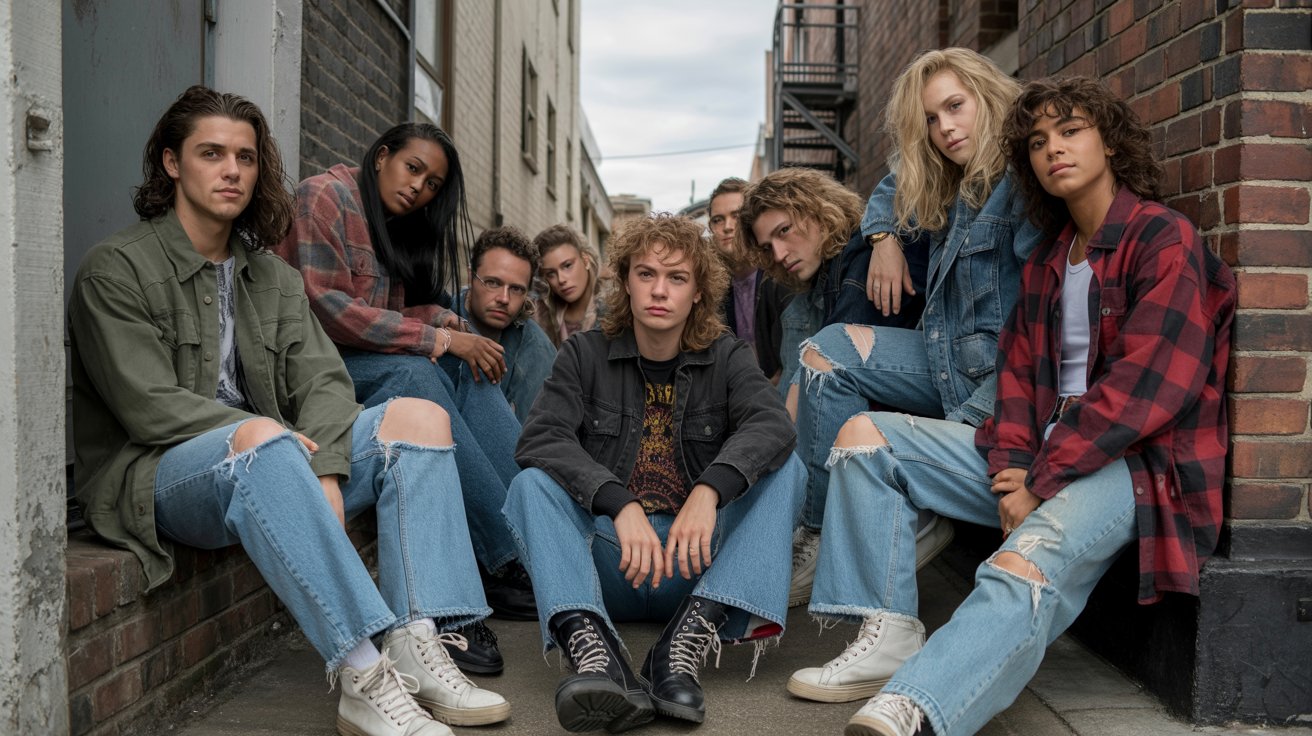
Hair metal fashion was aspirational. You were not supposed to look like the band unless you had access to leather, hairspray, scarves, stage lights and possibly a chiropractor. Grunge fashion felt accessible. You could find it at thrift stores, army-navy shops, older siblings’ closets, basements, record stores and piles on the floor. That made it feel real to a generation that did not necessarily want to look like a rock star. A lot of people just wanted to look like themselves, but louder and with worse posture.
Flannel became the symbol, but the deeper point was anti-glam. The clothes said, intentionally or not, “We are not doing the fantasy.” That was devastating to hair metal because hair metal’s visual identity was part of the product. Once the culture decided the product looked fake, the sound got dragged into the same judgment.
Of course, the anti-fashion became fashion fast. Department stores started selling pre-packaged grunge. Designers discovered distress. Magazines explained authenticity to people who had apparently never owned a washing machine with a personality. But the original shift still mattered. The visual world changed, and rock culture changed with it.
The full rabbit hole of how flannel became a grunge uniform is really a story about class, weather, thrift-store practicality, anti-image, media misunderstanding and the mall machine turning resistance into inventory. Very 90s. Very bleak. Very available in three colors.
How Radio and Record Labels Abandoned Hair Metal
Once grunge broke through, the industry reacted with the grace and restraint of a raccoon in a vending machine. Major labels wanted the next Nirvana. Radio wanted the next alternative hit. MTV wanted the next video that made youth culture feel dangerous but still sponsor-friendly. Suddenly every local scene, every loud band, every thrift-store kid with a distortion pedal looked like a possible investment.
That chase helped kill hair metal commercially because the old pipeline lost priority. Labels that had spent years chasing glam-metal clones started chasing alternative credibility instead. Radio playlists shifted. MTV rotation shifted. Magazine covers shifted. Aesthetic attention shifted. The same industry that had inflated hair metal turned around and inflated grunge, then acted surprised when that created problems too.
This is where the story gets complicated. Grunge won the culture war, but victory came with a bill. The more the industry chased authenticity, the less authentic the chase felt. The anti-image became image. The underground became content. The record-store mood became a marketing category. The same machine that helped push grunge into the mainstream also flattened parts of it into post-grunge radio product.
That does not mean the original shift was fake. It means the industry is very good at finding a real thing and immediately building a gift shop beside it. Hair metal learned that lesson first. Grunge learned it next. Nobody escapes the machine clean. Some people just get better album covers.
The search moved from the next arena-glam band to the next alternative band that looked like it disliked paperwork.
Alternative became a commercial lane, which gave grunge power and also began sanding down its sharp edges.
Videos became darker, weirder, cheaper-looking or deliberately anti-glam, even when plenty of money was involved.
The old glam-metal clone problem eventually became the post-grunge clone problem. The wardrobe changed. The machine stayed.
That later phase leads naturally into post-grunge and the moment alternative became radio rock. The same shift that made grunge dominant also made it easier to copy. The first wave felt dangerous. The later wave often felt like someone had extracted the vocal style, removed the scene, and added more khaki.
What Hair Metal Fans Got Wrong — and What They Got Right
The easy version of the story is that hair metal was fake and grunge was real. That is satisfying, but it is too clean. Reality was messier, which is annoying because nuance always shows up when everyone was enjoying a simple argument.
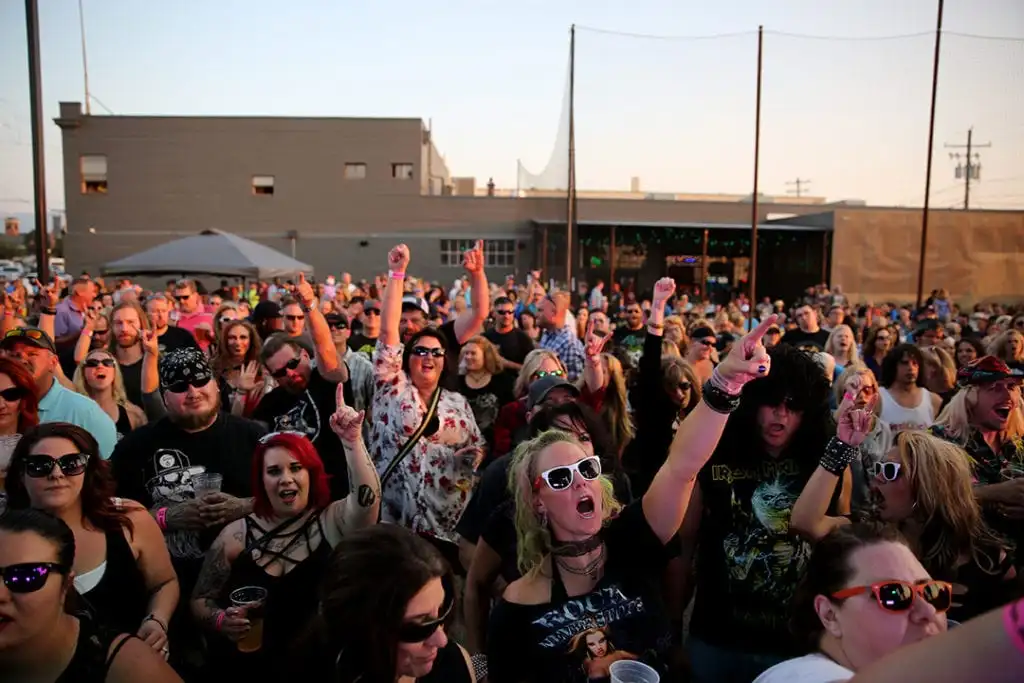
Hair metal fans were wrong when they treated grunge as talentless noise made by people who could not play. That was always lazy. Soundgarden were musically sophisticated. Alice in Chains had killer harmonies and heavy riffs. Pearl Jam were a serious live band. Nirvana’s simplicity was not incompetence; it was craft, instinct and economy. A song does not have to wear a cape and do a seven-minute solo to be well-written.
But hair metal fans were right that something fun got lost. The shift to grunge made mainstream rock darker, more self-conscious and less openly ridiculous. Hair metal had spectacle, humor, flash and a shameless sense of entertainment. Not everything about that deserved to be thrown into the dumpster behind the rehearsal space. Some of it was great. Some of it still is.
The problem was saturation. When every band tries to be the wildest, prettiest, loudest party in the room, the room gets exhausting. Grunge did not erase the joy of hair metal. It exposed how tired the formula had become. The best hair metal survived because good songs survive. The weak stuff vanished because it was mostly hairspray holding up a marketing plan.
Grunge vs. Hair Metal Timeline: 1989 to the Late 90s
The change did not happen in one clean moment, no matter how often people try to pin the whole thing on one video. It was a series of cultural pressure points: late-80s overexposure, alternative scenes building underground, Nirvana breaking through, MTV changing rotation, radio shifting formats, labels chasing the new thing, and audiences deciding that glossy fantasy suddenly looked embarrassing.
Hair Metal Becomes the Mainstream Rock Fantasy
Hair metal dominates mainstream rock visuals with big hooks, big hair, big videos, power ballads and an image built around fantasy, danger, glamour and excess.
Oversaturation Starts Catching Up
By the end of the decade, too many bands are chasing the same look, same sound and same power-ballad formula. The party is still loud, but the carpet is sticky and the room smells like aerosol.
Nirvana Breaks the Door Open
Nirvana turns alternative rock into the new mainstream conversation. The old rock-star image suddenly looks out of step with the moment.
Grunge Becomes Too Big to Ignore
The wider Seattle wave expands the shift. Pearl Jam, Alice in Chains and Soundgarden prove grunge is not just one band or one mood.
The Alternative Era Fully Owns Rock Culture
Grunge and alternative dominate the conversation, while hair metal is pushed out of the center. The rock mainstream now speaks in distortion, flannel, dread and irony.
The Machine Copies Grunge Too
The industry turns grunge’s surface into a format. The revolution becomes a template, because apparently nobody in rock history is allowed to learn from anything.
How the Fall of Hair Metal Opened the Door for 90s Alternative Rock
The death of hair metal did not just clear space for grunge. It cleared space for the entire 90s alternative ecosystem. Once the old glam-metal template lost control, the mainstream became more open to different kinds of guitar music: grunge, college rock, industrial, pop-punk, alt-pop, weird singer-songwriters, noisy bands, softer bands, darker bands, bands that looked like they had slept in their clothes, and bands that probably owned too many effects pedals.
That is why grunge’s victory mattered beyond Seattle. It changed what radio could play, what MTV could show and what major labels thought might sell. The door that Nirvana kicked open did not only let in Seattle bands. It let in a whole decade of alternative rock weirdness. Some of it was brilliant. Some of it was deeply questionable. All of it was more interesting than another warehouse video with a wind machine and a guy pointing at the camera like romance was a misdemeanor.
The shift also changed how rock dealt with vulnerability. Hair metal had vulnerable moments, especially in power ballads, but they often came wrapped in theatrical polish. Grunge and alternative made vulnerability feel uglier, less resolved and more everyday. That is why the stripped-down side of the movement, especially MTV Unplugged and acoustic grunge, still feels so powerful. The loud songs broke the fantasy. The quiet songs proved the feeling underneath was real.
The wider 90s music story is full of those shifts: hip-hop becoming more dominant, R&B evolving, pop changing shape, electronic music moving into the mainstream, and alternative rock taking over the space once held by glossy arena excess. Grunge killing hair metal was one of the decade’s loudest symbolic handoffs.
Why Grunge Won the Early-90s Rock Shift
Hair metal was not killed by one band, one song or one flannel shirt. It was weakened by oversaturation, changing tastes, image fatigue and a culture ready for something that felt less manufactured. Grunge arrived at the perfect moment with the perfect wrong attitude. Nirvana made the break impossible to ignore. Pearl Jam, Soundgarden and Alice in Chains made the new world too deep to dismiss. MTV and radio changed sides. Fashion changed. Cool changed.
The funny part is that both genres eventually became nostalgia. Hair metal became the sound of 80s excess. Grunge became the sound of 90s disillusionment. One had hairspray. One had flannel. Both had guitar hooks. Both had moments of greatness. But in the early 90s, only one of them sounded like the future, and it was not the one requiring industrial-strength mousse.
Explore More 90s Alternative and Grunge
The hair metal collapse is only one piece of the 90s alternative story. The full rabbit hole runs through Nirvana, Pearl Jam, Soundgarden, Alice in Chains, MTV, flannel, acoustic grunge, post-grunge radio rock and every CD binder that somehow weighed as much as a bowling ball.
Questions About Grunge, Hair Metal and the Early-90s Rock Shift
Did grunge really kill hair metal?
Grunge did not single-handedly kill hair metal, but it helped finish the job. Hair metal was already weakened by oversaturation, copycat bands and image fatigue. Grunge gave rock fans a darker, rougher and more authentic-feeling alternative.
What song killed hair metal?
No single song killed hair metal, but Nirvana’s “Smells Like Teen Spirit” is often treated as the symbolic turning point because it made grunge and alternative rock impossible for the mainstream to ignore.
Why did hair metal decline in the early 90s?
Hair metal declined because the scene became oversaturated, the image started to feel stale, audiences wanted something less glossy, and MTV, radio and record labels shifted attention toward grunge and alternative rock.
Why did grunge feel more authentic than hair metal?
Grunge felt more authentic because the music, clothing and lyrics seemed closer to ordinary life. Flannel, thrift-store clothes, darker themes and rougher production stood in sharp contrast to hair metal’s glossy fantasy and arena excess.
Was hair metal bad?
No. Hair metal produced great songs, strong musicianship and memorable bands. The problem was that the mainstream version became overexposed and formulaic by the end of the 80s, making the genre vulnerable to a cultural shift.
How did Nirvana change rock music?
Nirvana changed rock music by bringing punk-influenced alternative rock into the mainstream, shifting MTV and radio away from glossy hard rock, and making emotional rawness and anti-glam style feel like the new center of rock culture.
What role did MTV play in grunge replacing hair metal?
MTV helped hair metal become huge in the 80s, but it also helped grunge become dominant in the early 90s. Once alternative videos entered heavy rotation, MTV taught audiences a new visual language for rock.
How did grunge fashion affect hair metal?
Grunge fashion made hair metal’s glossy style look outdated. Flannel, boots, ripped jeans and thrift-store layers replaced teased hair, leather and glam excess as the dominant rock look of the early 90s.
Did Pearl Jam, Soundgarden and Alice in Chains help end hair metal?
Yes. Nirvana gets the symbolic credit, but Pearl Jam, Soundgarden and Alice in Chains helped make the shift deeper by giving grunge emotional scale, heavy weirdness and darker metallic power.
What came after grunge?
After the first grunge wave, alternative rock became a major radio format and post-grunge emerged. The industry copied the surface of grunge, turning parts of the movement into mainstream radio rock.
Keep the 90s Rock Rewind Going
Continue through the bands, albums, songs and scenes that turned alternative rock into the defining guitar music of the 90s.