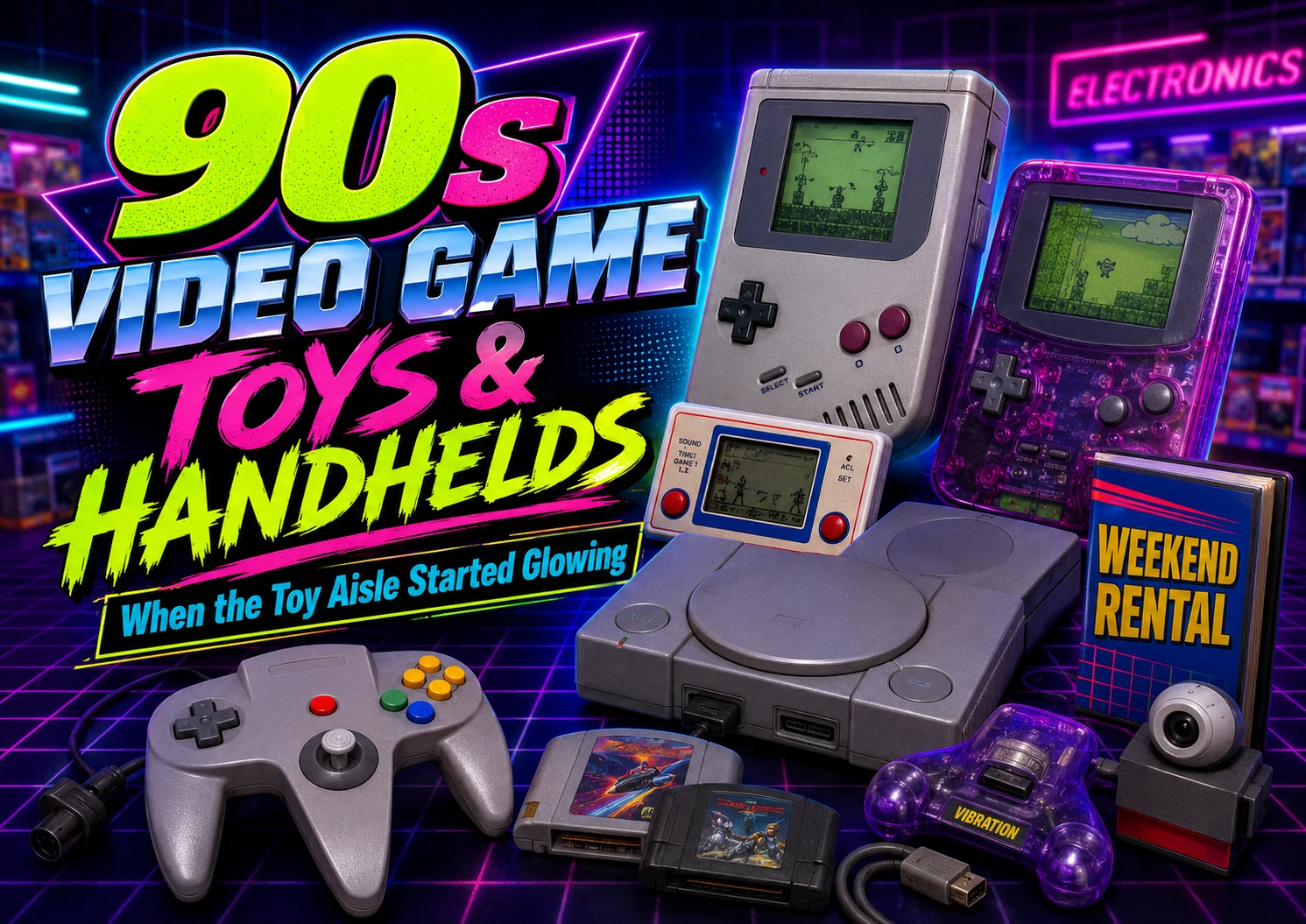
90s Video Game Toys & Handhelds: When the Toy Aisle Started Glowing
The 90s were the decade when video games stopped being stuck under the family TV and started creeping into backpacks, car rides, bedrooms, rental cases, lunch-table conversations, and every toy aisle that suddenly needed a locked glass cabinet. Game Boy made gaming portable. Tiger LCD games made every franchise pocket-sized. Game Gear made color handhelds feel futuristic. Nintendo 64 and PlayStation turned controllers, memory cards, rumble, rentals, and cartridges into part of kid culture.
So yeah, this is the rewind for 90s video game toys and handhelds: Game Boy, Game Boy Color, Tiger handheld LCD games, Sega Game Gear, Super Nintendo, Sega Genesis, Nintendo 64, PlayStation, Pokémon link cables, Game Boy Camera, Game Boy Printer, Rumble Pak, Transfer Pak, memory cards, cartridges, rental cases, and the moment “toy” started meaning something with a screen.
90s Toys
Head back to the full 90s Toys hub for action figures, collectibles, electronic pets, dolls, plush, board games, backyard toys, commercials, and the rest of the decade’s plastic chaos.
Related Deep DiveElectronic Toys & Digital Pets
Tamagotchi, Giga Pets, Furby, Bop It, Talkboy, Yak Bak, Tiger handhelds, electronic diaries, and the beeping toy era right next door.
Playground EconomyCollectible Toy Crazes
Beanie Babies, Pokémon cards, Pogs, Crazy Bones, trading cards, Happy Meal toys, sealed action figures, and the schoolyard economy of “rare.”
So What Were the Big 90s Video Game Toys and Handhelds?
The big 90s video game toys and handhelds were the things we begged for, borrowed, rented, dropped, lost, and fought over: Game Boy, Game Boy Color, Tiger handheld LCD games, Sega Game Gear, Super Nintendo, Sega Genesis, Nintendo 64, PlayStation, Pokémon link cables, Game Boy Camera, Game Boy Printer, Rumble Pak, Transfer Pak, memory cards, rental cases, and the cartridges we treated like tiny plastic holy texts because one bad loan to a friend could end a relationship.
What made 90s gaming stuff different was how it sat right between toys, electronics, playground status, and pop culture. A Game Boy was not just a handheld. It was how you survived the back seat before phones existed. A Tiger LCD game was not just a cheap screen. It was Batman, Sonic, or some movie you loved reduced to a few black shapes and a beep. A Nintendo 64 controller was not just an input device. It was the weird trident-shaped center of a sleepover. A PlayStation memory card was not just storage. It was your entire emotional life in a gray plastic rectangle.
That is why the 90s still matter. We still had toy boxes, action figures, board games, bikes, and plush toys — but now the coolest thing in the room might need a cartridge, a save file, a link cable, a rumble pack, or six batteries that your parents swore they just bought last week.
Why the 90s Were Built for This Stuff
The 90s were perfect for video game toys because gaming was still physical. You bought cartridges. You blew into them even though every adult now says that was probably nonsense. You rented games in chunky plastic cases. You carried handhelds in backpacks. You fought over controllers. You saved progress on memory cards. You needed batteries, cables, manuals, adapters, expansion packs, and sometimes divine intervention.
That physical stuff made gaming feel connected to the toy aisle. A cartridge looked like a toy. A controller felt like a toy. A Tiger handheld hung on a peg like a toy. A Game Boy accessory sat in packaging next to other kid electronics. The games were digital, but the 90s wrapped them in chunky plastic objects we could collect, trade, lose, rent, borrow, and fight over in a cousin’s living room.
The decade also sat in that perfect middle zone. Consoles were getting powerful, but handheld gaming was still rough, charming, and limited. Screens were dim. Batteries mattered. Memory was precious. Multiplayer required actual people in the same room, usually sitting too close to the TV while someone’s mom yelled about snacks. You did not log in. You went to someone’s house.
The 90s gaming-toy formula
- Portable screens: Game Boy, Game Gear, and Tiger LCD games made gaming move through car rides, buses, bedrooms, and waiting rooms.
- Cartridge culture: Games were physical objects kids could borrow, trade, rent, lose, or stare at in locked glass cases.
- Accessory obsession: Link cables, Rumble Paks, memory cards, cameras, printers, and adapters made the ecosystem feel bigger.
- Rental pressure: A weekend rental turned games into a mission with a deadline and no guarantee the manual was included.
- Playground status: The game you had, the save file you protected, and the Pokémon you could trade became part of kid identity.
In the 90s, video games were not just entertainment. They were objects, rituals, arguments, accessories, birthday wishes, Christmas-list emergencies, sleepover fuel, and the reason a whole generation learned to sit under a lamp to see a greenish screen.
90s Video Game Toys and Handhelds Timeline
A fast visual map of how gaming became toy-aisle culture
The 90s gaming-toy wave came at us in stages: Game Boy portability, Super Nintendo and Sega Genesis living-room battles, Tiger LCD franchise overload, Game Gear color-screen envy, PlayStation’s disc era, Nintendo 64’s multiplayer takeover, Game Boy Color, Pokémon link-cable mania, and late-decade accessories that made gaming feel like a whole pile of plastic gear you had to keep track of.
Game Boy dominates pockets
Handheld gaming becomes a car-ride, backpack, and bedroom staple for the decade.
SNES and Genesis define sides
The console battle becomes kid identity, sleepover fuel, and playground debate material.
Tiger games multiply
Every movie, cartoon, sport, and game brand seems to get a tiny LCD version.
PlayStation changes the mood
CDs, memory cards, 3D graphics, and a slightly older vibe reshape gaming culture.
Nintendo 64 becomes sleepover law
Analog sticks, 3D worlds, multiplayer nights, and the Rumble Pak make gaming feel physical.
Game Boy Color refreshes handhelds
Clear shells, color screens, and late-90s design make handheld gaming feel new again.
Game Boy Camera gets strange
A handheld camera and printer turn Game Boy into a goofy creative gadget.
Pokémon owns handheld culture
Trading, battling, versions, link cables, cards, and playground status fuse into one giant system.
Gaming becomes personal tech
Handhelds, accessories, save files, and portable screens point toward the always-on gaming future.
The 90s Gaming Gear We Actually Remember
The screens, systems, cartridges, and accessories that ate our weekends
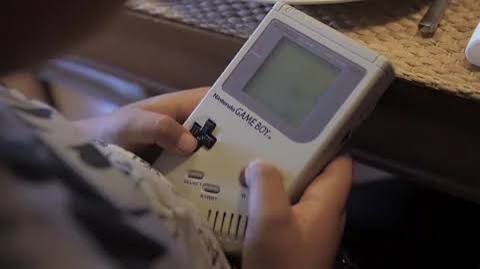
Game Boy: The Handheld That Made Gaming Portable
Game Boy was the handheld that made portable gaming feel normal. It was chunky, gray, durable, and not exactly glamorous, but it did something huge: it let kids take real video games away from the family TV. That changed the geography of play. Gaming could happen in the car, in bed, at grandma’s house, in a waiting room, on vacation, or anywhere a kid could hold a screen under decent light.
The screen was greenish, the graphics were simple, and there was no backlight, which meant every kid became a lighting engineer. But the limitations almost made it more iconic. You learned to tilt the screen just right. You learned battery discipline. You learned that four AA batteries were not a suggestion; they were a lifestyle.
Why Game Boy felt like a toy and a device
Game Boy sat perfectly between toy and personal electronics. It was sold to kids, carried like a toy, and covered in kid-friendly games, but it also felt like a serious device. It had cartridges, a screen, buttons, accessories, cases, and the quiet authority of something that did not need the living-room TV.
That independence was the magic. A console required a room, a television, and usually negotiation with other people. Game Boy belonged to you. It was personal in a way earlier video games often were not. Even the sound coming from the little speaker felt private until an adult asked you to turn it down.
Why it dominated the decade
The Game Boy library kept it alive. Tetris made it universal. Mario and Kirby made it kid-friendly. Zelda made it feel bigger than a simple handheld. Pokémon turned it into a late-90s social machine. The hardware lasted because the games kept finding new reasons to matter.
- Core appeal: portable gaming, cartridges, long battery life, and personal ownership.
- Kid behavior: playing in cars, trading cartridges, arguing over saves, and begging for batteries.
- Most 90s detail: contorting your body near a lamp so the screen was barely visible.
Game Boy mattered because it made video games part of toy culture outside the living room. It was not just a console. It was a backpack object, a travel object, a playground object, and eventually a Pokémon machine. That is a dynasty.
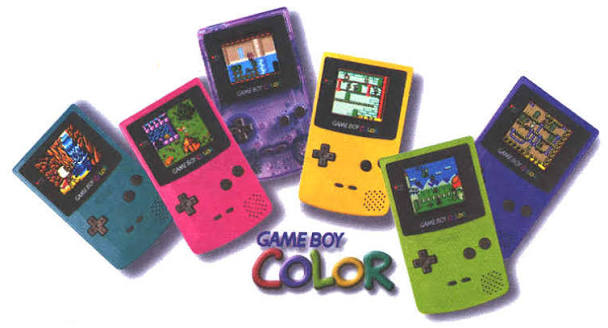
Game Boy Color: Clear Plastic, Color Screens, and Late-90s Pocket Status
Game Boy Color felt like the original Game Boy had been dragged into the Y2K light. It was smaller, brighter, more colorful, and perfectly matched to the late-90s obsession with translucent plastic. The moment kids saw clear purple, teal, lime, and other candy-colored shells, the handheld stopped feeling like a gray brick and started feeling like a fashion object with buttons.
The color screen mattered, but the design mattered almost as much. This was the era of clear electronics, iMac energy, see-through plastic, and gadgets that wanted you to know they were gadgets. Game Boy Color fit right into that world. It was not just a system. It was something you wanted to pull out of your backpack.
Why Game Boy Color hit so hard
Game Boy Color arrived with perfect timing. Pokémon was heating up, handheld gaming had already been normalized, and kids were ready for an upgrade that still worked with the familiar Game Boy ecosystem. It felt new without making the old world disappear. That was a powerful move.
It also made handheld gaming feel more current. The original Game Boy was iconic, but by the late 90s it looked old next to newer tech. Game Boy Color gave the brand a second wave of playground relevance right when Pokémon was about to turn link cables into social infrastructure.
The Pokémon boost
Pokémon and Game Boy Color fed each other. The games made handhelds essential. The handhelds made trading portable. The link cable made it social. Suddenly a video game was not just something you played alone. It was something that connected collections, playground status, and friend groups.
- Core appeal: color screen, smaller body, translucent shells, and Pokémon-era timing.
- Kid behavior: comparing shell colors, carrying link cables, trading Pokémon, and protecting save files.
- Most 90s detail: clear plastic making a device feel approximately 700% more futuristic.
Game Boy Color mattered because it refreshed handheld gaming at the exact moment portable play became socially explosive. The original Game Boy made gaming mobile. Game Boy Color made it feel cool again.
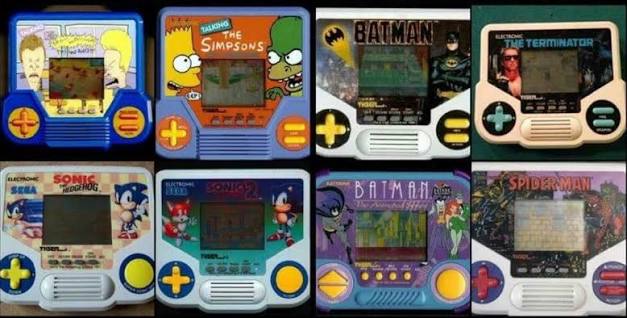
Tiger LCD Games: Every Franchise Got a Tiny Beeping Version
Tiger handheld LCD games were the toy aisle’s answer to every kid who wanted more video games but did not have console money. If a franchise was popular in the 90s, there was probably a Tiger game trying to turn it into a few fixed LCD sprites and a lot of beeping.
Were they good? Sometimes. Were they limited? Absolutely. Did kids still play them in cars, waiting rooms, bedrooms, and back seats because boredom was real and phones did not exist? Also absolutely. The box art promised a whole adventure. The screen delivered a tiny figure moving between predetermined positions like a haunted calculator. We accepted the terms.
Why Tiger games worked anyway
Tiger games were affordable, portable, and branded. That was the whole spell. A kid who could not get a full console game might still get a handheld version of a favorite movie, cartoon, sport, or character. The brand on the shell did half the selling, and the pocket format did the rest.
They also made screen play feel like a toy purchase. They hung on pegs, lived in blister packaging, and felt more like gadgets than serious gaming hardware. That made them perfect for birthdays, impulse buys, road trips, and “please stop asking for the expensive thing” parental compromises.
Why they belong in this rewind
Tiger LCD games are essential because they show the toy side of gaming culture. They were not just games. They were licensed objects, pocket distractions, and proof that by the 90s almost every entertainment brand wanted to become something kids could hold.
- Core appeal: cheap handheld gaming, familiar brands, portability, and immediate play.
- Kid behavior: playing during car rides, comparing brands, ignoring terrible sound, and somehow beating levels through willpower.
- Most 90s detail: pretending the little LCD shadow was definitely Batman, Sonic, a wrestler, or whoever the packaging claimed.
Tiger games mattered because they turned video game culture into a low-cost toy category. They were imperfect, repetitive, and often ridiculous, but they made screens feel normal in the toy aisle before screens took over everything.
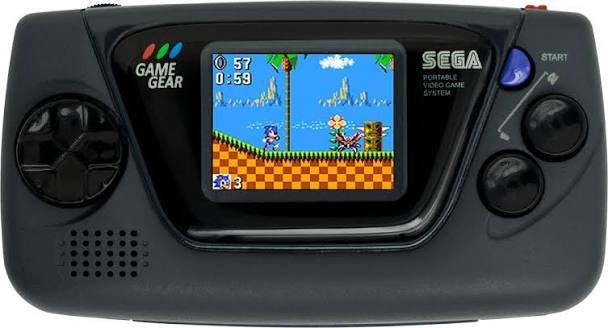
Sega Game Gear: Color Screen Envy With Battery Appetite
Sega Game Gear was the handheld that made kids look at the Game Boy’s green screen and wonder why life was unfair. It had color. It had a wider shape. It had Sega attitude. It looked like the future, or at least like the future if the future required a suspicious number of batteries.
Game Gear’s appeal was immediate: color portable gaming. In the early 90s, that felt impressive. Seeing a brighter screen in a handheld made the device feel more advanced, even if the tradeoff was battery life that seemed personally offended by your happiness.
The color-screen flex
The Game Gear had the kind of playground appeal that came from being different. Not every kid had one. That made it interesting. It was the handheld you wanted to try when someone brought it over. The screen looked cooler. The hardware felt more dramatic. It had that Sega edge, which in the 90s was basically a marketing cologne.
But the battery issue became part of the story. Game Gear was a powerful little beast, but it ate batteries like it had been cursed. That made it both impressive and inconvenient, which is a very 90s technology combination.
Why it mattered even if Game Boy won
Game Gear mattered because it showed that handheld gaming could be flashier. It pushed the idea that portable screens did not have to be monochrome. Even if Game Boy dominated the decade, Game Gear gave kids a glimpse of what handheld gaming could look like when the screen finally got louder.
- Core appeal: color screen, Sega branding, Sonic-era cool, and more advanced-looking hardware.
- Kid behavior: showing it off, asking for batteries, comparing it to Game Boy, and guarding it like expensive treasure.
- Most 90s detail: owning the cooler-looking handheld that required a battery budget.
Game Gear belongs in the 90s video game toy story because it captures the decade’s tech tradeoff perfectly: more impressive, more colorful, more exciting, and absolutely more needy.
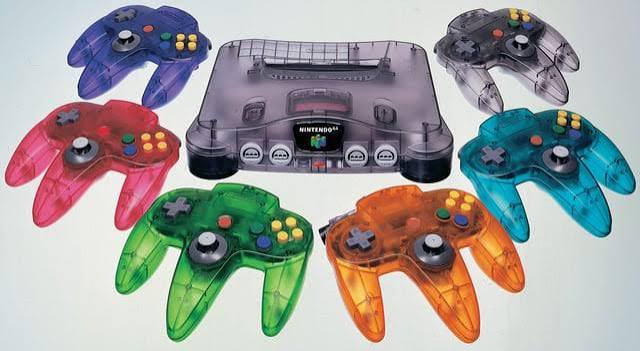
Nintendo 64: Four Controllers, Weird Shape, Sleepover Law
Nintendo 64 was the console that made the living room feel like a multiplayer arena. Four controller ports were not a small detail. They were a declaration of war. Suddenly kids did not always need extra adapters to bring everyone into the game. The system was built for sleepovers, siblings, cousins, and the kind of friendship stress only split-screen competition can create.
The controller looked like it had been designed during a committee argument, but it became iconic anyway. The analog stick made 3D worlds feel new. The cartridges felt durable and toy-like. The Rumble Pak made games physically kick back. Everything about the N64 felt chunky, strange, and extremely 90s.
Why N64 felt like a toy-room machine
N64 games were social in a way that still feels specific to the era. Mario Kart 64, GoldenEye, Super Smash Bros., Mario Party, and other multiplayer staples made the console less about solitary play and more about gathering around the TV. You could hear the arguments from another room. That was part of the feature set.
The system also had strong toy energy because of its physical accessories. Controllers in different colors, memory paks, Rumble Paks, Transfer Paks, cartridges, and controller slots made the hardware feel modular and tactile. It was digital play wrapped in chunky plastic rituals.
Why the Rumble Pak mattered
The Rumble Pak made games feel physical. That little vibration turned explosions, hits, crashes, and impacts into something you could feel in your hands. It was a novelty, but a powerful one. Suddenly the controller was not just sending commands. It was talking back.
- Core appeal: 3D worlds, local multiplayer, cartridges, analog control, and controller accessories.
- Kid behavior: sleepovers, split-screen arguments, controller color claims, and blaming the analog stick.
- Most 90s detail: trying to figure out which prong of the controller you were supposed to hold.
Nintendo 64 mattered because it turned late-90s console gaming into a room-sized social event. It was not just what you played. It was who was sitting next to you, who got the good controller, and who absolutely screen-watched. We know what you did.
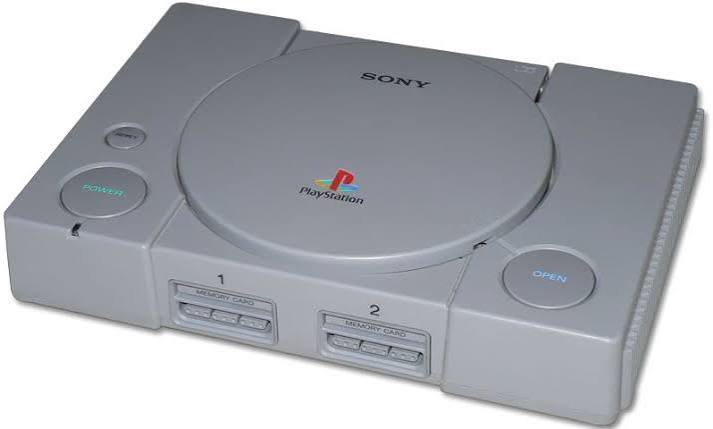
PlayStation: Discs, Memory Cards, and the Cooler Older-Sibling Vibe
PlayStation changed the mood. Nintendo still felt toy-like and family-room friendly. PlayStation felt like it belonged to an older sibling who owned a CD wallet, used gel, and had opinions about soundtracks. The disc format, gray console, memory cards, and more mature game library made gaming feel less like a toy category and more like a culture.
That mattered because the 90s were when gaming started widening its audience. PlayStation sat at the center of that shift. It still lived in bedrooms and living rooms, but it did not feel as locked to childhood. It made games feel like music, movies, sports, and pop culture all colliding through a disc tray.
Why memory cards became emotional objects
Memory cards were tiny, but they carried everything. Your progress, your unlocks, your created players, your saves, your time. Losing one felt personal. Running out of space felt like a crisis. Borrowing one required trust. A memory card was not glamorous, but it made game progress feel portable and fragile.
That was a major shift from simple cartridge saves. The save file became an object you could hold, label, share, protect, or accidentally destroy. In a decade full of collectible objects, memory cards were the least flashy but maybe the most emotionally dangerous.
Why PlayStation still belongs in a toy hub
Even though PlayStation helped gaming feel more grown-up, it still intersected heavily with toy culture. Kids asked for it for birthdays and holidays. Games sat in store displays. Controllers and memory cards were physical accessories. Demo discs circulated like treasure. The console lived right at the point where toys, electronics, and entertainment were blending.
- Core appeal: CD games, 3D graphics, memory cards, demos, sports, racing, fighting, and cinematic style.
- Kid behavior: guarding memory cards, renting discs, swapping demos, and feeling slightly older just holding the controller.
- Most 90s detail: a gray console making you feel like gaming had suddenly discovered attitude.
PlayStation mattered because it helped video games move from toy-adjacent childhood entertainment into a broader pop-culture identity. It was still on wish lists, but it also pointed toward gaming’s adult future.
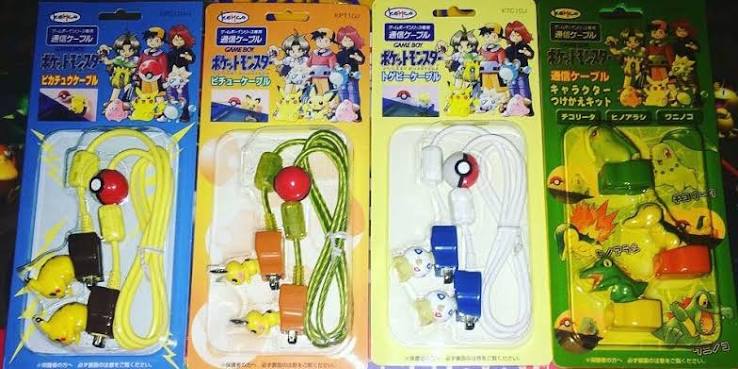
Pokémon, Link Cables, and the Handheld Playground Economy
Pokémon made the Game Boy feel new again by turning handheld gaming into a social economy. The games were portable, personal, and addictive on their own, but the link cable changed everything. Suddenly the game was not sealed inside your system. It reached across to another kid’s system. You could trade. You could battle. You could complete what you could not complete alone.
That was the genius. Pokémon made scarcity into gameplay. Some Pokémon were version-specific. Some needed trading to evolve. Some were rare. Some were playground legends. The link cable was not just an accessory. It was the bridge between private play and public status.
Why the link cable mattered
The link cable made physical proximity part of the game. You had to be near another kid. You had to connect devices. You had to negotiate trades. You had to trust someone not to do something shady. This was multiplayer before online play made connection invisible. In the 90s, connection was a cable and a conversation.
That physical connection made trades feel serious. A Pokémon was not just data. It was something you caught, named, trained, and then handed through a cable because you needed something else. That made every trade feel like a little event.
How Pokémon fused toys and games
Pokémon was not only a video game craze. It connected to trading cards, toys, TV episodes, stickers, plush, backpacks, lunchboxes, and playground talk. That made the Game Boy part of a bigger toy ecosystem. The game was the engine, but the merchandise and schoolyard economy were the exhaust fumes.
- Core appeal: catching, collecting, trading, battling, version differences, and link-cable connection.
- Kid behavior: trading at school, comparing teams, guarding save files, and arguing about which version was better.
- Most 90s detail: needing an actual cable to complete a digital collection.
Pokémon mattered because it made handheld gaming social at scale. It turned the Game Boy from a solo survival device into a playground network, and it did it before Wi-Fi made everything easy and less charming.
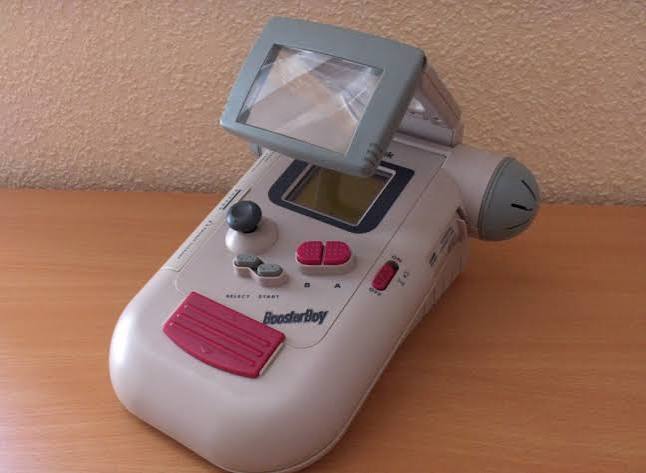
Game Boy Camera, Game Boy Printer, Rumble Pak, and the Weird Accessory Era
The 90s loved accessories. If a system could accept a weird add-on, someone was going to make it. Game Boy Camera let kids take strange low-resolution portraits. Game Boy Printer turned those images into tiny sticker-like printouts. Rumble Pak made N64 controllers vibrate. Transfer Pak connected handheld Pokémon to the console world. Memory cards, controller paks, link cables, light guns, and adapters made gaming feel modular.
This mattered because accessories made video games physical. They added things to hold, plug in, swap, carry, label, lose, and show off. A console or handheld was no longer just the main device. It was the center of a small plastic ecosystem.
Why weird accessories were so 90s
The 90s were experimental. Companies were still figuring out what kids wanted from gaming hardware, so accessories got strange in the best way. A camera for a Game Boy? Sure. A tiny printer? Absolutely. A vibrating controller add-on? Why not. A pak that connects handheld data to console games? That sounds complicated enough to be exciting.
Some accessories became essential. Some were novelties. Some were strange footnotes. But all of them made gaming feel more toy-like because they turned digital play into physical interaction.
The creative side
Game Boy Camera and Printer deserve special mention because they were not just game accessories. They were creative toys. They let kids capture faces, distort images, print tiny pictures, and make weird little artifacts. It was crude, funny, personal, and ahead of its time in a deeply awkward way.
- Core appeal: add-ons, physical interaction, weird features, and hardware expansion.
- Kid behavior: plugging things in, printing bad photos, feeling rumble, carrying cables, and losing tiny parts.
- Most 90s detail: being thrilled by a low-resolution printed sticker that looked like evidence from a haunted photocopier.
Gaming accessories mattered because they made video game systems feel like toy lines. There was the main thing, then the extra thing, then the upgrade, then the cable, then the pak, then the thing you saw in a magazine and suddenly needed even though you had survived perfectly fine without it five minutes earlier.
Rental Culture: The Weekend Game Mission
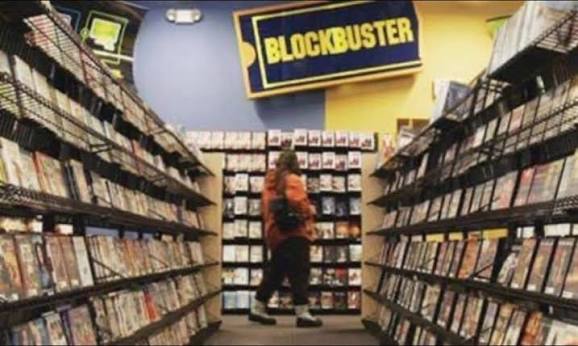
No 90s video game rewind is complete without rentals. Renting a game was not just borrowing entertainment. It was a weekend mission with a countdown clock. You went to the store, stared at shelves, judged games by box art, hoped the one you wanted was not already gone, and then carried home a plastic case like it contained classified material.
Rental culture made games feel physical and social. You might rent based on a magazine review, a commercial, a friend’s recommendation, or the fact that the cover looked cool. Sometimes the game was amazing. Sometimes it was a disaster you had to pretend was fun because you only had it for two nights.
The save-file situation added drama. Someone else’s save might still be there. Your progress might vanish. The manual might be missing. The cartridge might have a sticker on it. The disc might be scratched. The case might smell like plastic, carpet, and poor decisions. This was the ecosystem.
Why rentals shaped 90s gaming memory
- Discovery: Rentals let kids try games they might never buy.
- Pressure: You had a deadline, which made every session feel urgent.
- Risk: Box art lied. Constantly. Boldly. Professionally.
- Social proof: If a game was always rented out, it became instantly more desirable.
- Physical ritual: The case, manual, sticker, cartridge, or disc made gaming feel like an object hunt.
Rentals mattered because they turned games into temporary treasures. You did not always own the game, but for one weekend it was yours enough to build a memory around it.
Accessory Culture: Cables, Paks, Cases, Batteries, and the Stuff Around the Game
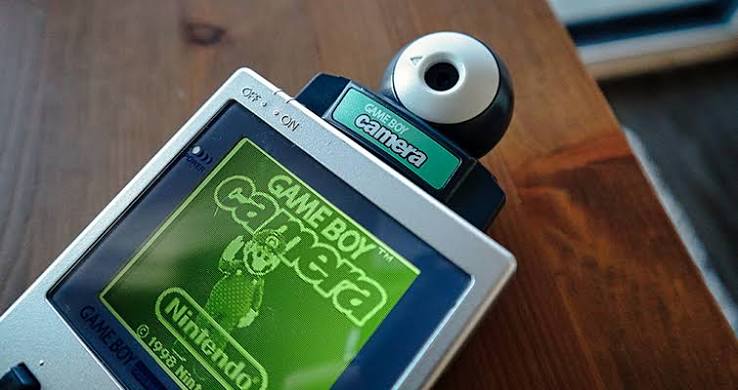
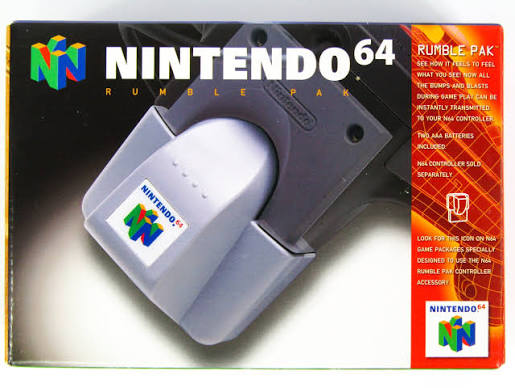
The 90s made gaming accessories feel almost as important as the games. Link cables created trades and battles. Rumble Paks made controllers feel alive. Memory cards protected progress. Carrying cases made handhelds feel like gear. Game Boy lights existed because apparently being able to see the screen was a premium feature. Batteries were the hidden tax. Manuals were sacred. Cartridge cases were little plastic armor.
That accessory culture is why 90s video games still feel tied to the toy aisle. The experience was not only digital. It was tactile. You plugged things in, swapped things out, opened cases, clicked cartridges, labeled memory cards, and carried hardware around like equipment. Gaming was a pile of objects, not just a menu on a screen.
Why 90s Video Game Toys and Handhelds Still Hit
The nostalgia is not just about the games. It is about the stuff around the games. The cartridge you clicked in. The case you carried. The link cable you borrowed. The save file you protected. The controller you claimed. The batteries you hunted. The rental case you returned late. The tiny screen you tilted under a lamp like you were decoding a government file. That physical ritual is what makes 90s gaming feel so different from modern digital libraries.
90s video game stuff also hits because it was social without being online. Multiplayer meant people in the same room. Trading Pokémon meant a cable between two handhelds. Renting a game meant going to a store. Getting a new system meant everyone wanted to come over. Even handheld gaming, which felt personal, became social the second someone asked what cartridge you had.
The decade was messy, physical, limited, and unforgettable. The screens were dim, the controllers were weird, the batteries died, the manuals disappeared, and the rental copies were questionable. But that friction made the memories stronger. Gaming was something you handled, not just something you accessed.
90s Video Game Toys and Handhelds FAQ
What were the biggest 90s handheld video game systems?
The biggest 90s handheld gaming systems included Game Boy, Game Boy Pocket, Game Boy Color, and Sega Game Gear. Tiger handheld LCD games were also everywhere as cheaper, franchise-based pocket games.
Why was Game Boy so popular in the 90s?
Game Boy was popular because it was portable, durable, cartridge-based, battery-friendly compared with many rivals, and supported a strong library of games. It also became essential during the Pokémon boom.
Were Tiger LCD games real video games?
Yes, but they were very limited handheld LCD games with fixed screen elements. They were less advanced than cartridge systems like Game Boy, but they were affordable, portable, and tied to popular brands, movies, cartoons, sports, and characters.
Why did Pokémon make handheld gaming bigger?
Pokémon made handheld gaming social. The games used version differences, trading, battling, rare creatures, and link cables to turn Game Boy play into a playground economy that connected video games, cards, TV, and toys.
Why do 90s video game toys feel so nostalgic?
They were physical. Kids handled cartridges, controllers, memory cards, cables, rental cases, batteries, handhelds, and accessories. That made gaming feel tactile and social in a way modern downloads and cloud saves often do not.