Head of the Class in the 80s: The Classroom Sitcom Gen X Grew Up With
Charlie’s heard the right answer. Now he wants to see what else the class has to say.
The class usually has one more thing to tell him.
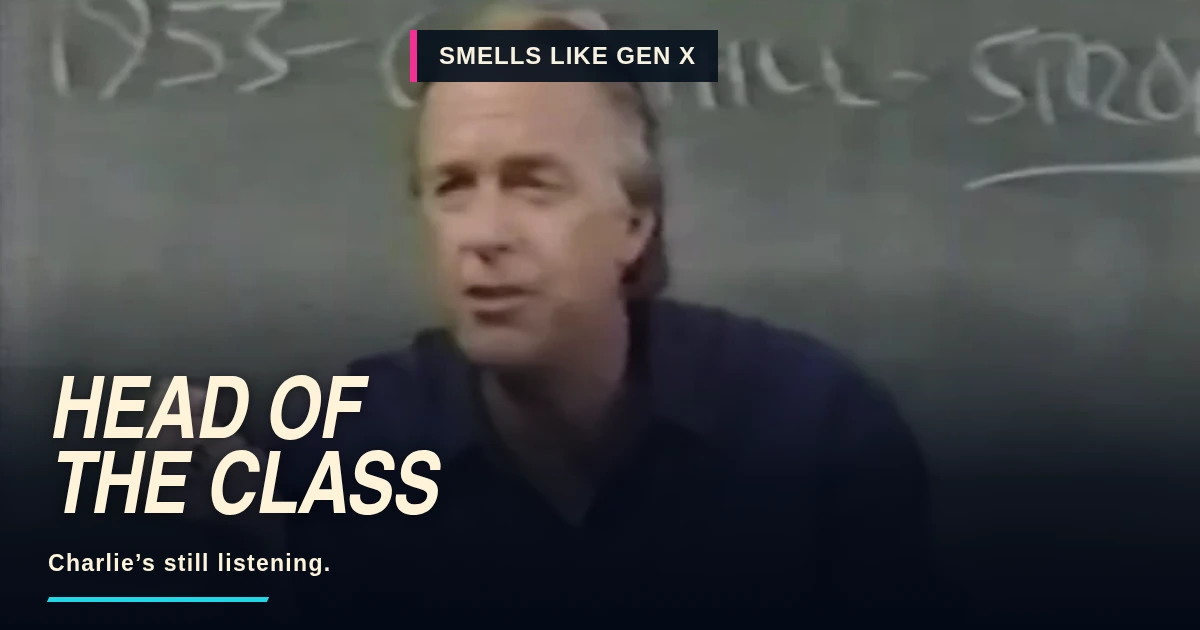
I remember the feeling of knowing who was going to answer before the teacher finished asking. Sometimes it was a kid you could hear breathing in the desk next to you because they knew the answer that well. Sometimes it was somebody who wanted a laugh, and you spent the end of the question trying to guess how much trouble they were going to get into. Head of the Class had a room full of people like that. Even when I couldn’t tell you what they were learning, I knew exactly who I wanted to hear from.
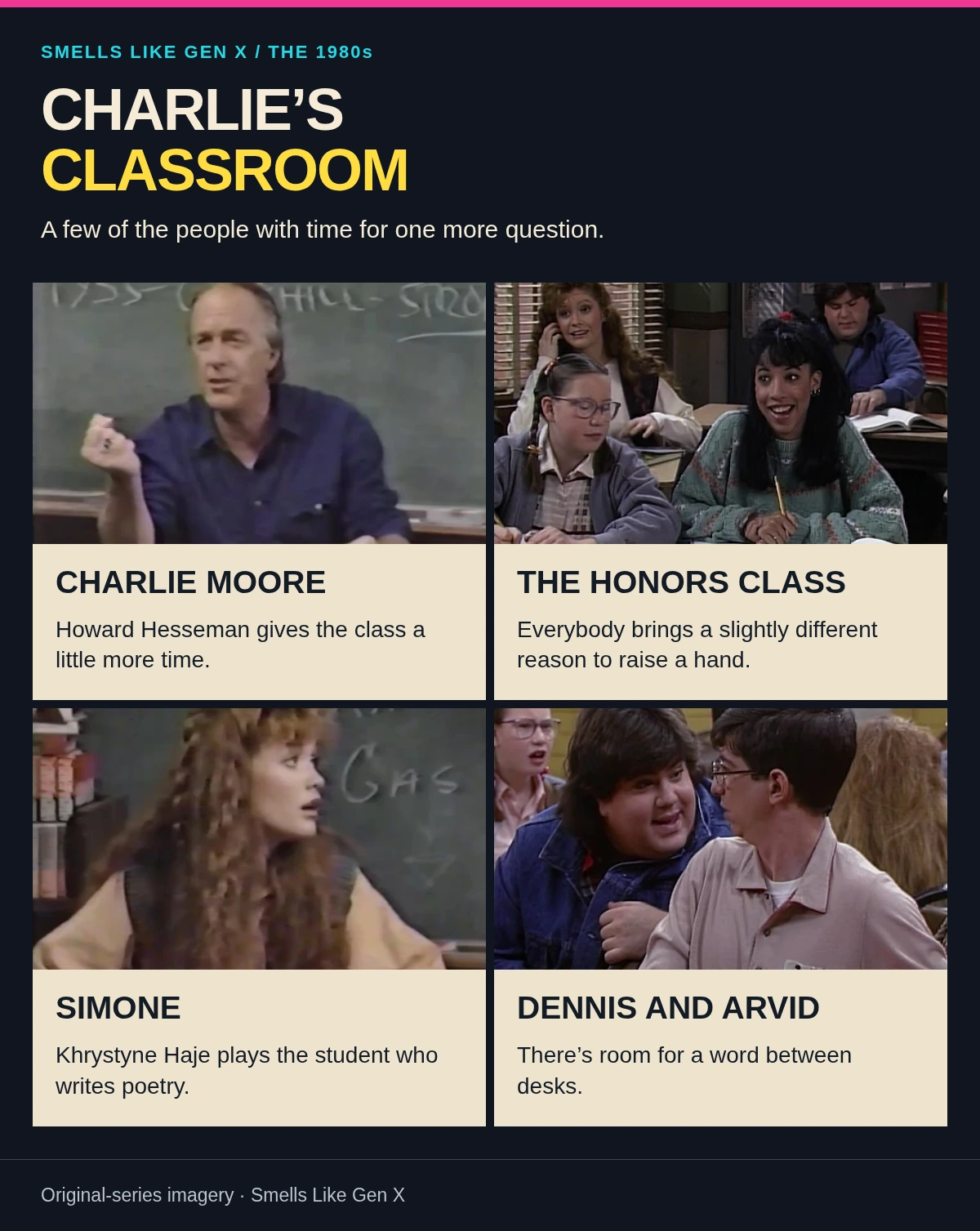
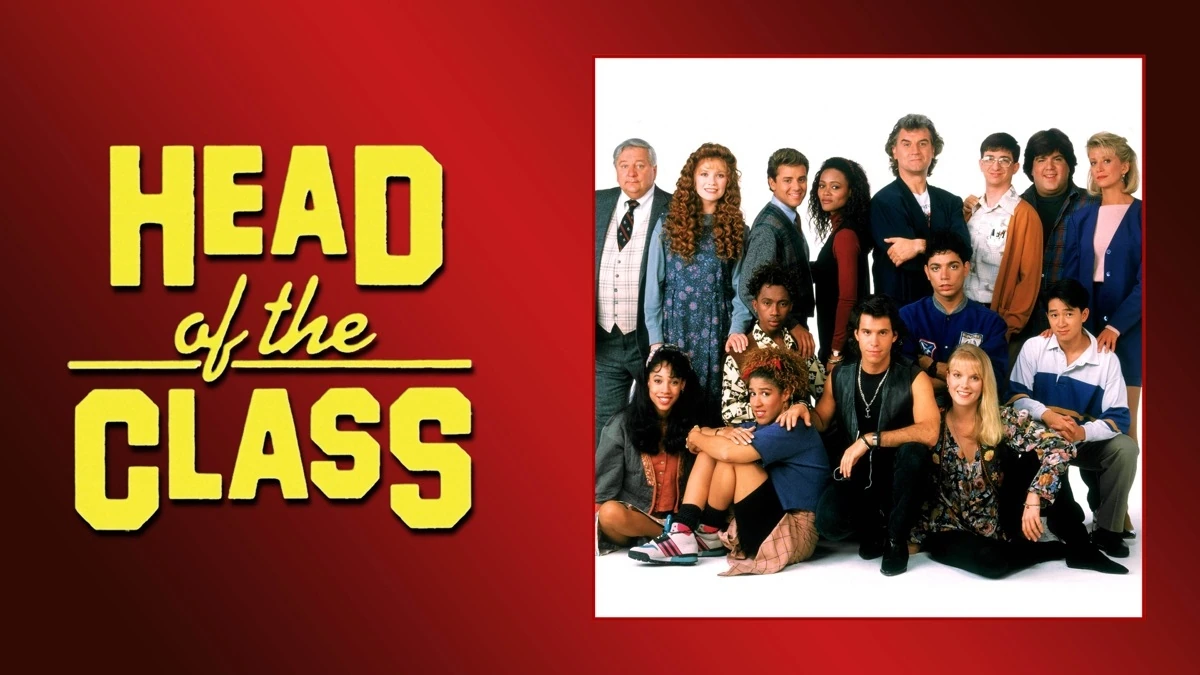
Howard Hesseman played Charlie Moore, an actor and substitute teacher who walked into a Manhattan high school and found a class of gifted students. The students in the Individualized Honors Program could handle the work. Charlie took an interest in what they were doing with the rest of their time, and what they knew about each other. The series started on ABC in September 1986, when you could get through a full day of school and turn on the television to spend another half hour in one.
I think the show’s easiest sell was the sound of it. You heard students who had different ideas about what was worth raising a hand for. You heard Hesseman decide he had a few more minutes to give them. If you got out of your own desk that afternoon with something you wished you’d said, the thought of turning up in Charlie’s room was pretty appealing.
Charlie Moore heard the answer and then wanted to talk
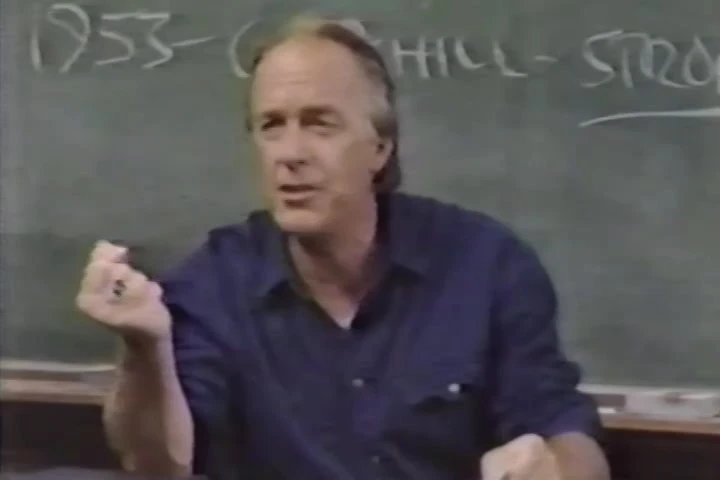
If you knew Hesseman from Johnny Fever on WKRP in Cincinnati, you already knew that he could let a little air into a room just by waiting before he spoke. It works in the classroom too. A student can finish an answer and have a second to wonder why the man at the front is still looking interested. Charlie might ask a little more, and he has the patience to find out what happens when somebody takes a chance on answering.
I love that he wants to act. It gives him a life outside the school and a reason to know how awkward it feels to try something in front of a room that’s waiting for you to go first. If the kids think their teacher has spent his whole life knowing where he belongs, it’s nice to have Charlie around to give them some evidence that an adult can still be working that out.
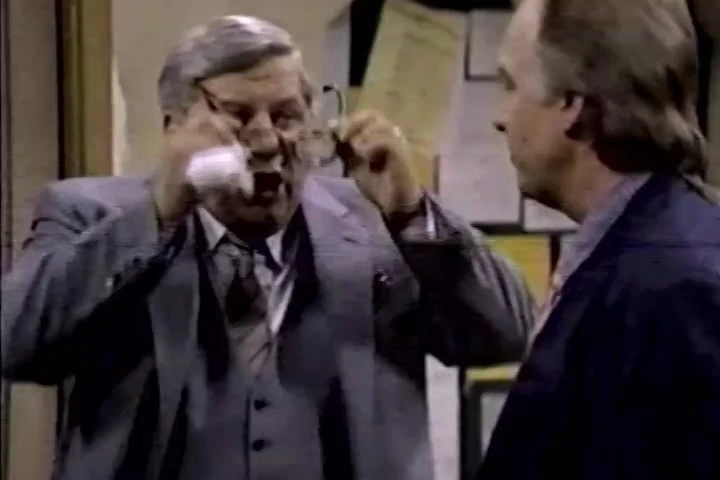
There’s a different teacher in the show every time I look at Dr. Harold Samuels. William G. Schilling makes the principal’s concern about the school feel like something he’s taken home with him several nights in a row. Charlie is asking for room to try something. Samuels is wondering how much of it he’ll be explaining afterward. The two have plenty to talk about, especially if Charlie has already started.
Jeannetta Arnette’s Bernadette Meara is another reason the school feels like a place that exists after the bell. She knows the people who are going to come through the office and what they’re going to ask for. I remember adults at school who knew how a whole day was going to go from which student appeared at the door before the first class. You could walk in intending to explain yourself and get the feeling she’d already worked out most of it.
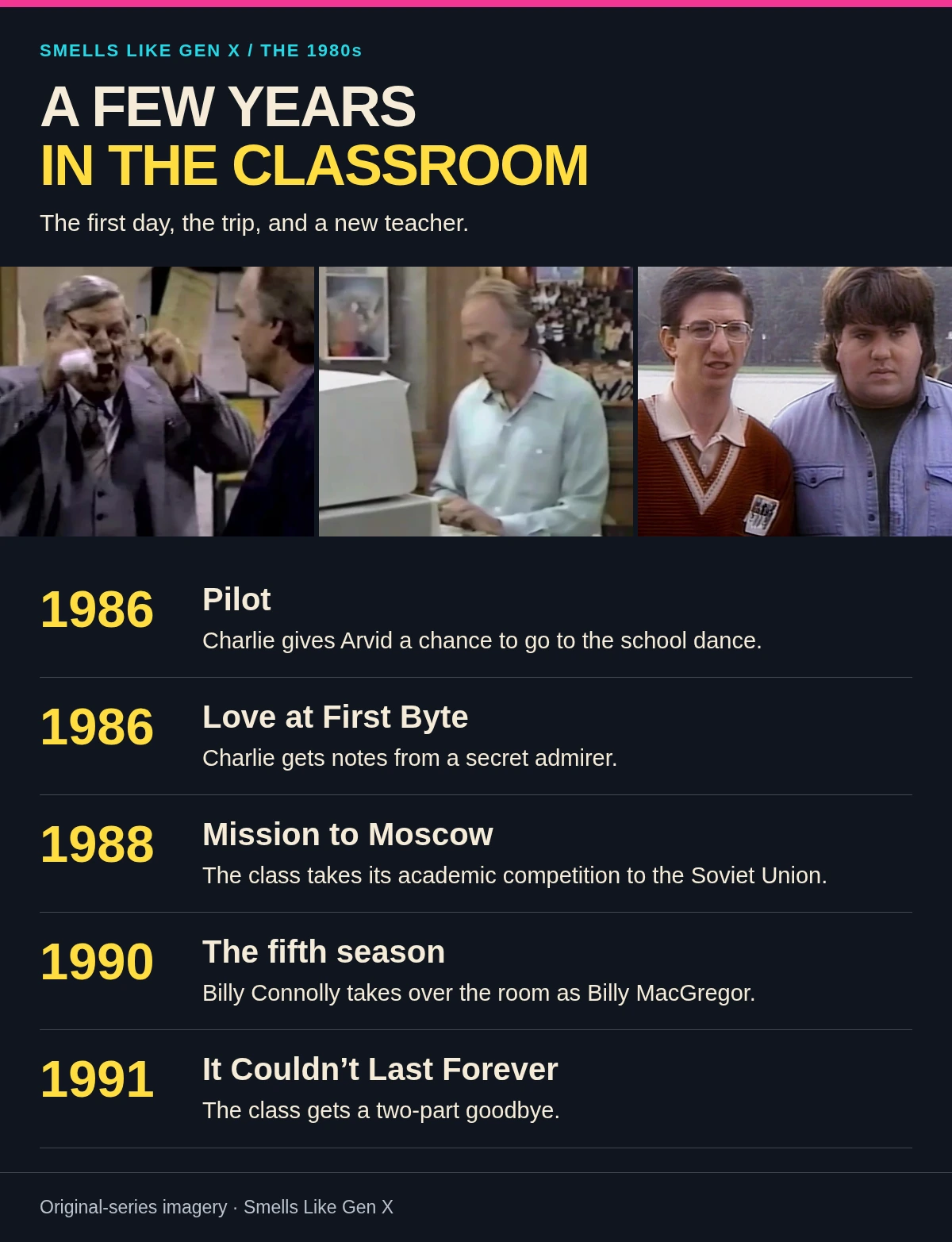
The pilot lets Charlie get in trouble over a school dance. Arvid has an academic practice he’s expected to be at. Charlie gives him a chance to go to the dance, which gives Samuels a reason to come find Charlie. If you can still remember the dance you wanted to go to, there’s something to recognize about having it spoken of by an adult as a thing you can skip. The adults are having an argument about an afternoon. The kid has been thinking about that afternoon for weeks.
Arvid also has to do the hard part once he gets there. Charlie can get him through the door, and then he’s on his own with the same set of people he sees every day at school. It’s a good way to meet Hesseman’s teacher. He can imagine that there’s something worth a student’s time on the other side of the practice.
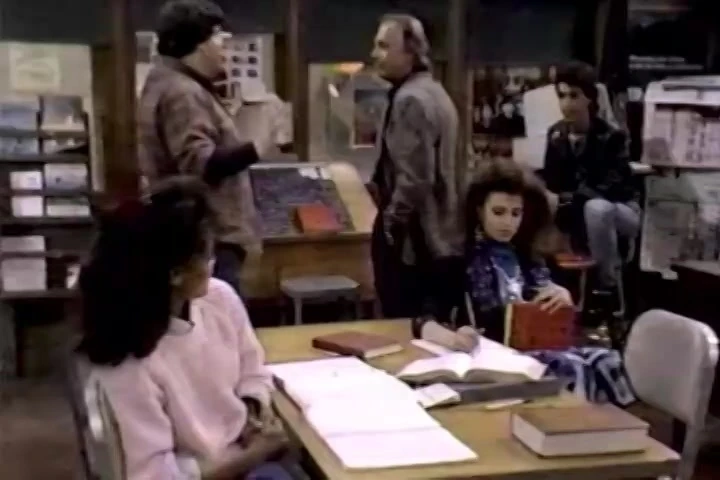
The kids all had their own reasons to speak up
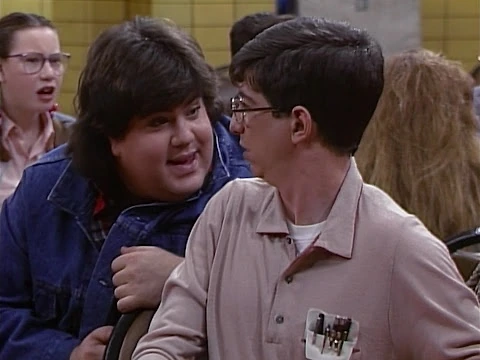
Arvid Engen could tell you the answer, and Dan Frischman made you want to see what he’d do with his hands while he was telling you. Dennis Blunden, played by Dan Schneider, often seemed to be watching for the moment when a conversation would give him a place to put a joke. Brian Robbins’s Eric Mardian could make the effort to look as if he wanted to be somewhere else. The amount of time he was willing to spend in that room gives you reason to think about what he’d miss if he walked out.
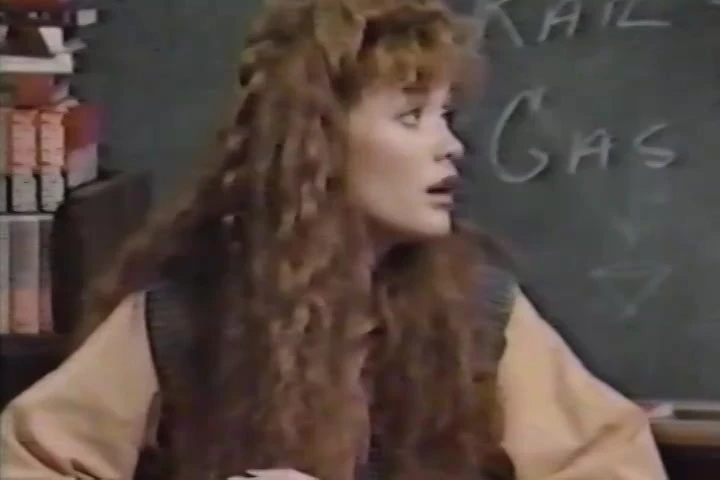
Khrystyne Haje’s Simone Foster wrote poetry. Robin Givens played Darlene Merriman, who could express a preference with enough confidence to make everyone else consider whether they’d really thought theirs through. You could see why Eric and Simone would be curious about each other. They could spend a good deal of the day looking as though they were handling school completely differently, then give you a chance to see what each one was listening for when the other spoke.
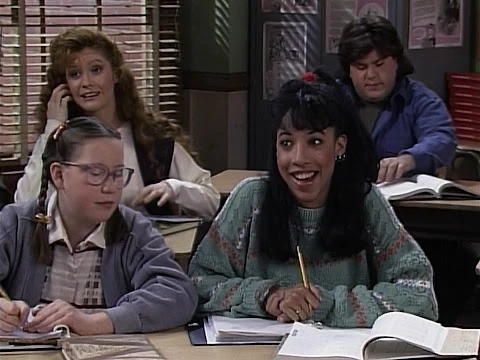
Tony O’Dell’s Alan, Leslie Bega’s Maria, Kimberly Russell’s Sarah, Tannis Vallely’s Janice, and Jory Husain’s Jawaharlal all gave the room more ways to react to something Charlie said. Janice was younger than the others. I remember the little bit of effort it took to figure out where you belonged when you were the youngest person in a room full of older kids. Knowing the work gives you one way in. There’s a lot more to learn about the room after that.
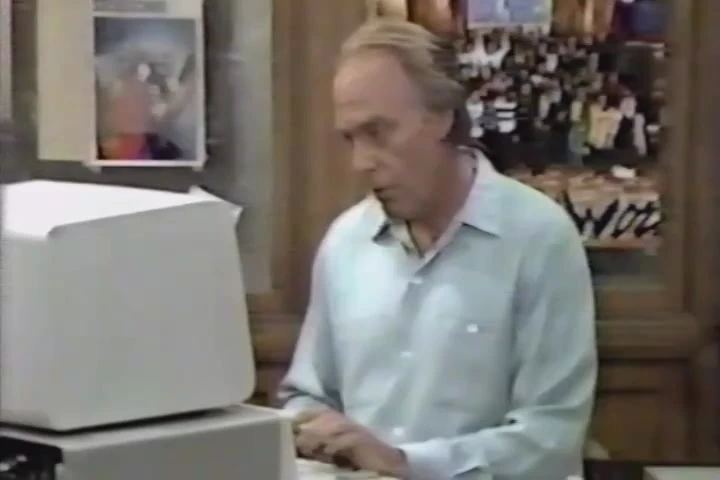
“Love at First Byte” gives Charlie a secret admirer and lets the students know more about it than he does. A teacher who has already had his say about the usefulness of computers winds up puzzling over love notes in his school mailbox. I enjoy seeing the computer in a classroom where somebody has to get to it and use it. The setup has that old feeling of gathering around the one screen in the room because somebody just figured out what they could make it do.
The classroom after we’d spent all day in one
I put Head of the Class on the same shelf in my memory as Welcome Back, Kotter. You could come in late and know what kind of class you’d walked into from the way the kids dealt with the man at the front. On Head of the Class the test scores are high enough to get them a room of their own. On both shows the kids have to see each other again tomorrow, so the parts of school that take place around the work have plenty of time to matter.
Square Pegs takes me back to a different part of the school. I can imagine Patty and Lauren passing the door to Charlie’s classroom while they’re deciding whether to talk to somebody in the hall. Charlie would probably want to hear what they were going to say. I’m fairly sure they’d want to give him a little background first. Either way, it feels like school to me, which means I can tell you about a bunch of small conversations and almost nothing about the room number.
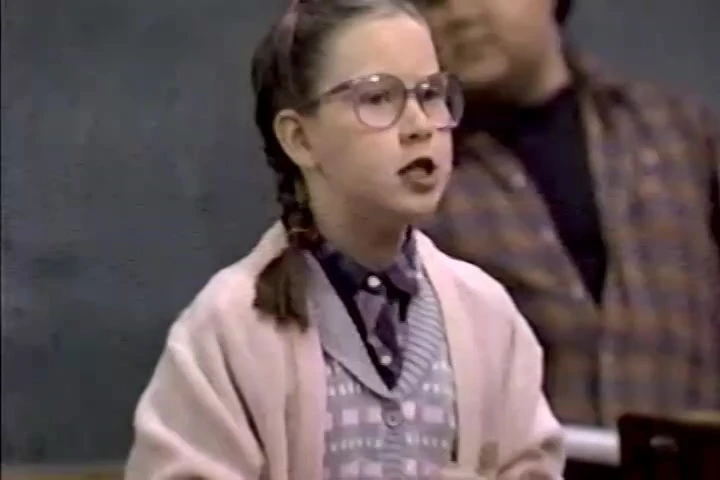
In “The Outsider,” Janice is already in the room and still has to figure out how to be part of the group. She decides to throw a party. I like that because the room can look perfectly settled from the teacher’s desk. Sit where Janice sits and you get a much better idea how easy it is to be surrounded by familiar faces and feel as if you’re waiting for somebody to ask you to join them.
I think that’s why the show worked in a living room where siblings and parents were watching together. The kids could understand a character who had something to say and hoped they’d get an opening. The adults could see the work that went into getting all those people through a day. On another night, both groups might be there mainly to hear what Dennis was going to say next.
The class got all the way to Moscow
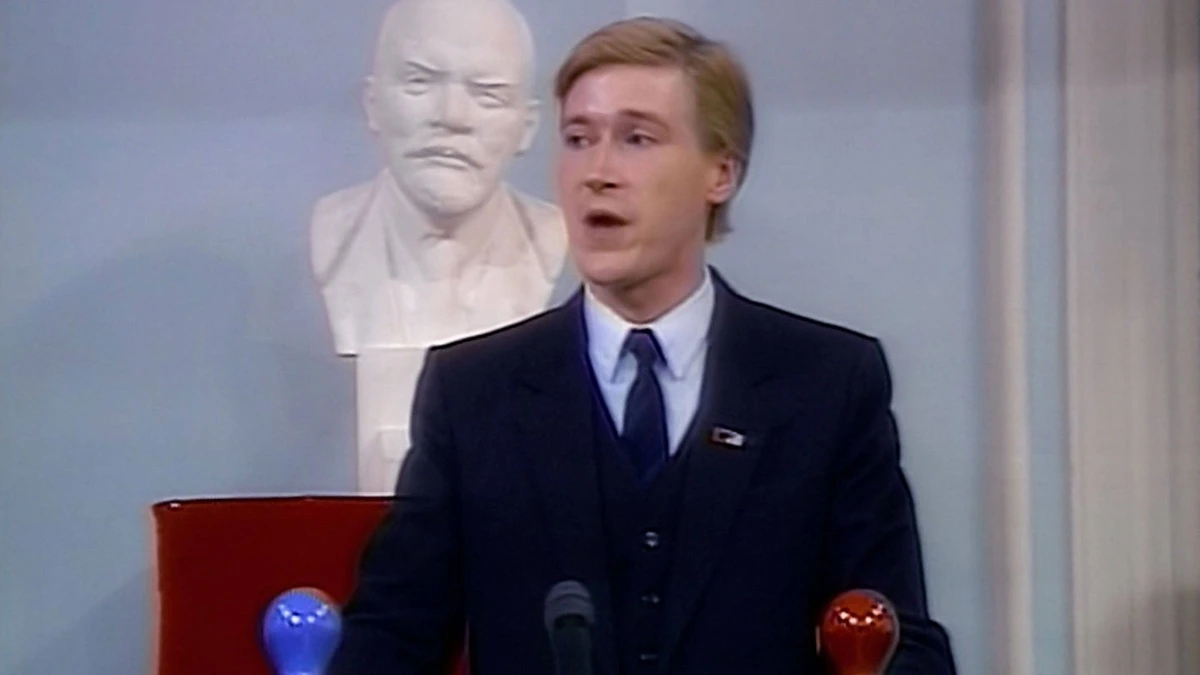
The 1988 two-part “Mission to Moscow” takes the class to the Soviet Union for an academic competition. We’d seen the Americans and the Soviets in academic competition before. This time the series went to Moscow to film. That still catches my attention, even with the trip sitting among the other episode titles now. For two years the room had been doing most of the work of making the kids feel familiar. Suddenly they were out in a place that a lot of us knew mainly from the evening news.
At the beginning, the competition gives them a reason to travel together. Once they’re there, the trip has some of the feel of being away with people you know well enough to see behave differently in a new place. Somebody is ready to talk. Somebody has an expectation they carried all the way over with them. A classmate finds out more about one of the other students because they’re out of the usual seats and there’s time to look around.
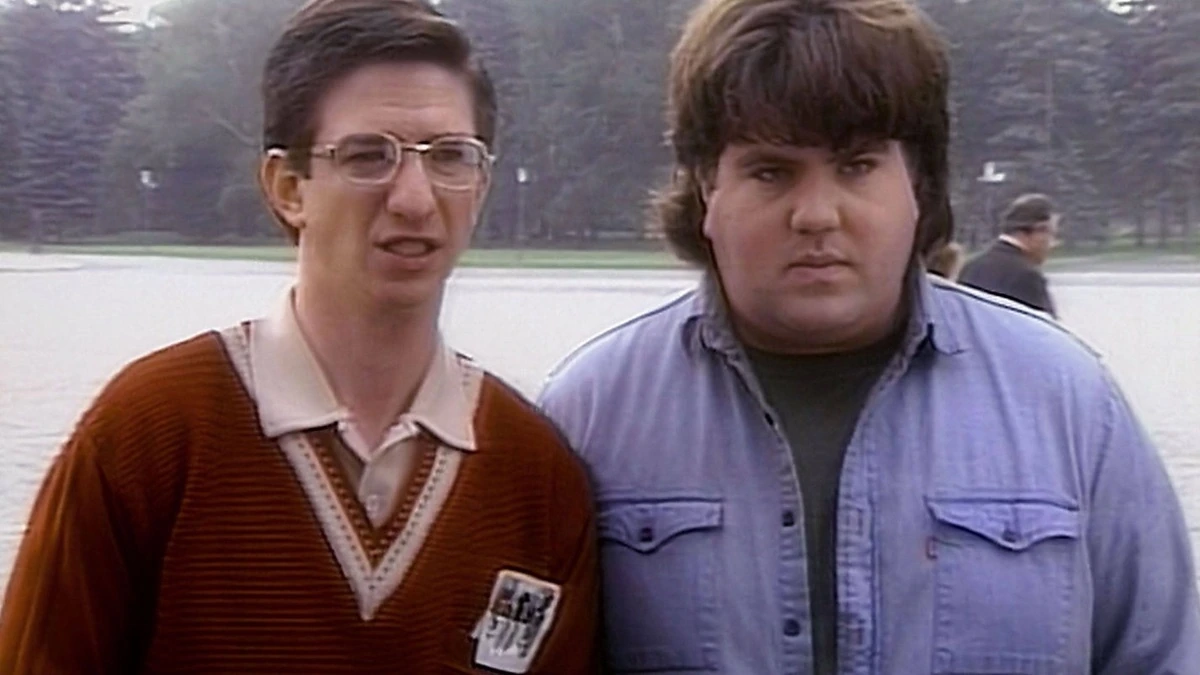
November 2, 1988, is a good date to have when you go back for it. The trip landed in a season when viewers were getting a lot of their ideas about the Soviet Union from images selected for different reasons. I find it nice to spend some of that time with characters who are there to meet people and answer questions. It helps to know how much they can talk in a classroom at home when the situation gives them one more thing to ask about.
I would watch the two parts close together if I were going back to it now. That lets the trip feel like something the kids were away doing for a while. Then go back to an ordinary classroom episode and see how much you’d missed hearing them get into it from their regular desks.
Another teacher and another year at school
The lineup of students changed over the years. Rain Pryor came in as T.J. Jones, and later in the run Ke Huy Quan played Jasper Kwong. A school is a pretty good place for that kind of television change. It feels like every new year begins with somebody you’ve never seen before sitting close enough for you to know what they sound like by the end of the day. The series gave us several ways to notice that time was passing.
Hesseman left after the fourth season. Billy Connolly played Billy MacGregor in the fifth. I have a hard time thinking about a new teacher at the front of a familiar room without hearing the first few minutes of a real class with a substitute. The kids still know where they want to sit. The teacher still has to get a sense of who will ask the first question. Connolly had his own way of getting a room to listen, and people who stayed with the show got to see that room shift around another adult.
The series went on to June 1991, with a two-part goodbye called “It Couldn’t Last Forever.” By then I’d spent enough time with the class to imagine that even some of the kids who were eager to get on with things would remember what the room had sounded like. If you’re going back to when it was new, the 1986–87 television season puts the premiere back among the shows we might have watched that year. The 1987–88 season brings back more of its ABC-era company.
I think I’d start with the pilot and stick around for the first time Charlie gives the room a second to answer. Put the Moscow episodes on when you have time for both. By the end of the night I’ll probably be back to wondering who in my own class would have gotten the first word in. I’ve got two or three people in mind already.
“Charliegate” is a good early stop too. Dennis is writing for the school paper and misquotes Charlie. You get a little taste of how fast a story can go around a school once somebody has actually printed it. There used to be a whole trip from getting the paper to finding the person whose name was in it. The class gets to see Charlie on the other side of that trip, which I’d have enjoyed watching even on a day when I could get out of my own school without saying a word.
Questions about Head of the Class
When did the original Head of the Class air?
ABC aired the original Head of the Class from September 1986 to June 1991. It ran five seasons. The pilot aired September 17, 1986, and the second part of the finale reached ABC on June 25, 1991.
Who played the teachers on Head of the Class?
Howard Hesseman played Charlie Moore in the first four seasons. Billy Connolly played Billy MacGregor in the fifth. William G. Schilling played the principal, Dr. Harold Samuels, and Jeannetta Arnette played school administrator Bernadette Meara.
Did Head of the Class really film in Moscow?
Yes. The original show filmed in Moscow for its two-part “Mission to Moscow” story, broadcast November 2, 1988. Charlie takes the students to the Soviet Union for an academic meet.
Who were some of the original students?
The original students included Arvid, Dennis, Eric, Simone, Darlene, Alan, Maria, Sarah, Janice, and Jawaharlal. They were played by Dan Frischman, Dan Schneider, Brian Robbins, Khrystyne Haje, Robin Givens, Tony O’Dell, Leslie Bega, Kimberly Russell, Tannis Vallely, and Jory Husain, respectively.