THE 1980s / MONDAY NIGHT ON ABC
That's Incredible! in the 80s: When Weird Reality TV Was Family Viewing
A kid played the piano, somebody beat a video game, and sooner or later somebody in the room said, “There’s no way.”
SMELLS LIKE GEN X / 1980s TVDON’T CHANGE THE CHANNEL YETThey’re about to show the part you came back from the kitchen for.
The show would tell you what somebody was about to try, and the room would start arguing about whether it could be done. Then you’d see the equipment, get a look at the person who’d agreed to use it, and find out the commercial was coming first. I remember wanting everybody to hold their questions until we’d seen the landing. That was going to tell us more than whatever we could work out from the couch.
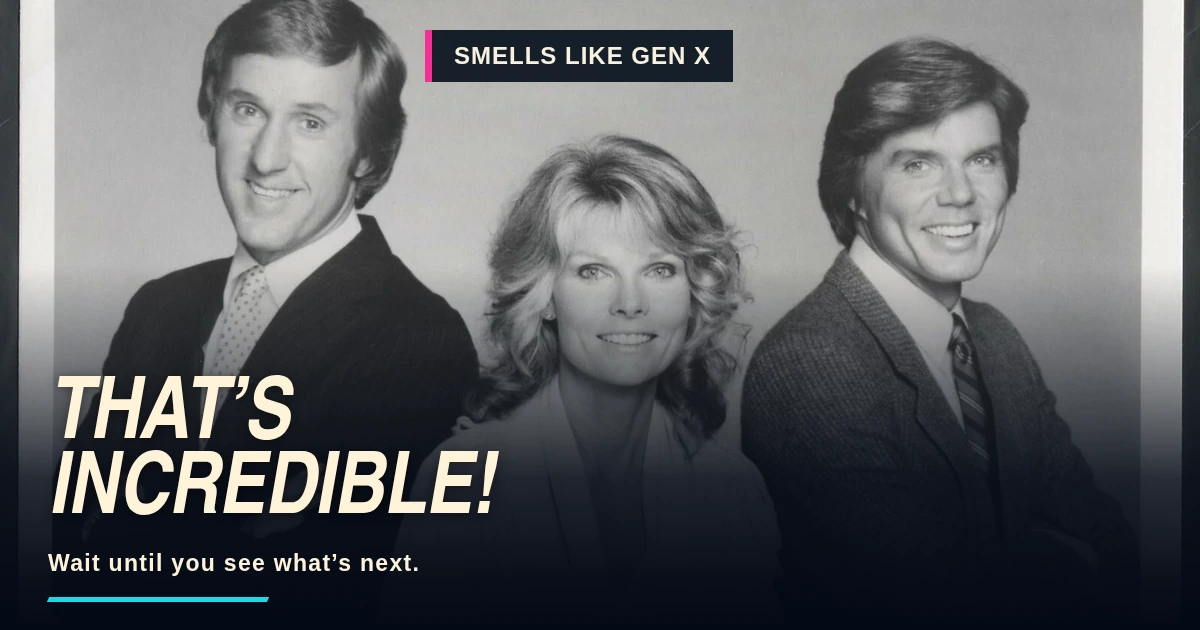
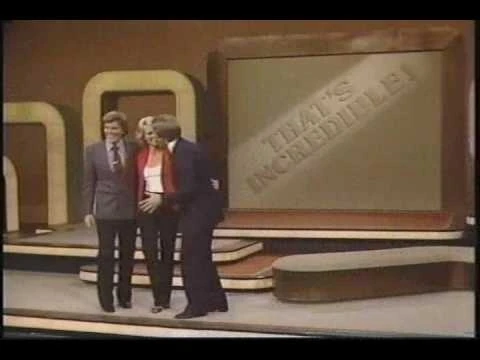
That’s Incredible! arrived on ABC on March 3, 1980, with John Davidson, Cathy Lee Crosby and Fran Tarkenton. It had room for stunt performers, kids who were remarkably good at something, a demonstration you wanted to see twice, and stories about things that might or might not have happened the way they were told. You could spend an evening being impressed, skeptical and slightly worried, all without having to change the channel.
It feels like a very early-eighties way to spend a Monday. One person in the room would be there for the motorcycle. Another might remember a little girl at a piano. If you were the kid who’d been told to stop putting quarters into a machine at the arcade, you might have been the only person in the room who understood why grown people were taking a video game so seriously.
Inside This Article
- Three people to help you believe what you were seeing
- The commercials never helped my nerves
- The little girl at the piano deserved the room
- The night the arcade belonged on the family set
- Everybody brought a different amount of skepticism
- Monday night was busy right out of the gate
- What I’d look for now
- A few things worth checking before the next stunt
Three people to help you believe what you were seeing
The hosts gave the whole thing a friendly place to start. John Davidson had the ease of a guy who could introduce a person with a peculiar reason to be on television and make it sound like the next perfectly reasonable thing to see. Cathy Lee Crosby could get you interested in what the people in a piece had to say. Fran Tarkenton brought the recognizable face of somebody plenty of viewers already knew from football. I remember the three of them as a group before I remember much of what any one of them said. They could give a story a little buildup and leave you ready to see what a camera crew had found. Then they’d be back to introduce something with almost nothing in common with the thing we’d just seen. That’s a useful kind of company for a show that might have a very different idea of entertainment fifteen minutes from now.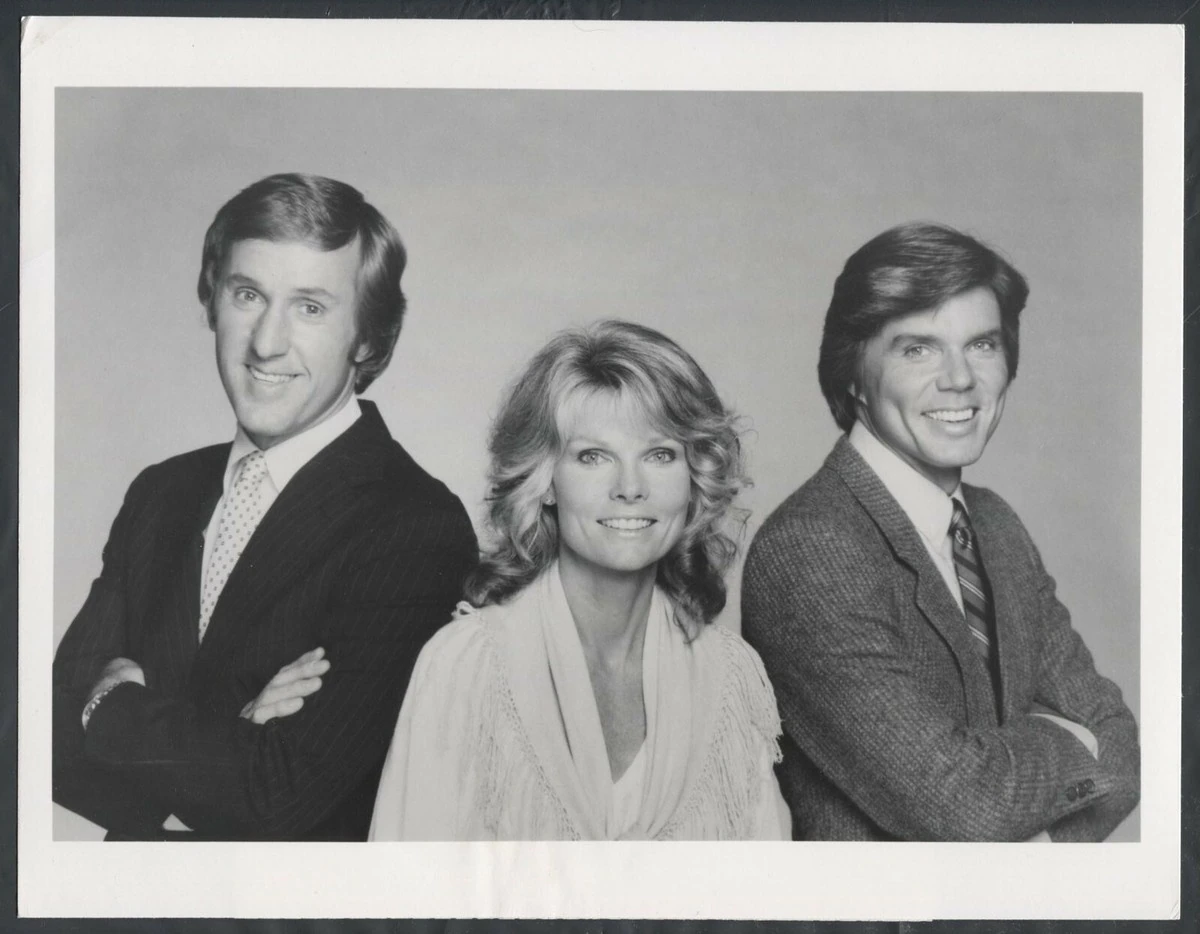
The commercials never helped my nerves
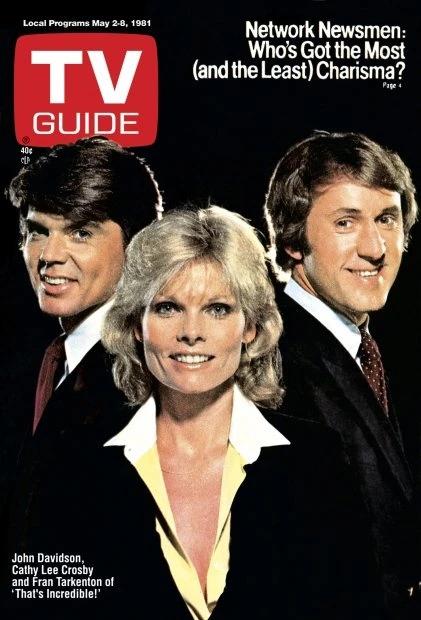
A stunt is one of the easiest things to follow when a roomful of people is doing three other things. A person is here. They intend to get over there. There’s something in between that makes this a pretty poor idea. You can get that much from one look at the picture and have plenty of time to call the person in the kitchen over. TV Guide describes a motorcycle stunt involving three helicopters and their spinning rotors. That’s the sort of premise that could hang around in conversation after a show had ended. You could put two people who’d seen the same piece in a room and get an entirely different explanation of what had made it impressive. A kid might want to know how fast the bike went. A grown-up might be asking why a television show was paying anybody to find out.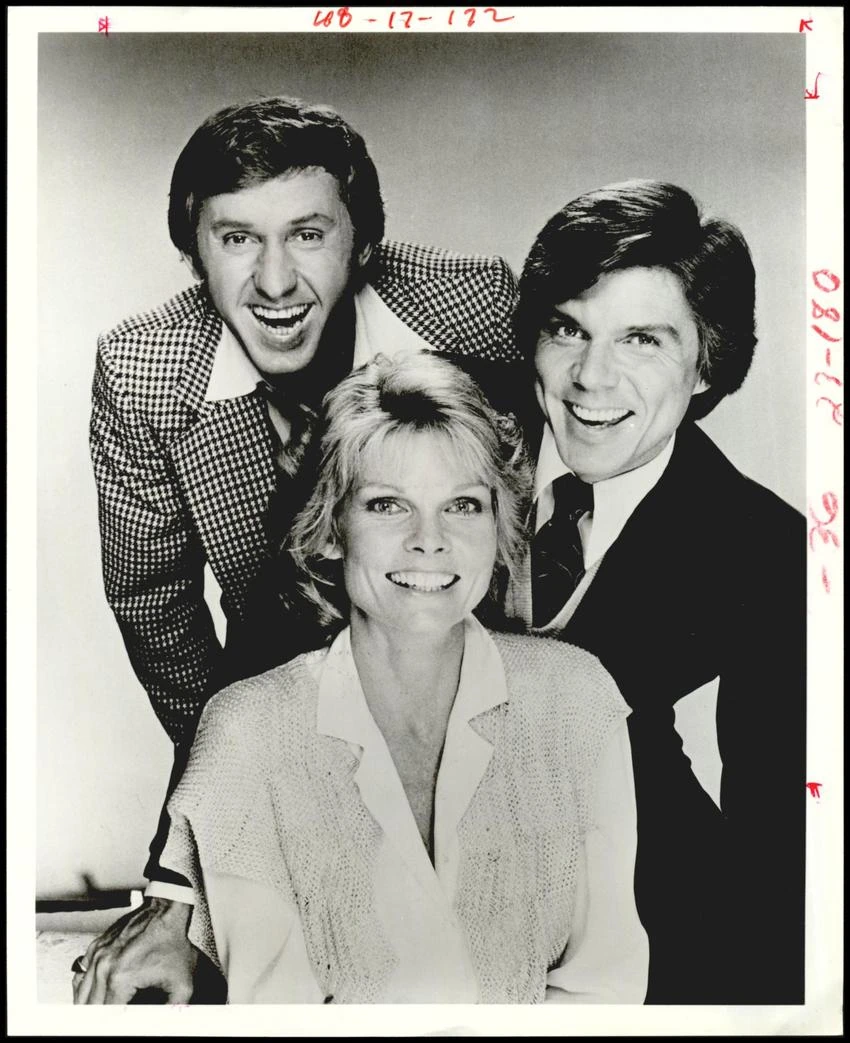
The little girl at the piano deserved the room
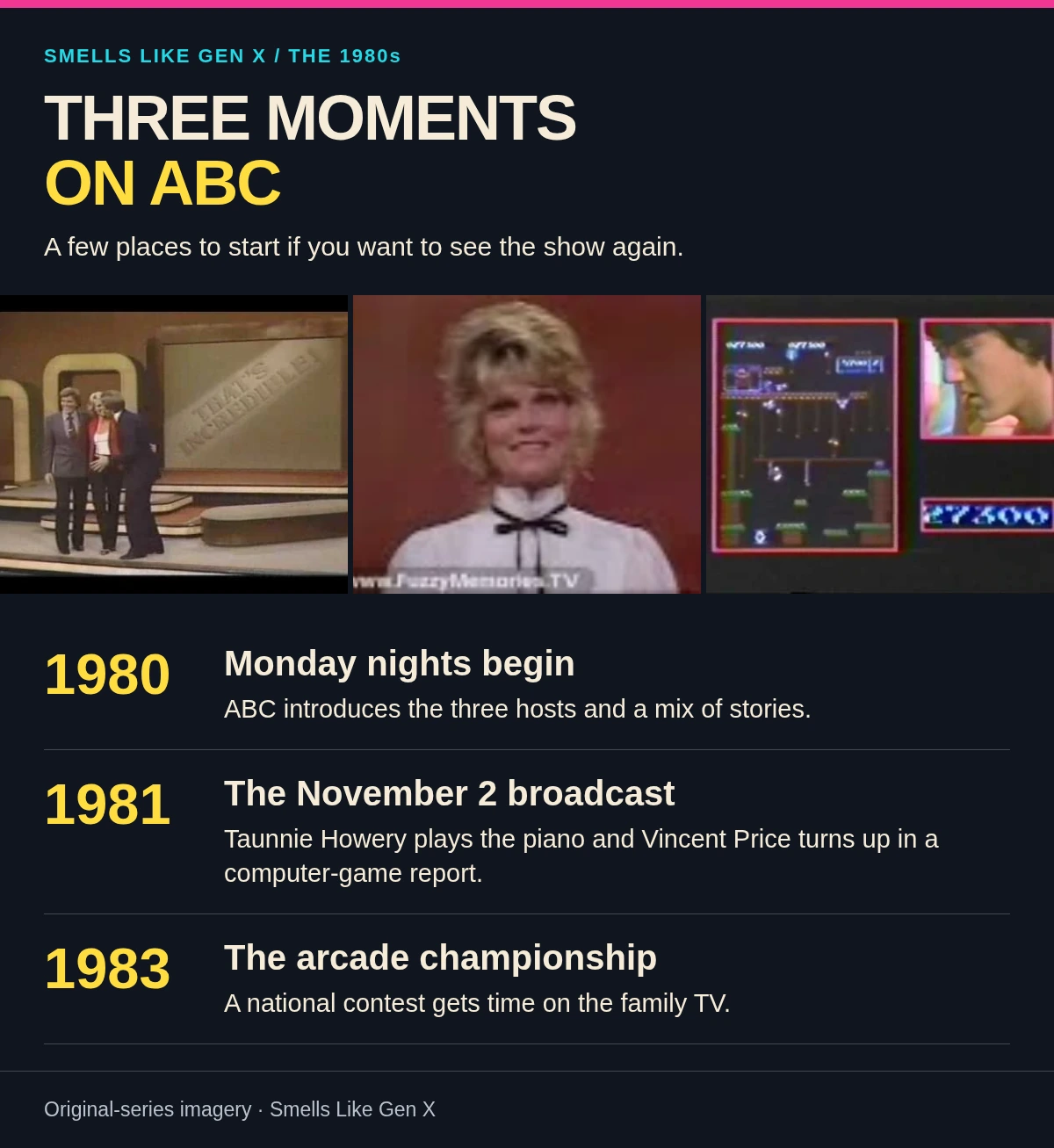
The preserved KABC broadcast from November 2, 1981, has a piece about Satauna “Taunnie” Howery, a seven-year-old blind pianist. Her parents and music teacher appear. In a show I tend to remember as a series of bets somebody was willing to take, it’s nice to go back to a few minutes where I want to hear what a person can actually play. There’s a particular feeling when a kid is good at something in front of a room full of adults. The adults may be waiting to decide how surprised they’re supposed to be. The kid is probably thinking about the thing that comes next. I enjoy the moments when you can spend enough time with the person doing the work to catch a little of that feeling for yourself.
The night the arcade belonged on the family set
I love that a show with a former NFL quarterback on the stage could make room for competitive video games. In January 1983, That’s Incredible! and Twin Galaxies co-sponsored the North American Video Game Olympics in Ottumwa, Iowa. Guinness credits Ben Gold with winning the event, which used five games: Frogger, Millipede, Joust, Super Pac-Man and Donkey Kong Jr. That list is enough to bring back the sound of an arcade. Joust and Frogger ask for two completely different kinds of nerve. Anybody who’d ever used the last quarter of an afternoon could have an opinion about which machine would end the attempt. And there was prime-time television, giving the people who were good at this a chance to demonstrate why anybody would bother getting that good.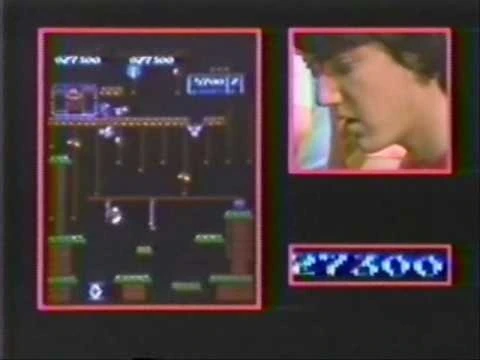
Everybody brought a different amount of skepticism
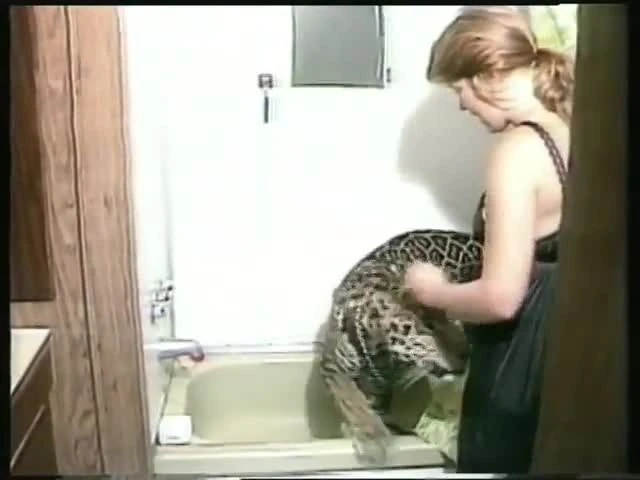
The series made room for unusual claims, including paranormal stories it could present with a reenactment. I remember that as part of the fun of trying to work out how a segment was supposed to land. A person could be curious about a story and still want to know how the people on the show knew it had happened. A reenactment puts a picture in your head. That’s a large part of why it works on television. The picture can be interesting while the account it’s based on remains unsettled. I find those old pieces easier to enjoy when I remember how much of the response used to happen on the other side of the set. You might have one person willing to give the story a chance and somebody else wanting the lights on so they could explain why a thing had looked that way.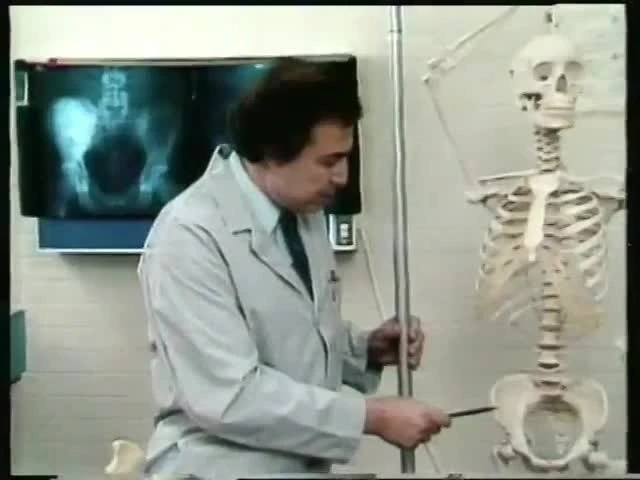
Monday night was busy right out of the gate
The 1979–80 TV rankings put That’s Incredible! at number three for the season. A show that arrived in March was already part of the conversation about what people had watched. A contemporary 1983 trade ad still pitched the program around its Monday time slot and all the things it could pack into an hour. The mix had enough life for several seasons of reasons to sit down. The competition is worth remembering, too. Real People had arrived on NBC the year before and could take you to somebody’s house, town or workshop for an unusual story. ABC’s show made its own impression with the expectation that the next few minutes would give you something to see. You could enjoy both and have a pretty good idea which kind of evening each one had promised you.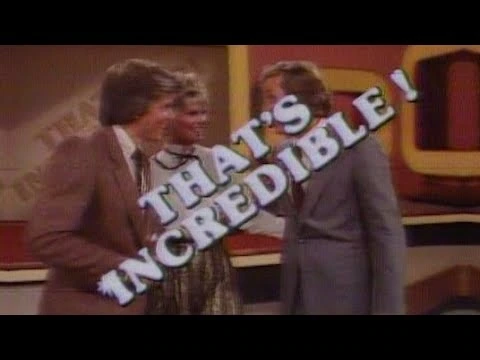
What I’d look for now
Start with the 1983 video game piece if you remember the machines. Then give the 1981 broadcast a chance to play for a while. The young pianist and the Hangman segment make a better case for the show’s range than any single clip of a man going over something on a motorcycle. The original run ended in 1984. The Paley Center also has the separately cataloged 1988 reunion. If an old bit of footage feels familiar and has a different date beside it, there’s a fair chance you’re seeing something a station or a special put back in front of you. The show was made of a lot of pieces. Some of those pieces have had a long life of their own.