Cheers in 1991: How the Best Bar on Television Reached #1
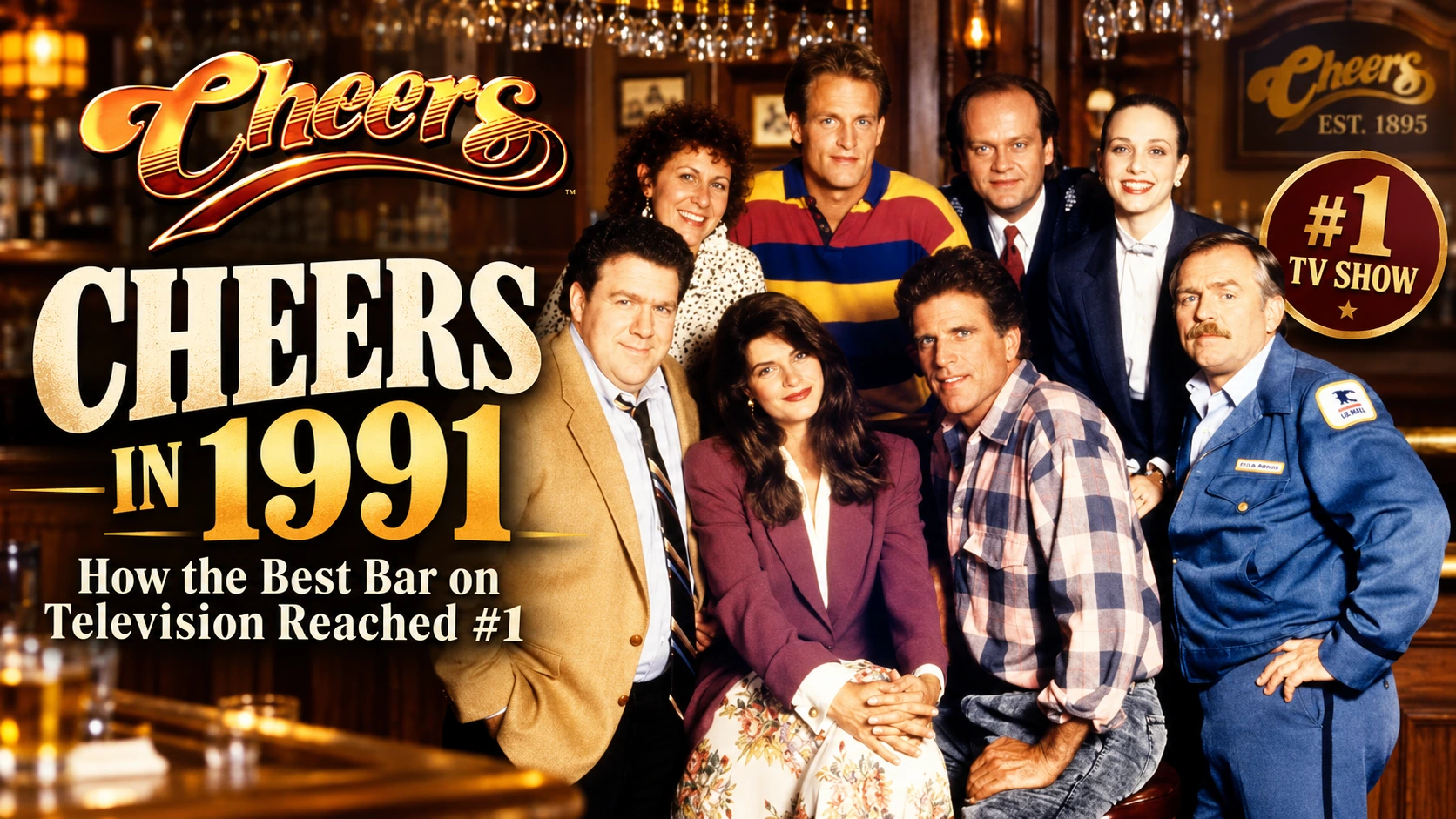
CHEERS In 1991: How the Best Bar on Television Reached #1
The Cheers 1991 ratings tell a story that still looks almost impossible: a sitcom already in its ninth season became the #1 series in America. I remember how normal that felt at the time. Thursday night came around, the theme started, Norm walked in, and somehow the oldest room in prime time still felt like the place everybody wanted to be.
How did Cheers become the #1 TV show in 1991?
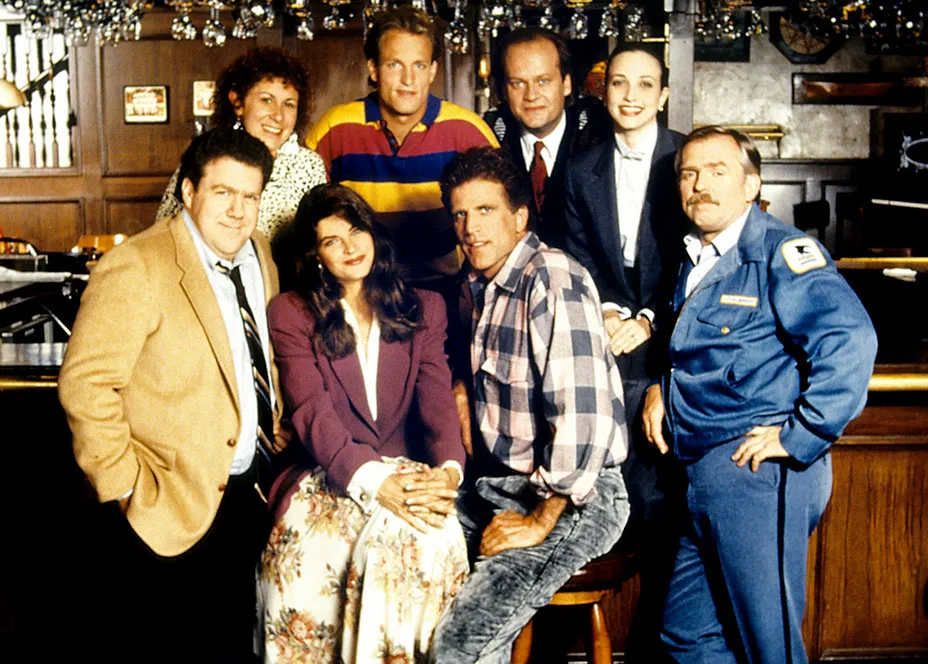
Cheers finished the 1990–91 television season as America’s top-rated series because it had become the rare old show that still felt alive. The cast had survived major changes, the writers knew exactly how to use every character, NBC’s Thursday-night habit was enormous, and the bar itself offered something viewers could feel immediately: familiarity without staleness. If you watched it then, you didn’t think of Cheers as a veteran sitcom hanging on. It felt current because the people in that bar kept changing even when the stools stayed put.
Why Cheers Reaching #1 in 1991 Was So Unusual
Most sitcoms age by getting smaller. Cheers aged by becoming a national habit. If you were watching NBC on Thursday nights then, the strange part wasn’t seeing it at the top—it was realizing a show we’d already been living with for years was somehow still climbing.
By the fall of 1990, nobody needed an introduction to Sam Malone’s basement bar. The audience knew the stairs. It knew where Norm would sit. It knew Cliff would explain something with the confidence of a man who had never once been stopped by a lack of information. It knew Carla could turn a greeting into an assault and that Rebecca could walk into a room believing she was in control about three seconds before the room proved otherwise.
Familiarity is usually where long-running comedy starts dying.
The joke becomes visible before the setup finishes. Characters collapse into catchphrases. A show that once felt like a living place starts to feel like a reunion tour being held every week.
Cheers did something much harder. It made familiarity itself part of the pleasure while continuing to find new combinations inside the same room.
That is why the 1990–91 result matters. This was not a hot new comedy riding curiosity. It was not a second-season breakout finally finding an audience. It was a ninth-season ensemble becoming the most-watched series of the official Nielsen season.
The Los Angeles Times reported in April 1991 that Cheers finished as the top-rated series for the entire 1990–91 season. A week earlier, it had already finished first in the weekly Nielsen standings for the sixteenth time that season.
Sixteen times.
That is not nostalgia. That is dominance.
And it gives Cheers a specific place in our larger guide to 1990s TV shows, sitcoms, dramas and prime-time classics. At the exact moment television was beginning to look more like the 90s—sharper, younger in places, more culturally specific in others—the biggest series in America was a comedy that had premiered back in 1982.
How Cheers Went From Low Ratings to the #1 Show on Television
The road to #1 is funnier when you remember that Cheers spent its first year looking like the kind of brilliant show networks cancel.
Glen and Les Charles created the series with director James Burrows around a simple idea: a comedy built inside a Boston bar where a group of regulars could form a community without being a family in the traditional sitcom sense.
The Television Academy interviews with the Charles brothers and Burrows are full of stories about that early creation process—choosing Boston, researching bars, developing Sam and Diane, and building regular characters who could enter the same room every week without exhausting the premise.
The first season was critically admired and poorly rated. The Charles brothers have spoken directly about those low early numbers. NBC kept it alive.
That decision became one of those network choices that looks obvious only after history has rewritten the risk.
The early Cheers engine was Sam and Diane: former Red Sox relief pitcher and recovering alcoholic Sam Malone sparring with intellectual, overeducated waitress Diane Chambers. Their chemistry gave the show romantic voltage, but the bar around them prevented the series from becoming only a romance.
Coach could wander into the conversation. Carla could destroy somebody. Norm could arrive. Cliff could be wrong. The room always had another angle.
Then real television life intervened.
Nicholas Colasanto died in 1985, and the show lost Coach. Woody Harrelson entered as Woody Boyd and somehow became part of the furniture almost immediately—not by imitating Coach, but by bringing a younger, wide-eyed rhythm into a room full of professional cynics.
Shelley Long left after season five. That should have been the event that broke the series.
Instead, Kirstie Alley arrived as Rebecca Howe, and the show reconfigured itself.
By 1991, Cheers had already survived the kind of cast turnover that ends most comedies. The remarkable thing is that those changes did not leave the series feeling patched together.
They made it broader.
Cheers premieres on NBC with strong reviews and dangerously weak early ratings.
After Nicholas Colasanto’s death, Woody Boyd joins the bar and becomes a new kind of comic innocence.
Shelley Long exits and Kirstie Alley enters as Rebecca Howe, reshaping the show after Diane.
The series marks its 200th episode with an hourlong anniversary special that becomes a ratings event.
Season nine finishes as the #1 television series in America and wins Outstanding Comedy Series.
The Cheers Bar: Why the Setting Never Got Old
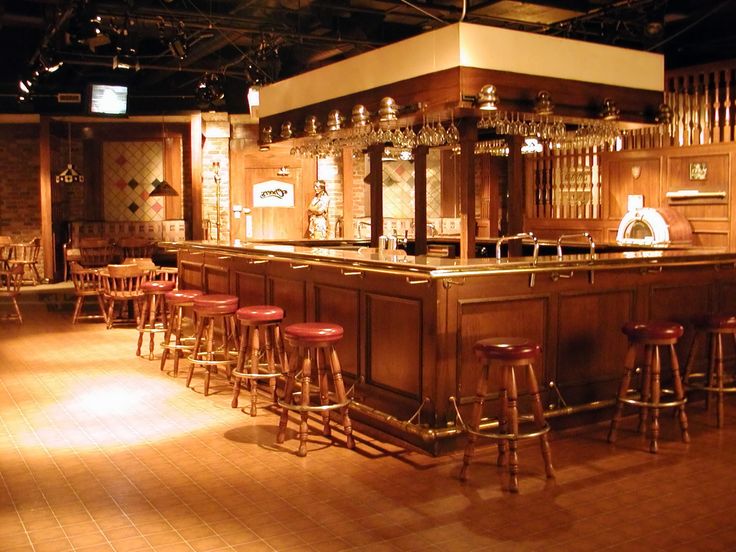
The genius of the bar was that characters could arrive without needing a reason beyond “I came to the bar.” As a kid and then a young Gen Xer watching this stuff in real time, that basement room felt like one of those adult places you somehow knew before you were old enough to belong there.
That sounds almost too easy, but it solved one of television comedy’s oldest problems.
Family sitcoms need reasons for outsiders to enter the house. Workplace comedies eventually have to explain why everybody is still at work. Apartment comedies can start feeling suspicious when six people apparently have no other address.
A bar expects traffic.
Somebody comes in after work. Somebody is avoiding home. Somebody wants to celebrate. Somebody wants to complain. Somebody is meeting a date. Somebody is looking for Sam. Somebody just wants Norm’s stool and has made a serious mistake.
The room creates stories before the writers have to manufacture them.
More importantly, the bar gave the audience a stable emotional geography. The stairs were an entrance. The office gave Sam and Rebecca privacy when a scene needed it. The pool room could pull characters away. The back rooms, bathrooms and Melville’s upstairs could expand the world without diluting the feeling that everything eventually returned to the same counter.
There is another reason the bar aged so well: it was a “third place” before television talked about third places.
Not home. Not work. Somewhere in between.
That mattered to the characters, but by season nine it mattered just as much to the audience. Thursday night did not feel like visiting a set. It felt like checking in.
The theme song told us this from the beginning. “Where Everybody Knows Your Name” did not promise plot. It promised recognition.
By 1991, recognition had become the product.
Sam Malone in 1991: How Ted Danson Let the Character Grow Up
Ted Danson’s smartest choice was allowing Sam’s confidence to get less convincing as the years went on.
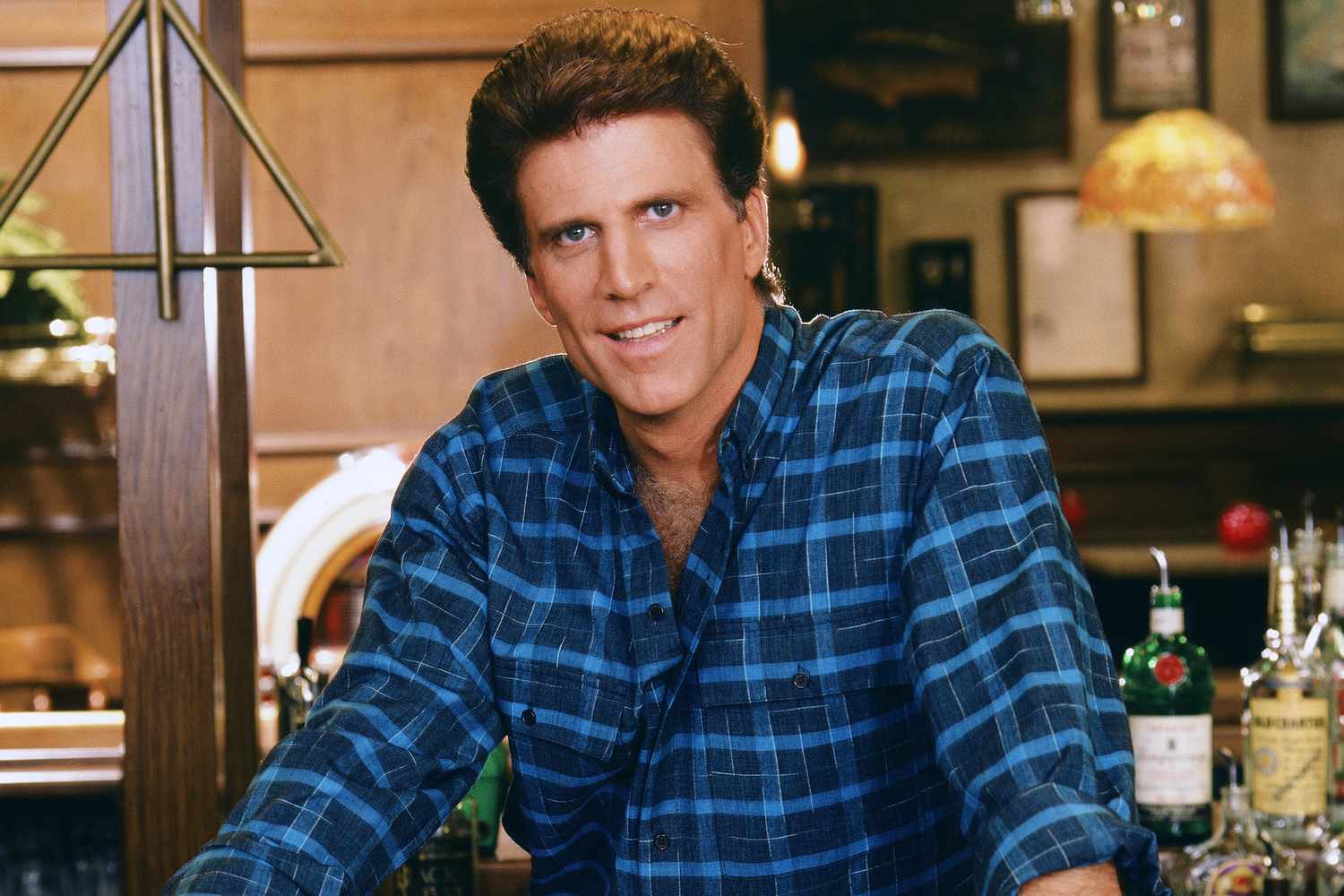
Early Sam could walk into a romantic story assuming the universe had already agreed with him. He was handsome, athletic, charming and built around the identity of a former baseball player who still treated conquest like competition.
That character would have become unbearable if the show had preserved him in amber.
Instead, age started pressing on the performance.
Sam remained vain. He remained obsessed with women. He remained capable of absurd confidence. But the series increasingly let us see the panic underneath it.
What happens when the guy who built his identity around being the most desirable man in the room notices the room has changed?
Season nine uses that question more than once.
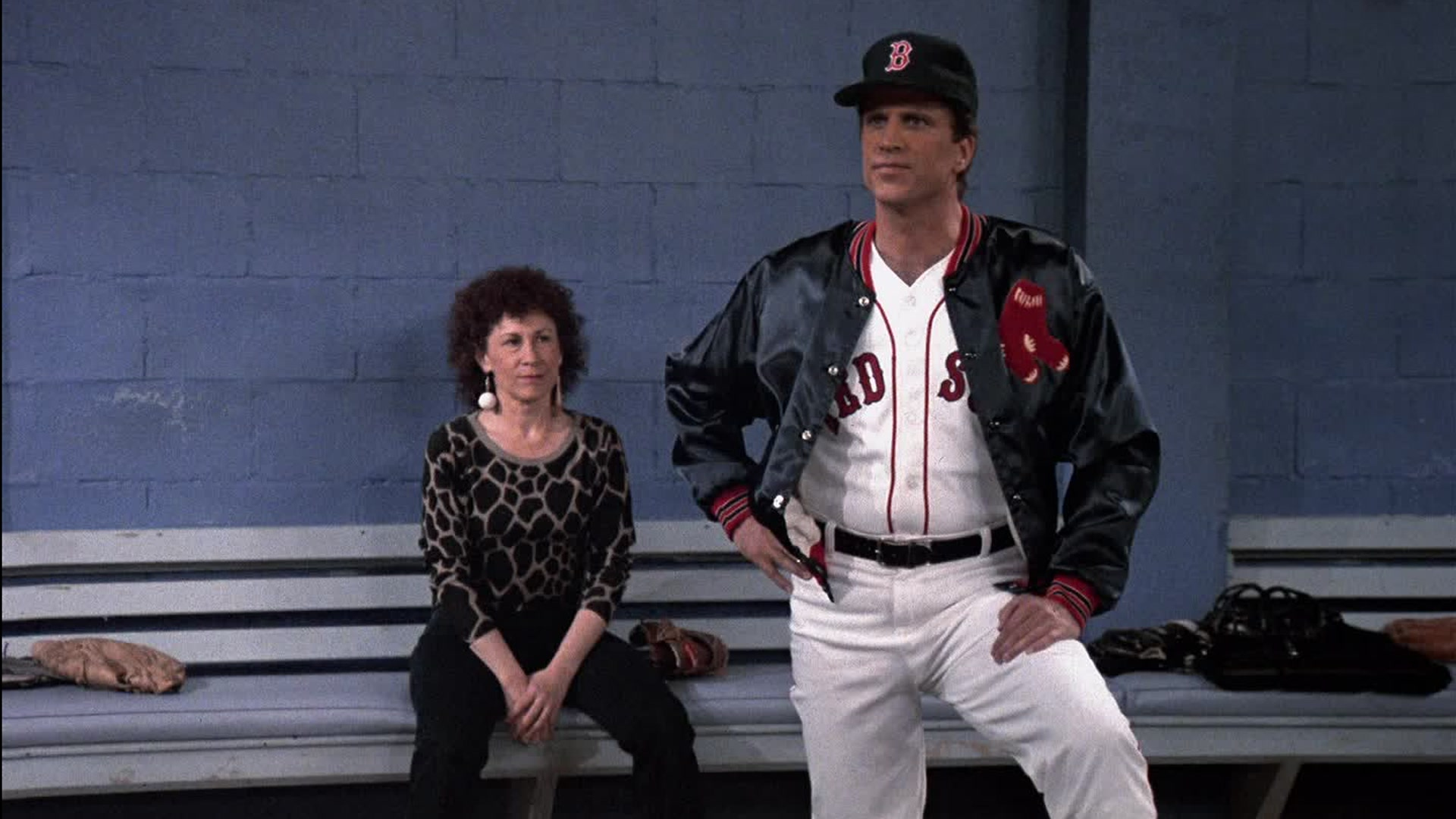
In “Pitch It Again, Sam,” baseball comes back into his life as an old rival pushes him toward one more performance on the mound. The story works because baseball is not simply a funny piece of Sam’s biography. It is the previous version of himself that he keeps carrying around.
Near the end of the season, “Home Malone” puts Sam in charge of Frasier and Lilith’s young son, and “Uncle Sam Wants You” pushes the thought further: maybe he wants a child of his own.
That is not season-one Sam.
It is still Sam—vain enough to imagine fatherhood on his own terms, impulsive enough to approach it badly—but the desire signals a man noticing that the old routine cannot be the only routine forever.
This is one reason Cheers could be comforting without becoming static. The characters did not transform into completely different people. They developed new anxieties inside the same recognizable flaws.
Rebecca Howe: Why Kirstie Alley Helped Cheers Survive Diane
Replacing Diane with another Diane would have killed Cheers more efficiently than canceling it.
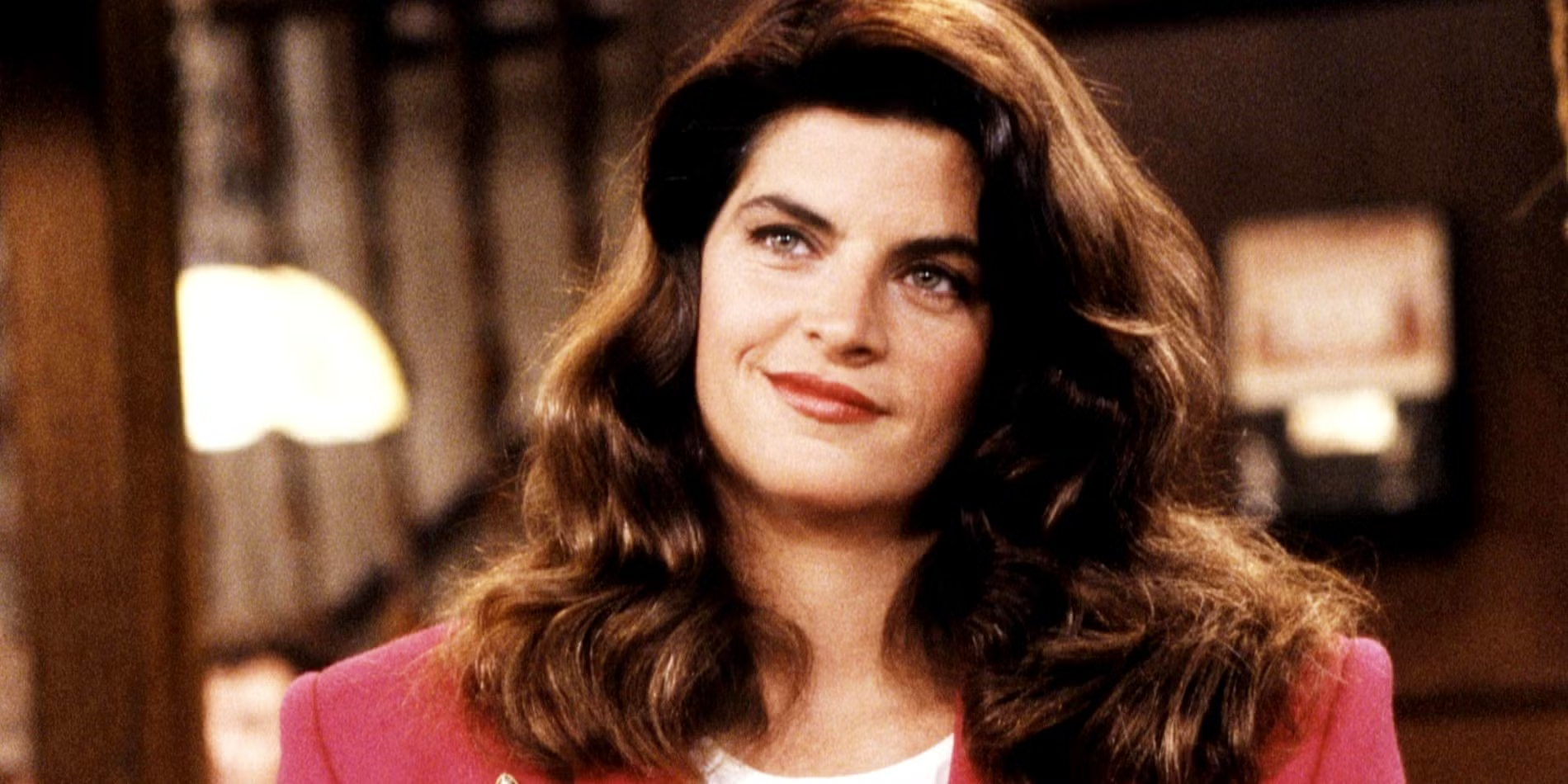
Kirstie Alley’s Rebecca Howe was not brought in to recreate the Sam-Diane engine. That is the entire reason the transition worked.
Diane entered the bar believing she was intellectually above it. Rebecca entered believing she was professionally above it.
Then life kept humiliating her.
Rebecca wanted status, control, money and the kind of corporate success that would prove she belonged in a bigger world than the bar. The comedy came from the gap between that self-image and the chaos she actually produced.
By season nine, the character had been on the show long enough that the audience no longer watched her as “the woman after Diane.” She had her own history.
The Robin Colcord relationship becomes central to the 1990–91 season. Rebecca wants the billionaire fantasy because it seems to solve everything she thinks she lacks. Robin’s legal trouble, imprisonment and eventual proposal turn that fantasy into one long demonstration that money does not make Rebecca less insecure.
“The Days of Wine and Neuroses” and “Wedding Bell Blues” push the relationship toward marriage while making Rebecca’s panic impossible to ignore.
The emotional trick is that Sam can see her uncertainty even while Sam remains Sam.
That creates a very different romantic tension from Diane. It is less about two people pretending they do not want each other and more about two people who have already blurred the lines between friendship, sex, rivalry and dependence.
The Television Academy awarded Alley the 1991 Emmy for Outstanding Lead Actress in a Comedy Series for Rebecca.
That is one of the cleanest pieces of evidence that the “replacement character” phase had ended. Rebecca was now part of the show’s peak.
The Cheers Cast: Why the Ensemble Was Still Getting Better
A long-running sitcom stays healthy when an episode does not collapse the second the lead steps out of the center.
Cheers had reached the point by 1991 where almost any pair of regulars could generate a story.
Norm and Cliff. Carla and Cliff. Frasier and Sam. Lilith and Rebecca. Woody and anybody sophisticated enough to regret asking him a question.
The combinations mattered because ensemble depth is what kept the show from relying on one romantic engine.
The social center, former athlete, bartender and professional believer in his own appeal.
Ambition, insecurity and status anxiety wrapped inside one of television’s best panic performances.
Hostility as a service industry skill.
The regular whose arrival became a weekly ritual before he said anything else.
A postal worker carrying enough misinformation to fill every quiet second forever.
Comic innocence powerful enough to survive in a room designed to punish innocence.
Education, insecurity and ego slowly absorbed into the bar’s social ecosystem.
Bebe Neuwirth’s precision turned stillness, intelligence and judgment into a completely different comic weapon.
A lot of sitcoms claim to be ensembles while quietly waiting for the star to return.
Cheers could build an A-story around one character and still have two background conversations capable of stealing the episode.
That is what nine years of accumulated chemistry buys you—if the writing keeps earning it.
Norm and Cliff: How Cheers Turned Repetition Into Character
“Norm!” is barely a joke on paper. On television, it became architecture.
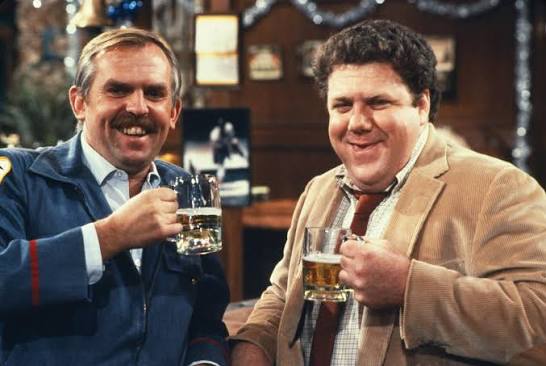
Norm enters. The bar reacts. Norm answers whatever greeting comes from behind the counter. He moves toward the same stool.
Repeat for years.
Normally that should wear out.
Instead, George Wendt turned Norm’s arrival into one of the most reliable pleasures in sitcom history because the ritual was not supposed to surprise us. It reassured us.
Norm’s bar life also contained a contradiction the show never needed to solve. He complained about work, avoided home when convenient, loved Vera despite the jokes and treated Cheers as if it were the room where his public identity made the most sense.
Cliff was the opposite kind of regular.
John Ratzenberger’s postal worker needed to contribute. Facts, theories, obscure trivia, explanations nobody requested—Cliff filled silence because silence might allow somebody else to discover he did not know as much as he claimed.
That made him both irritating and strangely vulnerable.
Season nine’s “Ma Always Liked You Best” uses Cliff’s relationship with his mother to expose how quickly his pompous confidence can collapse into wounded childhood jealousy when Esther takes a liking to Woody.
Norm and Cliff worked because they were not simply joke machines.
They were the people who would still be there next Thursday.
Carla and Woody: Two Opposite Comic Engines
If Carla believed the worst about you, Woody might still be trying to understand what you meant.
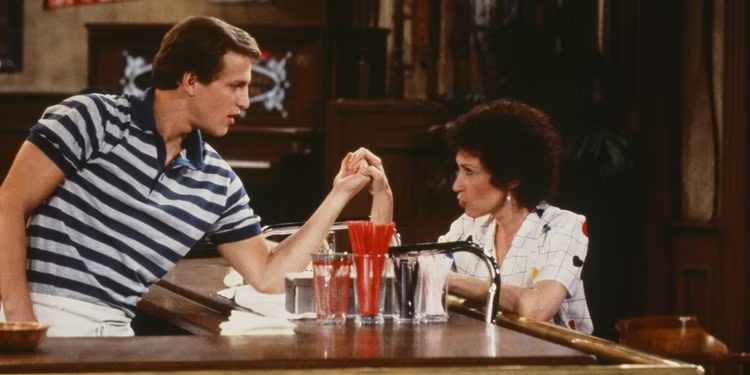
Rhea Perlman’s Carla could turn a look into an insult before the line arrived. Her contempt for Cliff was practically a secondary language. Her chaotic family life and economic reality also gave the show a harder edge than the romantic stories sometimes did.
Carla worked in the bar because she was not there to make customers feel emotionally safe.
She was there to serve drinks and survive the shift.
Woody arrived from Indiana carrying the opposite energy. Woody Harrelson never played him as stupid in a dead-eyed way. Woody often understood exactly what mattered emotionally even when he misunderstood the mechanics of the conversation.
That made him dangerous in a different comic direction. Sophisticated characters could spend a minute setting up an argument and Woody could destroy the whole structure with one sincere question.
Season nine gives him stories about Kelly, work, ethics and the now-famous “Veggie-Boyd” commercial, where Woody’s problem is not merely that he endorsed a product he hates. His problem is that lying bothers him.
In a bar full of people who have spent years rationalizing their own behavior, Woody’s moral discomfort is almost exotic.
The contrast between Carla and Woody shows how carefully the ensemble was balanced. One character assumed people were ridiculous. The other kept being surprised when they were.
Frasier and Lilith: How Cheers Expanded Its Ensemble
Frasier Crane entered Cheers as a complication in somebody else’s romance and stayed long enough to become one of television’s most durable characters.
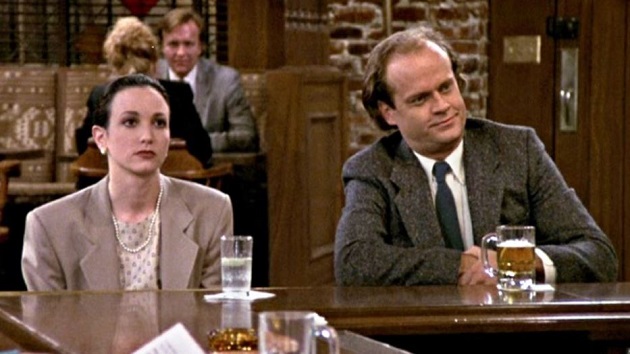
Kelsey Grammer’s Frasier was educated, articulate and theoretically equipped to diagnose everybody in the room.
Then he became one of them.
That is the joke.
Frasier could explain dependency while displaying it. He could analyze Sam’s ego and immediately reveal his own. The bar wore down the distance between psychiatrist and patient until Frasier’s education became another kind of personality flaw the ensemble knew how to exploit.
Lilith gave him somebody who could match the vocabulary and defeat the performance.
Bebe Neuwirth’s stillness is one of the great tonal contrasts in the series. Carla explodes. Rebecca spirals. Woody wanders. Lilith barely moves, and a tiny change in expression becomes the whole joke.
Season nine uses the Cranes as new parents, which gives Sam another lens on aging and adulthood. “Home Malone” leaves Sam babysitting Frederick. “Uncle Sam Wants You” follows the emotional aftershock.
The Cranes also prove how porous the bar had become as a social world. Frasier was never supposed to be the guy who spent the rest of his life downstairs drinking with Norm and Cliff.
But once Cheers accepted him, it became difficult to imagine the room without him.
Neuwirth won the 1991 Emmy for Outstanding Supporting Actress in a Comedy Series. A few years later, Frasier would leave Boston for Seattle and prove just how much character Cheers had built around someone who originally arrived as a temporary obstacle.
Why Cheers Felt Like Boston Instead of a Generic TV Bar
The series could have been set in “generic American bar” and still had good characters. It would not have been Cheers.
Boston mattered because Sam’s history mattered.
He was not simply a former athlete. He was a former Red Sox pitcher, which gave his ego a local mythology. People could walk into the bar remembering him from a version of Boston that existed before the pilot.
That local specificity also gave the show a natural relationship with sports without turning it into a sports comedy.
Season nine’s “Cheers Fouls Out” brings Boston Celtics star Kevin McHale into the bar as Sam escalates his rivalry with Gary’s Olde Towne Tavern. The episode is ridiculous in exactly the right way: Sam is so invested in beating another bar that he is willing to recruit an actual professional basketball player into a neighborhood grudge match.
McHale does not feel randomly parachuted into the series because the guest appearance fits the ecosystem. Boston sports celebrity walking into a Boston bar run by a former Red Sox player makes sense in a way that generic celebrity stunt casting would not.
The city also lived in accents, assumptions, class signals and the general sense that people had histories with places.
Norm did not just drink somewhere. He drank here.
Cliff did not just deliver mail in some city. His postal-worker identity felt connected to a neighborhood-scale world where routes, bars, restaurants and old acquaintances overlapped.
That geographic confidence helped the series age. The show never needed to chase whatever city television had decided was fashionable that year. It had already built its own block.
Bar Wars: How Cheers Built Recurring Comedy Without Wearing It Out
Gary’s Olde Towne Tavern was funny because everybody at Cheers treated the rivalry with a seriousness completely out of proportion to its importance.
That is one of the purest forms of sitcom comedy.
Nothing truly catastrophic happens if Cheers loses a prank war, a sporting contest or a battle of pride.
Try telling Sam that.
The recurring Bar Wars stories gave the series an external opponent that could unite people who spent the rest of the week insulting one another.
Carla might hate half the room on principle, but an attack from Gary’s changes the jurisdiction.
That distinction is funny because it reveals how strongly the regulars identify with the bar. They are not customers defending a business. They are citizens defending territory.
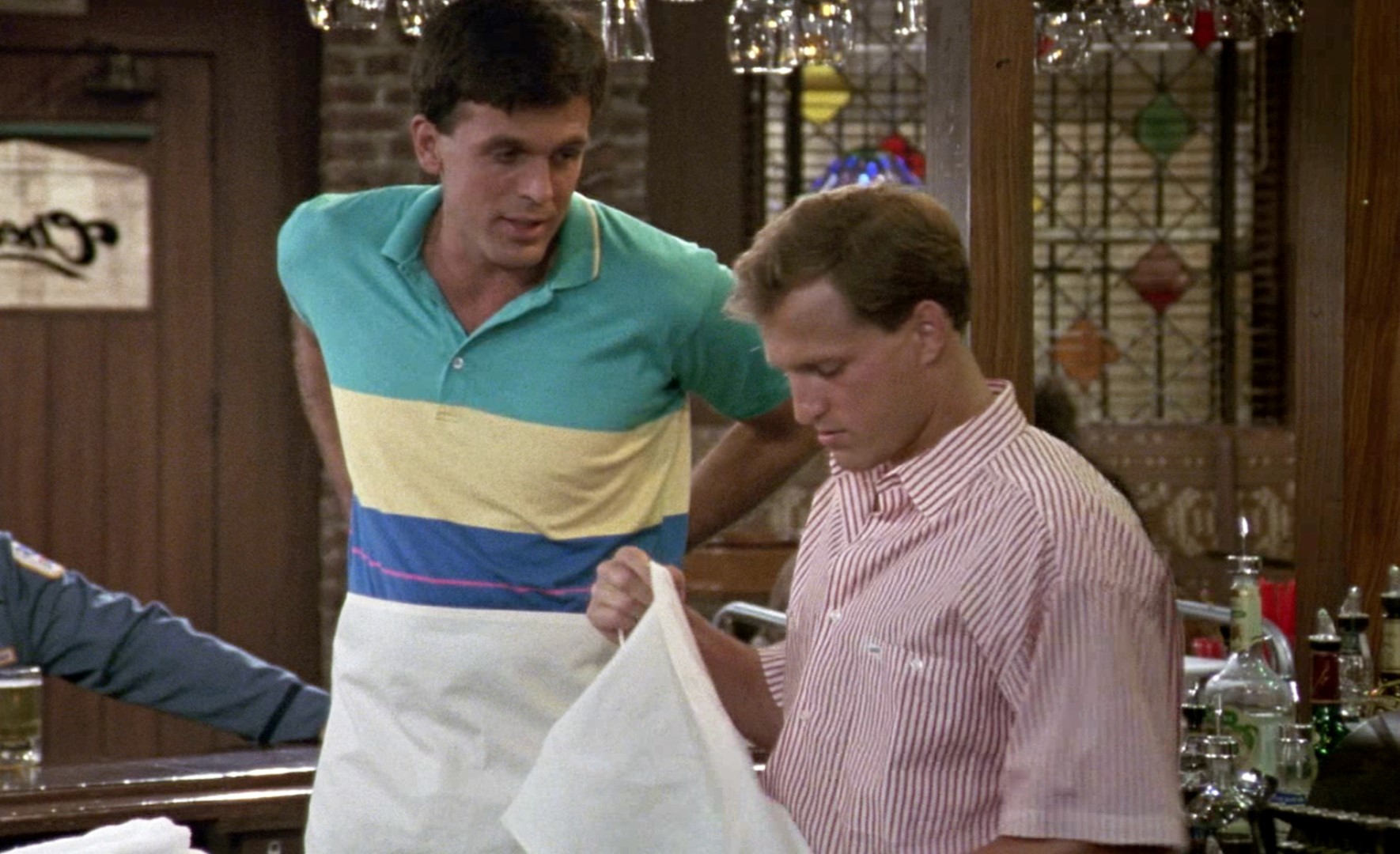
“Cheers Fouls Out” in season nine turns that loyalty into a basketball grudge match and gives the show a chance to use Sam’s competitive streak, Woody’s earnestness, the bar’s Boston sports identity and guest star Kevin McHale in one story.
More importantly, the recurring rivalry proves how much mythology the series had accumulated by 1991.
A new viewer can understand the episode immediately: Sam wants to beat the other bar.
A longtime viewer gets the extra layer: of course Sam wants to beat Gary again.
That is the sweet spot every long-running comedy wants and very few reach.
The history rewards you without charging admission.
How Cheers Used Eight Years of History Without Becoming Homework
By 1991, the show had enough history to drown in continuity. Instead, it used continuity like seasoning.
Viewers who remembered Diane knew more about Sam.
Viewers who remembered Coach knew more about the emotional history of the bar.
Viewers who had watched Frasier arrive as Diane’s boyfriend understood how bizarre his complete absorption into the regular crowd really was.
Viewers who had followed Rebecca from her corporate-manager entrance understood why Robin Colcord represented such a powerful fantasy for her.
But none of those histories required a recap before the current episode could work.
That is a craft achievement worth lingering on because modern serialized television often treats continuity as information the audience must retain.
Cheers treated continuity as emotional weight.
Sam’s past with Diane makes him richer, but you do not need a chart to understand that he is attracted to Rebecca and afraid of sincerity.
Coach’s memory adds warmth to Woody’s place in the bar, but Woody is funny on his own.
Frasier’s origin story makes his barfly status more absurd, but all you need in a scene is the sight of an elite psychiatrist arguing with Cliff.
This is one reason the show could become #1 so late.
It rewarded loyalty without becoming inaccessible.
The longtime audience received history. The casual audience received character.
Why Cheers Still Felt Effortless After Hundreds of Episodes
A show this familiar only looks easy after hundreds of people have worked very hard to hide the work.
James Burrows co-created Cheers with Glen and Les Charles and directed most of the series. His Television Academy interview is a master class in why multi-camera comedy depends on rhythm, staging and knowing exactly where the laugh is supposed to happen.
Burrows came out of theater and multicamera television, and you can feel that in the bar.
Characters move for reasons. Entrances matter. A reaction can be staged across the room. The audience can see who is listening even when the dialogue belongs to somebody else.
That last part is essential.
The funniest ensemble comedies are full of people reacting before they speak. Cheers understood that the bar could have a collective opinion.
The Charles brothers built characters around conflict patterns strong enough to keep generating scenes. Sam needs admiration. Rebecca needs status. Carla needs targets. Cliff needs to explain. Norm needs the bar. Frasier needs to believe he is above the behavior he is currently demonstrating.
The writing staff changed over the years, but the internal logic stayed remarkably stable.
By season nine, the writers did not need to invent personalities. They needed to find pressure points.
That difference is why mature comedy can become richer instead of thinner.
When the audience already knows what a character wants, a writer can get to the interesting part faster.
Strong characters meant plots could begin with conflict instead of exposition.
Burrows treated the room like a stage where reactions were part of the joke.
The cast knew the rhythms well enough to make precision look casual.
The Cheers Theme Song: Why ‘Where Everybody Knows Your Name’ Mattered
“Where Everybody Knows Your Name” is not really a song about a bar. It is a song about relief. And if you watched Cheers when it was actually on NBC, those first notes were practically a time signal: whatever else was going on, Thursday night had reached the part of the week where we went downstairs to Boston.
Gary Portnoy and Judy Hart Angelo wrote the theme, and the Charles brothers have discussed in Television Academy interviews how it emerged after other musical ideas were considered.
The opening works because it promises the exact thing the episode will deliver: escape from whatever happened before you arrived.
The vintage barroom images in the title sequence make the idea feel older than the characters. People have always needed a place like this. Different faces, same stools.
The Television Academy recognized the opening title design with an Emmy in the first season.
By 1991, the theme had become almost Pavlovian.
The first notes did not simply identify the program. They changed the room.
If you watched television in the network era, that matters. You did not click a thumbnail after reading three reviews. The show arrived at a fixed time. The music announced that a familiar half hour had started.
That is one reason the theme remains inseparable from the show’s late-run success. It transformed routine into emotion.
Cheers Season 9: Why the 1990–91 Season Still Felt Fresh
The 1990–91 season works because it does not feel like the series is waiting for a finale.
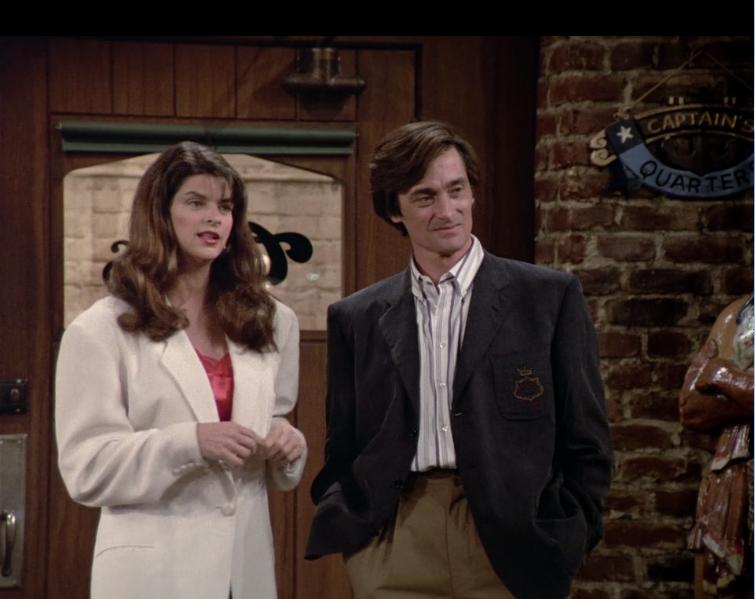
Rebecca is dealing with Robin Colcord and the fantasy of marrying into enormous wealth. Sam is navigating his feelings for Rebecca while also confronting age, baseball and the possibility that he wants more from his future than the next date.
Frasier and Lilith are parenting Frederick. Woody and Kelly are developing as a couple. Cliff’s relationship with his mother remains a bottomless source of humiliation. Carla continues to treat the bar like a workplace she somehow owns emotionally even when Sam owns it legally.
The upstairs restaurant becomes part of the season too, with John Allen Hill turning proximity into a turf war.
That is an underrated part of long-running sitcom design: sometimes the best way to refresh a stable set is not to replace it, but to add a new source of friction just outside the door.
The season also plays with ownership and space. Rebecca wants control. Sam wants control. Hill wants control. The comedy repeatedly asks who gets to decide what happens in a place everybody else already treats as communal property.
That is why the bar can support stories about romance, money, business, aging, parenthood and a foosball table that may or may not be possessed without feeling like five different shows.
The container is strong enough.
The Cheers 200th Anniversary Special Became a Ratings Event
The 200th episode celebration should have been a victory lap. Instead, it became evidence that the audience was still accelerating.
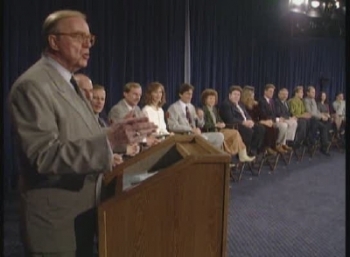
NBC aired an hourlong Cheers anniversary special on November 8, 1990, with John McLaughlin moderating a cast discussion and clips from the series.
It was not a conventional episode.
It still crushed.
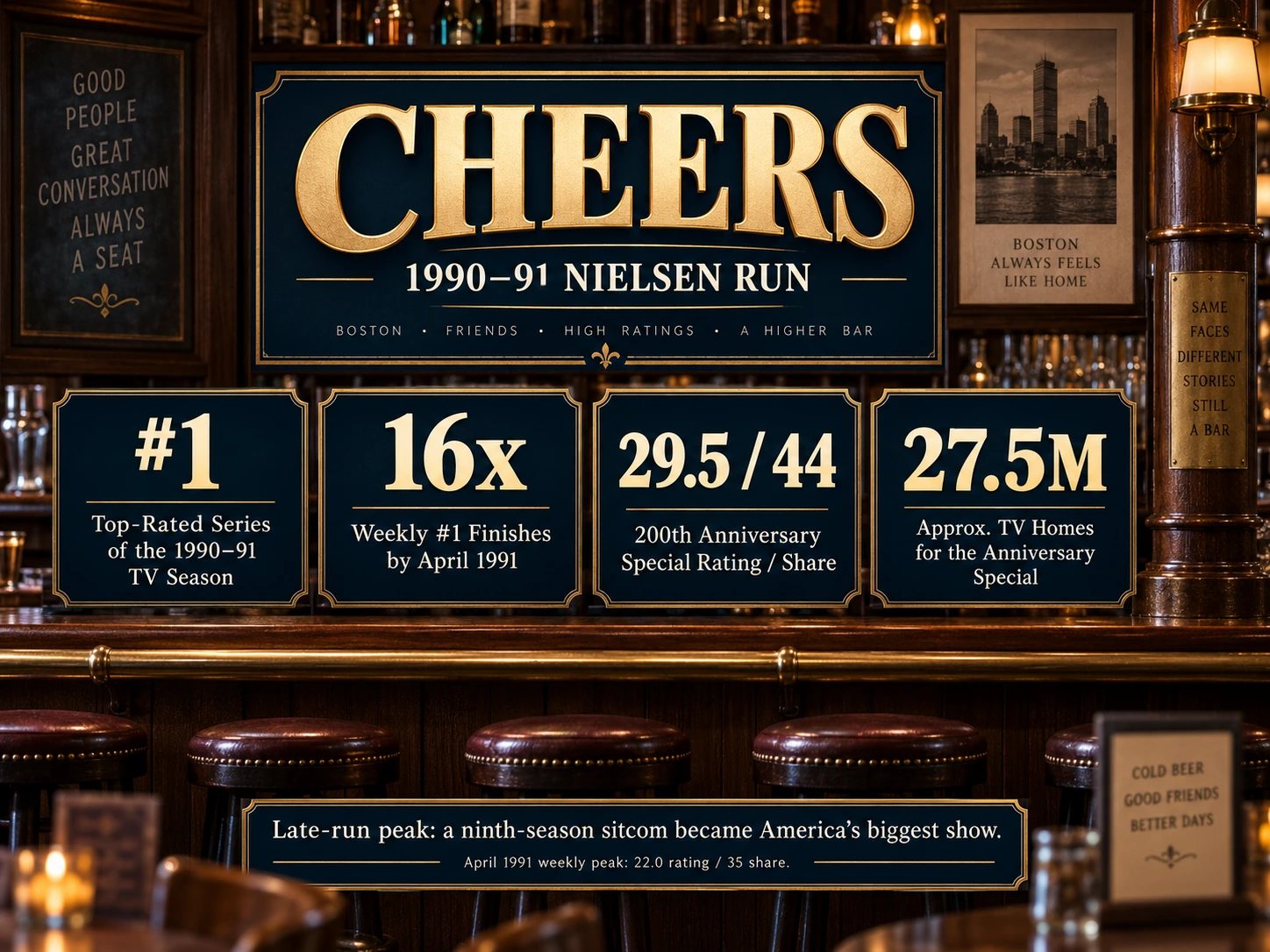
According to the Los Angeles Times, the special drew a 29.5 Nielsen rating and 44 share, representing about 27.5 million television homes.
Think about what that means.
A retrospective about a sitcom that had already been on for eight years became the #1 program of the week by a huge margin.
The audience was not merely waiting for new plot. It wanted to celebrate the history of the show itself.
That is a different level of attachment.
It also explains why the season’s eventual #1 finish was not some statistical fluke created by a few big weeks. Cheers had become part of the culture’s shared television memory while it was still producing new episodes.
Cheers 1991 Ratings: How Season 9 Finished #1
The Cheers Nielsen ratings for the 1990–91 season are what turn the late-run success story into something bigger: the cleanest answer to “how big was Cheers in 1991?” is that every other series finished behind it.
Contemporary Nielsen reporting from the Los Angeles Times tracks the dominance week by week.
In February 1991, the paper noted that Cheers had already finished first in 12 of the first 21 weeks of the prime-time season.
By April 10, it was the weekly #1 program for the sixteenth time that season, earning a 22.0 rating and 35 share for that week.
Then came the official finish.
On April 17, after the official 1990–91 season closed, the Times reported that NBC had won the network season and that Cheers was the top-rated series for the season as a whole.
In that final official week, Cheers again ranked #1, with a 21.1 rating and 34 share.
The context makes the result even better.
The 1990–91 landscape included 60 Minutes, Roseanne, A Different World, The Cosby Show, Murphy Brown, The Golden Girls and the early surge of other 90s programs.
Our full the biggest TV shows of 1991 ranked by Nielsen performance shows just how crowded that upper tier was.
Cheers did not win because television lacked alternatives.
It won because millions of people chose the oldest room in the competition.
Cheers at the 1991 Emmys: Ratings Peak, Awards Peak
The same season that put Cheers at #1 in the ratings also ended with the industry handing it the top comedy prize.
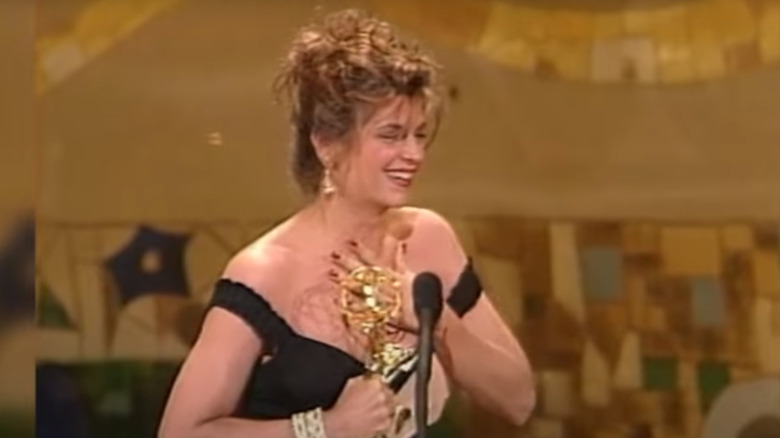
The Television Academy lists Cheers with 117 Emmy nominations and 28 wins across its run.
In 1991, it won Outstanding Comedy Series.
Kirstie Alley won Outstanding Lead Actress in a Comedy Series for Rebecca Howe.
James Burrows won Outstanding Directing in a Comedy Series.
Bebe Neuwirth won Outstanding Supporting Actress for Lilith.
That alignment matters.
Sometimes a veteran show reaches the top of the ratings after critics and awards voters have moved on. Sometimes an acclaimed series keeps collecting trophies after its mass audience has eroded.
In 1991, Cheers had both.
The public was choosing it most often, and the Television Academy was still treating it as the standard.
That is a rare kind of late-run peak.
Cheers Reached #1 While Early-90s Prime Time Was Changing
The most interesting part of the 1991 rankings is not that an old show beat new shows. It is that the definition of mainstream television was getting wider at the same time.
Roseanne made working-class family life one of the biggest stories on television.
A Different World was making Black college life and HBCU-inspired culture part of a huge network audience.
Murphy Brown put work, politics and a fiercely independent professional woman into a mainstream comedy.
The broader story belongs in our companion about how Roseanne, Murphy Brown and A Different World changed early-90s prime time.
Cheers owns a different piece of that moment.
It shows that change does not always arrive by replacing what came before.
Sometimes a mature series survives because it has already built something durable enough to coexist with the new television around it.
The bar did not suddenly start dressing like 1991. It did not chase youth culture. It did not become topical for the sake of being topical.
It simply kept sharpening the thing it had always done.
In a decade about to accelerate toward fragmentation, niches and more specialized audiences, Cheers represented the old network ideal at its best: broad without being generic.
Cheers and Appointment TV: Why Thursday at 9 Meant Something
The network era turned time slots into habits, and Cheers had one of the strongest habits on television. We didn’t “catch up” whenever we felt like it. Thursday at nine was when the bar opened, and millions of us showed up at roughly the same time.
The Television Academy’s series history lists Cheers in the Thursday 9:00–9:30 slot for most of its long run.
That consistency matters.
There was no on-demand release waiting when you got around to it. No full season dropped overnight. No algorithm nudging you three weeks later.
The bar opened on Thursday.
You showed up.
That repeated appointment created a social rhythm around the series. A huge audience watched in roughly the same window, and the next day the same jokes and stories were available to everyone who had been there.
That is why Cheers belongs naturally inside our larger look at appointment TV and the era when everybody watched together.
The show was perfectly designed for that system because it already felt ritualistic.
The same theme. The same stairs. The same stool. The same people.
Not identical episodes—identical welcome.
When television becomes abundant, familiarity can feel optional. When television arrives on a schedule, familiarity can feel like community.
Essential Cheers Season 9 Episodes From 1990–91
This is not a ranking of the best Cheers episodes ever. These are season-nine episodes that show why a veteran comedy could still be flexible, character-driven and completely in command of its room.
“Love Is a Really, Really, Perfectly Okay Thing”
The season opens with Rebecca trying to deny what happened between her and Sam, immediately establishing that the Sam-Rebecca relationship will remain complicated without turning into Sam-Diane 2.0.
“Where Nobody Knows Your Name”
Rebecca’s insecurity around Robin Colcord is the point. Wealth and romance have not made her feel secure; they have simply given her more expensive reasons to panic.
“Ma Always Liked You Best”
Cliff’s mother bonds with Woody, and decades of Cliff Clavin confidence dissolve into the jealousy of a kid who thinks somebody stole his mother.
“Veggie-Boyd”
Woody’s commercial success creates a moral crisis because he endorsed something he hates. The premise is broad; the joke only works because Woody’s sincerity is specific.
“The Days of Wine and Neuroses”
Robin proposes to Rebecca, who responds by drinking through her doubts. Kirstie Alley’s performance turns status fantasy into emotional panic and helped anchor her 1991 Emmy-winning season.
“Wedding Bell Blues”
The Robin-Rebecca story heads toward marriage while Sam tries to force Rebecca to confront what she already admitted about her feelings.
“Pitch It Again, Sam”
Sam’s baseball past comes calling, and the episode finds comedy in the gap between the athlete Sam remembers and the man standing in the bar now.
“Home Malone”
Babysitting Frederick gives Sam a domestic role he never expected and quietly sets up the season’s final question about fatherhood.
“Uncle Sam Wants You”
The season ends with Sam considering whether he wants a child, a surprisingly vulnerable destination for a character introduced as the bar’s invincible bachelor.
Why Cheers Running Jokes Never Felt Like Lazy Catchphrases
A running joke dies when the audience can see the writers dragging it back onto the stage. Cheers made running jokes feel like the way these people actually treated each other.
Carla insulting Cliff was not a bit the show repeated. It was a relationship.
Norm’s entrance was not a catchphrase delivery system. It was a community acknowledging a regular.
Sam flirting was not a weekly gimmick. It was how he maintained an identity he increasingly needed to defend.
Frasier being pompous was funny because everyone at the bar understood the insecurity under the vocabulary.
This is why the show remained rewatchable even when viewers already knew the punchlines.
The pleasure was not only surprise.
It was recognition.
You knew Carla would attack Cliff. The question was how.
You knew Norm would have a line when he entered. The pleasure was hearing this week’s version.
That is the same basic emotional mechanism that made the bar itself work.
Why Cheers Became Comfort TV Without Becoming Soft
Comfort does not mean nothing bad happens. It means you trust the place where it happens.
The bar could contain loneliness, addiction history, divorce, romantic failure, career disappointment, money problems, wounded pride and the fear of getting older.
It did not become a cozy show by avoiding those things.
It became cozy because the room had rules.
You could get humiliated and still come back tomorrow.
You could make a terrible romantic decision and still have somebody pour you a drink while explaining exactly why it was terrible.
The regulars were cruel in ways that often signaled intimacy. Cliff could be mocked because Cliff belonged. Norm could be teased because everyone knew he would still be on the stool.
That kind of belonging is why the show’s warmth never needed speeches.
Cheers rarely stopped to announce that these people were a found family.
They just kept showing up.
What Cheers at #1 Says About Network Television in 1991
The 1991 win was not just a victory for one sitcom. It was a victory for accumulated audience trust.
Nine years of television had taught viewers how to watch Cheers.
They did not need a trailer promising a shocking episode. They did not need a reboot to remind them why the characters mattered. They did not need the series to reinvent itself every season.
They trusted the room.
That trust was valuable in a network environment where millions of people had a limited number of prime-time choices and where a reliable Thursday lineup could become national routine.
It also explains why the show’s age became an advantage.
A new series can offer discovery. A mature series can offer density.
When Norm says something about Vera, years of unseen marriage sit behind it. When Sam reacts to baseball, his former identity sits behind it. When Rebecca panics about Robin, several seasons of ambition and disappointment sit behind it.
You cannot manufacture that density in eight episodes.
You have to live with people.
Cheers After 1991: Why the Ratings Peak Wasn’t a Last Gasp
The 1990–91 season was the ratings peak, but it was not the end.
Cheers continued for two more seasons and remained one of television’s defining comedies.
That matters because a late-run #1 finish can sometimes be the last spike before collapse.
This was not that.
The show continued developing Sam, Rebecca, Frasier, Lilith, Woody, Carla, Norm and Cliff while the television landscape kept changing around them.
Then, in May 1993, NBC turned the finale into a national event.
The Los Angeles Times reported that an estimated 93 million people watched the closing episode, with Nielsen estimating 42.4 million homes and a 64 share.
Those numbers belong to the finale, not the 1991 season, so they should not be used to inflate the #1-season story.
But they do prove what that 1991 peak had become: attachment large enough that saying goodbye to a fictional Boston bar felt like a national occasion.
Watching Cheers in 1991: The Gen X Memory of Thursday Night
There was a kind of television certainty in 1991 that is hard to recreate now. I didn’t need a reminder that Cheers was on. The theme came up, the room appeared, and you knew exactly where you were for the next half hour.
You did not need to love every episode for the show to be part of your week.
The set was waiting. The theme came on. Sam was behind the bar. Norm walked down the stairs.
For Gen X viewers, Cheers also occupied an interesting generational space.
It was adult television when many of us first encountered it from the couch, the hallway or a room where somebody older had control of the remote.
Then suddenly we were old enough to get more of the jokes.
The bar never became ours in the way a teen show could become ours. It became familiar in the way adult places become familiar before you are old enough to enter them.
By 1991, that familiarity was part of American background noise in the best possible way.
You knew the name.
Everybody did.
Why Was Cheers So Popular in 1991?
Because it offered the rare combination of mastery and ease.
The show was not simple. The writing was dense. The ensemble was deep. The staging was exact. Characters carried years of accumulated history.
But none of that announced itself as difficulty.
You could turn on Cheers and understand the social order in seconds.
Sam wants to look good. Rebecca wants to look successful. Carla wants someone to insult. Norm wants his stool. Cliff wants the floor. Frasier wants to be taken seriously. Woody wants to help.
Then the episode starts bending those wants against each other.
That made the series accessible to casual viewers and rewarding to people who had been there for years.
The #1 ranking is what happens when those two audiences overlap.
Cheers’ Television Legacy: What the 1991 #1 Season Proved
The most important part of the Cheers television legacy is not simply that it lasted 11 seasons. The 1991 peak proved a great ensemble could lose major characters, reinvent its center and still become more valuable to viewers because of the history it had accumulated.
The series lost major cast members.
It changed its central romantic dynamic.
It promoted characters who were never supposed to carry as much weight as they eventually did.
It absorbed Frasier into the ensemble. It made Rebecca essential. It replaced Coach with Woody without pretending Woody was Coach.
And through all of that, it protected the deeper contract.
The bar remained a place where people returned.
The comedy remained character-first.
The audience remained welcome.
That is the specific television legacy of the 1991 peak.
Not that Cheers was simply “one of the best sitcoms ever.” Plenty of pages can argue that.
The sharper point is that a mature network comedy, already carrying nearly a decade of history, could still become the most-watched series in America because its history had become an asset instead of baggage.
Cheers in 1991 FAQ: Ratings, Cast, Season 9 and Legacy
Was Cheers really the #1 show on television in 1991?
Yes. Contemporary Nielsen reporting published by the Los Angeles Times identified Cheers as the top-rated series for the completed 1990–91 television season.
What season of Cheers was airing in 1990–91?
It was season nine, which aired from September 1990 into May 1991.
How often was Cheers #1 during the 1990–91 season?
By early April 1991, the Los Angeles Times reported that Cheers had already finished first in the weekly Nielsen ratings 16 times that season.
How big was the Cheers 200th anniversary special?
The November 1990 special earned a 29.5 Nielsen rating and 44 share, representing about 27.5 million television homes according to contemporary reporting.
Who created Cheers?
Glen Charles, Les Charles and James Burrows created the series. The Charles brothers led the writing and producing side, while Burrows became the show’s defining director.
Why did Kirstie Alley work as Rebecca Howe after Shelley Long left?
Rebecca was not written as a replacement Diane. Her ambition, insecurity and corporate aspirations created a different relationship with Sam and a new comic engine for the entire ensemble.
What did Cheers win at the 1991 Emmys?
The show won Outstanding Comedy Series. Kirstie Alley won Lead Actress, James Burrows won Directing, and Bebe Neuwirth won Supporting Actress.
How many Emmys did Cheers win overall?
The Television Academy lists 117 nominations and 28 Emmy wins for Cheers.
Why was the Cheers bar such a strong sitcom setting?
A bar naturally allowed characters to enter, leave, meet, avoid home, celebrate or complain without elaborate setup. The fixed geography also gave audiences a strong feeling of returning to a familiar place.
Was Frasier already a regular character by 1991?
Yes. Frasier had long since evolved from a romantic obstacle in the Diane years into a central member of the bar ensemble, with Lilith also becoming an essential recurring presence.
What was the final Cheers audience in 1993?
The Los Angeles Times reported an estimated 93 million viewers for the 1993 finale, with Nielsen counting about 42.4 million homes and a 64 share.
What is the main legacy of Cheers reaching #1 in 1991?
It proved that a long-running sitcom could survive major cast changes and actually peak late by turning accumulated character history, ensemble chemistry and audience familiarity into strengths.
Cheers ratings, history and awards sources
- Television Academy Interviews — Cheers, for the creation of the series, initial low ratings, cast changes, theme song and creative history.
- Television Academy Interviews — James Burrows, for directing, production rhythm, casting and the long run of Cheers.
- Television Academy — Cheers awards and nominations, for the series’ 117 nominations, 28 Emmy wins and 1991 awards.
- Los Angeles Times — April 17, 1991 Nielsen report, confirming Cheers as the top-rated series of the completed 1990–91 season.
- Los Angeles Times — April 10, 1991 ratings, for the sixteenth weekly #1 finish and 22.0 rating/35 share.
- Los Angeles Times — February 13, 1991 ratings, for the show’s twelfth weekly #1 finish in the first 21 weeks of the season.
- Los Angeles Times — November 14, 1990 ratings, for the 200th-anniversary special’s 29.5 rating, 44 share and approximately 27.5 million homes.
- Los Angeles Times — May 22, 1993 finale audience, for the estimated 93 million viewers, 42.4 million homes and 64 share.
- Paramount+ — Cheers season 9 episodes, for episode titles and season-nine story summaries.