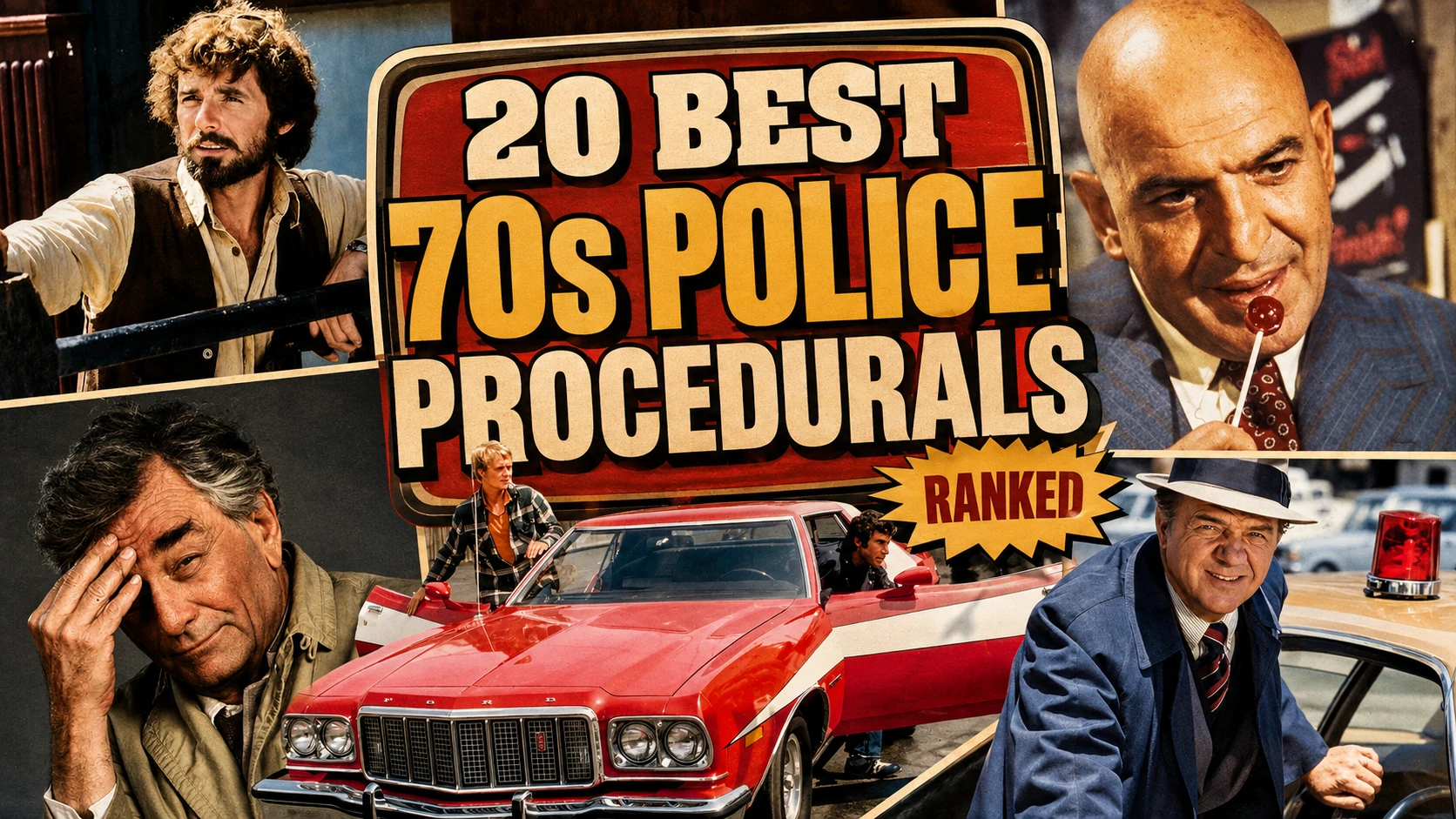
20 Best Police Procedural Shows of the 1970s, Ranked
PRECINCT
CHANNEL 70
ROLL CALL • THE 70s COP-SHOW BOOM
CHANNEL 70
Patrol cars, homicide desks, undercover jobs, foot beats and enough radio chatter to make a whole generation think every city had a unit called Adam-12.
1970s TV • Police • Detectives • Ranked
20 Best Police Procedural Showsof the 1970s, Ranked
Before crime television had DNA labs, glowing evidence walls and databases that solved the case before the second commercial, the best 1970s police procedural shows worked with radios, notebooks, street contacts, squad rooms and somebody noticing that one detail nobody else could make fit. For those of us who grew up with 70s television filling afternoons and late nights, the sounds come back instantly: dispatch calls, sirens, Kojak working a room, McGarrett saying “Book ’em,” and Columbo turning around in the doorway because he had just one more thing.
THE QUICK ANSWER
What were the best police procedural shows of the 1970s?
Columbo is #1 because it turned police procedure into a battle of attention and made Peter Falk’s detective one of television’s most durable characters. The Streets of San Francisco, Kojak, Hawaii Five-O and Adam-12 complete the Top 5, followed by Police Story, Starsky & Hutch, McCloud, Baretta and Police Woman.
- Columbo
- The Streets of San Francisco
- Kojak
- Hawaii Five-O
- Adam-12
- Police Story
- Starsky & Hutch
- McCloud
- Baretta
- Police Woman
LOS ANGELES • NEW YORK • SAN FRANCISCO • HAWAII
ALL UNITS:
THE DIAL IS FULL OF COPS
THE DIAL IS FULL OF COPS
The private eyes worked outside the system. These shows lived inside it—precinct rules, partners, supervisors, radios, paperwork, warrants, street knowledge and the constant question of what the badge lets you do versus what it ought to let you do.
HOMICIDEPATROLUNDERCOVERSPECIAL UNIT
Every channel had a badge
Why police procedural shows ruled 1970s television
The decade did not invent the cop show. It made the cop show big enough to contain almost every argument America was having with itself.
Turn on a television in the 1970s and eventually somebody was going to identify themselves as a police officer. The sheer number of crime shows is almost funny now: patrol cops, homicide detectives, vice officers, state task forces, special-weapons teams, undercover detectives, veteran beat cops and departments in cities that television had barely bothered to show this vividly before.
The easy explanation is that crime makes good television. A call comes in. Something happened. Somebody has to figure it out before the hour ends. But that does not explain why the genre exploded so hard in this particular decade.
The 70s were suspicious years. Watergate, urban crime fears, political distrust, changing neighborhoods, drugs, corruption and arguments about police power all sat in the background whether a script named them or not. A police procedural could put those tensions into a structure everybody understood: law, suspect, evidence, arrest. Then the better shows complicated that structure.
Police Story asked what the job did to the people doing it. Serpico asked what happens when the institution itself is part of the problem. Police Woman put a woman at the center of work television had mostly reserved for men. Adam-12 made ordinary calls important. Columbo turned class and arrogance into investigative disadvantages for murderers who thought a shabby cop could not possibly be smarter than they were.
The cities mattered too. The Streets of San Francisco could not have been dropped into Phoenix without becoming a different show. Kojak needed New York. Hawaii Five-O needed Hawaii so completely that the opening titles alone could function as tourism advertising with handcuffs.
Our broader 40 Best Cop and Detective Shows of the 1970s mixes private eyes, police, oddball detectives and crime shows together. Why Cop Shows Ruled 1970s Television gets deeper into the cultural explosion. This ranking is narrower. These are the shows where the badge, department or official law-enforcement assignment is part of the engine.
Draw the jurisdiction line
What counts as a 1970s police procedural here?
If the hero reports to a department, works official cases and has to deal with procedure, chain of command or police authority, we are in the right building.
“Police procedural” can be a narrow term if you want it to be: stories that emphasize the methods, routines and step-by-step work of law enforcement. We are using it in a practical television sense. The show needs to center official police or law-enforcement work, and the institution has to matter.
That includes patrol shows such as Adam-12, homicide shows such as Kojak, specialized units such as S.W.A.T., undercover police work such as Baretta and Toma, and police anthologies such as Police Story. McCloud qualifies because Sam McCloud is an official lawman on assignment with the NYPD. Hawaii Five-O qualifies because its fictional state police task force is still a police organization.
What does not belong here? Jim Rockford. Mannix. Cannon. Barnaby Jones. Banacek. Those men investigate crimes, but they do it privately. We already gave them their own private-eye ranking. Keeping that line clean is the whole point of building both articles.
We are also leaving Barney Miller out of the ranking even though its police-work details are often sharper than dramas that supposedly took procedure more seriously. It is fundamentally a workplace sitcom, and it already has plenty of room to breathe in our 1970s workplace sitcoms ranking.
The badge has to matter.A detective story becomes a police procedural here when official authority, department rules, partners, supervisors, patrol structure or investigative process materially shapes what the character can do.
How the cases were stacked
How we ranked the best 1970s police shows
A great theme song helps. A great car helps. Neither gets you into the Top 5 by itself.
We ranked these shows on five things: how good the central cops or ensemble are, how well the investigative structure works, how distinctive the city or department feels, how much the series changed police television and whether the episodes still hold up when the nostalgia wears off.
We also give credit for actually showing the job. That does not mean literal realism—network television has never been a training manual. It means the show understands that police work involves repetition, supervisors, evidence, partners, bad information, waiting, paperwork and judgment instead of only shooting at people from moving vehicles.
And because this is Smells Like Gen X, rerun gravity counts. Could you drop into a random episode on a Saturday afternoon and know within thirty seconds where you were? Great 70s television had that ability. A voice, a street, a coat, a car, a theme song and suddenly you were staying for the whole thing.
01The CopsCharacter, partnership, command presence and whether the people behind the badges feel worth following.
02The WorkInvestigation, patrol, interviewing, evidence, procedure and the mechanics that make the case believable.
03The WorldPrecinct, city, streets, department culture and all the recurring texture around the crime.
04The AfterlifeInfluence, rerun durability and whether later police shows are still borrowing something it figured out.
ROLL CALL STARTS HERE
The 20 Best Police Procedural Shows of the 1970s
We start with the shorter-lived experiments, work through patrol, undercover and specialized units, then end with five shows that permanently changed what a television cop could look and sound like.
TOP
20
20
20
UNDERCOVER POLICE
#20 David Cassidy: Man Undercover
David Cassidy left Keith Partridge about as far behind as network television could manage and played a young undercover cop working cases where looking like a cop would ruin the whole point.
There was no way David Cassidy was going to escape the shadow of The Partridge Family quietly, so David Cassidy: Man Undercover tried something almost comically far from the bus and the bell-bottom stage clothes. Cassidy played Dan Shay, a young plainclothes police officer whose age and appearance let him disappear into places where a more obvious cop would stick out immediately.
The series grew out of a Police Story episode and carried some of that show’s interest in the job rather than simply the chase. Shay worked undercover assignments, which meant the drama came from maintaining identity, reading people and staying inside a situation long enough to get evidence. It was less about a precinct routine than most of this list, but it was absolutely department-based police work rather than private detection.
For Gen X, the weird appeal is obvious in hindsight. David Cassidy was still one of the faces of our childhood pop culture, and here he was trying to convince prime-time America that he belonged in stakeouts and undercover operations instead of on a lunchbox. The show did not last, but the attempt says something about how dominant police drama had become by the end of the decade. If television wanted to age a teen idol up, apparently it handed him a badge.
19
DEPUTY SHERIFF
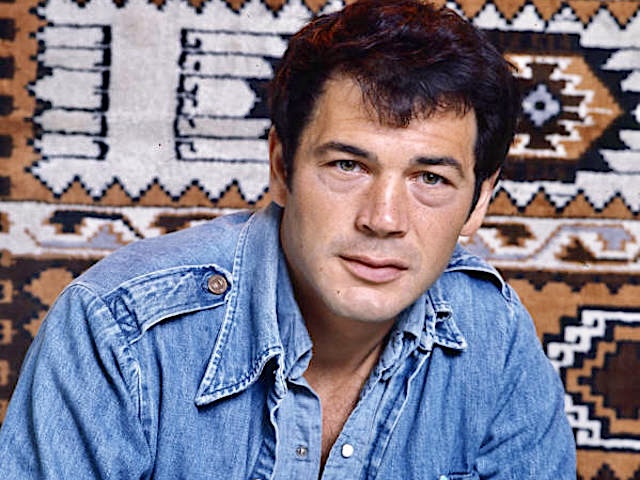
#19 Nakia
Robert Forster played a Navajo deputy sheriff trying to enforce the law without pretending the law always understood the people he served.
Nakia lasted only a short time, but Robert Forster’s title character remains one of the more unusual lawmen the networks put at the center of a 1970s police drama. Nakia Parker was a Navajo deputy sheriff in New Mexico, working for a department while also carrying responsibilities, history and loyalties that did not begin with the badge.
That tension gave the series something more interesting than a standard crime-of-the-week hook. Nakia could be caught between official procedure and community realities the rest of the department did not fully understand. The premise allowed the show to ask whether “the rules” and “the right thing” always lined up cleanly—exactly the sort of question 70s crime television was becoming more willing to ask.
Forster brought the same grounded, watchful presence that made him so good in almost everything. He never needed to oversell toughness. You believed Nakia could stand still and take the measure of a room before anyone else had finished talking.
The short run keeps it at #19. But as part of the decade’s broader police-TV story, it matters because it widened the picture of who could carry a badge on network television and what kinds of communities a procedural could take seriously.
18
SPECIAL TASK FORCE
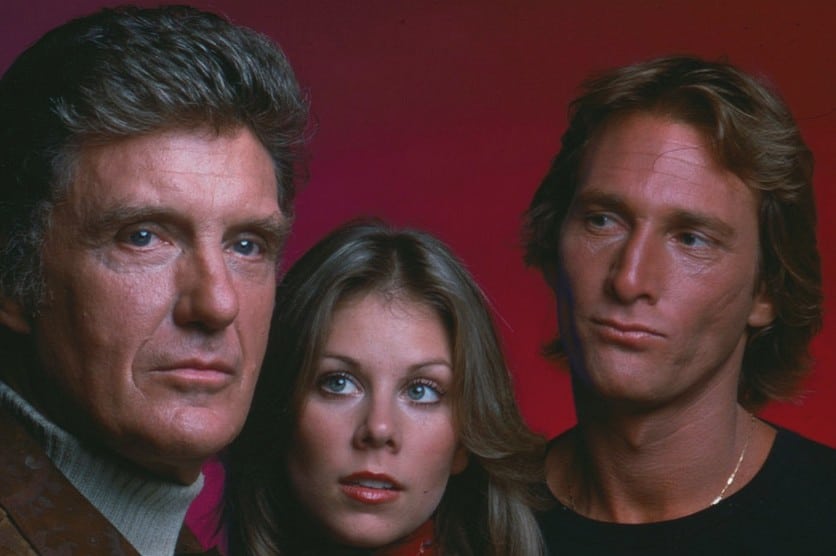
#18 Most Wanted
Robert Stack returned to television crime fighting as the captain of an elite LAPD unit hunting the city’s highest-priority fugitives.
Robert Stack already carried a whole history of television law enforcement with him by the time Most Wanted arrived. Here he played Captain Linc Evers, heading a special Los Angeles police task force created to go after dangerous fugitives and unusually difficult cases. The setup was built for urgency: these were not routine calls; these were the names somebody had circled in red.
The show’s team structure pushed it toward the ensemble police drama that would become more important in the next decade. Evers had command responsibility while younger officers handled surveillance, undercover work, arrests and the practical labor of finding somebody who did not want to be found.
There is a clean 70s efficiency to the premise. No complicated mythology. No hero operating outside the system. The department identifies a threat, assembles a specialized unit and works the problem. If S.W.A.T. made tactical specialization a spectacle, Most Wanted applied that idea to fugitive investigation.
It did not run long enough to become a rerun institution, which keeps it low. But Stack’s presence and the task-force idea make it a useful piece of the decade’s movement away from one detective and one partner toward teams with defined jobs.
17
FOOT PATROL
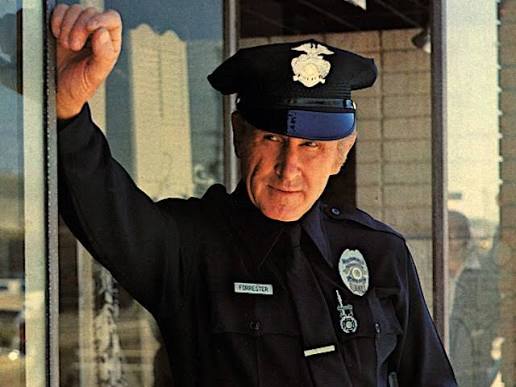
#17 Joe Forrester
Lloyd Bridges played an old-school patrol cop who believed you could not police a neighborhood if you never got out of the car.
Joe Forrester grew out of Police Story, and that tells you almost everything about its priorities. Lloyd Bridges played a veteran uniformed officer assigned to foot patrol in a worn Los Angeles neighborhood. He knew store owners, kids, troublemakers and people who were not troublemakers until a bad day made them one.
The deliberate lack of glamour was the point. Forrester was not chasing masterminds across rooftops every week. The show treated patrol as a relationship with a place. The same streets came back. The same people remembered whether the officer had listened last time. Procedure was not only paperwork and radios; it was the accumulation of local knowledge.
That makes the series feel more modern than its short run might suggest. Later police dramas would build entire worlds around the idea that the neighborhood is a continuing character. Forrester was already walking that beat.
For those of us raised on cop-show reruns where every hero seemed to own a signature car, there is something almost radical about a series whose defining image is a cop on foot. The show ranks here because it did one narrow piece of police work unusually well.
16
HOMICIDE DETECTIVE
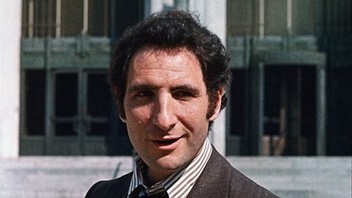
#16 Delvecchio
Judd Hirsch played a cop studying for the bar, while Steven Bochco and Michael Kozoll quietly rehearsed ideas they would push much farther a few years later.
Delvecchio is one of those shows that becomes more interesting when you know what came next. Judd Hirsch played Dominick Delvecchio, a Los Angeles homicide detective who was also studying law at night. The character already lived between two systems: the street-level work of finding the truth and the legal machinery that had to do something with it afterward.
The series was developed by people who would become enormously important to police television, including Steven Bochco and Michael Kozoll. Their later work on Hill Street Blues would transform the ensemble procedural, but you can see some of the interest here: cops as working people, departments as institutions, law as something messier than a final arrest in the last five minutes.
Hirsch was a terrific choice because he did not look or sound like a standard action hero. Delvecchio could be intense, funny, impatient and brainy without turning into a gimmick. The law-school angle also gave the show a natural reason to question what police work meant after the cuffs went on.
The series did not have enough time to fully become what its ingredients suggested. Still, if you like tracing television DNA, this is an important stop between the sturdy 70s procedural and the more complicated precinct shows waiting just around the corner.
15
PLAINTEXT / ANTI-CORRUPTION
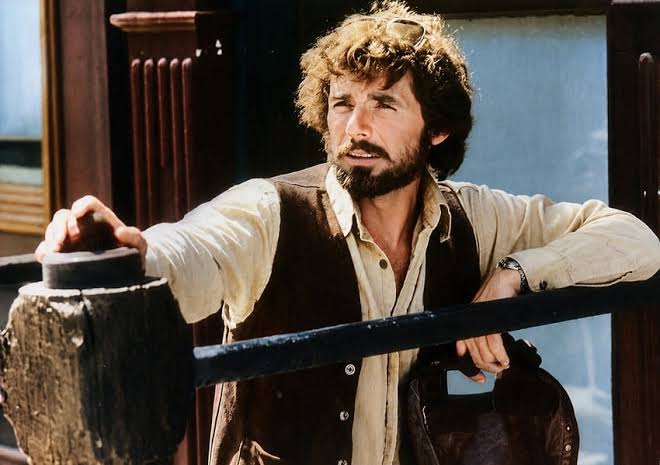
#15 Serpico
The real Frank Serpico’s story became a weekly series about a cop whose biggest problem was often the institution around him.
By the time Serpico reached television, Frank Serpico’s name already carried the weight of the real NYPD corruption story and the hit Al Pacino film. David Birney took over the role for the series, which kept the essential tension: an honest cop working inside a department where doing the right thing could make him more isolated, not less.
That puts the show right in the center of what 1970s police drama was wrestling with. Earlier procedurals often assumed the institution was fundamentally sound and the criminal was the disturbance. Serpico begins with the possibility that the disturbance may be inside the institution itself.
As a weekly series, it could not reproduce the full force of the film or the real history every single episode. But the premise made routine police actions feel morally loaded. Who do you trust? What happens when loyalty to another officer conflicts with loyalty to the law? What does procedure mean when procedure protects the wrong person?
That is heavy territory for a network cop show, and the short life of the series kept it from finding the balance. It still earns #15 because very few 70s police shows had a built-in reason to question the badge as sharply as this one did.
14
VETERAN PATROL COP
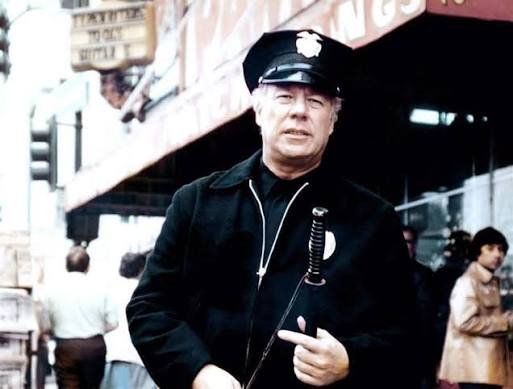
#14 The Blue Knight
George Kennedy played Bumper Morgan, a veteran street cop whose real expertise was knowing the neighborhood before the radio told him what happened.
Joseph Wambaugh’s The Blue Knight began as a novel, became a highly regarded television miniseries with William Holden and then became a regular CBS series starring George Kennedy as Bumper Morgan. That is a lot of versions of one old street cop, but the character survived because the central idea was strong: experience is a form of police equipment.
Morgan was nearing retirement and knew the streets through repetition. He remembered families, patterns, old grudges and the way a block felt when something was wrong. That is a different procedural pleasure from forensic clues or tactical raids. The case is solved partly because the cop has been there long enough to know what does not fit.
Kennedy gave Bumper physical authority but also weariness. He looked like he had spent years getting in and out of patrol cars and listening to people tell him versions of the same lie. The series could become conventional, but the character’s age kept reminding you that police work was a career, not an endless supply of fresh weekly adventures.
For a Gen X kid watching reruns, Bumper looked like an adult even compared with the other adults on television. That mattered. He was not the cool young cop. He was the guy the cool young cop should probably ask before making things worse.
13
UNDERCOVER DETECTIVE
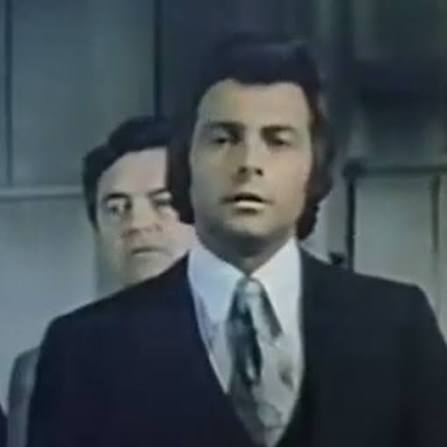
#13 Toma
Tony Musante played a detective based on the real David Toma, and the show was tough enough that ABC eventually rebuilt the concept as Baretta.
Toma is one of the most important short-lived police shows of the decade because it sits directly underneath something more famous. Tony Musante played David Toma, based on the real New Jersey detective known for undercover work and an extraordinary arrest record. The series leaned into disguises, narcotics work, street informants and the danger of living close to the people you were trying to arrest.
Television Academy material notes that the show drew criticism for the realism and frequency of its violence. When Musante chose not to continue after one season, ABC did not simply recast him. The concept was softened and reworked into Baretta. That alone makes Toma a key link in the family tree.
But the series deserves more than “the show before Baretta.” Musante brought restless intelligence to the role, and the real-life basis gave the undercover work a harder edge than a purely invented maverick cop might have had. Toma could not always announce who he was or rely on the uniform to control a room. Procedure meant preparation, disguise and knowing exactly how far you could push a dangerous situation.
The single season keeps it below the longer-running classics, but its influence is much larger than its episode count.
12
TACTICAL UNIT
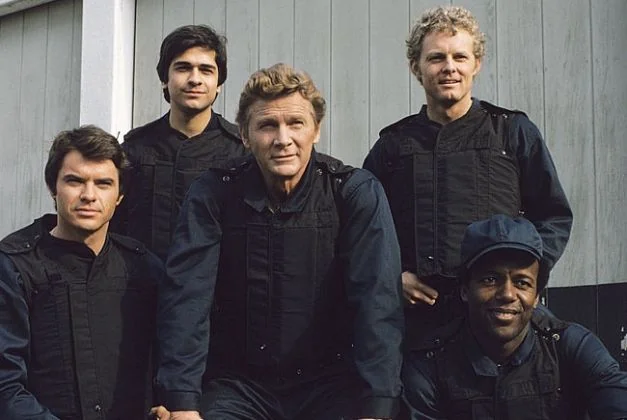
#12 S.W.A.T.
A spin-off of The Rookies that turned specialized police response into a weekly prime-time event—and gave the decade one of its most unforgettable themes.
You could hear S.W.A.T. before you remembered anything else about it. That pounding instrumental theme did what the best 70s themes did: told you the mission before anybody spoke. The show followed a five-man Special Weapons and Tactics team led by Lieutenant “Hondo” Harrelson, making specialized police response the entire format instead of an occasional big episode.
The series spun out of The Rookies, and the shift is revealing. The parent show was about young officers learning the work. S.W.A.T. was about a trained unit arriving when ordinary procedure was no longer enough. Equipment, planning, position and teamwork mattered as much as individual heroics.
The show was also controversial because the 70s had an uneasy relationship with televised violence. A series centered on heavily armed police obviously lived right in that argument. It could feel exciting, militarized, procedural and sensational all at the same time.
For Gen X, though, the memory is often simpler: van, rifles, rooftop positions and that theme song. The imagery was so strong that the concept survived long after the original series ended. At #12, S.W.A.T. earns its place for making a specialized unit into a recognizable television genre of its own.
11
YOUNG POLICE OFFICERS
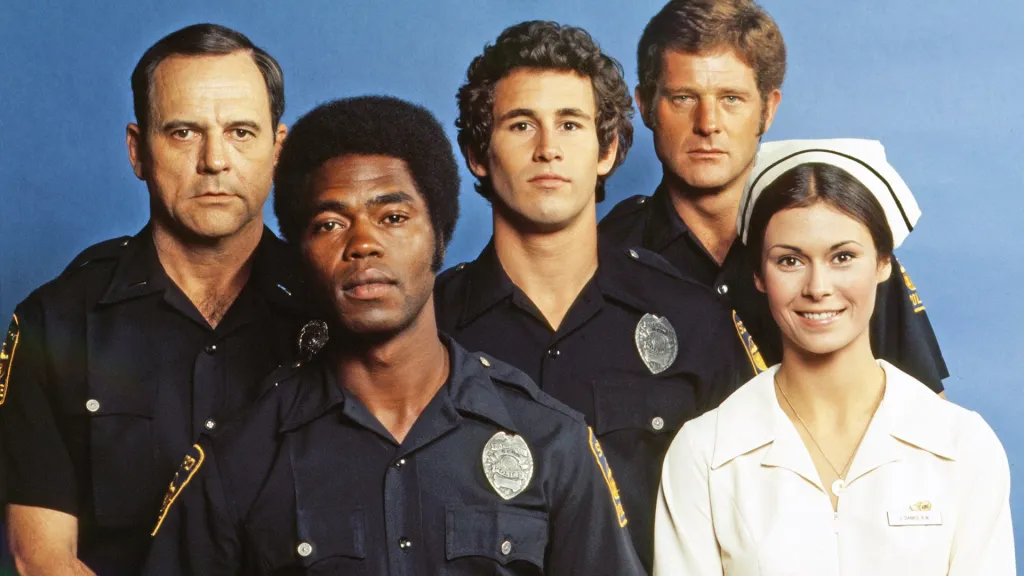
#11 The Rookies
Before the Angels and before S.W.A.T., Aaron Spelling and Leonard Goldberg built a cop show around younger officers learning how the job worked.
The Rookies understood that one way to make an old genre feel new was to put less-experienced people inside it. Instead of veteran detectives who already knew every trick, the series followed young uniformed officers learning police work while the country around them was changing fast.
That gave the stories two levels. There was the weekly call, arrest, investigation or crisis. Then there was the continuing education of becoming a cop without letting the job flatten everything else in your life. The show was more youthful and emotionally open than the square-jawed procedurals that came before it, which fit Aaron Spelling and Leonard Goldberg’s instinct for reaching younger viewers.
The officers had home lives and relationships that mattered, and the show could move from action to social issues without treating either as an intrusion. It also became a launching pad: S.W.A.T. spun directly out of the series, and the producers would keep reshaping the crime format through Starsky & Hutch and Charlie’s Angels.
For those of us who later met the Spelling crime universe in reruns, The Rookies feels like the point where the cop show started loosening its tie. The job was still serious. The people doing it were allowed to look like they belonged to the same decade as the audience.
10
UNDERCOVER / LAPD
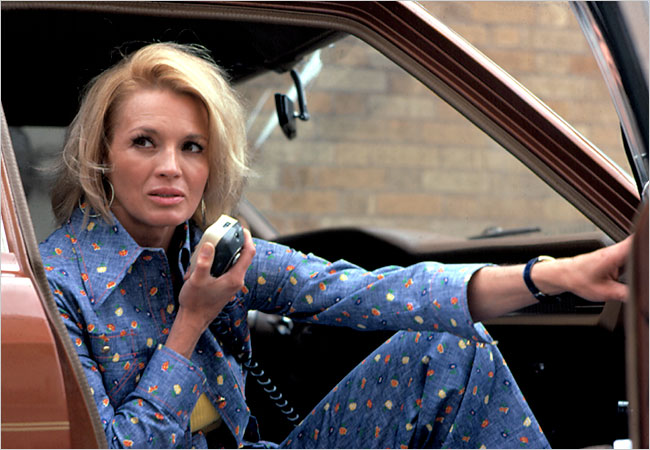
#10 Police Woman
Angie Dickinson’s Pepper Anderson made a woman the active center of a network police drama instead of the person waiting at home for the cop to come back.
Police Woman has to be understood on two tracks at once. Yes, the show frequently used Angie Dickinson’s looks and undercover costumes as part of the sales pitch. Network television in the mid-70s was not subtle about that. But Sergeant “Pepper” Anderson was still the lead officer doing the work: going undercover, interviewing suspects, handling danger and operating inside an LAPD criminal-conspiracy unit.
That mattered. Women had appeared as police officers before, but Dickinson carried a successful hour-long police drama for four seasons. The show gave millions of viewers a weekly image of a woman with investigative authority at a time when television leadership roles in crime drama were overwhelmingly male.
The undercover structure could be both the show’s strength and weakness. It created variety—different worlds, identities and entry points into cases—but it sometimes leaned too hard on putting Pepper in jeopardy. Still, Dickinson’s performance kept the character from becoming merely a costume rack. Pepper was experienced, calm and capable.
For Gen X viewers, Police Woman also sits at an interesting hinge point. By the time Cagney & Lacey arrived in the next decade, the idea of women carrying a police series had precedent. Pepper Anderson was part of that precedent whether the 70s always knew what to do with her or not.
It cracks the Top 10 because the show’s cultural importance and longevity are too large to treat as a side note. The procedural itself could be conventional. The person at its center was not.
9
PLAINTEXT DETECTIVE
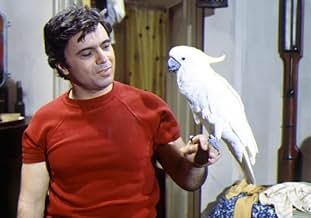
#9 Baretta
Robert Blake turned Tony Baretta into the decade’s scruffiest undercover cop, complete with disguises, street contacts, a cockatoo and one immortal warning about doing the crime.
Baretta came from Toma, but Robert Blake made the new version his own almost immediately. Tony Baretta was a plainclothes detective who worked close to the street, used disguises and informants, lived in a rundown hotel and kept a pet cockatoo named Fred. Nothing about the setup looked polished, which was exactly why it worked.
The character belonged to the decade’s growing fascination with cops who looked barely compatible with their own departments. Baretta got results, but he did not radiate institutional neatness. He could pass through bars, alleys and criminal circles because he did not look like he had stepped out of a recruiting brochure.
The series still followed police structure: cases, arrests, department contacts, evidence. But Blake’s intensity made the procedure feel personal. Every interrogation looked like Baretta had already decided the official version was missing something.
The show also carried one of those phrases that escaped the series entirely: “Don’t do the crime if you can’t do the time.” Plenty of people who could not name an episode knew the line and Sammy Davis Jr.’s theme.
For us rerun kids, Baretta’s world looked used. The hotel room looked used. The clothes looked used. The streets looked used. That texture is a big part of why 70s police television still feels different from the cleaner crime shows that followed. At #9, Baretta earns its place because the maverick-cop formula never looked quite this worn-in again.
8
MARSHAL ON NYPD ASSIGNMENT
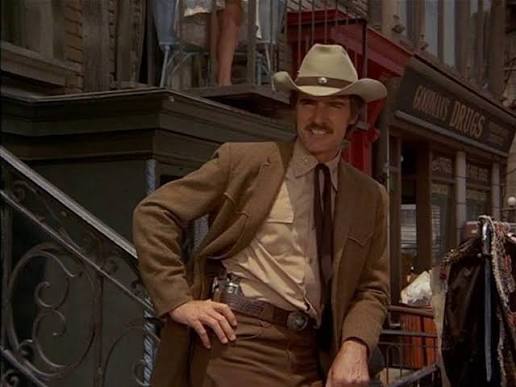
#8 McCloud
Dennis Weaver brought a New Mexico lawman into Manhattan and turned culture clash into one of the NBC Mystery Movie’s longest-running pleasures.
Sam McCloud was a lawman from Taos, New Mexico sent to work on special assignment with the New York City Police Department, which gave McCloud a premise television could explain in about ten seconds and then keep mining for years. Dennis Weaver’s western manner, hat and plainspoken instincts were constantly rubbing against Manhattan hierarchy, procedure and impatience.
The joke could have become unbearable if McCloud were simply the wise country cop making city people look stupid every week. Weaver was better than that. He played McCloud as genuinely curious and adaptable. The character understood that police work in New York had its own machinery, even while he kept finding ways around that machinery when the case demanded it.
The NBC Mystery Movie format gave the stories more room than a standard hour. That helped because McCloud episodes often played like compact feature films—larger casts, location flavor, bigger schemes and a detective who could spend time following a thread before the commercial demanded a gunshot.
The show also demonstrated how flexible the procedural could be. You did not have to choose between western identity and urban police drama. Put the cowboy in Midtown and suddenly both genres looked new.
For Gen X reruns, Weaver’s voice and hat made McCloud instantly identifiable from across the room. You could miss the opening and still know what show you had landed on. That kind of character clarity is why it remains one of the decade’s most durable police series.
7
PLAINCLOTHES DETECTIVES
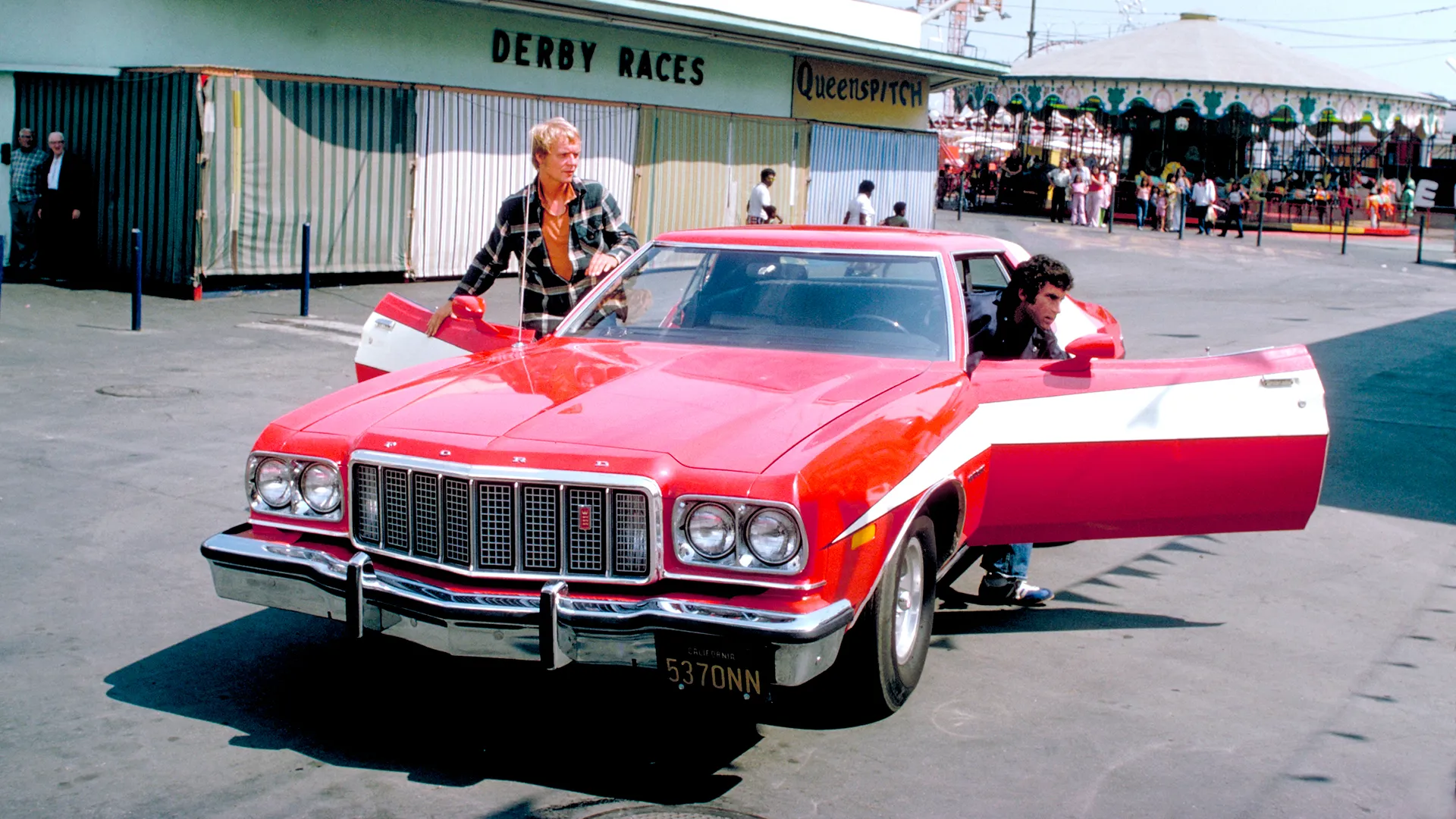
#7 Starsky & Hutch
The Torino got the posters, but the real engine was two cops whose partnership felt warmer, looser and more emotionally honest than the genre was used to.
It is easy to reduce Starsky & Hutch to the striped red Torino, Huggy Bear and two guys running through alleys in clothes that could only have been assembled in the 1970s. The show was undeniably stylish. But the thing that kept it from becoming a toy commercial with arrests was the relationship between David Starsky and Ken Hutchinson.
Paul Michael Glaser and David Soul played the detectives as genuine friends, not merely partners assigned by the captain. They argued, joked, worried about each other and carried an emotional closeness that crime television did not always allow men to show. When one of them was hurt, the other did not respond like a professional robot.
The cases mixed street crime, organized crime, drugs, murder and undercover work. The police procedure could be loose, and the series increasingly leaned toward action, but the detectives still operated inside a department with Captain Dobey, informants, evidence and consequences.
William Blinn created the series after working on The Rookies, and you can feel that evolution. The younger-cop energy got compressed into a two-man partnership and turned up. The suits disappeared. The city got louder. The car got much, much redder.
For Gen X, this was one of the cop shows that became iconography before we understood any of the cases. You knew the car. You knew the hair. You knew how they moved together. Later, in reruns, you noticed the friendship was the part that actually held up.
At #7, it ranks below the more rigorously procedural shows because realism was never its only goal. But as a picture of police partners as human beings, it changed the temperature of the genre.
6
POLICE ANTHOLOGY
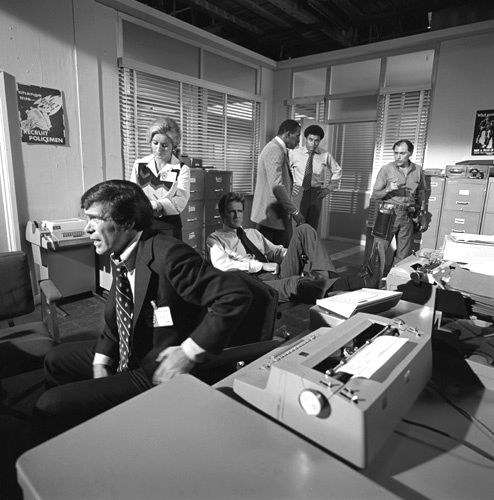
#6 Police Story
Joseph Wambaugh turned police work itself into the star—marriages, fatigue, corruption, fear, boredom, politics and all the parts that did not fit neatly into the arrest scene.
If this ranking were based only on influence over later serious police drama, Police Story could be even higher. Joseph Wambaugh, himself a former Los Angeles police officer, created an anthology series where the continuing character was not one detective. It was the job.
That structure gave the show freedom most procedurals did not have. One episode could follow detectives, another uniformed patrol officers, another a woman officer, another somebody nearing retirement. Characters could fail. Careers could stall. Marriages could suffer. The audience did not need the same hero restored to factory settings by next week because next week might belong to somebody else.
The result was a police series interested in the cost of police work as much as the excitement. Fatigue, departmental politics, alcoholism, corruption, pressure, loyalty and fear could all sit inside the same hour as an arrest. The badge did not magically solve the private life of the person wearing it.
The show also spun off or helped launch other series, including Police Woman and Joe Forrester. That alone tells you how fertile the format was. It could test characters and ideas inside the anthology, then let the ones with more story walk out into their own series.
For those of us who first understood 70s police television as car chases and theme songs, discovering Police Story later can feel like opening the back of the television set. Suddenly you see the wiring. This is where the genre was learning to treat cops as employees of a difficult institution rather than mythic crime-solving machines.
It ranks #6 because it lacks the single iconic character that makes the Top 5 so instantly memorable. As television craft and police-drama history, though, it is essential.
5
UNIFORMED PATROL
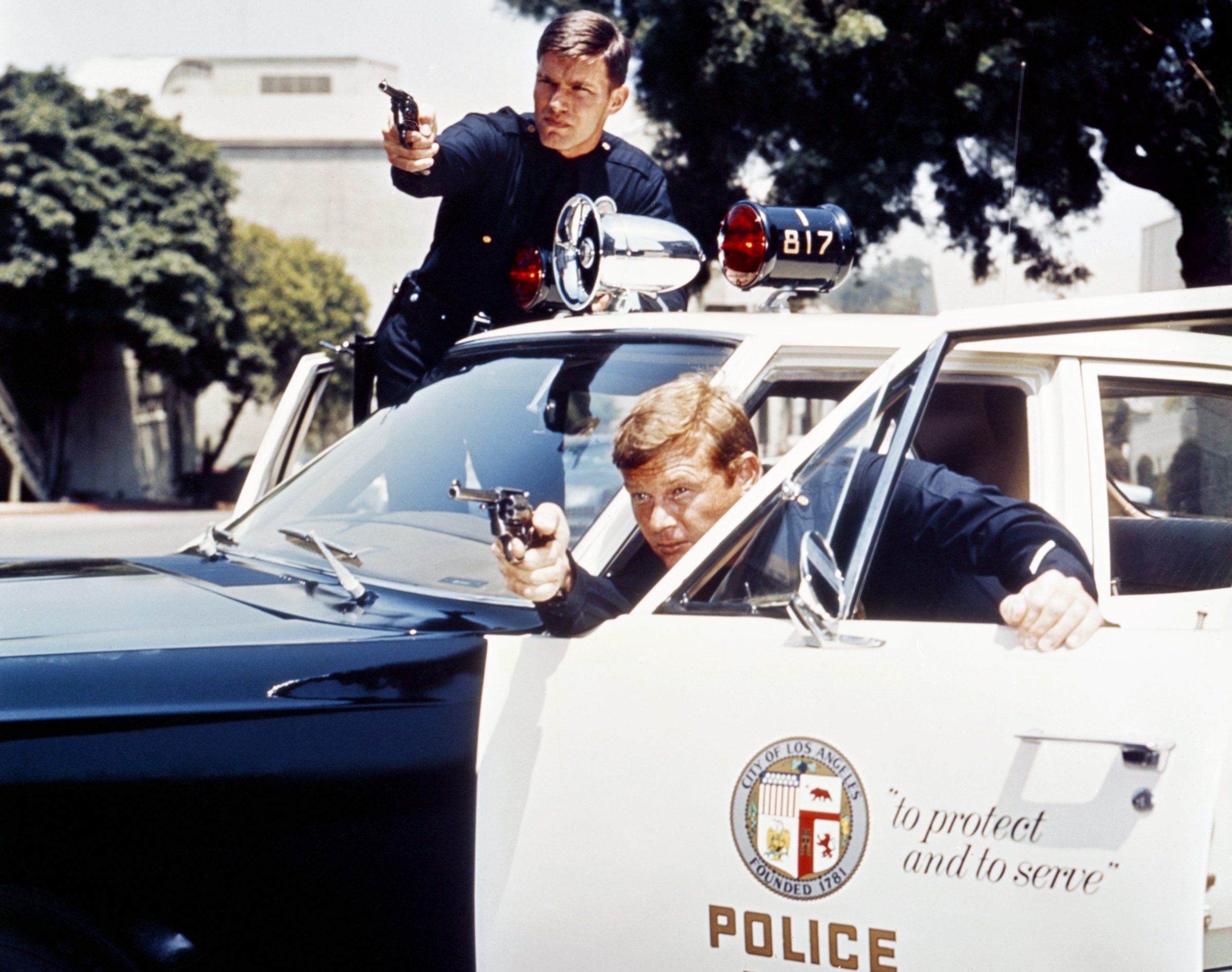
#5 Adam-12
Reed and Malloy made ordinary patrol calls the point, and that devotion to routine may be the purest procedural instinct anywhere on this list.
Like Mannix on the private-eye side, Adam-12 began in the 1960s but spent enough important years in the 1970s to be unavoidable here. Officers Pete Malloy and Jim Reed patrolled Los Angeles in a black-and-white unit, responding to calls that ranged from dangerous to ridiculous to painfully ordinary.
Jack Webb’s Mark VII production philosophy treated procedure almost as a form of drama by itself. Radio codes, dispatch, traffic stops, reports, domestic calls, burglaries, accidents—the texture of the job mattered. Reed and Malloy were not waiting all week for a serial killer clever enough to deserve a sweeps episode. Most police work is not like that, and Adam-12 knew it.
The partnership also gave the show a natural training structure. Malloy was the more experienced officer; Reed entered younger and learned the street through repetition. The series could explain police practice to the audience without making the explanation feel like a lecture because one partner genuinely had more to learn.
There is a strange comfort to the show in reruns. The pacing is direct. A call comes in. They respond. They assess. Something happens. The radio crackles again. For a Gen X kid, those voices and codes made police work sound like a language adults had somehow learned without telling us.
The realism was television realism, not documentary truth, and the show reflected the assumptions of its era. But as a procedural machine, it was incredibly influential. You can draw a line from Adam-12 through countless patrol-based series that understood the job is a sequence of calls, not one heroic case.
It makes the Top 5 because no other 70s police show was more committed to the everyday mechanics of wearing the uniform.
4
STATE POLICE TASK FORCE
#4 Hawaii Five-O
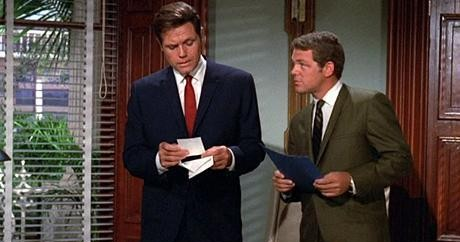
Jack Lord’s Steve McGarrett made “Book ’em, Danno” one of television’s permanent commands and gave a police procedural an entire state for a backlot.
Hawaii Five-O is another series that started before the decade and then became inseparable from it. Jack Lord played Steve McGarrett, head of a fictional Hawaii state police unit, and the show turned the islands into one of television’s most recognizable crime landscapes.
Location was not decoration. Beaches, hotels, government buildings, mountain roads, docks and Honolulu streets gave cases a visual identity no Los Angeles backlot could duplicate. The opening titles alone made Hawaii feel like an event before the first crime was introduced.
McGarrett was pure command presence. He did not shuffle into rooms pretending to be confused like Columbo. He arrived looking like the meeting had already started and everybody else was late. Around him, the Five-O team provided investigation, surveillance, legwork and arrests. The show could handle murder, organized crime, espionage, kidnapping and political threats without abandoning the procedural frame.
Then there was Wo Fat, one of the era’s great recurring adversaries. A procedural usually restores order every week. A recurring enemy reminds you that order is never permanent. McGarrett could close the file and still know one larger battle remained.
For Gen X, the theme song and wave might be even more deeply embedded than any specific episode. We knew “Book ’em, Danno” before we knew what booking somebody actually meant. The show became one of those cultural objects you absorb through imitation, commercials, reruns and adults quoting it at inappropriate times.
It ranks #4 because its reach was enormous, its setting unforgettable and its police-team structure durable. The Top 3 are a little more character-specific in how they changed detective television, but very few shows owned a place the way Hawaii Five-O owned Hawaii.
3
NYPD DETECTIVE LIEUTENANT
#3 Kojak
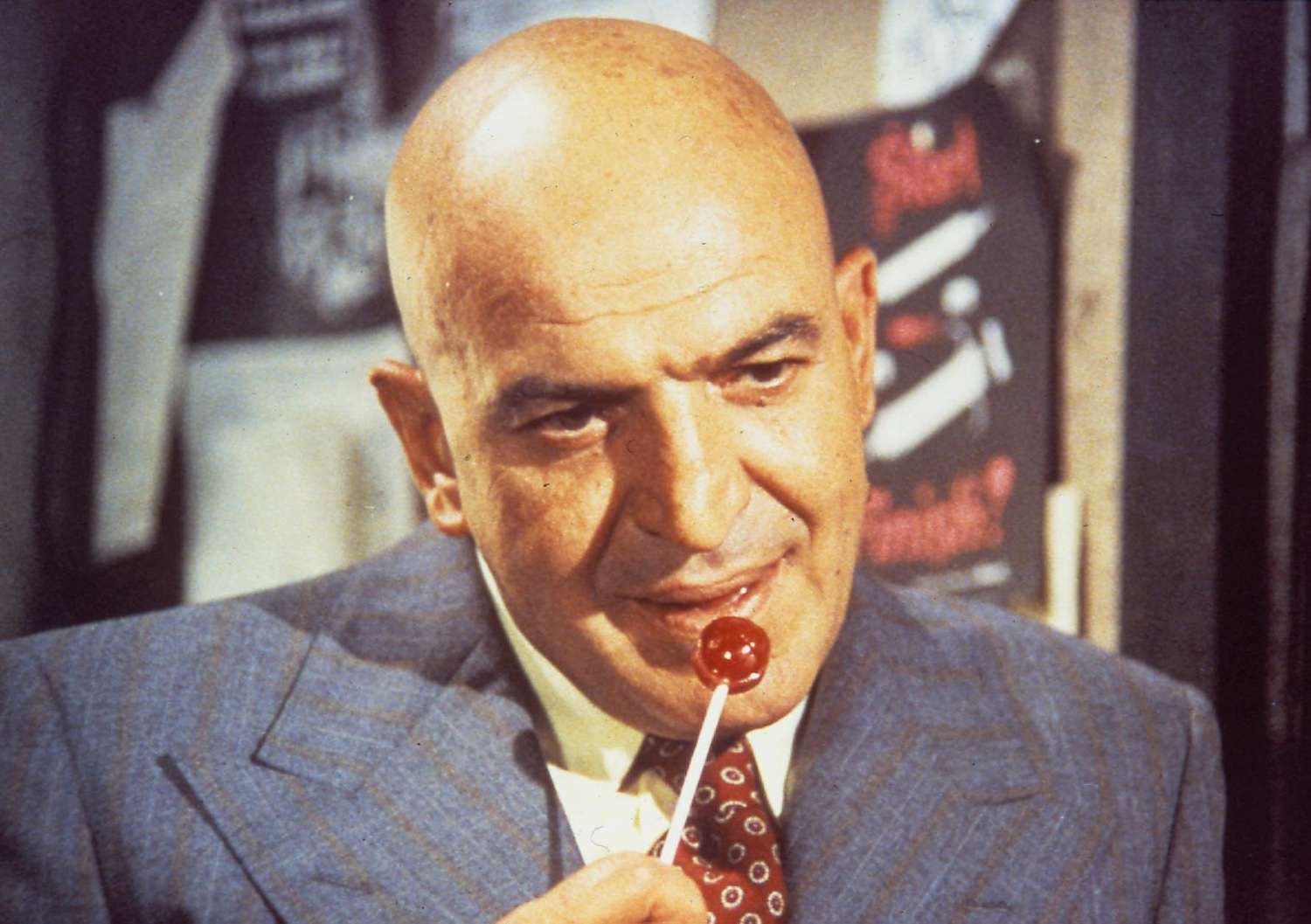
Telly Savalas turned a bald head, a lollipop and “Who loves ya, baby?” into surface details around one of the decade’s smartest, toughest urban detectives.
Theo Kojak looked like a character television had designed backward from a marketing department—bald, lollipop, catchphrase, immaculate suits—but Telly Savalas made all of it feel like it belonged to a real detective rather than a collection of hooks. Kojak was an NYPD lieutenant working Manhattan cases with a squad around him and a city that looked cold, crowded and tired in exactly the right way.
The character could be theatrical because Savalas had the authority to pull it off. Kojak might tease somebody, charm a witness or lean into a suspect with that smile that said he had already found the weak part of the story. Then he could turn hard without changing the volume much.
The show’s New York mattered. This was not generic television city. Streets, precinct rooms, apartments and public spaces had weight. The crimes felt attached to neighborhoods and pressures instead of dropped into a weekly puzzle box.
Kojak also worked because he was visibly part of a department. Captain Frank McNeil, Detective Crocker and the rest of the squad gave the series institutional texture. Kojak was the star, but cases were not solved by magic appearing from his pocket with the lollipop.
Telly Savalas won the 1974 Emmy for lead actor in a drama series for the role, which makes sense when you go back and watch how much control he had over a scene. The cool stuff was never just the catchphrase. It was timing.
For Gen X, Kojak was one of the easiest detectives to imitate badly. Put something in your mouth, squint and say the line. The fact that the character survived all those impressions is evidence of how strong the actual performance was.
At #3, Kojak is the definitive big-city cop show of the decade for me: stylish enough to become pop culture, grounded enough to remain a police drama underneath it.
2
HOMICIDE DETECTIVES
#2 The Streets of San Francisco
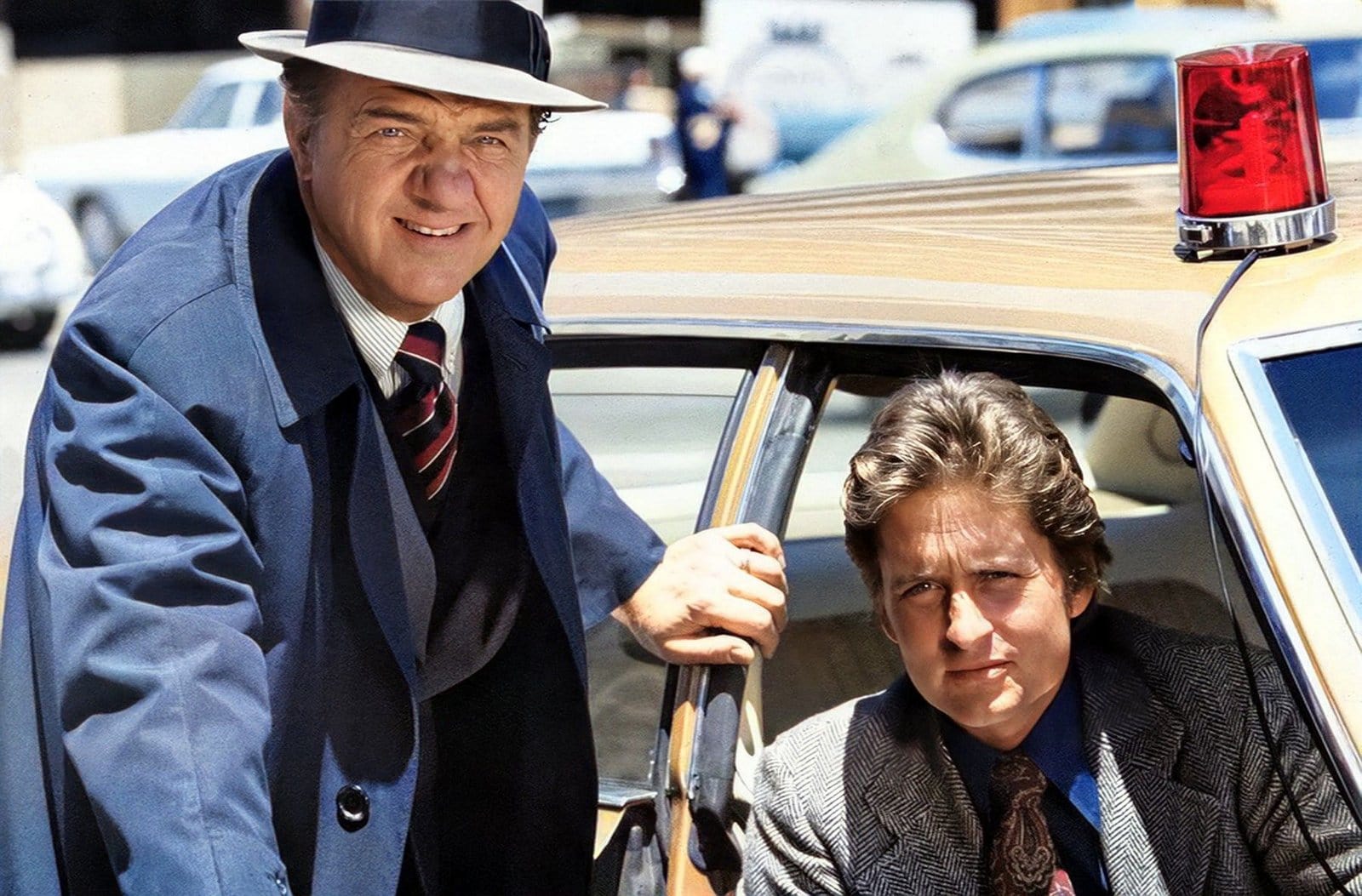
Karl Malden and Michael Douglas made veteran-and-younger-partner police work feel like a real transfer of knowledge, with San Francisco doing half the acting.
Few crime shows have ever used a city better than The Streets of San Francisco. The title was not exaggerating. Hills, row houses, waterfronts, neighborhoods, bridges and those impossible streets were not interchangeable background. They shaped chases, conversations and the whole mood of the series.
Karl Malden played veteran detective Lieutenant Mike Stone, with Michael Douglas as Inspector Steve Keller for most of the run. The age difference gave the partnership its engine. Stone knew what years of police work had taught him; Keller brought younger instincts and a different relationship to the changing culture around them. The series respected both.
The mentor relationship could have become a weekly lecture from the older cop, but Malden and Douglas made it feel more lived-in. Stone could be stubborn. Keller could be wrong. Learning moved in both directions. That is much closer to how good workplace partnerships actually feel.
Quinn Martin’s production gave the show structure and seriousness, while location filming supplied an identity no studio police drama could fake. The camera could crest a hill and suddenly the episode belonged to San Francisco before anybody mentioned the address.
The cases covered murder, organized crime, drugs, social conflict and the kinds of personal breakdowns 70s crime television increasingly treated as part of police work rather than a separate category. The department was present, procedure mattered, but the human reasons behind crime were rarely treated as irrelevant.
For Gen X rerun viewers, the show could feel older and younger at the same time. Malden belonged to the great generation of movie character actors. Douglas looked like the future arriving early. Put them in the same car and you could almost watch television passing the baton.
It ranks #2 because it balances almost everything this list is about: police work, partnership, city, procedure, character and a strong sense that the people solving the case have lives beyond the final arrest.
1
LAPD HOMICIDE
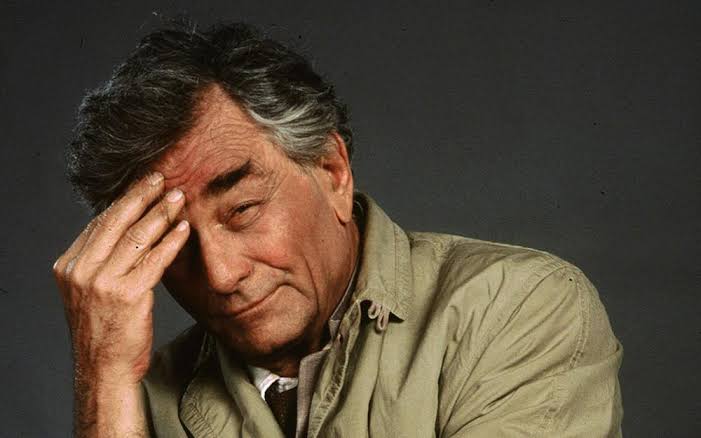
#1 Columbo
We already knew who did it. The whole thrill was watching Peter Falk’s rumpled lieutenant notice the one thing the killer wished he had not noticed.
The best police procedural of the 1970s begins by breaking one of the basic rules of detective television: it usually tells us who committed the murder before the detective even arrives. Then Peter Falk walks in as Lieutenant Columbo, looks mildly inconvenienced by his own raincoat and spends the next ninety minutes dismantling a person who was certain the crime was perfect.
That inverted structure changes everything. The question is not “Who did it?” It is “What will Columbo notice, and how will he prove it?” The audience watches procedure as a battle of attention. An expensive watch. A timeline that is too neat. A piece of behavior that makes sense only if the suspect knows something he should not know. The clue is often less important than the pressure Columbo applies after he finds it.
And pressure is the right word, even though he rarely looks aggressive. Columbo’s genius is social. Wealthy killers, executives, artists, doctors and celebrities look at him and decide he is harmless. His clothes are wrong. His car is worse. He talks about his wife. He loses his pencil. He seems to leave, then comes back with “just one more thing.” Every part of that appearance encourages the suspect to underestimate the person asking the questions.
Peter Falk made the performance so natural that it is easy to miss how controlled it is. Columbo can appear distracted while tracking every answer. He can flatter a suspect without surrendering authority. He can reveal that he knows more than he has said without changing the tone of his voice.
The NBC Mystery Movie format gave the stories room. They could spend time with the murderer before Columbo entered. They could let a relationship develop between hunter and hunted. The best episodes feel almost like two-character plays with a crime scene attached.
The show also understood class better than a lot of procedurals. Columbo frequently enters polished worlds where the killer assumes status itself is protection. The shabby lieutenant keeps crossing those boundaries because the badge gives him access and his intelligence gives him control once he gets inside.
For those of us who grew up on the reruns, Columbo could be funny before we understood why he was brilliant. We noticed the coat, the car, the cigar, the dog, the wife we never saw. Then you got older and realized the joke was on the murderer the entire time.
That is why Columbo is #1. It is recognizably a police show—Lieutenant Columbo is an LAPD homicide detective working cases through evidence, interviews and persistence—but it turns procedure into character. The investigation is not something happening around him. It is how his mind becomes visible.
Plenty of 1970s cop shows gave us faster cars, bigger guns and louder theme songs. None gave us a better demonstration of what a detective can do by simply paying closer attention than everybody else. Case closed. Except, of course, for one more thing.
PLEASE STAND BY • SLGX PRECINCT DESKBefore the glowing lab, there was the notebook.These shows made police work visual with simpler tools: radios, folders, witness statements, department phones, street maps and detectives who had to remember what somebody said three scenes ago.
10-8
70s
70s
The rerun precinct
Why 1970s police shows became Gen X memory machines
A lot of us learned the language of police television years before we knew what any of those radio codes actually meant.
Gen X did not necessarily watch these shows in the order television history books would prefer. We met them wherever syndication dropped them. Adam-12 at one hour. Kojak after school. Hawaii Five-O on a weekend. Columbo long enough to feel like somebody had accidentally scheduled a movie in the middle of the afternoon.
That scrambled timeline made the decade feel like one enormous police department. A black-and-white patrol car from the early 70s could be followed by Starsky’s Torino from the late 70s and nobody stopped to explain that television style had changed dramatically in between.
We absorbed the rituals first. “See the man.” Roll call. The captain who wants the detective in his office. The witness who suddenly remembers one more detail. The suspect who asks whether he is under arrest. The partner waiting in the car. The radio that always sounds slightly distorted no matter how expensive the television set becomes.
The props did half the memory work. Columbo’s coat. McGarrett’s hair and desk. Kojak’s lollipop. Starsky’s Torino. Baretta’s cockatoo. McCloud’s hat. The fact that a police procedural could build identity out of something as ordinary as a raincoat is one reason the shows survived.
And then there were the themes. Hawaii Five-O, S.W.A.T., Police Woman, Baretta—you could be in the kitchen and know exactly what had come on. Our 70s TV theme songs page is basically evidence that the decade understood the first fifteen seconds of a show could become permanent storage in your brain.
Later, when we were old enough to notice more than cars and catchphrases, the better series changed. Police Story got heavier. Columbo got smarter. The Streets of San Francisco became less about the weekly criminal and more about Malden and Douglas learning each other. The reruns grew up because we did.
The shift after the shift
How 1970s police procedurals changed the cop shows that followed
The 80s and 90s did not throw the 70s police show away. They took it apart, added more characters and kept the useful pieces.
The next major revolution arrived with Hill Street Blues in 1981, but that show did not appear from nowhere. Steven Bochco and Michael Kozoll had already worked in 70s police television, including Delvecchio. Police Story had already treated cops as damaged working people. The Rookies had already cared about officers’ lives away from the call. Adam-12 had already proved routine could be dramatic.
Cagney & Lacey would push women’s police stories far beyond what Police Woman had been allowed to do. Miami Vice would take the undercover cool of Baretta and Starsky & Hutch and run it through 1980s music-video electricity. Law & Order would eventually turn procedure itself into one of television’s most durable machines.
The 70s contribution was variety. A police show could be quiet or loud, comic around the edges or grim, about patrol or homicide, a veteran or rookies, a city or a specialized unit. It could question the institution without ceasing to be a police show.
Most importantly, the genre started understanding that the department could be a continuing world rather than a place the hero visited between car chases. Supervisors, partners, recurring officers and internal politics gained weight. That change leads directly toward the ensemble precinct drama that would dominate serious police television later.
But the old stars still survive on their own. You do not need a television-history lecture to understand why Columbo works. Watch him ask a rich murderer one polite question too many. Everything you need is right there.
The department became a character
Precinct rooms, partners, supervisors, radio calls and rules created a world that could carry stories beyond one detective.
Procedure ages better than gimmicks
Cars date. Clothes date. Watching a smart detective find the contradiction in a bad story still works.
Before end of watch
1970s police procedural shows FAQ
What was the best police procedural of the 1970s?
Columbo is our #1 choice. Peter Falk’s LAPD homicide lieutenant turns investigation into a character study, and the inverted mystery format makes the procedure—how he notices, questions and proves the case—the entire point.
Was Columbo really a police procedural?
Yes. Columbo is an LAPD homicide lieutenant conducting official murder investigations. The show is unusual because viewers usually know the killer from the beginning, but the drama still revolves around evidence, interviews, contradiction and building a provable police case.
Why is Adam-12 included if it started in the 1960s?
Adam-12 premiered in 1968 but continued through 1975, so most of its run and a large part of its cultural impact belong to the 1970s. The same practical rule applies to Hawaii Five-O, which began in 1968 and ran throughout the entire decade.
What is the difference between a police procedural and a private-eye show?
Police procedurals center official law-enforcement work inside a department, agency or government assignment. Private-eye shows center independent investigators hired by clients. Jim Rockford and Cannon belong on the private-eye side; Columbo, Kojak and Adam-12 belong here.
Which 1970s police show was the most realistic?
Police Story is the strongest choice if “realistic” means showing the emotional and institutional cost of the work. Adam-12 is the better choice if you mean routine patrol procedure, calls and day-to-day mechanics.
Which 1970s police shows featured women officers?
Police Woman is the decade’s most important female-led police series, with Angie Dickinson starring as Sergeant Pepper Anderson. Police Story also used its anthology format to tell stories centered on women officers.
Was Starsky & Hutch a procedural or an action show?
It was both. Starsky and Hutch were official plainclothes detectives working inside a police department, so the series belongs in the procedural family even though action, the Torino and the partners’ personalities often pushed the show beyond strict realism.
What should I watch after Columbo?
Try The Streets of San Francisco for partnership and city atmosphere, Kojak for a stronger precinct-centered detective show, Police Story for harder workplace realism, and McCloud if you want another long-form NBC Mystery Movie detective.
Keep the radio on
More 1970s crime TV
The police procedurals were one side of a decade that could seemingly build an entire prime-time schedule out of investigations.
The report file
Sources and television-history references
Series dates, premises, production history and industry context were checked against Television Academy and Television Academy Foundation material. Ranking and commentary are SLGX editorial judgment.
- Television Academy Foundation — Columbo
- Television Academy — The Streets of San Francisco at 50
- Television Academy Foundation — The Streets of San Francisco
- Television Academy Foundation — Kojak
- Television Academy Foundation — Adam-12
- Television Academy Foundation — Hawaii Five-O
- Television Academy Foundation — Police Story
- Television Academy Foundation — McCloud
- Television Academy Foundation — Baretta
- Television Academy Foundation — The Rookies
- Television Academy Foundation — S.W.A.T.
- Television Academy Foundation — Toma
- Television Academy Foundation — Joe Forrester
- Television Academy Foundation — David Cassidy: Man Undercover
- Television Academy Foundation — Hill Street Blues / 1970s police-drama lineage