90s Ska-Punk: The Bright Side of Alternative Rock
90s ska-punk brought horns, offbeat guitar chops, punk speed, pop hooks, skate culture and checkerboard chaos into the alternative-rock mainstream. No Doubt, Sublime, The Mighty Mighty Bosstones, Reel Big Fish, Less Than Jake, Save Ferris and the wider third-wave ska scene gave the decade a bright, loud release valve without sanding away the sarcasm.
The movement grew through punk clubs, college radio, modern-rock stations, MTV, movie soundtracks, compilation CDs and Warped Tour. It belonged inside the wider 90s alternative and grunge era because it made outsider music more colorful, more danceable and just as suspicious of the mainstream machine.
The horns were not subtle. Neither was the decade.
Ska-punk sounded like a punk show, a marching-band jailbreak, a skate-shop wall and a school dance going off the rails at the same time. The music was bright, fast and funny, but underneath the bounce were songs about boredom, alienation, bad relationships, scene politics and getting out.
What Was 90s Ska-Punk?
90s ska-punk was the third-wave ska boom that combined Jamaican ska rhythms, punk-rock speed, pop hooks, horn sections, skate culture and alternative attitude. It moved from regional scenes and punk clubs into modern-rock radio, MTV, Warped Tour, movie soundtracks and the CD collections of listeners who wanted something faster and brighter than the decade’s heavier guitar music.
The most important mainstream and scene-defining acts included No Doubt, Sublime, The Mighty Mighty Bosstones, Reel Big Fish, Less Than Jake, Save Ferris, Goldfinger, Rancid, Dance Hall Crashers, The Aquabats and Voodoo Glow Skulls, with Operation Ivy serving as a crucial pre-90s blueprint.
Ska-punk mattered because it gave alternative rock movement, humor and community without turning rebellion into clean pop cheer. The 90s alternative music guide connects the scene to the wider decade of grunge, punk revival, MTV, radio and post-grunge.
Why Ska-Punk Became the Bright Side of 90s Alternative
By the middle of the 90s, alternative rock had already done the heavy lifting. Grunge had shattered the old rock-star fantasy. MTV had turned weird bands into household names. Modern rock radio had figured out there was money in emotional distortion. The mood was serious, the guitars were heavy, and half the videos looked like they were filmed in abandoned buildings where everyone had unresolved childhood issues.
That stuff mattered. It still does. But no decade can survive on gloom alone unless it wants to turn into a candle aisle. Gen X needed release. Not fake happiness. Not glossy pop cheer. Something louder, sweatier, faster, funnier and still suspicious of everything. Ska-punk filled that space perfectly.
Ska-punk did not reject the alternative era. It belonged to it. It just came at the decade from another angle. Where grunge slouched, ska-punk bounced. Where post-grunge stared at the ceiling fan and processed feelings, ska-punk threw on checkered Vans, grabbed a horn section, and processed feelings by skanking badly in a crowd of people who also had no idea what to do with their arms.
And because the 90s were gloriously inconsistent, it made total sense. The same kid could own Nevermind, Tragic Kingdom, …And Out Come the Wolves, Sublime, Turn the Radio Off and a random swing-revival compilation because Columbia House was a trap and nobody had parental supervision strong enough to stop it.
Ska-punk brought bounce and movement into a rock landscape that had spent a lot of time standing still and looking haunted near a microphone stand.
It fit punk clubs, Warped Tour, skate videos, college radio, high school parking lots and school dances where the DJ had no idea what just happened.
For one shining 90s moment, trombones and saxophones were not just instruments your school forced into fluorescent-lit concerts. They were part of alternative rebellion.
Ska-punk could sit next to grunge, pop-punk, reggae-rock, punk revival and forgotten 90s party anthems without asking anyone’s permission.
What Did 90s Ska-Punk Sound Like?
The quick description is easy: ska-punk mixed ska’s offbeat guitar rhythm with punk speed and alternative-era hooks. But that undersells how flexible the sound was. Some bands were basically punk bands with horns. Some were pop bands with ska rhythms. Some were reggae-rock hybrids. Some were goofy on purpose. Some had politics. Some had heartbreak. Some sounded like a cartoon chase scene with a drinking problem.
The core ingredient was the upstroke — that clipped guitar chop on the offbeat that made ska bounce instead of stomp. Add walking bass lines, horn stabs, fast punk choruses and lyrics that swung between funny, frustrated, romantic, political and completely ridiculous, and you had a sound that could make a room move before anyone decided whether the band was cool.
That last part is important. Ska-punk was never built entirely on cool. In fact, part of its charm was that it rejected the whole 90s coolness test. Alternative rock had plenty of beautifully detached people in thrift-store sweaters looking like they had invented irony. Ska-punk had people in checkerboard belts, bowling shirts, Dickies, suspenders, porkpie hats, Vans and loud shirts acting like enthusiasm was legal again.
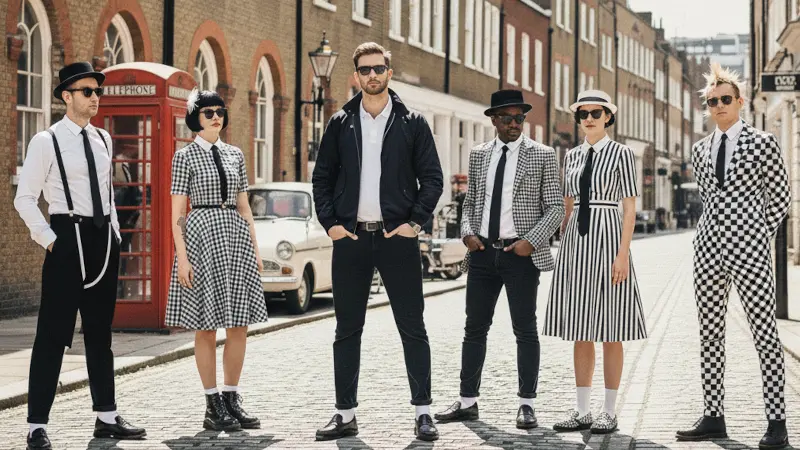
Checkerboards. Horns. Chaos.
The ska-punk look was not subtle, but subtle was not the assignment. It was skate-shop color, punk flyers, black-and-white checks, thrift-store weirdness, band-geek redemption and enough horn energy to make your school music teacher briefly feel seen.
The mainstream moment did not erase ska-punk’s roots, but it did make the sound more visible. Suddenly horns were on MTV. Ska rhythms were on modern rock radio. Kids who had never heard The Specials, Madness, Bad Manners or Operation Ivy were buying CDs because one song came on while they were eating cereal before school. That was the 90s distribution system: half taste, half accident.
Essential 90s Ska-Punk Bands and Breakthrough Artists
The 90s ska-punk boom was not one band, one sound or one scene. It was a bunch of overlapping lanes that all got pulled into the wider alternative explosion. Some bands became massive. Some became cult favorites. Some became soundtrack staples. Some became the reason your friend bought a trombone and made everyone nervous.
No Doubt: Ska-Punk, Pop Hooks and Tragic Kingdom Taking Over Everything
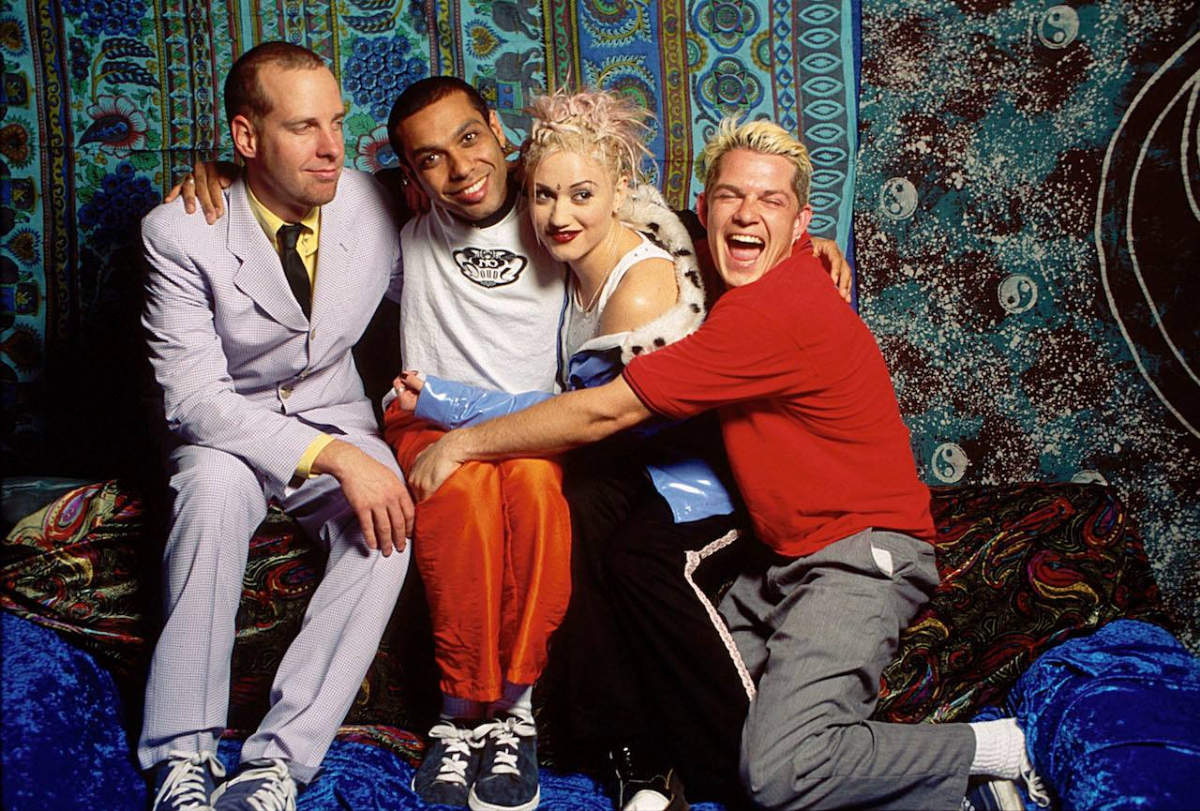
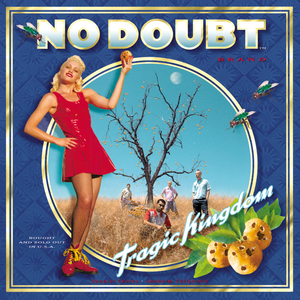
No Doubt were the band that brought ska-punk energy to the biggest possible 90s audience without staying locked inside one genre box. The band came out of the Orange County ska scene, but by the time Tragic Kingdom broke wide, they had turned that foundation into something much bigger: ska, pop, punk, new wave, breakup drama, MTV color and Gwen Stefani charisma all colliding until the whole thing became unavoidable.
Before the massive crossover, No Doubt were a hard-working Southern California band trying to survive a scene where ska was still more local, regional and word-of-mouth than mainstream. That matters because Tragic Kingdom did not sound like some manufactured trend-chasing project. It sounded like a band that had spent years developing a live-wire identity and then accidentally hit the exact moment when alternative radio was ready for something brighter.
“Just a Girl” was the first big blast: feminist frustration wrapped in a bounce that made it sound fun until you noticed the teeth. It was sarcastic, sharp and instantly useful for every girl who had been told to be careful, quiet, nice, smaller, safer or less annoying. The song belongs naturally next to the larger story of women of 90s alternative rock because Gwen Stefani was not just fronting a band; she was turning gendered irritation into a hook everyone knew.
“Spiderwebs” pushed the ska energy harder, all horns, call-screening anxiety and late-90s communication problems. Before blocking, before read receipts, before vanishing into airplane mode, there was just letting the phone ring and pretending you were not home. Very primitive. Very effective. “Sunday Morning” gave the band another blast of ska-pop motion, while deeper cuts showed how much musical muscle was underneath the singles.
Then “Don’t Speak” became the giant emotional crossover, and No Doubt suddenly belonged to everyone. That song was not ska-punk in the narrow sense, but it mattered because it proved a band from that world could make a ballad huge enough to swallow radio whole. It also complicated the band’s identity in a very 90s way: the ska kids knew they were more than the ballad, pop radio loved the heartbreak, MTV loved the look, and every school hallway had at least one person dramatically living through it.
No Doubt also changed the visual language of the ska-punk moment. Gwen’s style — part punk, part vintage, part SoCal, part glam, part “I got dressed by instinct and it worked better than your entire mall” — helped make the scene feel colorful without turning it fake. Tony Kanal, Tom Dumont and Adrian Young gave the band the actual punch: bass movement, guitar snap, manic drums and stage energy that reminded everyone this was a band, not just one frontwoman with a camera pointed at her.
No Doubt made ska-punk more visible, but they also made 90s alternative feel brighter and more colorful without losing conflict. The band could be playful, angry, romantic, sarcastic and theatrical in the same album. That range is why they were not just a novelty from the horn-section era. They were one of the decade’s biggest alternative-pop crossover stories.
Sublime: Ska, Punk, Reggae, Hip-Hop and Long Beach Trouble
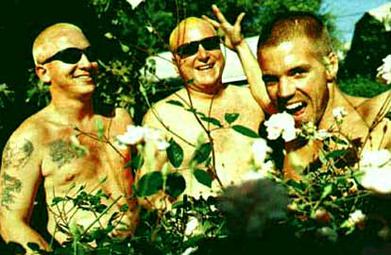
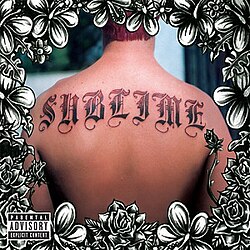
Sublime were not simply a ska-punk band, and trying to shrink them to that label misses the whole messy point. They pulled from ska, punk, reggae, dub, hip-hop, surf culture, street stories, humor, addiction, melody and Long Beach atmosphere. They sounded like a beach party happening next to a police scanner and a bad decision.
The band’s early records, especially 40oz. to Freedom and Robbin’ the Hood, already had the blueprint: loose genre mixing, samples, covers, punk bursts, reggae grooves, raw recording choices and a kind of cracked Southern California storytelling that felt both funny and dangerous. Sublime were never clean. That was part of the appeal. They sounded like a tape passed around by someone who probably knew where the party was and also why the cops showed up.
By the time the self-titled album exploded in 1996, Sublime were everywhere. “What I Got,” “Santeria” and “Wrong Way” became part of the radio furniture. You heard them in cars, dorms, parties, beach trips, skate shops, backyard hangouts and anywhere someone had a CD player and a questionable speaker situation.
Sublime’s appeal came from contrast. The songs could sound loose and sunny while the lyrics moved through addiction, exploitation, crime, desperation and self-destruction. That was very 90s: catchy enough for a party, dark enough to remind you the party was probably not ending well. “Wrong Way” was especially strange in that regard, a singalong wrapped around subject matter that was not remotely light once you actually listened.
Bradley Nowell’s voice was a huge part of the spell. He could sound casual, melodic, funny, desperate and wrecked without turning the songs into performances of pain. Eric Wilson’s bass lines gave the music its movement, and Bud Gaugh’s drumming kept the punk, reggae and ska pieces from feeling pasted together. At their best, Sublime sounded like three guys who had absorbed half a dozen scenes and made them feel like one neighborhood.
Nowell’s death before the album became a mainstream phenomenon gave the whole thing a haunted edge. The songs became huge after the story had already turned tragic. That tension is part of why Sublime still sits strangely in 90s memory. The music feels laid-back, but the reality underneath it was anything but.
Sublime mattered to the ska-punk boom because they widened the lane. They made ska and reggae rhythms feel natural inside alternative radio without sounding like a novelty horn band. They fit next to punk, rap-rock, reggae, college radio and modern rock all at once, which is basically how half the 90s worked anyway.
The Mighty Mighty Bosstones: Plaid Suits, Big Horns and “The Impression That I Get”
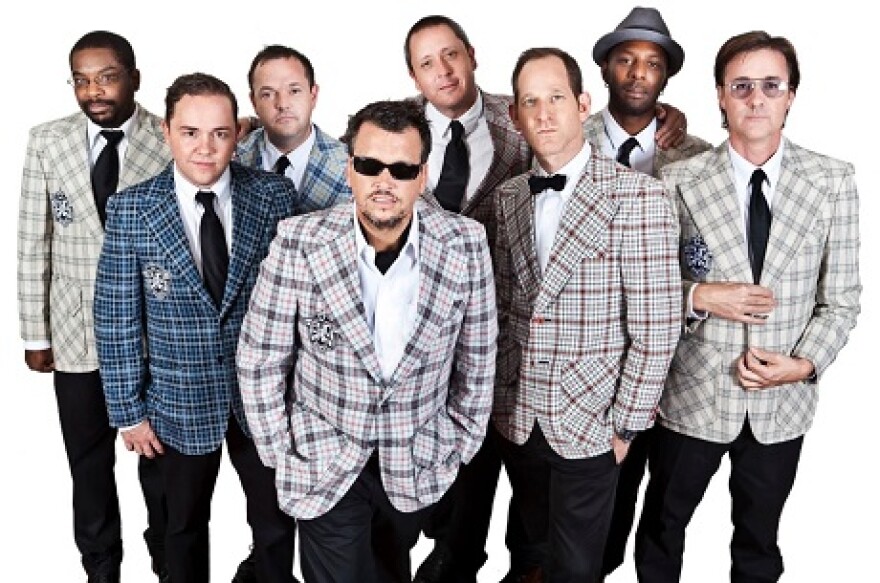
The Mighty Mighty Bosstones had been grinding for years before the mainstream finally caught up. They were not some overnight horn gimmick dropped into 1997 because a label executive found a checkerboard tie. The Bosstones came out of Boston with a tougher ska-core sound, combining punk force, heavy guitars, big horns, gang vocals and Dicky Barrett’s gravelly voice, which sounded like a bouncer at a ska club had been handed a microphone and a moral dilemma.
Long before the big radio moment, the Bosstones had already built a reputation through relentless touring, scene credibility and albums that mixed ska bounce with hardcore weight. That made their mainstream breakthrough feel different from some of the late-boom ska acts. They had history. They had scars. They had enough plaid to outfit a very anxious wedding party.
“The Impression That I Get” became the breakthrough because it had everything: a horn line you could recognize instantly, a chorus built for mass shouting, and lyrics about wondering how you would handle real hardship before it finally found you. That was the sneaky thing about the song. It bounced, but it was not empty. Under the big hook was a very Gen X question: am I actually built for this, or have I just been lucky so far?
The song also hit at the perfect moment. By 1997, modern rock radio was a beautiful traffic accident: post-grunge, pop-punk, ska-punk, alt-pop, electronica flirtations, leftover grunge, and songs that sounded like they had wandered in from three different scenes. The Bosstones fit that chaos because they sounded big, distinct and weirdly confident. You could not mistake them for anyone else.
Their look mattered too. The suits, the stage energy, the horn section, Ben Carr dancing like a full-time hype-man institution, the Boston edge — they looked and sounded like a full culture, not just a guitar band borrowing horns for decoration. When they hit MTV and radio, ska-punk suddenly had a face that was older, tougher and less shiny than some of the scene’s more cartoonish edges.
Their mainstream peak connected perfectly to 1997’s pop-culture chaos, when alternative had splintered into so many directions that a plaid-suited ska-core band could land a massive modern rock hit and somehow it made complete sense.
Reel Big Fish: Sellout Jokes, Horn Hooks and the Ska-Punk Punchline That Worked
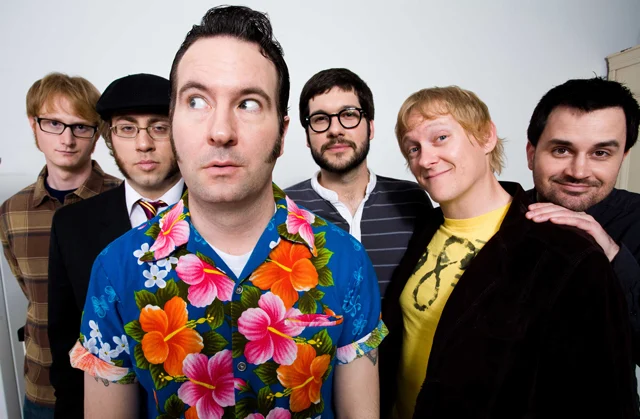
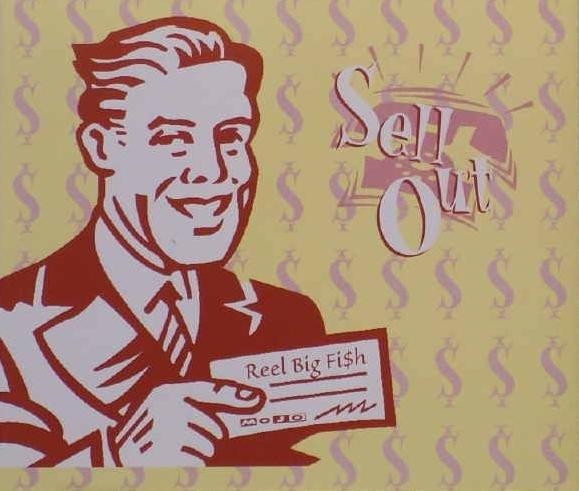
Reel Big Fish understood something very important about the 90s: if you were going to get swallowed by the music industry, you might as well make fun of it while it was chewing. “Sell Out” became the band’s signature because it turned the whole major-label anxiety into a huge, obnoxiously catchy horn-driven joke.
And the joke landed because it was true. The 90s alternative boom had made authenticity a selling point, which is a hilarious contradiction if you stare at it for more than four seconds. Reel Big Fish leaned into that contradiction with a grin, a horn section and the energy of a band that knew the machine was ridiculous but still wanted the check to clear.
Coming out of Orange County, Reel Big Fish were part of the same Southern California ska-punk wave that helped make the genre feel bright, sarcastic and aggressively unserious on the surface. But underneath the jokes was a very sharp understanding of scene politics, failed romance, bitterness, ambition and the absurdity of trying to keep underground credibility while chasing a bigger audience.
Their sound was built for movement: fast guitars, crisp upstrokes, big horn lines, shoutable choruses and Aaron Barrett’s permanently smirking delivery. Turn the Radio Off captured the late-90s ska-punk boom in one title. It was both a joke and a warning. Radio was exactly where bands wanted to be, and exactly what everyone claimed they were too cool to care about. Very healthy. No contradictions there.
Reel Big Fish also lasted because they understood entertainment. Ska-punk live shows were not supposed to look like a sacred art installation. They were sweaty, dumb, cathartic, fast, funny and communal. Reel Big Fish leaned into the showmanship without pretending it was anything other than what it was: a bunch of people yelling along to horn breaks and relationship complaints like civilization had peaked.
That made Reel Big Fish perfect for the late-90s ska-punk moment. They captured the genre’s self-aware side: silly but not stupid, commercial but skeptical, upbeat but bitter. Very Gen X, honestly. Smile, make a joke, assume the system is dumb, then buy the CD anyway.
Less Than Jake: Gainesville Punk, Horns and CD-Binder Motion Sickness
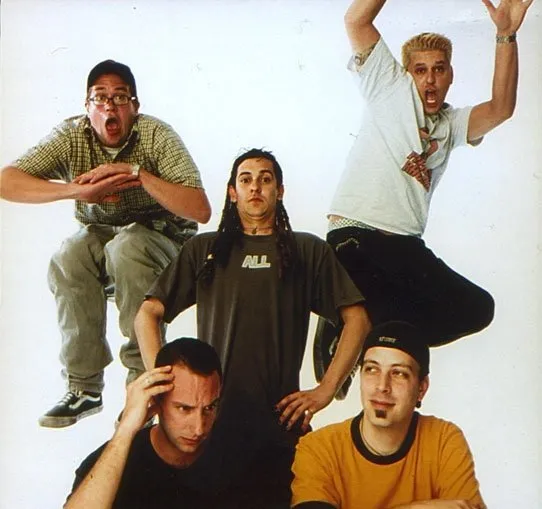
Less Than Jake were one of the bands that made ska-punk feel permanently tied to skate culture, punk scenes, Warped Tour dust, stickers, patches, zines, cheap merch tables and the feeling of standing outside a venue in a shirt you absolutely should have washed yesterday.
The band came out of Gainesville, Florida, and that mattered because they did not feel like a slick California ska-pop export or a Boston ska-core institution. Less Than Jake felt like a working punk band that had built its world from touring, scene loyalty, inside jokes, restless songs and a horn section that never seemed interested in calming down.
Their music had speed, melody, horns, humor and a strong sense of everyday frustration. They were not glossy in the No Doubt sense or mainstream in the Bosstones sense. Less Than Jake felt like a band that made songs catchy enough to follow you home while still sounding like they belonged on a flyer taped crookedly to a record-store window.
Albums like Losing Streak and Hello Rockview became staples for kids who wanted punk energy but also wanted the songs to bounce. Less Than Jake could write about boredom, bad jobs, local scenes, growing up, getting stuck, getting out and making fun of the whole thing before it made fun of you first.
“History of a Boring Town” is basically a mission statement for half the late-90s suburban and small-city scene experience. It was not about glamorous rebellion. It was about wanting out, not knowing where to go, and turning the frustration into a chorus fast enough to make the problem feel temporarily manageable. “All My Best Friends Are Metalheads” had the same trick: funny title, bright energy, actual alienation underneath.
Less Than Jake also helped ska-punk survive after the mainstream spotlight moved on. Their world was not built only on radio hits. It was built on touring, fan connection, humor, merch, scene memory and the kind of songs that made sense at festivals, clubs and long drives where someone had control of the CD wallet and too much power.
That was a huge part of ska-punk’s Gen X and late-90s appeal. It was not all shiny horn-party nonsense. A lot of it was about dead-end towns, restless kids, bad plans, dumb fun and trying to turn everyday frustration into something fast enough to outrun itself.
Save Ferris: Monique Powell, Ska-Pop Hooks and the 90s Cover Everyone Knew
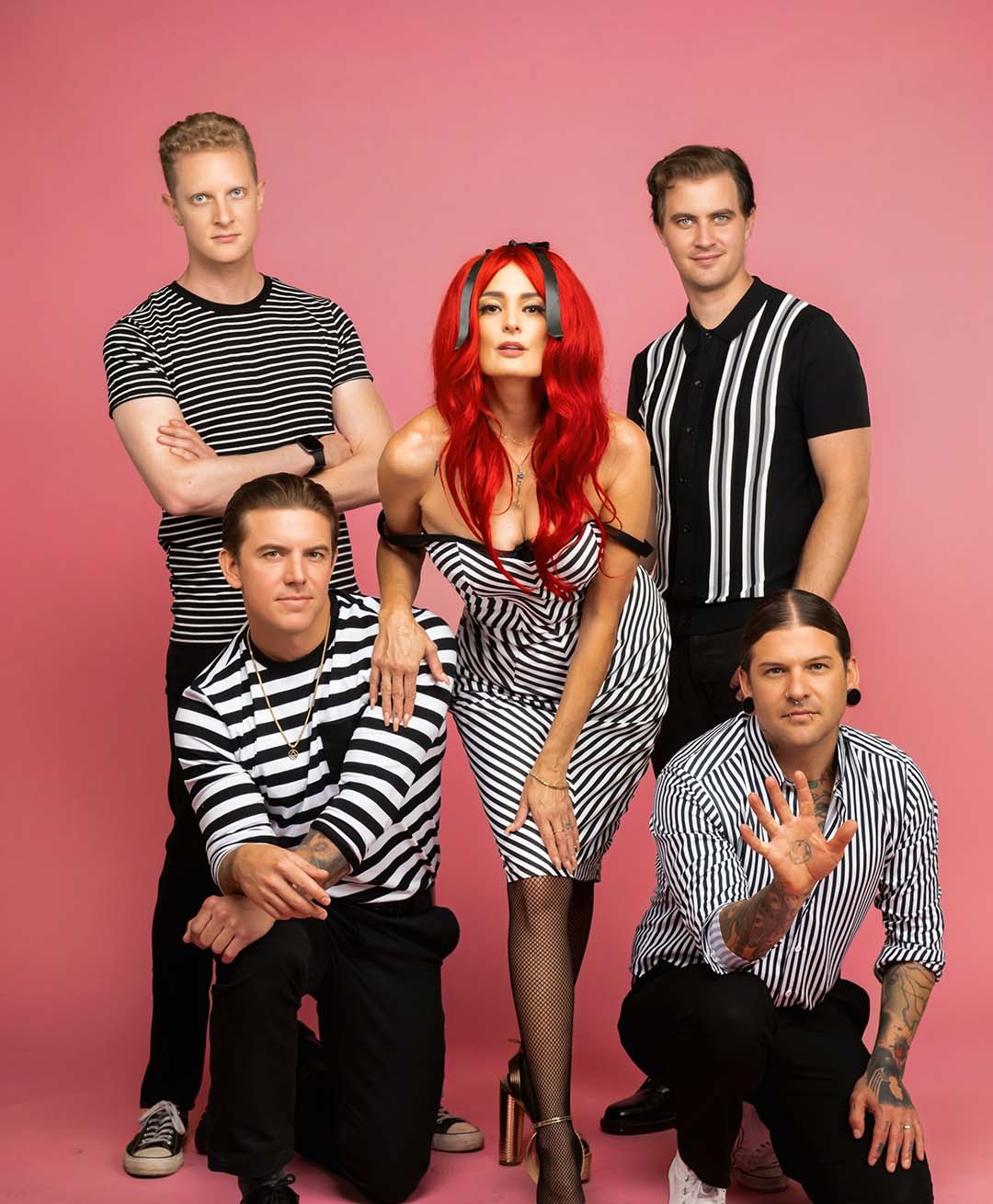
Save Ferris became one of the most visible female-fronted ska-punk bands of the late 90s, led by Monique Powell’s huge voice and the band’s bright, sharp ska-pop energy. Their cover of “Come On Eileen” gave them the kind of instant recognition that could jump from alternative radio to school dances to people yelling “oh, I know this one” with dangerous confidence.
The band came out of Orange County, the same broader Southern California scene ecosystem that helped ska-punk explode into the mainstream. But Save Ferris had a different center of gravity because Powell’s voice gave the band a big, theatrical, soulful punch. She could belt, snarl, wink and carry a chorus like she was daring the horn section to keep up.
But Save Ferris were more than a novelty cover moment. Their album It Means Everything had the color, horns, hooks and speed that made late-90s ska-pop feel like a party with feelings hiding under the table. “The World Is New” and “Goodbye” showed they could move beyond the cover and deliver songs with real punch.
Their sound leaned brighter and more pop-facing than some of the punkier ska bands, which helped them reach listeners who might not have been deep in the scene. They had the horn energy and upstroke bounce, but also big vocals, clean hooks and a sense of performance that made the songs feel built for rooms bigger than clubs.
Monique Powell mattered because ska-punk, like a lot of punk-adjacent scenes, could get very dude-heavy very quickly. Save Ferris gave the scene a powerful female voice, a strong visual identity and a connection to the larger story of women shaping 90s alternative. The decade was better when the microphone was not just another clubhouse key.
Save Ferris also captured the way ska-punk could cross into party culture without losing its alt-rock oddness. It could work at a show, on a mixtape, on radio, in a friend’s car, or at a school event where the adults had absolutely no idea why everyone suddenly looked like they were fleeing bees in rhythm.
Goldfinger, Rancid, Operation Ivy, Dance Hall Crashers, The Aquabats and Voodoo Glow Skulls
The mainstream version of 90s ska-punk usually gets reduced to a handful of MTV hits, but the scene was much wider than that. Some bands connected ska-punk to pop-punk and skate videos. Some kept it rooted in punk credibility. Some were pre-boom blueprints. Some were more melodic, more ridiculous, more aggressive or more scene-specific than the radio ever had room to explain.
That deeper bench is where ska-punk starts to feel less like a short-lived trend and more like a full ecosystem. The big songs made the sound visible, but the supporting bands kept it alive in clubs, on compilations, at festivals, in vans, on merch tables and in the CD collections of people who alphabetized nothing and somehow always knew where the Less Than Jake disc was.
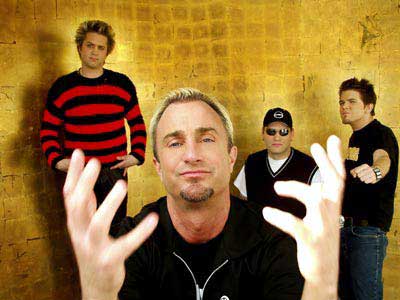
Goldfinger were a perfect bridge between ska-punk, pop-punk and skate culture. “Here in Your Bedroom” gave them a 90s alt-rock foothold, while “Superman” became permanently fused to skate-video and video-game memory thanks to its later life in Tony Hawk’s Pro Skater. They were fast, catchy, sarcastic and polished enough for a wider audience without losing the Warped Tour energy.
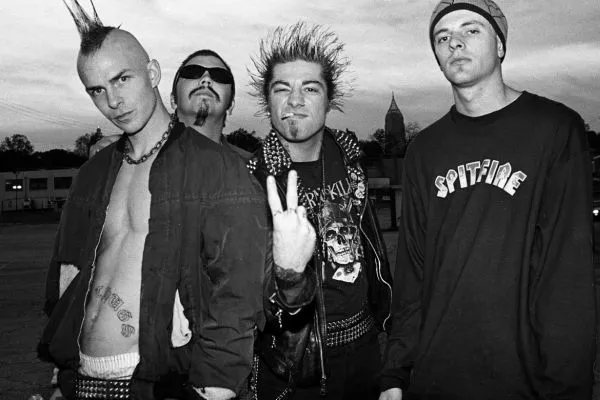
Rancid were more punk than ska-punk overall, but their ska-influenced songs mattered because they connected the 90s punk revival to the wider ska boom. “Time Bomb” brought that bounce into a gritty punk framework, while …And Out Come the Wolves became one of the decade’s essential punk records. They helped keep ska influence from feeling like pure novelty.
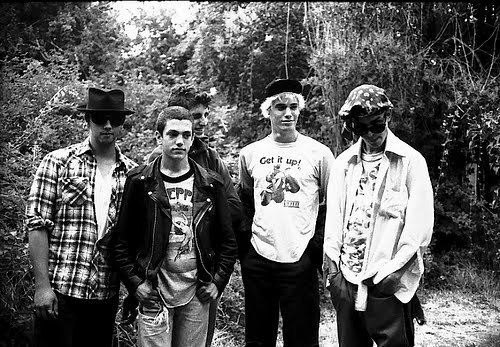
Operation Ivy broke up before the 90s ska-punk explosion, but their influence was everywhere. Energy became the homework assignment a lot of 90s bands actually did, combining ska rhythm, punk speed, shout-along urgency and East Bay DIY spirit. They were the scene’s ghost in the machine: not mainstream, not polished, but absolutely foundational.
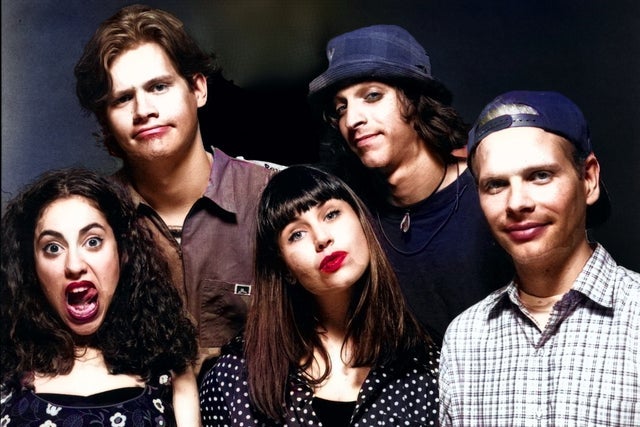
Dance Hall Crashers brought bright dual-vocal melodies, punk tempo and ska roots into a cleaner, hook-heavy lane. They were connected to the East Bay ska-punk world but had a sound that leaned tuneful and energetic rather than macho or cartoonish. Their best songs show how melodic the scene could be when the harmonies were as important as the horns.
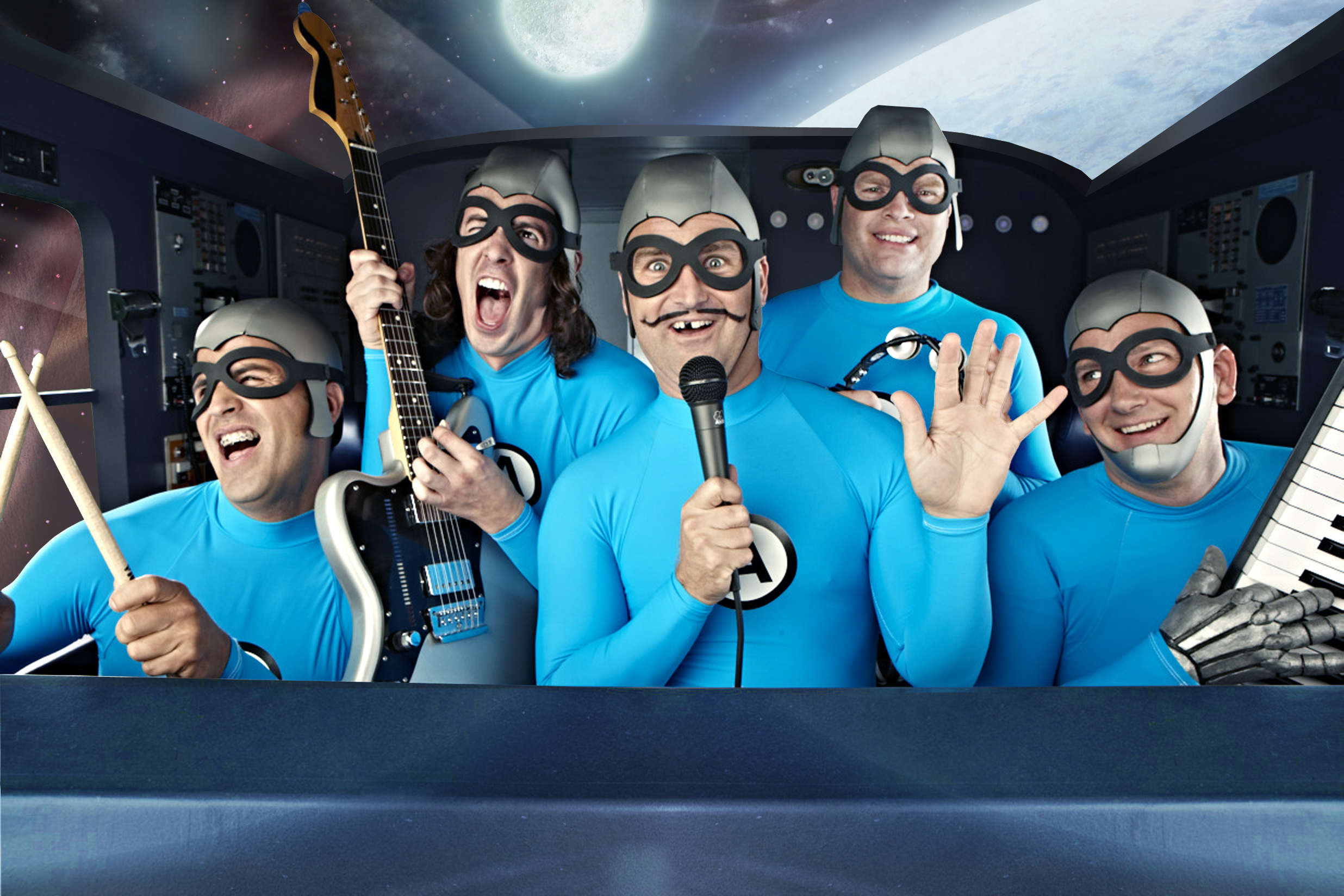
The Aquabats leaned all the way into costumes, characters, absurdity and superhero-ska chaos. They were ridiculous on purpose, which is very different from being accidentally ridiculous, a distinction the 90s did not always respect. Their theatrical approach proved ska-punk could be playful, visual and completely committed to the bit without apologizing for any of it.
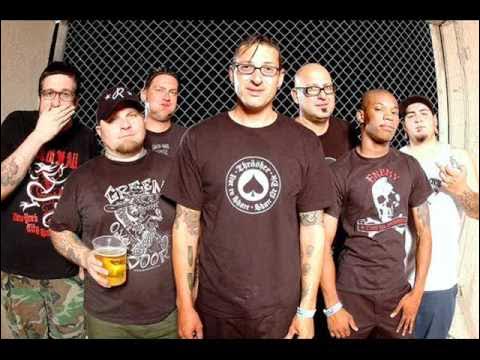
Voodoo Glow Skulls brought a more aggressive ska-core edge, mixing punk speed, brass attack and bilingual Southern California energy. They were a reminder that ska-punk was not always cute, bouncy or radio-friendly. Sometimes the horns came in and things got more intense, not less. Good. The scene needed teeth too.
How Ska-Punk Took Over 90s Youth Culture
Ska-punk was never just the songs. It came with a whole visual and social atmosphere: checkerboard patterns, Vans, Dickies, wallet chains, bowling shirts, suspenders, thrift-store ties, sticker-covered guitar cases, trumpet players in punk bands, and a lot of people pretending they knew how to skank without looking like malfunctioning lawn sprinklers.
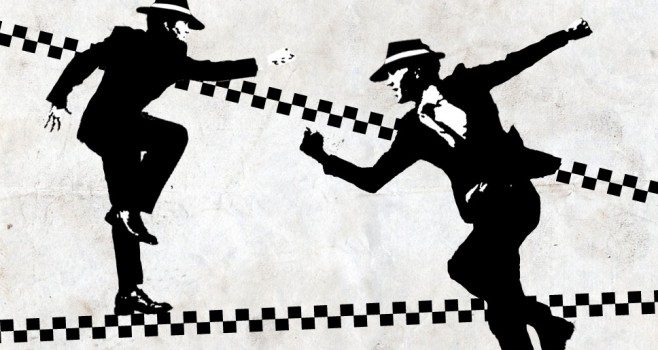
It lived in places that felt very 90s: skate shops, record stores, all-ages venues, school gyms, college radio stations, suburban bedrooms, Warped Tour parking lots, burned CDs, mixtapes, compilation albums and the passenger seat of someone’s car where the floor was 40 percent fast-food wrappers and 60 percent jewel-case shards.
Ska-punk was also one of the few alternative-era sounds that could turn sadness into motion without pretending the sadness was gone. A song could be about breakups, boredom, scene politics, dead-end towns, addiction, bad choices or emotional collapse, but if the horns came in hard enough, everyone was moving anyway. That was not denial. That was cardio with trauma.
The sound also overlapped with the decade’s party side. Not polished club music. Not pop-star choreography. More like basement parties, backyard hangs, school events, and those 90s nights where someone had a six-disc changer and way too much confidence. It belongs in the same nostalgic bloodstream as forgotten 90s party anthems, because ska-punk gave alternative kids songs that felt social without requiring them to stop being sarcastic.
Vans, Dickies, thrift ties, bowling shirts, suspenders, patches, wallet chains and enough black-and-white checks to make every hallway look like a ska-themed chessboard.
All-ages clubs, skate shops, school dances, Warped Tour fields, mall record stores and cars where the stereo was worth more than the vehicle.
Ska-punk made room for scene kids, brass players, pop-punk fans, reggae-rock fans, punks, skaters and anyone who liked music with too many moving parts.
The songs could sound bright while still being anxious, bitter, heartbroken or completely fed up. Basically 90s emotional honesty with better cardio.
How Ska-Punk Rose Through the 1990s
Ska-punk did not suddenly appear out of nowhere. The roots go deeper: Jamaican ska, 2 Tone, British revival bands, punk scenes, California DIY culture, Operation Ivy, college radio and years of regional bands building scenes before the mainstream noticed. But the mid-to-late 90s were when the sound fully broke through to wider alternative audiences.
The timing mattered. By 1996 and 1997, alternative rock had already expanded far beyond grunge. The radio dial was crowded with post-grunge, pop-punk, Britpop, industrial, electronic experiments, singer-songwriter angst and leftover grunge echoes. Ska-punk fit because the whole decade was already a mixtape with no adult supervision.
Late 80s: The Blueprint
Operation Ivy and other punk-ska hybrids help define the sound that many 90s bands would build from. The mainstream was not paying attention yet, which usually means something interesting was happening.
Early-Mid 90s: The Scenes Grow
Punk revival, skate culture, indie labels and regional scenes create the conditions for ska-punk to spread. The same alternative explosion that made grunge huge also made room for weirder lanes.
1996: The Breakthrough Gets Loud
Tragic Kingdom, Sublime’s mainstream explosion and Reel Big Fish’s “Sell Out” make ska-punk and ska-adjacent alternative impossible to ignore. It is also why this lane belongs next to the bigger songs of 1996 conversation.
1997: The Horn Section Goes Mainstream
The Mighty Mighty Bosstones, Save Ferris and more ska-punk energy push deeper into radio, MTV and school-dance memory. By 1997, horns had officially infiltrated the modern rock bloodstream.
Late 90s: The Boom Splinters
Ska-punk’s mainstream peak cools down, while pop-punk, emo, nu metal and other lanes pull attention. The scene keeps going, but the big cultural spotlight starts moving again, because the 90s never met a trend it could not overfeed and abandon.
What Ska-Punk Added to Alternative Rock
Ska-punk often gets treated like a goofy side hallway in the 90s alternative house, but that is too dismissive. Yes, it could be silly. Yes, there were novelty elements. Yes, the checkerboard situation got legally excessive. But the sound added something important to the decade: movement, community, humor and a way to be loud without being completely swallowed by darkness.
That made it a necessary contrast. If post-grunge was radio making the flannel safer, ska-punk was alternative refusing to spend the entire decade in a dimly lit room. It was still punk-adjacent, still sarcastic, still restless, still full of frustration, but it let the frustration jump around.
It also helped make 90s alternative bigger than one emotional temperature. The decade had grunge songs, post-grunge radio rock, riot grrrl rage, Britpop swagger, industrial dread, singer-songwriter confession, slacker irony and ska-punk release. That range is exactly why the wider list of 90s alternative rock songs that defined the decade cannot just be one mood with different guitar pedals.
Grunge could feel solitary. Ska-punk often felt communal: crowds, movement, call-and-response energy and songs designed to be shouted with other sweaty people.
Ska-punk kept punk’s speed and attitude but added rhythm, melody and horn-section drama. It was rebellion with choreography nobody had properly learned.
Modern rock radio in the late 90s could jump from post-grunge to ska-punk to pop-punk to alt-pop, which made the dial feel weirdly alive.
For one brief glorious moment, horn players, ska dancers and checkerboard obsessives got to be part of alternative culture without apologizing for the enthusiasm.
The punchline is that the “goofy” scene had real staying power.
Plenty of trends from the 90s vanished into the attic next to broken Discman headphones and pants with too many pockets. Ska-punk, though, never fully disappeared. The mainstream moved on, but the songs kept showing up at parties, nostalgia playlists, punk shows, skate videos and anywhere someone still thinks a horn break can fix the room.
Why 90s Ska-Punk Still Matters
The mainstream ska-punk boom did not last forever. That is how these things go. Once the industry realized horns could sell, the sound got pushed hard, copied quickly and eventually treated like an embarrassing yearbook photo. But the backlash was too easy. Ska-punk had already done its job.
It gave the 90s alternative era a release valve. It made punk more danceable, radio weirder, school dances less predictable and horn players briefly more powerful than anyone expected. It brought No Doubt into the center of the decade, helped Sublime become permanent 90s memory, gave the Bosstones a massive modern rock anthem, and let bands like Reel Big Fish, Less Than Jake and Save Ferris turn scene energy into wider culture.
It also set the table for how alternative scenes would keep mixing. Pop-punk, emo, skate punk, reggae-rock, indie, punk revival and early 2000s festival culture all carried pieces of that same cross-pollination. Ska-punk proved that alternative did not have to stay in one lane. It could borrow, clash, bounce, shout, joke and still land a chorus hard enough to live in your head for decades.
And maybe that is why it still feels good to revisit. Not because every song was perfect. Not because every outfit aged well. Please, let us not lie in public. But because the whole thing had life in it. Messy, loud, bright, goofy, stubborn life. The 90s needed that. Gen X needed that. Sometimes the only reasonable answer to existential dread is a horn section kicking in at full volume.
From here, the 90s alternative map takes another weird turn into awkward hooks, thrift-store irony and beautifully low-effort cool with Weezer, Beck and the rise of slacker alternative. Because after the horns stopped ringing, the couch showed up.
Questions About 90s Ska-Punk
What is 90s ska-punk?
90s ska-punk was a third-wave ska style that mixed ska rhythms, punk rock speed, pop hooks, horn sections and alternative rock attitude. It became popular through bands like No Doubt, Sublime, The Mighty Mighty Bosstones, Reel Big Fish, Less Than Jake and Save Ferris.
Was No Doubt a ska-punk band?
No Doubt came from ska and punk-influenced roots, but their 90s breakthrough mixed ska-punk, pop, new wave and alternative rock. Tragic Kingdom made ska-influenced alternative massive while also crossing into mainstream pop.
Was Sublime ska-punk?
Sublime were ska-punk-adjacent, but their sound was broader than one label. They mixed ska, punk, reggae, dub, hip-hop, surf culture and alternative rock into a loose Long Beach sound that became a huge part of 90s radio memory.
Why did ska-punk get popular in the 90s?
Ska-punk got popular because 90s alternative was expanding beyond grunge, and audiences were ready for something faster, brighter, funnier and more danceable. MTV, modern rock radio, Warped Tour, skate culture and CD compilations helped push the sound wider.
Who were the biggest 90s ska-punk bands?
Major 90s ska-punk and ska-adjacent bands included No Doubt, Sublime, The Mighty Mighty Bosstones, Reel Big Fish, Less Than Jake, Save Ferris, Goldfinger, Rancid, Dance Hall Crashers, The Aquabats and Voodoo Glow Skulls.
How did ska-punk fit into 90s alternative?
Ska-punk fit into 90s alternative because the decade made room for many sounds outside mainstream rock, including grunge, punk revival, Britpop, industrial, post-grunge, singer-songwriter alt-pop and ska-punk. It was the bright, horn-driven side of the same alternative explosion.
Why does 90s ska-punk still matter?
90s ska-punk still matters because it gave alternative rock movement, humor, community and energy. Its biggest songs remain tied to Gen X memory, Warped Tour, skate culture, school dances, CD binders and the more playful side of 90s alternative.
Keep the Rewind Going
Ska-punk makes more sense when it sits inside the whole 90s alternative map: grunge, post-grunge, party anthems, women-led alternative, year-by-year pop culture and the songs that made the decade bigger than one sound.