90s Grunge Fashion: How Flannel Became the Uniform
Grunge fashion became one of the defining looks of the 90s without beginning as a fashion trend. Flannel shirts, ripped jeans, combat boots, band T-shirts, cardigans and thrift-store layers grew out of Seattle weather, low budgets, local music scenes and a deliberate rejection of polished rock-star style.
Once Nirvana, Pearl Jam, Soundgarden and Alice in Chains reached MTV, the look traveled from clubs and record stores to malls and high schools. The same anti-glam style that helped make hair metal look overdressed became a visual shorthand for 90s alternative and grunge—then the fashion industry sold the rebellion back by the rack.
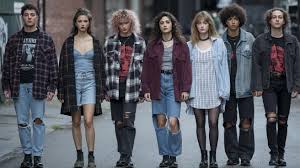
Why Did Grunge Musicians Wear Flannel?
Grunge musicians wore flannel because it was affordable, warm, durable and common in the Pacific Northwest. It worked for Seattle weather, thrift-store budgets and bands that had no interest in the polished glam-metal uniform. The shirt became symbolic only after the music became nationally visible.
MTV turned a practical local look into a national image. Flannel, combat boots, ripped denim, thermals and band shirts became associated with Nirvana and the wider Seattle scene, while the 90s alternative music guide shows how that style fit beside the bands, albums, songs and scenes of the decade.
Why Grunge Fashion Began as Anti-Fashion
The original grunge look was not designed by a stylist in a conference room. It came from basements, clubs, cold weather, thrift shops, record stores, cheap rent, old workwear and the general Gen X philosophy of “I got dressed, what more do you people want from me?”
That is what made it powerful. Hair metal fashion looked expensive, performative and almost medically committed to volume. Grunge fashion looked lived-in. It was layered because Seattle was damp and chilly. It was mismatched because money was not exactly raining from the sky. It was loose because nobody was trying to resemble a bottle of chrome conditioner. The clothes looked like they had history, stains, cigarette smoke, coffee, rain and probably an unpaid utility bill.
It also rejected the rock-star fantasy. The late 80s had sold a version of rock that was glossy, sexualized, larger than life and carefully staged. Grunge sold discomfort. Or, more accurately, grunge did not sell discomfort at first. It simply looked uncomfortable, and then the industry realized discomfort could be packaged. Great job, everyone. We monetized sadness and thermal shirts.
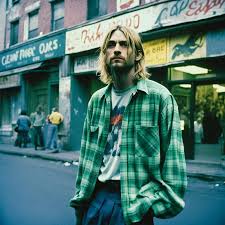
The anti-fashion quality connected directly to the sound. The music was rougher, darker and less polished. The clothes matched. The whole thing felt like a refusal: no glam armor, no choreographed image, no fantasy of rock-star perfection. Just worn-out layers, scuffed boots, band shirts, sarcasm and enough distortion to make your parents ask if the stereo was broken.
Why Flannel Became the Symbol of 90s Grunge
Flannel became the grunge symbol because it did several jobs at once. It was warm. It was cheap. It layered easily. It looked good beat-up. It could come from a thrift store, a parent’s closet, a workwear rack or some guy named Todd who left it in your car after a show in 1993.
In Seattle and the Pacific Northwest, flannel was practical before it became iconic. The weather demanded layers. The local culture already had a workwear/outdoor feel. Bands were not dressing like cartoon lumberjacks because a brand deck told them to. They were wearing what made sense. Then MTV beamed the look into bedrooms across America, and suddenly suburban teenagers in places with no Seattle weather whatsoever were dressing like they were about to load gear into a damp van.
Flannel also photographed well because it looked casual and unpolished. It had texture. It had color. It looked personal. Against the slick, shiny look of glam metal, flannel was visually disruptive. It said: this is not a fantasy. This is not a costume. This is what you wear when you have band practice at six, work at nine and existential dread basically all day.
Before the mall got involved, flannel was thrift-store friendly and budget realistic. Revolutionary concept: clothes that did not require a record advance.
Cold, damp and gray conditions made layering useful. Grunge fashion was partly meteorology with better guitar tone.
Next to leather pants, big hair and stage scarves, flannel looked like a shrug with buttons. Gen X approved.
Once the look hit MTV, anyone could imitate it. That accessibility helped make it a uniform almost overnight.
9 Essential Pieces of the 90s Grunge Look
The classic grunge look was not one item. It was a pile. Sometimes literally. It looked like your closet had lost a fight with a record store, a thrift shop and a rainy parking lot. And somehow, it worked.
The essential uniform usually came down to layers: flannel over a band shirt, thermal under something else, ripped jeans, boots, cardigans, beanies, oversized sweaters, long sleeves under short sleeves, and clothes that looked like they had not been introduced to an iron since the Reagan administration.
Worn open, tied around the waist, layered over band tees or stolen from someone who probably wanted it back.
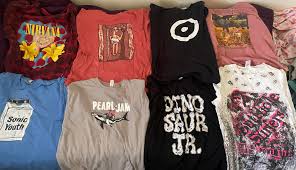
Your shirt told people what you listened to before streaming profiles and “top artists this month” made everyone insufferable.
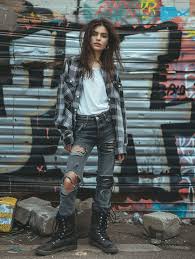
Ideally ripped naturally, not purchased from a rack labeled “authentic damage” by a corporation with mood lighting.
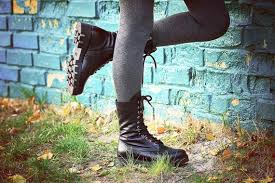
Doc Martens, army boots, thrift-store boots — anything that looked like it had survived a basement show and a bad decision.
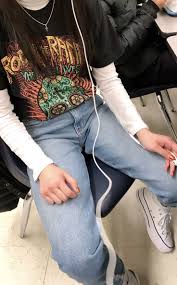
The long-sleeve thermal under a T-shirt was basically 90s climate control plus existential branding.
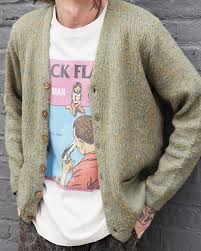
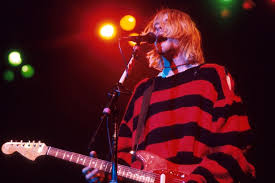
Soft, oversized, worn-in and somehow made sadder by an electric guitar and a stare that said homework was not happening.
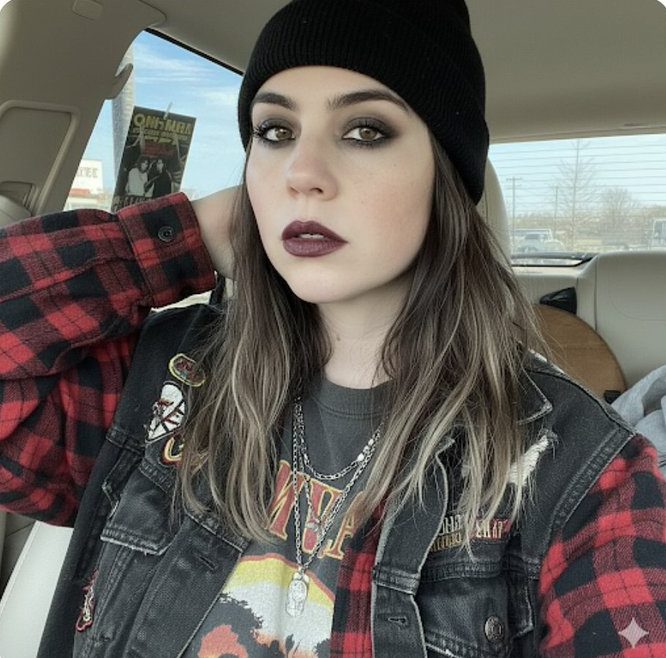
For warmth, for style, for hiding whatever your hair was doing after sleeping through first period.
The goal was not tailoring. The goal was looking like your clothes were emotionally processing something.
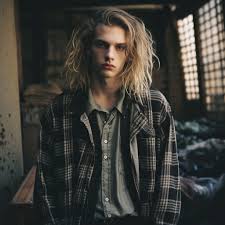
The anti-hair-metal hair statement: less Aqua Net, more “I may have used a towel, but let’s not make accusations.”
The whole thing looked accidental, but that accidental look became instantly recognizable. It was casual, moody, practical and quietly confrontational. You could wear it to school, to a record store, to a coffee shop, to a basement show, to the mall, or to sit around someone’s bedroom listening to grunge albums while pretending you were not waiting for someone to call the landline.
How Seattle Style Became a National Uniform
Seattle did not set out to become America’s fashion capital, which is good because absolutely no one involved seemed dressed for that meeting. The city’s contribution was not glamour. It was atmosphere. Gray skies, rain, cheap clothes, record stores, local clubs, independent labels, working-class practicality and musicians who looked like they had better things to do than coordinate outfits.
That atmosphere mattered because grunge fashion was tied to place. The look made sense in Seattle before it made sense in malls 3,000 miles away. Flannel and layers were not costume pieces. They were practical. Boots were useful. Oversized clothes were comfortable. Thrift-store finds were affordable. The whole thing had a local logic before it became a national aesthetic.
The rise and fall of the Seattle grunge scene made that local look globally visible. Once the music exploded, the clothes came with it. Suddenly the rest of America was trying to understand why rock stars looked like they could help you move a couch.
Nirvana made the look unavoidable. Pearl Jam made it feel communal. Soundgarden made it heavier and stranger. Alice in Chains made it darker. Together, the Big 4 of grunge turned Seattle style into a visual language. Not polished. Not glamorous. Not perfect. Just real enough for a generation that had already seen too many commercials pretending everything was fine.
How Nirvana and Pearl Jam Changed Rock Fashion
The biggest difference between grunge fashion and the rock fashion that came before it was attitude. Hair metal dressed like every hallway was a stage entrance. Grunge dressed like the stage entrance was probably behind a dumpster and nobody had the key.
Nirvana made that anti-rock-star look mainstream almost by accident. Kurt Cobain’s cardigans, striped shirts, ripped jeans and thrift-store layers became part of the cultural memory because they felt so far removed from the polished frontman template. He looked vulnerable, sarcastic, bored, angry, exhausted and unwilling to perform the usual rock-god routine. That refusal became its own kind of charisma.
Pearl Jam gave the look a different energy. More physical, more earnest, more live-band intensity. Their style was still anti-glam, but it felt rooted in movement, sweat, denim, boots and the emotional weight of songs that sounded like they were trying to hold an entire crowd together. It was not fashion as decoration. It was fashion as survival gear for catharsis.
Soundgarden and Alice in Chains each added their own shade. Soundgarden could be heavier, darker and more metallic, while Alice in Chains brought a haunted, street-level gloom that fit perfectly with the era’s darker clothing and heavier mood. The visual world of grunge was never one exact outfit. It was a shared rejection of polish.
That rejection is one reason Nirvana changed 90s music beyond sound. The image rewired expectations. Suddenly looking like you had been styled within an inch of your life felt corny. Looking like you might rather leave the interview became weirdly magnetic.
How MTV and Malls Made Grunge Fashion Mainstream
MTV did what MTV did best: it took a regional scene, blasted it into bedrooms nationwide, and made everyone rethink their closet between commercial breaks. The same network that helped make glam metal massive in the 80s helped make grunge fashion unavoidable in the early 90s.
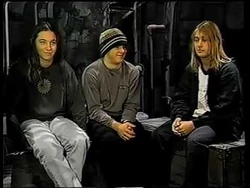
Music videos mattered because they gave the sound a uniform. Grunge was not just heard. It was seen. Flannel, cardigans, boots, messy hair, dark rooms, weird lighting, crowded shows, thrift-store layers and anti-glam body language became part of the experience. You did not need to live in Seattle to copy the look. You just needed cable, allowance money and the belief that your old jeans had emotional depth.
Then the mall arrived, because of course it did. The mall in the 90s was where authenticity went to get price-tagged. Stores started selling pre-ripped jeans, oversized flannels, combat boots, thermal shirts and “alternative” looks to kids who wanted to reject mainstream culture while walking directly past a Cinnabon. Nothing says rebellion like buying it under track lighting with a receipt.
That does not make the look meaningless. It just means the 90s were complicated. Grunge fashion started as practical, local and anti-commercial. Then it became a consumer style. That tension is the decade in miniature: real feeling, instantly marketed, still somehow emotionally effective.
Why Grunge Fashion Connected With Gen X
Grunge fashion hit Gen X because it matched a lifestyle, or at least a mood. This was the generation of mixtapes, late-night MTV, record-store browsing, coffee shops before they became laptop farms, basement bands, pay phones, used CDs, school lockers, thrifted jackets, weird bedrooms, landline drama and the daily experience of being told to “stop being so negative” by people who had clearly not listened to the news.
The clothes were wearable in real life. You could sit on the floor in them. You could skate badly in them. You could go to the mall in them while claiming to hate the mall. You could wear them to a show, to school, to work, to a friend’s basement, to a diner at midnight, or to stare dramatically out of a car window while someone played essential grunge songs from a cassette adapter that only worked if the wire was bent just right.
That lifestyle connection is why grunge fashion still carries nostalgia. It is not just “remember flannel?” It is remember sitting in someone’s room surrounded by CDs, posters, cheap speakers, half-dead batteries, school stress, relationship confusion and the feeling that music understood things adults kept turning into lectures.
How Women Shaped 90s Alternative Fashion
The lazy version of grunge fashion is always some guy in flannel staring at the floor. Fine, yes, there was plenty of that. But the 90s alternative look was broader than that, especially for women and girls who mixed thrift-store pieces, baby-doll dresses, combat boots, cardigans, ripped tights, dark lipstick, oversized sweaters, chokers, barrettes, band tees and whatever else made the school dress code panic quietly.
The look could be soft and aggressive at the same time. A floral dress with boots. A cardigan over a band shirt. Messy hair with dark lipstick. Ripped tights and a thrifted jacket. It was not about looking perfect. It was about combining things that were not supposed to go together and making them feel personal.
That matters because 90s alternative style gave a lot of people permission to look less polished, less sweet, less obvious and less trapped by the clean pop image machine. It had room for awkwardness, anger, sarcasm, sadness, softness and noise. Sometimes all in the same outfit. Very efficient.
This is also why a future deep dive into women of 90s alternative rock belongs in the same conversation. The sound, style and attitude of the era were shaped by way more than four Seattle guys and a rack of plaid shirts.
Why Grunge Fashion Is Still Popular
Grunge fashion never really disappeared. It just keeps getting renamed, reissued, softened, TikTok’d, overpriced and rediscovered by people who think they invented layering. Flannel comes back. Combat boots come back. Ripped jeans never fully leave. Oversized sweaters remain undefeated. Band T-shirts are eternal, even when half the people wearing them cannot name three songs. We see you. We are tired.
The difference is that today’s grunge-inspired fashion is often cleaner, more curated and more expensive than the original version. The 90s look had accidental chaos. Modern versions often have an algorithmic neatness. That is not automatically bad, but it changes the feel. Original grunge style looked like life happened to it. Modern grunge style sometimes looks like a mood board learned to sulk.
Still, the core appeal remains. Grunge fashion works because it is comfortable, layered, casual, a little rebellious and easy to personalize. It can be nostalgic without becoming a costume. Throw on flannel, boots, denim and a band tee, and suddenly you are one coffee away from explaining why MTV Unplugged still hurts more than it has any right to.
The best modern version keeps the spirit: wear what feels lived-in, comfortable and real. Do not turn it into cosplay. The minute you look like you are attending a corporate “90s day,” the ghost of every record-store clerk from 1994 is legally allowed to judge you.
Why Flannel Became the Grunge Uniform
Grunge fashion became iconic because it was not trying to be iconic. It came from weather, thrift stores, local scenes, low budgets, old clothes, working-class practicality and a generation that had very little interest in looking polished for people who seemed to be doing a terrible job running the world.
Flannel became the uniform because it was useful, cheap, easy to layer and visually perfect for the anti-glam moment. MTV made it national. The mall made it commercial. Gen X made it personal. And decades later, the look still works because it never depended on perfection. It depended on attitude, comfort, noise, sarcasm and the confidence to look like you got dressed from a laundry pile with emotional range.
Explore More 90s Alternative and Grunge
Grunge fashion is only one piece of the larger 90s alternative story. The clothes, songs, albums, videos and lifestyle all fed into each other until flannel became less of a shirt and more of a warning label for Gen X emotional weather.
Questions About 90s Grunge Fashion
Why did grunge musicians wear flannel?
Grunge musicians wore flannel because it was cheap, warm, durable and common in the Pacific Northwest. It fit Seattle weather, thrift-store budgets and the anti-glam attitude of the scene.
Was grunge fashion supposed to be fashionable?
No. Grunge fashion started as anti-fashion. It came from practical clothes, thrift stores, local scenes and low budgets before MTV, magazines and malls turned it into a mainstream style.
What clothes were part of the classic grunge look?
The classic grunge look included flannel shirts, band T-shirts, ripped jeans, combat boots, thermal shirts, cardigans, beanies, oversized sweaters and messy hair.
How did Nirvana influence grunge fashion?
Nirvana helped make thrift-store layers, cardigans, ripped jeans and anti-rock-star style mainstream. Their look felt like a rejection of the polished glam-metal image that dominated late-80s rock.
How did MTV spread grunge fashion?
MTV spread grunge fashion by putting Nirvana, Pearl Jam, Soundgarden, Alice in Chains and other alternative bands into heavy rotation. Music videos made the look visible to teenagers across the country.
When did grunge fashion become mainstream?
Grunge fashion became mainstream in the early 90s after Nirvana’s breakthrough and the wider alternative rock takeover. By the mid-90s, malls and department stores were selling grunge-inspired clothes nationwide.
Did grunge fashion help kill hair metal?
Yes, visually. Grunge fashion made hair metal’s glossy look seem outdated. Flannel, thrift-store layers and anti-glam style became the opposite of teased hair, leather and arena-rock excess.
Is grunge fashion still popular?
Yes. Flannel, combat boots, ripped jeans, oversized sweaters and band tees still show up in modern fashion, though today’s versions are often cleaner, more curated and more expensive than the original thrift-store look.
Was grunge fashion only for men?
No. Women and girls shaped 90s alternative style too, mixing flannel, baby-doll dresses, combat boots, ripped tights, cardigans, band shirts, dark lipstick and thrift-store pieces into looks that were soft, aggressive and personal.
What made grunge fashion feel Gen X?
Grunge fashion felt Gen X because it was skeptical, practical, sarcastic, low-maintenance and emotionally unpolished. It matched the music, lifestyle and anti-gloss mood of the early 90s.
Keep the Rewind Going
Get more 70s, 80s and 90s nostalgia, music rabbit holes, TV memories, toy chaos and Gen X cultural therapy from Smells Like Gen X.