Touched by an Angel: The Late-90s Ratings Giant Nobody Talks About Enough
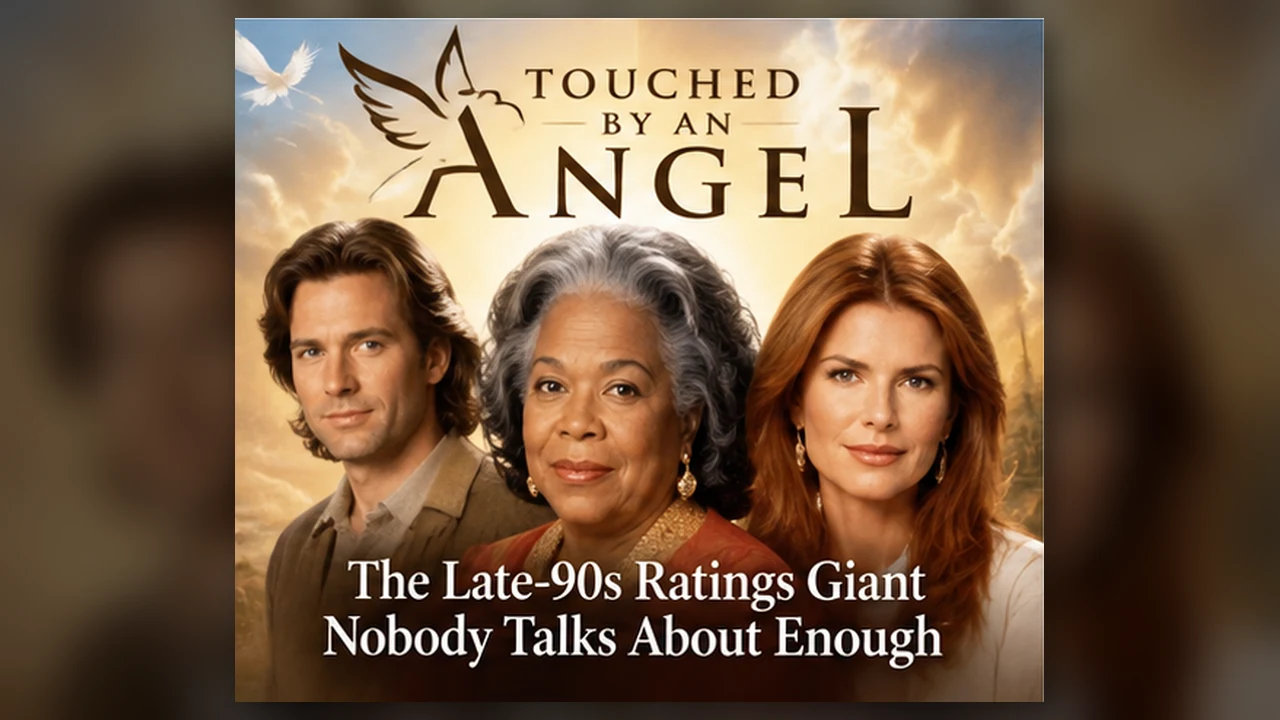
TOUCHED BY AN ANGELThe Late-90s Ratings Giant Nobody Talks About Enough
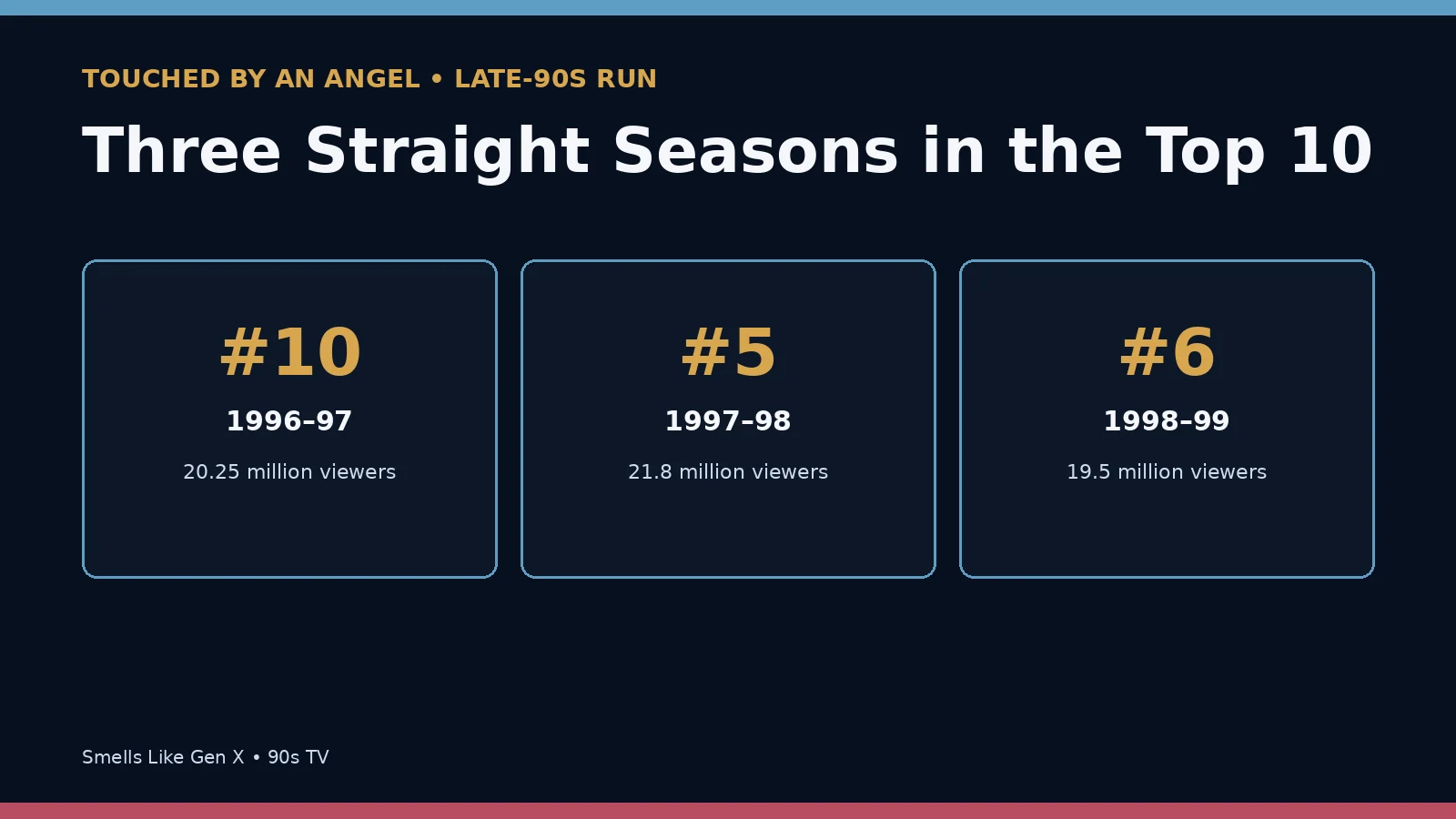
Touched by an Angel was one of the biggest shows on television while much of pop-culture memory was looking somewhere else. It finished #10 in 1996–97, #5 in 1997–98 and #6 in 1998–99 by doing almost the opposite of the decade’s coolest television.
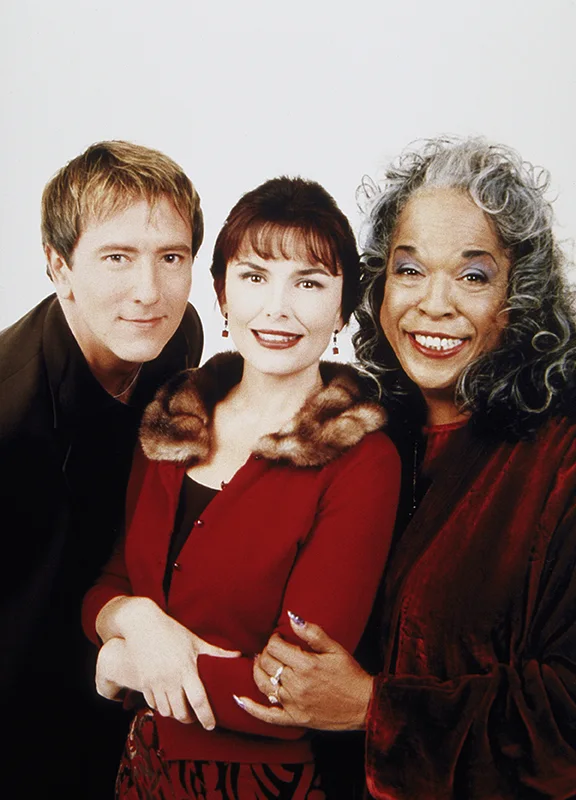
How big was Touched by an Angel in the late 90s?
Enormous. The CBS drama averaged 20.25 million viewers in 1996–97, 21.8 million in 1997–98 and 19.5 million in 1998–99, finishing in the Nielsen top ten all three seasons.
Touched by an Angel in the 90s: Why a Gentle Drama Became a Ratings Giant
The late 1990s are usually remembered through irony, speed and edge. Seinfeld avoided sentimentality. ER sprinted through hospital corridors. NYPD Blue pushed network standards. Then CBS had one of the biggest dramas in America built around the idea that a person in crisis needed to hear that they were loved.
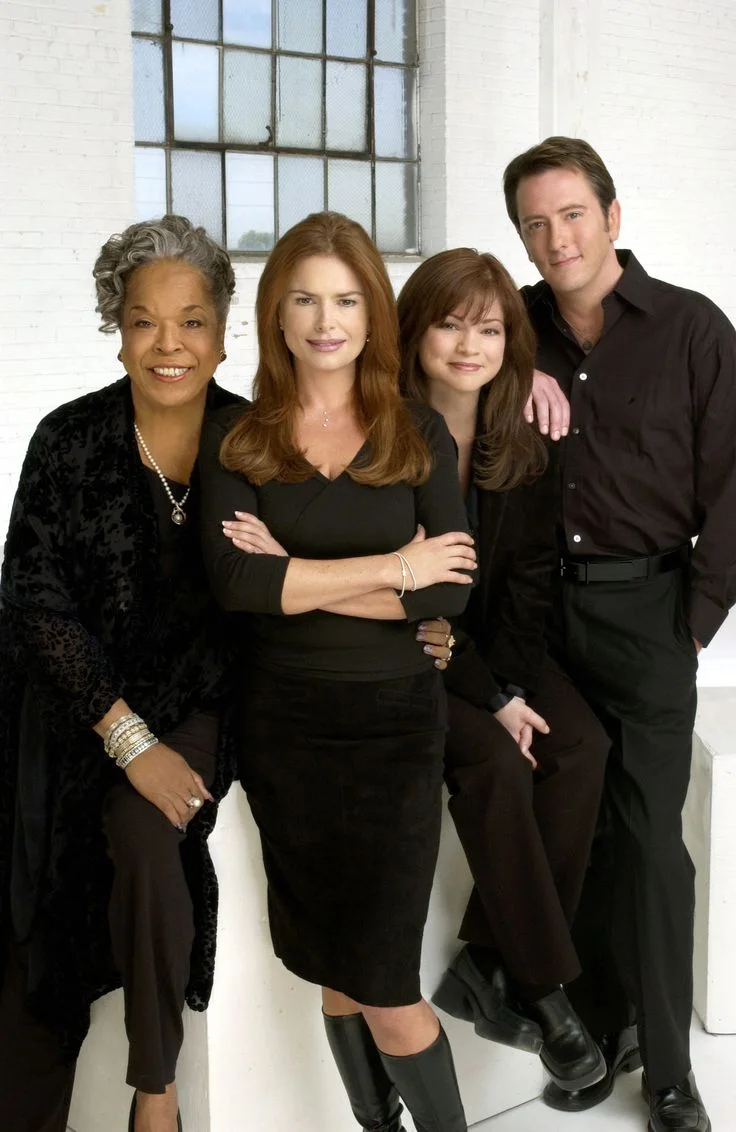
Touched by an Angel did not chase the decade’s coolest tone. Roma Downey’s Monica and Della Reese’s Tess entered ordinary lives at moments of grief, illness, family rupture, guilt or fear. John Dye’s Andrew gave the series a way to talk about mortality without turning death into horror.
That sounds like counterprogramming because it was. The show offered reassurance while a lot of prestige television was becoming more morally gray. The key is that this was not a small counterculture audience. In 1996–97, Touched by an Angel finished #10 with 20.25 million viewers. It rose to #5 in 1997–98 with 21.8 million and remained #6 in 1998–99 with 19.5 million.
Those are numbers from the center of network television. The broader 1990s TV landscape makes the contrast even sharper: while NBC dominated younger urban comedy and faster drama, CBS found millions of viewers who wanted television to slow down, take moral questions seriously and end an hour with emotional release.
Roma Downey’s Monica Made the Angel Premise Human
Monica works because she is not written as an all-knowing supernatural authority. She is learning.
That choice gives the series room for drama. Monica may understand the assignment before the person she is helping does, but she can still misread emotion, become attached, worry about the outcome or need Tess to remind her that the work is not about control.
Roma Downey’s performance keeps the character from becoming a sermon-delivery device. So much of the show depends on intimate conversations that the audience has to accept Monica as a person in the scene before the angel reveal can work emotionally.
The Television Academy nominated Downey for Outstanding Lead Actress in a Drama Series in both 1997 and 1998. That recognition helps explain how seriously the central performance was taken even when critics were divided on the series’ sentimentality.
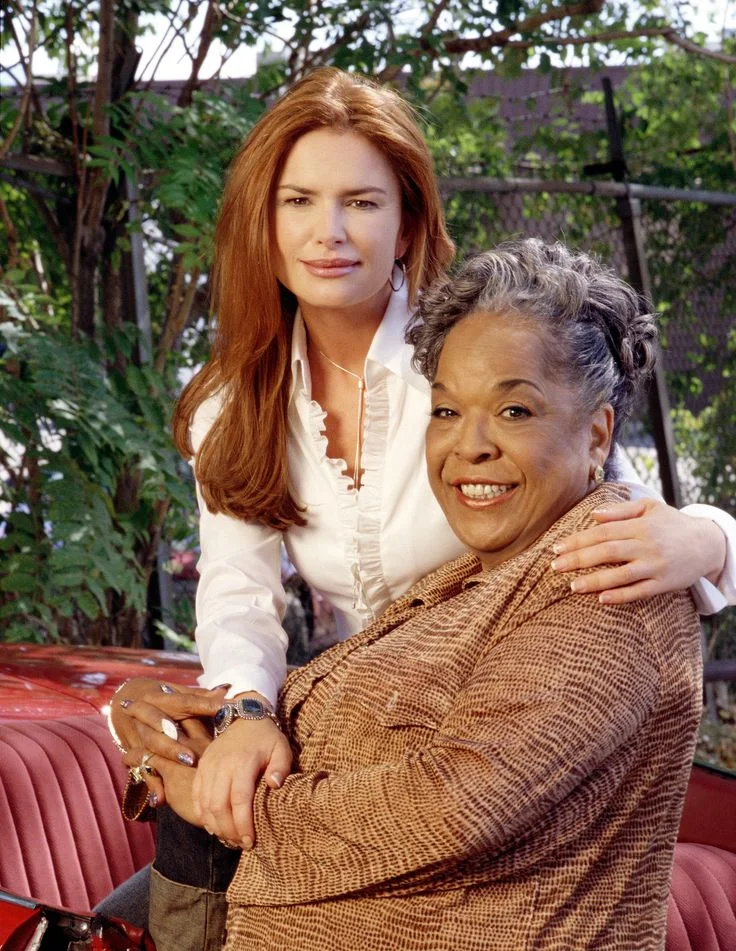
Della Reese Made Tess the Soul of Touched by an Angel
Della Reese had the kind of presence that could make a line of reassurance sound earned rather than manufactured.
Tess was Monica’s supervisor, mentor and occasional corrective. Where Monica could become emotionally tangled in an assignment, Tess carried the confidence of someone who had seen the pattern before. Reese brought humor, musicality, command and a willingness to make Tess stern when warmth alone would have made the character too soft.
The show also used Reese’s singing and musical background as part of its emotional identity. Television Academy interviews with Reese cover the theme song, filming in Salt Lake City, guest stars and the fact that the series came close to cancellation before it found its audience.
That near-cancellation story matters because the later ratings make success look inevitable. It was not. The show survived long enough to find the right audience and scheduling environment, then became much bigger than the first season suggested.
John Dye’s Andrew Let Touched by an Angel Talk About Death Directly
A weekly drama about people in crisis eventually has to confront death. Touched by an Angel built that confrontation into the cast.
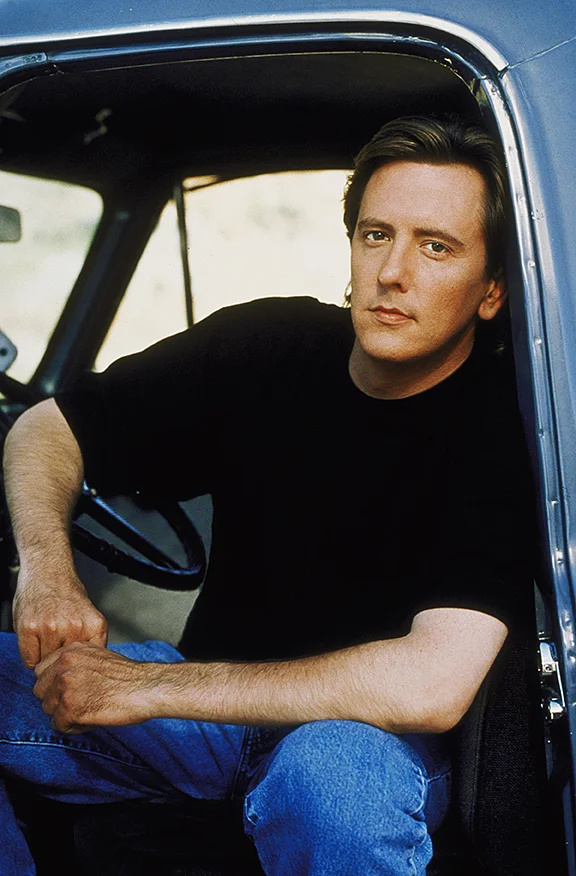
Andrew was the angel of death, but John Dye did not play him as ominous. His calm presence allowed the series to address terminal illness, accidents, aging and grief without changing its tone into supernatural horror.
That was more useful than a conventional recurring villain because it kept mortality close without treating death as punishment. Sometimes Andrew’s presence signaled that a character was dying. Other times it simply made the stakes visible to the audience.
The show’s worldview depended on the distinction between tragedy and meaninglessness. Andrew embodied that distinction every week.
Martha Williamson Made Touched by an Angel Unapologetically Spiritual Television
Executive producer Martha Williamson helped define the version of the show audiences remember: direct about God, direct about moral choices and uninterested in pretending spirituality was merely metaphor.
That confidence separated the series from fantasy shows that used angels as whimsical devices. Touched by an Angel was explicitly interested in faith. The Los Angeles Times described its message in 1997 as reassurance that even in bleak circumstances people were loved and their lives had meaning.
The approach carried risk. Network television generally tries to maximize audience by softening anything that might narrow the tent. Williamson made specificity part of the product. Viewers could disagree with the theology, but they never had to guess what the show believed.
That clarity likely helped build loyalty. People who wanted exactly that kind of hour knew where to find it, and people who did not were not being tricked into watching a different show.
Touched by an Angel Fit Perfectly Behind 60 Minutes
Scheduling mattered. CBS Sunday was already built around habit, familiarity and viewers willing to sit with serious subjects.
60 Minutes was one of the most durable programs in television history. Putting an emotional family drama near that institution created a flow very different from NBC’s Thursday strategy. NBC wanted momentum, youth and comedy blocks. CBS Sunday offered ritual.
The larger story of CBS Sunday night in the late 90s belongs to the entire ecosystem—60 Minutes, Touched by an Angel, Sunday movies and the audience habit connecting them. Here, the show-level point is how well its pacing fit that environment.
Episodes were designed to be watched with emotional patience. Sunday gave them room. The show did not have to imitate the energy of Thursday night to be competitive.
Touched by an Angel Ratings: #10 in 1997, #5 in 1998 and #6 in 1999
The ratings run is the reason this show deserves more attention in any serious history of late-90s television.
In 1996–97, Touched by an Angel finished #10 with 20.25 million viewers. The 1997 Nielsen ranking was dominated by NBC, which placed seven shows in the top ten. CBS’s angel drama was one of the few programs from another network to break into that tier.
A year later, the show climbed to #5 with 21.8 million viewers. Then in 1998–99 it finished #6 with 19.5 million, still ahead of Veronica’s Closet, 60 Minutes, the CBS Sunday movie and Home Improvement. Our 1999 TV ranking puts that result into the full season.
Those three seasons show durability rather than a one-year spike. The show was neither a launch curiosity nor a temporary controversy. It found a large audience and stayed there.
Touched by an Angel Won by Refusing to Become ER, Friends or NYPD Blue
The show’s biggest strength was also the thing that made it easy to dismiss: it was sincere.
ER ran through corridors. NYPD Blue made broadcast television rougher. Seinfeld rejected sentimentality. Friends built comedy around young-adult chosen family. Touched by an Angel did almost the opposite. Its episodes slowed down for confession, remorse, forgiveness and reassurance.
That contrast gave viewers a choice. The show was not trying to win the same argument as the younger, sharper programs dominating entertainment coverage. It served people who wanted television to affirm something rather than deconstruct it.
Counterprogramming only matters when the alternative audience is large enough to matter. Here, the alternative audience was enormous.
Touched by an Angel Used a Gentle Form to Address Serious Subjects
The reputation for uplift can obscure how much suffering the series actually put onscreen.
Episodes dealt with addiction, racism, illness, war, abuse, grief, homelessness, family estrangement and death. Della Reese discussed the show taking on serious issues in her Television Academy interview, and the guest-star format let the series enter a new crisis almost every week.
The difference was not whether pain appeared. It was what the show promised about pain. The structure told viewers that the hour would not abandon a character inside despair. There would be meaning, connection or at least the possibility of grace before the credits.
That predictable emotional contract is part of why the series became comfort television. Viewers did not tune in because nothing bad happened. They tuned in because the show promised how it would respond when bad things happened.
Filming in Salt Lake City Gave Touched by an Angel a Different Visual Texture
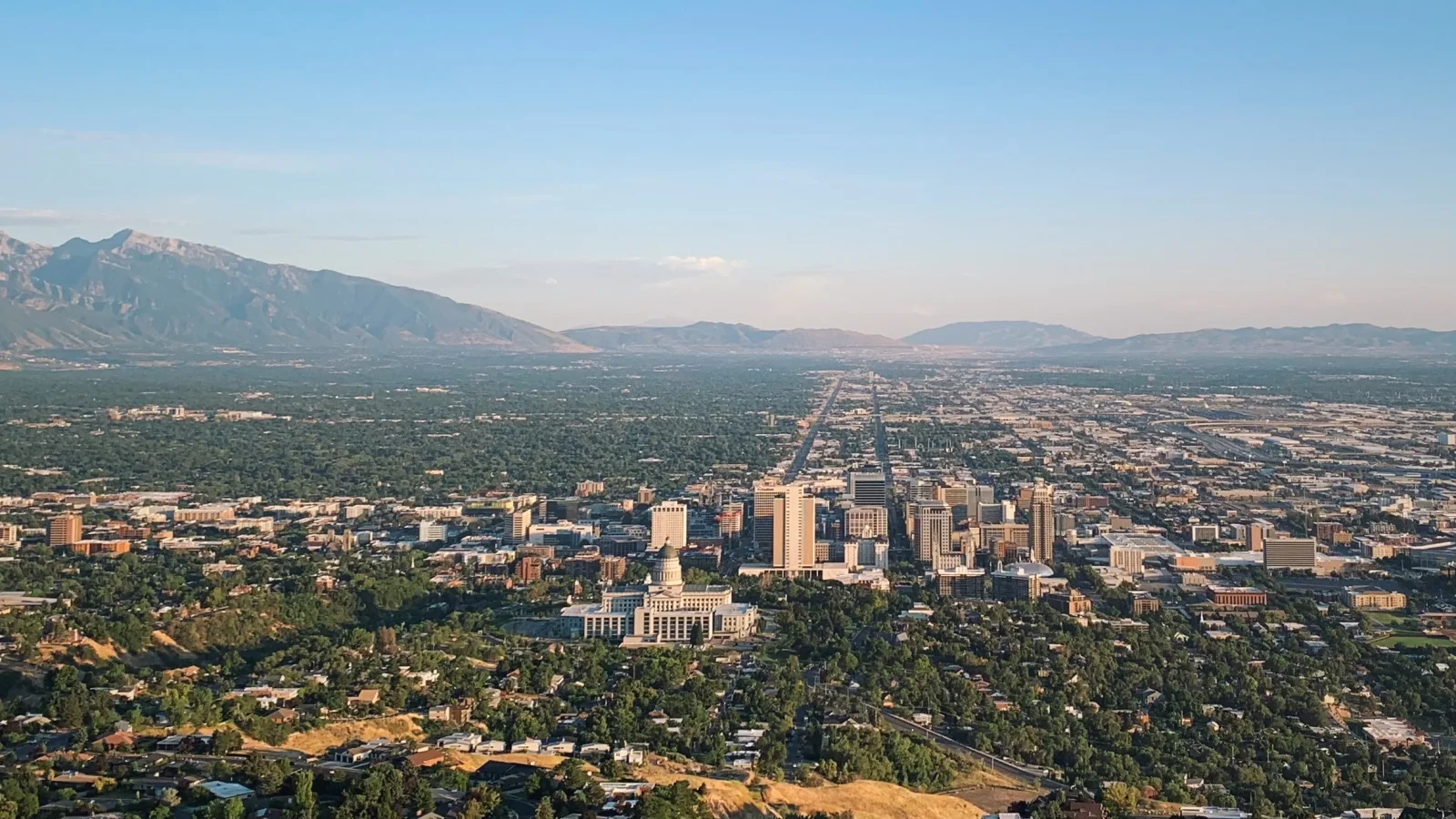
The series filmed in the Salt Lake City area, which gave it access to landscapes and locations that could stand in for different parts of the country.
Della Reese remembered the location work in her Television Academy interview. For a guest-driven series, that flexibility mattered. Every week needed to feel like a new life rather than the same permanent soundstage with a different family.
The outdoor photography also fit the show’s spiritual tone. Wide landscapes, open skies and quieter visual compositions suited a drama interested in reflection more than adrenaline.
Guest Stars Let Touched by an Angel Keep Rebuilding Its Emotional World
Because Monica and Tess moved from assignment to assignment, the series could continually refresh the human side of the cast.
The Television Academy recognized several guest performances with Emmy nominations. Diane Ladd, Louis Gossett Jr., Bruce Davison, Patty Duke, Marion Ross and Kirk Douglas were among the performers associated with that awards history.
The rotating structure kept the premise flexible. The angels were continuity. The person in crisis supplied the episode’s emotional genre—family drama one week, medical story the next, grief story after that.
It also meant the show could age without relying on one romantic or workplace engine. As long as there were people in trouble, there was a story.
Touched by an Angel Earned 12 Emmy Nominations
The Television Academy lists twelve nominations for the series between 1997 and 2000.
Roma Downey received lead-actress nominations. Della Reese received supporting-actress nominations. Guest performers were repeatedly recognized, and the series was nominated for the Television Academy’s President’s Award in 1997.
The nominations do not mean critics suddenly agreed on the show’s sentimentality. They do show that the acting and guest performances were harder to dismiss than the program’s reputation sometimes suggests.
Watching Touched by an Angel in the Late 90s
This was not the show that made you feel edgy. It was the show that somehow always seemed to be on when you walked through a living room on Sunday night.
That is part of why the ratings can be surprising now. The late 90s have been remembered through the shows that stayed fashionable in reruns and streaming. Touched by an Angel belonged to an older network habit: watch 60 Minutes, stay on CBS, let the next hour come to you.
You knew the emotional experience you were getting. Somebody was hurting. Monica would arrive. Tess would know more than she initially said. By the end, the show would make its case for hope with zero embarrassment.
Whether that worked for you or felt too sentimental was almost beside the point. Twenty million people were regularly making the same decision to watch.
Touched by an Angel’s Ratings Belong to the End of the Network Monoculture
A show averaging 19.5 million viewers and finishing #6 in 1998–99 makes more sense when you remember how much audience power the broadcast networks still held.
The decade was already changing. Cable had expanded. The internet was becoming part of ordinary life. Audience fragmentation was underway. But the top of network television could still gather twenty million people around a weekly drama.
The larger story of 1999 and the end of the network TV monoculture explains why numbers like these were about to become harder to reproduce. Touched by an Angel is a perfect example of what was still possible just before that structure weakened further.
What Has Aged Unevenly About Touched by an Angel
The series’ direct spiritual worldview remains its defining strength for some viewers and its biggest barrier for others.
Some episodes simplify complicated social problems into individual moral choices. Some dialogue can feel more declarative than contemporary drama. The weekly structure can make transformation arrive faster than real life usually allows.
At the same time, the refusal to sneer at vulnerability has aged better than many viewers might expect. The show is willing to let characters cry, apologize, forgive and say what they need without hiding behind irony.
That emotional directness is exactly what made the series uncool—and exactly what made millions of people want it.
Touched by an Angel Television Legacy: Counterprogramming Can Be the Mainstream
The most useful lesson in the Touched by an Angel television legacy is that cultural buzz and audience size are not the same thing.
The show never became the symbol of the 90s in the way Friends, Seinfeld or ER did. Yet for three straight late-decade seasons it sat in the Nielsen top ten, including a #5 finish in 1997–98.
Its success says something important about television audiences. Not everyone wanted irony. Not everyone wanted a younger urban world. Not everyone wanted a show that challenged broadcast standards. Millions wanted a weekly hour that said grief could be survived and human beings mattered.
CBS did not beat NBC by copying NBC on Sunday. It built a different ritual. Touched by an Angel was one of the strongest pieces of it.
Touched by an Angel FAQ: Ratings, Cast, Emmys and 90s Legacy
How high did Touched by an Angel rank in 1996–97?
It finished #10 with an average of 20.25 million viewers.
What was Touched by an Angel’s highest late-90s ranking?
It finished #5 in the 1997–98 season with 21.8 million viewers.
Where did it rank in 1998–99?
The series finished #6 with 19.5 million average viewers.
Who starred in Touched by an Angel?
Roma Downey starred as Monica, Della Reese as Tess and John Dye as Andrew.
Who shaped the show’s faith-centered identity?
Martha Williamson became the defining executive producer and helped shape the series’ explicit spiritual point of view.
How many Emmy nominations did Touched by an Angel receive?
The Television Academy lists 12 nominations between 1997 and 2000.
Why was Touched by an Angel so popular?
It offered emotional reassurance, recognizable guest stories and a sincere faith-centered alternative to the sharper, faster programming that dominated much of late-90s television culture.
Why is the show easy to underestimate now?
Its cultural afterlife has been quieter than many 90s hits, but its Nielsen rankings show that it was one of the decade’s largest mass-audience dramas.
Touched by an Angel ratings, history and awards sources
- Los Angeles Times — 1996–97 season ratings
- Los Angeles Times — 1997–98 season ratings
- Los Angeles Times — 1998–99 season ratings
- Los Angeles Times — profile of Touched by an Angel and Martha Williamson
- Television Academy Foundation Interviews — Touched by an Angel
- Television Academy — Touched by an Angel Emmy database