Small Wonder in the 80s: The Robot Sitcom That Could Only Have Happened Then
Ted brought home a robot. By the time Harriet rang the bell, everybody was supposed to have a story ready.
Give the Lawsons a minute to work out what she was supposed to say.
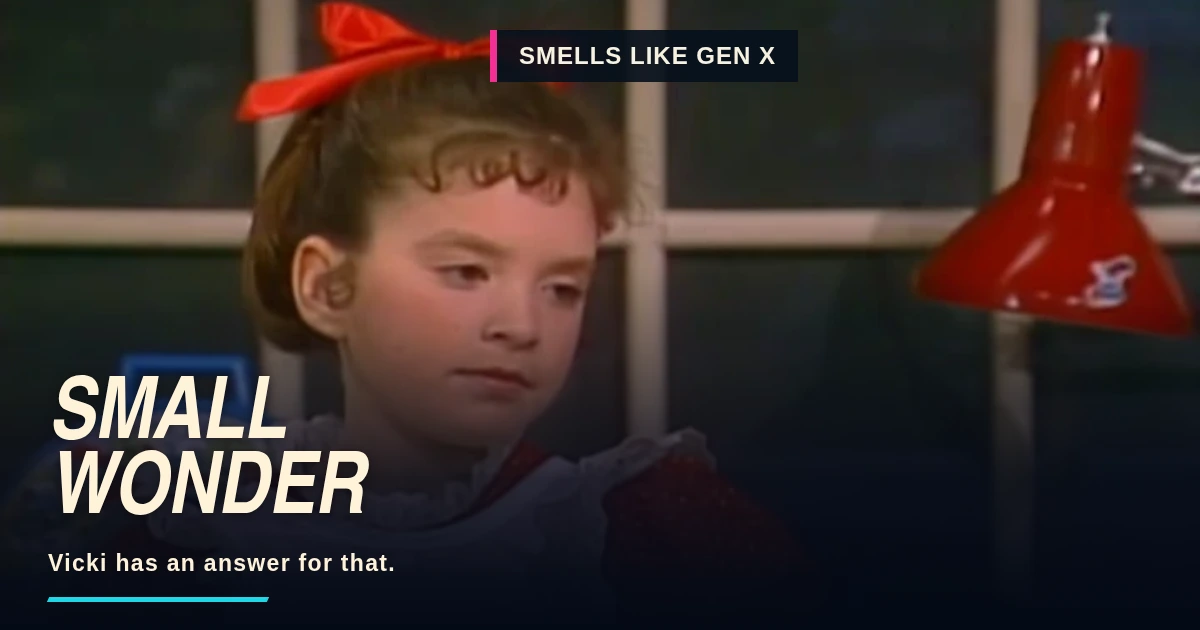
There’s a point in almost any Small Wonder memory where you can hear Vicki answer somebody. The person asking the question expects a kid. What they get is Tiffany Brissette looking them straight in the eye and giving them exactly as much answer as the words call for. Meanwhile, somebody in the Lawson family is doing the arithmetic on how long they’ve got before the neighbor asks a second question.
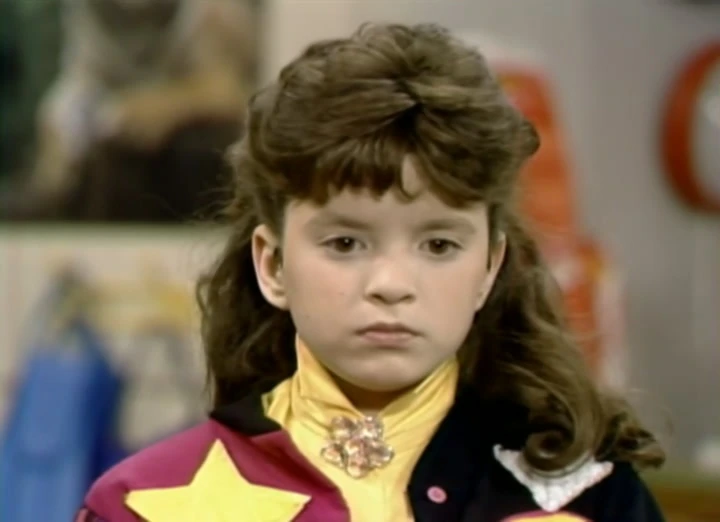
The red dress and white apron are probably the first things I see when somebody brings up the show. Then I start remembering the living room around them. There’s a dad trying to get away with bringing his work home, a mom who has to work out how much of this counts as raising another kid, and a boy who can immediately see how useful it would be to have somebody else do his chores. It’s a lot to get through in a half hour, especially when Harriet Brindle can get to the front door whenever she feels like it.
Small Wonder ran in first-run syndication from 1985 to 1989. Howard Leeds created it, and Dick Christie played the engineer who brought the robot home. The name on Ted’s work was V.I.C.I., short for Voice Input Child Identicant. At home she was Vicki. The family had the more difficult job of making everybody else believe she was an ordinary girl. I liked watching them get about thirty seconds into that job before Vicki said something they would have to explain.
Inside This Article
- Tiffany Brissette had to get the pause just right
- Ted made her and Joan had to live with her
- Harriet was already on her way over
- Jamie could find a job for the robot before breakfast
- The hour you caught it depended on where you lived
- Three episodes I’d turn on again
- A few things from the Lawson house
Tiffany Brissette had to get the pause just right
The voice is the part everybody remembers, and I think the timing is what makes it funny. Somebody says a thing people say all the time, with an expectation that another person will hear what it means. Vicki hears the words. Brissette lets you get a good look at the gap between what the other person expected to hear and what the robot has been asked to do. Sometimes it takes a little while for the other person to get there.
I appreciate how still she could be. Everybody else has a reason to be busy, particularly if somebody has just asked a reasonable question about the kid in the dress. Vicki can stand there while the people who put her in the room try to work out what they meant when they told her what to say. Keeping the expression and voice steady while a whole set is getting upset around you is work. She made it look as if there wasn’t much to it.
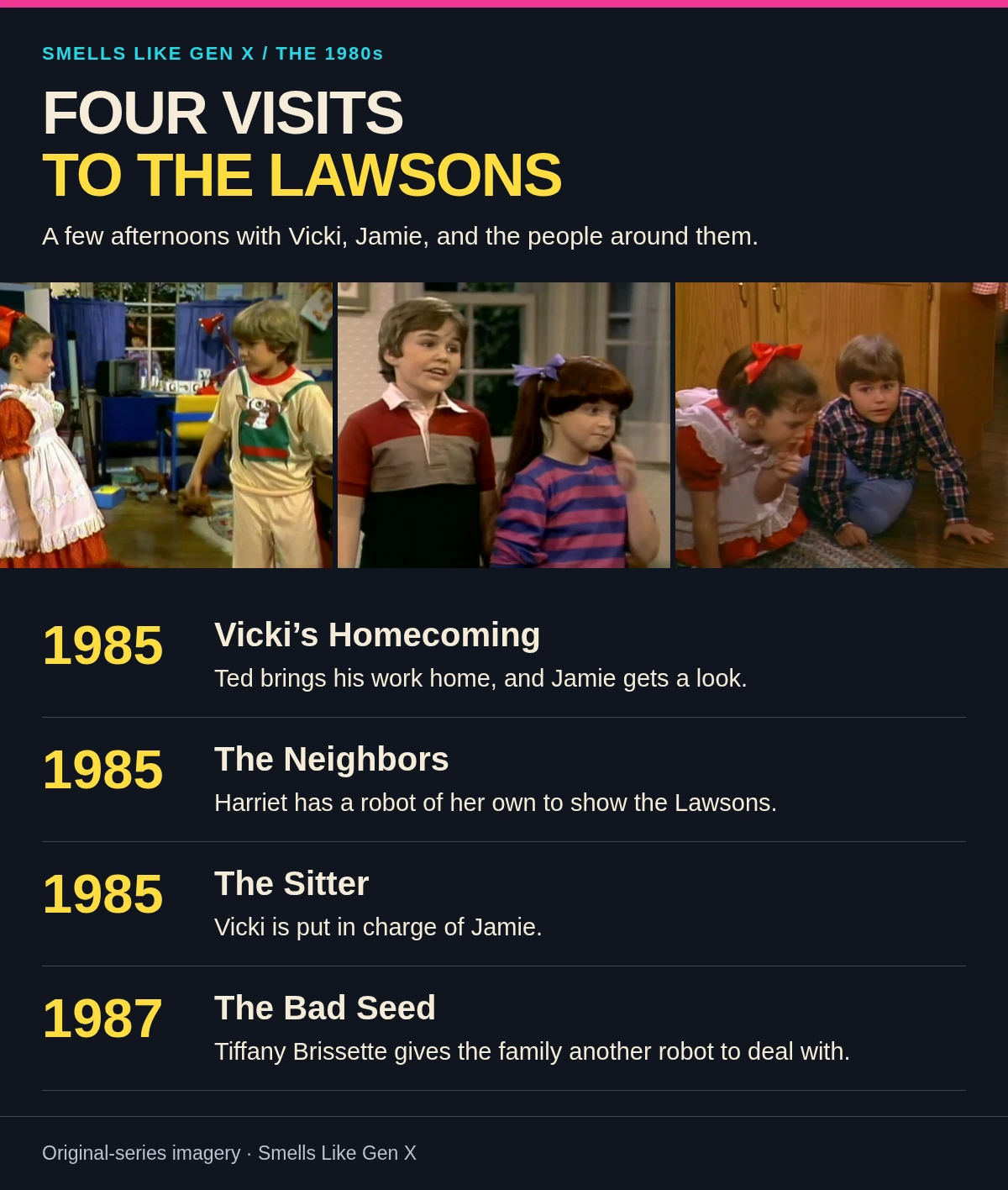
In “Vicki’s Homecoming,” Ted brings her home to test her over time. Jamie can see a different kind of test as soon as he knows what she can do. Here is a person who might get him out of doing something he never wanted to do in the first place. The interest he takes in robotics is the interest of a kid who has just been told the machine can make a difference to how he spends the rest of his afternoon.
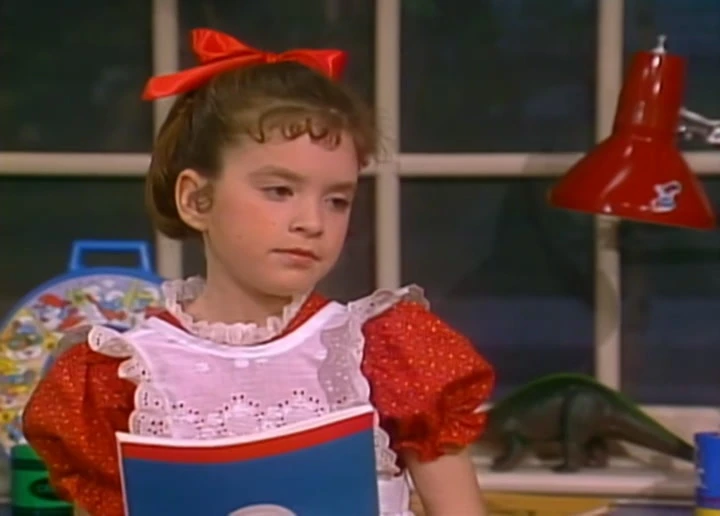
The more I think about the dress, the more I like it as a television choice. You could recognize Vicki in a picture on a blurry set. If you heard the voice before you saw her, you’d know who was about to turn around. Plenty of shows needed a minute to remind you who was standing in the middle of the room. This one had the answer on the screen before somebody asked the first question.
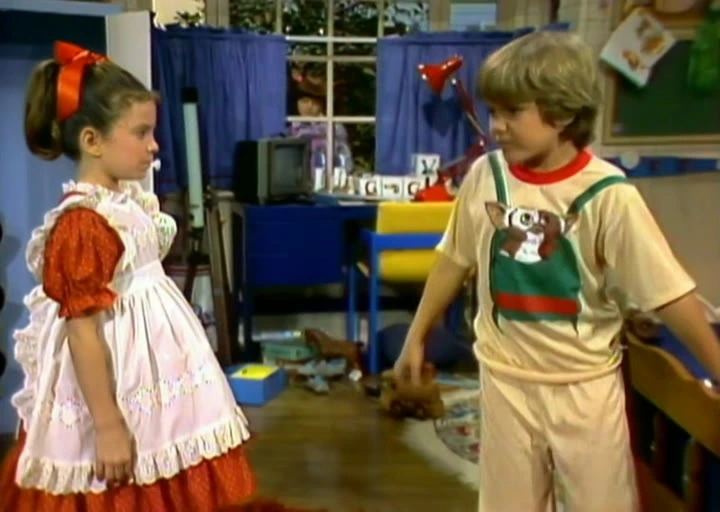
The first episode gives Jamie a look at how much work has gone into Vicki before there’s a reason to put the dress on her. I like seeing the workbench and the household so close together. Any new piece of equipment that turned up in a room where people ate or watched television had to answer to those people pretty quickly. If it made a sound, somebody would want to know what it was for. If it could actually do something, a kid was going to be close enough to find out before you’d read all the instructions.
Ted made her and Joan had to live with her
Ted is the person who understands what he built. Joan is the person who can look at what he brought through the door and think about all the times a neighbor is going to see it. Dick Christie and Marla Pennington get a lot out of being adults who can know different things about the exact same situation. Ted can answer a question about a circuit. Joan has a pretty good idea what people will want to know when they hear the answer.
“The Adoption” gives the Lawsons a reason to look hard at what they’re telling everybody. After a complaint reaches child services, they need to get Vicki through a medical exam. I like the way the show can put a huge problem right beside a familiar one. The doctor is going to do things a parent expects a doctor to do. Ted and Joan are hoping to get through all of those steps with a child who has been built.
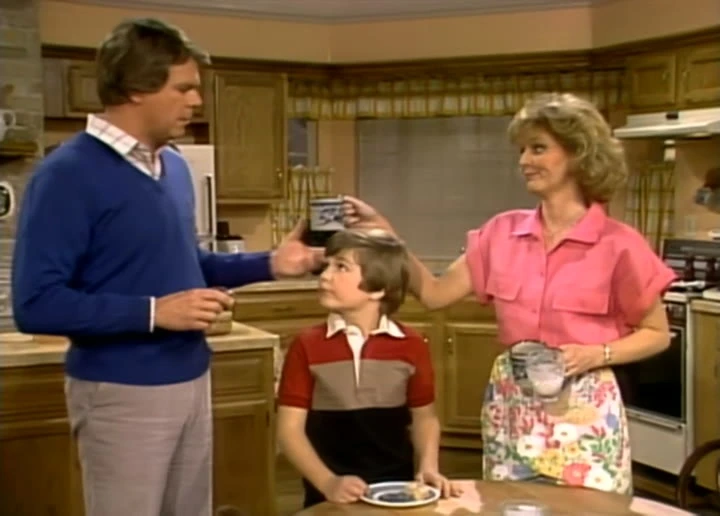
Then there’s “Child Genius.” A tutor gets a look at what Vicki can remember and wants to know more. A real parent can be delighted to hear that somebody at school has taken an interest. This family already knows how much interest is likely to be too much. Joan’s own interest in going back to finish her teaching degree gives her something to do with the afternoon besides wait for Ted to fix it.
The same household could make a different kind of use of the machine in “The Sitter.” Ted and Joan leave Vicki in charge of Jamie. If you’d ever been a kid with a babysitter you knew well enough to negotiate with, you can see the appeal to him right away. A robot comes with very specific instructions. Jamie would like to know exactly how much room there is to change them.
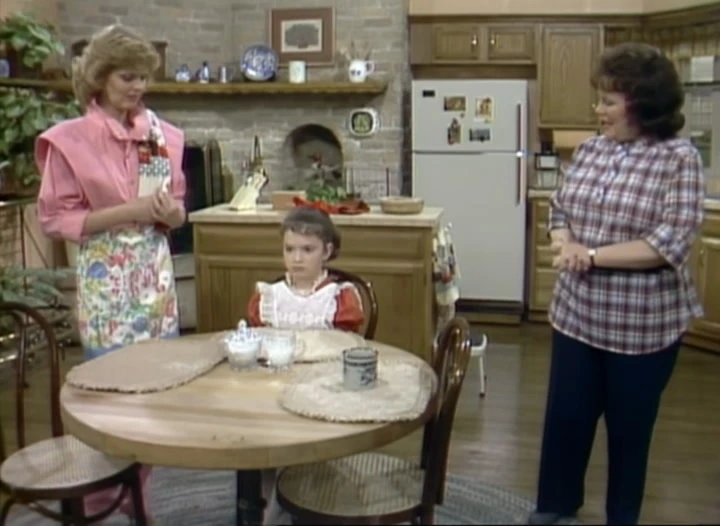
Harriet was already on her way over
Emily Schulman played Harriet Brindle, the kid next door who could make a perfectly quiet afternoon feel as if somebody had left a door open. She had her eye on Jamie and usually had time to ask a question before the Lawsons had finished figuring out what they wanted her to see. I love the way a neighbor on a sitcom could become a regular part of the day without ever getting an invitation to anything.
In “The Neighbors,” the Brindles show up and Harriet has a toy robot of her own. Vicki shows an interest in the toy. Two families who already have reason to pay attention to each other are now in a room with two robots and very different ideas about what those robots are. It’s an excellent episode for getting the feel of the house before Ted and Joan have any practice keeping a secret that large.
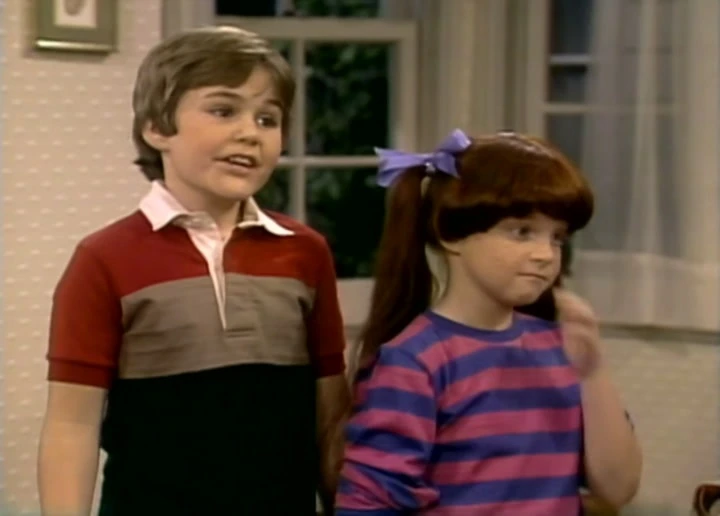
Edie McClurg was Bonnie Brindle early in the run, and William Bogert played Brandon. The adults had a way of asking questions in the same house where Harriet was already making herself at home. You can see why Ted would want the family to know what to say before somebody rang the bell. You can also see how quickly that plan would lose its usefulness when the person who rang it turned out to be Harriet.
“Brainwashed” gives Vicki a chance to pick up some of Harriet’s behavior. I like that somebody the Lawsons already spend time trying to keep away can get into the machine simply by being a kid in front of her. It brings back the familiar complaint that somebody has been spending too much time with a certain friend. Ted happens to have a more complicated way of dealing with it than telling everybody to go to their rooms.
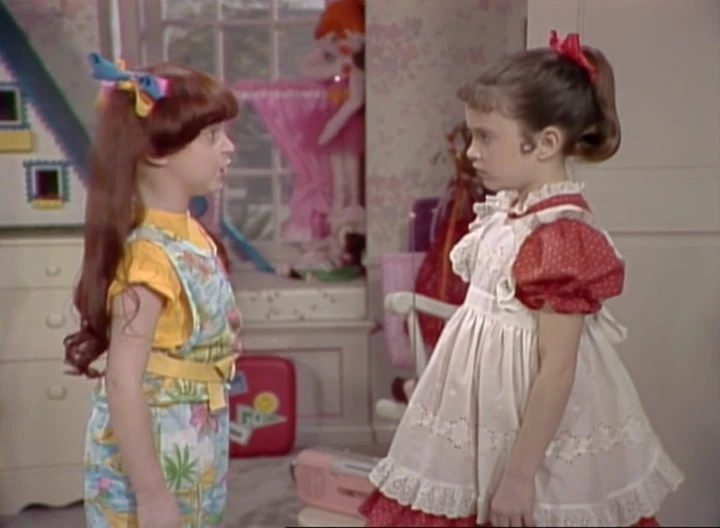
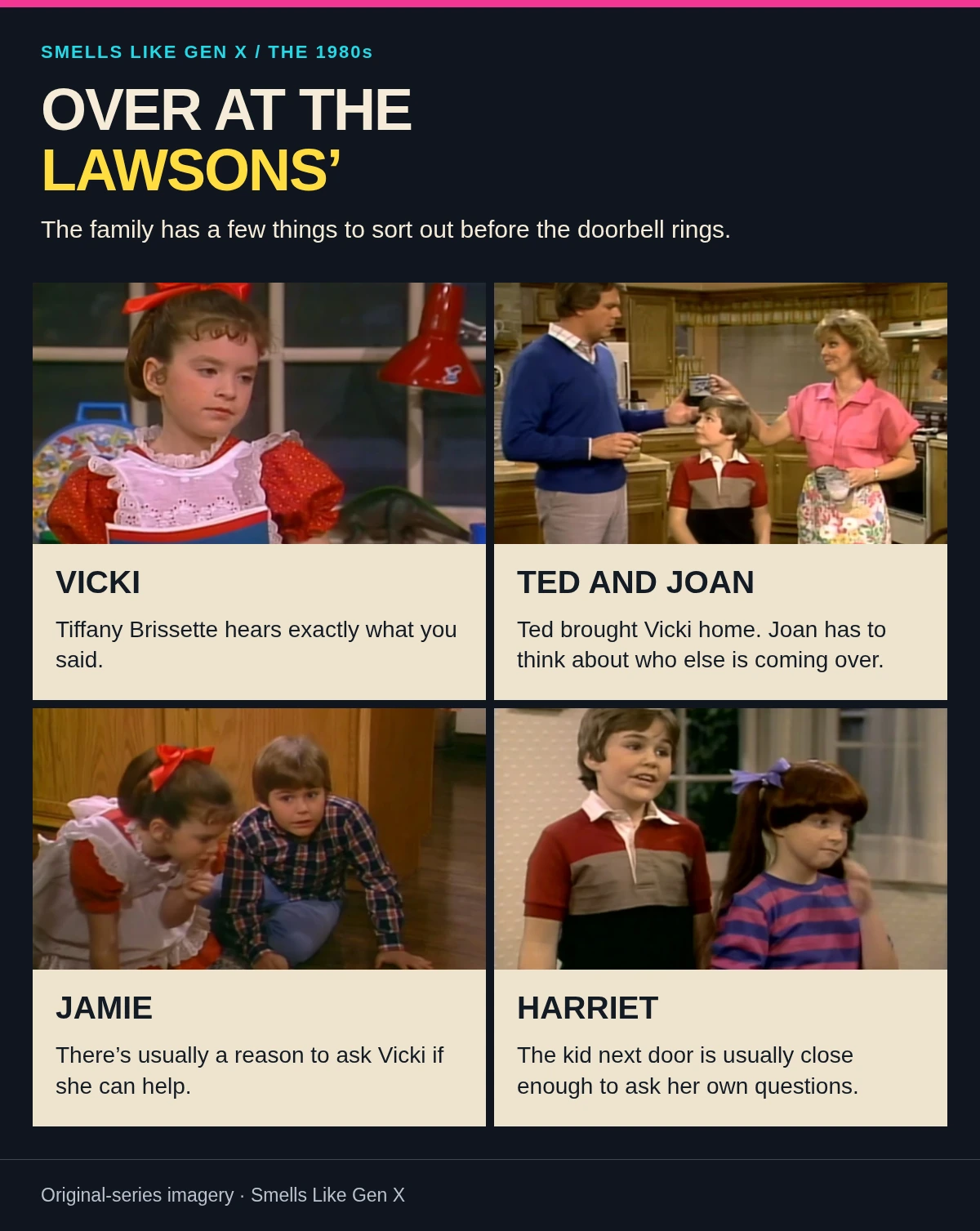
Jamie could find a job for the robot before breakfast
Jerry Supiran played Jamie. He had the unfair advantage of knowing what Vicki was and what she could do. The trouble was how fast he could think of a reason she ought to do it for him. I can remember enough about being a kid to understand what he saw in the arrangement. The question I’d have asked was how many things I could get out of doing before somebody noticed how much free time I’d got.
In “Slightly Dishonorable,” Jamie has Vicki help with his homework and ends up getting credit for work he didn’t do. “The Burrito Story” has him trying to make a business out of what she can cook. I’d watch those together. The first turns on a kid figuring out a way around an unpleasant assignment. By the time there’s a business, you can see how quickly having access to an unusual piece of equipment can become a much bigger undertaking than it looked like after school.
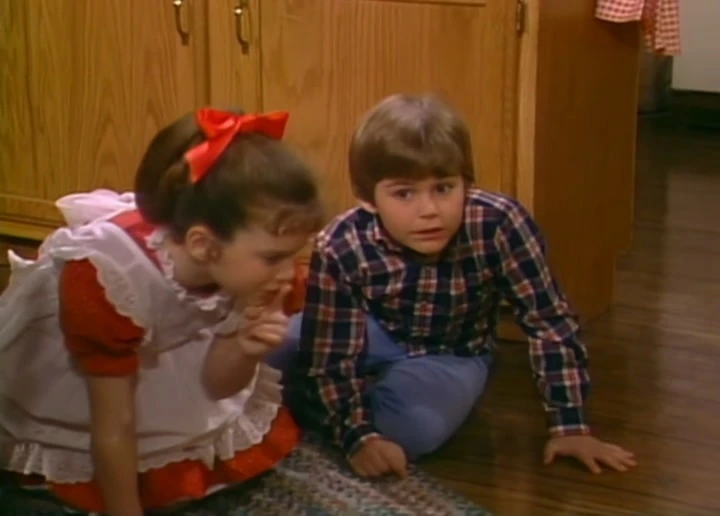
Paul C. Scott’s Reggie was another reason Jamie could have ideas a little too close to the edge of what his parents had expected for the day. Some of the episodes I remember best from family sitcoms are the ones where a kid says they can handle something and the friend with them sees no reason to ask for more details. In Small Wonder, the extra kid in the house can know precisely what they asked her to do and still have no reason to believe they should have asked.
There’s an early episode called “The Robot Nappers,” about people from outside the family wanting to take Vicki. It’s useful to get to that one after you’ve watched Jamie put her to work on some smaller things. The family knows how much of their day she has become. The people who come looking for her see a machine they’d like to get their hands on. That difference can hold up an episode while the people on the set are still finding time to get a laugh.
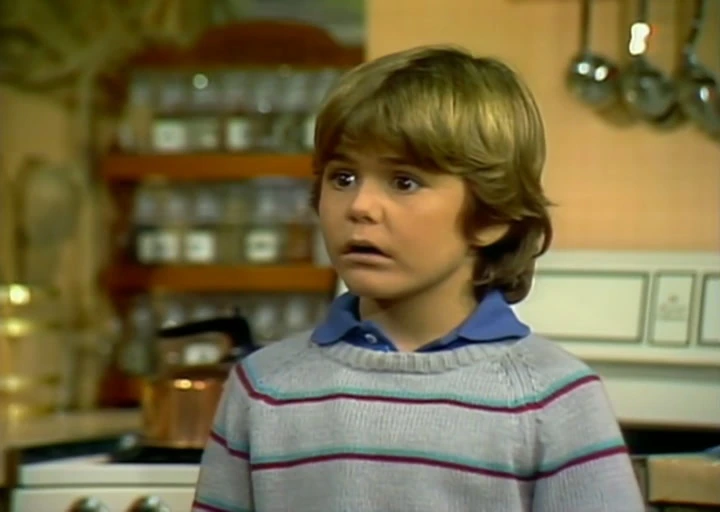
The other half of having a robot sister is still having a sister. There’s another person in the room when you’re trying to get an adult to hear your version of a story. There’s somebody who remembers what you said, and in this house she’s quite capable of remembering the words exactly. I like the plain sibling aggravation in that. Jamie can be excited about what Vicki can do and be ready to have the house to himself five minutes later. That’s a house with kids in it as far as I’m concerned.
The hour you caught it depended on where you lived
New episodes were sold to local stations in first-run syndication. That’s a good reason one person can remember catching it on a particular weekend and somebody else remembers a different part of the day. The first episode is dated September 1985, and there were four seasons. A memory of encountering the show out of order doesn’t take you very far from the way plenty of viewers learned who the Lawsons were.
Our 1985 TV lineup gets you back to the season when a lot of family comedy was coming out of the set. The interesting thing about Small Wonder’s place in the week was that it could be right there in your living room without being part of the same network lineup everybody else had. You could know the dress, the voice and the kid next door before you ever had a reason to ask what station was carrying it.
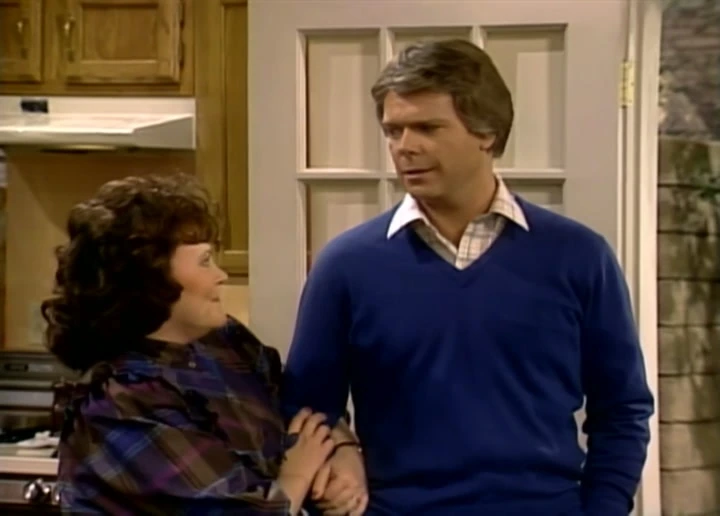
The series gave Ted a reason to upgrade Vicki as Brissette got older. I’ve always liked that a family sitcom could use a robot to work its way through a problem every show with kids eventually had. Jamie gets older because Jamie gets older. Vicki has to give the adults a story about how a person who was built can also grow up. The same premise could get them through a school question and a new season.
There’s some family resemblance to the household stories in One Day at a Time, especially in how much a person at the door can change what everybody else has time for. At the Lawsons’ place the secret changes the stakes. At either address there’s a good chance the people who actually live there would have liked a little more warning before somebody came over.
Three episodes I’d turn on again
Start with “Vicki’s Homecoming.” Give yourself a minute to watch everybody get used to the idea that a person who just came through the door will be around for a while. Then try “The Neighbors,” when it becomes clear how much time the family is going to spend explaining things to people who live nearby.
For a trip beyond the first couple of episodes, I’d use “The Burrito Story.” Jamie thinks he can do something with Vicki’s abilities that everybody in the family will have to hear about sooner or later. You can see the idea take shape from the point of view of a kid who still has an afternoon left to do something with. That’s the Small Wonder I remember. Every day the adults think they know what a robot in the house means. There’s a good chance somebody has already found a new use for her.
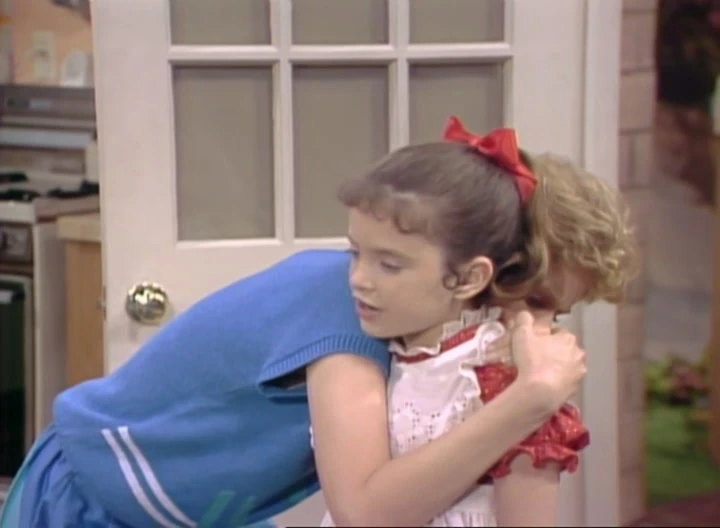
If I got only one minute with the show, I’d want a minute in the Lawson kitchen with the Brindles close enough to drop in. Give Ted one answer he has already decided on and let Harriet ask him a slightly different question. I’d be able to hear Vicki’s answer coming before Ted could think of his.
A few things from the Lawson house
Who played Vicki on Small Wonder?
Tiffany Brissette played Vicki, the robot Ted Lawson brought home. Dick Christie, Marla Pennington and Jerry Supiran played Ted, Joan and Jamie.
What did V.I.C.I. stand for?
Voice Input Child Identicant. The family called her Vicki.
Who was the neighbor with the red hair?
Emily Schulman played Harriet Brindle, the Lawsons’ persistent next-door neighbor.
Was Small Wonder originally a network show?
It aired in first-run syndication from 1985 to 1989. Local stations could put it in different time slots.