Square Pegs in the 80s: One Season of Peak High-School Weirdness
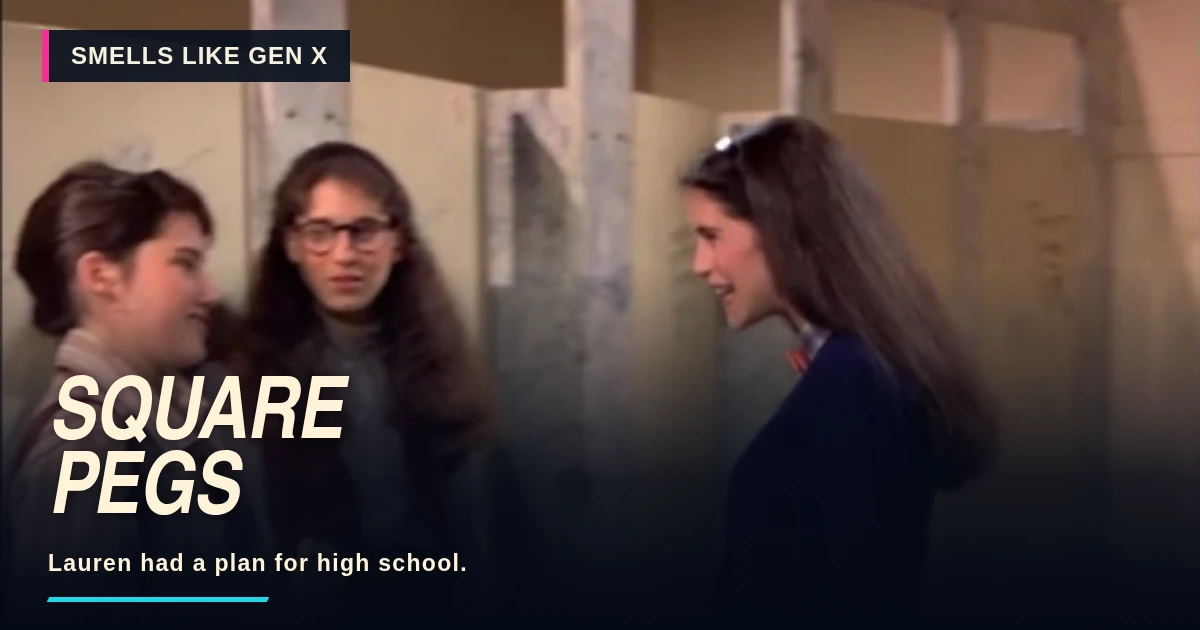
Lauren had a plan. Patty had questions. High school was already happening all around them.
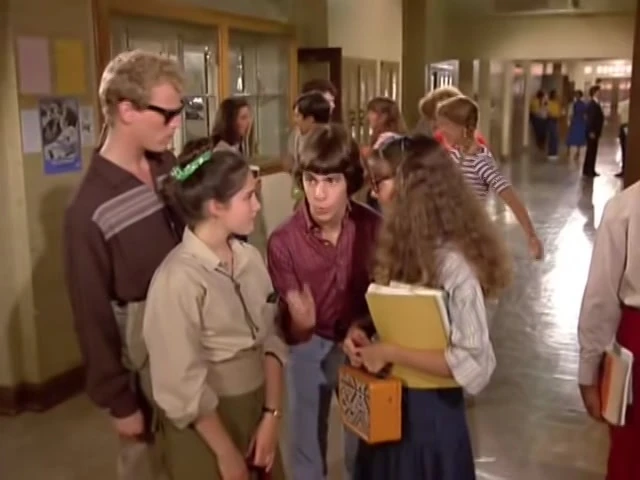
They’re still working out who’s going to say the first thing.
The cafeteria was a room you could get all the way across and still have no idea where to sit. You could see everybody you knew. You could also see who had put a jacket on the chair beside them. Square Pegs remembered what a long trip that could be with a tray in your hands. Patty Greene and Lauren Hutchinson had a theory about how to get through it. Usually Lauren had the theory before Patty was convinced there was a problem they could solve by lunch.
I can still hear The Waitresses at the beginning. The song sounded like it already knew what you were in for. By the time the two girls had another chance to tell each other how the year was going to work, I was ready to watch them walk into a room full of people who had other ideas. They had each other to look at when it started to go wrong. If you’ve ever been glad one particular friend was in the room when you did something embarrassing, you’ll know what I came back for.
CBS aired Square Pegs for one season in 1982–83. Anne Beatts created it after writing for Saturday Night Live. Sarah Jessica Parker played Patty, Amy Linker played Lauren, and a short trip through Weemawee High could get you to a Pac-Man emergency, a school musical, or a party where Devo showed up. The people you saw in the hallway were the reason it all felt as if it could belong to the same school.
Inside This Article
- Lauren had a plan for the first day
- The kids you were trying to impress had things to do, too
- Johnny Slash and Marshall made good company
- The Waitresses played the theme and Devo played the party
- The Christmas episode gives Patty a different room to get through
- Twenty episodes were enough to remember the hallway
- A few things before the bell
Lauren had a plan for the first day
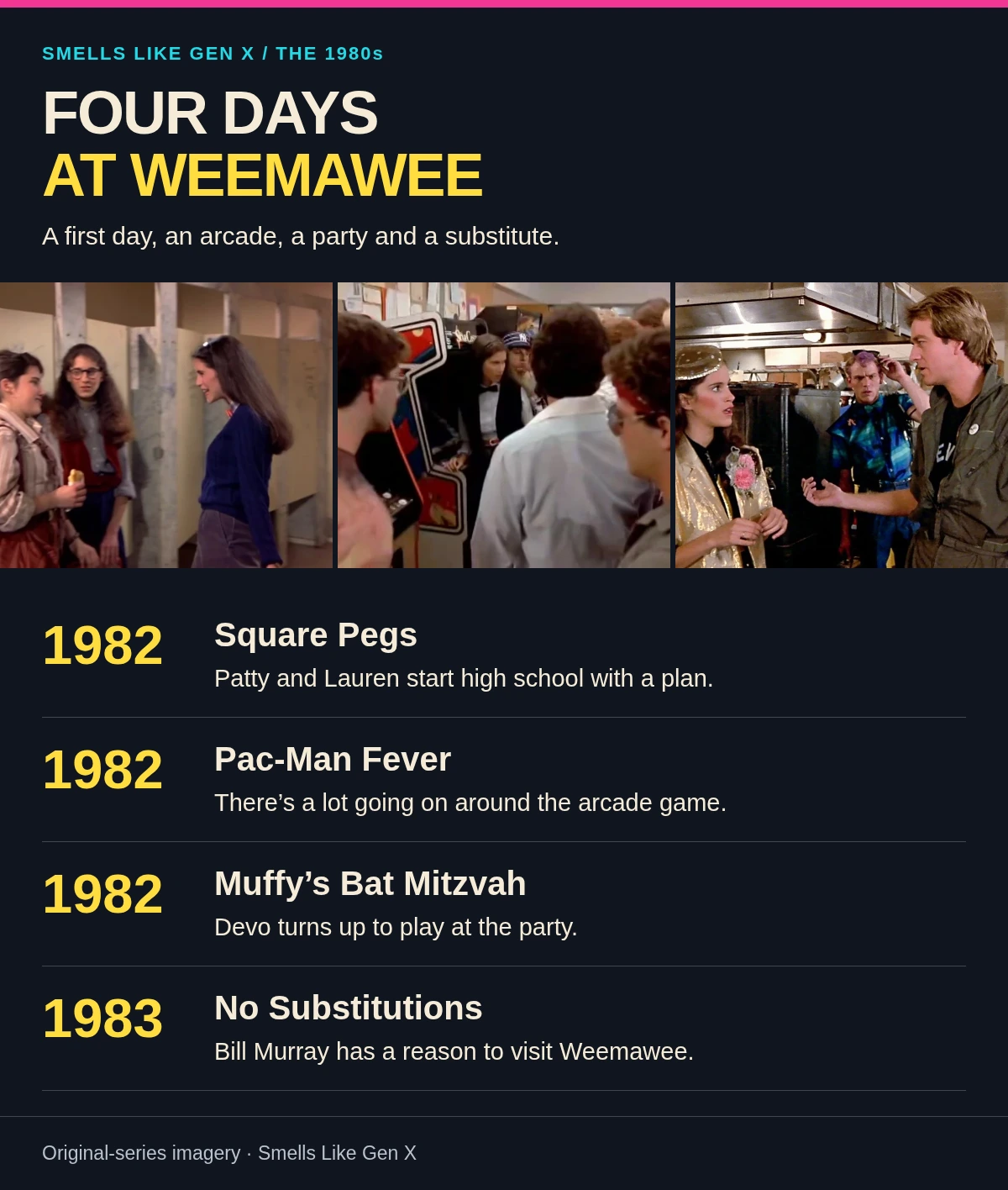
Lauren was willing to put a little work into getting noticed. She could look at a chance to get in with the right kids and start making arrangements while it still looked like an ordinary afternoon to Patty. Patty could see trouble early and still be curious enough to go with her. I like how often the two of them are close to agreeing before one of them has to ask how they’re supposed to get the rest of the school to go along.
In the pilot, Patty gets the attention of a senior named Larry. I remember the feeling around a thing like that from school. Something happens that could become a story about who you’re going out with. Before it does, you have to tell a friend and find out how much of a story they think it is. Lauren sees opportunity. Patty still has to walk into a room and talk to a person she likes.
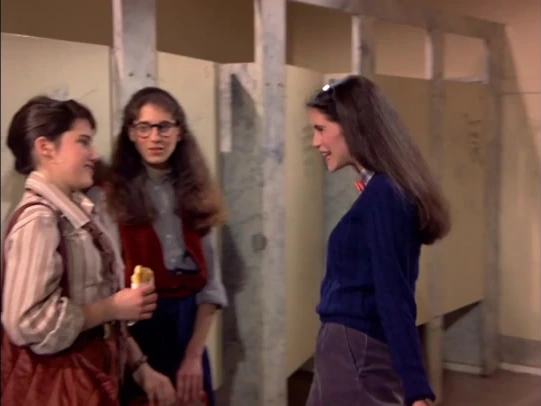
Parker makes Patty’s willingness to go along feel like it has a limit, even on a day when she wants exactly what Lauren wants. Linker makes it possible to enjoy the plan for a few minutes before you start picturing the way it will end. Neither one has to give a speech about friendship. You’ve already seen how they look at one another when somebody else is standing there.
The show could spend most of an episode on the question of whether a certain person was going to speak to you that week. That is a fair amount of television to give to a small event. The closer I get to remembering the age of the people on the screen, the more reasonable the amount of time seems. You can get a good part of a school day out of deciding when to say hello.
Watch Lauren’s face when one of her plans gets close enough to the people it involves that they might ask her a question. That’s the part of the first day I remember. You and a friend can work out a whole conversation on the walk to school. The person you’re going to have it with has had an entirely different walk to school. You get one shot at saying the first thing, and your friend has heard you practice it enough times to know exactly where you went wrong.
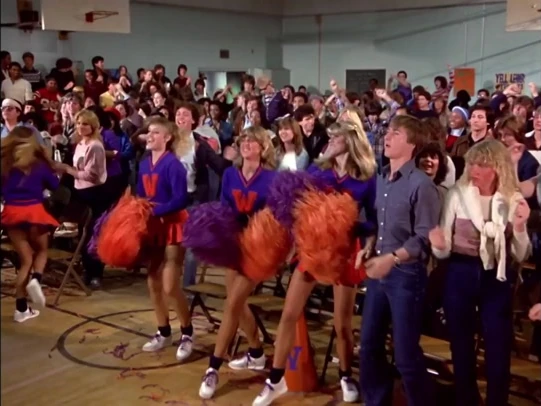
The pilot lets the gym be as loud and busy as a real school gym. There are so many people paying attention to something else that I can see why Patty and Lauren think a new version of themselves might slip into the room without anybody checking. It’s a big opening move for two girls who’ll spend plenty of the year trying to get through smaller spaces.
The kids you were trying to impress had things to do, too
Jennifer DeNuccio, played by Tracy Nelson, had Vinnie Pasetta to think about. Jon Caliri’s Vinnie could be the person Patty got to stand beside in a school production, which gives “A Cafeteria Line” a good reason to make everybody a little more interested in rehearsal. Claudette Wells played LaDonna Fredericks, who had a place among the kids Patty and Lauren were busy trying to get close to. When I go back to it, I enjoy listening to those kids talk about anything that has nothing to do with who is trying to sit with them.
Then there’s Jami Gertz as Muffy Tepperman. You can spend a long time in a school hearing somebody volunteer to be in charge of things. Muffy could do that and make you wonder whether you had failed to sign up for something important. I’d forgotten how much energy she put into the part of an afternoon everybody else was looking to get through before going home. The show knew how entertaining it could be to put a person like that in the same room with the kids who came because they wanted to see who else had come.
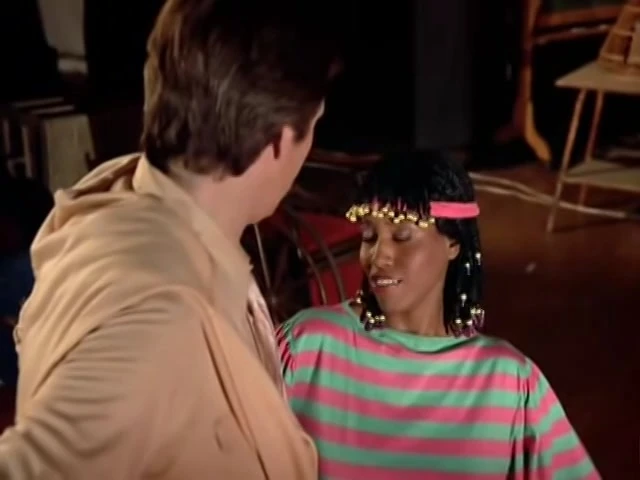
“Hardly Working” gives Jennifer a job. I like the size of that problem. If you’ve put a lot of effort into being seen a certain way, the idea of somebody you know spotting you at work can feel as big as anything else happening in school. It’s the sort of story a show can get away with when it has spent time letting you hear what everybody expects of Jennifer.
There’s something familiar about all of them having an existence beyond the people who have decided how cool they are. Weemawee had time to let Jennifer sound like a person making a decision and Muffy sound like a person who had already made five. Even if you mostly remember Patty and Lauren, I’d spend some time listening to who else is talking when those two come in.
Johnny Slash and Marshall made good company
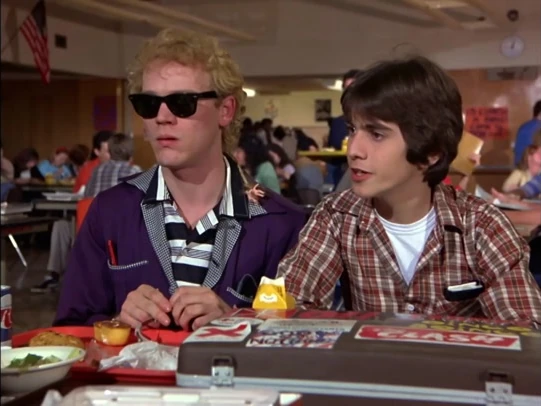
Merritt Butrick’s Johnny Slash was the kind of kid who could make you wonder what music he’d been listening to before he got to school. John Femia’s Marshall wanted to be funny, including on afternoons when it would have helped to have something else he was interested in. Patty and Lauren could spend a lot of time looking past them at the people they wanted to know better. I’m happy to spend a half hour with either of them now.
On “Open 24 Hours,” Marshall books Johnny’s band for the opening of a supermarket deli counter. That premise always makes me smile. Somebody in your school is sure they can get a gig. You find out where the gig is, and it turns out the adults running it have very specific ideas about how much excitement a deli needs. Johnny also gets to meet John Densmore, who appears as himself. The day has got away from the people who thought they were only opening a place to buy lunch.
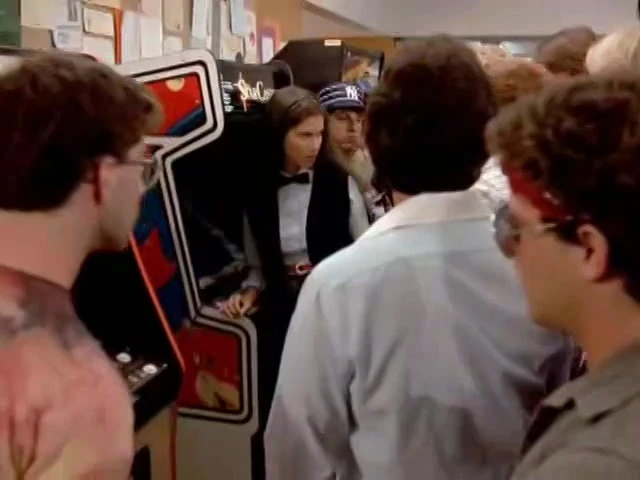
“Pac Man Fever” has Marshall so wrapped up in the game that Father Guido Sarducci is brought in to help. Don Novello’s appearance makes sense on the same television where people knew the character from Saturday Night Live. It makes even more sense to anybody who ever thought there was a decent chance of getting one more quarter if they kept standing beside a machine after they’d run out.
Beatts gave the show a way to let a strange idea go a little further than a school sitcom usually needed it to. I like that the other kids still look as if they’ve got somewhere to be after the joke is over. Marshall’s obsession has room for a guest star. The embarrassment of being the person doing something very odd in front of your friends remains available to him after the guest goes home.
The Waitresses played the theme and Devo played the party
The Waitresses perform the theme and appear in the pilot. Hearing them puts me back in that moment when a person could know the song before they knew what any of the people in the opening were called. It has a different energy from a lot of the television that came before it. I think you could have left the sound on while you were looking for something in another room and got a fair idea what kind of school was going to be there when you came back.
In November 1982, “Muffy’s Bat Mitzvah” gave Devo a reason to show up at one of Muffy’s events. Patty and Lauren want an invitation. I understand why that might occupy them before they even knew who was playing. You might not have been doing much of anything at home that night. At school the next day, you could hear exactly what you’d missed.
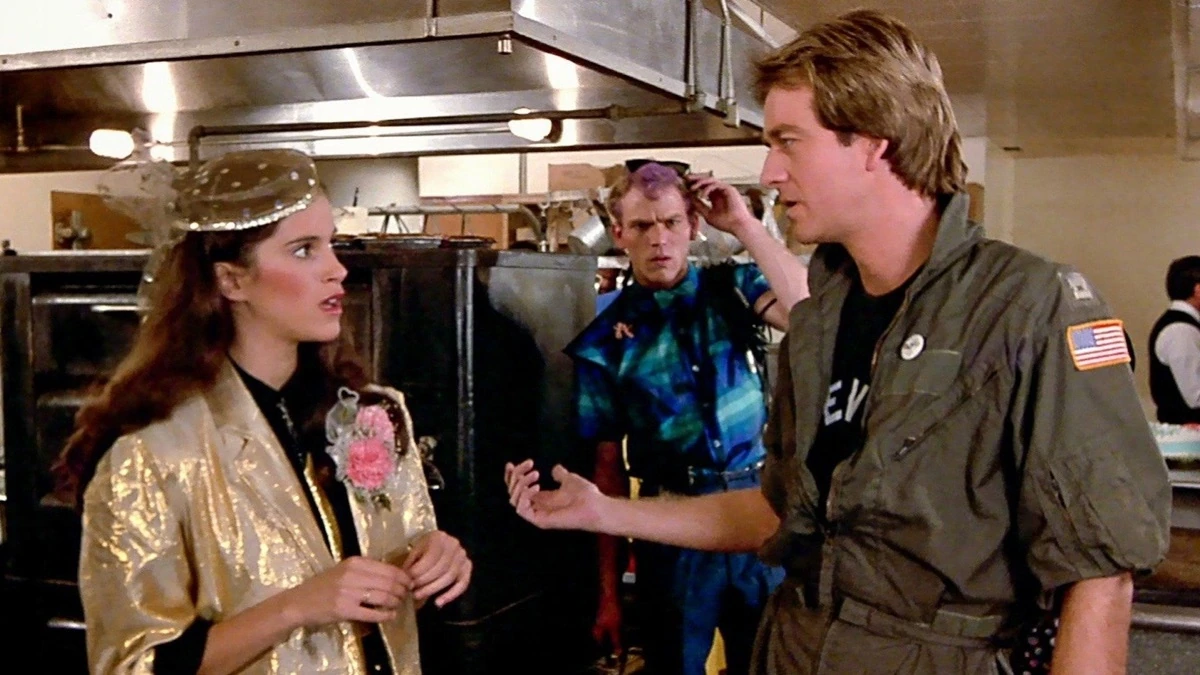
Devo perform “That’s Good.” What I enjoy about the appearance is how quickly the school story makes room for it. Getting invited was already an important enough problem for two people on the show. Suddenly everybody who was invited has something much better to report about the evening. It’s a very early-eighties pleasure to see a band you might have known from a record, a video or a friend’s older sibling step into the same half hour as a girl who wanted her party to go well.
I like remembering that night alongside the rest of the 1983 television season. It took up a very small piece of the schedule. If that piece was the one you were looking forward to, you could spend a good part of the next day waiting to find out who else had seen it.
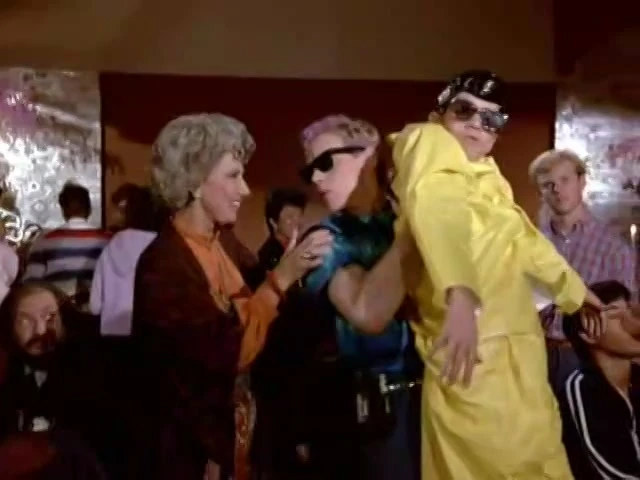
The other thing I’d forgotten about that party is how good it feels to watch the rest of the kids take up space around a band. Somebody wears something they picked for the night. Somebody they know turns up in something that makes them stop and look. At home you could be watching because there was a band you already knew, or because you wanted to see whether Muffy would get the party she’d planned. If you were waiting to find out whether you’d been invited to something that weekend, you had a whole other reason to see how it went.
The Christmas episode gives Patty a different room to get through
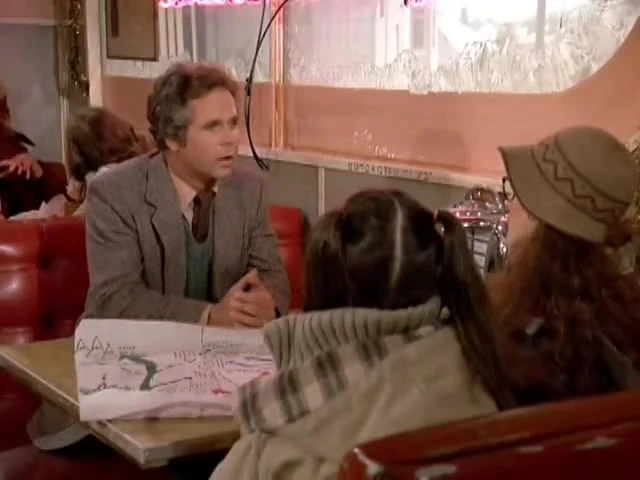
“A Child’s Christmas in Weemawee” has Patty trying to decide how to spend Christmas with her divorced father, played by Tony Dow. The invitation carries a different kind of weight from getting into Muffy’s party. It’s possible to be looking forward to seeing somebody and still be unhappy about what seeing them means you’ll miss. Parker has time to let that be uncomfortable before anybody can get on with the holiday.
Dow was familiar to a lot of viewers as Wally Cleaver, including those of us who knew him from reruns. I like seeing him turn up in a show about another age of school and family. He’s already a father here. Patty has her own life, her own friends, and a good idea what kind of Christmas she was hoping to have before the adults started discussing it.
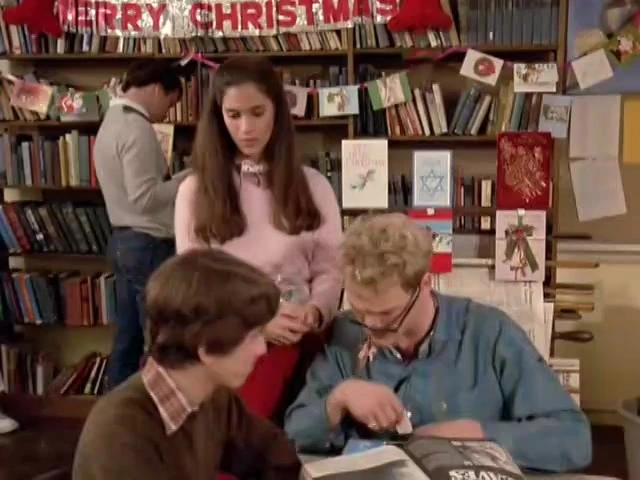
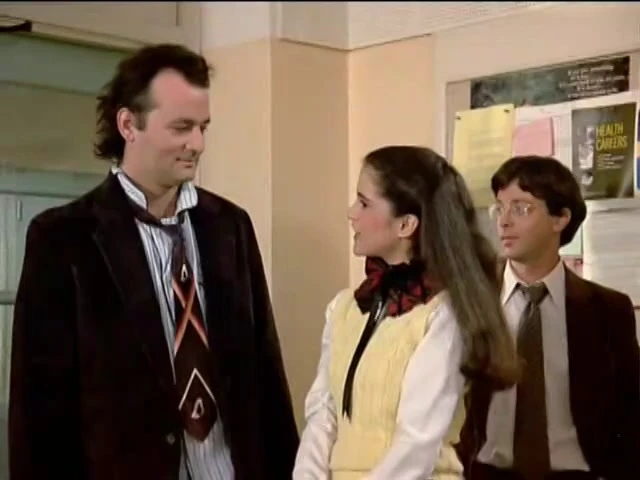
In February, Bill Murray comes into “No Substitutions” as Mr. McNulty. He has the advantage a substitute can have in a room full of kids who have already decided what the usual teacher will sound like. The students like his way of handling things. Mr. Donovan has to hear about it. It’s a good late-season visit for seeing how much the familiar kids can tell you about a person who has only just turned up.
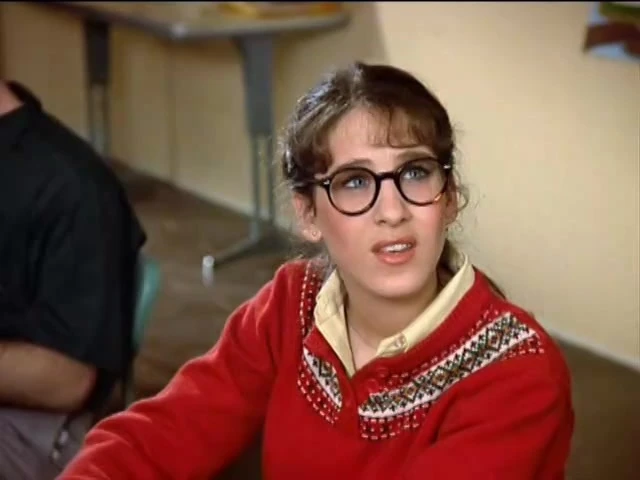
I’d also go back to “It’s All How You See Things.” Patty’s glasses are part of how a viewer recognizes her. The episode lets her have an opinion about wearing them. Anybody who remembers deciding what they could stand to look like in a school photo will recognize how much time that decision can take.
Twenty episodes were enough to remember the hallway
The last original episode was “The Arrangement,” in March 1983. Lauren has the impression she and Patty have finally got where they wanted to be. Patty knows a little more about why the invitations have improved. It’s an appropriate thing to come back to at the end of the run. You get another chance to see what happens when one of the friends catches on to something the other would have preferred to enjoy a little longer.
Welcome Back, Kotter gave us another recognizable school a few years earlier. I like going back to each of them for a particular group of voices. At Weemawee, the sound I wait for is the two friends working out how they’ll be seen when they go into the next room. A person can remember exactly what that felt like and be happy to let somebody else carry the tray this time.
I’m glad the show ends up in conversations about friendship as often as it does in conversations about Sarah Jessica Parker. If Lauren has just talked Patty into something, you can pick up the friendship in the way Patty waits to see where the idea is going. A kid who thinks you’ll come along can talk awfully fast. The one who already knows they’ll come along gets time to imagine the consequences.
A few things before the bell
When did Square Pegs air?
CBS aired the original episodes between September 1982 and March 1983. The single season has 20 episodes.
Who played Patty and Lauren?
Sarah Jessica Parker played Patty Greene and Amy Linker played Lauren Hutchinson. Anne Beatts created the series.
What episode did Devo appear in?
Devo appeared in “Muffy’s Bat Mitzvah,” which originally aired November 29, 1982. The Waitresses performed the theme and appeared in the pilot.
Which episode had Bill Murray?
Murray played substitute teacher Mr. McNulty in “No Substitutions,” originally broadcast February 14, 1983.