Kate & Allie in the 80s: The Quiet Sitcom That Was Bigger Than You Remember
Kate had an idea. Allie had a question. Somebody’s kid was already halfway down the stairs.
Two friends, three kids, and a lot to get through before Monday is over.
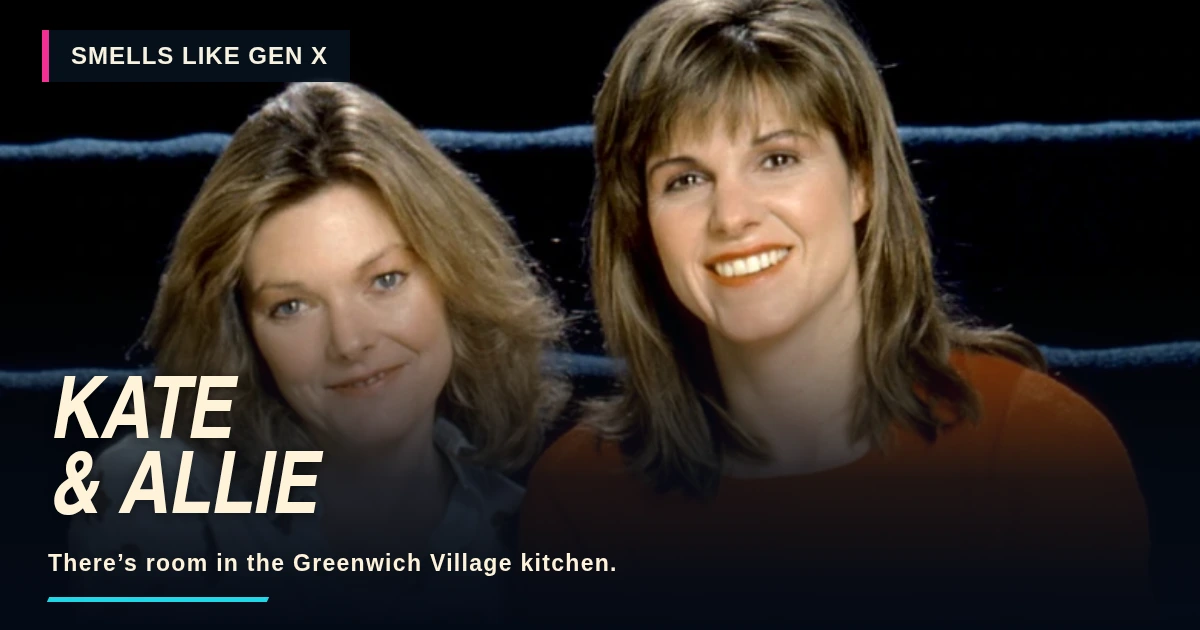
The kitchen is where I remember Kate and Allie. One of them had an idea, the other already knew what could go wrong, and somebody’s kid was about to come in with a perfectly reasonable problem of their own. You could put it on after a long day and recognize the sound of a household trying to find a few minutes when everybody was available at the same time.
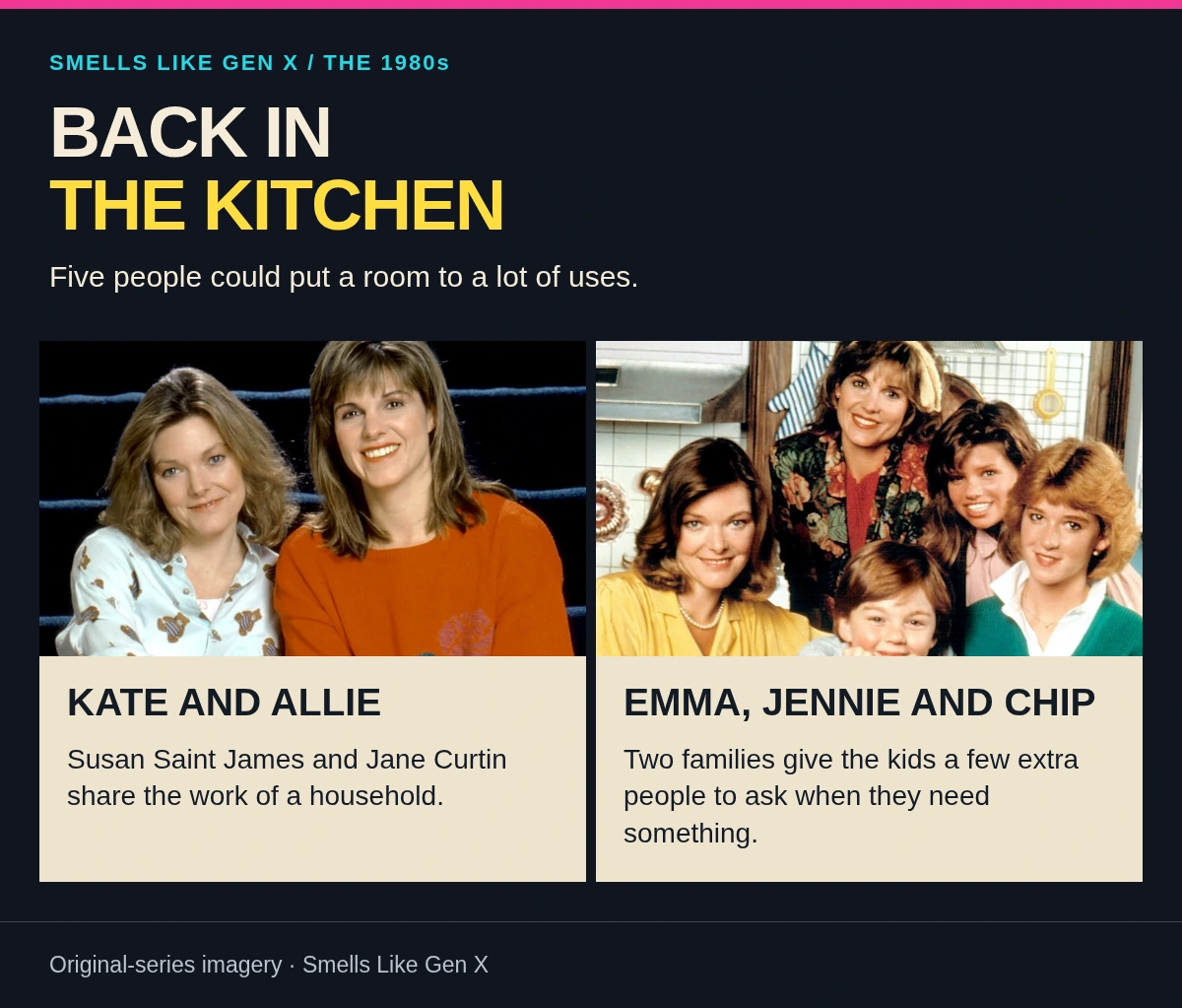
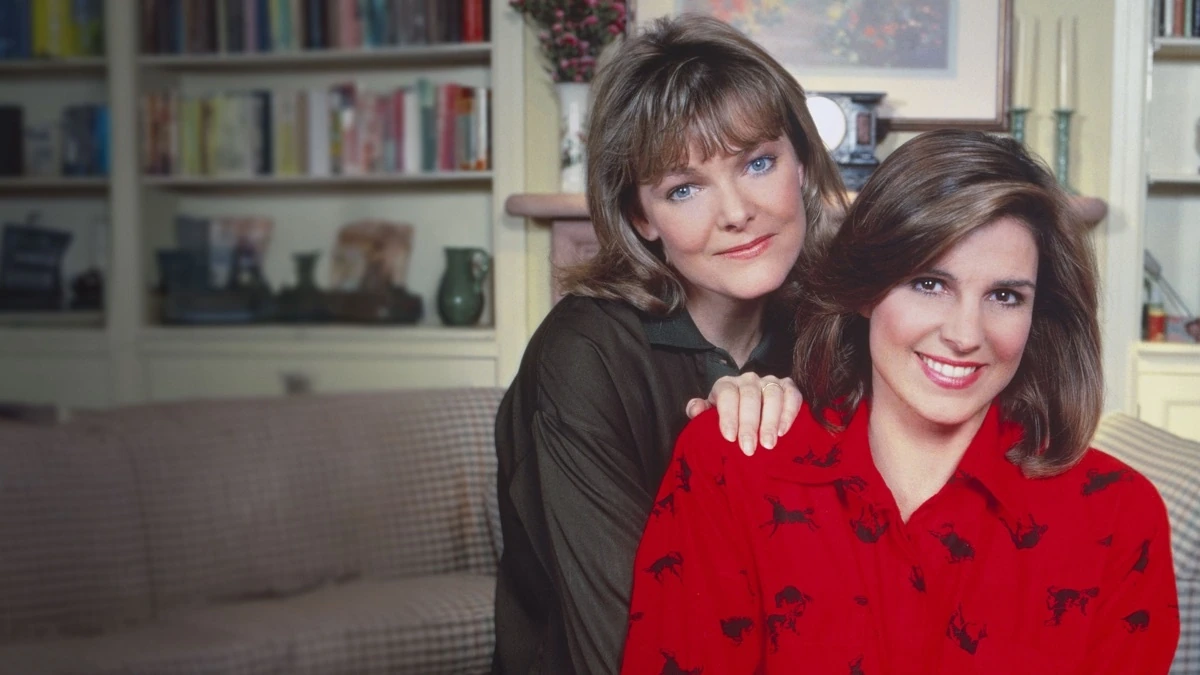
Susan Saint James was Kate McArdle. Jane Curtin was Allie Lowell. They were divorced, longtime friends, and raising three kids between them in a Greenwich Village home. They’d figured out a way to share an address. Every week there was a good chance the rest of the world would turn up with a question about how that was supposed to work.
CBS premiered the show in March 1984. By the end of that season it was eighth in the 1983–84 Nielsen rankings. That’s the part that catches me now. A lot of us had a place in the week for two friends talking things out after the kids had gone upstairs. If somebody remembers the title and can’t name the episodes, I’d put one on and wait for Curtin to give Saint James a look. A little of the room comes back before either of them has to explain anything.
A house with two moms and three kids
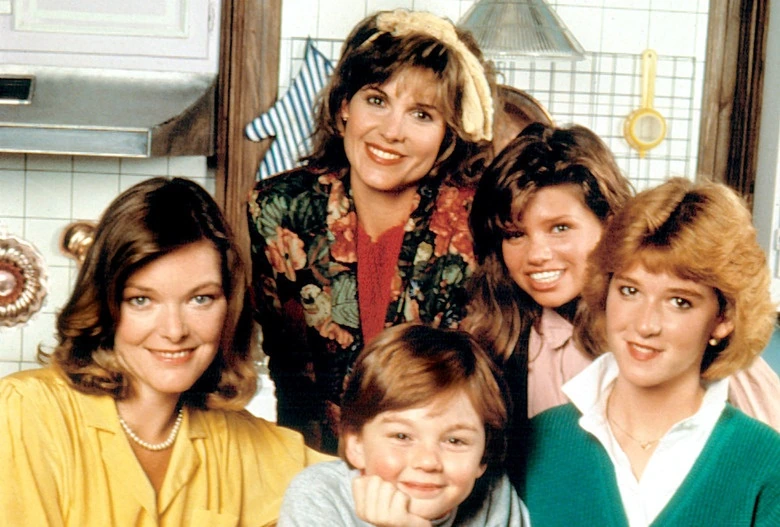
Kate had Emma, played by Ari Meyers. Allie had Jennie and Chip, played by Allison Smith and Frederick Koehler. You could feel how much everybody in the house had brought along from a different one. There were old routines, exes who would be part of their lives, and things the kids were used to asking only their own mother. You could get a story started with somebody at the table asking who had said it was all right to do something.
I like that the girls were old enough to look at the arrangements and have their own ideas. In “The Very Loud Family,” Emma uses a video project to look at divorce. The camera gives people another reason to explain themselves to a kid who has plenty of observations of her own. I think of all the times a kid would get a camcorder pointed at the room, get people to do a version of themselves for a minute, and see exactly how much of the truth the camera could get.

“Odd Boy Out” has Chip looking forward to a camping trip with his father that gets canceled. The adults can see how disappointed he is. They have a chance to do something about it. It’s exactly the kind of event I can imagine a kid remembering for years, partly because of the trip he wanted and partly because of what everybody decided to do after he found out.
I watch the kids in the early episodes and see how comfortable they are interrupting the grown-ups. That’s a good thing for a show about families in a shared house. A lot of the business of being a kid is figuring out whether the adult nearest to you is in a position to solve a problem. Kate and Allie could both get involved before either one had finished whatever they were doing.
Jane Curtin could get a laugh by waiting
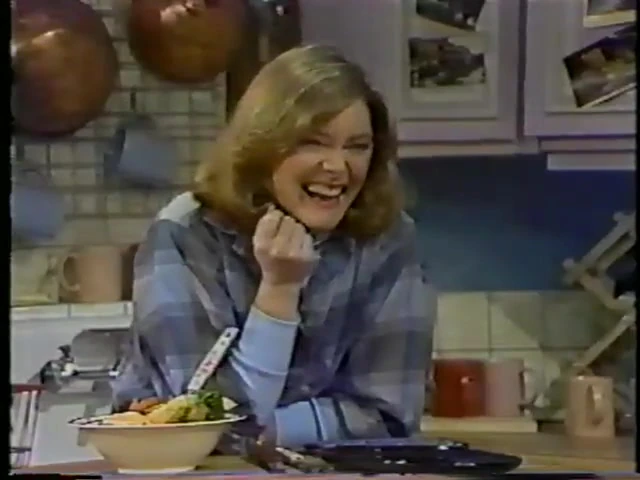
Curtin made Allie good company at the exact moment she was least sure of herself. Watch her a second after Kate has suggested something. You can see Allie going over it, deciding how much effort it will take to explain the trouble she can already see. It’s one of the sounds I remember from the show, the little gap before she gives an answer.
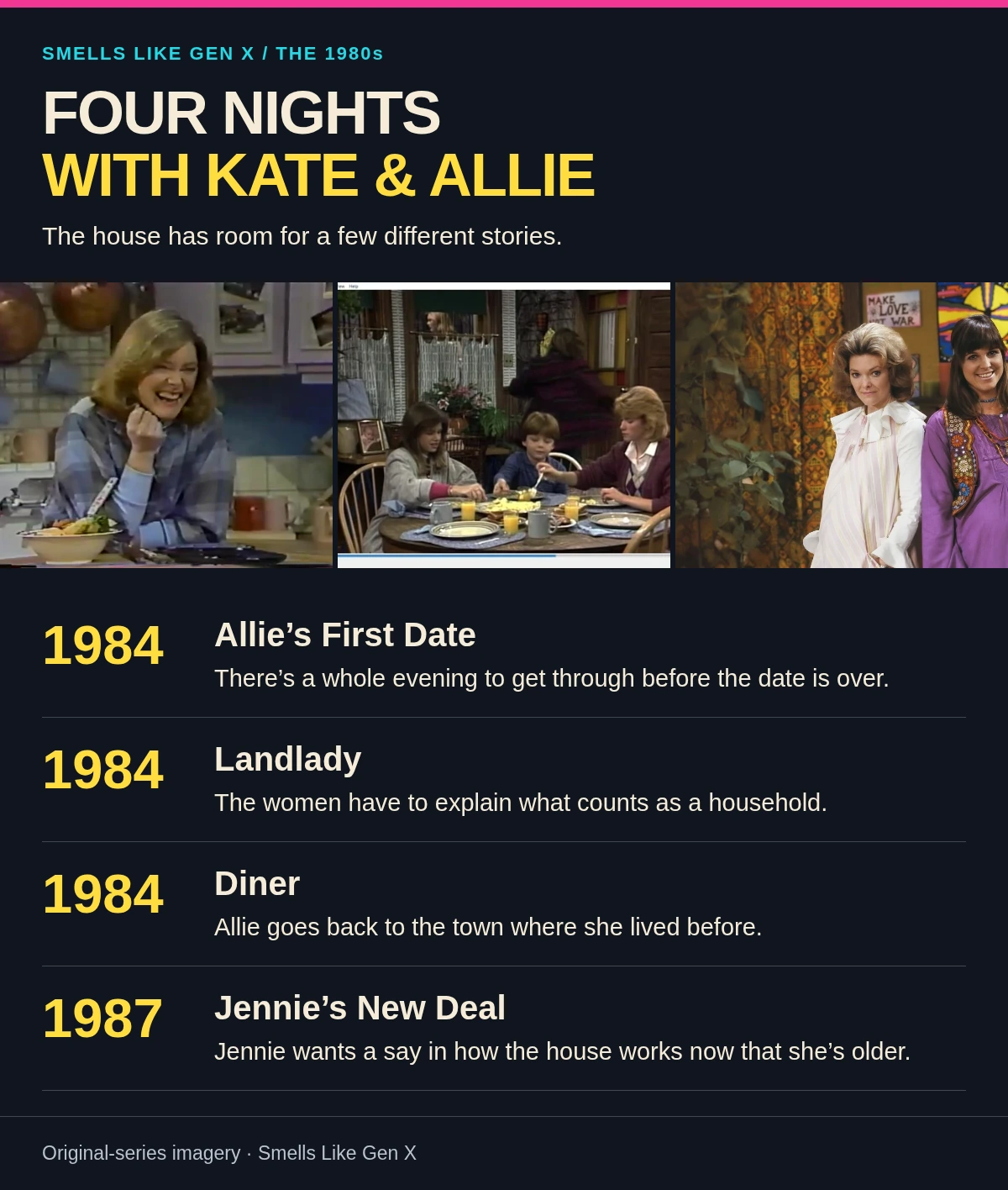
The first episode is “Allie’s First Date.” A date after a divorce is easy to turn into a punch line. A person who’s been out of the habit for a while has a lot of different things on their mind. Curtin gives you a reason to watch the preparation. You can see why someone might be glad they had a friend around before leaving the house. The funniest part for me is the feeling of an ordinary evening getting slightly bigger than the people in it expected.
Kate has a way of making it sound as if something will work just because she’s already talking about how to do it. Saint James could make you want to go along with her even if you had started out agreeing with Allie. They get a lot of mileage out of taking turns being the person who thinks they know what to do next.
The Television Academy records Curtin’s lead actress Emmy wins in 1984 and 1985. I like remembering how many of her best moments look ordinary from a few feet away. She sits, listens, turns her head, and you know exactly which part of the conversation she wants to have again.

Kate already had a plan for the kitchen
In “The Family Business,” the two women try a baking business. I like the idea of a kitchen that already has five people passing through it becoming the place something is being made for somebody who expects to pick it up later. There’s a whole day to get through before you get to find out whether the plan makes enough money to be worth doing again. Anybody who’s started a project at home can probably name the first thing they would move out of the way.
That’s the size of story Kate & Allie could make interesting. The house is already doing quite a bit of work before either woman comes up with a new use for it. A counter, a kid who needs to get past you, and something that takes longer than you thought are enough to put a little pressure on everybody. You can have an opinion about whose idea it was and still hope both of them get a chance to see it through.
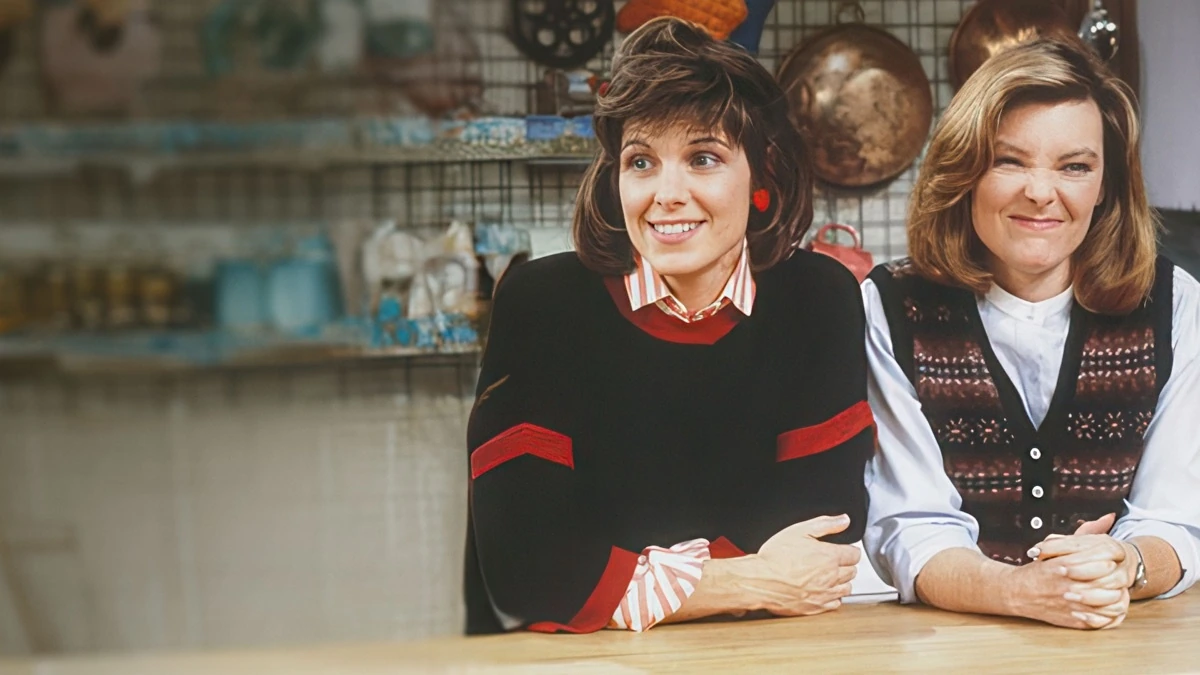
There’s a version of that in One Day at a Time, too. Ann Romano already has a full life in that apartment before Schneider shows up at the door. In Kate & Allie, the person you have to talk to at the end of the day is the friend whose life is already in progress on the other side of the kitchen. I can understand the appeal of watching a couple of people who can help one another as soon as they figure out what the other person needs.
Sherry Coben created the show. The Television Academy’s history traces the idea back to her seeing divorced women at a high school reunion find some company in talking to one another. I like that there’s a conversation at the start of the story. A great deal of the show’s best company is in watching somebody wait long enough to hear how another person’s day went.
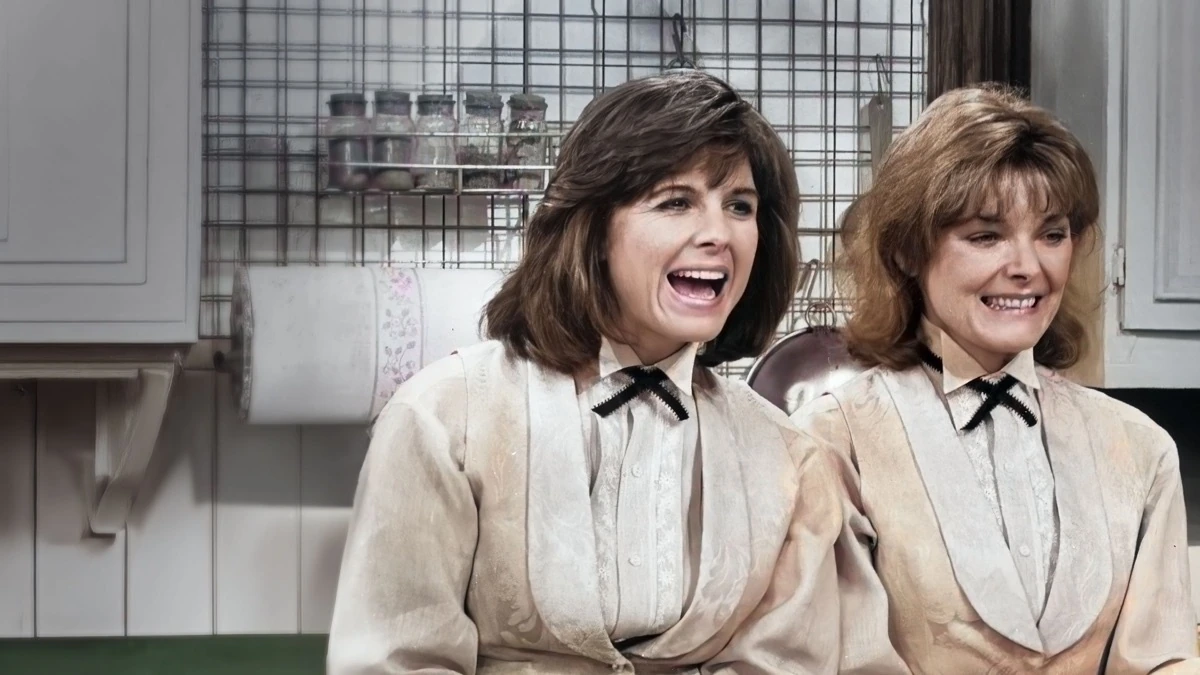
The old house and the new rent
“Landlady,” from the fall of 1984, starts with a problem that’s easy to understand when you’ve ever had to make rent. The landlady takes a look at how many people are living there and wants to charge more. The house seems perfectly familiar to the people in it. To the person who owns it, there are two households occupying the same place.
The episode makes me think about the difference between the way people make a home and the way somebody on the other side of the door describes it. Kate and Allie have each made arrangements they can live with. All it takes is a person with a lease and an opinion to make them explain a thing everybody inside had already worked out.
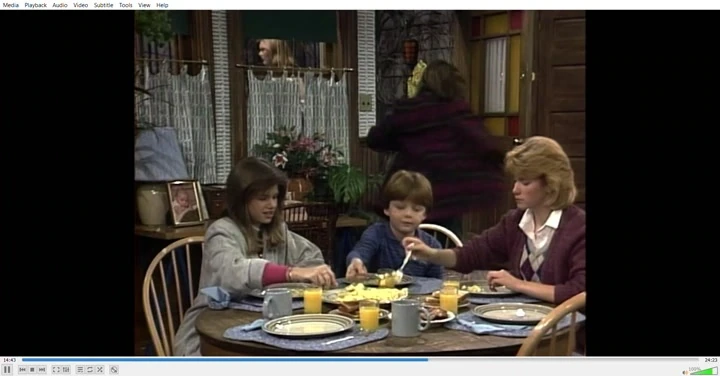
Then there’s “Diner.” Allie goes back to the Connecticut town where she lived before. There’s a house and a life she remembers. An offer gives her a reason to think about what to do with the place. Anyone who’s been back to a street where they used to live can understand the little feeling of wanting to see how much of your time is still there. Sometimes you get all the way to the door before you know how you feel about it.
I’d watch those two episodes together. In one, a person from outside has an idea about the home the women live in now. In the other, Allie has to look at an old home and think about what it still means. It’s an appealing pair of Monday nights for a show that could have spent the whole time asking whether Kate and Allie got along.
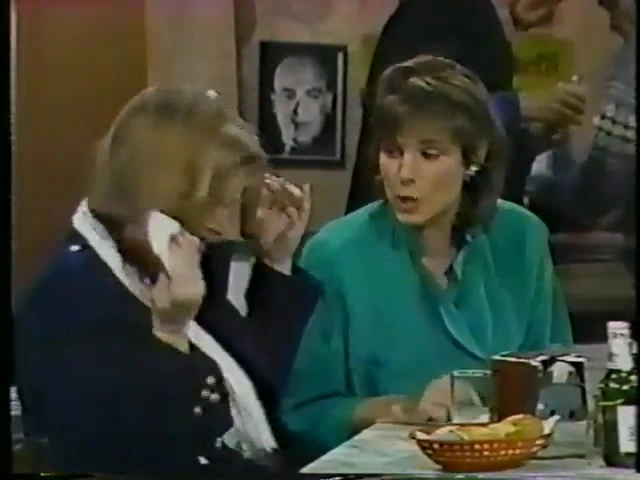
There’s a sharper joke underneath the trouble in “Landlady.” Kate and Allie pretend to be a couple to argue that they count as one household. The women have some ideas about how to answer her rules with what they’ve seen. You can still enjoy watching two people scramble to explain the same story. I also like how much depends on Allie and Kate knowing what they’re asking of one another before they decide what to say to the people outside the house.
“Back to School” gives Allie another room to get used to. She goes back to college and runs into a tough professor. A person who’s already used to giving instructions to kids can still sit down in a classroom and find herself worrying what the person at the front thinks of her. I get a kick out of seeing Allie walk through a door into a place where the people around her don’t have years of history to tell them what she’s like. Then she can go home and tell somebody who does.
By the fifth-season “Jennie’s New Deal,” Emma’s move into a college dorm gives Jennie reason to ask how much of an adult she gets to be at home. There’s an earlier version of Jennie in my head that would have made it easy to miss that whole story. It’s rewarding to see the kids grow into people who notice the arrangements their mothers have made and want a say in them. If you watched them from the beginning, you had a pretty good idea what each one would think was fair.
A Monday-night half hour worth coming back for
Six episodes made up the spring 1984 run. A viewer had a whole fall of television to get through before they had many more chances to see the family. The show already knew a few things about the people it had put together. There was enough of an address there for people to come back to it.
Kate & Allie sat eighth in the same season in which Hotel placed ninth. I like that those two could turn up on the same list. One show made a house where the same five people had to find out how to share a kitchen. The other had a lobby big enough to keep giving viewers new people to recognize. Both had rooms you could picture by the time their week came around again.
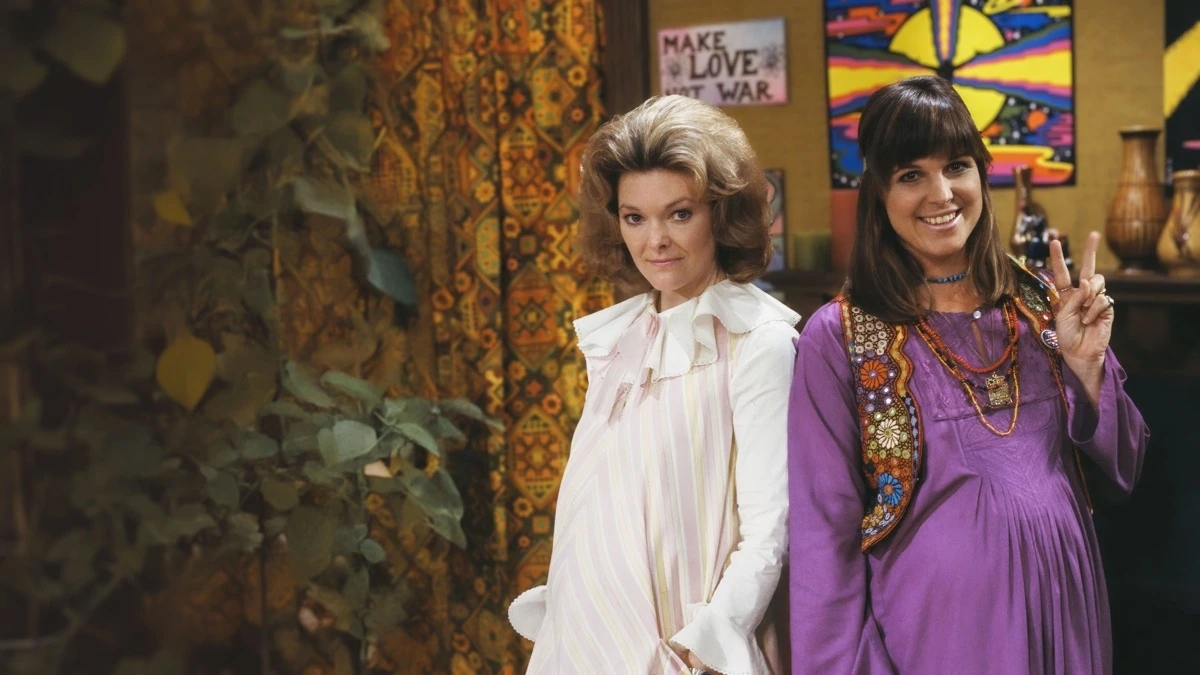
By the final season Allie married Bob Barsky, played by Sam Freed. The marriage changed the arrangement the show had spent years letting us get used to. I appreciate seeing the characters decide what they want once their children have had a chance to grow. I also understand why it’s the earlier house I go back to. Allie could still be trying to decide whether to go out with somebody. Kate could still have a minute to help her work it out before anybody had to find their keys.
It’s a quiet show in the sense that I can come away remembering a conversation by a counter. There’s plenty at stake for the people having it. I still get a kick out of watching two women who know one another well enough to anticipate the argument and like one another enough to keep having the conversation.
Another one I’d look for is “High Anxiety,” in which Kate tries to help Allie when they have an opportunity to appear on television. It gives the women a problem that would be over in a minute if they had the same reaction to it. Watching them get ready gives you some time with two people who know their own habits well enough to know whose help they’ll need. It’s a good late visit after the first few kitchen episodes have reminded you how often that happened.
There’s a moment in the middle of a good episode when I stop thinking about who owns the house or whose child is coming down the stairs. I’m listening for who’s going to hear the next line. That’s what makes the arrangement feel like a family to me. Kate and Allie could be tired of hearing one another say a particular thing and still wait for the other person to get home to tell them what had happened. By the end, I’d usually be happy to hear the answer from either of them.
A few things from the house
When did Kate & Allie originally air?
CBS aired the series from March 1984 to May 1989. The first season was a six-episode spring run.
Who played the two friends?
Susan Saint James played Kate McArdle and Jane Curtin played Allie Lowell. Ari Meyers, Allison Smith and Frederick Koehler played Emma, Jennie and Chip.
Where was the show set?
Kate and Allie shared a home in Greenwich Village, New York. The production taped in New York before a live audience.
What is a good episode to revisit first?
“Allie’s First Date” sets up their friendship immediately. “Landlady” and “Diner” are two early episodes with a lot to say about where you live and who you live with.