The Love Boat in the Early 80s: When Saturday Night Set Sail
The theme started, the guests came up one by one, and for an hour it was somebody else’s vacation.
Julie has the clipboard. The captain is on his way down. Look who just walked on board.
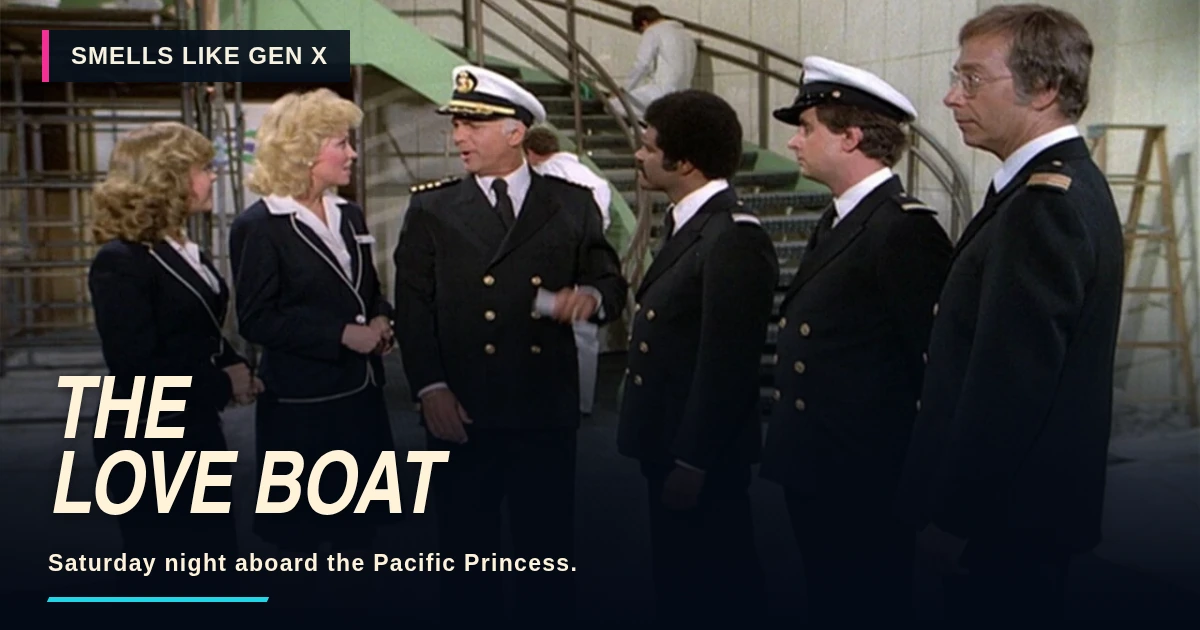
Jack Jones gets about two seconds into that song and I’m already looking for the ship. You can hear it from another room, turn up just in time to see the guest stars, and spend the rest of the opening trying to place the one with the familiar face. Somebody in the house knows. Give them a minute to tell you what else they were in.
Saturday night on ABC had The Love Boat and Fantasy Island. You got a ship, an island, and two chances to find a celebrity your parents recognized faster than you did. I liked knowing that the cruise was going to leave on time even if I had no idea why one of the passengers was hiding behind a potted plant. It was an easy evening to join in progress.
The Love Boat began its weekly run in 1977. Our ’70s TV theme songs take you back to the first years that song was coming out of the set. Here I want the early ’80s version, with Vicki and Captain Stubing getting used to life together, Julie taking a trip that’s supposed to end in a wedding, and Gopher and Isaac coming up with reasons to be concerned about a horse. The ship was a familiar place by then. You could find the people you’d come to see before the passengers even got their bags upstairs.
Inside This Article
- The opening credits were already a game
- Isaac was the guy you hoped was working
- Julie had to make the vacation look easy
- The captain had somebody waiting for him after work
- Gopher and Doc made the ship feel like a place to work
- A week’s worth of people in one hallway
- Saturday night had another stop after this one
- What I’d put on for a night in
- Before we pull into port
The opening credits were already a game
The guest stars were part of the first few minutes. You might see an actor you knew from a sitcom and another one somebody remembered from the movies, both headed for the same ship. I can still enjoy trying to guess who’s traveling with whom before anybody’s been introduced. The opening would give you the faces and let you get a head start on deciding what the evening was going to be like.
Jack Jones sang the theme in those years, with music by Charles Fox and lyrics by Paul Williams. The record sounds as if it’s being delivered by somebody who has every confidence you picked the right boat. I get the same feeling when I hear the opening today, even if the reason I’ve put it on is to watch two people spend an hour making a very simple conversation difficult.
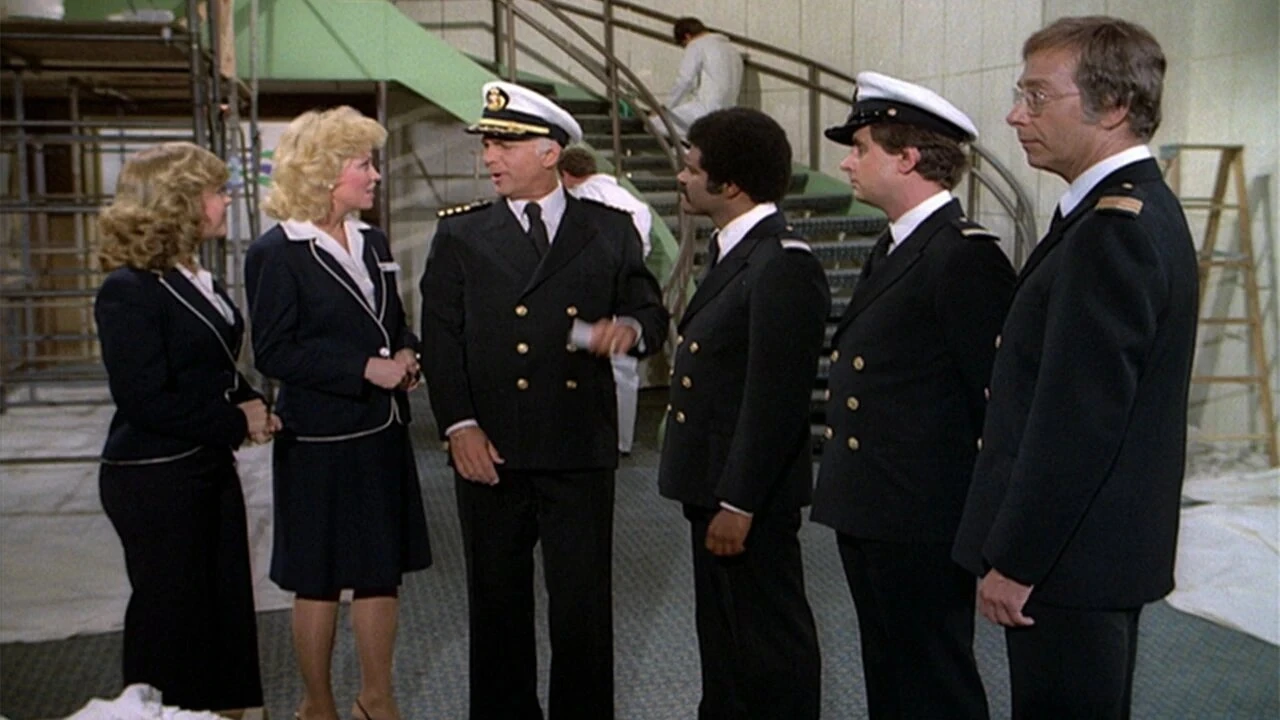
And then there was the greeting at the gangway. Somebody had a suitcase, somebody was trying to get the attention of someone who hadn’t seen them yet, and a member of the crew had to keep being pleasant about all of it. The ship could introduce a lot of people before the first break. You knew enough to remember who’d arrived together, and there was usually somebody you wanted to see get out from under the first thing they’d told the crew.
A return visit still works that way. I’ll put on an episode I barely remember and let the names go past. I know who I’m going to see behind the bar and who has to keep the whole thing afloat. The surprise is whoever’s about to ask one of them for help.
Isaac was the guy you hoped was working
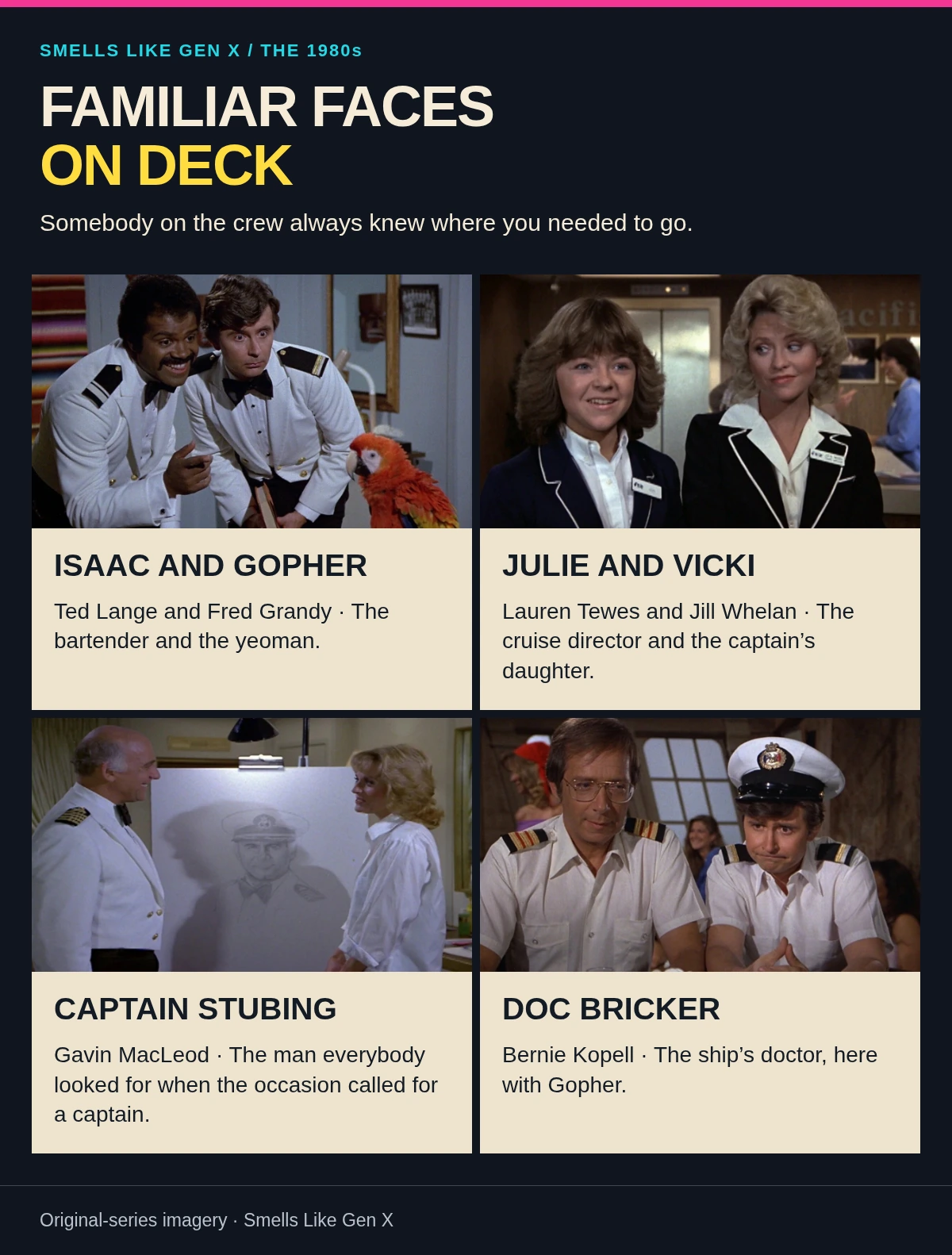
Ted Lange’s Isaac Washington has a way of smiling that makes it seem as though he’s been saving you a place at the bar. You can see why a person with a long story would end up telling him more than they meant to. That’s useful on a cruise where somebody is inevitably hoping to be left alone until they find somebody they can talk to.
“Isaac, the Marriage Counselor,” from October 1981, makes his advice part of the trouble. It’s a premise I appreciate a little more after spending enough time around people to know what can happen when you agree to hear both sides. One person tells you what happened, you have a thought about it, and ten minutes later somebody you’ve never met is annoyed about your involvement. Isaac is a good guy to watch when a nice gesture starts taking up the rest of his shift.
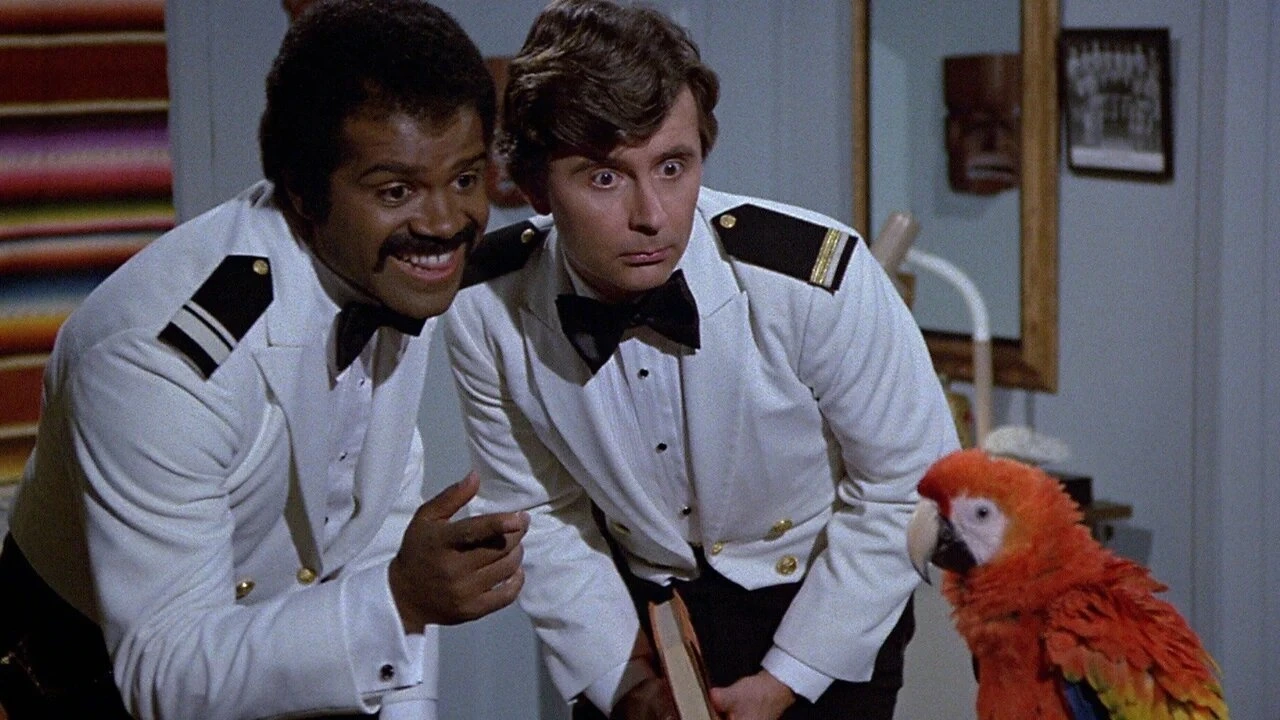
The bar also made a good place to see a passenger reconsider a decision. The cabin can feel too private and the deck can have too many people walking by. A person can sit at the bar for a minute and pretend they had every intention of saying what just came out. A face like Lange’s helps that exchange feel like something the person on the stool would actually do.
I’d watch Isaac even if all he got to do in an episode was hear half a sentence and glance at the person who said it. There are whole hours of television I remember less clearly than that smile and the sense that somebody aboard was about to tell him something they’d probably regret.
Julie had to make the vacation look easy
Lauren Tewes made me believe Julie McCoy could hear three requests at once and know which one was about to cause the next problem. The ship’s cruise director had a very public job. Everybody was supposed to feel that there was something special waiting for them. The person who had to make it happen could be having a perfectly ordinary bad day.
If you’ve ever worked a room, a party or a busy shift while everybody else was off the clock, you can recognize the sound of it. Someone is on vacation and would like to find the person who can do one thing. You’re that person to everybody in line. Julie could have the face for a friendly welcome and another expression for the colleague who knew exactly how many things had just gone wrong.
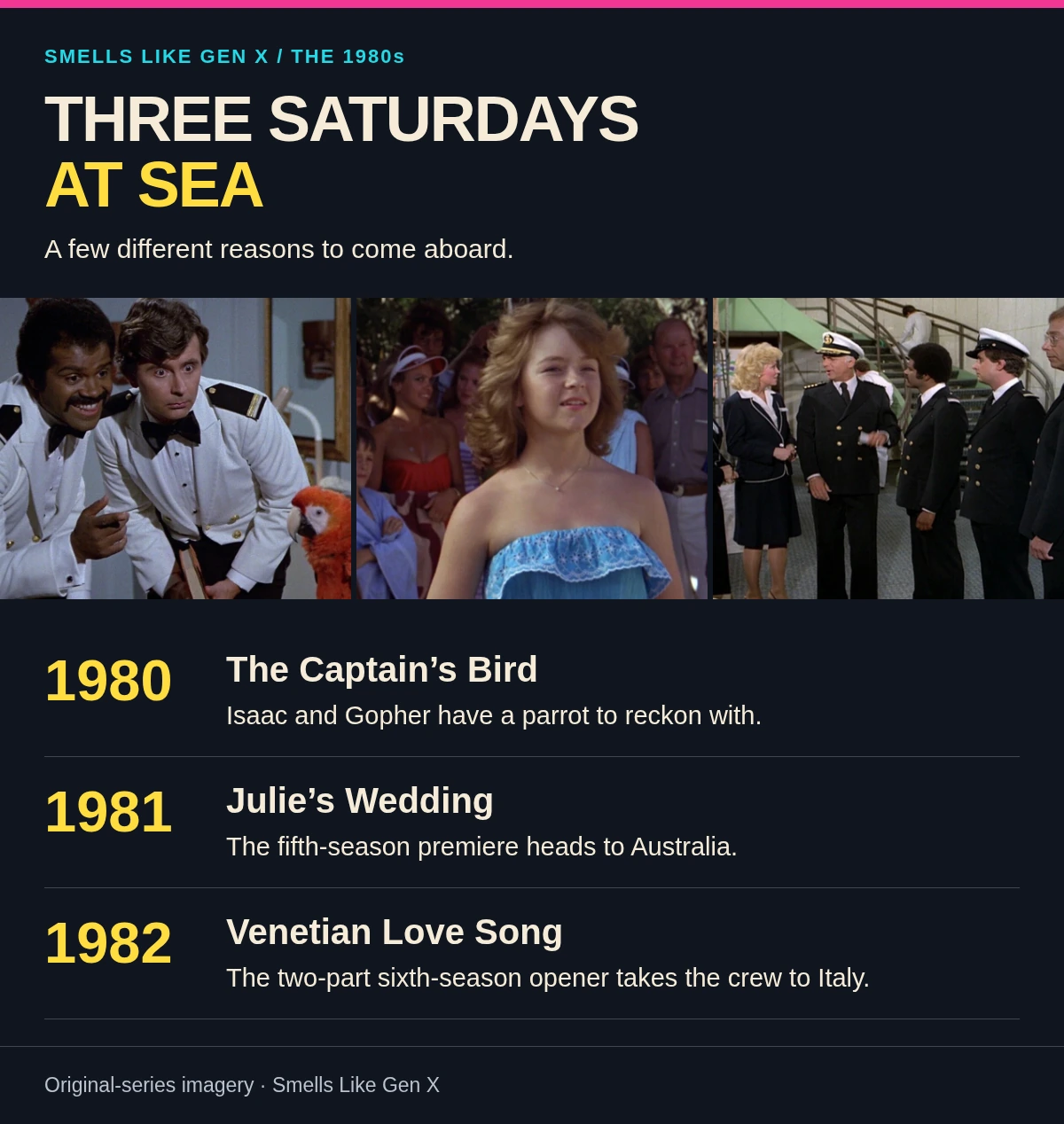
The October 1981 season opener gives her a planned wedding on a cruise to Australia. This is the big, two-part departure with “Julie’s Wedding” among the stories. You can get a sense of the scope of a Love Boat special from the list of things happening on that trip. A familiar crew member is going someplace new to do something that matters to her, Isaac has a wedding gift to worry about, and the other passengers have brought entire stories of their own.
I like a crew-centered episode after a run of visits with guest stars. Julie has been hearing about other people’s plans and arranging occasions for years. Putting her at the center makes you want the cruise to be kind to her for a change. The people who usually help everybody else have to spend a little time figuring out what help they can give her.
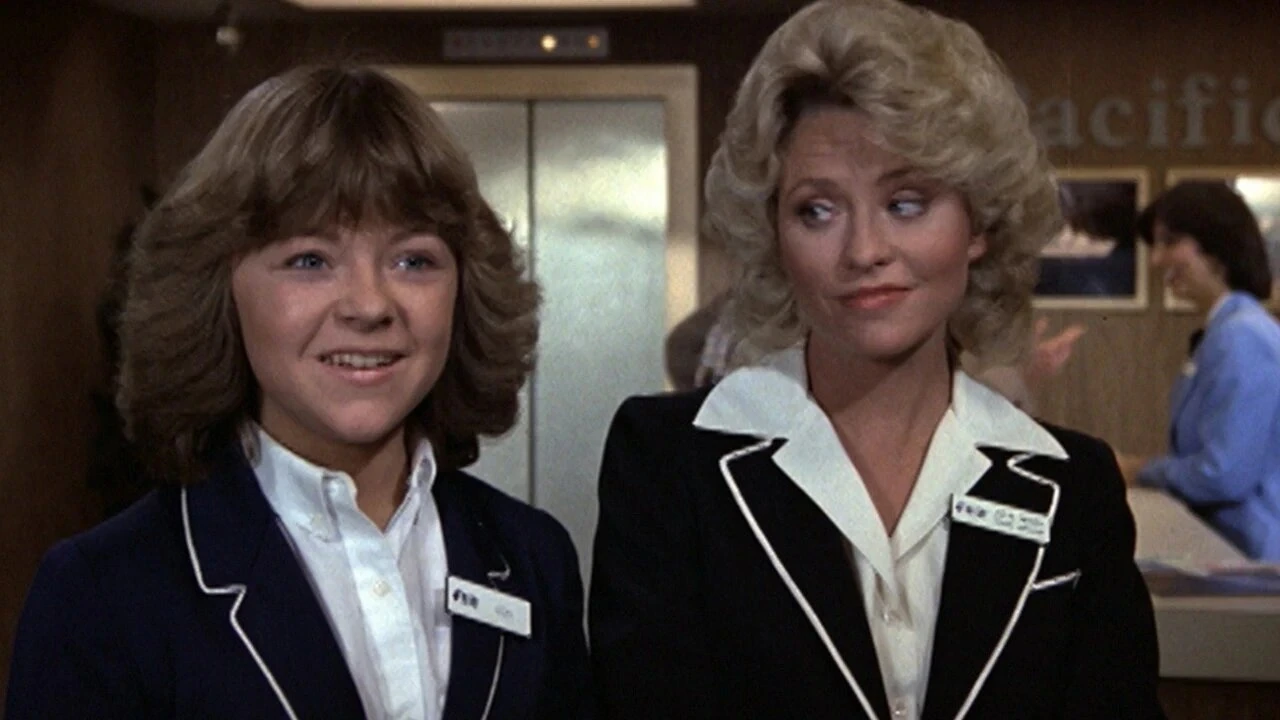
The captain had somebody waiting for him after work
Gavin MacLeod’s Merrill Stubing was the person I expected to see when somebody needed a straight answer. Even in a story about a very peculiar passenger, the captain had a ship to run. Giving him a daughter aboard also gave him more to be concerned about after he’d finished answering everybody else’s questions.
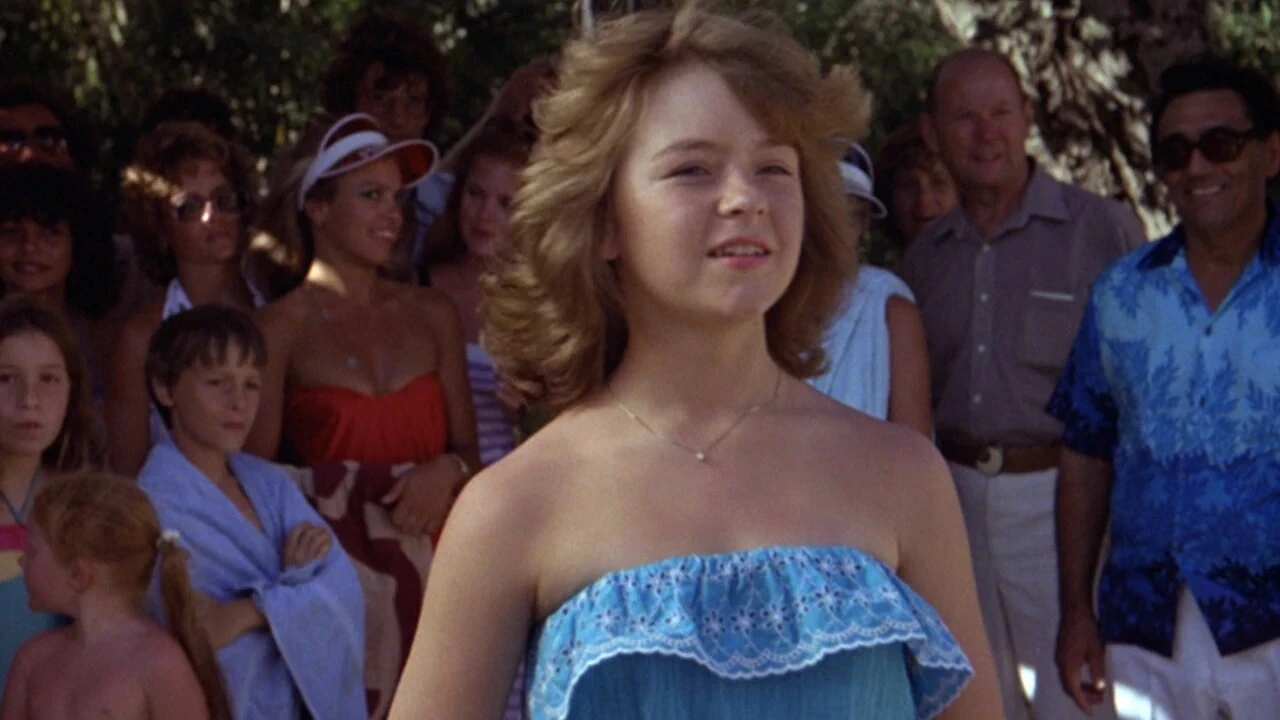
Jill Whelan’s Vicki makes that side of the captain familiar in a hurry. “Vicki’s First Love,” from April 1980, gives her a crush on a singer and the horrible experience of finding out how differently the two of them read the same kindness. I like going back for that story because the feeling is so ordinary. The location is a cruise ship and the person you’ve got a crush on is somebody people came to see. You still have to work out what to do with your face when the answer is clear.
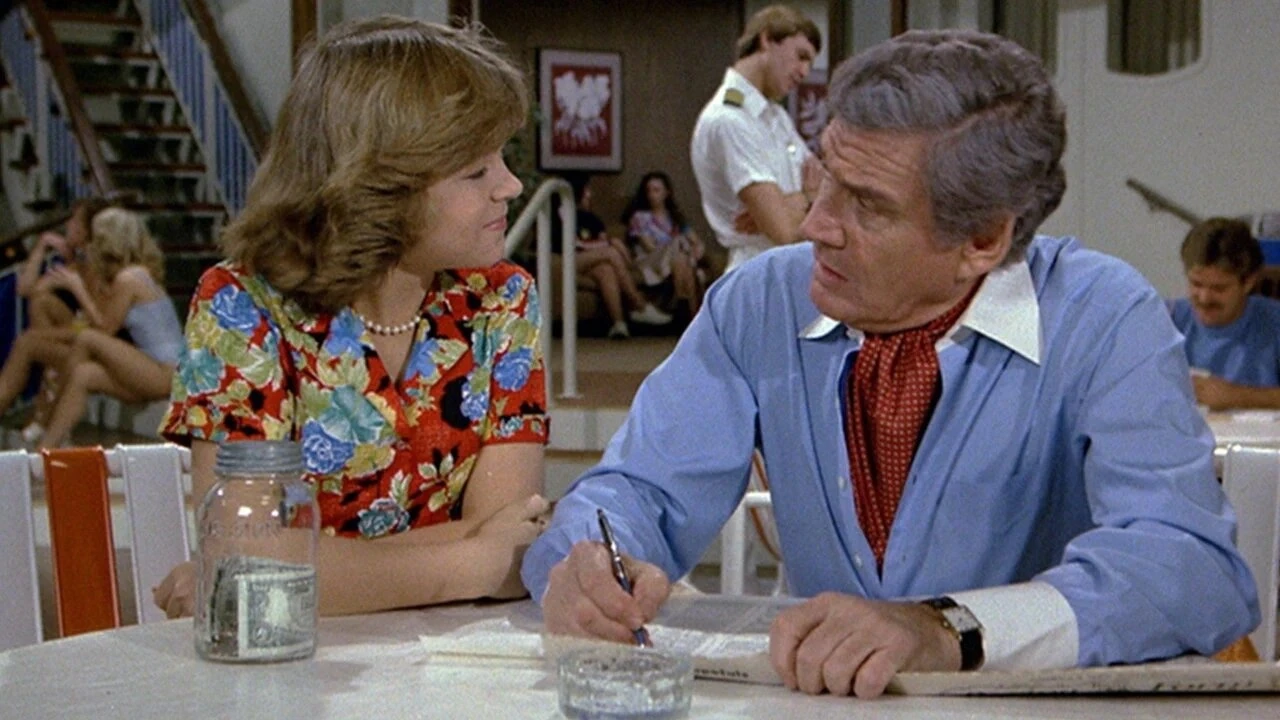
Later that year, in “The Captain’s Bird,” Stubing wants a talking parrot as a Christmas gift for Vicki. Gopher and Isaac get involved. It’s an excellent example of how a small family idea could get enough help to become a job for several adults. Anybody who’s tried to get a present right with other people in on the surprise can probably guess how many more things they’ll have to think about by the time it’s wrapped.
The captain’s office and his time with Vicki give you different reasons to like him. He can be good at taking care of a large number of people and still want to get something right for one person who knows him much better than the passengers do.
Gopher and Doc made the ship feel like a place to work
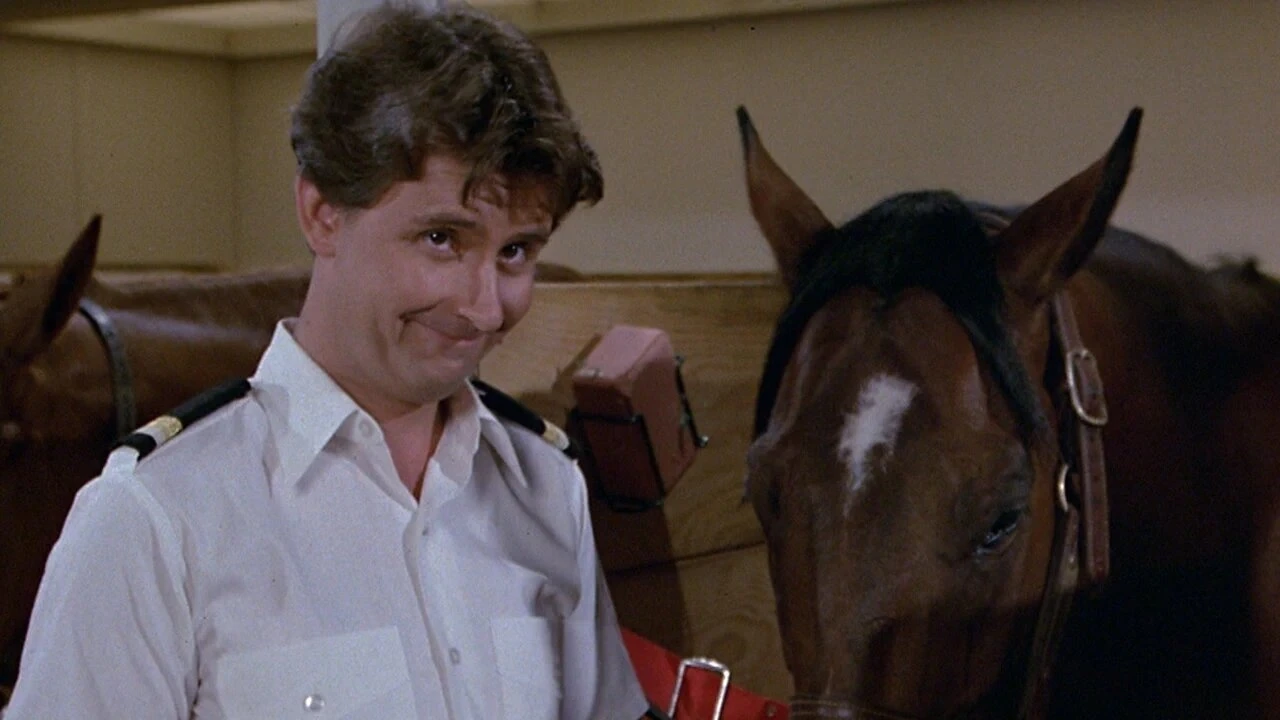
Fred Grandy’s Gopher Smith could look about halfway through an idea when the rest of the crew found out he’d already started it. In the November 1980 cruise that includes “Gopher and Isaac Buy a Horse,” the two of them acquire a horse for a race and have to get it aboard. You can picture how much enthusiasm there has to be in the first conversation for anybody to agree to everything that comes after it.
Bernie Kopell’s Doc Bricker had a different kind of confidence. He could walk into a conversation as though there would be time to enjoy the company along the way. The two of them gave the captain different faces to deal with when he wanted to know what was going on. A glance from Stubing could make a harmless plan sound a lot less certain in the time it took somebody to say it out loud.
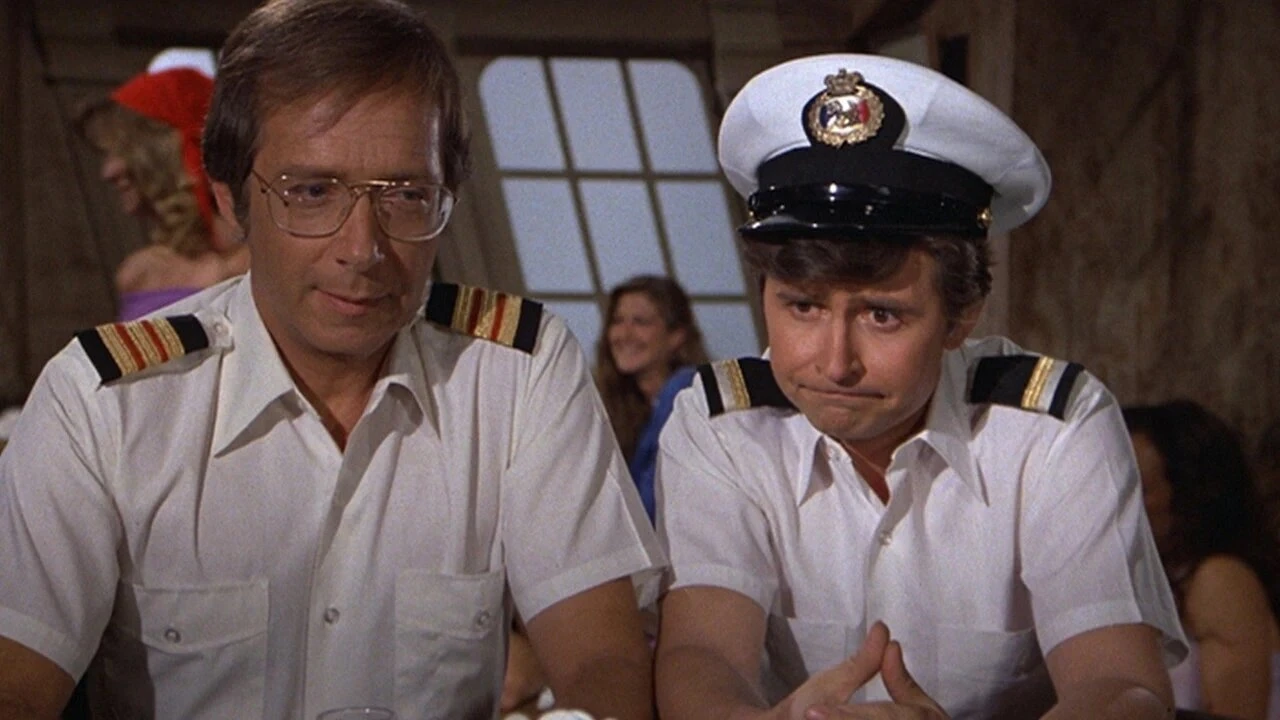
I like having a crew to remember when the guests are different every week. Everybody who boards thinks they’re bringing something new. The crew knows what the ship feels like when the passengers have all gone. Gopher and Isaac can joke about an idea at work, get in trouble for it, and turn up ready to be on the same side again. That’s good company to have when you’re going to keep showing up on Saturday.
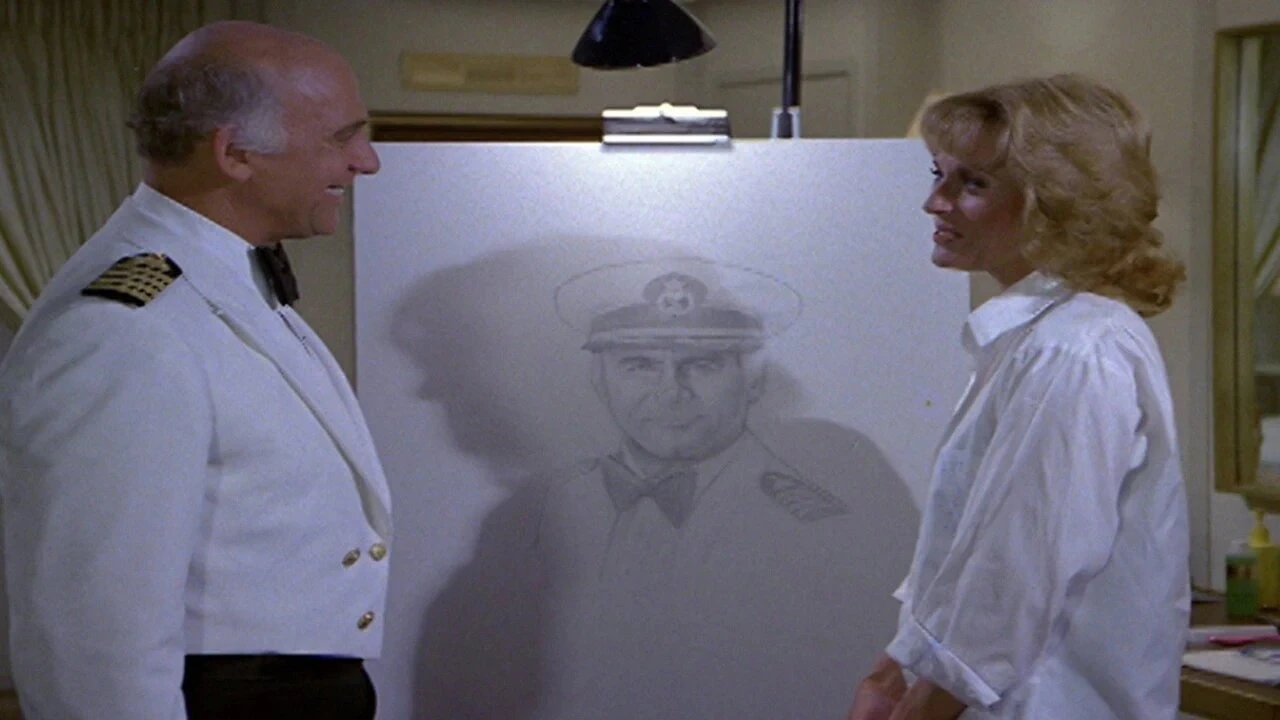
Look for “The Captain’s Portrait” in January 1982 if you want a small example of how a crew member can get mixed up in the kind of misunderstanding a passenger usually brings along. Stubing has agreed to sit for a portrait. He worries that the artist has something much more revealing in mind. MacLeod makes it fun to watch the man who runs the ship wonder what on earth he agreed to do with his afternoon.
A week’s worth of people in one hallway
I think part of the pleasure was how many things could happen to passengers who’d left their usual lives at home. Someone could get a little braver for a few hours. Somebody else could discover that the person they’d been hoping to avoid had booked a cabin on the same ship. A cruise makes it possible to have a conversation with a stranger and then find out at dinner that you’ve both got the same idea about pretending it never happened.
If one story was taking a while to get to the part you wanted, there was always another one coming. A short stretch with the captain could be followed by a guest trying to make a good impression and then by something Gopher had to explain. As a kid I was happy to follow whichever scene had the quickest answer. I can see now how much the crew had to do to give that busy hour a place to land.
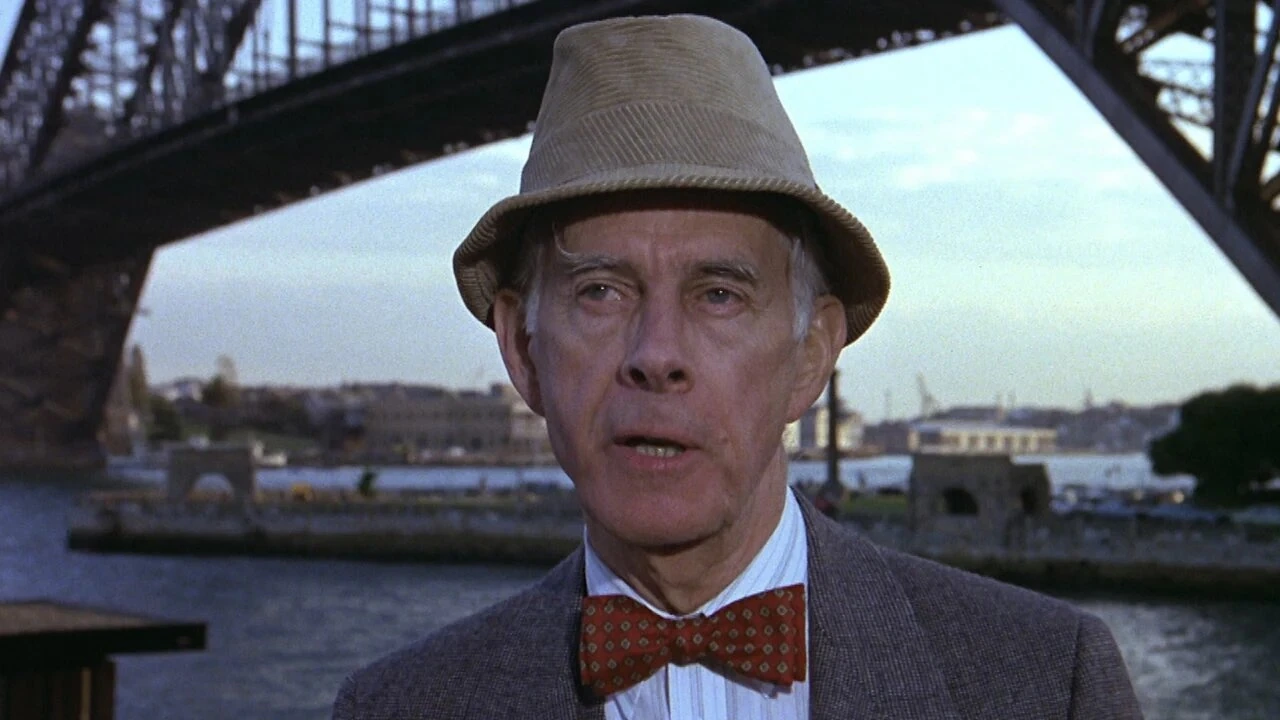
The 1981 TV lineup puts The Love Boat in the same top five as Dallas, the Dukes, 60 Minutes and M*A*S*H. That’s a good reminder of how much of a week’s television you could recognize from a few notes. The person who wanted to know how the doctors were doing in Korea might be ready to hear Jack Jones on the next night they were staying in.
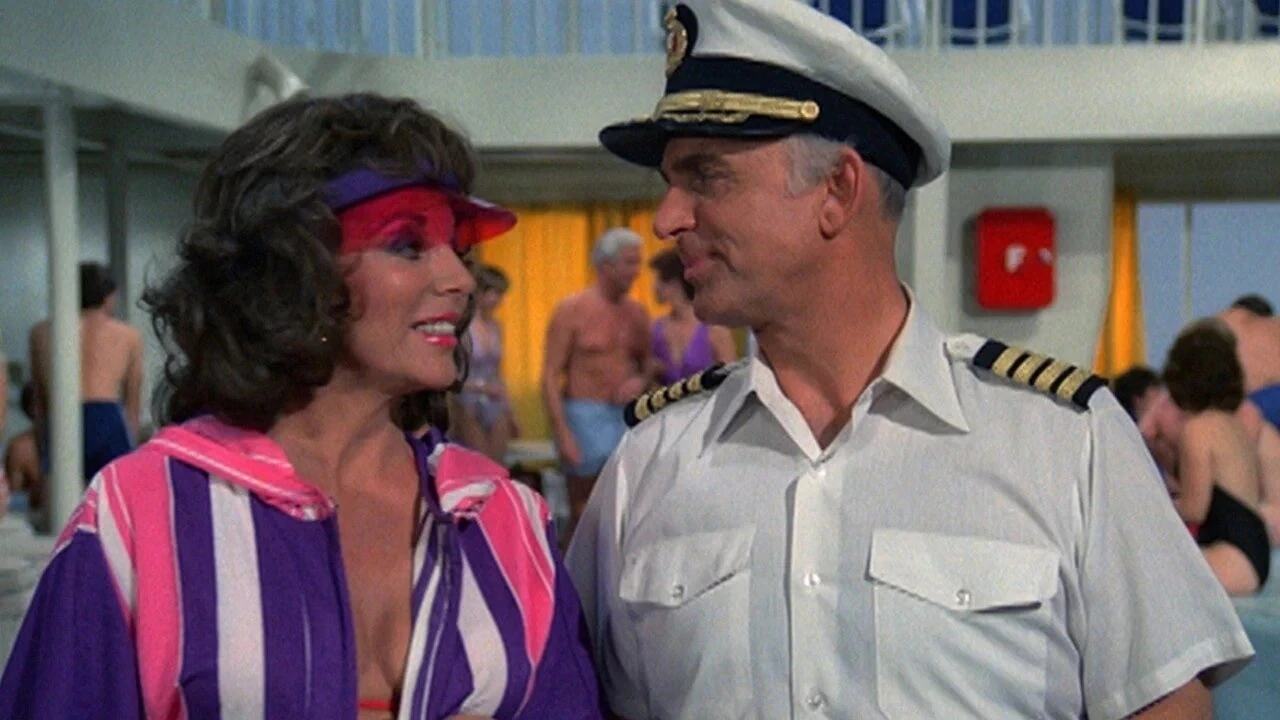
I’m fond of the boat’s little changes of scenery, too. The early-eighties trips let the regulars take their familiar faces to Australia or Venice. “Venetian Love Song,” part of the 1982–83 opener, is a nice way to see what happens when the show gets to put Venice around its usual misunderstandings. You can enjoy the location and still be glad Gopher is there to get himself into something.
Saturday night had another stop after this one
There’s a feeling I get when the ship pulls away at the end and there’s still a little television left in the evening. For those ABC Saturdays, Fantasy Island was next. The same family could stay in the room and let the whole idea of a vacation change over the course of the next opening credits.
I like thinking of those two shows as a choice somebody had already made on my behalf. A night with the boat could give you romance, a recognizable guest and a few reasons to smile about who wound up together. The island could take a wish into much stranger territory. It was fun hearing a different theme without having to decide what we were watching next.
For another look at the time when it first caught on, the 1979 TV guide puts you back among the other shows ABC had running as the seventies ended. I keep coming back to how much of a person’s memory is the evening around the program. I can put on one of these episodes alone now, and the part of me that knows the island is coming still has to check what time it is.
What I’d put on for a night in
Start with “Vicki’s First Love” if you want the captain and his daughter in the same hour. Then give “Isaac, the Marriage Counselor” a go for the simple pleasure of seeing a person who’s very good with people discover the limits of that skill. Save the Australia special for a night when you’re actually in the mood to settle in. Julie has plenty to do and the ship is already someplace a little different.
Or just pick one by the guest list. That was half the fun the first time. I’ve sat through plenty of cruises on the strength of recognizing one person and wanting to know why they’d turned up in the same place as another. There’s a good chance I’ll remember a look on Isaac’s face before I remember how their story finished. That’s plenty to make me want to get aboard again.
Before we pull into port
When did the original Love Boat air?
ABC aired the regular series from September 24, 1977, through May 24, 1986. The early-eighties stories here come from that original run.
Who were the familiar crew members?
Gavin MacLeod played Captain Stubing, Lauren Tewes played Julie McCoy, Ted Lange played Isaac Washington, Fred Grandy played Gopher Smith and Bernie Kopell played Doc Bricker. Jill Whelan played Vicki Stubing, the captain’s daughter.
Who sang the theme in the early ’80s?
Jack Jones sang the original opening theme. Charles Fox composed the music and Paul Williams wrote the lyrics.
Which show followed it on ABC Saturday nights?
Fantasy Island was its familiar Saturday-night partner through that show’s original run, which ended in 1984.