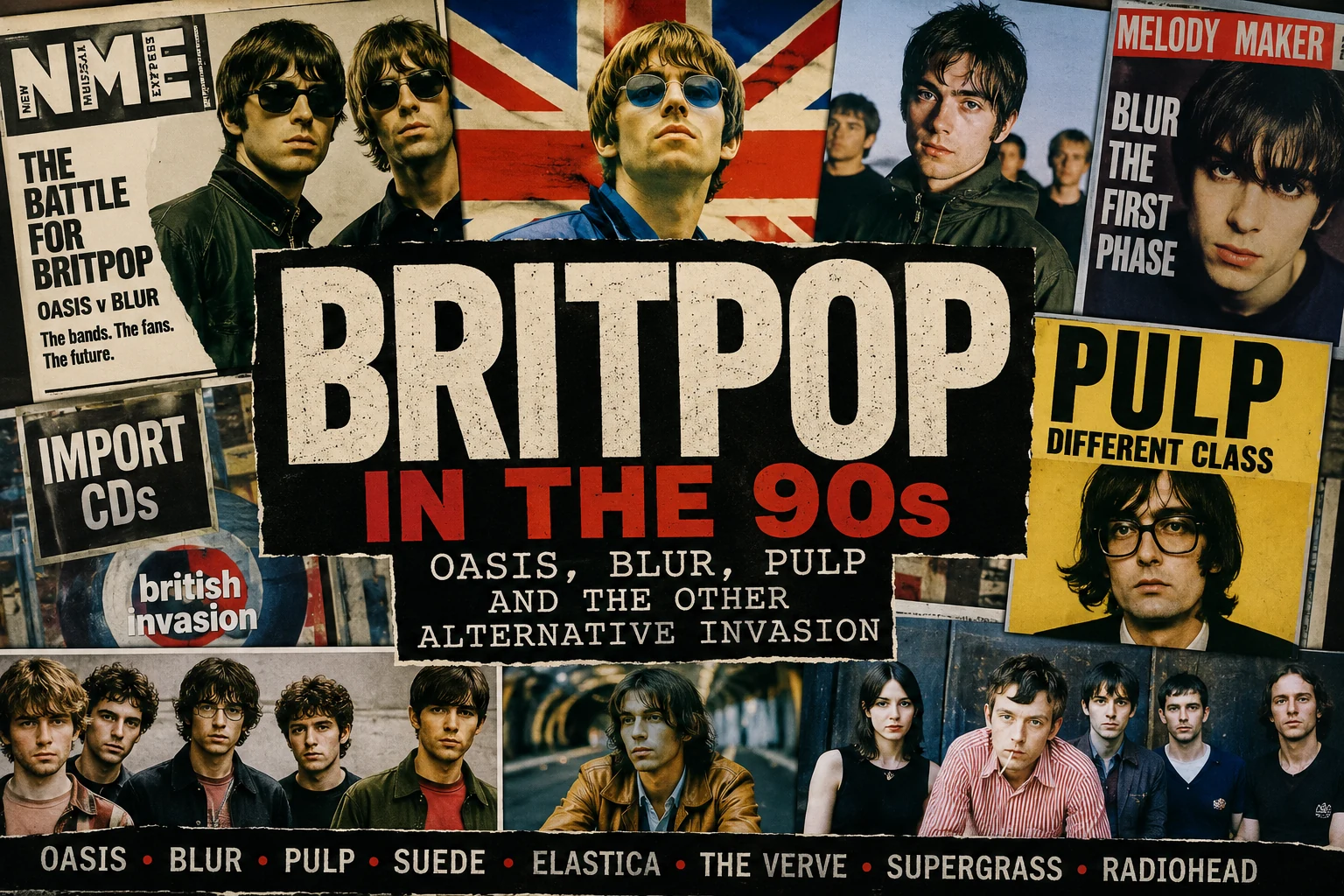
Britpop in the 90s Oasis, Blur, Pulp and the Other Alternative Invasion
Britpop in the 90s gave alternative rock a loud British counterstory built from massive choruses, class tension, art-school sarcasm, council-estate realism, magazine warfare, football-sized confidence and enough indoor sunglasses to make basic eye contact seem culturally suspicious.
Oasis, Blur, Pulp, Suede, Elastica, The Verve and Supergrass made British guitar music feel like its own stylish universe, while Radiohead stood close enough to the scene to use it as an escape route. Together, they widened the world of 90s alternative and grunge far beyond Seattle rain.
CD SINGLE
£3.99
Less Seattle rain. More British weather.
Britpop turned alternative rock outward. The songs were still full of boredom, class, bad romance and cultural anxiety, but they arrived with sharper hooks, bigger mouths, better jackets and a press corps ready to turn every single into a national emergency.
What Was Britpop in the 90s?
Britpop was a 1990s British guitar-pop and alternative-rock movement led by Oasis, Blur, Pulp, Suede, Elastica, Supergrass and The Verve. It reacted against American grunge by drawing from the Beatles, the Kinks, glam, punk, mod culture and British social realism, then turning those influences into huge choruses, class commentary, swagger, irony and tabloid-ready drama.
The movement peaked in the middle of the decade, especially around the Oasis-versus-Blur chart battle and the rise of albums such as Definitely Maybe, Parklife, Different Class and (What’s the Story) Morning Glory?. The 90s alternative music guide connects Britpop to the wider decade of grunge, MTV, essential songs, albums and post-grunge.
The Essential Britpop Bands and Main Players
Britpop was bigger than three bands, but the main story usually starts here. This is the quick cheat sheet before the full rewind gets loud.
Why Britpop Hit Differently in the 90s
Britpop hit differently because it offered another version of alternative identity. American grunge often felt wounded, heavy and suspicious of fame. Britpop could be wounded too, but it usually arrived with cleaner hooks, louder confidence and a better understanding of how to turn cultural insecurity into a press quote.
The movement also collided perfectly with mid-90s media culture. MTV, radio, import racks, magazines and year-end lists all helped British bands cross into the American alternative bloodstream. You could hear the overlap across 90s alternative rock songs that defined the decade, where grunge, Britpop, industrial, slacker rock and alt-pop all ended up fighting for space in the same CD binder.
Its biggest moments landed right in the mid-decade sweet spot, especially around 1995 and 1997, when British guitar bands were suddenly part of the wider alternative conversation whether American listeners understood all the class politics or not.
Britpop in the 90s: The 15-Part Rewind
The quick import-rack version before the bands, chart battles, magazine wars, American crossover and glorious mid-90s hangover get the full treatment.
The Full Britpop Story
This is where Britpop stops being a playlist label and starts looking like what it actually was: a messy 90s culture storm of bands, scenes, arguments, magazines, class tension, hooks, hype and hangovers.
Britpop Was the Other 90s Alternative Invasion
Not grunge. Not exactly pop. Not polite enough to stay in its lane.
When people talk about 90s alternative, the conversation usually starts in Seattle, drives through MTV, gets soaked in distortion and ends up somewhere between flannel, feedback and emotional weather. Fair. Grunge changed the room. But across the Atlantic, another alternative story was happening at roughly the same time — louder in a different way, more stylish, more sarcastic, and much more interested in making being British feel like a guitar-charged event.
That story was Britpop. Oasis. Blur. Pulp. Suede. Elastica. Supergrass. The Verve. Sleeper. Echobelly. A wave of British bands that pulled from the Beatles, the Kinks, the Jam, glam, punk, mod culture, kitchen-sink drama, council-estate boredom, art-school attitude, tabloid chaos and enough swagger to make an entire magazine rack sweat.
Britpop did not sound like American grunge, and that was part of the point. Where grunge often sounded like damage, Britpop often sounded like confidence used as a defensive weapon. It had hooks, style, sneers, ambition, class tension, pub-night choruses and a lot of people in sunglasses acting like they had already won an argument you had not realized you were in.
For American Gen X listeners, Britpop arrived in fragments: MTV buzz clips, alternative radio breakthroughs, import CDs, music magazines, late-night video blocks, college radio, friends with suspiciously strong opinions, and that one kid who suddenly started saying Blur was better than Oasis like they had been appointed by parliament.
It was not the main American alternative story, but it mattered. Britpop made the 90s feel bigger than Seattle. It reminded everyone that alternative was not one sound. It was a fight over mood, style, geography and attitude.
Why Britpop Happened When It Did
Because the early 90s needed a counterpunch with better jackets.
Britpop did not fall from the sky wearing Adidas and holding a pint. It arrived after years of British indie scenes, Madchester hangovers, shoegaze haze, baggy rhythms, Thatcher-era aftershocks, and a music press that loved nothing more than declaring the next thing, burying the current thing, then pretending it had been right all along.
By the early 90s, American grunge had become globally dominant. Nirvana, Pearl Jam, Soundgarden and Alice in Chains had made alternative rock feel heavier, moodier and more emotionally exposed. You can hear that story across the broader 90s alternative and grunge landscape, but Britain did not simply copy it. Britpop reacted against it.
Instead of grunge’s inward collapse, Britpop often turned outward. It talked about streets, clubs, flats, class, tabloids, romance, boredom, fame, drinking, working life and national identity. It was full of characters. It loved choruses. It liked being clever, sometimes too clever. It made guitar pop feel social again.
There was also a huge cultural timing element. The mid-90s in Britain had a “new era” energy: fashion, magazines, politics, football, clubs, celebrity culture, and the rise of Cool Britannia, a phrase that now sounds like it should be sealed in a 1997 time capsule with a Union Jack guitar pick and a questionable haircut.
Britpop fed that moment and was fed by it. The bands did not just release songs. They became headlines. They became teams. They became arguments. They became shorthand for a certain kind of loud, witty, self-mythologizing 90s British confidence.
Oasis Made Britpop Feel Like a Stadium Fight
Big choruses, bigger mouths, and songs built to be shouted by people who had feelings but refused therapy.
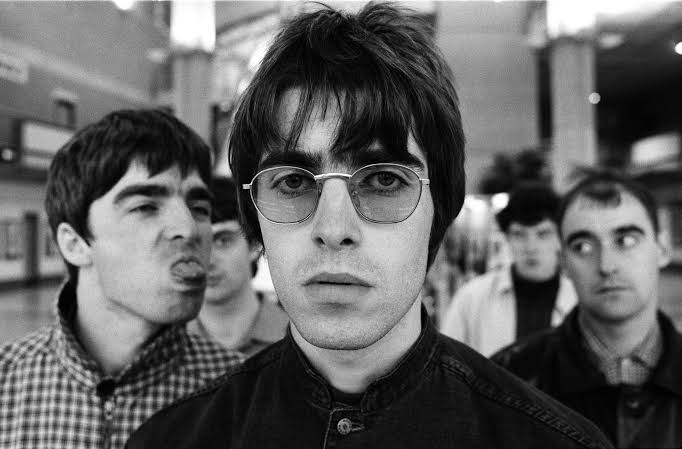
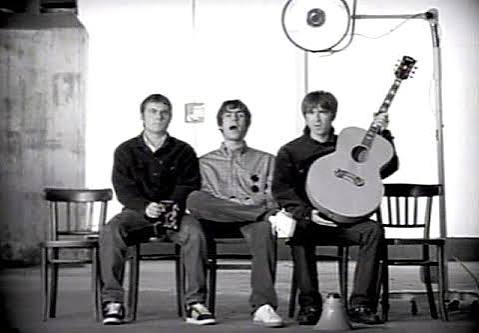
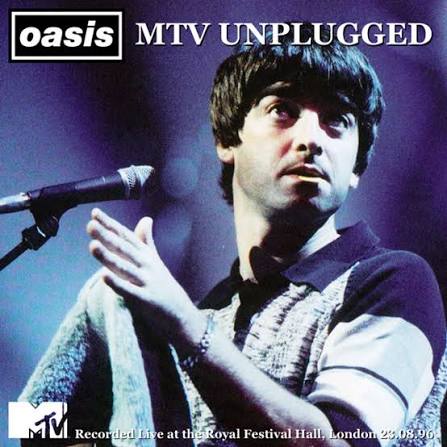
Oasis were the band that made Britpop feel enormous. They did not invent the scene, and they were not the most artful band in it, but they turned it into something that could fill arenas, dominate tabloids and make a whole generation believe a chorus could fix a miserable week.
The Gallagher brothers were part of the package. Liam had the stare, the stance, the voice and the miraculous ability to make standing still look like provocation. Noel had the songs, the quotes, the ambition and the confidence of someone who believed history was just waiting for him to show up with a capo.
“Live Forever,” “Supersonic,” “Cigarettes & Alcohol,” “Wonderwall,” “Don’t Look Back in Anger,” “Champagne Supernova” — Oasis songs were built for mass feeling. They sounded simple in the way great anthems often sound simple, which is to say every drunk person in a field could shout them and somehow feel briefly profound.
In America, Oasis were the Britpop band most likely to break through the mainstream wall. “Wonderwall” became unavoidable, the kind of song that moved from alternative radio into dorm rooms, car stereos, mall stores and every acoustic guitar within a five-mile radius. The track belongs in the larger conversation around essential 90s alternative songs because it became more than a hit. It became cultural furniture.
Oasis also made Britpop feel less niche and more gladiatorial. They had drama, confidence, conflict and a constant sense that someone might say something rude before the next chorus. That helped sell the myth, even when the myth was exhausting.
- Key albums: Definitely Maybe (1994), (What’s the Story) Morning Glory? (1995), Be Here Now (1997).
- Signature 90s songs: “Live Forever,” “Supersonic,” “Wonderwall,” “Don’t Look Back in Anger,” “Champagne Supernova,” “Cigarettes & Alcohol.”
- What they added: huge communal choruses, Beatles-sized ambition, brother-vs-brother chaos, and a working-class Manchester mythology that made every interview feel like a pub fight with better lighting.
- American impact: Oasis were the Britpop band that crossed over hardest in the U.S., especially with “Wonderwall” and “Champagne Supernova” on alternative radio and MTV.
What gets lost now is how fast Oasis went from exciting new band to generational event. Definitely Maybe had the charge of a debut that already believed it belonged in history. Morning Glory turned that belief into scale. By the time “Wonderwall” escaped into every dorm hallway, coffee shop, open mic and beginner-guitar circle, Oasis were not just a British band anymore inside the wider 90s alternative rock story. They were part of the global 90s furniture.
Of course, the downside of writing songs that big is that the myth gets hungry. Oasis became almost impossible to separate from the fights, quotes, tabloid mess and self-importance. But that was also part of their Britpop role. They made the alternative scene feel dangerous in a public, loudmouth, headline-friendly way. Grunge often made fame look like a burden. Oasis made fame look like something they planned to insult until it surrendered.
Blur Turned Britpop Into a Smirk With Hooks
Art-school satire, British character studies and the other side of the argument.
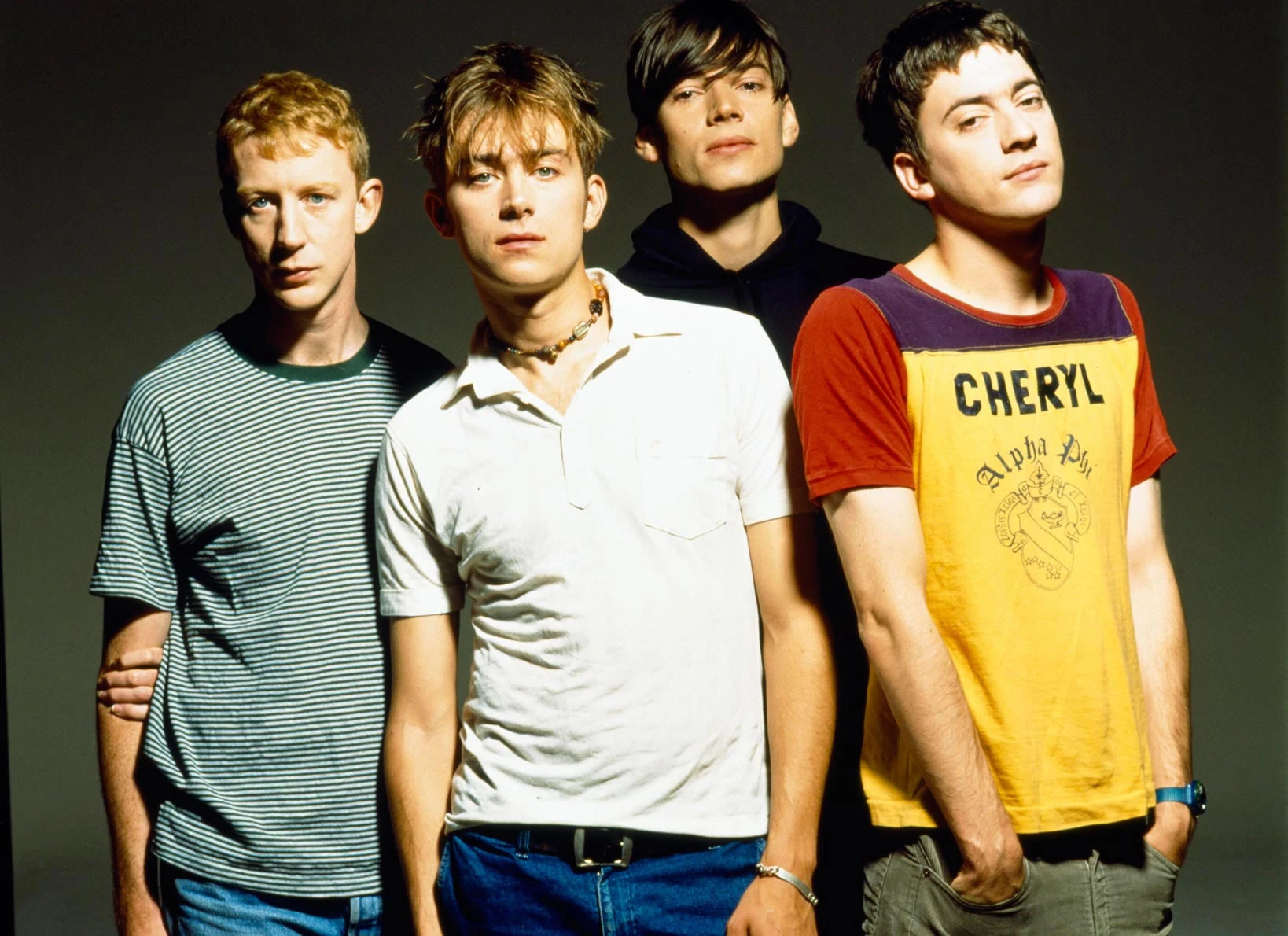
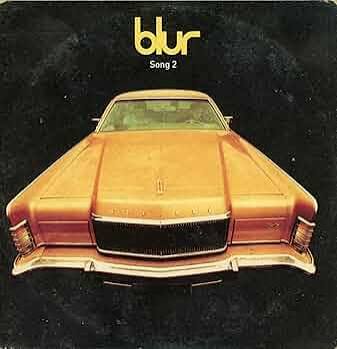
If Oasis made Britpop feel like a stadium chant, Blur made 90s music feel like a clever little knife. They were sharper, twitchier, more self-conscious, more character-driven, and much more interested in making songs that looked sideways at British life instead of simply trying to conquer it.
Damon Albarn did not write like Noel Gallagher. He wrote scenes. “Girls & Boys” turned club culture into a glossy, deadpan carnival. “Parklife” turned everyday British life into a spoken-sung national cartoon. “Charmless Man” skewered a type of upper-middle-class emptiness with the kind of precision that makes you laugh and then check whether you are being insulted.
Blur’s Britpop peak was full of color, irony and social observation. Their videos, styling and songs made them feel like a band built for magazine spreads and clever arguments. They were pop enough to be catchy, art-school enough to be slippery, and cynical enough to make sincerity look suspicious.
Then came the American curveball: “Song 2.” In the U.K., Blur were already giants. In the U.S., a lot of casual listeners met them through two minutes of distorted nonsense shouting “woo-hoo,” which was both hilarious and weirdly perfect. The song punched through sports arenas, commercials, radio and MTV until Blur became both a Britpop institution and, in America, the “woo-hoo” band. The 90s had jokes.
But Blur mattered because they made Britpop smarter and stranger. They proved the movement was not just anthems and swagger. It could be satire, character writing, irony, nervous energy and pop craft disguised as a raised eyebrow.
- Key albums: Modern Life Is Rubbish (1993), Parklife (1994), The Great Escape (1995), Blur (1997).
- Signature 90s songs: “Girls & Boys,” “Parklife,” “Country House,” “Charmless Man,” “Beetlebum,” “Song 2.”
- What they added: satire, character sketches, art-school restlessness, British social observation, and the ability to make a hook feel like it was making fun of you.
- American impact: Blur’s U.S. story was split across the wider 90s alternative rock landscape: Britpop cult respect first, then the massive oddball crossover of “Song 2.”
Blur’s arc is also one of the most interesting in the whole movement because they kept changing when the scene wanted them to stay useful. Parklife made them Britpop central. The Great Escape pushed the character-study approach almost to cartoon level. Then Blur blew up the template with rougher guitars, American indie influence and “Song 2,” a track that became a U.S. sports-arena monster despite sounding partly like a joke about rock songs becoming sports-arena monsters.
That restlessness is why Blur age better than a lot of scene peers. They were part of Britpop’s alternative moment, but they were also suspicious of being trapped by it. Their best songs could be funny, cruel, catchy and sad in the same breath. They made British life sound like a comedy with mold under the wallpaper.
Oasis vs. Blur Became the 90s Chart Battle Britpop Wanted
A singles race, a media circus, and an argument that outlived common sense.
The Oasis vs. Blur rivalry is the Britpop story everyone remembers because it was ridiculously easy to package. North vs. South. Working-class swagger vs. art-school commentary. Liam’s sneer vs. Damon’s smirk. Anthem vs. satire. It was not actually that simple, which did not stop the British press from treating it like a national emergency with guitars.
The 1995 chart battle between Oasis’ “Roll With It” and Blur’s “Country House” became the symbolic peak. Two big singles, same release week, maximum hype. The press turned it into a referendum on class, taste, authenticity, geography and who had the better haircut. Normal music journalism behavior. Absolutely calm.
Blur won that specific chart battle, but Oasis won the bigger commercial war soon after with (What’s the Story) Morning Glory? and the massive global reach of “Wonderwall” and “Don’t Look Back in Anger.” Of course, reducing either band to winner and loser misses the point. The battle mattered because it gave Britpop a dramatic center.
For Gen X listeners watching from America, the whole thing could feel slightly absurd and slightly fascinating. We had our own alternative arguments, but this one came with British tabloids, weekly music papers, accents, class codes and the feeling that the entire country had decided to turn a singles release into a sporting event.
That kind of culture-war energy helped make Britpop feel bigger than a playlist. It was not just a sound. It was a public argument with choruses.
Pulp Made Britpop Smarter, Sleazier and More Human
Jarvis Cocker turned class resentment, awkward sex and bad rooms into art.
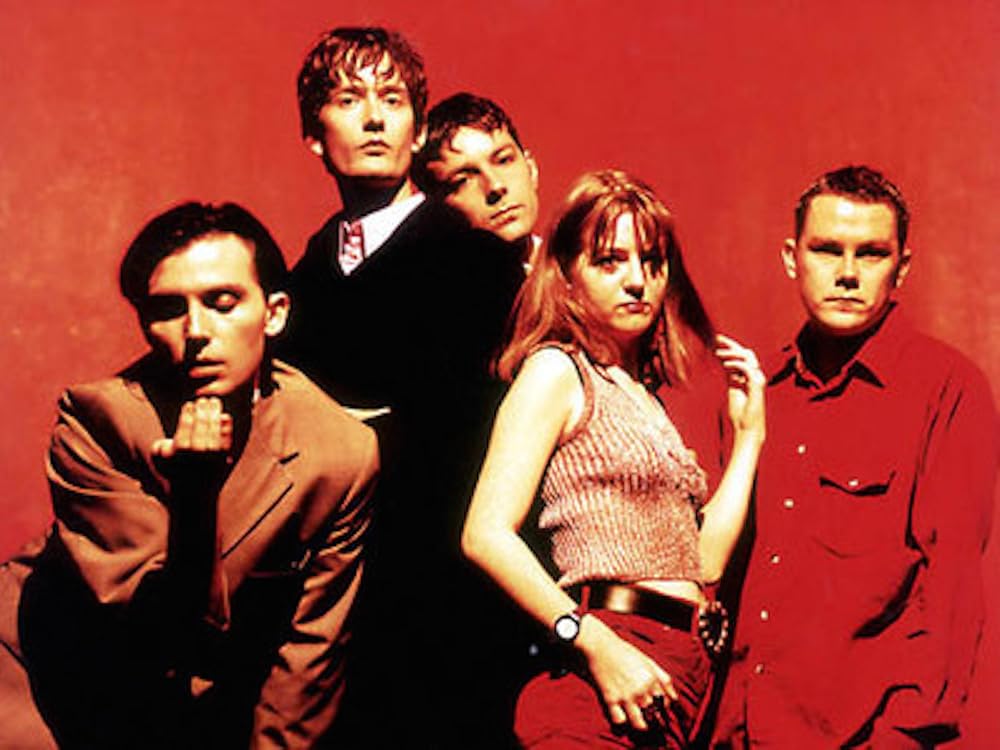
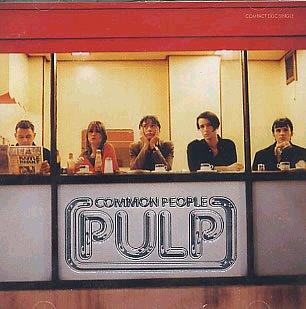
Pulp were the band that made Britpop feel like literature found under a nightclub table. If Oasis were the shout and Blur were the smirk, Pulp were the stare from across the room — observant, funny, uncomfortable, theatrical and far too aware of what everyone was pretending not to want.
Jarvis Cocker was not a traditional frontman. He was lanky, strange, sly, awkward and magnetic in a way that made him feel like a substitute teacher who knew all your secrets. His songs were full of class tension, desire, embarrassment, social performance and tiny humiliations rendered with brutal accuracy.
“Common People” is the obvious masterpiece, the kind of song that belongs near the decade’s essential 90s alternative songs because it turned class tourism into a glorious, furious anthem. It was catchy enough for a party and sharp enough to cut through the floor. That is a rare trick. The song did what great Britpop could do: make social observation feel like a communal shout.
But Pulp were not only “Common People.” “Disco 2000,” “Sorted for E’s & Wizz,” “Babies,” “Do You Remember the First Time?” — these songs turned ordinary mess into drama. They made dingy rooms, bad decisions and private longing feel worthy of stage lights.
In the larger Britpop story, Pulp mattered because they kept the scene from being only swagger and chart battles. They made it dirtier, funnier, smarter and more human. They reminded everyone that behind every big chorus was someone making a terrible decision in a room with bad carpet.
- Key albums: His ’n’ Hers (1994), Different Class (1995), This Is Hardcore (1998).
- Signature 90s songs: “Common People,” “Disco 2000,” “Babies,” “Do You Remember the First Time?,” “Sorted for E’s & Wizz,” “This Is Hardcore.”
- What they added: class rage, awkward desire, nightlife realism, literate storytelling, and Jarvis Cocker turning social discomfort into choreography.
- American impact: Pulp were never as commercially huge in the U.S. as Oasis, but they still mattered to the broader 90s alternative conversation and became essential for listeners who wanted Britpop with brains, bite and better bad decisions.
Pulp’s greatness is that they made ordinary humiliation feel epic. A cheap flat, a bad party, an old crush, a class divide, a nightclub mistake — in Jarvis Cocker’s hands, all of it became material. He did not write fantasy escape as much as forensic social comedy. He noticed the awful little details and then made you dance to them.
Different Class is the big Britpop-era statement because it balances accessibility with poison. “Common People” is massive because the chorus feels universal while the lyric stays specific and furious. “Disco 2000” is nostalgia before the nostalgia has even cooled. “Sorted for E’s & Wizz” turns rave-era confusion into wry human wreckage. Pulp made the movement more adult, more observant and much less impressed with its own swagger.
Suede Helped Light the Match Before Britpop Became a Flag
Glamour, decay, outsider romance and the pre-hype blueprint.
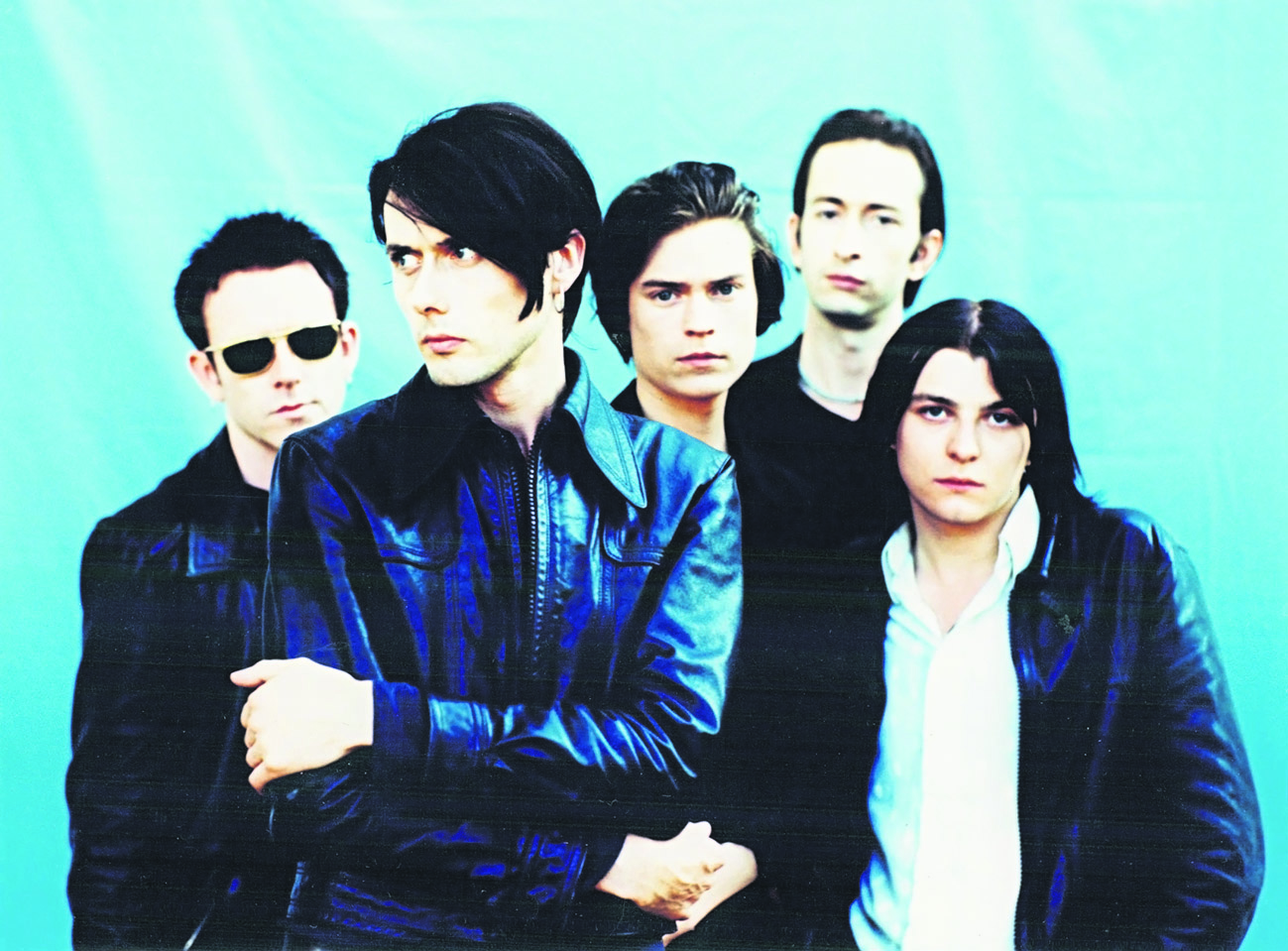
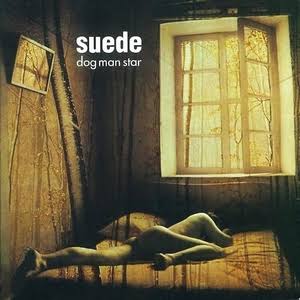
Before Britpop became a mass-media circus, Suede helped create the mood. Their early records had glamour, sleaze, melancholy, Bowie residue, British decay and a theatrical sadness that felt very different from both American grunge and later lad-rock swagger.
Brett Anderson’s lyrics and presence gave Suede a sense of outsider drama. They were not writing terrace chants. They were writing about lonely people, strange rooms, doomed desire, council-estate glamour and the kind of romantic decay that made ordinary life look like a slightly damaged film still.
Suede’s role in Britpop is sometimes awkward because the movement quickly shifted toward bigger, brasher, more marketable sounds. Oasis and Blur became the central media battle. Pulp became the class-conscious art-pop triumph. Suede were there earlier, making British guitar music feel glamorous, literate and dangerous before the cameras fully arrived.
That matters because scenes rarely begin with the bands that sell the most records. They begin with mood-setters. Suede made it possible for British guitar music to feel sexy, urban, damaged and mythic again. They helped make the UK feel like a source of alternative imagination, not just a place importing American angst.
If later Britpop sometimes looked like Union Jack branding and pub swagger, Suede remind you that the original spark was stranger, darker and more decadent.
- Key albums: Suede (1993), Dog Man Star (1994), Coming Up (1996).
- Signature 90s songs: “The Drowners,” “Animal Nitrate,” “Metal Mickey,” “Stay Together,” “Trash,” “Beautiful Ones.”
- What they added: glam decay, outsider romance, ambiguous sexuality, theatrical sadness and a sense that British guitar music could be dangerous before it became patriotic branding.
- American impact: Suede stayed more cult than mainstream in the U.S., partly because their specifically British glamour did not translate as cleanly as Oasis-sized choruses.
Suede’s early importance is hard to overstate because they made British guitar music feel exciting again before Britpop had fully hardened into a movement. Their debut had the shock of a band arriving already styled, literate and dangerous inside the broader 90s alternative timeline. Dog Man Star then pushed the drama into something darker, grander and less easy to package.
By the time Britpop became a media shorthand, Suede were almost too strange to sit comfortably inside it. That is exactly why they matter. They remind you that the scene’s roots were not only laddish swagger and chart battles. There was also glam, decay, desire, artifice, outsider identity and a whole lot of beautiful damage before the flags came out.
Elastica Made Britpop Sound Sharp, Cool and Effortless
Short songs, dry attitude and enough cool to make trying look embarrassing.

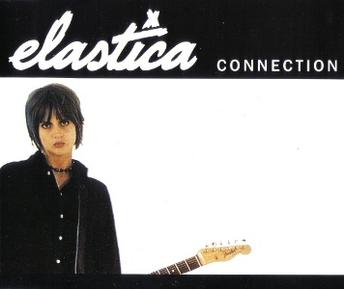
Elastica were the part of Britpop that felt like a perfect black jacket: simple, sharp, stylish and impossible to improve by overexplaining. Their songs were short, hooky, deadpan and wired with punk/new-wave energy. No grand speeches. No arena sermon. Just cool little blasts that knew when to leave.
“Connection” was the big American doorway, a song that sounded instantly familiar and oddly futuristic at the same time. It fit perfectly into the 90s alternative ecosystem because it had guitars, attitude, fashion, a killer hook — exactly the kind of compact blast that could sit beside the essential 90s alternative songs and the sense that everyone involved was bored by the idea of trying too hard.
Justine Frischmann’s presence mattered too. Britpop was often dominated by loud men with larger-than-medically-advisable confidence. Elastica cut through that with a cooler, drier, more economical style. They sounded like they could not be bothered to win the argument because winning would require standing around too long.
The band’s debut arrived at the perfect time, when American alternative listeners were open to British imports that did not sound like Seattle. Elastica made Britpop feel stylish without being ornate, catchy without being sentimental, and punky without sounding retro in a museum way.
They were proof that Britpop did not have to be huge to hit hard. Sometimes the sharpest thing in the room is the one that ends before everyone else has finished adjusting the microphone stand.
- Key album: Elastica (1995), one of the defining short, sharp Britpop-era debuts.
- Signature 90s songs: “Connection,” “Stutter,” “Line Up,” “Waking Up,” “Car Song.”
- What they added: punky economy, dry cool, Wire/Buzzcocks-style snap, fashion-magazine minimalism and a refusal to treat every song like a national monument.
- American impact: “Connection” became their key U.S. breakthrough, sliding neatly into alternative radio because it was catchy, stylish and over before anyone could ruin it.
Elastica also captured a different kind of Britpop cool: less theatrical than Pulp, less combative than Oasis, less satirical than Blur, more like a band that had already decided the best way to win was to look bored by the contest. Their songs moved fast, hit the hook and got out.
That brevity was part of the appeal. In a scene that could get bloated by myth, Elastica sounded aerodynamic. The debut album felt like a stack of smart, clipped singles from a band that understood the value of not overstaying. Their influence sits in that attitude as much as the songs: cool, direct, stylish and slightly unimpressed with everyone else’s big speech.
The Verve Took Britpop Toward Something Bigger and Sadder
Less cheek, more sky. Less smirk, more ache.
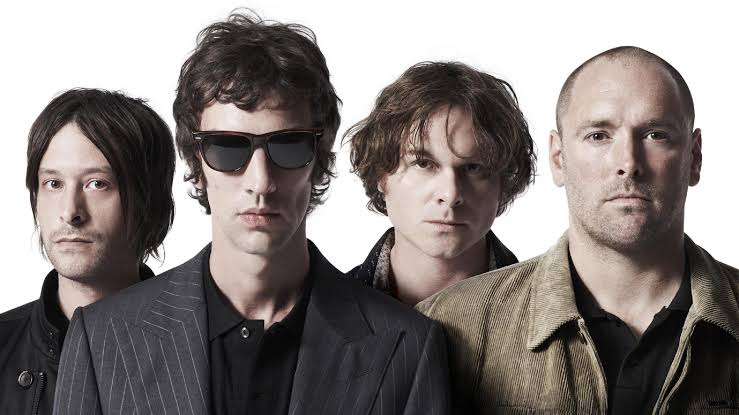
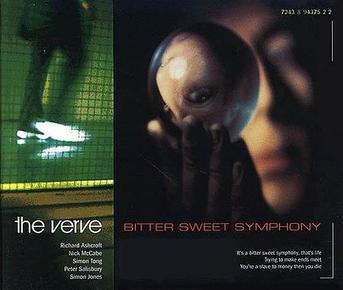
The Verve always felt like they were standing slightly outside the Britpop party, staring at the horizon while everyone else argued near the bar. They had the guitars, the British identity and the 90s timing, but their best-known work carried a sweeping melancholy that made the scene feel larger and lonelier.
“Bitter Sweet Symphony” became one of the decade’s defining late-90s moments because it sounded massive without being triumphant, a late-decade mood that fits the larger 1997 song memory. Strings, swagger, resignation, Richard Ashcroft walking like a man who had decided the entire sidewalk was his problem — it was Britpop after the high started wearing off.
The song’s impact in America was huge. It lived on MTV, radio, soundtracks and that weird cultural shelf where songs become shorthand for “the end of the decade is coming and nobody knows what to do with that information.” It belongs near 1997’s biggest song memories because it captured a mood beyond simple chart success.
The Verve mattered because they showed Britpop could stretch into something more cinematic and existential. Not everything had to be clever, cheeky or combative. Some of it could be grand, wounded and slightly exhausted.
In hindsight, they feel like part of Britpop’s sunset: still stylish, still British, still guitar-driven, but carrying the sense that the party had gotten too big and the bill was about to arrive.
- Key albums: A Storm in Heaven (1993), A Northern Soul (1995), Urban Hymns (1997).
- Signature 90s songs: “Bitter Sweet Symphony,” “The Drugs Don’t Work,” “Lucky Man,” “Sonnet,” “History.”
- What they added: widescreen melancholy, psychedelic guitar haze, spiritual exhaustion and the feeling that Britpop’s victory lap had turned into a long walk home.
- American impact: “Bitter Sweet Symphony” became one of the biggest British alternative crossover moments of the late 90s.
The Verve were never as cheeky as Blur or as confrontational as Oasis. Their best songs felt less like arguments and more like weather systems. Earlier records leaned more psychedelic and stormy, but Urban Hymns turned that scale into something radio could hold without losing the ache.
“Bitter Sweet Symphony” is the obvious landmark, but “The Drugs Don’t Work” and “Lucky Man” also show why The Verve mattered. They took Britpop past the smirk and into something more bruised. By 1997, the scene’s loudest slogans were starting to feel worn out. The Verve sounded like the hangover had finally found a string section.
Supergrass Kept Britpop Bratty and Fun
Because not every British guitar band needed to carry the weight of the empire.
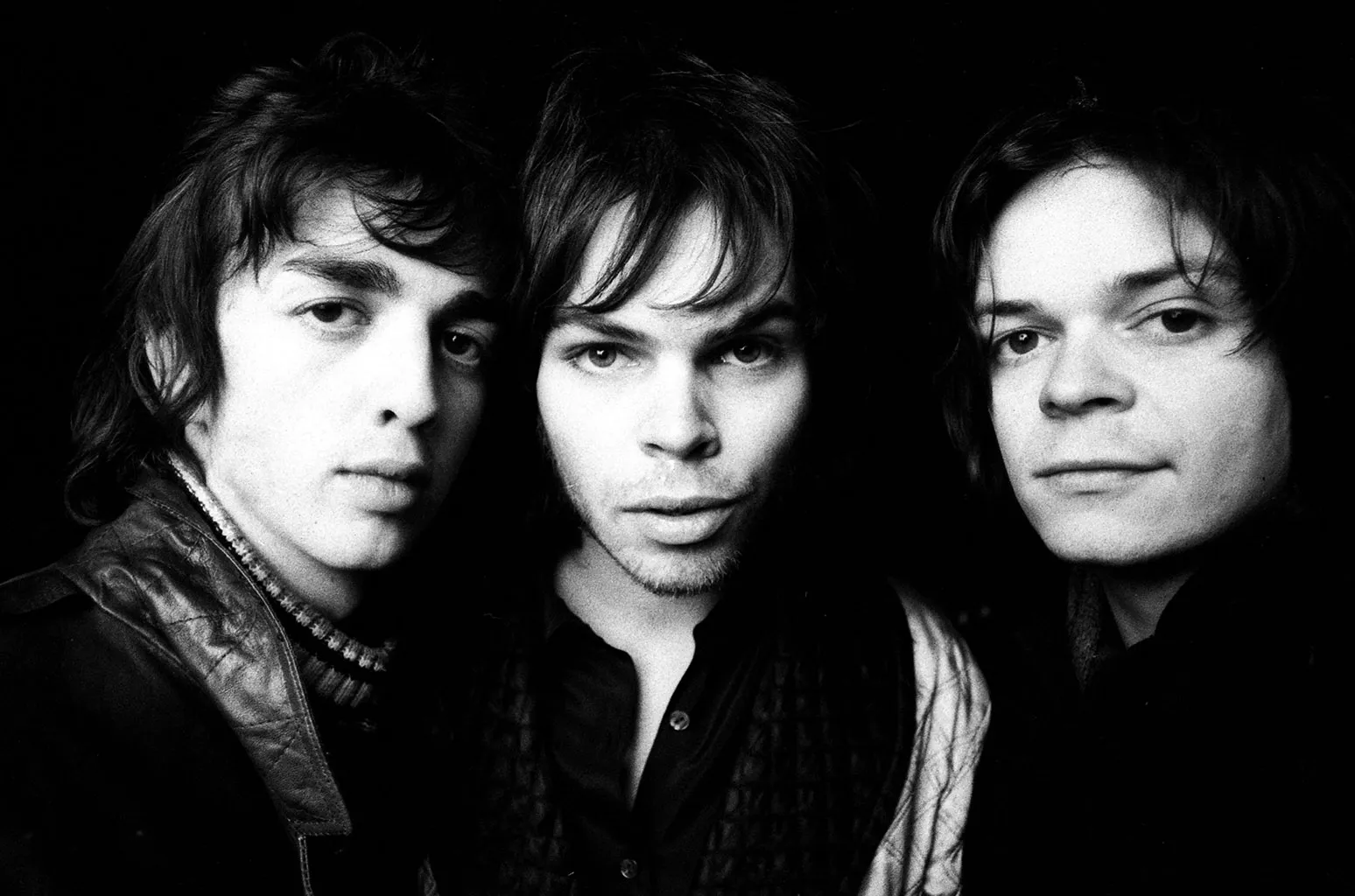
Supergrass brought a blast of bratty, youthful energy to Britpop. If Oasis were the stadium brawl and Pulp were the uncomfortable social x-ray, Supergrass were the kids sprinting down the street before anyone could ask where they were going.
“Alright” became the obvious anthem, all bright piano, cheeky grins and teenage invincibility. It was the sound of being young enough to believe everything would probably work out, or at least young enough not to read the fine print. That alone made it stand out in a decade that was often deeply committed to looking haunted.
The band’s early appeal was tied to movement: fast songs, wide eyes, shaggy energy, a sense that the entire thing might fall over but would probably be more fun if it did. They kept Britpop from becoming only weighty myth, tabloid drama or class commentary.
This mattered because scenes need different temperatures. Britpop could be grand, angry, sarcastic, decadent and politically overbranded, but it also needed moments that simply felt alive. Supergrass gave it bounce.
For American listeners, they were part of that imported 90s feeling where British bands seemed to arrive with better hooks, stranger hair and a different relationship to irony. You did not always need the whole cultural context. Sometimes the chorus did enough damage on its own.
- Key albums: I Should Coco (1995), In It for the Money (1997), Supergrass (1999).
- Signature 90s songs: “Alright,” “Caught by the Fuzz,” “Mansize Rooster,” “Richard III,” “Sun Hits the Sky,” “Moving.”
- What they added: teenage velocity, punky bounce, goofy charisma and a needed blast of fun in a scene that could get very pleased with itself.
- American impact: “Alright” became the major U.S. reference point, especially as a shorthand for young, reckless, cheeky 90s British energy.
Supergrass are important because they kept Britpop from becoming only a battle of egos or a seminar on national identity. Their early songs had a speed and looseness that widened the 90s alternative palette that felt like kids running past the camera before anyone could ask them to explain the symbolism.
But they were not just a novelty. In It for the Money proved the band had more range than the bratty early image suggested, with heavier guitars, darker moods and a more grown-up sense of momentum. Supergrass gave Britpop joy, but not in a disposable way. They made youth sound messy, fast and briefly invincible.
How Britpop Landed in America
MTV clips, import sections, college radio and one acoustic guitar ruining every dorm hallway.
In the U.K., Britpop was a national pop-cultural event. In America, it was more uneven. Oasis broke big. Blur had a strange two-stage presence, first as Britpop favorites for people paying attention, then as the “woo-hoo” band for everyone else. The Verve landed a massive late-decade anthem. Elastica crossed over. Pulp became beloved by a smaller but very devoted crowd. Suede remained cooler than their American sales suggested.
That unevenness is part of why Britpop feels interesting from a Gen X American angle. You often discovered it through fragments. A video on MTV. A song on modern rock radio. A magazine feature. A friend with an import CD. A used copy of Different Class that looked like it had already lived three lives.
Britpop had to fit into an American alternative world already crowded with grunge, post-grunge, punk-pop, ska, industrial, college rock, women-led alternative, and big soundtrack moments. The fact that it broke through at all says a lot about how open the 90s music ecosystem was. The decade had room for Seattle gloom, California punk, New York cool, British swagger and whatever Beck was doing in a thrift-store dust cloud.
You can hear that wide-open quality in the broader list of 90s alternative rock songs that defined the decade. Britpop was not the whole story, but it changed the flavor of the story. It made alternative feel less geographically locked to the U.S. and more like a transatlantic argument.
For American listeners, Britpop also carried a little mystique. The accents, the magazines, the chart battles, the references, the fashion, the attitude — it all felt close enough to understand and just foreign enough to feel cooler than whatever was happening at the local mall.
MTV, Music Magazines and the Britpop Image Machine
Because Britpop was never just audio. It was haircut, headline, jacket, quote.
Britpop was built for media. Not in the sanitized corporate way. More like a machine that ran on quotes, rivalries, covers, photos, rumors, haircuts, cigarettes, football references, Union Jack imagery and headlines that made everything feel more dramatic than it probably was.
MTV played a role, especially for American viewers, but magazines were just as important. In the U.K., the weekly music press could build a band, crown a movement, start a fight and declare a backlash before anyone had finished lunch. In America, magazines and alternative radio helped translate the scene into something legible for listeners who were not tracking every British chart position.
Videos mattered too. Britpop did not always produce the surreal visual freakouts that American alternative videos did, but it understood image. Oasis standing still could be an image. Blur’s bright, satirical clips were images. Pulp’s awkward glamour was an image. Elastica’s minimalist cool was an image. The Verve walking through a city like destiny owed them money was definitely an image.
That is why Britpop connects to the larger MTV-era story. The same decade that gave us strange American clips also gave us British bands who knew that attitude could travel visually. The whole thing sits naturally beside the larger alternative takeover of the decade, because television and radio helped make geography feel smaller and bands feel bigger.
Britpop’s image machine could be ridiculous, but it worked. It made bands feel like characters, scenes feel like movements and singles feel like events. That was very 90s. Subtlety was not exactly the house style.
Radiohead Were the Britpop Escape Hatch
British, alternative, huge — and already digging an exit tunnel.
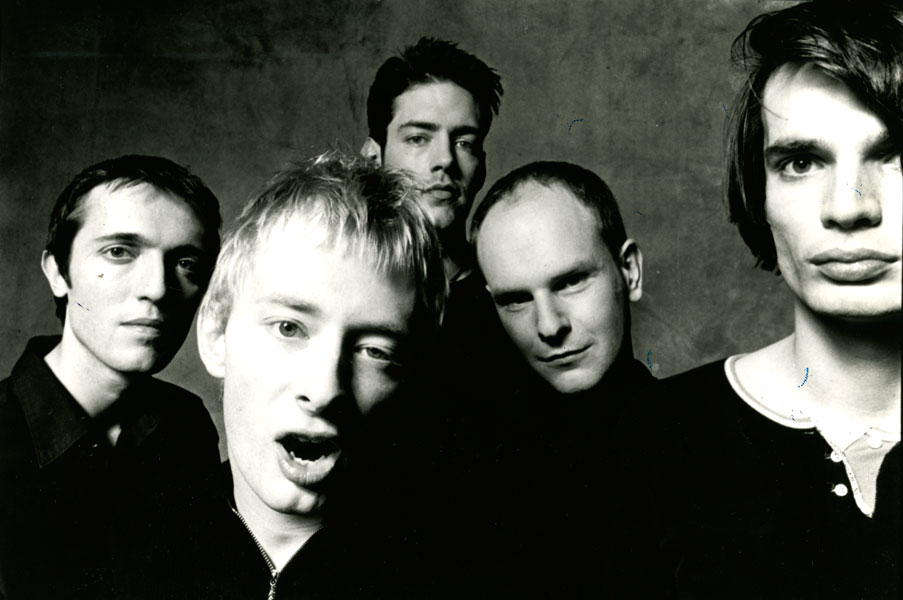
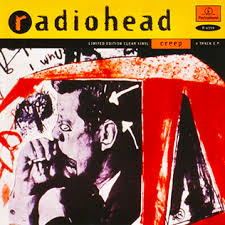
Radiohead are not really a Britpop band, which is exactly why they matter in this story. They were British, guitar-driven, MTV-visible and part of the 90s alternative ecosystem, but they never fit comfortably into the Britpop frame. While other bands leaned into swagger, satire or national identity, Radiohead sounded increasingly like they were trying to escape the decade entirely.
“Creep” made them visible early, but The Bends and OK Computer made them something else: anxious, atmospheric, ambitious and suspicious of the modern world in a way that pointed beyond Britpop’s party. They shared the timeline, but not the costume.
That difference became more obvious by 1997. While Britpop’s high was curdling into overexposure, Radiohead were making music that sounded like the future had fluorescent lighting and bad intentions. Their story belongs in Radiohead and the end of 90s alternative because they helped move the decade away from simple guitar-band tribalism and toward something more fractured.
Radiohead also show the limits of Britpop as a category. Not every important British 90s band belonged inside it. Some stood beside it. Some reacted against it. Some walked through the same marketplace and came out carrying completely different anxieties.
That is what makes the 90s British alternative story richer than the usual Oasis-vs-Blur shorthand. Britpop was the loud public party. Radiohead were the uneasy feeling after the party when the lights came on and everyone realized the future had been standing there the whole time.
- Key albums: Pablo Honey (1993), The Bends (1995), OK Computer (1997).
- Signature 90s songs: “Creep,” “Fake Plastic Trees,” “High and Dry,” “Just,” “Street Spirit,” “Paranoid Android,” “Karma Police,” “No Surprises.”
- What they added: anxiety, atmosphere, emotional unease, art-rock ambition and a clear exit from Britpop’s increasingly narrow costume party.
- American impact: Radiohead became one of the most important British alternative bands in the U.S., but by doing almost the opposite of standard Britpop swagger.
Radiohead’s presence near Britpop is useful because it shows what the movement could not contain. “Creep” made them visible during the early alternative explosion, but The Bends turned them into something more expansive and emotionally precise. Then OK Computer arrived like a transmission from the anxious future and made a lot of mid-90s guitar swagger feel suddenly dated.
That does not mean Radiohead were better because they were not Britpop. It means they reveal the edge of the category. British 90s alternative was not just Oasis, Blur and Pulp. It also included bands looking past the scene, past the headlines, past the laddish victory lap and into something colder, more technological and more fractured. Radiohead were the exit sign glowing at the back of the room.
How Britpop Burned Too Bright
The hangover was built into the swagger.
Britpop’s peak was loud, fast and overexposed, which is usually a sign that the hangover has already booked transportation. By the late 90s, the movement had become too visible, too branded and too tangled in its own mythology. Cool Britannia went from vibe to slogan to punchline with impressive speed.
Oasis got bigger but messier. Blur moved away from classic Britpop sounds and toward rougher, more American indie-inspired textures. Pulp got darker. The Verve had a huge late moment that felt more like a sunset than a new beginning. A lot of second-wave bands struggled to make the same impact. The press that built the movement started looking for something else to knock down and rebuild.
Part of the problem was that Britpop had sold itself as a moment, and moments do not last. The Union Jack imagery, chart battles, magazine covers and national confidence were powerful for a while, but they became limiting. Once the pose hardened, the most interesting artists either changed shape or got trapped by it.
The broader 90s alternative landscape was changing too. Electronic music, hip-hop, teen pop, nu-metal, post-grunge, pop-punk and more experimental alternative sounds were all crowding the late-decade space. The same open ecosystem that let Britpop break through also ensured it would not stay central forever.
But burning too bright does not make it irrelevant. If anything, it makes Britpop feel even more 90s: exciting, stylish, overhyped, funny, insecure, brilliant in flashes, embarrassing in others, and absolutely convinced the next chorus might save the whole thing.
Why Britpop Still Matters to 90s Alternative
Because the decade was bigger than Seattle and stranger than one scene.
Britpop still matters because it widens the 90s alternative map. Without it, 90s alternative can start to look too American, too gray, too dominated by grunge and post-grunge. Britpop adds color, sarcasm, class tension, melody, style, tabloid drama, British pop history and a completely different way of being disaffected.
It also gave the decade some of its most durable songs, many of which still belong beside the essential 90s alternative canon. “Wonderwall.” “Don’t Look Back in Anger.” “Live Forever.” “Girls & Boys.” “Parklife.” “Song 2.” “Common People.” “Connection.” “Bitter Sweet Symphony.” These songs did not all land the same way everywhere, but together they form a huge part of the 90s alternative memory.
Britpop also made alternative feel social. Grunge often sounded private even when it was huge, like pain accidentally broadcast to millions. Britpop frequently sounded public: pubs, streets, flats, clubs, charts, tabloids, football terraces, magazine covers, people arguing loudly about bands they had turned into identity markers.
That contrast is the whole point. Britpop did not replace grunge. It complicated the decade. It made the alternative universe feel wider, louder, more stylish, more theatrical and more transatlantic. It is one of the reasons the 90s music map still feels so crowded in the best possible way.
The other alternative invasion mattered because it gave Gen X listeners another flavor of rebellion: not just wounded, but witty; not just heavy, but melodic; not just alienated, but dressed for the argument.
Explore More 90s Britpop and Alternative Music
Britpop is one lane of the larger 90s alternative mess. Keep going.
Questions About Britpop in the 90s
What was Britpop in the 90s?
Britpop was a 1990s British alternative rock and guitar-pop movement led by bands like Oasis, Blur, Pulp, Suede, Elastica, Supergrass and The Verve. It mixed British pop history, guitar hooks, class commentary, swagger, irony and magazine-driven scene culture.
Who were the biggest Britpop bands?
The biggest Britpop bands were Oasis, Blur and Pulp, with major contributions from Suede, Elastica, Supergrass, The Verve, Sleeper, Echobelly and others.
Was Radiohead a Britpop band?
Radiohead were British and part of the 90s alternative era, but they are usually not considered a true Britpop band. Their music moved toward more anxious, experimental and atmospheric territory, especially on The Bends and OK Computer.
Why did Oasis and Blur have a rivalry?
The Oasis and Blur rivalry became a major Britpop media story because it offered an easy contrast between two huge bands: northern working-class swagger versus southern art-school satire. Their 1995 singles chart battle made the rivalry a national pop-culture event in the U.K.
How did Britpop fit into 90s alternative music?
Britpop gave 90s alternative a major British lane. It contrasted with American grunge by leaning into melody, British identity, class observation, magazine culture, swagger and guitar-pop hooks.