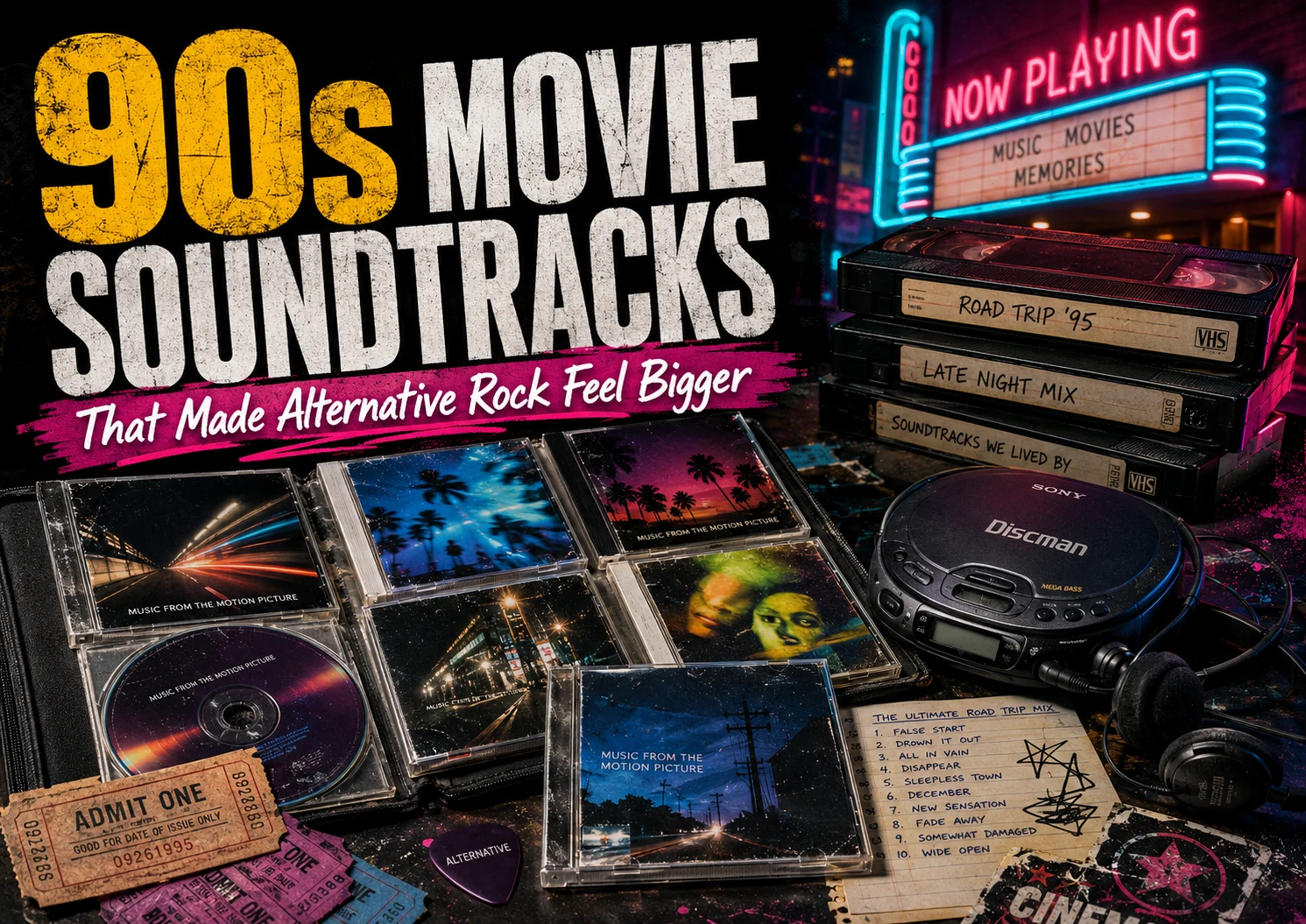
12 90s Movie Soundtracks That Made Alternative Rock Feel Bigger
The best 90s movie soundtracks did more than support the film. They introduced bands, turned scenes into permanent memories and transformed a jewel-case CD into a portable version of the movie’s entire world. Sometimes the soundtrack outlived the film. Sometimes it was the main reason anyone kept the VHS.
These 12 soundtracks carried grunge, alternative rock, Britpop, industrial, ska-punk, goth atmosphere, electronic music and late-night MTV energy from theaters into bedrooms, cars and record stores. From Singles and The Crow to Reality Bites, Clueless, Romeo + Juliet and Trainspotting, they made 90s alternative and grunge feel cinematic.
Which 90s Movie Soundtracks Made Alternative Rock Feel Bigger?
The essential starting points are Singles, The Crow, Reality Bites, Empire Records, Clueless and Romeo + Juliet. Together, they captured Seattle grunge, gothic industrial rock, Gen X uncertainty, record-store culture, bright alt-pop and romantic mid-90s spectacle.
The full list also includes Batman Forever, Can’t Hardly Wait, Judgment Night, Natural Born Killers, Trainspotting and Spawn. The 90s alternative music guide connects those films to the bands, MTV videos, albums and scenes surrounding them.
Why 90s Movie Soundtracks Hit Differently
A good 90s soundtrack felt like a mixtape from the movie itself. It did not just collect songs. It built a world. A grunge song could make Seattle feel mythic. A goth-industrial track could turn a rooftop into a shrine. A Britpop cut could make a bad decision feel stylish. A pop-alt single could make a mall scene feel weirdly eternal.
This happened because the decade had a rare media loop working in its favor. Movies sent you to the soundtrack. Soundtracks sent you to bands. Bands sent you to MTV. MTV sent you back to the movie. That whole loop was part of the MTV and alternative rock takeover, and it made songs feel larger than radio rotation alone.
They also made alternative more visible. If you were not digging through record stores or watching 90s alternative videos that could only have happened on MTV, a soundtrack could hand you the scene in one convenient jewel case. It was discovery with movie-ticket stubs attached.
The 12 Essential 90s Alternative Movie Soundtracks
Fast-forward to the soundtrack you wore out, borrowed, lost, or pretended you discovered before everyone else.
The 12 Movie Soundtracks That Made 90s Alternative Feel Bigger
Some of these are grunge landmarks. Some are teen-movie time capsules. Some are industrial chaos experiments. All of them helped alternative escape the radio and become part of how the decade looked, dressed, flirted, brooded and made bad decisions.
Singles
Seattle got a movie, a soundtrack, and a national mythology almost overnight.
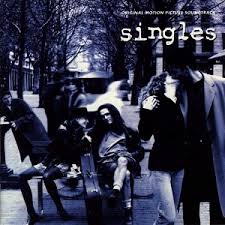
Singles is the 90s alternative movie soundtrack that feels like someone accidentally pressed “record” right as Seattle became a national mood. The movie itself is a time capsule of apartments, coffee, relationships, bad timing and people trying to look emotionally unavailable in very specific jackets — exactly the kind of thing that makes the movies of 1992 feel like such a strange Gen X checkpoint. But the soundtrack is the reason it still matters to the alternative-rock story.
This CD did not just collect songs. It packaged a scene. Alice in Chains, Pearl Jam, Soundgarden, Screaming Trees — the heavy hitters were right there, not as background decoration, but as proof that something real was happening in the Pacific Northwest before the rest of America could decide whether it wanted to understand it or just buy the shirt.
For a lot of listeners, Singles was the moment Seattle stopped being a place and became a sound. The soundtrack made grunge feel cinematic. It gave the music streets, rooms, faces, coffee cups, cheap apartments and romantic confusion. Very helpful, because the songs already had enough weather.
It also made the connection between film and 90s music feel obvious. A soundtrack could do more than support a movie. It could act like a scene report, a starter kit and a mixtape from a cooler older sibling who would absolutely judge your CD binder.
The Crow
The goth-alt soundtrack every black-shirt kid treated like sacred paperwork.
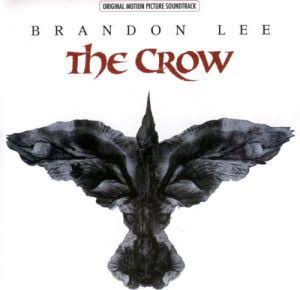
The Crow soundtrack is what happened when 90s alternative stopped pretending darkness was a side dish and made it the whole meal. This was not just a CD. This was a mood generator. You could put it on and instantly make any bedroom feel like it had a rain machine, a broken window and one candle doing way too much emotional labor.
The movie already had tragedy, revenge, leather, rooftops and comic-book grief — the kind of visual world that later made 90s alternative videos feel like miniature movies. The soundtrack turned all of that into a stacked alternative-rock experience: The Cure, Nine Inch Nails, Stone Temple Pilots, Helmet, Rage Against the Machine and more. It was heavy, gothic, industrial, moody and weirdly elegant in the way only the mid-90s could pull off without apologizing.
This was the CD that made alternative rock feel mythic. Not just angry. Not just sad. Mythic. Like every song had walked out of a burned building with eyeliner and a personal code. Even the more radio-friendly moments felt shadowed by the movie’s atmosphere.
And because MTV and soundtrack culture were still joined at the hip, songs from The Crow did not feel separate from the film. They felt like extensions of the same wounded universe. You did not just hear them. You saw rain, city lights, black coats and every dramatic teenager suddenly thinking silence was a personality.
Reality Bites
The Gen X identity crisis got a soundtrack and a convenience-store philosophy degree.
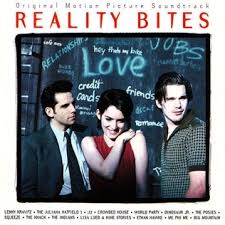
Reality Bites was not the loudest alternative soundtrack of the decade, but it may be one of the most Gen X. It was full of smart people making dumb choices, underemployment, sarcasm, romantic confusion and the exhausting pressure to have principles when rent also existed.
The soundtrack matched that energy by feeling less like a scene explosion and more like a life collage. Lisa Loeb’s “Stay” became the big breakout, but the CD also carried jangly, poppy, ironic, retro and college-rock-adjacent pieces that fit the movie’s emotional mess. It was alternative culture after the coffee cooled down.
What makes it important is that it captured the softer, more conversational side of 90s alternative life. Not every song had to sound like a wall collapsing. Sometimes alternative meant a thrift-store shirt, a bad job, a complicated crush and a song that felt like it had been sitting on your answering machine all week.
The film and soundtrack turned post-college uncertainty into a mood people could recognize instantly, right in the middle of the wider 90s identity crisis. It was not glamorous. It was not heroic. It was “I have opinions, no plan and maybe six dollars,” which, frankly, is a very complete 90s sentence.
Empire Records
The record-store fantasy for everyone who thought working retail could save their soul.
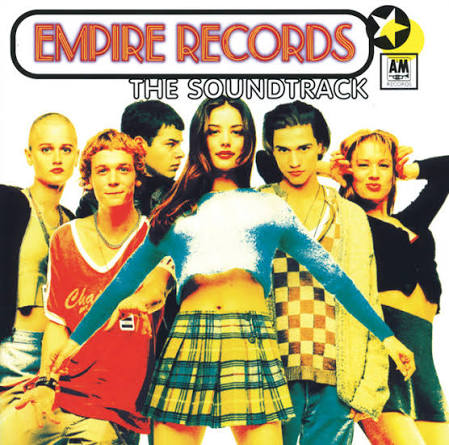
Empire Records is not just a soundtrack. It is a whole lost workplace fantasy where the record store was a sanctuary, the employees were secretly a family, and one day could contain shoplifting, heartbreak, dancing, existential dread, a washed-up pop star and saving independent music from corporate doom. Subtle? Absolutely not. Beloved? Obviously.
The soundtrack works because it sounds like the store itself, which is why it belongs in any conversation about the MTV-era alternative video language: power-pop, alternative rock, college-radio residue, bright hooks, sad kids pretending they are fine and enough crunchy mid-90s guitars to make every rack of CDs feel important. Gin Blossoms’ “Til I Hear It from You” is the obvious centerpiece, but the whole thing feels like walking through a record store where every employee has an opinion and none of them asked for yours.
This is one of those soundtracks that made alternative feel social. It was not just music for headphones. It was music for hanging around, arguing about bands, making eyes at someone across the counter, judging customers, and thinking the right song could turn a terrible day into a scene.
The movie gave record-store culture a glossy myth, the same kind of mid-decade pop-culture magic that makes the movies of 1994 feel ridiculously stacked, but the soundtrack gave that myth teeth. It made the physical act of browsing, buying and obsessing over music feel romantic. Also, yes, it made way too many people believe working at a record store would be one long cool hangout instead of inventory, customers and fluorescent lighting. The 90s lied beautifully.
Clueless
Mall culture, alt-pop and Beverly Hills sarcasm somehow made perfect sense together.
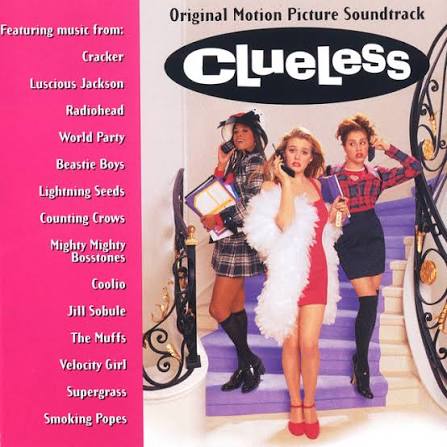
Clueless is proof that 90s alternative did not only live in rainy alleys and gloomy bedrooms. Sometimes it lived at the mall, wearing something coordinated, speaking fluent sarcasm and pretending a makeover was community service.
The soundtrack is brighter than the grunge-heavy discs, but that brightness matters. The Muffs’ “Kids in America” gave the movie its sugar-rush opener. Jill Sobule’s “Supermodel” fit the fashion satire perfectly. Radiohead’s “Fake Plastic Trees” added a flash of melancholy under the gloss. The Mighty Mighty Bosstones reminded everyone that ska energy could crash any 90s party if left unsupervised.
What makes Clueless important to alternative soundtrack culture is how naturally it folded alt-pop, ska, college-rock and mainstream teen comedy into one package. It proved alternative could move through malls, parties, classrooms, convertibles and makeover montages without losing its personality — basically the bright side of the larger 90s soundtrack machine.
This was not the dark side of alternative. It was the bright plastic side — still sharp, still self-aware, still very 90s. The soundtrack made alternative feel stylish, funny and accessible to people who were not necessarily living inside a Seattle rain cloud.
Romeo + Juliet
Shakespeare got neon, fish tanks, Radiohead and a soundtrack with actual teenage hormone damage.
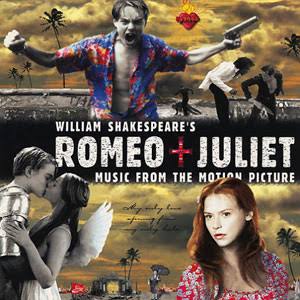
Baz Luhrmann’s Romeo + Juliet could have been a disaster in at least twelve different ways. Instead, it became one of the most 90s objects ever made: Shakespeare with guns, neon crosses, Hawaiian shirts, angel wings, fish tanks, quick cuts and a soundtrack that understood teenage intensity better than half the adults in the room.
The soundtrack mattered because it made alternative and alt-pop feel romantic, dangerous and enormous. The Cardigans’ “Lovefool” became the unavoidable hit, but Radiohead’s “Talk Show Host,” Garbage’s “#1 Crush,” Everclear’s “Local God” and the rest of the collection gave the film its feverish modern edge.
This CD worked the way the best 90s alternative videos worked: it turned a movie into a mood you could carry around. Even if you had not read Shakespeare willingly since a teacher forced the issue, the soundtrack made the story feel immediate. Dramatic? Yes. Ridiculous? Also yes. Effective? Annoyingly so.
It also proved that alternative rock did not have to stay gritty to feel powerful. It could be romantic, stylized, theatrical and deeply extra. Honestly, if there is one thing teenagers and 90s soundtracks both understood, it was being deeply extra.
Batman Forever
A blockbuster soundtrack so weird it accidentally became a 90s time capsule.
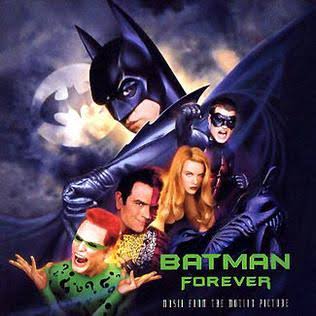
Batman Forever is a neon fever dream of a movie, and the soundtrack understood the assignment in the most mid-90s way possible: make it huge, make it strange, make it expensive, and somehow make room for both Seal and PJ Harvey. Nobody was asking for restraint. Restraint had apparently left Gotham.
The soundtrack is famous for the big singles, the kind that could jump from movie screens to MTV rotation — U2’s “Hold Me, Thrill Me, Kiss Me, Kill Me” and Seal’s “Kiss from a Rose” — but the full CD is the real 90s artifact. PJ Harvey, The Flaming Lips, Massive Attack, Nick Cave and other left-of-center names sat inside a gigantic superhero franchise like this was a completely normal thing to do.
That is what makes it fascinating. The 90s blockbuster soundtrack could still be weird. Studios wanted hits, obviously, but the alternative boom had made unusual artists commercially attractive enough to get folded into giant movies. Suddenly, a Batman soundtrack could feel like a major-label sampler with a cape.
Was it coherent? Not entirely. Was it very 90s? Painfully. The soundtrack made alternative feel big enough to invade multiplexes, toy aisles and summer-radio rotation without completely losing its weird edges.
Can’t Hardly Wait
The late-90s teen-party soundtrack where alternative had become part of the wallpaper.
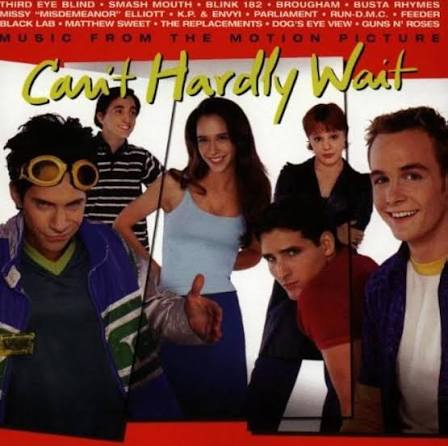
By the time Can’t Hardly Wait showed up, alternative rock was no longer the weird new kid crashing the party. It was the party. Or at least it was blasting in the background while everyone pretended high school had a coherent emotional arc.
The soundtrack captures the late-90s teen-movie version of alternative: poppier, punchier, cleaner, more radio-ready, and fully mixed into mainstream youth culture. Third Eye Blind, Blink-182, Smash Mouth, Eve 6 energy — this was the sound of alternative after it had been normalized into graduation parties, car radios and cafeteria drama.
That does not make it less important. It shows what happened after the early-90s explosion settled into everyday life. The rough edges got smoother. The hooks got bigger. The mall got involved. MTV, radio and teen movies turned alternative into a default teenage language.
The movie itself is a whole time capsule of late-90s social categories, house-party anxiety and people trying to resolve four years of emotional incompetence in one night. The soundtrack is the same thing in CD form: loud, catchy, chaotic and convinced the night matters more than it probably does.
Judgment Night
The rap-rock collision soundtrack that sounded like someone duct-taped two stereos together.
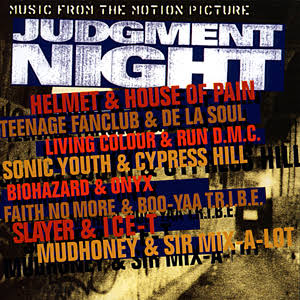
Judgment Night is one of the weirdest and most important 90s soundtrack experiments because the concept was basically: what if we forced rock and rap artists into the same room and made them figure it out? This is the kind of idea that could have been a disaster, which is exactly why it feels so 90s.
The soundtrack paired alternative, metal, punk and indie acts with hip-hop artists, creating a collision that predicted a lot of late-90s and early-2000s crossover noise. Some tracks feel raw. Some feel awkward. Some work shockingly well. The whole thing feels like a lab experiment with distortion pedals and no adult supervision.
It matters because 90s alternative culture was broader than guitar angst. It was also absorbing hip-hop rhythm, metal weight, funk grooves and sample-era thinking. Judgment Night made that collision explicit. It did not quietly borrow. It shoved the genres into the same track listing and dared people to complain.
The movie is not remembered nearly as strongly as the soundtrack, which tells you everything. This CD outgrew its film and became a cult artifact, which is very much how 90s music tended to hijack everything around it for people interested in the places where 90s music started mutating.
Natural Born Killers
A soundtrack that felt like channel surfing through America’s broken brain.
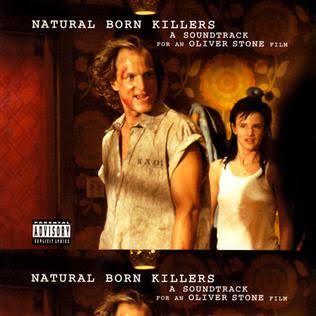
Natural Born Killers had a soundtrack that felt less like a normal album and more like a corrupted broadcast signal. That makes sense, because the movie itself was a violent media collage — satire, nightmare, road movie, tabloid freakout and television poison all smashed together.
Trent Reznor’s involvement helped shape the soundtrack into something intentionally fragmented. It did not just line up alternative songs and call it a day. It used music, dialogue, mood pieces and genre shifts to mimic the movie’s overload. The result is uncomfortable, uneven, memorable and extremely 90s.
This soundtrack made alternative feel dangerous in a different way from The Crow. Less gothic romance, more cultural infection. It captured the decade’s fear that media was eating reality and burping up violence, celebrity and noise. Cheerful stuff. Great for a family road trip if your family needed immediate concern.
As a soundtrack experience, it matters because it treated music like editing, atmosphere and psychological pressure. It helped prove that 90s movie soundtracks could be assembled like art-damaged mixtapes, not just collections of singles.
Trainspotting
Britpop, electronic comedowns and 90s cool with consequences.
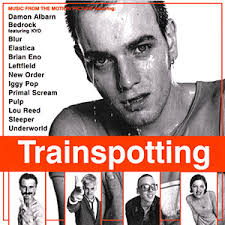
Trainspotting was not a standard alternative-rock soundtrack, and that is exactly why it belongs in the story. It mixed Britpop, electronic music, older punk energy and druggy comedown atmosphere into a soundtrack that felt dangerous, stylish and very aware that cool could have consequences.
The soundtrack introduced a lot of American listeners to a different side of 90s alternative culture — less Seattle rain, more U.K. club pulse, Britpop sneer and grimy urban momentum. Iggy Pop’s “Lust for Life” gave the movie an opening jolt, while Underworld’s “Born Slippy .NUXX” became one of the decade’s defining come-down/come-up anthems.
This soundtrack helped make alternative feel international. The 90s were not only about American modern rock radio. They were also about British guitar bands, electronic scenes, youth culture, style magazines, clubs, films and scenes talking to each other across the ocean.
It made the soundtrack feel like a passport into a different kind of 90s cool — one that was thrilling, bleak and not remotely interested in saving you from your own decisions.
Spawn
The industrial/electronic/alternative crossover disc that looked like it came from a lava lamp in hell.
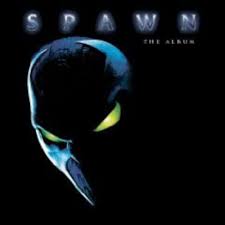
The Spawn soundtrack is one of those late-90s artifacts that could only exist because everyone had decided genre walls were boring and possibly flammable. The concept paired rock, metal and alternative acts with electronic producers, creating a dark, synthetic, industrial-leaning soundtrack that felt like a comic-book basement rave.
This was not the organic guitar world of early grunge. This was alternative after machines, remixes, industrial textures and electronic culture had fully crashed the party. It sounded black-lit, sweaty, processed and expensive in a way that screams late 90s from three rooms away.
The movie’s reputation is its own separate carnival, but the soundtrack captured something real about where alternative music was headed. By 1997, guitars were no longer the whole story, which is exactly why the late-decade 90s music map got so weird. Beats, loops, samples, remixes and electronic collaborations were reshaping how heavy music could move.
As a soundtrack, Spawn made alternative feel mutated. Not bigger in the romantic Romeo + Juliet way or the Seattle Singles way, but bigger as in louder, darker, more synthetic and slightly radioactive.
How Movie Soundtracks Expanded 90s Alternative Culture
The magic of these soundtracks is that they gave alternative rock a second screen. A song could already be great on its own, but once a movie attached it to a scene, a character, a city, a kiss, a death, a party, a rooftop, a record store or a terrible decision, the song became harder to separate from memory.
That is why the soundtrack version of the decade matters alongside the big album and song lists. The strongest soundtrack moments did not just live on CDs. They lived in scenes, the same way 90s alternative videos turned songs into visual memories. They made movies feel cooler and made bands feel more mythic.
They also explain why the 90s still feel so interconnected. The broader 90s memory is not just “this band” or “that movie.” It is the whole ecosystem: radio, MTV, VHS, mall music stores, CD soundtracks, movie posters, magazine ads, and the strange power of hearing the right song at the exact moment a character stared dramatically into the middle distance.
If you want the film side of the rewind, start with the decade context around 1992 movies and 1994 movies, because those years alone show how quickly soundtrack culture turned music into memory.
Explore More 90s Soundtracks, Movies and Alternative Music
The soundtrack aisle was basically a personality test with shrink wrap. Keep going.
Questions About 90s Alternative Movie Soundtracks
What 90s movie soundtracks made alternative rock feel bigger?
Major examples include Singles, The Crow, Reality Bites, Empire Records, Clueless, Romeo + Juliet, Batman Forever, Can’t Hardly Wait, Judgment Night, Natural Born Killers, Trainspotting and Spawn.
Why were 90s movie soundtracks so important?
90s movie soundtracks were important because they helped listeners discover alternative bands, connected music to movie scenes, fed MTV culture, and made songs feel more cinematic than radio alone could.
Was Singles the most important grunge soundtrack?
Singles is one of the most important grunge soundtracks because it captured the Seattle moment with Alice in Chains, Pearl Jam, Soundgarden, Screaming Trees and The Smashing Pumpkins, right as grunge was becoming a national story.
Why is The Crow soundtrack so beloved?
The Crow soundtrack is beloved because it matched the film’s gothic atmosphere with a stacked alternative, industrial and heavy-rock lineup, making the music feel inseparable from the movie’s dark visual world.
Where should I go next for more 90s soundtrack and MTV nostalgia?
Continue with MTV and the Alternative Rock Takeover and 90s Alternative Videos That Could Only Have Happened on MTV.