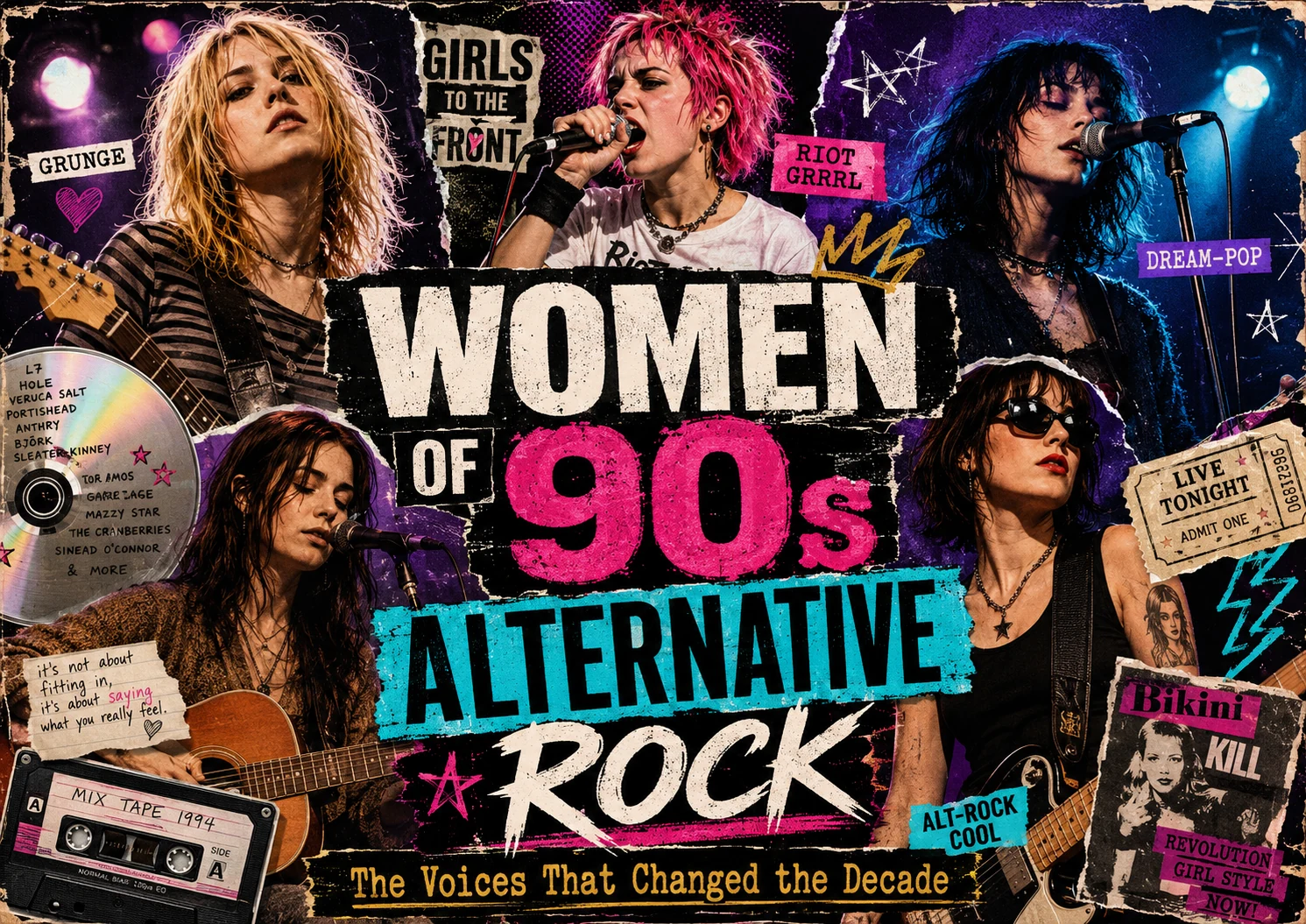
Women of 90s Alternative Rock: The Voices That Changed the Decade
Women helped define 90s alternative rock through grunge, riot grrrl, college rock, art-pop, Britpop, singer-songwriter confession, punk, electronic textures and guitar bands that refused to stay inside the old rock template. Alanis Morissette, Courtney Love, Shirley Manson, Dolores O’Riordan, Kim Deal, PJ Harvey, Liz Phair, Tori Amos, Fiona Apple, L7 and dozens more made the decade louder, stranger, smarter and less polite.
This was not a side chapter to the grunge story. These artists shaped the albums, videos, fashion, radio hits, late-night discoveries and emotional language of 90s alternative and grunge. They turned confession into force, sarcasm into armor, melody into a trapdoor and vulnerability into something strong enough to flatten a room.
This was not a side story.
Women were writing the songs, fronting the bands, reshaping MTV, changing alternative fashion, building DIY scenes and giving Gen X new ways to talk about anger, desire, grief, power, identity, boredom and survival. The decade’s alternative story does not work without them.
Who Were the Most Important Women in 90s Alternative Rock?
The most important women in 90s alternative rock included Alanis Morissette, Courtney Love, Shirley Manson, Dolores O’Riordan, Kim Deal, PJ Harvey, Liz Phair, Tori Amos, Fiona Apple, Donita Sparks, Louise Post, Nina Gordon, Tanya Donelly, Justine Frischmann, Björk, Juliana Hatfield, Tracy Bonham, Natalie Merchant, Harriet Wheeler, Kathleen Hanna, Corin Tucker and Carrie Brownstein.
They came from grunge, riot grrrl, punk, college rock, indie, Britpop, art-pop, piano-driven alternative and singer-songwriter scenes. Together, they changed what alternative rock could say, how it could look and who could stand at the center of it.
Their impact stretched across albums, radio, MTV’s alternative rock takeover, 120 Minutes, Buzz Bin, Alternative Nation, record stores, mixtapes and bedroom CD players. The 90s alternative music guide connects these artists to the songs, albums, scenes and movements around them.
Why Women’s Voices Changed 90s Alternative Rock
The early 90s rock reset often gets told as a Seattle story, and sure, the Seattle part mattered. Nirvana, Pearl Jam, Soundgarden and Alice in Chains changed the center of gravity. But if the story stops there, it turns the decade into a dudes-in-flannel diorama, and we already had enough things collecting dust in the entertainment center.
The real 90s alternative story was wider, louder and much messier. It included women who made the music more emotionally complicated, more confrontational, more melodic, more literate, more stylish, more dangerous and less willing to play nice for anyone’s comfort. They did not all sound alike. That was the point. The decade needed more than one mood, one city, one uniform or one bunch of guys staring into the middle distance like the couch understood them.
Rock had spent decades putting women into narrow lanes: muse, girlfriend, groupie, pop star, novelty, angry girl, sensitive girl, cool girl, crazy girl. The 90s alternative women kicked those labels around like empty cans in a parking lot. They wrote about sex, shame, power, grief, politics, addiction, rage, religion, fame, boredom and desire without making it easy for anyone to file them neatly.
That is why this story matters. The 90s alternative era was not just one sound. It was a collision: grunge gloom, college-rock intelligence, punk rage, riot grrrl politics, piano confession, art-pop weirdness, Britpop cool, singer-songwriter bruises and radio hooks big enough to survive being blasted through bad car speakers.
90s alternative women wrote about feelings without sanding them down into polite radio wallpaper. Sometimes the song was a confession. Sometimes it was a threat. Sometimes both, because the 90s had range.
Baby-doll dresses, combat boots, dark lipstick, thrift-store chaos, glam damage, slip dresses, cardigans and punk attitude all became part of the decade’s visual code.
MTV and radio had to make room for voices that did not fit the usual frontman fantasy. Terrible news for the old template. Excellent news for anyone with ears.
For a generation raised on mixed messages and latchkey realism, these songs said the quiet part into a microphone and then turned it up.
The Women Who Rewired 90s Alternative Rock
The 90s did not have one female alternative archetype. It had a whole messy cabinet of them, and half the drawers were stuck. Some artists became massive. Some stayed cult favorites. Some ruled MTV. Some lived in record-store conversations and late-night discoveries. All of them made the decade bigger than the usual Seattle-and-flannel shorthand.
Alanis Morissette: The Inside Voice Finally Snapped
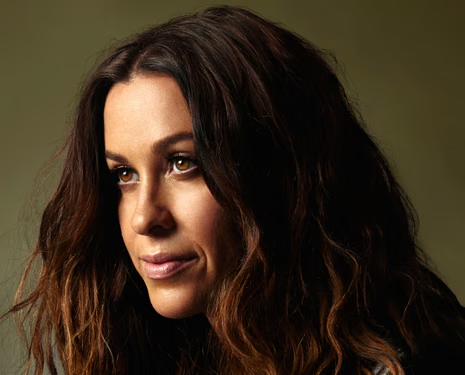
Alanis Morissette did not invent confessional songwriting, but in the 90s she made it feel like a cultural event with teeth. Jagged Little Pill hit like someone opened a diary, plugged it into an amp, and decided the whole planet could deal with the consequences. It was angry, funny, wounded, sexual, spiritual, confused and absolutely enormous.
The key was that Alanis sounded like she was not asking permission. “You Oughta Know” became the obvious shockwave because it was furious in a way mainstream radio could not ignore. It was not coy. It was not soft-focus heartbreak. It was betrayal with a receipt and a raised eyebrow. Gen X heard it and understood immediately: oh, so we are not pretending anymore.
But Jagged Little Pill was not only rage. “Hand in My Pocket” turned contradiction into a generational shrug: broke but happy, sad but laughing, brave but chickenshit, all of it happening at once because that was basically the 90s operating system. “All I Really Want” sounded like an argument with the inside of your skull. “You Learn” made emotional wreckage feel like hard-earned advice instead of a greeting card. “Ironic” became unavoidable, and yes, everyone argued about whether the examples were technically ironic, because apparently the 90s also gave us grammar court.
Alanis mattered because she crossed the lines. She was alternative enough for the era, pop enough to dominate, rock enough to punch through, and emotionally direct enough to make the entire culture take notice. She gave mainstream 90s radio a female voice that could be contradictory, furious, funny and vulnerable without filing the edges down. She sounded like someone who had spent years being told to be reasonable and finally decided reasonable was overrated.
Her MTV presence mattered too. She did not need elaborate fantasy videos or rock-goddess posturing. The image was simpler and more powerful: long hair, direct stare, restless energy, that voice moving from conversational to volcanic. She looked like someone you might see in a hallway, except the hallway was about to get emotionally evacuated.
For Gen X listeners, Alanis became a kind of permission slip for contradiction. You could be angry and still funny. You could be wounded and still loud. You could be spiritual and petty in the same afternoon. You could be wrong, right, messy, righteous and exhausted. Finally, a pop-cultural mirror that did not look airbrushed into a lie.
Courtney Love and Hole: Beauty, Damage and a Matchbook
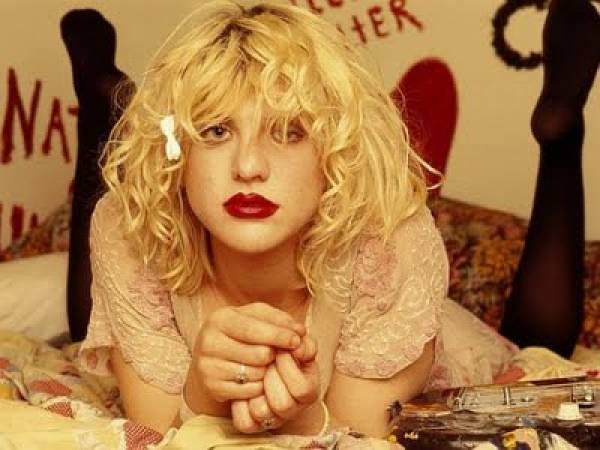
Courtney Love was impossible to ignore, which was the point and also apparently a national emergency for people who preferred women in rock to be manageable. Hole brought a combination of punk damage, Hollywood rot, feminist rage, melody, grief, spectacle and confrontation that made the 90s alternative landscape feel less safe and more alive.
Live Through This remains one of the defining albums of the decade because it does what great alternative rock often does best: it makes beauty and ugliness share a room and fight over the microphone. The guitars hit hard, the hooks were sharp, and the lyrics were full of body horror, fame, gender, shame, motherhood, ambition, abuse and the exhausting cost of being looked at.
“Violet” did not ask to be liked. It kicked the door open and dared everyone to explain why that made them nervous. “Doll Parts” took fragility and made it terrifying because the vulnerability was not helpless; it was aware. “Miss World” turned pageant imagery into a cracked mirror. Hole understood that femininity could be performance, prison, weapon and costume at the same time. Welcome to the 90s, please keep your hands inside the emotional roller coaster.
Hole’s image mattered because it rewired alternative style. Baby-doll dresses, smeared lipstick, ripped tights and chaotic glamour became one of the visual signatures of the decade. It was not “pretty” in the safe pop sense. It was pretty after the house fire. It took femininity and made it threatening, theatrical, wounded and loud.
Courtney Love also exposed how uncomfortable rock culture became when women refused to be easy to like. Male rock stars could be chaotic and get mythology. Courtney was chaotic and got cross-examined by everyone with a microphone. That double standard is part of the story. Hole forced the decade to look at the mess it preferred to romanticize only when men made it.
By the late 90s, Celebrity Skin showed another side of Hole: shinier, sharper, more Los Angeles, still barbed under the gloss. It proved that Courtney could move from raw grunge-adjacent force into polished alt-rock without losing the sense that something dangerous was happening behind the eyeliner.
Shirley Manson and Garbage: Cool With a Blade Under It
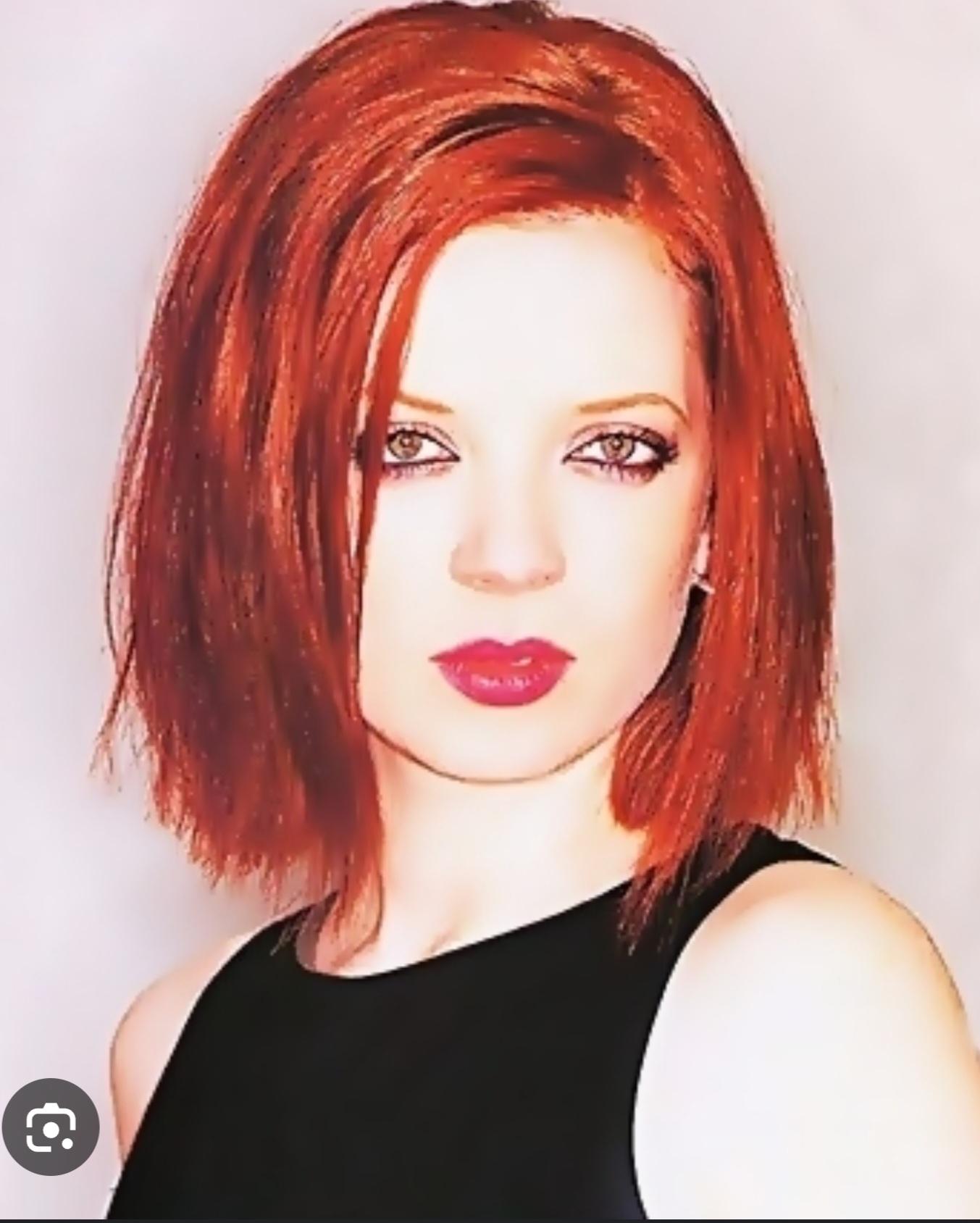
Garbage arrived with a different kind of 90s alternative energy. They were not raw in the same way as grunge, not punk in the same way as riot grrrl, and not confessional in the same way as Alanis. Garbage sounded like someone fed rock, electronic textures, studio polish, sarcasm, distortion and late-night paranoia into a machine and out came Shirley Manson looking like she already knew your weakness.
Shirley Manson made control feel dangerous. Her voice could be cool, seductive, angry, detached, wounded and vicious without ever seeming like she had lost command of the room. That was different from the decade’s messier grunge mythology. Garbage had gloss, but it was not the old 80s gloss. It was sleek, damaged, chrome-plated and suspicious.
“Only Happy When It Rains” was practically a Gen X weather report. It took sadness, irony and self-awareness and turned them into a chorus big enough for MTV. “Stupid Girl” had a sneer sharp enough to cut through static. “Vow” sounded like revenge with expensive production. “Queer” floated in like bad news wearing perfume. Garbage understood that the 90s were not only about sounding raw. Sometimes the damage sounded better with studio lights on it.
Manson’s image mattered: red hair, eyeliner, deadpan cool and the facial expression of someone who had already heard your excuse and was not impressed. She expanded the decade beyond thrift-store rawness into something more cinematic, urban and dangerous. She was not trying to look like she slept in a van. She looked like she had access to better lighting and worse thoughts.
Garbage also helped bridge alternative rock into the electronic-textured future. The band was built from guitars, loops, samples, noise, studio tricks and pop architecture. They made alt-rock feel modern without turning it into plastic. By the time Version 2.0 landed, they had pushed that machine even further: bigger hooks, colder surfaces, more neon anxiety.
Shirley Manson mattered because she made female cool feel self-possessed instead of decorative. She did not plead. She did not over-explain. She stared through the camera like she had seen the ending already and was mildly annoyed the rest of us were catching up.
Dolores O’Riordan and The Cranberries: Ache, Lift and a Chorus That Could Flatten a Room
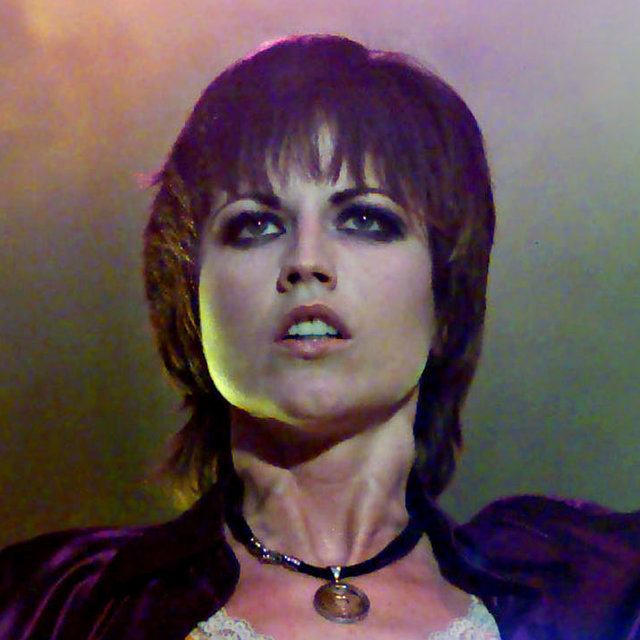
Dolores O’Riordan had one of the most distinctive voices of the 90s. You did not confuse her with anyone else. The Cranberries could be jangly, dreamy, sorrowful, politically charged, delicate or massive, but her voice cut through everything with that unmistakable Irish lilt, ache and lift.
“Linger” made longing feel huge without getting melodramatic. It was soft, but not weak; romantic, but not glossy; emotional, but not soaked in cheese. “Dreams” shimmered with nervous hope, the kind of song that sounded like the beginning of something even if your life at the time was mostly cafeteria lighting and overdue homework.
Then came “Zombie,” and the room changed. That song turned anger and grief into a stadium-sized protest with a chorus that landed like a brick through glass. Dolores did not sing it like a slogan. She sang it like a wound with volume. It showed how much force her voice could carry when the band shifted from jangly melancholy into something heavier and more urgent.
The Cranberries were not grunge, but they belonged inside the alternative decade because they gave MTV and radio a different kind of intensity: melodic, emotional, haunted, unmistakable. They proved that alternative did not have to be sludgy or sarcastic to matter. Sometimes it could be open-hearted and still hit like weather.
Dolores mattered because she showed that power did not always need distortion first. Sometimes it came from tone, phrasing, ache and a voice that felt like it could crack open a memory you did not know you were carrying. For Gen X, that landed hard. The decade had plenty of sarcasm and noise. The Cranberries brought sincerity without getting soft.
They also proved that 90s alternative was bigger than geography. Seattle mattered, but so did Ireland, Britain, California, Chicago, Boston, New York and every place where artists made the decade feel less like one scene and more like a global weather system.
Kim Deal and The Breeders: Casual Genius in a Crooked Room
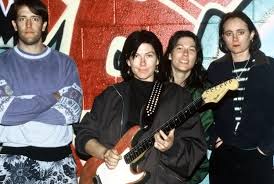
Kim Deal had already earned alternative royalty status through Pixies, but The Breeders gave the 90s one of its coolest left turns. “Cannonball” did not sound like it was trying to become an anthem. That is exactly why it became one. It bounced, lurched, teased, distorted, disappeared, came back, and made slacker weirdness feel effortless.
The Breeders were important because they did not present cool as perfection. They presented cool as off-kilter confidence. There was humor in it, noise in it, looseness in it, and a total refusal to over-explain itself. If hair metal had been about making the fantasy obvious from the cheap seats, The Breeders were about making weirdness feel like an inside joke you wanted to understand.
Last Splash sounded like a band having fun without cleaning up the corners. “Cannonball” had that unforgettable bass wobble and stop-start weirdness. “Divine Hammer” was sweet and strange. “No Aloha” felt loose in the best possible way. This was not arena rock. This was basement genius that accidentally wandered into the mainstream and made itself comfortable.
Kim Deal’s influence reshaped what women in alternative bands could look and sound like. She was not doing glossy frontwoman theater. She was doing musician cool: bass lines, hooks, sideways vocals, strange choices, and that magic 90s ability to make the whole thing feel casual while secretly being very hard to pull off.
The Breeders also mattered because they made female collaboration and band chemistry part of the story. This was not a solo star with anonymous backing musicians. It felt like a gang, a room, a weird little creative weather system. The cool came from the whole thing being slightly crooked and totally alive.
“Cannonball” sums up why MTV’s alternative era was so great. You could go from grunge gloom to punk energy to industrial dread to a song that sounded like it tripped over its own bass line and somehow all of it belonged on the same channel.
PJ Harvey: Raw Power Without the Comfort Filter
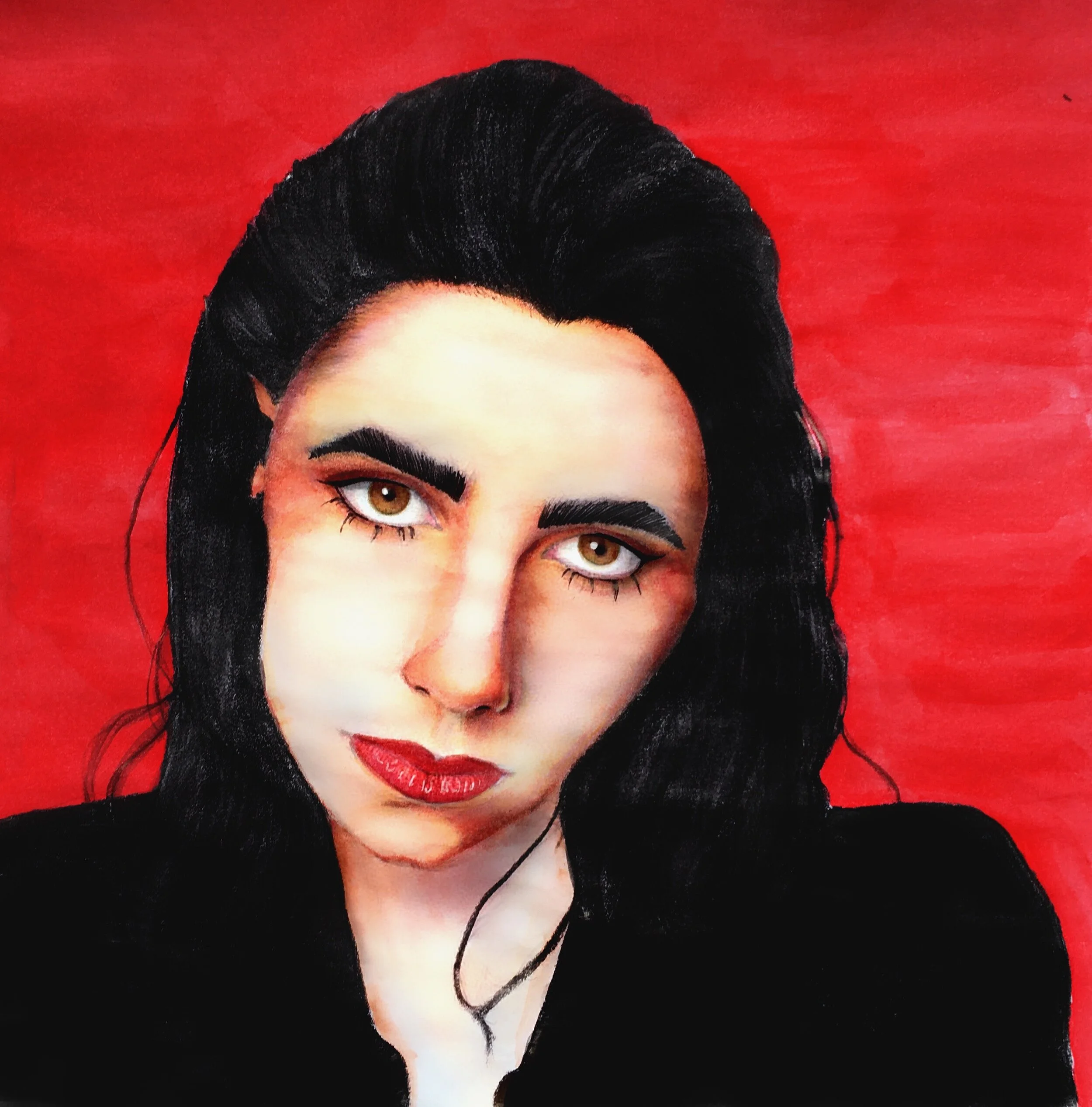
PJ Harvey did not arrive to make anybody comfortable. Good. Comfort was not exactly alternative rock’s most useful setting. Her 90s work could sound sexual, violent, haunted, stripped-down, theatrical, bluesy, punk, literary and physically dangerous. She made songs that felt like dirt, sweat, blood, heat, bad rooms and decisions that probably should have stayed hypothetical.
Dry and Rid of Me made it clear that Harvey was not interested in softening anything for easier consumption. The guitar tones were jagged. The vocals could be intimate one second and feral the next. The lyrics carried desire, disgust, power and vulnerability without turning them into tidy emotional lessons.
“Sheela-Na-Gig” was bold, strange and impossible to mistake for polite indie rock. “Rid of Me” built tension until it felt like the walls were breathing wrong. “50ft Queenie” stomped around with swagger and menace. Harvey’s music used space and volume like weapons. Sometimes the quiet was the scariest part because you knew the blast was coming.
She mattered because she did not fit the “angry woman” label the culture loved throwing around whenever a woman raised her voice above customer-service volume. PJ Harvey was not just angry. She was precise, theatrical, physical and deeply artful. The anger was one ingredient, not the whole meal.
By To Bring You My Love, Harvey had transformed again, leaning into drama, blues, atmosphere and a kind of gothic intensity that felt bigger and stranger. She kept changing shape, which made her impossible to reduce to one 90s pose. Every time you thought you had the file labeled, she set the folder on fire.
In a decade that often tried to package women as either vulnerable or dangerous, Harvey kept refusing the choice. She was both, neither, and something much stranger. That made her one of the most important artists in 90s alternative, even when she was not chasing the center of the room.
Liz Phair: The Private Stuff, Said Out Loud
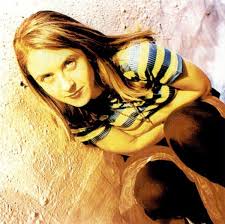
Liz Phair’s Exile in Guyville became an indie landmark because it was so direct. It was funny, sexual, awkward, angry, observant and conversational in a way that felt radical against both mainstream pop polish and macho rock mythology. She made private female perspective feel like a full album world, not a novelty topic.
Phair did not sound like she was trying to impress the rock boys. She sounded like she was documenting the room they were in, including the weird power games, bad sex, insecurity, ego, boredom and emotional static nobody wanted written down. Naturally, this made certain listeners very uncomfortable. Excellent.
Exile in Guyville mattered because it gave indie rock a female voice that was blunt without being cartoonish, vulnerable without being fragile, and smart without getting trapped in graduate-school fog. It sounded homemade in the best 90s way: close, dry, imperfect and impossible to fake.
Songs like “6’1”,” “Never Said,” “Divorce Song” and “Flower” made it clear that Phair was not writing from a cleaned-up version of female experience. She wrote from the awkward middle: desire, irritation, fantasy, resentment, insecurity, boredom, confidence and the kind of emotional contradiction most pop music tried to iron flat.
The production and delivery mattered. The songs did not sound like they were trying to win a stadium. They sounded like they were being passed across a room by someone who knew exactly what she was saying and did not care if it made the room weird. That intimacy was part of the punch.
Liz Phair helped widen the lane for women who did not want to be symbols or saints. She could be messy, funny, horny, skeptical and self-aware on the same song. That was not a branding exercise. That was being a person, which somehow still felt revolutionary.
Tori Amos: Confession, Mythology and the Piano Bench as a Battlefield
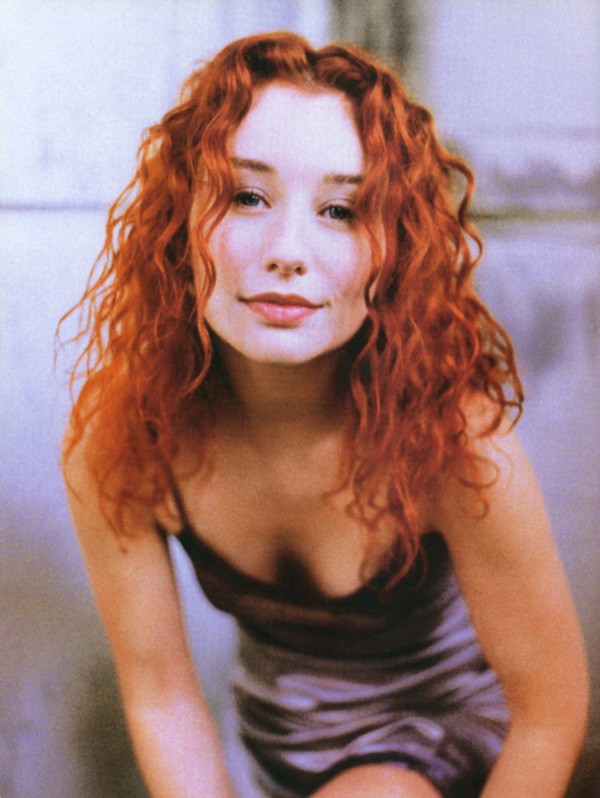
Tori Amos proved that 90s alternative did not require guitars to be devastating. Sometimes the piano was enough. Actually, sometimes the piano was worse. You expected guitars to hit hard. You did not always expect someone at a piano to make the room feel like everyone’s childhood damage had been subpoenaed.
Little Earthquakes brought mythology, sexuality, trauma, religion, anger and theatrical intimacy into the alternative mainstream. Tori did not fit neatly into grunge or radio rock, but she absolutely belonged to the decade’s alternative spirit. Her songs felt like coded letters from the emotional underground.
“Silent All These Years” was not just a ballad. It was a rupture. “Crucify” wrestled with religion, guilt and self-erasure. “Precious Things” sounded like old wounds getting names. “Cornflake Girl” took betrayal and surreal imagery and turned it into one of the decade’s strangest, catchiest moments. Tori’s songs did not move in straight lines. They spiraled, circled, whispered and then bit.
What made Tori different was the way she could shift from delicate to ferocious without changing instruments. The piano was not soft furniture. It was percussion, confession booth, church, courtroom and weapon. She made quiet feel dangerous, which is a very useful trick when you are trying to survive the 90s with feelings.
Her fan connection also mattered. Tori created the kind of intense listener loyalty that comes from making people feel seen in places they usually hid. That was a huge part of 90s alternative culture: music as identification, not just entertainment. You did not just like a Tori Amos song. You had a relationship with it. Possibly a complicated one.
Tori expanded the idea of what alternative could hold. Trauma, mythology, desire, rage, piano, whisper, scream, religion, mother-daughter tension, girlhood, survival — all of it belonged. No distortion pedal required, though emotionally speaking, plenty of distortion was present.
Fiona Apple: Too Young, Too Sharp, Too Hard to Package

Fiona Apple arrived later in the decade with a voice and writing style that sounded older than the industry knew what to do with. Tidal gave 90s alternative culture a new kind of piano-driven intensity: smoky, bruised, sharp, literate and deeply uninterested in being simplified.
“Criminal” became the obvious MTV moment, but the larger story was more complicated than one video. Fiona’s music carried shame, desire, self-scrutiny, anger and intelligence in ways that made her feel both exposed and armored. She sounded like someone who had already read the fine print on her own emotional disaster.
“Shadowboxer” had lounge-jazz shadows and emotional venom. “Sleep to Dream” was pure dismissal with a bass line. “Never Is a Promise” sounded bruised and almost too old for the room. Fiona did not present pain like a diary with glitter stickers on it. She presented it like evidence.
The industry tried to make her easier to market, because the industry has always loved taking complicated young women and turning them into a poster it can understand. Fiona did not cooperate neatly. That resistance became part of why she mattered. She was not polished into cheerfulness. She was not interested in pretending discomfort was charming.
Fiona closed out the decade by proving that female alternative intensity did not have to sound like guitars, riot grrrl, grunge or pop-rock. It could sit at a piano, stare straight through the camera and make everyone nervous. Very efficient.
Her work also pointed toward the next era, where women in alternative, indie and singer-songwriter spaces could be more openly complex, difficult, literary, wounded and furious without needing to translate every feeling into radio-friendly sunshine.
L7: Grunge-Punk Muscle With a Middle Finger
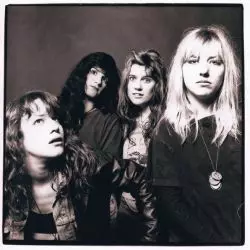
L7 brought heavy punk-grunge attitude with a sense of humor sharp enough to draw blood. They were loud, rude, funny, political, messy and completely uninterested in becoming anyone’s polished idea of women in rock. In other words, exactly what the decade needed.
“Pretend We’re Dead” became the big entry point because it had the kind of riff and hook that could survive heavy rotation, but L7’s importance goes deeper than one song. They brought a physical heaviness to female-led alternative rock that pushed against the idea that women had to be delicate, melodic or emotionally explainable.
Bricks Are Heavy sounded like a band kicking a hole in the wall and laughing about the deposit. Donita Sparks and Suzi Gardner gave the band a two-guitar attack that felt thick, dirty and sarcastic. The songs had hooks, but they also had grease under the nails. L7 did not sound like rebellion as branding. They sounded like rebellion as a practical household tool.
Their style mattered too: thrift-store grit, punk attitude, sarcasm, noise and a refusal to turn rebellion into something cute. L7 could be hilarious and furious at the same time, which is a very Gen X combination. Laugh because otherwise you might start throwing furniture.
They also helped connect grunge, punk and feminist attitude without smoothing the seams. L7 made the seams the point. They were not asking to be accepted by rock culture. They were already in the room, making too much noise, and good luck removing them without losing a finger.
Veruca Salt: Sweetness, Snarl and Big Guitar Hooks
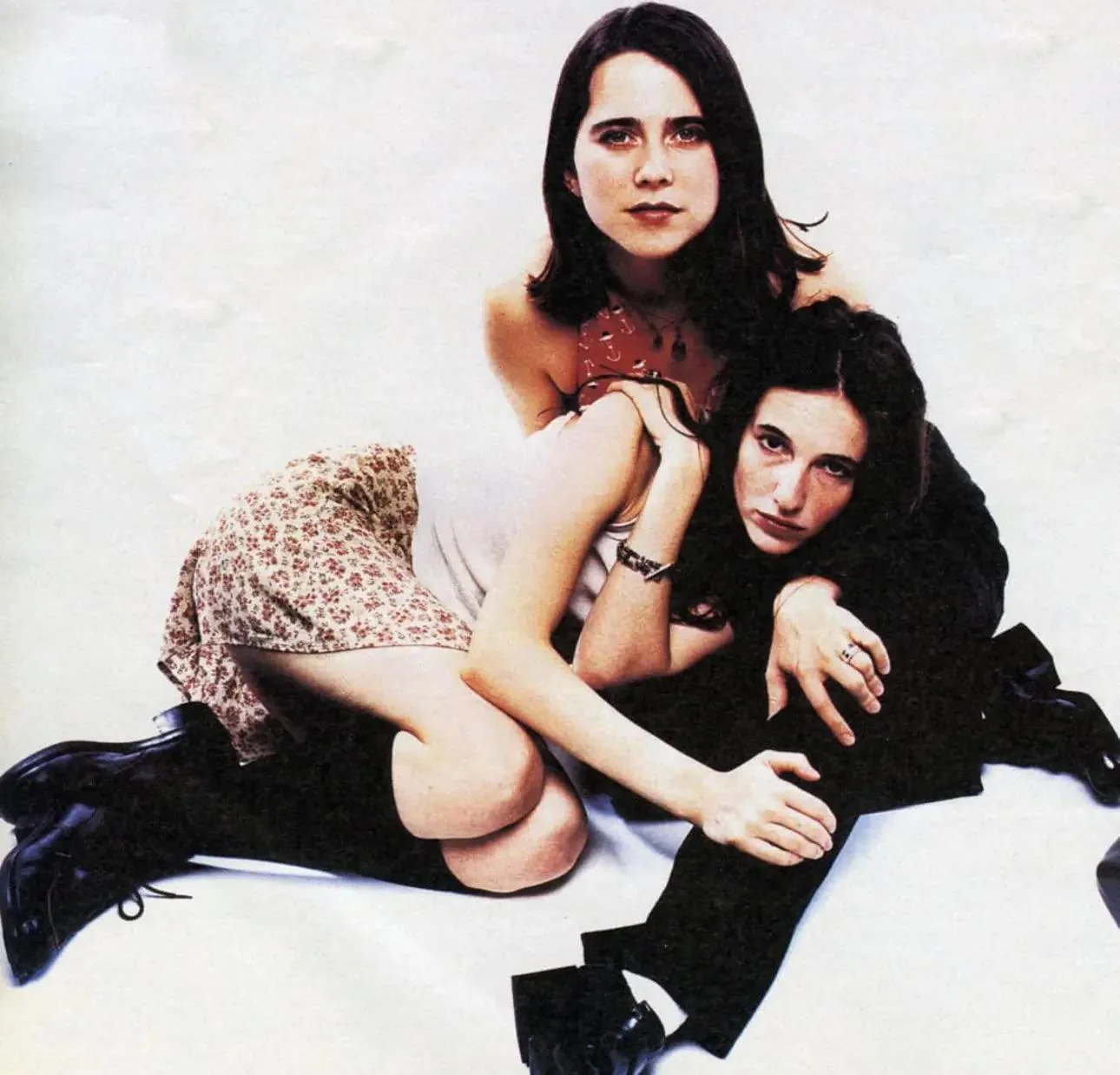
Veruca Salt made harmony sound dangerous. “Seether” is one of those perfect mid-90s songs that sounds instantly catchy and slightly unstable, like the melody has a knife in its boot. Louise Post and Nina Gordon gave the band a dual-vocal punch that made sweetness and distortion feel like they belonged in the same locker.
Their debut American Thighs captured a specific 90s guitar-band energy: loud but melodic, polished enough for radio, messy enough to feel real, and full of hooks that made the alternative boom feel fun without becoming empty. It was not as grim as Seattle, not as art-damaged as PJ Harvey, not as slick as Garbage. It was its own thing: crunchy, catchy and very useful for car stereos.
“Seether” worked because it turned internal chaos into something you could shout. The song’s title became a kind of creature, a mood, a problem, a warning light. “All Hail Me” had swagger. “Number One Blind” gave the band another sticky alt-rock moment. Veruca Salt had the underrated ability to make frustration sound bright without making it harmless.
Veruca Salt mattered because they complicated the idea that heavy female-fronted alternative had to be either punk chaos or confessional seriousness. They could be catchy, stylish, loud and emotionally barbed. That balance made them a huge part of the band-shirt canon.
They also helped keep guitars big in the middle of the decade, when alternative was widening in every direction. Not everything needed to sound like a basement collapsing. Sometimes it could sound like a chorus built to be yelled in a car with bad speakers.
Tanya Donelly and Belly: Shimmer, Surrealism and Soft Weirdness
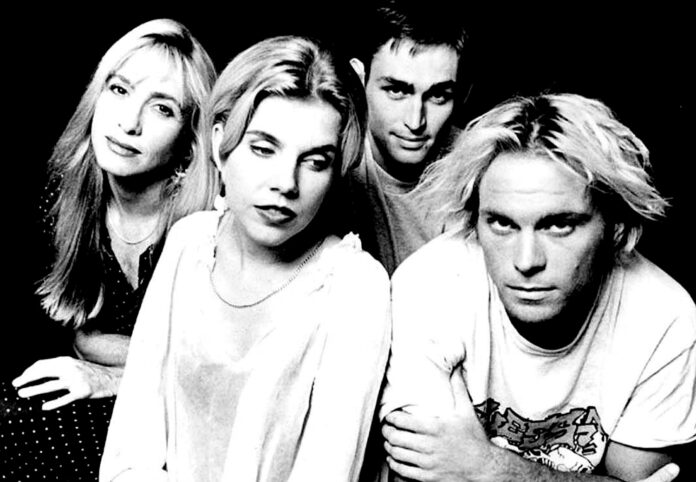
Tanya Donelly had already been part of important alternative history through Throwing Muses and The Breeders, but Belly gave her a different kind of spotlight. Star was dreamy, melodic, surreal and quietly strange — the kind of album that did not need to stomp into the room to rearrange it.
“Feed the Tree” became the big MTV/radio moment, and it carried that perfect early-90s alternative quality where the song felt accessible but not obvious. Belly’s music could shimmer, but it was not simple. There was odd imagery, emotional haze, beauty and unease all tangled together.
Donelly’s voice had a floating quality that made even darker lines feel luminous. The guitars jangled and glowed instead of grinding everything into sludge. That gave Belly a distinct place in the decade. They were not trying to out-heavy anybody. They were building a dream room where the wallpaper moved when you looked away.
Donelly mattered because she represented one of the decade’s softer but still deeply alternative lanes. Not everything had to be rage, distortion or confrontation. Sometimes the power was in dream logic, melody and the sense that something weird was happening just out of frame.
Belly helped prove that women in 90s alternative could be ethereal without becoming background music. Soft did not mean weak. Dreamy did not mean harmless. And pretty did not mean simple, no matter how badly lazy critics wanted it to.
Justine Frischmann and Elastica: Cool, Clipped and Too Busy for Your Nonsense
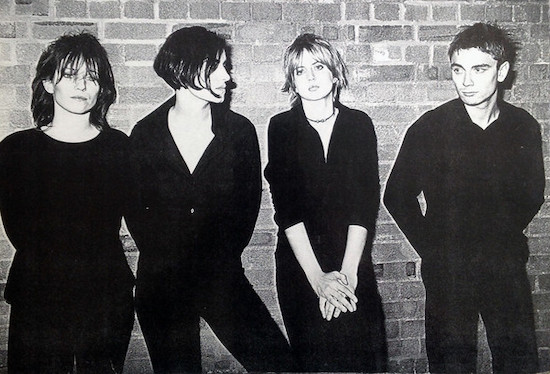
Elastica brought a different flavor to the 90s alternative mix: British, stylish, wiry and sharply economical. Justine Frischmann’s presence was cool in that very specific way where it seemed like she had somewhere better to be, which automatically made everyone else want to be there too.
“Connection” hit MTV and alternative radio with clipped guitars, deadpan attitude and a sound that felt both retro and modern. Elastica was tied to Britpop, but in the American alternative context they fit perfectly beside the decade’s other outsiders, slackers, art-school escapees and guitar bands with excellent jackets.
The band’s debut album had speed, hooks and a sense of style that did not ask for approval. “Stutter” was bratty and direct. “Car Song” had punch and smirk. “Waking Up” sounded like morning-after attitude with better guitar tone. Elastica’s songs were short, sharp and allergic to bloat, which was refreshing in a decade that also loved a six-minute emotional weather event.
Frischmann mattered because she brought a kind of female cool that was not built around oversharing or theatrical chaos. It was detached, stylish, clever and angular. She did not sound like she needed to convince the room. She sounded like the room could catch up or not.
In the broader 90s story, Elastica helped keep alternative from becoming too self-serious. The decade needed grief and fury, yes. It also needed sharp little guitar songs that sounded like they were smirking at you from across the club.
Björk: The Weird Future Crashing Into MTV
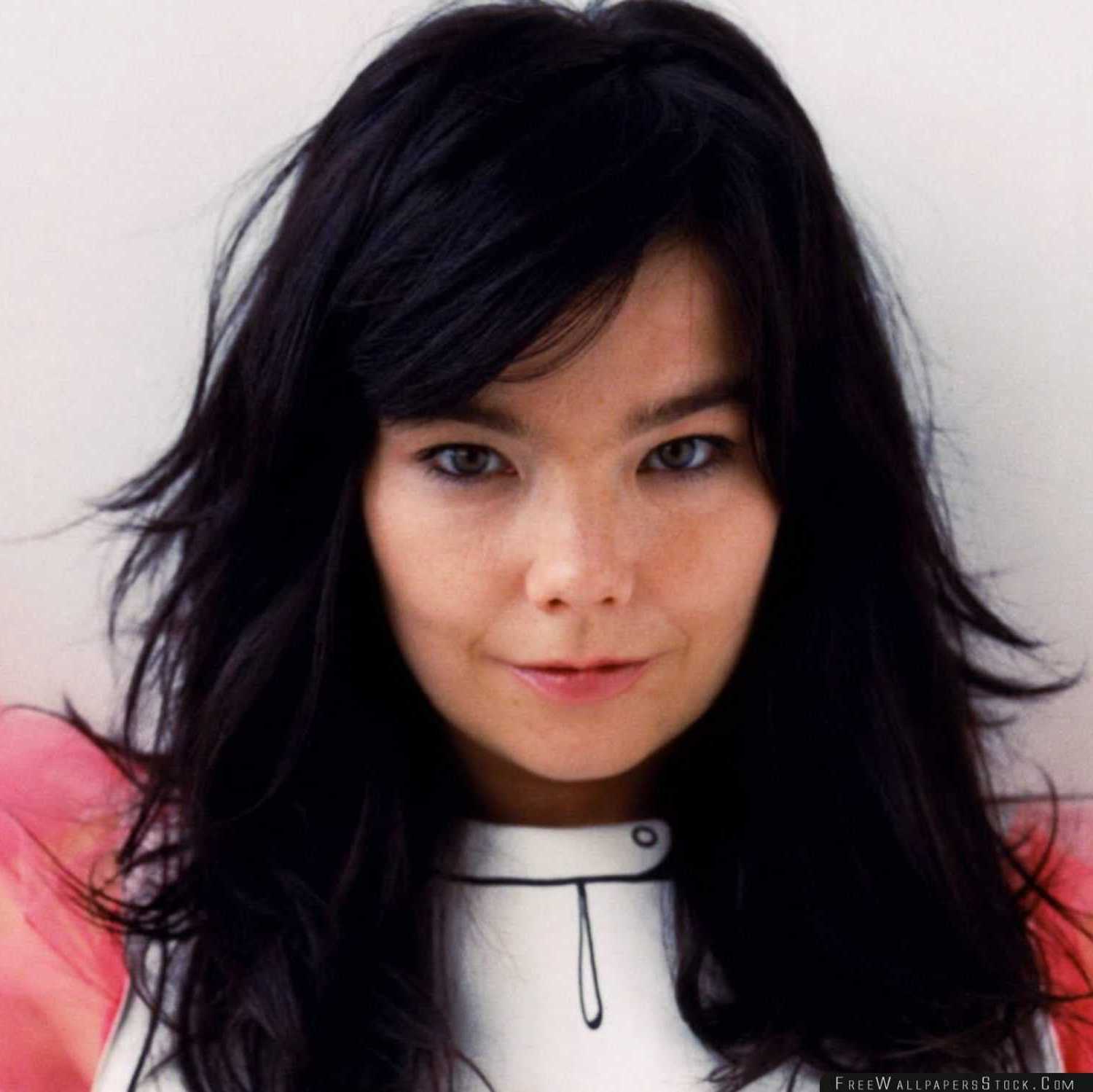
Björk was not alternative rock in the strict guitar-band sense, but the 90s alternative universe was big enough to hold her because the whole point was that the old categories were cracking. She brought art-pop, electronic textures, visual weirdness, emotional openness and a voice that sounded like it had wandered in from a planet with better weather and stranger rules.
Albums like Debut and Post made her one of the decade’s most distinctive artists. Songs like “Human Behaviour,” “Army of Me” and “Hyperballad” did not sound like standard rock, but they absolutely belonged to the same MTV world that made room for oddness, intensity and visual imagination.
Björk mattered because she made alternative culture less trapped by guitars. She proved that weird could be emotional, electronic, theatrical, playful and unsettling all at once. She was not trying to fit the American rock template. She was busy building a different room, and somehow the room had better architecture.
Her videos were part of the impact. Björk understood the MTV era as a visual playground, not just a promotional chore. Her image could be childlike, alien, elegant, strange, funny or intense depending on the moment. She made the screen feel less predictable at a time when music television could still surprise you.
For Gen X viewers, seeing Björk on MTV felt like proof that music television could still throw a curveball. One minute a rock video, next minute Icelandic art-pop dream logic. This was before the internet made every niche instantly searchable, so stumbling into that kind of originality felt like finding a secret frequency.
Juliana Hatfield: Vulnerability Without Inspirational Nonsense
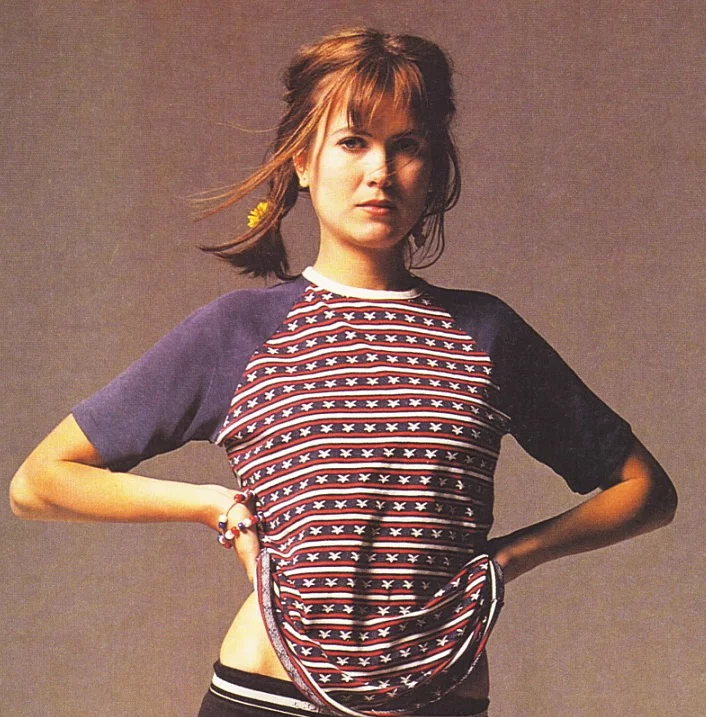
Juliana Hatfield made awkwardness melodic. Her music captured a kind of 90s emotional realism that was fragile, funny, smart and just sharp enough to keep sentimentality from getting too comfortable. She could sound sweet without sounding simple, vulnerable without sounding helpless, and catchy without pretending everything was fine.
“My Sister” became one of her signature songs, full of complicated affection, irritation and longing — basically sibling energy with guitars. Her work with The Blake Babies and as a solo artist helped define the college-rock and alternative-pop side of the decade, where the volume could be lower but the emotional detail still cut.
Hatfield’s voice mattered because it did not sound like rock-star armor. It sounded close, human and exposed, which could be more unsettling than a wall of distortion. She captured the strange emotional weather of being young, observant and uncomfortable inside your own skin while everyone expected you to act normal, whatever that was supposed to mean.
Songs like “Spin the Bottle,” “Universal Heart-Beat” and “My Sister” lived in that sweet spot between indie credibility and 90s alt-radio accessibility. They had hooks, but they also had nerves. Hatfield’s music felt like the inside of a bedroom that had too many posters, too many feelings and one phone cord stretched way too far down the hallway.
Hatfield mattered because she gave voice to feelings that did not always arrive in dramatic movie-trailer form. Awkwardness, insecurity, longing, annoyance, tenderness — the stuff that actually filled most 90s bedrooms between homework, phone calls and staring at CD booklets like they contained instructions for adulthood.
Tracy Bonham: Violin, Rage and “Mother Mother” Detonating the Kitchen
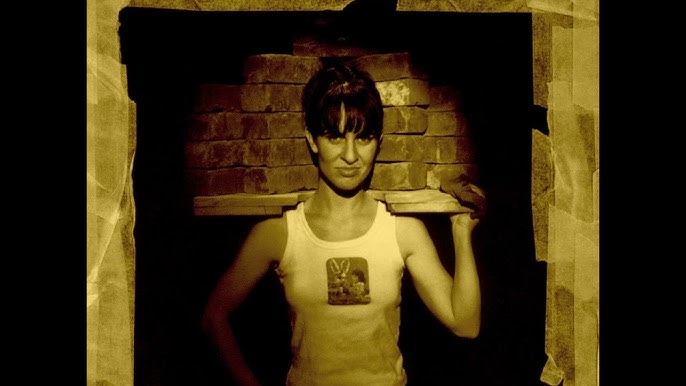
Tracy Bonham’s “Mother Mother” captured a very specific late-90s pressure-cooker feeling: the polite phone call home where everything is supposedly fine, except the chorus clearly indicates things are not remotely fine. It was anxiety, family expectation, performance, rebellion and a full-body scream packed into one unforgettable song.
Bonham stood out because she did not sound like a standard guitar-band frontwoman. The violin, the dynamics, the tension between restrained verses and explosive release — it gave her music a nervous system of its own. “Mother Mother” worked because it understood the gap between what you tell people and what is actually happening inside your head.
That gap was extremely 90s. Smile on the phone. Say you’re doing great. Then hang up and have a meltdown with a chorus. Efficient, honestly. The song caught that performative family reassurance that so many Gen X kids knew: yes, everything is fine, no, nothing is fine, please do not make me explain this while someone else is on call waiting.
Her album The Burdens of Being Upright had more going on than one hit, mixing guitar crunch, violin tension, emotional sarcasm and a sense that the whole polite social structure was one bad conversation away from cracking. Bonham gave the decade one of its most memorable screams, but she also gave it craft, musicianship and a fresh sonic angle.
She belongs in this story because 90s alternative was full of artists who had one huge MTV/radio moment but left a deeper mark than the “one hit” shorthand suggests. Sometimes one song can capture an entire hallway of feelings. “Mother Mother” did that with a scream you could hear from the kitchen.
Natalie Merchant: Literary Warmth in a Loud Decade
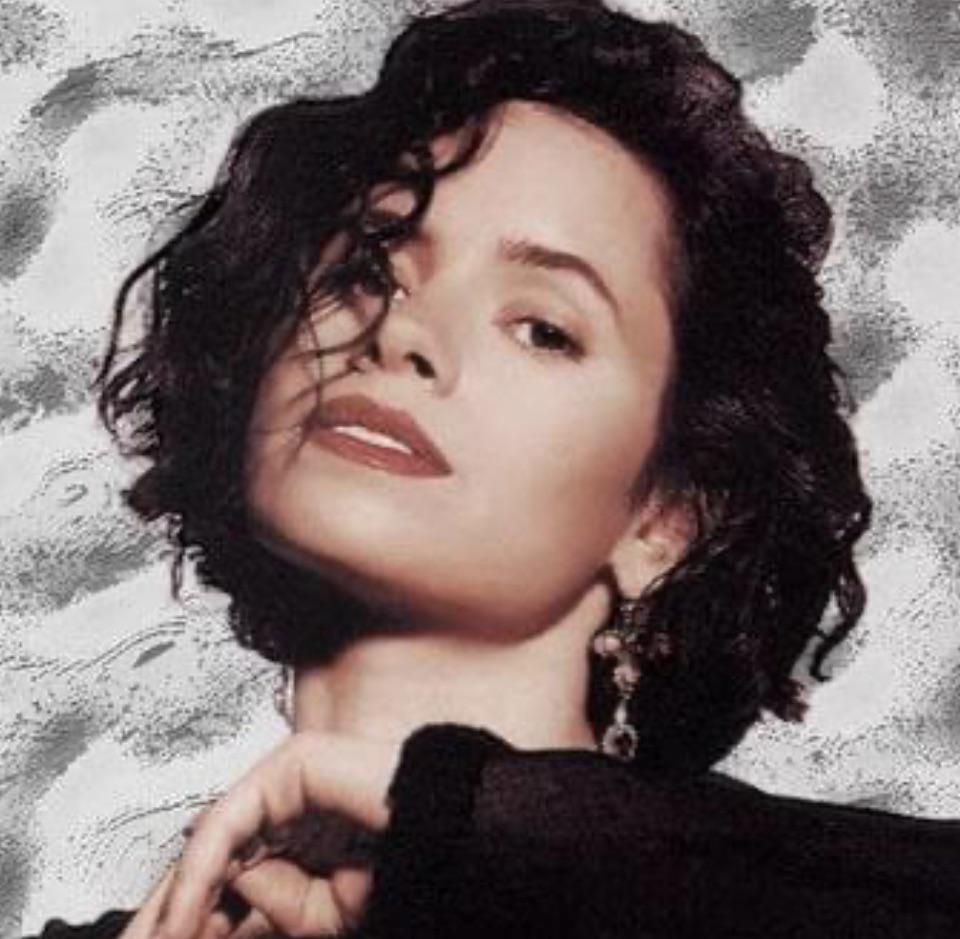
Natalie Merchant brought a different kind of strength to the 90s alternative landscape. With 10,000 Maniacs and then as a solo artist, she carried warmth, intelligence, moral seriousness and a voice that felt instantly recognizable without needing to shout over the room.
Merchant’s work connected the college-rock 80s to the 90s singer-songwriter boom. Songs like “These Are Days,” “Carnival” and “Wonder” occupied a softer lane than grunge or punk, but they were still part of the alternative-adjacent world that widened what mainstream listeners could accept outside glossy pop.
What made Merchant important was her sense of compassion without corniness. That is a hard trick. She could write songs that felt humane and thoughtful without turning into bumper-sticker wisdom. Her voice carried empathy, but it also had spine. She sounded like someone who noticed things and expected you to notice them too.
In the middle of a decade often remembered for distortion and sarcasm, Merchant represented another kind of Gen X seriousness: socially aware, literary, grounded, reflective. Not everything had to be a scream. Sometimes a song could sit you down, look you in the eye and make you reconsider how casually you were moving through the world.
Her importance is easy to underrate because she did not rely on chaos or confrontation. But not every 90s alternative woman had to burn the room down. Some made the room quieter so the lyrics could walk around in it.
Harriet Wheeler and The Sundays: Wistful, Beautiful and Sneakily Devastating
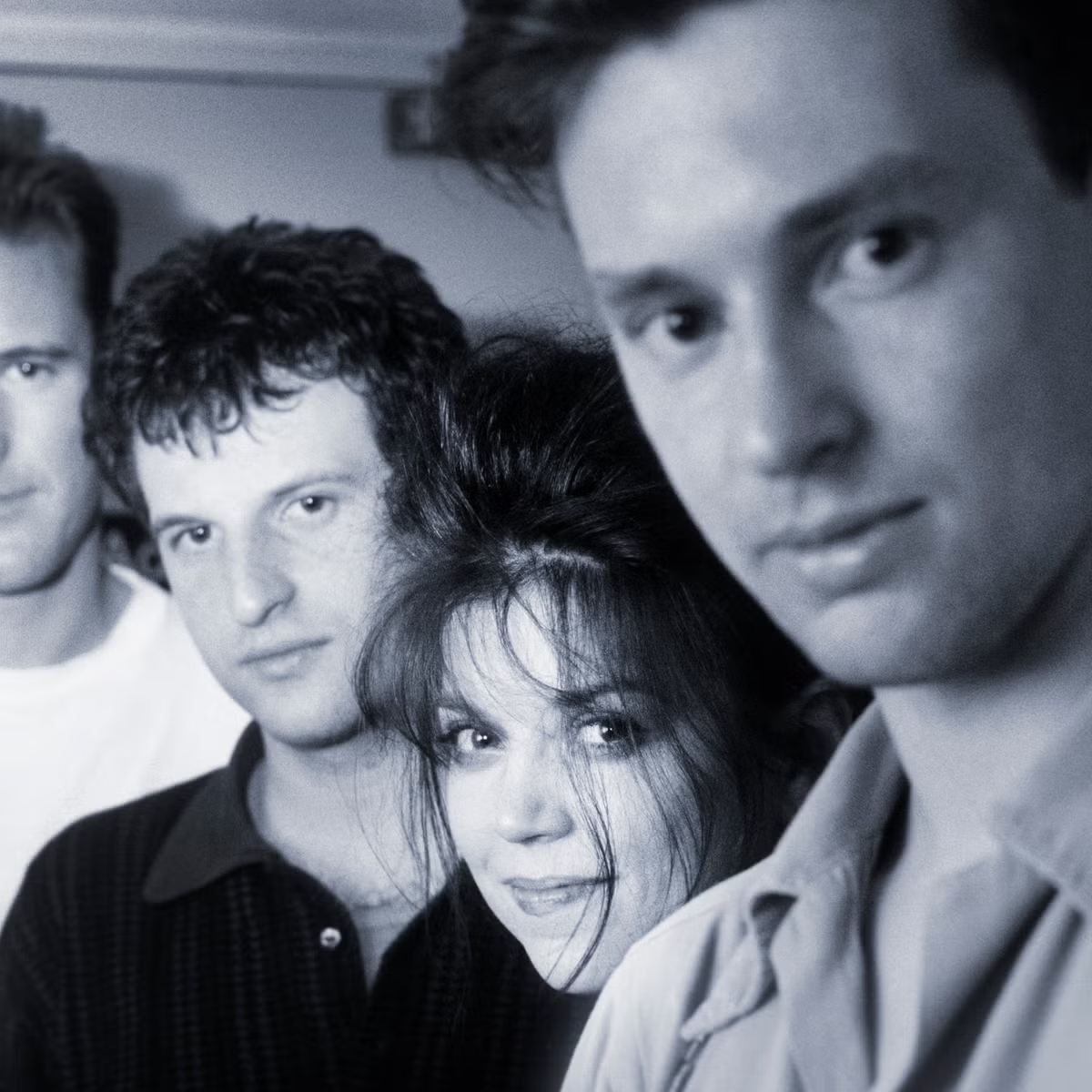
Harriet Wheeler’s voice with The Sundays gave alternative radio a kind of wistful beauty that floated above the decade’s heavier chaos. The Sundays were not loud in the grunge sense, but they had that unmistakable early-90s alternative atmosphere: jangly guitars, longing, understatement and songs that could make an ordinary afternoon feel like a memory while it was still happening.
“Here’s Where the Story Ends” and “Summertime” lived in a softer world than much of the decade’s guitar noise, but they carried their own kind of emotional force. Wheeler’s voice was clear, expressive and delicate without feeling weak. The band made melancholy feel graceful instead of melodramatic.
What made The Sundays matter was restraint. They did not overplay the emotion. They let it drift in the corners. That kind of subtlety was a relief in a decade where everything could get loud fast. Their songs felt like sunlight through curtains, except you were still somehow sad. Very efficient British melancholy.
Wheeler’s vocals also gave the decade one of its most recognizable soft-focus signatures. Her voice did not need to dominate through force. It hovered, lifted and lingered. The songs felt intimate but not small, beautiful but not bland.
That kind of sound mattered because the 90s alternative landscape had room for more than anger. It had room for ache, drift, beauty and the kind of song that made you stare out a car window like you were in a movie nobody was filming.
Kathleen Hanna, Riot Grrrl and the DIY Feminist Voltage
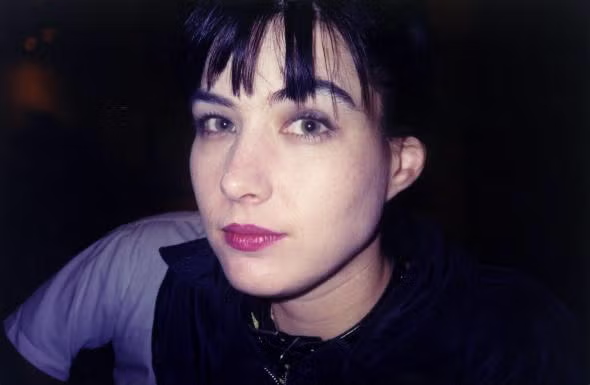
You cannot talk honestly about women in 90s alternative rock without talking about riot grrrl and the punk/indie underground that pushed the decade’s edges. Bikini Kill, Bratmobile, Sleater-Kinney, Heavens to Betsy, Team Dresch and related scenes were not always mainstream MTV fixtures, but their influence mattered.
Kathleen Hanna and Bikini Kill became symbols of that refusal: zines, shows, community, confrontation, politics, photocopiers, sharpie slogans, messy rooms and songs that sounded like the polite version had been thrown out a window. Riot grrrl gave young women language for things mainstream culture often ignored, minimized or turned into after-school-special sludge.
Bikini Kill’s music was raw, direct and built for rooms where the air felt charged. It was not trying to become smooth radio product. It was trying to wake people up, call things out, build community and make noise that belonged to the people making it. That DIY energy mattered because it showed another path: make the zine, book the show, start the band, write the slogan, refuse the waiting room.
Sleater-Kinney carried that fire forward with Corin Tucker and Carrie Brownstein making some of the sharpest guitar music of the late 90s. Their sound was urgent, tangled and alive, with voices and guitars that seemed to argue, braid and push each other forward. They turned tension into architecture.
Riot grrrl and feminist punk scenes changed the conversation around gender, power, sexuality, safety, anger, DIY culture and who got to take up space in rock. Without that underground pressure, the mainstream version of 90s women in alternative gets too neat. And the 90s were many things, but neat was not one of them.
The underground also gave the decade its spine. MTV could package rebellion, radio could repeat it, magazines could photograph it, and malls could sell a softer version of it. Riot grrrl reminded everyone that the source energy was not designed to be tidy. It was designed to be used.
The Sound Map of Women in 90s Alternative Rock
The mistake is acting like all women of 90s alternative rock lived in the same lane. They absolutely did not. That is what made the decade interesting. Alanis, Hole, Garbage, The Cranberries, The Breeders, PJ Harvey, Liz Phair, Tori Amos, Fiona Apple, L7, Veruca Salt, Belly, Elastica, Björk and the riot grrrl underground were not different flavors of the same thing. They were different rooms in the same weird house, and every room had a questionable couch, a stack of CDs and at least one emotional fire hazard.
That range is why the era still works. You could be in the mood for confession, rage, dream-pop, punk, industrial gloss, jangle-pop, piano damage, feminist DIY noise, Britpop snap or a chorus built to survive FM radio static. The women of 90s alternative rock made the genre feel less like a single sound and more like a whole map of ways to be furious, funny, sad, stylish, strange and alive.
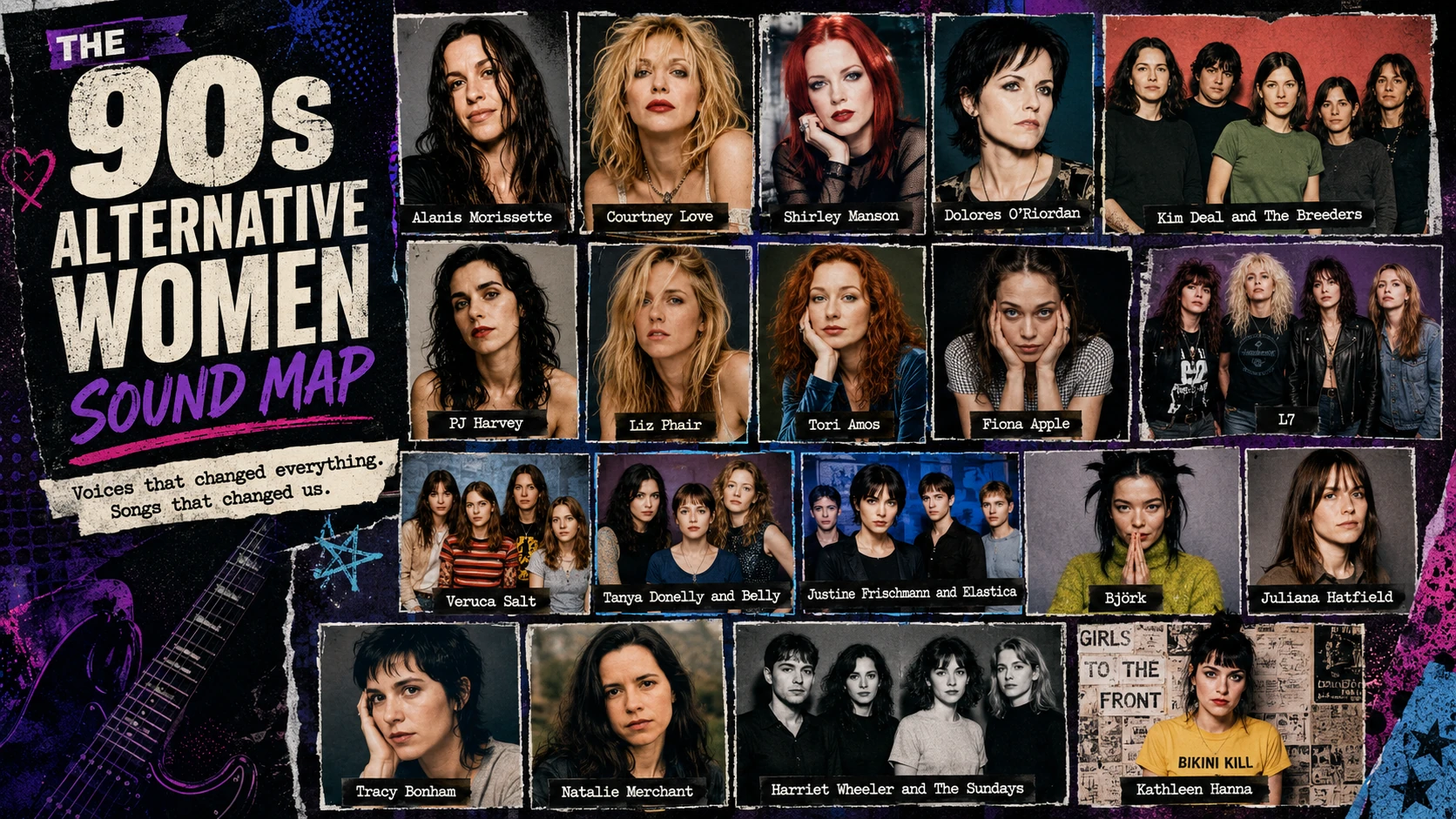
Alanis Morissette, Liz Phair, Fiona Apple and Tori Amos made private thoughts sound public without turning them into neat little lessons. These were not songs asking to be healed by the third verse. They were messy, specific, funny, furious and sometimes uncomfortable enough to make the room shift in its chair.
Hole, L7, Bikini Kill, Bratmobile and Sleater-Kinney carried the louder, rougher side of the decade. This lane had distortion, politics, sweat, sarcasm and the sense that waiting politely for rock culture to improve was a sucker’s bet. Make the zine. Start the band. Turn up too loud.
The Cranberries, Belly, The Sundays and Mazzy Star proved that alternative could ache instead of roar. This was the sound of car-window staring, thrift-store sweaters, late-night dorm rooms and songs that seemed delicate until you realized they had been quietly wrecking you for three minutes.
Garbage and Björk helped push the decade beyond guitar-band expectations. One made studio polish feel sarcastic and lethal; the other made MTV feel like it had briefly intercepted a transmission from a better, stranger planet. Alternative did not have to sound like a garage to be real.
Veruca Salt, The Breeders and parts of the wider alt-rock radio wave kept guitars loud, catchy and crooked. These songs could be weird, bratty, melodic and heavy enough for bad car speakers, which is where roughly 42 percent of 90s culture happened.
Elastica and other UK-adjacent alternative voices brought clipped guitars, style, smirk and economy. Not every 90s song needed to collapse emotionally in front of you. Some just needed to walk in, say the cool thing, and leave before anyone got clingy.
This is why the women of 90s alternative rock cannot be reduced to one playlist mood. They were the scream, the whisper, the joke, the threat, the diary page, the protest flyer, the piano confession, the guitar hook, the strange video at midnight and the song you kept rewinding because it said something you did not have words for yet.
How MTV Made These Artists Impossible to Ignore
MTV did not create these artists, but it absolutely changed how many people saw them. The 90s were still a shared-screen decade. If MTV put a video into rotation, you could feel the temperature change. Suddenly a song was not just on the radio. It had a look. A room. A haircut. A stare. A dress. A performance. A reason for half the school to have an opinion by Monday.
Women of 90s alternative rock benefited from that visibility, but they also complicated it. MTV loved image, and these artists had image — but not always the kind that behaved. Courtney Love’s smeared glamour, Shirley Manson’s cool menace, Dolores O’Riordan’s haunted intensity, Alanis’s long-haired directness, Björk’s art-pop oddness, Fiona Apple’s smoky discomfort, L7’s rude humor, Veruca Salt’s guitar-band cool — all of it gave MTV something more interesting than the old rock-video template.
This is where MTV’s alternative rock takeover becomes inseparable from the story. 120 Minutes gave left-of-center artists a discovery lane. Buzz Bin and Buzz Clips turned selected songs into “next big thing” moments. Alternative Nation gave the scene a nightly personality. MTV Unplugged gave artists a stage to strip everything down and prove the songs could survive without full-volume armor.
Of course, MTV also packaged rebellion. That was the deal. The channel could elevate artists while flattening them into trends. It could make outsider culture visible while selling it in bite-sized segments between commercials. The women of 90s alternative rock navigated that machine with varying degrees of comfort, suspicion and chaos. Very on-brand for the decade.
How Women Changed 90s Alternative Fashion
The women of 90s alternative rock also changed fashion because they made imperfection stylish without turning it into the old kind of polish. This was the era of baby-doll dresses with combat boots, thrift-store cardigans, ripped tights, dark lipstick, barrettes, messy hair, band shirts, striped shirts, slip dresses, leather jackets, platform shoes, red hair, glitter damage and eye makeup that looked like it had survived a concert, a diner, a breakup and a ride home in somebody’s unreliable car.
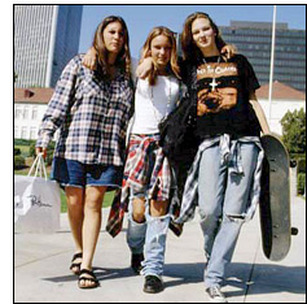
This was connected to grunge fashion, but it was broader than flannel. Women in 90s alternative style mixed softness and aggression in ways that made the old rock wardrobe look painfully obvious. A floral dress could be confrontational. Lipstick could be armor. A cardigan could be haunted. Combat boots could turn almost anything into a threat. It was fashion as contradiction, which is basically Gen X with a closet.
The best part was that it felt reachable. You could build the look from thrift stores, mall racks, older siblings, hand-me-downs, army surplus, bad dye jobs, cheap lipstick and whatever your school dress code had not banned yet. It was not always cheap once the fashion industry discovered it, obviously. The mall smelled rebellion and immediately started charging $48 for a shirt that looked pre-disappointed.
That look mattered because it gave the music a daily-life form. You heard the song, saw the video, bought the CD, copied the outfit badly, and suddenly your school hallway had the emotional atmosphere of a low-budget Alternative Nation segment. Beautiful? Not always. Accurate? Painfully.
Why Gen X Connected With These Artists
Gen X connected with the women of 90s alternative rock because they sounded like people who had seen through the brochure. They were not selling a clean dream. They were singing about pressure, desire, betrayal, depression, politics, sex, shame, ambition, grief, boredom, survival and the weird humiliation of being a person with feelings in a culture that kept trying to turn everything into a slogan.
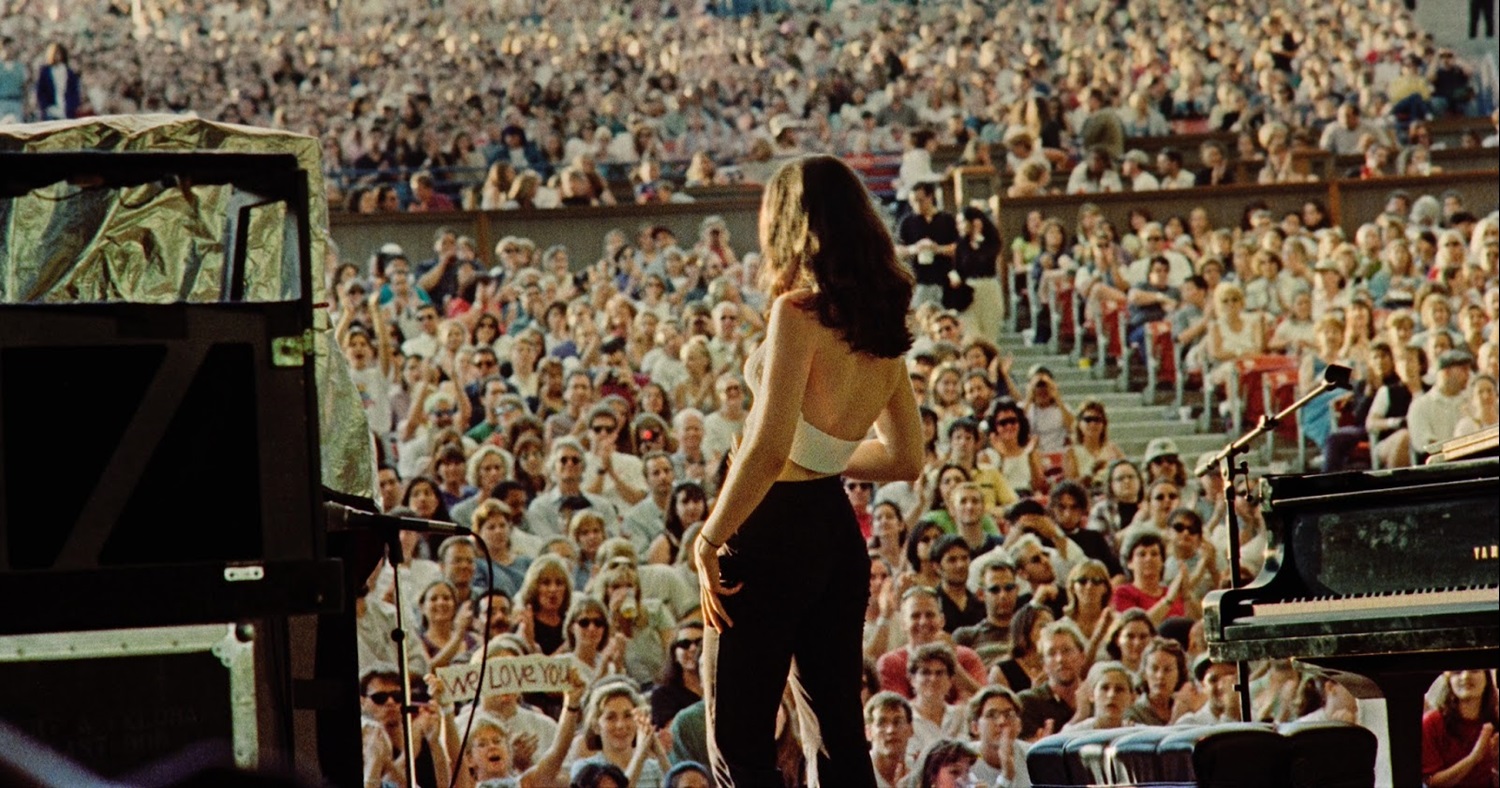
This was a generation raised on after-school TV, divorce statistics, latchkey afternoons, cold pizza, answering machines, school assemblies, mall culture, mixtapes, cable television, record stores, cigarette smoke outside diners, and adults who kept insisting everything was fine while clearly winging it. The women of 90s alternative rock did not always offer comfort. Sometimes they offered recognition, which was better.
There was also a permission slip buried in the music. You could be angry and still melodic. You could be feminine and still dangerous. You could be vulnerable without becoming inspirational wallpaper. You could be sarcastic, sexual, depressed, smart, wrong, right, loud, quiet, messy, ambitious, grieving or funny without making it easy for anyone to categorize you.
These artists turned diary-level emotions into songs that could fill cars, bedrooms, dorm rooms and MTV blocks.
They did not always try to be pleasant. Pleasant was not exactly the assignment in 90s alternative rock.
Soft and furious. Funny and wounded. Stylish and messy. Commercial and anti-mainstream. Welcome to the decade.
The lazy labels faded. The songs, voices and influence stayed loud.
Essential Songs and Albums by Women in 90s Alternative Rock
This is not a definitive ranking, because that would start a fight and we are trying to preserve the furniture. But if you are building a women of 90s alternative rock playlist or revisiting the albums that shaped the decade, these records and songs belong near the front of the CD binder.
The album that turned anger, contradiction and emotional whiplash into one of the defining pop-rock events of the decade. Start with “You Oughta Know,” “Hand in My Pocket,” “You Learn,” and “All I Really Want.”
One of the decade’s essential alternative albums: loud, wounded, smart, furious and impossible to reduce to gossip. Start with “Violet,” “Doll Parts,” “Miss World,” and “Softer, Softest.”
A gorgeous, unmistakable alternative record powered by Dolores O’Riordan’s singular voice. Then go straight to “Zombie” when you need the room flattened.
Loose, strange, catchy and effortlessly iconic, with “Cannonball” as one of the decade’s great sideways hits.
Sharp production, dark hooks and Shirley Manson’s ice-cool presence made this a mid-90s alt-rock staple.
Raw, physical, intense and confrontational. Not background music unless your background is actively on fire.
Funny, sexual, awkward and brilliant, with a voice that made private perspective feel like public record.
A landmark in 90s alternative intimacy, full of trauma, mythology, sexuality and emotional precision.
Elegant, dark, young, old-souled and much sharper than the industry knew how to explain.
Punk-grunge attitude, big riffs and a sense of humor that made the whole thing hit harder.
A key 90s guitar record where harmonies and distortion refused to stay in separate lanes.
Melodic, surreal and beautifully strange, with Tanya Donelly shaping one of the decade’s most distinctive softer corners.
For the heavier Seattle-centered part of the story, jump into 25 essential grunge songs and the best 90s grunge albums. For the wider decade, this women-led alternative canon is where the emotional range gets much bigger than distortion and rain.
How These Artists Changed Alternative Rock’s Future
The women of 90s alternative rock changed the decade because they refused to make the music smaller for anyone’s comfort. They brought rage, humor, vulnerability, sexuality, grief, politics, weirdness, sarcasm, style and emotional complexity into the mainstream at the exact moment rock needed a bigger vocabulary.
They also made the 90s alternative boom harder to simplify. It was not just Seattle. It was not just flannel. It was not just distortion. It was Alanis turning contradiction into a chorus, Courtney Love turning damage into theater, Shirley Manson turning cool into a blade, Dolores O’Riordan turning sorrow into lift, Kim Deal turning weird into effortless, PJ Harvey turning rawness into art, Liz Phair turning intimacy into indie-rock scripture, Tori Amos and Fiona Apple turning pianos into weapons, and dozens of bands making the decade less predictable.
The music still lasts because it was not built on nostalgia at the time. It was built on urgency. These songs gave Gen X and everyone after a way to hear discomfort without smoothing it over. That is why they still hit. Not because the 90s were perfect — please, we had dial-up and JNCOs — but because the music told the truth in ways the decade desperately needed.
Explore More 90s Alternative and Grunge
Women of 90s alternative rock belong inside the bigger Gen X music story: grunge, MTV, Unplugged, thrift-store fashion, record-store discovery, radio dominance and the slow realization that the weird stuff had somehow become the main thing.
Questions About Women in 90s Alternative Rock
Who were the most important women of 90s alternative rock?
Some of the most important women of 90s alternative rock include Alanis Morissette, Courtney Love, Shirley Manson, Dolores O’Riordan, Kim Deal, PJ Harvey, Liz Phair, Tori Amos, Fiona Apple, Juliana Hatfield, Tanya Donelly, Donita Sparks, Louise Post, Nina Gordon, Justine Frischmann, Björk, Tracy Bonham, Natalie Merchant, Kathleen Hanna, Corin Tucker and Carrie Brownstein.
Was 90s alternative rock only grunge?
No. Grunge was central to the early 90s alternative explosion, but 90s alternative rock also included college rock, punk, indie rock, riot grrrl, industrial, Britpop, art-pop, singer-songwriter music and radio-friendly alt-rock.
Why was Alanis Morissette important to 90s alternative rock?
Alanis Morissette was important because Jagged Little Pill turned female anger, contradiction, confession and vulnerability into a massive mainstream rock moment. Her songs helped redefine what female-led 90s alternative could sound like on radio and MTV.
Why was Courtney Love important to grunge and alternative rock?
Courtney Love and Hole brought punk rage, glamour, gender politics, grief and sharp songwriting into the 90s alternative mainstream. Live Through This remains one of the decade’s essential alternative albums.
Was Garbage considered 90s alternative rock?
Yes. Garbage was part of the 90s alternative rock era, blending rock guitars, electronic textures, sharp production and Shirley Manson’s cool, sarcastic frontwoman presence into a sleek but edgy alternative sound.
Were The Cranberries grunge?
No. The Cranberries were not grunge, but they were part of the wider 90s alternative rock landscape. Dolores O’Riordan’s voice and songs like Linger, Dreams and Zombie made the band essential to the decade’s alternative sound.
What role did MTV play for women of 90s alternative rock?
MTV made women of 90s alternative rock more visible through music videos, interviews, 120 Minutes, Buzz Bin, Alternative Nation and heavy rotation. It helped turn songs, style and attitude into shared Gen X culture.
What was riot grrrl?
Riot grrrl was a feminist punk and DIY movement tied to bands, zines, activism and underground scenes. Bands like Bikini Kill, Bratmobile and Sleater-Kinney helped sharpen the politics and attitude of 90s alternative culture.
What are essential albums by women of 90s alternative rock?
Essential albums include Jagged Little Pill by Alanis Morissette, Live Through This by Hole, Last Splash by The Breeders, Garbage by Garbage, Exile in Guyville by Liz Phair, Little Earthquakes by Tori Amos, Rid of Me by PJ Harvey, Bricks Are Heavy by L7, American Thighs by Veruca Salt and Tidal by Fiona Apple.
How did women influence 90s alternative fashion?
Women influenced 90s alternative fashion through baby-doll dresses, combat boots, thrift-store layers, ripped tights, dark lipstick, messy hair, cardigans, band shirts and a mix of softness and aggression that expanded the grunge and alternative style vocabulary.
Why did Gen X connect with women of 90s alternative rock?
Gen X connected with these artists because they sounded honest, skeptical, angry, funny, vulnerable and complicated. Their music reflected the emotional contradictions of a generation raised on MTV, mixtapes, divorce culture, malls, record stores and sarcasm as a survival skill.
Why do women of 90s alternative rock still matter?
They still matter because they changed what mainstream rock could sound like and talk about. Their music expanded alternative rock beyond one sound or scene and influenced later generations of rock, indie, pop and singer-songwriter artists.
Keep the Rewind Going
Get more 70s, 80s and 90s nostalgia, music memories, TV moments, toy chaos and Gen X cultural therapy from Smells Like Gen X.