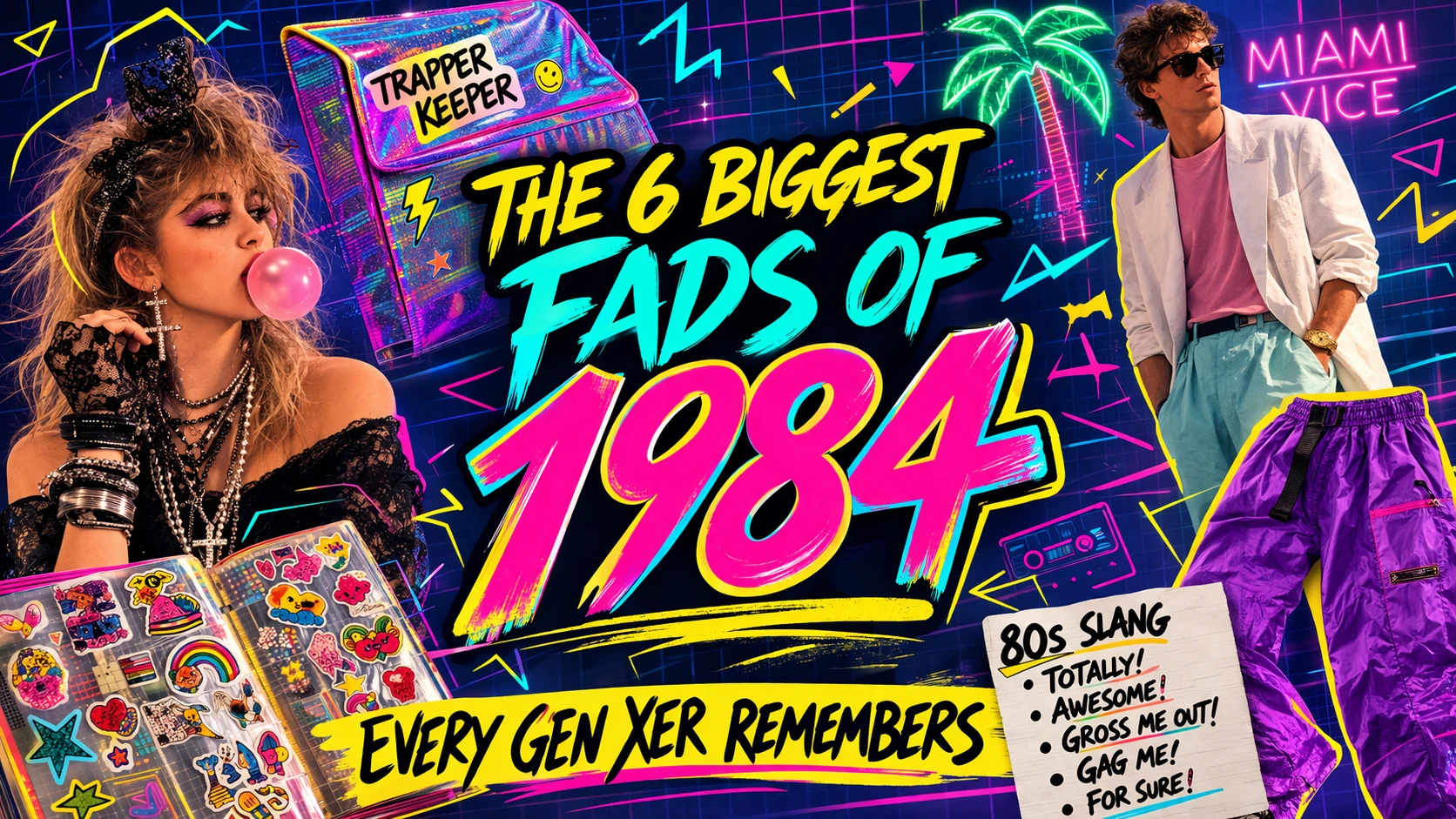
What Were the 6 Biggest Fads of 1984?
1984 felt like the moment the decade stopped warming up and started decorating every visible surface. School supplies became identity pieces, stickers became trade goods, television rebuilt men’s fashion, and a pop star turned lace gloves and stacked bracelets into a dress code.
Even the way people talked got louder. “Totally,” “awesome,” “gross me out” and every exaggerated reaction available seemed to bounce between classrooms, food courts and living rooms until ordinary conversation sounded like somebody had left the mall on in the background.
Basically, 1984 gave Gen X a Velcro binder, a sticker economy, noisy pants and permission to accessorize beyond reason.
The biggest fads became part of the daily equipment.
The winning trends lived in backpacks, closets, speech patterns, sticker pages and the school hallway. They were visible enough to copy and portable enough to spread without adult help.
What Were the Six Biggest Fads of 1984?
The six biggest fads of 1984 were Madonna wannabe style, Trapper Keepers, sticker books and sticker trading, Miami Vice fashion, parachute pants and teen slang overload. Together they capture a year when MTV, school supplies, mall culture, television style and kid trading rituals all moved directly into everyday Gen X life.
Why 1984 Felt Like a School-and-Mall Takeover Year
The strongest 1984 fads did not require a special event. They appeared during the ordinary day. You carried them into school, wore them to the mall, repeated them in conversation and displayed them on desks, shoes, bedroom walls and binder covers.
That daily visibility made the year feel unusually dense. One person could have Madonna bracelets, a Trapper Keeper, a sticker collection and a new vocabulary at the same time. The fads stacked instead of replacing one another, which is why photographs from 1984 often look like several trends were fighting for control of the same body.
The school-supply aisle became a personality test
Adults saw binders and stickers. Kids saw identity. The design on a Trapper Keeper mattered because it was carried every day. The contents of a sticker book mattered because other kids inspected them. Practical objects gained social weight adults usually underestimated.
MTV turned style into a repeatable instruction
Music television made outfits easier to study. Viewers could pause, replay, imitate and reconstruct a look from mall purchases, old clothes and whatever jewelry could be borrowed without permission. Madonna style thrived because it looked assembled rather than purchased as one complete outfit.
How Fads Spread in 1984 Before Social Media
Trends moved through overlapping physical channels. A look appeared in a video, reached the mall, showed up at school and became recognizable before adults had finished deciding whether it was ridiculous.
Sticker trading and slang moved even faster because they needed almost no equipment. A phrase could be copied after hearing it once. A sticker could change owners four times during recess. The network was slower than the internet but more difficult to mute.
How These 1984 Fads Were Ranked
The countdown weighs visibility, everyday participation, school-life presence, cultural reach and long-term Gen X memory. A fad ranks higher when ordinary people did more than recognize it—they wore it, carried it, traded it or changed their behavior around it.
Madonna wannabe style takes the top spot because the look crossed music, clothing, jewelry, hair and attitude. Trapper Keepers rank second because they were visible every school day. Sticker books created a real trading economy, while Miami Vice fashion, parachute pants and slang gave the year its public look and sound.
The Rest of 1984: Music, Movies, TV and Toys
The fad list was only part of the year. Prince, Tina Turner, Van Halen, Madonna and soundtrack hits controlled radio and MTV. Ghostbusters, Beverly Hills Cop, Gremlins and The Karate Kid filled theaters, while Transformers, G.I. Joe, He-Man and Cabbage Patch Kids escalated the toy aisle.
Why These Six Belong on the 1984 List
A real fad has to leave entertainment and move into daily life. It must appear in the objects people carry, the clothes they wear, the words they repeat or the things they trade with other people.
Every item on this list crossed that line. Teen slang changed ordinary conversation. Parachute pants changed the sound of walking. Miami Vice changed what guys thought a jacket could do. Sticker books and Trapper Keepers turned school property into status. Madonna style gave girls a complete visual language.
The six trends also represent different parts of the same year instead of repeating one category. They cover speech, fashion, television influence, collecting, school culture and pop-star imitation.
What 1984 Looked and Sounded Like From Inside the Hallway
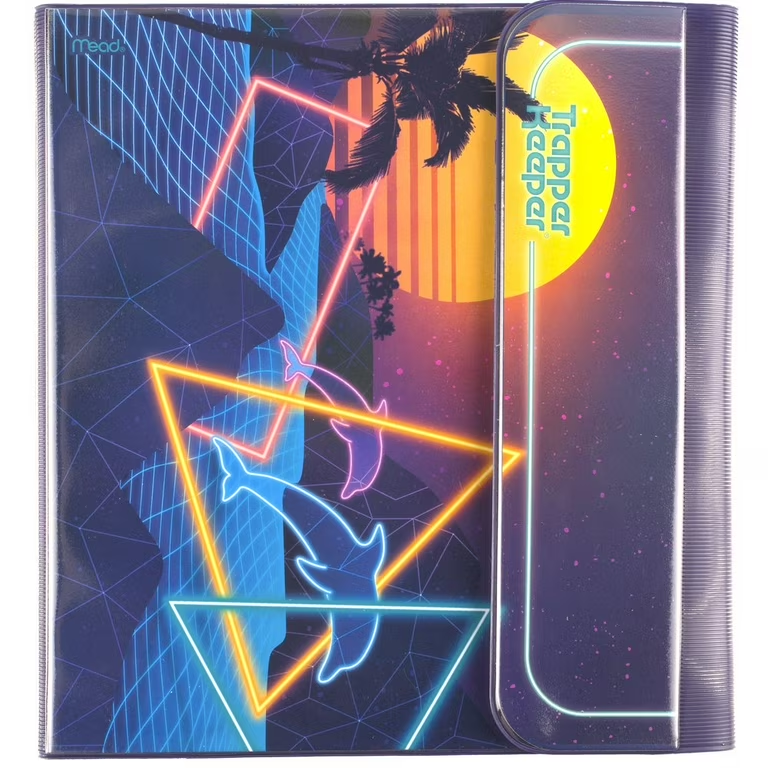
Somebody had a Trapper Keeper with neon geometry. Somebody else had horses, a sports car or a space scene. A sticker book was open on a desk while three people negotiated over one scratch-and-sniff sticker nobody planned to actually stick anywhere.
Parachute pants swished past. A pastel jacket appeared on somebody who lived hundreds of miles from Miami. Bracelets climbed both wrists. “Totally awesome” was delivered with enough emphasis to suggest ordinary adjectives had been discontinued.
The 1984 Fad Countdown
- #6 Teen Slang Overload“Totally,” “awesome,” “gag me” and mall-speak change the sound of ordinary conversation.
- #5 Parachute PantsShiny, zip-heavy pants make every hallway sound like a low-budget dance rehearsal.
- #4 Miami Vice FashionPastels, rolled sleeves and sockless loafers give men a television-designed makeover.
- #3 Sticker BooksPuffy, prism, fuzzy and scratch-and-sniff stickers become schoolyard trade goods.
- #2 Trapper KeepersThe binder design becomes almost as important as the schoolwork supposedly stored inside.
- #1 Madonna Wannabe StyleLace gloves, bracelets, crucifixes and layered fashion become a copyable identity kit.

Teen Slang Overload
By 1984, ordinary conversation had acquired production values. “Totally,” “awesome,” “for sure,” “gross me out,” “gag me” and “no duh” moved through schools and malls until even people mocking the language were helping distribute it.
The fad was not only the words. It was the tone, rhythm and exaggerated delivery—the sense that every reaction deserved a small performance.
Slang spreads efficiently because it costs nothing. A kid hears a phrase, repeats it badly, gets a laugh and tries it again. Within days, a local school can sound as though everyone received the same unofficial script.
Television and mall culture gave the vocabulary visual identities. Certain phrases carried a whole character: the bored teenager, the valley voice, the sarcastic friend or the person treating every minor inconvenience as an event worthy of national coverage.
Adults often accelerated the process by complaining. Once parents and teachers began repeating the phrases sarcastically, the words had crossed into full cultural recognition.
The Hallway Soundtrack
Lockers slammed, parachute pants swished and somebody stretched “totally” across enough syllables to use the entire passing period.
Why Mocking It Did Not Stop It
Every parody repeated the language. The joke kept the phrases circulating until people used them without noticing.
Parachute Pants
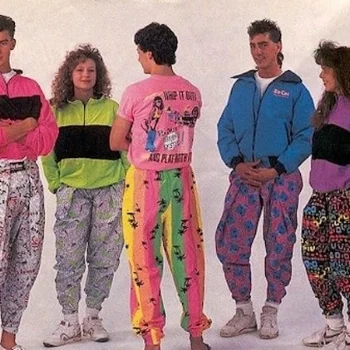
Parachute pants looked like somebody had asked a flight suit to become nightclub clothing. They were shiny, zip-heavy, synthetic and impossible to mistake for whatever adults had been calling normal pants the year before.
The appeal came from movement and association. Wearing them made an ordinary kid look one practiced routine away from belonging to dance culture.
The pants worked because the silhouette and material were immediately recognizable. Even a basic outfit looked more current once nylon panels, tapered legs and unnecessary zippers entered the situation.
They also offered the illusion of ability. A person did not need to know how to breakdance. The pants suggested the possibility, which was often enough until somebody cleared floor space and asked for proof.
Then there was the swish. Certain 80s clothes created their own audio layer, and parachute pants may have been the decade’s most committed example.
The Dance-Culture Shortcut
The pants let regular kids borrow the outline of street and dance style without first mastering a freeze, spin or coordinated entrance.
The Hallway Audio Problem
A quiet arrival was impossible. Nylon friction turned every walk to class into a small garment-based broadcast.
Miami Vice Fashion
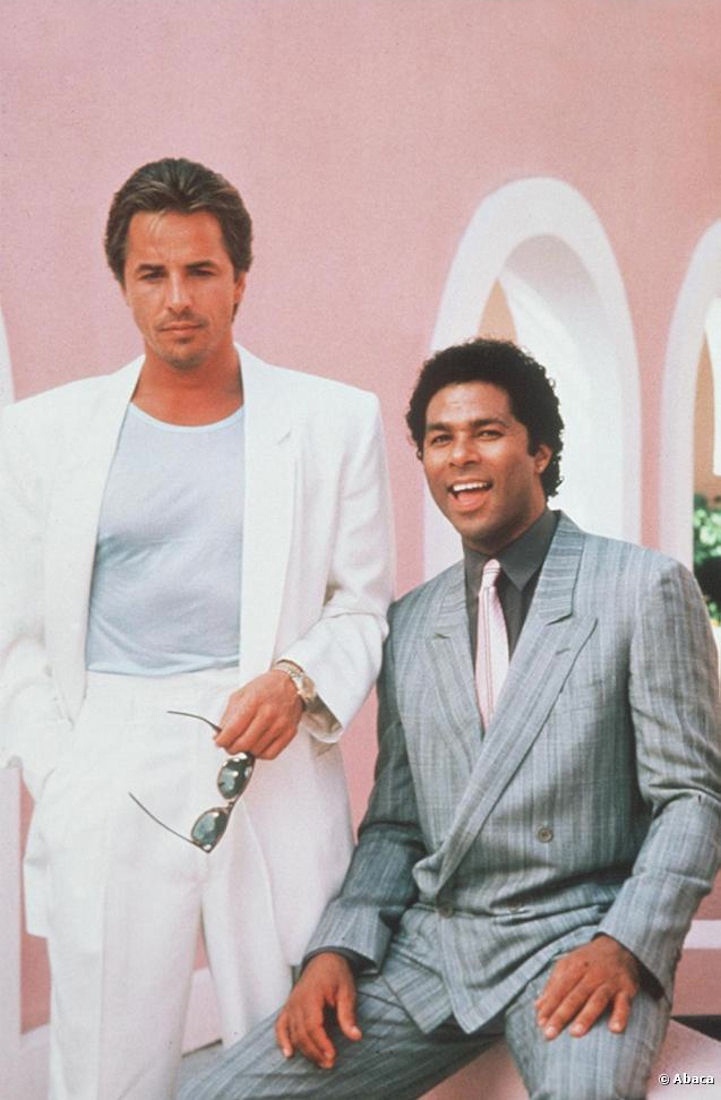
Miami Vice made men’s fashion look as though beige had been declared a public emergency. Pastel jackets, T-shirts under sport coats, rolled sleeves, white pants and sockless loafers created a look that was relaxed, expensive-looking and slightly dangerous.
The style worked because it arrived as a complete fantasy. Wear the jacket and maybe the lighting, waterfront access and dramatic soundtrack would follow.
Television had always influenced clothing, but this look was unusually easy to identify and imitate. Retailers could reproduce the colors and shapes quickly, while ordinary guys could assemble a version without needing an actual detective badge or a boat.
The pastel palette also separated the fad from older masculine clothing. Pink, mint, peach and pale blue suddenly carried television credibility. The clothes looked softer while the attitude remained serious.
Results varied. Not every sockless loafer or rolled sleeve produced the intended effect. Still, the attempt was visible enough to prove the show had escaped the screen.
The Television-to-Mall Pipeline
A weekly visual appeared on television, retailers supplied a wearable approximation and malls handled national distribution.
The Inland Miami Problem
The look spread far beyond beaches, producing pastel confidence in towns where the nearest speedboat belonged to somebody’s uncle.
Sticker Books and Sticker Trading
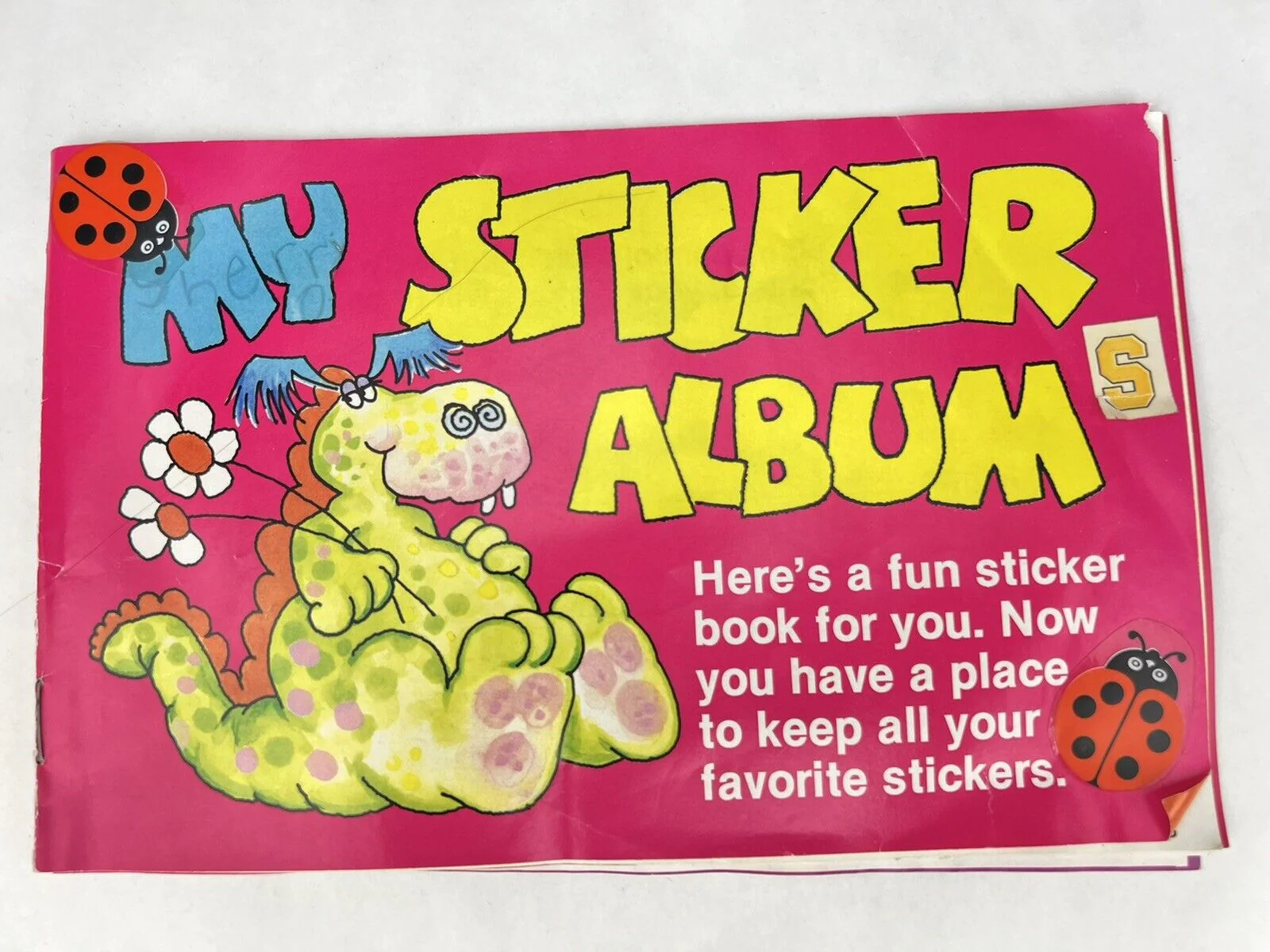
Stickers were not merely decoration in 1984. They formed a small economy with categories, status levels and rules nobody had written down because every kid already seemed to understand them.
Puffy stickers, prism stickers, fuzzy stickers, foil and scratch-and-sniff designs all occupied different positions in the hierarchy. The best ones were often too valuable to use for their intended purpose.
Sticker books gave the collection a stage. Opening one was a presentation. Pages were turned carefully, favorites were identified and trade negotiations began almost immediately.
The fad worked because it combined collecting and customization. A kid could organize pages by color, theme, texture or a private system that made sense only to the owner. The book became part archive and part personality.
Cost and portability helped. Stickers were small enough to bring to school and inexpensive enough to acquire gradually, but specific enough to inspire real obsession.
The Unwritten Sticker Hierarchy
Plain paper stickers were common. Puffy, prism, fuzzy and scented designs carried higher emotional and trade value.
The Sticker Nobody Used
Some stickers were considered too good to peel, creating the strange victory of preserving an adhesive object forever.
Trapper Keepers
Some kids carried a binder. Other kids carried a Trapper Keeper, and everybody understood the difference. The Velcro flap, interior folders and giant cover art made school organization feel like consumer electronics.
Choosing one mattered because it appeared every day. Horses, cars, neon geometry, landscapes and space scenes projected different identities before the first worksheet emerged.
The practical function gave the fad adult approval. Parents could justify the purchase as organization, even when the real decision centered on which cover would survive public inspection at school.
The Velcro sound created a tiny ceremony. Opening the binder announced activity, although the inside might contain wrinkled worksheets, doodles and three assignments that had been missing long enough to become historical documents.
Trapper Keepers also stayed visible longer than ordinary trend items. They sat on desks, traveled through halls and appeared during every subject. That repetition turned a school supply into one of the year’s strongest status symbols.
The Cover Decision
Selecting the design felt less like buying office supplies and more like deciding which personality would attend school.
The Organization Illusion
The binder looked capable of fixing a school year even when the person carrying it remained committed to loose paper chaos.
Madonna Wannabe Style
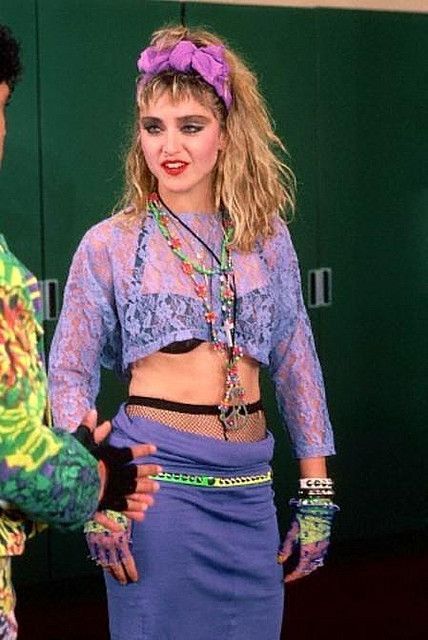
Girls were not only listening to Madonna in 1984. They were studying the construction. Lace gloves, crucifix necklaces, black rubber bracelets, layered skirts, fishnets, teased hair and off-the-shoulder tops became parts of a look that could be rebuilt at home.
That copyability made the style larger than ordinary celebrity fashion. It did not require one exact designer outfit. It required enough pieces and enough confidence.
Music videos offered repeated close-up instruction. Viewers could examine the jewelry, makeup, fabric and layering, then create a local version using mall purchases, borrowed accessories and clothes altered beyond their original purpose.
The look also carried permission. It allowed girls to appear bold, messy, theatrical, grown-up and slightly dangerous. The clothes communicated attitude before the person had to explain it.
Because the style was assembled, individual versions varied. That made the fad stronger. People were not merely buying a uniform; they were participating in the construction of a character.
The Bedroom-Mirror Workshop
Bracelets stacked, old tops shifted off one shoulder and jewelry boxes temporarily lost inventory in the name of television accuracy.
Why It Was More Than Clothes
The fad included posture, makeup, attitude and the idea that self-invention could begin with accessories already in the house.
What Happened to the Biggest Fads of 1984?
Several fads simply changed vocabulary or format. Sticker collecting moved into planners and online stationery culture. Trapper Keepers returned through nostalgia editions. Pastel tailoring and layered accessories cycle back whenever designers decide the 80s deserve another hearing.
Madonna wannabe style had the strongest cultural legacy because it remains identifiable as a complete look. A lace glove, stacked black bracelets and teased hair can still summon 1984 without a date label.
The Final Verdict on the Biggest Fads of 1984
1984 was a daily-life fad year. The trends were not limited to special events or expensive purchases. They traveled into school, appeared in conversation and became visible through objects ordinary people carried.
Madonna style wins because it offered the broadest identity package. Trapper Keepers and sticker books follow because they dominated school culture. Miami Vice fashion and parachute pants changed the silhouette, while slang gave the year a soundtrack even when no music was playing.
Put a lace glove beside a Trapper Keeper, a scratch-and-sniff sticker and a pair of nylon pants, and 1984 identifies itself.
Keep Exploring 1984
Rebuild the rest of the year through the music, movies, television and toy pages surrounding these trends.
Questions About the Biggest Fads of 1984
What were the biggest fads of 1984?
The six biggest fads were Madonna wannabe style, Trapper Keepers, sticker books and sticker trading, Miami Vice fashion, parachute pants and teen slang overload.
What was the number-one fad of 1984?
Madonna wannabe style ranks first because it crossed music, clothing, jewelry, hair, makeup and attitude while inspiring widespread real-life imitation.
Why are Trapper Keepers ranked above sticker books?
Trapper Keepers had greater daily visibility. They appeared during nearly every class and functioned as both practical school supplies and public identity objects.
Why were sticker books popular in 1984?
Sticker books combined affordable collecting, organization, trading and schoolyard status. Puffy, prism, fuzzy and scratch-and-sniff stickers created an understood hierarchy.
What did Madonna wannabe style include?
The look commonly included lace gloves, stacked bracelets, crucifix jewelry, layered skirts, fishnets, teased hair, dark eyeliner and off-the-shoulder tops.
Were parachute pants popular in 1984?
Yes. Shiny synthetic fabric, tapered legs and zipper-heavy designs connected the pants with dance and street style during the mid-1980s.
How did Miami Vice influence fashion?
The show popularized pastel jackets, T-shirts under sport coats, rolled sleeves, white pants and loafers worn without socks, giving men a more cinematic casual style.
What slang was popular in 1984?
Phrases such as “totally,” “awesome,” “for sure,” “gross me out,” “gag me” and “no duh” were widely associated with 1980s teen and mall culture.
How did fads spread in 1984?
They spread through MTV, network television, malls, magazines, school hallways, older siblings and direct word of mouth.
Which 1984 fad had the longest legacy?
Madonna style remains the strongest named fashion legacy, while Trapper Keepers, sticker collecting and several slang terms also survived through revivals or everyday use.
Why are school supplies included as fads?
Trapper Keepers and sticker books went beyond function. Their designs, collections and public visibility created status, imitation, trading and strong school-year identity.
What else defined pop culture in 1984?
Prince, Tina Turner, Van Halen, Madonna, Ghostbusters, Beverly Hills Cop, Gremlins, network television and major cartoon-driven toy lines all helped define the year.