Designing Women in the Early 90s: Southern Attitude, Politics and Prime-Time Power
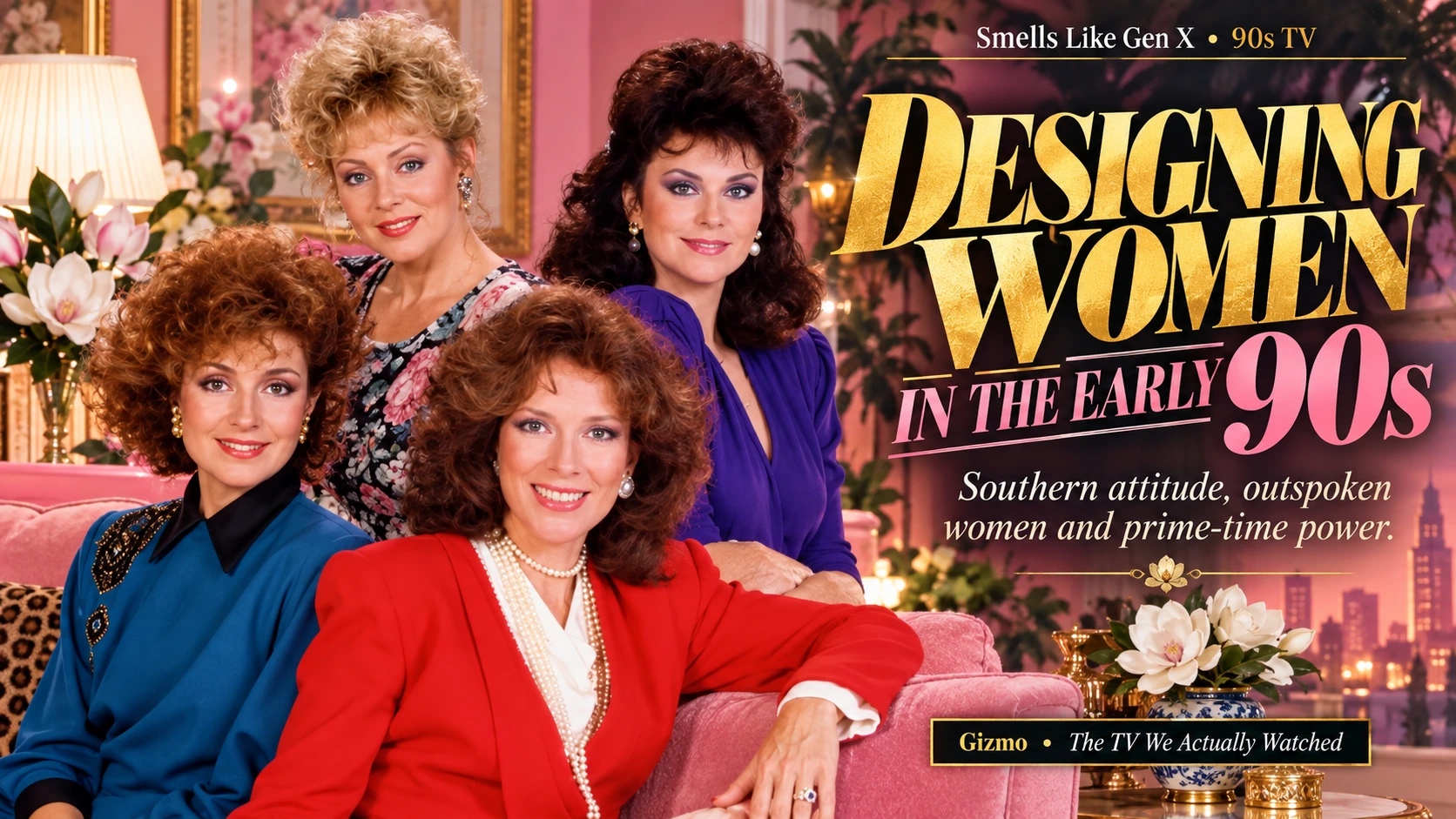
Designing Women in the Early 90s: Southern Attitude, Politics and Prime-Time Power
Designing Women entered the 90s loud, Southern, political and still commercially powerful. Here’s why Sugarbaker & Associates remained part of the mainstream.
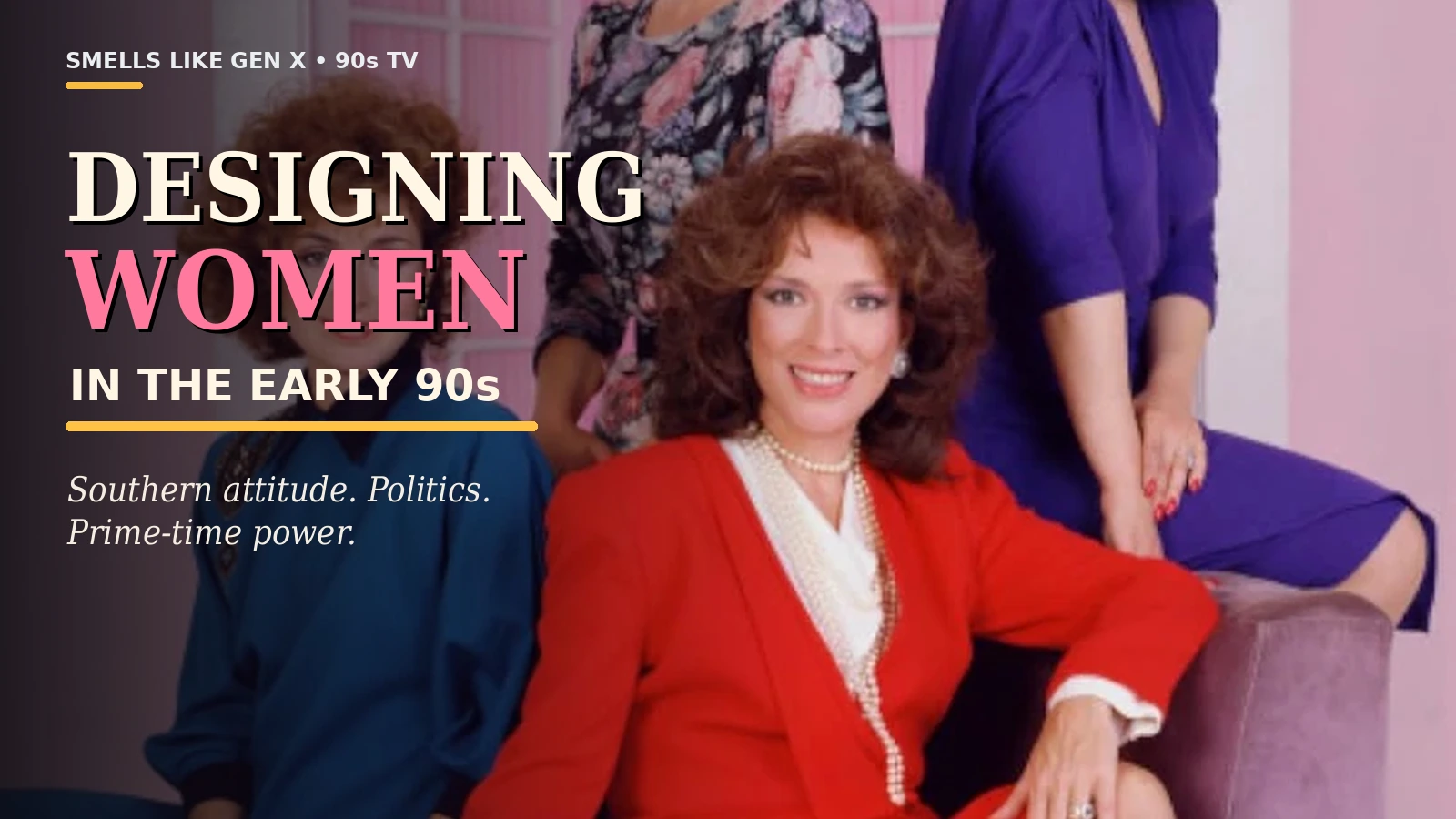
Why did Designing Women still matter in the early 1990s?
Because it proved that a sitcom could be regional, female-centered, argumentative and unmistakably specific without becoming a niche curiosity. The women of Sugarbaker & Associates brought Southern identity, workplace comedy and topical monologues into mainstream CBS prime time, and the series was still an Emmy-nominated comedy in 1991.
Designing Women Had a Regional Voice You Could Hear With Your Eyes Closed
Atlanta mattered. Sugarbaker & Associates was not a generic office that happened to be below the Mason-Dixon line; the show’s language, manners, grudges, family histories and political instincts came from a specific Southern social world. Julia Sugarbaker could turn a polite conversation into a courtroom closing argument, Suzanne could make vanity feel like a philosophy, and Mary Jo and Charlene brought their own versions of class, independence and regional identity.
That specificity is one reason the show still feels sharper than a lot of interchangeable late-80s and early-90s sitcom product. It knew where it lived. In our wider 1990s television map, that makes Designing Women an important bridge: the decade was beginning to reward more distinct voices, not fewer, and CBS already had one sitting in an Atlanta design firm.
The regional voice also gave the series a way to talk about national issues without sounding like every other topical sitcom. The arguments came through a recognizable social world with its own manners, hypocrisies and history. The sharper the show became, the more important that sense of place was.
Those Speeches Were Funny Because the Character Had Earned Them
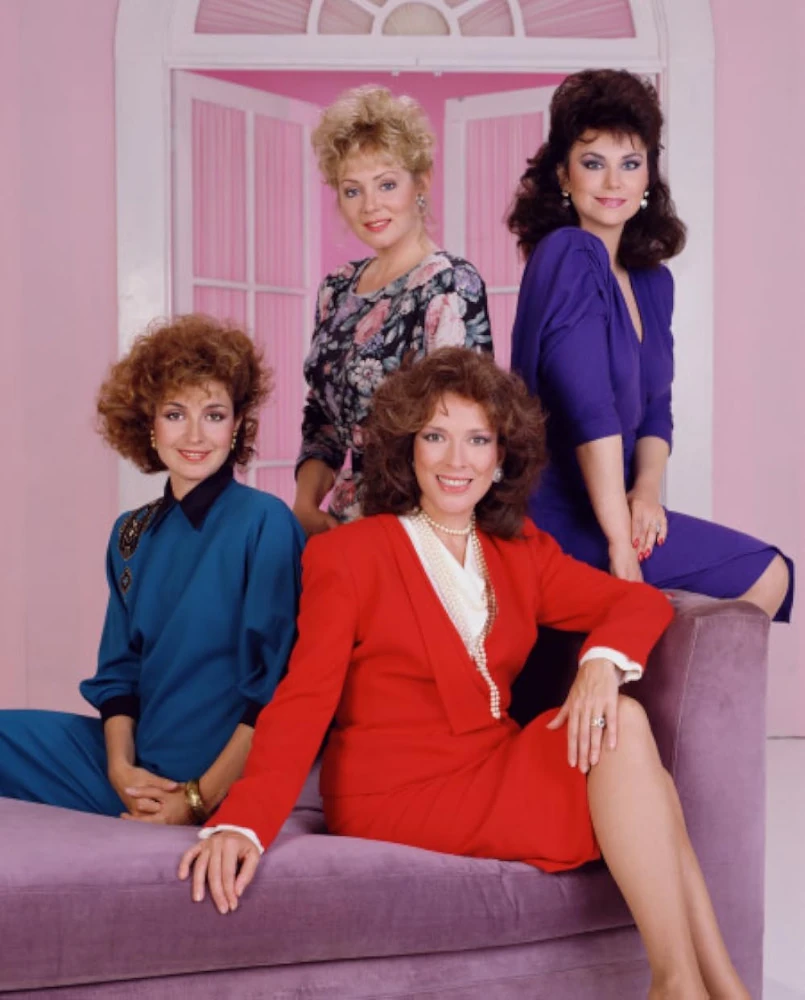
Julia’s famous verbal takedowns are often remembered as clips, but they worked because the show built a character who could plausibly deliver them. Dixie Carter played her as a woman with rigid standards, real vanity, genuine compassion and a terrifying ability to decide that a stranger needed correcting. The speeches were not random authorial lectures dropped into a sitcom. They were Julia Sugarbaker doing exactly what Julia Sugarbaker did.
That distinction matters when we talk about politics on the show. Designing Women was willing to state a position, but it usually did it through character conflict. The room could push back. Suzanne could undercut the moral certainty with self-interest. Anthony could change the angle. The comedy lived in the fact that these people had known each other long enough to recognize the speech before Julia reached paragraph two.
What made the device durable was its theatricality. Julia did not merely win arguments; she performed them. Network television was still a place where a character could stop the room with a speech and trust millions of viewers to enjoy the language itself.
The Show Did Not Flatten Its Female Characters Into One Point of View
One of the smartest things about the ensemble was how little interest it had in making the women interchangeable symbols of empowerment. Julia, Suzanne, Mary Jo and Charlene wanted different things, came from different class backgrounds and had different relationships with work, romance, family and status. Even when the show took a strong position, the characters arrived at it from different emotional places.
That feels obvious now because ensemble television has had decades to normalize it. In the 80s and early 90s, a network sitcom centered on several adult women could still be treated as a category rather than simply a comedy. Designing Women made the category itself look limiting. The women were not remarkable because television had assembled four of them. They were remarkable because each was allowed to be specific.
That difference is crucial to the show’s longevity. Viewers could love one character, argue with another and still enjoy the group. The ensemble did not ask for ideological uniformity; it asked for chemistry.
Designing Women Was Still Inside the Mainstream Conversation
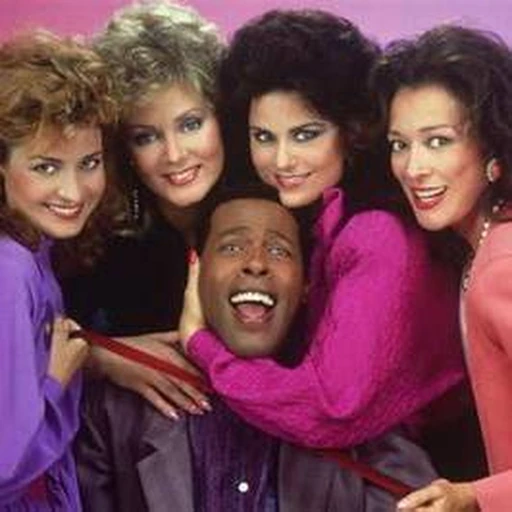
The 1990–91 season matters because the show was not limping toward the margins. It was still part of the national comedy conversation and was nominated for Outstanding Comedy Series at the 1991 Emmys. That season’s comedy field also included Cheers, Murphy Brown, The Golden Girls and The Wonder Years—a reminder of how much adult, voice-driven comedy was living in the center of network television.
That is why the link to the biggest TV shows of 1991 matters more than a nostalgia ranking. It puts the series back where viewers actually experienced it: not as an 80s artifact, but as a still-current program entering a decade whose cultural center was widening.
The series also benefited from the scale of CBS itself. A network comedy could still become part of national conversation simply by occupying a strong hour on a major broadcast network. Designing Women did not need to be a cult show because the system still had room for it to be a mass one.
The Show Could Talk About Public Life Without Becoming a Different Program
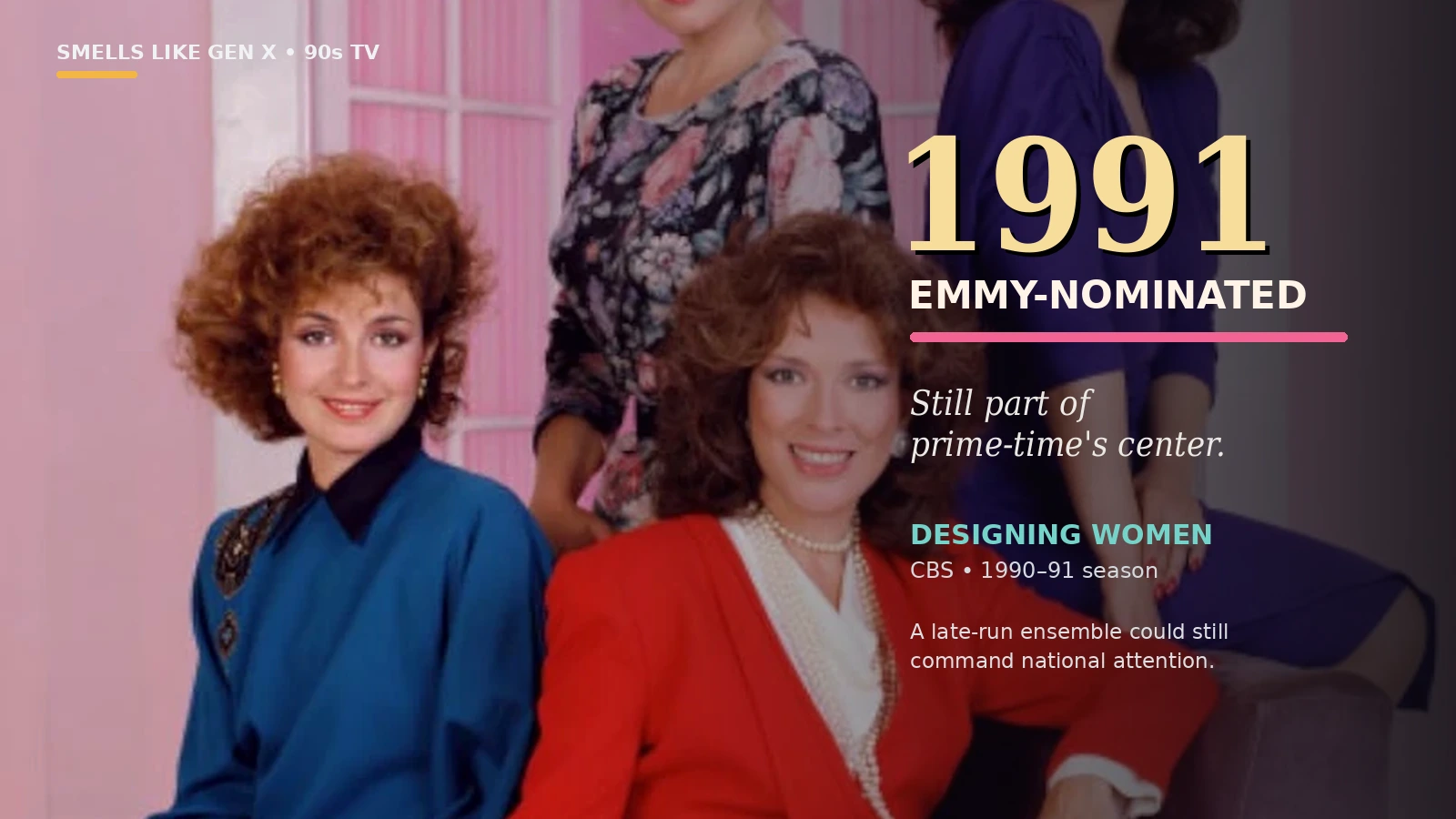
Linda Bloodworth-Thomason wrote from a clear political and cultural point of view, and the series did not hide that. It addressed AIDS, sexism, racism, reproductive politics, homelessness and the hypocrisy of polite society. Sometimes the writing was subtle; sometimes Julia Sugarbaker practically brought a lectern into the room. Either way, topicality was built into the show’s identity.
The useful comparison is Murphy Brown and its own mix of work, politics and attitude. Both shows proved that network comedy could argue about the world without abandoning character or commercial scale. They sounded different—Atlanta design firm versus Washington newsroom—but both assumed adults could handle a sitcom with an opinion.
That confidence feels especially striking now because topical comedy can quickly become trapped by the speed of the news cycle. Designing Women usually worked best when an issue revealed the people in the room rather than when the episode existed merely to prove the writers had read the newspaper.
Delta Burke’s Exit Changed the Chemistry, Not the Importance of What Came Before
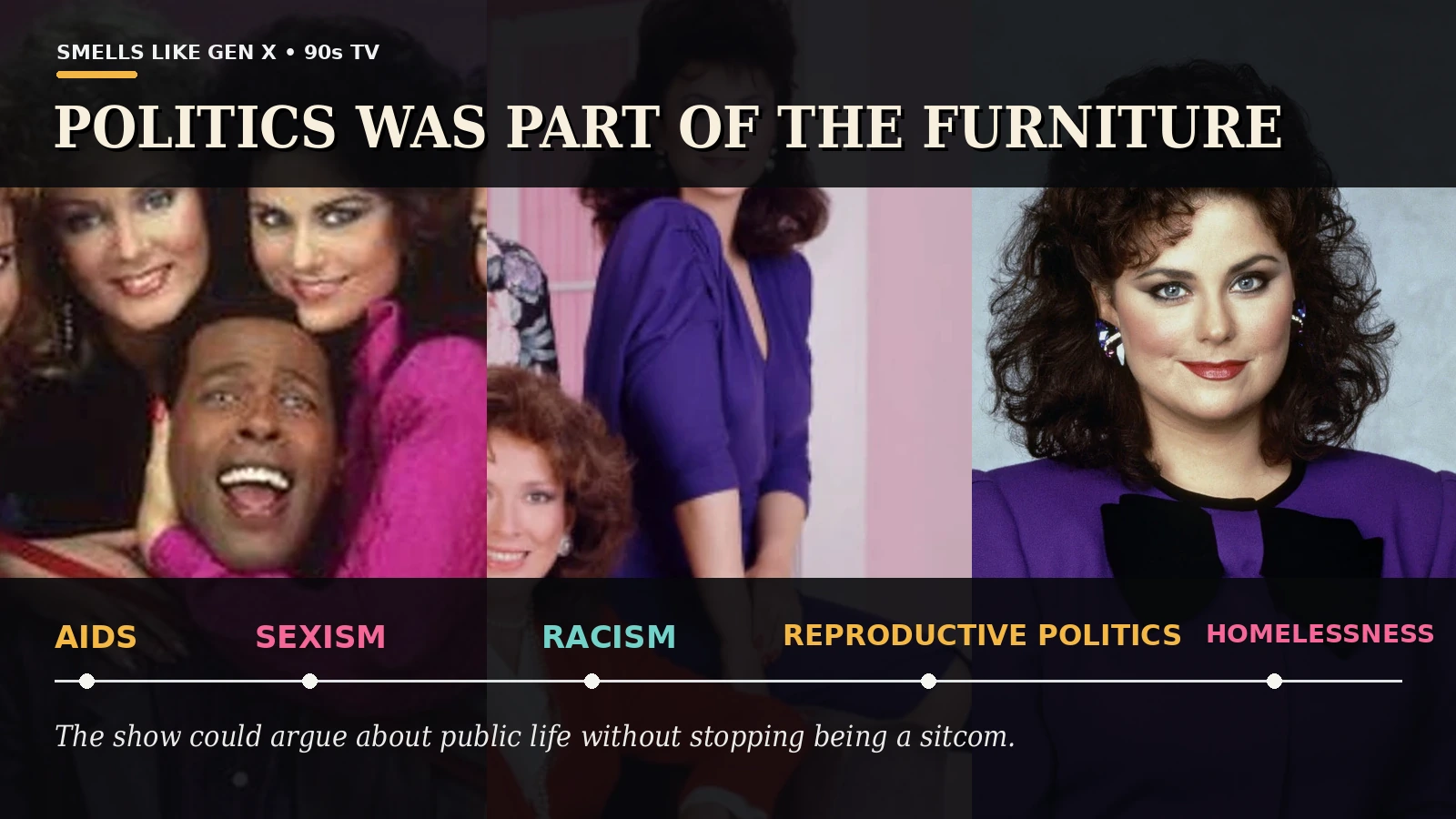
No honest early-90s discussion can pretend the departure of Delta Burke after the 1990–91 season was a minor production note. Suzanne Sugarbaker was a huge part of the chemistry, and the behind-the-scenes conflict became part of the show’s public story. When a long-running ensemble loses a character that specific, the replacement question is bigger than plugging a chair.
But the later casting changes should not erase the reason the show had become powerful in the first place. The early-90s peak captured an ensemble with years of accumulated tension and affection. That accumulated history is exactly what made the series commercially durable: viewers were not simply tuning in for a premise. They were tuning in for people whose rhythms they already knew.
This is why 1991 is such a clean boundary for the article. It is both a measure of the show’s remaining mainstream strength and the last season of the original four-woman chemistry that had defined its rise.
Prime Time Was Making Room for Sharper Social Worlds
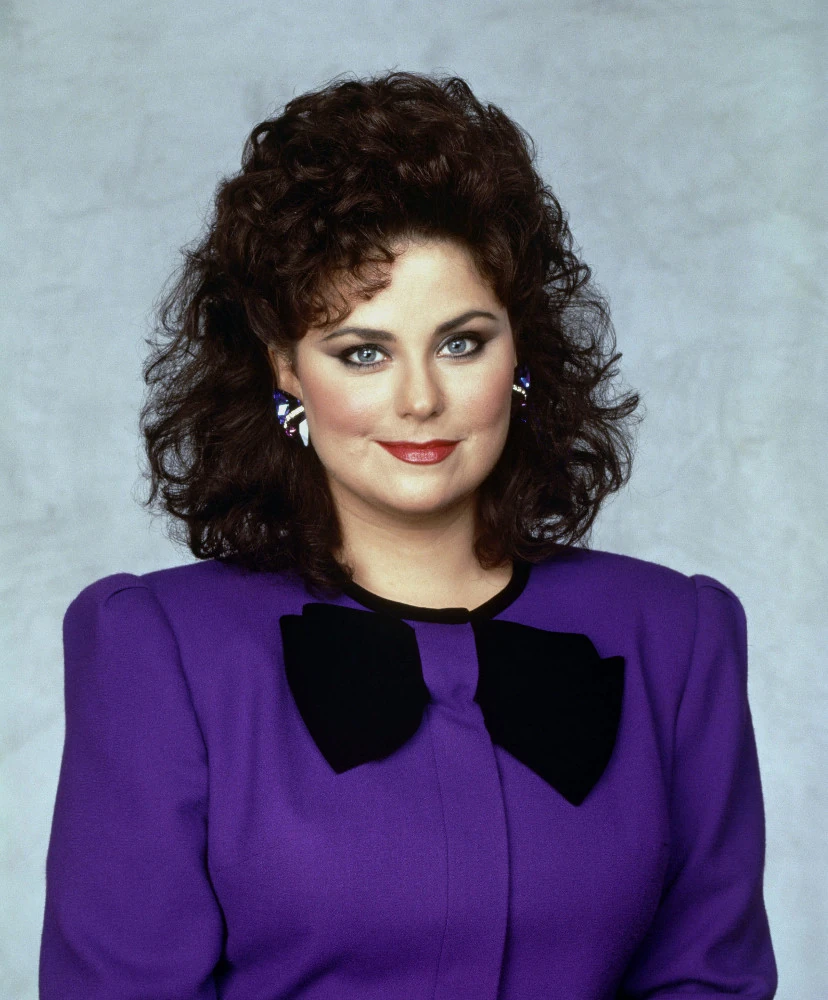
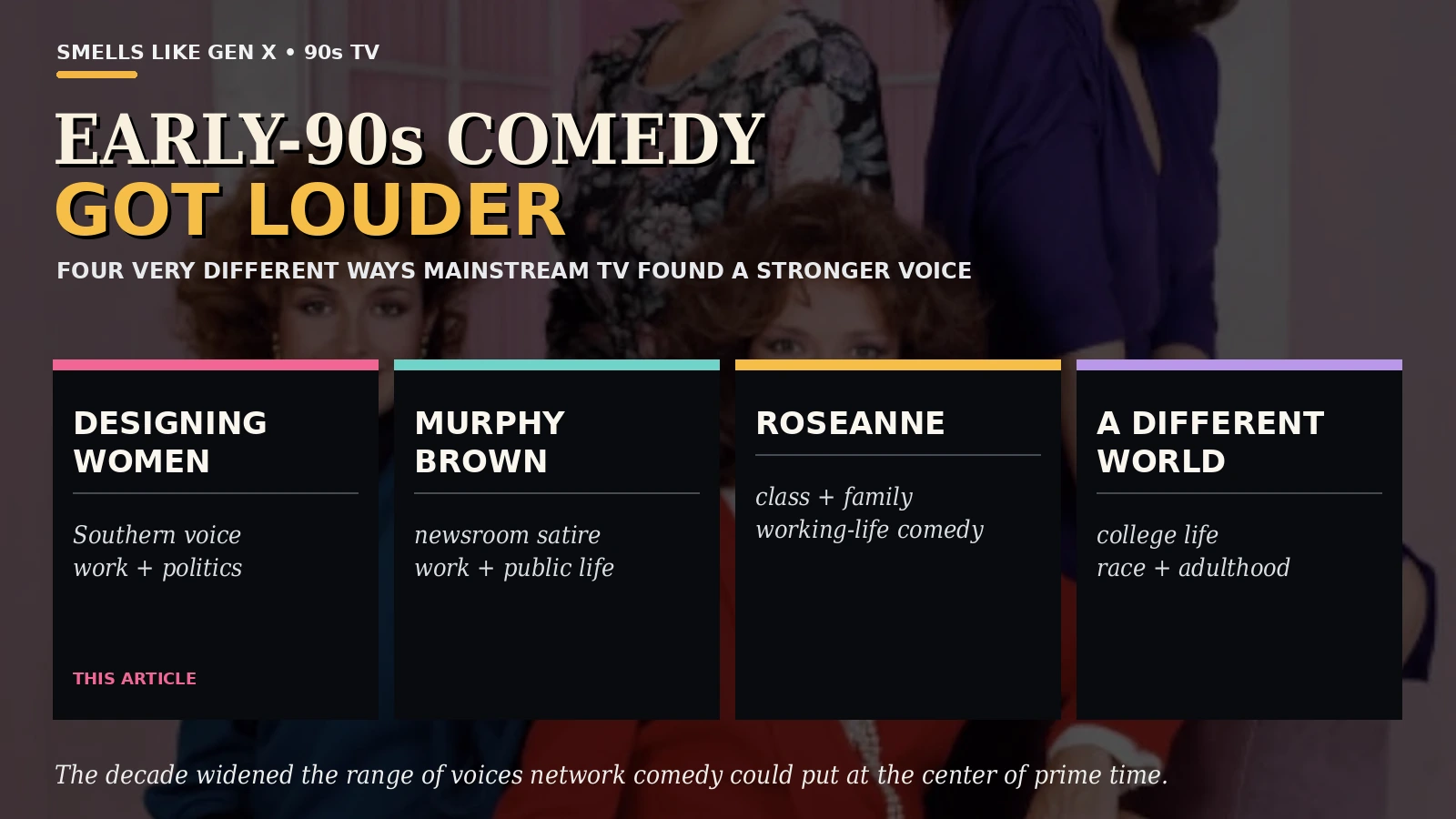
Our broader piece on how early-90s sitcoms widened prime time uses Roseanne, Murphy Brown and A Different World as major examples. Designing Women belongs in the same ecosystem. It had regional specificity, women with strong professional identities, social issues, class friction and a willingness to let characters sound like themselves rather than a network committee.
That does not mean every episode was revolutionary or every joke aged perfectly. It means the series helped normalize a mainstream comedy landscape where specificity could be an asset. The 90s did not begin by erasing the older network sitcom. They began by giving more kinds of voices enough room to compete.
Designing Women’s place in that transition is easy to miss precisely because it had started earlier. The show carried an 80s production shell into the 90s while already containing many of the sharper themes the new decade would continue to explore.
You Could Hear Designing Women From the Next Room
Gen X television memory is full of shows we could identify before seeing the screen. Designing Women had that quality. The pacing of an argument, the accent, the way a polite sentence would suddenly acquire teeth—you knew what room you were in. That matters because television in the broadcast era was often ambient. It was on while people folded laundry, finished homework or walked through the room.
The show could survive that half-attention because its voice was so specific. Then, when it wanted your full attention, Julia started talking and everybody shut up. That combination—comfortable weekly familiarity plus occasional verbal fireworks—is one reason the show remained potent as the decade turned.
What survives now is not merely a list of issues the show addressed. It is cadence. The words sounded like they belonged to particular people in a particular place. That is a harder legacy to manufacture than a catchphrase, and a better explanation for why the series still feels alive.

Specificity Was the Real Prime-Time Power
The easiest way to flatten Designing Women is to remember it only as “the show where Julia gave speeches.” The fuller picture is much more interesting. The series had a workplace, but it was not really about interior design. It had politics, but it was not a weekly editorial. It had glamour, but it was not built around aspirational wealth. Its identity came from a particular mixture of Southern manners, female friendship, class awareness, family history and a willingness to let people argue in complete sentences. That mixture is what made the series difficult to imitate and is why the best episodes still sound like themselves decades later.
The women also occupied a professional world without the show pretending career erased every other part of their lives. Clients came through the office, but so did family problems, romantic disasters, old grudges and moral arguments. Work provided the room; personality provided the show. That balance mattered at a moment when network television was expanding the range of women it could put at the center of a comedy. A character could care about business and appearance, politics and romance, independence and family, without the script treating those interests as contradictions that had to be resolved.
There is also a generational reason the series reads differently now. Broadcast comedy in that period had to communicate character quickly because viewers could miss an episode and still return the next week. Designing Women solved that problem with strong voices. You did not need a recap to remember who Julia was or why Suzanne could drive her crazy. The characters announced themselves through rhythm, vocabulary and attitude. That clarity helped casual viewers, but it also rewarded regular viewers because the same traits deepened over time rather than resetting to zero.
The early-90s version of the show therefore deserves to be judged on two levels at once. It was a veteran sitcom dealing with cast tension and the normal wear of a long run, but it was also still proof that a network comedy could be regional, female-led and opinionated without surrendering mass appeal. That is the piece of its legacy most worth carrying forward. Designing Women did not need to sand off its edges to survive in prime time. For a while, those edges were exactly what made the show valuable.
Another reason the series deserves its own early-90s page is that its identity survived the normal television pressure to become safer as success arrived. Popularity often encourages a network show to sand down whatever makes it unusual. Designing Women largely did the opposite during its strongest years: the accents stayed thick, the arguments stayed long, the women stayed difficult, and the regional point of view remained obvious. That stubbornness is part of the commercial lesson. A broad audience does not always require broad, generic characterization. Sometimes the clearest route to mass appeal is giving viewers a world specific enough that they know immediately when they have entered it.
Frequently asked questions
Was Designing Women still popular in the early 1990s?
Yes. It remained a major CBS comedy entering the decade and was nominated for Outstanding Comedy Series at the 1991 Emmys.
Who created Designing Women?
Linda Bloodworth-Thomason created the series and was one of its defining writers and producers.
Why was Julia Sugarbaker so important?
Julia’s verbal takedowns gave the series a recognizable voice, but they worked because Dixie Carter played her as a complete, contradictory character rather than a speech machine.
Did Designing Women deal with politics?
Yes. The show regularly addressed social and political subjects through its characters and workplace stories.
When did Delta Burke leave Designing Women?
Burke left after the 1990–91 season, making that season a major dividing line in the show’s history.
Why focus on the early 1990s?
Because this was the show’s late peak, when it still had real prime-time power and a clear place in the national comedy conversation.