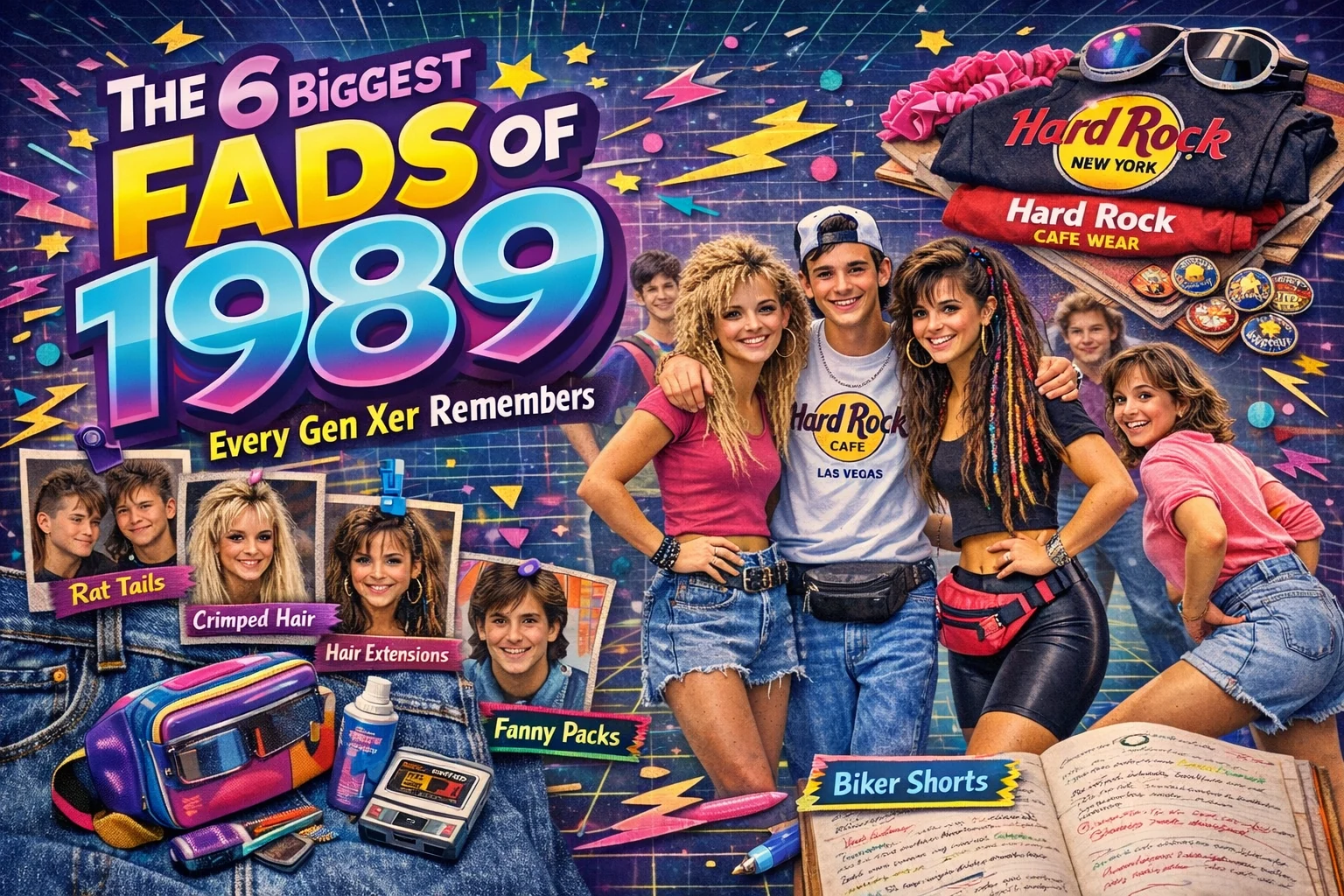
6 Biggest Fads of 1989 The Mall-Culture Finale That Sent the 80s Out Wearing Biker Shorts and a Fanny Pack
By 1989, the decade was not quietly packing its things. It was still at the mall, wearing a tourist-logo shirt, carrying everything in a zippered pouch at waist level and asking whether the crimping iron was hot yet.
These six fads capture the final full year of the 80s as Gen X actually saw it: in school pictures, salon chairs, amusement-park lines, food courts, music videos, vacation photos and closets full of choices that seemed completely reasonable at the time.
1989 Style Forecast
Mall logos become social signals. Athletic clothes escape the gym. Convenience gets strapped around the waist. Hair is lengthened, crimped and otherwise informed that natural behavior will not be tolerated. One kid still refuses to cut the thin strip at the back.
The decade’s last full shopping trip was not subtle.
The winning fads were visible, repeatable and easy to spot from across a food court. They were not niche curiosities. They became part of everyday public life.
What Were the Six Biggest Fads of 1989?
The six biggest everyday fads of 1989 were Hard Rock Cafe wear, biker shorts, fanny packs, hair extensions, crimped hair and rat tails. Together they capture the final full year of the 80s as a mix of mall branding, athletic fashion, practical accessories and hair choices that required equipment, appointments or a parent willing to keep driving past the barber.
Why 1989 Looked Different From the Rest of the 80s
Earlier 80s fads often felt like distinct products or schoolyard crazes. By 1989, the decade had moved deeper into lifestyle fads. The trend was no longer only the thing you bought. It was how you wore it, how you styled your hair, which logo was on your chest and whether your accessories announced that you had recently visited an airport, amusement park or shopping mall.
The final full year of the decade was also more casual than the early 80s. Athletic wear had been absorbing everyday fashion for years. Oversized tops, fitted bottoms and practical bags were starting to look less like costume pieces and more like normal clothing. Normal, of course, being a flexible word when the bag was strapped around the waist and the hair had been pressed into hundreds of tiny zigzags.
The mall became the stage
The mall gave these fads a place to spread in public. One walk past the food court exposed you to logo shirts, salon hair, sportswear, travel accessories and whatever the older kids had decided was cool that week. Trends did not need to go viral. They only needed to appear on enough people between the record store and the arcade.
The look was doing the talking
These fads were readable from across a hallway. A rat tail, a Hard Rock shirt or a fanny pack announced itself immediately. That visual clarity matters. The best fads are easy to copy, easy to recognize and impossible to explain convincingly twenty years later.
How Fads Spread in 1989 Before Social Media
Trends moved through overlapping channels. You saw a look on television, found a version at the mall, watched somebody older wear it at school and then spent the next weekend trying to recreate it. The process was slower than a modern feed, but it had more physical evidence. Everybody could see exactly who had committed.
That is one reason 1989 fashion memories remain so specific. These were not images that flashed past on a screen. They appeared in class pictures, birthday snapshots, vacation albums and family videos—the permanent record adults insisted on creating while nobody considered what future generations might think.
How These 1989 Fads Were Ranked
This countdown ranks the fads by a combination of visibility, everyday participation, cultural recognition, 1989 fit and long-term memory. The question is not merely whether a trend existed. It is whether people saw it often enough, copied it widely enough and remember it clearly enough to represent the year.
Hard Rock Cafe wear takes the top spot because it combined fashion, travel, branding and social signaling. Biker shorts rank second because they helped push activewear into everyday clothing. Fanny packs made practical storage into a full-body statement, while the three hair fads show that 1989 still believed the head was unfinished until somebody had done something unnecessary to it.
The Rest of 1989: Music, Movies, TV and Toys
The fads were only one piece of 1989. This was also the year pop radio squeezed out one last full blast of late-80s chart chaos, Batman owned the box office, Game Boy arrived, Nintendo and TMNT kept dominating kid culture, and prime time was still packed with comfort TV before the 90s changed the room.
Keep the same-year rabbit hole going with the rest of the 1989 Smells Like Gen X cluster.
Why These Six Belong on the 1989 List
A real fad year is not just about what got talked about on TV. It is about what people actually did with their bodies, their hair, and their closets once they left the house. That is why 1989 works so well as a fad year. The trends were visible in everyday life. They showed up at the mall, on vacations, in school hallways, at amusement parks, in salons, and in those little daily rituals where people decided how they wanted to look before stepping into public.
By this point, late-80s culture had become comfortable mixing style with weird practicality. Fanny packs were useful, yes, but also bizarrely fashionable. Biker shorts came from athletic logic and somehow ended up in everyday outfits. Hair extensions and crimping let people keep pushing volume and texture even as the decade was nearing the finish line. And Hard Rock Cafe shirts turned travel merch into a status item, which is honestly one of the most late-80s things imaginable.
That is what makes 1989 feel different from 1988. The earlier year still had more obvious school-kid rituals and notebook-level chaos. 1989 felt more like a broader lifestyle year — still youthful, still visual, still a little ridiculous, but more tied to what people wore and how they managed their image in ordinary public life.
What 1989 Actually Looked Like From the Inside
If you were there, you remember that 1989 could feel like the last big weird exhale of the decade. Somebody had a Hard Rock Cafe shirt from a city they may or may not have actually visited. Somebody else was wearing biker shorts like that was fully normal. Fanny packs were trying to become respectable. Hair was still being crimped, extended, sprayed, and manipulated into late-80s shapes. And somewhere in every neighborhood, there was at least one kid walking around with a rat tail like no one had the power to stop him.
The 1989 Fad Countdown
- #6 Rat tailsThe boy-hair fad that felt rebellious, awkward, and weirdly committed all at once.
- #5 Crimped hairBecause straight or curly apparently was not enough; your hair needed texture and attitude too.
- #4 Hair extensionsLate-80s beauty culture was still chasing bigger, fuller, more dramatic hair by any means available.
- #3 Fanny packsThe accessory that tried to convince everyone convenience and style were the same thing.
- #2 Biker shortsAthletic wear crossed fully into everyday fashion and somehow stayed there.
- #1 Hard Rock Cafe wearTourist logo shirts became a strange kind of status symbol by the end of the decade.
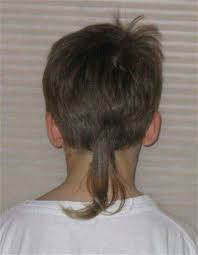
Rat Tails
Rat tails are one of those fads that make absolutely no sense until you remember the era that produced them. Then they make perfect sense. In a decade that loved exaggerated style, visual signals, and tiny acts of self-expression that could somehow irritate adults, a narrow tail of longer hair hanging down the back of the neck was exactly the kind of thing that could catch on.
What made the rat tail work as a real fad was that it was cheap, visible, and easy to understand. You did not need a full haircut transformation. You just needed the willingness to commit to one very specific choice and trust that people would notice. They definitely did. The style could make a kid look tougher, weirder, cooler, or all three depending on who was doing the judging.
If you lived through it, you remember how common they suddenly felt for a stretch. It was not universal, but it was absolutely around. And it had that unmistakable late-80s nostalgia quality where everybody just kind of accepted that this odd little detail counted as style for a while.
The school-photo problem
Rat tails were especially powerful because they lasted just long enough to be documented. A kid might outgrow the style in six months, but the school portrait remained in circulation forever. Decades later, the rat tail is still there, hanging below a carefully combed top section while the background fades from blue to mauve.
Why adults could not ignore it
The style was too small to qualify as a dramatic haircut and too deliberate to be an accident. That made it uniquely irritating. It looked like the barber had completed the job except for one narrow strip somebody had protected under federal law.
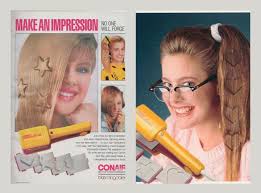
Crimped Hair
Crimped hair was the kind of beauty trend only the 80s could love without hesitation. Straight hair was too simple. Regular curls were apparently insufficient. The solution, naturally, was to add a zigzag texture that made your hair look like it had been run through decorative electrical equipment. And somehow, it worked.
Part of the appeal was that crimping gave hair instant visual interest. It made the whole look feel bigger, busier, and more intentionally styled without requiring a completely new cut. That is a big part of why it thrived in 1989. The decade still wanted drama, but it was increasingly doing that drama through styling tools and texture rather than just raw height alone.
If you were there, you remember that crimped hair had a specific kind of effort behind it. It did not just happen. It was made. And because it was so obviously made, it signaled that somebody cared about getting the look right in the same heavily styled culture that made 1989 music videos and pop stars look larger than life. In a late-80s culture that still rewarded visible effort, that counted for a lot.
The bathroom became a styling station
Crimping took time, heat and patience. The tool pressed one small section at a time, which meant the finished look carried visible labor. Nobody accidentally woke up with evenly spaced zigzags. You earned every inch of that texture.
Why it photographed so well
Crimped hair caught light, created volume and read clearly in snapshots. It gave ordinary hair the same busy visual energy as late-80s clothes. The decade liked surfaces that looked worked on, and crimping made sure the effort could be seen.
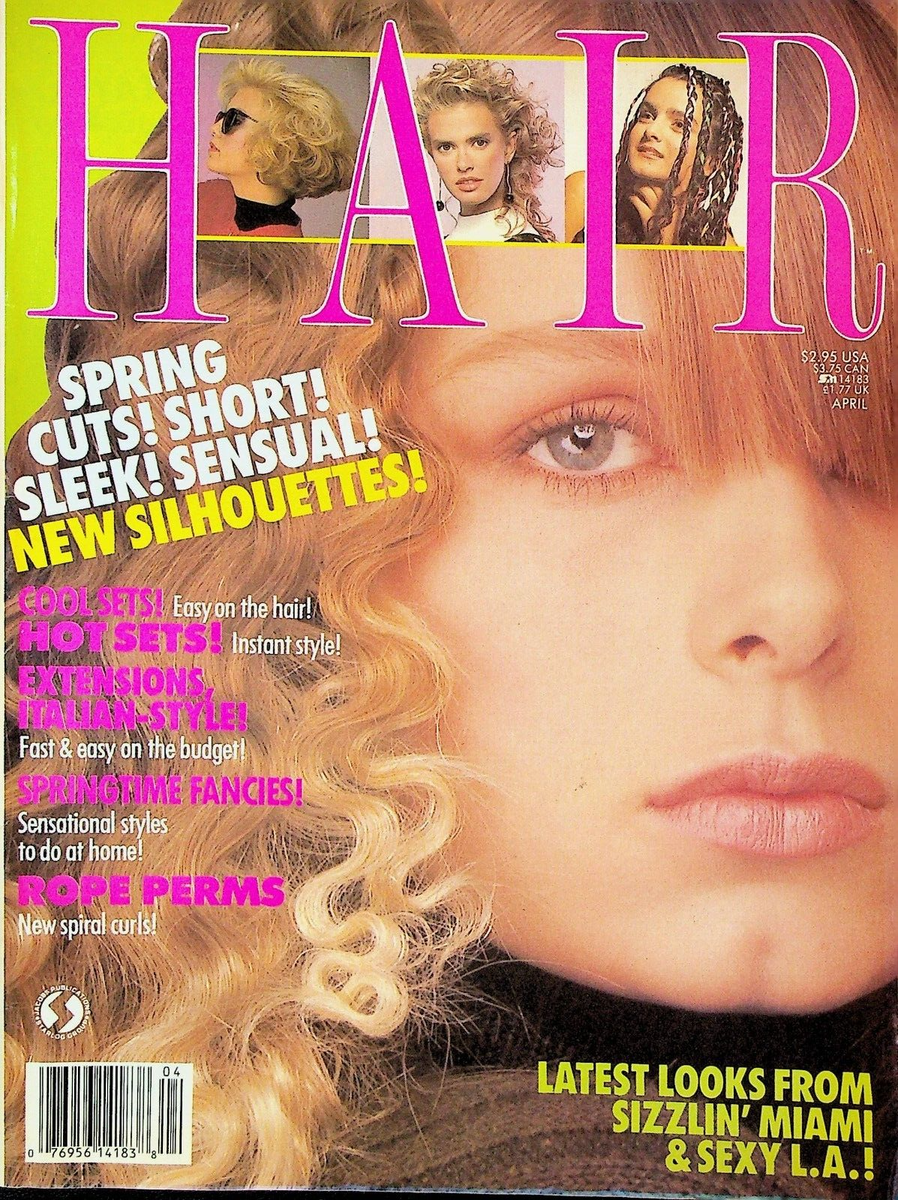
Hair Extensions
By 1989, the decade had spent years teaching people that hair was not just hair. It was architecture. It was identity. It was status. So it makes sense that extensions started feeling like one more logical tool in the pursuit of late-80s volume, fullness, and glamour. When the beauty standard keeps asking for more, people find ways to add more.
That is what makes hair extensions belong on this list. They represent the end-stage logic of 80s beauty culture. Bigger was still better. Fuller was still better. More obvious effort was still better. Extensions made it possible to push the look further, whether somebody wanted longer hair, thicker hair, or just more overall presence in the mirror.
If you lived through it, you remember that the salon side of the decade could get very serious about hair. Trends did not just live in magazines. They lived in appointments, tools, products, and increasingly elaborate routines. Extensions fit right into that environment. They were beauty ambition in physical form.
The beauty rule was still more
Extensions fit a culture that had spent years rewarding length, fullness and dramatic silhouettes. Natural limitations were treated less like facts and more like problems the salon should solve.
The shift toward constructed beauty
Hair extensions also signaled how normal it had become to build a look from tools, products and added pieces. The hairstyle was no longer simply what grew from your head. It was a project with supplies.
Fanny Packs
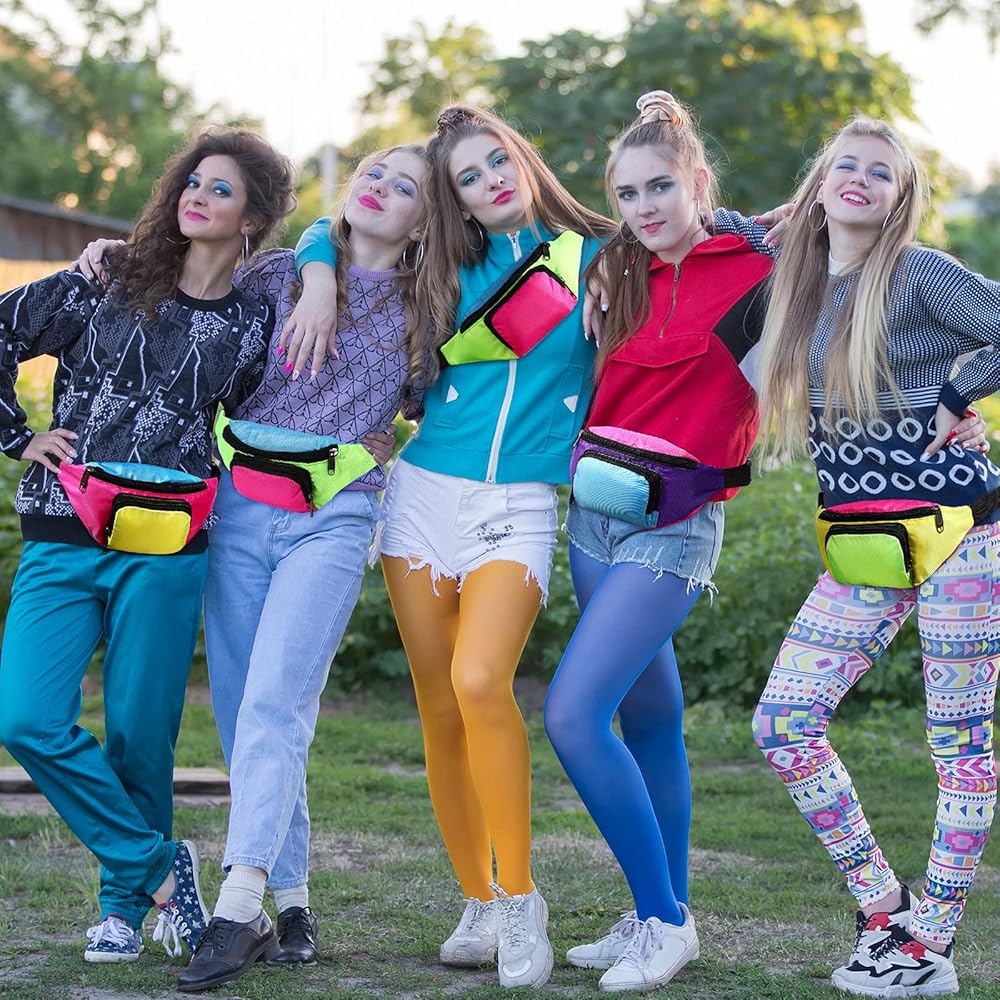
Fanny packs are one of the great examples of late-80s culture deciding that utility and fashion should absolutely be roommates, whether that made any sense or not. They were convenient, hands-free, travel-friendly, and deeply uncool in a way that somehow looped back around into being cool for a while. That kind of contradiction is pure 1989.
What made them work was visibility. A bag hidden in your hand or over your shoulder is one thing. A pouch strapped right to the front of your body is an announcement. It says you are carrying things, yes, but it also says you have accepted a very specific silhouette into your life. That gave fanny packs a weirdly strong identity for something so practical.
If you were there, you remember how suddenly normal they started to seem. At the mall. At amusement parks. On vacations. At casual outings. For a while, the culture collectively decided that this was a reasonable accessory choice, and the amazing part is that plenty of people genuinely pulled it off — or at least believed they did.
The amusement-park advantage
Fanny packs made practical sense in places where people walked all day, carried cash and wanted both hands free. That utility helped them spread through vacations, malls and family outings. The problem began when practicality developed confidence.
Worn in front, judged from every angle
The placement made the bag impossible to ignore. A shoulder bag could blend into an outfit. A fanny pack sat front and center like it had been appointed manager of the torso.
Biker Shorts
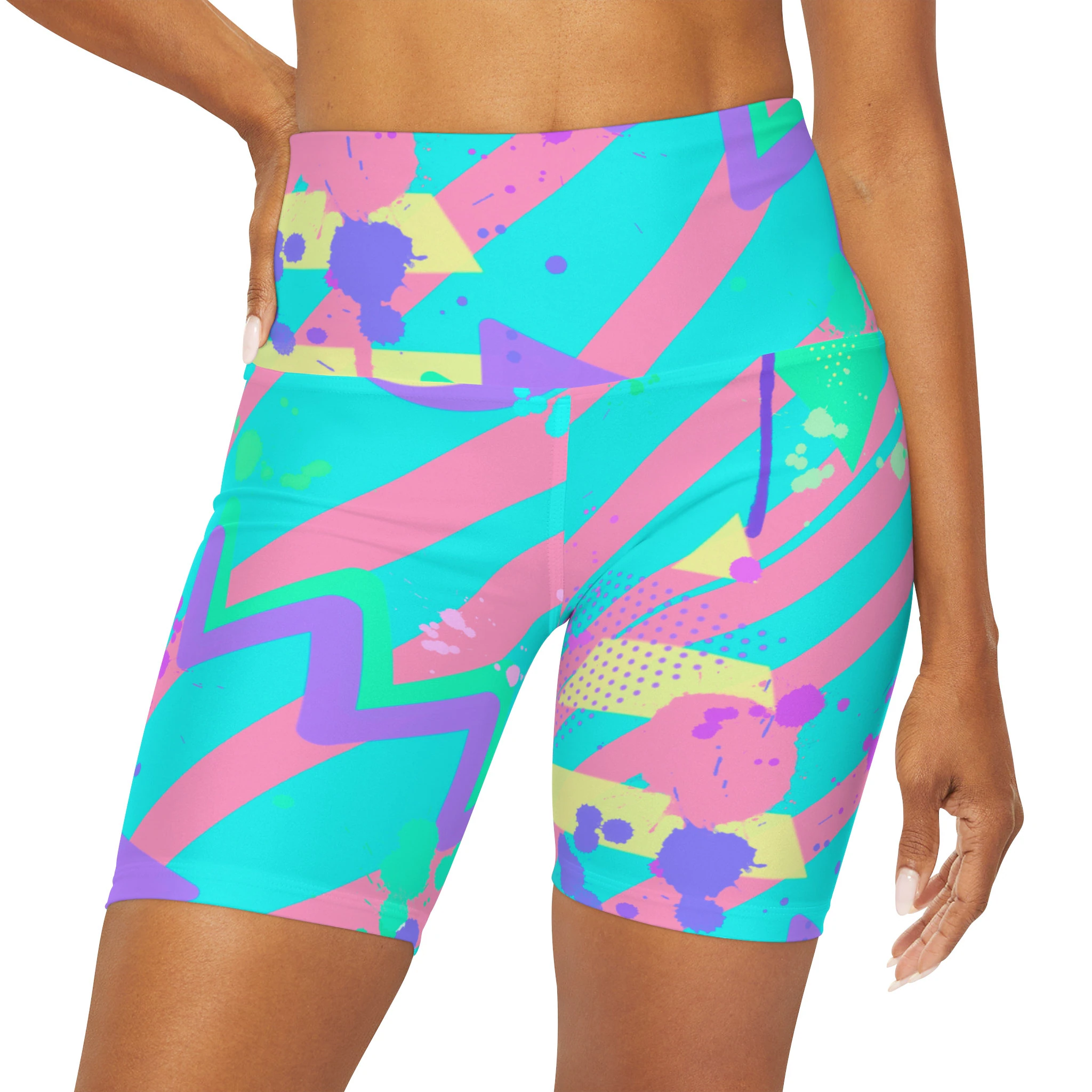
Biker shorts are one of those trends that tell you a lot about the end of the 80s. They were sporty, body-conscious, casual, and somehow normal enough to leave the gym and become part of regular life. That shift matters. Once workout-adjacent clothing starts showing up as everyday fashion, you are seeing the culture rewire itself in real time.
Part of the appeal was that biker shorts felt modern. They had that slick, active, movement-ready quality that late-80s style increasingly liked. Paired with oversized shirts, bright tops, or other casual pieces, they made people look like they had somewhere energetic to be even when they were really just going to the mall or hanging out with friends.
If you lived through it, you remember how specific the look was. It was not just clothing. It was a silhouette. It carried its own late-80s confidence — a little sporty, a little daring, a little absurd in hindsight, but undeniably of the moment. That is why biker shorts rank so high. They capture the casual-fashion shift of 1989 better than almost anything else, especially coming right after the fitness-and-brand culture that made Nike’s “Just Do It” era feel unavoidable.
The oversized-shirt partnership
The look often worked through contrast: fitted shorts under a loose sweatshirt, long T-shirt or bright top. The proportions were immediately recognizable and helped carry aerobics fashion into everyday life without requiring anybody to actually own a bicycle.
A preview of the 90s
Biker shorts pointed toward the casual, body-conscious and athletic clothing that would keep expanding in the next decade. They were still brightly 80s, but the comfort-first logic was already moving forward.
Hard Rock Cafe Wear
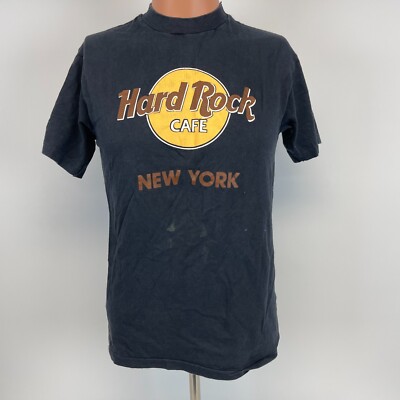
Nothing sums up the strange social logic of the late 80s quite like Hard Rock Cafe shirts becoming a real fashion statement. On paper, they were souvenirs. In real life, they turned into status-coded casual wear. They suggested travel, money, access, and a certain kind of branded cool that fit perfectly into the end-of-decade obsession with logos and visible identity.
That is why they take the top spot. Hard Rock wear was not just something you saw once on vacation. It became part of everyday wardrobes. The shirt worked because it was relaxed but still recognizable, casual but still loaded with meaning. It could say “I’ve been somewhere” even when what it mostly meant was “this logo matters.” And in the late 80s, that was enough.
If you were there, you remember that these shirts had their own social charge. They were acceptable, desirable, and instantly readable. They told people you knew what kind of shirt counted, especially in a year when music, movies, malls, and logo culture were all feeding the same image machine. That sounds silly now, but that is exactly why it belongs here. A good fad does not have to make sense. It just has to make a lot of people participate — and Hard Rock Cafe wear absolutely did.
The city name was part of the message
A Hard Rock shirt did not only carry a logo. It carried a location. London, New York, Los Angeles or another city turned the shirt into a wearable travel receipt. The more interesting the city, the more social weight the shirt seemed to carry.
The souvenir became the destination
Eventually, getting the shirt could feel almost as important as visiting the restaurant. That is what made the fad bigger than ordinary vacation merchandise. The logo had become an objective.
What Happened to the Biggest Fads of 1989?
The interesting part is that four of the six never fully disappeared. Hair extensions became normal beauty infrastructure. Biker shorts and fanny packs returned under the broader logic of athleisure and hands-free convenience. Crimping resurfaces whenever fashion decides texture is exciting again.
Hard Rock Cafe shirts still work because the logo is now both souvenir and time capsule. Rat tails had the roughest retirement, but they also became the quickest visual shortcut for a very specific kind of late-80s boyhood.
The Final Verdict on the Biggest Fads of 1989
1989 felt like the last big strange flourish of the 80s. Hard Rock Cafe wear turned logo tourism into a real social signal. Biker shorts made activewear part of ordinary life. Fanny packs somehow sold practicality as fashion. Hair extensions and crimping kept beauty culture pushing for bigger, more styled results. And rat tails gave boys their own tiny, stubborn slice of late-80s weirdness.
That is why this lineup works. These were not just things people noticed in 1989. They were things people wore, styled, carried, clipped on, tolerated, judged, and worked into daily life while the decade was still trying to decide how weird it wanted to be on the way out.
Questions About the Biggest Fads of 1989
What were the biggest fads of 1989?
The biggest fads of 1989 included Hard Rock Cafe wear, biker shorts, fanny packs, hair extensions, crimped hair, and rat tails. Together, they show how late-80s culture turned fashion, hair, travel logos, and practical accessories into full-on everyday style statements.
Why is Hard Rock Cafe wear ranked above biker shorts?
Because it captures a broader social logic of late-80s style. Biker shorts were huge, but Hard Rock shirts say more about how branding, travel, casualwear, and status all got mixed together by 1989.
Why include fanny packs on a fad list?
Because they clearly moved beyond pure utility and became a visible accessory trend. Once people start wearing something practical in a way that is also meant to be stylish, it has crossed into fad territory.
Were hair extensions and crimped hair really both part of 1989?
Yes, because they represent two sides of late-80s beauty logic: more hair and more texture. One added fullness and glamour, while the other added visible styling and shape. Together they help define how image-conscious the year still was.
Is the rat tail too weird to count as a real fad?
The weirdness is part of the case for it. It was recognizable, easy to copy, strongly tied to its era, and visible enough that people still remember it instantly. That is exactly what a real fad is supposed to do.
Why was 1989 such a fashion-heavy fad year?
Because the late 80s had become extremely image-conscious. By 1989, fads were showing up in hair, logos, casualwear, vacation shirts, athletic clothing, and accessories that people wore in everyday life.
What made 1989 different from 1988?
1988 felt more school-centered, with teen magazines, slam books, scrunchies, and dance crazes. 1989 felt more like a lifestyle and mall-culture year, with logo shirts, biker shorts, fanny packs, and hair trends dominating the look of the final full year of the decade.
Why does 1989 feel like the end of the 80s?
Because it was the final full year of the decade and still carried so many signature late-80s traits: big hair, branded clothing, loud casual fashion, mall culture, music-video style, and toy and entertainment culture that had not yet fully shifted into the 90s.
How did 1989 fads spread without social media?
They spread through MTV, teen magazines, malls, school hallways, salons, vacations and word of mouth. A trend could move from a music video to a local store and then through an entire school within days.
Why are so many of the biggest 1989 fads fashion related?
The final full year of the 80s was intensely image-conscious, but increasingly casual. Logos, athletic clothing, practical accessories and hair styling became the easiest ways to participate.
Which 1989 fad had the biggest long-term influence?
Biker shorts and hair extensions had the strongest long-term influence because both moved beyond fad status. Biker shorts became part of athleisure, while extensions became a normal part of beauty culture.
Why were Hard Rock Cafe shirts such a big deal?
They mixed a recognizable logo with travel status and city identity. The shirt suggested that the wearer had been somewhere worth naming, even when the real achievement was buying a T-shirt at a restaurant.