#10 — Speak & Spell
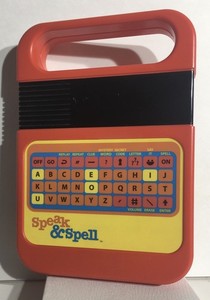
Smart Toy CoolSpeak & Spell opens the 1981 list because by this point electronic learning toys were no longer just little glimpses of the future. They were becoming part of the mainstream childhood landscape. In 1980, Speak & Spell felt like a technological novelty that happened to teach you something. In 1981, it reads more like a trusted category player — a machine that had already proven it could make learning feel modern, interactive, and just cool enough to survive the increasingly crowded toy aisle.
What makes Speak & Spell such a useful 1981 entry is that it reflects how parents and kids often wanted different things from the same product and still ended up satisfied. Parents saw vocabulary, spelling, and educational value. Kids saw buttons, synthetic voice, challenge modes, and the thrill of owning something that felt more like a computer than a flash-card set. That dual appeal helped products like this stay visible even as louder, more obviously flashy toys fought for shelf space.
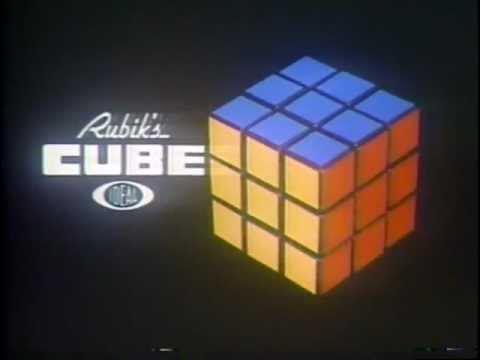
It also feels distinctly 1981 because the toy aisle is starting to treat intelligence itself as a sellable vibe. Rubik’s Cube does it through puzzle obsession. Speak & Spell does it through machine-assisted learning. Both suggest that early-80s kids were being sold not just fun, but a version of themselves as sharper, more advanced, and a little more tuned into the future than previous generations.
For Gen X, Speak & Spell still carries a very specific flavor of tech optimism. It is not glamorous and it is not built around a fantasy world, but it earns its place by making the future seem usable. It turns education into interface, and interface into play. That alone makes it one of the more revealing toys in the 1981 lineup.