The Top 10 Toys of 1980

The Top 10 Toys of 1980
Smells Like Gen X • Top Toys of 1980

The Top 10 Toys of 1980

The top 10 toys of 1980 feel like the exact moment the old-school toy aisle started becoming the fully wired, branded, brightly packaged 80s toy aisle. The decade is just getting started, but you can already see the future taking shape in puzzle crazes, electronic play, TV-connected gaming, sensory branding, movie tie-ins, and character toys that come with a built-in identity before the box is even open.

This countdown is built around the strongest surviving best-selling and hottest-selling signals for 1980, which makes the year a little different from the cleaner trade-chart rankings available later in the decade. That actually works in the post’s favor, because 1980 is less about neat category certainty and more about a market in transition. This is what toy demand looks like when the 70s are fading, electronics are rising, and the 80s are still figuring out what kind of retail monster they want to become.

For Gen X, this lineup has the exact right mix of comfort and chaos. Barbie is still standing tall. Star Wars is still printing money. Miss Piggy shows how powerful TV character merchandising has become. Simon and Merlin make simple electronics feel futuristic. Speak & Spell makes learning tech feel cool. Atari and Intellivision pull the television deeper into playtime. Strawberry Shortcake proves branding can smell like sugar and still become a retail empire. And Rubik’s Cube turns frustration into a phenomenon.

Gen X Note: 1980 is the toy aisle learning a brand-new language — one part dolls and licensed characters, one part blinking lights and cartridge-fed future.

Quick List: The Top 10 Toys of 1980

  1. Miss Piggy Doll
  2. Merlin
  3. Barbie
  4. Speak & Spell
  5. Intellivision
  6. Star Wars: The Empire Strikes Back Toys
  7. Simon
  8. Strawberry Shortcake
  9. Atari 2600
  10. Rubik’s Cube

Countdown: The Top 10 Toys of 1980

Miss Piggy toy
1980

#10 — Miss Piggy Doll

Character Toy Heat
Toy TypeLicensed character doll
Brand LaneThe Muppets
1980 Rank#10

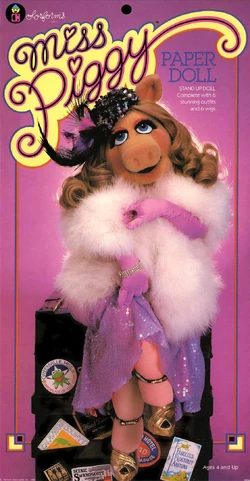
Miss Piggy opens the 1980 countdown as one of the clearest reminders that TV-driven character merchandising was becoming a major commercial force by the start of the decade. This was not just a plush or doll sitting on a shelf because kids vaguely recognized the face. Miss Piggy came preloaded with attitude, vanity, diva energy, and enough comedic personality to make the toy feel bigger than the physical object itself. That mattered a lot in an era when recognizable identity was becoming almost as important as play value.

What makes Miss Piggy especially interesting in the context of 1980 is that she sits right at the intersection of old and new toy logic. On one hand, she comes from a very classic licensing idea: take a popular TV personality and turn that recognition into merchandise. On the other hand, she points toward the fully brand-driven 80s, where a toy is not only something to hold but something that carries a built-in voice, emotional tone, and social meaning. Miss Piggy is funny, glamorous, loud, and impossible to confuse with anybody else. That kind of instant identity becomes a huge retail advantage as the decade moves on.

She also reflects how powerful family television still was in shaping the toy aisle. Not every hot toy in 1980 had to be electronic, futuristic, or puzzle-based. Some of the year’s strongest sellers still came from simple affection and media familiarity. Kids knew her. Parents knew her. She crossed age groups easily, and that kind of cross-generational appeal was pure gold at holiday time. She was less about complicated mechanics and more about having a favorite larger-than-life presence suddenly available in toy form.

For Gen X, the Miss Piggy doll still feels like a snapshot of an era before every major toy had to be part of a massive cinematic lore machine. Sometimes the commercial hook was simpler and maybe even weirder. A TV pig with star power could absolutely move units. And when that TV pig happened to have one of the biggest personalities in pop culture, the shelf appeal was obvious.
Fun Fact / Why It Still Matters Miss Piggy matters because she shows how much toy value the early 80s could pull from a character with a huge built-in personality.
Merlin toy
1980

#9 — Merlin

Electronic Play Surge
Toy TypeHandheld electronic game
MakerParker Brothers
1980 Rank#9

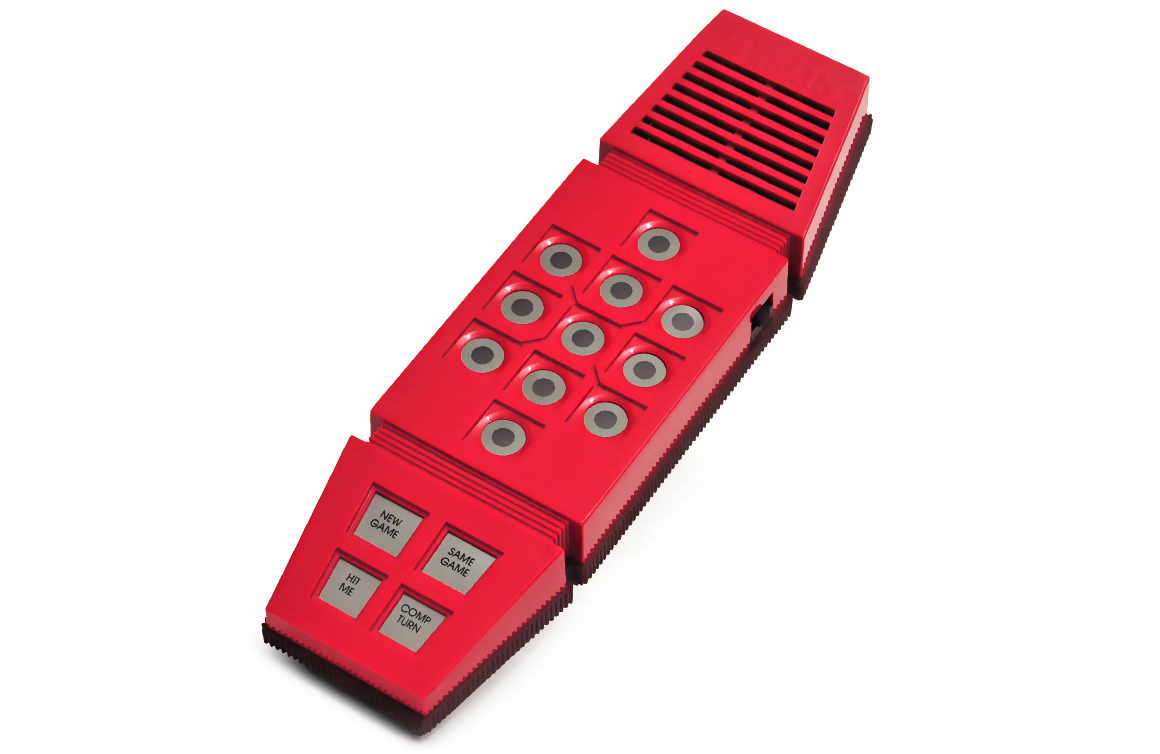
Merlin lands at number nine because 1980 is one of those years where electronic toys still feel genuinely magical. Before screens became ordinary and before portable gaming evolved into a more polished, high-tech category, Merlin was already training kids to think of toys as responsive little machines. It blinked, beeped, challenged, and reacted. That alone made it feel futuristic, even if the actual functions were simple by later standards.

The beauty of Merlin is that it represents a very specific early-80s version of the future. This is not sleek sci-fi minimalism. It is chunky, toy-like, and proudly gadgety. It does not try to hide the fact that it is a plastic object with light-up inputs and electronic tricks. In fact, that is the appeal. Merlin sold the sensation that something in your hands had rules, logic, and a tiny electronic brain inside it. For kids at the time, that could feel almost as exciting as a full console.

It also matters because it bridges multiple play styles at once. Merlin is part memory challenge, part handheld game machine, part novelty object, and part status toy. It gave kids a reason to show something off, not just play it privately. That social value matters. A toy that looks unusual, makes sounds, and offers multiple game modes automatically starts feeling more premium and more advanced than a lot of traditional shelf fare around it.

For Gen X, Merlin remains one of the best symbols of the pre-digital future we were promised. It was weird, bright, toyetic, and just smart enough to feel like you were holding a little piece of tomorrow. It does not need modern horsepower to stay memorable. Its charm is in how boldly it announced that electronics were going to be part of childhood from here on out.

Fun Fact / Why It Still Matters Merlin still feels special because it captured the moment electronic toys stopped being oddities and started feeling like the next big lane.
Barbie doll
1980

#8 — Barbie

Classic Retail Power
Toy TypeFashion doll line
MakerMattel
1980 Rank#8

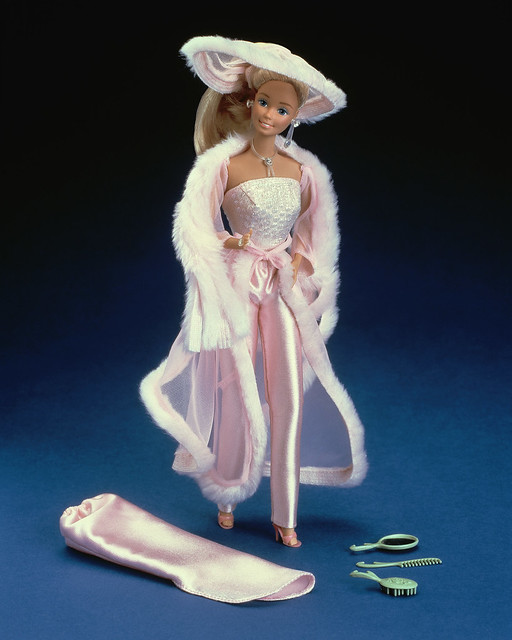
Barbie at number eight is the reminder that 1980 was not solely about newness. Some toy lines were simply too deeply established to disappear just because the decade was beginning to mutate around them. Barbie had already become a retail institution, and one of the reasons she still belongs in a countdown like this is because she demonstrates how the strongest legacy brands adapted rather than faded. That makes her not just a holdover from an earlier era, but an active part of the 1980 toy ecosystem.

What keeps Barbie relevant here is flexibility. She could absorb fashion trends, fantasy, career play, accessories, dream-house aspiration, and whatever version of glamour the moment happened to want. That adaptability is one of the reasons she remains such a strong toy line even in a year filled with electronics, puzzles, and screen-based excitement. She offered something different: role-play, collectability, visual appeal, and the sense that one doll could anchor an entire imaginative world without needing batteries or a television.

Barbie also helps balance the 1980 story. Without her, the year can start to look more narrowly tech-driven than it really was. But the actual toy market still had plenty of room for dolls, style play, and brands built around enduring recognition rather than sudden novelty. In many ways, Barbie’s presence here proves how wide the toy aisle still was. You could have a Rubik’s Cube obsession, an Atari Christmas wish, and a Barbie setup in the same household without any contradiction at all.

For Gen X, Barbie in 1980 still reads as one of the constants. She is part of the stable structure underneath the rest of the market chaos. While other brands rise and fall, Barbie keeps functioning as a core imaginative system that the 80s will continue to dress up, repackage, and sell with astonishing confidence for the rest of the decade.

Fun Fact / Why It Still Matters Barbie belongs here because she proves the 80s toy boom was not only about new crazes — it was also about older giants finding ways to stay culturally dominant.
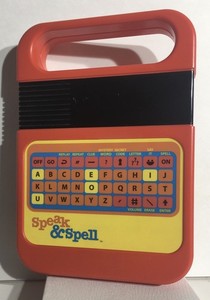
Speak and Spell
1980

#7 — Speak & Spell

Edu-Tech Heat
Toy TypeElectronic learning toy
MakerTexas Instruments
1980 Rank#7

Speak & Spell hits at number seven because few toys from this era do a better job of making educational technology feel exciting. It was not just that it helped with spelling. It was the fact that it talked, challenged, and felt computational in a way most households still considered advanced. That gave it a dual identity that parents and kids could both get behind. Adults could call it learning. Kids could call it cool.

This is one of the most revealing toys on the whole list because it shows how the 1980 toy aisle was beginning to blend education, electronics, and entertainment into the same commercial package. That hybrid model becomes a huge force later, but you can already feel the groundwork here. Speak & Spell turns the idea of a teaching tool into a piece of futuristic play. It is not classroom furniture. It is a gadget. That distinction matters more than it sounds.

The design language matters too. Buttons, synthetic voice, plastic shell, and machine-like feedback all give the toy a tangible sense of being modern. It feels like something from a future where objects talk back and children interact with screens and devices as part of everyday life. From a Gen X perspective, that makes Speak & Spell feel less like a niche educational product and more like one of the training wheels for the digital age.

It also earns its place here because it expanded the emotional range of electronic toys. Not every hot electronic item had to be pure arcade energy or flashy memory-game tension. Speak & Spell offered a slower, more purposeful kind of satisfaction. You were still playing, but the play was structured in a way that made the machine feel smart, helpful, and slightly authoritative. That is a very specific and very memorable flavor of early-80s tech.

Fun Fact / Why It Still Matters Speak & Spell still resonates because it made “learning toy” sound less like homework and more like tomorrow.
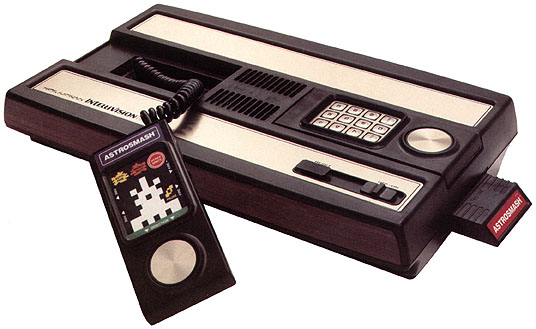
Intellivision console
1980

#6 — Intellivision

Holiday Breakout
Toy TypeHome video game console
MakerMattel Electronics
1980 Rank#6

Intellivision comes in at number six because 1980 is one of the first years where home gaming begins to feel like a true battleground instead of a novelty lane that Atari owns by default. Intellivision’s importance is not just that it sold well or looked new. It is that it entered the market with the energy of competition. The message was that the home console category was not settled yet. There was room for a challenger to promise smarter, better, more advanced play.

That promise matters in a big way for understanding the toy culture of the early 80s. Once gaming systems begin competing on image and superiority, the category stops feeling like a gadget curiosity and starts feeling more like a lifestyle choice. Intellivision helped push that shift. It told families that choosing a game system was not merely buying entertainment. It was buying into a version of what the future of leisure looked like in your house.

Visually and culturally, the console also fits the 1980 moment perfectly. It is still rugged and mechanical in the way early gaming hardware often was, but it carries itself with ambition. It feels like part of a world where electronics are starting to move from the den or office into family identity. That is what gives Intellivision its larger meaning. Even people who were not fully “video game kids” could feel that this kind of product was becoming central to the holiday conversation.

For Gen X, Intellivision remains important not just as a rival console, but as evidence that the living-room gaming wars were already beginning to take shape before the decade’s later, more famous battles. It was part of the process that turned gaming from a hot item into a full retail ecosystem with loyalty, comparison, and bragging rights.

Fun Fact / Why It Still Matters Intellivision matters because it helped turn home gaming into a competitive identity game, not just a toy-store novelty.
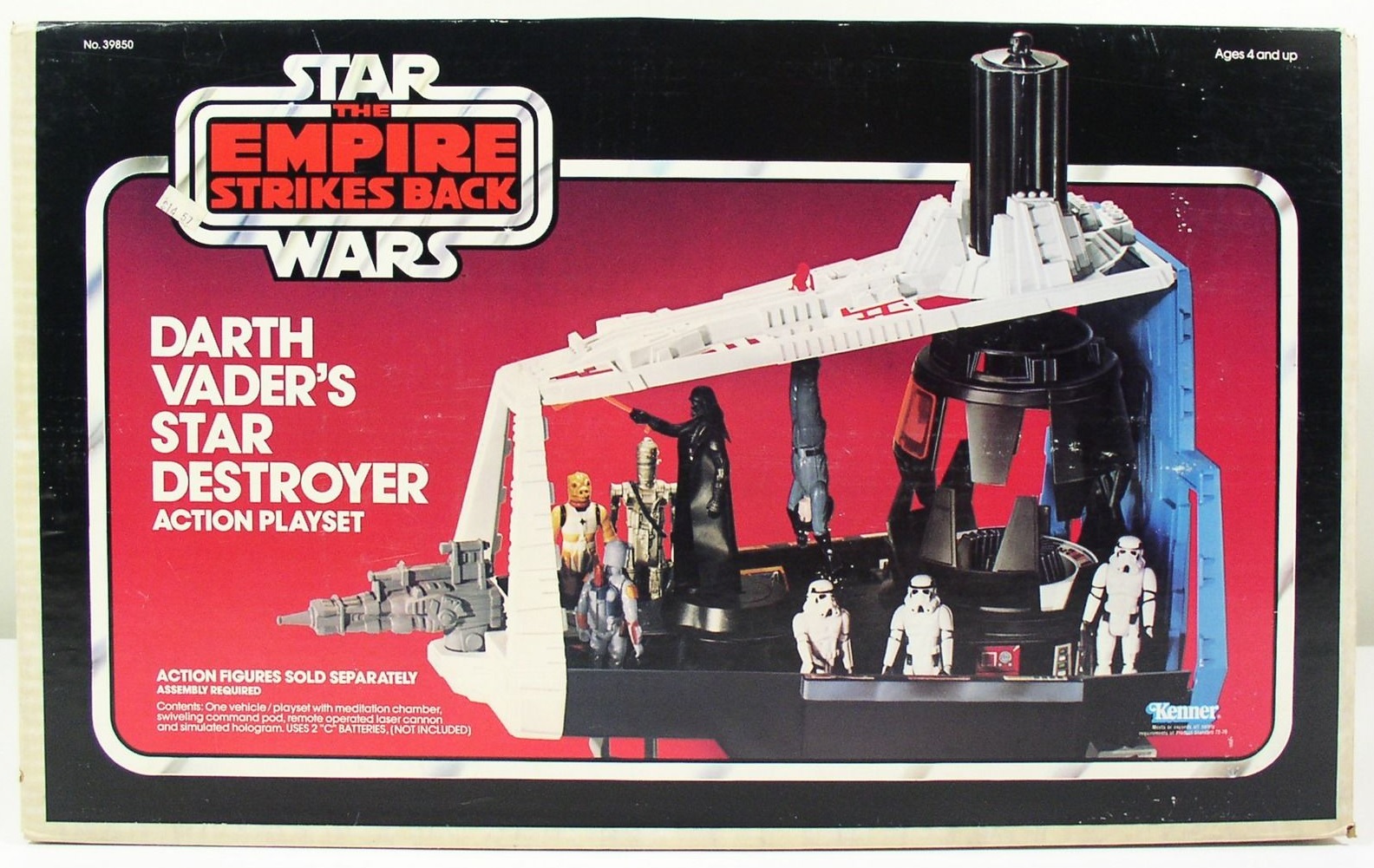
Star Wars Empire Strikes Back toys
1980

#5 — Star Wars: The Empire Strikes Back Toys

Movie Merch Machine
Toy TypeAction figure and vehicle line
Brand LaneMovie tie-in merchandising
1980 Rank#5

Star Wars: The Empire Strikes Back toys hit number five because by 1980 the Star Wars merchandise machine was no longer a surprise. It was infrastructure. The genius of the line was never just that it let kids own a favorite character. It let them keep expanding a universe. Figures led to vehicles. Vehicles led to creatures. Creatures led to playsets. Every purchase implied a larger world still waiting on the shelf, and that expandable logic became one of the most important commercial templates of the entire decade.

The Empire era is especially important because it proves the line was not a one-movie miracle. This was now a repeatable toy event tied to a franchise that could refresh itself, deepen the mythology, and keep giving kids new things to collect without losing the core excitement. That is the kind of retail durability toy companies dream about. Once you can relaunch demand with new characters and designs while keeping the main universe intact, you are not selling a fad. You are selling an ongoing play system.

It also matters because it pushed the idea of cinematic ownership further than earlier licensed toys had. Gen X kids were not merely watching Star Wars. They were staging it, remixing it, expanding it, and building their own scenes from it on bedroom floors and living-room carpets. That made the toys feel almost as essential as the movie itself. In some cases, the toys became the more lived-in version of the story.

In the larger context of 1980, Star Wars toys also show how deeply media and merchandise were beginning to fuse. The toy aisle and the entertainment business were no longer separate worlds that occasionally helped each other. They were increasingly part of the same engine. That dynamic becomes enormous across the 80s, but Star Wars is already running that playbook at full strength right here.

Fun Fact / Why It Still Matters Empire-era Star Wars toys helped prove that a blockbuster franchise could become a permanent toy universe instead of a one-season novelty.
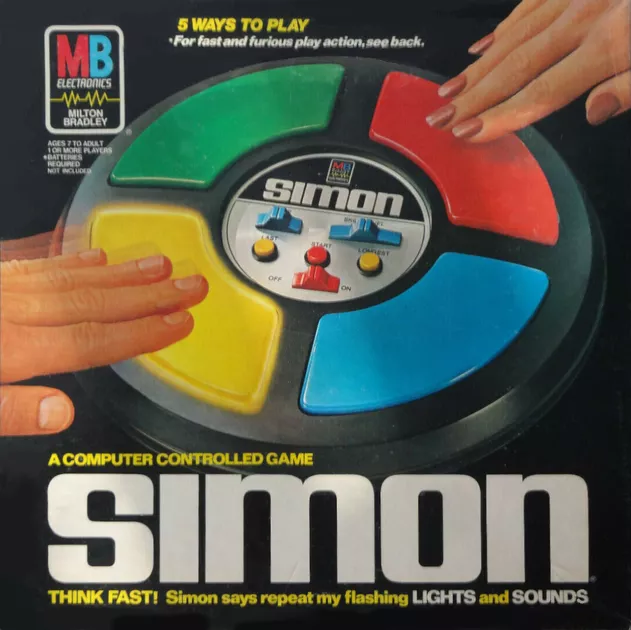
Simon electronic game
1980

#4 — Simon

Electronic Craze
Toy TypeElectronic memory game
MakerMilton Bradley
1980 Rank#4

Simon at number four is one of the purest expressions of what 1980 suddenly felt like. It is sleek in its own chunky way, instantly recognizable, and powered by the kind of blinking-light-and-sound design that made electronics seem magical to kids who were not yet surrounded by screens. Simon took a very basic idea — memory and repetition — and turned it into something that felt tense, competitive, and almost hypnotic.

Part of Simon’s brilliance is how clean the concept is. You do not need a giant instruction sheet, a story bible, or a sprawling product line to understand the hook. The toy teaches itself through interaction. It flashes, it plays tones, it challenges you, and suddenly you are locked in. That elegant simplicity gave it a huge advantage. It could work across age groups, family settings, and gift-buying situations because the fun was immediate and highly visible.

Simon also matters because it normalized a new kind of toy relationship. Instead of projecting all the play outward into your imagination, the toy pushes back. It gives you a pattern. You answer it. It escalates. You respond again. That back-and-forth is one of the reasons Simon feels like a bridge object between classic toy design and the interactive digital culture that follows. It taught kids to engage with toys as systems rather than just objects.

For Gen X, Simon remains one of the era’s cleanest little adrenaline machines. It is flashy without being complicated, modern without being intimidating, and difficult in exactly the way that makes you want one more try. That addictive loop is what pushed it beyond novelty and into true 1980 toy-icon territory.

Fun Fact / Why It Still Matters Simon still works because it boiled futuristic play down to four colors, four tones, and one relentless challenge cycle.
Strawberry Shortcake toy
1980

#3 — Strawberry Shortcake

First-Year Explosion
Toy TypeScented doll line
Brand LaneCharacter-based collectible dolls
1980 Rank#3

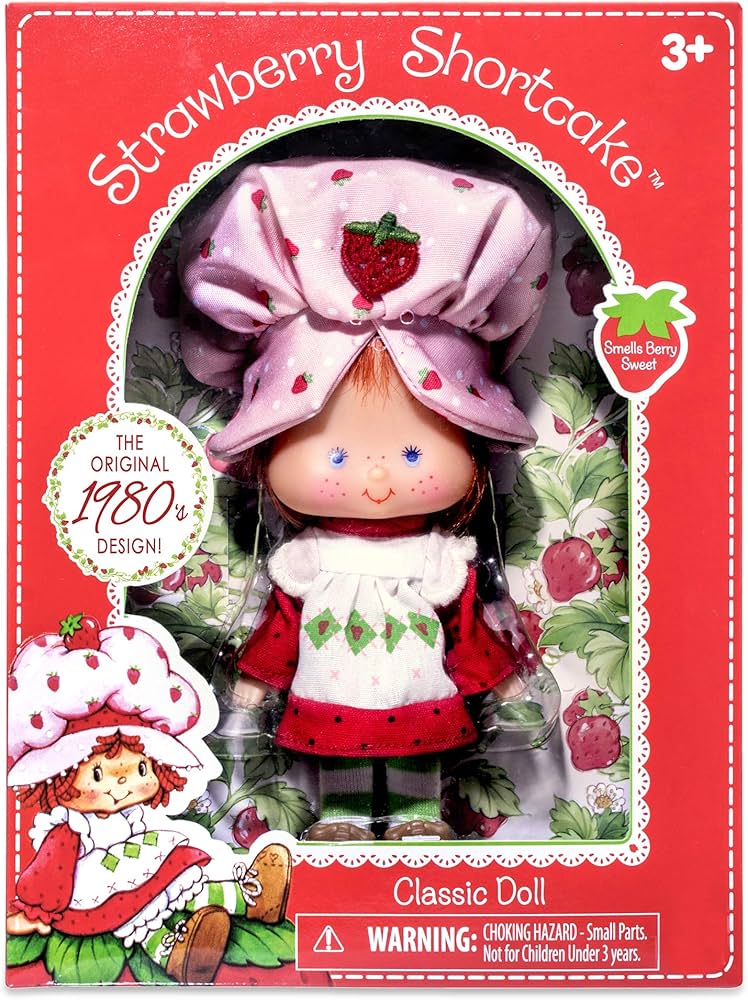
Strawberry Shortcake landing at number three is one of the clearest signs that the 80s toy business had started mastering branding as atmosphere. These dolls were cute, collectible, color-coded, and most memorably scented. That last detail gave the line a huge emotional advantage. Kids did not just see Strawberry Shortcake. They experienced the brand through smell, which made the product feel more vivid and more personal than a lot of competing doll lines.

What makes Strawberry Shortcake such an important 1980 toy is that she represents an increasingly sophisticated version of how toy companies thought about identity. This was no longer just “here is a doll.” It was “here is a whole sweet, cheerful, expandable universe of characters, designs, names, flavors, and feelings.” That kind of integrated world-building becomes a major 80s strategy, and Strawberry Shortcake is one of the earliest big examples of it really clicking.

The line also works as a reminder that the 1980 toy market was not only tilting toward electronics and consoles. Softness, character, collectability, and emotional attachment still had enormous power. Strawberry Shortcake delivered all of that while also feeling new. She was not a legacy giant like Barbie. She felt like a brand built specifically for the emerging logic of the decade — instantly recognizable, highly merchandisable, and easy to expand.

For Gen X, Strawberry Shortcake remains unforgettable because the brand knew how to make itself stick. The colors were bright, the characters were memorable, the visual language was friendly, and the scent hook made the line feel almost enchanted. That is a powerful combination, and it helps explain why the toy still occupies such a strong nostalgic lane decades later.

Fun Fact / Why It Still Matters Strawberry Shortcake still feels iconic because it turned sensory branding into childhood magic long before marketing people gave that strategy a name.
Atari 2600 console
1980

#2 — Atari 2600

Living-Room Revolution
Toy TypeHome video game console
MakerAtari
1980 Rank#2

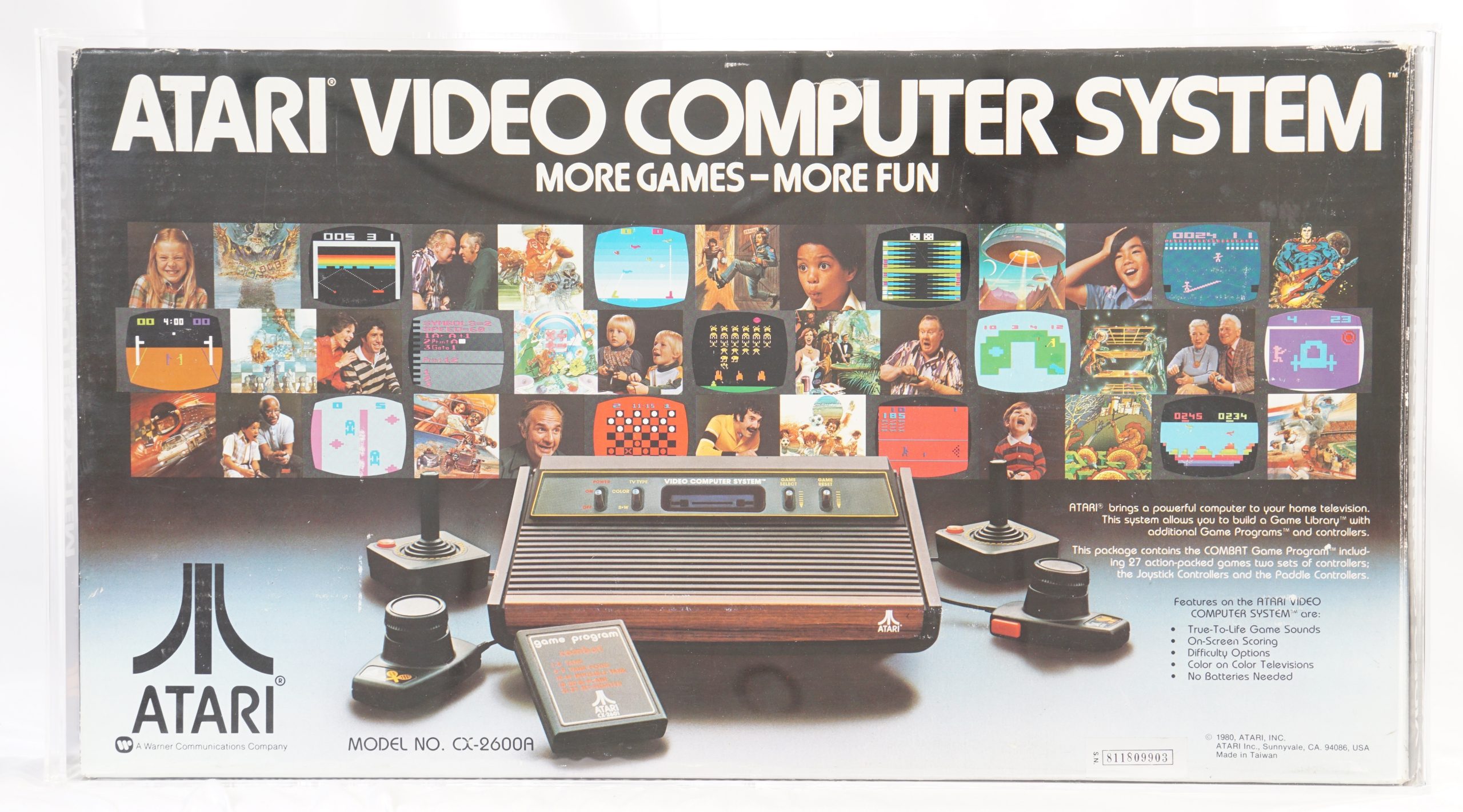
Atari 2600 takes the number two spot because it represents one of the biggest shifts happening anywhere in the toy market at the start of the decade: the television was becoming play real estate. This was more than a popular electronic item. It was a category-defining force. Once families started treating the TV as a place where kids could actively play instead of passively watch, the whole definition of a toy widened.

Atari’s power in 1980 also comes from ritual. The cartridges, the controllers, the act of plugging the system into the family TV, the way a game transformed the screen into something you could command — all of that created a home experience that felt novel and premium. It was not a small throw-in gift. It was a centerpiece. A machine. A talking point. A reason for siblings, cousins, and neighborhood kids to cluster around the same screen in a different way than television had ever worked before.

The console also sits right at the center of a broader cultural change. Toys were no longer confined to action figures, dolls, puzzles, and board games. Electronics were not simply adding another option; they were redrawing the map. Atari helped make video games feel like a normal part of childhood desire. That transformation is one of the biggest long-term stories of the decade, and 1980 is early enough that you can still feel the excitement of the category becoming mainstream in real time.

For Gen X, Atari 2600 is not just a strong seller from the period. It is one of the foundational objects of modern play. It helped teach an entire generation that toys could live on screens, that software could matter as much as plastic, and that the living room itself was about to become one of the most important play spaces in the house.

Fun Fact / Why It Still Matters Atari 2600 still matters because it helped turn gaming from a novelty into an expected part of childhood culture.
Rubiks Cube
1980

#1 — Rubik’s Cube

The 1980 Phenomenon
Toy TypePuzzle toy
Brand LaneMass-culture craze
1980 Rank#1

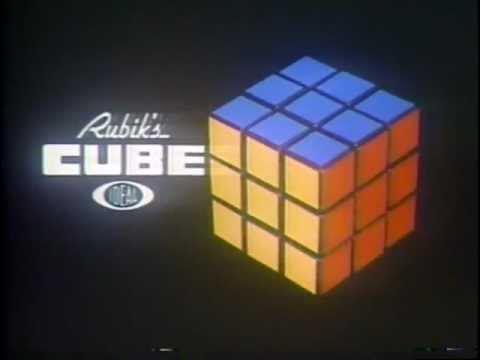
Rubik’s Cube takes the top spot because no other toy on this list captures the feeling of 1980 more perfectly. It looked smart. It looked modern. It looked frustrating in a way that made people want it even more. Unlike so many big sellers before and after it, Rubik’s Cube did not depend on a character license, a fantasy story, or a flashy electronic gimmick. It depended on obsession. It sold the challenge itself.

That challenge is exactly why the Cube became bigger than a normal toy hit. It crossed age groups almost instantly. Kids wanted it. Teenagers wanted it. Adults wanted to prove they could solve it. It traveled beyond the toy aisle and into broader culture because it functioned as a kind of intellectual status symbol while still being cheap enough, visual enough, and maddening enough to become a full-blown craze. That is a very rare combination.

It also matters because Rubik’s Cube gives 1980 a very distinct identity compared with later 80s years. This is not yet the toy aisle of fully dominant cartoon action-figure empires or wall-to-wall franchise ecosystems. The number one toy of the year is a color puzzle that dares you to outthink it. That makes 1980 feel transitional in the best possible way. The decade is getting brighter, more commercial, and more media-driven, but the single most iconic toy at the start of it is still something strangely abstract and cerebral.

For Gen X, Rubik’s Cube remains one of the purest symbols of the 80s beginning. It sits at the crossroads of design, frustration, competitiveness, and cultural hype. It was not just something people played with for a week and forgot. It became an object people carried, displayed, talked about, and used as proof that they were in on the latest thing. That is what a true number one looks like.

Fun Fact / Why It Still Matters Rubik’s Cube won 1980 because it turned pure challenge into a full pop-culture identity marker.

Rewind Verdict

The top 10 toys of 1980 work so well as a snapshot because they capture the decade before it fully hardens into the version most people remember. You can still see older toy logic at work in Barbie and character dolls, but sitting right beside them are the products that point toward the rest of the 80s: electronics, consoles, interactive play, and brands built around strong visual identities.

That mix is what gives 1980 its energy. Rubik’s Cube turns puzzle frustration into a massive craze. Atari brings gaming deeper into the living room. Strawberry Shortcake proves character branding can become a full sensory experience. Simon and Merlin make little machines feel magical. Speak & Spell makes educational electronics feel cool. Star Wars keeps movie merchandising on fire. Intellivision hints that console rivalry is about to become a whole culture.

For Gen X, 1980 feels like the toy aisle warming up before the giant cartoon-and-franchise explosion of the mid-80s. The future is definitely arriving, but it has not completely taken over yet. That is what makes this lineup so interesting. It is half comfort, half disruption, and completely loaded with clues about what the rest of the decade is going to become.

FAQ: Top Toys of 1980

What was the biggest toy of 1980?

Rubik’s Cube is the clearest number one because it became the defining toy phenomenon of the year and spilled far beyond the normal boundaries of the toy aisle.

Why is Atari 2600 ranked so high if it was already on the market?

Because this system looks at what was hottest and strongest in the 1980 toy market, not only what debuted that year. Atari was one of the biggest forces in holiday demand and one of the year’s most important play categories.

Why is Strawberry Shortcake so high this early?

Because the line hit with a very strong combination of character branding, sensory appeal, collectability, and instant shelf recognition — exactly the kind of mix that the 80s toy business would lean into again and again.

Why not use hard sales figures for every toy here?

Because 1980 does not preserve the same kind of clean open-web top-10 trade ranking that shows up more clearly in parts of the mid-to-late 80s. This post uses the strongest surviving retail and hottest-selling signals instead.

What makes the 1980 lineup feel different from later 80s toy years?

It still feels transitional. The giant cartoon action-figure machine has not fully taken over yet, and the market is balancing classic dolls, character toys, electronic novelties, puzzles, and the early rise of home gaming all at once.

Get the Weekly Gen X Drop

New videos, rewinds, and savage nostalgia — first.

JOIN THE NEWSLETTER WATCH VIDEOS

MORE REWINDS