The Year Familiar Brands Met the 16-Bit Future
Top 10 Toys of 1991: TMNT, Barbie & the 16-Bit Console War
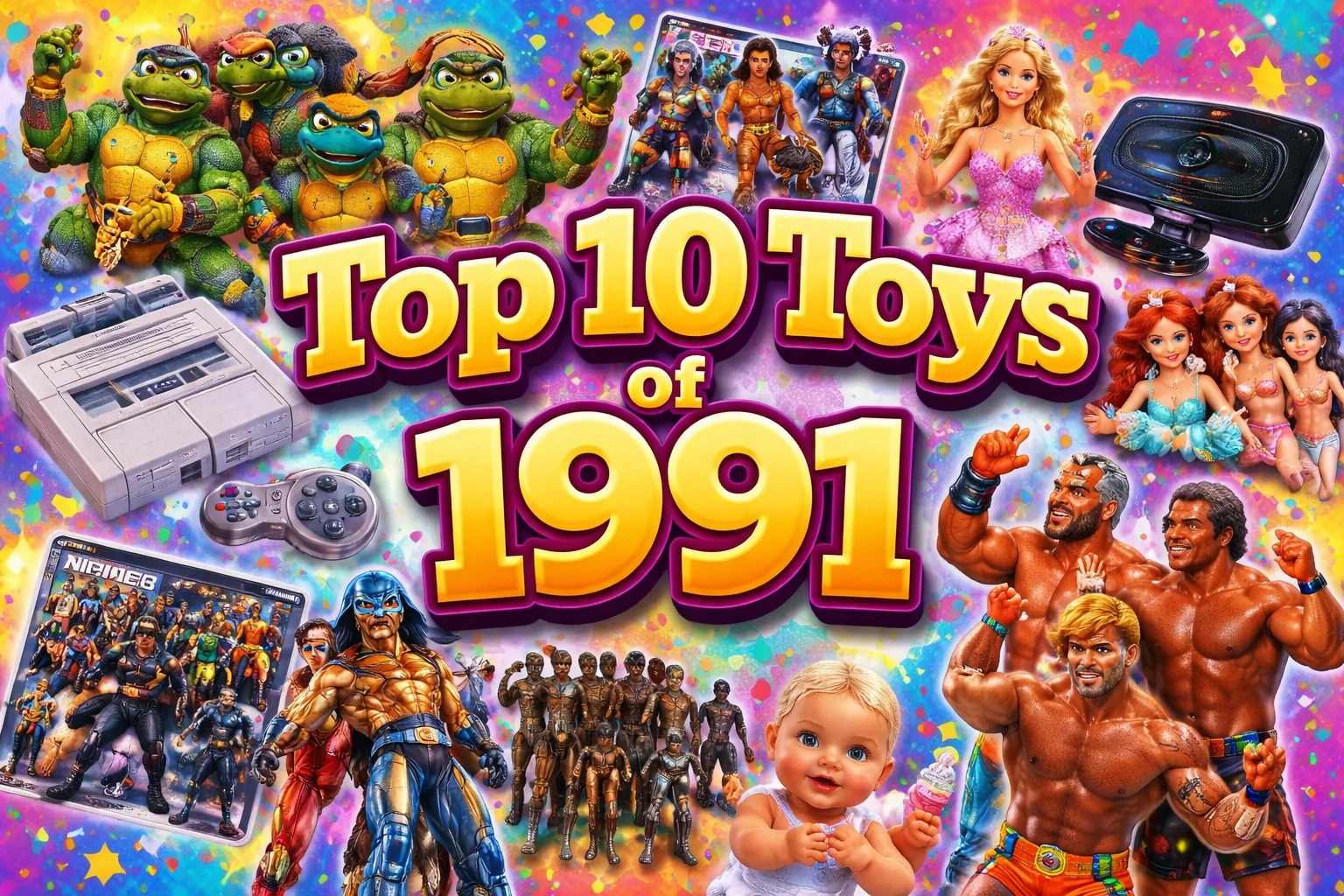
The top toys of 1991 were Teenage Mutant Ninja Turtles, Barbie, Super Nintendo Entertainment System, Sega Genesis, The Little Mermaid doll lines, G.I. Joe, Waterbabies, X-Men, World Wrestling Federation figures and Robin Hood: Prince of Thieves figures.
This was not a year built around one strange toy appearing from nowhere. It was a year of proven names tightening their grip. Turtle Power remained loud, Barbie stayed almost impossible to move, Nintendo and Sega turned Christmas into a platform argument, and the doll and action aisles kept dividing into more specialized forms of fandom.
The Short Answer
What Were the Most Popular Toys of 1991?
The most popular toys of 1991 included Teenage Mutant Ninja Turtles, Barbie, Super Nintendo Entertainment System, Sega Genesis, The Little Mermaid dolls, G.I. Joe, Waterbabies, X-Men, WWF figures and Robin Hood figures.
TMNT ranks first because the line remained one of the few toy empires that felt fully established and still completely kid-powered. Barbie represented the year’s dependable retail strength, while Super Nintendo and Sega Genesis made the 16-bit console war one of the defining Christmas stories of the year.
The Fast Rewind
Top 10 Toys of 1991 at a Glance
Start with the complete ranking, then jump directly to any toy for the full explanation.
- #1Teenage Mutant Ninja TurtlesTurtle Power stays familiar, expandable and impossible to ignore
- #2BarbieThe evergreen doll empire thrives in a cautious shopping year
- #3Super Nintendo Entertainment SystemNintendo turns a hardware upgrade into a major Christmas event
- #4Sega GenesisAttitude and competition turn gaming into a two-brand identity war
- #5The Little Mermaid Doll LinesDisney fantasy and doll play meet at exactly the right moment
- #6G.I. JoeA mature action system keeps functioning like shelf infrastructure
- #7WaterbabiesA tactile nurturing hook proves simple doll ideas still work
- #8X-MenMutant variety points toward the superhero figure boom ahead
- #9World Wrestling Federation FiguresKnown rivalries turn television fandom into instant carpet combat
- #10Robin Hood: Prince of Thieves FiguresA major movie license earns one strong Christmas on the shelf
How the List Came Together
How the Top Toys of 1991 Were Ranked
This is a transparent editorial ranking. No single complete public chart cleanly compares every console, doll, action figure line, movie license and nurturing toy across the entire year.
Holiday demand and trust
The 1991 market rewarded familiar names. TMNT, Barbie, Nintendo, Sega and G.I. Joe already had built-in recognition, which mattered in a year when many households were more cautious about large purchases.
Retail and commercial visibility
Shelf presence, advertising frequency, easy demonstrations and the number of products surrounding a brand all matter. The strongest lines gave children several price points and a reason to ask for the next piece.
How clearly each toy defines 1991
The ranking favors products that capture the year’s specific mix of continuing Turtle Power, the 16-bit console fight, Disney doll momentum, superhero growth, wrestling fandom and movie-driven figure lines.
Category differences stay visible
A new console, a fashion doll, a low-priced action figure and a sensory baby doll do not sell in identical ways. The order weighs year-specific heat and cultural presence rather than pretending every category produced comparable numbers.
The Year Brand Certainty Became a Feature
Why 1991 Changed Toy Culture
The 1991 toy aisle did not need a single mysterious breakout to feel important. Its story is how mature brands, licensed characters and next-generation consoles learned to turn familiarity into excitement.
Recognizable brands reduced the risk.
TMNT, Barbie, Nintendo, Sega and G.I. Joe already came with expectations. Parents knew what category they were buying, and children already understood the fantasy. Familiarity did not weaken demand. It made the purchase easier.
The console aisle became an identity fight.
Super Nintendo and Sega Genesis turned hardware into personality. The debate was no longer simply whether video games belonged under the tree. It was which company represented the better future.
The doll aisle split into several kinds of appeal.
Barbie, Little Mermaid dolls and Waterbabies sold fashion, fantasy, character recognition, nurturing play and tactile sensation. The category was not one narrow lane. It was a group of distinct emotional products.
Action figures fragmented into fandoms.
TMNT, G.I. Joe, X-Men, WWF and Robin Hood did not share one tone. The aisle could now support mutants, military teams, superheroes, wrestlers and movie heroes at the same time.
Five Power Centers in One Aisle
What Actually Drove the 1991 Toy Market?
The year becomes clearer when the toys are grouped by the kind of demand they created. These were not five narrow columns. They were five large commercial systems competing across the same shelf.
Turtle Power Still Works
TMNT remained powerful because the line could keep refreshing itself without losing the four characters every kid already knew. New mutants, vehicles, disguises and playsets expanded the world while the cartoon and movie visibility kept the brand socially active.
The Turtles were proven enough for adults and still unruly enough for children. That combination is almost impossible to manufacture and explains why the line remained the year’s strongest physical-toy story.
The 16-Bit Console War
Super Nintendo and Sega Genesis turned gaming into a visible brand choice. Nintendo sold trusted evolution. Sega sold speed, attitude and challenger energy. Both made the gaming aisle larger.
The fight also changed how kids talked about toys. Hardware became identity, schoolyard argument and long-term platform loyalty rather than a single Christmas gift.
The Doll Aisle Diversifies
Barbie, The Little Mermaid and Waterbabies prove the doll aisle was not being pushed aside by gaming. It was dividing into fashion, licensed fantasy, nurturing play and sensory demonstration.
Each line offered a different reason to care, which made the category more resilient than toy histories focused only on consoles and action figures usually admit.
Fandom Becomes Product
WWF and X-Men figures arrived with personalities, allegiances and favorite-character arguments already built in. Television, comics and sports entertainment supplied the emotional investment before the package reached the shelf.
The toy did not have to create the fan. It only had to give the fan something physical to own, display and repeatedly throw off the couch.
Movie Licenses Keep a Lane
The Little Mermaid and Robin Hood show two very different ways a film could feed the toy aisle. Disney fantasy could continue beyond the original release window, while a major live-action movie could still produce one focused seasonal push.
The larger world of 90s movie and cartoon toy tie-ins would keep growing because familiar characters shortened the distance between seeing an ad and wanting the product.
From #10 to #1
The Top 10 Toys of 1991 Countdown
Ten products, five major toy lanes and one year when trusted brands learned how to make familiarity feel new again.
Movie Merch With One Strong Christmas
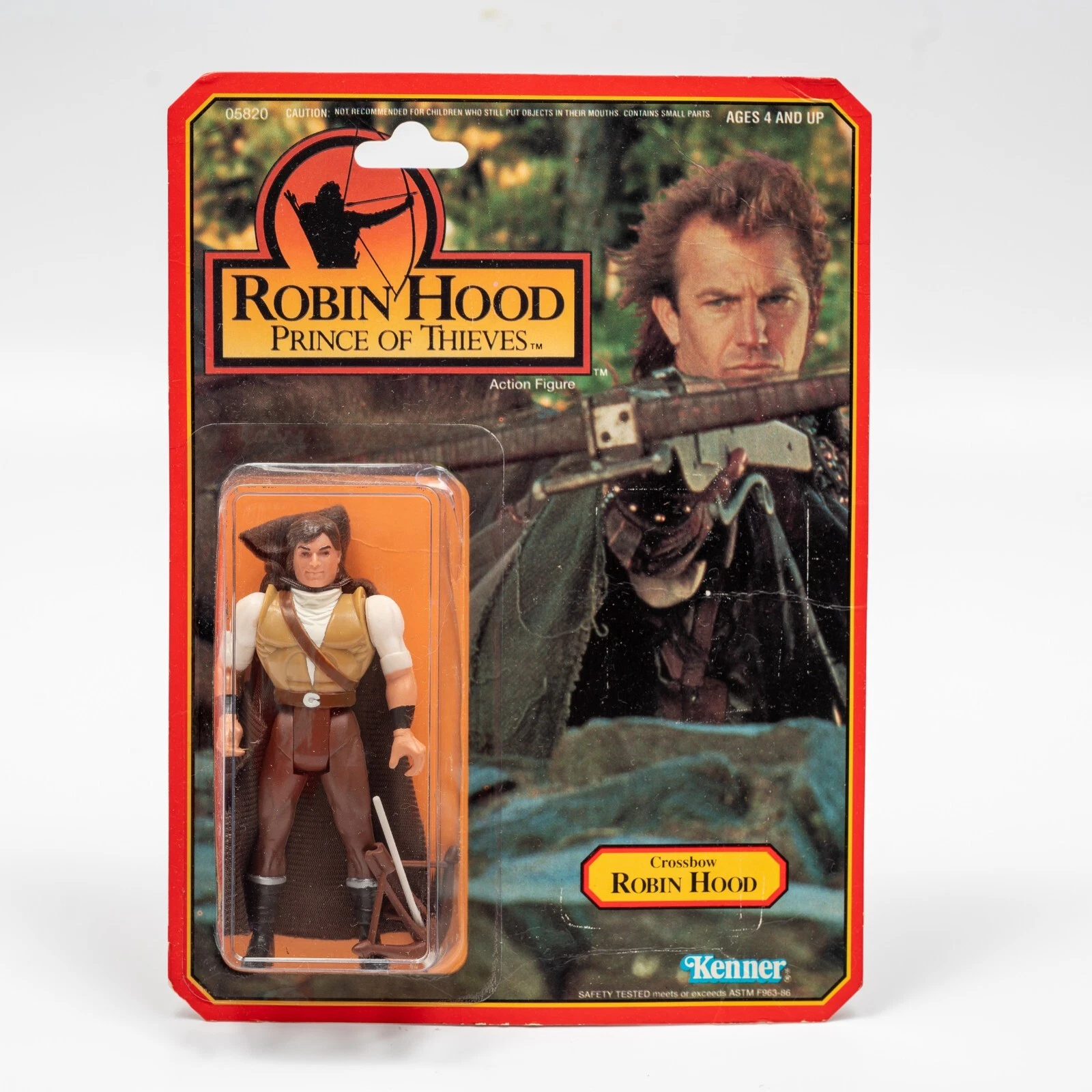
Robin Hood: Prince of Thieves Figures
Robin Hood: Prince of Thieves opens the 1991 countdown because it represents one of the year’s more interesting truths: movie tie-in toys still had a real shot when the film was big enough, visible enough, and easy enough to translate into kid play. That is important. Not every movie toy line had the staying power to matter by Christmas, but Robin Hood showed enough retail traction to register as more than a disposable studio side hustle.
Part of the appeal is that the line slots neatly into older action-play habits. Swords, archery, villains, woodland adventure, armor, ambushes — it all reads instantly. You do not need layers of lore to understand it. That makes the figures useful in the same way classic action toys are useful: open the box, assign a hero, assign a bad guy, and start launching tiny wars on the carpet.
For Gen X, Robin Hood toys in 1991 feel like one of those very specific movie-merch moments that made total sense at the time even if they look slightly hilarious in retrospect. Kevin Costner could apparently sell you medieval plastic for one Christmas, and that was enough.
The line also captures a transitional moment in licensed toys. A film did not need to become a decade-long cartoon empire to matter. It could dominate one season, translate its clearest props and characters into plastic, and leave behind a very specific Christmas memory. Robin Hood had swords, bows, costumes and recognizable heroes or villains—enough immediate play language to make the license work.
Known Rivalries, Immediate Carpet Combat
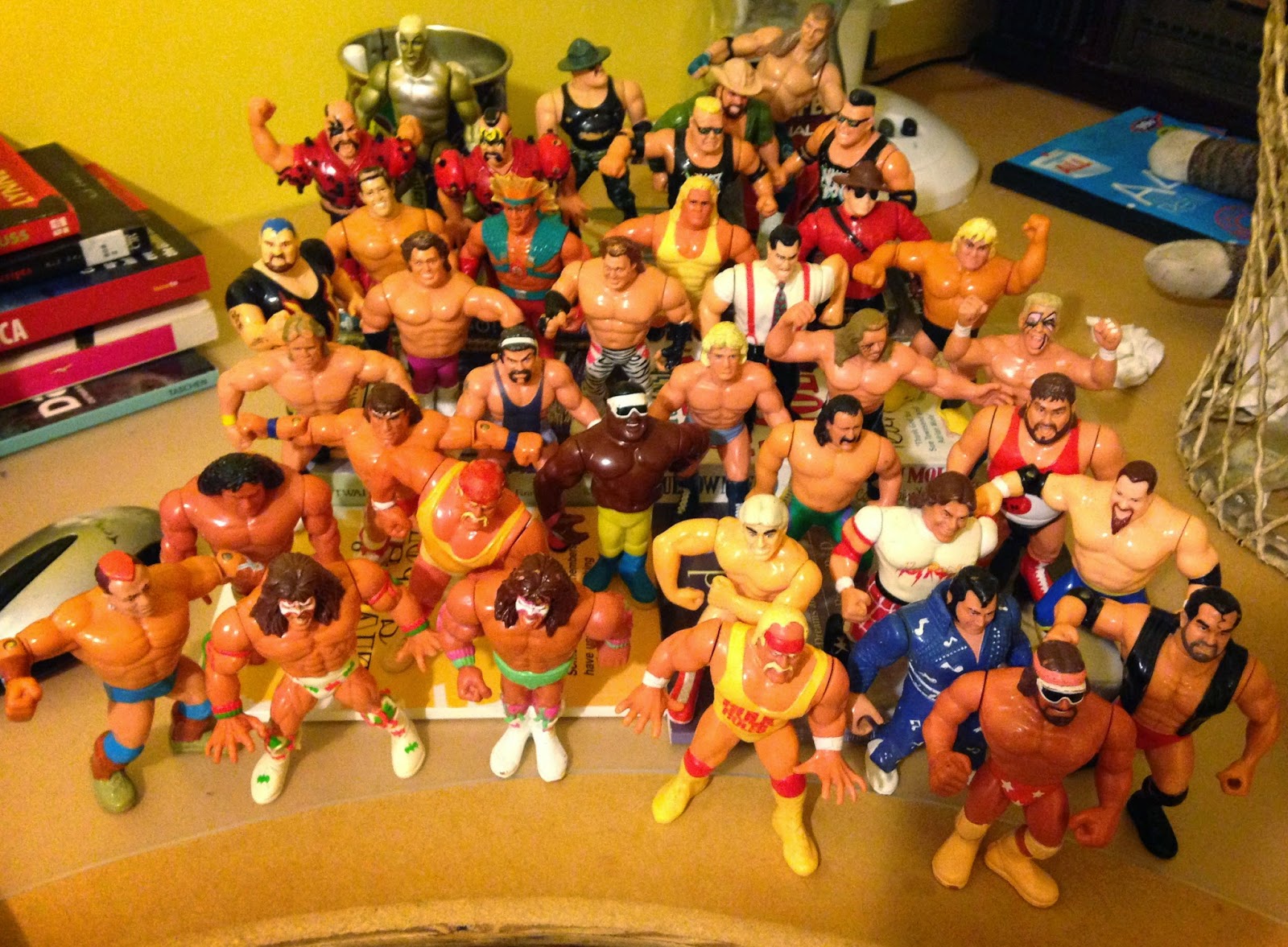
World Wrestling Federation Figures
World Wrestling Federation figures take number nine because wrestling toys had one of the cleanest sales pitches in the business: the characters were already famous, the rivalries were already built in, and the play pattern required almost no explanation. There is something deeply efficient about that. Kids did not need to learn the world. They already knew the entrances, the finishing moves, the bad blood, and who they wanted to get flattened first.
That kind of immediate-use energy matters in a year like 1991, where the whole market leans toward proven favorites. WWF figures feel familiar without feeling old. They are tied to television, larger-than-life personalities, and playground arguments that were already happening before anyone got to the toy aisle. That gives them a built-in social life many brands never manage to earn, and it helps explain why the 90s action figure aisle became bigger than superheroes alone.
For Gen X, WWF toys in 1991 feel like the line that turned every couch cushion into a ropeside hazard and every family room into a completely unsafe pay-per-view event.
The figures also benefited from repetition. Weekly television kept the personalities active, rematches refreshed old rivalries and a child rarely needed to own the entire roster before play made sense. Two wrestlers were enough to begin. A ring, tag team partners and additional enemies simply made the living-room event more elaborate.
Mutant Momentum Starts Building
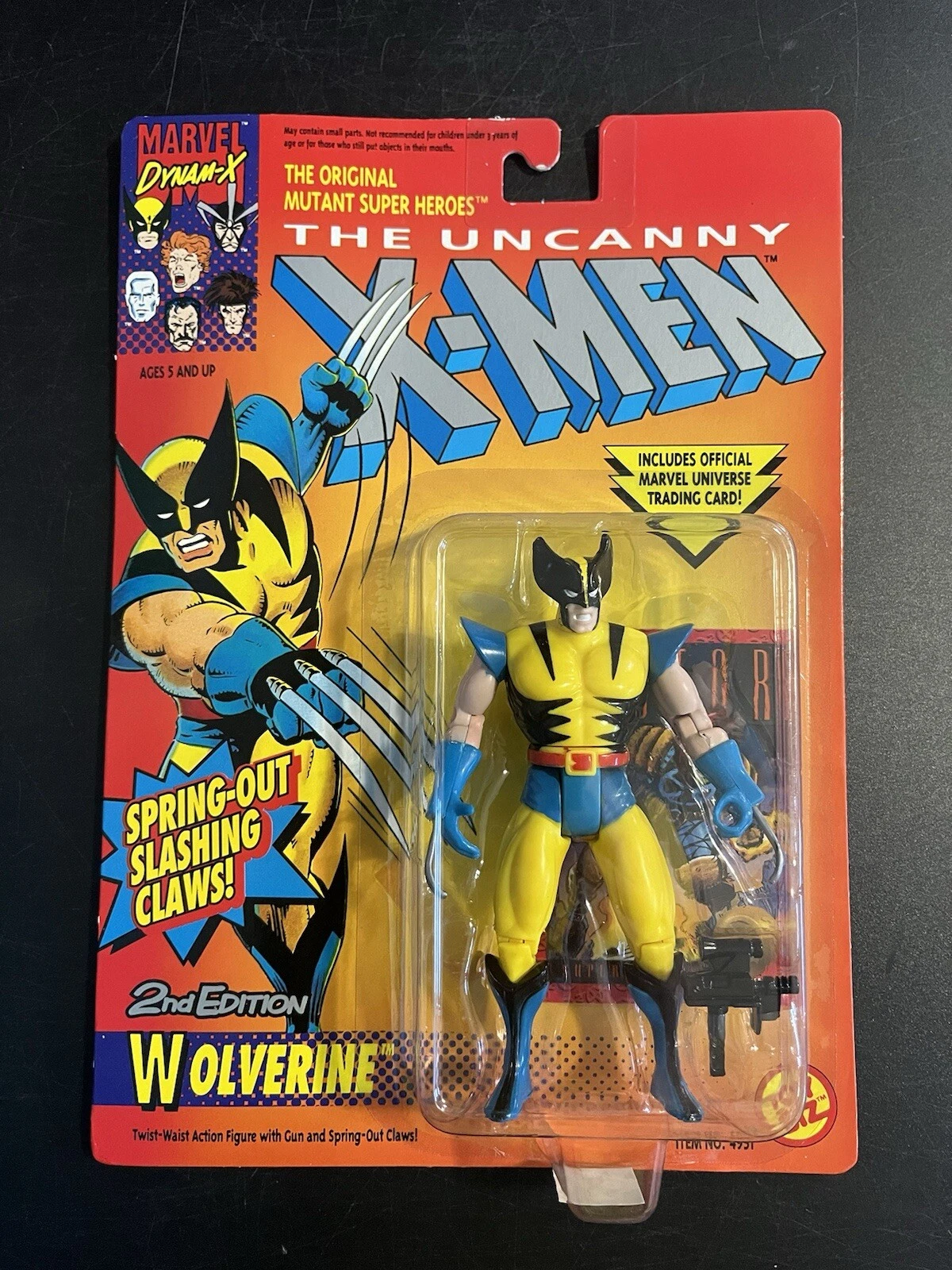
X-Men
X-Men land at number eight because 1991 is one of the key years where mutant superhero energy starts looking like a serious commercial lane inside the 90s action figure wars rather than just comic-shop background noise. The figures do not yet own the decade, but you can see the runway forming. That is what makes them important here. They feel like an early signal of where the broader action aisle is going next.
Part of the line’s strength comes from sheer character variety. X-Men is built for collectability because the core appeal is difference: different powers, different looks, different roles, different loyalties, different favorite picks depending on which kid you asked. That structure naturally creates “one more figure” logic, which is basically how toy lines survive.
For Gen X, X-Men in 1991 feel like the kind of toy line that started as a cool undercurrent and ended up hinting at a much bigger 90s takeover to come.
The X-Men line also offered a different form of team play from G.I. Joe or TMNT. The characters were connected by outsider identity and wildly different powers, which made favorite-character choices feel personal. A figure was not only a fighter. It represented a specific ability, visual style and attitude inside a larger team.
A Simple Sensory Hook That Worked
Waterbabies
Waterbabies rank this high because they are exactly the kind of product that makes the “back to basics” theme of 1991 feel real rather than theoretical. This is not a loud franchise assault. It is a tactile, nurturing, easy-to-understand doll concept — exactly the kind of softer shelf power covered in the 90s dolls, plush, and pet toy lane that delivers a physical hook parents can appreciate and kids can feel immediately. Warm the body with water and the toy becomes its own little demonstration.
That matters because 1991 is a year where straightforward value is part of the sales pitch. Waterbabies do not need a huge cinematic universe behind them. They sell through sensation, care play, and emotional softness. In a market packed with loud action brands and electronic upgrades, that gives them a very different kind of strength.
For Gen X, Waterbabies feel like one of those toys that made the whole department store display look strangely comforting. It was baby-doll marketing with a sensory gimmick, and it worked.
The water-filled body gave the product a physical difference that could be understood without complicated instructions. That mattered in the commercial and in the store. A child could feel why the doll was different, while an adult could see a familiar nurturing category with a clear new feature rather than a completely unknown concept.
The Mature Action System Still Has Muscle
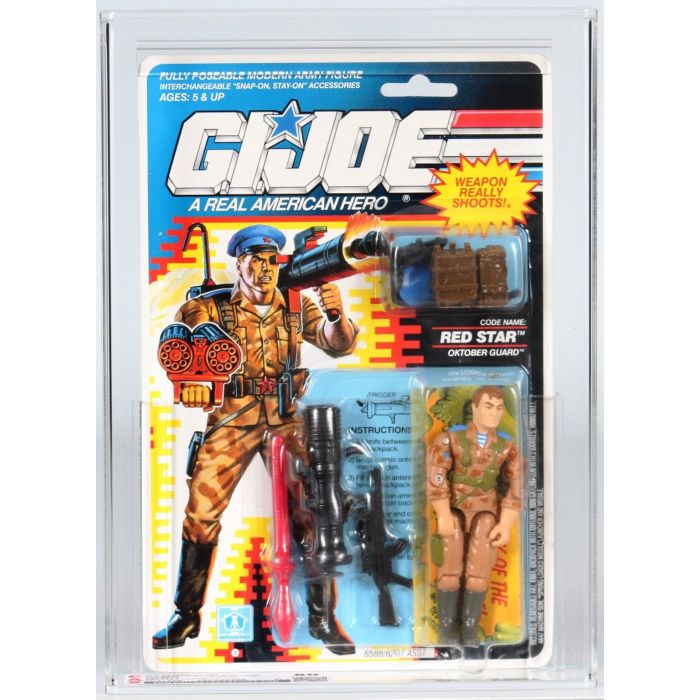
G.I. Joe
G.I. Joe comes in at number six because by 1991 the line is not relying on surprise. It is operating as infrastructure. That is a different and in some ways more impressive category of success. Even when other brands feel hotter in the moment, G.I. Joe still knows how to function as a complete toy system: characters, enemies, teams, vehicles, missions, code names — all the system-building logic that kept 90s action figures alive even as the aisle fragmented, and endless excuses for repeat purchases.
That durability is exactly why the line still matters in a crowded year. 1991 is full of recognizable brands, but not all recognizable brands are equally expandable. G.I. Joe survives because it trains kids to think in units, not one-offs. A single figure implies a squad. A squad implies transport. Transport implies conflict. Conflict implies more figures. That is toy logic built to last.
For Gen X, G.I. Joe in 1991 feels like one of those lines that could never quite be called the newest thing again, but could absolutely still take over a bedroom floor on sheer muscle memory.
By 1991, the line’s strength was familiarity plus depth. A child might already own vehicles, bases or older figures, so a new purchase did not start from zero. It joined an existing battlefield. That backward compatibility gave G.I. Joe a structural advantage that one-season movie lines could rarely match.
Disney Fantasy Meets the Doll Aisle
The Little Mermaid Doll Lines
The Little Mermaid doll lines rank at number five because 1991 shows just how powerful Disney character merchandising could be when it intersected with the doll aisle instead of only plush or preschool fare. Ariel had beauty play, fantasy play, movie recognition, transformation energy, and enough visual distinctiveness to stand out in a department packed with blonde dominance.
That combination matters. Barbie remains the institution, but Ariel offers something more story-specific and current. She feels like a licensed property that still leaves room for imaginative projection. She is not just a character toy and not just a fashion doll. She sits in a profitable little overlap between the two, which is why the line had such strong seasonal traction.
For Gen X, Little Mermaid toys in 1991 feel like one of the early clues that Disney’s hold on the girls’ aisle was about to become a much bigger long-term business than many people realized at the time.
Ariel also carried a visual advantage that mattered on a crowded shelf. The red hair, mermaid tail, underwater colors and transformation themes made the dolls instantly recognizable. The products could connect movie memory, dress-up, fantasy and character play without asking the child to abandon the basic pleasures of a doll.
The Challenger Makes Gaming Feel Dangerous
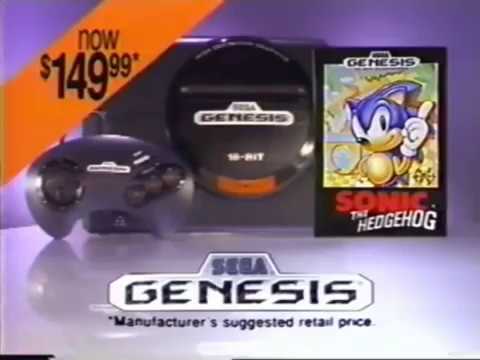
Sega Genesis
Sega Genesis lands at number four because 1991 is when the console market starts feeling less like Nintendo’s inherited kingdom and more like the beginning of the 90s video game toys and handhelds era and more like an actual fight. That shift is culturally important. Genesis does not just sell hardware. It sells tone. Faster, flashier, slightly cooler, slightly more aggressive — the whole proposition feels built to make kids choose sides.
That matters because toy years become more interesting when the winner is not simply “the machine everyone already owns.” Genesis gives the market competition, which means gaming becomes even more visible as a holiday category. A challenger console does not weaken the gaming aisle. It energizes it.
For Gen X, Genesis in 1991 feels like the system that started arguments. Not academic arguments. Lunch-table arguments. Sleepover arguments. Living-room arguments. The good kind.
Sonic the Hedgehog sharpened that identity by giving Sega a mascot built around speed. The system could now be represented by a character whose entire purpose was to look faster than the competition. That made the console war easy to dramatize in commercials and easy for children to turn into a personal position.
Nintendo Levels Up Without Starting Over
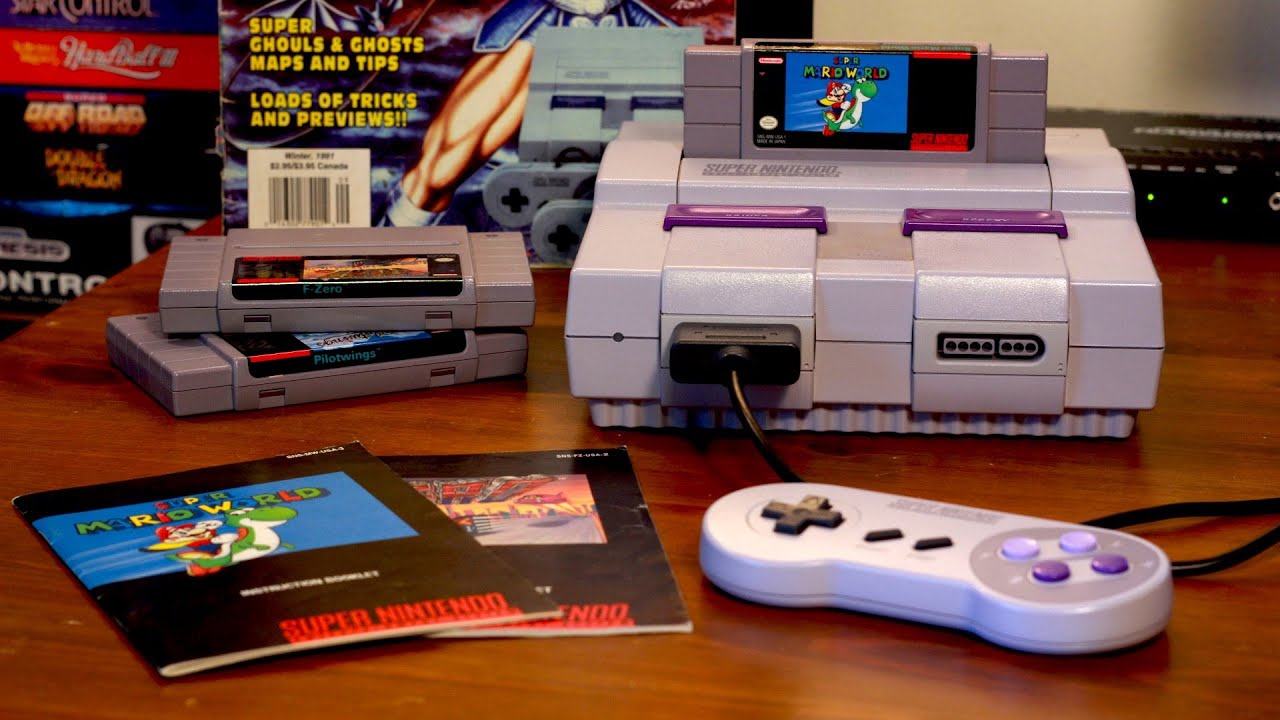
Super Nintendo Entertainment System
Super Nintendo Entertainment System takes number three because 1991 is not just a year where gaming stays powerful. It is a year where the gaming category visibly upgrades itself, pushing video game hardware and software even deeper into Christmas-list territory. That is a huge difference. A hot cartridge is one thing. A new generation of console hardware is a bigger statement. It tells kids that the thing they already loved now has a shinier future attached to it.
What makes the SNES especially strong is that it arrives with the advantage of trust. Nintendo did not have to convince families that video games belonged under the tree. That battle was already won. So the new system could enter the market as an evolution rather than a gamble, which is one of the best positions any toy company can occupy.
For Gen X, SNES in 1991 feels like one of the cleanest “level-up” Christmas gifts of the era. The graphics looked better, the machine felt newer, and the whole category suddenly seemed to be moving again.
The SNES also benefited from the feeling that the upgrade was inevitable. Families that had already accepted Nintendo did not need to be sold on video games from scratch. The new question was whether the improved graphics, sound and future software library justified buying another gray box. For many Christmas lists, the answer was written in capital letters.
The Evergreen Empire Thrives on Trust
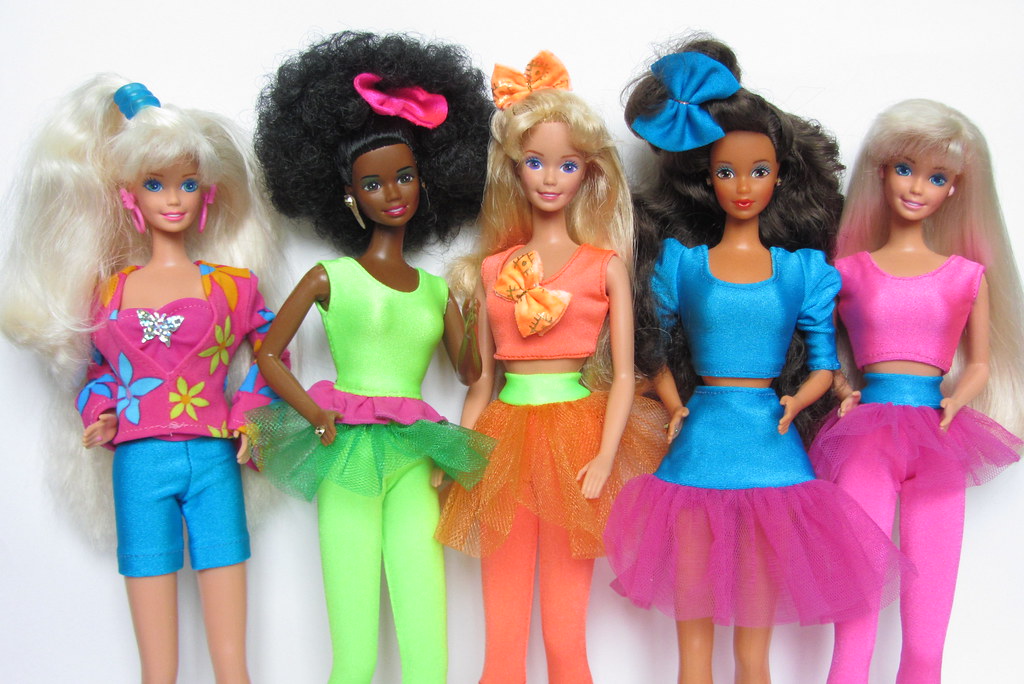
Barbie
Barbie sits at number two because 1991 once again demonstrates that she is less a single toy than a permanent retail ecosystem. That distinction is everything. By this point, Barbie does not need a sudden craze, which is why she remains one of the anchors of the 90s dolls and plush toy story to remain near the top of the year. She has scale, recognition, accessories, collectors, seasonal editions, and enough product variation to keep finding fresh reasons to exist without ever becoming unrecognizable.
She is also perfectly suited to a recession-season market. Parents know Barbie. Grandparents know Barbie. Kids know Barbie. That kind of familiarity matters when the whole shopping mood leans toward proven value. Even when the year’s headlines are full of turtles and 16-bit machines, Barbie still occupies the sort of dependable commercial altitude that most toy brands only dream about.
For Gen X, Barbie in 1991 feels like one of those immovable facts of childhood commerce: trends come and go, but somehow Barbie keeps showing up dressed for the occasion and expecting you to make room.
Barbie also benefited from being expandable at nearly every price level. A child could receive one doll, an outfit, a vehicle, furniture or an entire environment, and every purchase still connected to the same recognizable world. That made the brand useful for both small gifts and major Christmas-morning boxes.
Still the Loudest Brand in the Building
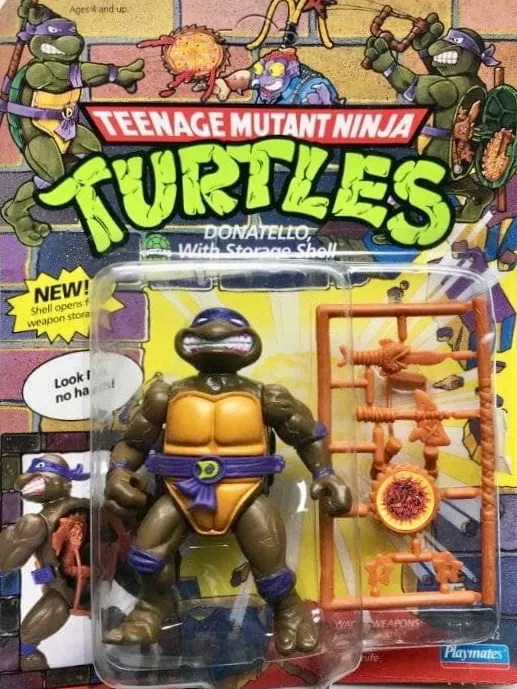
Teenage Mutant Ninja Turtles
Teenage Mutant Ninja Turtles take the number one slot because 1991 is not the year the brand fades into respectable maturity. It is the year it is still visibly running wild. That matters. Lots of toy lines have one big season and then spend the next year pretending momentum equals permanence. TMNT actually had the depth to keep going. New items, new variations, new characters, new excuses to buy in — plus movie and cartoon tie-in fuel — the line still had real commercial aggression.
What makes the turtles such an honest number one is that they satisfy both halves of the 1991 market at once. Kids wanted them because they were loud, weird, funny, and endlessly merchandisable. Adults tolerated them because they were already proven. In a year where buyers leaned toward familiar names, TMNT had the ultimate advantage: they were both familiar and still exciting.
For Gen X, 1991 feels like the point where the turtles stop being merely hot and start feeling like one of those defining childhood occupations that spread across every shelf, every ad break, every lunchbox, and every argument over whose turtle was best.
The line’s strange flexibility kept it from feeling finished. The core four Turtles could be placed in disguises, sports themes, fantasy outfits or increasingly bizarre mutations without breaking the premise. The brand could sell repetition as variety because the personalities remained recognizable even when the plastic became ridiculous.
Choose Your Side
1991 Turned the Console War Into a Toy-Aisle Identity Fight
Super Nintendo and Sega Genesis did more than compete on specifications. They gave children two different stories about what the future of gaming should feel like.
Nintendo’s Argument
Trust, Upgrade and a New Generation
Super Nintendo sold the idea that the company families already trusted had built the next logical machine.
Known Characters
Nintendo could connect the new hardware to familiar characters, established play habits and a huge audience already trained to care about cartridges.
Visible Improvement
Better graphics and sound made the upgrade legible even to people who did not understand the technical language.
Christmas Scale
The console was a major household purchase with enough future software promise to justify the size of the box and the negotiations around it.
Nintendo’s pitch: the future is safer when it arrives from the company that already owns the television stand.
The Toy Box Afterlife
Collecting Toys From 1991 Today
Age is not the same thing as value. Exact version, condition, completeness, working mechanisms, original accessories, packaging and real buyer demand matter.
Action figures depend on version and accessories.
TMNT, G.I. Joe, X-Men, WWF and Robin Hood figures should be checked for weapons, belts, capes, file cards, stickers, paint wear, card backs, bubbles, figure variations and replaced parts.
Console collecting requires functional testing.
SNES and Genesis hardware should be tested for power, video output, controller ports, cartridge reading, original cables, regional version, repairs, yellowing, packaging and matching serial information.
Dolls need exact clothing and mechanism checks.
Barbie, Little Mermaid dolls and Waterbabies should be evaluated for clothing, hair, staining, odors, water leakage, original accessories, packaging and whether every piece belongs to that exact release.
Sold prices matter more than hopeful listings.
Compare completed sales for the same version, condition and completeness. The broader guides to 90s collectible crazes and forgotten 90s toys help place rarity claims inside the real decade-wide market.
What the Wish List Felt Like
Christmas Morning 1991 Was a Battle Between Familiar Favorites
The season’s biggest gifts did not need long explanations. The brand name usually supplied the pitch before the wrapping paper came off.
SNES or Genesis could dominate the room before the console was connected. The box promised an entire future library, not one afternoon of play.
TMNT, G.I. Joe, X-Men, WWF and Robin Hood figures turned several smaller packages into one connected battlefield.
Barbie offered familiar prestige, while Ariel and Waterbabies supplied newer visual or sensory hooks.
Consoles needed games. Figures needed enemies. Barbie needed outfits. The first gift often revealed the next five requests.
Cartoons, wrestling, Disney movies and game advertising made products feel familiar before children handled them.
The console under one tree could determine which games would appear on every later birthday list.
The memory: somebody got Super Nintendo, somebody else got Genesis, and the next school week became an unofficial product-review conference with absolutely no adult moderation.
Before One-Click Shopping
What the 1991 Toy Store Looked Like
The store physically separated competing childhood identities: consoles behind glass, dolls in bright walls of packaging, action figures on crowded pegs and movie licenses appearing wherever the newest release could create temporary demand.
The console display
SNES and Genesis were premium products surrounded by locked cases, cartridge art, demonstration screens and adults trying to understand compatibility.
The figure wall
TMNT, G.I. Joe, X-Men, WWF and movie figures competed through character count, weapons, colors and the fear that the best figure would disappear first.
The doll department
Barbie supplied the permanent architecture while licensed fantasy and sensory baby dolls created seasonal movement around it.
The commercial echo
Children recognized package colors, taglines and demonstrations because the television had already rehearsed the shopping trip.
The full 90s Toy Store Culture guide follows the aisle layouts, glass cases, catalog pages, mall trips and holiday rituals that made buying the toy part of the memory.
Commercial-Break Pressure
Watch the 1991 Toy Commercial Energy
The year’s toy demand was built by television as much as shelves. Turtle spots, doll reveals, console-war advertising, wrestling figures, superhero hooks and movie tie-ins turned familiar brands into Christmas-list non-negotiables.
A 1991 toy commercial rarely sold one isolated object. It sold the next character, the competing system, the missing enemy, the matching outfit or the feeling that every other kid had already chosen a side.
The 90s Toy Commercials & Videos archive is the direct next stop for the ad-break machinery behind TMNT, Nintendo, Sega, dolls, superheroes, wrestlers and licensed movie lines.
The Rest of the Year
Keep Rewinding 1991
The toy aisle was only one part of a year moving from late-80s gloss toward a more divided early-90s identity. Music, television and movies were all changing the characters, attitudes and licensed properties children brought into play.
The 1991 Toy Aisle Verdict
Why These Toys Define 1991
The top 10 toys of 1991 reveal a market that was crowded, commercially mature and more cautious than the first explosion of the decade. The winners were products with trust already built in: TMNT, Barbie, Nintendo, Sega, Disney, G.I. Joe, WWF and recognizable movie or comic characters.
That does not make the year boring. It makes the competition more sophisticated. Super Nintendo and Genesis turn hardware into identity. Little Mermaid and Waterbabies prove the doll aisle can support several forms of appeal. X-Men points toward the superhero boom. Robin Hood shows a major movie can still earn one focused holiday run.
For Gen X, 1991 feels like the year Christmas shopping became less about discovering an unknown toy and more about choosing which established universe would receive the next piece. The brands were familiar. The arguments were not.
Questions From the Toy Aisle
Top Toys of 1991: Frequently Asked Questions
What were the most popular toys of 1991?
Popular toys of 1991 included Teenage Mutant Ninja Turtles, Barbie, Super Nintendo Entertainment System, Sega Genesis, The Little Mermaid doll lines, G.I. Joe, Waterbabies, X-Men, WWF figures and Robin Hood: Prince of Thieves figures.
What was the biggest toy of 1991?
Teenage Mutant Ninja Turtles take the number-one spot because the line remained a massive, expandable action franchise with cartoon, movie, vehicle, playset and character support.
Why is TMNT ranked above Barbie and the game systems?
TMNT had the strongest year-specific physical-toy argument. Barbie remained the deeper evergreen doll system, while SNES and Genesis were the larger hardware story, but the Turtles combined broad price points with exceptional kid-culture visibility.
Why is Barbie still number two in 1991?
Barbie remained one of the safest and most expandable gifts in the entire toy business. Dolls, outfits, vehicles, furniture and environments gave the brand enormous retail depth.
Was Super Nintendo released in 1991?
Yes. Super Nintendo launched in North America in 1991 and became one of the year’s defining new hardware releases. It belongs to the wider story of 90s video-game toys and handhelds.
Why are both Super Nintendo and Sega Genesis on the list?
1991 was a defining year in the early 16-bit console war. Super Nintendo represented trusted next-generation Nintendo hardware, while Sega Genesis offered an established challenger identity strengthened by speed and attitude.
What made Sega Genesis so important in 1991?
Genesis made console choice feel cultural. Sonic the Hedgehog, aggressive advertising and the challenger position gave Sega a recognizable personality that energized the entire gaming category.
Why are The Little Mermaid dolls ranked so high?
The dolls connected Disney character recognition with fashion, fantasy and imaginative play. They belong to both the 90s doll story and the decade’s movie and cartoon toy tie-ins.
What were Waterbabies?
Waterbabies were nurturing baby dolls with water-filled bodies designed to feel soft and realistic. The tactile feature gave the line a clear sensory hook inside the 90s doll aisle.
Why is G.I. Joe still on the list in 1991?
G.I. Joe remained a complete action system with figures, teams, enemies, vehicles, bases and years of compatibility. That structure helped the line outlast many shorter-lived competitors.
Why are X-Men figures included?
The 1991 X-Men line signaled the growing commercial strength of superhero figures beyond Batman. Character variety, different powers and team-based collecting gave the brand strong expansion logic.
Why were WWF figures popular?
The wrestlers arrived with known personalities, rivalries and finishing moves. Children did not need to learn a new fictional world before turning the figures into immediate physical play.
Why are Robin Hood figures on the list?
The line shows how a major movie could still produce a meaningful one-season toy push. Swords, bows, costumes and villains translated easily into the wider world of 90s movie toy tie-ins.
What makes 1991 different from 1990 in toy culture?
1990 is louder and more craze-driven, especially around TMNT and major Nintendo software. In 1991, familiar brands remain powerful, but the new story is the 16-bit console fight and the way mature categories divide into more specialized fandoms.
Are toys from 1991 valuable today?
Some can be, but value depends on exact version, condition, completeness, original accessories, packaging, working mechanisms, authenticity, rarity and demand. The guides to 90s collectible crazes and forgotten 90s toys provide useful context.
Was there one official top-10 toy chart for all of 1991?
No single complete public list cleanly compares every toy category across the entire year. This page uses a transparent editorial method based on holiday demand, retail visibility, category strength, cultural impact and year-specific relevance.
Where can I watch commercials for 1991 toys?
The 90s Toy Commercials and Videos archive connects TMNT, Nintendo, Sega, dolls, superheroes, wrestlers and movie lines with the advertising that sold them.
Where should I go after the 1991 toy list?
Continue to the top toys of 1992, return to the 90s Toys hub, or explore the most iconic toys of the 90s and the hottest Christmas toys of the decade.
Move Through the Decade
Explore the Top Toys From Every Year of the 90s
Follow the toy aisle from Turtle Power and the 16-bit console fight into electronic pets, collectible crazes, schoolyard trading, talking toys and late-90s panic buying.