Top TV Shows of 1977: The Biggest Nielsen Hits of Prime Time

Top TV Shows of 1977: The Biggest Nielsen Hits of Prime Time

The Top TV Shows of 1977

The top TV shows of 1977 mark a huge shift in the decade’s TV power structure. ABC stops looking like the hungry challenger and starts looking like the network running the room. The schedule gets broader, shinier, more crowd-pleasing, and more aggressively built around mass-audience momentum. This is the year where prime time starts feeling a little less like a living-room debate and a lot more like a pop-cultural machine.

This countdown uses the 1976–77 Nielsen season, which is the standard reference point for the top TV shows tied to 1977. What makes the year fascinating is not just that Happy Days takes the crown. It is that ABC fills the board with sitcoms, action, and movie-event programming while older giants like All in the Family suddenly look less untouchable than they did just a couple of years earlier.

Gen X note: 1977 is where the decade’s TV personality tilts harder toward big-network pop — comfort sitcoms, stylish action, event movies, and less of the earlier “TV as national argument” vibe.

Jump to a show: #8 (tie) | #8 (tie) | #8 (tie) | #7 | #6 | #5 | #4 | #3 | #2 | #1

Quick List — Top TV Shows of 1977
#8 (tie) — ABC Sunday Night Movie
#8 (tie) — Baretta
#8 (tie) — One Day at a Time
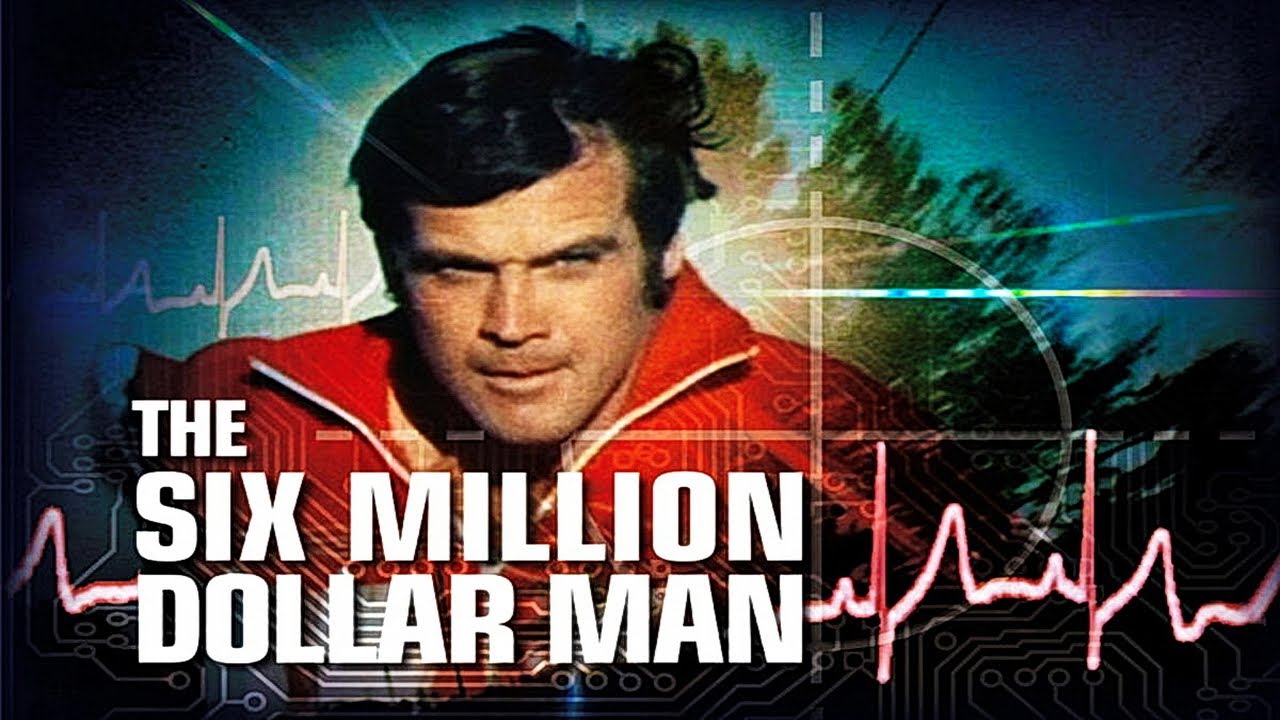
#7 — The Six Million Dollar Man
#6 — The Big Event
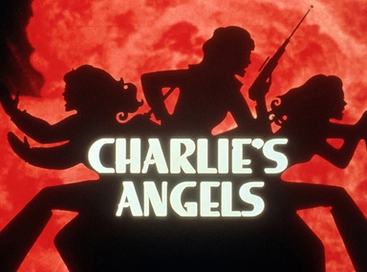
#5 — Charlie’s Angels
#4 — M*A*S*H
#3 — ABC Monday Night Movie
#2 — Laverne & Shirley
#1 — Happy Days
#8 (tie) • ABC

#8 (tie) — ABC Sunday Night Movie

TV Snapshot
Network: ABC
Format: Weekly event movie programming
Official Nielsen Rank: #8 (tie)

ABC Sunday Night Movie tying for #8 is one more sign that 1977 was not just about hit series. It was also about networks learning how to sell the schedule itself. The promise of a movie night carried a different energy than a recurring sitcom or weekly cop show. It felt branded, special, and easy to market.

That mattered because viewers in the late 70s were clearly responding to event framing. A network could create urgency simply by making the night look like something worth planning around. That is a subtle but important programming shift. It means television was winning not only on characters and stories, but on anticipation.

In the broader 1977 picture, this placement helps explain ABC’s dominance. The network was not just scoring with sitcoms and action series. It was also using movie slots as part of a larger, smarter ratings machine.

Why it ranked: it made “special night television” one of the decade’s most dependable mass-audience strategies.
#8 (tie) • ABC

#8 (tie) — Baretta

TV Snapshot
Network: ABC
Format: Crime drama
Official Nielsen Rank: #8 (tie)

Baretta tying at #8 shows that the crime-drama lane still had real strength, even in a season dominated by broader ABC entertainment. The difference is that 1977 crime television often had to bring more personality to the table. Competence alone was no longer enough. The lead character had to feel like part of the attraction.

That is why a show like Baretta fits this chart so neatly. It carries procedural appeal, but it also feels looser, more attitude-driven, and more connected to the era’s taste for visible personality. The 70s were moving away from generic authority figures and toward leads with a stronger individual stamp.

In the larger TV story, the show helps keep the chart from becoming all sitcom bounce and movie branding. It reminds you that viewers still wanted weekly tension, urban energy, and a little dramatic edge inside the network mix.

Why it stood out: it kept crime TV competitive by leaning harder into character presence and mid-70s attitude.
#8 (tie) • CBS

#8 (tie) — One Day at a Time

TV Snapshot
Network: CBS
Format: Sitcom
Official Nielsen Rank: #8 (tie)

One Day at a Time tying at #8 is an important reminder that 70s sitcom success did not belong to only one flavor of comedy. This series took family life and made it feel more contemporary, more specifically lived-in, and less trapped inside the older, smoother domestic formulas that had dominated previous eras.

What made it work was that the show did not need to scream “topical” to feel current. It simply operated in a world that felt closer to modern life. That grounded quality mattered more and more as the decade wore on. Viewers were responding to sitcoms that felt like they belonged to recognizable social reality, even when the tone stayed accessible.

In the context of 1977, One Day at a Time helps show that CBS still had real comedy muscle, even while ABC was crowding the board with broader network-pop hits.

Why it mattered: it helped keep the family sitcom relevant by making it feel more contemporary and less canned.
#7 • ABC

#7 — The Six Million Dollar Man

TV Snapshot
Network: ABC
Format: Science-fiction action drama
Official Nielsen Rank: #7

The Six Million Dollar Man at #7 shows that high-concept action still had major pull in 1977. The series had already established its bionic identity, but what kept it strong was the way it translated a sci-fi hook into very clear mass-audience storytelling. It was futuristic enough to feel exciting, but stable enough to feel like familiar network TV.

That balance matters. A lot of concept-heavy shows can feel cold or gimmicky once the novelty wears off. The Six Million Dollar Man survived because the concept did not replace the hero. It amplified him. Viewers got an icon they could instantly understand, and the network got a series that felt bigger than ordinary procedural drama.

In the broader 1977 lineup, the show helps explain why ABC looked so strong. It had figured out how to turn heightened premises into durable hits without losing the broad-audience instincts that kept viewers coming back.

Why it lasted: it made science-fiction action feel like everyday mainstream television instead of fringe TV fantasy.
#6 • NBC

#6 — The Big Event

TV Snapshot
Network: NBC
Format: Event movie / prestige special programming
Official Nielsen Rank: #6

The Big Event landing at #6 proves NBC could still carve out major space in a season otherwise tilted toward ABC. The appeal here was right in the name: spectacle, scale, and the sense that this was not just another night of routine programming. It was television sold as occasion.

That strategy fits perfectly with the larger late-70s mood. Networks were increasingly aware that audiences could be pulled not only by familiar characters, but by the packaging of importance itself. Prestige, size, and specialness became selling points. The Big Event turned that into a format.

On this chart, the show is a reminder that event television was one of the era’s biggest underlying trends. Sitcoms may dominate the conversation, but “you should tune in because this is bigger than ordinary TV” was becoming a powerful ratings language too.

Why it ranked: it sold television as occasion, not just habit.
#5 • ABC

#5 — Charlie’s Angels

TV Snapshot
Network: ABC
Format: Action / detective drama
Official Nielsen Rank: #5

Charlie’s Angels arriving at #5 is one of the biggest “this decade is changing” signals on the board. It is stylish, promotable, instantly recognizable, and built with a sharper awareness of image than many of the early-70s hits. This is television that knows it is also pop culture merchandise.

That does not mean the show worked on style alone. It worked because ABC understood how to package action, glamour, and episodic clarity into something people could drop into easily. It was sleek without becoming inaccessible, and broad without feeling generic. That is a difficult balance, and in 1977 it paid off.

In the wider story of the season, Charlie’s Angels helps explain the ABC takeover better than almost anything else. The network had found a way to make prime time feel lighter, faster, and more brandable than the socially heavy middle years of the decade.

Why it exploded: it turned style, action, and pure network-era promotability into one of the year’s signature hits.
#4 • CBS

#4 — M*A*S*H

TV Snapshot
Network: CBS
Format: Ensemble dramedy
Official Nielsen Rank: #4

M*A*S*H sitting at #4 is the clearest reminder that substance had not vanished from prime time just because the board got more ABC-shaped. The show still offered one of the richest tonal mixes on television: funny, weary, emotionally layered, character-driven, and much more flexible than a normal sitcom or drama.

What makes its placement so interesting in 1977 is the contrast. Around it are broad sitcoms, action hits, and event programming. M*A*S*H still holds top-tier ground by asking more of the audience emotionally than most of the rest of the lineup. That says a lot about how powerful the series had become.

In the broader 70s story, the show remains one of the decade’s strongest proof points that television could be commercially huge without flattening itself into pure comfort or pure spectacle.

Why it endured: it proved emotionally intelligent ensemble TV could still thrive inside a more commercial late-70s landscape.
#3 • ABC

#3 — ABC Monday Night Movie

TV Snapshot
Network: ABC
Format: Weekly event movie programming
Official Nielsen Rank: #3

ABC Monday Night Movie taking #3 is a huge statement. This is not just a respectable movie slot. This is one of the three biggest things on television. The network had successfully trained audiences to think of certain nights not as generic programming blocks, but as branded, high-priority viewing.

That kind of success matters because it points to a larger change in television logic. Networks were no longer just building loyalty show by show. They were building it block by block, night by night, brand by brand. ABC Monday Night Movie is one of the cleanest examples of that strategy paying off.

In the bigger 1977 picture, it also helps explain why the schedule feels so much more polished and calculated than earlier in the decade. ABC had become extremely good at making prime time feel like a product.

Why it hit so high: ABC figured out how to make event programming feel like part of people’s weekly routine.
#2 • ABC

#2 — Laverne & Shirley

TV Snapshot
Network: ABC
Format: Sitcom
Official Nielsen Rank: #2

Laverne & Shirley finishing at #2 proves the show was not just a hot sitcom. It was one of the defining entertainment engines of the season. The chemistry between the leads made the whole thing go. That was the hook, the rhythm, and the reason it could feel so immediate.

What makes the show especially important in 1977 is how perfectly it fits ABC’s broader rise. It is warm, broad, energetic, and easy to love on first contact. It does not lean on the heavier social-comedy bite that defined some of the earlier 70s. It leans on momentum, personality, and comic ease.

In the larger late-70s picture, Laverne & Shirley represents the sitcom becoming more pop-forward and more youthfully buoyant without losing the family audience.

Why it soared: it turned pure comic chemistry into one of the most powerful ratings weapons of the decade.
#1 • ABC

#1 — Happy Days

TV Snapshot
Network: ABC
Format: Sitcom
Official Nielsen Rank: #1

Happy Days taking the #1 spot is the clearest symbol of the 1977 shift. Prime time’s center of gravity had moved toward nostalgia, comfort, broad accessibility, and character familiarity delivered with polished ABC efficiency. The show was not trying to pick cultural fights the way earlier 70s giants had. It was trying to become a pop institution, and it succeeded.

That does not make the achievement smaller. In some ways it makes it more revealing. Happy Days was the right show for a moment when television was learning how powerful reassurance and upbeat recognizability could be when wrapped in strong character branding. Viewers were still interested in big themes, but they were also clearly ready to be entertained more cleanly.

In the full story of 1977 television, Happy Days is the crown on ABC’s takeover year. It tells you exactly where the schedule was headed: broader, more nostalgic, more mass-market, and very good at turning sitcoms into cultural products.

1977 verdict: the biggest show in America now reflected a lighter, more commercial, and more pop-shaped version of the decade.

The Rewind Verdict

The top TV shows of 1977 look like a power transfer made visible. Happy Days and Laverne & Shirley put ABC on top. Charlie’s Angels, The Six Million Dollar Man, and the movie-event slots prove the network could dominate across multiple lanes. M*A*S*H remains a major counterweight. But the bigger truth is that the balance of the decade had shifted.

This is what makes 1977 so useful in the series. Earlier 70s television often felt like the medium rethinking itself through social conflict and sharper realism. By 1977, prime time feels more packaged, more polished, and more willing to sell comfort, style, and branded entertainment at scale.

For Gen X, 1977 is one of the clearest years where the late-70s version of television starts taking over from the earlier, rougher middle-decade mood.

FAQ

What was the most watched TV show of 1977?

According to the 1976–77 Nielsen season, Happy Days was the #1 TV show tied to 1977.

What was the #2 TV show of 1977?

Laverne & Shirley ranked #2.

Were there ties in the top TV shows of 1977?

Yes. There was a three-way tie at #8 between ABC Sunday Night Movie, Baretta, and One Day at a Time.

Which network dominated the top TV shows of 1977?

ABC dominated the lineup, placing eight of the ten top-ranked programs.

Why does this post use the 1976–77 season for 1977?

Because television popularity was measured by season rather than calendar year. For year-based nostalgia rankings, the season ending in that year is the standard reference point.

Why is 1977 such an important TV year?

It is the year ABC’s brighter, broader, more commercial version of late-70s prime time clearly takes over the board.

Get the Weekly Gen X Drop

New videos, rewinds, and savage nostalgia — first.

JOIN THE NEWSLETTER WATCH VIDEOS

MORE REWINDS