ABC
The network’s breakout is broad, glossy and strategic.Rich Man, Poor Man, Laverne & Shirley, The Bionic Woman, The Six Million Dollar Man and ABC Monday Night Movie gave ABC serialized drama, sitcom power, action mythology and event nights.
The top TV shows of 1976 capture one of the most important power shifts of the decade. The socially explosive sitcom era still matters, but prime time is becoming glossier, more serialized and more aggressively event-driven. ABC is suddenly everywhere, and the schedule itself starts feeling larger than life.
This countdown uses the 1975–76 Nielsen season, the site’s season-ending-year method for the 1976 rankings. All in the Family still holds #1, but ABC places five entries through a miniseries, two bionic action shows, a breakout sitcom and a branded weekly movie night.
All in the Family ranked #1 in the 1975–76 Nielsen season. Rich Man, Poor Man finished #2 and Laverne & Shirley ranked #3. ABC placed five entries in the top 10, CBS placed four and NBC placed one. Jump to the complete ranking or begin the full show-by-show countdown.
The ranking moves from a branded movie night and bionic action through adult sitcoms and social comedy to a breakout duo, a serialized family saga and the long-running #1.
ABC places five entries through event movies, serialized drama, bionic action and a breakout sitcom. CBS retains the #1 show and four major comedies. NBC is reduced to Sanford and Son.
Rich Man, Poor Man, Laverne & Shirley, The Bionic Woman, The Six Million Dollar Man and ABC Monday Night Movie gave ABC serialized drama, sitcom power, action mythology and event nights.
All in the Family, Maude, Phyllis and Rhoda kept social comedy, adult relationships and the Mary Tyler Moore television universe firmly in the top tier.
Sanford and Son remained powerful enough to reach the #7 tie, but NBC otherwise disappeared from the season’s top 10.
From ABC Monday Night Movie at #10 to All in the Family at #1, the countdown catches a schedule suddenly expanding in every direction: bionic heroes, event television, adult sitcoms, a giant ABC breakout and one familiar #1 still refusing to give up the throne.
ABC Monday Night Movie cracking the top 10 is one of the most important structural clues on the entire 1976 chart. It tells you that viewers were not only loyal to recurring sitcom families and weekly characters. They were also increasingly drawn to the promise of a packaged event — something promoted as special, one-night, and just different enough to feel like a reason to tune in.
That matters because it shows television becoming more strategic about anticipation itself. The network did not need a single stable ensemble every week to win audience attention. It could sell a branded night of spectacle. In a decade getting more cinematic and more marketing-savvy, that was a huge advantage.
The placement also helps explain ABC’s growing strength. The network was not just landing hits through scripted series. It was learning how to make the schedule itself feel like a destination. That is a very 70s kind of programming instinct, and by 1976 it was paying off in a big way.
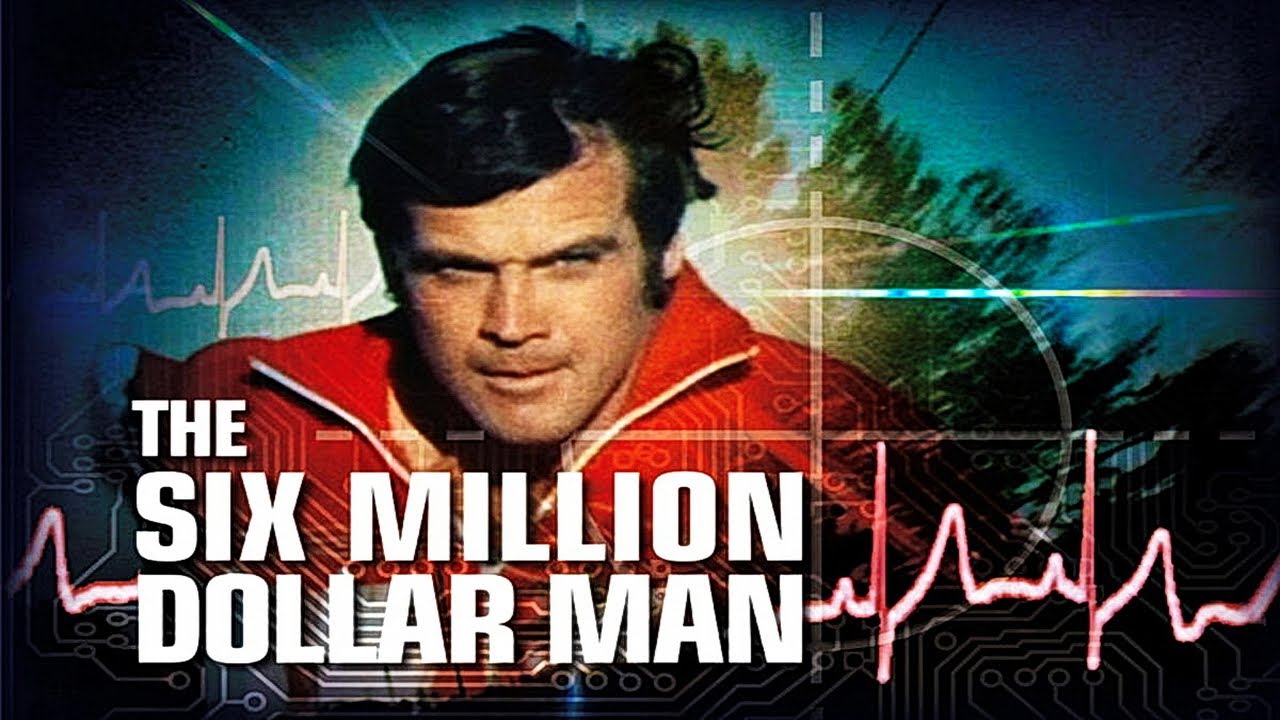
The Six Million Dollar Man at #9 captures the moment when 70s television started leaning harder into high-concept heroism. This was not grounded family realism, not workplace wit, and not one more traditional detective story. It was TV action filtered through pop-science fantasy, and audiences were very clearly into it.
What made the show so effective was that it gave viewers a clean myth in a modern wrapper. Steve Austin was still recognizable as a network-TV hero — dependable, controlled, fundamentally moral — but the bionic hook made him feel larger than a conventional action lead. That combination let the series appeal to both kids and adults without losing its mass-audience shape.
In the bigger story of 1976, the show matters because it demonstrates how much appetite there was for TV that felt a little more futuristic, a little more merchandise-friendly, and a little more eventized than the earlier part of the decade. The 70s were not leaving social comedy behind, but they were definitely expanding beyond it.
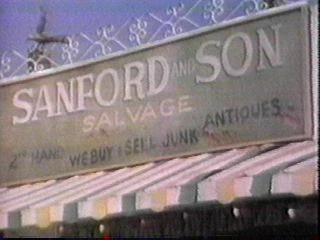
Sanford and Son tying at #7 shows the show still had serious heat, even as the rest of the schedule got more crowded and more competitive. By 1976, its comic rhythm was fully established: ego, irritation, bluffing, panic and nonstop verbal ricochet. It remained one of the decade’s strongest examples of a sitcom powered almost entirely by friction.
What makes the ranking interesting is that the show is no longer perched right near the top the way it had been earlier. That does not mean it stopped mattering. It means the field around it got deeper. ABC surged, new concepts broke through, and the sitcom boom broadened. Sanford and Son still held top-tier ground anyway, which says a lot about its staying power.
In the larger 1976 story, the show represents the continuing force of the rougher, more personality-driven sitcom model that helped define the middle of the decade. Even when newer kinds of TV started crowding the board, that energy still hit hard.
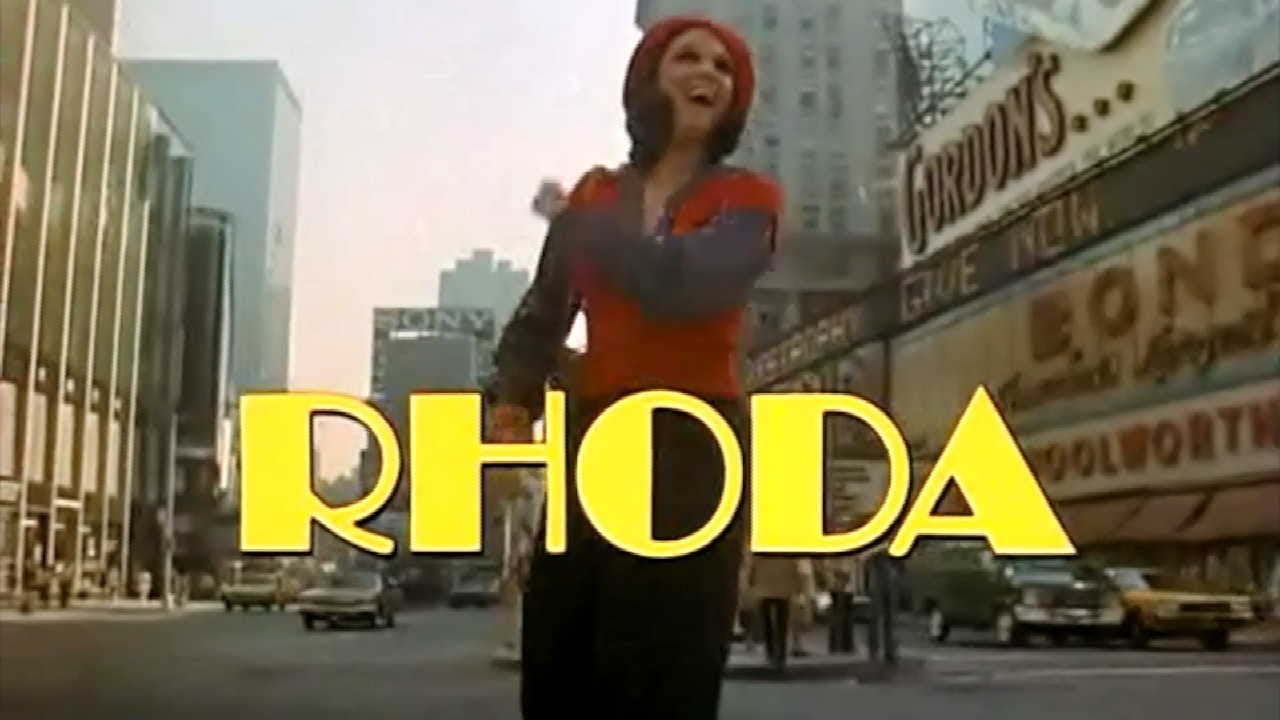
Rhoda tying at #7 is one more sign that the adult-sitcom universe built out of The Mary Tyler Moore Show was not just critic-friendly. It was commercially powerful. The show succeeded because it understood that romance, insecurity, wit and city life could all be strong sitcom material without being flattened into the old family-sitcom formula.
By 1976, that kind of humor had become part of the mainstream TV bloodstream. The series could be warm and sharp at the same time, grounded in relationships without becoming saccharine, and contemporary without seeming desperate to prove how contemporary it was. That balance is a huge part of why it lasted.
On this chart, Rhoda also helps underline a broader truth about the decade: the sitcom revolution did not produce only one tone. There was room for abrasive comedy, social comedy, workplace wit, relationship comedy, and spinoffs that stood on their own.
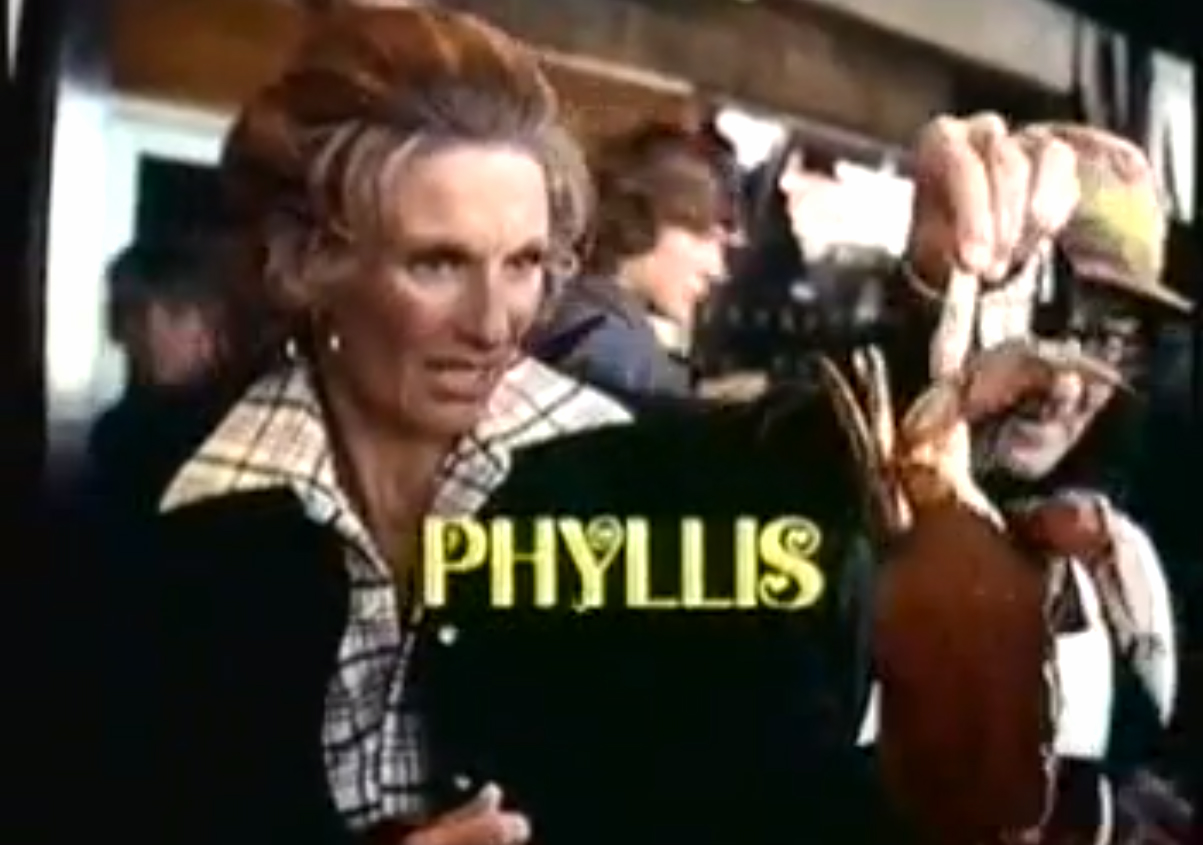
Phyllis at #6 is a great reminder that the Mary Tyler Moore ecosystem was not an accident. The bench was deep. Spin-offs could launch, find their own comic shape, and still land in the top tier because audiences were clearly invested in sharp character-based comedy that centered adults rather than generic sitcom archetypes.
What makes Phyllis especially telling in the 1976 lineup is its placement right between bigger conceptual swings like The Bionic Woman and the more overtly combative Lear-style sitcoms. That suggests viewers were fully comfortable moving between very different comic styles, as long as the characters were strong enough and the world felt distinct.
In the broader story of the year, the show helps mark just how far television comedy had expanded. Mid-70s audiences were not settling for one default sitcom template anymore. They were choosing among multiple flavors of adult-centered humor, and CBS was winning a lot of those fights.

The Bionic Woman arriving at #5 is one of the clearest signs that ABC had figured out how to package a modern TV hit. The series was flashy, concept-driven, and built to feel immediately accessible. It carried over the bionic-action appeal of its parent universe while reshaping it around a female lead in a way that felt contemporary and commercially smart.
The placement matters because it shows that the mid-70s audience was not just clinging to the established sitcom giants. Viewers were actively embracing new mythology-heavy television that still fit comfortably inside network rules. The show gave them action, heightened stakes, and a heroine with clear icon potential. That is a powerful formula.
In the bigger 1976 picture, The Bionic Woman helps explain why the year feels more glamorous and high-concept than some of the earlier seasons in your series. The decade had discovered it could sell both social realism and pop-fantasy at the same time.
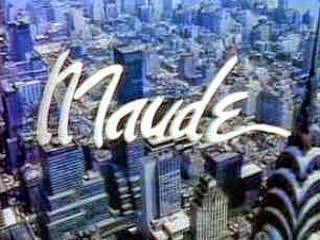
Maude holding #4 proves that the louder, sharper, more argumentative sitcom form still had serious ratings power in 1976. The format did not need to soften itself to survive. It still trusted strong character, clear point of view and topical tension to drive the comedy, and viewers still showed up.
What makes the show so significant at this point in the decade is that it no longer reads as a shock to the system. It reads like part of the system. That is a huge cultural shift. The era when 1970s sitcoms started talking about real life was no longer a novelty; it had become one of the mainstream’s most dependable engines.
On this chart, Maude also functions like a bridge between the first half of the 70s and the second. It carries forward the Lear-era revolution while sharing space with newer kinds of glossy ABC television and serialized event drama.
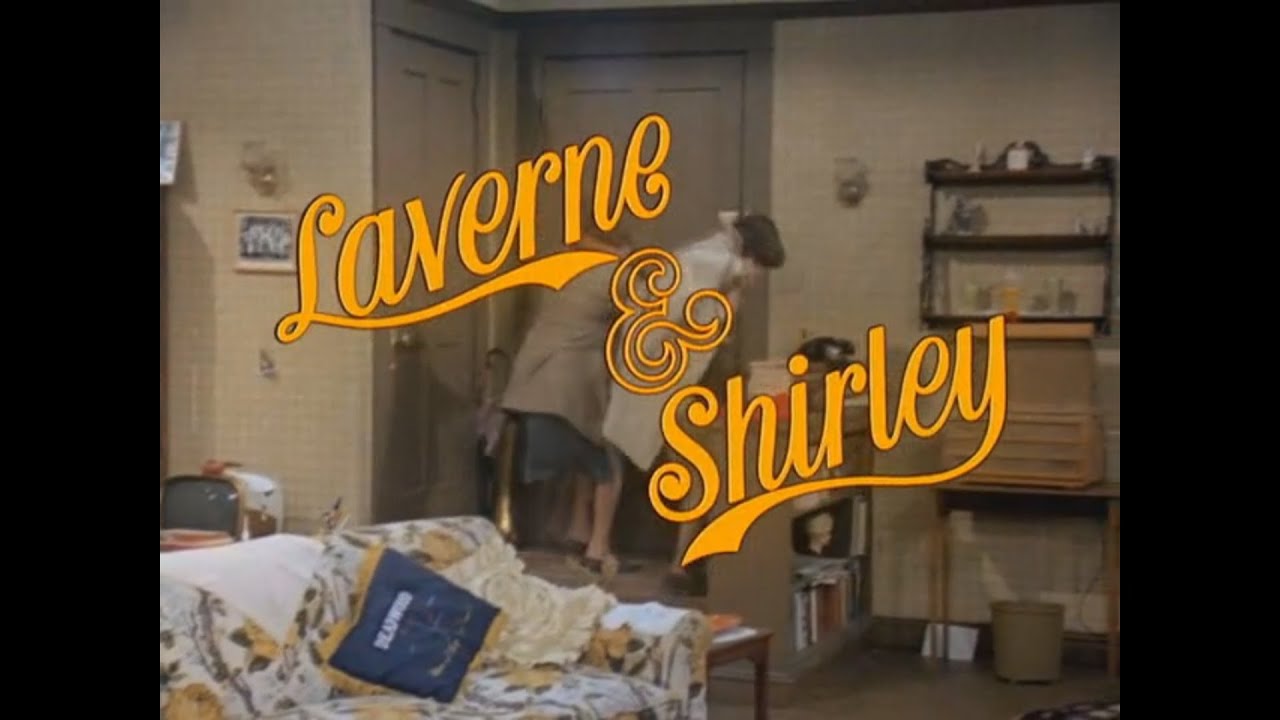
Laverne & Shirley hitting #3 is one of the strongest indicators that ABC was no longer playing catch-up. It had a genuine mass-audience sitcom hit that felt broad, energetic and unmistakably mid-70s. The show’s appeal came from chemistry first. Viewers were not just following a premise. They were locking into a comic duo dynamic that felt instantly alive.
That chemistry let the series move fast. The humor was physical, loud, expressive, and friend-centered in a way that made it feel slightly different from both the Lear school and the Mary Tyler Moore school. It could still fit inside network comedy conventions, but it had more bounce and more pop.
In the larger 1976 story, Laverne & Shirley matters because it helps explain ABC’s surge. The network was finding a way to make sitcoms feel big, bright, and highly promotable without losing the relationship core that made people care.
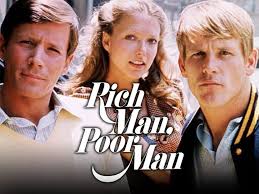
Rich Man, Poor Man at #2 is arguably the most important structural development on the chart besides All in the Family . It proved that long-form serialized television could function like a national event. Viewers did not just sample it. They committed to it. That distinction matters enormously because it points straight toward the future of prestige TV.
What made the series so powerful was its combination of scale and intimacy. It had family saga appeal, class tension, generational drama, and the prestige aura of something larger than ordinary weekly programming. Instead of feeling disposable, it felt like a television experience people were supposed to follow and discuss. That was a big deal.
In the broader story of 1976, this is the show that tells you network television was beginning to realize it could create urgency through narrative accumulation, not just through weekly formula. That lesson would echo for decades.
All in the Family staying at #1 in 1976 is the clearest sign that the decade’s biggest television revolution was still in command. The show had long since moved beyond being a disruptive curiosity. Now it was the default example of what the medium had become: sharper, louder, less interested in false harmony, and far more willing to let cultural arguments happen in public.
What makes the show’s continued dominance so impressive is that it survived while the field around it got much more competitive. ABC was surging. New action concepts were hitting. Miniseries television was proving it could be an event. And still, the biggest show in the country remained the one built on family tension, class conflict, generational division, and uncomfortable laughter.
In the full story of 1976 television, All in the Family still wears the crown of the first great 70s transformation. The new TV age was expanding in many directions, but its original king had not given up the throne.
The ranking captures a handoff without a clean handoff: Lear-era comedy remains powerful while serialized drama, glossy action, branded movie nights and broad ABC sitcoms all become major forces.
The top TV shows of 1976 feel like a handoff year without a clean handoff. All in the Family still rules. Maude , Sanford and Son , and Rhoda prove the sitcom revolution is still very alive. But now ABC is surging with Laverne & Shirley , The Bionic Woman , The Six Million Dollar Man , and the weekly movie machine. And Rich Man, Poor Man shows serialized prestige TV can hit like a major national event.
That is what makes 1976 so useful in this series. It is not just one kind of television winning. It is multiple future directions appearing at once. The old order is gone, the Lear order still dominates, and the next wave — glossier, more conceptual, more event-based, more serialized — is already crowding into the frame.
For a lot of us who knew these shows from first runs, reruns or both, 1976 is where prime time starts looking less like one revolution and more like several of them happening at once.
Move from the prime-time dial to the toy box, radio and movie theater, then compare the television season before and after it.
Follow the ratings from the western-heavy opening of the decade through topical sitcoms, serialized events, bionic action, family hits and the late-70s network reshuffle. For the whole decade beyond the rankings, explore the complete 70s TV guide.
Quick answers about the #1 show, the #7 tie, ABC’s breakout, the Nielsen-season method and why 1976 matters.
According to the 1975–76 Nielsen season, All in the Family was the #1 TV show tied to 1976.
Rich Man, Poor Man ranked #2 in the 1975–76 season.
Yes. There was a tie at #7 between Sanford and Son and Rhoda .
In the top 10 entries, ABC had five , CBS had four , and NBC had one .
Because television popularity was measured by season rather than calendar year. For year-based nostalgia rankings, the season ending in that year is the standard reference point.
It is the year where Lear-era social sitcoms, ABC’s glossy action hits, weekly movie events, and prestige-style serialized drama all collide in one top-10 lineup.
Using the 1975–76 Nielsen season, the top three were All in the Family at #1, Rich Man, Poor Man at #2 and Laverne & Shirley at #3.
ABC placed five entries in the 1975–76 top 10: Rich Man, Poor Man, Laverne & Shirley, The Bionic Woman, The Six Million Dollar Man and ABC Monday Night Movie.
New television countdowns, decade guides, videos and exactly the kind of woodgrain-fueled memory damage you came here for.