Top TV Shows of 1973: The Biggest Nielsen Hits of Prime Time
The Top TV Shows of 1973
The top TV shows of 1973 make one thing brutally clear: the old television order is no longer running the whole room. The biggest hits are now sharper, more urban, more confrontational, and a lot more willing to build comedy and drama around tension instead of pure comfort. This is not television politely evolving. This is television changing the locks.
This countdown uses the 1972–73 Nielsen season, which is the standard reference point for the top TV shows tied to 1973. What makes this year so strong is the range. You have socially combustible sitcoms, slick crime drama, family event programming, and a few old-school institutions still refusing to die quietly. It feels like the 70s finding their full prime-time voice.
Browse the series: 1970s TV Hub | 1970 | 1971 | 1972 | 1973 | 1974 | 1975 | 1976 | 1977 | 1978 | 1979
Gen X note: 1973 is the year prime time looks fully 70s. The safest shows are no longer automatically the biggest shows. Personality, edge, urban energy, and big-event programming are now driving the schedule.
#10 — Ironside
Network: NBC
Format: Crime drama
Official Nielsen Rank: #10
Ironside closing out the 1973 top 10 is one more sign that crime drama had fully embedded itself into the center of prime time. This was not a fringe genre anymore. It was a major part of the decade’s identity, and Ironside brought the exact kind of adult, urban authority that early-70s audiences clearly wanted.
What made the show so durable was its lead presence. Raymond Burr did not just anchor scenes. He gave the whole series gravity. That matters because procedural television can easily become anonymous if the cases are doing all the work. Ironside never felt anonymous. It felt controlled, deliberate, and grounded by a central character audiences trusted.
In the broader story of 1973 television, the show represents the staying power of institutional drama. Sitcom reinvention may be stealing headlines, but viewers still had a huge appetite for serious weekly storytelling built on competence, structure, and command.
#9 — The Wonderful World of Disney
Network: NBC
Format: Family anthology / event TV
Official Nielsen Rank: #9
The Wonderful World of Disney sitting in the 1973 top 10 is a reminder that family event television still had serious ratings power even as the schedule got sharper everywhere else. Disney’s advantage was never just content. It was trust. Audiences believed a Disney-branded night would deliver something polished, broad, and household-friendly.
That brand reliability mattered even more in a year like 1973, when so much of prime time was leaning into friction, sarcasm, and generational conflict. Disney provided a different kind of appointment viewing: not argumentative, not abrasive, just solid event television that families could comfortably gather around.
In the larger landscape, its rank helps explain why the early 70s are so interesting. The medium is evolving fast, but there is still plenty of room for legacy programming that knows exactly how to make itself feel special.
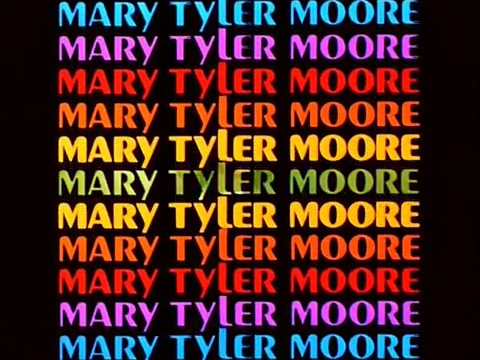
#7 (tie) — The Mary Tyler Moore Show
Network: CBS
Format: Workplace sitcom
Official Nielsen Rank: #7 (tie)
The Mary Tyler Moore Show tying at #7 shows that sophisticated workplace comedy had become a real ratings force. This was not just a critic-friendly outlier. It was a mainstream hit, and that matters because it expanded what a successful sitcom could look like in prime time.
What made the show special was its tone. It was funny without being blunt, warm without being syrupy, and contemporary without feeling like it was straining to announce its relevance. It trusted viewers to enjoy a comedy built around work life, friendship, awkward adulthood, and professional ambition.
In 1973, that kind of smart urban confidence fits perfectly. Television is no longer trapped inside one family-sitcom model. The Mary Tyler Moore Show helped prove there was room for a more grown-up comic language.
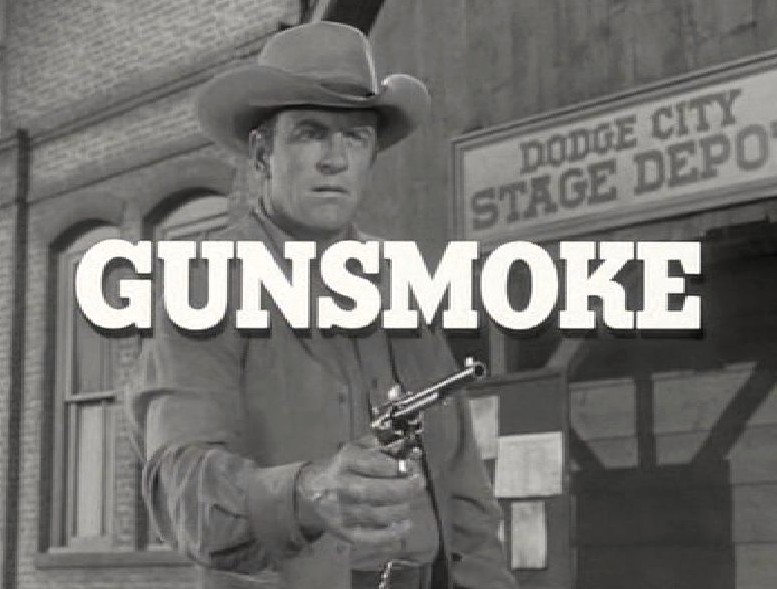
#7 (tie) — Gunsmoke
Network: CBS
Format: Western drama
Official Nielsen Rank: #7 (tie)
Gunsmoke tying at #7 is the definition of stubborn durability. By 1973, the western is no longer the automatic center of American television, but here it still is in the top tier anyway. That is not nostalgia padding. That is genuine continuing ratings power.
The reason it lasted is simple: the show delivered order. In a television world getting louder, faster, and more socially jagged, Gunsmoke still gave audiences a dramatic universe with moral clarity and a central authority figure who made that universe feel stable.
Its ranking tells a great story about 1973. New television is clearly winning more of the conversation, but the old giants have not vanished. They are still strong enough to sit right beside the decade’s newer hits.
#5 (tie) — Bridget Loves Bernie
Network: CBS
Format: Sitcom
Official Nielsen Rank: #5 (tie)
Bridget Loves Bernie tying for fifth shows how much appetite there was for sitcoms built around cultural mismatch, tension, and identity friction. By 1973, comedy was no longer required to stay comfortably generic. Audiences were clearly willing to show up for shows built around difference itself.
That matters in the wider story of the decade because it reflects a television environment increasingly interested in conflict as a comic engine. Not constant cruelty, but visible contrast. The setup itself becomes the premise, and the premise becomes a way of dramatizing the changing culture around it.
In the 1973 lineup, the show fits right alongside the broader shift represented by All in the Family and Maude. Prime time is getting less polite and more willing to let social contrast drive the laughs.
#5 (tie) — The NBC Sunday Mystery Movie
Network: NBC
Format: Mystery / event movie programming
Official Nielsen Rank: #5 (tie)
The NBC Sunday Mystery Movie tying for fifth proves once again that event-style programming had become one of the most powerful tools in network television. This was not just another regularly scheduled series. It was a branded destination designed to feel like something bigger than an ordinary weeknight episode.
That strategy looks especially smart in 1973. As the sitcom world gets more topical and more combative, mystery-event programming gives viewers a different kind of appointment viewing: suspense, format variety, and the promise that tonight’s slot is worth planning around.
In the bigger picture, the show represents one of the decade’s smartest programming lessons. You do not always need a single recurring family or fixed ensemble to create loyalty. Sometimes the event itself is the brand.
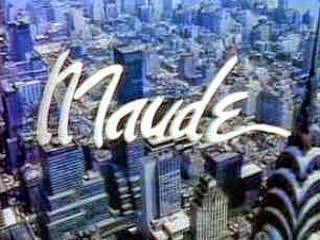
#4 — Maude
Network: CBS
Format: Sitcom / social comedy
Official Nielsen Rank: #4
Maude at #4 is one of the strongest pieces of evidence that the revolution sparked by All in the Family was not a one-show phenomenon. The audience was clearly ready for more comedy built around strong personalities, argument, social tension, and a world that did not pretend everyone shared the same outlook.
What makes Maude so revealing in this chart is that it turns outspoken character energy into a ratings strength rather than a liability. Earlier network TV often tried to smooth away edges. By 1973, a show could use those edges as the whole point.
In the larger story of 70s television, the series helps mark the moment when socially sharper comedy stopped being a novelty and became a defining mainstream form.
#3 — Hawaii Five-O
Network: CBS
Format: Crime drama
Official Nielsen Rank: #3
Hawaii Five-O landing at #3 makes perfect sense for 1973. This is crime drama with presence. It has procedural authority, but it also has atmosphere, motion, and a sense of place that makes it feel bigger and more cinematic than a lot of traditional network television.
That visual identity mattered. By the early 70s, viewers were not only responding to reliable structure. They were also responding to shows that felt distinctive and contemporary. Hawaii Five-O delivered both. It had command, urgency, and a polish that helped it stand apart from the pack.
In the broader top-10 story, it represents the sleek side of the decade’s transition: modern crime TV that still fits inside mainstream network appeal.
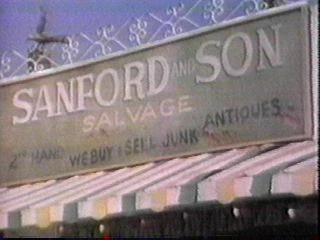
#2 — Sanford and Son
Network: NBC
Format: Sitcom
Official Nielsen Rank: #2
Sanford and Son at #2 confirms that rougher, sharper, more personality-driven comedy had become a huge part of the decade’s prime-time identity. This is not polished domestic comfort TV in the old mold. It is louder, faster, more abrasive, and funnier because of the friction.
The show works because its rhythm is so alive. The comedy comes from irritation, ego, desperation, pride, and constant verbal collision. That gave it an energy that felt distinctly different from earlier family sitcom traditions. And audiences were very clearly into it.
In 1973, the show is more than just a hit. It is part of the proof that television comedy had permanently shifted away from one-size-fits-all niceness and into something more specific, more grounded, and more unmistakably 70s.
#1 — All in the Family
Network: CBS
Format: Family sitcom / social comedy
Official Nielsen Rank: #1
All in the Family staying at #1 is the clearest possible statement about what television had become by 1973. The biggest show in America is not running from conflict. It is built on conflict. The series turns argument, discomfort, class tension, generational collision, and social fracture into the center of the comedy.
What makes that so important is that the show does not succeed on provocation alone. It succeeds because the characters and structure are strong enough to make the tension feel watchable, funny, and rooted in something real. Viewers are not just showing up for controversy. They are showing up for a version of American family life that feels impossible to simplify.
In the full story of 1973 television, All in the Family is the banner planted on the hill. The 70s are here, and prime time now belongs to sharper, more topical, more emotionally combustible storytelling.
The Rewind Verdict
The top TV shows of 1973 look like a medium that has fully accepted its new direction. All in the Family and Sanford and Son dominate. Maude keeps the sharper sitcom revolution going. Hawaii Five-O and Ironside prove crime drama still has massive pull. And event-style programming like The NBC Sunday Mystery Movie and The Wonderful World of Disney shows that “special” was still one of television’s best-selling qualities.
That mix is what makes 1973 so strong. It is not just one trend winning. It is a whole new balance of power. The old giants are still around, but they no longer define the entire medium by themselves. Now they have to live beside sharper sitcoms, slicker urban dramas, and branded movie-style events that feel more modern and more strategically programmed.
For Gen X, 1973 is the year prime time stops feeling transitional and starts feeling locked into the decade’s real personality.
FAQ
What was the most watched TV show of 1973?
According to the 1972–73 Nielsen season, All in the Family was the #1 TV show tied to 1973.
What was the #2 TV show of 1973?
Sanford and Son ranked #2.
Were there ties in the top TV shows of 1973?
Yes. There was a tie at #5 between Bridget Loves Bernie and The NBC Sunday Mystery Movie, and a tie at #7 between The Mary Tyler Moore Show and Gunsmoke.
Were westerns still big in 1973?
Yes. Gunsmoke still tied for #7, proving western TV still had real ratings life even as the rest of prime time changed.
Why does this post use the 1972–73 season for 1973?
Because television popularity was measured by season rather than calendar year. For year-based nostalgia rankings, the season ending in that year is the standard reference point.
What makes 1973 such an important TV year?
It shows the 70s television shift in full force: topical sitcoms, urban crime drama, and branded event programming all share the top of the chart.
Get the Weekly Gen X Drop
New videos, rewinds, and savage nostalgia — first.
JOIN THE NEWSLETTER WATCH VIDEOS