CBS
The old network machine at full strength.Doris Day, Red Skelton, Here’s Lucy, Family Affair, Mayberry R.F.D. and Gunsmoke made CBS the broadest force in the ranking.
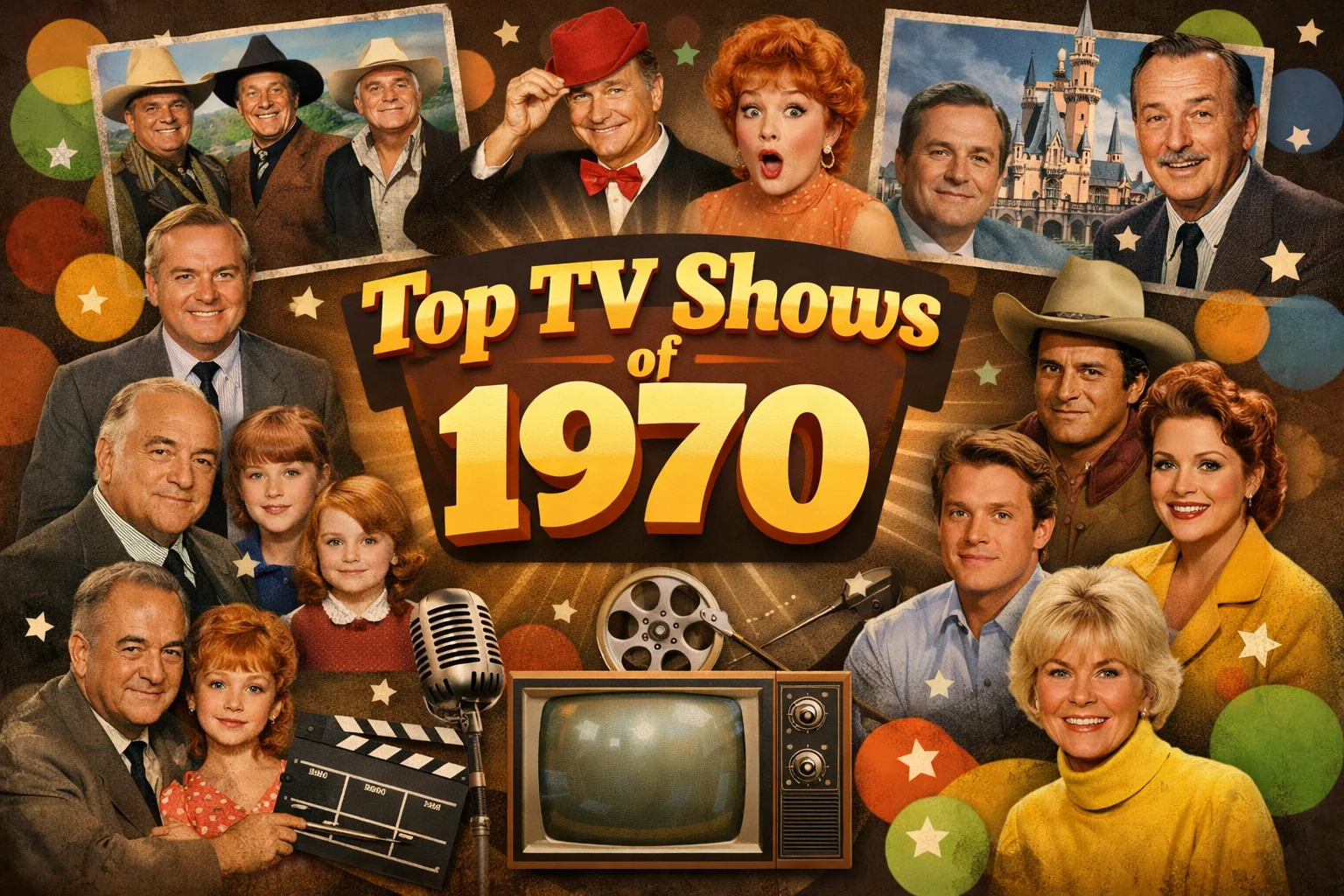
The top TV shows of 1970 still belong to the old network living room: western authority, family comfort, major-star variety, familiar sitcoms and television built around weekly reliability. But the #1 show is already moving faster, looking louder and hinting at the decade about to arrive.
This countdown uses the 1969–70 Nielsen season, the site’s season-ending-year method for the 1970 rankings. The full list runs from The Doris Day Show at #10 to Rowan & Martin’s Laugh-In at #1, with Gunsmoke, Bonanza, Mayberry, Lucy and Marcus Welby filling the woodgrain dial between them.
Rowan & Martin’s Laugh-In ranked #1 in the 1969–70 Nielsen season. Gunsmoke finished #2 and Bonanza ranked #3. CBS placed six shows in the top 10, NBC had three and ABC had one. Jump to the complete ranking or begin the full show-by-show countdown.
The rankings move from star vehicles and family comfort to western institutions and the rapid-fire comedy that topped the entire season.
CBS owned most of the top 10 through family comedy, rural comfort, Lucy and Gunsmoke. NBC held the #1 and #3 positions, while ABC’s lone entry pointed toward more adult drama.
Doris Day, Red Skelton, Here’s Lucy, Family Affair, Mayberry R.F.D. and Gunsmoke made CBS the broadest force in the ranking.
Laugh-In, Bonanza and Disney gave NBC speed, western scale and dependable family-event television.
Marcus Welby, M.D. brought a more adult, issue-based medical drama into a ranking dominated by older formulas.
From The Doris Day Show at #10 to Laugh-In at #1, the countdown shows a television world still dominated by westerns, familiar stars, variety shows and family comfort—even as the first signs of a different 1970s were already showing up.
The Doris Day Show closing out the 1970 top 10 is a reminder that old-school star power still mattered. The series had the advantage of a beloved lead with a polished, easy screen presence, and network television in 1970 still knew how to build a hit around familiarity. Viewers weren’t just tuning in for plot mechanics. They were tuning in for comfort, charm, and the sense that a major entertainment personality had entered the room.
What makes the show interesting in this rankings lineup is how neatly it represents the transitional mood of the era. It feels more classic than disruptive, more built around audience affection than around reinvention. That was still a winning formula. Prime time did not yet require edge to succeed. It required a star people liked, a format they understood, and a weekly tone they could trust.
In the larger picture of 1970 television, The Doris Day Show matters because it reflects an industry still deeply invested in dependable celebrity-centered entertainment. The decade would get looser, bolder, and more socially pointed soon enough. But in 1970, a well-packaged vehicle for an already-established star could still finish in the top 10 and look perfectly at home there.
Walt Disney’s Wonderful World of Color was the kind of show that turned television into a family ritual. It wasn’t about a single fixed cast or one repeating story world. It was about brand trust. If Disney was presenting it, audiences expected something polished, accessible, and suitable for a full-living-room audience. That made the series one of the cleanest examples of appointment viewing in the 1970 lineup.
The title itself says a lot about the moment. Color television still carried real promotional energy, and Disney knew how to make that feel like a feature rather than just a technical upgrade. The show sold atmosphere, wonder, and family-friendly event value. In a season crowded with sitcoms, westerns, and variety institutions, this kind of anthology programming gave networks a different type of weekly attraction: not just habit, but occasion.
The reason it lands so high is simple. It was reliable without feeling ordinary. That is a huge ratings advantage. When viewers believed a show would consistently deliver a broad, well-made evening experience, it became easy to fold it into the household routine. In 1970, Disney still represented that kind of confidence.
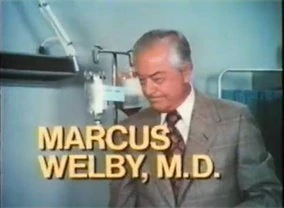
Marcus Welby, M.D. is one of the most revealing entries in the 1970 top 10 because it points toward where the decade is heading. Unlike the broader comedy and legacy formats surrounding it, this show offered a more adult, issue-based kind of storytelling. It still fit comfortably inside network polish, but it also suggested that viewers were ready for drama built around empathy, morality, and professional authority rather than just spectacle.
A medical drama can easily turn cold if it leans too hard on procedure. What helped Marcus Welby, M.D. connect was its humane center. The appeal wasn’t just diagnosis or crisis. It was bedside manner, trust, and the idea that competence could be emotionally reassuring. That matters in a season where so many of the biggest hits were essentially comfort brands. This show found a way to provide comfort through seriousness.
In hindsight, its top-10 finish feels like a signal. Television was beginning to open more space for dramas that were not westerns, not crime procedurals in the old mold, and not purely escapist. That doesn’t mean 1970 had fully turned the page yet. It means the new chapter was already visible in the margins.
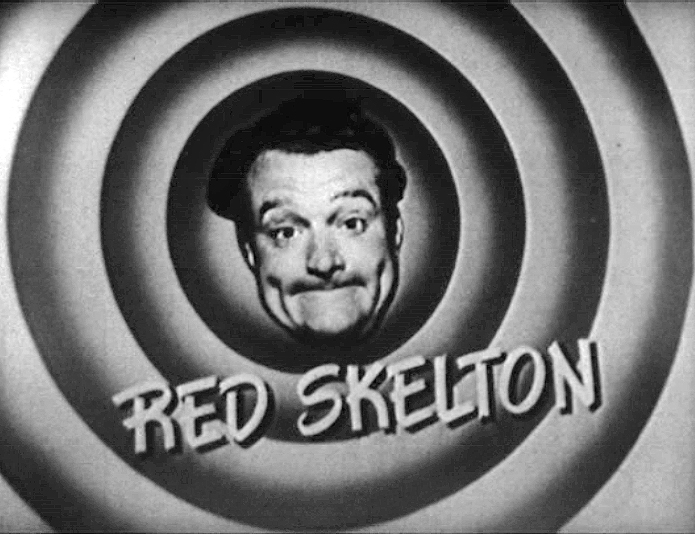
The Red Skelton Hour finishing seventh says a lot about how much room old-school variety still had in prime time. By 1970, television had already changed a lot, but a performer with a strong audience bond and a recognizable comic identity could still rank near the very top. The format was broad, theatrical, and built on personality — exactly the kind of entertainment network television had been training audiences to love for years.
What makes Red Skelton’s staying power impressive is that variety only works when the host remains the attraction. The structure can be familiar, but the energy has to feel personal. That was the advantage here. This was not anonymous programming. It was a star platform with a direct line to viewers who knew what they were getting and wanted precisely that.
In the larger 1970 story, The Red Skelton Hour represents the durability of television tradition. Sketch, character bits, and broad performance were still alive and well. The sharper satire and cultural fragmentation of the later 70s had not yet swept this kind of show off the board.
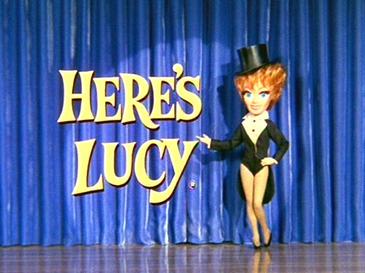
Here’s Lucy proves that Lucille Ball was still one of television’s most bankable forces. By the time this series was ranking sixth, she wasn’t just a former TV legend coasting on name recognition. She was still an active ratings magnet. That matters, because television in 1970 was crowded with established brands, and Lucy remained one of the few performers whose presence alone still felt like a format.
The show’s appeal came from a combination of family-centered accessibility and classic comic authority. Lucy could create chaos, embarrassment, hustle, and physical comedy without losing audience affection for even a second. That skill had always been her superpower. She could turn nonsense into structure and desperation into rhythm. Viewers trusted that even when the plot was ridiculous, the star knew exactly how to land it.
In this countdown, Here’s Lucy also marks the persistence of television royalty. Before the decade’s more socially pointed or stylistically modern hits fully took over, there was still enormous room for proven giants to keep winning. Lucy did not need reinvention to stay relevant. She needed a camera and an audience. That was enough.
Family Affair at #5 shows how valuable elegance and gentleness still were in prime time. The show had a polished, almost storybook quality compared with some of the louder hits on the chart. It was domestic television built around caretaking, emotional adjustment, and the soft comedy that comes from people learning how to become a family rather than simply being born into one.
That tone is important. In later years, people sometimes remember the 70s only through conflict-heavy comedies, social friction, and sharper realism. But the early part of the decade still had room for programming that preferred reassurance over confrontation. Family Affair worked because it made home life feel orderly, affectionate, and slightly aspirational. It offered sentiment without collapsing into syrup.
Its high ranking also tells you that audiences still wanted television to feel safe in the best possible way. Not dull. Safe. Predictable enough to enter your weekly routine, warm enough to keep you there, and polished enough to feel like network quality. In 1970, that formula remained extremely powerful.
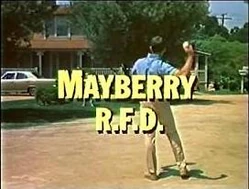
Mayberry R.F.D. landing at #4 is a giant flashing sign that small-town comfort still had serious ratings muscle in 1970. The original Andy Griffith Show may have ended, but the broader Mayberry feeling clearly had not. Audiences still wanted that world: slower rhythms, familiar faces, low-stakes local absurdity, and a version of America designed to feel manageable.
What makes the show’s ranking so interesting historically is that it arrived right at the edge of cultural change. Within a few years, network television would move much harder toward urban settings, sharper satire, and socially pointed family dynamics. Mayberry R.F.D. belongs to the older network faith that viewers wanted reassurance first and friction second.
And in 1970, that faith was not misplaced. A fourth-place finish is not nostalgia filler. It is proof of mainstream demand. This was not some quaint leftover. It was one of the biggest shows in the country, which tells you how much of television still depended on familiarity, gentleness, and the fantasy that communities could remain stable forever.
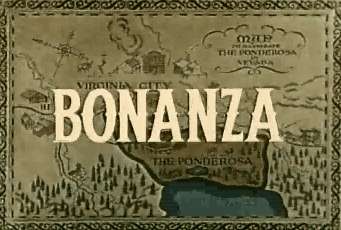
Bonanza at #3 shows that the western was not dead in 1970 — not even close. In fact, it was still one of the strongest pillars of network television. The show offered a combination that prime time loved: a strong recurring world, clear moral stakes, broad family appeal, and enough scale to feel more cinematic than an average half-hour comedy.
One reason Bonanza remained so powerful is that it never treated the western as mere action wallpaper. It used frontier storytelling as a framework for authority, family loyalty, justice, masculinity, and community order. That gave it a seriousness that kept it from feeling disposable. Viewers were not just watching horse-related conflict resolution. They were watching a stable television institution.
In the context of 1970, the show also represents the older network mastery of broad-spectrum entertainment. Adults could watch it seriously. Kids could absorb the adventure. Families could comfortably share it. That kind of multi-generational usability is one of the reasons it stayed so high for so long.
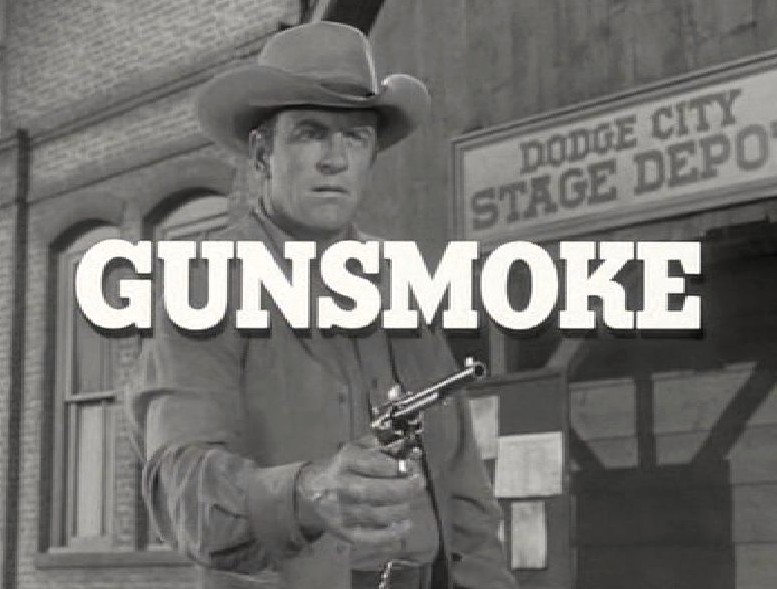
Gunsmoke ranking second in 1970 is the kind of fact that instantly resets modern assumptions about television history. The western was not fading politely into the background. It was still one of the absolute biggest things on television. And not just because of habit. Gunsmoke had authority. It projected seriousness, endurance, and a moral framework audiences had been returning to for years.
What made the show so durable was its confidence. It did not need gimmicks. It knew its world, it trusted its tone, and it delivered a version of frontier order that felt both dramatic and dependable. That combination is ratings gold. People often talk about “comfort TV” as if it only applies to sitcoms, but Gunsmoke proves otherwise. A drama can be comfort viewing too, as long as the world feels consistent and the authority at its center feels credible.
Its #2 finish also says something larger about 1970. America had not yet fully switched over to the more ironic, abrasive, or self-conscious television sensibility that would define a lot of the decade. There was still huge room for sturdy dramatic institutions. Gunsmoke wasn’t surviving. It was still ruling.
Rowan & Martin’s Laugh-In finishing #1 in 1970 is the clearest proof that television audiences still had a huge appetite for pace, irreverence, and pop-cultural energy — as long as it arrived inside a mainstream network package. The show felt faster, louder, and more visually playful than many of the traditional hits surrounding it. It turned rapid-fire jokes, recurring bits, bright style, and anti-establishment attitude into mass-market entertainment.
That matters because Laugh-In sits at an interesting crossroads. It was still a variety show, which ties it to older television structures. But the rhythm, tone, and presentation pushed closer to the fragmented, youth-aware, punchline-heavy culture that would keep spreading through the 70s. It managed to feel contemporary without becoming inaccessible. That is not easy to do, and it is exactly why it could top the whole season.
In the full story of 1970 television, Laugh-In is the perfect #1. It says the old network order was still strong, but it also says audiences were ready for more speed, more attitude, and more style than the earlier era usually offered. It is both a final triumph of classic broad-audience TV and a preview of the decade’s coming looseness.
The rankings capture a hinge point between the polished network traditions of the 60s and the sharper, more urban and socially argumentative television about to reshape the decade.
The top TV shows of 1970 reveal a television landscape that still belongs to the old network order. Westerns are massive. Variety is alive and thriving. Family comfort remains a ratings superpower. Big-name stars still carry entire shows on presence alone. Even the more forward-looking entry in the top 10, Marcus Welby, M.D. , succeeds by delivering seriousness in a reassuring package.
That’s what makes 1970 such a fascinating starting point for the decade. The full 70s identity hasn’t arrived yet. The sharper social satire, urban neurosis, cultural arguments, and more visibly modern ensemble TV that many people associate with the decade are still mostly waiting in the wings. That shift would become impossible to miss once All in the Family changed television and prime time found a much more argumentative voice. For now, the dominant mood is stability — polished, broad, familiar stability.
For a lot of us who later met these shows in reruns, this is the television world that existed right before the decade started getting weird in a more recognizably 70s way. It’s the last big stretch where the old machine still looks completely in control.
Move from the prime-time dial to the toy box, radio and movie theater, then continue into the next television season.
Follow the ratings from the westerns and variety institutions of 1970 through the sitcom machines, police dramas and event television that closed the decade. For the bigger picture, explore the complete 70s TV guide.
Quick answers about the #1 show, network totals, westerns, the Nielsen-season method and why 1970 matters.
According to the 1969–70 Nielsen season, Rowan & Martin’s Laugh-In was the #1 TV show tied to 1970.
Gunsmoke ranked #2 in the 1969–70 Nielsen season.
The biggest western hits in the 1970 top 10 were Gunsmoke at #2 and Bonanza at #3.
CBS led the top 10 with six shows, while NBC had three and ABC had one.
Because television popularity was measured by season rather than calendar year. For year-based nostalgia rankings, the season ending in that year is the standard reference point.
It’s a hinge year: the old network formulas are still dominant, but you can already see the 1970s getting ready to reshape prime time.
Using the 1969–70 Nielsen season, the top three were Rowan & Martin’s Laugh-In at #1, Gunsmoke at #2 and Bonanza at #3.
The top 10 mixed westerns, family sitcoms, variety programs, a medical drama and a family anthology. Familiar stars, stable formats and broad household appeal still dominated prime time.
New television countdowns, decade guides, videos and exactly the kind of woodgrain-fueled memory damage you came here for.