Top 10 Toys of 1995 Ranked: The Last Great Gen X Toy Countdown

Top 10 Toys of 1995 Ranked: The Last Great Gen X Toy Countdown
Smells Like Gen X • Top Toys of 1995

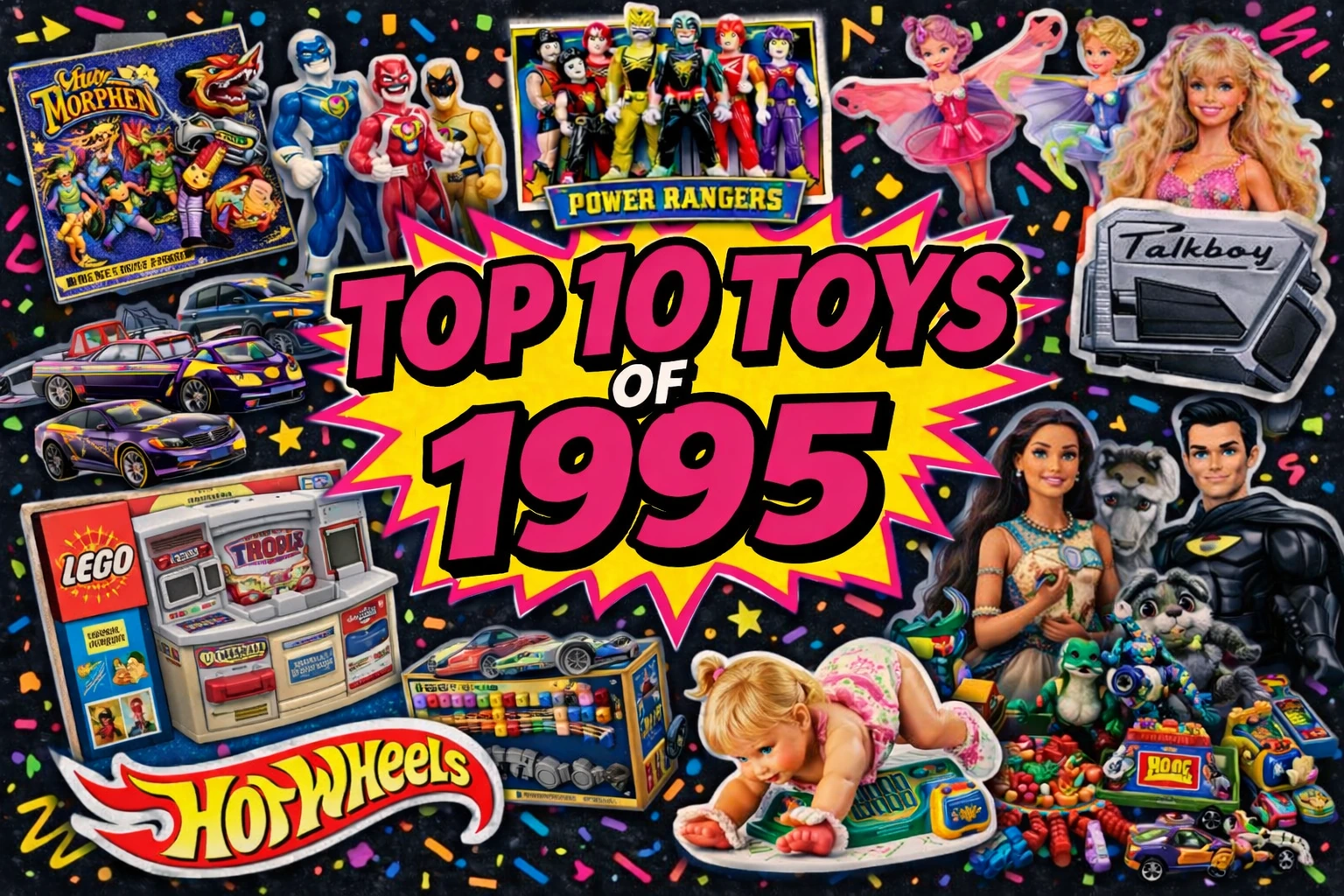
The Top 10 Toys of 1995

The top toys of 1995 feel like a strange and fitting end to the Gen X toy story. Not because the shelf suddenly stopped being fun, and not because everything instantly became “for younger kids,” but because the whole market started revealing what came next. By 1995, most core Gen X kids were getting older, and the aisle no longer felt built around them the way it once did. But at the same time, the toy business also leaned hard on older ideas, familiar brands, and proven play patterns. So the year ends up looking like a bridge: half late-stage Gen X comfort, half younger Gen X and older millennial takeover.

That is what makes 1995 such a fascinating final year for this series. There is no single all-conquering toy monarch the way some earlier years had. Instead, the market spreads out. Barbie is still enormous. Sky Dancers suddenly become unavoidable. Power Rangers are still big, but no longer feel invincible. Talkboy remains one of the strongest gadget carryovers of the decade. Batman keeps selling. Hot Wheels and classic toys prove the old formulas still work. And right in the middle of all that, the aisle starts tilting toward a younger, more mid-90s audience that wants things louder, flashier, and easier to show off.

For Gen X, 1995 feels like the last toy year where you could still recognize so much of the shelf, even if you were already starting to sense that it was not really yours anymore. That is why this list works as a finale. It does not just capture a year. It captures the handoff.

Gen X Note: 1995 is the last year in this toys series because it feels like the final overlap point — old enough to still echo classic Gen X toy culture, but young enough to clearly belong to the next wave too.

Quick List: The Top 10 Toys of 1995

  1. Barbie
  2. Sky Dancers
  3. Mighty Morphin Power Rangers
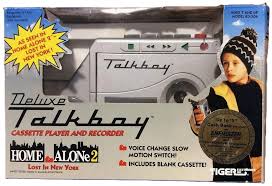
  4. Deluxe Talkboy
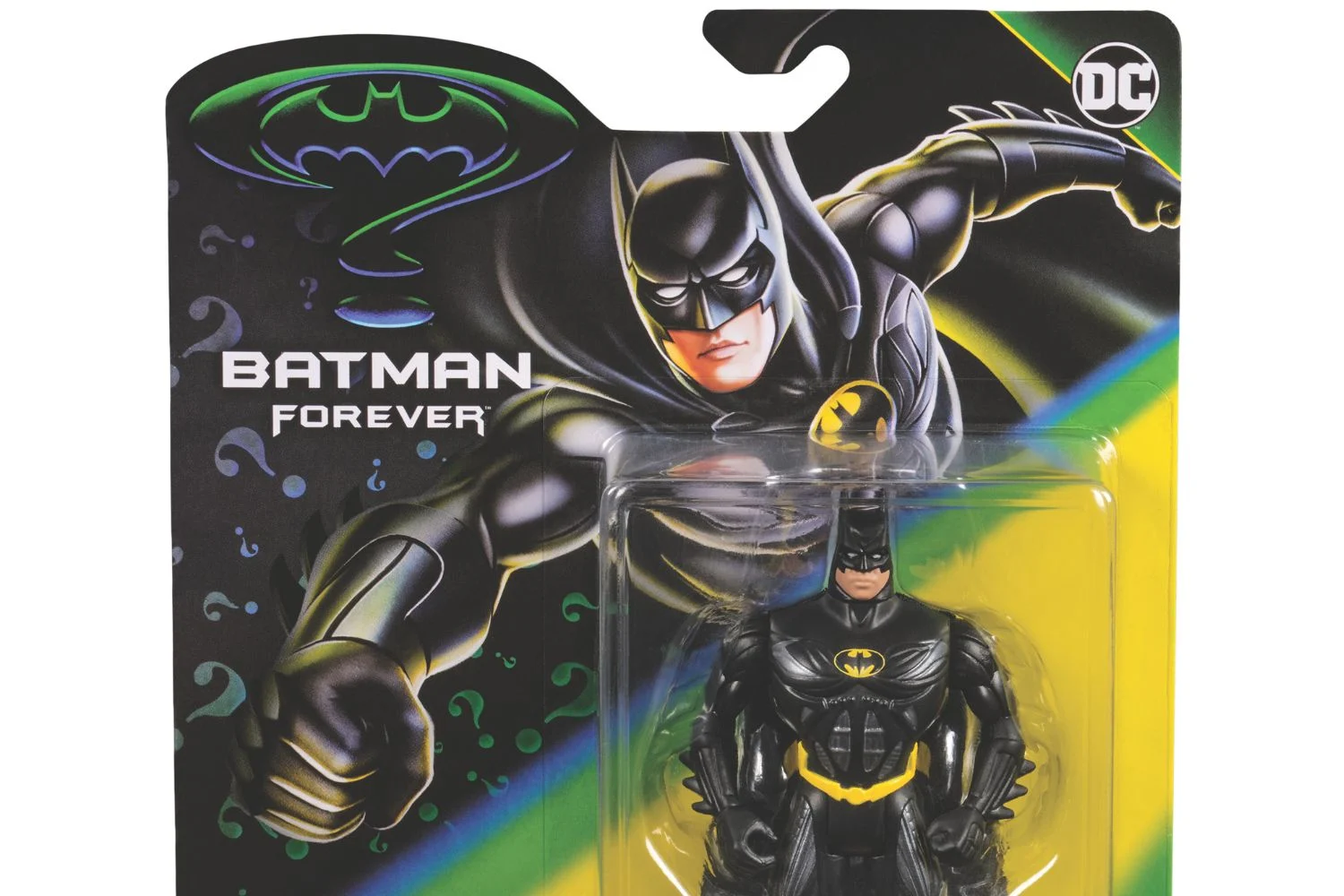
  5. Batman Forever Toys
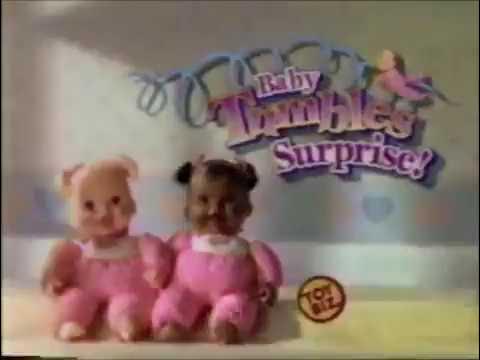
  6. Baby Tumble Surprise
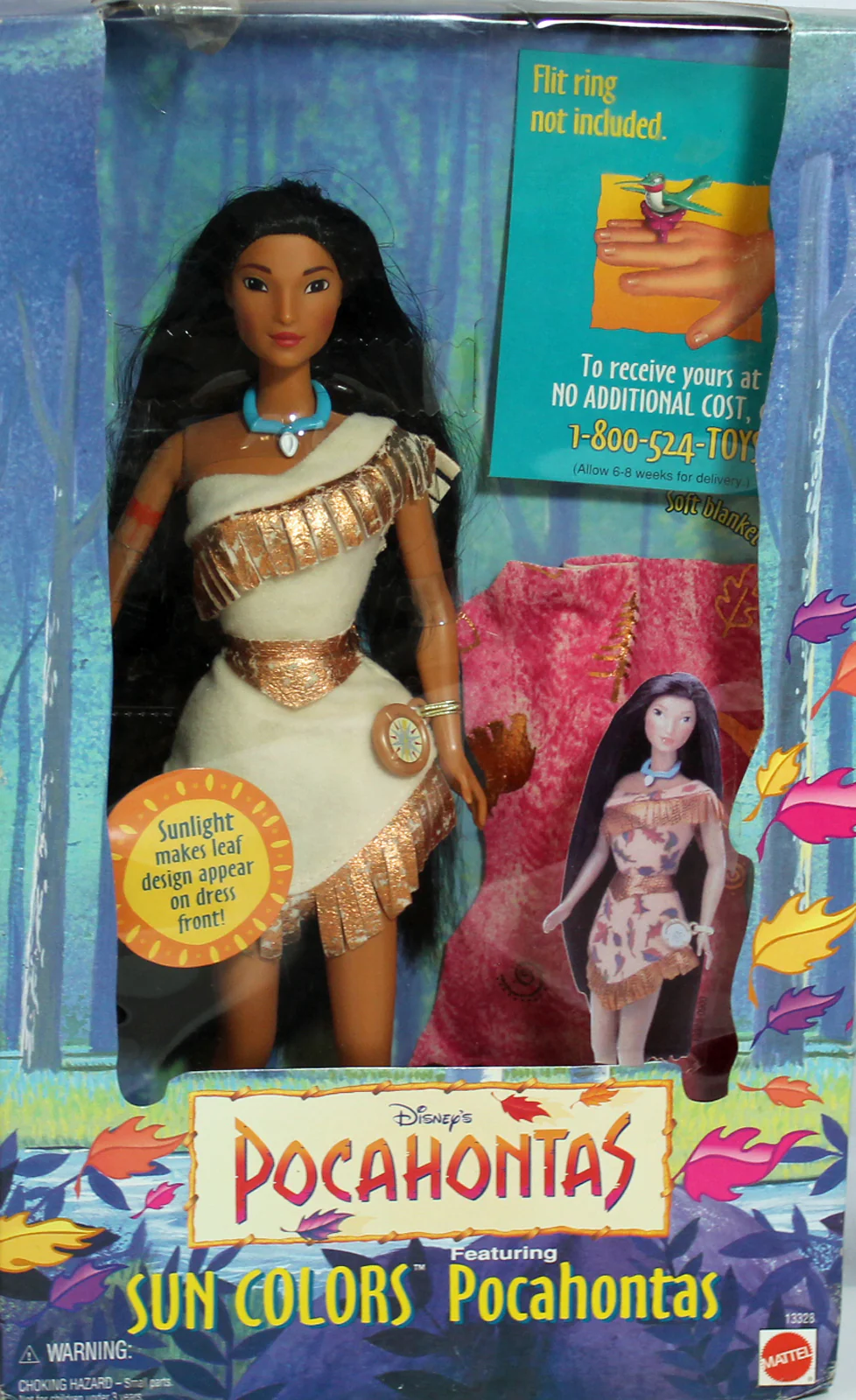
  7. Pocahontas Dolls and Toys
  8. Hot Wheels
  9. Kitchen Center All-In-One
  10. Lego

Countdown: The Top 10 Toys of 1995

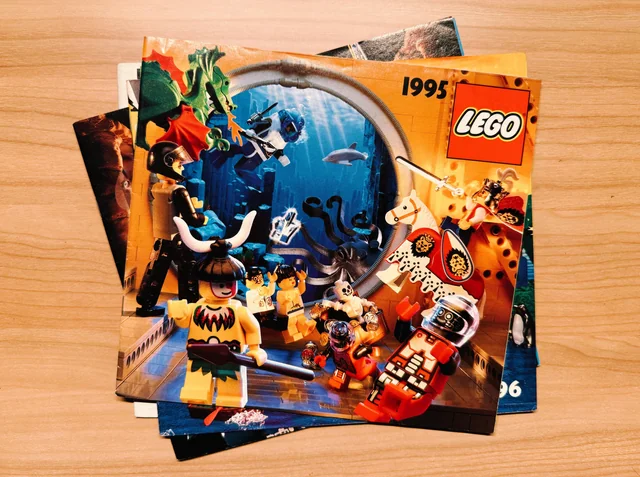
Lego 1995
1995

#10 — Lego

Classic Toy Strength at the Exact Right Time
Toy TypeConstruction toy
Brand LaneClassic comeback favorite
1995 Rank#10

Lego opens the 1995 countdown because it represents something essential about the year: old-school toy credibility was not dead. In fact, 1995 is one of those moments when classics reassert themselves right as the market is getting louder and more chaotic. Lego was never going to beat a hot TV sensation at pure hype, but it had something more durable — trust, flexibility, and endless replay value.

That matters even more in a year like 1995 because the toy aisle is increasingly divided between trend items and foundation items. Trend items create panic. Foundation items justify themselves over time. Lego lives in that second category. Kids can build with it for hours, expand it gradually, combine old sets with new ones, and keep coming back to the same bricks without the whole experience feeling stale. That kind of durability looks even better when the surrounding shelf is full of toys trying desperately to grab attention in the first ten seconds.

It also fits your Gen X angle perfectly. Lego feels like one of the big connective tissues between generations. Earlier Gen X kids knew it, younger Gen X still played with it, and older millennials inherited it without needing any translation. In a year that otherwise feels like a handoff, Lego is one of the few things that still feels universal.

For Gen X, Lego in 1995 feels like proof that a toy did not need a battery, a catchphrase, or a media license to keep its place in the room.
Fun Fact / Why It Still Matters Lego mattered in 1995 because it stood for the resurgence of classic toys that parents trusted and kids could keep using long after the hype cycles moved on.
Kitchen Center All-In-One
1995

#9 — Kitchen Center All-In-One

Big Plastic Domestic Empire Energy
Toy TypePretend-play kitchen set
Brand LaneLarge-format role-play toy
1995 Rank#9

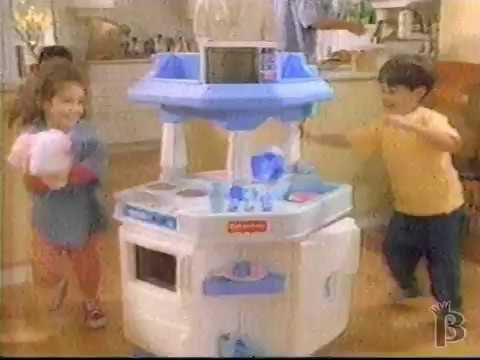
Kitchen Center All-In-One makes the list because 1995 is not only about action figures, gadgets, and media tie-ins. It is also a strong year for large-format pretend-play toys that feel like major gifts. A toy kitchen has always had a certain built-in emotional appeal, but by the mid-90s these products also functioned as visual retail statements. They looked big, complete, and immediately gift-worthy.

What makes it interesting in the context of this final Gen X toys year is that it points toward the next audience more clearly than some of the others on the list. Older Gen X kids were largely drifting away from this category by now, but younger Gen X kids and older millennials were still right in its sweet spot. That makes the Kitchen Center feel like one of the best examples of the transition happening in real time.

It also reinforces a core truth about 1995: there was no single toy dominating everything, so space opened up for strong category leaders. Kitchen Center All-In-One did not need to be cool in the same way Talkboy or Power Rangers were cool. It only needed to be one of the most desirable toys in its lane, and it absolutely fit that role.

For Gen X, a toy like this feels less like the center of your world by 1995 and more like a sign that the aisle is no longer mainly speaking to your age bracket.

Fun Fact / Why It Still Matters Kitchen Center mattered because it shows how 1995 was already shifting toward younger kids even while still carrying some older toy DNA.
Hot Wheels 1995
1995

#8 — Hot Wheels

Cheap, Collectible, and Basically Bulletproof
Toy TypeDie-cast cars
Brand LaneClassic collectible toy
1995 Rank#8

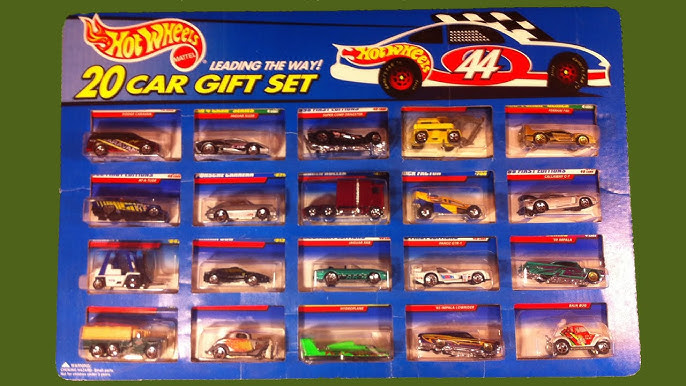
Hot Wheels stay in the top 10 because some toy lines do not need reinvention. They only need shelf space. In a year when retailers were looking for winners across a broader range of categories, Hot Wheels had one of the easiest cases to make: low price, instant recognizability, built-in collectability, and easy add-on purchases.

That matters in a year like 1995 because the market is fragmented. When there is no single dominant blockbuster, dependable lines get more room to breathe. Hot Wheels thrive in exactly that kind of environment. They are easy impulse buys, easy stocking-stuffer material, and easy for kids to obsess over one car at a time. The barrier to entry is basically nonexistent.

They also carry that same cross-generational power as Lego, but in a different way. Earlier Gen X kids already knew the format. Younger Gen X still cared. Older millennials were ready to inherit it. That makes Hot Wheels feel less like a fad and more like one of the enduring background systems of childhood.

For Gen X, Hot Wheels in 1995 feel like one of the last toys on the shelf that still played by the older rules and got away with it.

Fun Fact / Why It Still Matters Hot Wheels mattered because they prove a toy can stay huge for decades when the price is easy and the collecting impulse never really stops.
Pocahontas toys
1995

#7 — Pocahontas Dolls and Toys

Movie Tie-In Power Still Counts
Toy TypeMovie-based dolls and accessories
Brand LaneDisney tie-in success
1995 Rank#7

Pocahontas lands here because 1995 still clearly rewards strong movie and television tie-ins, even if there is no one franchise swallowing the whole market. Disney product could still step into the aisle with enormous built-in momentum, and Pocahontas was exactly the kind of property that translated cleanly into dolls, beauty-play accessories, and character-based gifting.

This also helps underline your instinct about the Gen X cutoff. A Disney line like Pocahontas feels more at home in the younger Gen X / older millennial crossover world than in the earlier Gen X toy era. It is polished, media-aligned, and easy for adults to understand instantly. That matters in the mid-90s, when toy purchasing increasingly follows broader pop-culture visibility.

It is also one of the better examples of the shelf broadening out. The hottest item might not be a Disney toy in 1995, but Disney still has the power to occupy meaningful territory, and that says a lot about how diversified the market had become.

For Gen X, Pocahontas toys in 1995 feel like one of the signs that the aisle was becoming more visibly shaped by the next generation’s media universe.

Fun Fact / Why It Still Matters Pocahontas mattered because Disney tie-ins remained one of the strongest ways to turn movie awareness into broad toy demand.
Baby Tumble Surprise
1995

#6 — Baby Tumble Surprise

Baby-Doll Personality Gets Louder
Toy TypeInteractive baby doll
Brand LaneMid-90s doll breakout
1995 Rank#6

Baby Tumble Surprise ranks this high because 1995 still had plenty of room for dolls, but the category was clearly changing. A basic baby doll was no longer enough. By this point, dolls increasingly needed motion, personality, interactivity, or some memorable visual hook to stand out in an aisle packed with louder competition. Baby Tumble Surprise fits that new logic perfectly.

This is another strong example of the generational handoff. Earlier Gen X toy culture certainly had dolls, but by the mid-90s these products were becoming more obviously tuned for younger kids who expected more demonstrable behavior. A toy that does something visible has an immediate sales advantage, especially in a year where toys needed to explain themselves fast.

It also belongs on the list because it appears directly in the likely top-seller reporting for the year, which makes it one of the sturdier anchors for a 1995 ranking. And unlike some of the broader category picks, it feels very specifically of its time.

For Gen X, Baby Tumble Surprise feels like one of those toys that clearly belonged to the kids coming up right behind you.

Fun Fact / Why It Still Matters Baby Tumble Surprise mattered because it shows how doll lines in 1995 increasingly relied on visible interactivity and stronger “watch this” appeal.
Batman Forever toys
1995

#5 — Batman Forever Toys

Batman Refuses to Leave the Aisle
Toy TypeMovie action figures and vehicles
Brand LaneLicensed superhero staple
1995 Rank#5

Batman Forever toys sit right in the middle of the list because Batman had become one of the most resilient merchandising engines of the entire era. New movie cycle? Fine. New color palette? Fine. New vehicles, gadgets, armor, villains, or toy-only weirdness? Also fine. Batman remained almost infinitely adaptable, which is why he stayed commercially valuable even as other properties rose and fell around him.

In 1995 that matters more than ever because the market is spreading out. When there is no single toy monarch, durable brands become even more important. Batman can survive in a fractured toy environment because he does not need to be the only thing kids care about. He just needs to be consistently buyable.

He also continues to bridge generations well. Older Gen X kids had earlier Batman cycles burned into memory already, while younger Gen X and older millennials could still enter through the latest media version. That makes Batman feel like one of the few action properties broad enough to stretch across the handoff year.

For Gen X, Batman Forever toys feel like the brand that kept proving it could repaint the same core fantasy and still make the shelf look convinced.

Fun Fact / Why It Still Matters Batman stayed huge because the character remained one of the most endlessly reusable toy platforms of the decade.
Deluxe Talkboy 1995
1995

#4 — Deluxe Talkboy

The Gadget Craze With Real Staying Power
Toy TypeElectronic voice recorder toy
Brand LaneMovie-prop gadget hit
1995 Rank#4

Deluxe Talkboy staying this high is one of the most interesting things about 1995. Most gadget toys flash hard and disappear. Talkboy managed the harder trick: it stayed relevant because the behavior it created was strong enough to outlast the first wave of hype. Kids did not just admire it. They immediately used it on one another.

That is why it still feels so important in this final Gen X-adjacent year. Talkboy points directly toward what comes next: more media-derived gadgets, more toys that create social reactions, and more products whose value is tied to doing something funny or dramatic in real time. It is not just a recorder. It is a mini chaos machine.

It also helps the 1995 list feel transitional. Earlier Gen X toy culture certainly had electronics, but a toy like Talkboy feels much more like the younger mid-90s style of obsession — a product with a recognizable entertainment origin and an immediately repeatable social function.

For Gen X, Talkboy in 1995 feels like one of the clearest examples of the shelf shifting from toys you played with to gadgets you performed with.

Fun Fact / Why It Still Matters Talkboy mattered because it turned a movie-prop fantasy into a real-world toy behavior kids actually wanted to repeat.
Mighty Morphin Power Rangers toys
1995

#3 — Mighty Morphin Power Rangers

No Longer the Dynasty, Still a Force
Toy TypeAction figures and role-play gear
Brand LaneTV-fueled carryover phenomenon
1995 Rank#3

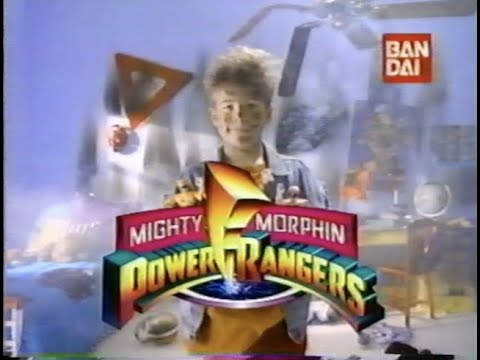
Mighty Morphin Power Rangers rank third because 1995 is the year the line stops being an uncontested empire and becomes something more complicated: a fading blockbuster that is still undeniably huge. The AP report is very clear that the Power Rangers dynasty had ended and began fizzling in 1995, but they were still hot enough to remain a major piece of the season. That makes them one of the most interesting products on the list.

That shift actually fits your framing perfectly. Power Rangers represent the last big toy phenomenon that still feels connected to the core of this series, but by 1995 they are also a sign that the market is moving on. The line still has strong identity power — favorite colors, team-building, role-play, villains, endless affiliations — but the panic-buy peak is over.

Even so, the property remains one of the best examples of what mid-90s toy culture had become: faster, TV-native, more brand-centered, and much more dependent on kids demanding exact things by exact name. Earlier Gen X toy culture often had broader categories. Power Rangers had specific obsessions.

For Gen X, 1995 Power Rangers feel like the last giant wave still breaking even as the shoreline starts changing.

Fun Fact / Why It Still Matters Power Rangers mattered in 1995 because even in decline they were still strong enough to prove how dominant the franchise had been.
Sky Dancers
1995

#2 — Sky Dancers

The New Sensation of 1995
Toy TypeFlying launch doll
Brand LaneNew sensation girls’ toy
1995 Rank#2

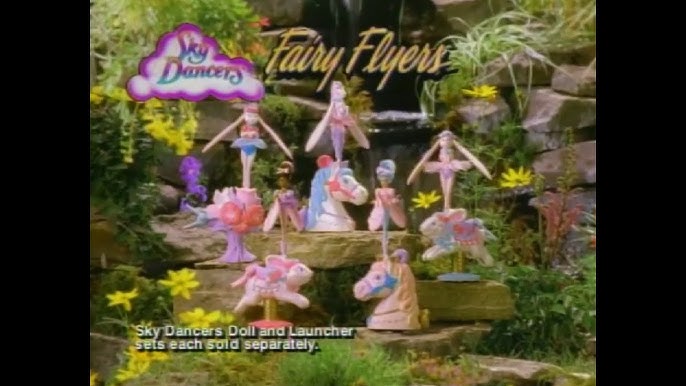
Sky Dancers take the number-two spot because 1995 reporting explicitly calls them a new sensation, and they are one of the clearest examples of the kind of toy that could succeed in this broader, more fragmented season. They had a visible gimmick, a dramatic demo, strong shelf presence, and an immediate “watch this” factor. In other words, they were exactly the kind of mid-90s product the market was learning to reward.

What makes Sky Dancers especially important is that they feel unmistakably of their moment. A toy that launches upward, spins, surprises people, and looks decorative when sitting still is basically a perfect 1995 formula. It blends motion, display, personality, and a little bit of risk — all highly marketable qualities.

They also make sense as part of the Gen X-to-millennial handoff. Earlier Gen X toy culture had plenty of dolls and flyers and gimmicks, but Sky Dancers package all of that in a more overtly spectacle-driven way. This is a product that practically requires an audience.

For Gen X, Sky Dancers in 1995 feel like the kind of toy you instantly recognized as a hit even if you already suspected the aisle was moving younger.

Fun Fact / Why It Still Matters Sky Dancers mattered because they were one of the clearest truly new sensations in a year otherwise defined by broad variety rather than one obvious ruler.
Barbie 1995
1995

#1 — Barbie

The Final Queen of the Gen X Toy Aisle
Toy TypeFashion doll empire
Brand LaneBest-selling dolls leader
1995 Rank#1

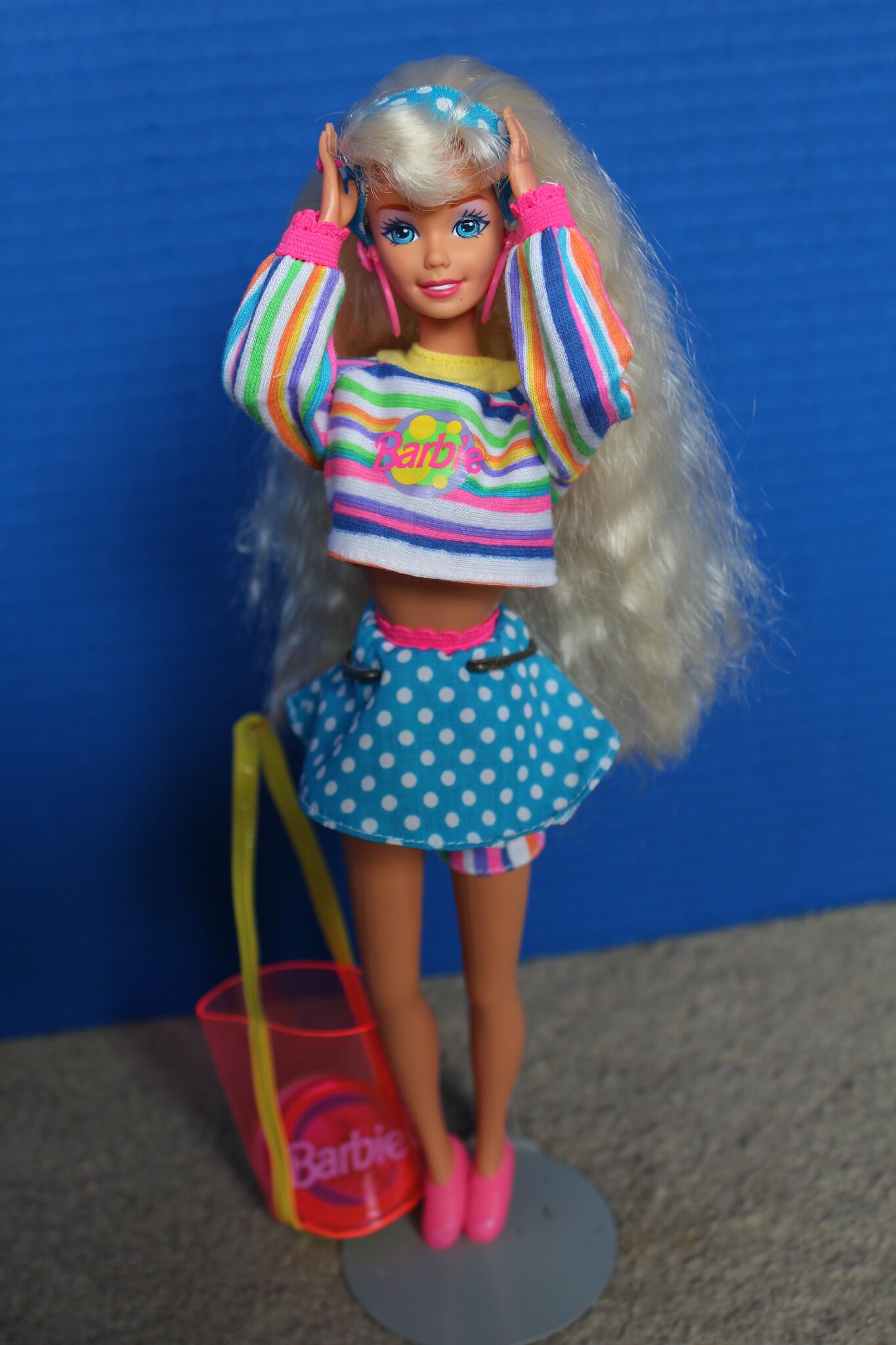
Barbie takes the number-one spot because the contemporaneous reporting is blunt: Barbie again topped the list of top-selling dolls in 1995. In a year defined by variety rather than one undisputed blockbuster, that kind of consistency matters more, not less. If 1995 is the final Gen X toys year, then Barbie is the most fitting possible number one — not because she was the loudest story, but because she was the most durable one.

Barbie’s strength in 1995 says everything about why the brand has always outlasted specific crazes. She does not need a single gimmick to dominate. She can absorb fashion, role-play, special editions, movie adjacency, seasonal refreshes, and totally new sub-lines without ever losing recognizability. That is not just popularity. That is infrastructure.

She also fits the intro logic you wanted. If 1995 still harks back to earlier Gen X toy culture, Barbie is one of the clearest reasons why. She is one of the few products on the shelf that truly belongs to multiple phases of childhood history at once. Earlier Gen X knew her. Younger Gen X still cared. Older millennials would inherit her without any translation needed.

For Gen X, Barbie as the final number one feels exactly right. Not flashy. Not trendy. Just too embedded, too adaptable, and too commercially bulletproof to end anywhere else.

Fun Fact / Why It Still Matters Barbie wins 1995 because when the market fractured and no single craze ruled the room, the toy empire that already owned permanent shelf space kept doing what it always did: sell.

Rewind Verdict

The top toys of 1995 work as the perfect ending to this series because they do not tell a simple story. They tell a transition story. There is no single all-conquering monarch. Instead, the year spreads out across classics, legacy brands, gadget carryovers, action lines, movie tie-ins, and one or two new sensations. That is exactly what a handoff year looks like.

And that handoff matters. Earlier Gen X toy culture often revolved around fewer, larger toy myths — big category leaders, unmistakable shelf identities, longer cultural shadows. By 1995, the aisle is more segmented, more media-sensitive, and more obviously tilted toward younger Gen X and older millennial kids. You can still see Gen X in it, but you can also see Gen X leaving it.

That is why 1995 feels like the right stopping point. It is the last year where the Gen X toy story still makes emotional sense, even if the shelf is already preparing to move on.

FAQ: Top Toys of 1995

What was the biggest toy of 1995?

Barbie is the strongest number-one choice for 1995 because contemporaneous reporting says Barbie again topped the best-selling dolls list in a season with no single undisputed blockbuster leader.

Why isn’t there one obvious number-one toy in 1995?

Because 1995 was widely described as a more fragmented toy year. The Power Rangers dynasty had faded, there was no clear heir-apparent, and sales were spreading across a wider range of products.

Were Power Rangers still popular in 1995?

Yes, but they were no longer the unstoppable force they had been in the previous two years. They were still hot, just no longer the single defining craze.

Why does 1995 feel like the end of the Gen X toys era?

Because by then most core Gen X kids were aging out of the aisle, and the market was clearly shifting toward younger Gen X and older millennial tastes, with more media-driven, personality-heavy, instantly demonstrable toys.

Why include classics like Lego and Hot Wheels in 1995?

Because 1995 reporting specifically noted a resurgence in classic toys, which makes them important to understanding how the 1995 market actually looked.

Get the Weekly Gen X Drop

New videos, rewinds, and savage nostalgia — first.

JOIN THE NEWSLETTER WATCH VIDEOS

MORE REWINDS