The Top 10 Toys of 1986

The Top 10 Toys of 1986
Smells Like Gen X • Top Toys of 1986

The Top 10 Toys of 1986

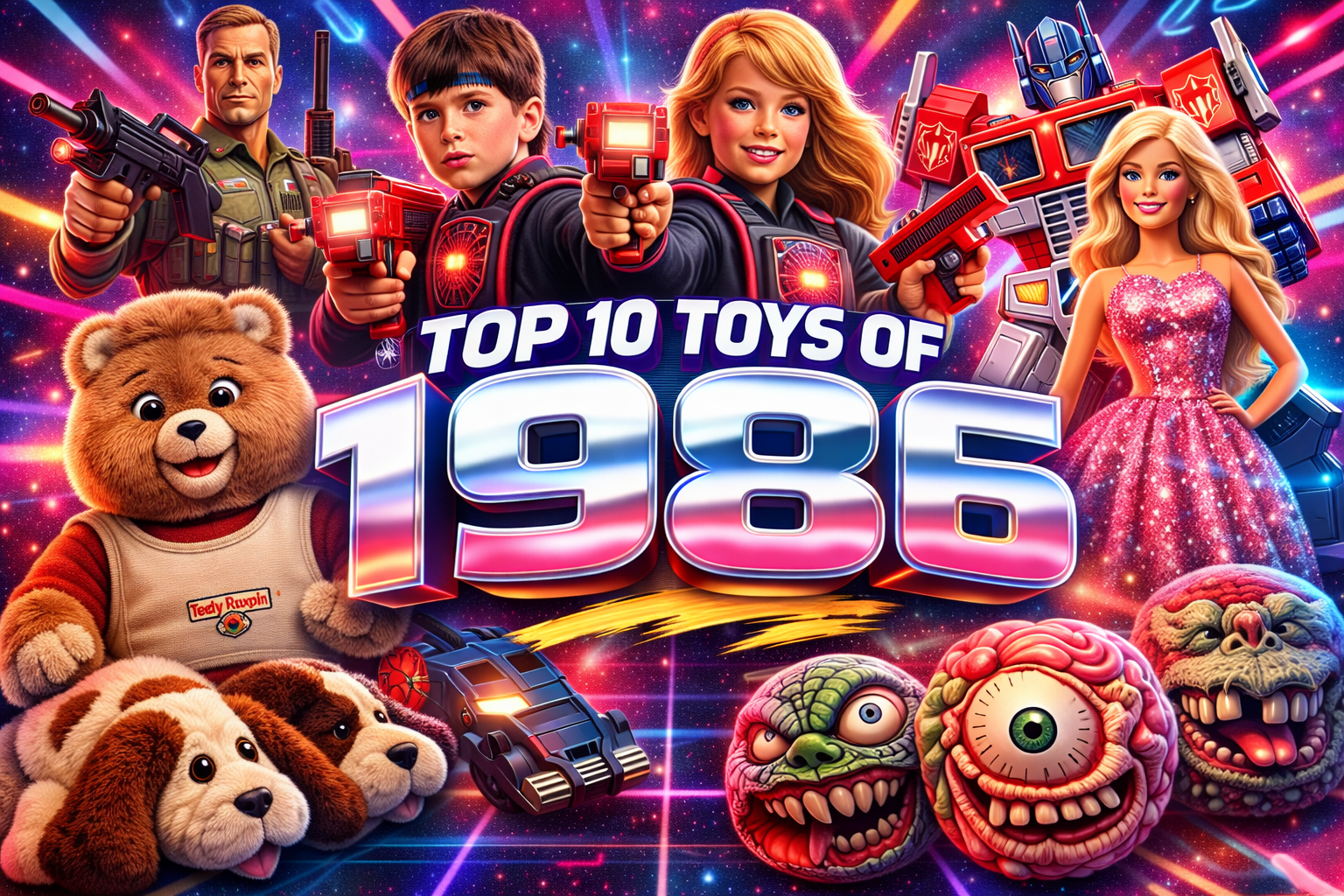
The top 10 toys of 1986 feel like the year the 80s toy aisle gets meaner, shinier, and more intense without losing its talent for emotional manipulation. If 1985 was about talking plush, attachment brands, and toys that felt oddly intimate, 1986 pushes the shelf into sharper territory. Infrared battle play becomes a major event. Action brands get tougher. Weird gross-out products break through. And the whole season starts feeling like a collision between sweetness, status, and toy violence dressed up in bright plastic.

This is one of the most revealing toy years of the decade because it shows several 80s lanes maturing at once. The soft emotional brands are still present, but they are no longer unchallenged. Fashion and dolls hold their own. Robot systems keep growing. Talking toys remain strong. Meanwhile, products built around combat, scare value, and simulated danger start pulling more attention. The result is a toy market that feels less innocent than the early 80s and far more self-aware about what kinds of feelings it can trigger.

For Gen X, 1986 is unforgettable because it feels like the toy aisle stretching in two directions at once. On one side you have Barbie, Pound Puppies, Teddy Ruxpin, and the lingering emotional empire of Cabbage Patch Kids. On the other side you have Lazer Tag, G.I. Joe, Transformers, GoBots, and Madballs pulling things toward combat, chaos, and grotesque humor. It is a perfect mid-80s snapshot: cute and aggressive, comforting and competitive, all at once.

Gen X Note: 1986 is the year the toy aisle starts feeling less like a playground and more like a neon-splattered culture war.

Quick List: The Top 10 Toys of 1986

  1. Madballs
  2. GoBots
  3. Cabbage Patch Kids
  4. Teddy Ruxpin
  5. Pound Puppies
  6. He-Man / Masters of the Universe
  7. Transformers
  8. Barbie
  9. G.I. Joe
  10. Lazer Tag

Countdown: The Top 10 Toys of 1986

Madballs toys
1986

#10 — Madballs

Gross-Out Breakthrough
Toy TypeNovelty ball / character line
Brand LaneGrotesque humor toys
1986 Rank#10

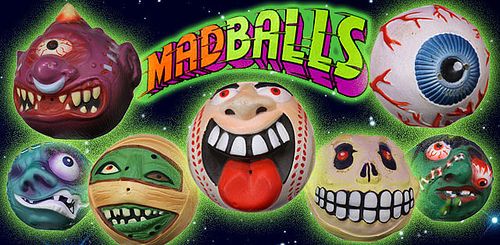
Madballs open the 1986 top 10 because they capture something crucial about the year’s toy mood: the shelf is getting weirder on purpose. Earlier in the decade, toy companies had already figured out how to sell sweetness, fantasy, electronics, and collectability. By 1986, another lane is pushing harder into view — the lane built on gross-out appeal, shock humor, and the simple truth that kids are often delighted by things adults find disgusting.

What makes Madballs important is not only that they were ugly in a memorable way. It’s that their ugliness was highly marketable. They were exaggerated, cartoonishly disgusting, and designed to provoke the sort of instant “look at this thing” reaction that makes a toy easy to spread through school culture. That matters in a mid-80s environment where products increasingly need a fast visual hook to survive. Madballs don’t need explanation. They ambush you.

They also reveal how the toy aisle was widening its emotional range. A lot of the decade’s biggest toys asked children to care, nurture, or identify. Madballs ask them to laugh, recoil, and enjoy the fact that something can be repulsive and collectible at the same time. That’s a different kind of play logic, and a very 1986 one.

For Gen X, Madballs feel like one of the clearest signals that the 80s had room not just for cute and cool, but for deliberate bad taste packaged as fun. They weren’t trying to be wholesome. They were trying to be unforgettable, and that was enough.
Fun Fact / Why It Still Matters Madballs mattered because they proved that gross-out humor could become a serious commercial lane in the toy aisle.
GoBots toys
1986

#9 — GoBots

Robot Line With Residual Heat
Toy TypeTransforming robot line
Brand LaneRobot-conversion carryover
1986 Rank#9

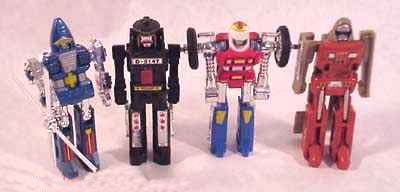
GoBots hold onto the 1986 list because the robot-conversion boom doesn’t simply vanish once a preferred flagship starts to emerge. By this point, GoBots are no longer the freshest machine craze in the room. What they represent instead is the lingering force of a category that had already reshaped the shelf. Transforming robots had taught kids to expect mechanical change, faction structure, and object-to-character surprise as normal forms of play. GoBots remain part of that larger story.

Their importance in 1986 is less about mythic centrality and more about shelf function. They still speak the visual language of the robot era. They still offer that fast, satisfying conversion gimmick. And they still live inside a marketplace where “it turns into something else” remains one of the strongest toy pitches imaginable. The line may no longer own the whole spotlight, but it still occupies meaningful territory.

They also remind you how quickly 80s toy categories could consolidate without fully erasing earlier players. A lot of lines that defined a shift remained commercially useful even after a stronger competitor took narrative command. GoBots are one of the better examples of that. They aren’t merely leftovers. They’re evidence of how big the robot wave had become.

For Gen X, GoBots in 1986 feel like one of those brands that stayed present because the core toy idea never stopped working. Even if the cultural hierarchy changed, the thrill of transformation still held.

Fun Fact / Why It Still Matters GoBots lasted because once robot conversion became a hit formula, there was still room for more than one brand to benefit.
Cabbage Patch Kids dolls
1986

#8 — Cabbage Patch Kids

Former Mania, Lasting Power
Toy TypeAdoptable doll line
Brand LaneEstablished emotional empire
1986 Rank#8

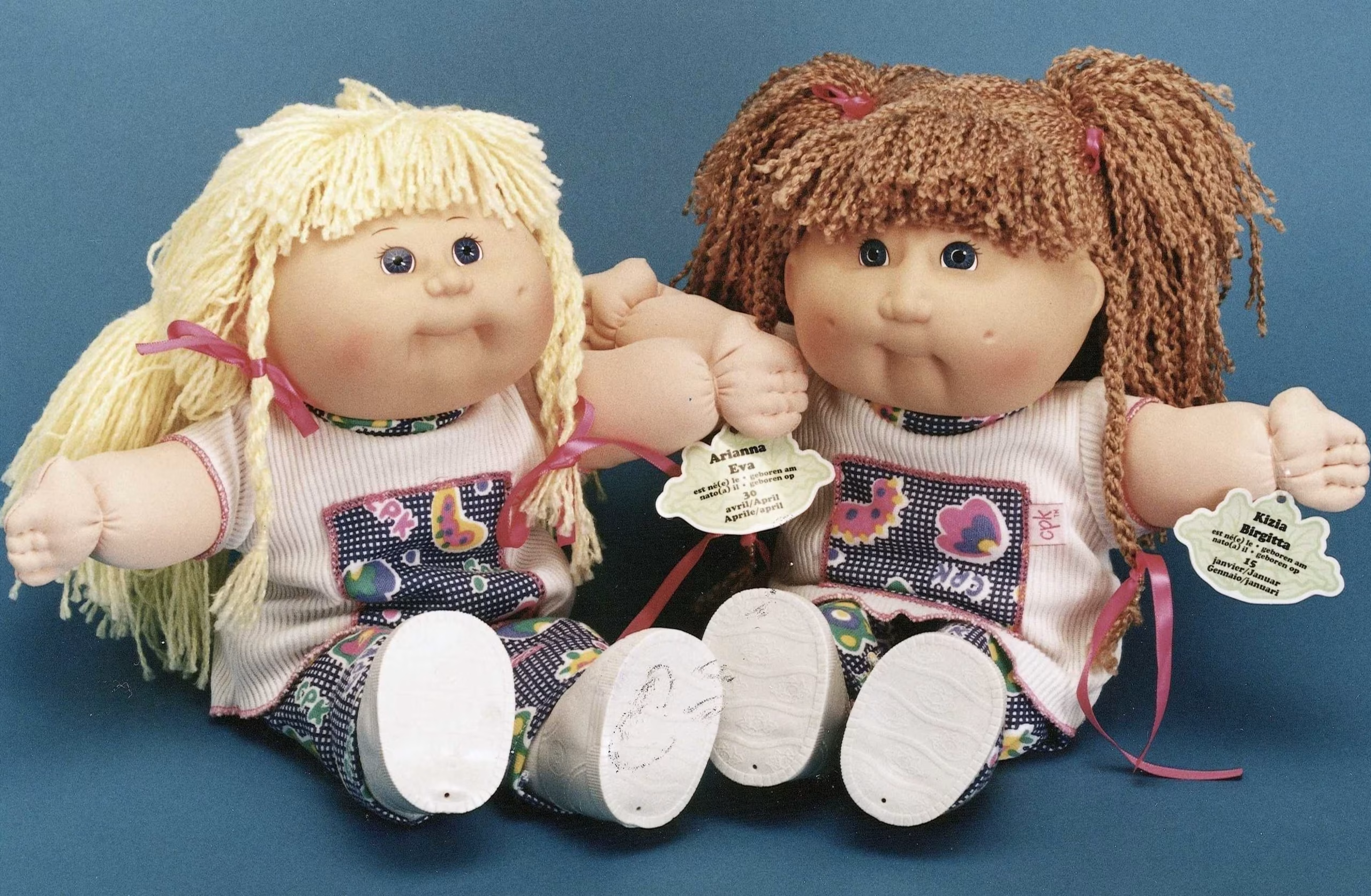
Cabbage Patch Kids come in at number eight because 1986 is the year their importance looks less explosive but in some ways more revealing. The frenzy years are behind them. They are no longer the singular panic engine that made national headlines. But they’re still here, still visible, still commercially potent enough to remain part of the main conversation. That kind of persistence says a lot about how thoroughly the brand rewired the emotional logic of the toy aisle.

By this point, Cabbage Patch Kids represent one of the strongest examples of a toy line turning from riot-level craze into stable institution. The dolls still carry identity, uniqueness cues, and the language of personal bond. They still ask children to think of them as more than possessions. But in 1986, the line matters less because it is shocking and more because it has proven the long-tail power of emotionally framed ownership.

That shift is crucial to understanding the mid-80s. The industry doesn’t just want one-time crazes. It wants enduring systems that can keep extracting affection after the initial explosion cools. Cabbage Patch Kids show that this is possible. Their ranking falls, but their significance remains large.

For Gen X, Cabbage Patch Kids in 1986 feel like the toy version of an empire after conquest. The drama may have faded, but the influence is everywhere.

Fun Fact / Why It Still Matters Cabbage Patch Kids still mattered because they had already changed how the decade thought about emotional attachment and toy individuality.
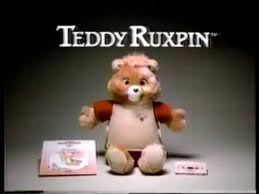
Teddy Ruxpin toy
1986

#7 — Teddy Ruxpin

Talking Companion Aftershock
Toy TypeAnimatronic talking plush toy
Brand LaneInteractive plush-tech
1986 Rank#7

Teddy Ruxpin remains high in 1986 because the toy still embodies one of the decade’s strongest fantasies: technology that behaves like friendship. In 1985, Teddy felt like a revelation because he made electronics seem warm, character-driven, and intimate. In 1986, he feels more like proof that the market now understands how powerful that formula is. The future doesn’t have to look cold. It can come wrapped in fur and storytime.

What makes Teddy especially interesting this year is how he sits next to a much harsher shelf. Madballs, Lazer Tag, and harder-edged action lines are all pushing the market toward aggression, weirdness, and combat. Teddy resists that mood while still feeling fully contemporary. He offers a different sort of power — one based on voice, ritual, companionship, and the eerie thrill of a toy that seems to perform its own personality.

By 1986, the novelty is no longer the whole point. The deeper lesson is that children respond strongly to objects that seem to acknowledge them back. Teddy doesn’t just sit there waiting to be animated through imagination. He meets the child partway. That’s an enormous emotional advantage in the mid-80s marketplace.

For Gen X, Teddy Ruxpin in 1986 feels like one of the clearest indicators that the line between toy and companion was getting blurrier. That’s part of what made him so magnetic — and a little uncanny.

Fun Fact / Why It Still Matters Teddy Ruxpin stayed powerful because he turned interaction itself into the toy’s main emotional hook.
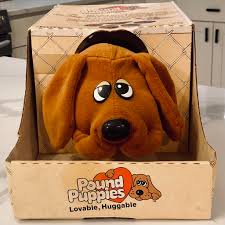
Pound Puppies toys
1986

#6 — Pound Puppies

Softness With Staying Power
Toy TypePlush toy line
Brand LaneCompanion-style plush
1986 Rank#6

Pound Puppies take number six because the emotional plush lane remains remarkably strong even in a tougher, stranger toy year. What’s interesting in 1986 is not that plush still sells — that was already obvious. It’s that plush still sells while the shelf around it is getting more combative and grotesque. That tells you the decade hasn’t abandoned attachment-based play. It has simply layered more moods on top of it.

Pound Puppies continue to work because they make affection feel a little urgent. The branding nudges children toward rescue logic, which is emotionally stronger than ordinary cuddly appeal. The toy doesn’t just invite love. It invites intervention. That’s a powerful distinction. It adds a faint moral pressure to the purchase in a way that feels extremely effective for the era.

They also fit 1986 because they show how thoroughly the industry had learned to personalize plush. These weren’t interchangeable stuffed dogs in the old generic sense. They were framed as semi-specific beings with enough implied individuality to trigger preference, loyalty, and a sense of “this one should come home with me.”

For Gen X, Pound Puppies in 1986 feel like one of the better examples of the decade understanding that a toy could be commercially aggressive while still looking soft. The strategy was just hidden inside the sentiment.

Fun Fact / Why It Still Matters Pound Puppies lasted because they turned plush into a small emotional mission rather than just a hug object.
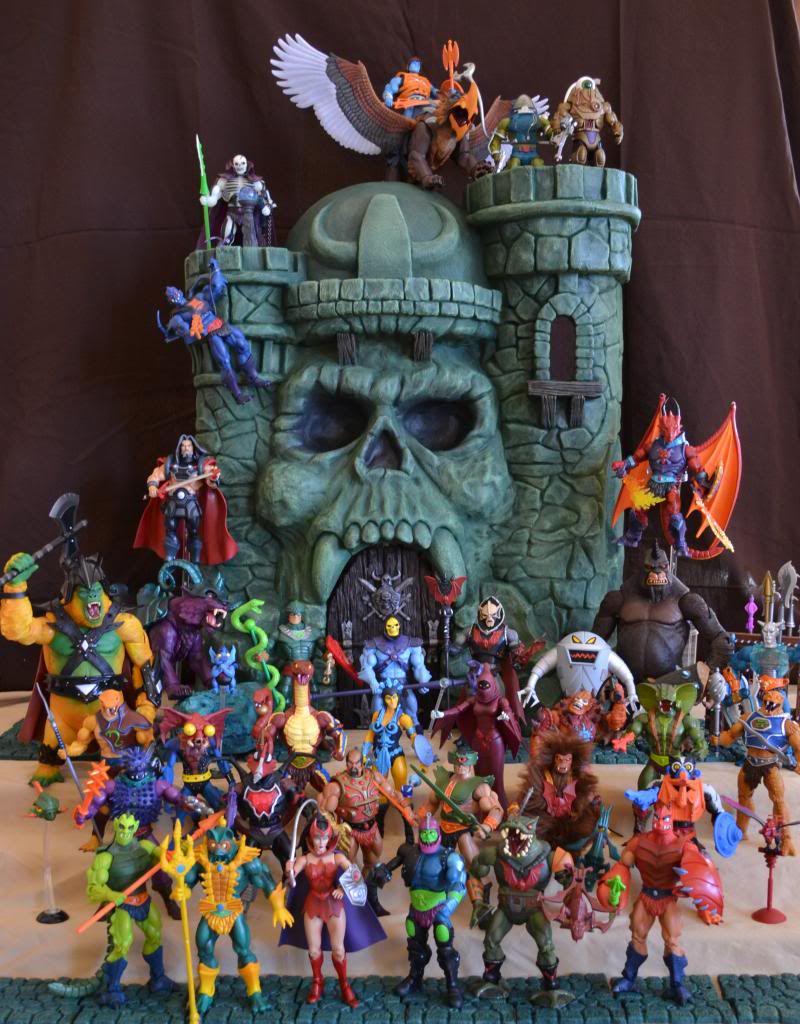
He-Man toys
1986

#5 — He-Man / Masters of the Universe

Fantasy Line With Weight
Toy TypeAction figure line
Brand LaneFantasy-action system
1986 Rank#5

He-Man / Masters of the Universe land at number five because 1986 is the kind of year where an established fantasy juggernaut still has enough mass to matter even as newer, sharper trends reshape the shelf. The line’s earlier role was to make the action aisle feel huge, muscular, and mythic. By 1986, the more interesting thing is how well that fantasy architecture continues to hold under pressure from robot systems, tougher military branding, and more cynical novelty toys.

What keeps He-Man alive is the completeness of the world. The figures still feel like pieces of an oversized, highly stylized realm. That matters because the mid-80s market increasingly rewards lines that behave like universes instead of isolated products. He-Man is one of the clearest examples of that principle done well. Children aren’t simply collecting toys — they’re reinforcing a mythology.

The line also continues to benefit from its visual certainty. It knows exactly what flavor it is: theatrical, colorful, exaggerated, and gloriously unconcerned with restraint. In a year with plenty of competition, that sort of tonal confidence still buys you shelf power.

For Gen X, He-Man in 1986 feels like fantasy merchandising that has settled into authority. It may no longer feel like the newest giant on the shelf, but it still carries enough grandeur to command space.

Fun Fact / Why It Still Matters He-Man stayed relevant because a well-built fantasy world can outlast the hotter but thinner trends around it.
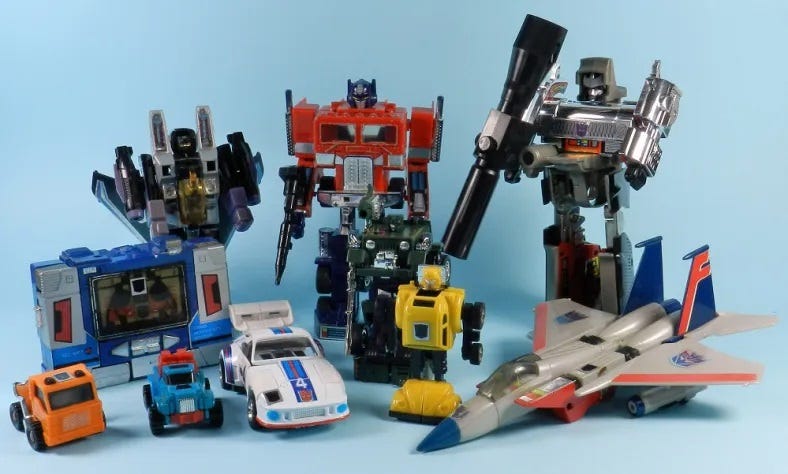
Transformers toys
1986

#4 — Transformers

Robot System With Authority
Toy TypeTransforming robot line
Brand LaneMachine-character franchise
1986 Rank#4

Transformers sit at number four because by 1986 the line has become one of the decade’s best examples of a toy brand that can do everything at once. It still has the transformation gimmick, which keeps the tactile appeal alive. It still has clear factions and strong identities, which reinforces loyalty. And it now carries the weight of being one of the defining mechanical worlds of the mid-80s. That combination is hard to beat.

What changes in 1986 is that the line begins to feel more authoritative than explosive. The earlier years were about arrival and fast momentum. Now the brand looks entrenched. It has enough internal gravity that it no longer depends on shock value alone. Kids already understand what a Transformer is and why it matters, which means the line can operate on a deeper level of brand familiarity.

It also remains powerful because it satisfies multiple 80s fantasies simultaneously: technology, war, collectability, change, and character. Very few lines manage to compress all of that into one coherent product system. Transformers do, and that’s a big part of why they remain near the top.

For Gen X, Transformers in 1986 feel like one of the most complete toy concepts the decade ever produced — smart enough to feel futuristic, dramatic enough to feel mythic, and fun enough to keep working in your hands.

Fun Fact / Why It Still Matters Transformers stayed high because they were one of the rare lines where the toy gimmick and the brand mythology were equally strong.
Barbie doll
1986

#3 — Barbie

The Unkillable Standard
Toy TypeFashion doll line
Brand LaneEvergreen doll system
1986 Rank#3

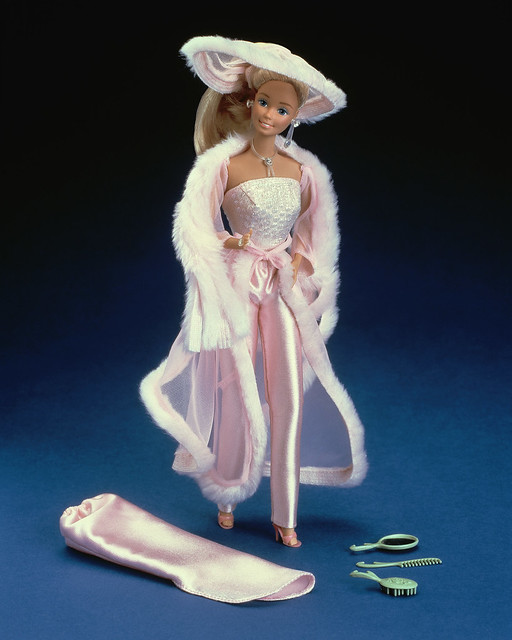
Barbie takes number three because 1986 is the kind of year that reminds you how hard it is to dislodge a truly foundational toy brand. While the rest of the market mutates around her — talking plush, infrared combat play, robot franchises, gross-out novelty — Barbie remains one of the clearest examples of an evergreen system that can absorb changing tastes without losing its essential identity.

What makes Barbie especially strong in 1986 is that she benefits from the very things that make newer lines vulnerable. Trend-driven brands depend on heat. Barbie depends on flexibility. She doesn’t need one single gimmick to justify herself. She operates as an open platform for fashion, aspiration, role-play, and endless variation. That gives her remarkable resilience in a market where many products need a narrower and more time-sensitive hook.

She also matters because she anchors a different kind of long-form play than many of the decade’s more closed systems. A lot of mid-80s brands come with heavier built-in world logic. Barbie still leaves more room for projection. That doesn’t make her less strategic as a product; if anything, it makes her more durable. She can evolve with the culture without being trapped by one particular story.

For Gen X, Barbie in 1986 feels like the reigning veteran who never needed to shout because she had already proven she could survive nearly any shift the aisle could throw at her.

Fun Fact / Why It Still Matters Barbie stayed near the top because she wasn’t selling one moment — she was selling a play system built to outlast moments.
G.I. Joe toys
1986

#2 — G.I. Joe

The Hard-Edge Winner
Toy TypeAction figure line
Brand LaneAggressive action system
1986 Rank#2

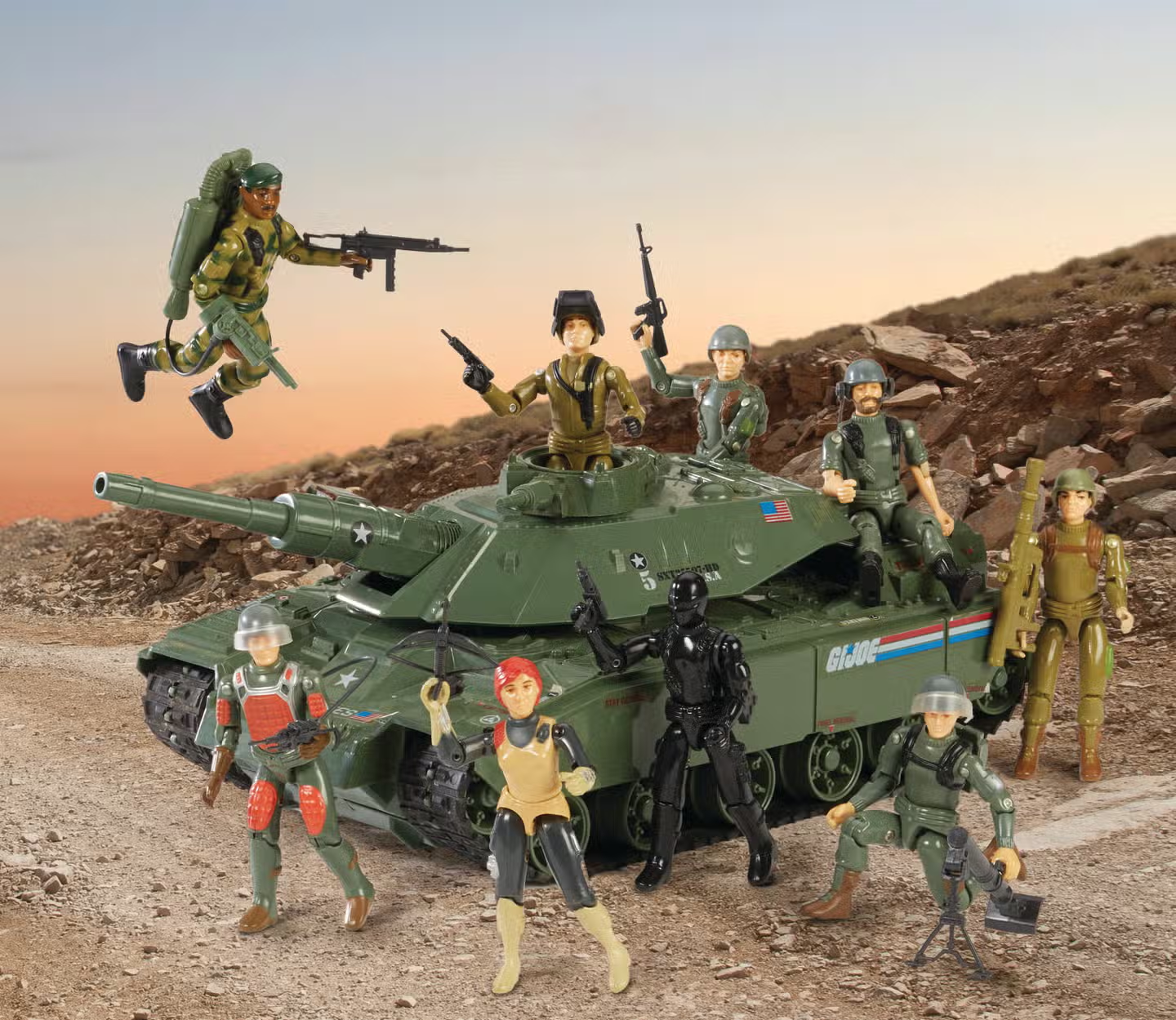
G.I. Joe earns the number two spot because 1986 is one of the years when the line’s harder edge aligns perfectly with the broader mood of the aisle. The market is getting more aggressive, more comfortable with combat language, and more willing to package confrontation as the main attraction. G.I. Joe thrives in that environment because it had already built a system designed to make conflict feel organized, collectible, and endlessly extendable.

What makes the line particularly strong now is that its tactical identity gives it authority. This isn’t fantasy violence or abstract competition. It’s mission-based play with structure, roles, and escalating scale. That makes it feel more serious than many of its competitors, even when the whole enterprise is obviously a toy-driven commercial fantasy. Seriousness, in this context, is an asset.

By 1986, G.I. Joe also benefits from the mid-decade trend toward products that encourage system loyalty over isolated purchases. It doesn’t merely ask children to like a figure. It asks them to build an operation. That scale of implied incompleteness is one of the line’s great strengths, commercially and imaginatively.

For Gen X, G.I. Joe in 1986 feels like the point where the action aisle becomes truly comfortable with itself as a militarized brand machine. It knew what it was selling, and by this stage kids knew exactly how to keep buying in.

Fun Fact / Why It Still Matters G.I. Joe hit this high because it matched the tougher emotional tone of the 1986 aisle better than almost any other line.
Lazer Tag toys
1986

#1 — Lazer Tag

Infrared War Fever
Toy TypeElectronic battle-play set
Brand LaneHigh-tech combat play
1986 Rank#1

Lazer Tag takes the number one position because 1986 is the perfect moment for a toy that makes combat feel futuristic, mobile, and technologically upgraded. It doesn’t just offer another blaster or another action fantasy. It sells the idea that kids can step into a high-tech battle environment using infrared gear that feels advanced enough to blur the line between backyard play and science-fiction role-play.

What makes Lazer Tag especially defining is how completely it captures the year’s appetite for harder-edged excitement. The mid-80s had already built strong lanes around fantasy combat, military figures, and machine conflict. Lazer Tag takes all of that energy and intensifies it by adding electronics, direct player participation, and the feeling of embodied competition. It isn’t just something you hold. It’s something you do.

It also matters because it reflects a broader shift in how technology gets sold to children. Earlier in the decade, electronics often arrived as learning devices, talking companions, or screen-based entertainment. Lazer Tag pushes electronics into the arena of live action. The machine is now part of your physical movement, your aim, your rivalry, and your status in the game. That’s a huge emotional leap for the toy aisle.

For Gen X, Lazer Tag in 1986 feels like one of the clearest moments when the future arrived wearing battle gear. It was loud, active, competitive, and just dangerous-looking enough to seem thrilling. That’s exactly what a number one toy in this particular year should feel like.

Fun Fact / Why It Still Matters Lazer Tag won 1986 because it turned technology into live-action conflict, which was basically the most 1986 thing imaginable.

Honorable Mention: Nintendo Entertainment System

Nintendo Entertainment System
1986

Honorable Mention — Nintendo Entertainment System

Cultural Game-Changer
Toy TypeHome video game console
Brand LaneNational breakout system
Why MentionedBigger than the toy chart

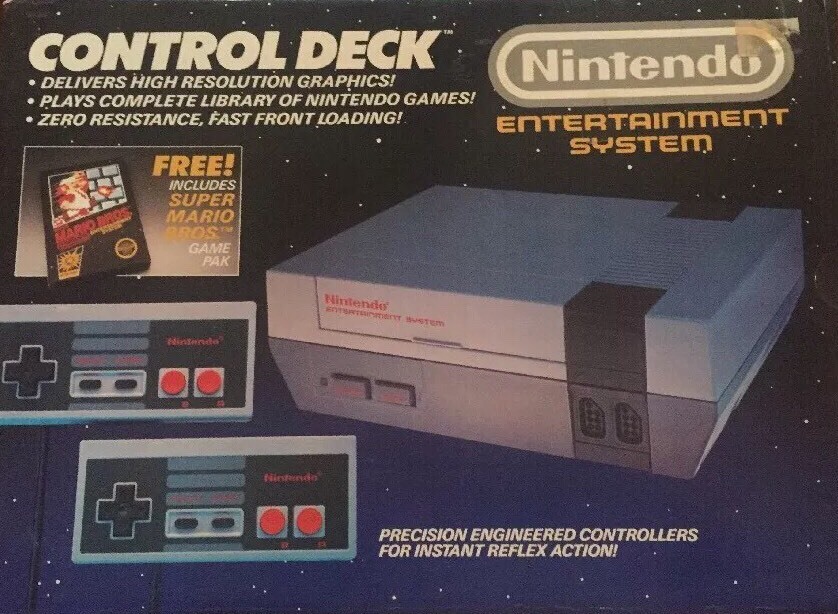
The Nintendo Entertainment System deserves an honorable mention because even when a stricter late-1986 holiday toy framing leans harder toward Lazer Tag, action brands, plush, and novelty lines, the NES is quietly becoming one of the most important products in American childhood. Its nationwide U.S. rollout in 1986 marks a cultural turning point. This is one of the systems that helps make home gaming feel newly viable and newly exciting again.

What makes the NES especially interesting in the context of this countdown is that its importance is easier to see historically than it may be in the narrowest seasonal toy-chart snapshot. In other words, if you’re building a strict list from period toy-market signals, it sits just outside the top 10. But if you’re talking about which products most changed how Gen X remembers 1986, Nintendo belongs in the conversation immediately.

The system also points toward the next phase of the decade. While many 1986 toys still depend on plush bonding, live-action combat, or collectible action systems, the NES suggests a more software-centered future — one in which the machine becomes a portal to a library rather than a single self-contained experience. That matters enormously for what the rest of the 80s will look like.

For Gen X, the NES in 1986 feels like the beginning of a longer revolution. It may sit just outside this list’s strictest toy-market boundaries, but it’s absolutely inside the cultural memory of the year.

Fun Fact / Why It Still Matters The NES gets the honorable mention because its 1986 breakthrough mattered more to the long arc of Gen X childhood than many toys that briefly ranked above it.

Rewind Verdict

The top 10 toys of 1986 work so well as a snapshot because they show the 80s toy aisle entering a sharper phase. The market is no longer simply about wonder, softness, or novelty. It is also about combat, grotesque humor, harder-edged brand identity, and products that make play feel more competitive or more confrontational.

That is what makes 1986 different from 1985. The earlier year is emotionally engineered and technologically cuddly. This one still has some of that, but it also embraces aggression and weirdness more openly. Lazer Tag becomes the clearest symbol of that shift. G.I. Joe thrives in it. Madballs benefit from it. Even the softer brands that remain on the chart now have to survive in a more abrasive environment.

For Gen X, 1986 feels like the toy aisle getting tougher without losing its talent for emotional hooks. It’s still commercialized childhood, still bright and ridiculous, but the emotional palette is wider now — cuter, uglier, sweeter, harsher, and a lot more intense.

FAQ: Top Toys of 1986

What was the biggest toy of 1986?

Lazer Tag is the clearest number one in the stricter toy-market framing because it became the defining late-1986 battle-play phenomenon.

Why isn’t Nintendo in the main top 10?

Because this countdown is using the stricter holiday toy-list framing for 1986. Nintendo is honored separately because its broader cultural importance outgrew that narrower seasonal snapshot.

Why are Madballs on the list?

Because 1986 is one of the clearest years where grotesque and scary toy energy breaks more openly into the mainstream holiday mix.

Were softer brands still important in 1986?

Yes. Pound Puppies, Teddy Ruxpin, Barbie, and lingering Cabbage Patch strength show that the soft and emotional lanes were still powerful, even as the aisle got more aggressive.

What makes 1986 stand out in toy history?

Its tonal split. The year is simultaneously plush and violent, comforting and competitive, sentimental and strange — which makes it one of the most revealing mid-80s toy snapshots.

Get the Weekly Gen X Drop

New videos, rewinds, and savage nostalgia — first.

JOIN THE NEWSLETTER WATCH VIDEOS

MORE REWINDS