The Year Kids Started Demanding Products by Name
Top 10 Toys of 1993: Talkboy, Power Rangers & Christmas Panic
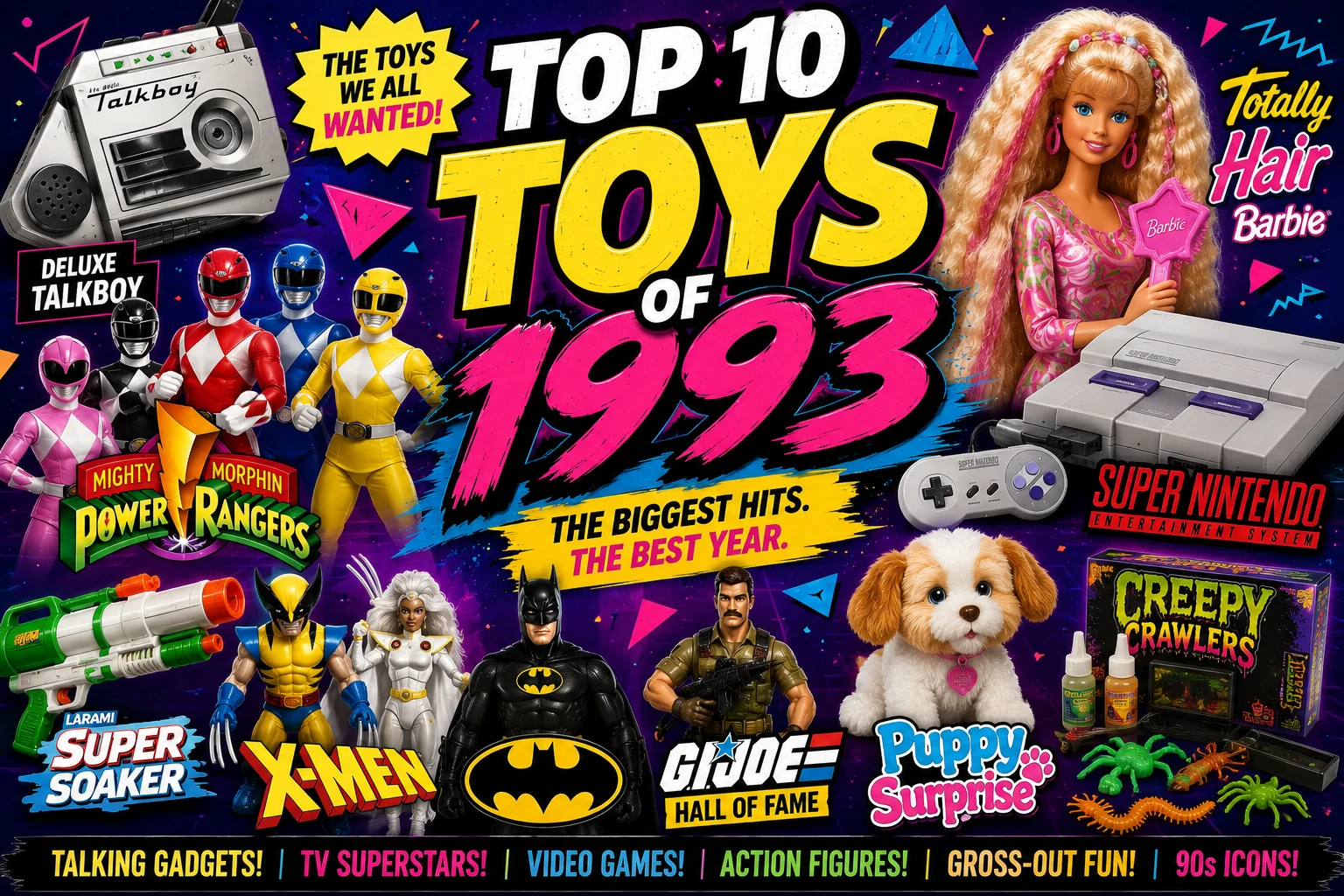
The top toys of 1993 were Deluxe Talkboy, Mighty Morphin Power Rangers, Totally Hair Barbie, Super Nintendo Entertainment System, Super Soaker, X-Men action figures, Batman toys, G.I. Joe Hall of Fame, Puppy Surprise and Creepy Crawlers.
This was the year the early 90s stopped looking like leftover 80s culture and became their own loud commercial system. Movie props became gadgets, television obsession became an action-figure shortage, and children could identify the exact toy they wanted before many adults understood what the name meant.
The Short Answer
What Were the Most Popular Toys of 1993?
The most popular toys of 1993 included Deluxe Talkboy, Mighty Morphin Power Rangers, Totally Hair Barbie, Super Nintendo Entertainment System, Super Soaker, X-Men action figures, Batman toys, G.I. Joe Hall of Fame, Puppy Surprise and Creepy Crawlers.
Deluxe Talkboy ranks first because it best captures the specific hard-to-find movie-gadget panic of the season. Power Rangers became the larger action-franchise explosion, while Barbie, Super Nintendo and Super Soaker remained major established toy systems with strong continuing demand.
The Fast Rewind
Top 10 Toys of 1993 at a Glance
Start with the complete ranking, then jump directly to any toy for the full explanation.
- #1Deluxe TalkboyThe movie-prop gadget that became a sold-out holiday obsession
- #2Mighty Morphin Power RangersTelevision demand becomes a full-scale action-figure emergency
- #3Totally Hair BarbieBarbie’s giant-hair identity remains one of the decade’s strongest doll moments
- #4Super Nintendo Entertainment SystemThe premium gaming platform still reorganizes the living room
- #5Super SoakerRaw play value keeps the backyard arms race alive
- #6X-Men Action FiguresCharacter variety turns mutant team-building into repeat demand
- #7Batman ToysThe evergreen superhero absorbs another year of gadgets and variations
- #8G.I. Joe Hall of FameHeritage branding gives a veteran action line new shelf presence
- #9Puppy SurpriseA hidden litter keeps the plush reveal emotionally powerful
- #10Creepy CrawlersMaking rubbery monsters becomes a repeatable gross-out event
How the List Came Together
How the Top Toys of 1993 Were Ranked
This is a transparent editorial ranking. No single complete public chart cleanly compares electronic gadgets, action figures, dolls, consoles, water blasters, plush surprises and activity sets across the entire year.
Holiday heat and scarcity
The ranking weighs Christmas-list urgency, store availability, shortage stories, commercial visibility and how strongly adults felt they were chasing one exact item.
Media-to-toy conversion
Talkboy and Power Rangers define 1993 because movies and television did not merely support the toys. They taught children the exact product name and the behavior they expected the toy to deliver.
How clearly each toy defines the year
The strongest entries capture 1993’s specific mix of movie gadgets, TV shortages, giant hair, premium gaming, superhero teams, backyard escalation and hands-on grossness.
Category differences stay visible
A Talkboy, a Power Ranger, a Barbie doll and a game console win through different price points and shopping patterns. The order weighs year-specific heat without pretending every category produced identical evidence.
The Aisle Becomes Fully 90s
Why 1993 Changed Toy Culture
The year matters because demand moved faster than adult understanding. Television, movies and commercials could teach children a product name almost overnight, then send parents into stores already behind the curve.
Movie imitation became the product.
Talkboy succeeded because children did not want a generic recorder. They wanted the specific gadget associated with a movie fantasy, voice tricks and the possibility of fooling adults.
Television could trigger an action-line shockwave.
Power Rangers moved from unfamiliar television property to must-have toy brand with remarkable speed. The line converted color-coded identity, team play and giant robots into immediate demand.
Established brands still owned dependable lanes.
Barbie, Super Nintendo, Super Soaker, Batman and G.I. Joe remained powerful because each already had recognition, expandable products and a clear reason another purchase could fit beside the earlier ones.
Hands-on performance mattered.
Puppy Surprise and Creepy Crawlers show two different forms of event-based play: reveal the hidden litter or create the rubbery monster. The product did something visible instead of simply waiting to be imagined.
Five Demand Engines in One Aisle
What Actually Drove the 1993 Toy Market?
The year becomes clearer when the toys are grouped by how they created urgency. These are full-width horizontal cards, not another wall of narrow columns.
The Movie-Prop Gadget
Deluxe Talkboy turned screen imitation into possession. The toy mattered because children had already watched the behavior they wanted to copy before the product reached the shopping list.
Voice changing made the recorder social and repeatable. Recording, playback, imitation and pranks gave the gadget a clear loop instead of one short novelty moment.
The Television Shockwave
Power Rangers supplied colors, personalities, martial arts, villains, role-play gear and giant robots. The show made each product category feel connected to one urgent universe.
The brand moved faster than stores could adjust because children learned the characters collectively and then wanted to represent a favorite Ranger individually.
The Proven Brand Machine
Barbie, Super Nintendo, Super Soaker and Batman did not need introductions. Each brand already had trust, a clear lane and the ability to add another product without forcing the collection to begin again.
Their strength gave the year stability beneath the panic. Hot new items made headlines, while proven systems kept occupying large amounts of shelf space.
The Team-Collection Aisle
X-Men, Batman, G.I. Joe and Power Rangers benefited from characters that were easier to want together than separately. Teams, villains and variations made one purchase feel structurally incomplete.
The larger 90s action figure wars were becoming less about one dominant theme and more about several fandoms competing at once.
The Demonstration Event
Puppy Surprise and Creepy Crawlers sold through a reveal or a process. The commercial could show the moment of discovery or creation and make that moment the reason to buy.
This event-based logic helped lower-tech toys compete in a year packed with electronics and television licenses.
From #10 to #1
The Top 10 Toys of 1993 Countdown
Ten products and one year when toys increasingly arrived with a movie scene, television identity, catchphrase or behavior already attached.
Gross-Out Science Energy
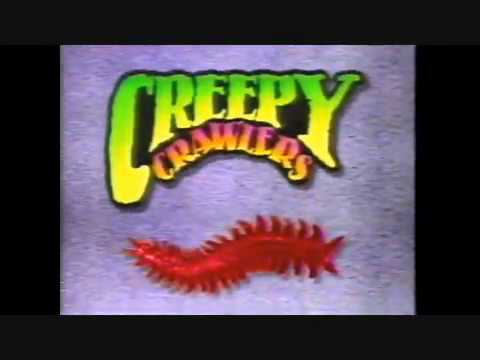
Creepy Crawlers
Creepy Crawlers open the 1993 countdown because they represent one of the decade’s most reliable toy truths: if you let kids make something gooey, weird, and mildly disgusting themselves, they will almost always decide that counts as entertainment. Creepy Crawlers tap directly into that instinct. They are part craft, part chemistry theater, part tiny monster factory — exactly the kind of messy genius covered in the 90s gross-out, science, and craft toy deep dive.
What makes the set so durable is that the fun begins before the finished toy even exists. The toy is not just the creepy bug you pop out at the end. The toy is the process. Pouring, heating, waiting, peeling, showing it off, and inevitably trying to gross out someone else — that sequence gives the product more life than a static action figure or a single-function novelty.
It also fits 1993’s personality really well. This is a year full of items that feel performative. Toys do not merely sit there. They talk, transform, spray, snap, or get made. Creepy Crawlers belong in that environment because they turn a home activity into a mini event. Kids were not just buying a creature. They were buying the right to create a tiny, rubbery horror show in the kitchen.
For Gen X, Creepy Crawlers in 1993 feel like the kind of toy that made adults nervous for practical reasons and made kids love it more because of that.
The molds and repeat batches also made the set expandable without requiring a continuing fictional story. The process created its own anticipation, while colors and creature shapes gave children reasons to compare results and start another round.
Still Running on Mystery
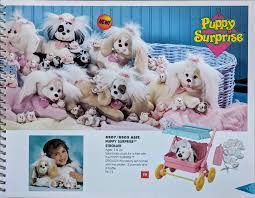
Puppy Surprise
Puppy Surprise stays in the conversation in 1993 because the reveal mechanic remains incredibly strong. Even after the initial breakout effect, the toy still benefits from one of the best built-in retail hooks of the era: it gives the buyer a question that only purchase can answer. How many puppies are inside? That small uncertainty turns a plush gift into a little event.
The reason it keeps working is simple. Surprise adds replay value without requiring electronics, licensing fees, or complicated storytelling. The toy feels emotional and collectible at the same time. That is a powerful combination in a year where the market is getting louder and more crowded. Puppy Surprise can survive next to more aggressive products because it offers a totally different emotional lane.
It is also part of a broader early-90s retail shift toward products that turn unwrapping into its own entertainment category. That matters because 1993 is increasingly about experiences you can demonstrate or narrate. Puppy Surprise lets kids narrate the reveal, compare what they got, and imagine alternate versions. That turns one plush dog into more than one outcome.
For Gen X, Puppy Surprise feels like one of those toys that somehow managed to be sweet, strategic, and faintly manipulative all at once.
The toy’s emotional softness disguised a very disciplined commercial structure. The hidden litter created curiosity, the different outcomes encouraged comparison and the possibility of another version made one plush purchase feel less final.
Bigger Scale, Older Muscle
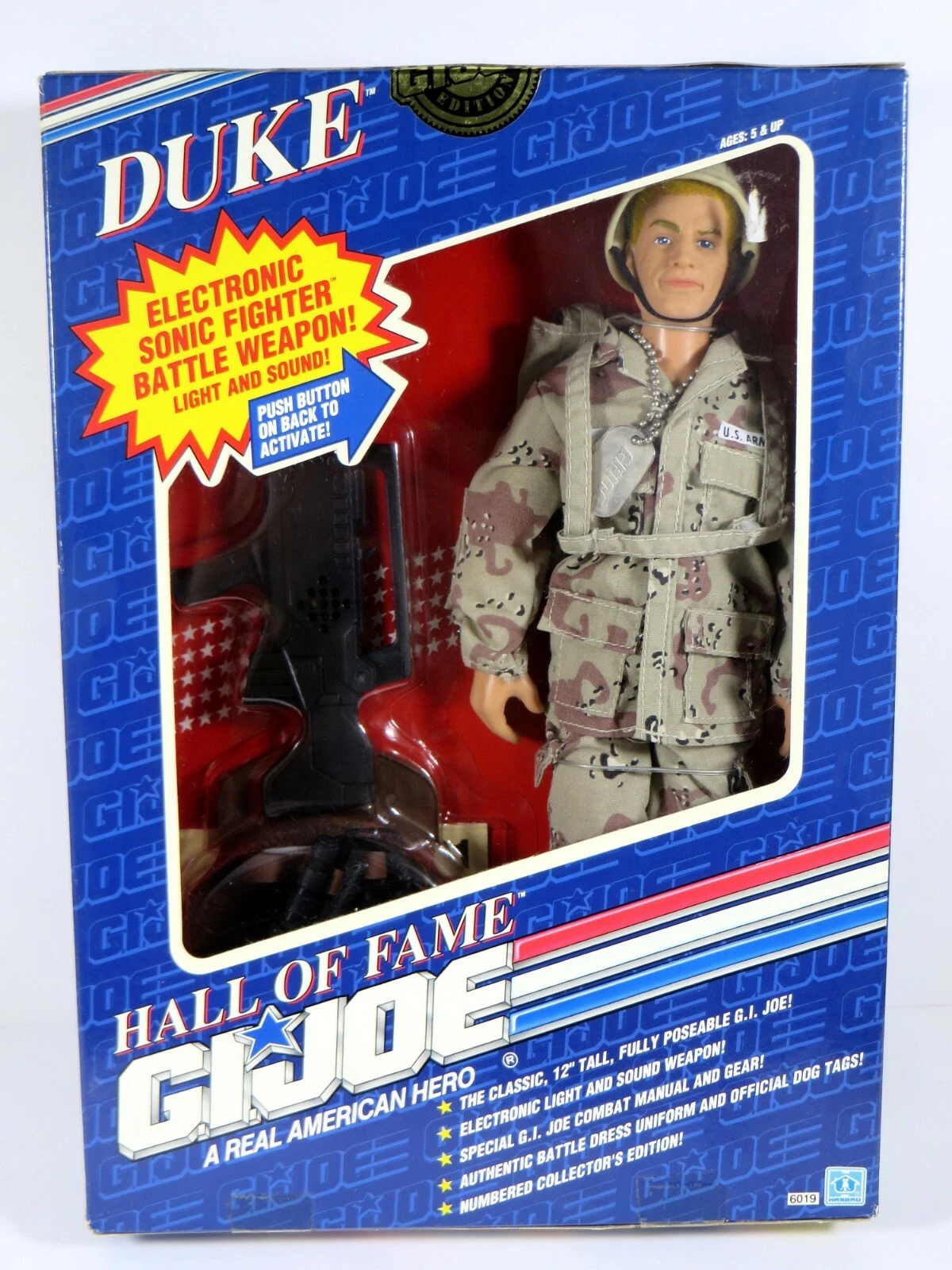
G.I. Joe Hall of Fame
G.I. Joe Hall of Fame ranks here because 1993 still has room for toy lines that trade on recognition rather than shock. By this point, G.I. Joe is no longer the young hotshot of the aisle. It is institutional memory. That is exactly what gives Hall of Fame its selling power. The line feels sturdy, established, and authoritative in a year when many other toys are still scrambling to prove themselves.
The larger format also helps. Big figures carry a different kind of presence. They look gift-worthy in a very direct way. They do not need as much explanation, and they can feel more substantial to adults doing the buying. In a market increasingly divided between tiny collectibles and flashy electronics, there is something almost reassuringly blunt about a large action figure with recognizable branding.
It also reflects a larger 90s habit: the past was no longer dead inventory. It was raw material. Old brands could be revived, resized, repackaged, and fed back into the 90s action figure wars, resized, repackaged, and sold again with just enough new framing to seem relevant. Hall of Fame works because it understands that legacy itself can be a feature.
For Gen X, 1993 G.I. Joe Hall of Fame feels like a toy aisle veteran refusing retirement and somehow still making a convincing case for itself.
The larger scale changed the value signal as much as the play pattern. These figures looked substantial in a box, carried recognizable branding and could feel like a premium gift even when newer action properties were creating more noise.
Still Reliable, Still Expandable
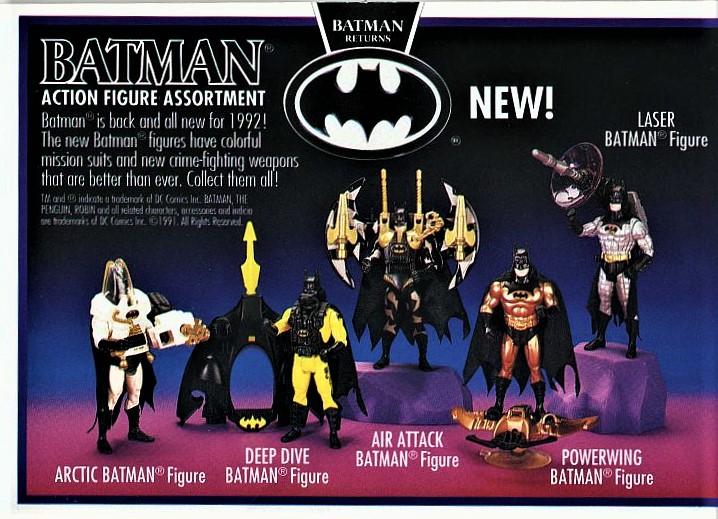
Batman Toys
Batman stays on the list because by 1993 the character has become one of the most flexible merchandising engines in the entire toy business. That flexibility is a huge advantage. Batman can be dark, sleek, comic-book weird, movie-powered, heavily accessorized, vehicle-driven, or completely overpacked with toyline gimmicks and still somehow remain recognizably Batman.
That matters in a transitional year like 1993. New brands are exploding around him, but Batman does not need to be the freshest thing in the room to remain commercially important. He only needs to remain usable, and Batman is wildly usable. The character supports villains, gadgets, alternate looks, and endless variations of the same basic hero fantasy. That makes him a line builder, not just a one-off star.
There is also a practical reason Batman keeps holding ground: adults already trust the brand. That is one of the recurring truths of the early 90s. Products that already have cultural legitimacy have an easier time surviving a crowded holiday market. Batman had that legitimacy in abundance.
For Gen X, 1993 Batman toys feel like the brand that never fully leaves the aisle because the aisle itself keeps finding new ways to need him.
Animated television visibility also helped Batman move beyond one movie cycle. The character could serve movie fans, cartoon viewers and general superhero play at once, which gave the line more retail durability than a typical film-specific assortment.
Mutant Shelf Expansion
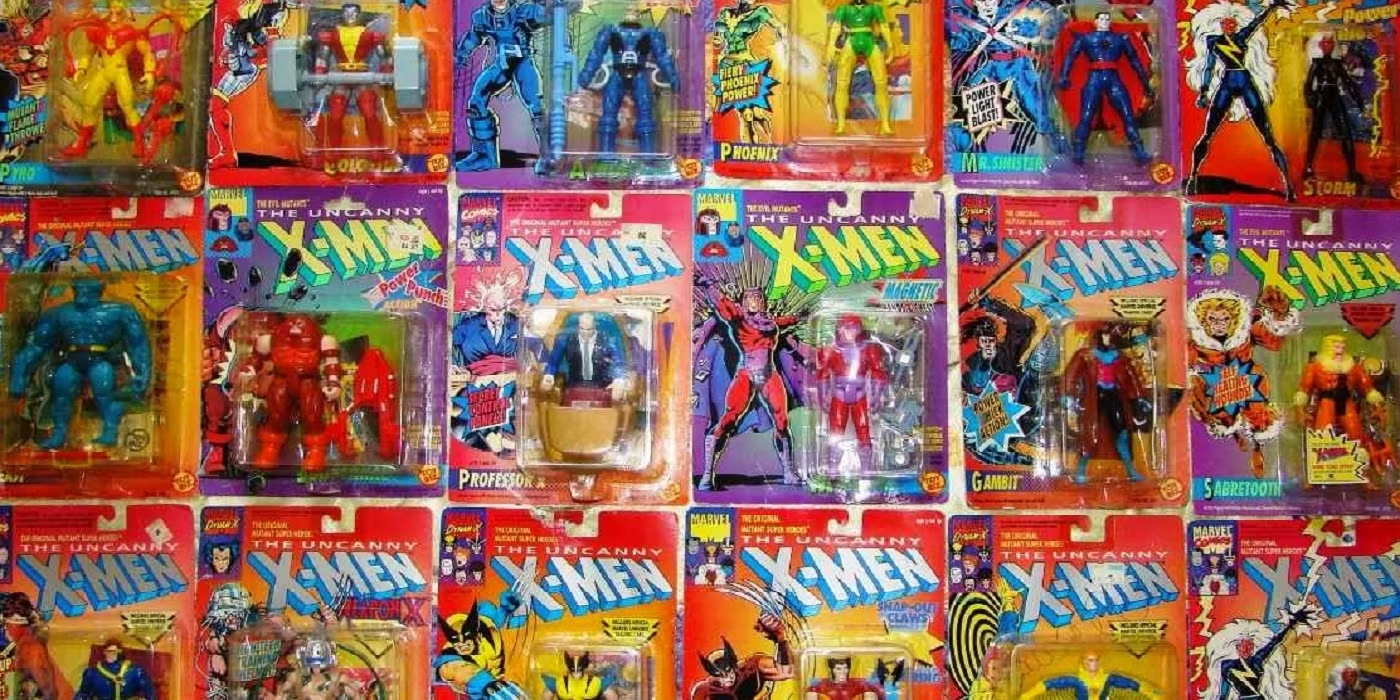
X-Men Action Figures
X-Men action figures rank this high because 1993 is one of the years where the line really benefits from the best part of the mutant concept: variety itself. Every character looks different, acts different, powers up differently, and appeals to a different kid. That makes the line naturally collectible, which is one of the most important economic advantages any toy brand can have.
The team format is critical here. X-Men are not sold as a solitary hero. They are sold as a whole unstable social ecosystem. Kids want favorites, but they also want lineups, enemies, mismatches, and weird combinations. That makes one purchase feel incomplete by design, which is exactly how a good action line keeps breathing.
It also says something useful about 1993’s broader toy environment. The action aisle is diversifying. It is no longer just one military lane and one movie lane. Superheroes are becoming increasingly credible as long-term toy infrastructure, and X-Men are one of the strongest proofs of that transition.
For Gen X, 1993 X-Men figures feel like a line that was not always the loudest in the room, but was often one of the most satisfying to build out piece by piece.
The animated-series era made the character differences even easier to understand. Powers, costumes, personalities and rivalries created a figure line where variety was not decorative—it was the main reason the team needed to grow.
Raw Play Value Still Wins
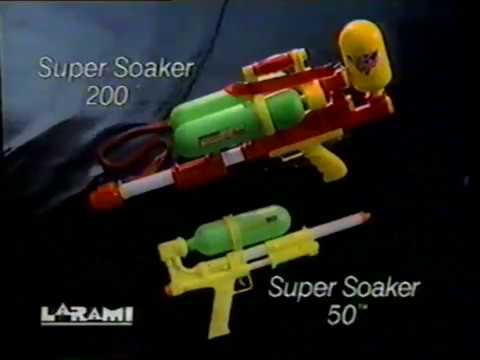
Super Soaker
Super Soaker stays high because 1993 is still close enough to the original wave for the category to feel potent, but late enough that the product no longer needs to introduce itself. Everyone already knows what it means. That is one of the strongest positions a toy can occupy. The market understands it, the kids trust it, and the play pattern remains brutally clear.
There is something very pure about Super Soaker’s appeal. It does not need a cartoon. It does not need a movie. It does not need a celebrity voice or some emotional backstory. It promises escalation in the oldest possible kid language: better equipment for chaos, which is why it belongs in the 90s backyard toys and blasters lane. Once a neighborhood contains one strong water blaster, the rest of the neighborhood starts rethinking its defensive strategy.
It also gives 1993 some welcome physicality. This is a year full of electronics, media tie-ins, and brand-driven mania, but Super Soaker remains one of the strongest reminders that direct, embodied play still matters. Sometimes the winning toy is just the one that lets you soak somebody from across the yard.
For Gen X, Super Soaker in 1993 feels like an arms-race toy in the best sense — the minute one kid upgraded, everyone else suddenly had a problem.
The line also benefited from easy visual upgrading. Larger tanks, different forms and more intimidating silhouettes made improvement visible on the shelf before anybody fired a shot. The next model could look stronger even to a child who had not read one specification.
Still the Premium Gaming Dream
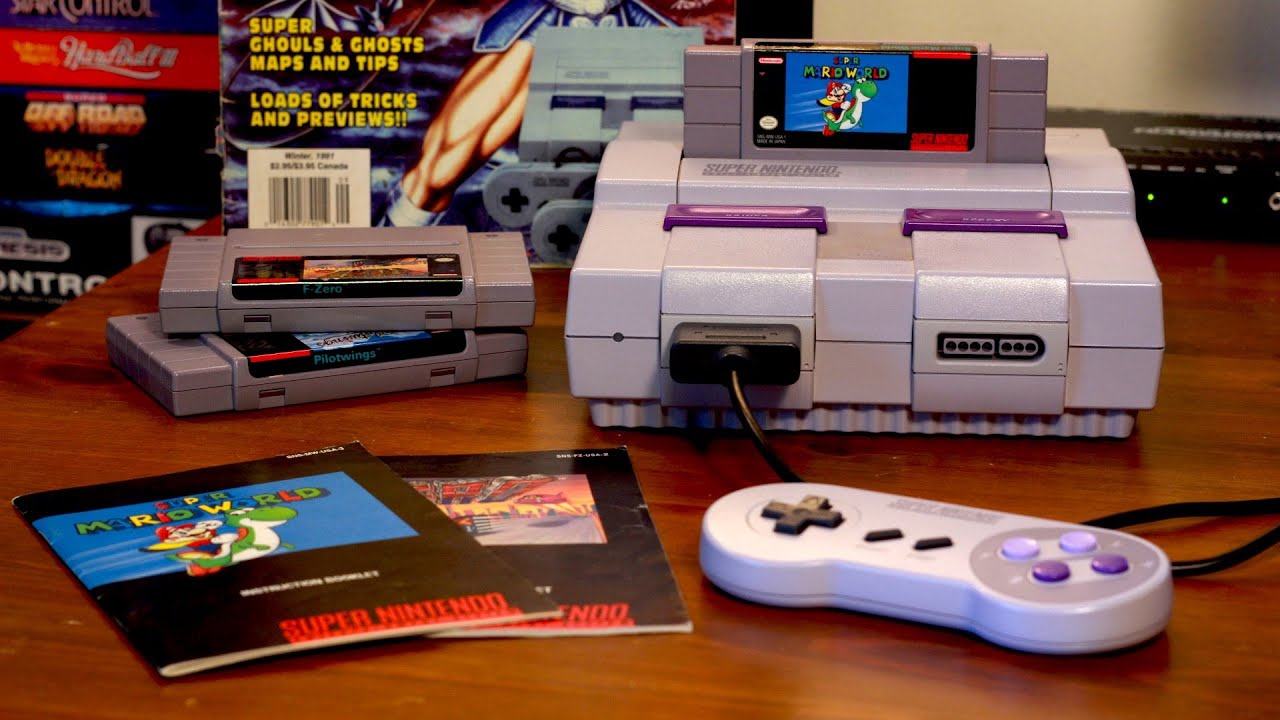
Super Nintendo Entertainment System
Super Nintendo takes number four because 1993 may be noisy and franchise-happy, but premium gaming still carries enormous cultural weight. The SNES is not the whole shelf anymore. By now the toy market is too fragmented for that. But it absolutely remains one of the products that signals seriousness. If a kid had a Super Nintendo, that meant something.
The system also benefits from the platform logic Nintendo had already perfected by this point. A console is never just a one-time gift. It is a machine that generates future desire. Games, accessories, comparisons, arguments, visits to friends’ houses, magazine obsession — all of that expands outward from the hardware itself. That is one reason gaming remains such a stubbornly powerful category even when trendier items are stealing headlines.
Another reason it ranks high is that 1993 is a year of demand by name. Kids were not vaguely asking for “video games.” They wanted specific systems, specific experiences, specific status objects. The SNES sits in that space very comfortably.
For Gen X, Super Nintendo in 1993 still feels like one of the most definitive room-changing gifts you could get — the kind of machine that reorganized the social life of a house.
The console’s position reflects platform power rather than one short craze. A household with SNES gained a continuing software calendar, schoolyard relevance and a reason for every later gift-giving relative to ask which game was still missing.
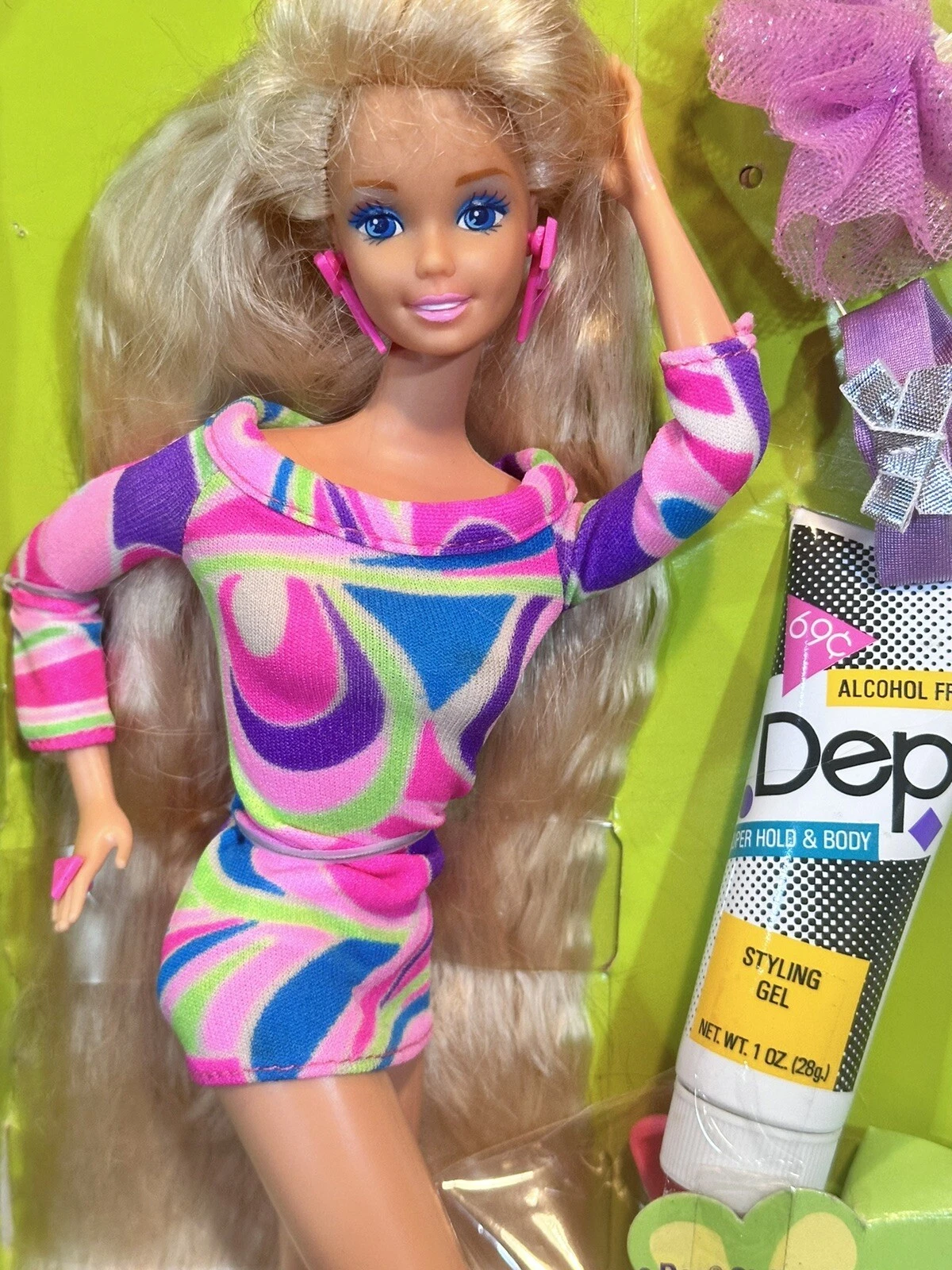
Barbie’s 90s Peak Form
Totally Hair Barbie
Totally Hair Barbie ranks this high because even into 1993 the doll still feels like one of the cleanest examples of Mattel understanding exactly how to modernize an old giant. The concept is almost insultingly simple: take the most style-able part of Barbie and blow it out to absurd proportions. That one exaggeration creates play, shelf visibility, and a strong cultural silhouette all at once.
The brilliance of the doll is that the gimmick is not separate from the product’s identity. The hair is not a bonus feature. It is the reason the doll feels so unmistakably 90s. That makes Totally Hair Barbie less like a variation and more like a moment. The doll feels attached to a specific visual culture of excess, styling, and deliberate overstatement, which gives it lasting memory power.
It also helps that Barbie remains one of the few brands that can survive any market chaos simply by being too deeply embedded to disappear. Even when new crazes are stealing attention, Barbie still has infrastructure, trust, familiarity, and one of the strongest lanes in the 90s dolls and plush toy story, and the ability to translate one trend into a full commercial wave. Totally Hair is one of the sharpest versions of that playbook.
For Gen X, Totally Hair Barbie in 1993 feels like the exact point where Barbie stops merely adapting to the decade and starts embodying it.
The design also remained gift-friendly across generations. Adults recognized Barbie immediately, children saw a dramatic new feature and the product connected to existing clothing, accessories and environments. Familiarity and novelty worked in the same box.
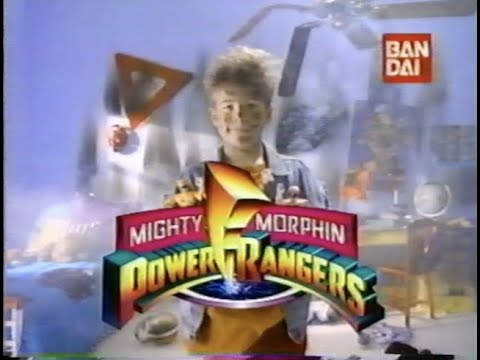
The Brand That Hit Like a Shockwave
Mighty Morphin Power Rangers
Mighty Morphin Power Rangers take number two because they represent the most violent shelf takeover energy of 1993. Once the show detonated, the toys followed with the kind of speed that makes adults look confused and kids look evangelical. This is one of the most important patterns of the 90s: a TV property can go from “what even is that?” to “why is every store sold out?” in what feels like a weekend.
What makes the line so potent is that it is modular in every direction. Kids can buy favorite Rangers, build the team, argue about colors, chase villains, add role-play items, and expand outward into a bigger branded universe. The property is almost perfectly engineered for playground identity. It does not just sell toys. It sells affiliations.
It also marks a cultural shift. Power Rangers feel faster and more hyperactive than earlier action brands. The whole package is brighter, more television-native, more serialized, and more obviously aimed at immediate obsession. That makes them feel very 1993, even before the toy shortage stories kick in.
For Gen X, 1993 Power Rangers feel like the exact moment the aisle starts proving that the next giant toy phenomenon might come from wherever kids are suddenly screaming loudest.
The Megazord concept expanded the purchase ladder beyond individual figures. Rangers, villains, weapons, role-play gear and combining machines allowed the property to occupy several price levels while every product still pointed back to the same television ritual.
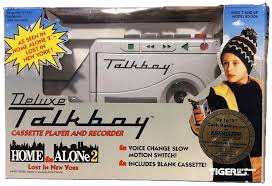
The Toy Everyone Suddenly Couldn’t Find
Deluxe Talkboy
Deluxe Talkboy takes the number one slot because 1993 is one of those rare toy years where the most honest answer is the item that caused real adult distress. Talkboy was not merely popular. It was the kind of sought-after product that made shoppers feel late, stores feel underprepared, and the entire season feel like a scramble. That is usually a sign you are dealing with the year’s true headline toy.
What makes the product such a fascinating winner is that it is not based on pure action, cuteness, or collectability. It wins because it delivers fantasy through imitation. Kids did not just want a recorder — they wanted a movie-powered gadget that sits right between 90s electronic toys and movie toy tie-ins. They wanted that recorder — the one associated with movie cleverness, prank potential, and the feeling that a toy could make you momentarily more powerful than the adults around you. That is an incredible emotional pitch.
The voice-changing element matters too. It turns the device from a simple novelty into a social machine. A good hot toy often creates instant behavior. Talkboy absolutely does. You record something dumb. You play it back distorted. You hand it to someone else. You escalate. That kind of loop is exactly what gives a gadget staying power beyond the initial wow factor.
For Gen X, Deluxe Talkboy in 1993 feels like the perfect symbol of the era: media-driven, battery-powered, quoteable, a little chaotic, and suddenly everywhere except the place your parents just drove to.
Talkboy also represented a change in what children expected from licensed merchandise. The ideal product was no longer merely a figure of the character. It could be a working object used by the character—something that let the child imitate the screen instead of only reenacting it.
The Shopping List Gets Specific
1993 Was the Year of Demand by Name
Children were no longer asking only for a recorder, an action figure or a game system. They were asking for Talkboy, a Red Ranger, Super Nintendo and a specific Barbie.
Why the Exact Name Mattered
Media Had Already Completed the Product Demonstration
The movie or television show supplied the fantasy before the shopping trip, which made generic substitutes feel obviously wrong.
Talkboy
A generic recorder could not replace the exact prop-like gadget associated with movie behavior and voice-changing pranks.
Power Rangers
A random action figure could not replace the child’s favorite color, team identity or Megazord fantasy.
Established Systems
Super Nintendo, Barbie and Super Soaker already carried product trust strong enough to make their names shorthand for the category.
The new shopping rule: close was no longer close enough when the television had shown children the exact product they expected.
The Toy Box Afterlife
Collecting Toys From 1993 Today
Exact version, condition, completeness, working electronics, packaging and real buyer demand matter much more than age alone.
Electronic gadgets need functional testing.
Talkboy should be checked for recording, playback, speed controls, microphone, speaker, buttons, battery corrosion, original packaging, instructions and whether the exact model matches the seller’s description.
Action lines depend on version and accessories.
Power Rangers, X-Men, Batman and G.I. Joe pieces may depend on weapons, armor, capes, stickers, vehicles, packaging, card backs and release-specific variations.
Dolls and activity sets need complete contents.
Totally Hair Barbie should retain original clothing, accessories and hair condition. Puppy Surprise should include the correct litter. Creepy Crawlers sets need molds, trays, tools and working equipment.
Sold prices matter more than panic-era mythology.
Compare completed sales for the same version and condition. The guides to 90s collectible crazes and forgotten 90s toys provide broader context before assuming one incomplete figure will finance retirement.
What the Wish List Felt Like
Christmas Morning 1993 Was About Getting the Exact Thing
The season’s biggest products came with recognizable names and specific behaviors, which made near-miss gifts unusually easy to identify.
The gadget immediately led to recording, playback, fake voices and several minutes of regrettable family audio.
Getting a Power Ranger raised the next question instantly: which Ranger, which villain and where was the Megazord?
Totally Hair Barbie still announced the whole gimmick before the doll was removed from the package.
Super Nintendo required cables, television access and an immediate inventory of which games were still missing.
A Super Soaker under the tree created months of strategic planning before the weather allowed retaliation.
Creepy Crawlers transformed the kitchen table into a small rubber-monster factory with adult supervision of uncertain quality.
The memory: somebody got the exact hot toy, somebody got a substitute, and school resumed with a detailed audit of which household had understood the assignment.
Under Fluorescent Lights
What the 1993 Toy Store Looked Like
The store increasingly reflected entertainment speed: television figures on crowded pegs, electronic gadgets behind controlled displays, premium consoles in glass cases and activity sets demonstrating the mess right on the package.
The empty hot-item space
The missing product and handwritten sign could become more persuasive than a full shelf.
The action-figure wall
Power Rangers, X-Men, Batman and G.I. Joe competed through color, team identity, villains and visible accessories.
The electronics display
Talkboy and Super Nintendo carried higher prices, more questions and the promise of behavior beyond ordinary plastic play.
The demonstration box
Creepy Crawlers, Puppy Surprise and Super Soaker relied on packaging that showed the reveal, process or performance immediately.
The full 90s Toy Store Culture guide follows the aisle layouts, glass cases, catalogs, mall trips, shortages and holiday rituals that made finding the toy part of the memory.
Commercial-Break Pressure
Watch the 1993 Toy Commercial Energy
Talkboy had movie-prop fantasy. Power Rangers had television urgency. Barbie had hair-commercial scale. Creepy Crawlers had a gross demonstration, and Super Soaker had enough visible range to start a neighborhood equipment crisis.
The strongest 1993 ads made children rehearse the product’s behavior before they owned it: change the voice, morph, style the hair, soak somebody or create a bug.
The 90s Toy Commercials & Videos archive is the natural next stop for the advertising behind Talkboy, Power Rangers, Barbie, Super Nintendo, Super Soaker, Creepy Crawlers and the rest of the year.
The Rest of the Year
Keep Rewinding 1993
The toy aisle was only one part of a year packed with soundtrack ballads, slick R&B, crossover records, network television, dinosaurs, family comedy and blockbuster spectacle.
The 1993 Toy Aisle Verdict
Why These Toys Define 1993
The top 10 toys of 1993 reveal a market becoming faster, more media-sensitive and more specific. Talkboy converts a movie fantasy into a gadget shortage. Power Rangers converts television obsession into an action empire almost immediately.
Established brands remain important, but they now share the headlines with products capable of creating sudden demand. Barbie owns a visual gimmick. Super Nintendo owns a platform. Super Soaker owns a physical advantage. X-Men and Batman own expandable character systems. Creepy Crawlers owns the process.
For Gen X, 1993 feels like the year the toy aisle became fully modern in the 90s sense: culturally fast, franchise-loud, behavior-driven and unstable enough that the season’s defining image could be an adult staring at an empty shelf while a child repeated the exact product name again.
Questions From the Toy Aisle
Top Toys of 1993: Frequently Asked Questions
What were the most popular toys of 1993?
Popular toys of 1993 included Deluxe Talkboy, Mighty Morphin Power Rangers, Totally Hair Barbie, Super Nintendo, Super Soaker, X-Men action figures, Batman toys, G.I. Joe Hall of Fame, Puppy Surprise and Creepy Crawlers.
What was the biggest toy of 1993?
Deluxe Talkboy takes the number-one spot because it best represents the year’s hard-to-find movie-gadget panic and highly specific demand.
Why is Talkboy ranked above Power Rangers?
Talkboy narrowly wins the year-signature ranking because the shortage-driven movie-prop craze is unusually specific to the 1993 holiday season. Power Rangers became the larger long-term action franchise.
Were Mighty Morphin Power Rangers toys popular in 1993?
Yes. Power Rangers toys became one of the year’s fastest-growing action properties as television demand outpaced early retail supply.
What Power Rangers toy was most wanted?
The action figures and Megazord-related products were central to the early craze because they represented individual Ranger identities and the larger combining-robot fantasy.
Why is Totally Hair Barbie still on the 1993 list?
Totally Hair Barbie retained strong momentum because the giant-hair feature remained visually distinctive, tactile and easy to understand across generations of gift buyers.
Why is Super Nintendo number four?
Super Nintendo remained a premium platform with major long-term importance, but Talkboy, Power Rangers and Barbie better capture the most visible year-specific toy stories.
Was Super Soaker still popular in 1993?
Yes. Super Soaker remained one of the defining outdoor toy systems because pressurized range and visible model upgrades kept the backyard arms race active.
Why are X-Men action figures included?
X-Men figures benefited from character variety, team collecting and television visibility. They represent the growing superhero lane inside the 90s action figure wars.
Why were Batman toys still popular?
Batman was flexible enough to support movie, cartoon and general superhero play. Gadgets, vehicles, villains and costume variations made the line unusually durable.
What was G.I. Joe Hall of Fame?
It was a larger-scale G.I. Joe revival that used heritage, recognizable characters and premium presentation to return the veteran brand to the early-90s shelf.
How did Puppy Surprise work?
The plush mother dog contained a hidden litter, making the number and appearance of the puppies part of the reveal and the emotional appeal.
What were Creepy Crawlers?
Creepy Crawlers were make-your-own rubbery creature sets that combined craft activity, heating, molds and gross-out appeal inside the 90s science and craft toy lane.
What makes 1993 different from 1992 in toy culture?
1992 is defined by chaotic nostalgia, physical gimmicks and retro comebacks. In 1993, media-driven demand becomes faster and more specific, with children asking for exact hot products by name.
What were the hottest Christmas toys of 1993?
Hot Christmas toys included Deluxe Talkboy, Power Rangers, Totally Hair Barbie, Super Nintendo, Super Soaker, X-Men, Batman, G.I. Joe Hall of Fame, Puppy Surprise and Creepy Crawlers.
Are toys from 1993 valuable today?
Some can be, but value depends on exact version, condition, completeness, working electronics, original accessories, packaging and demand. The guides to 90s collectible crazes and forgotten 90s toys provide wider context.
Was there one official top-10 toy chart for all of 1993?
No single complete public list cleanly compares every toy category across the full year. This page uses a transparent editorial method based on holiday heat, scarcity, media visibility, category strength and year-specific relevance.
Where can I watch commercials for 1993 toys?
The 90s Toy Commercials and Videos archive connects Talkboy, Power Rangers, Barbie, Super Nintendo, Super Soaker, Creepy Crawlers and other toys with the advertising that sold them.
Move Through the Decade
Explore the Top Toys From Every Year of the 90s
Follow the toy aisle from Turtle Power, Troll comebacks and Talkboy panic into electronic pets, collectible bubbles, schoolyard crazes and late-90s shortages.