#10 — Barbie
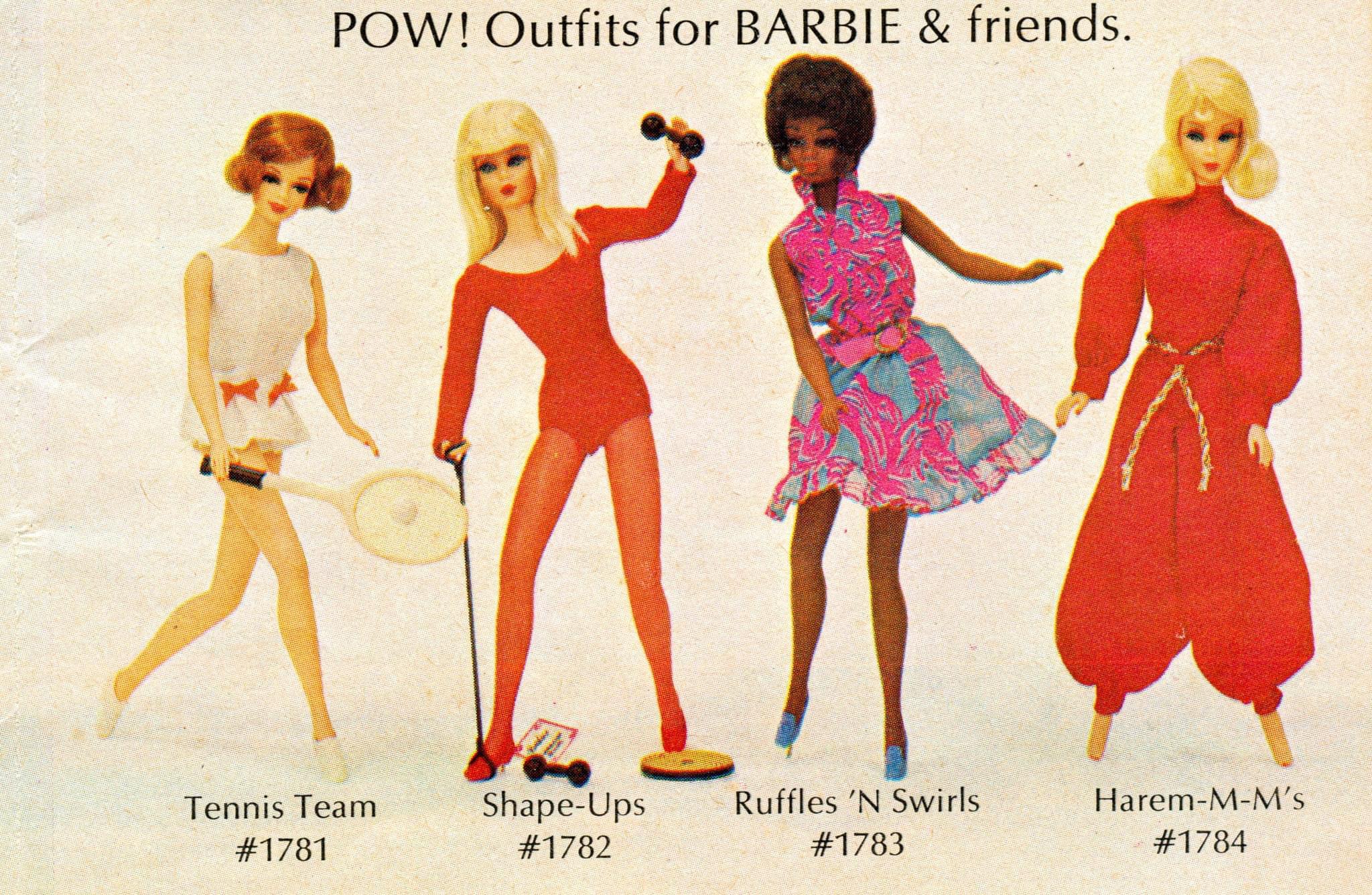
Fashion Fantasy InstitutionBarbie still belongs in the 1974 top 10 because by this point she is not just a doll — she is a fully functioning toy economy. Outfits, accessories, rooms, cars, social situations, identity play, future aspiration, low-key status signaling — all of it folds into the Barbie lane. She does not need to reinvent herself every year because the format itself is already expandable enough to absorb whatever the culture is selling.
What changes in 1974 is not Barbie’s relevance so much as the competition around her. The toy aisle is getting stronger in activity toys, family games, and realism-based play. That makes Barbie feel slightly less like the center of the universe and more like one of the old guard still holding territory against a shifting market.
She also helps show that 1974 is not only about new formats. Legacy brands still matter when they are strong enough to keep generating their own worlds. Barbie remains powerful because she lets kids create an ongoing lifestyle narrative instead of just playing with one object.
Barbie also belongs in the larger Dolls, Houses & Domestic Drama lane, where fashion play, dollhouses, tiny rooms, homemade accessories, and miniature soap-opera nonsense all live together on the carpet.