Top Toys of 1972: The Must-Have Toys That Defined the Year

Top Toys of 1972: The Must-Have Toys That Defined the Year
Smells Like Gen X • Top Toys of 1972

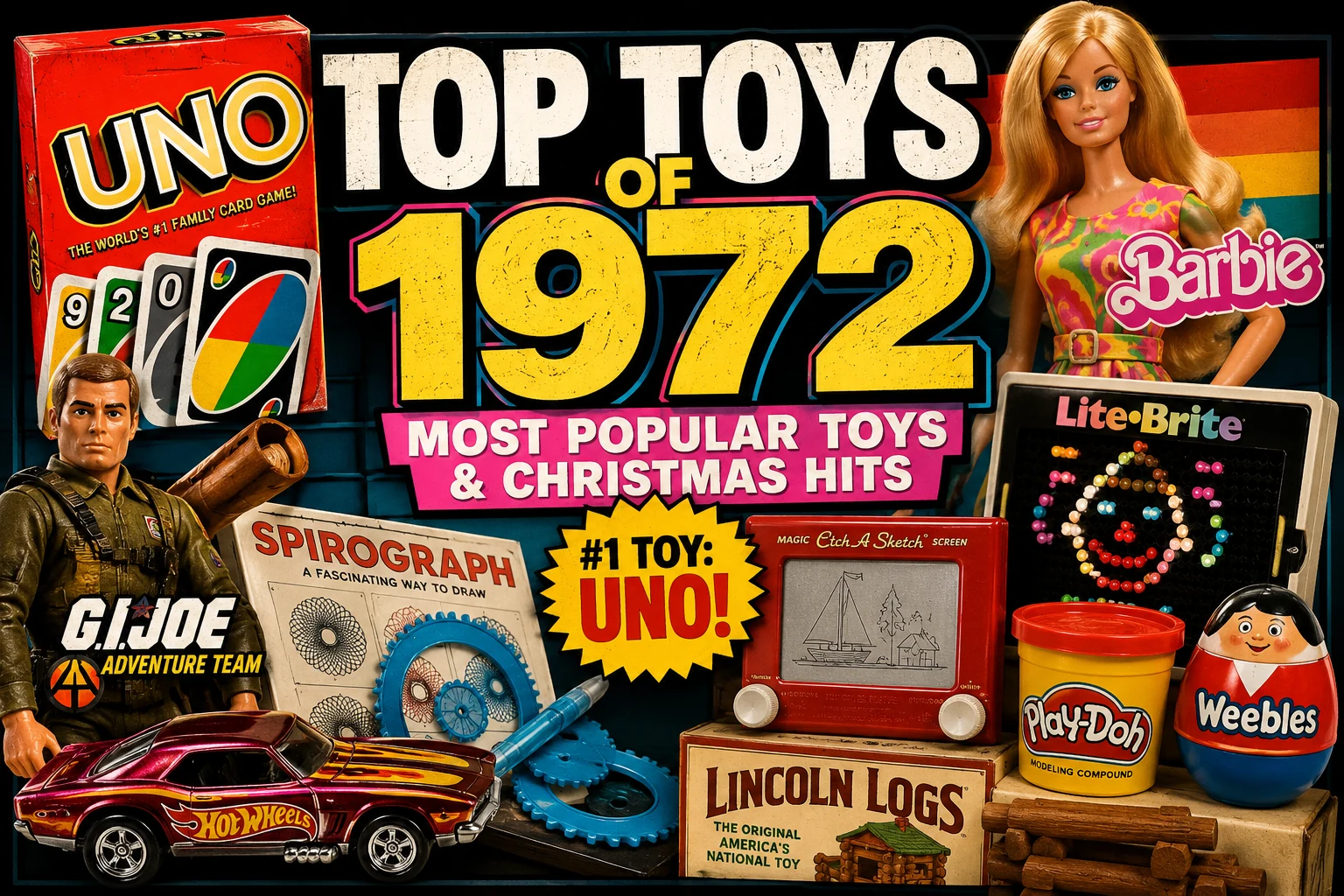
The Top 10 Toys of 1972

The top 10 toys of 1972 feel like the early-70s toy box widening instead of simply repeating itself. The decade is still deeply analog — tactile, colorful, durable, and heavily dependent on what kids do with a toy rather than what the toy does for them — but the center of gravity shifts a little. This year feels less dominated by pure object play and a little more tuned to social play, activity-table play, and toys that turn one simple mechanic into a whole recurring ritual.

That is why 1972 matters so much in the series. It is still close enough to 1970 and 1971 to feel warm, physical, and floor-based, but it introduces a slightly different kind of must-have logic. The toy aisle is not only about trucks, dolls, and builders now. It is also about game nights, wobbling preschool personalities, pattern-making kits, and toys that can occupy the whole family or at least drag siblings into the same orbit.

Like the earlier posts, this is a best-supported editorial countdown rather than a fake official chart. Toys do not come with a neat yearly ranking source the way songs and TV shows do, so this list is built to reflect the toys that most strongly defined the 1972 season: shelf logic, lasting memory, era fit, and the kind of products that made kids lock in and parents surrender.

Gen X Note: 1972 is where the toy box starts feeling a little more communal. It still rolls, builds, glows, and wobbles, but now it also wants everybody around the same table yelling over a card game.

Quick List: The Top 10 Toys of 1972

  1. Lincoln Logs
  2. Weebles
  3. Play-Doh
  4. Lite-Brite
  5. Etch A Sketch
  6. G.I. Joe Adventure Team
  7. Spirograph
  8. Hot Wheels
  9. Barbie
  10. UNO

Countdown: The Top 10 Toys of 1972

Lincoln Logs
1972

#10 — Lincoln Logs

Old-School Builder Holdout
Toy TypeBuilding toy
Brand LaneClassic cabin-and-fort play
1972 Rank#10

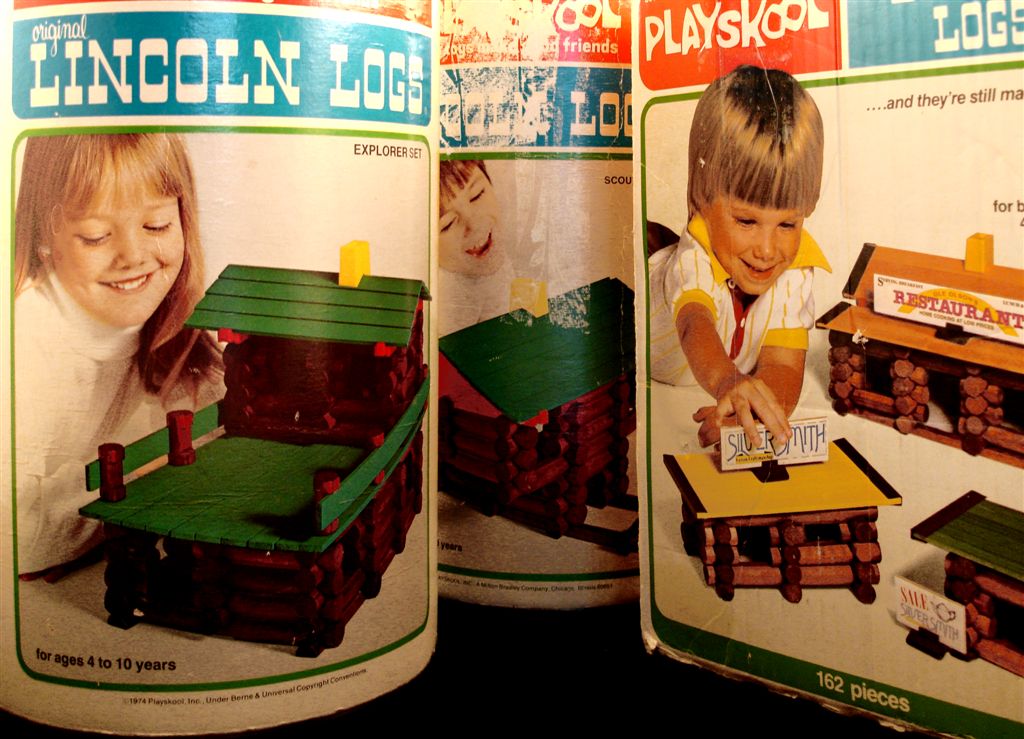
Lincoln Logs hang onto the 1972 list because the early 70s still had plenty of affection for toys that required no batteries, no slogan, and no cartoon mythology. Dump out the pieces, start stacking, build something vaguely frontier-adjacent, then knock it down and start over. That was still a perfectly respectable afternoon.

What makes Lincoln Logs useful in a 1972 ranking is that they remind you how much of the toy aisle still rested on durable analog builders even as newer styles of play were gaining ground. This was becoming a more colorful, segmented, personality-driven market, but simple construction toys still had real staying power because they offered freedom instead of prescription.

They also work as a kind of baseline for the whole post. Once you get to UNO, Weebles, and Spirograph, you can feel how the decade is changing. Lincoln Logs sit lower on the board precisely because they represent the older toy logic the rest of the list is slowly evolving away from.

Fun Fact / Why It Still Matters Lincoln Logs stayed relevant because they offered one of the purest forms of open-ended analog building in the entire toy box.
Weebles
1972

#9 — Weebles

Wobble-Powered Charm
Toy TypeRoly-poly preschool toy
Brand LanePersonality-based preschool play
1972 Rank#9

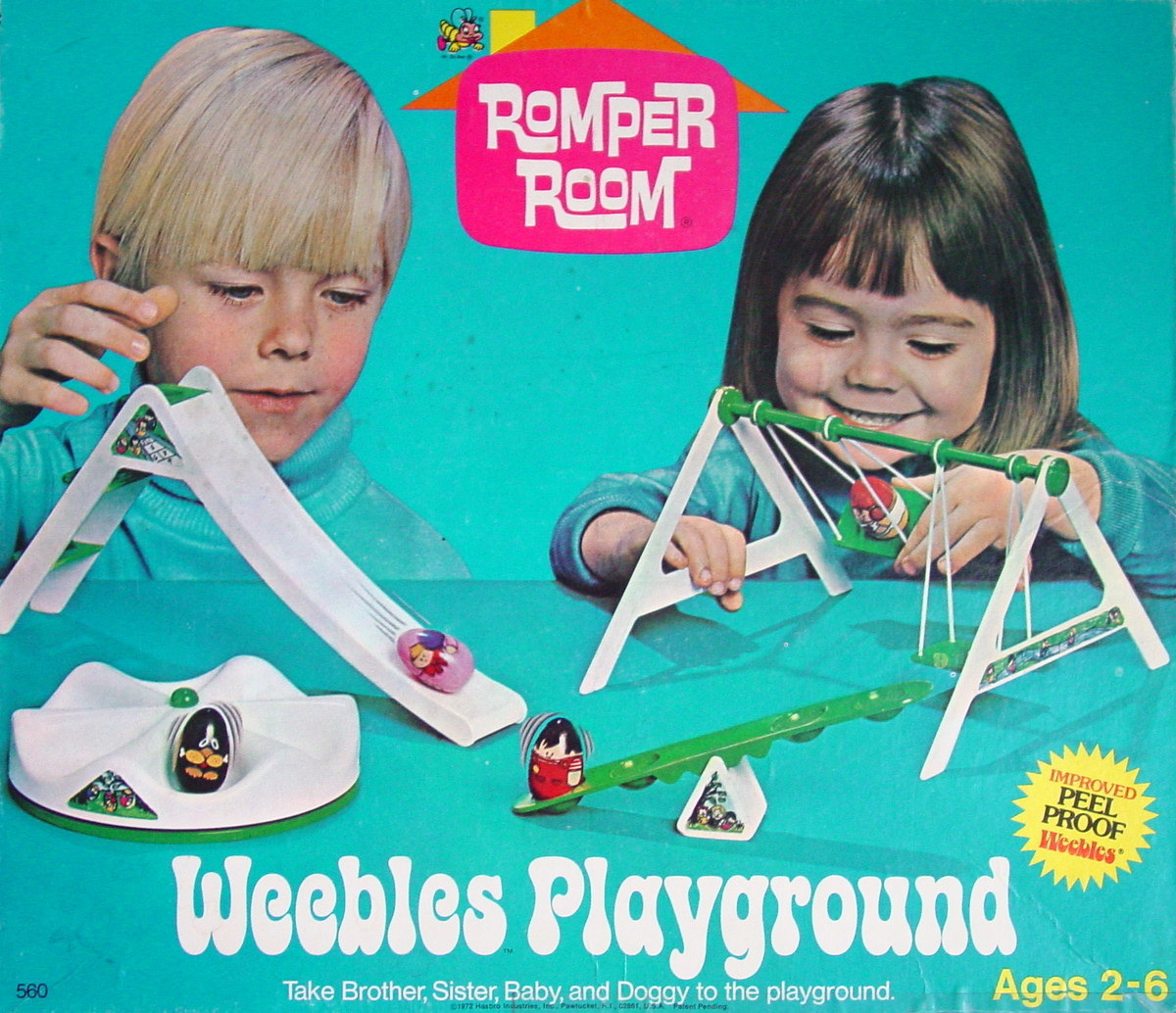
Weebles stay in the 1972 top 10 because once a toy line locks in a perfect physical gimmick and a memorable catchphrase, it usually gets more than one season to rule the room. The wobble still works. The figures still feel irresistible in the hand. And the whole line still carries that early-70s preschool sweetness without becoming bland.

What changes in 1972 is not that Weebles suddenly stop mattering. It is that the rest of the aisle starts catching up with other kinds of play appeal. Weebles remain strong, but now they are competing in a market where activity sets, drawing systems, and even social card games are claiming more emotional territory.

That lower ranking actually says something useful about the year. Weebles still wobble their way onto the list, but 1972 is a little less dominated by preschool personality than 1971 was. The toy box is broadening.

Fun Fact / Why It Still Matters Weebles stayed visible because their physical gimmick was instantly understandable and endlessly repeatable.
Play-Doh
1972

#8 — Play-Doh

Messy Sensory Classic
Toy TypeModeling compound
Brand LaneHands-on creative play
1972 Rank#8

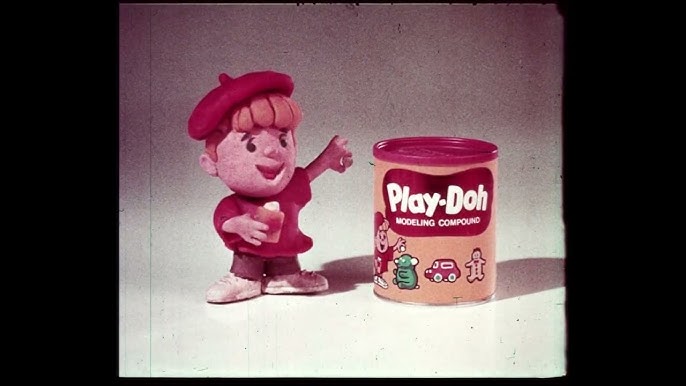
Play-Doh remains firmly planted in the 1972 toy box because the era still loved anything tactile, repeatable, and just messy enough to make a parent sigh. The compound itself was the hook. Everything else — molds, presses, shapes, little pretend-food disasters — was a bonus.

In a year where more toys are starting to get more visually branded or socially oriented, Play-Doh continues to represent the sensory core of early-70s play. You do not buy it for one big wow moment. You buy it because the loop never really ends. Squish, shape, flatten, ruin, remake. That pattern has almost no expiration date.

It also earns a place here because it bridges creativity and chaos so perfectly. Kids got freedom. Parents got a mess. The brand got decades of relevance. Everybody won, more or less.

Fun Fact / Why It Still Matters Play-Doh survived because it turned texture itself into entertainment.
Lite-Brite
1972

#7 — Lite-Brite

Glow-Board Drama
Toy TypeLight-up art toy
Brand LaneVisual creative play
1972 Rank#7

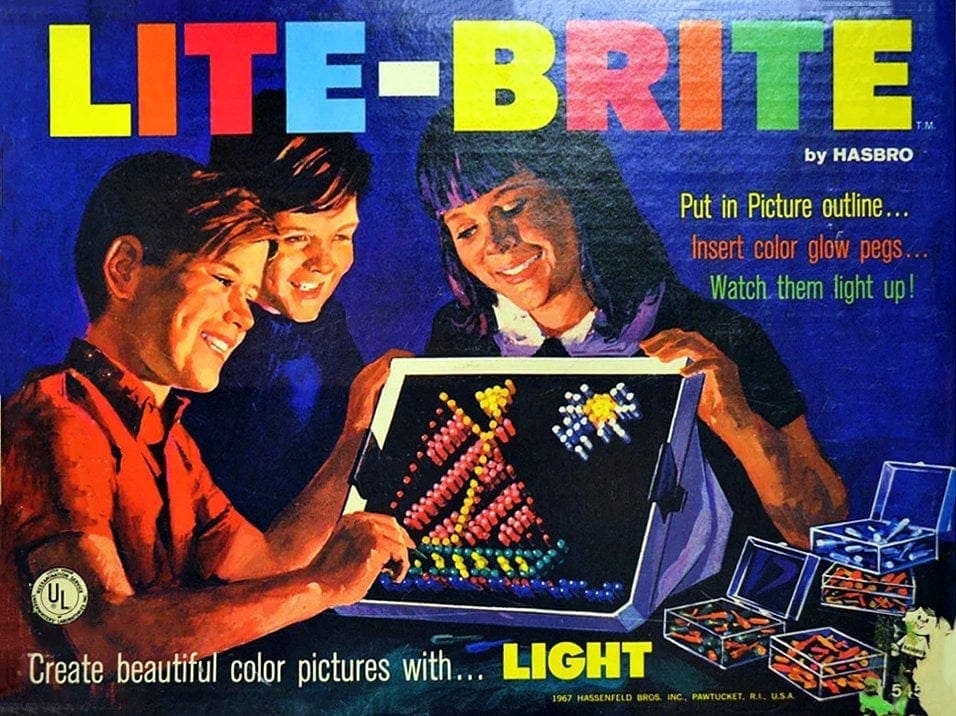
Lite-Brite stays high because it still does something most toys cannot: it takes a fairly simple act and gives it a dramatic payoff. Put the pegs in, dim the room, and suddenly the child’s homemade design looks like something much more impressive than it probably is. That transformation keeps the toy memorable.

In 1972, it also fits the visual culture beautifully. The decade already loves bold color, warm glow, and decorative impact, and Lite-Brite accidentally mirrors that aesthetic with near-perfect instinct. It is creative without being quiet, which makes it especially effective as a holiday gift.

It also earns its ranking because it rewards effort without becoming punishing. Unlike some analog challenge toys, Lite-Brite gives the child something satisfying almost immediately. That balance between work and reward is part of why it kept a foothold.

Fun Fact / Why It Still Matters Lite-Brite lasted because it made ordinary peg placement feel like illuminated art.
Etch A Sketch
1972

#6 — Etch A Sketch

Skill-and-Frustration Legend
Toy TypeDrawing toy
Brand LaneChallenge-based analog play
1972 Rank#6

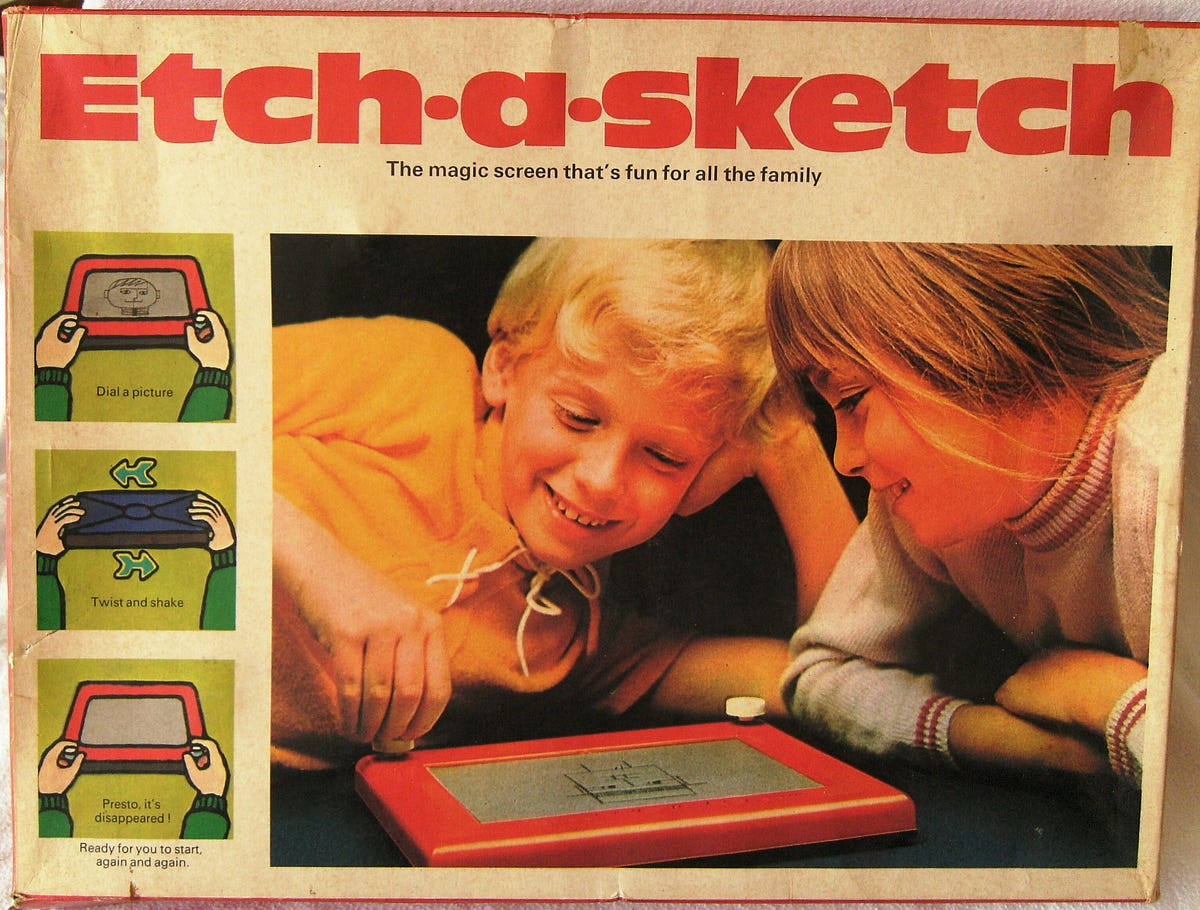
Etch A Sketch stays in the middle of the upper pack because 1972 still had a lot of love for toys that were a little stubborn. This thing never lied to you exactly, but it definitely let you believe you were more talented than you were. That tension between possibility and humiliation is part of the magic.

Unlike easier creative toys, Etch A Sketch made the child earn every line. The reward was not just a picture. It was the feeling of control, however temporary, over a mechanism that clearly wanted to embarrass you in front of your siblings.

It also remains one of the cleanest examples of how strong analog design can carry a toy across years without a huge amount of reinvention. The core idea is enough. That is a serious achievement.

Fun Fact / Why It Still Matters Etch A Sketch endured because it turned analog frustration into a challenge kids could not stop returning to.
G.I. Joe Adventure Team
1972

#5 — G.I. Joe Adventure Team

Gear-Heavy Adventure Engine
Toy TypeAction figure line
Brand LaneExpandable mission-based play
1972 Rank#5

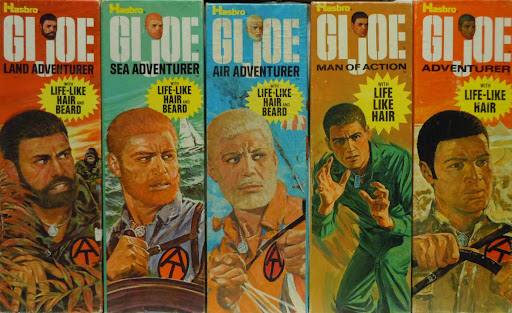
G.I. Joe Adventure Team stays high in 1972 because it is still one of the best examples of a toy line behaving like a full world rather than a single figure. The Joe itself matters, sure, but the real hook is in the gear, the vehicles, the scenarios, and the sense that every new accessory creates another mission.

That modular strength is why the line remains elite. A child can keep using the same central figure while the surrounding adventure changes shape. That is exactly the kind of design that creates durable obsession instead of one-season novelty.

In the context of 1972, G.I. Joe also helps keep the list from becoming too tabletop or preschool-coded. It is still a year with real appetite for big-scale action fantasy, rugged environments, and accessory-heavy pretend danger.

Fun Fact / Why It Still Matters G.I. Joe stayed powerful because it sold kids a mission system, not just a toy soldier.
Spirograph
1972

#4 — Spirograph

Pattern-Making Perfection
Toy TypeDrawing system
Brand LaneGeometric creative play
1972 Rank#4

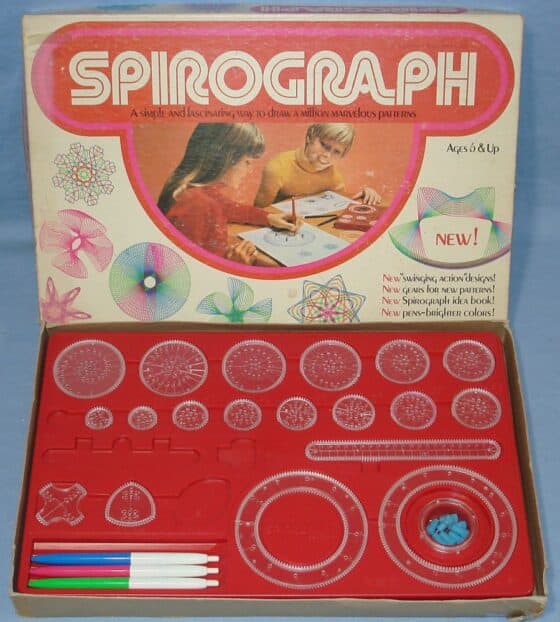
Spirograph pushes into the upper tier because 1972 feels especially hospitable to toys that blend craft-table creativity with visual wow factor. The gear system lets kids make designs far prettier and more elaborate than their actual drawing skills would normally permit, which is exactly the kind of illusion a great toy thrives on.

The toy also fits the aesthetic of the moment. The early 70s still have plenty of appetite for color, visual pattern, decorative oddness, and a hint of leftover late-60s design energy. Spirograph does not merely entertain. It feels visually of its time.

Its higher placement in 1972 also reflects how the decade is widening beyond pure vehicle and builder play. This is a year where a design toy can feel central, not niche.

Fun Fact / Why It Still Matters Spirograph stood out because it made kids feel like design prodigies with a plastic gear set and a pen.
Hot Wheels
1972

#3 — Hot Wheels

Speed-and-System Giant
Toy TypeDie-cast cars and track system
Brand LaneCollect-and-race obsession
1972 Rank#3

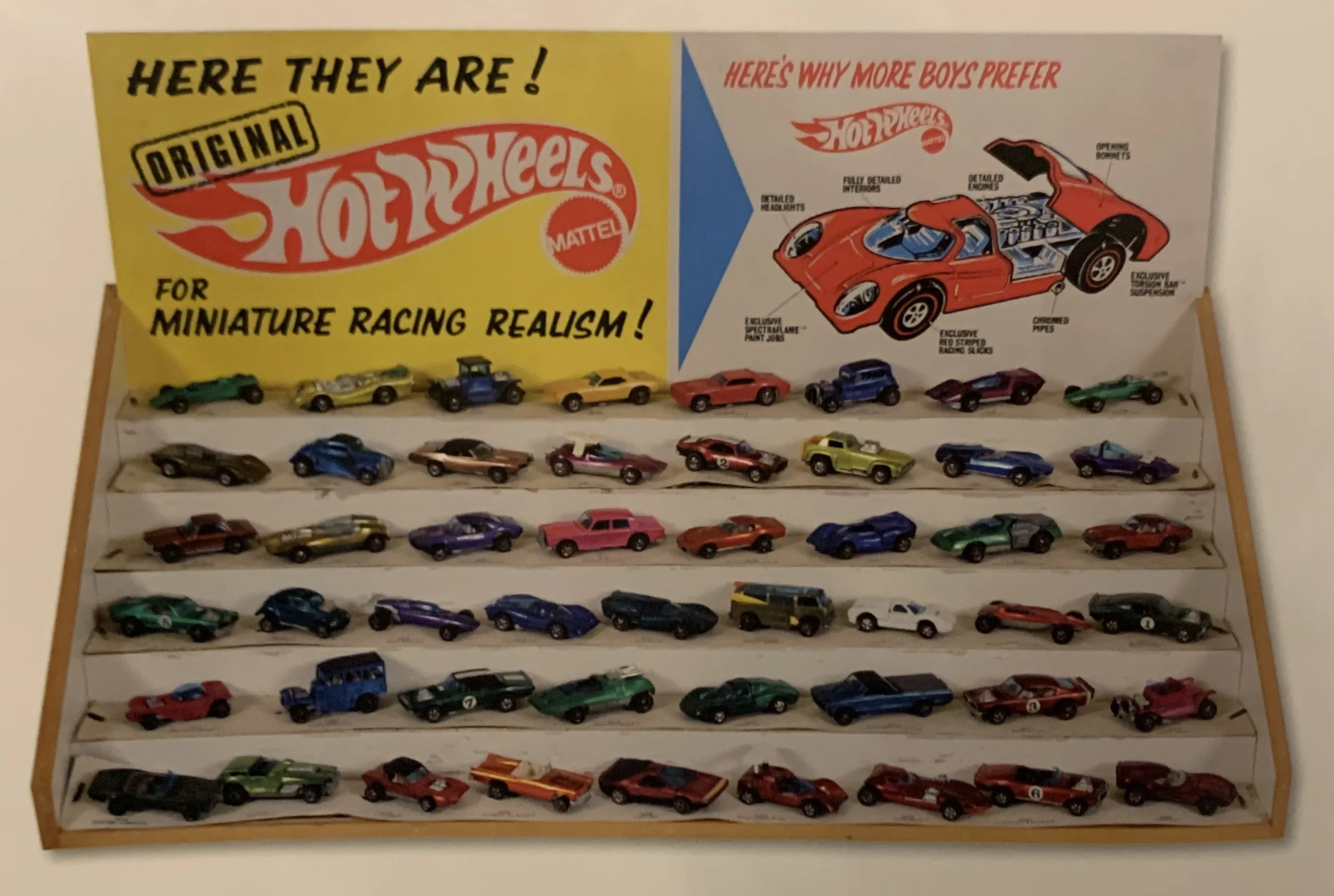
Hot Wheels stay near the top because they still do one of the smartest things any toy line can do: combine object desire with system play. The cars are cool enough to want on their own, but the tracks, boosters, ramps, and layouts are what turn the whole category into an ongoing household project.

By 1972, Hot Wheels feel less like a newcomer and more like installed infrastructure. They are part of the toy-box architecture now. Kids know what they are. Parents know what they are. Hallways know what they are, unfortunately.

They also remain one of the clearest examples of how early-70s toys could still build huge obsession around physical motion, repetition, and mild property damage instead of flashy electronics.

Fun Fact / Why It Still Matters Hot Wheels stayed huge because they turned a handful of small cars into an expandable speed ecosystem.
Barbie
1972

#2 — Barbie

Fashion Fantasy Economy
Toy TypeFashion doll line
Brand LaneLifestyle world-building
1972 Rank#2

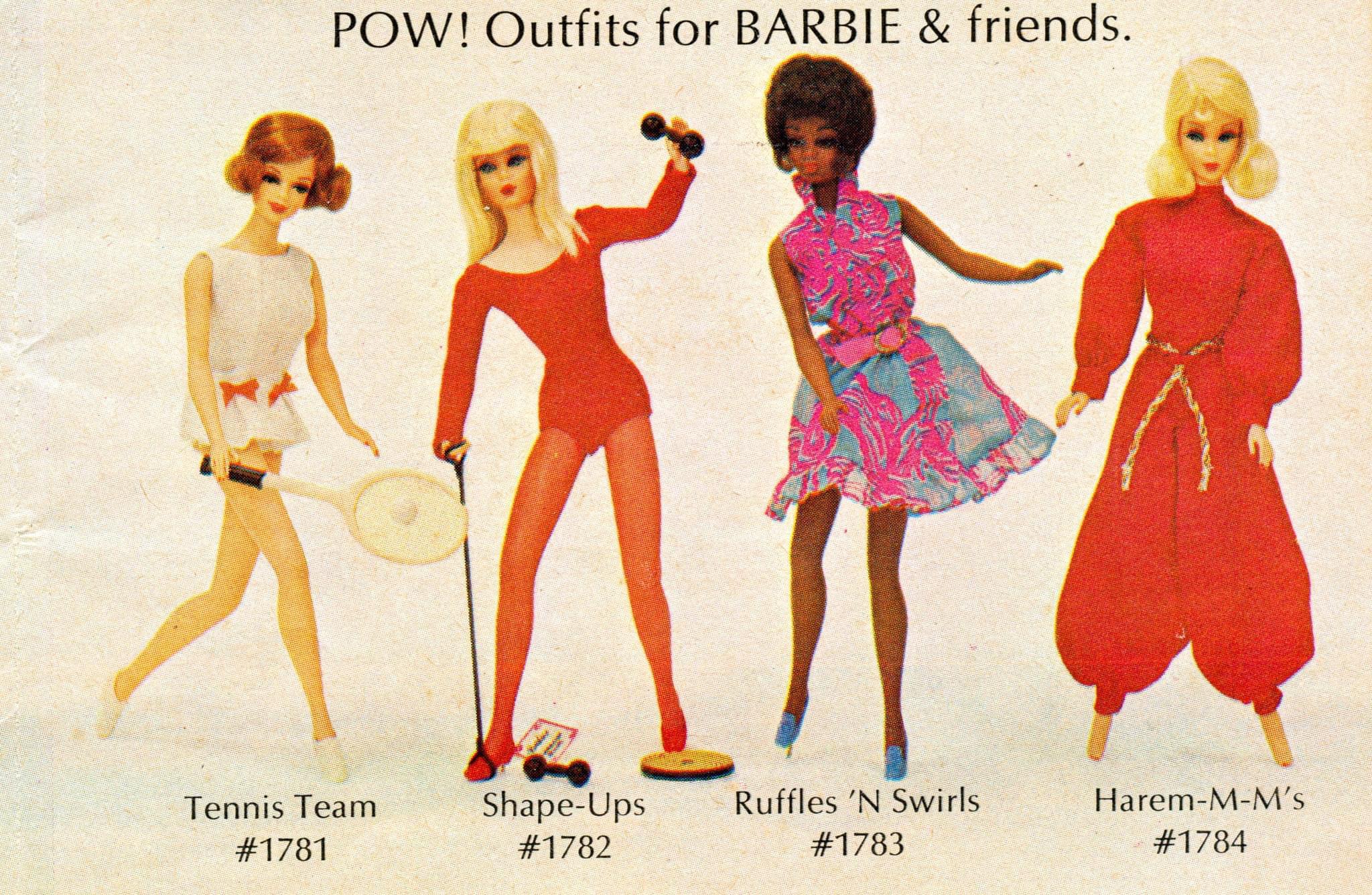
Barbie stays at #2 because she is still operating on a scale most toys cannot touch. By 1972, Barbie is not just a doll. She is a wardrobe system, a fantasy lifestyle, a social world, and a recurring reason for more gifts to enter the room later.

That is why she remains so hard to dislodge. Barbie does not depend on a single gimmick. She depends on expansion. Every change in fashion or fantasy can be folded back into the line. That makes the brand feel endless in a way few toy categories ever manage.

In the context of 1972, Barbie also acts as a reminder that while the toy aisle is broadening, some lanes are simply too powerful to surrender. UNO can rise. Spirograph can surge. Hot Wheels can dominate. Barbie still has her own continent.

Fun Fact / Why It Still Matters Barbie stayed near the top because she was already functioning like a self-renewing lifestyle system, not a one-box toy.
UNO card game
1972

#1 — UNO

Social Game-Night Breakout
Toy TypeCard game
Brand LaneFamily and group play
1972 Rank#1

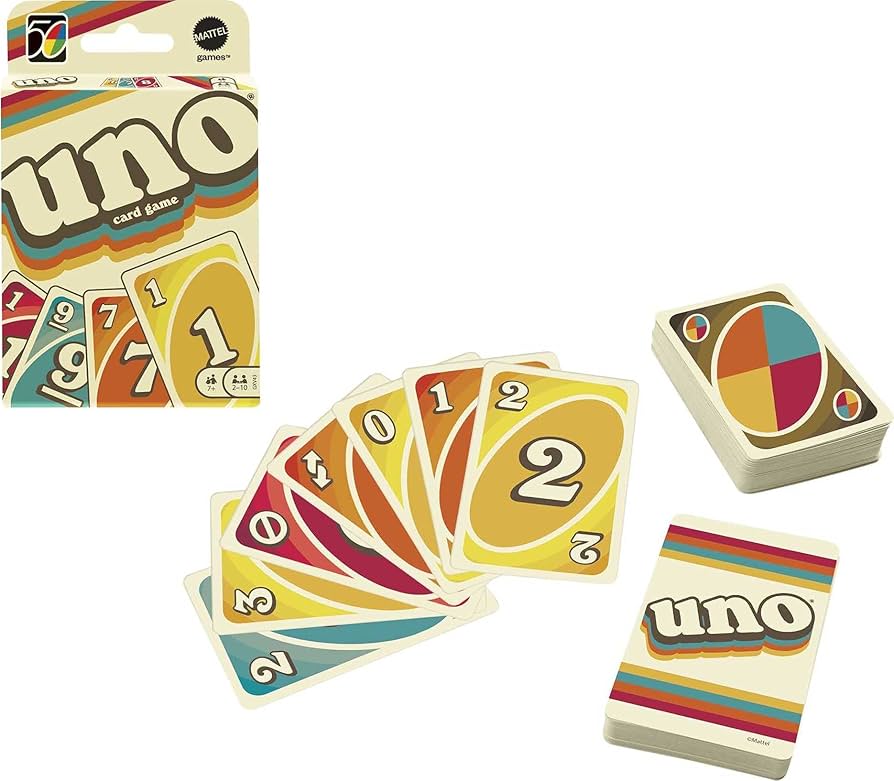
UNO takes the top spot because 1972 feels like the exact year the toy box discovers that a social ritual can be just as powerful as a physical object. The game is simple, colorful, loud, portable, and easy to teach — which is basically a perfect formula for becoming the thing everybody ends up playing whether they planned to or not.

What makes UNO such a strong #1 is that it represents a slightly different toy logic than the rest of the list. It is not about hauling, stacking, drawing, or driving. It is about replayability through people. The fun changes depending on who is at the table, who gets competitive, who forgets to call UNO, and who starts arguing about the rules like the family has been preparing for litigation.

It also says something important about 1972 specifically. The year is not abandoning tactile play — look at the rest of the countdown — but it is becoming more open to toys and games that generate shared ritual instead of solo floor-space domination. UNO feels like a widening of the whole category.

And that is why it works so well at number one. It is not just memorable. It changes the atmosphere of the room. A toy that can do that has a real claim to the year.

Fun Fact / Why It Still Matters UNO hit #1 because it turned one deck of colorful cards into a repeatable family ritual that could keep re-igniting itself every time it came out of the box.

Rewind Verdict

The top 10 toys of 1972 show the early-70s toy box broadening in a really interesting way. The old analog strengths are still there: builders, cars, drawing toys, art toys, dolls, action figures. But now there is more room for toys and games that create a shared ritual rather than just a solo obsession.

That is why UNO matters so much at the top. It represents a different kind of must-have energy. Not “this thing is loud and impressive,” but “this thing will keep coming out over and over because it works with people.” That is a subtle but important shift.

At the same time, 1972 is not remotely a break from the tactile core of the early 70s. Barbie still rules her lane. Hot Wheels still dominate speed play. Spirograph still makes kids feel like tiny art savants. G.I. Joe still turns one figure into a mission system. The decade is evolving, but it has not abandoned its physical soul.

For Gen X memory, 1972 feels like the year the toy aisle learns how to be both more social and more specialized without giving up the hands-on magic that made the early 70s so satisfying in the first place.

FAQ: Top Toys of 1972

What was the biggest toy of 1972?

UNO is the strongest editorial choice for #1 because it represents the year’s clearest shift toward social, replayable tabletop fun while still fitting the analog spirit of the early 70s.

Was there an official annual toy chart for 1972?

No. Like the earlier posts, this is a best-supported editorial ranking built from period context, catalog logic, and cultural staying power rather than one official year-end source.

Why is UNO ranked above Barbie and Hot Wheels?

Because this year’s post is trying to capture what feels most defining about 1972 specifically, and UNO represents a fresh center-of-gravity shift toward family and group play.

What changed from 1971 to 1972?

1972 feels a little less preschool-centered and a little more social and tabletop-oriented, while still keeping the same analog, tactile foundation.

What kind of toys dominated 1972?

A mix of creative toys, social games, dolls, speed systems, action figures, and builders — basically a toy aisle that was getting broader without losing its physical play roots.

Get the Weekly Gen X Drop

New videos, rewinds, and savage nostalgia — first.

JOIN THE NEWSLETTER WATCH VIDEOS

MORE REWINDS