Top 10 Toys of 1979 That Closed Out the 70s in Style

Top 10 Toys of 1979 That Closed Out the 70s in Style
Smells Like Gen X • Top Toys of 1979

The Top 10 Toys of 1979

The top 10 toys of 1979 feel like the year the 70s officially stop pretending they are still one thing. The old toy box is still here — still full of wheels, plastic, role-play, strategy, and the kind of hands-on physical chaos that made carpet burn part of the childhood experience — but now the future is taking up real shelf space. This is the year where classic analog play and electronic obsession stop politely coexisting and start openly competing for the same kid.

That is what makes 1979 so different from 1978. Last year was the warning shot. Star Wars figures arrived for real. Simon and Speak & Spell made electronics feel not just clever but desirable. In 1979, the aisle no longer looks like it is experimenting. It looks like it has chosen a direction. Kids still want to race, ride, stretch, stack, and care for dolls — but they also want sound, lights, systems, and toy worlds that already feel bigger than the box.

Like the rest of this series, this is a best-supported editorial countdown rather than a fake official chart. There is no one clean year-end toy ranking for 1979, so this list is built around cultural impact, shelf presence, longevity, era fit, and the toys that best capture what this year actually felt like: the last gasp of pure 70s analog glory colliding with the full rise of franchise play and home electronics.

Gen X Note: 1979 is the year the toy aisle starts feeling like two childhoods at once — one still built on plastic and pavement, the other already blinking, beeping, and tied to a galaxy far, far away.

Quick List: The Top 10 Toys of 1979

  1. Baby Alive
  2. Connect Four
  3. Big Wheel
  4. Barbie
  5. Hot Wheels
  6. Stretch Armstrong
  7. Speak & Spell
  8. Simon
  9. Star Wars Action Figures
  10. Atari 2600

Countdown: The Top 10 Toys of 1979

Baby Alive
1979

#10 — Baby Alive

Interactive Doll Play With Real Stakes
Toy TypeInteractive doll
Brand LaneRealistic caregiving play
1979 Rank#10

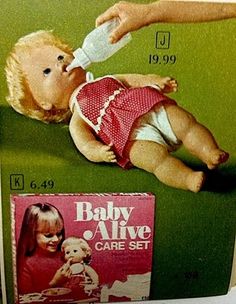
Baby Alive hangs onto the 1979 list because the late 70s still loved toys that turned pretend into a procedure. This was not a passive doll you just dressed and parked on a bed. This was a toy that asked the child to participate, manage, care, and treat play more like a routine than a mood.

That mattered in 1979 because kids were getting more drawn to systems. Some systems were electronic, some were franchise worlds, and some were tactile domestic simulations. Baby Alive fit that last category beautifully. It asked for involvement, not just projection.

It also helps show that the late-70s toy aisle was not only being transformed by screens and sound. Realistic role-play still had a place, especially when it felt immersive enough to make the child feel like they were doing something serious.

By the end of the decade, Baby Alive reads like a bridge toy. It belongs to the older world of dolls and caregiving play, but it also points toward the future by making interaction itself the product.
Fun Fact / Why It Still Matters Baby Alive stood out because it made doll play feel procedural, not just emotional.
Connect Four
1979

#9 — Connect Four

Fast Strategy That Never Overstayed
Toy TypeStrategy game
Brand LaneQuick tabletop competition
1979 Rank#9

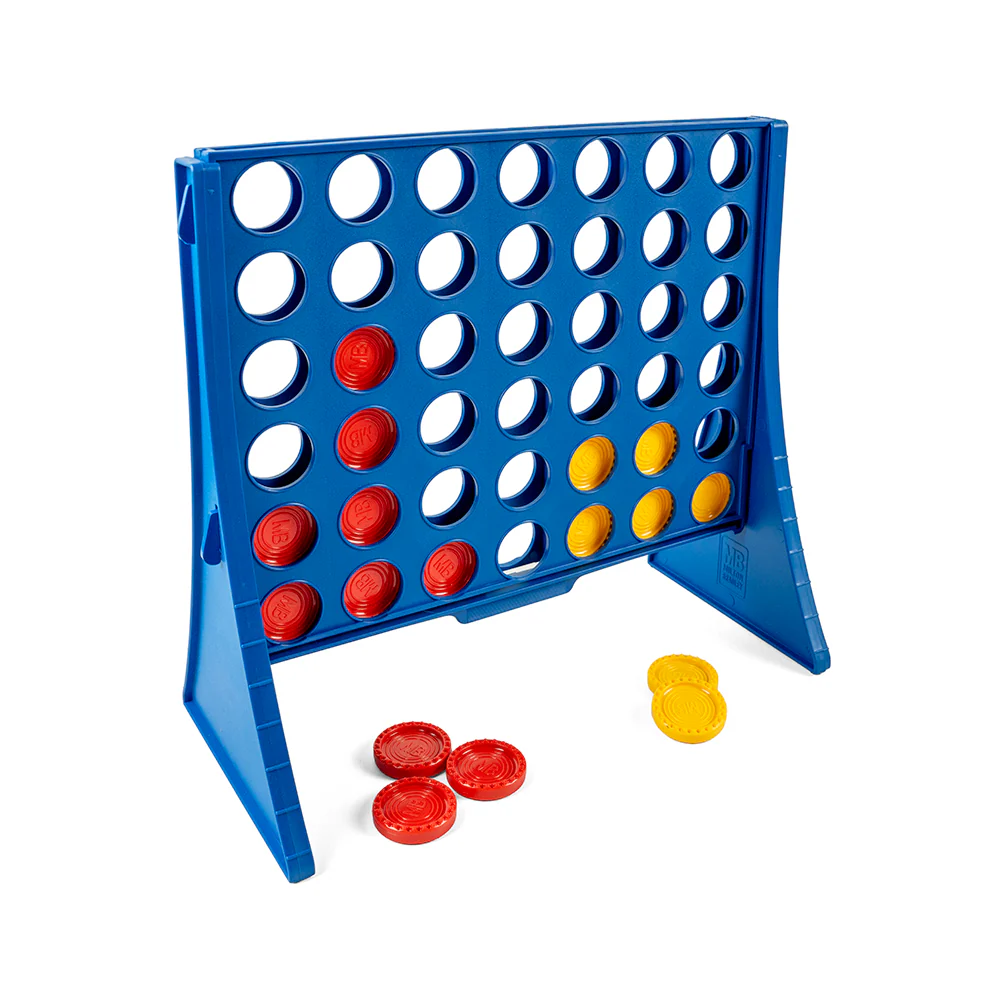
Connect Four stays in the ranking because 1979 may be louder, brighter, and more electronic than the years before it, but a toy that gets to the point still matters. The rules are simple, the rounds are fast, and the reset is practically an invitation to start arguing again immediately.

That efficiency gave the game real staying power. In a house increasingly cluttered with toys demanding batteries, setup, or some larger cultural explanation, Connect Four had the nerve to remain useful with almost no ceremony at all.

It also represents a crucial part of late-70s toy culture: not every hit was futuristic. Some were just brilliantly engineered for replay. The fun was in how quickly it got you back into the tension.

In hindsight, Connect Four feels like one of the smartest survivors of the decade. It did not need reinvention because the structure itself was already strong enough to outlast trend waves.

Fun Fact / Why It Still Matters Connect Four stayed relevant because it made strategy feel immediate instead of ceremonial.
Big Wheel
1979

#8 — Big Wheel

Sidewalk Status Machine
Toy TypeRide-on toy
Brand LaneOutdoor physical play
1979 Rank#8

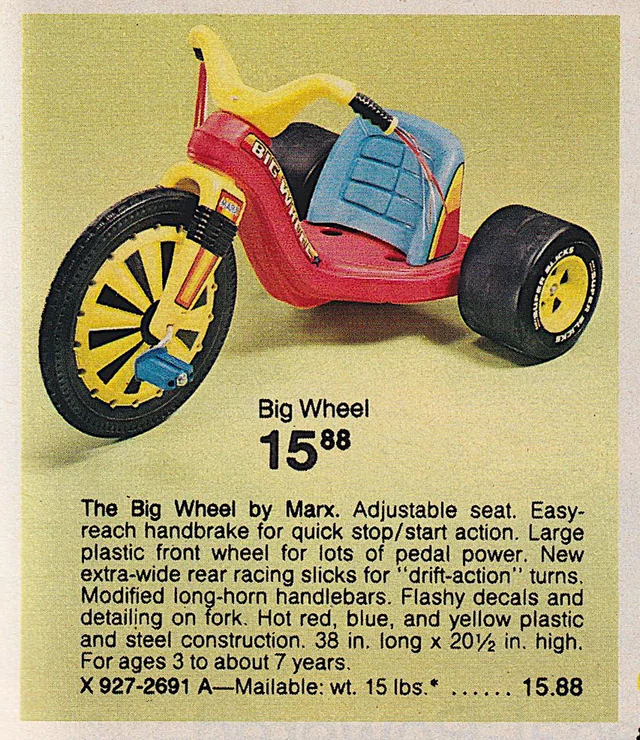
Big Wheel belongs here because even as the toy aisle moved toward electronics, a lot of childhood was still happening on concrete. This toy represented speed, swagger, and the kind of driveway-level confidence that turned every corner into a stunt and every skid into a personal triumph.

What made Big Wheel powerful was how quickly the fantasy clicked. You did not need a backstory. You did not need instructions. You sat low, pedaled hard, and acted like the block had become your personal racetrack.

It also keeps the 1979 list honest. The year was absolutely becoming more screen-adjacent and more electronically charged, but it had not stopped being physical. Kids still wanted toys that put them in motion and made the outdoors feel like their own stage.

Big Wheel feels like the perfect analog counterweight to the rest of the list. It reminds you that the end of the 70s still smelled like pavement and hot plastic as much as circuitry.

Fun Fact / Why It Still Matters Big Wheel lasted because it turned ordinary pavement into a whole performance space for kid-sized swagger.
Barbie
1979

#7 — Barbie

Still Running Her Own Economy
Toy TypeFashion doll line
Brand LaneLifestyle world-building
1979 Rank#7

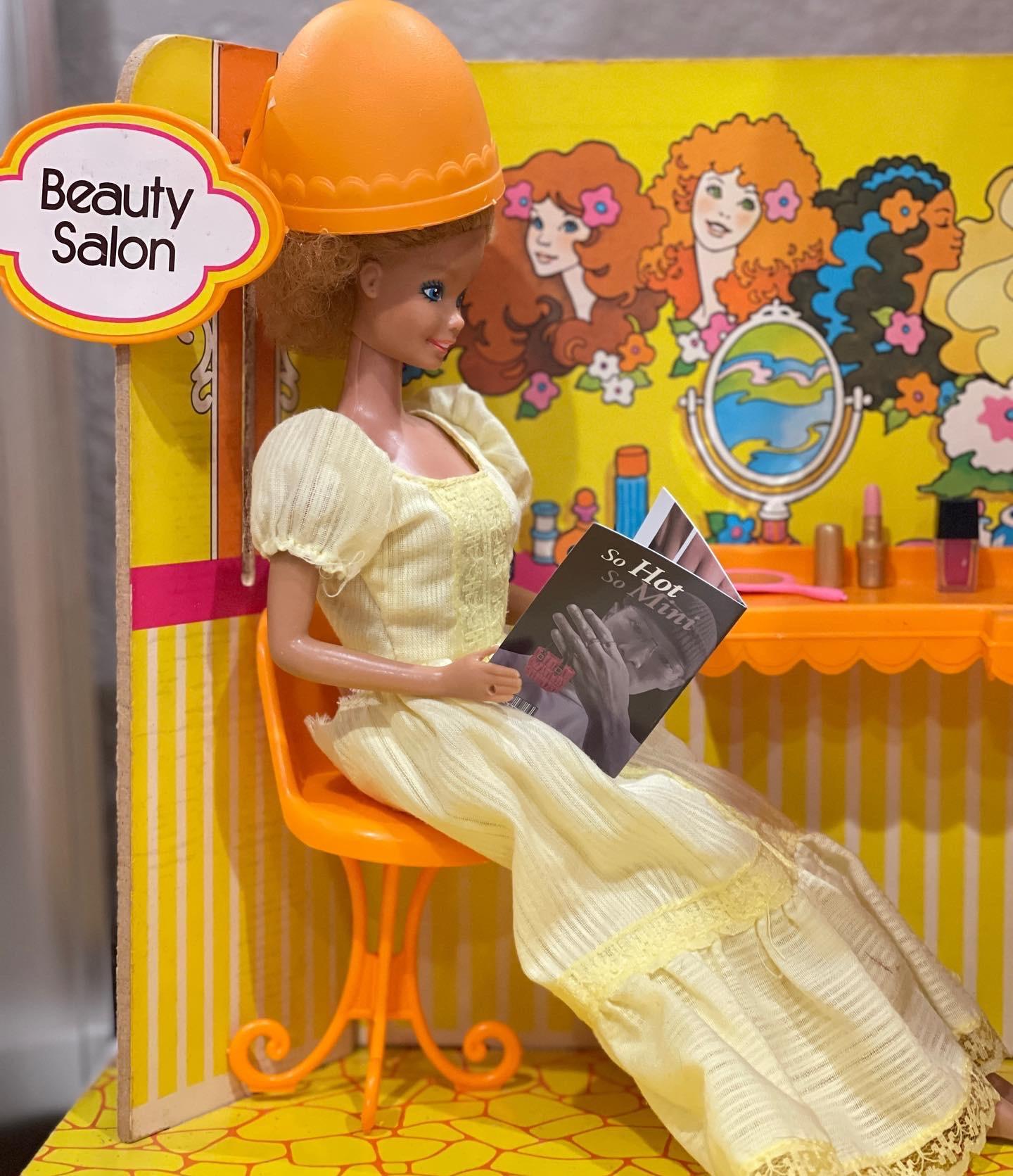
Barbie stays in the top 10 because by 1979 she is still functioning less like a toy and more like a fully operational retail continent. Clothes, social scenarios, aspiration, rooms, accessories, identity play — Barbie is not powered by one gimmick, which is exactly why she survives years that completely rearrange the rest of the aisle.

In 1979, that resilience matters. Electronics are rising. Franchises are taking over. Character loyalty is becoming more intense. Barbie does not disappear under that pressure because she already owns a full fantasy system. Kids are not just opening a doll. They are opening a whole ongoing storyline machine.

What changes is not her importance but the company she keeps. Barbie is no longer the obvious center of the toy conversation. She is one of the old guard proving that strong world-building can outlast almost any trend wave.

She also helps balance the list historically. 1979 is increasingly about systems, universes, and identity-rich toys, and Barbie was already doing that before many other brands figured out how powerful it could be.

Fun Fact / Why It Still Matters Barbie kept thriving because expandable role-play has a longer shelf life than almost any single-season craze.
Hot Wheels
1979

#6 — Hot Wheels

Still Owning the Fast Lane
Toy TypeDie-cast cars and track system
Brand LaneCollect-and-race play
1979 Rank#6

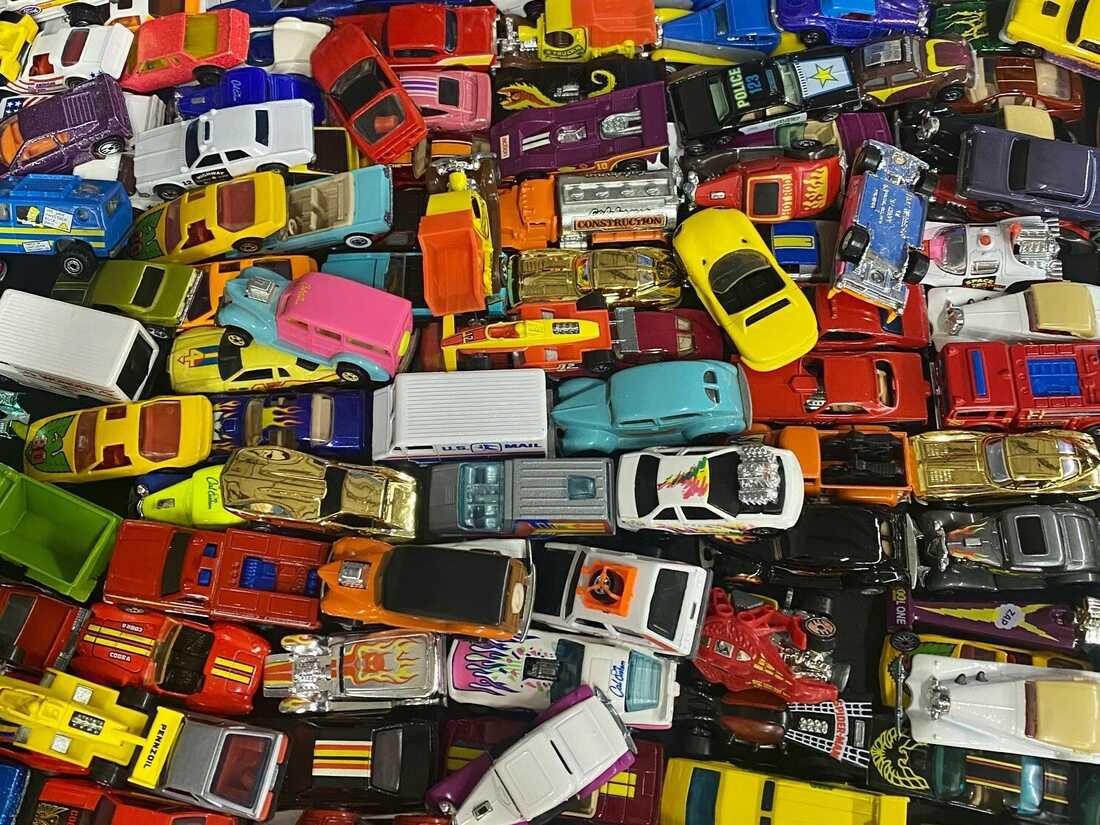
Hot Wheels remain one of the strongest lines in the room because they still do something most toys struggle to do well at the same time: they are collectible and they are active. You want the cars, but you also want to send them into loops, launchers, collisions, and totally unnecessary structural tests across the living room.

What changes in 1979 is the competitive landscape around them. Hot Wheels still dominate motion, but now they are sharing the aisle with toys that compete on sound, technology, or full-blown story-world devotion. That makes their staying power even more impressive.

They remain here because pure physical repeat play never fully loses its appeal. Kids may want galaxies and blinking memory games, but they still also want to crash tiny cars into each other until somebody gets told to stop.

As a 1979 toy, Hot Wheels feel like one of the last great examples of action without electronics — just velocity, track logic, and kid-powered obsession.

Fun Fact / Why It Still Matters Hot Wheels kept winning because the line delivered both object desire and actual action.
Stretch Armstrong
1979

#5 — Stretch Armstrong

The Last Great Pure Gimmick Monster
Toy TypeStretch action figure
Brand LaneFeature-driven action play
1979 Rank#5

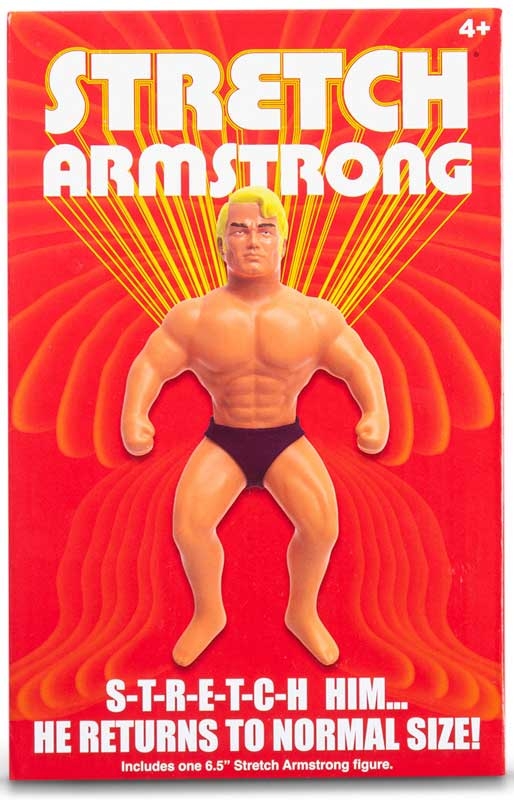
Stretch Armstrong stays high because even by 1979 the gimmick still sells itself. You do not explain him. You demonstrate him. That direct physical weirdness gives the toy enormous staying power, especially in an era where kids still loved anything they could show off dramatically to someone standing nearby.

By this point, Stretch feels like one of the last giant monuments to a very mid-70s philosophy of toy design: one unforgettable physical behavior can carry the whole product. That idea still works in 1979, but you can feel the aisle shifting away from it.

That is what makes him so interesting here. Stretch Armstrong is not the future anymore. He is the final great reminder of the toy era that came just before franchise worlds and electronics started eating everything in sight.

In a decade ending on a technological note, Stretch still feels gloriously primitive in the best possible way: no batteries, no instructions worth reading, just instant fascination and the possibility of catastrophe.

Fun Fact / Why It Still Matters Stretch Armstrong stayed huge because sensory weirdness and demo value are almost impossible to ignore.
Speak and Spell
1979

#4 — Speak & Spell

The Talking Future in Orange Plastic
Toy TypeElectronic learning toy
Brand LaneLearning-tech play
1979 Rank#4

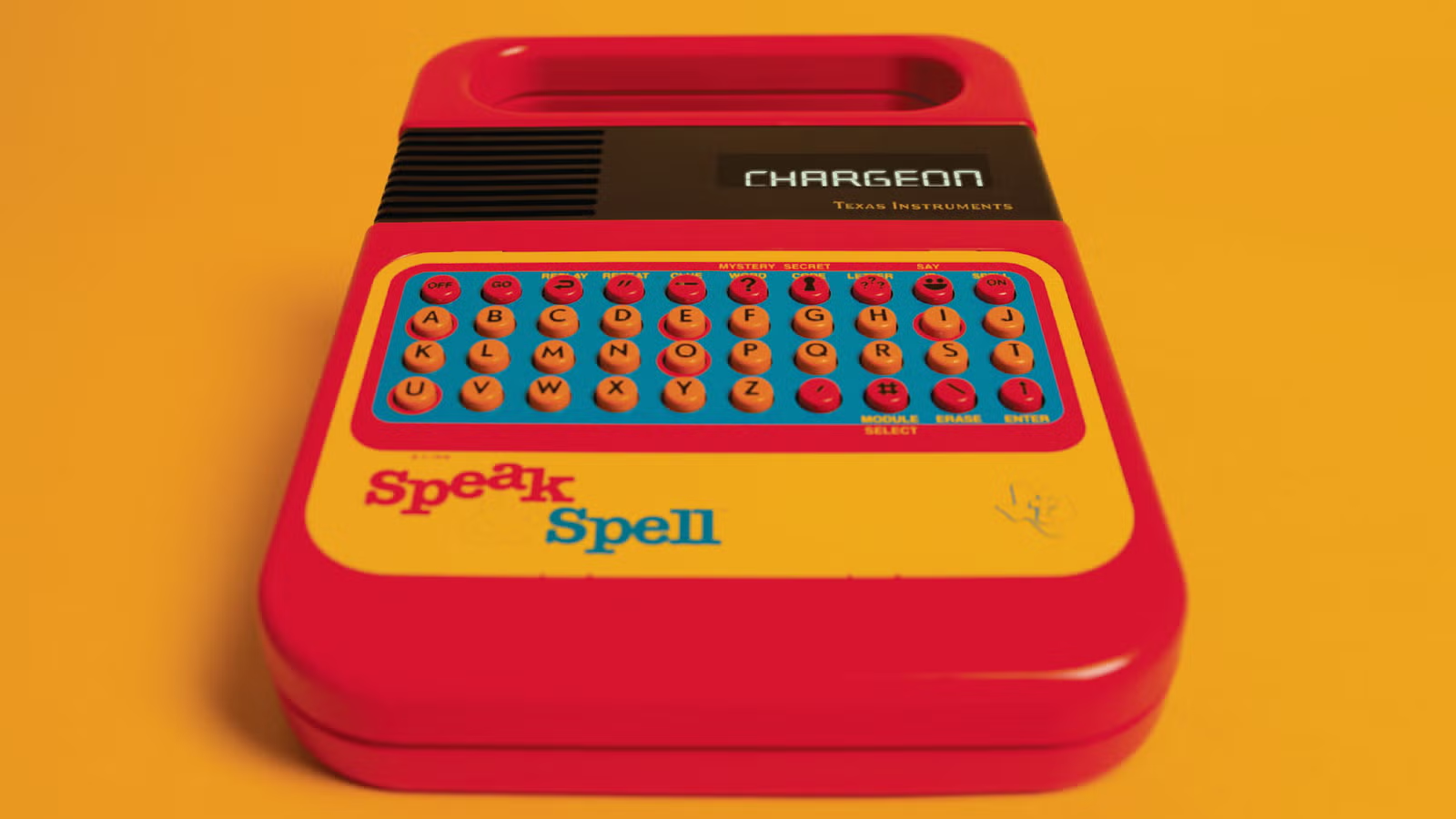
Speak & Spell ranks this high because by 1979 it no longer feels like an odd technological experiment. It feels like a real status object from the future. The voice, the keyboard, the screen, the whole idea that learning could now come out of a machine with personality — that had enormous late-70s power.

The reason it works so well in this year is that it satisfies both halves of the market at once. Adults can justify it because it looks educational. Kids want it because it talks, lights up, and feels like something a normal toy box from 1974 would have considered science fiction.

It also captures a major shift in toy trends: children are increasingly being sold not just play, but sophistication. Speak & Spell tells a kid they are not just having fun. They are interacting with technology, and that distinction mattered a lot by 1979.

That is why it ranks above most of the analog holdovers. It represents not just a popular product, but a different emotional texture in the toy aisle — one that sounds mechanical, futuristic, and strangely grown-up.

Fun Fact / Why It Still Matters Speak & Spell stood out because it made educational play feel futuristic instead of dutiful.
Simon electronic game
1979

#3 — Simon

Blinking, Bleeping, and Unmistakably Cool
Toy TypeElectronic memory game
Brand LaneSound-and-light challenge play
1979 Rank#3

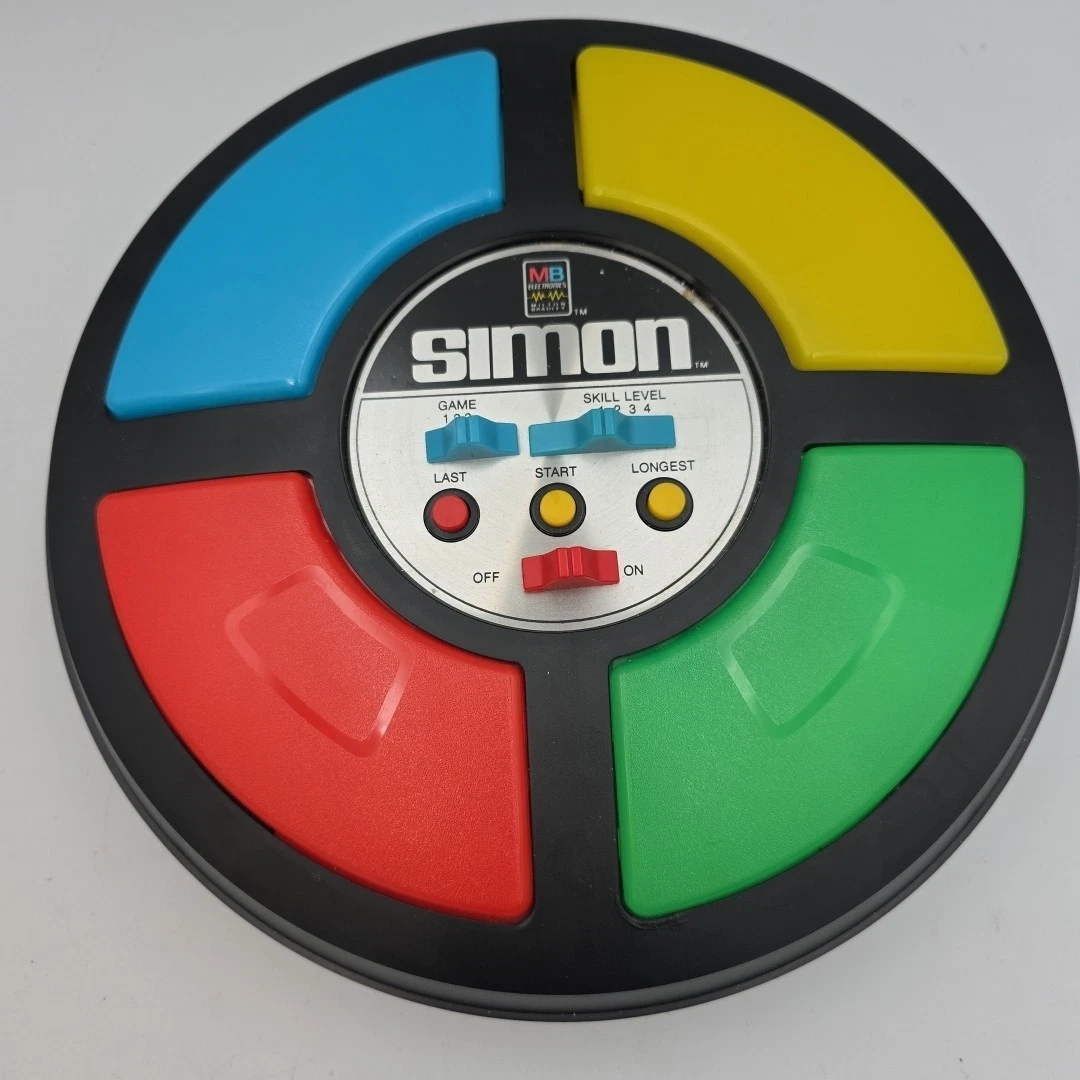
Simon lands at #3 because it is one of the cleanest symbols of late-70s toy cool. The shape is distinctive. The sounds are instantly recognizable. The challenge is simple to explain and weirdly humiliating to fail at. In other words, perfect.

What makes Simon especially powerful in 1979 is that it no longer feels like a novelty. It feels like a marker of where the toy aisle is headed. Electronic toys are no longer just for adults to point at and call impressive. Kids actively want them because they look and sound like the future.

Simon also benefits from being brutally replayable. Unlike some flashy toys that get admired once and drift into the closet, Simon keeps inviting competition, frustration, and one more try. That gave it staying power beyond the initial wow factor.

In a year that increasingly rewarded systems, Simon had one of the cleanest systems of all: color, sound, memory, pride, failure, repeat. No wasted motion.

Fun Fact / Why It Still Matters Simon endured because it turned memory, sound, and intimidation into one perfectly self-contained late-70s object.
Star Wars action figures
1979

#2 — Star Wars Action Figures

The Franchise Era Is Fully Locked In
Toy TypeLicensed action figure line
Brand LaneMovie-driven world play
1979 Rank#2

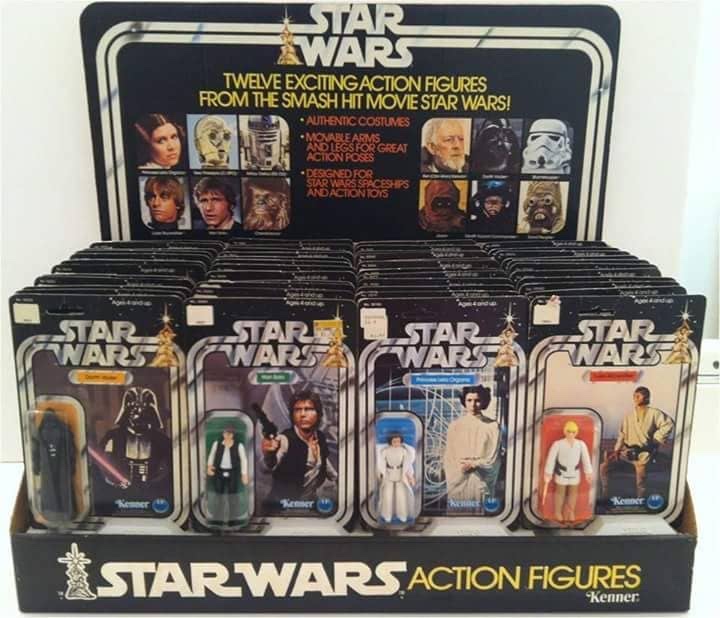
Star Wars action figures sit at #2 because by 1979 this is no longer just a hot toy line. It is the new logic of the aisle. Kids are not merely buying figures. They are buying access to a world they already know, already love, and already want to keep expanding one character at a time.

That is what makes the line different from older action brands. It is not built around one hero, one gimmick, or one toy-sized scenario. It is built around a universe. That gives it a scale and emotional pull that most earlier lines simply could not match, no matter how good the sculpting or accessories were.

In 1979, that influence spreads everywhere. The industry can now see exactly what happens when a toy line lets kids replay, extend, and remix a blockbuster story at home. That changes expectations permanently. The toy box is no longer just where you invent things from scratch. It is also where you continue a saga.

That is why Star Wars ranks this high again. It is one of the clearest signs that 1979 is the year franchise play stops feeling like a phase and starts feeling like the permanent center of gravity.

Fun Fact / Why It Still Matters Star Wars stayed enormous because it sold kids an expandable universe, not just a handful of figures.
Atari 2600
1979

#1 — Atari 2600

The Toy Box Officially Meets the Television
Toy TypeHome video game console
Brand LaneElectronic home entertainment
1979 Rank#1

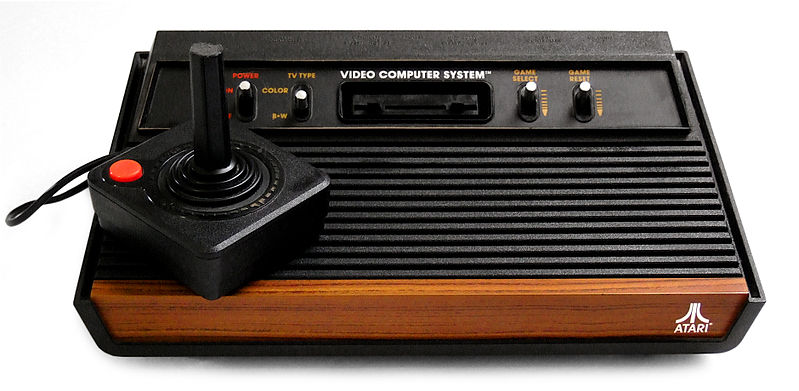
Atari 2600 takes the top spot because 1979 is the year the future stops hovering nearby and actually plugs into the living room. This is bigger than a single hot toy. It is a new model of play. Instead of just opening a box and using what is inside it, kids are now engaging with a system that can keep changing based on what cartridge gets pushed in next.

That shift is huge. The Atari 2600 does not just offer one kind of fun. It offers a platform. That alone makes it feel more modern than most of the aisle. It turns the television into part of the toy environment and makes electronic play feel less like a novelty and more like a serious direction for childhood.

It also captures what makes 1979 so historically important. Star Wars changes the logic of licensing and franchise desire. Simon and Speak & Spell change the emotional appeal of electronics. Atari 2600 changes the architecture of play itself. It brings the screen into the center of the room and dares everything else to adjust.

That is why it belongs at #1. Not because it erased the older toy world overnight, but because it announced, more clearly than anything else on this list, where the next era was headed. By the time 1979 ends, the toy aisle is no longer just plastic and imagination. It is also hardware, software, and the beginning of a much more screen-shaped childhood.

Fun Fact / Why It Still Matters Atari 2600 hits #1 because it turned the TV into a play system and made “the console” itself the gift.

Rewind Verdict

The top 10 toys of 1979 show the 70s closing out in a split-screen moment. One half of the decade is still alive and well: Big Wheel, Barbie, Connect Four, Baby Alive, Hot Wheels, and Stretch Armstrong all represent older forms of play built on physical movement, role-play, strategy, or one unforgettable gimmick. That world is not gone.

But the other half is clearly winning the argument. Atari 2600 changes the shape of play by moving it onto the television. Star Wars action figures prove that franchise worlds now carry enormous weight. Simon and Speak & Spell show electronics are no longer side attractions. They are the new center of desire.

Compared with 1978, the difference is confidence. Last year the new forces arrived. In 1979 they settle in, spread out, and start looking permanent. The old analog classics still have real strength, but they are now sharing the room with toys that sound, speak, blink, and connect to larger systems kids can keep returning to.

For Gen X memory, 1979 feels like the year the toy aisle officially stops being one thing. It becomes half driveway, half control panel — and that split would define a lot of what came next.

FAQ: Top Toys of 1979

What was the biggest toy of 1979?

Atari 2600 is the strongest editorial choice for #1 because it best captures the year’s most important shift: the toy aisle moving decisively toward home electronic entertainment.

Was there an official annual toy chart for 1979?

No. Like the other posts in this series, this is a best-supported editorial ranking based on cultural impact, shelf presence, longevity, and how strongly each toy represents the feel of the year.

Why rank Atari 2600 above Star Wars action figures?

Because this ranking is about which toy most defines the year’s deeper shift. Star Wars was enormous, but Atari 2600 represents a bigger structural change in where and how kids were starting to play.

How was 1979 different from 1978 in toys?

1978 felt like the arrival of electronics and franchise obsession. 1979 feels like consolidation — the point where those trends stop looking new and start looking permanent.

What toy trends defined 1979?

The biggest trends were home video gaming, franchise action figure worlds, electronic challenge games, talking educational toys, and the last strong run of classic analog toys that still refused to be pushed out completely.

Get the Weekly Gen X Drop

New videos, rewinds, and savage nostalgia — first.

JOIN THE NEWSLETTER WATCH VIDEOS

MORE REWINDS